Actually, up high near Everest, paths start from places like Lukla, Surke, or Jiri - each tells a different story underfoot. One route may save money but asks more time on rocky slopes. Views shift from green hills to sharp peaks depending on where you begin. Travelers often notice how thin the air feels sooner on some trails than others. Choices change what you carry, who you meet, and when you rest. Every EBC Trek path shares the same goal, yet nothing else lines up quite the same way.
Overview Introduction
The journey to Everest Base Camp (5,364m) begins by weaving together a mix of lesser-known paths. Each trail adds something distinct, yet they all point toward the same iconic endpoint. Instead of one single road, travelers meet split choices that eventually merge ahead. Step by step, these threads form what many now call a classic high-altitude route. Distance varies, but elevation ties every path together near the foot of the tallest peak.
In fact, Everest Base Camp Trek starting from Lukla means a shorter walk but steeper climbs right away. EBC Trek from Surke, trails unfold slowly through green hills and quiet villages. EBC Trek starting from Jiri draws those who want days of gradual ascent under open skies. Each path changes how long you hike, how high you go, and what local life you meet along the way.
Not every path fits all - some match beginners, others suit pros, depending on pace, price, or how wild you want it. So knowing how paths differ helps you prepare well, stay safe, yet enjoy the hike more.
Multiple Trails Exist
On top of that, different paths to Everest Base Camp were built by Nepal so people could handle shifting weather, get around more easily, move through regions smoothly. Access became less crowded thanks to these trail options spreading out the flow.
Here, faster access marks the path through Lukla, whereas Jiri keeps alive the older way of mountain walking. Flying into Lukla sometimes stops, so some choose the Surke path instead. So different paths mean better access, handling of risks, one area gets less pressure while others benefit too.
One goal shared across places
Cultural and Scenic Differences
Farther along, travelers meet Rai people before reaching Tamang settlements - each stop adds layers to the journey's human texture. Far from busy roads, the Surke path winds through quiet woods and old-style farm villages.
Moreover, flying into from Kathmandu Lukla reveals steep hills right away instead of long bus rides. Up there, villages carry on old mountain ways without much change. So much depends on which path you take - culture sticks closer, views go deeper, movement finds its pace.
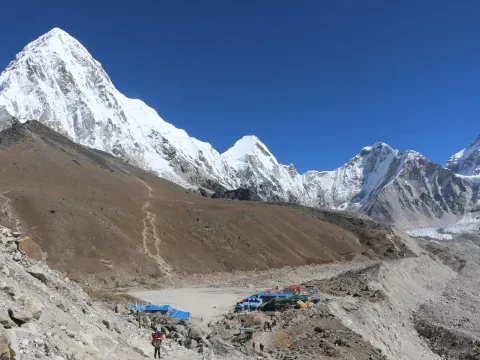
High Elevations and Body Strain
Starting higher up, Jiri’s path to Everest Base Camp climbs slow. This helps bodies adjust better to thin air. Fewer jumps in height mean less shock along the way.
Faster climbing comes with the trail through Lukla, so adjusting slowly matters more than speed. How well the body adapts decides safety here.
Starting high but not too steep, the Surke path eases climbers into thinner air. Each day unfolds with steady yet gentle climbs, letting bodies adjust without strain. Instead of sharp ascents, it offers a rhythm that feels almost natural. This trail treats elevation like a slow introduction, not a shock. So, how you train should line up with the path you pick for Everest Base Camp. That way, your body gets ready the right way.
Cost and Time Differences
Fees shift depending on how far you go, also what gear and support you need along the way.
Flying into Lukla means extra expenses pop up fast. Shorter schedules pack things tightly, pushing prices higher. Choosing the Jiri path means less spent on planes, though meals and beds cost more. While airfare drops, staying and eating adds up quicker here. Route choices shape how money gets set aside. Planning where to go tells you what to pay for.
Environmental and Crowd Influences
What stands out is how trail usage changes sharply from one path to another. Fewer people walk the trail outside peak months. Busy skies fill the air above Lukla during high season.
Trails on the Jiri path stay calm, while Surke brings fewer crowds at lodges. Quiet stretches define both options, each easing strain on shared spaces. Many who want quiet tend to skip Lukla as their starting spot.
Comparison Table:
| Route | Starting Point | Duration | Cost Range | Trail Experience |
| Lukla to EBC | Lukla (2,860m) | 12–14 days | USD 1,200–1,600 | Fast, scenic, crowded. |
| Surke to Ebc | Surke (2,290m) | 14–16 days | USD 1,000–1,400 | Quiet, balanced. |
| Jiri to EBC | Jiri (1,905m) | 20–22 days | USD 900–1,300 | Classic, cultural. |
Concluding Insight
In conclusion, some people pick one path to Everest Base Camp, others choose a different way entirely. Each route fits distinct needs, shaped by time, fitness, or preference. Not every journey looks the same up there. Options open up once you start planning beyond the usual trail. Footsteps change with every path, yet they all lead where the others do.
Most importantly, picking paths wisely makes travel feel better, keeps you out of trouble, and sometimes even lifts your mood a little. While going somewhere, how you go matters more than people think. So trekking paths depend on how much time someone has, their physical shape, one's taste in scenery. That shapes everything.
Footsteps on the old path from Lukla begin where thin air shapes every breath. Real conditions meet travelers long before they reach base camp. Each stage climbs higher than the last, demanding slow steps and steady rhythm. Altitude marks its presence through quiet warnings felt in fatigue. Rest days are placed ahead of steep gains - timing matters more than speed. Local teahouses break up nights with warm rooms and simple meals. Expenses add up quietly: permits, guides, gear carried by others. The journey unfolds without shortcuts, shaped by weather and endurance.

Route Introduction
The Lukla to Everest Base Camp path still draws more trekkers than any other in Nepal. Up ahead, Lukla sits at 2,860 meters where the path begins. From there, the trail cuts straight into Khumbu country. A stretch of wild terrain shapes the backdrop. Sherpa traditions give depth to each step. Getting around works without fuss. Most people hiking here for the first time go with this well-known path to Everest Base Camp.
Lukla Flight Experience
The journey kicks off with a plane ride into Lukla, sitting at 2,860 meters from Kathmandu or from Manthali. This high-altitude arrival sets the scene in stark relief. A fogless sky matters most when wheels touch that steep, brief strip. Expert hands on controls make the difference up there where air thins fast.
When travel demand climbs, schedules often slip out of sync. Busy times mean planes wait longer on tarmacs. Routes get backed up without warning. Even short hops face holdups when skies fill up. Built into most itineraries, extra days help when flights shift unexpectedly near Lukla.
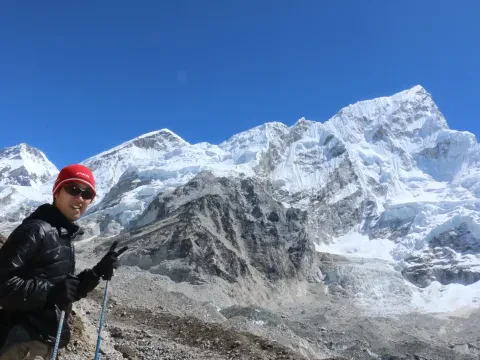
Early Trail Sections
Down below, the path leads to Phakding at 2,610 meters, tracing alongside the Dudh Koshi River, which begins up high near 4,000 meters. Trees crowd the start of the trail, while high wires stretch above rocky drops. Most days involve steady walking to help bodies adjust gradually. Yet each step supports how well people adapt over time.
Few realize how much the start shapes what comes later on foot. A slow beginning quietly builds strength that lasts deep into the journey.
Adapting to altitude in Namche Bazaar
Here, Namche Bazaar sits at 3,440 meters, a key spot where travelers adjust to thin air. Higher altitude means slower steps, heavier breaths. This town gives bodies time to adapt before pushing farther up. Rhythms shift here, minds slow down too. Trekkers complete side hikes toward Everest View Hotel (3,880m).
Actually, Namche Bazaar is the first and best place for acclimatimation during Everest Base Camp Trek. There are a few but best things to do in Namche Bazar during your stay. Explore them and enjoy the day.
Further, climbing slowly helps your body adjust better. That way, you're less likely to feel sick from the height. Few people make it up without taking time to adjust. Staying steady on the climb means letting your body adapt first.
Higher Altitude Progression
Further, the path moves on past Tengboche Monastery at 3,867 meters, with Ama Dablam towering above it - 6,812 meters tall - further along. Folks on foot make it to Dingboche, sitting at 4,410 meters. Beyond that lies Lobuche - higher up, near 4,940 meters above sea level. Bare rock spreads where plants grow sparse. Ice-scarred terrain takes over the high ground. When one lasts longer physically, the mind must keep up just the same.
Last Steps to Base Camp
Only after crossing rough terrain does the path arrive at Gorak Shep, sitting high at 5,164 meters. From there, it climbs still higher - Everest Base Camp waits ahead at 5,364 meters. Frozen rivers shape the path ahead near 4,900 meters. Facing away from the peak, the base camp still fills you with quiet pride. At this height, what you accomplish matters more than how things look.
Cost and Logistics
Flying into Lukla keeps prices up along that trail. Typically, each traveler pays somewhere from 1416- 1780 USD. Covered costs are things like permits, flights, guides and porter plus meals and accommodation along the trail. Guides help out during the journey, while porters carry gear up steep paths. Lodging is arranged each night after long walks through rough terrain. Finding your way through costs keeps trouble away later on.
Key Advantages
Final Assessment
At last, getting from Lukla to Everest Base Camp mixes speed with old-school trail charm. People short on time but fairly steady on their feet will find this works just fine. Facing higher altitudes? Give your body time to adjust. Storms can shift fast - plans should too. This path still shapes what Everest journeys are known for.
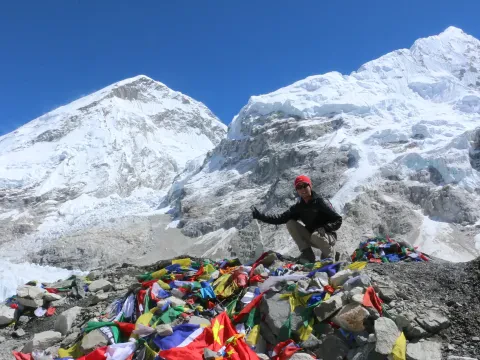
Flying into Lukla? Many trekkers do it for the Everest Base Camp route. Risk at the airport makes some nervous - short runway, mountain edges. Cost adds up fast compared to other trailheads. Altitude hits hard right after landing. Weather often delays flights, sometimes days. Some travelers feel it skips part of the journey. Others say it saves time for tougher climbs ahead. Views on approach surprise even seasoned hikers. Not everyone agrees it’s worth it.
Lukla Flights Overview
Lukla (2,860m) greets trekkers midair - that first landing sets the rhythm. Few mountain arrivals match its raw immediacy. Flying into Lukla saves hours that trails would eat up. Getting there fast means more daylight for hiking later. The airstrip sits right at the doorstep of classic routes. Trails already link villages, teahouses, gear shops - all built over decades. Fewer steps on foot, yet the height gained comes fast. Higher up sooner, even as ground travel shrinks. For this reason, many who trek to Everest begin their journey in Lukla.
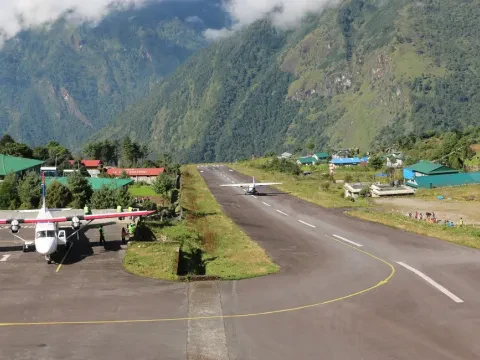
At two thousand eight hundred sixty meters, Tenzing-Hillary Airport sits high on the list of tricky mountain runways across the globe. Down below, the ground tilts sharply before stopping cold at towering rock faces. Flying depends on clear sight, plus brief chances to touch down. What matters most shows up only when clouds stay away. Clear skies matter a lot, yet skill behind controls holds equal weight.
Weather and Delays
Flying into Lukla works best when mornings stay calm and clear. Flying gets delayed when clouds hang low, winds pick up, or sight turns poor. Mornings here start later when crowds build up across the trail. Some travelers find their flights shifted to Ramechhap Airport - just 474 meters above sea level - as routes fill fast in busy months. Flexibility in planning matters most when trekking out of Lukla.
Cost and Logistics
Flying into Lukla? Expect to pay anywhere from 180 to 220 dollars each way. Though prices shift slightly by season, most travelers find it lands right in that window. Not cheap, mind you - but what else would you charge for a runway wedged between cliffs?
Bumpy skies ahead when summer rolls around - bigger planes cost more. Winter? Not always cheaper, depends where you fly from. Jet size shifts the number fast. Some airports charge extra just to leave.
Flights come with many packages; those hiking solo need extra cash. So night stays might run longer if flights shift around. Plans need room for that kind of change.
How Trekking Affects the Mind
Right off the bat, touching down in Lukla hits hard emotionally. Fear rides alongside excitement, anticipation tagging close behind. A moment stretches thin when walking these paths.
Fog lifts early on, shaping how climbers see the trail ahead. The weight of high altitude already pressing into thoughts before dawn breaks. Steep paths demand focus by midmorning light. Each breath feels heavier than the last step taken. Mountains do not hurry, yet urgency builds in silence. Cold air shapes decisions more than maps ever could.
Right there, Lukla shifts your mind without warning toward the Khumbu. One step changes everything.
Infrastructure and Services
Actually, Lukla (2,860m), much like others, has places to sleep along with spots to buy equipment; money services sit beside small bakeries too. Folks sort out porters, guides, tickets - everything runs smooth right here.
Out here, the village handles most supply work for the area. Its role keeps things moving across nearby zones. From this spot, deliveries spread out in every direction. Movement through here shapes how goods reach distant spots. Few trails run so well because of what Lukla provides.
Environmental Pressure
Lukla’s natural surroundings take a hit as more trekkers pass through each season. Piles of trash pile up while paths fill beyond capacity, testing how well green goals hold up. Flying near these areas? Permission comes only through local offices. Hiking too - each trail needs approval before anyone steps foot. Rules here do not bend easily. Footprints fade, yet how we walk through wild places matters just as much.
Why Trekkers Choose Lukla
Flying there last minute saves time - though it asks you to face steeper odds. Yet reaching Lukla by air cuts down travel while demanding careful choices. Few hours on foot? Only if you trained hard before. That trail fits tight schedules plus serious readiness.
Staying alert to changing skies means better outcomes. Extra time built into plans handles surprises well. Lukla still opens the door to Everest journeys.
Walking begins in Lukla, climbs toward Namche Bazaar. Elevation shifts step by step, each day adds height slowly. Trails wind through rocky paths, past prayer flags fluttering above streams. Crossing swaying bridges comes often, ropes creak underfoot. Time spent at higher spots helps bodies adjust, rest days matter most. Thin air arrives early, breath grows short without warning. Villages appear around bends, smoke rises from stone homes. Footsteps match pace of locals carrying loads uphill. Views open suddenly - snow peaks behind pine trees. Rest happens where trails flatten, hearts slow down.
Trail Overview Introduction
Here, the path from Lukla to Namche Bazaar is where most climbers begin their journey toward Everest Base Camp. Ahead lies a look at climbing height, how the land moves underfoot, followed by moments lived within local ways. What shows up here shapes pace, texture, experience - not just path, dirt, scenery. Into thinning air goes one part; into steady step patterns another; into shared customs, stories, presence - the third.
Some trekkers take a full day just to cross this part. Others split it into morning and afternoon sections across two separate days.
Few realize how much a head start matters when climbing. Tough routines at first make reaching the top far more likely.
Lukla to Phakding Trek
Down from Lukla at 2,860 meters, the path drops toward Phakding, sitting lower at 2,610. Though starting high, elevation gives way steadily underfoot. With each step forward, ground level slips a little more. Eventually, the air feels thicker, warmer than up above.
Footsteps trace the Dudh Koshi River - born at 4,000 meters - as it winds under trees. Trails run alongside water that cuts through thickets of green.
Away up high, ropes and planks stretch across deep gaps. These crossings define the long walk through Khumbu’s trails.
This time stays soft, yet it lifts your stance a little.
Terrain and Walking Conditions
Beyond that point, you’ll find stretches of stone stairs giving way to shaded woodland paths. Sometimes one follows the other without warning. Horses step around bundles balanced on shoulders. People move slowly under wooden frames strapped to their backs.On the trail, hikers pick up who yields first pretty quick. When people stay calm, they notice more. That helps keep everyone safe on the path.
Phakding to Namche Ascent
The path keeps rising as it moves ahead to Namche Bazaar at 3,440 meters.
Here, trekkers cross the Hillary Suspension Bridge (3,200m).
Up ahead of Monjo, the trail climbs harder. At 2,835 meters, the path gets tougher to walk.
So, speed matters when it's managed right.
Sagarmatha National Park Entry
Hikers step into Sagarmatha National Park at its 3,000-meter edge. Entry begins where the trail meets the park line. The path leads upward from that point. Elevation marks the start of protected terrain.
At Monjo, someone checks your permit. That step confirms it is valid.
Actually, spotting a musk deer isn’t rare here. High up, winged shapes flash between peaks - birds built for thin air. Movement in the underbrush might mean eyes watching from the shadows.
Early on, kids start learning about saving nature.
First Altitude Challenge
Namche Bazaar sits at 3,440 meters - this is where breathing begins to feel different. Altitude makes its presence known here, quietly but surely. Breath gets short when trekkers push up the last stretch. Water helps when you move at a gentle pace. That kind of rhythm eases strain along the way. Over time, the body just starts adjusting on its own.
Cultural Exposure
Farther along, you’ll find Sherpa homes near spinning prayer wheels. Stone carvings point the way through quiet hills. Paths wind past stacked shrines where prayers gather. Each marker stands like a whispered note left by travelers before. Folks at neighborhood spots welcome visitors with open arms. So culture helps where sweat ends.
Trail Breakdown Supporting:
Concluding Insight
Walking from Lukla to Namche Bazaar builds strength, inside and out.
Here, walking slowly teaches travelers how their body handles thin air. On narrow paths, they discover when to step aside for others coming up. Each mile shows what rhythm works best uphill. Breathing changes become clear above certain heights. This section prepares bodies for higher elevation challenges. So it goes - focus shapes what happens next. Outcomes tie back to how strictly things are followed through.
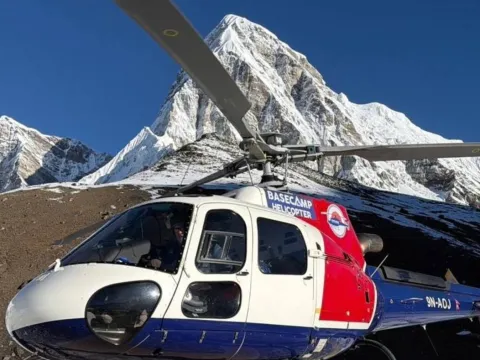
Up high near Namche, a walk unfolds toward Everest View Hotel, then onward to Khumjung. Moving slow helps the body adjust - altitude demands patience. Views stretch wide: snow ridges, deep valleys, prayer flags fluttering in cold wind. Each step teaches something about how trekkers survive these heights. Trails pass stone houses, grazing yaks, quiet monasteries tucked into hillsides. Breathing thins as elevation climbs, so rests come often. Local guides know when to push forward, when to pause. Mist rolls between peaks without warning. This path is not just training for lungs - it reveals what climbing truly means.

Right off, spending time getting used to the air in Namche Bazaar - sitting at 3,440 meters - helps walkers dodge altitude problems. Then again, bodies need a pause to adjust before climbing higher. This path climbs slow but settles rest at a downhill point. Up high during the day, rest lower at night - that guides how trekkers move. This walk sets the pace for how well you handle the rest of the journey to Everest Base Camp.
Route Introduction
Up high past Namche Bazaar - sitting at 3,440 meters - the trail shifts into acclimatization mode.
Up ahead, the path rises to the Everest View Hotel at 3,880 meters. Near there, Khumjung sits slightly lower, marked at 3,790 meters. Up high, trekkers feel the thin air but skip sleeping there.
This way, the system keeps things safe while adjusting to height changes.
Everest View Hotel Section
Breathing gets harder as you move toward Everest View Hotel at 3,880 meters. Your steps slow down whether you want them to or not. Up there, air feels thin like it's been stretched too far.
Far above, peaks like Everest - exactly 8,848.86 meters tall - open into view. Lhotse follows, standing at 8,516 meters, just beyond. Then there's Ama Dablam, rising sharply to 6,812 meters. Each mountain appears clearly across the sweeping skyline. Breathing feels thinner up here. Air lacks its usual fullness. Breathing steady, taking small moves - that’s what matters most now.
Physiological Adaptation Benefits
Actually, this trail boosts how your body makes red blood cells - quite well, actually. Breathing changes when air gets thinner - your system adjusts without you noticing. Oxygen levels shift, yet function holds steady through subtle internal tweaks .Fewer people get sick at high spots when they trek slowly. That happens because their bodies adjust step by step. Fresh air at higher spots means bodies adjust better past Dingboche, sitting at 4,410 meters.
Khumjung Cultural Experience
Downward it goes, reaching Khumjung Village at 3,790 meters. Trekkers on foot reach Khumjung Monastery - sitting at 3,780 meters - and pass through Sherpa villages along the way.
Beyond the ridges, stone walls stretch across open ground where yaks graze slowly through tall grass. The terrain holds a quiet rhythm shaped by weather rather than motion. So, getting into a culture helps the body adjust too.
Terrain and Trail Conditions
Footing shifts now and then - sometimes a slow climb, sometimes steps carved from rock.
Out here, skies shift fast when clouds gather and winds pick up. Morning light climbs the trail just as strong later on. Protection matters every uphill step, not only at noon. Facing conditions early makes adjusting feel less rough.
Time And Cost Factors
A climb lasting half a day matters just as much. Fees stop where the regular trekking paperwork ends. Permits stay limited to what's already required.
Interestingly, a small break for tea and a bite at Everest View Hotel runs between 5-10 U.S. dollars. Price shifts depend on what you pick from the tray. Some days it's closer to five, others near ten. What you choose makes the difference. This walk stays budget-friendly while getting the job done. Still, it works without costing much.
Key Acclimatization Benefits:
Concluding Evaluation
A little higher each step feels, yet Namche’s acclimatization loop builds both body and mind steadily. Stillness between breaths matters just as much. Fresh legs learn strength through long days on uneven ground. Step by step, breathing changes happen without notice. High air feels easier after repeated climbs. Every time you skip this hike, danger climbs without warning.
This way still stands firm when it comes to staying safe on an Everest trek.
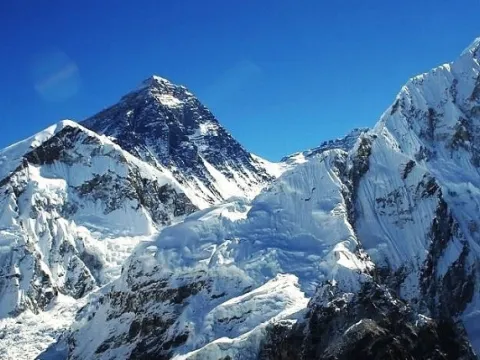
Beyond Namche, the path climbs slow. Each step up brings thinner air. Valleys unfold wide on either side. Sharp peaks stand beyond ridges. The trail moves through quiet stone villages. Higher ground appears day by day. Time here follows mountain rhythm. Bodies adapt when pace stays gentle. Stone huts mark resting points. Sunlight hits bright in clear skies. Cold winds sweep across open slopes. Breath grows short uphill. Views stretch long toward distant snows. Progress means patience more than speed. Footing matters on loose rock. Weather shifts without warning. Sleep comes deep after long walks. Morning light reveals new heights
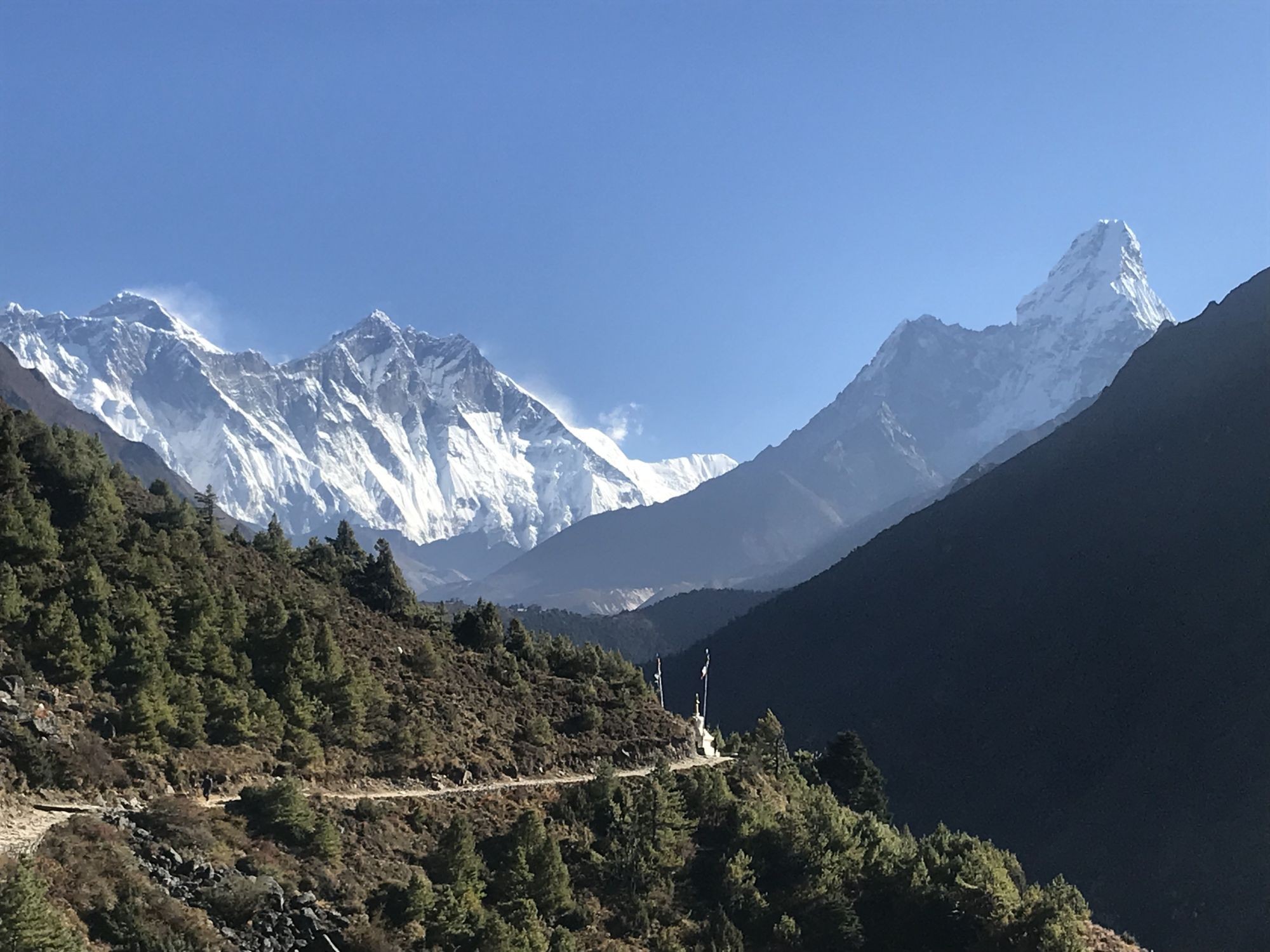
Right off, climbing from Namche to Dingboche shifts you into thinner air on the way to Everest Base Camp. Up ahead, trails shift from shaded slopes into wide mountain meadows. Forest gives way to sky as paths climb higher through scattered trees. Light changes where treetops thin and grasslands begin stretching out below.
Here, hiking farther each day pushes you higher without warning. Upward slopes sneak in as trails stretch out. Every extra mile lifts your path more than before. Distance brings elevation when least expected. This part pushes how long you can keep going plus your ability to stick with it.
Namche to Tengboche Trek
Next up, the path heads out of Namche Bazaar at 3,440 meters, aiming for Tengboche higher up at 3,867. Then comes a stretch through quiet forest with views opening slowly.
Up there, winding trails cut across open slopes - views stretch far beyond the peaks. Footsteps follow ridges where air thins and land drops away below. Moving onward, sightlines open wide above silent valleys. Each turn reveals more sky than before.
Towering above everything else, Ama Dablam reaches 6,812 meters into the sky. Because of this, landscapes keep people moving forward.
Tengboche Monastery Experience
Fog curls around the stone walls of Tengboche Monastery, sitting quiet at 3,867 meters. Breath comes slow here, where prayer flags flicker above the tree line. Finding calm through prayer helps those on long hikes feel better inside. Fog rolls in fast when you're up high. One moment clear, next - everything gone. Still, how things stack up - and when they happen - matters a lot.

Downward now, the path leads to Pangboche at 3,985 meters, then onward into the Imja Valley, sitting just above at 4,000.Foot travelers wade through streams while navigating wide fields where yaks graze. Trails wind beyond waterways into grassy highland stretches.
Pangboche to Dingboche Trek
Up ahead, climbing out of Pangboche at 3,985 meters toward Dingboche, which sits higher at 4,410, moves slow even if it seems steady. The path pulls harder than expected.
Actually, breezy gaps across the lowlands add pushback. Winds through wide meadows build friction. Air moving openly in flat stretches resists flow. Middle of the day brings stronger sunlight.
Here, staying hydrated matters just as much as blocking the sun. What counts most is keeping fluids up while shielding skin when outdoors.

Accommodation and Costs
Besides that, Dingboche at 4,410 meters has teahouses where travelers rest easily.
A single space might set you back five bucks a night. Ten dollars could cover slightly better shelter for one evening. Fresh produce costs more when trucks struggle to deliver it on time. So higher elevations change how budgets work.
Route Elevation Data by Segment:
Final Reflection
Up ahead, trekking from Namche to Dingboche marks the start of serious elevation gain.
Foot by foot, the path climbs into steeper stone region of Khumbu. Wild peaks rise without warning ahead. Starting slow builds stamina needed when trails climb higher. Success on summit day comes down to how well discipline is held.
Explore Dingboche acclimatization hikes to Nangkartshang Peak and Chhukung with altitude strategy, safety, views, and Everest Base Camp insights.

Dingboche Hiking Strategy:
Nangkartshang Peak Overview:
Views from Nangkartshang:
Physical and Mental Challenge:
Chhukung Valley Option:
Terrain and Trail Conditions
What stands out is how each path has scattered stones along with open edges. Clouds gather fast when weather shifts. Rain might follow soon after that. High up, sunlight hits harder. Strength stays high because of elevation. Starting sooner means fewer risks on the trail.
Time and Cost Considerations
Four to six hours - that's how long each acclimatization hike takes, every single one of them. Just the usual Everest permissions are needed - nothing more shows up on the list. Meals plus beverages at Chhukung run between five and eight U.S. dollars. So costs stay low.
Hike Comparison:
Nangkartshang Peak rises to 5,083 meters - sharp inclines greet those who climb. The height pushes hard on breathing. Each step pulls air thin. Ground slopes upward without mercy. Elevation demands respect through effort
Concluding Insight:
Up high near Dingboche, short walks help bodies adjust slowly. These climbs ease people into thinner air ahead. Step by step, movement builds stamina for tougher heights later.
Facing steep climbs, the path moves upward from Dingboche toward Lobuche. Over rocky ground, progress slows after crossing Thukla Pass. Altitude weighs heavier with each step taken beyond tree line. Names carved into stone mark where climbers once passed. The trail offers no ease, just raw earth underfoot. Views stretch far, revealing how thin air shapes thought. Everest feels closer now, though still distant in reach.

Leaving Dingboche:
Reaching Dughla:
Thukla Pass Ascent:
Memorial Hill Experience:
High-Altitude Exposure:
Final Walk to Lobuche:
Accommodation and Costs
Lobuche, sitting at 4,940 meters, has simple teahouses where travelers can stay. While not fancy, these spots provide shelter and warmth after a long trek through rough terrain. A single night might set you back five to ten U.S. dollars. What you pay depends on the place.
Up high, groceries cost more. Steep climbs mean higher bills for bread and milk. The air gets thinner, prices get heavier. Mountains push costs skyward. What's cheap down low feels steep up top.
Final Reflection
Only when you push past tired does the trail from Dingboche to Lobuche reveal its true face.
Facing high ground, rough paths, sudden feelings - all at once, people walk through it side by side. Climbing brings belief at Everest Base Camp (5,364m).This moment sets the path in motion. What happens now shapes where things go next.
Walk from Gorakshep to Everest Base Camp on glacial moraine, exploring terrain difficulty, altitude effects, safety tips, and real trekking experience.

Route Significance Overview
Here, the path from Gorakshep leads straight to the heart of what most hikers come here for. This stretch marks where the long trek finally meets its goal. Foot by foot, people move over rocky ice leftovers heading up to where climbers rest below Everest (5,364 meters high).Staying sharp here takes time. Pushing through helps. Quiet effort matters most.
Ahead of every strong move, there's quiet thinking behind it. What happens inside the mind shapes performance just like muscle does.
Starting from Gorakshep
Beyond that point, hikers set off from Gorakshep (5,164m), which stands as the loftiest village where people sleep. Breathing gets tough up here because there’s hardly any oxygen around. At this height, air thins out more than most expect. Breathing steady helps keep each motion on track. Pacing matters just as much when going step by step. Pacing yourself by moving slowly keeps you from running out of energy.
Khumbu Glacier Terrain
Beyond that point, travelers pass along the edge of the Khumbu Glacier at 4,900 meters. Its rocky ridge forms a natural path through the high terrain.
Beneath your feet, chunks of broken stone mix with patches of frosty rubble. Slabs tilted at odd angles cover parts of the trail. A scattered layer of gravel shifts under each step. Frostbitten soil crumbles where the surface thins out.
Where you put your feet needs steady focus. Because of this, using trekking poles makes walking on uneven ground much more steady.
Physical Challenges
Up high, tiredness hits harder here. Fatigue grips hikers, while dizziness creeps in. Breathing turns shallow as legs grow dense with effort. A dull ache settles behind the eyes, slowing each step forward. When signs are overlooked, chances of altitude sickness go up. Even so, drinking water plus taking time to sit matters most.
Emotional Journey
Fog lifts when the trail nears Everest Base Camp, feelings run deeper by the step. Side by side, trekkers carry a mix of eagerness, calm after struggle, and steady resolve.Footsteps drag, though the map shows it's short. Mental strength backs up gains in fitness. Not a coincidence when one grows alongside the other.
Everest Base Camp Reached
Funny how the ground at Everest Base Camp (5,364m) looks rough yet unimpressive. Ice blocks the sight of any standard peak panorama. From around here, ridges hide what you might expect. Fringed cloths wave where climbers have reached high. Tents stay pitched as proof of effort made. Finding the base camp seems more about meaning than views.
Seasonal Conditions
Here, fresh snow can change how a path feels underfoot. Weather shifts during the year shape what you see along the way. Fresh mornings bring tents pitched near blooming hills. Energy hums through shared stories at dusk. Fewer people walk the paths when fall arrives. Weather settles into a steady rhythm at that time. So the clock changes how things feel around you.
Safety and Timing
Actually, early arrival at Everest base camp helps avoid strong winds later in the day. Fog rolls in fast near Everest's slopes. Sudden winds tear through the valley by midday. Clouds swallow peaks without warning. Cold snaps follow bright sunshine with in hours. Storms build while climbers rest. Frost settles once the sun drops below the horizon. Starting off sooner means staying safe. That is when risks drop without needing luck.
Key Route Challenges
Concluding Reflection
The path from Gorakshep to Everest Base Camp gives meaning to the trek.Folks who hike reach a dream they’ve carried for years right at this spot.Back again along that quiet route it came.Still, staying disciplined means everything finishes without harm.
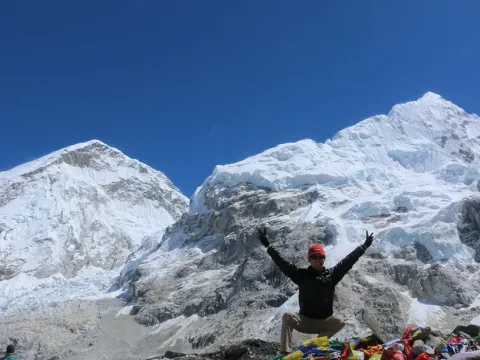
Start high above base camp where the trail feels thin underfoot. A slow pace wins when air gets sparse near the top. Light hits Everest first while cold still grips the stones beneath boots. Breathing changes here, deeper yet never enough. Most turn around before dizziness takes hold. Some keep going once skies begin to glow. Fewer talk much past 5,000 meters. Boots crunch scree just as stars fade behind silhouettes. Safety hides in layers - extra gloves, shared routes, steady rest.

Kala Patthar Significance
Besides climbing higher, you can see Everest clearly from Kala Patthar - its peak stands at 8,848.86 meters. Everest Base Camp lacks direct summit visibility. Trekkers reach Kala Patthar at 5,545 meters because of what comes next.Up top, the climb wraps what walking to Everest Base Camp is all about.
Starting the Ascent
Next up, people start walking from Gorakshep (5,164m) while it is still dark outside. Frigid air makes things harder. Nighttime adds its own challenges. Fog lifts as light cuts the dark ahead. Paths show up where shadows once held sway. So, getting ready matters most.
Trail Characteristics
Footing higher, it climbs fast through jagged stone. Staying steady gets tough when stones shift underfoot. Air moves differently as footing wavers without warning. Focusing matters most with every move you make. Success hinges on how fast you move. Speed shapes results.
Altitude Effects
Fewer oxygen molecules fill each breath once you climb past 5,400 meters. Fatigue hits hard. Dizziness follows close behind. Pausing briefly gives your body time to heal. Recovery speeds up when breaks are built into effort. So here it is - waiting matters most.
Sunrise Experience
Fog lifts slowly behind the tallest peak, showing Everest at 8,848.86 meters tall. Behind it, Nuptse stands sharp at 7,861 meters. Closer still, Pumori rises through thin air to 7,161 meters high.
Morning spills across the mountains, painting white ridges gold. Fresh air fills the space after every step taken. That rocky peak sticks in your mind long after you leave.
Weather Sensitivity
Still, if the sky stays clear, reaching the top becomes possible. Fog rolls in when gusts stir up the sky. Visibility drops as weather turns thick and restless. Mornings without clouds give you the greatest shot. So flexibility in timing leads to better results.
Safety Considerations
Just as crucial, hikers ought to take their time when heading downhill. Fatigue increases accident risk. One careful move at a time keeps feet steady. That is why staying safe matters more than moving fast.
Time and Cost
A climb up Kala Patthar usually fills about two or three hours going and coming back. Few rules cover the walk - only standard hiking paperwork matters. Folks who know the trails usually walk with travelers, just in case something goes wrong. So the price stays the same.
Kala Patthar Route Facts:
| Feature | Detail |
| Starting Point | Gorakshep (5,164m) |
| Summit Elevation | Kala Patthar (5,545m) |
| Best Time | Sunrise |
| Difficulty | Very Hard |
Final Perspective
At last, the path to Kala Patthar reveals Everest in full sight. Mountains rise into view as trekkers step forward. A silent hush falls when the peak appears through the clouds. This moment stays long after footsteps fade away .Up there, it feels like something only you could do. Reaching the top shows what one person can finish alone. So that's where the path ends - Kala Patthar waits at the finish.
Explore the Jiri to Everest Base Camp trek, the original classic route, covering altitude gain, villages, culture, scenery, and trekking cost insights.
Original Route Overview
Meanwhile, the old way to reach Everest Base Camp begins in Jiri, winding through villages high into the Khumbu. This path once served as the main access before flights made travel faster. Trekkers still follow parts of it, drawn by quiet trails and gradual climbs. Fewer people walk this road now, yet its history remains woven into every step. Mountains rise slowly at first, then tower without warning ahead.
Here, fresh trails open beyond Jiri, sitting at 1,905 meters. Hills roll ahead under shifting skies. Rivers cut across the path without warning. Old-style villages appear around bends, tucked into slopes.
Footsteps here match rhythm with local life, while elevation rises slow enough to notice the air change .Folks chasing that true Everest feel will find this fits just right.
Early Trail Sections
Next up, the path climbs from Jiri - sitting at 1,905 meters - toward Shivalaya, which lies higher at 2,340 meters. From there, it continues onward to Sete, perched even further up at 2,600 meters above sea level.
Trees stretch far, while high-up walkways cut across. Trails lined with pink flowers wind through. The land shows mostly green rooftops of woods, narrow crossings above gaps, flower-lined routes where petals fall. Climbing slowly helps the body adjust better. Higher altitudes become easier to handle over time. Foot by foot, hikers ease into the thinner air up high in Khumbu.
Cultural Immersion
Beyond that point, you’ll come across villages where Tamang people live before reaching spots tucked among Sherpa homes.
Old stone homes sit beside quiet paths where stacked rock walls rise without warning. Alongside them, small shrines appear near bends in the trail. These Buddhist markers stand firm through seasons, shaped by time and weather. Each piece tells a story passed down slowly, not shouted out loud.
People here hand you a warm drink along with something small to eat, while sharing stories about their days. What stands out is how freely they talk about life in these parts. Becoming familiar with local ways moves forward alongside the journey on foot.
Trail Progression
Onward past Junbesi - sitting at 2,680 meters - travelers reach Nunthala, slightly lower at 2,560, then make for Bhandar, just beneath that.
Winding through thick woods on high ground, this trail follows lowlands where rivers cut across the land. Fewer miles each day help keep mountain sickness at bay. Faster shifts can trip up progress - going slow helps the body adjust without strain.
Convergence Toward Lukla
From there, the path leads on toward Lukla, sitting at 2,860 meters, where air travel now connects with foot trails.Starting out from this spot, hikers step onto the usual path toward Everest Base Camp. Some treks take twenty days. Others stretch to two dozen. Rest stops add time. So does getting used to thin air.So here's another way it plays out: choosing Jiri means more time up high, with fewer risks along the way.
Altitude and Fitness Factors
Fewer steps at first, yet the path climbs slow - reaching 1,905 meters early, then lifting toward Namche Bazaar by 3,440 meters across several days. Starting slow helps lower chances of getting sick at high altitudes. Fitness remains essential for daily walking of 5–7 hours. This shift builds assurance in hikers ahead of higher altitudes.
Costs and Logistics
On top of that, choosing the Jiri route cuts down on airfare when you skip flying into Lukla. Fees for guides show up just like on regular paths. Tea houses cost about the same too. Permits follow identical rules across common trails.
In fact, folks usually spend between nine hundred and thirteen hundred dollars. That sum covers most standard plans without extras piling on. For this reason, Jiri gives budget-friendly options along with a traditional hiking journey.
Key Highlights
Starting point: Jiri (1,905m), classic cultural trail
Climbing slowly toward Namche Bazaar begins the path upward. Elevation rises step by step through narrow trails. The town sits at 3,440 meters above sea level. Each turn reveals sharper mountain views ahead
Villages: Sete, Junbesi, Nunthala
Total duration: 20–22 days
Conclusion
Out here, the path from Jiri still walks like it did long ago. Step by step, footprints follow old ways without changing much at all. This trail holds onto how things were, quietly keeping its past alive.
Meanwhile, travelers experience local traditions while adjusting slowly to high elevations. Along the way, paths unfold through wide stretches of untouched terrain.
Footsteps slow here, where those who walk care more about moments than miles covered. People drawn to depth find their rhythm on this path, preferring what unfolds beneath boots to how fast they move through it. So here's the thing - Jiri still stands as the first way people trekked to Everest.
Head out from Kathmandu using a jeep on the Salleri or Surke trail instead of flying to Lukla. This way opens up another path into the Everest area. Costs tend to be lower when skipping the plane ride. The roads wind through villages, rough terrain, sometimes mud. You climb slowly in elevation, giving your body time to adjust. Trekking begins earlier compared to air routes. Each step moves you deeper into high mountain scenery.
Exploring the Jeep Trail
Right off, the Salleri or Surke path means no need for a flight to Lukla at all.
From Kathmandu, people head by road toward Salleri at 2300 meters above sea level. Sometimes they go instead to Surke, which sits higher - 2,290 meters up.
Fear of flying? That's okay - this approach works anyway. Money tight? It fits that too. This way opens another path to Everest Base Camp.
Salleri Route Overview
Half a day unfolds on bumpy trails when riding through highland passes by jeep.
Here, footpaths wind through green fields where crops grow between rocky hills. Streams cut across the land near homes built on stepped slopes. Villages cling to mountain sides above quiet waterways. Landslides can hit roads when the rains come each year.
Frozen roads plus worn tires mean trouble. Still, it's not just about ice or brakes - how hard the wind blows matters too.
Surke Route Advantages
Close by the central Khumbu route sits Surke, rising at 2,290 meters. Fewer steps needed to reach Namche Bazaar at 3,440 meters when using the trail.
Winding through trees, Surke roads squeeze between tighter paths yet open into quiet views. Streams cut across them, breaking up stretches of forested bends. Footpaths cut hours, yet still wind through farmland and villages.
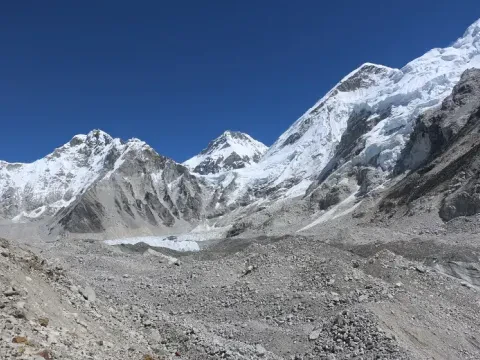
Few paths stay rough, untouched by pavement.
How long it takes to travel shifts with what kind of vehicle you pick along with how the weather behaves. Whether skies stay clear or storms roll in makes a difference just like whether wheels turn or propellers spin.
Trekkers on the move might find private jeeps more relaxing. These rides often feel safer too.
Meanwhile, flexibility matters most when things shift without warning. Patience grows stronger through small delays that add up. Together, they shape how smoothly someone moves through change.
Altitude Meets Trail
Down below at 2300 meters, Salleri begins much closer to sea level compared to Surke. Still, that difference shapes how each journey unfolds from the start. Trekkers require several days to reach Namche Bazaar (3,440m).Getting used to higher elevations takes time because the climb rises slowly.Pacing matters just as much as staying safe. What counts is how you move through it all.
Costs and Logistics
Fees for jeeps from Kathmandu to Surke sit between 80 to 100 U.S. dollars each traveler when booked privately.Lodging plus meals could cost between fifteen and thirty dollars each night.
Still sticking to the usual rules for climbing Everest. Permits haven’t changed a bit. Flying into Lukla costs more than taking this path instead.
Scenic and Cultural Experience
Besides that, you’ll go through several Sherpa and Rai settlements along the way. Wandering through villages, trekkers see how people live day to day. Stone shrines appear along the trail, tucked into rocky slopes. Bright cloths flutter on strings tied between poles, moving with the wind.
Besides rivers, you get waterfalls - each adding a different look. Forests step in too, changing how everything feels at once.
This path lets you feel more part of daily life there.
Salleri vs Surke:
| Feature | Salleri | Surke |
| Starting Elevation | 2300m | 2,290m |
| Distance to Namche Bazaar | 3–4 days trek | 2–3 days trek |
| Road Conditions | Longer, rough | Shorter, narrow |
| Cost (Jeep) | USD 40–60 | USD 70–100 |
Conclusion
A different way to reach Everest opens up through the Salleri or Surke trail by jeep.Traveling by train opens doors to local traditions instead of keeping people locked in airport lounges.A slower pace works fine when saving money matters more than rushing ahead. Safety stays high on the list for those who choose it.So here's how it stands: Salleri or Surke still works just fine as a starting point.
Thamdanda Route to Lukla Through Lower Solukhumbu
Away from the usual paths, Thamdanda leads toward Lukla through quiet corners of Lower Solukhumbu. This trail passes clusters of small villages tucked into high terrain. Fewer travelers walk here, so signs of daily life stay untouched. The path climbs gradually, revealing how people live at elevation. Each turn offers glimpses into routines shaped by mountain rhythms. Experience unfolds slowly, step by step, without rush or show.
Thamdanda Route Overview
Out here, the Thamdanda path leads far off toward Lukla (2,860m), winding through Lower Solukhumbu.
Winding paths lead trekkers through quiet countryside spots few ever see. Village homes appear suddenly after long stretches of raw terrain. Footsteps crunch on routes far from usual tourist tracks.Few travelers take this path, so it feels more real. Getting off the crowded trails changes how you see things.Finding quiet trails draws those who crave fresh paths through wild places.
Starting the Trek
Trekkers often start here at Salleri, sitting low near 2300 meters. Then again, some prefer Surke - higher up, about 2,290 meters tall.Through forests they walk, following rivers then climbing sharp slopes beyond.Most days involve walking that lasts between five and seven hours.Facing distant trails means getting ready matters most.
Trail Progression
Then again, you’ll walk by Paiya at 2,200 meters before reaching Thamdanda, sitting higher up at 2,780.Along the trail, old Rai homes sit beside Sherpa huts where travelers once paused.
Here, houses built of stone rise across the land, while rows of stacked rocks line the slopes. Prayer flags flutter above them, tied between poles. These shapes fill what you see when looking around.Footsteps through mountain villages bring stories, then tired legs rest near glowing fires.
Altitude Considerations
Hills rise slow as you move closer to Lukla, sitting at 2,870 meters above sea level.Climbing gradually lowers the chance of getting sick from high altitudes.Staying hydrated matters most when adjusting slowly. Moving at a steady rate helps the body adapt. Getting used to new conditions takes time, especially under heat.So here's how it works: Thamdanda eases you into thinner air prior to linking up with the usual Khumbu path.
Terrain and Trail Conditions
Now here comes a shift - tree-lined routes give way to rocky steps, then thin spine-like edges along the drop. Paths change without warning: one moment you're under canopy cover, next thing is bare rock leading to open air.Rainy season brings slick paths along with small earth slips.
Here, sturdy shoes help keep your balance on rough ground. Using poles gives extra support when moving over uneven paths. Watch each step carefully to avoid slips or falls.Getting ready matters if you want to find your way well.
Cultural and Scenic Experience
Far beyond the main roads, it winds through quiet villages where mist hangs low. Streams cut across the path just before sudden drops reveal wide waterfalls. Stone steps climb slopes shaped into layered fields grown with rice. Each turn shows another piece of land carved carefully by hand.
Nowhere else do peaks like Nuptse, rising sharp at 7,861 meters, color the journey so vividly. Ama Dablam, standing tall at 6,812 meters, adds quiet grandeur along the trail.
In fact, trekkers gather at neighborhood tea spots for meals, a pause in the day. These corners offer old-style dishes alongside quiet moments. Sitting here slows time down some.Bodies push hard while traditions open up along the trail.
Time and Cost:
Just as crucial, it takes 2 to 3 days on foot through Thamdanda just to get to Lukla via Surke sitting at 2,860 meters above sea level.
Key Highlights of Thamdanda:
Concluding Perspective
Out in the backcountry, Thamdanda brings together isolated trails, local traditions, one steady climb after another.Fewer boots hit the path near Lukla when travelers choose quieter routes through real mountain settlements.Footsteps here bring surprise, moments of finding, yet steady ease into altitude.So here's something few know: Thamdanda slips under the radar when heading toward Everest Base Camp.
One path begins at Lukla, short on paper but steep underfoot. Another winds up from Jiri, much longer yet gentler each day. Starting in Surke trims some walking without rushing too fast. The trail out of Thamdanda stays quiet, less traveled, still climbs high. Each route measures differently when counting kilometers walked. Days needed shift a lot depending on where you begin. Steepness changes how hard it feels by afternoon. Altitude builds slowly on certain tracks, quicker on others.
Route Comparison Overview
A few paths head up to Everest Base Camp at 5,364 meters - each takes a different amount of days, covers its own stretch of ground, feels tougher or easier. Though they start from separate spots, all arrive at the same icy doorstep beneath the peak.
Some hikers pick routes that match how strong they feel. Money matters when deciding where to go. Others just want quiet, far from crowds.
Here, Lukla flight stands out. Walking the Jiri path draws many. The road to Surke by vehicle gets chosen often. Hikers also take the way through Thamdanda. Built on knowing contrasts, choices gain clearer shape. Yet seeing distinctions shapes smarter moves ahead.
Lukla Route Overview
Besides that, flying into Lukla at 2,860 meters takes less time than any other path. Most people choose it for exactly that reason.Most people walk around five to seven hours each day during a two-week stretch.Climbing begins fast, right away feeling the height in Namche Bazaar (3,440m).
In fact, Lukla works well for those who’ve got just a little while to spare, also fitting hikers not too far along in skill. A shorter clock means less room for error - this spot fits that pace naturally.
Jiri Route Overview
Up high at 1,905 meters, Jiri keeps the old way of walking through mountains alive. Yet few paths feel quite like this one when you're on foot.
A journey of greater span - usually around three weeks. That stretch often takes close to twenty-two days. Not quick by any measure, but expected at this range.
Climbing slowly helps your body adjust, which means less chance of feeling sick at high elevations. Because of this, Jiri fits well with deep cultural experiences instead of rushing through trails.
Surke or Salleri Jeep Path
Another option is the path through Surke, sitting at 2,290 meters. That one skips the flight into Lukla entirely. So does the trail starting in Salleri, much lower at 2300 meters.
People add more time on foot plus by vehicle just to reach Namche Bazaar, sitting at 3,440 meters high. That stretch takes patience - roads twist, paths climb, lungs adjust.
Fog might slow drivers down while potholes hide beneath puddles. Wet soil shifts under tires when storms pass through. Mornings stay clear until clouds gather near noon. Dust sticks to wheels on dry stretches between villages.
Here, this option works well for travelers watching their spending who need secure routes. Still, safety stays a priority without raising costs too much.
Thamdanda Route
Far off, the Thamdanda path climbs to 2,780 meters through quiet parts of Lower Solukhumbu. Few travelers walk here, making it feel untouched by crowds.
Some trekkers take around seven or eight days to get to Lukla, sitting up at 2,860 meters. The journey isn’t short, yet it’s not too long either.
Here, hikers find it tougher than Lukla yet easier than Jiri because there's not much built up around. Though fewer facilities exist, getting by isn't as hard as on steeper trails nearby.For this reason, Thamdanda draws those who trek for adventure, seeking quiet moments along with a taste of local life.
Comparative Metrics
Just as much, how long it takes depends on how far you go plus how hard it is. What matters most changes each time without warning.
Jiri begins higher up, yet feels more steady underfoot. Safety stretches farther here than most routes offer.Few spots pack more people into less space than Lukla. That airport squeezes flights where others might not even try.Out here, far enough to feel away, yet close when needed.
Route Comparison Table:
| Route | Start | Elevation | Distance | Duration | Difficulty |
| Lukla | 2,860m | 65 km | 12–14 days | Moderate |
| Jiri | 1,905m | 115 km | 20–22 days | Moderate-High |
| Surke/Salleri | 2300–2,290m | 70–90 km | 14–16 days | Moderate |
| Thamdanda | 2,780m | 85 km | 14–16 days | Moderate |
Conclusion
Finding the right path comes down to what you want from the hike, how much money you can spend, also how much time you have free.
Driving into Jiri means stepping straight into tradition, while higher elevations keep things steady. Lukla gets you moving fast, that is its main strength. Roads reach Surke, making arrival easier than most routes. Thamdanda sits far back, untouched by common paths.Few realize how crucial it is to spot the contrasts before heading out on the Everest Base Camp Trek .A solid plan makes everything run smoother, keeps things safer too.
Picking the right path to Everest Base Camp means matching it with how much you’ve hiked before. Distance matters less when steep climbs test your rhythm early. High elevations slow everyone down, no matter their fitness. Some trails stretch longer but unfold villages along the way. Others cut through quiet valleys without many stops. Time needed shifts depending on where you start and rest points. Each option reveals different pieces of local life. The tougher ones often pass fewer people, more solitude.
Introduction
Right from the start, picking a suitable path to Everest Base Camp means safer climbs, smoother breathing at height, plus moments that feel rewarding. What matters most shows up step by step.Some hikers come with years on trails, others step out for the first time. Physical shape ranges widely among them. What one person enjoys on a path, another might avoid completely.
Here, picking a path changes how far you go each day, how much uphill walking there is, also which isolated communities you pass through.
Finding trails that fit your skill level helps avoid injury while making the hike more fun.
Beginner-Friendly Options
Besides that, flying into Lukla at 2,860 meters still stands as the easiest way for newcomers.Most days mean around five to seven hours on foot. Trails rise gently toward Namche Bazaar at 3,440 meters. Each step moves higher through thinning air.
Actually, some paths come with signs, others lead to tea spots where help is near. Guide companies show up along certain routes, offering a steady hand when needed.Fresh faces on Everest get a feel for high terrain while sidestepping deep exhaustion and tangled planning.
Intermediate Trekkers
Finding your way up through Surke (2,290m), or starting closer at Salleri (2300m), works well when you’ve done a few trails already. Though lower, the road near Salleri still leads into tough stretches. Trails branching from Surke open wider views after steady climbs. Each path gives enough challenge without pushing too hard.
Footpaths link up with roads leading toward Namche Bazaar at 3,440 meters above sea level. Trails merge into vehicle tracks partway through the journey there.Farther trails, along with a steady climb, ease the body into altitude without needing busy Lukla flights.
For those who’ve hiked a bit before, paths unfold where risk feels managed yet new customs come close. Adventure stays real without tipping into danger.
Advanced Trekking Experience
Moving higher up, the path to Jiri climbs 1,905 meters through quiet villages and steady inclines. Above that, Thamdanda reaches 2,780 meters where few travelers go, just locals on narrow footpaths.
Fitness matters most when trails stretch far beyond a single path. Villages appear one after another, scattered without pattern across rough land. Tough ground underfoot means stamina becomes essential. Moving through isolated areas tests how much the body can handle.
Starting slow helps lower chances of altitude sickness, though it takes more than three weeks. Reaching higher ground bit by bit cuts health risks, yet demands over twenty full days.So, quiet paths suit those who want time alone, a look into local ways, plus long hikes through remote areas.
Terrain and Trail Conditions
Bumpy ground changes how hard a path feels, just like weather can. A trail might look short on paper but feel longer when rocks slow each step.
Up ahead, stone steps wind through Lukla's trails, linked by swaying bridges strung across gorges. Paths show clear signs, guiding each turn without confusion. One after another, these routes cut through steep slopes, steady underfoot despite the climb.
Footpaths wind through quiet stretches where trees cover the hillsides, while rivers cut between them. Distant trails follow uneven ground beyond main roads, threading across shaded rises and damp lowlands.On any path, how much you’ve hiked shapes how easily you move and what feels comfortable.
Altitude and Acclimatization
Going higher changes which paths make sense to take.
Starting at 1,905 meters, Jiri leads upward with Thamdanda tagging along through quiet villages. The path climbs without rush toward Namche Bazaar. Elevation creeps higher over days, feet tracing stone trails beside river sounds. Thin air arrives slowly, giving bodies time to adjust. By the time roofs of Namche appear, breath has learned the rhythm. At 3,440 meters, the town sits waiting.
Faster adjustment happens in Lukla and Surke, though heights challenge hikers sooner.Fitness matters more than skill when planning high-altitude climbs.
Time And Cost Factors
How long a trek takes can make it better or worse for certain skill levels.Goes down to about twelve days, sometimes fourteen tops - good pick if it is your first go at things. Lukla runs around a grand to fifteen hundred dollars when all said and done.
Jiri takes roughly three weeks. Expect a test of stamina throughout. The price tag ranges between nine hundred and thirteen hundred US dollars.
Travel through Surke or Thamdanda takes about one to two weeks. A decent level of stamina helps get you through. The journey typically runs between a thousand and thirteen hundred US dollars.So the right path depends on how much time you have, what you’ve done before, plus your money situation.
Route Selection Based on Experience:
| Experience Level | Recommended Route | Duration | Difficulty | Cost (Approx.) |
| Beginner | Lukla Flight | 12–14 days | Moderate | USD 1,200–1,500. |
| Intermediate | Surke/Salleri | 14–16 days | Moderate | USD 1,000–1,300. |
| Advanced | Jiri/Thamdanda | 20–22 days | High | USD 900–1,300. |
Conclusion
Choosing the path to Everest Base Camp comes down to how much you’ve climbed before, your stamina, available days, plus what you can spend. Fresh trekkers find Lukla works well - keeps things safe, keeps them close. Not far from support when it matters most. Some hikers pick Surke when they want village life up close. Others choose Salleri for a slower rhythm off main trails. Few travelers choose Jiri, yet it leads deep into quiet trails. Solitude waits where paths grow narrow through Thamdanda’s ridges. So, picking trails that match your skill level keeps things safe. A good fit means smoother days on the mountain. That kind of planning brings real satisfaction along the way. It shapes how you feel during each step toward base camp.
1. What is the Classic Everest Base Camp Trek route?
The classic Everest Base Camp Trek starts with a flight to Lukla. Then you follow the Dudh Koshi River through Phakding, Namche Bazaar, Tengboche, Dingboche, Lobuche and Gorakshep to base camp and Kala Patthar. This trek takes 12 to 14 days. You will see Himalayan views.
2. How difficult is the Everest Base Camp Trek?
The Everest Base Camp Trek is moderately challenging. You have long walking days and significant altitude gain. You need physical fitness, endurance and mental preparation. Proper acclimatization helps minimize risks like altitude sickness. You do not need climbing skills.
3. What is the best time to do the Everest Base Camp Trek?
The best times are spring from March to May for skies and blooming rhododendrons. Autumn, from September to November is also great for weather and excellent mountain views. Winter is cold. Summer brings monsoon rains making trails slippery.
4. How high is Everest Base Camp and Kala Patthar?
Everest Base Camp is at 5,364 meters. Trekkers usually climb Kala Patthar, at 5,545 meters for the unobstructed sunrise views of Mount Everest. These altitudes demand acclimatization to prevent serious altitude-related issues.
5. Do I need a guide and porter for EBC Trek?
A licensed guide is highly recommended for navigation, safety and cultural insights. Porters carry loads allowing you to enjoy the trek comfortably. Independent trekking is possible. Riskier due to remote terrain and altitude.
6. What permits are required for Everest Base Camp Trek?
You need the Sagarmatha National Park Permit and Khumbu Pasang Lhamu Rural Municipality Permit. These are arranged in Kathmandu or Lukla. Trekking companies usually handle the paperwork efficiently for clients.
7. How long does the Everest Base Camp Trek take?
The standard Lukla route takes 12 to 14 days round trip. The Jiri route extends to 20 to 22 days. The Salleri route adds 3 to 5 days. Extra acclimatization days are recommended for an more enjoyable high-altitude experience.
8. Is altitude sickness a risk on EBC Trek?
Yes, altitude sickness is a concern above 3,000 meters. A gradual ascent, hydration, Diamox medication and rest days in Namche and Dingboche help most trekkers acclimatize successfully without severe symptoms.
9. What should I pack for the Everest Base Camp Trek?
Pack layered clothing, sturdy trekking boots, a down jacket, a sleeping bag, trekking poles, a headlamp, sunglasses, sunscreen, water purification and personal medications. Quality gear rental is available in Kathmandu and Namche Bazaar.
10. What is the Jiri to Everest Base Camp Route?
The Jiri route is the classic path before Lukla airport. It starts with a drive to Jiri. Involves 6 to 7 extra days of trekking through lower villages. This route offers acclimatization and fewer crowds.
11. What is the Salleri or Surke Jeep Route?
The Salleri/Surke route avoids the Lukla flight by driving from Kathmandu. It adds 2 to 4 days of trekking through lower Khumbu villages. This route joins the trail near Phakding with fewer crowds.
12. How safe is the flight to Lukla Airport?
Lukla flights are weather-dependent. Considered thrilling due to the short runway. Delays or cancellations are common. Experienced pilots and strict safety protocols make it generally safe when conditions allow.
13. Where is the best view of Everest on the trek?
Kala Patthar, at 5,545 meters provides the most iconic panoramic views of Mount Everest especially at sunrise. Everest Base Camp itself offers glacier views but partial mountain visibility.
14. What accommodation is available on the Everest Base Camp Trek?
Teahouses provide twin rooms with shared bathrooms. Facilities improve in Namche Bazaar. Expect meals, limited hot showers and Wi-Fi at higher costs. Booking through agencies ensures lodges.
15. How much does the Everest Base Camp Trek cost?
Standard packages range from $1,200 to $2,500 depending on duration, group size and inclusions. Luxury options with guides and better teahouses cost more. Permits and flights are additional.
16. Can beginners do the Everest Base Camp Trek?
Yes, fit beginners with no high-altitude experience can complete it successfully. Good cardiovascular fitness, a positive attitude and following acclimatization guidelines are essential for first-time trekkers.
17. What food is available during the EBC Trek?
Teahouses serve dal bhat, noodles, pasta, soups, eggs, pancakes and Tibetan bread. Vegetarian options are widely available. Carbohydrate-rich meals provide energy for high-altitude trekking demands.
18. Is Wi-Fi and mobile signal available on the trek?
Wi-Fi is available in villages like Namche, Tengboche and Dingboche at an extra cost. Mobile signal works intermittently. Satellite options exist for emergencies in sections.
19. What are the main challenges of the Dingboche to Lobuche section?
This stretch crosses the Thukla Pass with steep ascents, rocky terrain and memorials. It is physically demanding with air requiring a slow pace and strong determination.
20. Which Everest Base Camp route is best for me?
Choose the Lukla route for a shorter duration. The Jiri route offers an experience and acclimatization. The Salleri route avoids flights. Match your fitness, time and adventure preference, with route comparisons.
Our travel experts are ready to assist you with any questions.
Send us a message.Have a question before you book? Send your enquiry below and our travel experts will get back with the required information.