Need help with booking? Send us a message.
Manaslu Circuit Trek 12 Days offers a far-flung Himalayan journey around Mt. Manaslu (8163m) featuring breathtaking landscapes, cultural villages, and the Larke Pass.
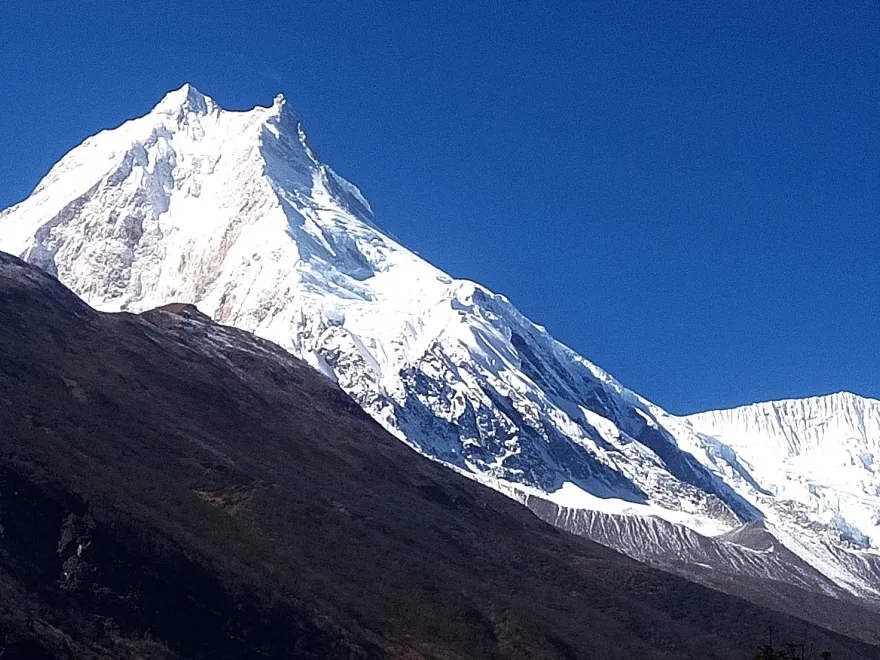
Meanwhile, the Manaslu Circuit Trek 12 Days covers an amazing round of Mt. Manaslu-8163m with dramatic Himalayan scenery. It follows the Budhi Gandaki Valley and treks through the remote landscape, traditional Gurung settlements, and dense forests. It reaches its high point at Larke Pass - 5106 m, offering stunning mountain scenery. Thus, this trek has appealed to trekkers looking for a less touristic route that is also culturally enriching, which is an alternative to the Annapurna region.
Furthermore, the Manaslu Circuit trek 12 days commences at Soti Khola (710m), gradually gaining altitude via Machha Khola (930m), Jagat (1340m), and Deng (1860m). It is here that these villages offer scenic river crossings, terraced fields, and authentic tea houses. The trail then goes to Namrung (2630m) and Lho (3180m), where trekkers get close views of Manaslu (8163m). Thus, the traits of cultural diversity become more vivid since the influence of Buddhism grows stronger with every ascent.
Additionally, at the middle stage, the 12 day Manaslu Circuit trek leads trekkers to Samagaun (3530m), one of the most critical stops for acclimatization. Trekkers often take a side trip to either Pungyen Gompa (4050m) or Birendra Lake (3450m) for high-altitude adaptation. The village displays traditional stone houses and stunning views of Manaslu North (6994m) and Naike Peak (6211m). Hence, the acclimatization experience becomes necessary before moving towards the high Himalayan pass.
In fact, the Manaslu route proceeds in the same way towards Samdo (3860m), a Tibetan-influenced settlement close to the border between Nepal and Tibet. The trekkers observe yak caravans, wide valleys, and sweeping mountain views. The track heads further to Dharamsala (4460m), the last stop before reaching the challenging Larkya La Pass at 5160m. Therefore, rest and hydration will play an important role in the success of this high-altitude crossing.
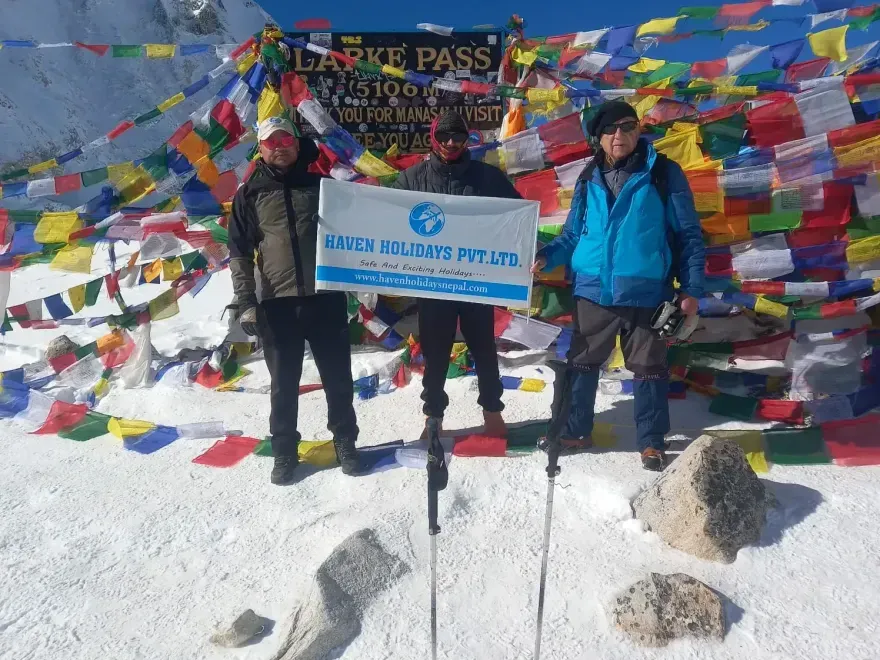
Afterwards, the crossing of Larke Pass (5106 m) offers one of the best Himalayan panoramas in Nepal. From the summit, trekkers can view the following: Himlung Himal (7126m), Cheo Himal (6820m), Kang Guru (6981m), and Annapurna II (7937m). Dramatic changes in landscape come with the descent to Bimthang (3590m) as forests reappear, making it a refreshing trail after the high mountain challenge.
Similarly, the Manaslu trek 12 days reaches the Annapurna region and heads towards Tilije at 2300m and Dharapani at 1860m. These villages offer well-equipped lodges, multiple food choices, and easy roads. The trekkers feel a gradual return to greenery and water-filled agricultural steps. Thus, the last days of walking end on a soothing note after the strenuous journey.
In addition to that, the Manaslu Circuit Trek 12 Days costs from USD 1100 to USD 1600, depending on group size. It also includes the cost of the following permits: Manaslu Restricted Area Permit, Manaslu Conservation Permit, and Annapurna Conservation Permit. Guides are still obligatory in this area since it is a restricted one.
As such, trekkers will enjoy safety, route management, and cultural interpretation during the trek. Finally, the Manaslu Circuit Trek 12 Days remains ideal for adventure-seekers looking at quieter Himalayan trails. It provides breathtaking vistas, rich cultural experiences, and a test of high altitude without being overly commercialized. The trek combines natural beauty and authentic village life across remote Nepal. As such, it stands as one of Nepal's finest treks for 2026 and beyond.
Manaslu Circuit Trek 12 Days offers beautiful Himalayan scenery combined with very remote villages and Larke La Pass adventure. The route is perfect, including all costs and an itinerary.
Manaslu Circuit Trek Quick Facts:
| Section | Elevation | Highlights |
|---|---|---|
| Machha Khola | 869 m | Start of Budi Gandaki Valley |
| Samagaun | 3530 m | Acclimatization & monastery visit |
| Samdo | 3860 m | Tibetan cultural zone |
| Larke Pass | 5106 m | Highest point of trek |
| Bimthang | 3590 m | Glacier valleys and forest descent |
Furthermore, the Manaslu Circuit Trek 12 Days has been considered one of Nepal's most rewarding Himalayan journeys as it follows a pristine trail around Mount Manaslu-8163m. This trek explores remote villages, diverse landscapes, and dramatic ridgelines while steadily ascending along the Budi Gandaki Valley. This is the perfect adventure for trekkers who seek fewer crowds compared to the Annapurna or Everest regions. It subsequently balances cultural immersion, scenic beauty, and physical challenge.
Further, the trek begins with a beautiful drive from Kathmandu (1400 m) to Machha Khola (869 m), as the route immediately introduces rising hills and traditional settlements. Upstream, the trail continues to Jagat (1340 m) and Deng (1860 m), where trekkers encounter terraced fields, bamboo forests, and suspension bridges. The scenery reveals the richness of nature and the geographical diversity of the region. This journey is maintained at a steady pace for proper acclimatization.
Likewise, the middle part of the trek ventures into the culturally rich Nubri Valley, as it brings trekkers to Namrung (2630 m) and Lho (3180 m). These villages boast traditional Tibetan-influenced abodes, ancient monasteries, and panoramic views of Manaslu (8163 m), Himalchuli (7893 m), and Ganesh Himal (7422 m). Moving ahead from here, the trail reaches toward Samagaun (3530 m)-one of the most important acclimatization stops. A number of side trips in this area add more thrill to the trek altogether.
Besides, trekkers often take acclimatization hikes either to Manaslu Base Camp at 4800 m or Birendra Lake at 3450 m, as both offer great views and better altitude acclimatization. Additionally, there is a gradual ascend to Samdo (3860 m), where strong winds with open landscapes give signs of reaching the higher Himalayan zone. The village is the last settlement before making the strenuous ascent to Dharmasala (4460 m). It also builds anticipation for crossing the high pass.
Later, trekkers head towards the challenging Larke Pass (5106 m), as the trail rises over rocky terrain, snow patches, and cold windy parts. The top of this pass presents ample views of Himlung Himal (7126 m), Cheo Himal (6812 m), and Kang Guru (6981 m). Then, coming down through the Annapurna region, there is a change in scenery: forests and milder temperatures welcome them again. This long downhill finally stretches to Bimthang at 3590 meters.
Similarly, the last days descend to Dharapani at 1860 meters, passing pine forests, waterfalls, and traditional Gurung villages. The trek finishes with a beautiful drive back to Kathmandu to complete a full cultural and natural circuit. In the whole journey, difficulty ranges from moderate to challenging according to altitude and acclimatization. Yet, the trek is attainable for trekkers with good fitness.
Therefore, the Manaslu Circuit Trek 12 Days encompasses the key logistic considerations of permits, guide requirements, and transportation. The Manaslu Restricted Area Permit changes according to the time of the year, while the accommodation costs remain moderate with basic teahouse facilities. Meals encompass standard Nepali trekking menus, including dal bhat, soup, toast, and tea. Overall, this great trek combines scenery and cultural authenticity.
Manaslu Trek 12 Days is a trek full of adventure and culture, with the exploration of Larke La Pass combined with remote landscapes, Himalayan views, and authentic village experiences.
Key Advantages of the 12 Days Manaslu Trek
First of all, 12 Days Manaslu Trek offers a great combination of far-flung landscapes, high Himalayan passes, and village life. The trek loops around the eighth-highest mountain, Manaslu (8163 m), as it follows the natural flow of the Budi Gandaki River. It offers an appealing alternative to the crowded Annapurna Circuit. It subsequently allows trekkers to explore pristine terrain and cultural depth.
Moreover, the drive from Kathmandu at 1400 m leads to Machha Khola at 869 m as the trail begins with its forested hillsides and river crossings. The early route passes Khorlabesi at 970 m and Tatopani at 990 m en route to Jagat at 1340 m. These sections introduce traditional settlements and terraced landscapes. Gradual rises promote acclimatization and build up trekkers for higher altitudes.
Then, it makes a turn toward Deng (1860 m), Namrung (2630 m), and Lho (3180 m). The natural scenery keeps on changing from subtropical forests to alpine surroundings. Namrung offers clear views of Himalchuli (7893 m) and Siring Himal (7187 m). Lho provides a stunning panorama of Manaslu (8163 m) through Ribung Monastery. Gradually, the landscape becomes increasingly vast and dramatic.
Furthermore, Samagaun (3530 m), lying right beneath Manaslu's towering slopes, forms the cultural and acclimatization heart of this trek. Normally, trekkers spend an extra day in this village for altitude acclimatization. They make side trips to either Birendra Lake (3450 m) or Manaslu Base Camp (4800 m) for better acclimatization. Strong Tibetan traditions and impressive high-valley architecture mark this village.
After that, the trail climbs up to Samdo (3860 m); windswept terrain offers open vistas and quiet surroundings. This is the last main village before the high pass. The following day, it's a strenuous climb to Dharmasala (4460 m), where thin air and cold temperatures demand caution. This section builds anticipation for crossing Larke Pass at 5106 meters.
Subsequently, trekkers start early in order to cross Larke Pass (5106 m), as the route climbs across glacier-fed terrain, scree sections, and exposed ridges. The summit provides sweeping views of Cheo Himal (6812 m), Himlung Himal (7126 m), and Kang Guru (6981 m). The descent toward Bimthang (3590 m) remains long but visually rewarding as snow peaks gradually give way to forested slopes.
Finally, the route heads towards Tilije at 2300 meters and Dharapani at 1860 meters, where trekkers take part in the Annapurna Circuit. Altitude drops and with it, the shades of green get deeper and denser. The trek finally ends with a drive back to Kathmandu. This concluding section brings a pleasant shift from high mountains to gentle foothills.
In the final say, the 12 Days Manaslu Trek caters to the trekker seeking a moderate-to-challenging Himalayan adventure with authentic cultural exposure. The restricted permit means fewer crowds and preserved landscapes. Costs vary depending on the season, but generally, it will include permits, guide costs, food, and transportation. The hike regularly rewards the trekker with scenic variety and cultural richness.
Explore a detailed Manaslu Circuit Trek itinerary with daily elevations, distances traveled, cultural stops, acclimatization, and Larke La Pass route plans.
Overview of 12-Day Manaslu Itinerary:
| Day | Destination | Elevation | Main Highlight |
|---|---|
| 1 | Machha Khola | 869 m | River valley start |
| 2 | Jagat | 1340 m | Stone villages |
| 3 | Deng | 1860 m | Gorge and forest |
| 4 | Namrung | 2630 m | Himalayan views |
| 5 | Lho | 3180 m | Ribung Monastery |
| 6–7 | Samagaun | 3530 m | Acclimatization |
| 8 | Samdo | 3860 m | Tibetan culture |
| 9 | Dharmasala | 4460 m | High-pass prep |
| 10 | Larke Pass to Bimthang | 5106–3590 m | Major challenge |
| 11 | Tilije | 2300 m | Forest descent |
| 12 | Dharapani | 1860 m | Trek exit |
Initially, the Manaslu Circuit Trek itinerary follows a complete 12-day journey across varied landscapes, from a drive that takes one from Kathmandu to Machha Khola, starting at an altitude of 1400 m and reaching 869 m. The first day introduces warm river valleys and terraced fields. This portion sets the pace for the gradual ascent ahead and thus lays the foundation for a safe and enjoyable trek.
The next day, it follows the Budi Gandaki Valley to Jagat at 1340 meters, as the trail contains stone steps, small settlements, and forested slopes. This route introduces culturally significant villages with long histories. This diversity enriches the trekking experience. The altitude remains moderate and steady.
Likewise, the route proceeds to Deng at 1860 meters on the third day, where the trail narrows, with more alpine landscapes continuing to unfold. The forests become denser and the river flows through deep gorges. Trekkers encounter suspension bridges and rocky paths. They slowly reach the culturally rich highlands.
Later, the fourth day reaches Namrung at an elevation of 2630 meters, as the scenery now changes to views of snow-capped and traditional stone houses. The village offers spectacular landscapes and clear Himalayan perspectives. Namrung also signifies the entrance into the Nubri region, influenced by Tibetans. The trek becomes more visually dramatic.
Here, the fifth day descends to Lho (3180 m), as the trail offers spectacular views of Manaslu (8163 m). Lho comprises the big Ribung Monastery, which signifies Buddhist culture. The village gives spiritual depth to the trek. It offers excellent sunrise views over surrounding peaks.
On the sixth day, one reaches Samagaun (3530 m), an important acclimatization point on the route. The seventh day allows for excursions around Birendra Lake (3450 m) or as far as to Manaslu Base Camp at an altitude of 4800 m. These side trips aid in better altitude adjustment. They also promise some striking Himalayan scenery.
On the eighth day, the path proceeds toward Samdo (3860 m), through a barren, windy, and wide terrain, the village lies close to the Tibetan border. Trekkers observe unique high-altitude lifestyles, and the gentle incline supports acclimatization.
The next day, it rises to Dharmasala at 4460 meters as the trail now gets steeper and colder. This short, difficult stretch prepares trekkers for the high pass. Dharmasala offers basic shelter and early rest. It is the last stop before the main challenge.
Finally, on the tenth day, the route crosses Larke Pass-5106 m - as the trekkers start very early in the morning to negotiate the glacier-carved terrain safely. The large views unfold towards Kang Guru-6981 m, Cheo Himal-6812 m, and Himlung Himal-7126 m from the summit. A very long descent brings an end at Bimthang-3590 m. Still, the day is strenuous but highly rewarding.
Moreover, the eleventh day descends to Tilije, 2300 meters, as the trail runs through pine forests and charming villages. This part replaces the cold with warmth and greenery. Waterfalls and soft pathways enrich the trekker's nature viewing. The atmosphere becomes relaxed and pleasant.
Ultimately, it reaches Dharapani on the twelfth day at 1860 meters, from where one drives back to Kathmandu. This itinerary balances altitude gain, variety of landscapes, and cultural depth, ensuring safe acclimatization and the best possible experiences of the Himalayas. This very structure makes the Manaslu Circuit Trek one of the best adventures in Nepal.
Below is the detailed Manaslu Circuit Trek cost breakdown with permits, guides, accommodation, meals, transport, and seasonal pricing for a 12-day journey.
Manaslu Circuit Cost Breakdown:
| Cost Component | Typical Range (USD) | Notes |
|---|---|---|
| Manaslu RAP | Seasonal | Restricted area requiremen |
| Guide | Daily rate | Mandatory |
| Porter | Daily rate | Optional support |
| Meals | Moderate | Higher at altitude |
| Accommodation | Moderate | Basic teahouses |
| Transport | Varies | Jeep or bus |
First of all, the cost of the Manaslu Circuit Trek depends on permits, logistics, seasonal pricing, and service quality during the 12-day itinerary; the trek is basically a restricted area entry, and thus the core price includes a compulsorily taken licensed guide. The overall price range generally goes from mid to high, based on group size and comfort. When each component is separated, the cost structure remains clear.
Likewise, the main expenditure at first is a restricted area permit, and the Manaslu RAP varies according to the time of year. This increases during autumn but gets cheaper in winter and during the monsoon. The Manaslu Conservation Area Permit and Annapurna Conservation Area Permit add small fixed amounts. All these together support conservation and controlled access to trekking.
Moreover, the budget next comes from the guide and porter fees, since every restricted region requires a licensed guide. The guide will make sure of navigation, safety, communication, and cultural interpretation. A porter reduces the physical load carried by trekkers throughout increasing altitude. These services improve comfort, safety, and pace management.
Similarly, trek accommodations are priced according to elevation: the higher the elevation, the more money teahouses require. Lodges from Samagaun (3530 m), Samdo (3860 m), and Dharmasala (4460 m) tend to be a little pricier because of transport logistics. Lower villages like Machha Khola (869 m) and Jagat (1340 m) have more stable and moderate prices. The price includes a simple room with shared facilities.
Actually, the food expenditure is constant along the route because teahouses all serve similar menus such as dal bhat, noodles, and soups. Prices increase with altitude because of the need for mule transport and other supply factors. Dal bhat is often a good value meal because refills come with it. Hot drinks also contribute to daily expenses at higher elevations.
Additionally, the costs of transport to and from the trailhead will also influence the total expenditure. The trek starts from a drive from Kathmandu (1400 m) to Machha Khola (869 m) and ends at Dharapani (1860 m). Private jeeps are costly but convenient, while buses are cheaper. Each one affects the overall pricing for the trip.
Apart from that, trekkers can add optional expenses for hot showers, battery charging, Wi-Fi, or even personal snacks. The higher the altitude, the more expensive these optional services become. Snacks, tips, and gear rentals are extra expenses that make the budget flexible. Such optional costs depend on preference.
Secondly, the trekking insurance is important because this area at Larke Pass reaches an altitude of 5106 m. This means that insurance allowing for helicopter evacuation will always be a safe option in case of an emergency. The cost of premiums differs according to nationality and company, but given its value, it remains pretty cheap.
Finally, an average Manaslu Circuit Trek cost ranges between mid-range and premium in terms of service choices. Package options combine permits, guide, meals, lodging, and transport for convenience. Independent payments remain possible but require precise coordination. Thus, flexible pricing in the trek will be suitable for many trekkers.
Get ready to explore Manaslu Trek Package 12 Days filled with permits, lodgings, meals, guides, daily itinerary, and Himalayan highlights that include Larke Pass.
What the 12-Day Package Includes:
Meanwhile, Manaslu Trek Package 12 Days encompasses all important services for a complete Himalayan journey around Mt. Manaslu (8163 m). This package is committed to providing organized trekking through remote landscapes, culturally rich villages, and high mountain terrain. In addition, it bundles transportation, lodging, meals, permits, and guide services. This structure makes planning easier and offers increased safety.
First of all, the package starts with a transfer from Kathmandu (1400 m) to Machha Khola (869 m), as private jeeps or shared vehicles support comfort and reliability. The route introduces rural hillsides and river valleys. It prepares trekkers for the gradual ascent into the Manaslu region. The transportation section remains an important part of the package value.
Here, the package also includes all permits required to trek in the restricted area, as Manaslu needs strict regulation. The Manaslu Restricted Area Permit, Manaslu Conservation Area Permit, and Annapurna Conservation Area Permit are still required. These permits enable controlled trekking and, at the same time contribute to conservation programs. Without complication, these formalities will be taken care of with the package.
Next, the package includes all accommodations along the trail; teahouses offer lodging in Machha Khola, Jagat (1340 m), Deng (1860 m), Namrung (2630 m), Lho (3180 m), Samagaun (3530 m), Samdo (3860 m), Dharmasala (4460 m), and Bimthang (3590 m). Rooms will be simple but functional. Basic comfort is maintained with blankets and shared facilities. In this package, pre-bookings are made to ensure that there is guaranteed lodging even in peak seasons.
Also, meals form part of the service, since teahouses keep fixed menus with dal bhat, soups, pancakes, noodles, and tea. Food becomes more expensive at higher elevations; however, packages standardize pricing. Meals provide a consistent amount of energy for demanding days. This inclusion removes the need for daily cost calculations.
In addition to that, the package includes a licensed guide who takes care of safety, pacing, altitude planning, and route navigation. Because the guide is required in the restricted zone, the service remains key. The porter becomes optional but useful while an individual may reduce his physical load during steep ascents. Guides may also help communicate to local communities.
Afterward, acclimatization is included in the package plan, especially at Samagaun (3530 m), where trekkers explore Birendra Lake (3450 m) or Manaslu Base Camp (4800 m). These hikes increase altitude adaptation. The itinerary then proceeds toward Samdo (3860 m) and Dharmasala (4460 m). This structure ensures safe preparation for Larke Pass (5106 m).
Furthermore, the package includes the dramatic crossing of Larke Pass, where trekkers walk over glacier-carved landscapes and windy ridgelines. The long descent to Bimthang, at 3590 meters, rewards the trekkers with open views and green valleys. The final days reach Tilije, at 2300 meters, and Dharapani, at 1860 meters. The journey ends with a drive back to Kathmandu.
Finally, the Manaslu Trek Package 12 Days suits those trekkers seeking organized logistics, cultural depth, and a challenging Himalayan experience. It guarantees safety, comfort, and convenience on a remote trail, balancing natural scenery with cultural immersion. This package format significantly enhances the trekking journey.
Understand Manaslu Circuit Trek altitude levels, elevation gains, acclimatization points, and safety tips for crossing the high Larke Pass at 5106 meters.
Key Altitudes on the Manaslu Circuit:
| Location | Elevation |
|---|---|
| Machha Khola | 869 m |
| Jagat | 1340 m |
| Deng | 1860 m |
| Namrung | 2630 m |
| Lho | 3180 m |
| Samagaun | 3530 m |
| Samdo | 3860 m |
| Dharmasala | 4460 m |
| Larke Pass | 5106 m |
| Bimthang | 3590 m |
Meanwhile, the altitude profile of the Manaslu Circuit Trek ascends gradually from low river valleys to high Himalayan passes, as it begins near Machha Khola at 869 m. Following a steady rise along the Budi Gandaki River, the trek reaches the higher cultural villages. This kind of progress supports safe acclimatization. The route of this circuit avoids abrupt altitude jumps.
First, the initial big altitude gain reaches Jagat (1340 m) and Deng (1860 m), as the terrain shifts from warm subtropical areas to cooler highlands. Thus, trekkers experience early elevation change without excessive strain. These gradual gains allow the body to adapt naturally. This first stage forms the foundation for later high-altitude travel.
Second, the ascent continues in a northerly direction toward Namrung (2630 m) and Lho (3180 m), as the climb becomes increasingly evident. Trekkers experience thinner air and cooler temperatures. The views open up to include Himalchuli at 7893 m and Siring Himal at 7187 m. The altitude profile remains manageable for well-paced trekkers.
Then, Samagaun (3530 m) becomes the most important acclimatization point, because beyond this village, elevation increases become more significant. Trekkers often explore Birendra Lake (3450 m) or do a day's hike toward Manaslu Base Camp (4800 m). This side trip improves oxygen adaptation. The village also offers rest before moving into more demanding zones.
Further northeast, the elevation increases to the open, windswept topography of Samdo at 3860 meters. The air further becomes thin, and one walks slowly and steadily. Samdo offers a last opportunity for acclimatization. It readies trekkers for the approach to Dharmasala at 4460 meters.
Moreover, Dharamsala is a tough altitude point as it stands at 4460 m, where the oxygen level is considerably lower. The short walking day is a way to save energy. People hydrate well and rest early before the pass. The careful planning reduces the altitude-related risks.
Later, the track rises to Larke Pass, which is the highest and most difficult altitude for trekking at 5106 m. The ascent must be made with slow pacing and breathing. Thin air requires caution and proper acclimatization. Rewards for trekkers offer grand views of Kang Guru at 6981 m, Cheo Himal at 6812 m, and Himlung Himal at 7126m.
Afterward, the descent to Bimthang (3590 m) brings immediate altitude relief as thicker air helps recovery. The landscape gets greener and calmer. The body will quickly adapt to the lower elevation. This shift marks the return to moderate altitudes.
The route, finally, proceeds towards Tilije (2300m), Dharapani (1860m), bringing trekkers down to comfortable altitudes. The scenic drive back to Kathmandu concludes the altitude profile. This descent marks the end of the high Himalayan portion of the trek. The entire itinerary maintains a safe elevation pattern for acclimatization.
Discover the Larke Pass Trek featuring altitude details, weather challenges, highlights along the trail, acclimatization suggestions, and panoramic Himalayan views from 5106 meters.
Key Elevations on the Larke Pass Section:
| Section | Elevation |
|---|---|
| Samagaun | 3530 m |
| Samdo | 3860 m |
| Dharmasala | 4460 m |
| Larke Pass | 5106 m |
| Bimthang | 3590 m |
First of all, the Larke Pass Trek crosses one of the highest and most dramatic passes in Nepal, as the trail reaches up to Larke Pass (5106 m). The pass lies within the Manaslu Conservation Area and opens up wide Himalayan scenery. This route goes up from Samagaun (3530 m) via Samdo (3860 m) and Dharmasala (4460 m). This section requires good fitness and pacing.
Likewise, trekkers come to Samagaun because it gives them the necessary acclimatization before proceeding to the high grounds. The village is situated at the foot of Mount Manaslu (8163 m) and features access to Birendra Lake at 3450 m. Such short hikes enhance altitude adaptation. The stop guarantees safe passage to Samdo.
Next, the trail reaches Samdo at 3860 meters by a gentle climb; there, the environment is cold and exposed. Trekkers will notice strong winds and thin air. It is situated near the Tibetan border and displays traditional mountain culture. This region prepares trekkers for the upcoming high pass.
From here, it is on to Dharmasala at 4460 meters, the last camp before the pass. Today's short walking day allows trekkers to conserve energy for the strenuous ascent and the night's stay will be basic yet functional. This stopover plays a major role in successful acclimatization.
Besides, the start of the ascent towards Larke Pass is well in the morning, as generally, the view is clear before noon. The climb follows glacial moraines and rocky paths. Trekkers go up with steady, slow rhythmic breathing. Gained altitude makes every pace judicious.
Additionally, reaching Larke Pass rewards trekkers with dramatic views of Cheo Himal (6812 m), Kang Guru (6981 m), Himlung Himal (7126 m), and the Larkya Glacier. The high point is marked by prayer flags. Trekkers take a brief moment to stop because of the cold wind. The panoramic scenery remains one of the most impressive features of the region.
In addition to, the long descent to Bimthang at 3590 meters is scenic as one follows a gentle slope into alpine meadows. Recovery is quickly supported by the thicker air. Landscapes change from ice-covered terrain to green valleys. The contrast creates a memorable experience.
Then the route keeps going towards Tilije (2300 m), and Dharapani (1860 m), where trekkers descend to a more moderate level of altitude. Views of this section can be steadily trekked downhill without any threats of altitude. The villages outline Gurung culture and warm hospitality. Finally, take a drive to Kathmandu.
Lastly, the Larke Pass Trek is for trekkers seeking adventure and an altitude challenge combined with varied landscapes. The route requires preparation, acclimatization, and persistence. Its dramatic views and diverse terrain provide a rewarding Himalayan journey. The pass remains the signature highlight of the Manaslu region.
Understand the difficulty of the Manaslu Circuit Trek through its terrain challenges, altitude risks, trail conditions, fitness needs, and acclimatization requirements for the 12-day trek.
Main Difficulty Factors:
To begin with, the difficulty level of the Manaslu Circuit Trek remains moderately challenging as the route covers long distances with high altitude and remote terrain. The trek reaches Larke Pass (5106 m), which demands strong physical conditioning. The trail includes steep climbs, narrow paths, and varied landscapes. In this regard, the difficulty rises gradually as trekkers move higher.
Until the lower parts from Machha Khola (869 m) to Jagat (1340 m), the temperatures are warm, and it involves riverbank trails. In these early days, one gets to see suspension bridges, stone staircases, and forested pathways. Trekkers have to bear humidity and long hours of walking. The difficulty is manageable but consistent.
Actually, the terrain gets steeper as the trekkers move towards Deng (1860 m), Namrung (2630 m), and Lho (3180 m). Altitude started to be felt, while oxygen levels slowly decreased. Trekkers had to walk steadily, maintaining their hydration levels. The gradual ascent helps reduce fatigue and altitude stress.
Then, Samagaun (3530 m) and Samdo (3860 m) introduce the real altitude challenge, as the air becomes noticeably thinner. Trekkers observe slower walking speeds, with increased breathing effort. Acclimatization hikes become essential to either Birendra Lake at an altitude of 3450 m or Manaslu Base Camp at 4800 m. These hikes prepare the body for further elevation.
Additionally, the ascent to Dharmasala (4460 m) makes the trail more challenging because the terrain becomes rocky, along with the decreased temperature. Trekkers need to be watchful and patient accordingly. The day's short walk enables the saving of energy. Low oxygen combined with cold raises the difficulty level.
Furthermore, the ascent to Larke Pass (5106 m) represents the most challenging day because the trail crosses glacial moraines and exposed ridgelines. Trekkers start before dawn to avoid harsh winds. The altitude demands slow and controlled movement. This day determines the overall difficulty of the trek.
Later, the descent to Bimthang (3590 m) tests the knees and balance, as the path covers a long distance over uneven surfaces. The thicker air supports fast recovery. Trekkers enjoy open meadows and clear views. The difficulty reduces steadily.
Here, the last days up to Tilije, at 2300 meters, and Dharapani, at 1860 meters, are easy going. The terrain smoothes out, and the forests reappear. Trekkers regain strength as the altitude gets lower. The trek ends with a scenic drive back to Kathmandu.
In fact, the Manaslu Circuit Trek difficulty befits trekkers with good fitness, proper preparation, and strong determination. Effort is rewarded with natural beauty, cultural depth, and mountain scenery on this route. Trekkers can make a circuit safely with acclimatization and pacing. The challenge remains balanced with unforgettable experiences.
Find the best time for Manaslu Circuit Trek with detailed weather patterns, visibility level, temperature ranges, and seasonal trekking advantages.
Best Time Comparison:
| Season | Months | Conditions | Suitability |
|---|---|
| Autumn | Sep–Nov | Clear skies, stable weather | Best |
| Spring | Mar–May | Flowers, mild climate | Excellent |
| Winter | Dec–Jan | Cold, icy trails | Experienced trekkers |
| Monsoon | Jun–Aug | Rain, landslides | Avoid |
Firstly, the best time for Manaslu Circuit Trek includes autumn and spring because these are the seasons that provide clear skies, stable weather, and comfortable temperatures. Autumn ranges between September and November, while spring encompasses March to May; in both the mentioned seasons, visibility is excellent. Trekkers enjoy the safest and most rewarding conditions.
Actually, the most popular season in the beginning is autumn because post-monsoon air cleanses the complete Himalayan range. The trails stay dry and stable. Manaslu at 8163 m, Himalchuli at 7893 m, and Ngadi Chuli at 7871 m come as vivid views. This season gives high success rates for Larkya La Pass at 5106 m.
During autumn, temperatures remain moderate at lower elevations while the higher regions such as Samagaun (3530 m) and Dharmasala (4460 m) remain cold. Trekkers have crisp weather with long walking days. The forest sections stay green after the monsoon. The environment feels refreshed and lively.
Consequently, spring has the weather continuing to stay stable with warm days and mild nights, earning it a rank as the second-best season. The rhododendron forests start to bloom around Lho-3180 m and Shyala-3500 m. Landscapes become colorful and vibrant. Skies remain clear most frequently along the trail.
Besides, spring offers pleasant temperatures in the mid-altitude villages of Namrung (2630 m) and Samdo (3860 m). The amount of snow on Larkya Pass decrease slowly as the season advances. The mornings are delightful, and the afternoons are bright during this time. Most importantly, wildlife is active in forested areas.
Additionally, winter is also possible for experienced trekkers with December and January providing clear weather, but the cold is harsh. The trails around Dharmasala and the pass become icy. Only well-prepared trekkers can cross the pass in winters. The region remains very quite during this season.
After that, the summer monsoon from June to August brings heavy rain, leeches, and landslides. The trails become slippery, the visibility poor, and the river level rises substantially in the lower part. The season remains unsuitable for most trekkers.
Besides, the best time choice depends upon one's preferences concerning weather, temperature, and crowd level. Autumn is suitable for photographers when sharply visible mountain vistas are pursued. Spring is good for trekkers who like flowers and warm days. Each season offers something different on the circuit.
Finally, autumn and spring remain the best seasons for safe, successful, and scenic trekking. Both periods balance weather stability and trail accessibility. They offer the best mountain visibility and comfort to trekkers. These seasons ensure memorable Manaslu experiences with minimal risks from weather conditions. --
Understand the full Manaslu Circuit weather guide with temperatures, seasonal fluctuations in weather, rainfall, conditions of trails, and planning tips for the 12-day Manaslu Trek.
Below is a helpful weather-and-season summary for the Manaslu Circuit Trek:
| Season | Temperature Range | Trail Condition | Visibility | Trekking Suitability |
|---|---|
| Spring | 0–18°C | Dry & stable | Excellent | Highly recommended |
| Summer: 10–25°C | Wet & muddy, Moderate, Less recommended |
| Autumn | -5–15°C | Dry & stable | Excellent | Best season |
| Winter -15–5°C | Snowy & cold | Good but risky For experts only |
Meanwhile, the Manaslu Circuit weather conditions define every experience within its diverse elevations, ranging from Soti Khola at 710 meters to Larke Pass at 5106 meters. Since the trek passes through sub-tropical valleys, alpine forests, and high Himalayan passes, the weather patterns sharply contrast with one another. The journey requires careful attention to planning as temperature differences significantly affect comfort and safety. Thus, trekkers need to go through seasonal forecasts before commencing the 12-day Manaslu Circuit Trek.
Actually, spring provides the most stable weather for Manaslu, from March to May, when temperatures in the lower areas remain mild. The days will be clear around Namrung (2630 m), Samagaun (3520 m), and Samdo (3875 m); the daylight hours are long, snow remains only above 4500 m, but the trails remain manageable. That is the reason why many trekkers are attracted to spring because it promises predictable weather with excellent mountain views, including Manaslu-8163 m, Ngadi Chuli-7871 m, and Himalchuli-7893 m.
Additionally, autumn from September to November is marked by cold mornings but very clear skies throughout the Manaslu region. The temperature is comfortable in Deng (1860 m) and Lho (3180 m), while crisp air enhances the visibility of snow-clad peaks. The rainfalls drop quickly after the monsoon, hence the trail dries fast and gets stable again. Therefore, autumn stands out as the most popular season for breathtaking photography and smooth trekking conditions.
Furthermore, from December to February, winter contributes to intense weather conditions at higher altitudes, specifically around Larke Phedi at 4460 meters. Many nights drop below -15 °C, and heavy snowfall may shut down Larke Pass at 5106 meters. The trail becomes slippery in the forest parts and dangerous above Samdo at 3875 meters. For winter trekking, therefore, only highly experienced trekkers who have proper gear and flexibility are suitable.
Apart from that, summer and monsoon seasons from June to August bring heavy rainfall in the lower parts of Manaslu. Quite frequently, the pathway becomes muddy from Soti Khola at 710 meters up to Jagat at 1410 meters, and sometimes landslides disrupt the movements. Leeches are also common in forest areas, which makes trekking uncomfortable. Thus, monsoon trekking requires expert planning and strong caution.
Similarly, the daily range in temperatures significantly impacts trekking comfort on the circuit. The lower parts of the trek have 15–25°C during the daytime, while high-altitude areas drop to -5°C. The strong wind after Dharmasala (4460 m) creates windchill effects, particularly during the early morning ascent to Larkya La. Because of this, trekkers have to bring multiple layers to cope with each climatic zone quickly.
Furthermore, acclimatization is important because the weather becomes even more unpredictable with increasing altitude. The cloud formations around Manaslu Base Camp (4800 m) change quickly, and the visibility can decrease in a few minutes. Sudden snowfall may appear even during the stable seasons. Therefore, proper pacing and hydration will become very important to make safe progress.
Finally, understanding Manaslu weather helps trekkers prepare effectively for all elevations and conditions. Every season offers unique advantages, but spring and autumn provide the safest and most scenic experiences. With proper gear and planning, the trekker can enjoy the diversified climates of the Manaslu Circuit comfortably. Thus, detailed weather knowledge remains critical for a safe and enjoyable 12-day Manaslu Circuit Trek.
Detailed Manaslu Circuit map, route overview, elevations, key villages, distances, and Larkya La Pass details for the 12-day Manaslu Trek.
Below is a simple route overview to aid in map understanding:
Meanwhile, the Manaslu Circuit map provides a full visual representation of the 12-day route from Soti Khola at 710 m to Dharapani at 1860 m. The trail circumnavigates the beautiful Manaslu region and provides one of the most genuine off-the-beaten-path trekking areas in Nepal. It aids trekkers in following the Budhi Gandaki Valley, making a gradual ascend to Samagaun at 3520 m, and crossing Larke Pass at 5160 m. Thus, the map becomes important to study for keeping a record of daily distance and elevation gain.
Likewise, the map outlines all major overnight stops to enable trekkers to manage their trekking pace. Key points include Machha Khola (900 m), Jagat (1410 m), Deng (1860 m), Namrung (2630 m), Samagaun (3520 m), Samdo (3875 m), Dharamshala or Larke Phedi (4460 m), and Bimthang (3590 m). Each point represents a considerable rise in altitude, which is shown on this map. Hence, the map supports well-paced acclimatization.
Moreover, the map of the Manaslu Circuit shows that it joins the Annapurna Circuit at Dharapani (1860m). In fact, this connecting link provides routes to either Chame (2670m) or Tilicho Lake (4919m). Since the route trails are combined, it aids trekkers to choose flexible routes without confusion. Thus, the map develops confidence in route finding on the entire trek.
Additionally, the map also denotes the surrounding mountain peaks, which enrich the trekking experience. In this respect, trekkers can recognize major peaks like Manaslu 8163 m, Himalchuli 7893 m, Ngadi Chuli 7871 m, and Shringi Himal 7161 m. These peaks mostly come into view along the trail, with positions becoming clear on a good topographic map. Hence, trekkers can expect major viewpoints during the trek.
Further, the map also shows river crossings, suspension bridges, and forest parts in the Budhi Gandaki Valley. The initial parts contain several bridge crossings from Soti Khola at 710 m to Philim at 1590 m. The middle part brings in thick forests and wide valley views around Namrung at 2630 m. Therefore, the map prepares trekkers for the varied topography.
Similarly, the map provides contour lines that indicate steep ascents and descents. This is also useful for trekkers in preparing for the climb from Samdo (3875 m) to Dharamshala (4460 m), which seems steep. The final push to Larkya La Pass (5106 m) has closely spaced contours, indicating a tough ascent of this pass. With such difficulties, trekkers can strategize about leaving early in the morning on long days.
Additionally, the map features important side trips such as Pungyen Gompa at 4070m and Manaslu Base Camp at 4800m. The said side routes show clearly on good trekking maps and guidebooks, and the elevation profiles help the trekkers estimate time and difficulty. Thus, the map supports optional exploration safely.
Finally, a detailed Manaslu Circuit map ensures safe navigation and better acclimatization planning. Trekkers understand trail gradients, daily walking hours, and high-altitude parts with accuracy. Such a map enhances cultural awareness, showing the locations of villages, monasteries, and viewpoints. Hence, using a good map remains key in the Manaslu Circuit Trek.
Understand the total Manaslu Circuit Trek distance, daily walking breakdown, elevation gains, and all essential insights about how to complete the 12-day Manaslu Trek.
Below is a helpful distance summary:
| Section | Approx. Distance |
|---|---|
| Soti Khola – Machha Khola | 14 km |
| Machha Khola – Jagat | 22 km |
| Jagat – Deng | 20 km |
| Deng - Namrung | 20 km |
| Namrung – Lho | 11 km |
| Lho – Samagaun | 8 km |
| Samagaun – Samdo | 17 km |
| Samdo – Larke Phedi | 8 km |
| Larke Phedi – Bimthang | 24 km |
| Bimthang – Dharapani | 23 km |
Acclimatization days adjust the pacing and minimize the risks of altitude. Meanwhile, the total distance of the Manaslu Circuit Trek ranges between 165 km and 195 km, depending on side trips. A standard 12-day itinerary covers the main trail from Soti Khola (710 m) to Dharapani (1860 m). Daily walking distances vary across terrains, from river valleys to high Himalayan passes; hence, it is important to understand the distance for physical preparation.
Likewise, this trip usually has longer days before and after Larke Pass (5106 m). Approaching Dharamshala at 4460 m requires 3–5 hours of gradual ascent, whereas crossing the day to Bimthang at 3590 m demands 8–10 hours. The descent from the pass covers long stretches across moraine and glacial terrain. Therefore, trekkers must maintain steady pace and strong stamina.
While the initial days of the trek feature shorter but more humid sections along Budhi Gandaki Valley, the typical distance from Soti Khola (710 m) to Machha Khola (900 m) is 14 km, while Machha Khola to Jagat (1410 m) is approximately 22 km. These sections include narrow trails, suspension bridges, and subtropical forests. Therefore, trekkers experience slower progress despite low altitude.
Moreover, the midpoint becomes more picturesque and relaxing because the valley spreads. The trekkers walk for about 20 km from Deng (1860 m) to Namrung (2630 m) and then head moderately for 11 km to reach Lho at 3180 m. The trail acclimatizes the trekkers slowly but provides fantastic views of Manaslu at 8163 m. Hence, this segment seems rewarding and achievable.
Furthermore, side trips are highly affecting the total trekking distance. The Manaslu Base Camp hike at 4800 m from Samagaun at 3520 m adds about 15 km round trip. Another 12 km is added by the hike to Pungyen Gompa at 4070 m. These routes offer superb acclimatization and very beautiful views. Thus, trekkers usually extend their total distance by 20-30 km.
Usually, trekkers add extra kilometers around Samagaun at 3520 meters and Samdo at 3875 meters through short hikes. These strengthen the body's adaptation without rushing it to higher elevation. Eventually, the trekkers will gain endurance for Larke Pass.
Additionally, the part of the route down after the pass offers long but gentle stretches through alpine meadows. Trekkers comfortably walk between Bimthang (3590 m) and Gho (2515 m), covering around 15 km. The trail then drops steadily to Dharapani at 1860 meters, adding another 8 km.
Hence, the last stretch is easier and refreshing. Finally, the distance of Manaslu Circuit Trek suits trekkers of average to strong fitness levels. Varied terrain ensures walking days are well-balanced, and one is able to acclimatize comfortably. With good preparation and the right pacing, trekkers easily complete the journey.
Thus, knowing the total distance empowers trekkers to enjoy the entire Manaslu Circuit with confidence.
Learn about all the Manaslu Circuit Trek permit requirements, including costs, rules, restricted area regulations, MCAP, ACAP fees, and legal trekking guidelines.
Below is a simple and useful permit summary:
| Permit | Cost (USD) | Validity | Required Sections |
|---|---|---|---|
| Manaslu Restricted Area Permit | 100–75 (season-based) | Per week | Jagat to Sama Gaun |
| MCAP | 25 | Entire trek | Manaslu Conservation Zone |
| ACAP | 25 | Entry only | Dharapani exit section |
Meanwhile, the Manaslu Circuit Trek involves a number of necessary permits, as the area falls under restricted Himalayan zones. This, therefore, calls for the Manaslu Restricted Area Permit, the Manaslu Conservation Area Permit, and the Annapurna Conservation Area Permit. These regulate entry, support conservation, and provide safety for the trekkers on this 12-day journey. Each permit thus becomes essential to know beforehand.
Likewise, the Manaslu Restricted Area Permit covers the trail from Jagat (1410 m) to Sama Gaun (3520 m). Its cost is seasonal, remaining higher during peak months. The government enforces this permit to protect sensitive border regions near Tibet; hence, trekkers must travel with a registered guide as independent trekking isn't allowed.
Then, the MCAP is applicable after Philim (1590 m) and stays until the trail meets Dharapani at 1860 m. This permit contributes to conservation, trail management, and ecosystem protection, including local development. The cost remains fixed year-round for foreign trekkers. MCAP thus plays a crucial role in the preservation of unique landscapes around Manaslu at 8163 m.
Further, the trekkers need to be registered for the Annapurna Conservation Area Permit, which is applicable after Larkya La Pass (5106 m). This permit covers the final descent from Bimthang (3590 m) to Dharapani (1860 m). The ACAP system helps regulate sustainable tourism to maintain trails in the Annapurna region. Thus, the trek formally ends with both MCAP and ACAP coverage.
Besides, for processing the permit, trekkers are required to provide photocopies of passports, insurance details, photographs, and guides' details. Local trekking companies handle all the paperwork efficiently and assure correct entry and exit records. It generally takes just a few hours in Kathmandu to do so. Hence, the agencies make the entire documentation process quite easy.
Similarly, all the regulations regarding restricted areas need to be followed by the trekkers or else they are liable to face penalties. The rules do not allow solo trekking: there should at least be two trekkers registered under one permit, except in the case where a single-person permit is managed by an agency itself. Even the guide needs to accompany the trekkers throughout the route, even on side trips to Manaslu Base Camp (4800 m). Thus, the region keeps controlled tourism.
Further, proper permits for Manaslu Trek ensure safe passage through the checkpoints at Jagat (1410 m), Deng (1860 m), Namrung (2630 m), Samagaun (3520 m), and Samdo (3875 m). Officials check documents and provide route updates when necessary. These checkposts facilitate the authorities in tracking trekkers and acting promptly in case of emergencies. Hence, the permit system strengthens regional safety.
Finally, taking the right permits is in compliance with the Nepalese regulations and contributes to local conservation. Trekkers enjoy a safe and legally recognized journey across one of Nepal's most rewarding trails. The permit system protects fragile landscapes, uplifts communities, and maintains trekking standards. For these reasons, securing all permits remains the obligatory step to complete the Manaslu Circuit Trek successfully.
Explore the restricted area trekking rules of Nepal, requirements for permits, cost, regulations, and best restricted trekking routes such as Manaslu, Tsum, and Upper Mustang.
Below is a helpful overview of major restricted areas:
| Restricted Area | Maximum Altitude | Standard Permit Fee |
|---|---|---|
| Manaslu | 5160 m | 100–75 USD per week |
| Upper Mustang | 3840 m | 500 USD per 10 days |
| Upper Dolpo | 4300 m | 500 USD per 10 days |
| Nar-Phu | 4200 m | 100 USD per week |
| Tsum Valley | 3700 m | 40–30 USD a week |
First, restricted area treks in Nepal take one through really distant, culturally sensitive, and environmentally fragile areas. Such regions are defined by the government to manage tourism activities with the preservation of their culture and border security in mind. Restricted treks require special permits, licensed guides, and regulated group sizes. Therefore, trekkers must follow specific rules to enter such regions.
Secondly, the Manaslu area, from Jagat (1410 m) to Samagaun (3520 m), is one of Nepal's most popular restricted routes. It borders close to Tibet's border and represents a chance to visit traditional Buddhist villages: Lho (3180 m) and Samdo (3875 m). The government has imposed the Manaslu Restricted Area Permit with the aim of regulating traffic within this sensitive area. Accordingly, trekkers must travel together with a registered guide and agency.
Other famous restricted areas include Upper Mustang, 3840 m; Upper Dolpo, 4300 m; Tsum Valley, 3700 m; and Nar-Phu, 4200 m. These places preserve ancient cultures, monasteries, and isolated landscapes that are untouched by mass tourism. Each area has a different permit fee according to altitude, remoteness, and historical significance. Consequently, the restricted treks can offer exclusive and authentic experiences.
Moreover, the cost of a permit differs according to season and route. Some areas, such as Upper Mustang, need higher fees because of the requirement to safeguard the cultural heritage and manage tourist traffic. All these charges are used for conservation, infrastructural projects, trail maintenance, and community welfare. Thus, the system of restricted permit directly benefits the local communities.
Furthermore, restricted area treks require at least two trekkers in a group on one permit. In cases of a single trekker who joined the system, agencies can arrange so-called "ghost partners" legally. Licensed guides need to accompany trekkers through all checkpoints for safety and compliance. Because of this, trekking agencies remain indispensable for the restricted routes.
Similarly, the restricted areas require strong preparation because trails remain rugged and services limited. For instance, many regions are over 4000 m, meaning that trekkers must bring proper clothes, insurance, and altitude awareness. These areas also maintain strict cultural norms that trekkers must respect. This, therefore, makes awareness and sensitivity of essence.
Finally, the trekking of restricted areas offers unmatched adventure for trekkers in pursuit of authentic Himalayan landscapes. The combination of strict regulation, preserved culture, and controlled tourism together will ensure quality experiences. Trekkers enjoy untouched valleys, ancient monasteries, and dramatic mountain scenery. Hence, restricted area treks in Nepal remain ideal for those seeking remote and meaningful journeys.
Understand the Manaslu Conservation Area trek, including wildlife, landscapes, villages, cultural heritage, and MCAP permits for a full Manaslu trek.
Below is an overview of the key Manaslu Conservation Area highlights:
Meanwhile, the Manaslu Conservation Area Trek follows one of the most pristine and culturally rich Himalayan routes of Nepal. The region spans from Soti Khola-710 m to Larkya La Pass-5106 m in altitude. Various types of landscapes, rare wildlife, and ancient Buddhist heritage are protected by the Manaslu Conservation Area. Thus, the trekking route offers deep natural and cultural immersion.
Likewise, the conservation area ranges from lush forests to alpine meadows, glaciers, and high passes. Trekkers also encounter rhododendron, pine, and bamboo forests during the early days. The vegetation shifts into alpine as the trail rises toward Samagaun (3520 m) and Samdo (3875 m). Hence, striking ecological transitions are witnessed during the trek.
Besides, it is a home for various endangered species: snow leopards, musk deer, Himalayan tahr, and red pandas. Pheasants, vultures, and lammergeiers are birds inhabiting the area. The conservation system, which protects these species, is based on habitat preservation and community-based management. Because of this, trekkers indirectly contribute to wildlife protection when paying permit fees.
In addition, the Manaslu Conservation Area encompasses rich Tibetan Buddhist culture. In places such as Namrung (2630 m), Lho (3180 m), and Samagaun (3520 m), one can find ancient monasteries, mani walls, and prayer flags. People here lead traditional lifestyles based on agriculture and yak herding. Thus, trekkers get meaningful cultural experiences throughout the journey.
Actually, the MCAP permit also contributes to conservation, infrastructure, and community development. The permit fee is fixed at 30 USD for all nationalities. Funds are used to maintain trails, restore forests, protect wildlife, and support environmental education. In fact, the permit system plays a direct role in conservation success.
Similarly, the conservation area trek provides excellent acclimatization through gradual elevation gain. It is natural for trekkers to adjust while they ascend from Jagat (1410 m) to Lho (3180 m). Side trips to Pungyen Gompa (4070 m) or Manaslu Base Camp (4800 m) strengthen adaptation further. By this, trekkers reduce altitude risks.
Additionally, the conservation area promotes sustainable tourism with controlled development. The teahouses maintain eco-friendly practices, and locals are very engaged in tourism management. Reductions of plastic, waste handling, and forest protection initiatives further enhance sustainability.
Thus, trekkers can enjoy a rather clean and well-managed environment. Finally, the Manaslu Conservation Area Trek encompasses an ideal combination of biodiversity, culture, and high Himalaya scenery. The trekkers walk through preserved ecosystems, traditional villages, and dramatic mountain landscapes. The route balances adventure and preservation with cultural authenticity.
Therefore, the Manaslu Conservation Area Trek remains a great choice for nature-focused trekkers.
Discover the Manaslu Tea House Trek, comfortable lodges, local cuisine, village stays, elevation, and many other general tips to make your 12-day trek both safe and enjoyable.
Below is a typical tea house itinerary with elevation:
| Stop | Elevation | Notes |
|---|---|
| Soti Khola | 710 m | Basic lodges, riverside view |
| Jagat | 1410 m | Village lodges, warm meals |
| Deng | 1860 m | Simple accommodation, acclimatization |
| Namrung | 2630 m | Modernized tea houses, hot water |
| Lho | 3180 m | Cultural exposure, view of Manaslu - 8163 m |
| Samagaun | 3520 m | Moderate lodges, energy meals |
| Samdo | 3875 m | Basic rooms, prepare for Larkya La (5106 m) |
| Dharmasala | 4460 m | Last stop before high pass |
Meanwhile, the Manaslu Tea House Trek enables trekkers to explore the Manaslu region, staying in traditional lodges along the trail. The basic accommodation of the tea houses offers native food and warm hospitality. Most of the stops range from Soti Khola at 710 meters to Dharapani at 1860 meters. This trek thus marries culture with comfort even in the most remote reaches of the Himalayas.
Actually, the early parts from Soti Khola (710 m) to Jagat (1410 m) have small lodges offering basic Nepali meals. The rooms normally contain beds with blankets, shared bathrooms, and limited heating. Trekkers enjoy local rice, lentils, and vegetables. Thus, the tea houses provide a secure resting point while adjusting to the trail.
In addition, villages like Namrung (2630 m), Lho (3180 m), and Samagaun (3520 m) have more developed tea houses with slightly modern amenities. Some of them offer private rooms, charging points, hot showers, and Wi-Fi. The aforementioned facilities provide opportunities for rest for trekkers heading toward Samdo (3875 m) and Dharmasala (4460 m). Thus, tea houses are very important in the process of acclimatization and recovery.
In addition to, high-altitude tea houses are simple and cannot offer more because of limited resources. The accommodation around Samdo (3875 m) and Larke Phedi (4460 m) consists of shared rooms with very basic bedding. The heating is provided either by firewood stoves or small kerosene heaters. For comfortable sleeping, trekkers must bring warm sleeping bags. Therefore, staying at tea houses in high-altitude locations demands preparation and flexibility.
Besides, the teahouse trek allows interaction with locals whose livelihoods depend on agriculture, yak herding, or trade. The local villages along the trail teach trekkers about Buddhist culture, mani walls, and local festivals. Meals include local soups, momo, and Tibetan-style bread. Thus, tea house stays enrich both cultural and food experiences.
Similarly, trekkers should have extra cash on their person because tea houses can only accept limited electronic payments. The cost of meals increases with altitude because it becomes much more difficult to transport goods. Also, water must be boiled or treated prior to consumption. Consequently, good planning leads to a problem-free stay on the trail.
Finally, Manaslu Tea House Trek combines scenic beauty, cultural learning, and accommodation convenience. Trekkers savor Himalayan views, friendly hosts, and local food every day at each stop. Tea houses create an authentic trekking experience while supporting acclimatization. Because of this system, most trekkers find the 12-day trek accessible and safe.
Understand the costs associated with Manaslu trek guides, including daily rates, agency fees, permits, tips, and more for a safe 12-day Manaslu Circuit Trek.
Below is a simple breakdown of typical guide costs:
| Service | Cost (USD) | Notes |
|---|---|
| Daily Guide Fee | $ 25– 35 | Includes trekking expertise |
| Meals & Accommodation | 10–15/day | Provided by trekkers or agency |
| Permit Assistance | 30–50 | Depends on processing agency |
| Porter Service | 15–20/day | Optional but recommended |
Similarly, engaging a guide for the Manaslu Circuit Trek insures safety, cultural guidance, and management of permits. The trek falls under restricted areas, which, by rule, demands a registered guide. Guides take trekkers from Jagat at 1410 m through Samdo at 3875 m down to Dharapani at 1860 m. A guide becomes, therefore, important both for legality as well as convenience in trekking.
Moreover, the standard guide fee is in the range of 25–35 USD per day, according to experience and season. On a usual 12-day trek, this would be around 300–420 USD as a total fee. Several agencies also provide services for porters in addition to guides, adding to overall costs. It is therefore advisable to pre-plan your guide budget to avoid surprise changes.
Also, agencies often provide food and lodging for guides in tea houses on the route. These costs can add around 10 to 15 USD per day per guide. Trekkers need to consider this when negotiating fees. Accordingly, the total expenditure becomes predictable and hence manageable.
Furthermore, guides help with all necessary permits; examples include the Manaslu Restricted Area Permit, MCAP, and ACAP. Guides handle checkpoint procedures in Jagat (1410 m), Deng (1860 m), Namrung (2630 m), Samagaun (3520 m), and Samdo (3875 m). Properly managed guides ensure there are no problems with crossing restricted zones. Thus, guides save time and prevent administrative delays.
Furthermore, the experienced guide provides altitude and acclimatization tips that help trekkers pass through Larkya La Pass at 5106 meters safely. They monitor health, recommend rest stops when needed, and provide emergency support. Such advice minimizes the threats of altitude sickness. Therefore, guides make a big difference in enhancing the safety of the trek.
Similarly, it is also customary to give a tip at the end of the trek, about 10 to 15 percent of the total fee paid to the guide. Guides assist in navigation, cultural insights, and emergency plans. The investment keeps one legally compliant and stress-free. Therefore, the total cost of hiring a guide becomes the most important factor in budgeting for the Manaslu Trek.
Finally, trekkers can hire guides who take away their administrative worries while enjoying natural scenery, cultural villages, and peaks like Manaslu at 8163 meters. The guides improve safety and interaction at the local level. The trekkers enjoy peace of mind with better trekking efficiency. Consequently, guide services remain indispensable for the Manaslu Circuit Trek.
Manaslu Circuit routes include main trails, side trips to Manaslu Base Camp, Pungyen Gompa, Larkya La Pass, and down to Dharapani.
The following is a simplified overview of the route of the Manaslu Circuit:
| Section | Elevation | Key Feature |
|---|---|
| Soti Khola – Machha Khola | 710–900 m | River valley, subtropical forest |
| Name – Deng | Height– 1410–1860 m | Suspension bridges, small villages |
| Deng – Namrung | 1860–2630 m | Moderate ascent, pine forests |
| Namrung – Lho | 2630–3180 m | Himalayan village views |
| Lho – Samagaun | 3180–3520 m | Cultural exposure, peak views |
| Samagaun – Samdo | 3520–3875 m | Alpine terrain, glaciers |
| Samdo – Larkya La | 3875–5106 m | High pass, snow, moraine |
| Larkya La – Bimthang | 5160–3590 m | Long descent, meadows |
| Bimthang – Dharapani | 3590–1860 m | Forested valley, river crossing |
Meanwhile, the Manaslu Circuit Trek route starts from Soti Khola (710 m) and follows the Budhi Gandaki River valley. The major trail goes via Machha Khola (900 m), Jagat (1410 m), Deng (1860 m), Namrung (2630 m), and Lho (3180 m). Trekkers gain altitude gradually toward Samagaun (3520 m) and Samdo (3875 m) before approaching Larkya La Pass (5106 m). Thus, the route strikes a balance among distances covered, gain in altitude, and altitude acclimatization.
From Samagaun (3520 m), there is an optional side trip to Manaslu Base Camp at 4800 m. It takes a day's hike upwards on rocky and glacial trails. The stunning views of Manaslu (8163 m), Ngadi Chuli (7871 m), and Himalchuli (7893 m) make it a very rewarding excursion. This side route serves as great acclimatization and gives very good photo opportunities. Most trekkers plan the base camp visit upfront.
Other detours include Pungyen Gompa-4070 m from Samagaun-3520 m. Via a gentle ascent through alpine meadows, trekkers reach a conspicuous monastery. The view of the Lark Pass at 5106 meters and surrounding peaks is outstanding. This route adds a cultural dimension to the trekking experience. The reason trekkers often combine both side trips for a richer journey.
Here, the most difficult part is the main high pass from Dharamshala to Larke Pass, which has an altitude of 4460 m to 5106 m. Trekkers usually begin extremely early to avoid high winds. The trail traces along moraine ridges, rocky terrain, and occasional snow patches. Upon reaching the pass, trekkers can have grand panoramic views of the Himalayas. Thus, planning and acclimatization become very crucial.
Further, it descends down to Bimthang at 3590 meters, then Tilije at 2300 meters, and lastly, Dharapani at 1860 meters. Gradually, the alpine landscapes give way to forested valleys. Villages, monasteries, and riverside pathways dot the trek. Hence, the route strikes a balance in terms of challenge, culture, and scenery.
Similarly, trekkers may choose alternative exit points that connect with the Annapurna Circuit. Such variations allow options depending on time, weather, or a preference for trekking. The route maps ensure safe passage through all restricted areas.
As a result, the circuit route remains comprehensive and adaptable. Lastly, the routes of the Manaslu Circuit Trek combine high Himalayan adventure, side hikes, cultural villages, and gradual descent. Trekkers experience forests, glaciers, and panoramic peaks like Manaslu (8163 m). The main trail and optional side trips create a memorable trekking journey.
It thus follows that understanding the route is vital in completing the 12-day Manaslu Circuit Trek efficiently.
Plan the Manaslu Circuit Trek from Kathmandu, including transportation, route, permits, acclimatization, teahouses, and tips for the 12-day adventure.
Below is a suggested itinerary for Kathmandu start:
| Day | Route | Elevation | Notes |
|---|---|
| 1 | Kathmandu to Soti Khola | 1400–710 m | Jeep/bus transfer |
| 2 | Soti Khola – Machha Khola | 710–900 m | River valley trail |
| 3 | Machha Khola – Jagat | 900–1410 m | Small villages |
| 4 | Jagat – Deng | 1410–1860 m | Forested valley |
| 5 | Deng – Namrung | 1860–2630 m | Moderate ascent |
| 6 | Namrung – Lho | 2630–3180 m | Scenic mountain views |
| 7 | Lho – Samagaun | 3180–3520 m | Cultural villages |
| 8 | Samagaun – Samdo | 3520–3875 m | Alpine terrain |
| 9 | Samdo – Larkya La – Bimthang | 3875–5106–3590 m | High pass crossing |
| 10 | Bimthang – Dharapani | 3590–1860 m | Gentle descent |
| 11 | Dharapani – Kathmandu | 1860–1400 m | Jeep/bus transfer |
First, the Manaslu Circuit Trek begins with a drive from Kathmandu to Soti Khola, the main trailhead, at an altitude of 1400 m to 710 m. The road covers approximately 135 km via Arughat and Jagat at 1410 m. The drive will pass through terraced fields, rivers, and small villages, offering scenic exposure before the trek begins. Hence, it is important that one plans transport from Kathmandu for a smooth start.
From there, tourists can avail the services of a private jeep or a shared bus to Soti Khola. A private jeep takes approximately 8–10 hours, while local buses take longer, stopping many times on their route. The journey involves crossing suspension bridges and narrow mountain roads. For these reasons, private transport is preferred because it's more comfortable and quick.
Also, from Soti Khola (710 m), the trekking gradually goes up following the Budhi Gandaki River. The important stops are Machha Khola (900 m), Jagat (1410 m), Deng (1860 m), Namrung (2630 m), and Lho (3180 m). Trekkers follow teahouses and local villages while observing Manaslu (8163 m) and surrounding peaks. Consequently, daily distances remain manageable for acclimatization.
In addition, permits should be organized in Kathmandu prior to departure. Trekkers need the Manaslu Restricted Area Permit, MCAP, and ACAP for lawful entry. Agencies in Kathmandu efficiently handle paperwork, passport copies, and guide registration. Therefore, commencing from Kathmandu ensures permit compliance with guide arrangement.
Furthermore, Manaslu trekking from Kathmandu allows inclusion of acclimatization days in villages such as Namrung (2630 m) and Samagaun (3520 m). The trekkers can take side trips to Manaslu Base Camp (4800 m) or Pungyen Gompa (4070 m) for extra exposure. These excursions improve safety while ascending Larke Pass (5106 m). Hence, planning from Kathmandu supports effective acclimatization.
Finally, the Manaslu Circuit trek from Kathmandu offers complete access, support of local logistics, and exposure to scenic roads. Proper getting of vehicles, permits, and guides ensures a safe and efficient start for trekkers. Trekkers start experiencing cultural villages and Himalayas from day one onwards. Thus, Kathmandu remains an ideal departure point for Manaslu Circuit Trek.
Read on to learn about solo trekking the Manaslu Circuit, safety advice, guide requirements, permits, tea houses, and preparation essential for a 12-day trek.
Below are key tips for solo trekking:
Meanwhile, solo trekking of the Manaslu Circuit requires a great deal of preparation due to the rules regarding restricted areas. The Government of Nepal requires that all trekkers in the Manaslu area be accompanied by a licensed guide. So, solo trekkers need to hire a guide and, if necessary, a porter. That means independent solo travel cannot be done without registration.
Likewise, a solo trek provides flexibility in terms of pace and itinerary: trekkers may make acclimatization days in Namrung (2630 m), Samagaun (3520 m), or Samdo (3875 m), their destinations. Side trips to Manaslu Base Camp (4800 m) or Pungyen Gompa (4070 m) are easier to manage solo. This is, therefore, a solo trek that can be done independently with a personal touch while not compromising safety.
Similarly, accommodations along the tea house trail support solo travelers as well. Lodges vary from basic rooms in Soti Khola (710 m) to moderate facilities in Samagaun (3520 m). High-altitude stops near Larke Phedi (4460 m) require shared rooms and preparedness for chilly nights. Because of this, solo trekkers must pack appropriately for the limited space and facilities.
Moreover, solo trekkers benefit from the direct support of an experienced guide. Guides assist with route navigation, permit management, and emergency situations. They monitor health and acclimatization, particularly when crossing Larke Pass (5106 m). Hence, solo trekking remains safe and enjoyable with proper guidance.
Budgeting is a little higher for solo trekkers, with the addition of guide and porter fees. Daily active guide fees vary from 25 to 35 USD per day, with extra meal and accommodation costs. And porters, if needed, are about 15 to 20 USD per day. Still, solo trekking means independence, trekking pace, and personal engagement with villages and mountains.
Similarly, solo trekking allows one to get closer to local culture. Places like Lho, at 3180 m or Samdo, at 3875 m, are very culture-rich. There is ample opportunity to see Buddhist monasteries, mani walls, and even local festivals, all in one's own time. Therefore, solo travel enhances cultural immersion.
Finally, the Manaslu Circuit solo trek allows for independence to be well balanced with safety issues, considering guide requirements. Thus, trekkers enjoy flexible scheduling, scenic exploration, and personal adventure. Compliance with permits, proper gear, and local regulations ensures a smooth journey. Solo trekking, therefore, becomes highly rewarding if one is well prepared.
Find out about Manaslu Circuit Trek group prices including a guide, porter, permits, accommodation, meals, and cost-saving tips for the 12-day trekking group.
Following is a sample trek cost breakdown for a group of four trekkers:
| Item | Cost per Person (USD) | Notes |
|---|---|
| Manaslu Restricted Permit | 100 | Peak season |
| MCAP | 25 | Entire trek |
| ACAP | 25 | Exit Section |
| Guide Fee | 30–35/day | Shared among 4 |
| Porter Fee | 4–5/day | Optional, shared load |
| Accommodation | 10–15/day | Shared rooms |
| Meal | 10–15/day | Breakfast, lunch, dinner |
First of all, group trekking of the Manaslu Circuit reduces overall costs per head. Payment for permits, guides, and porters can be divided among members. Group trekking also means safety, companionship, and support during the high-altitude sections like Larkya La Pass (5106 m). Thus, with group travel, one can have cost-effective and secure methods of travel.
Secondly, group permit costs are fixed per head: the Manaslu Restricted Area Permit costs between 75–100 USD depending on season, MCAP costs 25 USD per head, and ACAP is an additional 25 USD. Thus, the total permit cost for a group is certain and can be estimated well in advance.
Also, the fee for guides can be shared if one guide goes with multiple trekkers. The price per day with meals and accommodation varies from 25 to 35 USD. Porters, if hired, cost 15 to 20 USD a day and carry shared luggage. Thus, traveling with a large group significantly reduces all costs per person for guides and porters.
Further, accommodation costs for a tea house can be shared per room. In most cases, lodges in Namrung (2630 m), Lho (3180 m), and Samagaun (3520 m) allow double or triple occupancy. The basic high-altitude lodges around Samdo at 3875 m and Larkya Phedi at 4460 m are shareable. Thus, group travel reduces the cost of accommodation by lowering accommodation costs while ensuring warm meals.
Additionally, group trekking allows for shared resources, such as first aid kits, oxygen bottles, and trekking poles. Emergencies or altitude sickness are easier to handle when there are several trekkers. Side trips to Manaslu Base Camp (4800 m) and Pungyen Gompa (4070 m) become more organized. Hence, the group travel adds safety and reduces individual logistical burdens.
Similarly, group trekking gives better negotiation leverage at lodges and transport providers. Agencies often provide a discounted rate for vehicles from Kathmandu (1400 m) to Soti Khola (710 m) for groups. Trekkers also save on guide permits by registering together.
Hence, group organization pays off in terms of reduced total trek cost effectively. Finally, the Manaslu Circuit Trek group price balances the permit cost, guide price, and accommodation. Small groups of 2–6 trekkers take advantage of lower per-person costs, which enhance safety and cultural experience. Cost savings, teamwork, and shared logistics make group trekking appealing.
Thus, joining a group remains a practical and realistic option for the 12-day Manaslu Circuit Trek.
Prepare your Manaslu Circuit Trek packing list with essential gear, clothing, sleeping bags, trekking poles, and high-altitude safety items for 12 days.
Below is a summarized packing checklist:
Apparel :
Footwear & Accessories :
Health & Safety :
Sleeping & Gear :
Meanwhile, packing the Manaslu Circuit Trek involves careful planning, as the elevations change from 710 m at Soti Khola to 5106 m at Larkya La Pass. Proper clothing, gear, and personal items ensure comfort, safety, and preparedness. Trekking involves subtropical forests, alpine meadows, glaciers, and high passes; hence, packing correctly will support a safe and enjoyable journey.
Essential clothing will include thermal base layers, fleece jackets, down jackets, trekking pants, and waterproof shell layers. While initial parts of the trek between Soti Khola (710 m) and Jagat (1410 m) remain warm, higher altitudes near Samdo (3875 m) and Larke pass (5106 m) demand insulation. Hats, gloves, and sunglasses provide protection against cold, wind, and exposure to the sun. Therefore, layering remains critical for temperature management.
Furthermore, footwear is important. Durable trekking boots with ankle support and traction suit all terrain types. Gaiters protect against snow and mud near Larke Pass (5106 m). Trekking poles reduce stress on knees and provide stability during rocky descents. Hence, appropriate footwear increases safety and endurance.
Likewise, personal items and health essentials include a first aid kit, trekking insurance, sunscreen, lip balm, reusable water bottles, and water purification tablets. For many trekkers, altitude medication such as Diamox is necessary. Headlamps with spare batteries and power banks can maintain device functionality in out-of-the-way areas. Preparation minimizes hassle and health risks.
Additionally, sleeping gear is important in tea house accommodations. A warm sleeping bag rated for -10°C is recommended at Samdo (3875 m) and Dharmasala (4460 m). The lightweight liner sheets add comfort and hygiene. Not all high-altitude lodges provide blankets, but having personal gear ensures warmth. Therefore, good sleeping arrangements improve recovery and acclimatization.
Similarly, trekking with light and organized packing prevents all unnecessary burden. Carry what's necessary while minimizing the weight. Extra clothing can be added when the altitude increases. Therefore, good packing improves overall trekking performance.
Finally, proper packing provides safety, comfort, and readiness for the Manaslu Circuit Trek. Layered clothes, strong footwear, medicines, and warm sleeping accessories support the 12-day trek. Stability and convenience are also helped by trekking poles, packs, and accessories. Proper planning will thus provide full enjoyment with minimal risks in the Manaslu area.
Know about altitude sickness on Manaslu Circuit Trek, symptoms, prevention, medication, and safety tips while trekking above 3500 meters.
Below is a quick overview of altitude sickness:
| Elevation | Risk Level | Notes |
|---|---|
| 710–1860 m | Low | Minimal symptoms, warm-up days |
| 1860–2630 m | Moderate | First signs possible, monitor health |
| 2630–3520 m | Moderate–High | Rest day recommended at Namrung |
| 3520–3875 m | High | Monitor for nausea, headaches |
| 3875-4460 m | Very High | HAPE/HACE risk, slow ascent |
| 4460–5106 m | Extreme | Only acclimatized trekkers, extra caution |
Mainly, altitude sickness is a common risk due to rapid elevation gain during the Manaslu Circuit Trek. This trek starts at 710 m in Soti Khola and ascends to 5106 m at Larke Pass. For trekkers, exceeding 3000-3500 m without proper acclimatization may show symptoms. Thus, it is very crucial to be aware of the phenomenon and to prevent it.
Among the common symptoms are headaches, nausea, dizziness, shortness of breath, and loss of appetite. In severe cases, it could result in HAPE or HACE. Both conditions demand immediate descent and hospitalization. Therefore, recognition of early signs ensures timely intervention.
Actually, prevention itself starts with a gradual ascent. In the trekking route, proper acclimatization is done at Namrung (2630 m), Samagaun (3520 m), and Samdo (3875 m). Spending extra rest days reduces the risk of altitude sickness. Walking slowly and hydrating regularly also helps in acclimatization. A structured pace is thus vital for health reasons.
Besides, medications such as Diamox can prevent symptoms. Trekkers have to consult a doctor before starting the drug. In addition, cylinders of oxygen, portable pulse oximeters, and insurance for trekking provide other protective means. Guides monitor trekkers' health while at high altitude. Hence, such medical preparation complements acclimatization strategies.
Similarly, lifestyle habits also contribute to minimizing risks: Avoid alcohol, smoking, and heavy exertion in the early stages. Have light, high-carbohydrate meals and drink 3–4 liters of water each day. Sleeping at slightly lower elevations than the day’s climb also aids acclimatization. Consequently, trekkers will minimize physical distress.
Likewise, professional guides check the health of the group daily. They recommend stopping or descending if symptoms persist. Many checkpoints and permits ensure that rescue assistance will be available swiftly in case of an emergency. Therefore, guided trekking enhances safety at altitude.
Finally, understanding, prevention, and careful monitoring make altitude sickness manageable. Gradual ascent, hydration, rest, and medications support safe trekking. Trekkers enjoy Manaslu's peaks like Manaslu (8163 m) without serious health risks. Hence, preparation remains the key to a successful 12-day trek.
Acclimatization on the Manaslu Circuit Trek: Rest Days, Gradual Elevation Gain, High-Altitude Stops, and Tips for Safe 12-Day Trekking.
Below is a simplified acclimatization schedule:
| Day | Stop | Elevation | Notes |
| 1 | Soti Khola | 710 m | Easy start, walk slowly |
| 2 | Jagat | 1410 m | Light trek, warm-up |
| 3 | Deng | 1860 m | Moderate ascent |
| 4 | Namrung | 2630 m | Rest day for acclimatization |
| 5 | Lho | 3180 m | Slow pace, observe symptoms |
| 6 | Samagaun | 3520 m | Optional side trip: Pungyen Gompa (4070 m) |
| 7 | Samdo | 3875 m | Rest and prepare for high pass |
| 8 | Dharmasala | 4460 m | Pre-Larkya La acclimatization |
| 9 | Larke Pass | 5106 m | At dawn - cross, pace cautiously |
First of all, acclimatization is important for the Manaslu Circuit Trek because of the high elevation that reaches to Larke Pass (5106 m). Acclimatization in stages will prevent altitude sickness and ensure energy for long trekking days. The trail allows for scheduled rest and side trips for natural adjustment. Thus, proper acclimatization forms the backbone of a safe trek.
Actually, the best plan for Manaslu trekking has several stops toward the destination, offering gradual elevation. From Soti Khola (710 m) to Jagat (1410 m), it allows the initial adaptation of walking and altitude. Deng (1860 m) introduces gentle elevation change; after this comes Namrung (2630 m) and Lho (3180 m), where rest days are recommended. This pacing reduces physical strain and supports oxygen adjustment. By doing so, trekkers reach Samagaun at 3520 meters safely.
In addition, high-altitude acclimatization in Manaslu Circuit Trek involves side trips. From Samagaun (3520 m), it is possible for trekkers to hike to Pungyen Gompa at 4070 m or Manaslu Base Camp at 4800 m. Returning to lower villages to sleep helps to stabilize oxygen levels. It also means trekking rather slowly and taking frequent stops to optimize adaptation. Thus, acclimatization integrates rest, side trips, and gradual elevation.
Besides this, hydration and nutrition help in acclimatization. Drinking 3–4 liters of water each day, carbohydrates, and light meals reduce fatigue. Avoid alcohol and excessive caffeine. Sleeping slightly lower than the day’s climb supports oxygen adaptation. Hence, lifestyle management is complementary to physical acclimatization.
Besides, monitoring health ensures safe progress. Guides check for headaches, nausea, dizziness, or shortness of breath. Oxygen saturation devices or portable oximeters provide accurate readings. In case of persistence of symptoms, descent or a rest day is compulsory. Therefore, professional monitoring enhances safe acclimatization.
Here, gradual ascent, rest days, hydration, and optional side trips round out the combination in successful acclimatization.
Trekkers can enjoy scenic peaks like Manaslu at 8163 m without serious altitude issues. Guides and a planned schedule optimize safety and energy throughout the 12-day trek. Proper acclimatization remains critical for completing the Manaslu Circuit Trek with efficiency.
Highlights of the Manaslu Circuit Trek: Manaslu Base Camp, Larkya La Pass, Himalayan views, Buddhist culture, villages, and riverside trails.
Key trekking highlights:
Meanwhile, the Manaslu Circuit Trek offers spectacular Himalayan scenery with panoramic peaks such as Manaslu 8163 m, Himalchuli 7893 m, and Ngadi Chuli 7871 m. Trekkers also get to see alpine meadows, glaciers, and river valleys. The gradual ascent ensures that the trekkers have great views without undue exertions. Thus, visual attractions remain one of the key trekking attractions.
Second, the trek encompasses the high-altitude Larke Pass, which is challenging yet rewarding. For those who make it up at dawn, panoramic sunrise views of the surrounding peaks are awaiting. Reaching the pass will give a sense of achievement and exceptional photo opportunities. Larke pass, thus, represents the iconic highlight of the trek.
Likewise, cultural villages enrich this journey even more. Villages such as Namrung (2630 m), Lho (3180 m), and Samagaun (3520 m) provide some fine examples of traditional Tibetan architecture, mani walls, and monasteries. Trekkers observe local festivals, prayer flags, and hospitality. Thus, cultural exposure adds to natural beauty.
Moreover, side trips enhance the experience while trekking. Visiting Manaslu Base Camp at 4800 meters and Pungyen Gompa at 4070 meters brings one really close to high Himalayan terrain and spiritual sites. These excursions would improve acclimatization while adding some adventure. Therefore, optional side trips are integral to the highlights.
Here, the Budhi Gandaki River Valley also offers beautiful riverside trails. Suspension bridges, terraced fields, and forests add to a tranquil trekking environment. The villages on the banks offer cozy tea houses, food, and rest stops. As a result, the riverside trek combines wilderness with a little comfort.
Similarly, trekkers enjoy flora and fauna including rhododendron forests, alpine meadows, and snow leopard sightings at high elevations. Birdwatchers can spot Himalayan monal and other species. Wildlife enhances the trekking experience. Hence, biodiversity adds to the appeal of the trek.
Lastly, the Manaslu Circuit Trek offers all three: adventure, culture, and nature. High passes, base camps, villages, and river valleys give rise to an interesting, unforgettable 12-day itinerary of beautiful attractions. Trekkers are assured scenic and cultural experiences safely. These highlights make Manaslu one of Nepal's premier routes for trekking.
Give an economical Manaslu Circuit Trek itinerary with cost-saving tips for permits, guides, accommodation, meals, and transportation for 12 days.
Below is a typical budget overview for 12 days:
| Item | Approx. Cost (USD) | Notes |
|---|---|---|
| Permits | 135–160 | MRAP, MCAP, ACAP |
| Guide Fee | 300–420 | Shared amongst group lowers cost |
| Porter Fee | 180–240 | Optional, shared load |
| Accommodation | 120–180 | Shared tea house rooms |
| Food | 120–180 | 10–15 USD/day |
| Transportation | 60–100 | Bus or jeep Kathmandu–Soti Khola/Machhakhola- Dharapani- Besisahar and Kathmandu |
Meanwhile, the Manaslu Circuit Trek budgeting should be based on an understanding of the core expenses that include permits, guide and porter fees, accommodation, meals, and transportation. This trek covers 12 days from Soti Khola (710 m) to Larke Pass (5106 m). Planning in advance allows the costs to be optimized. Therefore, affordability with no compromise on safety is achieved through a budget approach.
Secondly, the cost of permits is fixed and inescapable. It is fixed at 75–100 USD for the Manaslu Restricted Area Permit, 25 USD for ACAP, and 25 USD for MCAP per head. Hiring a guide is compulsory, at an estimated 25–35 USD per day. Hiring porters will cost 15–20 USD per day if required. These, therefore, are the major controllable costs for trekkers.
Besides, the cost of accommodation could be shared among individuals to reduce the cost by sharing rooms in tea houses. Early parts like Soti Khola (710 m) to Jagat (1410 m) have basic lodges at 5–10 USD per night. Similarly, mid-altitude villages like Namrung (2630 m) and Lho (3180 m) charge 10–15 USD. High-altitude lodges near Samdo (3875 m) and Dharmasala (4460 m) range from 15 to 20 USD per night. Thus, sharing reduces the overall expenditure.
Also, food is fairly inexpensive in most villages: breakfast, lunch, and dinner can cost $5-15 per day. Food options include dal bhat, rice, noodles, and local Tibetan dishes. Carrying light snacks and water limits unnecessary expense. Thus, meal planning can be done on a budget.
Besides this, transportation from Kathmandu (1400 m) to Soti Khola (710 m) can be estimated by using local buses or shared jeeps. Private jeep rentals are faster but costlier, while buses are cheaper but take longer. Return transportation back to Kathmandu will also have to be planned similarly. Hence, the choice of transportation makes a difference in the overall cost of the trek.
Similarly, trekking with a small group reduces the cost per head for guides, porters, and accommodation. Sharing gear like tents, oxygen, or poles further minimizes costs. Sometimes, planning during spring/autumn shoulder months may lower fees. Thus, group trekking increases affordability.
Lastly, it is true that the budget Manaslu Circuit Trek is possible with proper planning. Sharing accommodations, using local transportation, and being mindful of meal expenses help keep expenses within a reasonable limit. Trekkers see Manaslu-8163 m, Larke pass-5106 m, villages, and riverside trails economically. Budget trekking remains feasible without any compromise on either safety or experience.
Explore the trekking area of Manaslu, along with its trails, villages, cultural experiences, Larke Pass, base camps, and Himalayan scenery in Nepal.
Key features of Manaslu region trekking:
To begin with, trekking in the Manaslu region provides an amalgam of natural beauty, culture, and adventure. Overall, the circuit trail stretches from Soti Khola at 710 m to Dharapani at 1860 m via high Himalayan villages and valleys. Trekkers go through the massif of Manaslu-8163 m, alpine meadows, and gorges of rivers. Thus, the region provides an immersive Himalayan trekking experience.
Moreover, the trail then passes through traditional Tibetan villages like Namrung (2630 m), Lho (3180 m), Samagaun (3520 m), and Samdo (3875 m). These villages have monasteries, mani walls, and prayer flags. Various activities related to the local lifestyle, agriculture, and festivals may be witnessed by the trekkers. Thus, cultural exposure enhances trekking enjoyment.
Besides, Larkya La Pass (5106 m) is the major trekking challenge of the region. The panoramic views of peaks such as Himalchuli (7893 m) and Ngadi Chuli (7871 m) can be viewed at dawn. Trekkers need good acclimatization, hydration, and guidance. Thus, Larke Pass is highlighted in Manaslu region trekking.
Further, side trips to Manaslu Base Camp at 4800 meters and Pungyen Gompa at 4070 meters provide excellent opportunities for proximity with glacial terrain and spiritual sites. These side trips enhance the trek itinerary and support acclimatization. Thus, flexibility in route planning enhances the experience of trekking.
Besides that, Manaslu is a part of the conservation area that protects flora and fauna, as well as cultural heritage. One will see rhododendron forests, alpine meadow, and teeming wildlife along the trail. Trekkers will have the chance to glimpse the Himalayan monal, musk deer, and snow leopards during high-altitude treks. Therefore, it supports ecological awareness and sustainable tourism through trekking.
Similarly, trekkers like the variation in topography: river valleys, forests, alpine meadows, and rocky passes. The trail has both moderate and challenging parts that are suitable for accomplished and fit trekkers. Accommodations, food, and cultural interaction are available in tea houses.
Thus, trekking in the Manaslu area combines adventure with accessibility. Finally, the Manaslu region in Nepal provides an ideal Himalayan experience over a period of 12 days. These villages, monasteries, rivers, peaks, and high passes create a varied and memorable journey. Cultural immersion, scenic view, and natural diversity make the trek unique. Consequently, Manaslu remains a premier trekking destination in Nepal for adventure and exploration.
Understand the Manaslu Circuit Trek difficulty level: high passes, elevation gain, trekking experience, physical fitness, and preparation tips for 12 days.
Key difficulty factors include:
Meanwhile, Manaslu Circuit Trek is rated moderately difficult to challenging as high altitudes and long trekking days await you. The trail rises from 710 m at Soti Khola up to 5106 m at Larke Pass. On average, the treks take about 5-8 hours per day because of steep upclimbs in the mid and high altitude parts. Fitness and preparation would, therefore, be necessary.
Actually, the increase in altitude also greatly enhances the level of difficulty in trekking. There is a gradual ascent through Namrung (2630 m), Lho (3180 m), and Samagaun (3520 m). The highest altitude to be covered is the Larke Pass, which is at 5106 meters. It needs good acclimatization and stamina; hence, rest days need to be planned out accordingly by the trekkers.
Moreover, conditions change along the route: lower sections of the route pass through forests, terraced fields, and river valleys, providing moderate walking, while the higher trails include rock paths, loose gravel, and snow near Samdo (3875 m) and Dharmasala (4460 m). The technical ability to walk and trekking experience will thus be useful in dealing with difficult parts.
Additionally, the difficulty level depends on the weather conditions. During spring, from March to May, the skies are clear but with occasional rains in the lower valleys. During autumn, from September to November, the weather is generally stable, but there are colder nights at higher altitudes. Trekking during winter is quite challenging due to snow and icy passes. Hence, preparation concerning weather is very important.
Besides, trekking with a guide enhances safety and reduces the perceived difficulty. They help with route navigation, altitude monitoring, and emergency response. Also, hiring a porter for heavy luggage makes the walk without excessive fatigue on steep ascents. Hence, the problem becomes manageable for almost all fit trekkers who choose guided trekking.
Similarly, good training and certain tips enhances preparedness. Cardio exercises, hiking while carrying weighted backpacks, and stair climbing prepare the muscles for a long ascent. Endurance, balance, and flexibility will make the trek smoother. Pre-trek fitness is, therefore, highly recommended.
Finally, the altitude factor, condition of trails, weather conditions, and fitness level determine the difficulty level for Manaslu Circuit Trek. Guided trekking, proper acclimatization, and equipment minimize risks and challenges. Trekkers enjoy Manaslu-8163 m, Himalayan views, villages, and cultural experiences safely. In conclusion, the trek is rewarding but requires preparation in terms of physical readiness.
Choose the best Manaslu Circuit trekking agency for permits, guides, porter support, accommodation, safety, and the 12-day trek itinerary in Nepal.
Following is the checklist to select a trekking agency:
Meanwhile, the Manaslu Circuit requires a reputable trekking agency like Haven Holidays Pvt. Ltd. because of its restricted area regulations. Hiring a licensed guide and permits are mandatory for all trekkers. The agencies in Kathmandu provide full services: route planning, transport, accommodation, and emergency support. Hence, choosing a reliable agency means complying with requirements and ensuring safety.
Likewise, agencies handle permit processing for the Manaslu Restricted Area, ACAP, and MCAP. For this, trek permits need copies of passports, photos, and guide registration. Agencies will facilitate this process and help save time, rather than experiencing any bureaucratic hold-up. Agency support renders simplicity in fulfilling legal demands.
Furthermore, agencies provide guides and porters who are experienced. Guides help in navigating the routes of trekking besides taking care of acclimatization, interpreting local culture, and responding to emergencies. Porters carry heavy luggage, leaving trekkers to think only about trekking. Thus, using the services of an agency would mean having professional assistance all along, even on high-altitude stretches like Samdo (3875 m) and Larkya La Pass (5106 m).
In addition, agencies offer planned itineraries for 12-day treks. Sample itineraries include: transportation from Kathmandu (1400) to Soti Khola (710); daily distances trekked; rest days at Namrung (2630 m) and Samagaun (3520 m); and side trips to Manaslu Base Camp (4800 m). Agencies are also in a position to organize sleeping arrangements in teahouses along the route. Therefore, there is the added value of structured schedules to the trekkers.
Besides, agencies provide safety support: first-aid kits, oxygen, and emergency evacuation. They evaluate weather, trail conditions, and altitude sickness. Trekkers are informed about hydration, nutrition, and daily pacing. Thus, agencies increase safety and the success rate of treks.
Similarly, agencies might offer supplementary services to include equipment rental, travel insurance support, and cultural guidance. Going with an agency that knows the locality well guarantees authenticity in experiences such as visits to villages like Namrung at 2630 meters, Lho at 3180 meters, and Samagaun at 3520 meters. Thus, agencies contribute to both convenience and cultural immersion.
Finally, a professional Manaslu Circuit trekking agency is responsible for safe, legal, and enjoyable trekking. From permits down to accommodations, guide support, and emergency preparations, agencies handle all logistics. Trekking with agencies maximizes safety and efficiency and allows one to focus on scenery, peaks like Manaslu (8163 m), and cultural experiences. Thus, finding the right agency for the successful execution of the 12-day trek becomes essential.
Follow the finest 12-day Manaslu Circuit Trek itinerary from Kathmandu, covering villages, high passes, base camps, and acclimatization days.
Suggested 12-day itinerary:
| Day | Route | Elevation | Notes |
|---|---|
| 1 | Kathmandu – Soti Khola | 1400–710 m | Jeep/bus transfer |
| 2 | Soti Khola – Machha Khola | 710–900 m | Light trek |
| 3 | Machha Khola – Jagat | 900–1410 m | River valley, small villages |
| 4 | Jagat – Deng | 1410–1860 m | Moderate ascent |
| 5 | Deng – Namrung | 1860–2630 m | Acclimatization |
| 6 | Namrung–Lho | 2630–3180 m | Scenic mountain views |
| 7 | Lho – Samagaun | 3180–3520 m | Optional Pungyen Gompa hike |
| 8 | Samagaun – Samdo | 3520–3875 m | Alpine terrain |
| 9 | Samdo – Larke pass – Bimthang | 3875–5106–3590 m | High pass crossing |
| 10 | Bimthang – Dharapani | 3590–1860 m | Gentle descent |
| 11 | Dharapani – Kathmandu | 1860–1400 m | Jeep/bus transfer |
| 12 | Rest/Buffer | N/A | Flexible day for delays or sightseeing |
Meanwhile, the 12-day Manaslu Circuit Trek itinerary actually starts with a drive from Kathmandu via Soti Khola at an altitude of 710 meters, passing Arughat, Jagat at 1,410 meters above sea level, and terraced landscapes. Transportation options vary; one can opt for either private jeeps or local buses. This will ensure that one arrives in time for the commencement of day-one trekking. Thus, this itinerary integrates transportation and trekking perfectly.
Second, trekking starts from Soti Khola at 710 meters to Machha Khola at 900 meters along the Budhi Gandaki River. The trail passes through forests, suspension bridges, and riverside settlements. Day 2 includes light walking so as to get used to the trekking pace. Thus, trekkers start to prepare gradually for higher altitudes.
Likewise, core trekking days include Jagat (1410 m) to Deng (1860 m), Namrung (2630 m), and Lho (3180 m). Villages provide stopping points, with tea houses for rest and meals as well as acclimatization. Side trips from Samagaun (3520 m) to Pungyen Gompa (4070 m) provide additional adaptation to high altitude. Therefore, pacing determines safety for ascending Larkya La Pass (510666 m).
Additionally, Samdo (3875 m) and Dharmasala (4460 m) have been included as pre-pass acclimatization stops. Further, trekking to Larke Phedi at 4460 meters gets the trekkers geared up for the morning ascent to Larkya La. The top of the pass, at 5160 meters, is considered the highlight of the schedule and provides glorious panoramic views of the Himalayas. Thus, the schedule balances challenge with rest.
Further, the descent goes to Bimthang (3590 m), via Dharapani at 1860 m. Easy tea houses in villages while going down and gaining gradual altitude loss are key characteristics. Dharapani to Kathmandu transportation wraps up the trek efficiently. Thus, the itinerary ensures a high-altitude adventure and its safe return.
Finally, the 12-day itinerary balances altitude, acclimatization, scenic villages, and high Himalayan passes. The trekkers see Manaslu-8163 m, Larke Pass-5106 m, and cultural villages safely. Proper planning, rest days, and side trips ensure a successful trek. Thus, this itinerary offers the best experience for Manaslu Circuit trekking.
Discover the Manaslu Circuit Short Trek with a condensed 12-day itinerary, including Larke Pass, base camps, Himalayan views, and cultural villages.
Key highlights of the short trek:
Meanwhile, the Manaslu Circuit Short Trek condenses the full circuit into a manageable 12-day itinerary, from Soti Khola at 710 meters via Larke Pass at 5106 meters to the end at Dharapani at 1860 meters. It offers stunning Himalayan scenery and cultural experiences within this shorter time frame, and hence trekkers get to enjoy the highlights efficiently.
Second, the trek contains crucial high-altitude attractions: Manaslu Base Camp at 4800 m and Larke Pass at 5106 m. Dawn ascents offer panoramic views of Manaslu 8163 m, Himalchuli 7893 m, and Ngadi Chuli 7871 m. Side trips to Pungyen Gompa at 4070 m and Samdo at 3875 m enhance cultural awareness. The short trek therefore retains seminal experiences of the full circuit.
Likewise, cultural villages along the trail further enrich the trekking experience. Namrung (2630 m), Lho (3180 m), and Samagaun (3520 m) sport traditional Tibetan architecture, monasteries, and mani walls. As such, teahouses offer meals and accommodations with the opportunity for local interaction. Therefore, cultural experience was not foregone in favor of time-saving.
Besides, there is also careful inclusion of acclimatization in the 12-day plan. Rest days at Namrung (2630 m) and Samagaun (3520 m) allow trekkers to become acclimatized to higher altitudes. Hydration, slow pacing, and additional side trips facilitate adaptation before Larkya La at 5106 m. Consequently, safety is maintained even in this condensed itinerary.
Also, the trail goes through various geological topographies like river valleys, forests, terrace fields, and rocky alpine routes. Lower sections like Soti Khola (710 m) to Machha Khola (900 m) are quite easy to trek, while high passes have steep ascents. Trekking poles, strong boots, and warm clothes assist in dealing with technical parts.
Here, budget-conscious trekkers can cut costs further by sharing tea house rooms, engaging guides and porters, and planning meals diligently. Most short trek packages include transportation from Kathmandu (1400 m) to Soti Khola (710 m) and vice versa. A condensed trek thus remains affordable and manageable.
In fact, the Manaslu Circuit Short Trek provides a great experience within 12 days. The trekkers view the majestic peaks, cross Larke Pass, explore the cultural villages, and enjoy riverside trails. With proper acclimatization, guides, and strategic pacing, safety and success are ensured. Consequently, the short trek is ideal for trekkers seeking a full Manaslu experience in limited time.
Complete in 12 days the Manaslu Short Trek, covering Larke Pass, Manaslu Base Camp, high-altitude villages, and Himalayan vistas efficiently.
Suggested 12-day itinerary:
| Day | Route | Elevation | Notes |
|---|---|
| 1 | Kathmandu – Soti Khola | 1400–710 m | Jeep/bus transfer |
| 2 | Soti Khola – Machha Khola | 710–900 m | Gentle trek |
| 3 | Machha Khola – Jagat | 900–1410 m | River valle |
| 4 | Jagat – Deng | 1410–1860 m | Moderate ascent |
| 5 | Deng – Namrung | 1860–2630 m | Acclimatization |
| 6 | Namrung – Lho | 2630–3180 m | Scenic views |
| 7 | Lho – Samagaun | 3180–3520 m | Optional Pungyen Gompa hike |
| 8 | Samagaun – Samdo | 3520–3875 m | Alpine trails |
| 9 | Samdo – Larke Pass - Bimthang | 3875–5160–3590 m | High pass crossing |
| 10 | Bimthang – Dharapani | 3590–1860 m | Descent |
| 11 | Buffer/rest | N/A | Optional sightseeing |
| 12 | Dharapani – Kathmandu | 1860–1400 m | Jeep/bus transfer |
Meanwhile, the Manaslu Short Trek 12 Days condenses the full circuit for trekkers with limited time. It starts at Soti Khola (710 m) and covers up to Dharapani (1860 m) with a properly included high-altitude part. This trek effectively showcases Manaslu at 8163 m, Larke Pass at 5106 m, and Himalayan landscapes. Therefore, this trek suits those who wish to have maximum highlights in a very limited schedule.
Second, it keeps the trekking at high altitudes. Namrung, at 2630 meters, and Samagaun at 3520 meters, are rest days serving to acclimatize. Larke Pass at 5106 meters is the apex of the trek with breathtaking views along a wide panorama. Further visits to Manaslu Base Camp at 4800 meters and Pungyen Gompa at 4070 meters complete the adventure. Thus, the 12-day trek combines altitude challenge with safety.
Besides that, cultural interaction is vital. Starting from Lho-3180 m and Samdo-3875 m villages, monasteries with Tibetan inspiration, prayer wheels, local hospitality, tea houses offering meals and accommodation, provide insight into village life. Therefore, it enables trekkers to enjoy nature and cultural highlights without extra days.
Additionally, the route of trekking encompasses varied landscapes: from terraced river valleys and forests up to the rocky alpine path leading onto glaciers. Similarly, scenic appeal is enhanced by Budhi Gandaki River valley trails along with suspension bridges. Hence, varied trekking conditions are found in even a short trek.
Furthermore, preparation for trekking guarantees success. It includes sturdy boots, trekking poles, layered attire, and sleeping bags rated for -10°C. Hydration, nutrition, and pacing prevent altitude sickness above 3500 m. Guides and porters reduce burden and improve navigation. In this regard, trekkers are properly equipped to face challenges stemming from high altitude.
Finally, there is the 12-day Manaslu Short Trek, which combines adventure, culture, and Himalayan vistas. High passes, base camps, riverside valleys, and cultural villages ensure a full experience. Acclimatization, guided support, and careful planning optimize safety. Consequently, trekkers enjoy the best of Manaslu efficiently in two weeks.
This trek includes the Short Manaslu Trek for 12 days with Larke Pass, base camps, high-altitude villages, Himalayan scenery, and cultural immersion.
Key highlights of the short trek:
First, the Short Manaslu Trek 12 Days caters perfectly to the needs of those trekkers who are short on time but still looking for an authentic Himalayan experience. The trek starts at Soti Khola (710 m) and ends at Dharapani (1860 m). Key highlights include Larke Pass (5106 m), Manaslu Base Camp (4800 m), and traditional Tibetan villages. Thus, this trek offers the essence of Manaslu in a short time.
Actually, the 12 day Manaslu Trek itinerary focuses on high-altitude challenges. Acclimatization stops at Namrung, 2630 m, and Samagaun, 3520 m, avert altitude sickness. Larke Pass, 5106 m, offers sunrise Himalayan views of Manaslu, 8163 m, and surrounding peaks. Side trips to Pungyen Gompa, 4070 m, offer cultural enhancement. Thus, trekkers balance challenge with safety.
Besides this, cultural villages are part of the short trek. Lho has monasteries and prayer flags at 3180 meters, while Samdo at 3875 meters reflects native ways of life. Tea houses offer accommodation, meals, and interaction with local families. Hence, even in a condensed schedule, cultural immersion is maintained.
Furthermore, trekking involves diverse terrain from forested river valleys to rocky high-altitude paths. Lower sections include gentle walks along Budhi Gandaki River. Higher sections near Larke pass (5106 m) require technical trekking skills and stamina.
Therefore, the short trek retains the varied challenge of the full circuit. Besides that, preparation for trekking must be done: multi-layered clothes, trekking boots, poles, and sleeping bags rated to -10°C assure safety and comfort for the individuals. Hydration, proper nutrition, and pacing support acclimatization above 3500 m. Guides and porters improve navigation, safety, and luggage management.As a result, trekkers are well prepared for high-altitude trekking.
Finally, the Manaslu Short Trek 12 Days provides a condensed complete Himalayan adventure. Scenic peaks, high passes, cultural villages, and riverside trails ensure an unforgettable experience. Enhanced safety and success are ensured with acclimatization, guided support, and efficient planning. Thus, trekkers can enjoy the Manaslu Circuit highlights fully within a limited timeframe.
Experience a scenic 7–8 hour drive from Kathmandu to Machhakhola (930 m), covering 160 km through the Budhi Gandaki corridor for the Manaslu Circuit Trek.
Actually, the Manaslu Circuit Trek begins with a drive from Kathmandu (1,400 m) to Machhakhola (930 m), a distance of almost 160 km on a rugged, Himalayan highway. The journey starts with the Prithvi Highway, follows the Trishuli River passing through Mungling and Aanboo Khaireni, and then merges with the Budhi Gandaki corridor. The drive is very scenic, with every turn offering terraced fields, small settlements, and sometimes even cliffside roads. The road gets rough from Arughat, yet the adventure thickens as trekkers enter remote landscapes.
Meanwhile, the route continues onward through Dhading and Gorkha districts, showcasing rural Nepal's traditional way of life. The drive crosses over the Soti Khola area, beyond which the Budhi Gandaki River starts to show remarkable narrowness. This road has steep cliffs and occasional landslide zones, particularly during monsoon seasons. Trekkers will go through early isolation that defines the Manaslu region during the drive.
Additionally, the driving route gives the first glimpse of the cultural variance that defines the Manaslu trekking experience. Villages exhibit both Hindu and Buddhist influences, and it becomes evident how varied the architecture changes along the northbound journey. Local shops and teahouses surface in scattered settlements such as Arkhet Bazaar and Lapubesi. Many tourists enjoy brief stops in these towns to stretch and acclimate themselves to the changing landscape.
Thus, by the time trekkers reach Machhakhola (930 m), the Budhi Gandaki Valley becomes tighter and more dramatic. The village lies along a bend in the river and has basic lodges catering to trekkers. The rooms are very simple, with basic bedding and meals of dal bhat, noodles, and fried rice. Clean water, charging, and Wi-Fi are available but vary depending on the load conditions.
Moreover, Machhakhola is a checkpoint where trekkers confirm permits before heading into restricted portions of the Manaslu region. The MRAP, ACAP, and MCAP are to be prepared in advance. Arrangements concerning transports, permits, and accommodation are generally taken up by local agencies. The expenses vary from 150–200 USD for transportation, depending on the season and the type of vehicle.
In short, the drive from Kathmandu to Machhakhola is a sightseeing introduction to remote and less-trekked landscapes that Manaslu Valley offers. The journeying prepares the mind for the trekking days and gives a glimpse into the countryside of rural Himalayas. Trekkers find this day quite long and tiring, but it sets them on just the perfect path for the rewarding adventure ahead. This combination of scenic beauty, cultural diversity, and river-side terrain makes this an essential first step toward the challenging heights of Larke La Pass, at 5,106 meters above sea level.
Stay overnight at lodge at Machhakhola with Haven Holidays Team!!
 Accommodation Lodge
  Meals Non
  Max. altitude 930m / 3,051ft.
 From Machhakhola, walk 16 km to Jagat (1,410 m) via tropical valleys and Budhi Gandaki river cliffs in 6–7 hours on the Manaslu Circuit Trek.
From Machhakhola, which is 930 meters above sea level, trekkers continue the Manaslu Circuit Trek towards Jagat, which is 1,410 meters above sea level, along a 16-kilometer trail that follows the Budhi Gandaki River. Compared to the drive of the previous day, the trail narrows down and ascends much steeper. The day's trip begins with a short walk through Khorlabesi Village, which has natural hot springs and terraced farmlands. Tropical vegetation, warm temperature, and lush forested slope characterize the topography for the day's trek.
As the trekkers go further ahead, the trail reaches Tatopani, where natural hot springs provide a welcoming spot to rest. The trail then winds its way up the ridge lines and crosses suspension bridges, reaching Dobhan, a settlement where the river roars between massive boulders. The dense forest gradually gives way to rocky canyons. Adding authenticity to the journey are the mule caravans and locals who use the trail as well.
Besides that, the trek has various steep ups and downs that require careful footing. The Budhi Gandaki races alongside the trail, its turquoise water churning in dramatic scenery that characterizes the early Manaslu region. As it gets closer to Yaru, one crosses one of the longest suspension bridges in the lower valley. The climb continues up to Jagat, with great views over cliffs and waterfalls.
Moreover, Jagat lies at an altitude of 1,410 m above sea level and is considered the official entry checkpoint for the restricted area of Manaslu. The village is lined with stone-paved lanes, traditional houses, and Buddhist Mani walls. Lodges in Jagat offer comfortable rooms, hot meals, and basic charging facilities. The settlement also forms a transition into stronger Tibetan cultural influence, which becomes more apparent in the upper valley.
In conclusion, the trek from Machhakhola to Jagat incorporates natural beauty, river-side adventure, and cultural encounters into a rewarding second day. The trail prepares trekkers for increasingly dramatic terrain ahead while offering rich landscapes and meaningful interactions. The journey remains challenging yet manageable to make Jagat an ideal resting point before the trail rises toward Deng at 1,860 m the following day.
Stay overnight at lodge at Jagat with Haven Holidays Team!!
Accommodation Lodge Meals Non Max. altitude 1,410m / 4,626ft. From Jagat, trek to Deng at 1,860 meters, 20 kilometers in 6–7 hours passing through river canyons, Tibetan villages, and scenic stone trails of the Manaslu Circuit Trek.
Now, picking up from where the Manaslu Circuit Trek left off from Jagat at 1,410 meters, trekkers trace a 20-kilometer trail to Deng at 1,860 meters. The route starts with stone-paved paths passing Salleri and gently down to the charming village of Sirdibas with its traditional houses. The view opens briefly with rewarding vistas of terraced fields and the Budhi Gandaki River. The route starts narrowing again as the route approaches the long suspension bridge to Philim.
As the trekkers continue further up from Philim, at 1,590 meters, the Tibetan influence becomes more marked with the sight of prayer flags, chortens, and Mani walls. The track then passes through Ekle Bhatti, an important resting place with small teahouses and riverbank views. The trail then enters a dramatic section known for cliffs, narrow gorges, and cascading waterfalls. Vegetation becomes denser, and the sound of the river echoes strongly across canyon walls.
Moreover, the trail to Deng gains altitude gradually on its way to the junction from where the path to Tsum Valley branches off. This area starts to get remarkably quiet since few trekkers go further up from here. The Budhi Gandaki becomes even more powerful as it cuts across deep gorges. The trail takes one across cantilever bridges and cliff-side paths that show how rugged the Manaslu region is.
Further, the last part to Deng involves short ascents and forested ridges. The track goes through clumps of bamboo and areas of landslides where one should proceed with care. The village of Deng at 1,860 meters comes in sight all of a sudden after the last stiff climb. It contains half a dozen lodges offering basic rooms, cozy dining halls, and a few charging facilities.
Thus, Deng heralds the start of the culturally rich upper valley, where Tibetan traditions are in everyday prevalence. Locals speak a dialect close to Tibetan, and their attire and architecture reflect their Himalayan heritage. Dal bhat, potato dishes, soups, and Tibetan bread make meals in Deng. Costs are generally moderate, though Wi-Fi and hot shower access can vary by altitude and season.
In sum, the trek from Jagat to Deng allows for an enriching combination of deep gorges, cultural encounters, and tranquil forest trails. The route introduces trekkers to remote Himalayan villages while acclimating them to higher elevations. The day is still moderately challenging because of the distance and riverbank cliffs, but Deng is a great stopping place before ascending to Namrung at 2,630 meters. The whole journey demonstrates progressive changes from subtropical terrain to high Himalaya culture and topography.
Stay overnight at lodge at Deng with Haven Holidays Team!!
Accommodation Lodge Meals Non Max. altitude 1,860m / 6,102ft. Deng to Namrung (2,630 m): This is a 6-7 hour trek on the Manaslu Circuit over 19 km of forests, rock canyons, and villages influenced by Tibet.
Leaving from Deng at 1,860 meters, trekkers embark on an upward journey through a 19 km trail towards the west to reach Namrung at 2,630 meters. Today is an easy morning walk in a wide pine and fir forest, following the road that faces upstream toward Rana Village, with the Budhi Gandaki very near. Gradually, the trail ascends along cliff-side paths, and the trekking experience is enriched with cool temperatures and quiet landscapes in the morning section.
As trekkers approach Ghap (2,165 m), the scenery becomes more culturally rich with Mani stones and wooden gateways. The village boasts classic Tibetan-style homes with intricately carved windows. Fields of barley and buckwheat stretch along the trail, highlighting the agricultural lifestyle of the Nubri people. Trekkers may hear spinning prayer wheels as the path passes small monasteries and chortens.
Moreover, the trail from Ghap to Namrung also encompasses one of the best forest areas in the entire Manaslu Circuit Trek. The route starts meandering through heavy rhododendron forests that are full of birds and occasional signs of Himalayan wildlife. Various wooden bridges span the river, providing captivating scenes of waterfalls and deep gorges. The altitude is mostly gained very gradually, making the terrain comfortable despite longer walking hours.
Here, the final climb to Namrung starts after a steep ascent through a stone archway. On the high ridge, the village of Namrung at 2,630 meters offers very good views of Shringi Himal at 7,161 meters. Namrung is an important checkpoint with traditional houses and bigger lodges, thus it also serves as a cultural center. Hot showers and Wi-Fi are available here, and there is a wider range of meals available; however, prices increase with altitude.
Thus, Namrung is the boundary point where the trek moves fully into Tibetan Buddhist culture within the Manaslu region. People wear traditional clothes, and activities related to monasteries create the rhythm in daily life and festivals of the people. Accommodations are comfortable here, and the warm dining rooms help trekkers acclimate to higher altitude. Trekkers often enjoy taking an afternoon acclimatization hike to nearby viewpoints.
In conclusion, this part of the journey from Deng to Namrung offers an outstanding blend of natural beauty, cultural immersion, and gradual altitude gain. The trail remains varied, scenic, and rewarding, offering glimpses of high Himalayan landscapes. Namrung serves as an excellent resting spot before proceeding toward Lho, which stands at 3,180 meters and allows the valley to open to even grander mountain views. This day strengthens acclimatization as it deepens the cultural feel of the trek.
Stay overnight at lodge at Namrung with Haven Holidays Team!!
Accommodation Lodge Meals Non Max. altitude 2,630m / 8,629ft. From Namrung, trek towards Lho, 3,180 meters above sea level, passing through 12 kilometers of scenic Himalayan landscapes, monasteries, and traditional villages on the Manaslu Circuit Trek.
Here, trekkers leave Namrung at 2,630 meters above sea level and walk upwards for 12 kilometers to reach Lho at 3,180 meters above sea level. The day starts with a scenic trail that passes through mani walls, chortens, and wooden Tibetan-style houses.
Further, the route climbs steadily through forests and terraced fields, with clear morning views of the adjacent peaks. Cool weather conditions and open landscapes create favorable conditions for trekking. The valley opens up as trekkers reach Lihi at 2,900 meters, showing views that get bigger and better with each step. Snow-capped peaks and alpine fields often line the trail. Lihi offers traditional stone houses surrounded by farmland, representative of most Nubri people's agrarian life. The trail then descends slightly before rising in a gentle climb toward Sho Village at 2,880 meters.
Besides that, from Sho to Lho, there are some of the most photogenic sights of Manaslu, at 8,163 meters. Trekkers walk across open meadows and through a long mani wall with Buddhist prayers engraved on it. The richness of the scenery improves, with pine forests, grazing yaks, and high-altitude fields. The presence of monasteries and prayer flags fortifies the cultural ambiance.
Moreover, Lho (3,180 m) represents one of the most important cultural villages of the Manaslu region. Dominating the village is the Ribung Monastery from where great sunrise and sunset views of Manaslu can be obtained. Similarly, lodges in Lho offer comfortable rooms, warm dining halls, and a selection of meals suited to high altitude. Great opportunities for acclimatization walks are also available around the village.
Hence, Lho offers the first dramatic close-up views of Manaslu and its neighboring peaks. Trekkers frequently visit the monastery to attend the evening prayers, which evoke the spiritual depth of the region. The community is deeply rooted in Buddhist traditions, and the local children mostly study at the monastic school in the vicinity. The environment is peaceful, thus helping the trekkers to rest properly before moving toward Samagaun.
In short, the walk from Namrung to Lho combines culture, scenery, and moderate elevation gain into a deeply rewarding day. The trail remains comfortable and picturesque, making it one of the most memorable sections of the Manaslu Circuit Trek. Lho offers exceptional mountain panoramas and cultural richness, preparing trekkers for high altitude environments. The day marks a considerable shift toward the spectacular upper Manaslu Valley.
Stay overnight at lodge at Lho with Haven Holidays Team!!
Accommodation Lodge Meals Non Max. altitude 3,180m / 10,433ft. The Lho to Samagaun trek covers 9 kilometers of alpine landscapes, monasteries, and spectacular views of Manaslu on this essential Manaslu Circuit Trek section to 3,530 meters above sea level.
Meanwhile, trekkers starting from Lho at 3,180 meters hike 9 km towards Samagaun at 3,530 meters to head deeper into the Manaslu Valley. The morning brings clear views of the mountains and open meadows framing Manaslu-8,163 meters. The trail passes Ribung Monastery, then continues upwards through pine forests in a gradual manner. The early hours are very enjoyable with cool and crisp air amidst open landscapes.
Actually, scenery starts to get quite vast as trekkers get closer to Shyala Village, at 3,500 meters, with the whole landscape dominated by snow-covered peaks: Himal Chuli at 7,893 meters, Ngadi Chuli at 7,871 meters, and Manaslu. Wide pastures and glacial rivers add to the alpine beauty. Trekkers often stop here to take pictures or to simply bask in the serenity of the mountain atmosphere.
Further, the route starts to narrow from Shyala to Samagaun as it enters a broad valley with traditional stone houses. Here, the path goes along glacial streams and crosses small wooden bridges. Beyond these, open fields, grazing animals, and long mani walls reveal some of the key cultural features of this area. Getting closer to Samagaun, the air will get thinner, but the trail will remain gentle and comfortable.
Furthermore, Samagaun (3,530 m) is the biggest and culturally important village along the Manaslu Circuit Trek. The village itself has traditional Tibetan-style houses, big chortens, and long rows of mani walls. Also, lodges have warm dining rooms with more substantial meals and enhanced facilities, such as Wi-Fi and charging facilities. Prices are a bit higher than elsewhere due to the village's remoteness and altitude.
Consequently, Samagaun is one of the biggest acclimatization centers for high-altitude treks. Trekkers spend two nights here and then set off toward Samdo (3,875 m) after getting used to the altitude. The open plains around this village make it suitable for many side hikes with great views, monastery visits, and local field visits. The atmosphere is very quiet and filled with Tibetan Buddhist culture.
In sum, the trek from Lho to Samagaun offers an outstanding combination of mountain scenery and cultural depth. The gentle trail and superb panoramas help trekkers enjoy the gradual ascent. Samagaun provides excellent opportunities for acclimatization before reaching the challenging upper valley. The day feels calming and inspiring as the landscape shifts toward the high cirque of Manaslu.
Stay overnight at lodge at Samagaon with Haven Holidays Team!!
Accommodation Lodge Meals Non Max. altitude 3,530m / 11,581ft. Acclimatization day in Samagaun, at 3,530 meters, with a hike to Birendra Lake and Manaslu Base Camp for altitude adjustment and stunning mountain scenery.
In order to get proper acclimatization before moving towards Samdo (3,875 m), extra time is spent in Samagaun at 3,530 m. Located beneath the huge north face of Manaslu at 8,163 m, this village makes for a great background for short acclimatization hikes. The elevation here means that the thin air is much more evident, making a gentle active day a necessary action. Two of the most popular options taken include the trails to Birendra Lake at 3,650 m and the Manaslu Base Camp at 4,800 m.
On the way to Birendra Lake, the trail ascends uphill through alpine meadows to the turquoise glacial basin. The hike is about 3 km round trip, making it ideal for light acclimatization. This lake reflects snow-capped peaks and offers a peaceful atmosphere. Trekkers take the time to enjoy the view at this scenic location while allowing their bodies to naturally attune themselves with the altitude.
Actually, the stronger trekkers prefer the more challenging Manaslu Base Camp hike. The distance is about 12 kilometers round trip and steeply ascends up to the glacial moraine. The trail offers spectacular views down the Manaslu Glacier, Samagaun Valley, and the surrounding peaks. This ascent helps the body adapt more efficiently to higher elevations, although the symptoms of altitude sickness must be watched.
Moreover, Samagaun offers a few cultural activities for those who would like to have a relaxed day. It is possible for trekkers to visit local gompas, see the houses in Tibetan style, or even observe agricultural traditions. The villagers' major livelihood depends on barley, potatoes, and yak herding, and it's what shapes the basic livelihood of people in this village. Basic trekking gear and snacks are sold in the shops, although what is in stock may be inconsistent.
Consequently, this acclimatization day plays a vital part in preventing altitude sickness during the ascent to Larke La Pass at an altitude of 5,106 meters. The blending of active hiking with enough rest prepares trekkers physically and mentally for further challenging days ahead. Samagaun's tranquil environment is also a refreshing break for trekkers from continuous trekking. Early sunset and clear night skies around the village are very common among trekkers.
In summary, this acclimatization day in Samagaun considerably improves safety and strengthens performance for the next high-altitude section. Day hikes to Birendra Lake and Manaslu Base Camp yield great scenery and optimal altitude gain. The cultural richness of Samagaun and its alpine surroundings make this a fun and necessary day. Rest and preparation here make the journey onward to Samdo and Dharmasala easier.
Stay overnight at lodge at Samagaon with Haven Holidays Team!!
Accommodation Lodge Meals Non Max. altitude 4,800m / 15,748ft. Hike from Samagaun to Samdo at 3,875 meters in 3-4 hours through 8 kilometers of alpine pasture, yak herding areas, and expansive Himalayan vistas on the Manaslu Circuit.
Meanwhile, trekkers leaving from Samagaun (3,530 m) walk 8 km towards Samdo (3,875 m) on a continuous gradual ascent to reach the high mountain pass. First, the trail rises gently as the valley opens dramatically, from where the Budhi Gandaki River originates. An open plain, dry fields, and distance glaciers create an impressive early landscape for the day. On this day, trekkers move upwards steadily without steep climbs, hence it is an ideal day for acclimatization.
As the trekkers walk through yak pastures, a rural landscape reveals the rugged beauty of upper Manaslu. Small stone huts used by local herders line the path and infuse added cultural appeal. Snowy peaks dominate the skyline and grow closer with every step. The trail has stayed broad and comfortable underfoot, helping set a consistent pace.
Further, the trail then crosses several wooden bridges and finally reaches the outskirts of Samdo. Samdo village is located very near the Tibetan border, reflecting a pure Himalayan lifestyle. Traditional homes clustered around terraced fields and prayer walls reflect an authentic atmosphere. The settlement still remains cold and windswept due to its exposed location.
More importantly, Samdo at 3,875 m is an important acclimatization village before Dharmasala at 4,460 m. Trekkers make excursions to local ridges and viewpoints to acclimate better. There are some shops selling very basic supplies, but the prices are higher because of the village's isolation. The lodges provide hot meals and simple rooms to accommodate the high altitude.
As a result, Samdo offers some great half-day hikes for better acclimatization. The most popular one goes toward the Tibet border, with wide views of Manaslu, Naike Peak at 6,211 m, and the Larke Glacier. Such hikes help raise red blood cell production before the strenuous climb to Dharmasala. It is quiet in the village to rest and get ready.
In conclusion, the trek from Samagaun to Samdo stands out as an easy, yet vital acclimatization stage. The open landscapes and Tibetan-influenced culture add to the trekker's experience. The placement of Samdo prepares trekkers for the high altitudes that remain ahead. This day remains memorable due to its gentle terrain, cultural richness, and spectacular views.
Stay overnight at lodge at Samdo with Haven Holidays Team!!
Accommodation Lodge Meals Non Max. altitude 3,875m / 12,713ft. From Samdo, trek to Dharmasala at 4,460 m via 6 km in 3-4 hours by gaining altitude and getting closer to the Larke La Pass on the Manaslu Circuit Trek.
To get closer to the high Himalayan pass, trekkers leave Samdo (3,875 m) and walk 6 km toward Dharmasala (4,460 m). The trail starts with an easy ascent over dry fields and scattered yak pastures. The landscape changes quickly into rocky slopes as the altitude begins to increase. Trekkers feel that the air has grown thinner more perceptibly now; a slow and steady pace is vital.
As the trekkers approach the Larke Glacier, the surrounding landscape becomes unattainably rugged and dramatic. The trail traverses high above the river and contours along a barren cliff. On all sides, snow-covered peaks are seen to form a striking mountain amphitheater. The route remains straightforward but physically demanding because of altitude.
Moreover, Dharmasala-or Larke Phedi-offers minimal facilities. A single lodge can offer group dormitory-style rooms with basic blankets. Meals are available as soup, rice, and potatoes, along with hot drinks to maintain energy levels. Facilities are minimal due to its location being fully exposed under the high mountain walls.
Furthermore, trekkers need to prepare themselves pretty well for the long crossing of Larke La Pass the next day. Extra layers, proper hydration, and early rest are quite necessary due to the cold temperature experienced in Dharmasala. The afternoon usually gets cloudy or windy, encouraging people to stay indoors. Oxygen levels drop considerably here, making acclimatization hikes less advisable.
Thus, this short trekking day becomes very crucial with regard to pass-day success. Trekkers organize the gear, arrange for an early breakfast, and get ready their headlamp, gloves, and windproof layer. During peak season, the lodge gets busy as groups get together for a final briefing. The atmosphere builds excitement for the adventure ahead, despite basic conditions.
In summary, the altitude gain that is achieved in trekking from Samdo to Dharmasala is both difficult and essential. Thin air and desolation suggest proximity to the Himalayan pass. Dharmasala presents a last base before crossing over Larke La Pass. It is important for rest, preparation, and safe acclimatization.
Stay overnight at lodge or in tent at Dharmasala with Haven Holidays Team!!
Accommodation Lodge Meals Non Max. altitude 4,460m / 14,633ft. From Dharmasala, cross Larke La Pass at 5,106 m to emerge at Bimtang 3,720 m on the most strenuous 23 km day of the Manaslu Circuit Trek with breathtaking Himalayan scenery.
Meanwhile, trekkers start the most ambitious day of Manaslu Circuit Trek from Dharmasala, at an altitude of 4,460 m, in the early morning hours at about 3:00–4:00 a.m. An early start helps to avoid strong afternoon winds on Larke La Pass at 5,106 m. The morning remains highly cold due to the high altitude. Trekkers start walking with headlamps, following a gradually rising path across rocky terrain.
As it ascends higher, the landscape changes to rugged, frozen streams, boulders all over the place, and patches of snow. It follows a glacial moraine that leads towards the high pass. Trekkers move slowly to conserve energy and maintain a steady breathing rhythm. The thin air cuts down speed, while the gradual ascent aids in acclimatization.
Also, the last part before the pass is steep and exposed. The trail cuts across icy slopes, and one has to tread carefully. Trekkers often rely on trekking poles when balancing on uneven snow is necessary. The sun coming up discloses towering peaks like Manaslu 8,163 m, Cheo Himal 6,820 m, and Himlung Himal 7,126 m.
Moreover, panoramic mountain vistas await trekkers at the summit of Larke La Pass at 5,106 meters. Prayer flags flutter above the wind-swept ridge, showing the highest point of the journey. Cold temperatures and a limited space encourage trekkers to keep their stay brief. Photos capture the dramatic achievement before beginning the long descent.
Likewise, the descent from the pass is equally challenging, therefore. The trail drops steeply toward Dangboche Kharka and crosses scree-covered slopes. This section receives heavy snow and ice in the colder months, which requires trekkers to be patient and maintain their balance. Trekkers have to make their descent carefully to avoid slipping on this long and tiring stretch.
Gradually, with the drop in altitude, the topography changes into alpine meadows and glacial valleys. Magnificent views of Ponkar Lake (3,900 m), Ponkar Glacier, and the Bimtang basin unfold along the trail. The valley opens up with bright blue glacial pools nestled among the moraine walls. Trekkers feel relieved, as oxygen levels increase while approaching Bimtang at 3,720 meters above sea level.
Moreover, Bimtang is a serene alpine settlement with several teahouses and is at an elevation of 3,720 meters. This lodge provides warm meals and comfortable rest after the longest day. Trekkers can enjoy views of Lamjung Himal (6,983 m), Himlung Himal (7,126 m), and the surrounding peaks. The grassy meadows around Bimtang provide perfect spots for sunset views.
In all, the crossing of Larke La Pass remains the most challenging and rewarding portion of the Manaslu Circuit Trek. Difficult terrain combined with cold temperatures and considerable altitude gain requires bodily and mental attention. Still, the stunningly beautiful Himalayan view and a feeling of accomplishment make the memories unforgettable. Walk down to Bimtang, more peaceful landscapes give a needed rest after an intensive day.
Stay overnight at lodge at Bimtang with Haven Holidays Team!!
Accommodation Lodge Meals Non Max. altitude 5,106m / 16,752ft. From Bimtang (3,720 m), descend through forests, meadows, glaciers, and river valleys for 13 km on a refreshing Manaslu Circuit Trek section to Gho (2,515 m).
Here, picking up where the high alpine basin left off, trekkers depart from Bimtang (3,720 m), heading downhill toward Gho at 2,515 meters. The morning starts with clear views of the surrounding peaks, aglow in the early sunlight. The trail cuts through open meadows, eventually coming into a forested section. Trekkers enjoy easier breathing at the lower elevation.
As the route drops, the scenery slowly changes from desolate moraine to lush vegetation. This includes forests of rhododendron trees, pine woodlands, and moss-covered rocks. The trail then crosses minor wooden bridges over small streams, which are fed by glaciers' run-off. The beautiful sound of waterfalls refreshingly accompanies the trekkers as they descend further into the valley.
Furthermore, the trail crosses the scenic Surke Khola and follows further towards Yak Kharka. Further on, the trail presents grazing pastures and traditional shelters. There is a chance to see mules and yaks carrying supplies between villages. The gradual descent reduces physical strain while still offering beautiful landscapes.
Moreover, the path starts to turn into denser forest as it slowly approaches Gho, 2,515 meters above sea level. Fern-covered slopes, Himalayan oaks, and tall pines create deep shade. Birds and wildlife activity increase due to warmer conditions and thicker vegetation. Trekkers enjoy the peaceful atmosphere after the intense previous day.
Accordingly, Gho is a quiet settlement with dependent, comfortable teahouses. The lodges have warm dining rooms, hot, freshly cooked meals and warm beds. There is now a small but friendly village with sociable hosts, although prices are marginally lower compared to the higher villages because access is easier.
During exploration, trekkers also find terracing of fields and views of the lower valley. It feels warmer and more humid because of the lower elevation. So, many trekkers rest early because they have gone through two physical days of trekking. This peaceful environment helps the body recover in preparation for continuing the journey toward Dharapani.
In conclusion, the trek from Bimtang to Gho offers a relaxing descent filled with forest beauty and rich natural scenery. The trail provides a refreshing change after the high-altitude environment of Larke La Pass. Gho becomes a perfect stopping point before entering the more populated parts of the circuit. The day feels gentle, scenic, and deeply enjoyable.
Stay overnight at lodge at Gho with Haven Holidays Team!!
End the Manaslu Circuit Trek by trekking from Gho to Dharapani, then driving to Besisahar and returning to Kathmandu via stunning mid-hill landscapes and cultural villages.
Meanwhile, leaving Gho at 2,515 meters, trekkers embark on a 12-kilometer walk towards Dharapani, which is at an altitude of 1,860 meters. The path goes through a dense forest and across several suspension bridges. As the valley opens up, small settlements start to show up along the way.
Here, the warmer climate feels welcoming after the cold alpine days. Trekkers approach Tilje Village at an altitude of 2,300 meters, passing by stepped farms and stone houses. Locals work in the fields growing millet, maize, and seasonal vegetables. The trail now descends gently towards Dharapani and joins the Annapurna Circuit Trail. Increased footfall becomes noticeable due to the intersection of this popular route.
In addition, Dharapani is a major checkpoint at an elevation of 1,860 meters where trekkers go through the permit exit procedure. Jeeps, along with local vehicles, await transport to Besisahar near the village. The drive cuts on a rough, serpentine road along the Marsyangdi River. Steep cliffs, waterfalls, and deep valleys create dramatic scenery.
Further, the journey from Dharapani to Besisahar (760 m) takes 3–4 hours depending on the conditions of the road. The route passes Chamje, Jagat, and Syange while showcasing river gorges and hillside farms. Besisahar stands as the main transport hub for the region. Cafes, shops, and hotels provide services for returning trekkers.
Consequently, trekkers switch to a smoother highway vehicle for the drive from Besisahar to Kathmandu (1,350 m). The drive covers 175 km and takes about 7–8 hours. The drive follows the Prithvi Highway along the Trishuli River. Roadside towns and terraced landscapes highlight Nepal's mid-hill culture.
As travelers get closer to Kathmandu, traffic increases and urban scenery takes the place of rural views. The return marks the end of the Manaslu Circuit Trek. Trekkers feel mixed emotions: satisfaction, nostalgia, and accomplishment. A number reflect on the challenges overcome all through this journey.
In summary, on the final day, the trek is combined with off-road travel and ends up being a long highway drive to get back to Kathmandu but Haven Holidays Pvt. Ltd. Team will take a good care of you all. This trail changes from forested ones to busy valleys and finally to the city. The day ends an exceptional trek that has amalgamated culture, scenery, and adventure. The Manaslu Circuit comes to an end with a satisfying feeling.
Optional Itinerary: Though it is mentioned that the trekkers are to arrive Kathmandu on the same day, it is optional for you. If you feel tired, you can stay overnight in Besisahar and our team will manage the accommodation for you. Or if you want to go to Pokhara from Besisahar, that is still possible.
In fact, most of the trekkers do stay overnight in Besisahar and drive back to Kathmandu next morning.
Stay overnight at lodge in Besisahar or in Pokhara or in Kathmandu wherever in you want!!
Accommodation Non Meals Non Max. altitude 1,320m / 4,331ft. 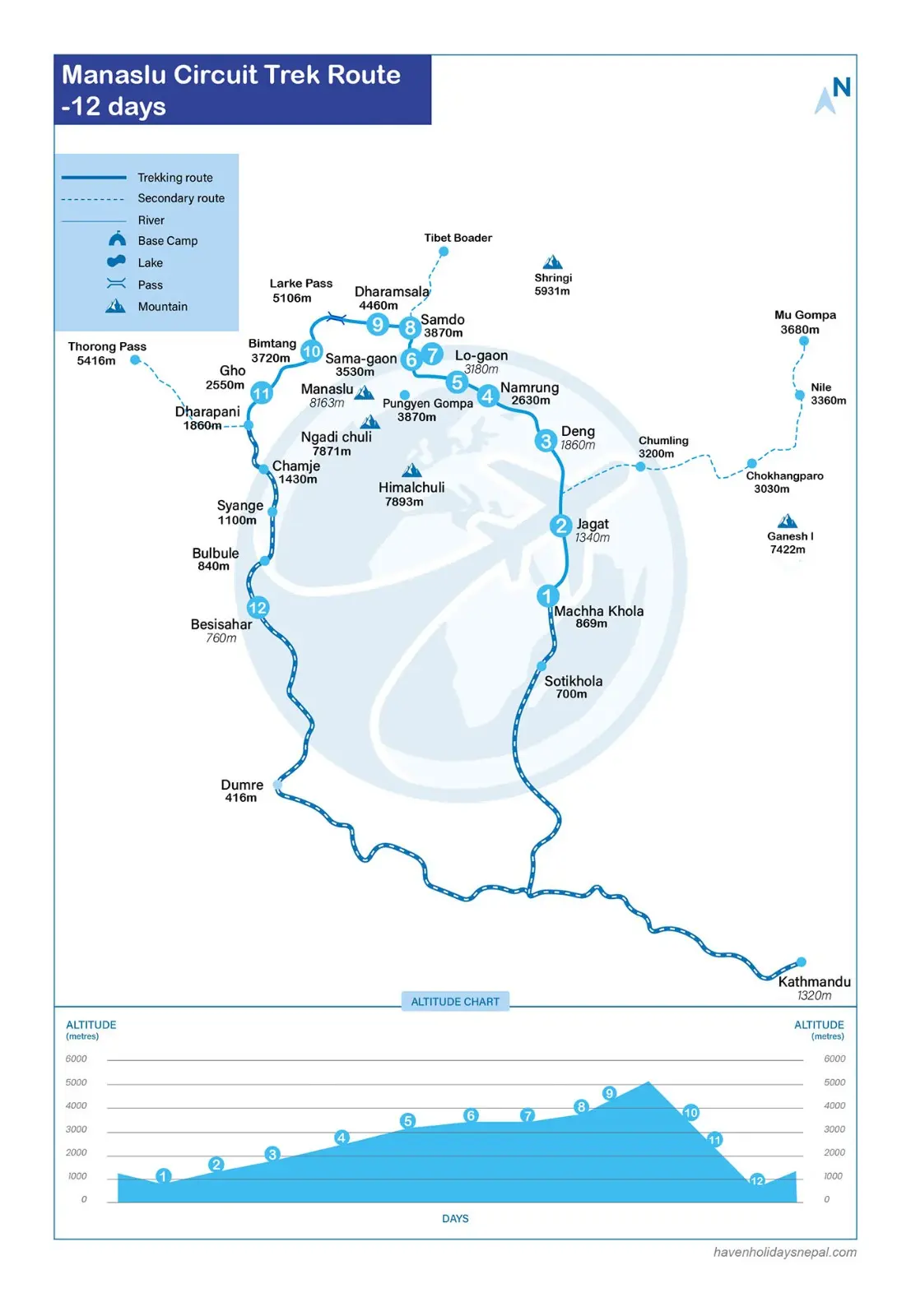
Trek with a registered trekking company
The Manaslu Circuit includes a restricted area, so it is important to arrange the trek through a registered trekking agency. Your agency should handle the restricted-area trekking permit, conservation-area entry requirements, itinerary, transportation and necessary staff arrangements.
Choose a company that provides a licensed trekking guide and insured staff, rather than simply arranging accommodation and transportation. The official permit process requires agency documentation, trekker details, insurance documents and an itinerary.
A licensed English-speaking trekking guide is strongly recommended for the Manaslu Circuit. The guide helps with navigation, accommodation, permits, communication with local people, altitude awareness and daily trekking decisions.
The route becomes more remote as you travel north, while the terrain becomes more demanding around Samagaon, Samdo and Larkya La. Therefore, having an experienced guide is particularly useful during the high-altitude section.
A porter can carry your main trekking bag, allowing you to walk with a lighter daypack. A practical arrangement is generally one porter for two trekkers, with the exact load kept within safe working limits.
Your daypack should contain water, snacks, warm clothing, rain protection, sunscreen, camera/phone and personal medicines, while the porter carries most of your clothing and overnight equipment.
The Manaslu Circuit begins in the lower Budhi Gandaki Valley and gradually climbs toward the high Himalayan landscape. You should not treat it as an ordinary low-altitude hike because the route eventually reaches more than 5,000 m at Larkya La.
The most important preparation is therefore gradual acclimatization, controlled walking speed, adequate hydration and enough rest.
Do not try to complete the Manaslu Circuit too quickly. A good itinerary normally includes an acclimatization/rest day around Namrung or Samagaon, depending on the itinerary and altitude profile.
At higher elevations, walk slowly and tell your guide immediately if you develop headache, unusual tiredness, dizziness, nausea, loss of coordination or breathing difficulty.
Larke Pass – 5,106 m / 16,752 ft is the highest point of the classic Manaslu Circuit. The pass day can be long, cold and physically demanding, particularly if there is snow or strong wind.
Start early, carry sufficient water and snacks, wear layered clothing and follow your guide's instructions. Trekking poles and proper footwear are particularly useful on the ascent and descent.
The Manaslu region passes through several climatic zones, from relatively warm lower valleys to cold alpine terrain. Nepal Tourism Board lists March–May and September–November as the main trekking seasons for the Manaslu Conservation Area.
Weather can still change quickly at high elevations, so your packing list should include both rain protection and warm mountain clothing.
The Manaslu route has teahouses and lodges along the trekking trail, although facilities become simpler in remote sections. Nepal Tourism Board notes that the area offers lodge accommodation as well as camping possibilities.
Therefore, do not expect city-style hotels, particularly around the higher villages. Carry a good sleeping bag suitable for cold mountain nights.
The exact distance and walking time can vary because road construction, trail conditions, weather and the selected itinerary can change the route. The following is a practical approximate guide for a standard Manaslu Circuit itinerary.
| Route | Approx. Distance | Walking Time |
|---|---|---|
| Kathmandu → Machha Khola | Road journey | 7–9 hrs Drive |
| Machha Khola → Jagat | 22 km | 6–7 hrs |
| Jagat → Deng | 20–21 km | 6–7 hrs |
| Deng → Namrung | 18–19 km | 6–7 hrs |
| Namrung → Samagaon | 17–18 km | 6–7 hrs |
| Samagaon → Samdo | 8–9 km | 3–4 hrs |
| Samdo → Dharamsala | 10–11 km | 4–5 hrs |
| Dharamsala → Larke Pass → Bimthang | 18–19 km | 8–10 hrs |
| Bimthang → Dharapani | 14–15 km | 5–6 hrs |
| Dharapani → Besisahar | 35– 40 Km | 3– 4 hrs driving |
| Dharapani → Kathmandu/Pokhara | Road journey | Variable |
Important: The Dharamsala–Larkya La–Bimthang section is the most demanding day. It combines a long walking distance with a high-altitude pass, so good acclimatization and an early start are important.
The Manaslu route follows the Budhi Gandaki valley around the Manaslu massif before crossing toward the Annapurna side.
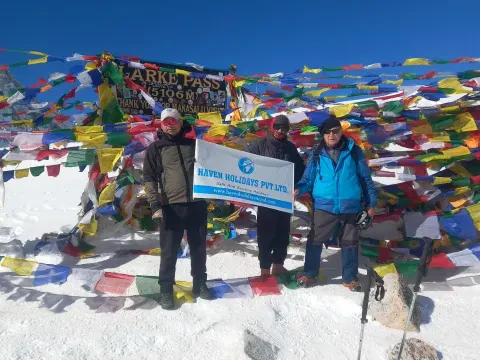
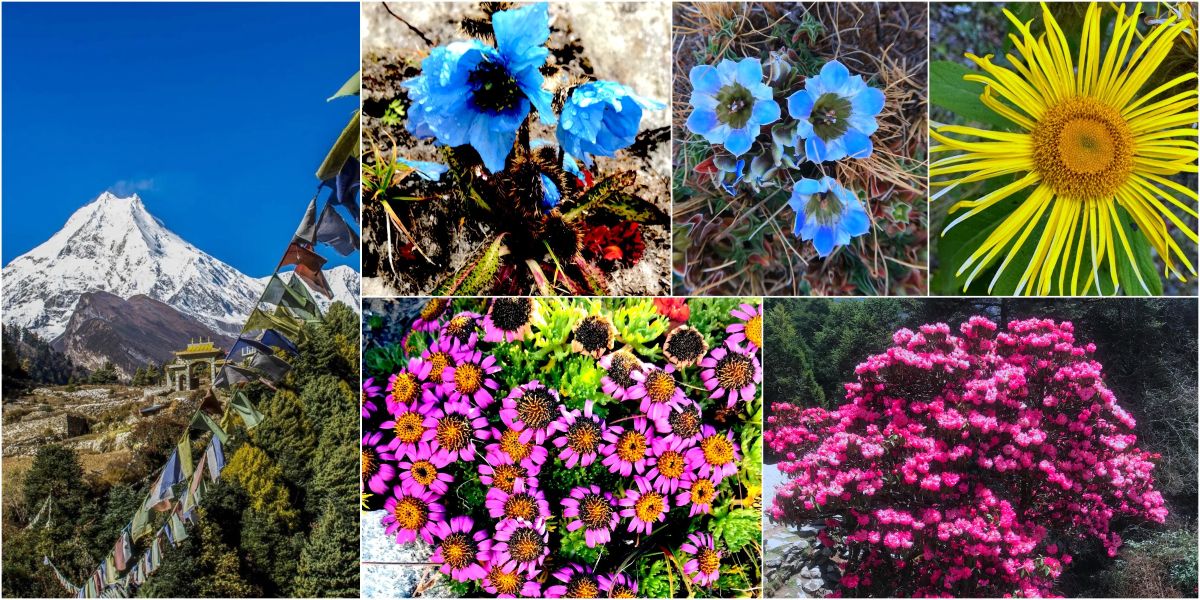
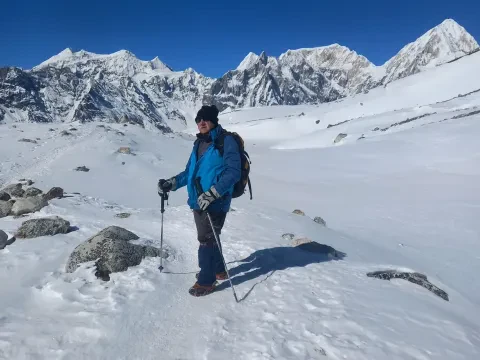
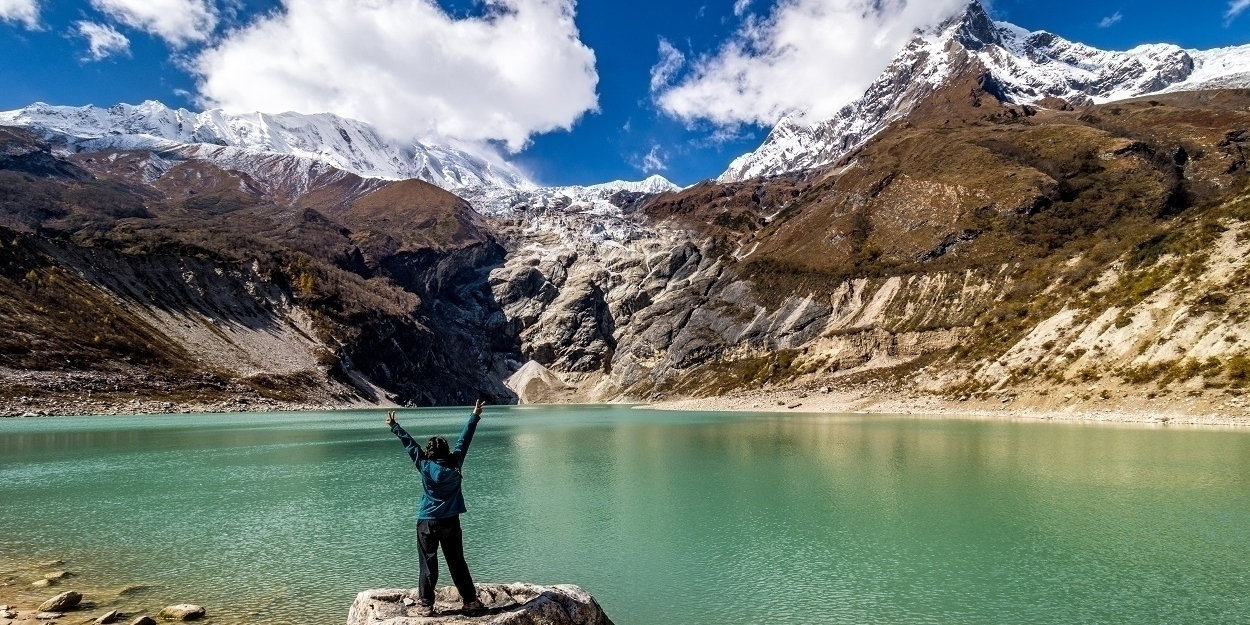
You can cancel your booked Manaslu Trek 14 days if you want, but no advance payment will be returned to you. It means, no refund will be transferred to your account again for the cancellation of the trip.
Actually, once you book the trip, our team needs to prepare the transportation; accommodation and the trip crew for your trip and the company will already make certain payment to other operating sections. Therefore, the other operating department like transportation, food and accommodation, trekking crews are not ready to return the advance payment to us. This is the reason we are not going to return you back the advance payment. But, you can postpone the trip for future. We will offer you the same or other equivalent trip whenever you want in the future.
Though you cannot get the refund after you cancel your planned 14 days Manaslu Circuit Trek, you can postpone it for future and you can do whenever you have favorable time for you. Or, you can transfer the same trip to your family members, friends and relatives. If you want you other people who are closer to you do this trip, you can do transfer of offer this trip as a gift. But for this, we require valid and reliable evidence like email address, other contacts and all requires contracts we made previously.
You will arrive either by air or land to Nepal. If you arrive in Nepal by air, you have to use only Tribhuvan International Airport for Manaslu Circuit Trek. Instead, if you use the road, you can enter or arrive in Nepal by land, you can different borders of Neighboring countries (India and China) like Jogbani, Raksaul, Sunauli, Birjung, Kakarvitta, Tatopani, Rasuawagadi etc. You can use whichever entrances you like to suit your comfort and convenience.
On Arrival, you will have the on arrival visa instantly if you have not applied Nepal visa for Nepal through the consulate centers or Nepal Embassies nearby you or your city. Actually, it is recommended to have visa on your passport before you go Nepal for Manaslu Trek. But, within half an hour after you apply for the visa, you can get an instant authentic visa on your passport after producing all required documents for visa.
A tourist Visa is on arrival visa in Nepal. It means tourists who are visiting Nepal can get the visas instantly on arrival at International Airports by producing all required documents. TIA (Tribhuvan International Airport) under the Department of Immigration has been facilitating tourists flying to Nepal by providing visas on Arrival. The 'On Arrival' visa procedure is very quick and simple. Within 5-10 minutes, you will get a visa on your passport. However, you can expect some queues during peak Tourist season If you wish to skip those queues, you can also consider getting a Visa from Nepalese Diplomatic Missions stationed abroad before your arrival. If you have possible, we recommend you obtain a visa before you enter Nepal from the diplomatic missions located nearby you so that you don’t need to bear any hassles during the process of obtaining the Tourist Visa Nepal on arrival. The choice is yours.
The majority of people/trekkers enter Nepal by air and that is via Tribhuvan International Airport. We receive you at the arrival of any entry point of Nepal or mainly at Tribhuvan International Airport without any delay according to your arrival time. It may take some time like 30 minutes to collect your luggage and for security checking at the airport. After that, you make your way to the exit of the airport and the Haven Holidays Pvt. Ltd. Representative will be waiting there holding the Board Written “Haven Holidays Pvt. Ltd” As you see the board, you have to go with him or her and we will make a very comfortable transfer to the hotel you are staying overnight. The transfer from Tribhuvan International Airport and Thamel, the hotel where you are staying will take just 30 minutes drive.
Get checked in the hotel take a rest and get refreshed. We will give you the time for orientation after you get checked into the hotel.
As you are given the time when you get checked in the hotel, you will be followed by our staff for the orientation about your Manaslu Circuit Trek. It may be on the same day or later the next day early in the morning at breakfast. Follow the instruction given by our representative.
Or professional trekking experts will briefly let you know the trip you are undertaking from the next day or the same day onward. You will be stated about the highlights of the trip, preparations, equipment, food and accommodation, guide, porter, etc.
If you have any queries, you can put them in this orientation meeting before you depart for your trip next day.
Training for high altitude means training for boosting your stamina to successfully cope with the new elevation your body gets during the trip in the Himalayas. For this, you require doing short hikes and joggings, aerobics, regular exercises like jumba dances, walking up and downs with small backpack, joining gym for cardio and other exercises and primarily, jogging, cycling, futsal, football and short hikes/treks in the hill. You can practice both slow joggings and quick running that will help you a lot in the mountain to adjust with new and high elevation you gain.
If you do above mentioned things very periodically, you will be able to battle mountain sickness and you will enjoy your trip blissfully. It is a must thing to do before you board on the trip in order to delightfully celebrate the trip in the mountain with new elevation, new culture and the atmosphere.
Burn your fat if you are fatty/obesed, address serious sickness in your body if you have by consulting your doctor, stop smoking and drinking (heavily) if you can, avoid stress and mental burden, have balanced diet and keep your body fit and fine to work out in the mountain at least for 4 hours to maximum8 hours with little backpack for the trek you want.
If you love doing outdoor sports like lawn tennis, football, basketball, volleyball, badminton and any other games and sports, continue them and practice harder for the Manaslu Circuit Trek.
If you prepare the Manaslu circuit trek very well in a finely organized way beforehand, it is said, half of the trek is already accomplished. Therefore, one requires preparing the trip with all requires things to carry and keeping oneself fit and fine. As Manaslu Circuit Trek is really stressful and challenging trekking trip in Nepal, one requires a very wider and comprehensive preparations for the trek to Manaslu Base Camp.
The guide and the porters you will accompany as your trekking crew/team for Manaslu Circuit Trek will be very professional and highly experienced. They will speak your preferred language very fluently and try their best to satisfy you with some marvelous insights and experiences during Manaslu trek. The guide will manage all required accommodations, meals and transportation for your Manaslu Circuit Trek. Also, if any lack and insufficiency occurs during the trip, the guide will manage all the things according to the situation to suit and make your Manaslu Circuit Trek Itinerary more flexible and convenient. So, hiring guide and porter for Manaslu Circuit Trek will enhance your entire trip with multiple helps from minor sickness and scarcity to acute mountain sickness. They will take a good care of you all round the Manaslu Trek.
Porters will help you tremendously by carrying and taking care of your luggage. They will safely carry and drop your luggage to the destination you want to go. They will be very hospitable, hard-working, funny, and friendly and also can communicate little with you during the trip. Porters will carry maximum 18 kg of load in the mountain. We request you to co-ordinate with your guide and porter during the Manaslu Circuit Trek and make it more exciting, safer and memorable.
In case you are critically suffered of acute mountain sickness on the trail while ascending up to Dharmasala or Larkya La Pass, you will immediately be rescued by the helicopter and admitted at the hospital of Kathmandu Valley and begin the further treatment. For this, you must allow your trekking partner and your guide to call the helicopter by presenting authentic travel insurance that covers all rescue and treatment expenses.
Ascending and stepping at Larkya La Pass(5106), the top point of Manaslu Circuit Trek and witnessing all towering mountain peaks including Mt. Manaslu ( 8163m) will be the best moment to celebrate during Manaslu Circuit Trek. Yes, everyone loves achieving this kind of adventure history of stepping over one of the highest mountain passes (Larkya La Pass 5106m) of the world.
Besides, you can celebrate the truly unspoiled lifestyle of the local people, mesmerizing landscapes, deep gorges, true remoteness and wilderness and the local cuisines and accommodation far away from modern facilitated cities. Tipping for Guide and Porter
Tipping for your guide and porter is not mandatory during your Manaslu Trek but they expect something extra from you after they work hard for you. You’d better prepare USD 5-10 per day per individual guide and porter. But, it doesn’t mean that you have to do the same as we recommend you. You reward them with some handsome tipping as well if you are satisfied. Sometimes, you don’t need to reward them with tipping if they don’t take a good care of you and try to spoil your Manaslu trek with some unnecessary personal benefits and interests.
You will enjoy, mostly, enjoy local cuisines during the Manaslu Circuit Trek. The local teahouse and lodges on the Manaslu Circuit Trekking trail will offer you very authentic local cuisines like tsampa, porridge, Tibetan bread, yak meat items, locally grown vegetables and fruits, etc. They also offer some continental, Indian, Chinese, Japanese and popular dishes during the trek as mentioned on their food menu by local lodges owners.
You can cook on your own at local lodges while staying overnight during Manaslu Trek in the mountain. The meals you have will be freshly cooked and very hygienic in order to ensure your balanced diet and hygiene. Pick up the item from food menu and ask them to prepare for you.
The best itinerary for Manaslu Circuit Trek is 14 days Manaslu Trek Itinerary. These 14 days will be very sufficient for you to explore the entire Manaslu region, acclimatize at Samagaon and ascending up to Larkya La Pass. This Manaslu Trek 14 day also has the days for your arrival and departure. If you want a day spare in case you have a bad weather condition while ascending up to Larkya La Pass, you are suggested to have to do so and plan accordingly to make your Manaslu Trek more flexible and convenient. Optionally, you can go with 16 days Manaslu Circuit Trek if you want a flexible and comfortable Manaslu Trek Package.
Keep the following safely in your daypack:
The Department of Immigration specifically advises trekkers to carry their passport and trekking permit throughout the trek.
For the Gorkha Manaslu restricted area, the Department of Immigration currently lists a seasonal permit fee of USD 100 per week from September–November and USD 75 per week from December–August, with additional daily charges after the first week. Permit requirements and fees can change, so your trekking agency should verify the current rate before booking.
Start preparing 6–8 weeks before the trek if possible.
Focus on:
You do not need to be an elite athlete; however, you should be comfortable walking 5–8 hours on consecutive trekking days.
Before travelling to Nepal, try some longer hikes with your trekking shoes and backpack.
For example:
This helps your feet, legs and shoulders adapt before the trek.
The Manaslu Circuit is not only physically demanding. You should be prepared for:
A flexible attitude makes the experience much easier.
Before leaving Kathmandu, make sure you have :
Most importantly, do not rush the Manaslu Circuit Trek. The combination of long walking days, increasing altitude and the 5,106 m Larke pass crossing means that a well-planned itinerary with a registered trekking company, licensed guide and porter is an important part of preparing for the trek.
Tip: Pack clothing in layers rather than carrying one very heavy jacket. Conditions can change considerably between the lower valleys and Larkya La.
Break in your boots before the trek. New boots can cause painful blisters during long trekking days.
Keep your passport, money, electronics, medicine and important documents in your daypack.
A good sleeping bag is particularly useful at the higher Manaslu villages and around Dharamsala.
Avoid relying only on bottled water. A purification method gives you more flexibility throughout the trek.
For altitude-related medication, consult a qualified medical professional before your trip rather than self-medicating.
Strong sunlight and reflected snow can be intense around the Larkya La area.
A headlamp with spare batteries is particularly useful because mornings can start before sunrise on the Larkya La day.
The above-listed gears are essential for women, too. However, besides above mentioned, there are some other women's essential packing list
The Manaslu Circuit Trek 12 days is a compact route that circles Mount Manaslu and shows high Himalayan scenery. Actually, this 12-day Nepal tour focuses on the main highlights and uses efficient travel and acclimatisation to cover the classic route in less time. The trek passes through villages, forests, high passes, and scenic viewpoints, so trekkers see diverse landscapes and local culture.
Moreover, this shorter Manaslu Circuit Trek Nepal tour is good for travellers who have limited time but want the large-mountain feel. Haven Holidays organises the itinerary, permits, and guides, so the trip runs smoothly and safely. In conclusion, expect strong scenery, cultural stops, and careful logistics on this 12-days option.
Most 12-day Manaslu Circuit Trek itineraries start with a long drive from Kathmandu to the lower villages like Machha Khola and they usually finish with a drive out to Besi Sahar or back to Kathmandu. Likewise, the road travel is part of the experience because you pass through changing landscapes from river valleys to Himalayan foothills.
Moreover, the exact start/finish points can change with road and weather conditions, so good operators like Haven Holidays will update your plan before departure. In conclusion, expect long initial and final drives, plus several days of walking between the lower villages and high alpine areas.
The highest and most famous point is the Larkya La (Larkya Pass), which sits 5,106 meters. Because you reach over 5,000 m, this pass requires good acclimatization and careful pacing, so it is the main altitude challenge of the Manaslu Circuit Trek Nepal tour. The day over Larkya La can be long and cold, with snow possible even in shoulder seasons.
Actually, passing Larkya La is a big achievement and gives wide views of Himalayan peaks. Therefore, plan your gear, rest, and hydration well, and if you feel unwell your guide from Haven Holidays will advise descent or extra rest.
The trek is best for trekkers who have some previous Himalayan or multi-day trekking experience, and who are comfortable walking several hours a day at altitude. Likewise, people with good cardio fitness and sensible acclimatization plans do the best on a 12-day schedule, because the ascent is fairly rapid. If you are new to trekking, consider an easier or longer itinerary to allow more time to adapt.
Moreover, travelers who enjoy local culture, quiet trails, and Tibetan-style villages will love the route. Haven Holidays recommends honest fitness checks, and they can provide porter and guide services to make the trip safer and more comfortable for a range of trekkers.
The best time to visit Manaslu is autumn (September–November) and spring (March–May). Actually, these seasons provide clearer skies, stable weather, and good mountain views, so they are the favorite months for a Manaslu Circuit Trek Nepal tour. Winter brings heavy snow on high passes and monsoon months are wet and risky for landslides.
Moreover, spring offers rhododendron blooms and milder temperatures, while autumn gives crisp air and the clearest views. Therefore, pick these windows for the best balance of weather and trail conditions, and ask Haven Holidays for specific departure dates in your chosen season.
The Manaslu Circuit is remote and passes small mountain villages such as Jagat, Namrung, Lho, Samagaun, Samdo, and Sama. Similarly, teahouses are basic in the high areas and services are limited above 3,500 m, so you should carry essential medicines and warm gear. The remoteness is part of the appeal, because you meet few crowds and see local life in practice.
Moreover, because services are limited, Haven Holidays recommends packing essential items and hiring porters to ease the load. In conclusion, expect simple lodgings, friendly villagers, and long sections without big facilities — plan accordingly.
Expect a mix of river paths, steep valley trails, rocky sections, and high alpine tracks. Because the route moves from low river valleys up to the Larkya La, the terrain changes daily and some days include steep climbs or loose scree. Typical walking is 5–8 hours per day, and some days can feel long because of altitude and trail condition.
Therefore, train with uphill walks and longer day hikes before you arrive, and consider hiring a porter so you can walk light. Moreover, Haven Holidays advises daily pacing and rest to reduce fatigue and help with altitude acclimatization.
Yes — the Manaslu area is a restricted region, so trekkers must carry the correct permits and pay restricted-area fees. Because this is a controlled route, authorities check permits at checkpoints and you usually must travel with a registered guide or be part of a group for the restricted section. This helps protect local culture and the fragile environment.
Therefore, booking through a licensed operator like Haven Holidays makes the paperwork easier because the agency arranges the Manaslu Conservation/Restricted Area permits and any other required passes. In conclusion, don’t travel to Manaslu without confirming permits — they are checked on the trail.
The 12-day Manaslu Circuit Trek is a compact program that moves quickly to cover the main highlights. Because the route gains a lot of height in a short time, days often run from 4–8 hours of walking and include some long driving days at the start and end. So the 12-day plan suits trekkers who have limited time but good fitness.
Actually, a 12-day schedule is tighter than the classic 14–18 day itineraries, so it includes fewer rest days and harder altitude profiles. Therefore, many people choose to add an extra day if they can, but if you prefer a shorter program Haven Holidays can tailor the pacing and add acclimatization stops to lower altitude sickness risk.
Yes — Haven Holidays offers Manaslu Circuit Trek Nepal tour packages, and they can customize the 12-day route to your needs. Likewise, booking with a local operator helps with permits, local transport, guide/porter arrangements, and emergency planning, which is important in remote regions like Manaslu.
Moreover, when you book with Haven Holidays you get experienced guides, local logistics, and a team that knows the route and weather patterns. In conclusion, contact Haven Holidays for schedule, price, and a tailored plan that fits your fitness and timing.
Choosing Haven Holidays gives you a well-planned itinerary, experienced guides, reliable transport, and complete permit support. Actually, Manaslu is a restricted region, so a trusted operator makes the trip safer and easier. Moreover, you get transparent pricing and professional service.
Haven Holidays also offers flexible customization, group discounts, and expert advice on the best time to visit Manaslu. Therefore, trekkers enjoy a comfortable experience from booking to completion. In conclusion, it is a dependable choice for a successful Manaslu Circuit Trek Nepal tour.
The Manaslu Circuit Trek is actually around 177 km in total distance, depending on the exact route and side trips you choose. Most trekkers complete it in about 12 to 14 days, which makes it a well-paced adventure for people who want both challenge and comfort. Moreover, the trek circles Mount Manaslu, the eighth-highest mountain in the world, and offers remote landscapes, river valleys, and high mountain passes. Because of its distance and elevation, it is considered a moderately challenging trek that requires good preparation.
The trek begins in lower-altitude villages and gradually climbs toward the Larkya La Pass at 5,106 meters. So the journey feels gradual and manageable for most trekkers. The total distance may seem long, but each day is broken into comfortable walking hours. Therefore, with proper fitness and guided support, completing this distance is achievable and enjoyable for many adventure lovers.
The Manaslu Circuit Trek is special because it actually offers a perfect mix of culture, nature, and adventure in a less-crowded region of Nepal. Moreover, the trek passes through the Manaslu Conservation Area, where trekkers see beautiful forests, waterfalls, suspension bridges, and Himalayan peaks. The route feels authentic because many villages still follow traditional Tibetan-influenced culture. This makes the experience feel real and memorable for travelers seeking a natural escape.
The highlight is the crossing of Larkya La Pass, which stands at 5,106 meters and provides stunning panoramic mountain views. So the trek gives you both scenic beauty and a strong sense of achievement. Many trekkers choose this route because it is quieter compared to Annapurna and Everest regions. Therefore, it is ideal for people who want peaceful trails, cultural encounters, and dramatic landscapes in one complete Himalayan journey.
You do not necessarily need prior trekking experience, but having some hiking background actually makes the Manaslu Circuit Trek much easier and more enjoyable. The route includes long walking days, steep climbs, and high-altitude sections. Moreover, the trail reaches above 5,000 meters, so your body must adjust gradually. With basic fitness, regular walking practice, and a positive mindset, first-time trekkers can complete the journey with confidence.
The support of a licensed guide helps you walk safely and maintain a steady pace. So even beginners can successfully finish the trek if they prepare well. Many trekkers who complete Manaslu as their first major trek say it becomes a life-changing experience. Therefore, building fitness, doing some practice hikes, and choosing a good trekking company ensures a smooth and rewarding adventure for those new to high-altitude trekking.
It is good to book the trek at least 1–2 months earlier, especially in peak seasons. Actually, autumn and spring get busy, so early booking ensures accommodation and permits are secured. Moreover, early planning helps trekkers find better flight deals and choose the best time to visit Manaslu Circuit Trek.
Booking early also allows enough time to prepare physically and arrange gear. Likewise, trekking agencies can organize guides and porters more smoothly. So planning ahead reduces stress. Therefore, early booking is helpful for a comfortable experience. In conclusion, reserving your Manaslu Circuit Trek Nepal tour earlier ensures better organization and availability.
The cost of the Manaslu Circuit Trek 12 Days usually depends on permits, guide and porter services, accommodation, and transportation. Actually, the restricted area permit for Manaslu makes the cost slightly higher than other treks. Moreover, the remote location means food and lodging prices rise as you go higher. So the overall cost is fair considering the geography and services needed.
Haven Holidays offers clear package prices that include permits, transport, guide, porter, accommodation, and meals. Therefore, booking a complete package helps you control your budget and avoid hidden costs on the trail. In conclusion, expect a moderate to premium price range that matches the quality of the experience and the remoteness of the region.
Most packages include accommodation in teahouses, on the trekking trail, transportation from Kathmandu, guide/porter services, and all required permits. Actually, these inclusions make travel easier because the region is remote and you cannot always find services at the last minute. Moreover, having everything included helps trekkers stay relaxed and focus on walking.
Haven Holidays usually includes transport, government taxes, guide insurance, and restricted area permits. Therefore, the package becomes good value because all essential services are arranged before departure. In conclusion, read the detailed inclusion list to understand exactly what you get.
The cost is higher because Manaslu is a restricted region and requires special permits that cost more. Likewise, accommodation and supplies become expensive as everything must be carried from lower towns. Actually, the trail is less commercial, so services are limited and priced accordingly.
Moreover, guides must be experienced and licensed, which adds to the overall cost. Haven Holidays ensures fair pay for local staff, which supports the community and improves safety. In conclusion, the higher cost reflects the remoteness, permits, and quality services required for the Manaslu Circuit Trek.
Yes, it is possible — but with limitations. Because the trek requires a restricted-area permit and a certified guide, you cannot cut certain costs. Actually, the remote location also means food and accommodation prices are fixed, so you must plan wisely.
Haven Holidays can design a basic package with essential services only, helping trekkers save where possible. Moreover, going in a group lowers the overall cost because you share guide and transport expenses. In conclusion, budget travel is possible, but expect unavoidable expenses in this controlled region.
A standard 12-day itinerary includes a long drive from Kathmandu to Machha Khola, followed by daily trekking to Jagat, Deng, Namrung, Lho, Samagaun, Samdo, Dharmasala, and over Larkya La Pass. Actually, the days are well-structured to help you gain height gradually. Moreover, the route provides stunning views and cultural experiences in Tibetan-influenced villages.
Haven Holidays uses a balanced itinerary designed for safe acclimatization while keeping the schedule compact. Therefore, the 12-day plan works well for trekkers with limited time but good fitness. In conclusion, it covers all major highlights in a comfortable and guided style.
Most days require 4–8 hours of walking. Actually, as you gain altitude, the pace becomes slower because your body needs more time to adjust. Moreover, the day crossing Larkya La can be the longest, sometimes up to 8–10 hours, depending on weather.
Haven Holidays keeps daily walking manageable by planning proper breaks and steady pacing. Likewise, guides help you adjust speed so you do not overexert yourself. In conclusion, expect moderate to long days but with proper support the walking becomes comfortable.
Yes, but limited. Because the itinerary is short, usually one main acclimatization day is planned at Samagaun. Actually, this stop helps you prepare for the higher sections beyond 4,000 meters. Moreover, the schedule may adjust depending on your body’s response.
Haven Holidays can add an extra acclimatization day if you prefer a safer pace. Therefore, trekkers with less experience may benefit from a slightly longer itinerary. In conclusion, acclimatization days are essential for safety and success in the Manaslu Circuit Trek Nepal tour.
Yes,Manaslu packages include transportation from Kathmandu to the starting point and back. Actually, private vehicles save time and offer comfort on rough mountain roads. Moreover, it ensures you reach the trailhead without delays.
Haven Holidays includes safe and comfortable transport in their packages, which supports smooth logistics and reduces stress. Therefore, you do not need to arrange buses or jeeps separately. In conclusion, transport is usually included but always check the package details.
Yes, the 12-day itinerary is enough for most trekkers with normal fitness. Actually, it includes proper acclimatization days and gradual altitude gain. Moreover, the route is well-planned to avoid rushing. The trek covers scenic villages like Namrung, Samagaun, Samdo, Dharamsala, and Lho. So trekkers enjoy culture and nature without skipping important stops.
However, some trekkers prefer a longer itinerary to walk slowly or spend more days in Samagaun. Likewise, photographers often add an extra day for better sunrise views. Therefore, the 12-day plan is suitable, but flexible options are available. In conclusion, the itinerary balances time, comfort, and safety and works perfectly for a standard Manaslu Circuit Trek Nepal tour.
Yes, the itinerary can be customized based on fitness level, travel dates, or personal preference. Actually, trekking companies like Haven Holidays allow changes such as extra days for acclimatization or adding Tsum Valley. Moreover, private groups can request slower or faster itineraries depending on their trekking experience.
Custom itineraries help trekkers enjoy villages, monasteries, and viewpoints at their own pace. Likewise, adding rest days reduces the chances of altitude sickness. So customized plans are ideal for families, beginners, or photographers who need more time. Therefore, flexibility makes the trek more comfortable. In conclusion, you can always adjust the Manaslu Circuit Trek Nepal tour to match your needs.
Extra costs may include charging electronics, Wi-Fi, hot showers, snacks, drinks, and tips for your guide and porter. Actually, prices increase as the altitude rises because supplies must be carried manually. Moreover, bottled water and energy bars can be expensive in remote villages.
Trekkers should also budget for personal gear, insurance, and meals in Kathmandu. Likewise, occasional upgrades such as private rooms or special meals add to the expense. So preparing an extra USD 200–300 is wise. Therefore, having a buffer amount makes the journey smoother. In conclusion, these small expenses are normal and help support local communities along the Manaslu Circuit Trek.
Yes, most packages include food and accommodation during the trek. Actually, teahouses provide meals like dal bhat, noodles, soups, and hot drinks. Moreover, accommodation is simple but comfortable. These inclusions make the trek easier because trekkers don’t need to search for food or lodging in remote areas.
Upgrades such as Wi-Fi, hot showers, or private rooms may cost extra. Likewise, snacks and drinks are not included. So trekkers should keep a small budget for personal choices. Therefore, checking your package details is important before booking. In conclusion, most standard packages cover basic meals and teahouse stays for the full Manaslu Circuit experience.
Prices vary because companies offer different service levels, guide experience, group sizes, and accommodation quality. Actually, some agencies include more services like private jeeps, better meals, or emergency support. Moreover, reliable companies like Haven Holidays maintain professional standards, certified guides, and quality gear.
Cheaper packages may exclude important services like proper insurance or experienced staff. Likewise, budget options sometimes rush itineraries, which can affect safety. So trekkers should compare what is included, not just the price. Therefore, selecting a reputable company ensures a safer and more enjoyable journey. In conclusion, price differences reflect the quality, experience, and safety level offered for the Manaslu Circuit Trek Nepal tour.
Wi-Fi is available in most villages on the Manaslu Circuit, but the signal is weak and sometimes unreliable. Actually, the region is very remote, so internet services depend on solar power and small local routers. Moreover, higher villages like Samdo and Dharmasala often have very limited connection. Therefore, trekkers should not expect strong internet during most of the journey.
Because of these limits, many trekkers use mobile data or local SIM cards as backup. Haven Holidays recommends buying a Nepal SIM before the trek because it may work in lower sections. In conclusion, Wi-Fi is possible but slow, so plan to stay som time offline during your Manaslu Circuit Trek.
The Wi-Fi on the Manaslu route is not strong enough for video calls every where. Actually, basic messaging might work in some villages, but video or large uploads are almost impossible. Moreover, the Wi-Fi is shared among many trekkers, so the speed drops quickly. Therefore, it is better to complete any important online work before you leave Kathmandu.
Because the trek goes through very remote mountains, the infrastructure is not built for heavy internet use. Likewise, power cuts and weather also affect the connection. In conclusion, you should not plan video meetings or online streaming during the trek.
Mobile data works only in the lower parts of the trail, such as Machha Khola, and Jagat. Actually, NTC and Ncell networks cover a few villages, but the upper region around Samagaun and Larkya La has almost no mobile signal. Moreover, network towers are limited because the area is protected and remote. Therefore, mobile data should be seen as an occasional bonus, not a reliable service.
Because of this, most trekkers stay offline and enjoy the natural beauty without worrying about calls or messages. Haven Holidays suggests downloading maps and important information before the trek. In conclusion, expect patchy and inconsistent mobile data during your Manaslu Circuit Trek Nepal tour.
Buying a Nepal SIM card is a good idea because it may work in the lower villages. Actually, NTC has slightly better coverage than Ncell along the Manaslu trail, but neither works well in high-altitude areas. Moreover, data speed drops as you go deeper into the mountains. Therefore, a SIM card is useful but not a perfect solution.
Because the route enters a restricted and remote zone, communication is naturally limited. Likewise, many trekkers use the SIM mainly for emergency calls when the network appears. In conclusion, a SIM card is helpful but should not replace your safety planning.
Most teahouses offer paid Wi-Fi. Actually, internet cards or hourly passes cost extra because electricity and equipment are expensive to maintain at high altitude. Moreover, the cost increases as you walk higher, sometimes reaching premium rates. Therefore, trekkers should budget for occasional paid Wi-Fi if they need to stay connected.
Because Wi-Fi depends on solar panels and batteries, the service can stop working during cloudy days. Likewise, many teahouses limit usage to keep the network stable for all guests. In conclusion, Wi-Fi is available but usually paid and not always dependable.
Yes, satellite devices like Garmin inReach or satellite phones can be used. Actually, these tools offer the most reliable communication because they work even in areas without mobile signal. Moreover, they allow location tracking and emergency messaging. Therefore, trekkers who want extra safety often bring one.
Because Manaslu is a restricted and high-altitude region, emergency access is limited, so a satellite device adds security. Haven Holidays guides may carry communication tools depending on the group size. In conclusion, satellite devices are a smart choice for safety-focused trekkers.
Charging is available in most teahouses, especially lower ones. Actually, charging electronics usually costs extra because power comes from generators or solar systems. Moreover, in higher villages, outlets may be limited or only available in dining rooms. Therefore, do not depend fully on teahouse charging.
Because charging and Wi-Fi often use the same limited power source, it is common for teahouses to manage time and usage. Likewise, carrying a power bank helps ensure your phone and camera stay active for the whole Manaslu Circuit Trek Nepal tour. In conclusion, charging is possible but restricted.
Yes, bad weather can weaken both Wi-Fi and mobile networks. Actually, heavy clouds, snowfall, or wind can disrupt the solar power that teahouses depend on. Moreover, mountain landscapes block signals easily, so rainy or cloudy days often reduce connectivity. Therefore, weather conditions strongly influence internet quality.
Because the best time to visit Manaslu is during stable seasons (spring and autumn), connections may be slightly better then. Likewise, trekking during monsoon or winter brings more power and network interruptions. In conclusion, always expect weather-related issues with connectivity.
Wi-Fi is not reliable enough for navigation apps on this trek. Actually, most villages offer slow or unstable internet, which cannot support constant map loading. Moreover, you may walk for hours without signal. Therefore, offline maps are essential.
Because the Manaslu Circuit has remote paths and high-altitude sections, GPS is your safest option. Likewise, Haven Holidays guides know the route well, so following their lead is the best and safest method. In conclusion, download offline maps and avoid depending on Wi-Fi for route guidance.
Yes, it is safe to stay offline because the trek is guided and well-managed. Actually, your guide communicates with teahouses and staff along the route, so safety information flows even without internet. Moreover, local villages are welcoming, and the trail is well-known. Therefore, many trekkers feel safe even when they have no network for several days.
Because your group stays together and moves along a fixed itinerary, there is little risk related to lack of internet. Haven Holidays guides also monitor weather, altitude, and health conditions daily. In conclusion, being offline is normal and safe during the Manaslu Circuit Trek Nepal tour.
It is good to bring essential gadgets like a smartphone, power bank, camera, headlamp, and spare batteries. Actually, these items help you take photos, stay safe on the trail, and keep important information saved. Moreover, electricity is limited in higher villages, so having your own power backup is important. Therefore, lightweight but useful gadgets are best for this remote trek.
Many trekkers also bring offline maps, weather apps, and simple trekking apps on their phones. Haven Holidays recommends carrying only necessary items because heavy gadgets slow you down. In conclusion, pack smart and focus on useful electronics that support your Manaslu Circuit Trek Nepal tour.
Yes, a power bank is very important. Actually, teahouses charge extra for electricity because they use solar power or generators. Moreover, outlets are sometimes limited, especially at higher altitudes. Therefore, a strong power bank ensures your phone and camera stay charged throughout the trek.
Because cold temperatures drain batteries faster, a power bank helps protect your gadgets from shutting down. Likewise, many trekkers carry two smaller power banks instead of one heavy one. In conclusion, a power bank is one of the most essential items for the Manaslu Circuit.
Yes, you can charge your devices at most teahouses, especially in the lower parts of the trek. Actually, charging comes with an extra fee because electricity is limited. Moreover, charging hours may be controlled by the lodge, so you might have to wait. Therefore, do not fully depend on teahouse charging.
Because higher villages have weaker power systems, battery life becomes shorter in cold weather. Haven Holidays encourages trekkers to keep gadgets warm inside sleeping bags at night. In conclusion, charging is available but limited, so plan accordingly.
Drones are allowed in some places but need special permission. Actually, the Manaslu region is restricted, and flying drones near villages or monasteries may not be accepted. Moreover, strong winds and high altitude make drone flying risky. Therefore, you must check rules before using a drone.
Because drone permits require government approval, many trekkers avoid bringing one to keep the trip simple. Haven Holidays can guide you through local rules if you plan to fly a drone responsibly. In conclusion, drones are possible but come with strict rules and safety concerns.
Yes, cold weather affects batteries and reduces their power quickly. Actually, phones and cameras lose charge faster in freezing temperatures. Moreover, screens may respond slowly in cold conditions. Therefore, keeping electronics warm is very important.
Because the best time to visit Manaslu still includes cold mornings and nights, you must protect your devices. Likewise, placing gadgets inside inner pockets or sleeping bags helps maintain battery life. In conclusion, cold weather is a challenge, but careful handling keeps gadgets safe.
A headlamp is necessary for early-morning walks, power cuts, or dark sections of the trail. Actually, some teahouses do not have strong lighting, so a headlamp helps you move around safely. Moreover, trekking days like Larkya La Pass may start before sunrise. Therefore, a reliable headlamp is essential.
Because the region is remote, you cannot buy good gear during the trek, so bring one with fresh batteries. Haven Holidays guides also use headlamps to support group safety. In conclusion, always carry a headlamp for a comfortable and safe journey.
Yes, bringing extra memory cards is a good idea. Actually, the Manaslu Circuit offers amazing landscapes, monasteries, and cultural scenes, so you will take many photos. Moreover, you might not find replacement cards in mountain villages. Therefore, extra memory keeps your moments safe.
Because cold weather can sometimes affect storage devices, having backup cards reduces the chance of losing photos. Likewise, organizing photos daily helps manage space. In conclusion, extra memory cards are simple but very useful for the Manaslu Circuit Trek Nepal tour.
Yes, it is generally safe, but you must be careful. Actually, teahouses are simple and not built like modern hotels. Moreover, shared charging areas mean you must keep an eye on your devices. Therefore, keeping gadgets close to you is important.
Because teahouses rely on small power systems, avoid using high-power items like electric kettles or heaters. Haven Holidays guides also help you store valuable gadgets safely. In conclusion, teahouses are safe enough if you handle electronics responsibly.
Yes, a universal travel adapter is useful because outlets vary. Actually, Nepal uses different plug types, and remote teahouses may not have standard sockets. Moreover, having one adapter ensures you can charge anywhere. Therefore, always carry a reliable universal adapter.
Because you move through many villages, you may encounter different charging setups. Likewise, adapters with surge protection help protect your electronics. In conclusion, a universal adapter is a small but essential item for your packing list.
A solar charger can be useful because the trek passes through open areas with good sunlight. Actually, solar power helps you charge devices when teahouse power is unavailable. Moreover, it reduces your dependence on paid charging. Therefore, some trekkers find solar chargers very helpful.
Because weather changes quickly in the mountains, solar charging may not work every day. Likewise, carrying a lightweight model prevents extra weight in your backpack. In conclusion, a solar charger is optional but helpful for trekkers who want extra power sources.
Most trekkers use a public bus or private jeep from Kathmandu to Machha Khola. Actually, the road is rough and bumpy because the region is remote. Moreover, private jeeps are faster and more comfortable, so many travelers choose them for convenience. The return journey from Dharapani to Kathmandu also follows a similar road route.
Some trekkers upgrade to a 4WD jeep for safety and comfort. Likewise, group travelers often share transportation to reduce costs. So the choice depends on budget and preference. Therefore, transportation is simple but reliable for the Manaslu region. In conclusion, road travel is the only option, and it adds a sense of adventure to the Manaslu Circuit Trek Nepal tour.
The Manaslu Circuit Trek usually starts from Machha Khola. Actually, most trekkers fly or drive to Kathmandu first. From there, you can take a local bus, jeep, or private vehicle to Machha Khola. Moreover, roads are often hilly and narrow, so travel time varies depending on weather and road conditions. Because the route is remote, early planning is important for smooth transportation.
Private jeeps provide a faster and more comfortable option compared to public buses. So many trekkers book transportation through trusted companies like Haven Holidays, which coordinate reliable pickups. Road conditions may include gravel, mud, and occasional landslides, so careful driving is necessary. Therefore, planning your journey properly ensures a safe and timely arrival at the starting point of the trek.
There is no commercial airport near the Manaslu Circuit starting point. Actually, the nearest airport is in Kathmandu, the Tribhuvan International Airport. Because of this, trekkers rely on road transportation to reach Machha Khola. Flying directly to the trek area is not possible.
Private charter Helicopter flights can reach in nearby regions, So, planning a combination of flight to Kathmandu and road travel ensures convenience. Companies like Haven Holidays provide complete transport arrangements, including airport pickups and jeep transfers. Therefore, proper coordination is needed for a smooth start. In conclusion, flights only bring you to Kathmandu, and local transport completes the journey.
Reaching the starting point takes around 6–10 hours depending on the vehicle and road conditions. Actually, a private jeep is faster and more comfortable, whereas public buses may take longer with stops. Moreover, monsoon or landslide conditions can increase travel time. Because the trek area is in a remote region, flexibility is important.
Early morning departures help avoid delays and make the journey smoother. So hiring a reliable transport service from Haven Holidays ensures safety and comfort. Road conditions may include narrow gravel paths, hilly terrain, and occasional rough patches. Therefore, planning extra time for unexpected delays is wise. In conclusion, travel to the starting point requires preparation and patience for a safe arrival.
Road travel is generally safe but requires caution. Actually, the roads are hilly, narrow, and sometimes unpaved. Moreover, landslides or rain can make sections slippery. Because the area is remote, vehicle maintenance and careful driving are essential to prevent accidents.
Choosing experienced drivers and reliable vehicles increases safety. So hiring a jeep through Haven Holidays ensures professional handling of the terrain. Travelers should also carry basic essentials like water, snacks, and warm clothing for comfort. Therefore, road travel is safe with preparation and attention. In conclusion, experienced transport services make the journey smooth and reliable.
Yes, public buses and local jeeps are available to reach Arughat or Soti Khola. Actually, buses are cheaper and accessible for budget travelers. Moreover, local jeeps can be hired for faster travel. Because schedules depend on road and weather conditions, flexibility is needed when using public transport.
Public transport may take longer and involve crowded conditions. So for convenience and comfort, many trekkers choose private vehicles arranged by Haven Holidays. These vehicles reduce travel time and provide safer rides. Therefore, public transport is possible but less reliable. In conclusion, private jeeps offer a better start to the trek for most travelers.
Booking transport in advance is highly recommended. Actually, private jeeps and local buses may be limited, especially during peak trekking season. Moreover, road conditions can affect availability, so early arrangements prevent delays. Because the journey to the starting point is long and remote, last-minute transport can be stressful.
Pre-booking through Haven Holidays ensures timely pickups and safe vehicles. So travelers can relax and focus on trekking preparation. Guides often arrange flexible travel options to match your itinerary. Therefore, planning in advance avoids last-minute confusion. In conclusion, securing transport ahead of time makes the journey smooth and worry-free.
Driving yourself is possible but not recommended. Actually, the roads are narrow, steep, and sometimes rough. Moreover, landslides or unpredictable weather can make driving challenging. Because local driving experience is crucial for safety, self-driving is often risky for foreign trekkers.
Hiring a driver from Haven Holidays ensures professional handling of the terrain and safe travel. So you can enjoy the scenery and prepare for the trek instead of worrying about navigation. Vehicles are maintained for long-distance mountain travel. Therefore, guided transport is safer and more convenient. In conclusion, professional drivers are the best option for a stress-free start.
Most treks end at Dharapani, and travelers return by road to Kathmandu. Actually, jeep transfers are commonly used and take 8–10 hours. Moreover, buses are cheaper but slower and less comfortable. Because the area is remote, planning your return early is important to catch flights on time.
Private transport booked through Haven Holidays ensures punctual arrival at Kathmandu airport. So you can reach safely without worrying about road conditions or delays. Guides also suggest breaks and meal stops along the way. Therefore, road transport is reliable with planning. In conclusion, professional jeep transfers are the most convenient way to reach Kathmandu airport.
Yes, road conditions vary with season. Actually, monsoon season brings heavy rain, which causes mudslides and slippery paths. Moreover, winter may bring frost or light snow in higher regions. Because of these changes, travel time can increase, and caution is needed.
Planning with an experienced transport service like Haven Holidays reduces risk. So drivers familiar with seasonal conditions can choose safer routes. Early departures help avoid weather-related delays. Therefore, being aware of seasonal changes ensures smoother travel. In conclusion, seasonal planning is essential for safe and timely transport to the trek.
The Manaslu Circuit Trek is considered a moderate to challenging trek. Actually, the trail includes long walking days, steep climbs, and high altitude. Moreover, crossing the Larkya La Pass at 5,106 meters makes the trek physically demanding. Many trekkers complete it successfully, but it requires steady walking and good mental strength. Because the region is remote, comfort levels are basic, which adds to the challenge.
However, the trek is manageable for anyone with preparation, patience, and a proper itinerary. So walking slowly, staying hydrated, and resting when needed help you adjust to the altitude. Professional guides from Haven Holidays set a safe pace and offer support throughout the journey. Therefore, the trek becomes more achievable for beginners with determination. In conclusion, the difficulty is real but rewarding because the views and cultural experience are unforgettable.
Previous trekking experience is helpful but not compulsory for the Manaslu Circuit Trek. Actually, many first-time trekkers complete the route with good preparation. Moreover, the trail is well-balanced, allowing beginners to build confidence each day. The key requirement is the ability to walk for 6–7 hours daily and handle changing weather conditions.
Those without experience should train for a few weeks to improve stamina and leg strength. Likewise, joining a guided group makes the trek easier because guides help with pacing and safety. So beginners can enjoy the journey without feeling overwhelmed. Therefore, experience is an advantage but not a strict requirement. In conclusion, proper training and a positive mindset make the trek suitable for motivated first-time trekkers.
Larkya La Pass is the toughest part of the Manaslu Circuit Trek. Actually, the ascent is long and the altitude is high. Moreover, the cold temperature and wind can make walking more challenging. Because oxygen levels drop at 5,106 meters, trekkers may feel tired more quickly than normal. However, the slope is gradual, and the trail is stable.
Preparing well makes the pass more achievable. So proper acclimatization, early start, and slow pacing are important for success. Likewise, experienced guides choose safe routes and motivate trekkers during the climb. Therefore, the section becomes manageable with the right mindset and preparation. In conclusion, Larkya La is challenging but offers one of the most beautiful viewpoints in the Himalayas.
Trekkers usually walk 6–7 hours per day on the Manaslu Circuit Trek. Actually, some days are shorter, especially at the beginning when the body needs time to adjust. Moreover, the walking hours increase slightly as you approach higher altitudes. The longest day is usually the crossing of Larkya La Pass, which may take 9–10 hours.
The hours depend on pace, weather, and trail conditions. Likewise, guides manage walking speed to ensure safety and maintain good energy levels. So the schedule is balanced and designed to avoid overexertion. Therefore, even though the days are long, the scenic landscapes and cultural villages make the walk enjoyable. In conclusion, daily walking hours are demanding but completely manageable with a steady rhythm.
The hardest part is the climb to Larkya La Pass because of altitude and long walking hours. Actually, the air is thin above 5,000 meters, making breathing more difficult. Moreover, cold winds and early morning starts add extra challenge. Many trekkers consider this day the most demanding physically.
But the reward is amazing mountain views and a strong sense of achievement. Likewise, careful pacing helps you cross the pass safely. So even though the climb is tough, guides provide support and encouragement. Therefore, good preparation and determination help you succeed. In conclusion, the hardest section becomes one of the most memorable moments of the trek.
A moderate to good fitness level is required for the Manaslu Circuit Trek. Actually, trekkers walk long distances with gradual altitude gain. Moreover, carrying a small daypack demands strength and endurance. The fitter you are, the more enjoyable the trek becomes.
Training with hiking, stair climbing, or cardio exercises helps improve fitness. Likewise, regular walking builds stamina for high-altitude conditions. So anyone with basic fitness can complete the trek comfortably. Therefore, focusing on preparation makes a big difference. In conclusion, a balanced fitness routine is ideal for success on the Manaslu trail.
The trail is not technical, but some sections are narrow, steep, and rocky. Actually, the route is safe for normal trekkers with a guide. Moreover, the Manaslu Conservation Area maintains the trail regularly. There are no climbing ropes needed, and the path is clear in most parts.
However, weather can make the trail slippery. Likewise, higher areas may have snow patches, which require careful steps. So wearing good trekking boots is important for safety. Therefore, while the trail is challenging, it is not dangerous for prepared trekkers. In conclusion, basic trekking skills and close attention to foot placement are enough for a safe journey.
Yes, beginners can complete the trek with proper training and guidance. Actually, the itinerary includes enough acclimatization days to help the body adjust. Moreover, guides support beginners with pacing and motivation. Many new trekkers choose Manaslu because it offers adventure without technical climbing.
Training for a few weeks helps build confidence. Likewise, beginners should walk long distances before the trek to improve stamina. So physical preparation is important for a comfortable experience. Therefore, with the right mindset, beginners can finish the trek successfully. In conclusion, determination and preparation make this trek achievable even for first-time trekkers.
Altitude sickness can be a concern because the trek reaches over 5,000 meters. Actually, symptoms like headache, tiredness, and dizziness may appear if trekkers ascend too quickly. Moreover, the Manaslu region has steep elevation gains, so acclimatization is very important. Guides monitor your health and suggest rest days whenever needed.
Staying hydrated and walking slowly reduce risks. Likewise, choosing a standard 12-day itinerary allows the body to adjust properly. So trekkers should listen to their guide and avoid pushing too hard. Therefore, altitude sickness is manageable with the right precautions. In conclusion, most trekkers stay healthy by following safe trekking practices.
You can make the trek easier by training well, walking slowly, and staying hydrated. Actually, simple habits like stretching and resting help the body recover. Moreover, carrying a light backpack reduces pressure on your legs. Hiring a porter makes the journey even more comfortable because you only carry essentials.
Good gear also improves comfort. Likewise, drinking warm fluids and eating balanced meals help maintain energy. So choosing the right season makes the trail safer and more enjoyable. Therefore, preparation and smart planning make a big difference. In conclusion, following your guide’s advice makes the Manaslu Circuit Trek much easier and more enjoyable.
Preparing for the Manaslu Circuit Trek starts with building basic fitness. Actually, trekkers should practice walking long distances because the trek involves 6–7 hours of walking daily. Moreover, cardio exercises such as running, cycling, and stair climbing help increase endurance. Doing small hikes before the trek is also useful, as it trains both the body and mind for mountain walking. Because the trek reaches high altitude, slow and steady training is the best approach.
Proper planning is just as important as physical training. So choosing the right gear, booking permits early, and traveling with an experienced company like Haven Holidays makes the journey smoother. Packing warm clothes, good shoes, and hydration supplies helps you stay comfortable. Therefore, preparation is a combination of fitness, gear, and positive thinking. In conclusion, with the right approach, anyone can get ready for this beautiful Himalayan adventure.
You need moderate fitness to enjoy the Manaslu Circuit Trek comfortably. Actually, trekkers should be able to walk uphill and downhill for several hours. Moreover, the terrain can be rocky, and altitude levels gradually increase. Having good leg strength and basic stamina helps you manage the daily walking hours. Because altitude affects breathing, fitness plays an important role in your overall trekking experience.
Training for a few weeks makes a big difference. So focus on exercises that improve endurance, such as jogging, hiking, or fast walking. Strength training is also useful to support your knees and back. Therefore, even average fitness is enough when combined with preparation and a slow walking pace. In conclusion, regular exercise before the trek helps you stay comfortable and enjoy every moment.
It is best to start training 6–8 weeks before the trek. Actually, early training gives your body enough time to build strength and stamina. Moreover, starting early prevents injury because your body adapts slowly. Walking long distances on weekends is helpful, as it prepares your legs for real trekking conditions. Because Manaslu includes steep climbs, practicing uphill walking is very useful.
Training slowly also builds confidence. So combining cardio, strength exercises, and stretching creates a balanced routine. Trekking companies like Haven Holidays recommend regular walking as the most important step. Therefore, starting early gives you more energy and comfort on the trail. In conclusion, consistent training is the key to a smooth and enjoyable Manaslu Circuit Trek.
Exercises that improve stamina, leg strength, and balance are most helpful for the trek. Actually, activities like hiking, jogging, cycling, and stair climbing prepare you for long walking days. Moreover, strength exercises such as squats, lunges, and core workouts help protect your knees and back. Balance exercises improve stability on uneven trails. Because the trek goes above 5,000 meters, strong lungs and legs are important for comfort.
A balanced routine works best. So include stretching to avoid muscle stiffness and injury. Training outdoors is useful because it prepares you for real trail conditions. Therefore, any exercise that builds endurance and strength supports a successful trek. In conclusion, consistency and simple training make your body ready for the Manaslu adventure.
Yes, practice hikes are very helpful before the Manaslu Circuit Trek. Actually, short hikes prepare your legs for uphill and downhill walking. Moreover, they help you test your trekking boots, backpack, and clothing. Hiking also improves stamina naturally, which is important for long daily walking hours. Because the trek is physically demanding, practice hikes give you confidence.
Doing hikes on uneven trails is especially useful. So try hiking at least once a week before your trip. Trekking companies like Haven Holidays recommend 2–3 practice hikes for beginners. Therefore, practice hikes reduce discomfort and improve your overall performance. In conclusion, they make the real trek easier, safer, and more enjoyable.
Yes, mental preparation is just as important as physical preparation. Actually, the Manaslu Circuit Trek involves long days, changing weather, and limited comforts. Moreover, altitude can make you feel tired or slow, which requires patience. Staying positive helps you overcome difficult moments, especially when climbing steep sections. Because trekking is a long journey, strong mental focus is essential.
Mental strength grows through practice and experience. So doing small hikes, staying determined, and trusting your guide builds confidence. Group support also helps motivate you during tough days. Therefore, mental preparation is a key part of a successful trek. In conclusion, a calm and positive mindset makes the trek much more enjoyable and meaningful.
Proper acclimatization is important because the trek reaches high altitude. Actually, acclimatization allows your body to adjust to lower oxygen levels. Moreover, gaining altitude slowly helps reduce the risk of altitude sickness. Drinking plenty of water, walking slowly, and taking rest breaks support better breathing. Because Manaslu has steep climbs, regular pacing is necessary.
The standard 12-day itinerary includes gradual ascent. So following your guide’s instructions helps you acclimatize safely. Eating warm meals and staying hydrated also support oxygen flow. Therefore, proper acclimatization keeps you healthy throughout the journey. In conclusion, slow walking and steady breathing are your best tools for adapting to altitude.
Hiring a guide or porter makes the trek much easier. Actually, guides help you navigate trails, manage altitude, and choose safe routes. Moreover, they offer cultural insights and handle logistics like permits and accommodation. Porters carry your heavy bags, allowing you to walk comfortably. Because the trek is long, reducing weight helps conserve energy.
Haven Holidays provides professional guides and experienced porters who understand the region well. So walking becomes more enjoyable and less stressful. Trekkers with guides feel safer and more relaxed. Therefore, hiring support is a smart choice for a smooth trek. In conclusion, guides and porters improve comfort, safety, and overall experience.
Avoid overtraining or starting preparation too late. Actually, pushing your body too hard can lead to injury. Moreover, wearing new boots for the first time during the trek can cause foot problems. Training without stretching also increases muscle stiffness. Because preparation requires balance, extreme training should be avoided.
Avoid last-minute packing and poor gear selection. So test all equipment early to ensure comfort. Buying low-quality gear may cause discomfort in cold weather. Therefore, balanced preparation is safer and more effective. In conclusion, smart training and early planning help you enjoy the trek smoothly.
Yes, older trekkers can complete the Manaslu Circuit with proper training and pacing. Actually, many trekkers above 50 or 60 finish this trek successfully. Moreover, good fitness and regular walking are more important than age. Listening to your body and maintaining a slow pace helps a lot. Because altitude affects everyone differently, careful acclimatization is necessary.
Guided treks are best for older hikers. So having a guide ensures safety, steady pacing, and quick support if needed. Many older trekkers choose Haven Holidays for organized, comfortable itineraries. Therefore, age is not a barrier when preparation is strong. In conclusion, determination and fitness allow older adventurers to enjoy the Manaslu experience confidently.
The Manaslu Circuit Trek is generally safe for people of different ages. Actually, safety depends on proper preparation, fitness, and following guide instructions. Moreover, trekking with a licensed guide from a trusted company like Haven Holidays ensures that experienced support is available throughout the trek. Because the region is remote, having professional assistance reduces risks significantly.
Older trekkers and beginners should walk at a comfortable pace and take breaks whenever needed. So, monitoring your health and staying hydrated is very important. Guides also advise on altitude adaptation and proper resting points. Therefore, the trek is suitable for healthy individuals who follow safety measures. In conclusion, the Manaslu Circuit Trek can be enjoyed safely by most people with careful planning.
Altitude sickness can occur above 3,000 meters, especially near Larkya La Pass. Actually, the best prevention is to ascend gradually and allow time for acclimatization. Moreover, staying hydrated, eating light meals, and avoiding alcohol help reduce risks. Because oxygen levels drop at high altitude, proper pacing is very important.
Using a guide from Haven Holidays ensures that trekkers follow a safe daily schedule. So, monitoring symptoms such as headache, nausea, or dizziness is key. Resting at high-altitude points also allows your body to adjust. Therefore, altitude sickness is manageable with preparation and caution. In conclusion, slow walking, hydration, and awareness keep you safe at higher elevations.
Medical facilities are limited on the Manaslu Circuit Trek. Actually, basic first-aid kits are available at some teahouses and with guides. Moreover, teahouses provide warm meals, hot drinks, and rest areas that help with minor illnesses. Because the trek passes through remote villages, professional hospitals are not nearby, so precautions are essential.
Trekkers should carry personal medication and high-altitude remedies. So having a certified guide ensures quick response in emergencies and advice on minor health issues. Helicopter evacuation is available for serious cases. Therefore, preparation and awareness are key to staying safe. In conclusion, basic facilities exist, but careful planning is essential for health security.
The trails on the Manaslu Circuit Trek are sometimes steep and rocky. Actually, proper trekking boots and walking sticks help maintain balance. Moreover, taking small steps and walking slowly on tricky sections reduces the risk of slips and falls. Because some paths are narrow, attention to footing is very important.
Trekking with a guide from Haven Holidays adds safety because they know the trail and potential hazards. So, following their instructions ensures safer walking. Avoiding rush, especially when crossing rivers or slippery areas, is recommended. Therefore, careful steps, attention, and proper gear reduce accidents. In conclusion, preparation and guidance make steep trails manageable and safe.
Staying healthy requires good hygiene, safe food, and proper hydration. Actually, washing hands, carrying sanitizer, and drinking boiled water prevent common illnesses. Moreover, eating fresh meals in teahouses supports energy levels. Because the trek is long and remote, maintaining good health is very important.
Carrying basic medication and vitamins helps during minor sickness. So, resting when tired, dressing appropriately for the weather, and avoiding overexertion support your health. Regular walking and moderate exercise during training also prepare the body. Therefore, healthy habits ensure a smooth trek. In conclusion, careful attention to hygiene, food, and rest keeps trekkers fit and safe.
Emergency services are available but limited due to remoteness. Actually, guides carry first-aid kits and know basic emergency care. Moreover, helicopter evacuation can be arranged for serious medical cases. Because communication may be limited, having a guide ensures quick action in emergencies.
Travel insurance is highly recommended for all trekkers. So choosing a package with Haven Holidays ensures proper backup and guidance during emergencies. Knowing the nearest health posts and carrying essential medications improves preparedness. Therefore, being cautious and planning ahead is essential. In conclusion, emergencies are manageable with preparation, insurance, and professional support.
Cold and snow can affect higher-altitude sections like Larkya La Pass. Actually, wearing layers, warm jackets, gloves, and hats prevents cold-related illness. Moreover, walking carefully on icy patches and keeping footwear dry ensures safety. Because the nights can be very cold, sleeping bags rated for low temperatures are recommended.
Trekking with an experienced guide helps choose safer routes during snow. So avoiding long exposure in windy or icy areas protects your health. Staying hydrated and eating warm meals also maintain energy. Therefore, simple precautions make the trek safe and comfortable in cold conditions. In conclusion, proper clothing and careful walking reduce cold-related risks effectively.
Minor injuries like cuts, blisters, or muscle strain are common while trekking. Actually, wearing proper boots, carrying trekking poles, and walking carefully prevents most injuries. Moreover, stretching before walking reduces muscle strain. Because the terrain can be rocky, paying attention while walking is important.
Guides from Haven Holidays carry first-aid kits for immediate care. So treating blisters early, cleaning cuts, and resting when tired avoids worsening injuries. Wearing socks that prevent rubbing also helps. Therefore, prevention and quick treatment reduce problems. In conclusion, being careful and prepared ensures a safe trekking experience with minimal injuries.
Staying hydrated is very important on the Manaslu Circuit Trek. Actually, the high altitude and long walking hours increase water loss. Moreover, dehydration can cause headaches, fatigue, and even altitude sickness. Because water is crucial for energy and health, drinking regularly is essential.
Trekkers should carry at least 2–3 liters of water daily and use purification tablets or boiled water. So balancing fluids with light meals and electrolyte drinks helps maintain energy. Guides advise taking small sips frequently rather than large amounts at once. Therefore, consistent hydration supports both health and trekking performance. In conclusion, drinking enough water is one of the most important safety measures.
Yes,group treks are safer than trekking alone. Actually, guides can monitor health, assist with difficult trails, and provide emergency support. Moreover, walking in a group reduces risks during high-altitude climbs or river crossings. Because the region is remote, being alone increases potential dangers.
Groups also share knowledge about trails, weather, and local culture. So trekkers feel more secure and motivated during challenging sections. Choosing a reputable company like Haven Holidays ensures experienced guides and proper support. Therefore, group trekking adds safety, comfort, and confidence. In conclusion, trekking with others significantly improves health and safety on the Manaslu Circuit Trek.
The Manaslu Circuit Trek offers simple but nutritious meals. Actually, teahouses serve Nepali dishes such as dal bhat (rice and lentils), noodles, soups, and momo (dumplings). Moreover, snacks like biscuits, chocolate, and instant noodles are available at many stops. Because trekking is physically demanding, these foods provide essential energy to keep you active during long walking hours.
Western food such as pasta, bread, and omelets is also available in some teahouses. So travelers can choose between local cuisine and familiar dishes. Drinking hot tea, coffee, and soups helps maintain warmth at high altitudes. Therefore, trekkers enjoy a combination of traditional and international food to stay healthy and satisfied. In conclusion, there is enough variety to meet most dietary needs during the trek.
Food hygiene is generally safe in teahouses along the Manaslu Circuit Trek. Actually, most teahouses follow simple cooking practices, and guides from companies like Haven Holidays recommend clean places. Moreover, boiling water for drinking and preparing cooked meals ensures safety. Because the region is remote, caution is still necessary to prevent stomach issues.
Carrying personal hand sanitizer and eating freshly cooked food reduces risk. So avoid uncooked vegetables or unpasteurized items. Guides also suggest washing hands before meals and drinking only purified or boiled water. Therefore, basic precautions maintain hygiene and health. In conclusion, trekkers can enjoy meals safely with simple care and attention.
Yes, vegetarian and vegan options are available on most teahouse menus. Actually, dishes like vegetable noodles, dal bhat, soups, and bread are commonly served. Moreover, teahouses understand the needs of international trekkers and provide meals without meat or dairy on request. Because dietary preferences vary, asking politely works well.
Vegetarian food is healthy and gives sufficient energy for long walking days. So trekkers can enjoy balanced meals with rice, lentils, vegetables, and soups. Vegan options are sometimes limited but usually manageable with guidance. Therefore, vegetarian and vegan trekkers can find suitable food along the route. In conclusion, dietary needs are well-supported on the Manaslu Circuit Trek.
Food prices are affordable but slightly higher than in towns due to remote access. Actually, a typical meal costs around 300–700 NPR, depending on the dish. Moreover, tea, coffee, and snacks are available for 100–300 NPR. Because the route is isolated, prices are slightly higher than in Kathmandu or Pokhara.
Booking a trek with Haven Holidays helps plan budget for food, as guides suggest meal options and locations. So trekkers can enjoy sufficient meals without overspending. Carrying some snacks and energy bars also helps manage costs. Therefore, budgeting around $25–30 per day for food is reasonable. In conclusion, meals are affordable and provide good energy for trekking.
No, drinking directly from streams or rivers is not safe. Actually, water may contain bacteria or parasites that cause illness. Moreover, contamination risk increases at higher altitudes and remote villages. Because dehydration is a concern, safe water access is essential.
Trekkers should drink boiled, filtered, or bottled water. So carrying a refillable bottle with purification tablets is recommended. Guides from Haven Holidays always advise safe water practices to maintain health. Therefore, avoiding untreated water prevents stomach problems and dehydration. In conclusion, safe drinking water is essential for a healthy trek.
Yes, tea and coffee are widely available at teahouses. Actually, hot drinks are important to keep warm and hydrated at higher altitudes. Moreover, traditional Nepali tea (milk tea or ginger tea) is popular and refreshing. Because temperatures can drop during early mornings and evenings, hot beverages are comforting and energizing.
Tea and coffee prices are usually 100–300 NPR per cup. So carrying a reusable cup and asking for hot water helps save money. Guides from Haven Holidays recommend moderate consumption to maintain hydration. Therefore, trekkers enjoy a mix of hot drinks and meals for energy and warmth. In conclusion, tea and coffee enhance comfort and trekking experience.
Yes, snacks like biscuits, chocolate, energy bars, and instant noodles are available in most teahouses. Actually, snacks are helpful for boosting energy between meals. Moreover, carrying personal snacks ensures you have quick access during long walking hours. Because energy needs are high during trekking, snacks are essential for stamina.
Trekkers should pack some favorite snacks from home to supplement local options. So combining teahouse snacks and personal items prevents hunger and maintains energy. Guides from Haven Holidays advise balancing snacks with proper meals. Therefore, snacks are a convenient and important part of daily trekking nutrition. In conclusion, energy bars and local treats support a comfortable trek.
Managing diet at high altitudes requires frequent, light meals. Actually, heavy meals may feel uncomfortable and slow digestion. Moreover, eating high-energy foods like rice, dal, soups, and vegetables provides sustained energy. Because altitude affects appetite, small meals every 3–4 hours help maintain stamina.
Drinking hot beverages and staying hydrated supports digestion and body temperature. So guides from Haven Holidays recommend combining meals with snacks and warm drinks. Avoiding alcohol and oily foods reduces altitude-related discomfort. Therefore, a balanced diet improves trekking performance. In conclusion, careful meal planning ensures energy and health on the Manaslu Circuit Trek.
Yes, some teahouses offer international dishes like pasta, noodles, pancakes, and sandwiches. Actually, this provides variety for trekkers who prefer familiar meals. Moreover, some teahouses have limited options for eggs, bread, and soups. Because local ingredients are primary, international food may be slightly more expensive.
Booking the trek with Haven Holidays helps locate teahouses that provide both Nepali and international dishes. So travelers can mix traditional meals with familiar food for comfort. Guides also advise balancing local and international food for energy. Therefore, both Nepali and Western meals are accessible along the trail. In conclusion, food variety meets most dietary preferences during the trek.
Stomach problems are common if hygiene and water safety are ignored. Actually, eating freshly cooked food and drinking boiled or filtered water reduces risk. Moreover, washing hands before meals and avoiding raw vegetables or unwashed fruits helps maintain health. Because the trek is remote, medical facilities are limited, so prevention is key.
Guides from Haven Holidays ensure safe food practices and suggest trusted teahouses. So following hygiene tips, staying hydrated, and eating balanced meals minimizes digestive issues. Avoiding overindulgence and carrying mild medicines can also help. Therefore, careful food and water choices prevent stomach problems. In conclusion, simple precautions ensure a healthy and enjoyable trekking experience.
Yes, teahouses usually provide breakfast, lunch, and dinner. Actually, meals are often included or can be ordered separately. Moreover, local Nepali dishes like dal bhat, noodles, and momo are available in almost every guesthouse. Because trekking requires energy, eating at the teahouse ensures proper nutrition during long days.
Guides from Haven Holidays help trekkers select suitable meals and manage diet at high altitudes. So meals are convenient, and trekkers can enjoy hot food after walking long hours. Drinking tea or soup further enhances comfort. Therefore, accommodation often includes meals for convenience and health. In conclusion, staying at teahouses is practical and energy-efficient for trekkers.
Accommodation on the Manaslu Circuit Trek mainly includes teahouses and guesthouses. Actually, teahouses provide basic rooms with beds and blankets. Moreover, some higher-altitude teahouses may have shared bathrooms or limited hot water. Because the trek passes through remote villages, luxury hotels are not available, so simple but clean accommodation is common.
Staying in teahouses gives trekkers a chance to experience local culture and hospitality. So travelers can enjoy meals, warmth, and interaction with local families. Guides from Haven Holidays ensure booking comfortable teahouses along the route. Therefore, basic accommodation is safe, clean, and cozy. In conclusion, teahouses offer a practical and authentic experience during the trek.
Rooms on the Manaslu Circuit Trek are mostly private, but shared options exist in some teahouses. Actually, private rooms give more comfort and privacy for couples or solo travelers. Moreover, shared rooms are common at higher altitudes where space is limited. Because facilities are basic, sharing rooms is sometimes necessary during peak season.
Booking through Haven Holidays helps secure private rooms whenever possible. So travelers can enjoy comfort and plan their trek without worry. Even shared rooms are clean and provide blankets and basic amenities. Therefore, room type depends on location and availability. In conclusion, private and shared options exist, catering to different budgets and preferences.
Yes, bathrooms are available in most teahouses. Actually, lower-altitude teahouses usually have attached or private bathrooms with running water. Moreover, higher-altitude guesthouses may offer shared or basic toilet facilities. Because hot water is limited, trekkers may need to bring warm water for washing.
Guides from Haven Holidays suggest planning hygiene stops and carrying personal toiletries. So simple items like wet wipes and travel soap help maintain cleanliness. Even if facilities are basic, hygiene practices ensure comfort. Therefore, bathrooms are available but vary in quality. In conclusion, trekkers can manage hygiene easily with preparation.
Heating is limited in most teahouses. Actually, some teahouses use wood stoves or small heaters in common areas. Moreover, private rooms may not have direct heating, so bringing warm clothes and sleeping bags is important. Because nights can be very cold, preparation is essential for comfort.
Carrying a warm sleeping bag rated for low temperatures keeps trekkers cozy. So guides from Haven Holidays advise dressing in layers inside the rooms. Hot tea and meals also help maintain warmth. Therefore, heating is minimal, but proper preparation ensures comfort. In conclusion, trekkers should plan for cold nights with warm clothing and bedding.
Electricity is available in most teahouses, but it may be limited. Actually, charging devices often costs extra and may not be continuous. Moreover, power cuts are common in remote areas due to altitude or weather. Because trekkers rely on cameras, phones, and GPS, planning electricity usage is important.
Portable power banks and solar chargers are helpful for backup. So booking through Haven Holidays ensures access to reliable charging points along the route. Guides also suggest limiting unnecessary device use to save energy. Therefore, electricity is available but must be managed carefully. In conclusion, planning for charging needs is essential for a smooth trek.
Wi-Fi is available in some teahouses but is often slow or limited. Actually, connectivity improves at lower altitudes and near larger villages. Moreover, higher-altitude areas may have no internet access at all. Because the trek is remote, relying on Wi-Fi for communication is not always possible.
Guides from Haven Holidays advise carrying offline maps and essential information. So trekkers can plan their journey and stay in touch when connectivity is available. Mobile networks may work sporadically, depending on location. Therefore, Wi-Fi is limited but accessible in certain places. In conclusion, internet use should be occasional, and preparation is important.
Yes, most teahouses are clean and provide basic comfort. Actually, rooms have beds, blankets, and warm common areas. Moreover, meals are served hygienically, and guides help select trusted teahouses. Because the trek is remote, high-end facilities are not available, but cleanliness is maintained.
Booking with Haven Holidays ensures staying in reputable teahouses. So travelers can enjoy safe and comfortable rest after long trekking days. Using personal toiletries and sleeping bags further enhances comfort. Therefore, teahouses provide simple, clean, and cozy accommodation. In conclusion, comfort is adequate for a rewarding trekking experience.
Laundry facilities are limited and mostly available in lower-altitude teahouses. Actually, washing by hand is common, and drying may take time due to weather. Moreover, high-altitude areas may not have washing options. Because trekkers carry limited clothes, planning laundry is essential.
Guides from Haven Holidays suggest packing quick-dry clothing and washing items at stops with water access. So simple preparation ensures clean clothes throughout the trek. Even without formal laundry services, hygiene is manageable. Therefore, trekkers should be ready for basic washing arrangements. In conclusion, managing laundry requires preparation and flexibility.
Yes, most teahouses have common areas where trekkers can meet, eat, or relax. Actually, common rooms are heated in many places with wood stoves. Moreover, this provides opportunities to share stories, meet other trekkers, and enjoy meals together. Because trekking is challenging, these spaces help build comfort and community.
Guides from Haven Holidays often encourage interaction in communal areas for cultural exchange and safety. So travelers can learn about local customs and meet fellow trekkers. Common areas also offer warmth during cold nights. Therefore, communal spaces enhance the trekking experience. In conclusion, socializing in teahouses makes the trek more enjoyable and engaging.
Essential clothing includes layers that can adapt to changing weather. Actually, trekking jackets, thermal tops, fleece layers, and waterproof pants are important. Moreover, warm gloves, hats, and socks are needed for high-altitude sections like Larkya La Pass. Because temperatures vary from warm lower valleys to cold higher altitudes, dressing in layers helps maintain comfort.
Carrying lightweight clothing for daytime and heavier layers for evenings is recommended. So guides from Haven Holidays suggest checking the weather before departure to pack appropriately. Breathable, quick-dry fabrics improve comfort while walking. Therefore, layering is key to staying warm and comfortable. In conclusion, proper clothing makes the trek enjoyable and safe in all conditions.
Sturdy trekking boots with good ankle support are essential. Actually, the trails include rocky, muddy, and uneven terrain, which require strong shoes. Moreover, waterproof boots prevent wet feet during rainy sections or snow. Because comfortable and protective footwear reduces risk of injuries, proper boots are very important.
Wearing trekking socks and breaking in new boots before the trek helps prevent blisters. So guides from Haven Holidays advise combining boots with gaiters for mud or snow. Lightweight shoes for resting at teahouses can also be packed. Therefore, choosing proper footwear ensures safety and comfort. In conclusion, boots are a critical part of trekking gear.
Yes, trekking poles are highly recommended. Actually, they provide balance on steep or slippery trails. Moreover, poles reduce pressure on knees, especially during descents and long walks. Because the Manaslu Circuit has challenging sections, using poles improves stability and safety.
Guides from Haven Holidays suggest adjustable poles that are lightweight and easy to carry. So trekkers can use them on rocky paths, river crossings, and high-altitude slopes. Poles also help conserve energy during long trekking days. Therefore, carrying trekking poles is highly beneficial. In conclusion, they enhance safety, comfort, and endurance on the trek.
A comfortable, waterproof trekking backpack is essential. Actually, backpacks of 40–60 liters are ideal for a 12-day trek. Moreover, compartments for water bottles, documents, and snacks make organization easier. Because trekkers carry clothes, gear, and personal items, proper backpacks reduce strain on shoulders and back.
Using a rain cover protects belongings from rain and dust. So guides from Haven Holidays suggest packing only necessary items to avoid heavy loads. Small daypacks for daily essentials like water and camera are useful. Therefore, a well-fitted backpack improves comfort and efficiency. In conclusion, packing smart and using the right backpack makes trekking easier.
Yes, a warm sleeping bag is necessary. Actually, nights at higher altitudes can drop below freezing, especially at Larkya La Pass. Moreover, some teahouses may not provide blankets, or the supplied ones may be thin. Because good sleep is essential for recovery, a sleeping bag rated for low temperatures is recommended.
Guides from Haven Holidays suggest checking the bag’s temperature rating and size. So a lightweight, compact sleeping bag fits easily in your backpack. Sleeping bags also provide hygiene and extra comfort. Therefore, bringing a sleeping bag is important for safe and restful nights. In conclusion, proper bedding enhances trekking comfort.
Important gadgets include a camera, phone, power bank, and possibly GPS devices. Actually, these help document your trek and navigate safely. Moreover, limited electricity along the trail means portable chargers are essential. Because internet and power are not always available, backup batteries are very useful.
Guides from Haven Holidays advise bringing solar chargers or multiple power banks for convenience. So devices can be charged during breaks or in teahouses. Keeping gadgets in waterproof bags protects them from rain or snow. Therefore, planning electronic gear carefully ensures smooth trekking. In conclusion, gadgets enhance safety, memories, and communication.
Yes, first-aid gear is essential for trekking safety. Actually, injuries, blisters, or minor illnesses can happen on remote trails. Moreover, carrying basic medicines for headache, altitude sickness, stomach issues, and bandages ensures immediate treatment. Because medical facilities are limited along the Manaslu Circuit, preparation is very important.
Haven Holidays provide advice on personal first-aid kits. So trekkers should include essentials like antiseptic, painkillers, and altitude medicine. Small items like blister pads and ointments are helpful. Therefore, first-aid preparation improves safety and comfort. In conclusion, having basic medical supplies is a must for a safe trek.
Yes, carrying water is critical for hydration. Actually, walking at high altitudes requires 2–3 liters of water daily. Moreover, a hydration system like a water bladder or bottles with purification tablets helps maintain health. Because dehydration can cause headaches, fatigue, or altitude sickness, water management is essential.
Guides from Haven Holidays suggest refilling bottles at teahouses and using safe drinking water methods. So trekkers stay hydrated during long walking hours. Carrying insulated bottles also helps in cold weather. Therefore, planning for water supply is key to trekking safely. In conclusion, water is one of the most important items in your gear list.
Extra gear includes rain jackets, ponchos, gloves, hats, and thermal layers. Actually, weather can change quickly on the Manaslu Circuit. Moreover, rain or snow may occur unexpectedly. Because staying dry and warm prevents illness and discomfort, extra gear is essential.
Guides from Haven Holidays recommend packing lightweight, waterproof, and insulated items. So you can adjust layers depending on temperature or rain conditions. Carrying a small towel and waterproof bags also protects belongings. Therefore, being prepared for weather changes ensures comfort and safety. In conclusion, extra cold and rain gear is necessary for unpredictable Himalayan weather.
Efficient packing involves choosing lightweight, multifunctional items. Actually, overpacking makes trekking harder and slows progress. Moreover, organizing items in compartments and waterproof bags improves accessibility. Because carrying unnecessary weight increases fatigue, smart packing is crucial.
Guides from Haven Holidays suggest using packing cubes, separating clothes, gadgets, and essentials. So essential items are easy to reach, and the backpack remains balanced. Avoiding duplicate items and prioritizing multifunctional gear helps reduce load. Therefore, packing efficiently enhances trekking comfort and safety. In conclusion, smart packing makes the Manaslu Circuit Trek easier and more enjoyable.
Yes, travel insurance is highly recommended for the Manaslu Circuit Trek. Actually, trekking involves remote areas, high altitudes, and unpredictable conditions, which may lead to accidents or health issues. Moreover, insurance provides financial coverage for medical emergencies, evacuation, or trip cancellations. Because professional medical help is limited on the trek, insurance ensures safety and peace of mind.
Haven Holidays advises trekkers to choose comprehensive insurance that includes high-altitude trekking coverage. So you can walk confidently knowing that unexpected situations are covered. Travel insurance protects against lost baggage, flight delays, and emergency transportation. Therefore, insurance is a must for all trekkers. In conclusion, proper insurance ensures a safe and worry-free trekking experience.
Most international travelers can obtain a Nepal visa on arrival at Tribhuvan International Airport in Kathmandu. Actually, visa types depend on the length of stay; a 15, 30, or 90-day tourist visa is available. Moreover, you can apply online before arrival for convenience. Because trekking requires several days in Nepal, a tourist visa is sufficient for most trekkers.
Haven Holidays advises carrying passport copies, photos, and visa fees in USD. So the process is smooth and quick at the airport. Following official guidelines ensures no delays or issues. Therefore, obtaining a visa is straightforward with preparation. In conclusion, planning your visa ahead makes entry to Nepal hassle-free.
Visa fees depend on duration. Actually, a 15-day visa costs around USD 30, a 30-day visa around USD 50, and a 90-day visa around USD 125. Moreover, fees are payable in cash at the airport or online before arrival. Because rates can change, checking official updates is important before travel.
Haven Holidays guides suggest carrying extra cash to cover small changes or processing fees. So you can avoid any inconvenience during visa processing. Following official instructions ensures a smooth entry. Therefore, knowing the fees in advance helps plan your budget. In conclusion, visa costs are affordable and easy to manage.
Yes, tourist visas can be extended at the Department of Immigration in Kathmandu. Actually, extensions are available for 15, 30, or 90 days depending on need. Moreover, proof of travel plans and passport copies are usually required. Because the Manaslu Circuit Trek takes around 12 days, most trekkers do not need an extension.
Haven Holidays advises planning your stay to match visa validity. So you avoid last-minute extension hassles. Extensions involve a small fee depending on the duration. Therefore, proper planning ensures legal stay without stress. In conclusion, visa extension is possible, but careful timing is recommended.
High-altitude trekking insurance is designed specifically for treks above 3,000 meters. Actually, it covers medical emergencies, evacuation, and treatment for altitude sickness. Moreover, policies may include helicopter rescue for serious cases. Because the Manaslu Circuit Trek crosses Larkya La Pass at 5,106 meters, regular insurance may not be sufficient.
Guides from Haven Holidays suggest choosing a policy with full coverage for high-altitude trekking. So travelers are protected against accidents, injuries, and sudden illness. Coverage for trip delays and lost equipment is also helpful. Therefore, selecting the right insurance is essential for safety. In conclusion, specialized high-altitude insurance is necessary for a secure trek.
Yes, comprehensive trekking insurance usually covers helicopter evacuation. Actually, this is important for high-altitude emergencies, including injuries or severe altitude sickness. Moreover, evacuation costs without insurance can be extremely expensive. Because the Manaslu Circuit Trek passes remote areas, having coverage ensures safety.
Guides from Haven Holidays recommend confirming helicopter evacuation is included in your policy. So you can trek confidently knowing emergency support is available. Evacuation coverage also includes hospital treatment and medical transport. Therefore, insurance with helicopter coverage is highly advised. In conclusion, proper insurance protects against costly emergencies.
Yes, many trekking insurance policies include coverage for lost or stolen items. Actually, this protects valuables like cameras, phones, passports, and cash. Moreover, theft or accidental loss may occur while trekking or traveling. Because replacing essential items in remote regions is difficult, insurance coverage is valuable.
Haven Holidays advises keeping items secure and using travel locks. So insurance acts as a backup for unexpected loss. Reading policy details ensures coverage matches your needs. Therefore, insurance for belongings reduces stress and financial risk. In conclusion, coverage for lost or stolen items ensures safer travel.
Yes, some adventure activities require additional coverage. Actually, trekking insurance may not include mountain climbing, river rafting, or paragliding. Moreover, policies vary in coverage depending on altitude and activity type. Because the Manaslu Circuit Trek includes high-altitude trekking, specialized insurance is recommended.
Haven Holidays advises choosing a policy that explicitly covers trekking above 5,000 meters. So you are protected against accidents or medical emergencies. Reading policy details ensures activities are covered. Therefore, additional insurance may be required for adventure sports. In conclusion, proper insurance coverage is essential for safe trekking and activities.
Choosing the best insurance involves comparing coverage, limits, and exclusions. Actually, look for policies covering medical emergencies, evacuation, trip delays, and high-altitude trekking. Moreover, verify if helicopter rescue and equipment loss are included. Because conditions can be unpredictable on the Manaslu Circuit Trek, comprehensive coverage is important.
Haven Holidays guides suggest selecting reliable insurance companies with good claim processes. So you can be confident in case of emergencies. Policies with 24/7 support provide extra reassurance. Therefore, reviewing policy details carefully ensures safety and peace of mind. In conclusion, the right insurance policy protects health, gear, and finances.
Yes, international travelers can use travel insurance from their home country. Actually, many policies offer global coverage including Nepal. Moreover, ensure the plan includes high-altitude trekking, medical emergencies, and evacuation. Because the Manaslu Circuit Trek passes remote areas, verifying coverage is essential.
Haven Holidays recommends checking policy limits, exclusions, and claim procedures before travel. So you avoid surprises and are prepared for emergencies. Travel insurance from your country is often acceptable if it meets requirements. Therefore, international coverage is valid but must include trekking-specific provisions. In conclusion, proper verification ensures your home insurance protects you on the trek.
Trekkers need four permits for the Manaslu Circuit Trek: the Manaslu Restricted Area Permit (RAP), Manaslu Conservation Area Permit (MCAP), Annapurna Conservation Area Permit (ACAP), and a Local Area Permitissued by village municipalities. Actually, these permits help protect the region’s environment and culture. Moreover, they support local communities that maintain the trails. Because the Manaslu region is considered a restricted area, trekking without a certified guide is not allowed.
All permits are arranged in Kathmandu by authorized trekking agencies like Haven Holidays Nepal, and costs vary depending on the season. The Local Area Permit is issued at checkpoints such as Jagat or Maccha Khola. Therefore, trekkers must carry passport copies and photos for verification. In conclusion, having all four permits ensures a smooth and legal Manaslu Circuit Trek Nepal tour.
The Local Area (Chum Nubri Municipality) Permit is a permit issued by village municipalities along the Manaslu trail, such as Jagat or Maccha Khola. Actually, this permit supports local development and helps maintain community trails. Moreover, it ensures that every foreign trekker is registered with the local government for safety. It is different from MCAP and ACAP because it directly benefits village councils.
Trekkers receive this permit at the entry point after showing passport details. Therefore, carrying some cash is useful because local offices often accept only cash payments. Haven Holidays Nepal guides help you complete the process quickly. In conclusion, the Local Area Permit is simple but important for both safety and community support.
The Restricted Area Permit (RAP) is required because the Manaslu region sits close to the Tibetan border and is protected by the Nepal government. Actually, the RAP helps manage tourism, preserve culture, and prevent uncontrolled entry. Moreover, it ensures trekkers hire licensed guides who keep them safe in remote areas. Because of these regulations, the trekking experience becomes more organized and sustainable.
RAP costs vary depending on the trekking season, with autumn being slightly more expensive. So it is important to plan your travel dates in advance. Haven Holidays Nepal handles the entire process to make the trek stress-free. In conclusion, the RAP is essential for safety, cultural preservation, and responsible trekking in Manaslu.
Yes, trekkers must obtain both Manaslu Conservation Area Permit (MCAP) and Annapurna Conservation Area Permit (ACAP) because the route enters both protected regions. Actually, the trekking trail starts inside the Manaslu Conservation Area and later joins the Annapurna region near Dharapani. Moreover, these permits help fund conservation work and trail management.
Both ACAP and MCAP are simple to obtain and remain valid for the entire trek. So, whether your Manaslu Circuit Trek Nepal tour lasts 12 days or longer, the permits stay active until your exit. Therefore, you must carry them for checkpoint verification. In conclusion, MCAP and ACAP are essential because the trail crosses two major Himalayan conservation zones.
Permits are checked at several checkpoints such as Jagat, Philim, Deng, Samagaun, and Dharapani. Actually, officers check your RAP, MCAP, ACAP, and Local Area Permit to verify your identity and ensure safety regulations are followed. Moreover, these checkpoints help monitor the flow of trekkers across the restricted region.
You must keep your permits accessible inside a waterproof folder. Therefore, handing them to officers becomes quick and easy. Guides from Haven Holidays Nepal usually manage all the checking procedures. In conclusion, frequent permit checks help keep the trail safe and well-regulated.
Permit costs vary depending on the season. Actually, the Restricted Area Permit is more expensive in autumn because it is the best time to visit the Manaslu Circuit Trek. Moreover, MCAP, ACAP, and Local Area Permits have fixed fees. Prices are set by the government and can change yearly.
Your trekking agency calculates the total cost based on your travel month. Therefore, planning ahead helps manage your budget better. Haven Holidays Nepal provides updated permit fees with each booking. In conclusion, permit prices depend mainly on the trekking season and are essential for legal entry.
Most permits can be issued within a few hours in Kathmandu. Actually, RAP, MCAP, and ACAP are processed quickly once passport copies and photos are submitted. Moreover, having a trekking agency speeds up everything because they know the exact procedure. Local Area Permits are issued on the trail within minutes.
So, you do not need many days to complete the permit process. Therefore, you can start the Manaslu Circuit Trek Nepal tour soon after arriving in Kathmandu. In conclusion, obtaining permits is easy when arranged through Haven Holidays Nepal.
Yes, carrying at least 4 passport-size photos is helpful. Actually, MCAP and ACAP require photos, and local checkpoints sometimes request them as well. Moreover, having extra photos avoids delays in case officers need verification. RAP usually requires only a digital copy, but photos are still useful for backup.
Because some remote checkpoints do not have printing facilities, it is better to bring photos from Kathmandu. Therefore, preparing your documents early makes the permit process smooth. In conclusion, carrying extra passport photos saves time during the trek.
If you lose a permit, you must immediately inform your guide. Actually, guides can help reissue MCAP or ACAP at checkpoints, but replacing a Restricted Area Permit is more complicated. Moreover, losing permits can cause delays because officers need to verify your identity again.
So carefully storing permits in a waterproof pouch is important. Therefore, always keep digital copies on your phone as a backup. Haven Holidays Nepal guides assist trekkers in any documentation emergency. In conclusion, losing a permit is difficult but manageable with the right support.
No, trekking the Manaslu Circuit without a guide is not allowed. Actually, the government requires a licensed guide for all trekkers entering the restricted zone. Moreover, a guide ensures your safety, checks permits at each checkpoint, and manages high-altitude risks. Because the route is remote and challenging, having a guide makes the journey safer and more enjoyable.
Guides also handle RAP, Local Area Permits, ACAP, and MCAP paperwork on your behalf. So you do not need to worry about any documentation or formalities. Haven Holidays Nepal provides experienced guides who know the trail well. In conclusion, hiring a guide is mandatory and also helps you have a smoother trekking experience.
Yes, a licensed guide is mandatory for the Manaslu Circuit Trek because it is a restricted region. Actually, the government requires every trekker to have a registered guide for safety and proper route management. Moreover, the trail passes through remote villages, narrow paths, and high-altitude sections, which makes expert guidance important. A guide also helps with permits, local communication, and finding comfortable teahouses during the trek.
A guide makes your journey more enjoyable because they share information about culture, mountains, and local lifestyle. Therefore, trekkers feel safer and more confident throughout the trek. Hiring a guide also supports local employment, which benefits the communities along the Manaslu trail. In conclusion, a guide is not only required but also very helpful for completing the Manaslu Circuit Trek smoothly and safely.
Hiring a porter is not mandatory, but it is highly recommended for the Manaslu Circuit Trek. Actually, the trek involves long walking days, steep climbs, and high altitude, which can make carrying a heavy backpack very tiring. Moreover, a porter helps reduce the risk of injuries or fatigue, allowing you to focus on enjoying the scenery.
With a porter, you can trek more comfortably because they carry your main luggage while you walk with a light daypack. Therefore, trekkers can move faster and acclimatize more effectively. Supporting porters also contributes to the local economy and helps provide fair employment. In conclusion, hiring a porter makes the trek safer, more enjoyable, and more manageable for all fitness levels.
The daily cost of a licensed guide usually ranges between USD 25 to 35 per day, depending on experience and language skills. Actually, professional guides who know the route well and speak good English may cost slightly more. Moreover, the cost includes their meals, accommodation, insurance, and salary throughout the trek.
Porters usually cost between USD 20 to 25 per day, and they carry around 18–22 kg of combined luggage. Therefore, the price is fair for the labor and effort they provide on high-altitude trails. Many trekking companies offer guide-and-porter packages, so you can choose according to your budget. In conclusion, hiring them adds value and increases your safety during the Manaslu Circuit Trek.
A porter can usually carry around 18 to 22 kilograms on the Manaslu Circuit Trek. Actually, this weight limit helps protect their health and ensures they can walk long distances safely. Moreover, distributing weight properly between trekkers keeps the porter’s load balanced and more manageable.
Trekkers should pack light and bring only essential items so the porter can carry the load comfortably. Therefore, it is important to follow ethical trekking policies and avoid overloading your porter. Most trekking companies monitor the weight to ensure fair treatment. In conclusion, respecting weight limits helps create a safe and responsible trekking experience for both trekkers and porters.
Guides play a key role in helping trekkers acclimatize properly during the Manaslu Circuit Trek. Actually, they plan the walking pace, breaks, and overnight stops based on altitude gain. Moreover, guides observe trekkers closely to identify early signs of altitude sickness and provide timely advice.
They know the safest acclimatization points and encourage hydration, rest, and steady climbing. Therefore, their experience greatly reduces risks in high-altitude areas like Larke Pass. Guides can also adjust the itinerary if a trekker needs more time to adapt. In conclusion, a guide increases safety and supports a healthier trekking routine throughout the Manaslu journey.
Most guides on the Manaslu Circuit Trek speak good English because they receive professional training. Actually, guides are required to pass language and route knowledge tests to get their license. Moreover, many have years of experience working with international trekkers, so communication becomes easy.
Porters usually speak basic English, such as simple trekking words and instructions. Therefore, for detailed communication, trekkers rely more on their guides. Porters still understand essential safety instructions and provide great support throughout the trek. In conclusion, language is not a barrier because guides and porters communicate clearly and helpfully.
Yes, licensed guides receive training for emergency situations, especially for altitude sickness and rescue coordination. Actually, they attend courses on first aid, mountain safety, and responsible trekking. Moreover, guides know how to identify symptoms and decide whether to rest, descend, or request evacuation.
They help you stay calm and make practical decisions during any emergency. Therefore, having a trained guide adds a strong layer of safety during the trek. They also communicate with local authorities or rescue teams whenever necessary. In conclusion, professional training makes guides reliable and essential for a safe Manaslu Circuit experience.
Yes, tipping guides and porters is a common and appreciated practice in Nepal. Actually, the tip is a way to thank them for their hard work and dedicated support during the trek. Moreover, trekking days are long and physically demanding, so fair tipping encourages ethical tourism.
Most trekkers tip around 10–15% of the total trek cost, or give a separate amount at the end of the trek. Therefore, tipping helps support the local trekking workforce and motivates them to continue providing good service. You can give the tip privately or through the trekking company. In conclusion, tipping is a respectful gesture that shows appreciation for their effort.
Yes, one guide can usually manage a small group of two to four trekkers. Actually, this group size allows proper pace control, communication, and safety observation. Moreover, the guide can easily manage permits, teahouse check-ins, and route navigation for the group.
For larger groups, additional assistant guides or porters may be added for better management. Therefore, group trekking becomes smoother and more organized. Many trekkers enjoy group trekking because it offers shared experiences and teamwork. In conclusion, a single trained guide is enough for small teams, while larger groups benefit from extra support staff.
Choosing a reliable guide or porter is important for a safe and enjoyable trek. Actually, you should look for licensed guides who have experience with the Manaslu region. Moreover, checking reviews, recommendations, and agency reputation helps you find trustworthy team members.
A good guide communicates clearly, understands your pace, and prioritizes safety. Therefore, booking through a registered trekking agency gives you more security and reliable service. Porters should be insured, well-equipped, and treated fairly throughout the trek. In conclusion, selecting the right guide and porter ensures a comfortable and successful Manaslu trek.
The best time to visit the Manaslu Circuit Trek is during autumn (September–November) and spring (March–May). Actually, these seasons offer clear skies, stable weather, and pleasant temperatures for long walking days. Moreover, mountain views are sharp and colorful landscapes make the journey beautiful. Autumn is famous for crisp air and perfect visibility, while spring brings blooming rhododendrons.
Both seasons provide safer trails and fewer weather risks, which makes trekking more comfortable. Therefore, most trekkers choose these times for the Manaslu Circuit Trek Nepal tour. Haven Holidays Nepal also recommends these months because they offer the ideal balance of weather and scenery. In conclusion, if you want great views and reliable conditions, autumn and spring are the best seasons.
The Manaslu region can get very cold, especially at higher camps near Larke Pass. Actually, temperatures can drop below freezing at night even in the best trekking seasons. Moreover, mornings and evenings feel much colder because of altitude and wind. During winter, temperatures can reach –20°C at higher sections, making trekking more challenging.
Even in autumn and spring, you should prepare for sudden temperature changes. Therefore, packing warm layers, gloves, hats, and good sleeping bags is important for safety and comfort. Haven Holidays Nepal always advises trekkers to pack smartly for cold nights. In conclusion, weather can feel comfortable during the day but becomes very cold at night, so proper gear is essential.
Larke Pass (5,106 m) has the most unpredictable weather on the Manaslu Circuit Trek. Actually, even during peak season, strong winds and sudden temperature drops are common. Moreover, nights are extremely cold, often below freezing, and clouds may cover the area without warning. Snow can appear anytime because of the high altitude.
Trekkers must start early to avoid afternoon winds and unstable weather. Therefore, proper warm clothing, sturdy boots, and good layering are very important. Guides always check weather reports before crossing the pass. In conclusion, Larke Pass is beautiful but challenging, so you must be fully prepared for extreme conditions.
Spring (March–May) is one of the most beautiful seasons on the Manaslu Circuit Trek. Actually, the forests bloom with rhododendrons and the temperature becomes warmer day by day. Moreover, the weather stays stable, which makes trekking more comfortable and enjoyable. Clear mornings and mild afternoons make it easy to walk longer distances.
Spring offers great mountain views and pleasant conditions for acclimatization. Therefore, many trekkers choose this season for the Manaslu Circuit Trek Nepal tour. Haven Holidays Nepal also suggests spring for travelers who enjoy colorful landscapes and moderate temperatures. In conclusion, spring is a lively and scenic time to experience Manaslu.
Autumn (September–November) is the most popular trekking season in Manaslu. Actually, the weather becomes clear after the monsoon, creating perfect visibility. Moreover, temperatures are cool but comfortable, and the skies stay blue almost every day. This season is known for excellent mountain views and ideal trekking conditions.
Because of stable weather, autumn is considered the best time to visit Manaslu Circuit Trek. Therefore, many trekkers join guided tours through Haven Holidays Nepal for this season. Trails can be busier, but the overall trekking experience is smooth and rewarding. In conclusion, autumn offers the most reliable and picturesque conditions for the trek.
Yes, weather in the Manaslu region can change very quickly because of the high altitude and mountain geography. Actually, clear skies in the morning may turn cloudy or windy within a short time. Moreover, sudden rainfall or snowfall is common near the higher sections, especially around Larke Pass.
Trekkers must stay prepared with warm layers and waterproof gear at all times. Therefore, following your guide’s advice is important for staying safe during unpredictable weather shifts. Haven Holidays Nepal teams monitor local updates to help trekkers stay ready. In conclusion, quick weather changes are normal, so flexible planning and proper gear are essential.
The Manaslu region experiences strong winds, especially in the afternoon and at higher altitudes. Actually, Larke Pass is known for powerful winds that can reduce temperature even more. Moreover, wind chill makes the air feel much colder than the actual temperature reading, so trekkers must dress in layers.
Starting early in the morning helps avoid the strongest winds. Therefore, guides often plan pass crossings before noon for safety. Wearing windproof jackets and good gloves keeps you warm and comfortable. In conclusion, wind is a major weather factor in Manaslu, and preparing properly helps you trek safely.
For the Manaslu Circuit Trek, trekkers should pack warm clothes, waterproof layers, and proper boots. Actually, the weather shifts between sunny, windy, and cold within a single day. Moreover, nights become very cold at high altitude, so warm jackets, thermals, gloves, and hats are important. A good sleeping bag rated for sub-zero temperatures is necessary.
Daytime weather can feel mild, so having light layers helps you adjust easily. Therefore, layering is the best strategy for dealing with changing temperatures. Haven Holidays Nepal advises trekkers to carry windproof gear, rain protection, and warm socks. In conclusion, packing smartly keeps you safe and comfortable in all weather conditions on the Manaslu trail.
Winter (December–February) is not the most recommended time for the Manaslu Circuit Trek because of heavy snow and freezing temperatures. Actually, snowfall often blocks the Larke Pass, creating risky and difficult conditions. Moreover, trails become icy, and teahouses at high altitude may close due to harsh weather.
Some experienced trekkers still visit during early winter for quiet trails and unique scenery. Therefore, winter trekking requires strong preparation, proper equipment, and an experienced guide. Haven Holidays Nepal advises winter treks only for confident hikers who understand cold-weather risks. In conclusion, winter is possible but not ideal, and it demands extra caution and planning
Monsoon season (June–August) is not considered safe for the Manaslu Circuit Trek. Actually, heavy rainfall leads to landslides, slippery trails, and poor visibility. Moreover, clouds block mountain views and transportation routes may experience delays or closures. The region receives strong rainfall because it lies near the Himalayan foothills.
Trekkers who travel during monsoon must prepare for leeches, muddy paths, and unpredictable weather. Therefore, most trekking agencies, including Haven Holidays Nepal, recommend avoiding monsoon for safety reasons. However, the region becomes lush and green, which some trekkers enjoy. In conclusion, monsoon season offers beautiful landscapes but carries higher risks, so it is not the ideal trekking time.
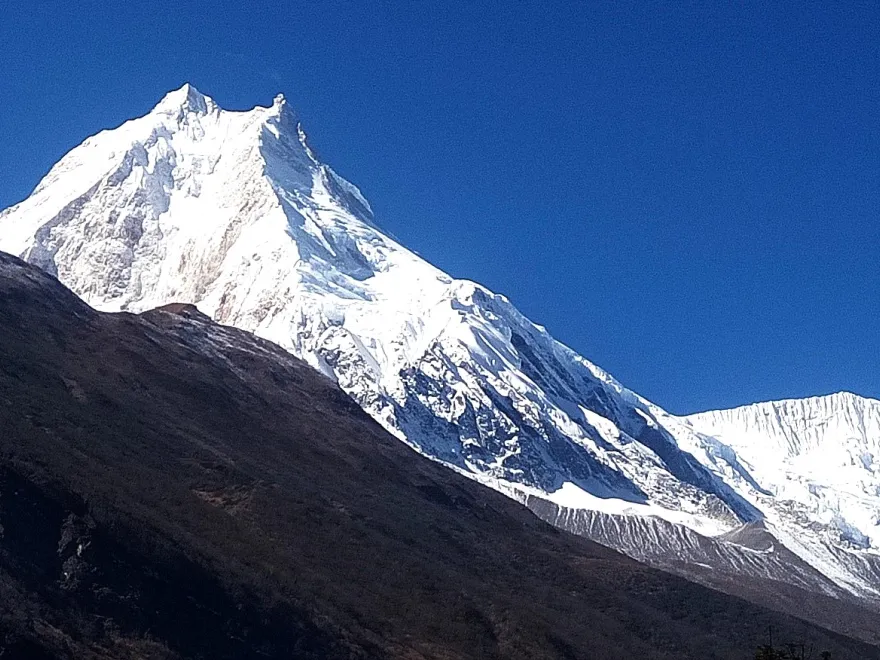
| No of people | Price per person |
|---|---|
| 1 - 1 | $1,245 |
| 2 - 4 | $1,055 |
| 6 - 10 | $995 |
| 12 - 16 | $935 |
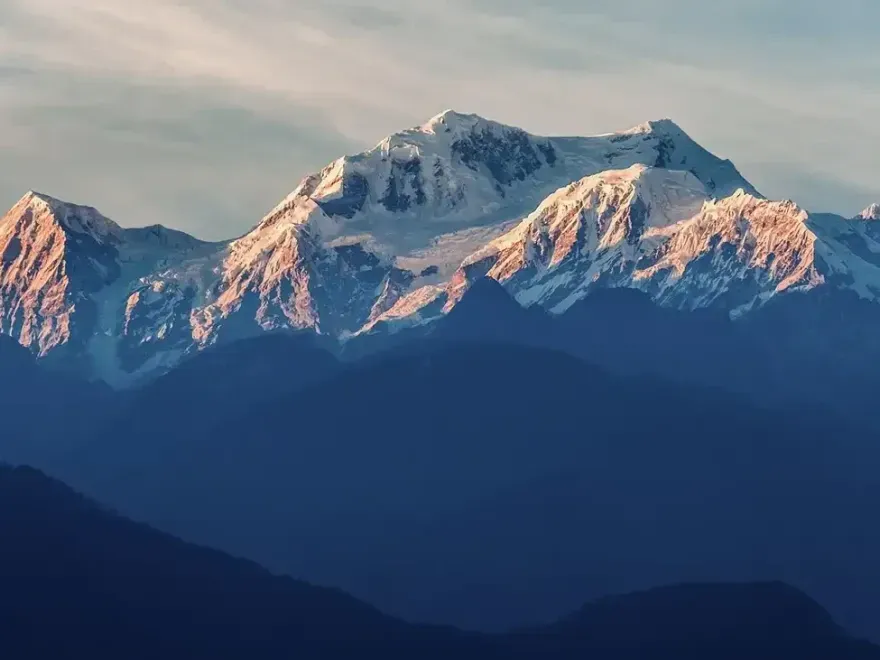
| No of people | Price per person |
|---|---|
| 1 - 1 | $2,855 |
| 2 - 4 | $2,275 |
| 6 - 10 | $2,195 |
| 12 - 16 | $1,975 |
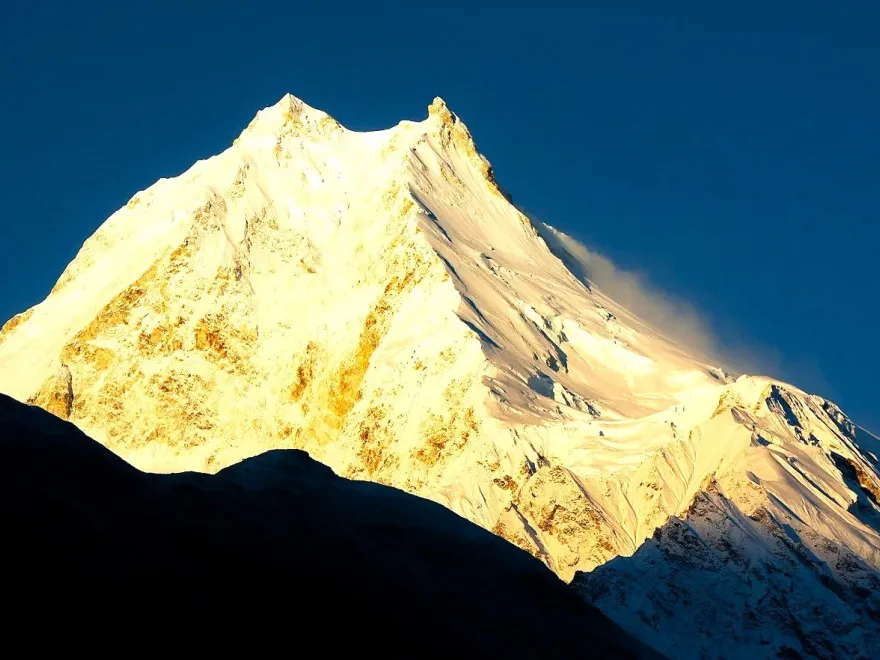
| No of people | Price per person |
|---|---|
| 1 - 1 | $1,060 |
| 2 - 4 | $885 |
| 6 - 10 | $835 |
| 12 - 16 | $795 |