Need help with booking? Send us a message.
5 Days Explore Bhutan; Our 4 nights tour package will enable you to travel completely around Paro 2200m, Thimphu 2334m & Punakha 1200m, and experience the majestic Himalayan Landscapes.
| Day | Destination / Highlights / Elevation |
| Day 1: Paro-Thimphu | Paro | Buddha Dordenma | Tashichho Dzong | 2,200 | 2334m / 2500m |
| Day 2: Thimphu | Punakha Dzong | Suspension Bridge | 1,200m |
| Day 3: Punakha | Local markets | Cultural tours | 2,334m / 2,200m |
| Day 4: Thimphu-Paro | Paro Dzong | Tiger’s Nest | 2,200m/ 3,120m |
| Day 5: Departure | Paro | Airport | 2,200m |
| Day | Destination / Highlights / Elevation |
| Day 1: Paro-Thimphu | Paro | Buddha Dordenma | Tashichho Dzong | 2,200 | 2334m / 2500m |
| Day 2: Thimphu | Punakha Dzong | Suspension Bridge | 1,200m |
| Day 3: Punakha | Local markets | Cultural tours | 2,334m / 2,200m |
| Day 4: Thimphu-Paro | Paro Dzong | Tiger’s Nest | 2,200m/ 3,120m |
| Day 5: Departure | Paro | Airport | 2,200m |
| Day | Destination | Highlights | Elevation |
| 1. Phuentsholing | Border entry | local market | 1,300m |
| 2. Thimphu | Buddha Dordenma | Tashichho Dzong | 2,334m / 2,500m |
| 3. Paro | Tiger’s Nest Monastery | Paro Dzong | 2,200m / 3,120m |
| 4. Departure | Paro Airport | 2,200m |
| Day | Destination / Highlights / Elevation |
| Day 1: Paro-Thimphu | Paro | Buddha Dordenma | Tashichho Dzong | 2,200 | 2334m / 2500m |
| Day 2: Thimphu | Punakha Dzong | Suspension Bridge | 1,200m |
| Day 3: Punakha | Local markets | Cultural tours | 2,334m / 2,200m |
| Day 4: Thimphu-Paro | Paro Dzong | Tiger’s Nest | 2,200m/ 3,120m |
| Day 5: Departure | Paro | Airport | 2,200m |
| Cost Component | Estimated Price (USD) |
| Accommodation | 40–100 |
| Meals | 20 to 40 |
| Transport | 150- 250 |
| Guide Services | 20–40 per day |
| Entry Fees | 10-30 per site |
| Miscellaneous | USD 150-200 |
| Package Type | Accommodation |
| Luxury | 4-5 Star Hotels |
| Budget | Guesthouse |
| Day | Destination |
| 1. | Kathmandu To Paro and drive to Thimphu |
| 2. | Thimphu to Punakha |
| 3. | Punakha to Paro |
| 4. | Hike To Taktshang Monastery or Tiger’s Nest |
| 5. | Depart Paro |
| Day | Destination / Highlights / Elevation |
| Day 1: Paro-Thimphu | Paro | Buddha Dordenma | Tashichho Dzong | 2,200 | 2334m / 2500m |
| Day 2: Thimphu | Punakha Dzong | Suspension Bridge | 1,200m |
| Day 3: Punakha | Local markets | Cultural tours | 2,334m / 2,200m |
| Day 4: Thimphu-Paro | Paro Dzong | Tiger’s Nest | 2,200m/ 3,120m |
| Day 5: Departure | Paro | Airport | 2,200m |
| Package Type | Accommodation | Transport | Cost(USD) |
| Luxury | 4–5 Star Hotels | Private Vehicle Included | 1,800–2,500 |
| Standard | 3 Star Hotels | Private Vehicle Included | 1,200 – 1,500 |
| Budget | Guesthouse | Shared Vehicle + Included | 900–1,200 |
| Day | Destination / Highlights / Elevation |
| Day 1: Paro-Thimphu | Paro | Buddha Dordenma | Tashichho Dzong | 2,200 | 2334m / 2500m |
| Day 2: Thimphu | Punakha Dzong | Suspension Bridge | 1,200m |
| Day 3: Punakha | Local markets | Cultural tours | 2,334m / 2,200m |
| Day 4: Thimphu-Paro | Paro Dzong | Tiger’s Nest | 2,200m/ 3,120m |
| Day 5: Departure | Paro | Airport | 2,200m |
| Day | Destination / Highlights / Elevation |
| Day 1: Paro-Thimphu | Paro | Buddha Dordenma | Tashichho Dzong | 2,200 | 2334m / 2500m |
| Day 2: Thimphu | Punakha Dzong | Suspension Bridge | 1,200m |
| Day 3: Punakha | Local markets | Cultural tours | 2,334m / 2,200m |
| Day 4: Thimphu-Paro | Paro Dzong | Tiger’s Nest | 2,200m/ 3,120m |
| Day 5: Departure | Paro | Airport | 2,200m |
Bhutan is a unique and culturally rich destination, offering serene landscapes, ancient monasteries, and a peaceful way of life. However, due to its distinct travel policies and environmental approach, travelers must understand a few important notes before embarking on a 4-night / 5-day journey to the Land of the Thunder Dragon.
Except for nationals of India, Bangladesh, and the Maldives, all foreign travelers require a Bhutan visa before arrival. This visa must be processed through a licensed Bhutanese tour operator or their international partners. The visa is not stamped on arrival; instead, it is per-approved and sent via email once the tour payment and Sustainable Development Fee (SDF) are cleared. Upon arrival, travelers must present a printed copy of the visa clearance letter. Passports should have a minimum validity of six months beyond the travel date.
Indian citizens do not require a visa, but they must carry a valid passport or Voter ID card to enter Bhutan. Children under 18 must have a birth certificate along with a school ID.
Bhutan is committed to high-value, low-impact tourism. As part of this philosophy, the Bhutanese government charges a Sustainable Development Fee (SDF) to all foreign travelers. The standard SDF is USD 100 per person per night. For Indian nationals, the SDF is INR 1,200 per person per night. This fee contributes to environmental conservation, infrastructure development, healthcare, and education in Bhutan. The SDF must be paid in full before the visa is approved. Travelers should ensure that this fee is included in their package or settled through the tour operator.
All travelers, regardless of nationality, must carry valid travel insurance that covers emergency medical care and evacuation. This is mandatory before a visa can be issued. The insurance should be valid for the entire duration of the trip and must include coverage for unforeseen events like illness, injury, or cancellations. Make sure to keep a soft and printed copy of your insurance certificate, as you may be asked to present it at immigration.
Bhutan’s climate varies by season and altitude. Even in summer, mornings and evenings in places like Thimphu, Paro, and Punakha can be cool. Winter months (December to February) can be quite cold, with temperatures often dropping below freezing at night. Therefore, it is important to dress in layers and carry warm clothing. A down jacket, thermals, scarf, gloves, and hat are recommended for cooler months. In the warmer months, lightweight clothing, sunblock, and sunglasses are useful, but always carry a rain jacket or umbrella due to occasional showers. Footwear should be comfortable and suitable for short hikes or monastery visits.
The Bhutan 4-night tour includes cultural sightseeing and short hikes, such as the hike to the iconic Tiger’s Nest Monastery (Taktsang) in Paro. This hike is steep and takes about 4 to 6 hours round trip. While not overly difficult, a moderate level of fitness helps travelers enjoy the experience fully. If you have any medical concerns, consult your doctor before traveling, especially if hiking at altitude.
Bhutan is a deeply spiritual and traditional country. Travelers must respect local customs, dress modestly, and follow etiquette when visiting dzongs (fortresses), monasteries, and temples. Long sleeves and long pants are preferred when entering religious sites. You must remove your shoes before entering temples. Photography is not allowed inside most temples and sacred rooms. Always ask your guide before taking photos. Avoid touching religious artifacts or turning prayer wheels in the wrong direction (always clockwise).
The official currency is the Bhutanese Ngultrum (BTN), which is pegged to the Indian Rupee (INR). Indian Rupees are accepted widely across Bhutan, especially denominations of INR 100, 200, and 500. INR 2,000 notes may not be accepted in all places, especially remote regions. Credit cards are accepted only in select hotels and shops in Thimphu and Paro, and often attract a 3–5% surcharge. It is advisable to carry sufficient cash, especially for purchases in local markets or tips for guides and drivers.
All travelers must be accompanied by a licensed Bhutanese guide, as independent travel is not allowed for most foreigners. The tour typically includes accommodation, all meals, transport within Bhutan, an English-speaking guide, entry fees, and SDF charges. Vehicles are well-maintained and come with experienced drivers familiar with the winding mountain roads. If you need any special services like vegetarian meals, hot water, or medical assistance, inform your tour provider in advance.
Although Bhutan’s cities like Thimphu (2,334m) and Paro (2,200m) are not extremely high, some visitors may experience mild symptoms of altitude sickness, especially during the hike to Tiger’s Nest (3,120m). These may include fatigue, shortness of breath, or headache. To avoid discomfort, stay hydrated, avoid alcohol on the first day, and walk slowly. If you feel unwell, inform your guide immediately.
Bhutan restricts solo or unaccompanied travel for most nationalities. Tourists must book a full tour package through a government-approved Bhutanese travel agency or their international partners. This rule ensures sustainable tourism and supports the local economy. Even Indian travelers must book accommodation and pay SDF, though they may have slightly more flexibility. Any deviation from the booked itinerary or unauthorized travel to restricted areas can lead to penalties or deportation.
Distance/Duration: ~ 50km / 2-3 hours drive
Elevation: Thimphu (2,334m)
Highlights: Experience an exciting flight to Paro. Meet your Bhutanese tour guide and soak in the peaceful energy of Bhutan. The drive is green and mountainous and scenery stunning. Meet the ever-smiling local people in traditional dress (Gho/Kira).
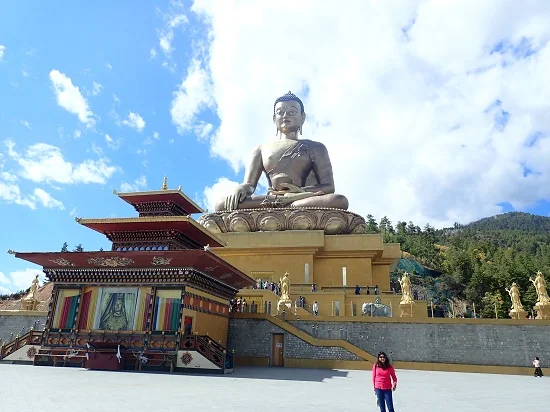
Visit Thimphu sights including Buddha Dordenma, Semtokha Dzong, Sangaygang (BBS Tower), Zilukha Anim Dratshang, Gangtey Monastery, Royal Botanical Garden, Ludrong Memorial Garden and more.
 Accommodation 3* Hotel
  Meals BLD
  Max. altitude 2,334m / 7,657ft.
 Distance/Duration: ~85 km / 2.5-3 hours drive
Elevation: Thimphu (2,334m) to Punakha (1,242m)
Highlights: Drive via the Dochula Pass (3,100m) offering panoramic views of the
Eastern Himalayas. Visit Punakha Dzong, the "Palace of Great Happiness," the second largest and second oldest dzong in Bhutan. Walk through the suspension bridge across the Pho Chhu River.
Start the day with morning , enjoy breakfast and then drive to Punakha along Bhutan’s second highest mountain pass, with lunch included along the way. The drive is spectacular with magical vistas, quaint villages, & waterfalls. Check in at the Zhingham Resort (spectacular views) and spend the remainder of the day exploring picturesque Punakha valley, where 2 rivers meet.
In detail:
We depart for Punakha. About 3 hrs drive where we will stop at Bhutan’s 2nd highest mountain pass Dochula Pass (3100m) for photos of the panoramic views of the eastern Himalayas. Lunch along the way and then we arrive at Punakha Dzong, “Palace Of Great Happiness Or Bliss”, the 2nd largest and 2nd oldest dzong in Bhutan. This majestic structure is home to sacred relics from the school of Tibetan Buddhism and equally sacred remains of terton Pema Lingpa, a Bhutanese Saint. This dzong is situated between the male Pho Chhu River and the Female Mo Chhu River, after their convergence becomes the Sankosh River that makes its way across the border into India at Kalikhola. Punakha is the Winter Capital of Bhutan and many monks spend the winters here. Close by is the 160m suspension bridge across Pho Chhu dating back to 1637. With prayer flags across the span and the dzong in sight, crossing this bridge follows in the footsteps of countless pilgrims and sages. The remainder of the day exploring the local picturesque Punakha Valley, where the 2 rivers meet.
Accommodation 3* Hotel Meals BLD Max. altitude 3,100m / 10,171ft. After breakfast, check-out from the hotel and drive to Paro
On arrival in Paro, check into the hotel. After lunch, proceed to visit Ta Dzong, originally built as Watchtower, which now houses National Museum. The extensive collection includes antique Thangkha paintings, textiles, weapons &armour, household objects and a rich assortment of natural and historic artifacts.
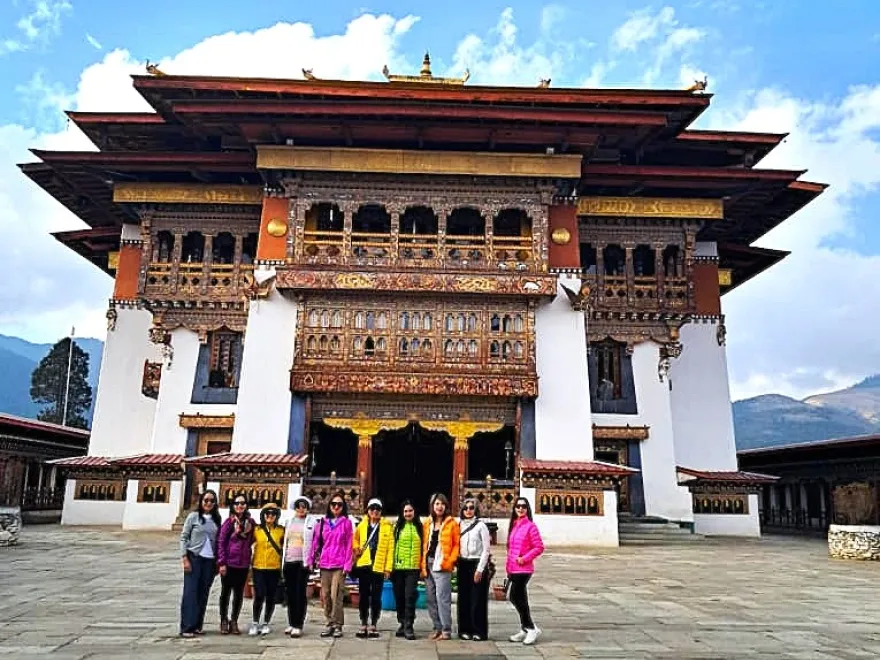
Ta Dzong visit immediately followed by a short walk down the trail to visit Rinpung Dzong (ParoDzong), meaning (“fortress of the heap of jewels”), which has a long and fascinating history. Along the wooden galleries lining the inner courtyard are fine wall paintings illustrating Buddhist lore such as four friends, the old man of long life, the wheel of life, scenes from the life of Milarepa, Mount. Sumeru and other cosmic Mandala.
Overnight at the hotel in Paro.
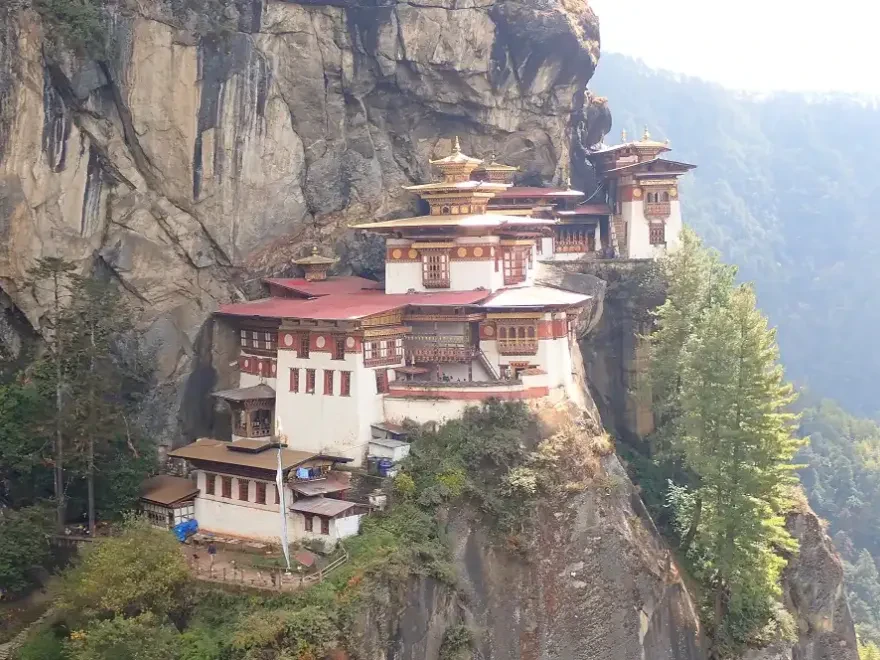
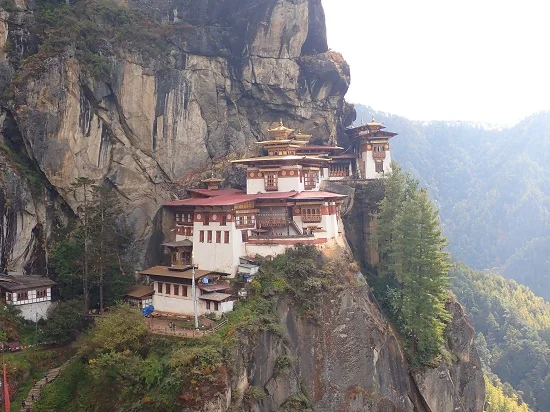
Accommodation 3* Hotel Meals BLD Max. altitude 2,235m / 7,333ft. After breakfast excursion to Taktshang Monastery or Tiger’s Nest (approx. 5 hours walk): It is one of the most famous of Bhutan’s monasteries, perched on the side of a cliff 900m above the Paro valley floor. It is said that Guru Rinpoche arrived here on the back of a tigress and meditated at this monastery and hence it is called ‘Tiger’s Nest’. This site has been recognised as a most sacred place and visited by ShabdrungNgawangNamgyal in 1646 and now visited by all Bhutanese at least once in their lifetime. On 19 April, 1998, a fire severely damaged the main structure of building but now this Bhutanese jewel has been restored to its original splendour.
Accommodation 3* Hotel Meals BLD Max. altitude 3,140m / 10,302ft. Elevation: Paro (2,200m) to You Destination
Highlights: Enjoy the scenic flight offering views of the Himalayas, In detail:
Breakfast this morning with transfers to airport
Accommodation Non Meals Breakfast Max. altitude 2,235m / 7,333ft. 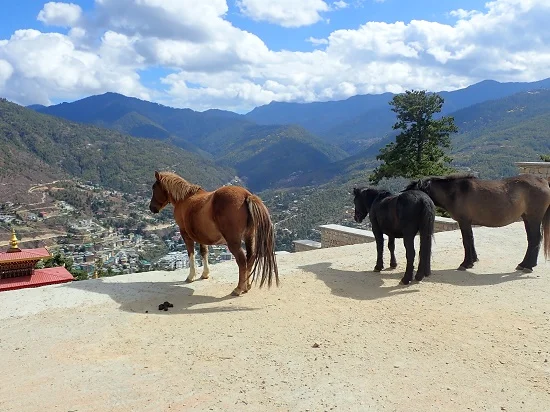
The transport services in Bhutan tourism include private transport, mountain drives, scenic drives, trained drivers, and safe journeys from Paro to Thimphu and Punakha.
Figures & Tables
Firstly, the means of transportation in Bhutan has a controlled tourism policy that takes into consideration safety and comfort. This is because all the tours in Bhutan are conducted in private and approved government vehicles that are driven by trained Bhutanese drivers. The journeys to the various destinations in Bhutan start at the Paro region (2,280m above sea level), where the only international airport in the country is located. The vehicles used range from sedans to coaster buses. Air-conditioned vehicles are also used in cultural tours.
Secondly, by road, there is access from Paro to Thimphu (2,334m), which takes only 1.5 hours via the smooth highway. The road from Paro to Thimphu goes along the side of the Paro Chhu river while gaining elevation. Also, the journey from Thimphu to Punakha (1,242m) passes through Dochula Pass (3,100m). Along this journey, one is treated to a beautiful sight of the Himalaya ranges when the sky is clear.
In addition, the Bhutanese transport system focuses on environmentally friendly travel and minimal traffic congestions. Vehicles carrying tourists are under strict speed rules and safety standards. The drivers have the skills to operate in the highlands. Journeys are still smooth and without hitches because the roads are tortuous and there are altitude considerations. Also, the number of hours spent on the road per day is capped.
As a result, the cost of transport still remains part of the basic Bhutan travel packages. The Sustainable Development Fee charged daily helps in infrastructure development indirectly. Fuel charges, tolls, as well as the cost of drivers' allowance, still remain part of the basic travel package, with no additional costs involved.
In conclusion, Transportation in Bhutan offers safety, scenic values, and comfort. The transportation network offers smooth connectivity from one cultural center to another. The transportation system supports sustainable tourism while ensuring a relaxed travel experience. Thus, Bhutan transportation enhances every Bhutan cultural tour itinerary.
Accommodation in Bhutan includes certified hotels in Paro, Thimphu, and Punakha with cultural design, comfort, hygiene, and scenic mountain locations.
Supporting Accommodation Types:
Firstly, accommodation in Bhutan follows government-regulated standards ensuring quality and authenticity. Hotels in Paro (2,280m) range from comfortable 3-star to luxury heritage resorts. Properties feature traditional Bhutanese architecture with modern amenities. Rooms remain clean, heated, and well-maintained for mountain climates. Moreover, most hotels provide valley or monastery views.
Secondly, accommodation in Thimphu (2,334m) offers the widest selection. Hotels here sit close to markets, monuments, and museums. Rooms include private bathrooms, Wi-Fi access, and heating systems. Additionally, hotels follow eco-friendly practices aligned with Bhutan tourism policies. Staff remain trained in hospitality and cultural etiquette.
In addition, accommodation in Punakha (1,242m) emphasizes scenic tranquillity. Hotels overlook rivers, rice fields, and subtropical hills. Due to lower elevation, Punakha accommodations feel warmer and more relaxed. Properties include gardens, outdoor seating, and peaceful surroundings. As a result, Punakha stays feel refreshing after mountain drives.
As a result, accommodation costs remain included within Bhutan tour package pricing. The daily tourism tariff covers hotel stays with breakfast and dinner. Upgrades to luxury resorts remain optional at additional cost. Therefore, travellers experience transparent pricing without unexpected expenses.
In conclusion, accommodation in Bhutan balances comfort, culture, and sustainability. Hotels enhance immersion into Bhutanese traditions. Travelers rest well while enjoying authentic surroundings. Thus, Bhutan accommodation supports a meaningful and relaxing cultural tour.
Meals in Bhutan tour include traditional Bhutanese cuisine, Indian dishes, continental food, hygienic preparation, and hotel-based dining experiences.
Supporting Meal Features:
Firstly, meals in Bhutan tours reflect local culture and regional flavours. Hotels and restaurants serve freshly prepared dishes using local ingredients. Bhutanese meals emphasize rice, vegetables, and mild spices. The national dish Ema Datshi remains widely available. Moreover, meals cater to both vegetarian and non-vegetarian preferences.
Secondly, breakfast usually includes bread, eggs, porridge, fruits, and tea or coffee. Lunch often features rice, lentils, vegetables, and curry selections. Dinner includes soup, main courses, and desserts depending on hotel category. Importantly, meals remain hygienically prepared following tourism guidelines. Drinking water is always provided safely.
In addition, Bhutan tours include meals within the daily tourism package. Breakfast and dinner are served at hotels. Lunch is arranged at certified local restaurants during sightseeing. Special dietary needs are accommodated with advance notice. As a result, travellers enjoy worry-free dining throughout the journey.
As a result, food costs remain predictable with no surprise charges. Snacks, beverages, and alcohol remain excluded unless stated. Alcoholic drinks are available at extra cost. Therefore, budgeting becomes simple for travellers.
In conclusion, meals in Bhutan tours combine nutrition, taste, and cultural authenticity. Food enhances the travel experience without causing dietary stress. Travelers remain energized for sightseeing and travel days. Thus, Bhutan meals contribute positively to a comfortable cultural tour.
Bhutan permits and visa process includes government approval, tourist visa clearance, entry permits, and sustainable development fee compliance.
Supporting Permit Components:
Firstly, permits and visa requirements for Bhutan follow a strictly regulated tourism policy. All international visitors must arrange a Bhutan visa through a licensed Bhutanese tour operator. Independent travel remains prohibited without a confirmed tour package. The visa process begins after full tour payment confirmation. Importantly, travelers receive visa clearance before arrival.
Secondly, the Bhutan visa clearance letter allows entry through Paro (2,280m) airport or approved land borders. Immigration officials issue the visa stamp upon arrival. The visa remains valid only for approved travel dates and destinations. Extensions require official approval and additional fees. Therefore, itinerary accuracy remains essential.
In addition, travelers must carry internal route permits during the tour. These permits allow visits to Paro (2,280m), Thimphu (2,334m), and Punakha (1,242m). Guides arrange all permits in advance. Visitors never need to visit government offices themselves. As a result, travel remains smooth and uninterrupted.
As a result, visa and permit costs remain included in the Bhutan tour package. The Sustainable Development Fee covers environmental protection and cultural preservation. Visa processing fees are minimal and transparent. No hidden charges apply during the tour. Therefore, travelers enjoy stress-free documentation handling.
In conclusion, Bhutan’s visa and permit system ensures controlled, high-quality tourism. The process protects culture, environment, and visitor experience. Travelers benefit from expert handling and legal compliance. Thus, permits and visa procedures enhance Bhutan tour reliability.
Bhutan tour guides are government-licensed professionals offering cultural interpretation, safety support, itinerary management, and authentic travel experiences.
Supporting Guide Responsibilities:
Firstly, a licensed Bhutan tour guide remains mandatory for all visitors. Guides receive certification from Bhutan’s Tourism Council. They undergo extensive training in history, culture, religion, and safety protocols. Every guide speaks fluent English. Some guides also speak additional international languages. Therefore, communication remains clear throughout the tour.
Secondly, Bhutan tour guides manage daily logistics and sightseeing flow. They coordinate transportation, hotel check-ins, and restaurant arrangements. Guides explain monasteries, dzongs, festivals, and traditions in detail. They also ensure respectful behavior at religious sites. Importantly, guides adjust pacing based on traveler comfort and altitude.
In addition, guides accompany travelers in Paro (2,280m), Thimphu (2,334m), and Punakha (1,242m). They also lead hikes to Taktsang Monastery (3,120m). Guides monitor health conditions during walks and altitude changes. As a result, safety remains a priority throughout the journey.
As a Result, guide fees remain included in the Bhutan tour cost. Travelers do not pay daily guide wages separately. Tipping remains optional but appreciated. Therefore, budgeting remains predictable and transparent.
In conclusion, Bhutan tour guides form the backbone of the travel experience. Their knowledge deepens cultural understanding. Their presence ensures safety and efficiency. Thus, a professional guide transforms a Bhutan tour into a meaningful journey.
Currency in Bhutan includes Ngultrum usage, Indian rupee acceptance, limited ATMs, cash payments, and controlled foreign exchange.
Supporting Currency Tips:
Firstly, the official currency of Bhutan is the Bhutanese Ngultrum (BTN). The Ngultrum maintains equal value with the Indian Rupee. Indian Rupees are widely accepted throughout Bhutan. However, large denomination Indian notes face restrictions. Therefore, smaller denominations are recommended.
Secondly, currency exchange facilities exist in Paro (2,280m) and Thimphu (2,334m). Banks and authorized exchange counters handle foreign currency conversion. US dollars receive the best exchange rates. Credit card acceptance remains limited to higher-end hotels. Hence, carrying cash remains essential.
In addition, ATMs operate mainly in Thimphu and Paro. Machines occasionally experience outages. Daily withdrawal limits remain low. As a result, travelers should withdraw sufficient cash before leaving cities. Cash becomes necessary in Punakha (1,242m) and rural areas.
As a result, most Bhutan tour expenses remain prepaid. Accommodation, transportation, meals, and guide services stay included. Personal expenses include drinks, souvenirs, and tips. Therefore, travelers require limited spending cash.
In conclusion, Bhutan’s currency system remains simple but cash-oriented. Proper preparation avoids inconvenience. Travelers enjoy smooth transactions with planning. Thus, understanding Bhutan currency supports a hassle-free tour.
Travel insurance for Bhutan tour covers medical emergencies, evacuation, trip cancellation, trekking hikes, and altitude-related health risks.
Supporting Insurance Coverage:
Firstly, travel insurance remains mandatory for all Bhutan tour participants. Insurance must cover medical treatment, emergency evacuation, and repatriation. Bhutan has limited advanced medical facilities outside major towns. Therefore, helicopter evacuation coverage becomes essential. Policies must remain valid for the entire Bhutan tour duration.
Secondly, insurance should cover activities included in the itinerary. This includes cultural sightseeing and hikes to Taktsang Monastery (3,120m). Although Bhutan tours involve moderate walking, altitude changes can affect travelers. Medical support in Paro (2,280m) and Thimphu (2,334m) remains basic. Hence, comprehensive coverage ensures safety and peace of mind.
In addition, insurance should include trip interruption, baggage loss, and flight delays. Weather conditions can affect flights to Paro airport. Delays occasionally impact international connections. As a result, insurance protects against unexpected expenses. Policies should clearly mention coverage in Bhutan.
As a result, travellers must purchase insurance before arrival. Bhutan tour operators do not sell insurance. Proof may be requested during emergencies. Therefore, digital and printed copies remain recommended.
In conclusion, travel insurance safeguards travellers throughout their Bhutan journey. Proper coverage prevents financial risk. It supports safe and responsible travel. Thus, insurance remains an essential Bhutan tour requirement.
Bhutan electricity, Wi-Fi, and connectivity include stable power supply, hotel internet access, mobile networks, and limited rural coverage.
Supporting Connectivity Overview:
Firstly, electricity supply in Bhutan remains stable in major towns. Paro (2,280m), Thimphu (2,334m), and Punakha (1,242m) enjoy reliable hydropower electricity. Power cuts remain rare but possible in remote areas. Hotels provide backup generators when required. Therefore, charging devices remains generally convenient.
Secondly, Wi-Fi access is available in most hotels and cafes. Connection speed varies depending on location and weather. Urban hotels offer stable internet suitable for messaging and emails. However, high-speed streaming remains unreliable. As a result, travelers should manage expectations.
In addition, mobile connectivity operates through local providers like B-Mobile and TashiCell. Tourist SIM cards are available in Paro and Thimphu. Coverage remains good along highways and towns. Remote valleys may experience weak signals. Therefore, offline maps remain useful.
As a result, connectivity supports basic communication during the tour. International roaming works but remains expensive. Local SIM cards offer better value. Thus, planning connectivity in advance improves travel comfort.
In conclusion, Bhutan offers dependable electricity and basic connectivity. Services meet traveler needs without disruption. Preparation ensures smooth communication. Thus, connectivity supports a comfortable Bhutan tour.
Road conditions in Bhutan include mountain highways, scenic passes, winding roads, safe driving standards, and well-maintained routes.
Supporting Road Features:
Firstly, road conditions in Bhutan remain generally good despite mountainous terrain. Main highways connecting Paro (2,280m) and Thimphu (2,334m) remain well paved. Roads follow river valleys and gentle gradients. Regular maintenance ensures safe travel. Therefore, driving remains comfortable.
Secondly, travel to Punakha (1,242m) crosses Dochula Pass (3,100m). Roads here remain narrow with sharp bends. However, surfaces stay mostly smooth. Safety barriers and signage exist along major routes. Drivers maintain controlled speeds for safety.
In addition, landslides may occur during monsoon season. Authorities respond quickly to clear roads. Tour itineraries include buffer time for delays. As a result, disruptions remain minimal. Vehicles remain suitable for mountain conditions.
As a result, Bhutan prioritizes road safety over speed. Travel times feel longer but safer. Scenic views compensate for slower journeys. Thus, road travel enhances the Bhutan tour experience.
In conclusion, Bhutan’s road network supports tourism efficiently. Roads balance safety and scenery. Travelers enjoy peaceful journeys. Thus, road conditions positively shape Bhutan tours.
Best time for Bhutan tour includes spring and autumn seasons offering clear skies, festivals, pleasant weather, and mountain views.
Supporting Seasonal Comparison:
Firstly, spring season from March to May remains ideal for Bhutan tours. Weather stays mild with blooming flowers across valleys. Paro (2,280m) and Thimphu (2,334m) enjoy clear skies. Mountain views appear sharp and colorful. Therefore, spring suits cultural sightseeing.
Secondly, autumn season from September to November offers the best visibility. Skies remain crystal clear after monsoon rains. Temperatures stay pleasant during the day. Major festivals like Thimphu Tshechu occur during this season. As a result, autumn remains highly popular.
In addition, winter offers fewer crowds but colder nights. Snow may appear at higher passes like Dochula (3,100m). Summer brings lush greenery but increased rainfall. Hence, spring and autumn remain preferred.
In conclusion, choosing the right season enhances the Bhutan tour experience. Spring and autumn deliver the best balance. Planning ensures comfort and visibility. Thus, timing plays a crucial role in Bhutan travel success.
Major sites to visit in Bhutan include Paro, Thimphu, Punakha, Tiger’s Nest Monastery, dzongs, temples, and cultural landmarks.
Supporting Major Sites:
Firstly, Bhutan offers remarkable cultural and natural landmarks within a compact travel area. Most 4 nights 5 days Bhutan tours focus on western Bhutan’s highlights. Visitors start in Paro (2,280m), home to Bhutan’s international airport. Paro Valley hosts historic temples, museums, and scenic villages. Cultural immersion begins immediately upon arrival.
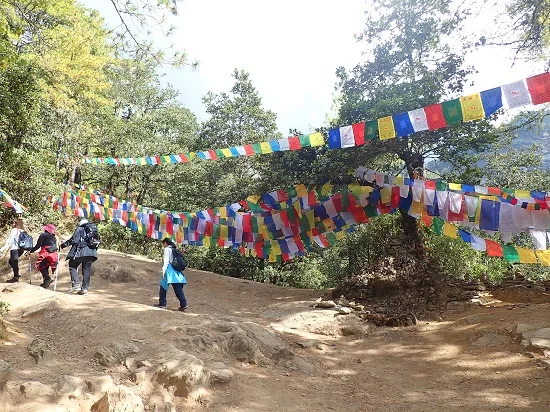
Secondly, the most iconic site is Taktsang Monastery (3,120m), famously known as Tiger’s Nest. The monastery clings dramatically to a cliff above Paro Valley. A guided hike leads through pine forests and viewpoints. This sacred site represents Bhutan’s spiritual identity. Therefore, it remains the highlight of any Bhutan tour itinerary.
In addition, travellers visit Thimphu (2,334m), Bhutan’s cultural and administrative center. Key attractions include Tashichho Dzong (2,320m), Buddha Dordenma Statue (2,600m), and the National Memorial Chorten (2,300m). Museums and markets showcase Bhutanese arts and traditions. Consequently, Thimphu blends tradition with modern life.
Moreover, the journey continues to Punakha (1,242m). Punakha Dzong (1,300m) stands at the river confluence of Pho Chhu and Mo Chhu. The dzong served as Bhutan’s former capital. Its architecture and setting impress every visitor. Therefore, Punakha remains culturally significant.
In conclusion, Bhutan’s major sites reflect deep spirituality and heritage. Each location offers history, scenery, and cultural meaning. Short tours still cover essential landmarks. Thus, Bhutan delivers a rich cultural experience within limited days.
Laundry and hot shower facilities in Bhutan include hotel-based services, hot water availability, and limited rural options.
Supporting Facility Overview:
Firstly, laundry and hot shower facilities in Bhutan remain adequate for short cultural tours. Hotels in Paro (2,280m), Thimphu (2,334m), and Punakha (1,242m) provide attached bathrooms. Hot showers operate through electric or solar heating systems. Availability depends on weather and hotel category. Therefore, comfort remains manageable.
Secondly, laundry services are available in city hotels. Same-day or next-day laundry remains common in Thimphu and Paro. Hotels charge per item, depending on fabric type. Prices remain higher than Nepal or India. Consequently, travelers should limit laundry needs.
In addition, rural hotels offer basic facilities. Hot water may run during specific hours only. Staff usually inform guests about shower schedules. Quick showers are recommended during colder months. As a result, expectations should remain realistic.
In conclusion, Bhutan offers sufficient hygiene facilities for short tours. Comfort aligns with sustainable tourism values. Proper planning avoids inconvenience. Thus, laundry and hot showers remain manageable during Bhutan travel.
Altitude sickness in Bhutan includes mild risks at Dochula Pass, Tiger’s Nest hike, and higher viewpoints.
Supporting Altitude Safety Tips:
Firstly, altitude sickness risk in Bhutan remains low compared to trekking destinations. Most cultural tours stay below 2,500 meters. Paro (2,280m), Thimphu (2,334m), and Punakha (1,242m) remain safe elevations. However, short exposure still affects sensitive travelers. Therefore, awareness remains important.
Secondly, the hike to Tiger’s Nest Monastery (3,120m) involves rapid elevation gain. Some visitors may experience mild headaches or breathlessness. Proper pacing and hydration reduce risks. Guides monitor guests carefully during hikes. Consequently, serious altitude illness remains rare.
In addition, Dochula Pass (3,100m) presents brief altitude exposure. Travelers stop briefly for photos and views. Spending limited time minimizes symptoms. Avoiding alcohol and staying hydrated helps significantly. As a result, most visitors feel comfortable.
In conclusion, altitude sickness threats in Bhutan remain minimal. Short exposure and moderate elevations reduce risk. Responsible travel ensures safety. Thus, Bhutan remains suitable for most travelers.
4 nights 5 days Bhutan tour in monsoon offers lush landscapes, fewer crowds, cultural sightseeing, and flexible travel conditions.
Supporting Monsoon Travel Facts:
Firstly, it is possible to do a 4 nights 5 days Bhutan tour during the monsoon season. Monsoon generally lasts from June to August in Bhutan. Rainfall remains moderate in western Bhutan. Paro (2,280m), Thimphu (2,334m), and Punakha (1,242m) remain accessible throughout the season. Therefore, cultural tours continue smoothly.
Secondly, monsoon transforms Bhutan into a green and vibrant destination. Valleys appear lush with rice fields and forests. Clouds move dramatically across mountain landscapes. Waterfalls remain active along highways and hillsides. As a result, photography opportunities increase significantly during monsoon tours.
Furthermore, tourist numbers remain lower during monsoon months. Hotels offer better availability and quieter environments. Sightseeing sites feel less crowded than peak seasons. Roads remain open with occasional rain-related delays. Consequently, travelers enjoy a relaxed and peaceful experience.
However, monsoon travel requires flexibility. Rain may affect visibility at Dochula Pass (3,100m). Flight delays at Paro Airport (2,280m) can occur occasionally. Guides adjust sightseeing schedules accordingly. Thus, itinerary planning remains adaptable.
In conclusion, a monsoon Bhutan tour remains rewarding for cultural travelers. Proper expectations ensure satisfaction. Nature appears vibrant and fresh. Therefore, monsoon travel suits relaxed and flexible visitors.
Gear hire in Bhutan includes limited options for hiking poles, jackets, and basic outdoor equipment.
Supporting Gear Guidance:
Firstly, gear hire options in Bhutan remain limited compared to trekking destinations. Bhutan tours focus on cultural sightseeing rather than trekking. Most travelers require only basic hiking gear. Therefore, rental availability remains minimal. Visitors should plan gear needs carefully.
Secondly, Paro (2,280m) and Thimphu (2,334m) offer limited gear rental shops. Some hotels provide walking sticks upon request. Local shops sell rain jackets, umbrellas, and simple outdoor clothing. However, quality and sizing remain inconsistent. As a result, bringing personal gear remains recommended.
In addition, the hike to Tiger’s Nest Monastery (3,120m) requires basic hiking shoes and comfortable clothing. Trekking poles help but remain optional. Warm layers become necessary during mornings and evenings. Hence, travelers should pack essential gear in advance.
As a result, Bhutan tour operators do not provide gear rental services. Tour packages exclude hiking equipment. Travelers bear responsibility for personal comfort. Therefore, preparation ensures a smooth experience.
In conclusion, gear hire in Bhutan remains very limited. Personal preparation remains essential. Proper packing avoids inconvenience. Thus, bringing necessary gear supports a comfortable Bhutan tour.
Bhutan tour drivers and jeeps include licensed professionals, mountain-ready vehicles, and safe private transportation.
Supporting Vehicle Standards:
Firstly, every Bhutan tour includes a professional licensed driver. Drivers undergo formal training for mountain road conditions. They understand Bhutan’s traffic rules and safety standards. Communication with guides remains constant. Therefore, transportation remains smooth and reliable.
Secondly, vehicles used for Bhutan tours include modern SUVs, vans, or coaster buses. Jeeps remain common for small groups. Vehicles remain clean, well-maintained, and air-conditioned. They handle mountain roads effectively. As a result, travel remains comfortable.
Furthermore, drivers manage routes between Paro (2,280m), Thimphu (2,334m), and Punakha (1,242m). They navigate Dochula Pass (3,100m) carefully. Speed remains controlled for safety. Drivers also stop for photography and rest breaks. Consequently, journeys feel relaxed.
Additionally, driver costs remain included in the tour package. Fuel, parking, and allowances stay covered. Tipping remains optional but appreciated. Therefore, no extra negotiation is required.
In conclusion, drivers and vehicles form the backbone of Bhutan tours. Professional service ensures safety. Comfortable jeeps enhance travel quality. Thus, transportation contributes significantly to a successful Bhutan experience.
4 nights 5 days Bhutan tour limitations include time constraints, limited regions, altitude exposure, and restricted itinerary flexibility.
Supporting Tour Limitations:
Firstly, a 4 nights 5 days Bhutan tour has natural time limitations. Bhutan’s terrain requires slow and scenic travel. Distances appear short but driving hours feel long. Therefore, travellers can only visit western Bhutan highlights. Eastern and central regions remain excluded from short itineraries.
Secondly, sightseeing time remains limited at major attractions. Travelers visit Paro (2,280m), Thimphu (2,334m), and Punakha (1,242m) briefly. Cultural immersion stays introductory rather than deep. Museums, monasteries, and villages receive limited exploration time. As a result, experiences remain overview-based.
Furthermore, altitude adaptation time stays minimal. Visitors hike to Tiger’s Nest Monastery (3,120m) within a tight schedule. Some travelers may feel rushed during hikes. Rest opportunities remain limited between activities. Consequently, physical pacing requires good fitness.
Additionally, itinerary flexibility remains restricted due to permit regulations. Route changes require official approvals. Weather disruptions may affect flight or road schedules. Guides adjust plans carefully within legal limits. Therefore, spontaneous changes remain uncommon.
In conclusion, a 4 nights 5 days Bhutan tour offers a compact introduction. It does not provide deep cultural exploration. Travelers must manage expectations carefully. Thus, short tours suit first-time visitors with limited time.
4 nights 5 days Bhutan tour from Kathmandu includes direct flights, visa processing, cultural sightseeing, and guided travel.
Supporting Travel Components:
Firstly, travellers can easily do a 4 nights 5 days Bhutan tour from Kathmandu. Direct flights operate between Kathmandu and Paro (2,280m). Flight duration remains approximately one hour. Mountain views appear spectacular during clear weather. Therefore, travel remains convenient.
Secondly, Bhutan visa processing begins after booking confirmation. Tour operators arrange visa clearance before departure. Travelers receive approval letters prior to travel. Immigration stamps visas upon arrival at Paro Airport. Consequently, entry remains smooth and organized.
Furthermore, tours from Kathmandu follow a structured itinerary. Travelers explore Paro, Thimphu (2,334m), and Punakha (1,242m). Sightseeing includes monasteries, dzongs, and viewpoints. Guides manage logistics professionally. As a result, travelers enjoy efficient use of limited time.
Additionally, tour costs from Kathmandu include flights, accommodation, meals, permits, guide, and transport. Prices vary by season and hotel category. Flights add additional cost compared to land entry. Therefore, budgeting should consider airfare.
In conclusion, starting a Bhutan tour from Kathmandu remains convenient and popular. Flights save time and energy. Organized planning ensures smooth travel. Thus, Kathmandu serves as an excellent gateway to Bhutan.
Must carry items for Bhutan tour include travel documents, clothing layers, personal essentials, and health supplies.
Supporting Must-Carry Items:
Firstly, travellers must carry essential travel documents. Passport validity should exceed six months. Visa clearance letters remain mandatory. Travel insurance documents should stay accessible. Copies should remain both digital and printed. Therefore, documentation preparation remains crucial.
Secondly, clothing should match Bhutan’s climate. Lightweight layers work best for Paro (2,280m) and Thimphu (2,334m). Warm jackets remain necessary for mornings and evenings. Rain protection helps during monsoon months. As a result, layered packing ensures comfort.
Furthermore, comfortable walking shoes remain essential. The hike to Tiger’s Nest Monastery (3,120m) requires good grip. Sunglasses, sunscreen, and hats protect against sun exposure. Personal toiletries and medications should remain sufficient. Consequently, self-reliance improves comfort.
Additionally, travellers should carry limited cash. ATMs remain scarce outside cities. Small Ngultrum or Indian Rupee notes work best. Reusable water bottles support eco-friendly travel. Therefore, practical packing improves experience.
In conclusion, carrying the right essentials ensures a smooth Bhutan tour. Preparation reduces inconvenience. Travelers remain comfortable throughout the journey. Thus, thoughtful packing supports a successful short Bhutan tour.
Must pack gear for 4 nights 5 days Bhutan tour includes clothing layers, hiking essentials, rain protection, personal gear, and travel accessories.
Supporting Must-Pack Gear Checklist:
Firstly, packing the right gear remains essential for a comfortable 4 nights 5 days Bhutan tour. Bhutan’s climate varies with elevation and season. Travelers visit Paro (2,280m), Thimphu (2,334m), and Punakha (1,242m). Morning and evening temperatures feel cooler, especially at higher viewpoints. Therefore, layered gear provides flexibility and comfort.
Secondly, clothing gear should focus on light layering. Breathable shirts work well during daytime sightseeing. A warm fleece or insulated jacket supports early mornings and evenings. A waterproof jacket remains essential, especially during monsoon months. Consequently, adaptable clothing improves daily comfort across regions.
Furthermore, proper footwear remains crucial for Bhutan tours. Comfortable walking shoes with good grip support city walks and monastery visits. The hike to Tiger’s Nest Monastery (3,120m) requires sturdy shoes. Optional trekking poles assist during uphill sections. As a result, foot protection prevents fatigue and discomfort.
Additionally, personal gear enhances travel convenience. Sunglasses, sunscreen, and a sun hat protect against high-altitude sunlight. A small daypack carries water, camera, and snacks. Reusable water bottles support eco-friendly travel. Therefore, compact personal gear improves mobility.
Moreover, health and utility gear remains equally important. Personal medications should cover the full trip duration. Basic first-aid items help manage minor issues. Power banks assist during long sightseeing days. Travel adapters suit Bhutanese power sockets. Consequently, preparedness reduces inconvenience.
In conclusion, packing proper gear ensures a smooth Bhutan travel experience. Smart preparation supports comfort across elevations and weather conditions. Travelers enjoy sightseeing without distraction. Thus, well-chosen gear plays a key role in a successful 4 nights 5 days Bhutan tour.
Trip Preparation & Packing List – Bhutan Tour
Proper preparation is essential for a safe and enjoyable Bhutan tour. Travelers should ensure all travel documents, insurance, electronics, and basic travel gear are ready before arrival. Pack light but smart, focusing on comfort, weather protection, and cultural respect.A Bhutan Tour is a curated travel experience that allows you to explore the natural beauty, rich culture, and historic sites of Bhutan. This small Himalayan kingdom is famous for its monasteries, fortresses, and dramatic landscapes. By joining a Bhutan Tour, you can experience both adventure and relaxation while learning about Bhutanese traditions and local life. Moreover, organized tours ensure you get the most out of your trip with expert guides and smooth logistics.
In addition, Bhutan Tours are ideal for travelers seeking a unique cultural experience. You can witness colorful festivals, traditional dances, and local arts that are not commonly found elsewhere. Likewise, tours often include visits to iconic sites like Paro Taktsang (Tiger’s Nest) and Punakha Dzong. Therefore, a Bhutan Tour offers a perfect blend of sightseeing, cultural immersion, and memorable experiences that make your journey truly special.
Bhutan is known for its stunning monasteries, forts, and natural landscapes. Key attractions include Paro Taktsang (Tiger’s Nest), Punakha Dzong, and the scenic Dochula Pass. These sites are popular in a Bhutan Tour because they showcase the country’s architecture, history, and breathtaking scenery. Moreover, the capital, Thimphu, offers cultural museums, local markets, and temples that provide insights into daily Bhutanese life.
Besides historical landmarks, Bhutan Tours also focus on festivals and nature. Visitors can enjoy hiking trails, rivers, and valleys, which highlight Bhutan’s environmental beauty. Likewise, cultural festivals, such as Paro Tshechu, offer colorful masks, dances, and rituals. Therefore, a Bhutan Tour ensures you see a balance of culture, nature, and history, making your trip both engaging and memorable.
The best time to visit Bhutan is during spring (March to May) and autumn (September to November). These months offer clear skies, pleasant weather, and ideal conditions for sightseeing and trekking. Moreover, many cultural festivals, like Paro and Thimphu Tshechu, take place during these seasons, making your Bhutan Tour more vibrant and engaging.
Winter (December to February) can be cold, especially in higher altitudes, while summer (June to August) brings rain and possible travel disruptions. Likewise, planning your trip in peak seasons ensures better accessibility and fewer weather-related delays. Therefore, checking the best time to Bhutan is important for an enjoyable and hassle-free tour experience.
A typical Bhutan Tour lasts from 5 to 10 days, depending on the itinerary and sites included. Short tours often focus on main cities like Paro, Thimphu, and Punakha, while longer tours include valleys, monasteries, and festivals. Moreover, having a longer tour allows travelers to experience Bhutan’s culture and scenic beauty at a relaxed pace.
For travelers seeking in-depth exploration, extended Bhutan Tours provide opportunities for trekking, visiting remote villages, and attending festivals. Likewise, carefully planned tours include travel time between attractions to ensure comfort. Therefore, the duration of your Bhutan Tour should match your interests, time availability, and the level of cultural immersion you desire.
Yes, all international visitors require a visa to enter Bhutan. However, visas are arranged through licensed Bhutan Tour operators, so travelers cannot apply independently. Moreover, this process ensures that your Bhutan Tour is legally compliant and smoothly organized. Your visa will usually be approved once your tour itinerary and payment are confirmed.
Additionally, visitors from India, Bangladesh, and the Maldives have special arrangements and do not require a visa but must carry valid ID. Likewise, your Bhutan Tour operator will provide all necessary guidance on documents, permits, and entry requirements. Therefore, coordinating your visa with a tour operator is essential for a hassle-free journey.
Bhutan is considered one of the safest travel destinations in the world. Crime rates are very low, and local communities are friendly and welcoming. Moreover, organized Bhutan Tours provide guides who ensure your safety, assist with travel logistics, and provide cultural tips.
However, travelers should still follow standard precautions, such as securing valuables and respecting local customs. Likewise, proper health precautions and travel insurance are recommended. Therefore, while Bhutan is generally safe, preparation and awareness enhance the overall experience of your tour.
Independent travel in Bhutan is limited because all tourists (except certain nationals) must go through licensed Bhutan Tour operators. This ensures controlled tourism, sustainability, and cultural preservation. Moreover, organized tours take care of accommodations, transportation, permits, and local guides, making travel smoother and more enjoyable.
Likewise, joining a Bhutan Tour provides insights that you might miss traveling alone, such as local customs, hidden cultural sites, and festival participation. Therefore, while independent travel is restricted, a guided Bhutan Tour is the best way to experience the country safely and meaningfully.
The official language of Bhutan is Dzongkha, but English is widely used, especially in tourism and urban areas. Moreover, tour guides speak English fluently, making it easy for international travelers to communicate during a Bhutan Tour.
In addition, knowing a few basic Dzongkha phrases can enhance your cultural experience and interactions with locals. Likewise, many cultural sites and festivals include explanations in English, ensuring you understand the significance of the events. Therefore, language is generally not a barrier, especially when traveling with an organized Bhutan Tour.
When visiting Bhutan, it is important to respect local customs and traditions. For example, always remove shoes before entering temples, avoid touching sacred objects, and dress modestly. Moreover, understanding etiquette ensures a respectful and positive experience during your Bhutan Tour.
Additionally, gestures like bowing slightly or using both hands to give or receive items are appreciated. Likewise, photography may be restricted in certain areas, especially religious sites. Therefore, learning cultural etiquette beforehand helps you enjoy your tour without causing unintentional offense.
Booking a Bhutan Tour with Haven Holidays is simple and convenient. You can visit our website or contact our travel experts to choose a customized itinerary based on your interests, budget, and travel dates. Moreover, our team handles all logistics, including visas, accommodations, guides, and transportation, ensuring a hassle-free experience.
Additionally, our Bhutan Tours are designed to offer cultural immersion, sightseeing, and adventure in one package. Likewise, we provide tips on the best time to Bhutan, packing essentials, and festival schedules. Therefore, booking with Haven Holidays guarantees a well-organized, memorable, and safe tour in Bhutan.
Actually, the 4 nights 5 days Bhutan Tour includes accommodation, meals, airport transfers, sightseeing, and a guided cultural site tour. Moreover, all entry fees for monasteries and forts are covered. This makes the tour very convenient for first-time visitors to Bhutan. Likewise, a professional local guide is provided to explain Bhutanese culture and history.
In conclusion, the tour is designed for travelers who want a complete Bhutan experience in a short time. Therefore, you do not need to worry about planning each activity. Haven Holidays ensures that your trip is comfortable, safe, and enjoyable from start to finish.
This Bhutan Tour mainly covers Paro, Thimphu, and Punakha. Actually, Paro is home to the famous Tiger’s Nest Monastery, and Thimphu is Bhutan’s capital city. Moreover, Punakha offers beautiful landscapes and the historic Punakha Dzong.
Therefore, this tour provides a perfect mix of cultural sites, natural scenery, and local life experiences. Likewise, Haven Holidays carefully plans the itinerary to maximize sightseeing in limited days without rushing.
The best time to Bhutan is during spring (March to May) and autumn (September to November). Actually, during these months, the weather is pleasant, and skies are clear, perfect for sightseeing. Moreover, these periods often coincide with colorful local festivals, so you can enjoy cultural events.
Similarly, visiting in spring allows you to see beautiful rhododendron blooms, while autumn offers breathtaking mountain views. In conclusion, planning your 4 nights 5 days Bhutan Tour with Haven Holidays during these months ensures you enjoy the best weather, scenery, and cultural experiences.
Yes, the 4 nights 5 days Bhutan Tour can be customized. Actually, you can request extra visits, such as local markets or extended hikes. Moreover, Haven Holidays can adjust the pace of the tour to suit your comfort level and interests.
Similarly, if you want to attend a specific festival or cultural event, the itinerary can be rearranged. In conclusion, the tour is flexible, and Haven Holidays works closely with travelers to create the best Bhutan experience.
Actually, the 4 nights 5 days Bhutan Tour is family-friendly. The itinerary includes easy walking, cultural sightseeing, and scenic drives, making it suitable for children and older travelers. Moreover, accommodations are comfortable and safe for all family members.
Likewise, guides from Haven Holidays ensure that activities are suitable for everyone. Therefore, families can enjoy the cultural richness and beauty of Bhutan without worrying about logistics or safety.
This Bhutan tour involves moderate walking. Actually, visiting sites like Tiger’s Nest requires uphill hiking, but it is manageable for most travelers. Moreover, there are options to ride horses or take breaks for rest.
In conclusion, the tour balances sightseeing and relaxation. Therefore, even if you are not an experienced hiker, you can enjoy the cultural sites and scenic views comfortably with Haven Holidays.
Haven Holidays provides comfortable 3–4 star hotels during the 4 nights 5 days Bhutan Tour. Actually, hotels are chosen for convenience, safety, and comfort. Moreover, most hotels offer Wi-Fi, hot water, and modern amenities.
Similarly, rooms are spacious and clean, ideal for couples, solo travelers, or families. In conclusion, the accommodation is carefully selected to enhance your Bhutan experience without compromising comfort.
Yes, travelers need a visa to visit Bhutan. Actually, the Bhutan visa is arranged before your trip through your tour operator. Moreover, Haven Holidays helps with the entire visa process, making it hassle-free.
In conclusion, you do not need to worry about paperwork. Therefore, working with Haven Holidays ensures that your Bhutan entry is smooth and stress-free.
Yes, travel insurance is recommended for all travelers. Actually, insurance protects you against unexpected events such as illness, accidents, or trip delays. Moreover, some activities, like Tiger’s Nest hike, are physically demanding, so insurance provides peace of mind.
In conclusion, having insurance is a smart precaution. Therefore, before your Bhutan Tour with Haven Holidays, make sure your travel insurance covers medical emergencies, trip cancellations, and accidents.
The cost of a Bhutan Tour varies depending on the duration, season, and type of tour. On average, a 5–7 day tour may cost around $1,500–$2,500 per person, which typically includes accommodations, meals, transport, guide services, and entry permits. Moreover, longer tours with trekking or festival experiences may have higher costs due to additional logistics and special activities.
Additionally, Bhutan’s tourism model is designed to provide high-quality experiences while preserving culture and environment. Likewise, the cost covers not just sightseeing but also cultural immersion, local guides, and government fees. Therefore, understanding what is included in the price helps travelers plan their budget and avoid surprises during the trip.
Most Bhutan Tours are inclusive, but some extra costs may apply, such as souvenirs, optional activities, or travel insurance. Moreover, festival-specific tours may include entrance fees or special permits. Likewise, additional meals or personal expenses outside the itinerary are usually not included.
To avoid surprises, it’s best to check with your tour operator beforehand. Additionally, booking with a reliable agency like Haven Holidays ensures transparent pricing, so you know exactly what is included. Therefore, always clarify costs in advance to have a smooth and budget-friendly Bhutan Tour experience.
A Bhutan Tour itinerary is carefully structured to balance sightseeing, cultural experiences, and travel time. Typical itineraries include visits to Paro, Thimphu, Punakha, and nearby valleys, along with iconic sites like Tiger’s Nest Monastery. Moreover, itineraries often integrate cultural festivals, hikes, and scenic stops to enrich your experience.
Additionally, the itinerary considers transportation and accommodation logistics, ensuring a comfortable journey. Likewise, guides customize the tour according to your interests, travel pace, and the best time to Bhutan. Therefore, a well-planned itinerary maximizes your time and ensures you experience Bhutan’s highlights fully.
Yes, Bhutan Tours can be customized based on your interests, travel dates, and preferences. Whether you want to focus on cultural sites, nature, festivals, or adventure activities, your tour can be tailored accordingly. Moreover, customized tours allow you to spend more time in locations that interest you most.
Likewise, guides and tour operators consider practical aspects such as travel distance, weather, and festival schedules while customizing the itinerary. Therefore, personalizing your Bhutan Tour ensures a unique and meaningful travel experience without compromising comfort or logistics.
A Bhutan Tour typically lasts 5–10 days, depending on the places you want to visit and the activities you want to experience. Short tours focus on major attractions like Paro, Thimphu, and Punakha, while longer tours include remote valleys, trekking, and festivals. Moreover, more days allow travelers to enjoy a relaxed pace and cultural immersion.
Additionally, travelers who want to attend seasonal festivals or trek in scenic areas should plan for a longer tour. Likewise, proper scheduling helps avoid rushed travel and ensures enough time for sightseeing, photography, and cultural experiences. Therefore, the ideal duration depends on your interests, budget, and preferred travel style.
The cost of a Bhutan Tour usually includes accommodation, meals, transportation, government taxes, entry fees, and a professional guide. Moreover, some tours also provide cultural performances, festival participation, and trekking experiences. This ensures that you have a seamless and well-organized journey.
In addition, having these inclusions reduces the need for extra planning and enhances the overall experience. Likewise, professional guides offer local insights, historical context, and assistance throughout the tour. Therefore, understanding inclusions helps travelers prepare effectively and enjoy a stress-free Bhutan Tour.
You can save money on a Bhutan Tour by traveling during the off-peak season, which is usually winter (December–February). Moreover, booking in advance and choosing standard accommodations instead of premium lodges can reduce costs significantly. Likewise, group tours are more economical compared to private tours.
Additionally, being mindful of optional activities, souvenirs, and meals outside the itinerary helps manage expenses. Therefore, with careful planning and guidance from a trusted operator like Haven Holidays, you can enjoy an affordable yet memorable Bhutan Tour.
Yes, most Bhutan Tour packages include breakfast, lunch, and dinner, usually at hotels or local restaurants. Meals often feature traditional Bhutanese dishes and sometimes international cuisine, giving travelers a taste of local culture. Moreover, including meals in the tour package makes budgeting simpler and reduces the stress of finding restaurants during travel.
Likewise, guides can accommodate dietary restrictions or preferences upon request. Therefore, having meals included ensures convenience, comfort, and a chance to experience Bhutanese flavors without worrying about additional costs.
The Bhutan Tour schedule is generally well-planned, but there is some flexibility to accommodate preferences, weather conditions, or festival timings. Moreover, guides can adjust the itinerary slightly to allow more time at specific sites or cultural events.
Additionally, flexibility ensures a relaxed and enjoyable trip rather than a rushed experience. Likewise, operators like Haven Holidays strive to balance structured sightseeing with personal exploration time. Therefore, a Bhutan Tour can be both organized and adaptable to make your experience more fulfilling.
It is recommended to book a Bhutan Tour at least 2–3 months in advance, especially if you plan to travel during peak seasons or festivals. Early booking ensures availability of accommodations, guides, and transportation. Moreover, this gives ample time to arrange visas and confirm your itinerary.
Likewise, advance planning allows you to discuss customization, festival participation, and special activities with your tour operator. Therefore, early booking ensures a smooth, well-prepared, and stress-free Bhutan Tour experience.
Electronic payments, including credit/debit cards and mobile wallets, are accepted in major hotels, restaurants, and shops. Moreover, some tour operators allow partial payment or booking through online platforms.
However, in rural areas and local markets, cash payments are more common. Likewise, carrying some Bhutanese Ngultrum or Indian Rupees ensures smooth transactions during your Bhutan Tour. Therefore, planning both electronic and cash options is practical for convenience.
Yes, Wi-Fi is available in many hotels, lodges, and guesthouses in Bhutan, especially in major cities like Thimphu and Paro. Moreover, most tour packages include accommodations with internet access, so you can stay connected throughout your Bhutan Tour. However, Wi-Fi speed and reliability may vary depending on the location, as remote areas can have limited connectivity.
In addition, some monasteries, trekking lodges, and rural homestays may not provide Wi-Fi. Likewise, travelers are encouraged to download maps, guides, and entertainment content in advance. Therefore, while you can stay connected during a Bhutan Tour, it’s wise to plan for occasional offline moments, especially in scenic or remote areas.
Yes, mobile data can be used in Bhutan if you have an international roaming plan or a local SIM card. Moreover, major mobile networks offer 3G and 4G coverage in cities and towns, but connectivity may be limited in remote valleys and high-altitude regions.
Additionally, purchasing a local SIM card through your tour operator or airport services is often more affordable than international roaming. Likewise, this allows you to stay in touch with guides, emergency contacts, and family during your Bhutan Tour. Therefore, having a local SIM or roaming plan ensures smooth communication while exploring the country.
Yes, charging facilities are available in hotels, lodges, and homestays included in Bhutan Tours. Moreover, most accommodations provide standard power outlets compatible with international plugs, though it’s recommended to carry a universal adapter.
In addition, during trekking or travel in remote areas, charging options may be limited or unavailable. Likewise, bringing a portable power bank is a practical tip for staying connected and keeping gadgets charged. Therefore, proper preparation ensures that your devices remain functional throughout your Bhutan Tour.
Internet access in remote Bhutanese villages is limited. Most rural areas and trekking routes have little to no connectivity, which is actually part of the charm of a Bhutan Tour. Moreover, this gives travelers a chance to enjoy nature, culture, and the peaceful environment without digital distractions.
Additionally, some trekking lodges or community homestays may offer occasional Wi-Fi, but speeds are generally slow. Likewise, it’s wise to download offline maps, guides, and entertainment before heading into these areas. Therefore, planning ahead helps you stay connected when needed while still enjoying the tranquility of remote Bhutan.
Mobile connectivity is reliable in cities like Thimphu, Paro, and Punakha, as well as along major highways. Moreover, tour operators provide guidance on areas with strong signals, ensuring that you can communicate with your guide and local contacts.
However, in mountainous regions, valleys, and high-altitude trekking paths, signals may be weak or unavailable. Likewise, emergency plans and offline navigation tools are recommended during your Bhutan Tour. Therefore, mobile connectivity is generally good in urban areas but limited in remote locations, which is typical for Himalayan regions.
Video calls are possible in hotels, lodges, and urban areas with stable Wi-Fi or mobile data. Moreover, calling family and friends from your Bhutan Tour can help share experiences in real-time. However, video call quality may be inconsistent in remote valleys or during trekking due to weak internet signals.
Additionally, some accommodations may charge for Wi-Fi usage or limit bandwidth. Likewise, travelers can schedule video calls during evenings or in locations with stronger connectivity. Therefore, video calls are feasible but should be planned considering Bhutan’s varying internet coverage.
Yes, bringing essential gadgets like a smartphone, camera, power bank, and travel adapter is recommended for a Bhutan Tour. Moreover, devices help you capture memories, navigate, and stay connected with guides. Likewise, lightweight and portable devices are ideal, especially for trekking and long drives.
In addition, some tours may require e-tickets, online reservations, or digital maps, so having a functioning device is practical. Therefore, packing gadgets thoughtfully ensures convenience and a smooth experience throughout your Bhutan Tour.
Yes, internet cafes are available in major cities like Thimphu and Paro, though they are less common in smaller towns and villages. Moreover, these cafes provide an alternative for travelers without mobile data or Wi-Fi.
Additionally, cafes often offer printing and scanning services, which can be useful for travel documents or visa requirements. Likewise, while cafes are helpful in urban areas, planning for offline periods during trekking is advisable. Therefore, internet cafes are convenient but not reliable in remote regions of Bhutan.
Yes, social media can be used in hotels and urban areas with stable internet or mobile data. Moreover, travelers often share photos and experiences from popular sites like Tiger’s Nest and Punakha Dzong. However, in remote areas, connectivity may be limited, so uploading content might not be possible immediately.
Additionally, some lodges or trekking accommodations may have slow Wi-Fi. Likewise, offline photo storage and pre-uploading content before heading to remote regions is a practical tip. Therefore, while social media usage is possible, it may require some planning during your Bhutan Tour.
For a Bhutan Tour, essential gadgets include a smartphone, camera, power bank, and travel adapter. Moreover, a GPS-enabled device or offline map app is helpful for trekking and sightseeing. Bringing lightweight gadgets ensures easy portability during drives or hikes.
Additionally, devices like e-readers or tablets can be useful for entertainment during travel. Likewise, a compact drone may be allowed in certain areas for aerial photography, but always check local regulations. Therefore, packing the right gadgets ensures convenience, documentation, and enhanced experiences on your Bhutan Tour.
Yes, most hotels, lodges, and guesthouses in Bhutan provide power outlets compatible with international plugs. Moreover, carrying a universal adapter is recommended, especially if your devices have different plug types.
In addition, some remote lodges and trekking accommodations may have limited or shared charging facilities. Likewise, bringing a portable power bank is practical for keeping gadgets functional during long drives or treks. Therefore, proper preparation ensures uninterrupted use of electronics throughout your Bhutan Tour.
Using electronic devices in Bhutan is generally safe, as power supply is stable in cities and towns. Moreover, most accommodations provide secure storage for devices when you are out sightseeing.
However, in remote areas, power fluctuations or limited charging facilities may occur. Likewise, it’s advisable to carry protective cases and portable chargers to avoid damage or power issues. Therefore, with proper precautions, gadgets and electronics can be safely used during a Bhutan Tour.
Wi-Fi and mobile internet in Bhutan are generally reliable in urban areas and hotels. Moreover, smartphones, tablets, and laptops can be used effectively for browsing, communication, and social media.
However, in remote villages or trekking areas, connectivity may be weak or unavailable. Likewise, it’s practical to download offline content, apps, and maps before heading to areas with limited service. Therefore, planning connectivity for gadgets enhances your Bhutan Tour experience.
Bringing a dedicated camera is recommended if you want high-quality photography during your Bhutan Tour. Moreover, cameras with zoom lenses are ideal for capturing scenic landscapes, festivals, and wildlife.
However, modern smartphones with good cameras can also take excellent photos and videos. Likewise, smartphones are convenient for instant sharing on social media and navigation. Therefore, depending on your photography needs, carrying both a camera and smartphone may provide the best experience.
Yes, some cultural and religious sites in Bhutan restrict the use of gadgets, especially cameras and drones. Moreover, flash photography and video recording may be prohibited inside monasteries or during festivals.
Additionally, respectful behavior ensures that you do not disturb rituals or local customs. Likewise, guides on your Bhutan Tour will provide instructions on where gadget use is allowed. Therefore, following these guidelines is important for a respectful and enjoyable experience.
Drones can be used in Bhutan, but strict regulations apply. You need prior permission from Bhutan’s Department of Civil Aviation before flying a drone. Moreover, drones are usually prohibited near religious sites, government buildings, and festivals.
Additionally, respecting privacy and local customs is essential while using drones. Likewise, following guidelines ensures safe and legal aerial photography. Therefore, travelers should plan drone usage carefully and seek necessary approvals during a Bhutan Tour.
Protecting gadgets involves using padded bags, waterproof covers, and secure storage during sightseeing or trekking. Moreover, avoiding exposure to extreme weather or moisture helps prevent damage.
Additionally, keeping digital backups of photos, documents, and itineraries is recommended. Likewise, travel insurance covering gadgets adds extra security. Therefore, taking these precautions ensures your electronics remain safe and functional throughout your Bhutan Tour.
A typical Bhutan Tour is considered moderate in difficulty, as most tours involve sightseeing, short hikes, and cultural visits rather than strenuous trekking. Moreover, transportation is usually comfortable, and guides help with navigation, making the experience accessible for most travelers.
However, some tours include longer treks, high-altitude passes, or extended walks, which require a reasonable level of fitness. Likewise, understanding the level of difficulty beforehand helps you prepare appropriately and enjoy your Bhutan Tour safely.
Yes, Bhutan offers treks suitable for beginners, such as short trails near Paro or Punakha. Moreover, guided Bhutan Tours provide support, pacing, and acclimatization tips to ensure safety for novice trekkers.
However, even beginner-friendly treks may include uphill paths or uneven terrain. Likewise, wearing proper footwear and carrying water is important. Therefore, beginners can enjoy Bhutan treks safely with careful planning and guidance.
High-altitude treks, like the Snowman Trek, are challenging and require good fitness levels. Moreover, altitude sickness is a potential risk, so proper acclimatization and gradual ascent are essential.
Additionally, these treks involve long walking hours and varying terrain. Likewise, training in advance with cardio exercises and hikes can improve endurance. Therefore, travelers should honestly assess fitness before attempting high-altitude Bhutan treks.
Yes, many Bhutan Tours are suitable for elderly travelers because most sightseeing involves minimal walking and plenty of rest stops. Moreover, private transportation and guided tours reduce physical strain.
However, treks and high-altitude routes may be unsuitable for older travelers with health issues. Likewise, consulting a doctor before travel ensures safety and preparation. Therefore, elderly travelers can enjoy Bhutan Tours comfortably by choosing appropriate itineraries.
Trekking in Bhutan can be safe for families if the routes are chosen carefully and the pace is suitable for children. Moreover, guided Bhutan Tours provide expert advice, ensuring safety and enjoyable experiences.
Additionally, carrying sufficient water, snacks, and appropriate clothing is important. Likewise, selecting family-friendly trails and avoiding high-altitude routes ensures that the trek remains fun and safe for all ages.
Physical preparation involves light cardio exercises, walking, and stair climbing to build stamina. Moreover, practice hikes or walking with a backpack helps simulate trekking conditions.
Additionally, strength training for legs and core improves endurance for uneven terrains. Likewise, consulting your tour guide about the itinerary allows targeted preparation. Therefore, physical preparation ensures comfort and enjoyment during a Bhutan Tour.
Yes, most adventure activities like short hikes, river walks, or cultural explorations are beginner-friendly. Moreover, guided Bhutan Tours provide support, safety equipment, and instructions for newcomers.
However, extreme activities such as high-altitude trekking or mountain biking require prior experience and fitness. Likewise, starting with moderate adventures allows travelers to gradually increase confidence and skill. Therefore, Bhutan Tours cater to both beginners and seasoned adventurers.
Daily activities typically range from 3 to 6 hours, including sightseeing, walking, and short hikes. Moreover, guides structure the schedule to allow rest, meals, and cultural engagement.
Additionally, some trekking days may be longer and more strenuous. Likewise, pacing yourself, staying hydrated, and taking breaks ensures a comfortable experience. Therefore, knowing daily activity duration helps plan energy and expectations for your Bhutan Tour.
Guides play a key role in managing the difficulty of Bhutan Tours. They plan the pace, provide acclimatization advice, and assist during challenging sections. Moreover, guides help with luggage, transportation, and emergency situations.
Additionally, guides share tips for physical preparation, hydration, and safety during treks. Likewise, their local knowledge ensures you navigate cultural and terrain challenges efficiently. Therefore, guides make Bhutan Tours manageable and enjoyable, regardless of fitness level.
Yes, travelers with mild health conditions can join most Bhutan Tours with proper precautions. Moreover, guided tours accommodate slower pacing, rest periods, and medical needs.
However, high-altitude treks or strenuous hikes may require doctor approval. Likewise, carrying necessary medication, a first-aid kit, and travel insurance is recommended. Therefore, moderate Bhutan Tours are accessible with careful planning for those with mild conditions.
Physical preparation for a Bhutan Tour involves regular cardio exercises like walking, jogging, and stair climbing. Moreover, practicing hikes with a backpack helps simulate the conditions you’ll face during treks and cultural site visits.
Additionally, strength training for legs and core improves endurance on uneven terrain. Likewise, maintaining flexibility through stretching reduces the risk of injuries. Therefore, preparing physically ensures a comfortable and enjoyable Bhutan Tour experience.
Yes, high-altitude trekking in Bhutan requires both fitness and acclimatization. Moreover, training through gradual hikes, cardio workouts, and stamina exercises helps your body adjust to long walking hours and challenging terrains.
Additionally, learning about altitude sickness prevention, proper hydration, and pacing is important. Likewise, consulting a doctor before your Bhutan Tour ensures safety and readiness. Therefore, proper preparation minimizes risks and enhances your trekking experience.
Cardio exercises like walking, running, cycling, and stair climbing are most useful for Bhutan Tours. Moreover, strength exercises for legs, core, and back improve endurance for hikes and long walks.
Additionally, stretching exercises enhance flexibility and reduce muscle strain. Likewise, practicing walks with a weighted backpack simulates trekking conditions. Therefore, these exercises help you handle Bhutan Tour activities with confidence.
Mental preparation is as important as physical fitness for a Bhutan Tour. Moreover, being mentally ready helps you adapt to cultural differences, remote locations, and unpredictable weather conditions.
Additionally, a positive mindset reduces stress and enhances enjoyment of scenic and cultural experiences. Likewise, preparing for slower travel days or challenging treks ensures a smoother journey. Therefore, mental readiness contributes significantly to the success of your Bhutan Tour.
Packing comfortable clothing and proper footwear is essential for a Bhutan Tour. Moreover, moisture-wicking layers, trekking shoes, and weather-appropriate jackets make walking, sightseeing, and treks easier and safer.
Additionally, packing lightweight accessories like hats, gloves, and rain gear ensures comfort in variable weather. Likewise, including basic first-aid supplies and a reusable water bottle supports health during the tour. Therefore, thoughtful packing enhances both comfort and safety on your Bhutan Tour.
To avoid altitude sickness, ascend gradually and allow time for acclimatization, especially on high-altitude treks. Moreover, drinking plenty of water, avoiding alcohol, and resting frequently helps your body adjust.
Additionally, knowing the symptoms of altitude sickness and carrying basic medication is important. Likewise, guides on Bhutan Tours provide advice on pacing and safe trekking practices. Therefore, following these tips minimizes risks and ensures a healthier experience.
Trekking experience is not always necessary, as Bhutan Tours include both easy and moderate routes. Moreover, beginner-friendly trails are guided, allowing travelers to enjoy scenic and cultural sites without prior trekking skills.
However, high-altitude or long treks require good fitness and some experience. Likewise, practicing shorter hikes before the tour improves confidence and stamina. Therefore, prior experience is helpful but not mandatory for most Bhutan Tours.
Yes, a balanced diet helps build energy and stamina for a Bhutan Tour. Moreover, consuming proteins, complex carbohydrates, fruits, and vegetables supports sustained activity levels.
Additionally, staying hydrated and avoiding excessive alcohol or processed foods improves physical performance. Likewise, practicing proper nutrition before the tour helps your body adjust to long travel days and outdoor activities. Therefore, a healthy diet enhances your preparation and overall experience on a Bhutan Tour.
Building stamina involves regular cardiovascular exercises like brisk walking, jogging, or cycling. Moreover, gradually increasing intensity and duration helps prepare for long walks and hikes.
Additionally, practicing uphill walking and carrying a small backpack simulates trekking conditions. Likewise, maintaining a healthy diet and hydration supports overall endurance. Therefore, building stamina beforehand ensures you enjoy Bhutan Tour activities without fatigue.
Yes, all international travelers need permits to enter Bhutan. Moreover, these permits are arranged through licensed Bhutan Tour operators, making it a smooth process. Your tour operator usually handles both the visa and domestic travel permits, ensuring a hassle-free experience.
Additionally, permits help regulate tourism and preserve Bhutan’s culture and environment. Likewise, traveling with authorized permits is mandatory, and guides will provide guidance on carrying them throughout your Bhutan Tour. Therefore, obtaining permits is essential for a legal and enjoyable visit.
Bhutan Tour permits are obtained through licensed tour operators like Haven Holidays. Moreover, the process requires submitting a passport copy, confirmed itinerary, and tour payment to the operator, who then applies to the Bhutan Tourism Council.
Additionally, most permits are processed within a few days to a couple of weeks. Likewise, coordinating with your operator ensures all documents are correct and accepted. Therefore, working with a trusted tour agency simplifies the permit process and avoids delays.
Yes, different permits are required depending on your activities. For instance, a general entry permit allows sightseeing in cities, while trekking in specific areas may require special trekking permits. Moreover, some festivals and cultural sites also require additional entry permissions.
Additionally, your Bhutan Tour operator will guide you through all permit types needed for your itinerary. Likewise, having all permits in advance ensures uninterrupted access to cultural, historical, and natural sites. Therefore, understanding permit requirements is essential for planning your Bhutan Tour.
No, international visitors cannot obtain permits independently. Moreover, Bhutan mandates that all foreign travelers book tours through licensed operators, who handle permits, accommodations, and logistics.
Additionally, this system ensures controlled tourism and cultural preservation. Likewise, attempting to travel without a tour operator or permits can result in denied entry. Therefore, coordinating with a registered Bhutan Tour operator is essential for a legal and safe visit.
Permit processing usually takes 2–5 business days once your documents and payments are submitted to the tour operator. Moreover, processing times may vary depending on the season and type of permit required.
Additionally, applying well in advance is recommended, especially during peak travel periods or festival seasons. Likewise, your tour operator will track and confirm the permit, ensuring you can travel smoothly. Therefore, early submission avoids delays and last-minute stress on your Bhutan Tour.
Yes, trekking permits are separate from general entry permits. They are required for trekking in protected areas, high-altitude regions, and national parks. Moreover, these permits ensure safety, regulated access, and environmental protection.
Additionally, trekking permits often include a fee and must be arranged through your tour operator. Likewise, guides carry copies and help manage compliance during treks. Therefore, both general and trekking permits are essential for a complete Bhutan Tour experience.
Yes, some festivals, especially popular ones like Paro Tshechu, may require special permits or tickets for entry. Moreover, these are often coordinated through Bhutan Tour operators to manage crowd control and cultural preservation.
Additionally, including festival visits in your itinerary ensures availability and better planning. Likewise, guides provide instructions on timing, photography rules, and cultural etiquette. Therefore, special permits are necessary for a safe and respectful festival experience during your Bhutan Tour.
For Bhutan permits, you typically need a valid passport, passport-sized photos, confirmed itinerary, and tour payment receipts. Moreover, some trekking permits may require medical certificates or additional approvals depending on the route.
Additionally, your tour operator handles submission and ensures all documents meet Bhutan Tourism Council requirements. Likewise, keeping copies of permits and ID with you during the tour is important. Therefore, preparing documents in advance ensures a smooth Bhutan Tour without legal issues.
Yes, children need permits to enter Bhutan as part of a family tour. Moreover, their documents are submitted along with adult travelers through the licensed tour operator.
Additionally, children may not require trekking permits unless participating in specific high-altitude treks. Likewise, including children in permits ensures compliance with Bhutanese tourism regulations. Therefore, planning permits for the whole family guarantees a smooth Bhutan Tour experience.
If a Bhutan permit is delayed, travel plans may need to be adjusted, especially flights and sightseeing schedules. Moreover, licensed tour operators track all permits to minimize delays and advise travelers proactively.
Additionally, rescheduling or alternative arrangements can often be made in case of minor delays. Likewise, having permits processed early and maintaining communication with your operator reduces the risk of disruption. Therefore, timely permit management is crucial for a smooth and enjoyable Bhutan Tour.
Yes, having a guide is essential for a Bhutan Tour. Moreover, Bhutan requires all international travelers to be accompanied by licensed guides for cultural, sightseeing, and trekking tours. Guides provide local knowledge, navigation support, and cultural insights, ensuring you get the most out of your trip.
Additionally, guides help with permits, transportation, and festival participation. Likewise, they explain customs, etiquette, and local traditions, allowing for a respectful and immersive experience. Therefore, a guide enhances safety, convenience, and enjoyment on your Bhutan Tour.
A Bhutan tour guide manages your itinerary, explains cultural and historical sites, and provides local insights. Moreover, guides ensure smooth transportation, assist with permits, and handle emergencies if they arise.
Additionally, guides help with trekking routes, acclimatization tips, and photography advice. Likewise, they provide recommendations for food, local shopping, and festival participation. Therefore, guides are an indispensable part of a complete and enriching Bhutan Tour.
Yes, porters are available for trekking in Bhutan to carry luggage and gear. Moreover, hiring a porter reduces physical strain, especially on long or high-altitude treks, allowing travelers to focus on sightseeing and cultural experiences.
Additionally, porters are trained, familiar with the routes, and often provide helpful tips during the trek. Likewise, employing a porter contributes to local livelihoods. Therefore, porters make trekking more comfortable, enjoyable, and culturally immersive.
The number of guides and porters depends on your group size and tour type. Typically, small groups have one licensed guide, and trekking groups may have one porter per two travelers. Moreover, larger groups may require additional guides or porters for convenience and safety.
Additionally, guides coordinate schedules, rest stops, and accommodations, while porters manage luggage. Likewise, this ensures a smooth Bhutan Tour experience without overburdening travelers. Therefore, the guide-to-guest ratio is designed for comfort and efficiency.
Yes, all Bhutan tour guides are licensed by the Tourism Council of Bhutan. Moreover, they undergo rigorous training in history, culture, language, safety, and tourism regulations.
Additionally, guides are well-versed in trekking routes, festivals, and local customs. Likewise, their expertise allows travelers to gain a deeper understanding of Bhutan’s traditions and heritage. Therefore, licensed guides ensure an informative, safe, and authentic Bhutan Tour experience.
Yes, all licensed Bhutan guides speak English fluently. Moreover, English is widely used in the tourism industry, ensuring smooth communication for international travelers.
Additionally, guides can provide explanations in simple or detailed English depending on your preferences. Likewise, they help translate local languages, signs, and cultural references. Therefore, language is generally not a barrier when traveling with a Bhutan Tour guide.
Yes, guides are trained to handle emergencies during Bhutan Tours. Moreover, they can provide first aid, coordinate transportation, and communicate with local authorities if needed.
Additionally, guides advise on altitude sickness, weather conditions, and safe trekking practices. Likewise, their local knowledge ensures prompt assistance and peace of mind. Therefore, having a guide enhances safety and preparedness throughout your Bhutan Tour.
Communication with guides and porters is easy, as guides speak English and porters usually understand basic instructions. Moreover, guides act as intermediaries between travelers and porters for smooth coordination.
Additionally, clear instructions regarding pace, breaks, and preferences improve the experience. Likewise, maintaining respect and friendliness fosters a cooperative relationship. Therefore, effective communication ensures a comfortable and enjoyable Bhutan Tour.
Tipping is customary in Bhutan but not mandatory. Guides are usually tipped around $10–$15 per day, while porters receive $5–$10 per day, depending on the tour and service. Moreover, tipping reflects appreciation for their hard work and local expertise.
Additionally, you can provide extra tips for exceptional service or assistance during trekking. Likewise, tipping should be done in cash, preferably Bhutanese Ngultrum or USD. Therefore, proper tipping contributes to a positive cultural exchange and supports local livelihoods.
The best time to visit Bhutan is during spring (March–May) and autumn (September–November). Moreover, these seasons offer clear skies, pleasant temperatures, and ideal conditions for sightseeing and trekking. Spring brings blooming rhododendrons, while autumn features festivals and colorful landscapes.
Additionally, winter (December–February) is cooler but less crowded, and summer (June–August) brings rain, which may affect trekking. Likewise, planning your Bhutan Tour according to these seasons ensures better weather, scenery, and overall experience.
Spring in Bhutan (March–May) features mild temperatures, clear skies, and blossoming flowers. Moreover, this is a perfect time for sightseeing, trekking, and cultural site tours.
Additionally, lower humidity and moderate rainfall make outdoor activities enjoyable. Likewise, spring is ideal for photography and attending festivals like Paro Tshechu. Therefore, planning your Bhutan Tour in spring maximizes scenic and cultural experiences.
Autumn (September–November) is considered the most popular season for Bhutan Tours. Moreover, clear skies, moderate temperatures, and dry conditions make it ideal for trekking and sightseeing.
Additionally, autumn coincides with several cultural festivals, offering travelers a chance to experience Bhutanese traditions. Likewise, the post-monsoon landscapes are lush and colorful. Therefore, autumn provides excellent weather and vibrant cultural opportunities for a Bhutan Tour.
Yes, winter (December–February) is suitable for visiting major cities like Thimphu and Paro. Moreover, the weather is cold and dry, offering clear skies and peaceful landscapes.
However, high-altitude trekking may be challenging due to snow and low temperatures. Likewise, accommodations in remote areas may be limited. Therefore, winter is ideal for cultural tours rather than strenuous outdoor activities during a Bhutan Tour.
Summer (June–August) brings the monsoon season, with frequent rain and occasional landslides in some regions. Moreover, trekking can be slippery and challenging during heavy rainfall.
However, summer has fewer tourists and lush green landscapes. Likewise, it is suitable for exploring lower valleys and cultural sites. Therefore, summer can be considered for a Bhutan Tour if you prefer quieter travel and don’t plan high-altitude treks.
Altitude significantly affects Bhutan’s weather, as higher regions are cooler and may experience snow even in spring or autumn. Moreover, valleys are generally warmer and more temperate, suitable for sightseeing and trekking.
Additionally, temperature variations between day and night can be significant at higher altitudes. Likewise, packing layered clothing and proper gear helps manage these changes during a Bhutan Tour. Therefore, understanding altitude impact ensures comfort and safety.
For Bhutan Tours, pack layered clothing to adapt to varying temperatures. Moreover, warm jackets, sweaters, and moisture-wicking layers are essential, especially for trekking or high-altitude visits.
Additionally, waterproof jackets are recommended during monsoon. Likewise, comfortable walking shoes, hats, and gloves enhance comfort in colder or unpredictable weather. Therefore, packing suitable clothing ensures a pleasant Bhutan Tour in any season.
Most major Bhutanese festivals, like Paro Tshechu, fall in spring and autumn, coinciding with the best travel weather. Moreover, these seasons provide clear skies and moderate temperatures, enhancing the festival experience.
Additionally, attending festivals during these seasons allows travelers to enjoy cultural performances and local traditions fully. Likewise, guides plan itineraries around festival dates to optimize sightseeing. Therefore, timing your Bhutan Tour with seasons and festivals enhances cultural immersion.
Planning your Bhutan Tour around seasons ensures the best combination of weather, scenery, and cultural experiences. Moreover, spring and autumn offer optimal conditions for sightseeing, trekking, and festivals.
Additionally, winter is suitable for city tours, while summer is better for low-altitude exploration. Likewise, consulting your tour operator helps tailor your itinerary according to weather patterns. Therefore, season-based planning maximizes comfort, safety, and enjoyment on a Bhutan Tour.
Yes, weather significantly affects trekking, especially in high-altitude regions. Monsoon rains may make trails slippery, while snow in winter can block passes. Moreover, clear weather is essential for scenic views and photography during trekking.
Additionally, guides monitor forecasts and adjust itineraries for safety. Likewise, proper gear, layered clothing, and preparation for sudden weather changes improve trekking experience. Therefore, considering weather is crucial when planning a Bhutan Tour.
Yes, Bhutan is one of the safest countries for travelers. Crime rates are very low, and locals are friendly and respectful toward visitors. Moreover, Bhutan follows a controlled tourism system, which ensures safety, proper planning, and regulated travel routes. Most Bhutan Tours are guided, so travelers are always supported during sightseeing, trekking, and cultural site tours.
Additionally, Bhutan has a peaceful political environment and strong community values. Likewise, guides assist with navigation, emergencies, and cultural etiquette. Therefore, traveling with a licensed Bhutan Tour operator like Haven Holidays ensures a safe, comfortable, and worry-free experience for all types of travelers.
Yes, travel insurance is highly recommended for a Bhutan Tour. Insurance should cover medical treatment, emergency evacuation, trip cancellation, and trekking-related risks. Moreover, Bhutan’s mountainous terrain and remote areas may require helicopter evacuation in rare cases, which can be expensive without insurance.
Additionally, travel insurance provides peace of mind during high-altitude trekking or long cultural site tours. Likewise, insurance helps protect against unexpected delays, health issues, or lost belongings. Therefore, having comprehensive travel insurance is an important safety measure for your Bhutan Tour.
Bhutan has basic medical facilities in major cities like Thimphu and Paro. Moreover, hospitals and clinics provide essential healthcare services, and pharmacies are available in urban areas. However, medical facilities in rural or trekking regions are limited.
Additionally, travelers with existing medical conditions should carry personal medications. Likewise, guides are trained in basic first aid and can coordinate emergency support if needed. Therefore, proper preparation and travel insurance ensure health safety during a Bhutan Tour.
Preventing altitude sickness during a Bhutan Tour involves gradual ascent and proper acclimatization. Moreover, drinking plenty of water, avoiding alcohol, and maintaining a slow pace help your body adjust to higher elevations.
Additionally, recognizing early symptoms such as headache, dizziness, or nausea is important. Likewise, guides monitor travelers and adjust itineraries if needed. Therefore, following guide instructions and listening to your body ensures a safe and enjoyable high-altitude experience in Bhutan.
Yes, Bhutan Tours are safe for elderly travelers when itineraries are chosen carefully. Most cultural and sightseeing tours involve short walks and comfortable transportation. Moreover, guides adjust pacing and include rest breaks to ensure comfort.
However, high-altitude trekking or long hikes may not be suitable for everyone. Likewise, consulting a doctor before travel is recommended. Therefore, with proper planning and a customized itinerary, elderly travelers can enjoy Bhutan Tours safely and comfortably.
Food in Bhutan is generally safe, especially when eaten at hotels and restaurants included in Bhutan Tours. Moreover, meals are freshly prepared, and hygiene standards are maintained in tourist areas.
However, drinking tap water is not recommended. Likewise, travelers should drink bottled or purified water and avoid ice in remote areas. Therefore, following simple food and water precautions helps maintain good health during your Bhutan Tour.
Guides play a vital role in handling emergencies during Bhutan Tours. They are trained in first aid, altitude awareness, and emergency response. Moreover, guides coordinate transportation, medical support, and communication with local authorities if needed.
Additionally, tour operators maintain emergency contacts and evacuation plans. Likewise, having a guide ensures quick decision-making in unexpected situations. Therefore, traveling with a licensed guide greatly enhances safety during your Bhutan Tour.
Staying healthy during a Bhutan Tour involves good hydration, balanced meals, and adequate rest. Moreover, walking at a comfortable pace and dressing according to weather conditions helps prevent fatigue.
Additionally, carrying personal medication and basic first-aid supplies is recommended. Likewise, listening to your guide’s advice ensures safety throughout the journey. Therefore, simple health practices make your Bhutan Tour enjoyable and stress-free.
There are no mandatory vaccinations for Bhutan, but routine vaccines such as hepatitis A, typhoid, and tetanus are recommended. Moreover, travelers planning trekking or rural visits should consult their doctor before travel.
Additionally, carrying a personal first-aid kit is advisable. Likewise, mosquito repellent and sunscreen are useful depending on the season. Therefore, basic health preparation ensures a safe and comfortable Bhutan Tour experience.
Yes, trekking in Bhutan is safe when done with licensed guides and proper preparation. Trails are regulated, and trekking permits ensure controlled access. Moreover, guides monitor weather conditions, altitude changes, and traveler health.
However, trekking difficulty varies by route. Likewise, proper fitness, gear, and acclimatization are essential. Therefore, choosing the right trek and following guide instructions ensures a safe trekking experience in Bhutan.
The most common way to reach Bhutan is by flying into Paro International Airport, which is the country’s only international airport. Moreover, Paro is surrounded by mountains, making the landing experience scenic and unique. Flights to Bhutan are operated by Druk Air and Bhutan Airlines from cities like Kathmandu, Delhi, Bangkok, and Singapore.
Additionally, flights to Paro operate only during daylight hours due to the challenging terrain. Likewise, seats are limited, so booking flights early is important, especially during the best time to Bhutan. Therefore, planning flights in advance ensures a smooth start to your Bhutan Tour.
Currently, only Druk Air (Royal Bhutan Airlines) and Bhutan Airlines operate international flights to Bhutan. Moreover, these airlines are authorized and experienced in navigating Paro’s mountainous airport conditions.
Additionally, flights connect Bhutan with regional hubs such as Kathmandu, Delhi, Kolkata, Bangkok, and Singapore. Likewise, your Bhutan Tour operator usually arranges flight bookings as part of the package. Therefore, flying with these airlines ensures safety, comfort, and reliable service for your Bhutan Tour.
Yes, travelers can enter Bhutan by road through border towns like Phuentsholing, Gelephu, and Samdrup Jongkharfrom India. Moreover, road entry is popular among travelers combining Bhutan with India or Nepal trips.
However, road travel involves long driving hours and permit checks. Likewise, road entry is mostly suitable for Indian nationals or travelers already in nearby regions. Therefore, road travel is an alternative option, but flights remain the most convenient way to start a Bhutan Tour.
Transportation during a Bhutan Tour is usually arranged by the tour operator and included in the package. Moreover, travelers are provided with comfortable private vehicles, such as SUVs or minibuses, depending on group size.
Additionally, drivers are experienced with Bhutan’s mountainous roads and weather conditions. Likewise, having private transport ensures flexibility, safety, and comfort throughout cultural site tours and sightseeing. Therefore, organized transportation makes Bhutan Tours smooth and stress-free.
Yes, roads in Bhutan are generally safe, especially major highways connecting Paro, Thimphu, and Punakha. Moreover, traffic is minimal, and drivers follow disciplined driving practices.
However, roads in mountainous regions may be narrow and winding. Likewise, travel time can be longer due to terrain and weather conditions. Therefore, traveling with experienced drivers arranged by your Bhutan Tour operator ensures safety and reliability.
Travel time between major cities depends on distance and road conditions. For example, Paro to Thimphu takes about 1 to 1.5 hours, while Thimphu to Punakha takes around 3 hours. Moreover, scenic routes make road journeys enjoyable.
Additionally, guides plan rest stops and sightseeing along the way. Likewise, travel time may increase during monsoon or winter seasons. Therefore, realistic travel planning ensures comfort and enjoyment during your Bhutan Tour.
Domestic flights in Bhutan are limited and mostly connect Paro with Bumthang or Yonphula. Moreover, these flights depend heavily on weather conditions and availability.
Additionally, most Bhutan Tours rely on road transport for flexibility and sightseeing. Likewise, road journeys allow travelers to explore landscapes and cultural sites. Therefore, domestic flights are optional but not essential for most Bhutan Tour itineraries.
Yes, airport transfers are usually included in Bhutan Tour packages. Moreover, your guide and driver will meet you at Paro International Airport upon arrival.
Additionally, assistance with luggage, permits, and hotel check-ins is provided. Likewise, having airport transfers included ensures a smooth and welcoming start to your Bhutan Tour. Therefore, travelers can relax knowing all transportation is pre-arranged.
Weather can affect flights to Bhutan, especially during monsoon and winter seasons. Moreover, fog, wind, or clouds may cause flight delays or rescheduling due to safety reasons.
However, airlines and tour operators monitor weather closely and adjust plans accordingly. Likewise, flexible travel schedules and buffer days are recommended. Therefore, understanding weather impact helps travelers plan a smoother Bhutan Tour.
Before visiting Bhutan, plan flights early, especially during peak seasons. Moreover, allow extra travel time for road journeys due to mountainous terrain.
Additionally, trust your tour operator for transportation planning and safety. Likewise, carry motion sickness medication if needed for winding roads. Therefore, following these transportation tips ensures a comfortable and enjoyable Bhutan Tour experience.
Food during a Bhutan Tour is mainly traditional Bhutanese cuisine, mixed with Indian, Tibetan, and continental dishes. Actually, rice is the staple food, often served with vegetables, lentils, and meat. Moreover, dishes are usually simple, fresh, and locally sourced. Most hotels and restaurants also offer vegetarian options.
Additionally, tourist restaurants serve mild versions of local food for foreign travelers. Likewise, during cultural site tours, meals are arranged at comfortable lodges or city restaurants. Therefore, food during a Bhutan Tour is tasty, filling, and suitable for most travelers.
Yes, Bhutanese food is generally spicy, especially because of the heavy use of chilies. In fact, chilies are considered a vegetable in Bhutan, not just a spice. Moreover, the famous dish Ema Datshi is made with chilies and cheese.
However, tourists do not need to worry. Actually, restaurants adjust spice levels based on preference. Likewise, you can always request less spicy or mild food during your Bhutan Tour. Therefore, even travelers sensitive to spice can comfortably enjoy Bhutanese cuisine.
Ema Datshi is Bhutan’s national dish, made from chilies and local cheese. Actually, it represents Bhutanese food culture and daily life. Moreover, it is served with red rice and side dishes.
Additionally, variations like Kewa Datshi (potato and cheese) and Shamu Datshi (mushroom and cheese) are popular. Likewise, travelers often try these dishes during cultural site tours. Therefore, tasting Ema Datshi is a must during any Bhutan Tour.
Yes, vegetarian food is widely available during a Bhutan Tour. Actually, many Bhutanese people prefer vegetarian meals, especially during religious periods. Moreover, dishes made with vegetables, lentils, rice, and cheese are common.
Additionally, vegan travelers can request meals without dairy. Likewise, tour operators inform hotels and restaurants in advance. Therefore, vegetarian and vegan travelers can enjoy Bhutan food comfortably.
Yes, Indian food is easily available in Bhutan, especially in cities like Paro and Thimphu. Actually, many restaurants serve Indian-style curries, bread, and snacks. Moreover, this is helpful for travelers who prefer familiar tastes.
Additionally, hotels often include Indian options in their menus. Likewise, Indian food is milder compared to traditional Bhutanese dishes. Therefore, travelers on a Bhutan Tour have plenty of food choices.
Popular drinks in Bhutan include butter tea, milk tea, and locally brewed beverages. Actually, butter tea is common in higher regions and during cold weather. Moreover, Bhutan also produces local beer and rice wine.
Additionally, bottled soft drinks, coffee, and herbal teas are widely available. Likewise, drinking water is usually provided in hotels. Therefore, travelers can enjoy both traditional and modern drinks during a Bhutan Tour.
Tap water is not recommended for drinking in Bhutan. Actually, travelers should use bottled or boiled water. Moreover, hotels and tour operators usually provide safe drinking water.
Additionally, reusable bottles with purification tablets are a good option. Likewise, staying hydrated is important, especially during culture site tours and road travel. Therefore, following water safety tips ensures a healthy Bhutan Tour.
Yes, most Bhutan Tour packages include three meals per day. Actually, full-board meals are part of Bhutan’s tourism system. Moreover, meals are served at hotels or approved restaurants.
Additionally, special meal requests can be arranged in advance. Likewise, having meals included makes travel easy and budget-friendly. Therefore, travelers do not need to worry about food planning in Bhutan.
Yes, international food such as Chinese, Thai, and continental dishes is available in major towns. Actually, tourist hotels cater to international tastes. Moreover, bakeries and cafés are also growing in cities.
Additionally, international food options are useful for long stays. Likewise, mixing local and international food enhances the Bhutan Tour experience. Therefore, food variety is not a problem in Bhutan.
Eat light meals during travel days and drink enough water. Actually, this helps with altitude and digestion. Moreover, try local food gradually instead of all at once.
Additionally, inform your guide about dietary needs. Likewise, avoid raw food if you have a sensitive stomach. Therefore, following simple food tips ensures a comfortable and enjoyable Bhutan Tour.
Accommodation during a Bhutan Tour ranges from comfortable 3-star hotels to luxury 5-star resorts. Actually, most travelers stay in clean, well-maintained hotels approved by the Tourism Council of Bhutan. Moreover, these hotels reflect traditional Bhutanese architecture and design.
Additionally, hotels provide basic modern comforts such as private bathrooms, hot water, heating, and Wi-Fi in common areas. Likewise, staying in local-style hotels enhances the cultural site tour experience. Therefore, accommodation in Bhutan is comfortable, authentic, and suitable for different budgets.
Yes, Bhutan offers world-class luxury hotels and resorts. Actually, properties like Aman, Six Senses, and Taj provide premium services and stunning views. Moreover, these resorts combine luxury with Bhutanese culture and traditions.
Additionally, luxury hotels are ideal for honeymooners and travelers seeking comfort. Likewise, advance booking is important, especially during the best time to Bhutan. Therefore, luxury accommodation is an excellent option for a premium Bhutan Tour experience.
Yes, hotels in Bhutan are generally very clean and safe. Actually, hygiene and guest comfort are taken seriously. Moreover, most hotels follow strict standards set by tourism authorities.
Additionally, staff are friendly and trained to assist international travelers. Likewise, security is rarely an issue in Bhutan. Therefore, travelers can relax knowing accommodation safety is well maintained during a Bhutan Tour.
Yes, most hotels provide heating facilities, especially during winter months. Actually, heaters or central heating are common in rooms at higher altitudes. Moreover, extra blankets are also provided.
Additionally, hot water is available, though sometimes on a fixed schedule. Likewise, asking hotel staff about heating options is helpful. Therefore, staying warm and comfortable during your Bhutan Tour is well managed.
Wi-Fi is available in most hotels in Bhutan, especially in Paro and Thimphu. Actually, internet speed may vary depending on location. Moreover, rural areas may have weaker connections.
Additionally, Wi-Fi is usually free in hotel lobbies and rooms. Likewise, travelers should not expect very fast internet everywhere. Therefore, Bhutan is suitable for light connectivity during a Bhutan Tour.
Yes, most hotels provide private attached bathrooms. Actually, even standard hotels offer Western-style toilets and hot showers. Moreover, basic toiletries are usually provided.
Additionally, some traditional lodges may have simpler facilities. Likewise, your tour operator selects accommodation carefully. Therefore, bathroom comfort is well maintained during a Bhutan Tour.
Yes, single-room accommodation is available in Bhutan hotels. Actually, solo travelers can request private rooms. Moreover, single supplement charges may apply.
Additionally, single rooms offer privacy and comfort. Likewise, advance request helps confirm availability. Therefore, solo travelers can enjoy a peaceful Bhutan Tour experience.
Yes, hotels are located close to major cultural sites in Bhutan. Actually, this reduces travel time and allows relaxed sightseeing. Moreover, Paro, Thimphu, and Punakha have well-placed hotels.
Additionally, staying near attractions enhances culture site tours. Likewise, scenic views are often included. Therefore, accommodation location supports smooth Bhutan Tours.
Hotels in Bhutan provide basic facilities such as restaurants, laundry service, room heating, and hot water. Actually, higher-end hotels also offer spas and wellness centers. Moreover, traditional décor creates a unique atmosphere.
Additionally, staff assist with travel needs and cultural information. Likewise, facilities focus on comfort rather than luxury alone. Therefore, hotels support a relaxing Bhutan Tour.
Book accommodation early, especially during peak seasons. Actually, hotel availability is limited in some regions. Moreover, packing warm clothing is useful even with heating.
Additionally, inform your operator about preferences. Likewise, flexibility helps in remote areas. Therefore, planning accommodation wisely ensures a smooth Bhutan Tour.
Yes, all international travelers need a visa to visit Bhutan, except citizens of India, Bangladesh, and the Maldives. Actually, Bhutan visas are processed only through licensed tour operators as part of a Bhutan Tour package. Moreover, independent visa applications are not allowed.
Additionally, your tour operator submits your visa application after full trip confirmation. Likewise, once approved, you receive a visa clearance letter before arrival. Therefore, visa processing is simple and hassle-free when booking a Bhutan Tour with Haven Holidays.
Bhutan visa processing usually takes 3 to 5 working days. Actually, this timeframe applies once all documents and payments are completed. Moreover, processing may take longer during peak seasons.
Additionally, early booking helps avoid delays. Likewise, your operator monitors the process and updates you. Therefore, applying early ensures a smooth start to your Bhutan Tour.
A valid passport with at least 6 months validity is required. Actually, a clear passport copy and passport-size photo are also needed. Moreover, travel details are submitted by the tour operator.
Additionally, visa approval is issued electronically. Likewise, you show the clearance letter on arrival. Therefore, documentation for a Bhutan Tour visa is simple and well-managed.
Yes, travel insurance is mandatory for a Bhutan Tour. Actually, it must cover medical emergencies, evacuation, and trip cancellation. Moreover, Bhutan’s mountainous terrain makes insurance important.
Additionally, insurance gives peace of mind. Likewise, tour operators may request proof before arrival. Therefore, proper insurance is essential for a safe Bhutan Tour.
Travel insurance should cover medical treatment, emergency evacuation, altitude sickness, and accidents. Actually, coverage for trekking or hiking is recommended. Moreover, trip delays and baggage loss are also useful.
Additionally, ensure insurance is valid for the entire stay. Likewise, read policy details carefully. Therefore, good insurance protects travelers throughout their Bhutan Tour.
No, insurance must be purchased before arrival. Actually, Bhutan requires proof of coverage in advance. Moreover, last-minute insurance may cause delays.
Additionally, buying insurance early avoids stress. Likewise, it ensures full coverage from day one. Therefore, arrange travel insurance before confirming your Bhutan Tour.
Yes, the Bhutan visa fee is usually included in Bhutan Tour packages. Actually, it is paid as part of the total tour cost. Moreover, there are no hidden visa charges.
Additionally, your operator handles payment and paperwork. Likewise, this simplifies planning. Therefore, booking with Haven Holidays ensures transparent visa handling.
The Sustainable Development Fee (SDF) is a daily fee charged to support Bhutan’s environment and culture. Actually, it is mandatory for all tourists. Moreover, the fee amount depends on nationality.
Additionally, SDF is included in the Bhutan Tour cost. Likewise, it supports sustainable tourism. Therefore, SDF helps preserve Bhutan for future visitors.
Yes, visa extensions are possible in some cases. Actually, extensions must be arranged through your tour operator. Moreover, approval depends on travel plans.
Additionally, extension requests take time. Likewise, planning duration in advance is better. Therefore, confirm your Bhutan Tour length before arrival.
Apply early and ensure passport validity. Actually, last-minute changes can cause delays. Moreover, choose comprehensive travel insurance.
Additionally, keep digital and printed copies of documents. Likewise, inform your operator about changes. Therefore, good preparation ensures a smooth Bhutan Tour.
Modest clothing is required for culture site tours. Actually, shoulders and knees should be covered. Moreover, respectful dressing is important at monasteries.
Additionally, lightweight long sleeves are ideal. Likewise, comfortable shoes are necessary. Therefore, proper clothing enhances your Bhutan cultural experience.
Yes, warm clothes are important, especially in winter and evenings. Actually, temperatures drop at higher altitudes. Moreover, mornings can be cold year-round.
Additionally, layering works best. Likewise, jackets and sweaters are recommended. Therefore, warm clothing is essential for a Bhutan Tour.
Comfortable walking shoes or hiking shoes are best. Actually, cultural sites involve walking and stairs. Moreover, good grip helps on uneven paths.
Additionally, sandals can be used in cities. Likewise, avoid new shoes. Therefore, proper footwear prevents discomfort during your Bhutan Tour.
For trekking tours, additional gear is required. Actually, trekking shoes, backpacks, and warm layers are important. Moreover, trekking poles can help.
Additionally, gear depends on trek difficulty. Likewise, your operator provides guidance. Therefore, trekking gear should match your Bhutan itinerary.
Basic gear is available in Paro and Thimphu. Actually, quality may vary. Moreover, prices can be higher.
Additionally, bringing personal gear is recommended. Likewise, rental options are limited. Therefore, pack important gear before your Bhutan Tour.
Accessories like sunglasses, sunscreen, and hats are useful. Actually, sun exposure is strong at altitude. Moreover, reusable water bottles are recommended.
Additionally, power adapters are useful. Likewise, headlamps help in some areas. Therefore, small accessories add comfort to your Bhutan Tour.
Yes, luggage limits apply on flights to Bhutan. Actually, limits depend on the airline. Moreover, excess baggage fees may apply.
Additionally, packing light avoids issues. Likewise, check airline rules in advance. Therefore, smart luggage planning is important for Bhutan Tours.
Pack light but smart. Actually, weather-based layers are better than heavy clothes. Moreover, organize items in packing cubes.
Additionally, keep essentials in carry-on. Likewise, follow airline rules. Therefore, proper packing ensures a smooth Bhutan Tour.
Yes, rain gear is useful, especially during monsoon season. Actually, sudden rain showers are common. Moreover, umbrellas or rain jackets are recommended.
Additionally, waterproof bags protect electronics. Likewise, rain gear keeps you comfortable. Therefore, rain protection is useful for Bhutan Tours.
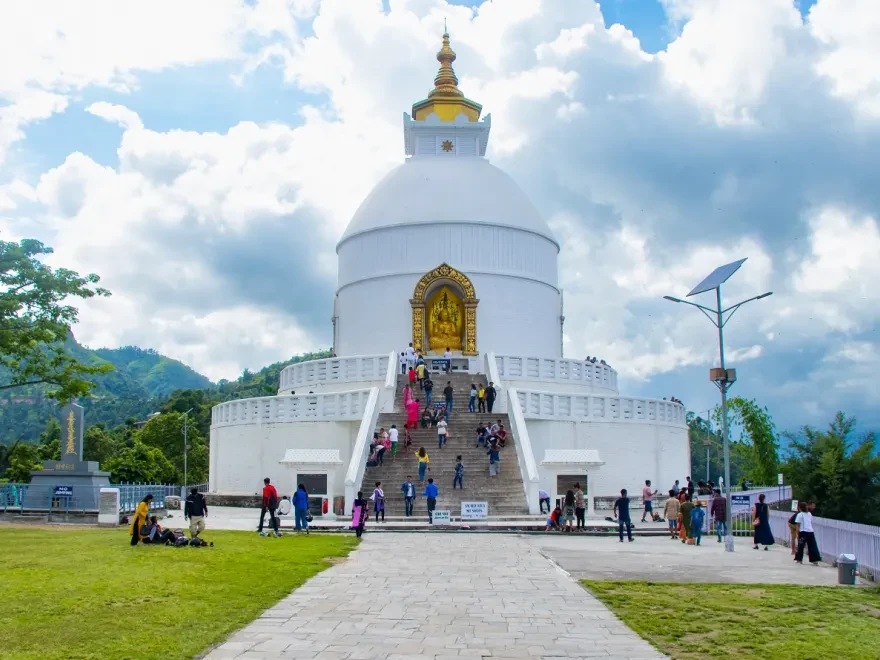
| No of people | Price per person |
|---|---|
| 1 - 1 | $2,150 |
| 2 - 4 | $1,675 |
| 6 - 10 | $1,625 |
| 12 - 16 | $1,575 |
| No of people | Price per person |
|---|---|
| 1 - 1 | $695 |
| 2 - 4 | $555 |
| 6 - 10 | $525 |
| 12 - 16 | $495 |
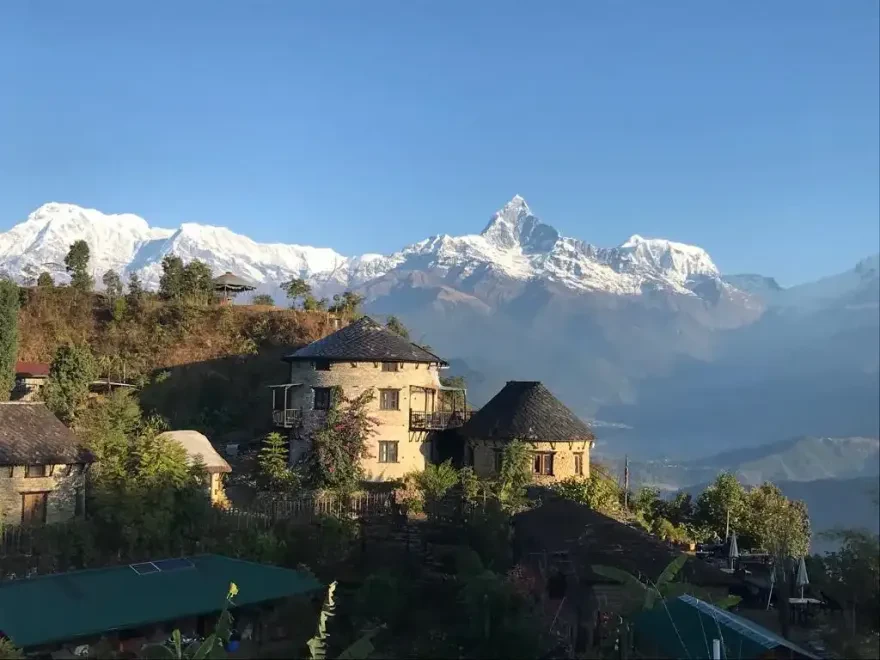
| No of people | Price per person |
|---|---|
| 1 - 1 | $990 |
| 2 - 4 | $795 |
| 6 - 10 | $745 |
| 12 - 16 | $695 |