Haven Holidays Nepal
Safe and exciting holidays!

Tsum Valley Trek

  • Best price guaranteed
  • No booking fees
  • Book Now, Pay Later
from 5 reviews
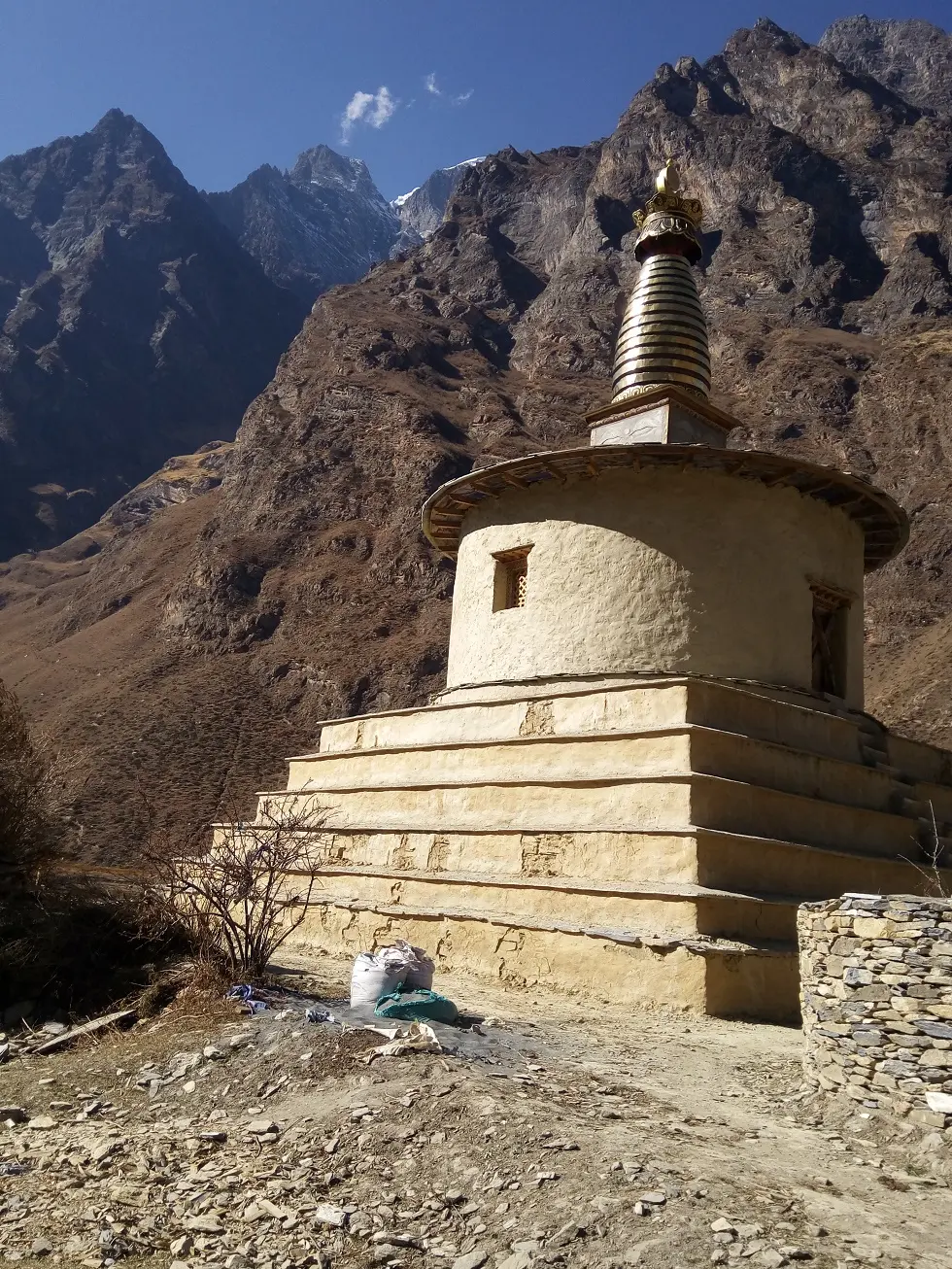
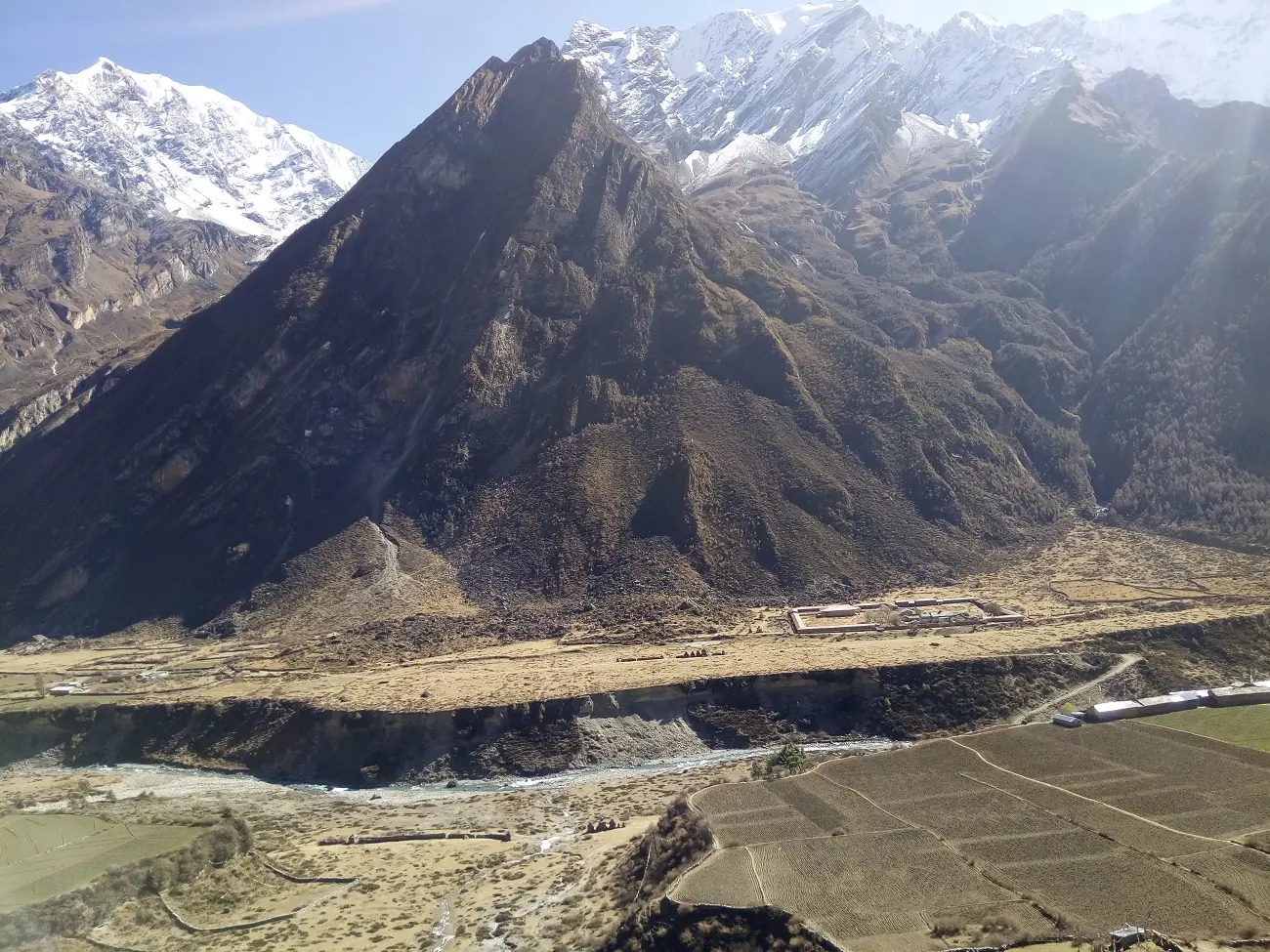
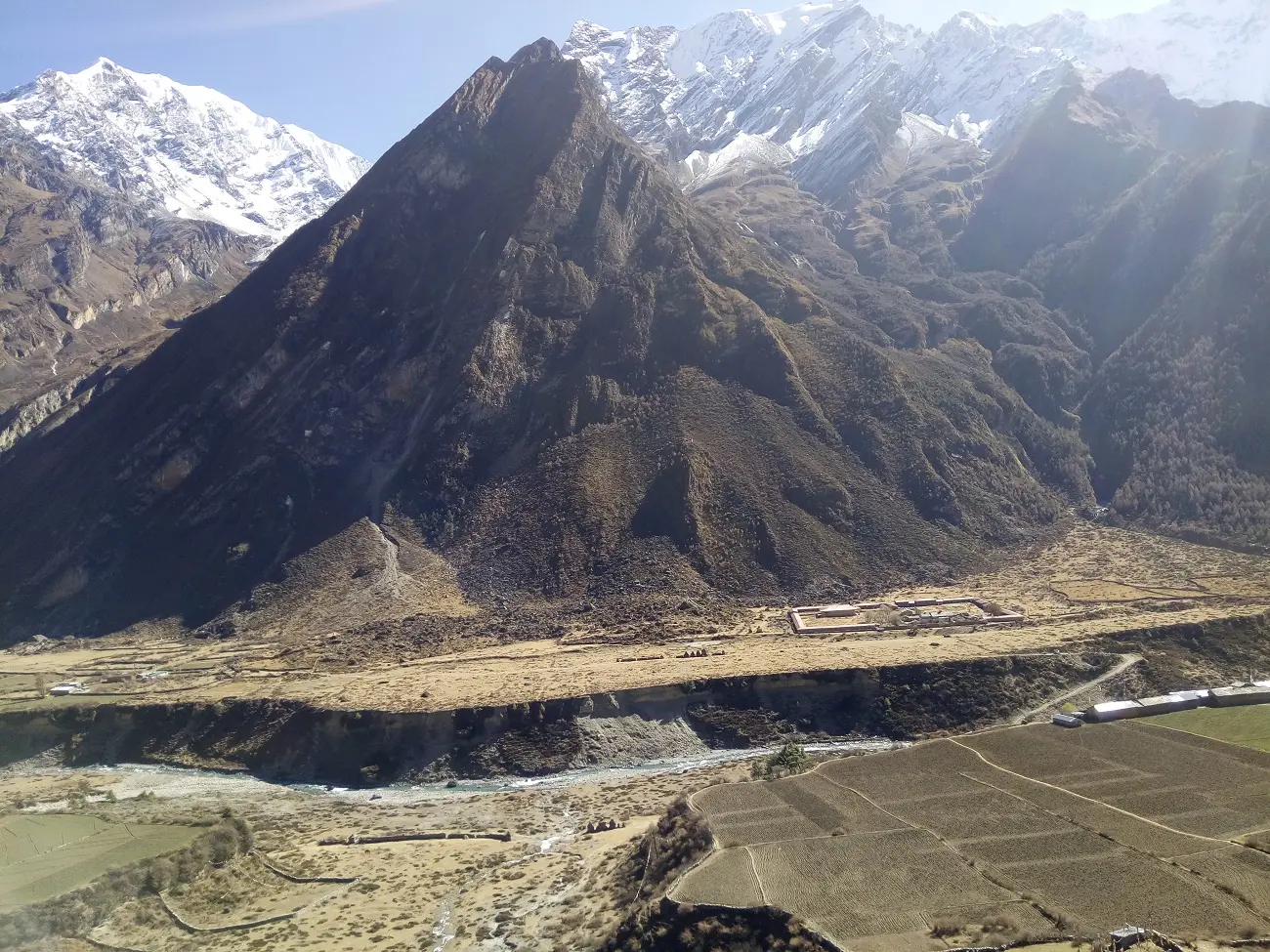
A Photo of Tsum Valley
Days
11
Save
US$ 320
Limited offer
From US$ 1,095
US$ 775
  • Best price guaranteed
  • No booking fees
  • Book Now, Pay Later
No of people Price per person
1 - 1 $855
2 - 4 $775
6 - 10 $725
12 - 16 $675
Share
Print
Max. Elevation
3700 m / 12139 ft
Group size
Min 2-Max 10(Single Supplement $,80)
Level
Moderate
Transportation
Bus
Best Season
Sept, Oct, Nov, December, February, March, April, May
Starts at / Ends at
Kathmandu / Kathmandu
Accomodation
Best Available Lodge on the trail
Meals
Breakfast in the Mountain
Trip Route
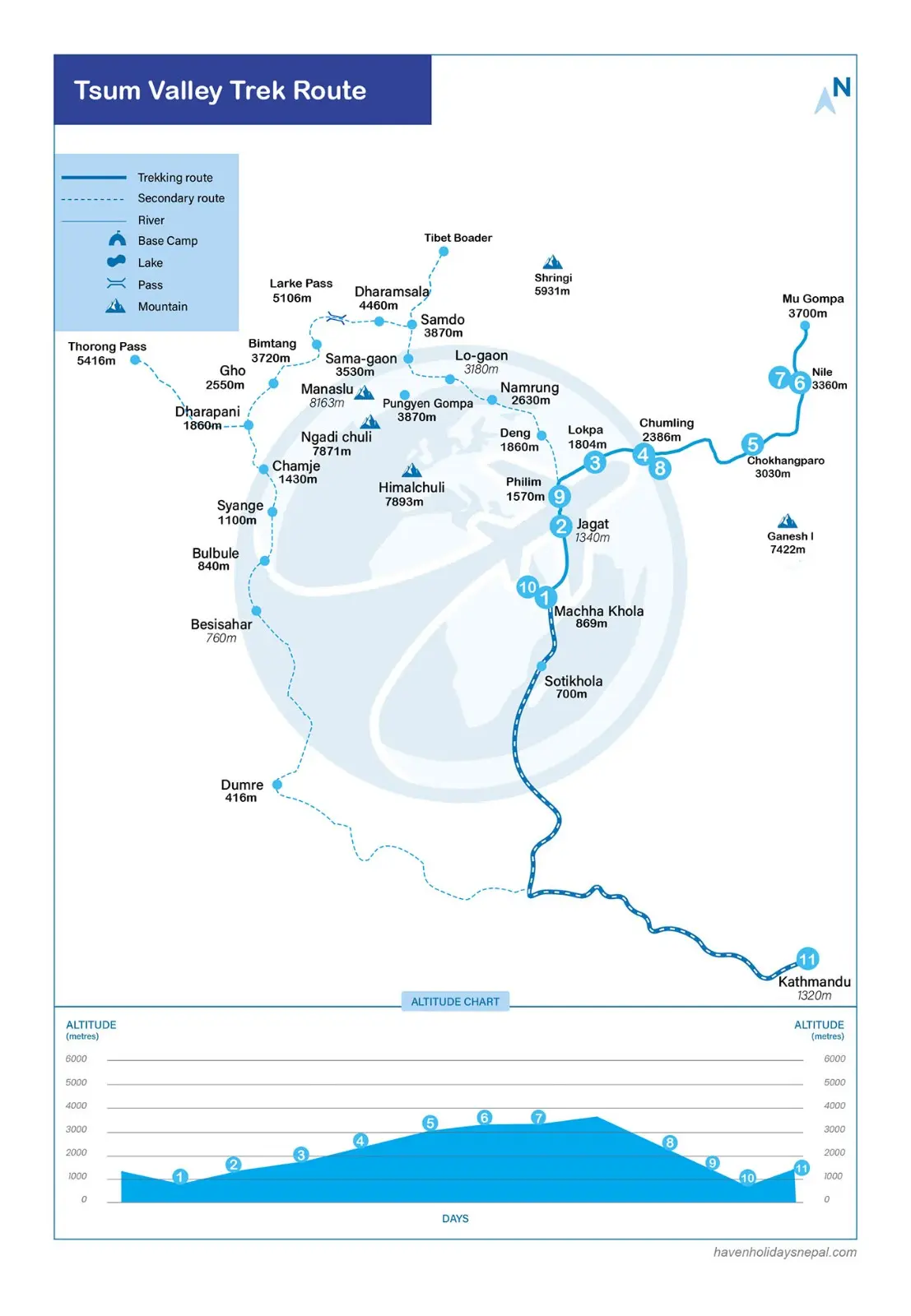
Kathmandu-Machhakhola- Lokpa-Nile-Mu Gompa- Machhakhola- Kathmandu

Highlights

  • Sacred valley protected by Tibetan Buddhism and dotted with ancient monasteries like Mu Gompa (3,700 m) and Rachen Gompa (3,240 m).
  • Completely off the beaten path and limited access trekking route with almost no people that gives you the most authentic Himalayan solitude and pristine cultural landscapes.
  • Slow climbing of the hillside through the typical villages of Chumling (2,386 m), Chekampar (3,031 m), and Nile (3,361 m) characterized by stone houses and prayer flags.
  • Incredible mountain views dominated by Ganesh Himal (7,422 m), Sringi Himal (7,187 m), and Boudha Himal (6,672 m).
  • An Intensive Tibetan culture is alive and can be seen in the daily rituals in the monasteries, mani walls, chortens, and the customs that have been followed for hundreds of years.
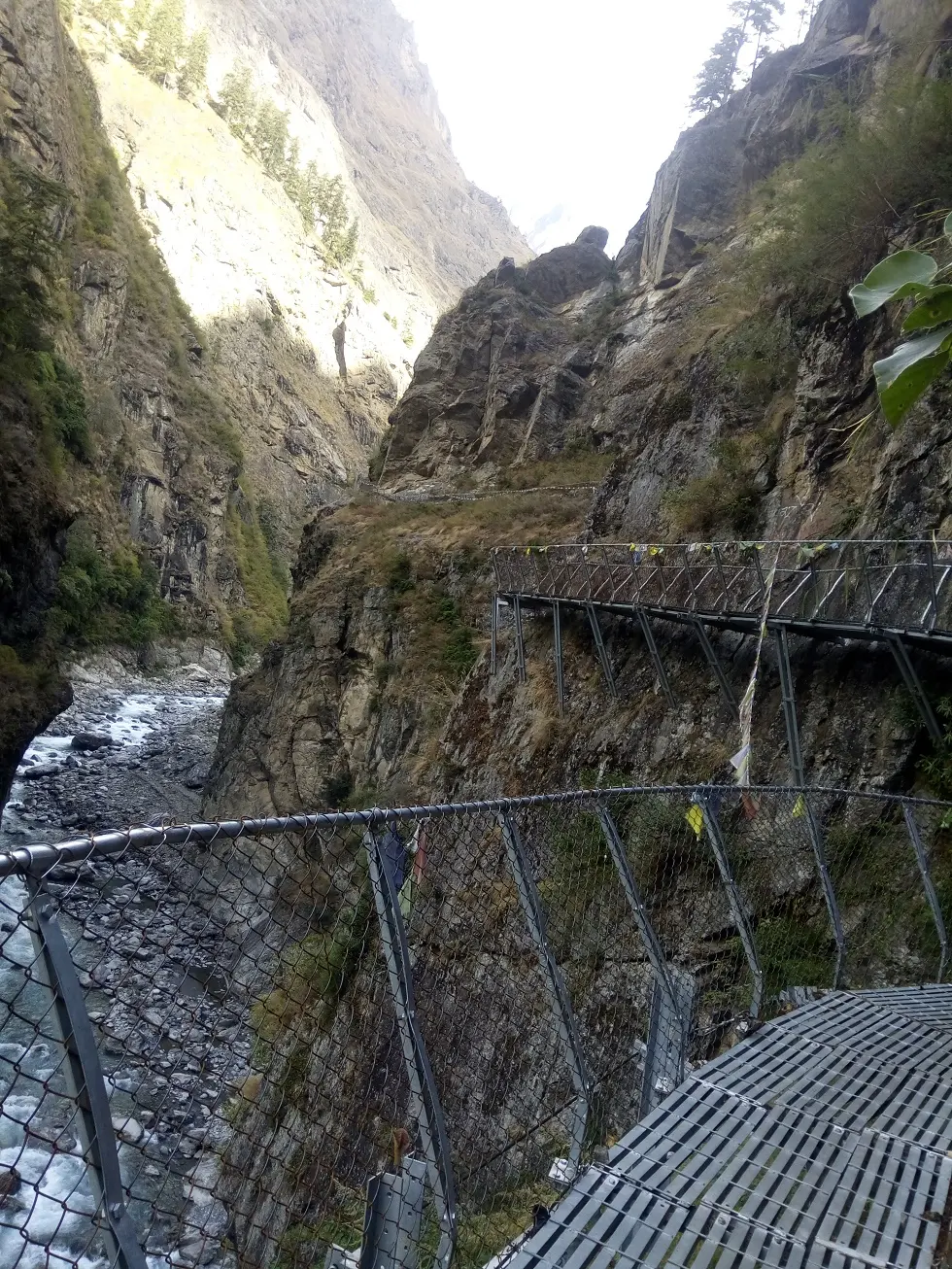
  • Quiet trekking paths along the Budhi Gandaki River going through steep valleys, waterfalls, pine forests, and suspension bridges.
  • A once in a lifetime chance to see Mu Gompa (3,700 m), a monastery that is one of the most isolated in Nepal and is located near the Tibet border.
  • A community-based tea house trekking program is a great way to help the locals and promote sustainable tourism in the Manaslu area

Overview

Tsum Valley Trek 11 days: Overview Description

Meanwhile,  this Tsum Valley Trek 11 Days is a trip where you can visit the rural villages, monasteries, mountains, and the culture of Himalayas in Nepal. This trek also includes unique adventures of trekking in the wild mountains and the offbeat trails.

Here, the first thing is that the Tsum Valley Trek 11 Days provides a culturally deep experience of a natural sanctuary of Nepal Himalayas. It is a restricted trek in the Manaslu area. The trip starts from Kathmandu (1,330 m) and slowly goes to the secret Tsum Valley. So, trekkers get to see the unspoiled nature and the authentically preserved Tibetan way of life.

Likewise, the Tsum Valley Trek 11 days takes you along the Budhi Gandaki River passing the steep gorges and the forested hills. Villages like Maccha Khola (930 m), Jagat (1,340 m), and Lokpa (2,240 m) are the places where the mountain rural life is known. Hence, travelers see the stone houses, prayer flags, and the old trade paths. The path remains calm and very few people take this route as compared to Everest routes.

In addition, the Tsum Valley is a very important place for Tibetan Buddhism. The sacred villages of Chumling (2,386 m), Chekampar (3,031 m), and Nile (3,361 m) are the ones that have the monastic culture going back to the hundreds of years. Monasteries are always open and they hold rituals and prayers. Therefore, visitors get a great cultural insight which is more than just a physical trek.

Next, the 11 days Tsum Valley trek arrives at Mu Gompa (3,700 m) which is both its spiritual and elevation peak. This faraway monastery is located underneath the tall and steep ridges of the Himalayas. The mountains around are - Ganesh Himal (7,422 m), Sringi Himal (7,187 m), and Boudha Himal (6,672 m). So, the beauty there is a combination of the tough Himalayan wilderness and a tranquil spiritual atmosphere.

On the other hand, the climb during Tsum Valley Trekking 11 days is slow throughout the trek and that is why the body gets used to the altitude very well. The elevation gain per day is kept at a level that is workable. This kind of setting greatly lowers the risks of altitude sickness. As a result, the trek is open to those who have the necessary physical strength but are new to trekking as well as to the ones who have a lot of trekking experience.

Moreover, because of their restricted nature, special permits are needed for the Tsum Valley Trek. Those who go on the trek have to get a Manaslu Restricted Area Permit and a Manaslu Conservation Area Permit as well as a Tsum Valley Restricted Permit. You cannot do this alone; you have to be with a licensed guide. Therefore, trekking with a guide is the way to be safe and follow the rules.

On the other hand, the overnight stays during your Tsum Valley Trek are at local teahouses which are modest but the hospitality is good. Food is dal bhat, Tibetan bread, noodles, and soups. The hot water bath and charging for the battery are not always available. That is why trekkers should be prepared for the basic side of the mountain lifestyle.

In the end, the Tsum Valley Trek 11 Days price is mostly between USD 675 and USD 1095 per person. The total price also entails the permit, guide, porter, transport, breakfast, and lodging. So, the Tsum Valley trek is worth it from the point of view of the cultural and spiritual experience in the Himalayas of Nepal.
Trek Essentials Overview:
AspectDetails/ Maximum Elevation
Mu Gompa(3,700 m)
Major PeaksGanesh Himal (7,422 m)
Permit RequirementRestricted Area Permits
Average CostUSD 675–1095

Tsum Valley Trek 11 Days: Extended Description

Explore the Tsum Valley Trek 11 Days with Haven Holidays Pvt. Ltd, which offers a spiritual experience of Buddhist monasteries, Himalayan scenery, cultural encounters, and local Himalayan guides in Nepal.
Key Highlights

  • Soti Khola (700m)/Machhakhola (930m) to Mu Gompa (3700m) – Gradual walk
  • Panoramic views of Ganesh Himal (7422m) &Shringi Himal
  • Religious Monasteries in Tibet: Tibetan Culture
  • It is an area that is limited by official regulations
  • Suitable for cultural and moderate trekkers

    Meanwhile, the Tsum Valley Trek 11 Days is a very spiritual experience that takes you through one of the most conserved Himalayan valleys of Nepal. Tsum Valley, lying north of the Manaslu area, is a hidden valley that was earlier a no-entry zone for any foreigner. Haven Holidays Pvt. Ltd. has programmed this itinerary in such a way that it focuses on immersion in culture, sound altitudes, and scenery. Hence, you get to feel the true essence of the Tibetan Buddhist culture alongside the breathtaking scenery.

    Additionally, the trek passes through Soti Khola at 700m, then passes through the Budhi Gandaki River surrounded by lush gorges. It then moves upward to Machha Khola at 930m, Jagat at 1,340m, and eventually arrives at Lokpa at 2,240m, which is the entry point for the Tsum Valley. This is accompanied by consistent upward movement that facilitates effective acclimatization of the body.

    Moreover, the trek passes through the sacred villages of Chumling (2,386m) and Chhokang Paro (3,010m). These villages offer examples of stone-walled homes, prayer wheels, and ancient monasteries. At an elevation of 3,700m, the highest point in the valley is the Mu Gompa, which provides excellent views of the commanding peak of Ganesh Himal (7,422m).

    Likewise, the company, Haven Holidays Pvt. Ltd, also provides guidance for safe journeys. Cultural information is provided by guides while keeping a keen observation of health issues. Permits that are requested include the Manaslu Restricted Area Permit as well as the Special Permit of Tsum Valley. This implies that logistical support is provided by professionals for the convenience of the trekkers.

    Specifically, the best months to undertake the Tsum Valley Trek 11 Days are spring and autumn. This is especially true since clear skies make it easier to view Shringi Himal with a height of 7,187m and Buddha Himal with a height of 6,672m. It is still possible to undertake the journey during winter.

    Notably, engaging in effective packing allows for better comfort and security. Insulating clothes, poles, and boots are still crucial after crossing Chhokang Paro (3,010m). Acclimatization days provide significant support in adapting to the lower air density closer to Mu Gompa (3,700m). Therefore, the energy levels of tourists remain consistent throughout.

    Here, the average cost for Tsum Valley Trek 11 days each person is between USD 900 and USD 1,100. This is inclusive of various factors such as permits, guides, accommodations, and meals. Haven Holidays Pvt. Ltd is upfront with their costs, with no surprises or hidden charges. This means that the tourist gets the best value for their money.

    Finally, the Tsum Valley Trek 11 Days is apt for those who look for culture, solitude, or moderate levels of adventure. Haven Holidays Pvt. Ltd knows the terrain well and is a responsible organization that practices responsible trekking. Therefore, this trekking experience is something that takes you on a Himalayan odyssey. You should book with Haven Holidays Pvt. Ltd.

    Tsum Valley Trek Nepal

    Embark on a journey through the Tsum Valley Trek Nepal with Haven Holidays Pvt. Ltd, one of the culturally rich Himalayan treks that include monasteries, mountains, and responsible travel.
    • Entry via Jagat (1,340m) checkpoint
    • Mandatory licensed guide and agency
    • Protected villages like Chumling (2,386m
    • Highest point: Mu Gompa (3,700m)
    • Soti Khola (700m)/Machhakhola (930m) to Mu Gompa (3700m) – Gradual walk
    • Panoramic views of Ganesh Himal (7422m) &Shringi Himal
    • Religious Monasteries in Tibet: Tibetan Culture
    • It is an area that is limited by official regulations
    • Suitable for cultural and moderate trekkers
    Firstly, the Tsum Valley Trek Nepal is one of the treks in the Himalayas that is exceptionally preserved in terms of culture. Tsum Valley, which is situated closer to the Tibetan border, is one of the least explored places for centuries. Haven Holidays Pvt. Ltd. offers this trek with the aim of exhibiting heritage, nature, and security. Hence, it is one of the rare opportunities for tourists to explore living Buddhist culture in Nepal.

    Secondly, the trekking journey begins from Arughat (600m) to Jagat (1,340m). The hike takes place via bamboo forests, suspension bridges, and river valleys. A gradual increase in elevation facilitates effective acclimatization. Therefore, the trekkers get to enjoy a good pacing of the trekking journey.

    Meanwhile, the upper valley shows villages such as Nile (3,361m) and Chhule (3,347m). These villages lie at the foot of Himalayan ranges. Panoramic views of Ganesh Himal (7,422m) appear from Mu Gompa (3,700m). Hence, the trek is rich in rewards for those who wait to enjoy such alpine

    Equally important is that the Tsum Valley Trek Nepal is a responsible tourism-based trek. It is a non-violence area, which means that it does not support or practice any form of hunting or harm to any living organism. Haven Holidays Pvt. Ltd is also supportive of the social culture of the area through community lodging.

    Moreover, special permits are also required for this trekking as it is a restricted area. These permits are Manaslu Restricted Area Permit and Tsum Valley Permit. Documentation is taken care of by Haven Holidays Pvt. Ltd. As such, trekkers need not worry about any hassles related to documentation.

    Conversely, the best months for trekking remain March to May, as well as September to November. This is attributed to good weather that promotes visibility. During winter, additional equipments such as snow around Mu Gompa (3,700m) must be taken into consideration.

    In practice, trekkers need to be prepared for moderate daily trekking hours. Hydration, layering, and acclimatization remain important. Haven Holidays Pvt. Ltd guides are keen to monitor any signs of Altitude Sickness. Safety is therefore of great importance.

    Here, talking about the cost, the average cost for the Tsum Valley Trek Nepal is around $900 to $1,100 per person. This is inclusive of guides, permits, meals, as well as accommodations. Transparency in services is important for ensuring trust and comfort. Hence, services rendered are authentic.

    Finally, the Tsum Valley Trek Nepal is for those who prefer their trekking experience to have depth over mass tourism. Haven Holidays Pvt. Ltd is the best for you if you seek genuine experiences with local knowledge. Therefore, this is one of the significant alternatives that you can get instead of other treks that are more commercialized.

    Package for Tsum Valley Trek

    Get the best Tsum Valley Trek Package deals for your Himalayan adventure with cultural diversity, local guides, permits, and genuine services with Haven Holidays Pvt. Ltd in Nepal.
    Package Inclusions:
    •  Kathmandu (1,400m) to Machhakhola Bus
    • All trekking permits and documents
    • Local guide services
    • Porter services
    • Accommodation at teahouse, including meals
    • Cultural villages & visit to Mu Gompa (3700m)
    Firstly, the Package for Tsum Valley Trek provides a comprehensive and sequentially organized Himalayan trekking experience. This package is good for those travelers who look for culture, nature, and security in a restricted area. All arrangements for acclimatization are taken care of by Haven Holidays Pvt. Ltd. So, the trekkers face no obstacles in their journey.

    Secondly, the package begins with adrive Kathmandu (1,400m) to Soti Khola (700m) and then to Machha Khola (930m), Jagat (1,340m), and finally, the ascent ends at Lokpa (2,240m). Gradual climbing through these places helps the trekkers diminish fatigue as well as

    Furthermore, the package for the Tsum Valley Trekkeeps with a visit to the sacred villages of Chumling (2,386m) and Chhokang Paro (3,010m). These villages retain their connection with the Tibetan Buddhist culture in the form of Buddhist monasteriesand prayer flags. The trek takes one to Mu Gompa (3,700m), referred to as the spiritual center of the valley.

    Furthermore, the presence of mountain ranges adds great value to the trekking experience. Ganesh Himal with a height of 7,422m, Shringi Himal with a height of 7,187m, and Buddha Himal with a height of 6,672m surround the area. This makes the weather an important factor to consider.

    Crucially for a memorable experience, Haven Holidays Pvt. Ltd does not overlook the important aspect of including relevant permits in the entire package. Permits significantly extend to the Manaslu Restricted Area, as well as the Tsum Valley Special Area. It is important to note that proper treatment of such matters often spares time and any legal controversy. Hence, the individual gets to

    Furthermore, accommodations during Tsum Valley Trek 11 days also include teahouses that symbolize community-based tourism. Meals are adequately energizing with features of Nepali and Tibetan cuisine. Hygienic accommodations enable climbers to feel comfortable in remote villages. Therefore, tourists feel welcome with adequate care.

    Simultaneously, experienced local guides accompany each group. These guides are knowledgeable about terrain, culture, and how to manage altitudes. Haven Holidays Pvt. Ltd focuses on safety by monitoring health conditions daily. Therefore, climbers feel safe throughout their journey.

    Here, practical advice from the package includes proper packing and preparation. Clothing such as warm layers, sleeping bags, and trekking poles remain important factors for the area above Chhokang Paro (3,010m). Acclimatization days around Mu Gompa (3,700m) help with acclimatization to the elevation.

    Lastly, the Tsum Valley Trek Package is ideal for adventurers who yearn for the unknown trails. At Haven Holidays Pvt. Ltd., logistics, security, and cultural aspects are brought together with clarity. This package is a great bargain. It is advised to book a Tsum Valley trek with Haven Holidays Pvt. Ltd. for a memorable experience.

    Tsum Valley Trek Cost

    Get information about the cost of the Tsum Valley Trek from Haven Holidays Pvt. Ltd, including permits, guides, accommodations, and seasonal influences in Nepal.
    Cost breakdown:

    Cost ComponentEstimated Amount (USD)
    PermitsUSD 55-150
    Guide & PorterUSD 200-300
    Accommodation & MealsUSD 250-350
    TransportationUSD 150-200
    Total Average CostUSD 675-1095

    Firstly, the cost of the Tsum Valley Trek is dependent on some factors. These factors include the length of the stay, number of people, as well as the seasonal periods. This company, Haven Holidays Pvt. Ltd, provides accurate information on the costs involved. As such, tourists do not have worries concerning their budgets.

    Secondly, the mean cost of the Tsum Valley Trek is between USD 675 to USD 1095 for individuals. These costs are dependent on an 11-day itinerary. This implies that such individuals do not incur additional costs.

    Moreover, the cost of permits is an important contributing factor to the cost of this trek. Of course, the Manaslu RAP or Tsum Valley Permit is still required. This is essential in ensuring that the number of tourists is regulated, ensuring sustainability. Thus, it adds significant value to the trek.

    Likewise, the cost of transport influences the pricing of the climb. This cost involves private or shared transport from Kathmandu (1,338m) to Soti Khola (700m). Additionally, transport in Nepal depends on the season. Therefore, employing professional transport services is advised for enhanced safety.

    Similarly, the services of guides and porters contribute immensely to the cost. These guides are aware of villages such as Chumling (2,386m) and Chhokang Paro (3,010m). This is important since their guidance helps in respect for their culture and staying safe through their familiarity with high altitudes. 

    Furthermore, the cost of accommodations is kept moderate by the availability of teahouses. Camps around Mu Gompa, which is at an elevation of 3,700m, charge a little extra for their remoteness. Meals become pricier with increases in altitudes.
    Crucially, the cost of the Tsum Valley Trek is affected by seasonal variations in demand. Spring and autumn are still the peak seasons with good weather. During winter, treks could be cheaper, but additional camping equipment would be needed.

    Practically, Haven Holidays Pvt. Ltd tends to encompass all the essential aspects in their package deals. Exclusions are usually related to personal items, insurance, or tipping. This is done to ensure that there is no ambiguity about the cost factors involved. Hence, honesty tends to establish the Tsum Valley trek cost for you.

    Equally important, the group size is important in determining the cost of the hike. A bigger group means that the cost per person is lowered. Private treks are slightly expensive but more flexible. Therefore, one can choose depending on their preference.

    Finally, the cost of the Tsum Valley Trek is based on value for money, not luxury. This experience is about culture, mountains, and responsible tourism. At Haven Holidays Pvt. Ltd, your cost is balanced with safety considerations, too. It's best to book with Haven Holidays Pvt. Ltd for Himalayan value.

    Tsum Valley Trek Package

    Tsum Valley Trek Package has become one of the culturally rich Himalayas trekking in the company of expert guides, permissive and transparent services in Nepal with Haven Holidays Pvt. Ltd.

    Package Inclusions:

    • Transportation from Kathmandu (1,400m) to Machhakhola Khola (930m).
    • All the permits required for trekking and documentations
    • Licensed local guide and porter support
    • Teahouse accommodation and meals.
    • Cultural village and Mu Gompa (3,700m) visit.
    Actually, the Tsum Valley Trek Package is a comprehensive and well-organized Himalayan trekking deal. The package caters to travelers looking for culture, nature, and safety in a restricted area. Haven Holidays Pvt. Ltd creates a proper itinerary with balanced walking hour(s) and proper acclimatization. Hence, trekkers have a smooth and purposeful journey.

    Secondly, the package starts in Kathmandu at 1,400m, heads to Soti Khola at 700m via Arughat, and drives along Machha Khola at 930m, then Jagat at 1,340m, then Lokpa at 2,240m. Every overnight stop will be helpful in gradual altitude gain. As a result, a trekker decreases fatigue and risks of altitude.

    In addition, the Tsum Valley Trek Package will take one through holy villages such as Chumling (2,386m) and Chhokang Paro (3,010m) which safeguard Tibetan Buddhist cultures through monasteries and prayer flags. Upwards, the trail arrives at Mu Gompa (3,700m), considered the spiritual pole of the valley. Hence, trekkers would get both physical adventure and spiritual depth.

    Mountain views, additionally, give great importance to the trek. Dominating the skyline, Ganesh Himal (7,422m), Shringi Himal (7,187m), and Buddha Himal (6,672m) are some of the giants overlooking the trail. Spring and autumn usually offer clear weather; hence, seasonal planning adds strong visual value.

    More importantly, the package at Haven Holidays Pvt. Ltd involves all needful permissions. These include permits for the Manaslu Restricted Area and Tsum Valley Special Area. Such professional handling saves time and keeps away from troubles related to legal issues. Thus, trekkers concentrate fully on the trail.

    Here, accommodation also includes community-based tourism through local teahouses. Meals are prepared to provide ample energy in the form of traditional Nepali and Tibetan dishes. Clean lodging facilities allow trekkers the rest and comfort that they need as they invest time in these remote villages. Because of this, trekkers feel welcomed and well cared for.

    Equally, each group is guided by an experienced local guide. The guide knows the terrain and culture, as well as how to handle altitude variations. Safety first-That's why Haven Holidays Pvt. Ltd performs a health check daily. Thus, the trekker feels secure on the journey.

    Also, the package recommends proper packing and preparation in practice. Warm layers, sleeping bags, and trekking poles remain essential above Chhokang Paro at 3,010m; acclimatization days near Mu Gompa at 3,700m support altitude adjustment. Thus, preparation improves trek success directly.

    Finally, the Tsum Valley Trek Package goes for those trekkers seeking an off-the-beaten-path adventure. Haven Holidays Pvt. Ltd combines logistics, safety, and cultural expertise seamlessly. This package delivers strong value and authentic experiences. Book with Haven Holidays Pvt. Ltd to guarantee a responsible and unforgettable Tsum Valley trek.

    Cost of Tsum Valley Trek

    Get information about the cost of Tsum Valley Trek with Haven Holidays Pvt. Ltd. You will gain insight into the price determination in permits, guides, accommodation, and seasonal factors here in Nepal.
    Table with Cost Breakdown:

    Cost ComponentEstimated Amount (USD)
    PermitsUSD 200–250
    Guide & PorterUSD 400–500
    Accommodation & MealsUSD 350–450
    TransportationUSD 150–250
    Average Total CostUSD 1,300–1,800

    Actually, the cost of the Tsum Valley Trek basically depends on several practical and logistical factors: duration, group size, and season. Haven Holidays Pvt. Ltd. arranges transparent pricing with detailed cost breakdowns so that travelers can confidently plan a budget.

    Secondly, the average Tsum Valley Trek Cost ranges from USD 900 to USD 1,100 per person. It applies to an 11-day itinerary. Costs usually include guides, permits, accommodation, and meals. Consequently, trekkers avoid unexpected expenses.

    Moreover, the cost largely depends on permit fees. The Manaslu Restricted Area Permit and Tsum Valley Permit are still required. These permits aim for controlled, sustainable tourism. Therefore, legal access adds necessary value to the trek.

    Additionally, pricing is affected by transportation. Private or sharing of transportation costs is to be covered from Kathmandu at 1,400 meters to Soki Khola at 700 meters and then to Machhakhola(930m). The road conditions vary seasonally. Therefore, professional arrangements of transport create a much safer and comfortable environment.

    Here, local guiding and porter services make up a big part of the cost as well. The local guides from villages such as Chumling (2,386m) and Chhokang Paro (3,010m) know how to pay respect and take good care in light of altitude issues. Paying for skilled staff means added value to your quality of trekking.

    Furthermore, accommodation expenses stay fairly moderate because teahouses are available. Accommodations closer to Mu Gompa (3,700m) are a little pricier because of the remoteness. Food is also more expensive at higher altitudes. Therefore, altitude makes a pretty direct difference in the day-to-day expenses.

    Importantly, the Tsum Valley Trek Cost changes with seasonal demand. Spring and autumn are considered peak seasons due to their stable weather conditions. Winter treks could be cheaper, but extra gear is needed. Hence, selection of season influences not only the price but also the experience.

    Practically, Haven Holidays Pvt. Ltd includes most essentials in the package. Exclusions are mostly personal gear, travel insurance, and tips. Transparency of cost outlines does not create confusion. This is why transparency builds trust.

    Additionally, the Tsum Valley Trek price largely depends on the size of the group. The larger the group, the lower the price per person. Private treks are a little more expensive, but they can offer flexibility. Therefore, travelers may choose what they prefer.

    Finally, the cost for the Tsum Valley Trek reflects value rather than luxury. The experience offers insight into the culture, the mountains, and responsible travel. Haven Holidays Pvt. Ltd. reflects a balance between affordability with safety and professionalism. Book your trip with Haven Holidays Pvt. Ltd. now for some reliable pricing without compromising on authenticity in the journey to the Himalayas.    

    Restricted Area Trek - Tsum Valley

    Explore the Restricted Area Trek Tsum Valley with Haven Holidays Pvt. Ltd, where you get legal permits, cultural conservation, and professional Himalayan treks in Nepal.

    Key features of Restricted Area Trek:

    • Entry via Jagat (1,340m) checkpoint
    • Mandatory licensed guide and agency
    • Protected villages like Chumling (2,386m
    • Highest point: Mu Gompa (3,700m)

      Firstly, the Restricted Area Trek Tsum Valley is one of the most regulated treks in Nepal. This area is protected by the Government of Nepal to maintain the cultural and environmental heritage of the valley. Haven Holidays Pvt. Ltd is a completely licensed agency for trekking in this area. Therefore, their trekkers get legal entry with no worries.

      Secondly, the Tsum Valley is found in the northern part of the Gorkha district, close to the border of Tibet. This trekking journey starts after arriving at Soti Khola, which is 700m from Kathmandu, which is 1,400m high. This trekking route passes through Machha Khola, which is 930m high, then Jagat at 
       
      Furthermore, the restricted area ensures that uncontrolled tourism does not occur. This is important for maintaining the monasteries, culture, and environment. Additionally, villages such as Chumling (2,386m) or Chhokhang Paro (3,010m) are pristine as they are untouched by mass tourism.

      Here, an organized trekking agency must accompany the trekkers. Treks without an organized agency are still unlawful in restricted areas. Haven Holidays Pvt. Ltd employs licensed guides with authorized documents. Therefore, this ensures that trekkers adhere to regulations.

      Likewise, its protected area promotes enhanced security and accountability. Permits and group information are checked at roadblocks on the way to ensure that everyone is accounted for. Hence, rapid responses are possible in cases of emergencies.

      Notably, the trek ascends to Mu Gompa, which is the highest point in the valley at 3,700m. This is a monastery that is found beneath the peak of Ganesh Himal with a height of 7,422m. This helps in minimizing the effects brought about by trekking.

      Meanwhile, limited trekking promotes cross-cultural activities as opposed to commercialization. Communities directly benefit from managed tourism. Lodges are governed by community regulations. Therefore, funds are allocated for educational and monastery upkeep budgets.

      Similarly, the limited name requires strict itinerary adherence. Trekkers cannot wander randomly along routes. Haven Holidays Pvt. Ltd. plans their routes as per permit regulations. Therefore, proper planning is a must.

      Practically speaking, it is important that trekkers should make preparations beforehand. Copies of passports, pictures, as well as insurance documents are still required. This is managed effectively by Haven Holidays Pvt. Ltd. Thus, preparation prevents extra time from altitude sickness risks during the trek.

      Additionally, plans for acclimatization in protected areas are prioritized. Ascents through Lokpa (2,240m) minimize hazards of altitude. Guides monitor the health of travelers each day. Therefore, this makes adventurers safer.

      Finally, the restricted area trekking in the Tsum Valley provides uniqueness as well as authenticity. Haven Holidays Pvt. Ltd is a company that takes into account both the laws of the Himalayan nation and the culture of the region. This is a trek that is ideal for those who do responsible adventuring. Hire the services of Haven Holidays Pvt. Ltd for a safe as well as authentic restricted area trekking experience.

      Permits for the Tsum Valley Trek

      Find information about the cost of the Tsum Valley Trek permit with Haven Holidays Pvt. Ltd, including restricted area costs in Nepal.

      Firstly, it is worth noting that the cost of permitting for the Tsum Valley Trek is a significant consideration for the cost of the trek. Permits ensure that no damage is caused to the cultural heritage of the region. Additionally, Haven Holidays Pvt. Ltd takes care of the permit processes for the respective treks.

      Secondly, the Tsum Valley is found in a restricted area for trekking. A person must have a Manaslu Restricted Area Permit and a Tsum Valley Special Permit. These remain mandatory for all foreign trekkers. Therefore, following the law is important.

      Furthermore, the cost of the Manaslu Restricted Area Permit differs throughout the year. When climbing Manaslu between September to November, the average fee for the permit per person for a period of seven days is USD 100. However, extra days incur extra charges. Therefore, the length of the climb determines the charges.

      Likewise, between the months of December to August, the fee for permits is slightly cheaper. This is due to the fact that the average fee decreases to approximately USD 75 for each individual for a week. This is promoting off-season tourism. Hence, flexible adventurers could save money.

      Further, another permit that trekkers need to obtain is the Manaslu Conservation Area Permit. This permit is priced at NPR 3,000 for each person. This makes it beneficial for the conservation of the environment. Hence, the need for conservation is taken care of.

      Significantly, TIMS cards do not need to be used in restricted areas. TIMS is replaced by restricted permits issued by the government. This is handled by Haven Holidays Pvt. Ltd. This means that there is no loss of documentation.

      Meanwhile, the permit costs remain constant. This is determined by the concerned authority. Agencies' rates are not changeable. But there is a slight difference in service charges. This is important while selecting an agency.

      Similarly, for permits, one needs to trek in a group of at least two persons. Solo trekking is still not allowed. Haven Holidays Pvt. Ltd categorizes trekkers into groups. Therefore, following the rules is easy.

      Practically, permits issue entry/exit points precisely. Permits are checked by Jagat (1,340m) checkpoints. Guides produce documents at each checkpoint. Therefore, trekkers move without hindrance.

      Furthermore, the processing of permits requires original passports and photos. This processing takes one work day. Haven Holidays Pvt. Ltd takes care of this before you leave. It is therefore important to arrive in Kathmandu in good time (1,400m).

      Totally from the budgeting point: Total costs of the permits lie between $200 to $250 for individuals. This varies with the seasons as well as the length of the treks that one takes. These permits are often non-refundable.

      Finally, the fee for the Tsum Valley Trek permit is a sign of controlled and responsible tourism. At Haven Holidays Pvt. Ltd, you can get the right permits for a legal trekking experience. This is important for the safety of both tourists and the locals. Get a risk-free Tsum Valley trekking experience with Haven Holidays Pvt. Ltd.

      Tsum Valley Trek Guide and Porter

      Haven Holidays Pvt. Ltd professional Tsum Valley Trek guide and porter hire for safety, cultural insight, altitude support, and responsible trekking in Nepal.
      Guide and Porter Support:
      • License Guide for restricted area compliance
      • Altitude monitoring up to Mu Gompa (3,700m)
      • Porter support and proper wages in an ethical manner
      • Permits and checkpoint handling
      • Cultural interpretation and safety management
      Firstly, a professional guide and Tsum Valley Trek porter continue to play an essential role in the trekking tour of restricted areas. The government regulations necessitate that trekkers hire licensed guides for this area. Haven Holidays Pvt. Ltd offers well-trained local guides with official authorization. For this very reason, trekkers conform to every legal and safety criterion.

      Moreover, guides lead the trek from Kathmandu via 1,400m to Soti Khola via 700m and onwards. They organize routes such as through Machha Khola via 930m and Jagat via 1,340m. They ensure navigation so that correct trails are used. Because of this, confusion over routes is avoided by the trekkers.

      Likewise, guides also provide deep cultural insight into the valley. For instance, the villages of Chumling (2,386m) and Chhokang Paro (3,010m) display living traditions of Tibetan Buddhism. Guides can explain monastic customs and local etiquette, thus helping trekkers to behave appropriately.

      In addition, altitude safety has remained a key responsibility for guides. For example, the guided ascents toward Mu Gompa-3,700m-will be monitored. Guides have to conduct health checks daily and adjust their pace. Therefore, altitude sickness risks are minimized.

      In addition to, porters provide great support for comfort while trekking. They will carry all types of luggage securely across difficult terrain. These supports alleviate much physical strain on trekkers. Hence, energy remains balanced during the journey.

      Importantly, Haven Holidays Pvt. Ltd is committed to the porter treatment standard in an ethical way. The porters are made to carry limited weights and proper clothing is provided. Fair wages are paid to them to support local livelihood. Thus, responsible tourism practices come into play.

      Here, guides meanwhile manage permits and checking at checkpoints. There are checkpoints at Jagat-1,340m that require documents. Guides manage this communication efficiently. Thus, trekkers pass by without any hold-ups.

      In addition to, guides provide rescue services in case of an emergency. Changes in weather or health conditions may involve quick decisions. Guides help organize evacuation, if necessary. Hence, professional support ensures more security.

      In reality, guiding and porter costs depend on the group size. The average expenses for guides lie within a bracket of USD 30-40 per day. Porter costs are similarly average at around USD 20-25 per day. So, once again, budgeting remains predictable.

      Besides, guides help to make daily planning and accommodation arrangements. They organize teahouses in Nile (3,361m) and Chhule (3,347m). Meal ordering becomes easier. Thus, logistics stay smooth.

      Finally, taking the Tsum Valley Trek guide and porter guarantees safety, comfort, and cultural connection. Haven Holidays Pvt. Ltd supplies experienced teams that originally hail from the locals. Their expertise transforms the trek into a meaningful journey. Book with Haven Holidays Pvt. Ltd for trusted guides and reliable porter support.

      Tsum Valley Tea House Trek

      Enjoy the Tsum Valley Tea House Trek with Haven Holidays Pvt. Ltd by experiencing local homestays, cultural interaction, and comfortable trekking in remote Nepal.
      Tea House Facilities in the Mountain:
      Location Elevation | Facilities
      Machha Khola 930m | Basic rooms, meals
      Jagat1340m | Teahouse, electricity
      Chumling2,386m | Basic lodge, eating hall 
      Chhokang Paro3,010m | Basic rooms, blankets
      Mu Gompa3,700m | Very Basic lodge, hot meal
      Firstly, this is a reasonable trek to explore a remote Himalayan region in comfort. Teahouses have been built along the route offering basic lodging and meals. Haven Holidays Pvt. Ltd selects trusted local lodges. Therefore, trekkers enjoy safety and warmth.

      Secondly, the Tsum Valley trek starts when Soti Khola - 900m, is reached from Kathmandu - 1,400m. Teahouses start to appear early at Machha Khola - 930m. These are simple lodges offering accommodation with hot meals. As a result, trekkers rest properly.

      Furthermore, teahouses are also representative of the local culture and hospitality. The villages along the route are very welcoming, such as Jagat, which stands at 1,340 meters above sea level, and Lokpa, which is 2,240 meters above sea level. The owners are usually from Tibetan Buddhist communities, so there will be some proper cultural exchange.

      Here, higher villages at 2,386m like Chumling and 3,010m like Chhokang Paro have fewer teahouses but more comfortable ones. The rooms will still be basic with shared facilities. It is warm with blankets and dining halls. Thus, comfort is still achievable to a certain extent.

      Besides that, the tea house trek reaches 3,700 meters at Mu Gompa. At altitude this low, the lodges are still basic, simple affairs. Hot food assists in keeping energy up, and so is relevant to a plan of food.

      Importantly, the meal packages comprise dal bhat, noodles, soups, and Tibetan bread. Prices rise with an increase in altitude because of transportation difficulty. Haven Holidays Pvt. Ltd recommends adequate budgeting. In turn, trekkers are not surprised.

      Meanwhile, electricity and charging remain limited. In most lodges, solar power supports lighting. Charging devices may be extra; thus, power banks are helpful.
      Similarly, tea house trekking diminishes the need for gear about camping. Trekkers carry their backpacks in a lighter manner. Porters assist when required. Hence, the trek feels less demanding.

      Additionally, the best seasons for a teahouse trek are spring and autumn practically. Weather conditions remain stable, and lodges continue to be open. Treks during winter have minimal availability of lodges. The selection of the season can thus be ostensible.

      Besides this, hygiene standards differ with altitude. Trekkers are advised to carry personal toiletries. Hand sanitizer and water purification are always necessary. Therefore, health is protected.

      From a price perspective, tea house trekking costs stay reasonable. Accommodations range from USD 5 to 10 per night. Meals are USD 5 to 12 depending on altitude. Thus, budgeting remains quite straightforward.

      Finally, Tsum Valley Tea House Trek combines comfort and authenticity. Haven Holidays Pvt. Ltd makes sure to precisely choose lodges for reliability and keeps the logistics smooth, hence being suitable for those trekkers who are up for cultural immersion without camping. Provide your booking with Haven Holidays Pvt. Ltd for a well-managed Tsum Valley tea house experience.

      11 Days Tsum Valley Trek Itinerary

      11 Days Tsum Valley Trek with Haven Holidays Pvt. Ltd: daily altitude planning in cultural villages with expert guide trekking in Nepal.

      Actually, the 11 Days Tsum Valley Trek itinerary focuses on gradual ascent and cultural immersion. Haven Holidays Pvt. Ltd designs this in such a way in order to keep your safety and comfort on top priority. Subsequently, the trek commences right after arrival in Kathmandu (1,400m), so that trekkers may prepare well beforehand.

      Here, the journey begins with a drive from Kathmandu (1,400m) to Soti Khola (700m). During this scenic drive, hills, rivers, and villages were seen all around. Overnight rest supports recovery from travel fatigue, after which it would be easier for trekkers to start walking refreshed.

      Further, from Soti Khola, at a height of 700m via Arughat Bazaar, it reaches Machha Khola, which is at 930m. The whole route goes on the Budhi Gandaki River. Similarly, suspension bridges and waterfalls come very frequently. Thus, the day becomes interesting to the trekkers.

      Likewise, the track follows from Machha Khola (930m) to Jagat (1,340m). Jagat is a checkpoint for restricted permits. Villages of stones indicate the Tibetan influence. Hence, the cultural exposure starts right from the beginning.

      Additionally, the trek moves from Jagat (1,340m) to Lokpa (2,240m). Lokpa signifies entrance into the Tsum Valley. Forest trails take the place of busy ones. Tranquility therefore increases.

      Importantly, the trekkers hike from Lokpa (2,240m) to Chumling (2,386m). Chumling offers the vistas of Ganesh Himal (7,422m). Similarly, monasteries and mani walls dominate the village. Hence, spiritual experiences deepen.

      Meanwhile, the program follows from Chumling, 2,386m to Chhokang Paro, 3,010m. This village is located on an open plateau. The altitude gain remains pretty moderate. Consequently, acclimatization stays effective.

      Similarly, trekkers hike up from Chhokang Paro to Mu Gompa, which is at a height of 3,010m to 3,700m. Mu Gompa is the highest overnight point. Side hikes promote altitude adjustment. Thus, the trekkers acclimatize safely.

      In fact, exploration days also include visits to Nile (3,361m) and Chhule (3,347m), both villages preserving ancient Tibetan lifestyles. The understanding gets enriched by interaction with the locals, adding meaning to the trek.

      Further, the return journey of Tsum Valley Trek follows the same trail back through Chhokang Paro (3,010m) and Lokpa (2,240m). The downhill climb gives less strain on the body. Familiar territories take on new dimensions. Hence, return days remain enjoyable.

      Practically speaking, Haven Holidays Pvt. Ltd arranges for daily health monitoring during the itinerary. Guides manage pace and rest stops. Packing advice points to layers and hydration. Consequently, preparation ensures success.

      Lastly, the 11 Days Tsum Valley Trek itinerary strikes a balance between adventure, culture, and safety factors. Haven Holidays Pvt. Ltd applies strong local expertise to every stage. This itinerary befits trekkers seeking remote Himalayan experiences. Book with Haven Holidays Pvt. Ltd for a reliable and enriching journey to Tsum Valley.

      How Difficult Is Tsum Valley Trek?

      The Tsum Valley Trek difficulty-is interpreted with Haven Holidays Pvt. Ltd. to note the altitude, terrain, fitness level, and safety considerations.
      Difficulty Factors:
      Factor Level
      Maximum ElevationMu Gompa (3,700m)
      Hours Walked Daily5–7 hours
      Technical SkillNot Required
      Altitude RiskModerate
      Average DifficultyEasy
      Firstly, many trekkers ask how difficult the Tsum Valley Trek truly is. This trek rates as a moderately difficult one. Haven Holidays Pvt. Ltd categorize it to be suitable for fit beginners and experienced trekkers. In other words, preparation matters more than technical skill.

      Here, the main challenge - altitude - varies from 2,000 meters up to 3,700 meters at the highest point in Mu Gompa. The slow rise through Chhokang Paro to 3,010 meters helps the body adjust. In effect, all altitude risks become minimal.

      Besides, daily walking hours vary from five to seven hours. Trails consist of stone steps, forest trails, and suspension bridges. Steep sections crop up now and then. Hence, steady fitness improves comfort.

      In addition, the terrain is also less crowded but rugged. Remote sections between Lokpa (2,240m) and Chumling (2,386m) require endurance. Weather can change rapidly. Thus, mental preparedness matters.

      In addition to, the trek does not need prior technical climbing ability. No ropes or ice equipment are needed, but uneven trails require balance. Therefore, trekking poles prove helpful.

      Importantly, acclimatization planning considerably reduces the hardships. Rest days near Mu Gompa (3,700m) allow time for acclimatization. Haven Holidays Pvt. Ltd includes gradual elevation gain in an itinerary. Thus, trekkers feel safe.

      Meanwhile, weather conditions affect trek difficulty. During spring and autumn, the climate is quite stable, and one may enjoy fine views. In winter, snow usually comes closer to the higher villages. Hence, the season selection will further affect the level of challenge.

      Similarly, comfort is influenced by the availability of tea houses. The two main lodges located in Jagat (1,340m) and Chumling (2,386m) have basic facilities. Other lodges at higher altitudes are simple. Thus, trekkers must also expect little comfort.

      Practically, carrying heavy backpacks increases difficulty. Hiring porters reduces strain. Hence, Haven Holidays Pvt. Ltd offers ethical porter support. Thus, trekkers conserve energy.

      In addition to, preparations enhance the experience of keeping fit. Cardiovascular training coupled with strengthening of the legs helps during ascents. Short hikes prior to the trek are helpful. Preparation, therefore reduces difficulty.

      From a mental point of view, remote trekking requires a lot of patience and flexibility. Limited internet and electricity may challenge some travelers. However, the cultural immersion will pay off as one makes the effort. Thus, mindset shapes experience.

      Finally, the Tsum Valley Trek difficulty remains at a reasonable level if planned well and it is considered to be a moderate trek in Nepal. At Haven Holidays Pvt. Ltd, there are expert guides and structured itineraries to minimize risks. This trek is appropriate for adventurous travelers who want to experience more of the culture than luxury. Book with Haven Holidays Pvt. Ltd for a safe and well-managed Tsum Valley trekking experience.

      Best Time for Tsum Valley Trek

      Overview the best time to go on a Tsum Valley Trek is discussed here with Haven Holidays Pvt. Ltd, as the seasons, weather conditions, and perfect visibility make trekking at ease in Nepal.
      Comparison of Seasons:
      Season
      Conditions  | Suitability
      Spring Mild, colorful |  Excellent
      AutumnDry, clear | Excellent
      SummerRainy | Difficult
      WinterCold, snowy | Difficult
      Actually, picking the best time for Tsum Valley Trek influences the safety as well as enjoyment a lot. The mighty Himalayan region experiences strong seasonal variations. According to Haven Holidays Pvt. Ltd., one needs to have proper planning regarding the weather and trail condition of the spot. Therefore, the understanding of the season enhances trekking success.

      Secondly, spring is still one of the favorite seasons for the trek. The months from March to May have mild temperatures and stable weather. The blooming of rhododendron forests is beautiful on trails near Lokpa (2,240m). Thus, trekking is colorful and comfortable.

      Moreover, spring offers some good mountain visibility. Peaks such as Ganesh Himal (7,422m) and Shringi Himal (7,187m) are seen clearly in the mornings. Snow remains very limited on the trails leading up to Mu Gompa at 3,700 meters. Thus, photographic opportunities are better.

      Autumn, therefore, is the second most favorable season to go trekking in the Tsum Valley. During September, November, the weather remains dry and the air is crisp. As the monsoon just gets over, the trails remain stable. Thus, the conditions for trekking remain perfect.

      Besides, skies during the autumn remain extremely clear. Villages like Chumling (2,386m) and Chhokang Paro (3,010m) have sunny days. During this time, cultural festivals occur. Cultural experiences become better.

      Importantly, the summer months bring in monsoon conditions. The heavy rainfall from June to August is seen at lower elevations such as Soti Khola (700m). Consequently, the trails become slippery and infested with leeches. This, in turn makes trekking very challenging.

      Meanwhile, winter trekking is possible but demanding. It is snowy near Mu Gompa (3,700m) during December to February. Because of cold temperatures, the availability of tea houses diminishes. Therefore, winter suits only experienced trekkers.

      Similarly, the shoulder seasons provide quieter trails. Early March and late November see fewer trekkers. The weather will still be quite unpredictable but can be manageable, so perhaps solitary seekers may find these better.

      Practically, Haven Holidays Pvt. Ltd maintains a tight watch on seasonal trail conditions. According to the weather forecast, guides modify the itinerary. Properly planned, safety is ensured for trekkers, and the journeys are smoother.

      Besides, packing depends upon trekking season: spring and autumn require layered clothes, and winter requires heavy insulation. Thus, preparation varies with time.

      In fact, peak seasons are a bit more expensive due to demand; in the off-season, costs of treks may be lower. However, comfort decreases then. It is important to balance budget and experience.

      Finally, the best time for Tsum Valley Trek remains spring and autumn. Haven Holidays Pvt. Ltd facilitates travelers in choosing an apt date. Seasonal expertise warrants safety and rewarding trekking experience. Book with Haven Holidays Pvt. Ltd to have the greatest experience of the season in Tsum Valley.

      Tsum Valley Trek Altitude and Acclimatization

      Tsum Valley Trek altitude and acclimatization: Haven Holidays Pvt. Ltd will guide you safely on this trek, where elevation could take a toll on your body.
      Altitude Progression:
      LocationElevation
      Soti Khola700m
      Jagat 1,340m
       Lokpa2,240m
      Chhokang Paro3,010m
      Mu Gompa3,700m
      In fact, understanding altitude and acclimatization is crucial for the Tsum Valley Trek. The trek reaches moderate high elevations without technical climbing, though. Haven Holidays Pvt. Ltd pays close attention to planning with gradual ascent. Therefore, altitude risks can be managed.

      Secondly, the trek starts at low elevation points, Soti Khola is 700 meters high, a height which allows the body to begin adapting naturally. Early days involve gradual elevation gain. Consequently, trekkers adjust comfortably.

      More significantly, the daily increases in elevation are still limited. Machha Khola at 930m and Jagat at 1,340m show proper gain. Sudden altitude gain is still avoided. Therefore, the acclimatization gets better.

      Moreover, the entry to the Tsum Valley starts at Lokpa (2,240m). At this height, there is already thinner air. The guides intentionally go at a slower pace. Therefore, the body acclimatizes bit by bit.

      Besides that, villages such as Chumling (2,386m) and Chhokang Paro (3,010m) are also used as acclimatization points. The overnight stays help to get gradually adapted to the altitude. Adaptation is assisted by being on short walks. Hence, safety increases.

      Importantly, the highest overnight point remains Mu Gompa 3,700m. This elevation demands great vigilance. Haven Holidays Pvt. Ltd incorporates rest or exploration days. Subsequently, trekkers minimize the chances of altitude sickness.

      Meanwhile, side hikes around Mu Gompa at 3,700 meters are based on the climb-high-sleep-low principle. This principle facilitates red blood cell adaptation. Guides monitor all movements. Thus, acclimatization becomes more effective.

      Similarly, headache and fatigue are some of the symptoms of altitude sickness. Guides give information about the early signs of altitude sickness to trekkers. The sooner the better, to avoid complications. That's where awareness helps.

      Practically, hydration is essential at altitude: drinking warm fluids supports the oxygen circulation process. Proper meals maintain energy. Therefore, nutrition supports acclimatization.

      Besides, slow walking speed is important even beyond Chhokang Paro at 3,010m. The risk of increase by rushing is there. Haven Holidays Pvt. Ltd enforces steady pacing. Thus, the trekking remains safe.

      From the point of view of preparation, fitness training enhances altitude tolerance. Pre-trekking cardiovascular exercises make a difference. Mental preparation is another issue. In this respect, the risk decreases as much as the preparation increases.

      Now, altitude and acclimatization, finally, define the success of the trek in Tsum Valley. Proven altitude acclimatization strategies are applied by Haven Holidays Pvt. Ltd. Expert guides ensure safety at every elevation. Book with Haven Holidays Pvt. Ltd for a well-managed and altitude-safe Tsum Valley trekking experience.

      Tsum Valley Trek Packing List

      A suggested packing list for the Tsum Valley Trek by Haven Holidays Pvt. Ltd helps you prepare wisely for the challenges of high altitudes, weather conditions, tea houses, and safe trekking in Nepal.
      Essential Packing Checklist :
      • Layers for 700 m/930 to 3700 m elevation
      • Trekking boots and extra socks
      • Down Jacket & Thermal Wear
      • Sleeping bag for cold weather nights
      • First-aid kit and water purification system
      • Trekking poles & sunglasses
      Meanwhile, a Tsum Valley Trek packing list is important for a comfortable, safe, and organized journey. This trek starts with lowland areas, then moves to highland areas step by step. Haven Holidays Pvt. Ltd suggests that it is better to get everything while packing lightly.

      Secondly, clothes constitute the core of your list. You should wear layers since you encounter temperature fluctuations. It is warm at lower places such as Soti Khola (700m) and Machhakhola(930m) but cold at villages on higher ground. Therefore, flexible clothes become vital in such a context.

      Furthermore, hikers should wear moisture-wicking base layers. Insulating layers increase body warmth. A waterproof top layer shields the body from the elements. Therefore, layering helps enhance hiking tolerance of various altitudes.

      Similarly, warm clothes become essential above Chhokang Paro (3,010m). Down jackets and warm clothes are useful at Mu Gompa (3,700m). It is significantly colder at night at higher elevations. Insulation is very important in this respect.

      Moreover, it is important to choose the type of footwear one wears on the hike very wisely. If one is engaging in hiking or trekking, the boots should be able to support the ankle area and should offer some traction too. This is especially important since the trails around areas

      Crucially, trekking accessories enhance balance and endurance. Trekking poles minimize knee strain while descending. Sunglasses shield eyes from glacier reflection in high altitudes. Therefore, physical strain is reduced.

      Meanwhile, sleeping equipment provides a degree of comfort in tea houses. A four-season sleeping bag is adequate around Mu Gompa (3,700m). Blankets are still sparse in higher tea houses. Therefore, personal sleeping equipment becomes essential.

      Similarly, personal hygiene products are still required as there are limited amenities. Hand sanitizers, toilet papers, and wet tissues improve personal hygiene. Water purification tablets provide purified water for drinking. Therefore, health protection is still strong.

      In practice, first-aid care and medications are still basic. Altitude sickness medications, pain relievers, and blisters work best. Guides provide emergency kits, but it is good to have one too. That is where preparation helps.

      Moreover, there is the need for proper packing of important documents and valuables. Copies of passports, as well as permits, must still be included. This is where a waterproof pouch helps.

      From a technology perspective, the use of power is still limited in tea houses. Phones and cameras are aided by power banks. Charging is additional in upper villages. So, backup power is important.

      Finally, Haven Holidays Pvt. Ltd recommends packing advice before embarking. This advice is informed by their local knowledge, so it is realistic. It is true that effective packing is key to enjoying the experience. You should seek the services of Haven Holidays Pvt. Ltd for proper preparation before embarking on a Tsum Valley Trek.

      Tsum Valley Trek in Spring (March to May)

      Get the best of spring in the Tsum Valley Trek with Haven Holidays Pvt. Ltd. Explore blooming meadows and enjoy clear mountain vistas for a great trekking experience.
      Spring Trek Benefits:
      AspectSpring Advantage
      WeatherMild and stable
      VisibilityMountain views are clear
      Trail ConditionDry and safe
      FloraRhododendron bloom
      AccommodationFully functional 
      Overall ExperienceExcellent
      Firstly, the spring season is one of the best times for the Tsum Valley Trek in Nepal. This season takes place between the months of March and May. This season is characterized by stable weather with moderate temperatures. Haven Holidays Pvt. Ltd recommends this season for beginners.

      Secondly, spring is characterized by warm temperatures regardless of elevation. Low-lying places such as Soti Kola (700m) experience warmth. Temperate zones remain cool but not excessively cold. Therefore, hiking is enjoyable.

      Furthermore, spring is characterized by blooming rhododendron forests along the trail. There is an assortment of colors around Lokpa, which is at 2,240 meters. These flowers make the trails more beautiful.

      Likewise, the visibility in the mountains is excellent in the spring season. The mountains range from Ganesh Himal (7,422m) to Shringi Himal (7,187m). These mountains can be viewed clearly. In the morning, the skies are clear enough to see sunrise and beautiful mountain views.

      In addition to , trails are dry and firm. Snow is low below Mu Gompa (3,700m). Landslides are also less likely relative to the monsoon season. Therefore, trails remain safe.

      Crucially, spring is conducive to proper acclimatization. A warmer climate means less physical strain. Climbing through Chumling (2,386m) and Chhokang Paro (3,010m) becomes less strenuous. This

      Meanwhile, tea houses are fully operational in spring. Food is consistent in the villages. Tea houses around Mu Gompa (3,700m) are open. Therefore, the logistics are running fine.

      Similarly, spring is a moderately peak season for trekking. The Tsum Valley is less crowded than the Everest trails. Cultural interactions become personal encounters. Therefore, the experience remains authentic.

      Practically, spring is a season that requires moderate packing. Light clothing is adequate for the day. Insulating clothes are still important for the night. Hence, balanced packing is seen to be the best

      Further, the availability of permits remains smooth in spring. Permit processing by Haven Holidays Pvt. Ltd is effective. Delays caused by weather occur less often. Therefore, plans remain on track.

      Finally, for spring, the Tsum Valley Trek is a blend of natural beauty, security, and cultural richness. Haven Holidays Pvt. Ltd. utilizes their expertise in seasons for better planning. This is the best season for trekkers. Plan your spring Tsum Valley Trek with Haven Holidays Pvt. Ltd. for a fantastic Himalayan experience.

      Tsum Valley Trek in Autumn (September–November)

      Find out why autumn is considered one of the best seasons to head on a Tsum Valley Trek with Haven Holidays Pvt. Ltd due to its crystal-clear clear skies, festivals, and stable weather in the Himalayas.
      Autumn Trek Highlights :
      • Clear visibility mountain
      • Stable trails of the post-monsoon season
      • Major local festivals
      • Full operations of tea houses
      • Ideal acclimatization conditions

      Meanwhile,  Tsum Valley Trek in Autumn is the most popular trekking season in Nepal, which starts from September and ends in November. The weather is usually good after the monsoon rains and stable. Haven Holidays Pvt. Ltd recommends autumn to assure good conditions.

      Secondly, autumn offers crystal clear mountain views throughout the trek: sharply defined peaks like Ganesh Himal (7,422 m) and Shringi Himal (7,187 m); skies remain blue most of the mornings. Consequently, scenic rewards stay high.

      Moreover, in autumn, trail conditions are considerably improved. The dust clears off and the landscapes get refreshed by the monsoon rains. The paths near Soti Khola (700m) and Lokpa (2,240m) remain firm; therefore, walking becomes safer.

      Besides, temperatures remain comfortable with gaining altitude. The day temperatures remain mild in Chumling (2,386m). Nights grow colder at Mu Gompa (3,700m). Hence, balanced layering works well.

      Besides, autumn coincides with the major Nepali festivals. Villages celebrate Dashain and Tihar with eagerness. The cultural interaction feels more genuine at Chhokang Paro (3,010m). Thus, the cultural value increases.

      Importantly, autumn supports steady acclimatization. Clear weather encourages consistent daily trekking. Gradual ascent reduces altitude risks. Hence, the trekkers acclimatize well.

      Equally, tea houses are fully functional during the autumn season. The food supplies are regular at the faraway villages. The accommodation is good in the places near Mu Gompa at 3,700m. Thus logistics are smooth.

      After monsoon, the sightings of the wildlife also improve. Birds and the flora of the Himalayas appear energetic. The valleys are lush green. Hence, nature lovers enjoy more diversity.

      In practice, autumn requires slightly warmer gear than spring. At night, there was a need for down jackets, gloves, and hats to add comfort. Consequently, proper packing mattered.

      Besides that, autumn is the peak time for trekking. More demand for permits persists. Haven Holidays Pvt. Ltd manages the permits themselves. Thus, plans run very smooth.

      From a cost perspective, autumn prices stay moderate to high. Demand drives slightly higher lodge rates, but service quality stays excellent, so value justifies cost.

      Lastly, the Tsum Valley Trek in autumn amalgamates weather stability, cultural richness, and scenic clarity. Haven Holidays Pvt. Ltd ensures expert-guided autumn departures. This season suits both photographers and cultural explorers. Book your autumn Tsum Valley trek with Haven Holidays Pvt. Ltd to ensure a seamless Himalayan journey.

      Important Note

      Note: Everyday Departure of Tsum Valley Trek is available with Haven Holidays Pvt. Ltd.

      Trekking Mode:  Best available lodge en-route trekking and hotel accommodation in Kathmandu 

      Trip Grade:  Moderately Challenging Trek with Ups and Downhill walks

      Required Stamina:  Mid Level

      Accommodation: Local Teahouses

      Transportation :  Bus or Jeep

      Foods: Nepali, Indian, Tibetan and Continental

      Prior Trekking Experience: Recommended

      Beginners: Can do it ( only after certain training or prior trekking experience)

      Highest Point: 3700m Mu Gompa

      Local culture/religion:  A blend of Hinduism and Tibetan Buddhism religions and cultures.

      Trekking duration:  9 Nights and 8 Days from Machhakhola to Besisahar.

      Total Trip in Nepal:  10 Nights and 11 Days from arrival to departure.

      Other Important Things to Consider:

      • Tsum Valley Trek is moderately challenging in Nepal in term of difficulty
      • The highest point of Tsum Valley Trek is Mu Gompa (3700m)
      • Beginners can accomplish Tsum Valley Trek with proper planning and training
      • Prior trekking experience is recommended for Tsum Valley Trek
      • Proper acclimatization is must for Tsum Valley Trek
      •  No Extra day acclimatization is compulsory for Tsum Valley Trek
      • The best season for Tsum Valley Trek  is either Spring (Mar-May) or Autumn( Sep-Nov)
      • One can do Tsum Valley Trek Trek from Pokhara as well, it takes 11-12 days
      • If you are planning your Tsum Valley Trek from Kathmandu, you can complete it in 11 days
      • In order to get Pokhara, one has to choose either bus/jeep/car ride ( 6hrs) or domestic flight(24 mins)
      • But, one cannot get direct Bus ride from Pokhara to Machhakhola but you have private Jeep.
      • If you are going Machhkhola via Dhading Besi, you can get direct jeep ride from Kathmandu to Machhakhola
      • The regular bus route from Kathmandu to Machhakhola is via Gorkha Bazaar
      • One can get night tourist bus from Kathmandu to Pokhara
      • Altitude Sickness may be a risk factor during Tsum Valley Trek above Samagaon, adopt safety measures
      • Pack rightly for your Tsum Valley Trek
      • Hire guide (mandatory) and porter for the safety and comfort during Tsum Valley Trek
      • Learn best hiking tips to make each trekking day productive and successful
      • Begin preparation at least 3 months earlier with certain physical and mental readiness
      • You need only Annapurna Conservation Area Permit, Manaslu Conservation Area Permit, Tsum Valley Local Area Entry Permit and special area entry permit for Tsum Valley Trek.
      • Extra local Manaslu Rural Area entry pass is needed which you can get along the trail
      • One can get Annapurna Conservation Area Permit, Manaslu Conservation Area Permit and special area entry permit in both Kathmandu and Pokhara
      • Learn about foods on Manaslu region Trek before the trek begins
      • Also, have information about accommodation on Manaslu region Trek before you board on the trail

      Trip Itinerary

      Tsum Valley Trek – Itinerary Overview !

      Here, the Tsum Valley Trek is a peaceful journey into a hidden Himalayan valley near the Manaslu region. It begins with a scenic drive from Kathmandu to Machha Khola. From here, the trail follows the Budhi Gandaki River through warm lowland villages and terraced fields. You walk to Jagat and then to Lokpa, the gateway to Tsum Valley.

      As you move deeper, the route becomes quieter and more spiritual. You trek through Chumling and Chhekampar, where stone houses, mani walls, and prayer flags reflect strong Tibetan culture. The valley opens wide with views of Ganesh Himal and surrounding peaks.

      In fact, the highest point of the trek is Mu Gompa, a peaceful monastery near the Tibetan border. You spend time exploring monasteries, local villages, and learning about the unique lifestyle of the Tsum people. After exploration, you retrace the same route back to Machha Khola and drive to Kathmandu.

      This trek is ideal for travelers seeking culture, nature, and quiet trails. It offers simple walking days, rich traditions, and a true Himalayan experience.
      Max. altitude

      930m / 3,051 ft.

      Accommodation

      Lodge

      Meals

      Non

      Max. altitude

      1,340m / 4,396 ft.

      Accommodation

      Lodge

      Meals

      Non

      Max. altitude

      1,804m / 5,919 ft.

      Accommodation

      Lodge

      Meals

      Non

      Max. altitude

      2,386m / 7,828 ft.

      Accommodation

      Lodge

      Meals

      Non

      Max. altitude

      3,031m / 9,944 ft.

      Accommodation

      Lodge

      Meals

      Non

      Max. altitude

      3,361m / 11,027 ft.

      Accommodation

      Lodge

      Meals

      Non

      Max. altitude

      3,700m / 12,139 ft.

      Accommodation

      Lodge

      Meals

      Non

      Max. altitude

      2,386m / 7,828 ft.

      Accommodation

      Lodge

      Meals

      Non

      Max. altitude

      1,570m / 5,151 ft.

      Accommodation

      Lodge

      Meals

      Non

      Max. altitude

      930m / 3,051 ft.

      Accommodation

      Lodge

      Meals

      Non

      Max. altitude

      1,330m / 4,364 ft.

      Accommodation

      Non

      Meals

      non
      Not satisfied with this itinerary? Make your own.
      Plan My Trip
      Elevation Chart

      Includes

      • Both way transportation Bus from Kathmandu - Machhakhola - Kathmandu.
      • Twin-sharing accommodation in the mountain best available lodges/Guesthouse with breakfast.
      • A knowledgeable, Experience and Government license holder guide.
      • Wages, meals, medical allowance of guide and Porters.
      • Trekking equipment, such like sleeping bags, and Duffel bag if necessary (Refundable).
      • Applicable Special Trekking Permits for Restricted Areas, include MCAP and Local government fee.

      Doesn't Include

      • Nepal Visa, Personal Medical & Travel Insurance.
      • Expenses of a personal nature such like: Hot shower, Wi-Fi and Laundry service in mountain.
      • Lunch and Dinner all-round the trip.
      • Gratitude or tipping for trekking guide and porter.
      • Emergency Evacuation if required by any means of transportation
      • Personal medical kit, as advised by your doctors.
      • Early return from the trek due to personal reasons, no refund will be entertained on breaking the journey.

      Note

      • Need A Porter? Pay USD 20 Per Day  (A porter can be shared by two people- can carry 20 kg of load)
      • Need Full Board Package (Breakfast, Lunch and Dinner)? Pay USD 28 per day Per-person.
      • Want Private Jeep from Kathmandu to Machhakhola? Add extra USD 250
      • Want to do Kathmandu UNESCO World Heritage Site Tour ? Add Extra USD 80
      • Want to do Everest Scenic Mountain Flight ? Add Extra USD 250 Per-person
      • Are you interested to do Everest Helicopter Sightseeing Tour? Add Extra USD 1275 P/P

      Trip Info

      Transportation for Tsum Valley Trek 

      Transportation in Tsum Valley Trek will include transportation from Kathmandu to Machhakhola and back, which will be by Jeep/Bus with all logistics.

      To begin with, transport in Tsum Valley Trekking Machhakhola to Machhakhola starts with an overland bus ride from Kathmandu, which is at 1,400 m to Machhakhola at 930 m. Early morning departures are common in order to beat city traffic. The drive starts on Prithvi Highway with a parallel passage above Trishuli River before taking a turn towards the Budhi Gandaki Valley.

      Additionally, a private jeep or a public bus is used in making a transfer from Kathmandu to Machhakhola. A private transport takes less time, approximately eight to nine hours. However, a public bus takes a longer time, up to ten to eleven hours. The two transfer methods go through Dhading Besi at 600 m, Arughat at 608 m, and Soti Khola at 730 m.

      Moreover, transport in a private Jeep is currently the most practicable mode for carrying out Tsum Valley Trek. Jeeps can travel safely over rugged areas beyond Arughat during monsoons or post-monsoon months. They can also hold pauses in villages en route. Sharing a Jeep, in case of a team of trekkers, can have an economical cost.

      Therefore, this affects transport network designs for carrying out this trek. The part of the trekking trail after Arughat has gravel paths, flash floods, and landslides in some areas. In peak trekking seasons, vehicles operate in a constant manner despite whatever obstacles exist. Skilled drivers in this region make all the difference in making your journey safe and reliable.

      Additionally, Machhakhola at 930 m is both the starting and end point for treks in Tsum Valley. Trekkers will begin their walks from this village to Jagat at 1,340 m, and then to Lokpa at 2,240 m, with further walks to Chumling at 2,386 m. It takes trekkers a whole day to return to Machhakhola before leaving for Kathmandu.

      Similarly, transport back from Machhakhola to Kathmandu is a repeat of the first leg. A majority of trekkers will prefer the convenience of a private jeep after a day's trekking. Public transport by buses is available but operates on fixed timetables. Arrivals in Kathmandu will be in the evening.

      Here, it is important to state that all transport charges must be incorporated in a Tsum Valley Trekking package. The cost for a private Jeep from Kathmandu to Machhakhola starts from USD 250 to 350 per Jeep one way, depending on which season you visit. Bus tickets from Kathmandu to Machhakhola cost USD 10 to 15 per person.

      In summary, transportation during Tsum Valley Trek from Machhakhola to Machhakhola Kathmandu is a combination of scenic drives and transport organization. With reliable vehicles, expert drivers, and feasible timelines, a seamless trekking experience can be achieved. Selecting proper transport will immediately impact comfort, safety, and personal satisfaction levels. As such, transport organization remains critical for a successful Tsum Valley Trek 11 days itinerary.

      Accommodation for Tsum Valley Trek - 11 Days

      Accommodations on the Tsum Valley Trek include basic teahouses from Machchakhola to Mu Gompa.

      Typical Accommodation Features

      • Twin sharing rooms with basic bedding 
      • Shared bathrooms in most villages 
      • Solar electricity and limited charging 
      • Warm cafeteria facilities in elevated sites 
      • A Family Ties
      First of all, in Tsum Valley Trek accommodation from Machhakhola to Machhakhola uses a conventional Tea House Trekking system. The trekkers will have an opportunity to stay in local lodges with basic accommodation and warm welcoming local people. The Tea Houses operate in the whole Budhi Gandaki & Tsum Valley area.

      Additionally, teahouses in Machhakhola (900 m) provide basic but sufficient rooms with twin beds. A majority of these rooms have foam mattresses, pillows, and blankets. Bathrooms are shared and are external to the rooms. Hot showers can be available but at an additional fee.

      Moreover, the standard of accommodation begins to improve with each step up towards Jagat (1,340 m) and further towards Lokpa (2,240 m). In these villages, there are food-serving halls with wood stove-heaters in each of these accommodations. Rooms are simple but are tidy and well cared for.

      As a result, villages in the Tsum Valley protected area, including Chumling Village with an altitude of 2,386 meters and Chhokang Paro Village with an altitude of 3,031 meters, have accommodations in Tibetan style. Teahouses are an indication of a Buddhist culture among these people.

      Also, camping sites in the vicinity of Mu Gompa(3,700 m) and Nile(3,361 m) become more basic. Accommodations have fewer rooms and less menu variety. Heating will be a necessity during cold nights. Trekkers must have suitable sleeping bags.

      Likewise, food is served in these same teahouses where trekkers will stay. The dining halls are social joints in the evenings. Food samples include dal bhat, noodles, soup, and Tibetan bread. Staying where you eat assists in acclimatization and prevents travel in such environments.

      Here, accommodation prices have remained reasonable during the trek. The cost of accommodation varies from $3 to $6 per night. Accommodations become expensive with an increase in altitude because of transport considerations. Accommodation is available in most trekking packages but not personal snacks and hot showers.

      Thus, a conclusion can be drawn on accommodation during a Tsum Valley Trek, which strikes a balance between simplicity, culture, and feasibility. Teahouse accommodations in remote Himalayan villages offer accommodation, warmth, and food to trekkers. A lack of luxury persists, but authenticity remains in abundance.

      Meal on Tsum Valley Trek 11 Days

      Common Food Choices:
      • Dal Bhat with rice, lentil, and vegetable.
      • Tibetan bread and chapati
      • Thukpa and noodle soup
      • Fried rice and pasta
      • Herbal tea and black tea
      The Tsum Valley Trek features local Nepali and Tibetan diet from Machhakhola to Mu Gompa that helps with energy, acclimatization, and general comfort during meals.
      Meanwhile, the Tsum Valley Trek from Machhakhola (900 m) to Machhakhola follows a teahouse-based trekking system. The trekkers eat freshly prepared food along the lodges in the Budhi Gandaki valley. The foods consumed are rich in carbohydrates and proteins for sustained energy gain while trekking. Proper nutrition remains essential for altitude adaptation.

      Besides, breakfast options stay simple and filling throughout the trek. Common ones include Tibetan bread, chapati, porridge, eggs, and pancakes. Tea and coffee remain available in every village. Breakfast prepares trekkers for a lot of walking time between settlements.

      In addition, there are lunch meals that typically take place at the trail villages of Jagat at 1,340 m and Lokpa at 2,240 m. Since dal bhat offers unlimited refills, it tends to be the main lunchtime food. Noodles, fried rice, and soups are also still easily accessible. Consuming hot meals keeps your body warm.

      As a result, dinner becomes the principal social meal during the trek. Dining halls provide warmth and shared seating in colder villages. In general, the usual meals included dal bhat, momo, thukpa, and pasta. Dinners have to be taken early in order to deal with the rest and sleep properly.

      With the increase in altitude beyond Chumling (2,386 m) and Chhokang Paro (3,031 m), food variety decreases. In remote villages, supplies are limited to whatever porters and mules can carry in. Menus at Nile 3,361 m) and Mu Gompa (3,700 m) are dominated by simple meals. Nutritional balance remains adequate despite limited choices.

      Likewise, drinking water becomes an important diet factor during the walk. Trekkers fill up bottles at the lodges with boiled or filtered water. Similarly, bottled water is expensive as well as environmentally harmful. However, water purification tablets are highly recommended.

      Importantly, special dietary needs must be communicated well in advance to the trekking agencies. Vegetarian meals are still easily found along most of the region. Vegan and gluten-free options continue to remain limited at the higher elevations. Carrying personal snacks helps in meeting the individual needs.

      Similarly, meal costs increase gradually with altitude due to transportation challenges. A standard meal costs between USD 4 and 6 at the lower villages. Higher villages may charge between USD 6 and 9 per meal. Most trekking packages exclude meals for flexibility.

      In the end, nutrition, simplicity, and authenticity of culture make up the meals on the Tsum Valley Trek. Teahouse food supports trekking performance and acclimatization. Proper meal planning enhances safety and enjoyment. In this regard, understanding meal availability ensures a successful Tsum Valley Trek 11 days itinerary.

      Tsum Valley Trek 11 Days Permit

      It includes the Restricted Area Permit, Manaslu Conservation Area Permit, and TIMS, which all are required for legally trekking the Tsum Valley Trek.

      Permit Requirements:

      Type of PermitArea of Coverage  |  Cost 
      Restricted Area PermitJagat to Tsum Valley  |  USD 40 / 7 days.
      Manaslu Conservation PermitEntire region  |  NPR 3,000 TIMS Card (for Trekker).
      Basic permits, with regards to the Tsum Valley Trek from Machhakhola (900 m), are still required owing to restricted area regulations. The trekking is along the part of the Manaslu region and also within the Tsum Valley restricted zone. It remains prohibited to go independently on a trek in this area. Trekkers must travel with a licensed guide.
      While going to Tsum Valley, the most important document needed is the Restricted Area Permit. It regulates tourism and protects Tibetan culture and heritage. The permit application starts from Jagat at 1,340 meters onwards, and there are many checkpoints by the authorities to check your permits.

      In addition, the Manaslu Conservation Area Permit also covers environmental protection. The permit contributes to conservation and community development programs. It is applicable throughout the Budhi Gandaki corridor. This permit must be carried by every trekker.

      Accordingly, trekkers are also obliged to carry the Trekkers' Information Management System card. TIMS basically facilitates tracking by authorities for the sake of trekkers' safety. This card is usually taken care of by the agencies of treks. Individual issue is not yet possible in the case of restricted treks.

      Moreover, permit costs fluctuate depending on season and duration. The Restricted Area Permit for Tsum Valley costs USD 40 per person for seven days; additional days cost USD 7 per day. The conservation permits cost NPR 3,000 per person.

      Similarly, in Nepal, all permits have to be issued through a registered trekking agency. Agencies send passport photocopies and photos to immigration offices. It generally takes one working day to process. Advance planning avoids delays.

      Importantly, every trekker should carry printed permits with them during the whole trek. The checkpoints also include Jagat at 1,340 meters and Chumling at 2,386 meters. If this permit is not shown, there is a fine imposed, or it may even result in the cancellation of the trek. Compliance ensures legal and safe travel.

      Similarly, permits support management for sustainable tourism. Funds derived from this venture go toward the maintenance of trails, monasteries, and local schools. Responsible trekking ensures that fragile ecosystems within the Himalayas are protected. Permits also support the preservation of cultural integrity.

      In a nutshell, permits for the Tsum Valley Trek are surely needed, never optional. Proper documentation and processing mean clear passage through restricted areas. In this direction, trekking agencies smoothen the process effectively. Hence, proper recognition of permit requirements ensures a hassle-free Tsum Valley Trek 11 days experience.

      Guide for Tsum Valley Trek 

      A professional guide with a license for Tsum Valley Trek will make trekking from Machhakhola to Mu Gompa safe and problem-free.

      Guide Role Benefits Point List:

      • Legal Compliancy in Restricted Areas
      • Navigation and safety management
      • Cultural interpretation and translation
      • Altitude tracking & First aid
      • Logistical coordination
      To begin with, an officially approved guide for Tsum Valley Trek from Machhakhola at 900 meters is a mandatory requirement. The trekking route leads into a restricted area, which is an immigration regulation in Nepal. Solo treks were not allowed after Jagat at 1,340 meters.

      Additionally, a professional Tsum Valley Trekking Guide will assist in navigation and management of safety during your trek. Landslide areas, rivers, and remote regions are part of this trekking route. Guides have information on altitude and climatic changes.

      Moreover, guides have an important role in understanding culture in the Tsum Valley. The villages of Chumling (2,386 m) and Chhokang Paro (3,031 m) practice Tibetan Buddhism. Monastery etiquette is explained by the guides. Cultural insight adds to trekking experience.

      Therefore, communication support functions as another critical role of a guide. Few people in the villages speak Nepali or English. Guides can interpret conversations and organize food and stays. Effective communication prevents misunderstandings.

      Moreover, altitude control is a constant guiding responsibility during this trip. The climb to Nile (3,361 m) and Mu Gompa (3,700 m) has to be done in a controlled manner. Guides check acclimatization symptoms in trekkers every day. Acclimatization prevents health issues among trekkers.

      Equally important, organizers handle all logistics end to end. They arrange bookings in teahouses. They handle daily programs and control them. They make changes in programs when disrupted by weather.

      Importantly, all guides possess government-issued I.D. and first aid skills. Some have mountain safety certificates. They organize evacuation in case of emergencies. Such assistance is essential in valleys.

      Likewise, the cost of a guide is not very high in relation to their duties. The cost of a certified guide is between 30-35 US dollars per day.

      To conclude, a guide makes Tsum Valley Trek a safe and meaningful experience. Legal requirements, safety, and cultural understanding require expert advice. Selecting an expert guide ensures a successful trek. As such, a guide remains an important part of Tsum Valley Trek 11 days itinerary.

      Currency for Tsum Valley Trek  11 Days, 

      The Tsum Valley Trek currency plan would need Nepalese rupees in cash, since money and credit card services have not yet reached beyond Machhakhola.
      First, knowledge of money usage is a factor necessary in the Tsum Valley Trek from Machhakhola at 900 m. The area where trekkers go is a cash-only economy. Credit card payments are not possible in remote villages.

      Furthermore, the official money in this trekking region is Nepalese Rupee named NPR. Money other than Nepalese Rupee will not be accepted in villages. Exchanging money will be available only in Kathmandu, which is at 1,400 m.

      Furthermore, the ATM machines function in Kathmandu and major towns only. In Machhakhola, there are no ATM facilities available. After leaving on a trekking adventure, banking services will not be available until the end of the trekking journey. Having sufficient money

      Therefore, it is important for trekkers to budget their daily spending. Food, charging, showers, and snacks need money. The higher you go, the steeper your expenditures.

      Additionally, the average daily expenditure is in the range of NPR 3,000 to 5,000. Higher altitude villages, such as MuGompa at 3,700 m, have higher service charges. Emergency savings are always a good idea.

      Moreover, small denomination currencies are found to be more handy during the trek. Village people do not have change for large currencies. NPR 100, 500, and 1,000 denominations will be ideal. Handling cash in an organized manner prevents trouble.

      Importantly, personal expenses in trekking packages are excluded. Guides and porters do not have direct handling of trekkers’ money.

      Additionally, money security in remote areas should not be overlooked. Money belts or safe pouches should be used by trekkers. Staying dry with cash is important during monsoon season.

      To end, currency planning is important in ensuring a seamless Tsum Valley Trek experience. Having cash can impact a trekker's comfort level and services. Budgeting in an intelligent manner will help in uninterrupted travel. Hence, learning currency logistics matters in Tsum Valley Trek 11 days.

      Travel Insurance for Tsum Valley Trek

      The travel insurance plan for Tsum Valley Trekking must include coverage for high altitude treks in Nepal, emergency evacuation, medical assistance, and restricted area entry.

      Essential Travel Insurance Coverage:

      • Trekking above 3,700 m
      • Emergency Helicopter Evacuation
      • Treatment in medical institutions
      • Trip Interruption and Cancellation
      • Restricted area trekking approval
      To begin with, travel insurance is a necessary safety precaution in Tsum Valley Trek from Machhakhola (900 m). Tsum Valley Trek takes you through a remote Himalayan region where medical aid is not easily accessible. On this trek, illness or accidents can, in fact, happen anywhere and at any altitude.

      Furthermore, insurance must cover high altitude trekking up to Mu Gompa, which is 3,700 m above sea level. Most standard travel insurance policies do not cover treks above 3,000 m. One must check these with the insurance prior to a purchase.

      Moreover, emergency evacuation by helicopter is a necessity for this trek. The villages are remote with no road access or medical facility in case of an evacuation. Often, evacuation is the only available medical option. Insurance must include evacuation charges above USD 5,000.

      Therefore, medical treatment support must address altitude sickness, injuries, and infections. Health posts are not accessible beyond Jagat, which lies at 1,340 m. Hospitals function in Kathmandu at 1,400 m.

      Moreover, insurance coverage must address trekking accidents and interruption. Landslides and delays because of weather can often impact the Budhi Gandaki route. Insurance coverages prepaid logistics services. Also, financial losses have remained minimal.

      Similarly, insurance companies need to be aware of government-defined restricted trekking regions in Nepal. Tsum Valley is a region where rules concerning restricted regions apply. The insurance policy must include provisions for trekking in restricted areas. A written confirmation prevents confusion in the future.

      Importantly, a travel insurance card must be produced before embarking on a trek. Rescues require insurance approval. Failure to have insurance will hamper evacuation.

      Additionally, baggage and equipment insurance gives extra safety. Cost of trekking equipment replacement is still high in remote areas. Insurance will assist in case of damage or stealing. Having peace of mind will boost trekking concentration.

      To conclude, travel insurance is an essential part of the Tsum Valley Trek. Adequate insurance protects one’s health, financial, and organizational aspects. A wise trekker will always plan for their insurance. As such, sound insurance ensures a safe 11-day trekking adventure.

      Electricity, Wi-Fi, and Connectivity on Tsum Valley Trek 11 Days

      Electricity and internet connectivity during the Tsum Valley Trek are basic with usage depending on solar power, charge fees, and very limited mobile/internet access.
      To start with, electricity supply in Tsum Valley Trek differs from one village to another based on their altitude. Machhakhola, which sits at 900 m, provides basic electricity through connection to a grid. As people ascend higher, electricity supply will become minimal. Solar energy takes over higher villages.

      Further, villages such as Jagat (1,340 m) and Lokpa (2,240 m) have electricity from micro-hydrpower. Charging points are available in teahouses. Providing electricity can be on fixed timings.

      Moreover, in higher villages like Chumling (2,386 m) and Chhokang Paro (3,031 m), electricity is mainly generated from solar panels. Power generation is negligible during clouded days. Charging appliances will cost additional money. Energy conservation is equally important.

      As a result, electricity available at Nile (3,361 m) and Mu Gompa (3,700 m) will be very limited. Solar charging will be prevalent in all sources of electricity. Charging will be done during daylight hours. Trekkers will need to have power banks with them.

      Moreover, Wi-Fi access in Tsum Valley remains very limited. Only a few lodges in Tsum Valley provide internet access in the form of Wi-Fi. Speed remains very slow.
      At the same time, mobile phone service will become less and less available after Machhakhola. The mobile phone service of NTC will work intermittently up to Jagat. The reception will become unstable in the inner valleys. A communication

      Importantly, satellite communication is not available for personal use. Emergency communications are based on devices carried by the guides. The organization of rescues is in the hands of trekking agencies. Connectivity for personal use is not to be anticipated.

      Here, services such as Wi-Fi and charging are an additional cost along the trekking route. The cost of charging a device is in the range of NPR200 to NPR500. The cost of Wi-Fi is in the range of NPR300 to NPR600. The cost rises with an increase in altitude.

      To summarize, the availability of electricity and connectivity during the Tsum Valley Trek can be considered limited but can be easily handled with proper preparation. A lack of connectivity encourages immersion in culture. Thus, it is a factor which can improve trekking satisfaction with realistic expectations.

      Condition of Roads for Tsum Valley Trek

      The road conditions for Tsum Valley Trek include steep mountain roads from Kathmandu to Machhakhola.
      To begin with, for road conditions during Tsum Valley Trek, one must travel overland from Kathmandu, which is at 1,400 m, to Machhakhola, which is at 900 m. One gets to follow the Prithvi Highway before a turn leads to Budhi Gandaki Valley. The roads will increasingly become mountain paths.

      Additionally, the route from Kathmandu to Dhading Besi (600 m) is largely blacktopped and good. Traffic congestion may influence travel time. The views of rivers accompany this part of the route. Road conditions are suitable for buses and jeeps.

      In addition, from Dhading Besi to Arughat, a distance of 608 m, the road is a combination of paved and gravel roads. Tight turns, steep slopes, and seasonal erosion are common in this part. Experienced drivers are vital in this section.

      Therefore, the road gets worse considerably beyond Arughat up to Soti Khola (730 m) and Machhakhola (900 m). Here, most of the road is in dung and stones. Landslides are common during monsoons. Four-wheel drives are necessary.

      Moreover, when it comes to control, especially when passing through rough roads, travel by jeep is preferable to public transport buses. Jeeps can handle river paths and muddy roads better. Additionally, jeeps allow stops along the way.

      Moreover, road connectivity is largely affected by seasonal patterns of weather. Rain during monsoons erodes roads, leading to landslides. The post-monsoon season provides better road conditions. Winter roads are dry but dusty.

      Actually, road construction work continues every year in the Manaslu region. Temporarily, diversions can come up suddenly. Delays are common during maintenance work. Buffer days need to be factored in when trekking.

      Likewise, the return road from Machhakhola to Kathmandu passes through the same route. Tiredness resulting from trekking adds to uncomfortable situations during road travel. Early starts make road travel less stressful.

      To summarize, a reality check and planning are necessary when considering road conditions during a Tsum Valley Trek. Uncharted territories with rough roads make up part of this adventure. However, a good vehicle and a driver make all the difference in ensuring safety.

      Best Time of the Year for Tsum Valley Trek 11 Days

      The most preferable time for Tsum Valley Trekking is spring and autumn because these seasons provide favorable climatic conditions.
      Firstly, the most suitable time of the year for carrying out Tsum Valley Trekking will rely upon weather certainty and route status. Tsum Valley Trekking begins from Machhakhola (900 m) and ends at Mu Gompa (3,700 m). Seasonal climatic conditions have direct influence on safety and sight.

      Additionally, spring, which runs from March to May, is among the most suitable times for trekking. Conditions are temperate at lower altitudes. Rhododendron trees are in bloom. Skies are clearer, making mountainous views better.

      Moreover, spring provides easy walks in the whole Budhi Gandaki valley. The warmth of spring enables trekkers to walk for a whole day. The presence of snow will not be a problem in spring. The chances of viewing animals get higher in spring.

      Therefore, autumn, September to November, is considered the peak time for trekking, as the post-monsoon season ensures a clear sky and a dried-up trail. Visibility is at its peak. Festivals in those regions make this experience all the more enjoyable.

      Moreover, the mountain temperatures in autumn are favorable from Jagat (1,340 m) up to Chhokang Paro (3,031 m). The nights become cooler at higher altitudes. A proper dressing is a must. The environment is ideal.

      Similarly, the winter season from December to February provides less-crowded trails. The snowfall impacts higher villages such as Mu Gompa at 3,700 m. Freezing climatic conditions make it tough for trekkers. Winter travel is suitable for fit trekkers only.

      Importantly, Monsoons during June, July, and August are considered to be the least preferable months. Landslides and leeches are encountered because of rainfall. Landslides make it hard to reach Machhakhola by road. Scenic views are not clear because of cloud cover.

      Likewise, shoulder months such as early March and late November are still feasible with proper planning. The climate is unpredictable but can be controlled. Fewest trekkers will be encountered during this season.

      So, spring and autumn are considered to be the most suitable seasons for Tsum Valley Trek. Moreover, these two seasons have a stable climate with clearer views and safe trails. Hence, planning accordingly will make a big difference in making this 11-day trekking feasible.

      Major Sites to Visit on Tsum Valley Trek 11 Days

      Major sites on the Tsum Valley Trek include sacred monasteries, traditional Tibetan villages, and hidden Himalayan valleys rich in culture and history.

      Major Sites Overview:

      SiteElevation  |  Significance
      Jagat1,340 m  |  Restricted entry point
      Chumling2,386 m  |  Ancient monasteries
      Mu Gompa3,700 m  |  Spiritual center
      First, Machhakhola (900 m) cultural entrance to the Tsum Valley Trek: A village positioned on Budhi Gandaki River. This is a reflection of Gurung and Magar lifestyles. This represents the first rural Himalayan life for trekkers.

      In addition, Jagat (1,340 m) represents the officially recognized checkpoint of this restricted area. Stone-paved streets mark the town, its traditional houses lining narrow alleys. That's where the permit check is done.

      Moreover, Lokpa is the first village fully inside the Tsum Valley at an altitude of 2,240 meters above sea level. This viewpoint offers stunning views of Ganesh Himal, which stands tall at 7,422 meters. This village is remote and has spiritual vibes. The majority of the landscape consists of Buddhist prayer flags.

      Hence, Chumling-a village at an elevation of 2,386 meters-offers a peek into traditional Tibetan culture. Ancient monasteries and mani walls adorn the village. Spiritual visitors get attracted to Chumling Gompa. The settlement reflects centuries-old traditions.

      Furthermore, Chhokang Paro-3,031 meters represents twin villages with an abundance of agricultural terraces. In the area, the views of the valley are simply breathtakingly beautiful. The local monasteries keep the Buddhist scriptures. The environment is serene and virgin.

      Here, Nile (3,361 m) is situated near the Tibetan border. It promotes yak herding and barley farming. This village is the last significant settlement. Cultural authenticity remains intact.

      Importantly, Mu Gompa at 3,700m denotes spiritual heart of Tsum Valley. This ancient monastery houses monks and sacred texts. Snow-capped peaks surround the area. Trekkers often meditate here.

      Similarly, natural features make the trekking experience more exciting along this route. The towering views of Ganesh Himal-7,422m above sea level-are a big attraction. Shringi Himal-7,161m above sea level-adds more drama to scenic views. Sacred caves pop up along trails.

      To end, major sites on Tsum Valley Trek combine spirituality, culture, and Himalayan beauty. Each village has historical depth. Sacred monasteries enrich the journey. Site exploration, therefore, defines the uniqueness of the trek.

      Laundry and Hot Shower on Tsum Valley Trek– 11 Days

      The facilities for laundry and hot showers during Tsum Valley Trek remain less, simple, and dependent on altitude, along with extra expenses in remote villages.
      First, Tsum Valley Trek laundry facilities are extremely limited due to its remoteness. Machhakhola (900 m) provides basic washing services, and mostly manual hand washing is common. Machine laundry does not exist.

      Besides, trekkers normally wash some clothes by themselves on the rest day. Cold water dominates in the most villages. Drying depends on the sunlight availability. Weather affects drying speed.

      Moreover, higher villages like Chumling 2,386 m and Chhokang Paro 3,031 m do not have any laundry facilities. Lodges can sometimes provide with buckets and soap. Slightly dry climate helps to dry your clothes faster. Space is limited.

      As a result, access to hot showers varies greatly along the trek. Machhakhola and Jagat (1,340 m) have gas or solar-heated showers. This depends on fuel and good weather. It is provided at a per-use cost.

      Further, solar hot showers dominate at higher elevations like Nile (3,361 m). Over-cast days lower water temperature. Bucket showers replace running water. Comfort decreases with altitude.

      Similarly, Mu Gompa lying at 3,700 m above sea level has limited options for bathing. Due to cold conditions, water cannot be consumed much, and hence hot showers can be hardly availed. The trekkers use hygiene wipes to maintain cleanliness.

      Importantly, hot shower costs range from NPR 300 to 600. Price increases with the increase in altitude. Water scarcity influences the pricing. Budget planning remains important.

      Similarly, personal hygiene management is very important for health. Trekkers are advised to carry biodegradable soap. Wet wipes are convenient. Proper hygiene avoids illness.

      To summarize, facilities for laundry and hot showers stay basic on the Tsum Valley Trek. As the altitude increases, comfort decreases. Preparation ensures the maintaining of hygiene. Hence, realistic expectations improve trekking satisfaction.

      Here, where showers are needed, use solar or gas-heated showers Paid services at the higher echelons Scarce availability near Mu Gompa Hygiene wipes recommended

      Altitude Sickness Risks on Tsum Valley Trek

      A major factor in the Tsum Valley Trek, altitude sickness begins to pose a threat at altitudes above 3,000 meters.
      To start with, altitude sickness dangers during the Tsum Valley Trek begin when trekkers move up from Machhakhola at 900 m altitude. The level of oxygen in the air decreases with an increase in altitude. The human body takes time to acclimate.

      Additionally, mild altitude sickness is common above Chumling (2,386 meters). Some signs include headache, dizziness, nausea, and lethargy. Some trekkers ignore these symptoms. Acting early will prevent disorders from worsening.

      Further, there is a higher chance when trekking towards Chhokang Paro (3,031 m). Fast ascent means a high impact on the body. Dehydration makes it worse. Taking time promotes acclimatization.

      Therefore, the higher villages of Nile at 3,361 m and Mu Gompa at 3,700 m present a very serious altitude problem. Acute Mountain Sickness can quickly escalate. Cases can include confusion and shortness of breath. Then immediate descent is required.

      Moreover, acclimatization days lower the risk of altitude sickness. Guides organize ascent and acclimatization sessions. Staying on schedule matters. Acclimatization days avoided raise the risk.

      Further, hydration is an important factor in altitude sickness. Water intake of three to four liters a day is recommended. Alcohol and smoking will make symptoms worse. Warm fluids aid in improving circulation.

      Importantly, simply being physically fit will not shield one against altitude sickness. Even when an individual is an expert trekker, they might face dangers of altitude sickness.

      Likewise, trekkers are observed daily by guides for signs of symptoms. Oxygen saturation tests assist in early identification. Guides adjust speed when necessary. Their knowledge prevents death.

      Altitude sickness remains the most serious health risk during Tsum Valley Trek. Being aware, acclimatized, and disciplined will keep you safe. Precautions will keep trekkers safe. Therefore, altitude matters remain non-negotiable.

      Is it Possible to Do Tsum Valley Tour in Monsoon?

      Can I do Tsum Valley Tour in monsoon? Learn weather, safety, permits, trail conditions, costs, and monsoon trekking suitability in Tsum Valley Nepal.

      Advantages and challenges of monsoon Tsum Valley trek include:

      • Lush landscape and vegetations in bloom
      • Fewer trekkers and peaceful trails
      • Possible lower slope landslides
      • Limited mountain visibility
      Many travelers wonder if they can do the Tsum Valley Tour during the monsoon season. In Nepal, the months of June, July, August, and September are considered monsoon time. Therefore, knowledge about the pattern of rainfall and the state of the trail conditions helps make informed decisions that ensure a safe Tsum Valley experience.

      Actually, the Tsum Valley lies in northern Gorkha and gets moderate monsoon rainfall. Villages such as Chumling (2,386 m) and Chhokang Paro (3,031 m) remain accessible. For this reason, the region is greener and culturally vibrant during the monsoon. As a result, travelers enjoy quiet trails and fewer crowds of tourists.

      Furthermore, the trail condition during the monsoon needs to be assessed carefully before traveling. Because landslides might happen near Soti Khola at 730 meters above sea level and Machha Khola at 930 meters above sea level, caution is still needed. Moreover, in the lower sections where there are some forests, leeches appear. Therefore, good equipment and guides add to safety.

      Moreover, the weather visibility during the monsoon season at Tsum Valley also depends on altitude. As Ganesh Himal (7,422 m) is often shrouded by clouds, the mountain views are not reliable. However, clear mornings still offer scenic moments. Thus, flexible expectations improve satisfaction.

      Additionally, during monsoon Tsum Valley treks, cultural experiences still prevail. This is because villages in Nile (3,361 m) and Mu Gompa (3,700 m) continue with their normal life cycle, which tourists get to see. In addition to this, Buddhist monasteries remain open all season round. As a result, cultural immersion remains rewarding.

      Importantly, permit requirements do not change during monsoon travel. So, the trekkers still require a Restricted Area Permit and MCAP permit. A licensed guide also continues to be mandatory on Tsum Valley Trek. That means organized planning is still necessary.

      Higher humidity at lower elevations

      Furthermore, cost issues are also in favor of traveling in Tsum Valley during the monsoon. Accommodation prices may be lower due to reduced demand, while the cost of guides and porters remains the same year-round. Therefore, this type of trekking can save overall expenses.

      Finally, the Tsum Valley Tour is still doable in a monsoon by preparing. Thus, travelers need to select experienced local operators and flexible itineraries. In addition, proper rain gear and timing ensure safety. In short, monsoon offers quieter and culturally rich Tsum Valley adventure activities.

      Can I Hire Gear for Tsum Valley Trek ?

      Is it possible to rent gear for Tsum Valley Trek? Learn about rental opportunities, prices, and the season as well as the most necessary gear to rent for trekking in Kathmandu and Nepal.

      For value, some common hire gear and costs include:

      Gear ItemAverage Daily Cost  |  Up to Elevation
      Sleeping Bag1–2  |  Mu Gompa (3,700m)
      Down Jacket$1.5–3  |  3,361 m/ Nile
      Trekking Poles$ 0.5–1  |  Chumling (2,386 m)
      Rain JacketUSD 1–2  |  Machha Khola (930 m)
      The first question asked by many trekkers is whether it's possible to hire the gear for the Tsum Valley Trek. Well, the trekking gear on rent is well developed in Nepal. In such a way, hiring gear reduces travel weight and upfront costs. Consequently, first-time trekkers receive a huge advantage.

      Secondly, Kathmandu at 1,400 m remains the best destination for hiring trekking gear. In addition, there are several good rental shops in Thamel. Hence, sleeping bags, jackets, and trekking poles are easily accessible to trekkers. For this reason, there is no need for advance shopping.

      Additionally, the high-altitude parts of Tsum Valley are still suitable for gear hiring. Because some villages, like Chhokang Paro at 3,031 m, have cold nights, it is essential to have warm gear. Furthermore, rental sleeping bags support temperatures below zero. Thus, comfort can be achieved accordingly.

      Moreover, the cost of renting also ranges according to gear quality and length of hire. Generally, sleeping bags cost about USD 1 to 2 per day. Similarly, down jackets cost approximately USD 1.5 to 3 per day. Therefore, hiring gear remains very budget-friendly.

      Besides, footwear hire is restricted in Kathmandu trekking shops. Because boots demand a personal fit, most trekkers go for buying footwear. Hence, hiring includes mostly outerwear and accessories. So, one should plan for the footwear separately, which would be wise.

      Besides, travel gear rentals help with the sustainability of traveling. Due to the fact that shared equipment diminishes consumption, this also minimizes environmental impact.

      Moreover, local rental businesses benefit economically. As a result, responsible tourism strengthens. Importantly, trekkers are supposed to carefully check rented gear before heading out. 

      Consequently, the checking of zippers, insulation, and cleanliness remains important. In addition, confirmation of replacement policies will help one to avoid disputes. 

      Thus, the careful selection ensures dependability. The last but not least factor is that hiring gear for the Tsum Valley Trek is practical and economical. Thus, travelers can trek comfortably without a heavy investment in it. Additionally, reliable rental services make it easier to prepare. 

      In summary, gear hire makes the trekking in Tsum Valley accessible and efficient.
      Nevertheless, proper gear packing assures a safe, comfortable, and memorable Upper Mustang Jeep Tour.
      Why Book with Us?
      • Excellent customer service. Our travel experts are ready to help you 24/7.
      • Best price guaranteed.
      • No credit card or booking fees.
      • 100% financial protection.
      • Environmentally-friendly tours.

      A Spiritual Journey into Nepal’s Hidden Valley !

      The Tsum Valley Trek felt like stepping into another world. The trail is remote, peaceful, and deeply spiritual. Ancient monasteries, prayer flags, and welcoming locals made every day meaningful. The views of Ganesh Himal were stunning, and the slow pace allowed true cultural immersion. This trek is perfect for those seeking authenticity beyond popular routes.

      M
      Michael Anderson
      United States

      Pure Himalayan Culture and Untouched Trails !

      Tsum Valley is one of the most culturally rich treks I’ve ever done. The villages felt untouched by modern tourism. Monks welcomed us into monasteries, and the peaceful atmosphere was unforgettable. The landscapes were dramatic yet calm. If you love culture, nature, and solitude, this trek is a rare gem.

      A
      Anna Müller
      Germany

      The Most Peaceful Trek I’ve Ever Experienced !

      Unlike busy trekking routes, Tsum Valley offers silence and serenity. Walking through traditional Tibetan-style villages was fascinating. The mountain scenery, especially around Mu Gompa, was breathtaking. The kindness of the local people left a lasting impression. This trek is ideal for travelers seeking peace and deeper connection.

      D
      David Thompson
      New Zealand

      A Cultural Treasure Hidden in the Himalayas !

      The Tsum Valley Trek combines stunning landscapes with deep Buddhist culture. Prayer walls, mani stones, and monasteries filled the journey with meaning. The valley feels sacred and protected. Every step felt calm and inspiring. This is not just a trek—it’s a cultural and spiritual experience.

      S
      Sophie Laurent
      France

      Remote, Authentic, and Truly Unforgettable !

      Tsum Valley Trek exceeded my expectations. The trail was remote and beautiful, with dramatic mountain views and traditional stone villages. Life here moves slowly, which made the experience special. The spiritual atmosphere and warm hospitality made this trek unforgettable. Highly recommended for experienced trekkers seeking something unique.

      S
      Sandra M.
      Australia

      Preparation for Trip

      Travel Documents for a Trek

      • Travel tickets and trip print/Pictures on the device.
      • Passport with at least 6 months validity
      • photocopies of the Passport
      • 4 copies of photos  Passport size
      • Visa available at Kathmandu Airport
      • visa: check the visa requirements for your nationality. Tourist visa Nepal
      • Insurance, documents that cover medical, rescue airlift(helicopter) in case of emergency on the trip

      Electronics

      • Charging for the device:  Camera or smartphone for capturing memories.  Maybe It’s hard to find charging devices that fit your mobile phone. So, keep the focus on your charger with multiple adapters
      • Power Bank:  Charging your devices is not possible everywhere. So, it is recommended to carry a power bank for backup

      Trekking Packing/Checklist  List

      When preparing for a trekking trip in Nepal, it's essential to have the right equipment and packing list to ensure your safety and comfort to complete your mission. You will need to pack smart and light. This packing list doesn’t mean you need to pack everything listed here. This list is a guideline, and your final list will depend on your preferences and judgment as well as your tour destination and season. Follow as per your personal needs and preferences by taking this as a reference. Here’s a comprehensive list of items you should consider:

      Trekking Clothing

      Headwear

      • Sun Hat/Cap for sun protection:  A Sun hat protects the face from the strong rays of the sun. Carry a lightweight hat that can be easily packed. Or A wide-brimmed hat to cover your ears, neck, and face from the strong rays of the sun. 
      • Thermal hat for warmth:  You will need a warm fleece or woolen hat to keep you warm in cold temperatures, especially during freezing nights and cold Himalayan mornings.

      Buff

      At high altitudes, the air is dry and cold. A buff is an essential piece of gear to keep your neck warm and cover your mouth. It will help in protecting you against dryness as well as dust. It protects you from coughing and damaging your throat and lungs.

      Body Wear

      • Short Polypropylene sleeve shirts:  Moisture-wicking fabric, Lightweight and good for hiking at lower elevations. Nylon or synthetic fabrics are the best.
      • Long Sleeve Shirts:  Moisture-wicking fabric, long-sleeved shirts for higher elevation. Breathable, and fabric shirts will be best. Avoid cotton shirts. We recommend Merino wool or synthetic fabrics.
      • Lightweight Thermal Tops:  To keep your body warm and protect from the deep cold of the mountain. Fleece and wind stopper jacket or pullover, pants/Trousers.

      Hiking Pants

      We recommend bringing one or two pairs of trekking pants that are quick-drying and made of synthetic material. The type that can be zipped off into shorts can be helpful. You will need to have one waterproof pants that can be worn over your trekking pants in case of rain/heavy snow. 

      Fleece Pant

      When you arrive at your camp (lodge), you will want to change into a fresh pair of clothing. We recommend a pair of warm fleece pants or tracksuit pants.

      Thermal Trousers

      We recommend Moisture-wicking fabric with the use of Merino wool base layers.  They can be used for sleeping in, night climbing, and the first layer in keeping your body warm and keeping cold conditions at high altitudes during the day.

      Fleece or Woolen Pants

      We recommend Merino Wool base layers or a synthetic material that will work as well. You will want one pair of warm bottoms to wear under your trekking pants on cold days.

      Undergarments

      Plenty of comfortable undergarments as per gender Moisture-wicking fabric 

      Down Jacket (Puffer Jacket)

      A down jacket is a versatile and warm piece of clothing that is commonly used in trekking and is most effective when used as a mid-layer or outer layer in cold weather. Consider the layering system and pack other appropriate layers such as base layers, fleece jackets, or a waterproof shell to adjust to changing conditions. Remember to choose a down jacket that fits you well and allows for easy movement. Prioritize your comfort, warmth, and safety when selecting a down jacket for your trekking adventure.

      Waterproof Outer Shell Jacket 

      You need waterproof and breathable Gore-Tex or similar waterproofing material as an outerwear jacket. This should be lightweight with a hood that will help protect you from rain/snow and help block the wind. 

      Hand-wear

      Light Gloves: You feel comfortable with a thin liner glove for lower temperatures or to wear inside your thick outer gloves for extreme temps. having liner gloves helps to keep your hands warm at all times.

      Warm Gloves (waterproof recommended)

      Gloves are an essential item to consider when packing for trekking, especially in colder climates or high-altitude treks At high altitudes and in cold weather conditions, Keeping your hands warm is also vital in making sure you have a comfortable adventure and preventing frostbites

      Ensure you choose gloves that fit well and allow for comfortable movement. Gloves that are too tight may restrict circulation, while those that are too loose may not provide sufficient warmth. Consider trying on different sizes and styles to find the right fit for your hands. It's often a good idea to pack an extra pair of gloves in case of unexpected circumstances, such as getting wet or losing a glove.

      Footwear   

      Hiking boots, spare laces, warm, waterproof, ankle support: Choosing and appropriate footwear is crucial for trekking, as it directly impacts your comfort, safety, overall trekking experience. Boots with higher ankle height provide better stability and protection on uneven terrain. Boots with a waterproof or water-resistant membrane to keep your feet dry in wet conditions. Look for boots with breathable materials to prevent excessive sweating and promote comfort. When choosing your trekking footwear, it's essential to consider the terrain, weather conditions, duration of the trek, and personal preference. Ensure that you break in your new footwear before the trek to avoid discomfort or blisters during your journey.

      Hiking Shoes

      Trail Runners shoes for shorter treks on well-established trails in milder conditions, trail running shoes can be a viable option. They offer a lightweight and agile design but may provide less ankle support and protection compared to boots or hiking shoes.

      Camp Shoes

      Camp shoes worn around camp after a day of trekking. The primary purpose of camp shoes is to give your feet a break from the rigors of trekking boots or shoes.  They provide comfort and allow your feet to breathe while you relax at camp

      Socks 

      Your footwear with moisture-wicking and comfortable hiking socks made of wool or synthetic materials. Avoid cotton socks, as they tend to retain moisture and can lead to blisters. You need plenty of thin liners and thick socks you have less chance for laundry while in the mountains. 

      Gaiters

      (Optional but helpful in muddy or snowy conditions) These are optional and only required during winter and rainy seasons. These can stop scree/mud/snow from getting into your boots.

      Sunglasses or Goggles 

      You will need a dark, wrap-around pair of sunglasses, to protect against harsh UV rays and ice glare at higher altitudes. We recommend you carry a spare pair as well prescribe glass user, carry a spare as well.

      Backpack With Waterproof Cover 

      When selecting a trekking backpack, it's essential to consider its size, features, comfort, and durability. 

      Trekking backpacks come in various sizes, typically measured in litres. The ideal size depends on the amount of gear you need to carry for a day. A backpack with a capacity of 30-40 litres multi-compartments is commonly recommended but personal preference.

      A properly fitting backpack is very important for comfort and avoiding discomfort or strain during your trek. Look for backpacks with adjustable shoulder straps, a padded hip belt, and a sternum strap. Consider trying on different backpacks to find the one that fits your body shape and provides proper weight distribution. A good trekking backpack should have a supportive suspension system that effectively transfers the weight to your hips. 

      Note

      Invest in qualitative and reliable clothing and footwear as your whole trekking depends upon them.

      Make sure your gear is in good condition and that you have everything you need for all types of weather conditions.

      With proper planning and preparation, you can have a safe and enjoyable trip.

      Miscellaneous

      Sleeping Bag (appropriate for the expected temperature): Selecting the right sleeping bag for your trekking adventure for a comfortable and warm night's sleep. The temperature rating indicates the lowest temperature at which the bag will keep you warm. Consider the expected weather conditions and temperatures of your trek to choose a sleeping bag with an appropriate rating. while a -15°C (5°F) rated bag is better for colder temperatures. Ensure the sleeping bag is long enough to accommodate your height comfortably.                      

      • Trekking Poles:  Trekking poles are additional tools for your trekking. They provide stability, support, and numerous benefits while walking. Remember to adjust the length of your trekking poles to suit the terrain and your preferred hiking style. Using trekking poles correctly, with the proper technique, can maximize their benefits and help improve your balance and stability during your trek.
      • Headlamp or Flashlight with Extra Batteries:  A headlamp is an essential piece of equipment for trekking, especially for activities in low-light or dark conditions. It provides hands-free illumination, allowing you to navigate safely and efficiently. Pack spare batteries or ensure your rechargeable headlamp is fully charged before your trek. It's also a good idea to test and familiarize yourself with the headlamp's features and operation before your adventure.
      • Towel:  Quick-drying towels are typically made from highly absorbent and quick-drying materials such as microfiber or synthetic fabrics. They can absorb water efficiently and dry much faster than traditional towels. For your hygiene and comfort needs during trekking trips.
      • Water Bottle (Nalgene, 32 oz.):  We recommend having Nalgene or similar bottles. You can fill it with boiling water at night, which can also be used as hot water bottles, and drink warm water when you wake.
      • Water Bladder (Camelback):  This hands-free hydration system is to keep you drinking plenty of water on the trail. You can fill before hitting the trail and easily sip water without having to stop walking. 
      • Dry Bags:   You can wrap your clothes/items inside your kitbag to protect it from rain. 
      • Earplugs:   Earplugs are small devices designed to be inserted into the ear canal to reduce or block out unwanted noise during sleeping.
      • Multi-tool or Swiss Knife :   A multi-tool or Swiss knife is a versatile tool that can be handy in various situations. Depending on the specific model, multi-tools or Swiss army knives may include additional tools such as bottle openers, saw blades, corkscrews, or nail file

      Toiletries

      Soap Carrying soap is essential for maintaining cleanliness and hygiene a during trip.

      Shampoo Instead of a big bottle, carry the travel size or sachets shampoo.

      • Shower Gel:  The travel-size shower gel is recommended.
      • Sunscreen:  We recommend having 50 + SPF to protect you from the extreme rays at altitude. Moisturizing cream to keep your skin fresh and smooth from dry and cold mountain air.
      • Lip Balm:  SPF 25 should provide a long-lasting moisturizer. Toilet Paper Carrying toilet paper is essential when going on a trekking trip where restroom facilities may be limited or unavailable.
      • Sun Block cream:  We recommend having 50 + SPF to protect you from the extreme rays at altitude.
      • Moisturizing cream :  To keep your skin fresh and smooth from dry and cold mountain air.
      • Lip Balm:  SPF 25 should provide a long-lasting moisturizer.
      • Toilet Paper:  Carrying toilet paper is essential when going on a trekking trip where restroom facilities may be limited or unavailable. 
      • Hand Sanitizer:  You will not get water to wash your hands at every stop. so Hand sanitizer better option for maintaining hygiene.
      • Toothbrush and Toothpaste:  A travel-sized toothpaste tube, lightweight container to save space and reduce weight in your backpack. Use clean water to rinse your mouth and toothbrush, or consider using water purification.
      • Insect-repellent:  it's important to protect yourself from insects. 
      • Wet Wipes/Baby Wipes:  While there are options to shower along the trail, we recommend always bringing a pack of Baby Wipes to keep yourself clean in the wilderness.
      • Plastic Bag:  To put your dirty laundry and garbage. 
      • Small Repair Kit :  Sewing kit, duct tape, etc.

      Water filters or Purification tablets:

      Water purification is most important during outdoor activities, especially when you may not have access to clean and safe drinking water sources. There are several methods you can use to purify water in such situations:

      Boiling water: Boiling water is one of the most effective methods to kill pathogens and make water safe to drink.

      Portable water filter:  Filers are designed to remove bacteria, protozoa, and some viruses from water. Look for filters specifically designed for outdoor use.

      Ultraviolet (UV) Light:  Portable UV light devices are available that can kill or deactivate microorganisms in water. 

      Water Purification Tablets:  These tablets usually contain chemicals like iodine or chlorine that can kill pathogens in water. They may have an unpleasant taste in the water. Before your trekking trip, choose the most suitable water purification method based on the specific conditions.

      Snacks and Energy Bars

      Carrying chocolate bars as a snack during trekking trips can be great. 

      Chocolate bars can provide a quick source of energy due to their high sugar and calorie content. Look for chocolate bars that have a good balance of nutrients. your taste preferences and any dietary restrictions or allergies. There are various options available, including dark chocolate, milk chocolate, or chocolate bars with specific flavors or added ingredients.

      Book/Diary 

      If you're planning to keep a diary or journal during your trekking trip, a dedicated travel journal can be a wonderful way to document your experiences.  you can write down your thoughts, observations, and memories as you go.

      You may want to have a book diary or cards to use in the lodges at night when you have downtime.

      Navigation and Safety

      • Detailed map of the trekking route
      • Compass or GPS device(optional)
      • Whistle
      • First aid kit (including any personal medication)

      First Aid Kit :

      A well-prepared first aid kit is essential for addressing minor injuries and emergencies. While the contents may vary depending on your specific needs and activities, here is a general list of items you should consider including in your first aid kit:

      • Adhesive Bandages (various sizes)
      • Sterile gauze pads
      • Antiseptic wipes or solution for wound cleaning
      • Disposable gloves
      • Tweezers and small scissors
      • Instant cold packs
      • Elastic bandages (Ace bandages) for sprains or strains Triangular bandage (for making slings or immobilizing injuries)
      • Cotton balls and cotton swabs
      • Sterile saline solution (for cleaning wounds or flushing eyes)
      • Safety pins
      • Blister treatment (moleskin or blister pads)
      • Oral rehydration salts (for treating dehydration)
      • Medical adhesive tape

      Additionally, you may want to consider including personal items such as any prescribed medications, an EpiPen for severe allergies, or any specific items required for your unique circumstances or medical conditions.

      Medicines

      There are no facilities for Pharmacies everywhere along the trail. Some basic medicines are supplied someplace. where you can consult with a Pharmacist. Medicines are for emergencies.

      Here are some essential medications and supplies you should consider including in your kit(consult with your GP before trip)

      • Pain relievers:  Over-the-counter pain medications like ibuprofen or acetaminophen can help alleviate pain from minor injuries or headaches. 
      • Anti-diarrheal medication:  In case of gastrointestinal issues or diarrhea, having an anti-diarrheal medication such as loperamide can be helpful. 
      • Anti-inflammatory Tablets: For any inflammation 
      • Antihistamines (for mild allergic reactions)
      • Antibiotics courses as prescribed by your Doctor for chest and upper respiratory tract infections and abdominal, and bowel infections. 
      • Cough Lozenges:  Cough lozenges can be helpful during high-altitude trekking trips, as the change in altitude and dry air can sometimes lead to throat irritation and coughing. Cough lozenges can soothe your throat, provide temporary relief, and help suppress coughing. 
      • Altitude sickness Tablets:  Diamox or Acetazolamide to prevent AMS 
      • Personal medications:  If you have any specific medical conditions, ensure you have an ample supply of your prescribed medications. 
      • Note: Besides these medications, don’t forget to carry your prescription as suggested by the Doctor
      • Remember, this list is not exhaustive, and it's always advisable to consult with a healthcare professional or pharmacist before your trip to get personalized recommendations based on your specific needs and any known medical conditions.

      Our Trek Leader will be carrying a group medical kit for medical problems and emergencies. But we recommend you bring along the items mentioned above and keep your medical kit with you daily on the trail.

      Female Hygiene Items

      The above-listed gears are essential for women, too. However, besides above mentioned, there are some other women's essential packing list

      • Inner Garment: Plenty of inner garments Make sure it is breathable and not too tight.
      • Sanitary Napkins/Tampons:  It is essential for women. If you use sanitary napkins, pick the one which is long-lasting and doesn’t leak as you have to walk long hours on the trek. However, we recommend you carry tampons as they will be a little more comfortable.
      • Hair Conditioner:  Carry conditioning to protect your hair from the dry mountain air.
      • Makeup Products:  Don’t carry all your makeup products with you. Just choose some handy ones like lipstick, moisturizer, sunscreen, nail polish, polish remover, eyeliner, etc. Carry all the essential hygiene products. 
      • A Small Mirror (optional):  A small mirror can be surprisingly useful item for several reason. 

      The Trekking gear list is divided into two parts;

      Day Pack 

      (necessary things for during the day) You will carry a daypack with you every time. 

      Duffle Bag

      Potters carry between tea houses (lodge to Lodge)

      Note: You Can buy or rent trekking equipment in Kathmandu as well

      Frequently Asked Questions

      General Information

      The Tsum Valley Trek is a remote and culturally rich trekking route in northern Gorkha, Nepal. Actually, it lies close to the Tibetan border and is known as the “Hidden Valley of Happiness.” This trek is special because it offers untouched landscapes, ancient monasteries, and traditional villages. Moreover, the area is deeply influenced by Tibetan Buddhist culture, so trekkers experience prayer flags, mani walls, and peaceful gompas throughout the journey. The trek is less crowded compared to Everest or Annapurna, so it is ideal for travelers who want a quiet Nepal tour.

      Moreover, the Tsum Valley Trek is perfect for those interested in culture, nature, and slow travel. Because the region was restricted for many years, the traditions are still well preserved. Therefore, trekking here feels authentic and meaningful. Haven Holidays Nepal organizes this trek with experienced local guides, so travelers can enjoy trekking in Nepal safely and responsibly. In conclusion, Tsum Valley is a hidden gem for cultural and scenic trekking.

      Tsum Valley is located in the northern part of the Gorkha district, within the Manaslu region of Nepal. Actually, it sits near the Tibet border, which is why the culture and lifestyle are similar to Tibetan communities. The valley lies inside the Manaslu Conservation Area, so it is protected and rich in biodiversity. Moreover, the trek starts after driving from Kathmandu to Soti Khola or Machha Khola, followed by gradual walking into the valley.

      Similarly, the location makes Tsum Valley Trek unique because it combines mountain scenery with deep cultural experiences. Because it is remote, the villages feel peaceful and untouched. Therefore, trekkers must plan properly with permits and guides. Haven Holidays Nepal handles all logistics, so visitors can focus on enjoying the journey. In conclusion, Tsum Valley’s location makes it one of the most culturally rewarding treks in Nepal.

      The Tsum Valley Trek is famous for its preserved Tibetan Buddhist culture and peaceful environment. Actually, the valley is home to ancient monasteries like Mu Gompa and Rachen Gompa. Moreover, the local people follow non-violence traditions, so hunting and animal killing are prohibited. This creates a calm and spiritual atmosphere throughout the trek.

      Likewise, the trek is famous because it is less crowded than other trekking routes in Nepal. Because of this, travelers enjoy pure nature and authentic village life. Therefore, it is ideal for cultural explorers and slow trekkers. Haven Holidays Nepal promotes responsible trekking here to support local communities. In conclusion, Tsum Valley is famous for culture, peace, and untouched Himalayan beauty.

      The Tsum Valley Trek usually takes around 11 to 14 days, depending on the itinerary. Actually, the trek includes gradual ascents and proper acclimatization days. Moreover, the walking hours per day are moderate, making the trek comfortable for most trekkers. Side trips to monasteries may add extra days, but they enrich the experience.

      Similarly, the trek duration can be customized. Because some travelers have limited time, shorter itineraries are also possible. Therefore, planning with a local company is important. Haven Holidays Nepal offers flexible itineraries based on fitness and schedule. In conclusion, the trek length is manageable and adjustable.

      The Tsum Valley Trek is suitable for beginners who are reasonably fit and prepared. Actually, the trail is not technical and does not require climbing skills. Moreover, the altitude is lower compared to Everest Base Camp, so altitude sickness risk is moderate. However, daily walking hours can be long.

      But beginners must train properly because the trek lasts many days. Therefore, light cardio and hiking practice are recommended. Haven Holidays Nepal provides experienced guides who support beginners throughout the trek. In conclusion, with preparation and guidance, beginners can enjoy the Tsum Valley Trek safely.

      Tsum Valley has a strong Tibetan Buddhist culture. Actually, the local people are known as Tsumbas and follow ancient traditions. Moreover, you will see monasteries, prayer wheels, chortens, and long mani walls. Festivals and daily rituals are part of village life.

      Similarly, the culture is peaceful and respectful toward nature. Because of religious beliefs, violence is forbidden in the valley. Therefore, visitors feel a calm spiritual energy. Haven Holidays Nepal arranges cultural visits with local insight. In conclusion, Tsum Valley offers one of the richest cultural experiences in trekking in Nepal.

      Tsum Valley is different because of its isolation and preserved traditions. Actually, it was opened to trekkers only in 2008. Moreover, the restricted status helped protect its culture and environment. Unlike busy trails, this trek remains quiet and authentic.

      Likewise, the valley focuses more on culture than high mountain views. Because of this, it attracts travelers seeking meaningful experiences. Therefore, it is ideal for cultural trekking. Haven Holidays Nepal specializes in such responsible Nepal tours. In conclusion, Tsum Valley stands out for authenticity and peace.

      Yes, Tsum Valley is a restricted trekking area in Nepal. Actually, special permits are required to enter the valley. Moreover, trekkers must travel with a licensed guide and registered trekking company. This rule helps protect local culture and security.

      Therefore, independent trekking is not allowed. Because of permit rules, booking with a trusted company is essential. Haven Holidays Nepal manages all permits smoothly. In conclusion, restricted status keeps Tsum Valley safe and preserved.

      The Tsum Valley Trek offers diverse landscapes. Actually, trekkers pass through forests, rivers, waterfalls, and high valleys. Moreover, snow-capped peaks like Ganesh Himal add scenic beauty. The trail gradually changes from green hills to alpine terrain.

      Similarly, the natural beauty feels untouched. Because there is less traffic, wildlife and birds are often seen. Therefore, nature lovers enjoy this trek greatly. Haven Holidays Nepal ensures eco-friendly trekking practices. In conclusion, the landscapes are peaceful and varied.

      The Tsum Valley Trek is ideal for cultural travelers, nature lovers, and peaceful trekkers. Actually, it suits those who want to avoid crowded routes. Moreover, photographers and spiritual travelers enjoy the monasteries and village life.

      But it is not for luxury seekers because facilities are simple. Therefore, travelers must be flexible. Haven Holidays Nepal prepares trekkers with clear information and support. In conclusion, Tsum Valley is perfect for meaningful trekking in Nepal.

      Cost and Itinerary

      The cost of the Tsum Valley Trek usually ranges from USD 7,00 to 1,500 per person. Actually, the final price depends on trek duration, group size, and services included. Moreover, the cost covers permits, guide, porter, accommodation, meals during the trek, and transportation from Kathmandu. Because Tsum Valley is a restricted area, special permits increase the overall cost.

      Moreover, trekking with a local company helps manage costs properly. Haven Holidays Nepal offers transparent pricing with no hidden charges, so travelers can plan confidently. Therefore, booking a package is often better than arranging everything separately. In conclusion, the Tsum Valley Trek cost is reasonable considering its cultural richness and remote location.

      A standard Tsum Valley Trek package includes permits, licensed guide, porter service, accommodation, and breakfast during trekking. Actually, ground transportation from Kathmandu to the trek starting point is also included. Moreover, the package often covers conservation fees and restricted area permits.

      Similarly, some services are excluded, such as international flights, Nepal visa, and personal expenses. Because inclusions vary, reading the package details is important. Haven Holidays Nepal clearly explains what is included and excluded. Therefore, trekkers can prepare better. In conclusion, a full package ensures a smooth trekking in Nepal experience.

      Yes, permits are usually included in the Tsum Valley Trek cost. Actually, trekkers need a Restricted Area Permit and Manaslu Conservation Area Permit. Moreover, these permits are mandatory and cannot be avoided.

      Because permits must be arranged through a registered trekking company, independent trekking is not possible. Therefore, choosing a reliable operator is important. Haven Holidays Nepal handles all permit paperwork efficiently. In conclusion, including permits in the package saves time and stress.

      The standard Tsum Valley Trek itinerary is around 11 to 14 days. Actually, this duration allows proper acclimatization and cultural exploration. Moreover, the itinerary includes rest days and monastery visits, which add value to the trek.

      Similarly, longer itineraries are more comfortable. Because rushing increases fatigue, gradual pacing is recommended. Therefore, most travelers prefer 11–14 days. Haven Holidays Nepal designs balanced itineraries for safety and enjoyment. In conclusion, the trek length supports a safe and rewarding Nepal tour.

      Yes, the Tsum Valley Trek itinerary can be customized. Actually, travelers can adjust days based on fitness, time, and interests. Moreover, side trips to monasteries or villages can be added.

      But customization may affect the cost and duration. Therefore, early discussion with the trekking company is important. Haven Holidays Nepal offers flexible itineraries for private and group treks. In conclusion, customization makes the trek more personal and enjoyable.

      The Tsum Valley Trek is slightly more expensive than popular treks like Annapurna Base Camp. Actually, the restricted area permit increases the cost. Moreover, the remote location adds transportation expenses.

      However, the experience is unique. Because the culture is preserved and crowds are fewer, the value is high. Therefore, many trekkers find it worth the cost. Haven Holidays Nepal ensures fair pricing. In conclusion, the trek offers excellent value for a cultural trekking in Nepal.

      The daily walking distance in the Tsum Valley Trek is usually 10–15 kilometers. Actually, walking hours range from 5 to 7 hours per day. Moreover, the trail includes ups and downs but no technical sections.

      Similarly, walking distance depends on the itinerary. Because rest days are included, fatigue is managed well. Therefore, the trek feels comfortable. Haven Holidays Nepal plans realistic daily distances. In conclusion, the itinerary is well balanced.

      Yes, the cost is higher for solo trekkers. Actually, restricted area rules require at least two trekkers, but a private trek is still possible with special arrangements. Moreover, guide and permit costs are shared in group treks.

      Therefore, solo travelers may pay more. But joining a group reduces expenses. Haven Holidays Nepal helps match solo travelers with groups when possible. In conclusion, group trekking is more cost-effective.

      It is best to book the Tsum Valley Trek at least 1–2 months in advance. Actually, permits and logistics take time. Moreover, peak seasons like spring and autumn fill up quickly.

      Because early booking ensures availability, planning ahead is smart. Therefore, travelers avoid last-minute stress. Haven Holidays Nepal assists with early planning and permits. In conclusion, advance booking is recommended.

      Yes, the Tsum Valley Trek is worth the cost for most travelers. Actually, it offers rare cultural exposure and peaceful trails. Moreover, the remote setting adds adventure value.

      Similarly, the experience goes beyond scenery. Because of meaningful interactions with locals, memories last long. Therefore, it is a valuable Nepal tour. Haven Holidays Nepal ensures quality service throughout. In conclusion, the trek delivers excellent value for money.

      WI Fi and Connectivity

      Wi‑Fi is very limited on the Tsum Valley Trek. Actually, some villages in Tsum Valley do not have reliable internet. Moreover, because the region is remote and protected, modern infrastructure is minimal. Mos of Lodges offer Wi‑Fi, but the speed is slow and unstable.

      Therefore, trekkers should not depend on Wi‑Fi during the trek. Because the connection is weak, it is best used only for short messages. Haven Holidays Nepal advises travelers to inform family before starting the trek. In conclusion, Wi‑Fi is scarce, and enjoying a digital break is part of the experience.

      Yes, but only occasionally. Actually, you may find internet access in some villages before entering deep Tsum Valley. Moreover, satellite-based connections are sometimes available but costly.

      But regular contact is not guaranteed. Because of poor connectivity, communication may be delayed. Therefore, travelers should plan accordingly. Haven Holidays Nepal suggests sharing emergency contact details before departure. In conclusion, limited contact is possible, but not daily.

      Most teahouses offer charging facilities. Actually, charging is usually available using solar power. Moreover, charging may cost extra in higher villages.
      Likewise, power supply depends on sunlight. Because of this, charging is not always guaranteed. Therefore, carrying power banks is recommended. Haven Holidays Nepal briefs trekkers about power management. In conclusion, charging is available but limited.

      Yes, buying a local SIM card is helpful. Actually, Nepal Telecom SIM works better in remote areas than others. Moreover, it is affordable and easy to get in Kathmandu.

      But coverage is still limited. Because the valley is remote, even local SIMs may not work everywhere. Therefore, SIM cards are useful mainly in lower regions. Haven Holidays Nepal can assist with SIM information. In conclusion, a local SIM is helpful but not essential.

      Satellite phones are not mandatory for trekkers. Actually, guides usually carry phones for emergency communication. Moreover, trekking agencies maintain contact with local authorities.

      However, satellite phones are useful for groups wanting extra safety. Because the region is remote, emergencies require communication. Therefore, Haven Holidays Nepal ensures safety protocols. In conclusion, satellite phones add security but are optional.

      Working remotely during the Tsum Valley Trek is not practical. Actually, internet access is unreliable and slow. Moreover, power supply is limited.

      Therefore, the trek is better suited for disconnecting. Because of limited connectivity, focusing on nature and culture is easier. Haven Holidays Nepal promotes mindful trekking experiences. In conclusion, Tsum Valley is ideal for digital detox, not remote work.

      There are no internet cafes in Tsum Valley. Actually, the villages are small and traditional. Moreover, facilities focus on basic needs.

      Similarly, lodges prioritize accommodation and food. Because of cultural preservation, modern services are minimal. Therefore, trekkers should prepare in advance. Haven Holidays Nepal provides pre-trek briefings. In conclusion, internet cafes are not available.

      Emergencies are managed through guides and trekking companies. Actually, licensed guides are trained in emergency response. Moreover, they coordinate with local authorities if needed.

      Because trekkers travel with registered companies, safety systems are in place. Therefore, internet is not essential for emergencies. Haven Holidays Nepal prioritizes safety and communication planning. In conclusion, emergencies are handled professionally.

      Poor connectivity is not a problem for most trekkers. Actually, many travelers enjoy being offline. Moreover, it enhances cultural immersion.

      But those needing constant connection may find it challenging. Therefore, expectations should be realistic. Haven Holidays Nepal explains connectivity limitations clearly. In conclusion, limited connectivity is part of the authentic Tsum Valley Trek experience.

      Gadgets and Electronics

      For the Tsum Valley Trek, essential gadgets include a smartphone, camera, power bank, and headlamp. Actually, these items help with navigation, photography, and safety. Moreover, because the trek is remote, gadgets should be simple, durable, and lightweight. A basic smartwatch or GPS watch can also be helpful for tracking distance and altitude.

      Likewise, carrying too many electronics is not necessary. Because charging options are limited, fewer gadgets mean less power usage. Therefore, focus on essentials only. Haven Holidays Nepal advises trekkers to pack wisely for trekking in Nepal. In conclusion, minimal and reliable gadgets work best on this trek.

      Yes, it is safe to carry a smartphone on the Tsum Valley Trek. Actually, most trekkers use smartphones for photos and basic communication. Moreover, local people are friendly and respectful toward visitors.

      But phones should be protected from cold and moisture. Because temperatures drop at higher altitudes, battery life reduces. Therefore, keeping phones inside inner pockets is helpful. Haven Holidays Nepal recommends using waterproof covers. In conclusion, smartphones are safe if handled carefully.

      Charging is possible but limited during the Tsum Valley Trek. Actually, most teahouses offer charging using solar power. Moreover, charging often costs extra, especially in higher villages.

      Similarly, charging availability depends on weather. Because solar power relies on sunlight, cloudy days affect supply. Therefore, carrying power banks is important. Haven Holidays Nepal always suggests backup power options. In conclusion, charging is available but not guaranteed daily.

      Yes, power banks are highly recommended for the Tsum Valley Trek. Actually, they provide backup power when electricity is unavailable. Moreover, high-capacity power banks help charge multiple devices.

      Likewise, choosing a good-quality power bank is important. Because cheap ones may fail in cold conditions, reliable brands work better. Therefore, at least one power bank per person is advised. Haven Holidays Nepal includes this in packing guidance. In conclusion, power banks are essential gadgets.

      Both options work well on the Tsum Valley Trek. Actually, modern smartphones take excellent photos. Moreover, they are lighter and easier to manage.

      But cameras offer better zoom and image quality. Because landscapes and monasteries are beautiful, photography lovers prefer cameras. Therefore, choose based on interest. Haven Holidays Nepal supports photography-friendly itineraries. In conclusion, either option is fine depending on your needs.

      A GPS device is not mandatory for the Tsum Valley Trek. Actually, licensed guides lead the route and handle navigation. Moreover, the trail is well known to locals.

      However, GPS watches or apps can be useful for personal tracking. Because some trekkers enjoy recording data, GPS adds value. Therefore, it is optional. Haven Holidays Nepal ensures safe navigation throughout. In conclusion, GPS devices are helpful but not required.

      Cold weather affects batteries significantly. Actually, phones and cameras lose power faster in cold conditions. Moreover, sudden temperature changes may cause condensation.

      Therefore, devices should be kept warm. Because inner jacket pockets provide warmth, they help preserve battery life. Haven Holidays Nepal advises carrying extra batteries. In conclusion, cold protection is important for electronics.

      Solar chargers can be useful but have limitations. Actually, they work best on sunny days. Moreover, cloudy weather reduces efficiency.

      Similarly, carrying solar chargers adds weight. Because charging opportunities exist in lodges, power banks are often more reliable. Therefore, solar chargers are optional. Haven Holidays Nepal recommends simple solutions. In conclusion, solar chargers help but are not essential.

      Using drones in Tsum Valley is restricted. Actually, special permission is required from authorities. Moreover, the area is culturally sensitive and protected.

      Therefore, flying drones without permission is not allowed. Because rules are strict, travelers should avoid carrying drones. Haven Holidays Nepal follows all regulations. In conclusion, drones are generally not permitted.

      Protecting gadgets is very important on the Tsum Valley Trek. Actually, dust, cold, and moisture can damage electronics. Moreover, rough trails increase risk.

      Therefore, using waterproof bags and padded cases is recommended. Because careful handling extends device life, attention matters. Haven Holidays Nepal provides safety briefings before trekking. In conclusion, proper protection keeps gadgets safe.

      Altitude sickness is managed through gradual ascent and acclimatization. Actually, rest days are included in the itinerary. Moreover, guides are trained to recognize early symptoms.

      Therefore, trekkers are advised to walk slowly and drink enough water. Because ignoring symptoms is risky, communication matters. Haven Holidays Nepal follows safety protocols for altitude management. In conclusion, altitude sickness is preventable with proper planning.

      Level of Difficulty

      The Tsum Valley Trek is considered moderate in difficulty. Actually, it involves long walking hours of 5–7 hours per day, gradual ascents, and some steep trails. Moreover, the altitude rises up to around 3,700 meters, which requires proper acclimatization. Because of the remote location, trekkers need physical endurance and mental preparation.

      Similarly, the trail is not technical and does not require climbing skills. Therefore, with proper guidance from licensed guides and a prepared itinerary, most fit travelers can complete the trek. Haven Holidays Nepal ensures support for all difficulty levels. In conclusion, it is moderately challenging but rewarding.

      Yes, beginners can attempt the Tsum Valley Trek with preparation. Actually, the trek does not require technical mountaineering skills. Moreover, the trail is well-marked and guides provide assistance.

      But beginners should train with regular cardio and hiking practice. Because the trek lasts 14–18 days, stamina is necessary. Therefore, joining with a reliable company like Haven Holidays Nepal ensures a safe and enjoyable experience. In conclusion, prepared beginners can undertake the trek successfully.

      Moderate physical fitness is recommended for Tsum Valley Trek. Actually, daily walking covers 10–15 kilometers with elevation gain. Moreover, trekkers should have stamina and basic hiking experience.

      Because the trail is remote, carrying a light backpack and walking on uneven terrain requires strength. Therefore, pre-trek exercises help. Haven Holidays Nepal advises preparation with cardio, hiking, and leg-strength training. In conclusion, moderate fitness ensures a comfortable trek.

      No, the Tsum Valley Trek does not include technical climbing. Actually, the trail consists of dirt paths, river crossings, and gradual ascents. Moreover, trekkers do not need ropes, crampons, or special gear.

      Similarly, the trek is suitable for travelers without mountaineering experience. Because the route is moderate, guides focus on safety and pace. Haven Holidays Nepal ensures all trekkers navigate comfortably. In conclusion, the trek is non-technical.

      Yes, older travelers can manage the trek with preparation. Actually, many trekkers in their 50s and 60s have completed it. Moreover, gradual ascents and rest days allow proper acclimatization.

      But pre-trek fitness and medical checkups are important. Because the trek is remote, stamina and endurance matter. Therefore, older trekkers should plan carefully. Haven Holidays Nepal provides guidance and support. In conclusion, age is not a barrier with preparation.

      Yes, the trek is physically demanding but achievable. Actually, trekkers walk for several hours daily, often on uneven trails. Moreover, carrying a light backpack adds effort.

      Similarly, gradual acclimatization reduces fatigue. Because walking endurance is required, preparation is key. Therefore, moderate fitness and proper pace make it manageable. Haven Holidays Nepal structures itineraries to balance challenge and comfort. In conclusion, it is demanding but enjoyable.

      Altitude adds to the trek's difficulty. Actually, the highest point is around 3,700 meters. Moreover, mild altitude sickness may occur for some trekkers.

      Because proper acclimatization is included in the itinerary, most travelers adjust well. Therefore, understanding altitude effects and pacing is important. Haven Holidays Nepal emphasizes safety and monitoring for altitude issues. In conclusion, altitude moderately increases difficulty but is manageable.

      Yes, rest days are included in the Tsum Valley Trek. Actually, they allow acclimatization and recovery. Moreover, some rest days include cultural visits to monasteries and villages.

      Similarly, rest days reduce fatigue and enhance the experience. Because recovery is essential for moderate treks, pacing matters. Therefore, itineraries are carefully planned. Haven Holidays Nepal ensures proper rest days are incorporated. In conclusion, rest days make the trek manageable.

      Basic hiking experience is sufficient for the Tsum Valley Trek. Actually, trekkers should be comfortable walking 5–7 hours per day. Moreover, familiarity with trails, uneven paths, and river crossings helps.

      Because the trail is moderate, professional mountaineering is not required. Therefore, travelers with general trekking experience can enjoy the journey. Haven Holidays Nepal provides guidance and support for all experience levels. In conclusion, moderate trekking experience is adequate.

      Preparation includes physical training and mental readiness. Actually, cardio exercises, leg-strength workouts, and hiking practice are helpful. Moreover, packing light and following a healthy routine improves stamina.

      Similarly, mental preparation for remote areas and limited facilities is important. Because fatigue and weather changes affect the experience, planning is key. Haven Holidays Nepal provides pre-trek advice and support. In conclusion, proper preparation ensures the moderate Tsum Valley Trek is enjoyable and safe.

      Preparation and Fitness

      Physical preparation is important for the Tsum Valley Trek. Actually, daily walking of 5–7 hours requires stamina and leg strength. Moreover, trekking at moderate altitude demands cardiovascular fitness. Therefore, practicing hiking, jogging, and stair climbing before the trek helps.

      Similarly, carrying a light backpack during training simulates real conditions. Because preparation reduces fatigue and risk of injury, it is essential. Haven Holidays Nepal provides pre-trek advice and customized tips. In conclusion, physical preparation ensures a safer and enjoyable trekking experience.

      Basic hiking experience is recommended. Actually, being familiar with uneven trails and long walking hours is helpful. Moreover, previous trekking experience helps manage pace and endurance.

      But beginners can also do the trek with preparation. Because the trail is moderate, training in advance suffices. Haven Holidays Nepal offers guidance for beginners. In conclusion, hiking experience improves comfort but is not mandatory.

      Cardio, strength training, and leg workouts are important. Actually, running, brisk walking, cycling, and stair climbing boost endurance. Moreover, squats and lunges strengthen legs for uphill trails.

      Similarly, practicing with a backpack helps adapt to load. Because preparation reduces fatigue, exercises should start 6–8 weeks before trekking. Haven Holidays Nepal provides a recommended training plan. In conclusion, consistent exercise ensures readiness.

      Acclimatization is very important on Tsum Valley Trek. Actually, the highest altitude is around 3,700 meters. Moreover, gradual ascent and rest days prevent altitude sickness.

      Because proper acclimatization ensures safety, trekkers should follow the itinerary. Haven Holidays Nepal plans rest days strategically. In conclusion, acclimatization is crucial for a safe trek.

      Yes, mental preparation is necessary. Actually, the trek is remote, and facilities are basic. Moreover, weather changes can affect comfort and morale.
      Similarly, being patient, adaptable, and motivated improves the experience. Because trekking involves long walking hours, positive mindset helps. Haven Holidays Nepal advises mindfulness and preparation tips. In conclusion, mental readiness enhances enjoyment.

      Stamina can be improved through regular cardio exercises. Actually, jogging, cycling, swimming, or hiking build endurance. Moreover, gradually increasing walking duration simulates trek conditions.

      Similarly, including interval training helps with uphill trails. Because stamina reduces fatigue, preparation matters. Haven Holidays Nepal recommends structured exercise routines. In conclusion, improving stamina ensures comfort during trekking.

      Moderate fitness level is sufficient for Tsum Valley Trek. Actually, trekkers should handle 5–7 hours of walking per day. Moreover, climbing moderate elevation requires endurance.
      But training is advised to handle multiple days of walking. Because moderate fitness helps enjoy the trek, preparation is essential. Haven Holidays Nepal supports fitness preparation with guidance. In conclusion, moderate fitness ensures successful trekking.

      It is possible but not recommended. Actually, lack of preparation increases fatigue and risk of altitude sickness. Moreover, walking long hours with poor fitness can reduce enjoyment.

      Because Tsum Valley is remote, physical and mental preparation is important. Therefore, following exercise and acclimatization guidance is wise. Haven Holidays Nepal provides pre-trek support for preparation. In conclusion, preparation ensures safety and enjoyment.

      Preparation should start at least 6–8 weeks before the trek. Actually, this duration allows gradual improvement in stamina and strength. Moreover, regular training builds confidence and reduces fatigue.

      Similarly, mental preparation can start early to set realistic expectations. Because preparation improves performance, early planning is essential. Haven Holidays Nepal recommends starting fitness routines well in advance. In conclusion, early preparation leads to a smoother trek.

      Yes, Haven Holidays Nepal provides fitness and preparation advice. Actually, they offer training plans, exercise tips, and trekking guidance. Moreover, guidance includes acclimatization strategies and mental preparation.

      Similarly, advice is tailored for beginners and experienced trekkers. Because proper preparation enhances safety and enjoyment, it is valuable. Haven Holidays Nepal ensures all trekkers are well-prepared. In conclusion, guidance from a professional trekking company supports a successful Tsum Valley Trek.

      Permits

      The Tsum Valley Trek requires special trekking permits. Actually, trekkers need a Tsum Valley Restricted Area Permit (RAP) and the Manaslu Conservation Area Permit (MCAP). Moreover, these permits are mandatory for all foreign trekkers entering the valley. Because Tsum Valley is a protected and culturally sensitive area, permits help manage tourism responsibly.

      Therefore, trekkers cannot enter the region without valid permits. Because the permit process must be handled through a registered trekking company, booking in advance is important. Haven Holidays Nepal manages all required permits smoothly. In conclusion, proper permits are essential for legal and safe trekking in Tsum Valley.

      Tsum Valley is a restricted area to preserve its culture and environment. Actually, the valley has strong Tibetan Buddhist traditions that need protection. Moreover, the region lies close to the Tibet border, so controlled access ensures security.

      Similarly, restricted status helps prevent over-tourism. Because fewer trekkers visit, the culture remains authentic. Therefore, special permits are required. Haven Holidays Nepal follows all government regulations. In conclusion, restricted status protects the valley’s heritage.

      No, trekkers cannot get Tsum Valley permits independently. Actually, permits must be arranged through a registered trekking agency. Moreover, a licensed guide is mandatory.

      Because of these rules, solo and independent trekking is not allowed. Therefore, choosing a reliable company is necessary. Haven Holidays Nepal handles all permit formalities efficiently. In conclusion, permits require agency support.

      Yes, a licensed guide is mandatory for the Tsum Valley Trek. Actually, this is a government rule for restricted areas. Moreover, guides ensure safety, navigation, and cultural understanding.

      Similarly, guides help manage permits and communication. Because the region is remote, professional guidance is important. Haven Holidays Nepal provides experienced local guides. In conclusion, guides are essential and beneficial.

      Yes, Haven Holidays Nepal includes all required permits in their trekking packages. Actually, this saves time and avoids confusion. Moreover, travelers do not need to visit government offices.

      Because permit processing can be complex, having professional support helps. Therefore, booking a package ensures peace of mind. In conclusion, permit inclusion makes trekking hassle-free.

      Tsum Valley permits are valid for a specific duration. Actually, the Restricted Area Permit is issued per week. Moreover, additional days require extra fees.

      Therefore, trekkers must follow the approved itinerary. Because overstaying may cause penalties, proper planning is important. Haven Holidays Nepal ensures correct permit duration. In conclusion, permit validity depends on trek length.

      Passport copies, visa copies, and passport-sized photos are required. Actually, these documents are submitted to the Department of Immigration. Moreover, trekking company details are also needed.

      Because incomplete documents cause delays, preparation is important. Therefore, travelers should provide documents early. Haven Holidays Nepal assists with document handling. In conclusion, proper documents ensure smooth permit processing.

      Trekking without a permit is illegal in Tsum Valley. Actually, authorities conduct checks along the trail. Moreover, penalties may include fines or forced return.

      Therefore, following rules is essential. Because permits protect both trekkers and local communities, compliance matters. Haven Holidays Nepal ensures all treks are legal and safe. In conclusion, trekking without permits should be avoided.

      The Tsum Valley Restricted Area Permit costs around USD 40 per person per week. Actually, the cost may change depending on the season. Moreover, the Manaslu Conservation Area Permit costs NPR 3,000 per person.

      Because permit fees are fixed by the Nepal government, prices are standard. Therefore, travelers should budget accordingly. Haven Holidays Nepal includes permit fees in trekking packages. In conclusion, permit costs are reasonable for conservation and safety.

      Nepali citizens do not need restricted area permits. Actually, these rules apply mainly to foreign trekkers. Moreover, Nepali trekkers may still require local permissions.

      Similarly, foreign nationals must follow stricter rules. Because regulations differ, checking in advance is wise. Haven Holidays Nepal provides clear guidance. In conclusion, permit rules vary by nationality.

      Guide and Porter

      A trekking guide leads the route and manages daily activities. Actually, guides handle navigation, accommodation arrangements, and communication with locals. Moreover, they monitor trekkers’ health and watch for altitude-related issues.

      Similarly, guides explain local culture, monasteries, and customs. Because cultural knowledge adds value to the trek, guides enhance the experience. Haven Holidays Nepal trains guides professionally. In conclusion, guides ensure safety, comfort, and cultural insight.

      Hiring a porter is not mandatory but highly recommended. Actually, porters carry heavy luggage, allowing trekkers to walk comfortably. Moreover, this reduces fatigue and risk of injury during long trekking days.

      Therefore, many trekkers choose porters for a better experience. Because the trek is long, carrying less weight helps. Haven Holidays Nepal provides trained and insured porters. In conclusion, porters make the trek easier and more enjoyable.

      A porter usually carries 20–25 kilograms in total. Actually, this weight is often shared between two trekkers. Moreover, ethical trekking practices limit the maximum load.

      Similarly, porters use traditional carrying methods with head straps. Because safety matters, responsible companies manage porter loads carefully. Haven Holidays Nepal follows ethical porter guidelines. In conclusion, porters carry loads safely and responsibly.

      Yes, most guides and porters are highly experienced. Actually, many come from trekking regions and know the terrain well. Moreover, guides receive training in first aid and altitude awareness.

      Likewise, porters are familiar with trails and weather conditions. Because experience ensures safety, professional staff are important. Haven Holidays Nepal hires skilled and trained teams. In conclusion, experienced staff enhance trek quality.

      Yes, guide and porter costs are usually included in the trekking package. Actually, this includes wages, food, accommodation, and insurance. Moreover, it avoids hidden expenses.

      Therefore, booking a full package is convenient. Because separate hiring can be confusing, packages are preferred. Haven Holidays Nepal offers transparent pricing. In conclusion, inclusive packages simplify planning.

      Tipping is customary but not mandatory. Actually, tips are given as appreciation for good service. Moreover, the amount depends on satisfaction and group size.

      Similarly, tips are usually given at the end of the trek. Because tipping supports local livelihoods, it is encouraged. Haven Holidays Nepal provides tipping guidelines. In conclusion, tipping is a kind gesture.

      One guide usually manages up to 6–8 trekkers. Actually, group size depends on fitness and itinerary. Moreover, assistant guides may be added for larger groups.

      Because safety is important, group size is managed carefully. Therefore, smaller groups get better attention. Haven Holidays Nepal ensures proper guide-to-trekker ratio. In conclusion, group management supports safety.

      Haven Holidays Nepal provides professional guides and porters. Actually, they focus on safety, ethics, and cultural respect. Moreover, they support local communities through fair employment.

      Similarly, their teams are experienced and friendly. Because quality staff improve the trekking experience, choosing the right company matters. In conclusion, Haven Holidays Nepal ensures a reliable and responsible Tsum Valley Trek.
       

      Weather and Seasons

      The best time to do the Tsum Valley Trek is spring and autumn. Actually, spring runs from March to May, while autumn is from September to November. Moreover, during these seasons the weather is stable, skies are clear, and temperatures are comfortable for trekking in Nepal.

      Similarly, mountain views are best in these months. Because rainfall is low and trails are dry, walking becomes easier and safer. Therefore, most trekkers choose these seasons. Haven Holidays Nepal recommends spring and autumn for the best trekking experience. In conclusion, these months offer ideal weather and scenery.

      Yes, trekking to Tsum Valley in winter is possible. Actually, winter lasts from December to February and brings cold temperatures, especially at night. Moreover, higher areas may receive snowfall, which can make trails challenging.

      But the trek is quieter in winter. Because fewer trekkers visit, the experience feels peaceful and authentic. Therefore, well-prepared trekkers can enjoy winter trekking. Haven Holidays Nepal arranges winter treks with proper planning. In conclusion, winter trekking is possible but requires preparation.

      Yes, the Tsum Valley Trek is possible during monsoon, from June to August. Actually, compared to other regions, Tsum Valley receives less rainfall. Moreover, the valley lies in a rain-shadow area.
      However, lower trails can be muddy and slippery. Because leeches and landslides may occur, caution is required. Therefore, monsoon trekking suits experienced trekkers. Haven Holidays Nepal plans routes carefully during this season. In conclusion, monsoon trekking is possible with extra care.

      Spring weather in Tsum Valley is pleasant and mild. Actually, daytime temperatures are comfortable, and nights are cool. Moreover, rhododendron forests bloom, adding color to the trails.

      Similarly, visibility is excellent in spring. Because the weather is stable, trekking days are enjoyable. Therefore, spring is very popular among trekkers. Haven Holidays Nepal recommends spring for first-time visitors. In conclusion, spring offers beautiful scenery and good weather.

      Temperatures vary by season and altitude. Actually, in spring and autumn, daytime temperatures range from 10°C to 20°C. Moreover, nights can drop below freezing at higher villages.

      In winter, temperatures fall much lower. Because cold affects comfort, warm clothing is essential. Therefore, packing properly matters. Haven Holidays Nepal provides packing advice for cold conditions. In conclusion, temperature changes should be expected.

      Yes, weather affects trek difficulty. Actually, rain makes trails slippery, while snow increases cold and risk. Moreover, fog and clouds reduce visibility.

      Therefore, choosing the right season improves safety and comfort. Because good weather reduces fatigue, planning matters. Haven Holidays Nepal selects safe trekking windows. In conclusion, weather plays an important role in difficulty.

      Mountain views are best in clear seasons. Actually, spring and autumn offer clear skies and sharp views. Moreover, winter also provides clear mornings.

      But monsoon clouds often block views. Because visibility changes daily, patience is needed. Therefore, timing affects scenic enjoyment. Haven Holidays Nepal plans itineraries for best views. In conclusion, clear seasons offer the best scenery.

      Mountain views are best in clear seasons. Actually, spring and autumn offer clear skies and sharp views. Moreover, winter also provides clear mornings.

      But monsoon clouds often block views. Because visibility changes daily, patience is needed. Therefore, timing affects scenic enjoyment. Haven Holidays Nepal plans itineraries for best views. In conclusion, clear seasons offer the best scenery.

      Packing depends on the season. Actually, warm layers are needed in all seasons due to cold nights. Moreover, rain gear is essential during monsoon.

      Similarly, winter requires thermal wear and down jackets. Because weather changes quickly, layered clothing works best. Haven Holidays Nepal provides seasonal packing lists. In conclusion, packing should match the season.

      Weather becomes colder as altitude increases. Actually, higher villages experience stronger winds and lower temperatures. Moreover, sudden weather changes are common in the mountains.

      Therefore, trekkers must be prepared for cold and wind. Because altitude affects comfort, proper gear is important. Haven Holidays Nepal emphasizes altitude awareness. In conclusion, altitude strongly influences weather.

      Haven Holidays Nepal mostly recommends spring and autumn. Actually, these seasons offer the best balance of weather, views, and trail conditions. Moreover, cultural festivals also occur during these months.

      Similarly, these seasons are suitable for beginners and experienced trekkers. Because conditions are stable, safety is higher. Therefore, most travelers choose these times. In conclusion, spring and autumn are the best seasons for Tsum Valley Trek.

      Yes, weather can affect road conditions. Actually, heavy rain during monsoon may cause delays. Moreover, landslides can block roads temporarily.

      Therefore, flexible planning is important. Because safety comes first, alternative arrangements may be needed. Haven Holidays Nepal monitors road conditions closely. In conclusion, weather can impact travel plans.

      Health and Safety

      Yes, the Tsum Valley Trek is generally safe when done with proper planning. Actually, the trail is non-technical and guided trekking is mandatory. Moreover, local communities are friendly and supportive of visitors. Because the area is restricted, trekking activities are well regulated.

      Therefore, choosing a registered company is important. Because professional guides monitor health and safety daily, risks are reduced. Haven Holidays Nepal follows strict safety standards and itinerary planning. In conclusion, the trek is safe with the right support.

      The main health risk is altitude-related discomfort. Actually, the trek reaches around 3,700 meters, which can cause mild altitude sickness. Moreover, fatigue, dehydration, and minor injuries may occur.

      Similarly, cold weather can affect health if not prepared. Because prevention is better than cure, slow walking and hydration help. Haven Holidays Nepal guides monitor trekkers closely. In conclusion, health risks are manageable with care.

      Medical facilities are very limited in Tsum Valley. Actually, there are no hospitals in the valley. Moreover, small villages may only have basic health posts.

      Therefore, carrying a personal first aid kit is important. Because emergencies require evacuation, trekking insurance is essential. Haven Holidays Nepal prepares emergency response plans. In conclusion, limited facilities require preparation.

      Guides follow strict safety measures during the trek. Actually, they monitor walking pace, health condition, and weather changes. Moreover, they choose safe accommodation and routes.

      Similarly, guides maintain communication with the trekking office. Because safety is a priority, decisions are made carefully. Haven Holidays Nepal trains guides in first aid and emergency response. In conclusion, guide-led safety measures are reliable.

      Yes, travel insurance is strongly recommended. Actually, insurance should cover high-altitude trekking and emergency evacuation. Moreover, helicopter rescue may be needed in serious cases.

      Because medical evacuation is expensive, insurance provides security. Therefore, travelers must arrange insurance before arrival. Haven Holidays Nepal assists with insurance guidance. In conclusion, insurance is essential for safety.

      Emergencies are handled through trained guides and coordination with local authorities. Actually, guides assess the situation and provide first aid. Moreover, evacuation is arranged if required.

      Because communication systems are in place, response is timely. Therefore, trekking with a registered company matters. Haven Holidays Nepal ensures emergency preparedness. In conclusion, emergencies are managed professionally.

      Natural water sources are not safe to drink directly. Actually, untreated water may cause stomach problems. Moreover, bottled water availability is limited.

      Therefore, water purification tablets or filters are recommended. Because hydration is important, safe drinking practices matter. Haven Holidays Nepal advises on water safety. In conclusion, purified water should always be used.

      Staying healthy requires good habits. Actually, drinking enough water, eating well, and resting properly help. Moreover, wearing suitable clothing protects against cold and sun.

      Similarly, listening to your body is important. Because early signs of illness should not be ignored, communication helps. Haven Holidays Nepal guides support trekkers daily. In conclusion, simple habits ensure good health.

      People with serious medical conditions should consult doctors before trekking. Actually, heart or lung issues may increase risk. Moreover, lack of physical preparation may cause problems.

      But with medical advice and preparation, many people can trek safely. Therefore, honest assessment is important. Haven Holidays Nepal provides clear pre-trek guidance. In conclusion, health evaluation ensures safety.

      Transportation and Flights

      Yes, licensed trekking guides speak English. Actually, they can communicate clearly with international trekkers. Moreover, they explain culture, history, and daily plans in simple language.

      Similarly, porters may speak basic English. Because communication improves comfort, English-speaking guides are essential. Haven Holidays Nepal ensures good communication support. In conclusion, language is not a barrier.

      The Tsum Valley Trek usually starts from Kathmandu. Actually, trekkers drive from Kathmandu to Machha Khola or Soti Khola. Moreover, this journey is done by jeep or bus depending on road conditions.

      Because the road is rough in some sections, a private jeep is more comfortable. Therefore, planning transportation in advance is important. Haven Holidays Nepal arranges safe and reliable transport. In conclusion, road travel from Kathmandu is the main access.

      No, there are no domestic flights involved in the Tsum Valley Trek. Actually, the trek is fully accessible by road. Moreover, this makes the trip more budget-friendly compared to other treks.

      Similarly, avoiding flights reduces delays caused by weather. Because road travel is reliable, planning becomes easier. Haven Holidays Nepal manages all ground transportation. In conclusion, no flights are required for this trek.

      The drive from Kathmandu to Machha Khola takes about 7 to 9 hours. Actually, travel time depends on traffic and road condition. Moreover, scenic views make the journey interesting.

      But the road can be bumpy in places. Because comfort matters, choosing a good vehicle is important. Haven Holidays Nepal uses experienced drivers. In conclusion, expect a full-day drive.

      Transportation is usually by local bus or private jeep. Actually, private jeeps are faster and more comfortable. Moreover, they are better for small groups.

      Similarly, buses are cheaper but slower. Because safety and comfort matter, jeep travel is often recommended. Haven Holidays Nepal offers both options. In conclusion, vehicle choice depends on budget and comfort.

      Yes, road travel is generally safe with experienced drivers. Actually, mountain roads require careful driving. Moreover, weather conditions can affect travel.

      Therefore, traveling with a trusted company matters. Because safety is a priority, Haven Holidays Nepal selects trained drivers. In conclusion, road travel is safe with proper planning.

      Yes, public buses run from Kathmandu to Soti Khola or Machha Khola. Actually, buses are affordable and commonly used by locals. Moreover, they provide a local travel experience.

      But buses are slower and less comfortable. Because long travel can be tiring, private transport is preferred by many trekkers. Haven Holidays Nepal can arrange either option. In conclusion, both public and private transport are available.

      The return journey follows the same route back to Kathmandu. Actually, transport is arranged from the trek endpoint. Moreover, schedules are flexible based on trek progress.

      Therefore, coordination is important. Because delays can happen, extra buffer days help. Haven Holidays Nepal handles return logistics. In conclusion, return transportation is well managed.

      Haven Holidays Nepal provides reliable and safe transportation. Actually, they use experienced drivers and quality vehicles. Moreover, they manage schedules professionally.

      Similarly, their local knowledge helps avoid issues. Because comfort and safety matter, choosing a trusted company helps. Therefore, Haven Holidays Nepal is a good choice. In conclusion, professional transport makes the trek smoother.

      Food and Drinks

      Food on the Tsum Valley Trek is simple but nourishing. Actually, most meals are prepared in local teahouses along the trail. Moreover, the menu usually includes Nepali dishes like dal bhat, rice, lentils, vegetables, and pickles.

      Similarly, trekkers can find noodles, soup, pasta, potatoes, and sometimes eggs. Because food choices become limited at higher altitudes, simple meals are common. Haven Holidays Nepal selects teahouses with good hygiene. In conclusion, food is basic, healthy, and filling.

      Yes, dal bhat is available almost everywhere in Tsum Valley. Actually, it is the most common and reliable meal during trekking in Nepal. Moreover, dal bhat provides good energy because it includes carbohydrates and protein.

      Similarly, it is often served with free refills. Because of this, many trekkers prefer dal bhat for strength. Haven Holidays Nepal recommends dal bhat for long trekking days. In conclusion, dal bhat is the best food choice on the trek.

      Yes, vegetarian food options are widely available. Actually, many locals follow a vegetarian lifestyle. Moreover, vegetable curries, rice, noodles, soups, and potatoes are common.

      Similarly, vegetarian food is safer at high altitude. Because meat may not always be fresh, vegetarian meals reduce stomach issues. Haven Holidays Nepal suggests vegetarian meals during the trek. In conclusion, vegetarian food is easy to find and healthy.

      A variety of hot and cold drinks are available. Actually, tea, coffee, hot lemon, ginger tea, and milk tea are common. Moreover, soft drinks may be available in lower villages.

      Similarly, herbal teas help with warmth and digestion. Because staying hydrated is important, hot drinks are popular. Haven Holidays Nepal encourages warm fluids. In conclusion, drink options are simple but sufficient.

      Natural water sources are not safe to drink directly. Actually, untreated water can cause stomach problems. Moreover, bottled water availability is limited in remote areas.

      Therefore, using water purification tablets or filters is necessary. Because hydration is important, safe water practices matter. Haven Holidays Nepal provides guidance on water safety. In conclusion, water should always be treated.

      Yes, bottled water is available in some villages. Actually, availability decreases as altitude increases. Moreover, bottled water becomes expensive in remote areas.

      Therefore, reusable bottles are recommended. Because environmental protection matters, avoiding plastic is better. Haven Holidays Nepal promotes eco-friendly trekking. In conclusion, bottled water is limited and costly.

      Basic dietary needs can be supported. Actually, vegetarian and egg-based meals are easy to arrange. Moreover, guides can inform teahouses in advance.

      But very special diets may be difficult. Because remote areas have limited supplies, flexibility helps. Haven Holidays Nepal communicates dietary needs beforehand. In conclusion, basic needs are manageable.

      Food and drinks are paid daily during the trek. Actually, costs increase with altitude. Moreover, an average daily food cost is reasonable.
      Because prices vary, carrying extra cash is important. Therefore, planning food budget helps. Haven Holidays Nepal provides cost guidance before departure. In conclusion, food costs are manageable.

      Haven Holidays Nepal prioritizes food hygiene and comfort. Actually, they select clean teahouses with good service. Moreover, guides monitor food quality daily.

      Similarly, they advise guests on safe eating choices. Because health matters, experienced guidance helps. Therefore, Haven Holidays Nepal ensures a safe food experience. In conclusion, professional support makes dining worry-free.

      Accommodation and Facilities

      Accommodation on the Tsum Valley Trek is mostly basic teahouses. Actually, these are family-run lodges offering simple rooms and meals. Moreover, teahouses provide a warm and cultural experience during trekking in Nepal.

      Similarly, rooms usually have twin beds with blankets. Because facilities are basic, comfort depends on location and altitude. Haven Holidays Nepal selects reliable teahouses for guests. In conclusion, accommodation is simple, clean, and welcoming.

      Most rooms are private twin-sharing. Actually, solo trekkers may share rooms during busy seasons. Moreover, private rooms depend on availability.

      But bathrooms are often shared. Because teahouses are small, private bathrooms are rare. Haven Holidays Nepal manages room arrangements carefully. In conclusion, private rooms are common but facilities are shared.

      Yes, bathrooms are available in teahouses. Actually, most lodges have shared toilets. Moreover, hot showers may be available in lower villages.

      However, hot water may cost extra. Because fuel is limited in remote areas, facilities are basic. Haven Holidays Nepal informs guests about facilities in advance. In conclusion, bathrooms are available but simple.

      Electricity is limited in Tsum Valley. Actually, some villages use solar power. Moreover, charging devices may cost extra.
      Therefore, power banks are recommended. Because electricity supply is not constant, planning helps. Haven Holidays Nepal advises on electronics preparation. In conclusion, electricity is available but limited.

      Yes, charging is possible in many teahouses. Actually, charging is often done in common areas. Moreover, a small fee may apply.
      Because power is solar-based, charging may be slow. Therefore, carrying backup batteries helps. Haven Holidays Nepal guides assist with charging arrangements. In conclusion, charging is available with limits.

      Yes, blankets are usually provided. Actually, blankets are thick but may not be enough in winter. Moreover, cleanliness is generally good.

      Therefore, carrying a sleeping bag is recommended. Because nights can be cold, extra warmth matters. Haven Holidays Nepal suggests proper sleeping gear. In conclusion, blankets are provided but backup is useful.

      Wi-Fi availability is limited in Tsum Valley. Actually, some lower villages may offer paid Wi-Fi. Moreover, internet speed is slow.
      But higher villages usually have no connection. Because remoteness affects connectivity, digital detox is common. Haven Holidays Nepal informs guests about connectivity. In conclusion, Wi-Fi is limited and unreliable.

      Teahouses are generally clean and well maintained. Actually, cleanliness standards vary by village. Moreover, locals take pride in hospitality.

      Similarly, guests are expected to respect local customs. Because hygiene matters, choosing good lodges helps. Haven Holidays Nepal prioritizes cleanliness. In conclusion, teahouses are clean but basic.

      Laundry facilities are very limited. Actually, washing clothes by hand is common. Moreover, drying may be difficult in cold weather.

      Therefore, packing quick-dry clothes is helpful. Because services are minimal, planning matters. Haven Holidays Nepal provides packing advice. In conclusion, laundry services are limited.

      Haven Holidays Nepal carefully selects accommodation. Actually, they choose trusted teahouses with good service. Moreover, guides ensure comfort and safety.

      Similarly, guest needs are communicated in advance. Because experience matters, professional planning helps. Therefore, Haven Holidays Nepal ensures a pleasant stay. In conclusion, reliable accommodation makes the trek comfortable.

      Packing and Gear

      Packing for the Tsum Valley Trek should focus on comfort and safety. Actually, essential items include trekking boots, warm clothing, a backpack, and a sleeping bag. Moreover, weather can change quickly, so layered clothing is important.

      Similarly, personal items like sunscreen, sunglasses, and a water bottle are needed. Because remote areas have limited supplies, packing properly matters. Haven Holidays Nepal provides a detailed packing checklist. In conclusion, smart packing makes the trek enjoyable.

      Yes, good trekking boots are very important. Actually, boots should be well broken-in and waterproof. Moreover, rocky and uneven trails require strong ankle support.

      Similarly, comfortable boots reduce injury risk. Because long walking days are common, footwear quality matters. Haven Holidays Nepal recommends proper trekking boots. In conclusion, good boots are essential for safety.

      Layered clothing works best for the Tsum Valley Trek. Actually, base layers keep you warm, while outer layers protect from wind and rain. Moreover, temperatures vary by altitude.

      Therefore, carrying thermal wear and a down jacket is important. Because cold nights are common, warm clothes help. Haven Holidays Nepal advises seasonal clothing. In conclusion, layers offer flexibility and comfort.

      Yes, a sleeping bag is recommended. Actually, teahouse blankets may not be warm enough at higher altitude. Moreover, winter trekking requires extra insulation.

      Therefore, a good-quality sleeping bag adds comfort. Because temperatures drop at night, warmth matters. Haven Holidays Nepal suggests suitable sleeping bags. In conclusion, a sleeping bag is useful.

      A medium-sized backpack is ideal. Actually, a 30–40 liter backpack works well for day use. Moreover, it should have comfortable straps and rain cover.
      Similarly, porters carry main luggage. Because comfort matters, choosing the right backpack helps. Haven Holidays Nepal provides porter support. In conclusion, choose a comfortable backpack.

      Yes, trekking poles are very helpful. Actually, they reduce pressure on knees during descents. Moreover, they improve balance on uneven trails.

      Similarly, poles help during river crossings. Because terrain varies, poles add stability. Haven Holidays Nepal recommends trekking poles. In conclusion, poles improve safety and comfort.

      Yes, cold-weather gear is necessary. Actually, gloves, hats, and thermal socks are important. Moreover, windproof jackets protect from cold winds.

      Therefore, packing winter accessories is wise. Because higher altitude gets cold, preparation matters. Haven Holidays Nepal guides on cold gear. In conclusion, cold protection is essential.

      Personal items include toiletries, medicines, and a first aid kit. Actually, lip balm and moisturizer help in dry conditions. Moreover, headlamps are useful at night.

      Similarly, carrying extra batteries is smart. Because shops are limited, self-preparation matters. Haven Holidays Nepal reminds trekkers of essentials. In conclusion, personal items ensure comfort.

      Porters usually carry up to 20–25 kg. Actually, this weight is shared among two trekkers. Moreover, ethical trekking practices are followed.

      Therefore, packing light is encouraged. Because comfort and safety matter, limits exist. Haven Holidays Nepal follows porter welfare guidelines. In conclusion, luggage limits should be respected.

      Haven Holidays Nepal provides expert packing guidance. Actually, their experience helps avoid unnecessary items. Moreover, they tailor packing lists by season.

      Similarly, proper packing improves trekking comfort. Because mistakes can cause discomfort, guidance matters. Therefore, Haven Holidays Nepal ensures you are well prepared. In conclusion, expert advice leads to a smoother trek.

      Insurance and Visa

      Yes, travel insurance is strongly required for the Tsum Valley Trek. Actually, the trek goes into remote mountain areas where medical facilities are limited. Moreover, altitude-related issues or injuries can happen unexpectedly.

      Therefore, insurance that covers trekking activities is essential. Because emergency evacuation can be expensive, proper insurance provides security. Haven Holidays Nepal always recommends valid travel insurance. In conclusion, insurance is necessary for a safe trek.

      The best insurance covers high-altitude trekking up to at least 4,000 meters. Actually, it should include medical treatment and helicopter evacuation. Moreover, trip cancellation coverage is helpful.

      Similarly, insurance should be valid for trekking in Nepal. Because not all policies include trekking, checking details is important. Haven Holidays Nepal guides guests in choosing suitable insurance. In conclusion, comprehensive insurance is best.

      Yes, helicopter rescue coverage is very important. Actually, Tsum Valley is remote and road access is limited. Moreover, helicopter evacuation is the fastest option in emergencies.

      Because rescue costs are high, insurance coverage is essential. Therefore, travelers must confirm helicopter evacuation is included. Haven Holidays Nepal stresses this requirement. In conclusion, helicopter rescue coverage is mandatory.

      Some travelers may buy insurance after arrival. Actually, many international insurers require purchase before travel. Moreover, local insurance may not cover trekking.
      Therefore, it is better to arrange insurance in your home country. Because full coverage matters, advance purchase is recommended. Haven Holidays Nepal advises arranging insurance early. In conclusion, buy insurance before arrival.

      Insurance documents should include policy number and emergency contact details. Actually, coverage details must mention trekking and evacuation. Moreover, carrying a digital and printed copy is useful.

      Similarly, sharing insurance details with your guide helps in emergencies. Because quick access saves time, preparation matters. Haven Holidays Nepal collects insurance details before departure. In conclusion, proper documents are important.

      Yes, most travelers need a Nepal tourist visa. Actually, visas are required before starting any Nepal tour or trekking activity. Moreover, the visa allows entry into Nepal.

      Therefore, checking visa requirements before travel is important. Because visa rules vary by nationality, planning helps. Haven Holidays Nepal assists with visa information. In conclusion, a valid visa is required.

      A Nepal tourist visa can be obtained on arrival at Tribhuvan International Airport. Actually, visas are also available at Nepal embassies abroad. Moreover, online visa application is possible.

      Because visa on arrival is convenient, many travelers choose it. Therefore, carrying passport photos and cash helps. Haven Holidays Nepal provides visa guidance. In conclusion, getting a visa is simple.

      Visa validity should cover your entire stay in Nepal. Actually, the Tsum Valley Trek usually takes around 14 to 18 days. Moreover, extra days are recommended for flexibility.

      Therefore, choosing a longer visa duration is wise. Because overstaying causes fines, planning matters. Haven Holidays Nepal advises correct visa duration. In conclusion, ensure sufficient visa validity.

      Yes, Haven Holidays Nepal provides full guidance. Actually, they inform guests about insurance requirements and visa processes. Moreover, they answer questions before arrival.

      Similarly, they help avoid common mistakes. Because proper documents ensure smooth travel, support matters. Therefore, Haven Holidays Nepal is a reliable partner. In conclusion, professional guidance simplifies preparation.

      Trekking without insurance or a visa is risky. Actually, emergencies become difficult to manage. Moreover, visa issues can cause legal problems.

      Therefore, proper documents are essential. Because safety and legality matter, preparation is important. Haven Holidays Nepal does not allow trekking without proper documents. In conclusion, insurance and visa are mandatory.
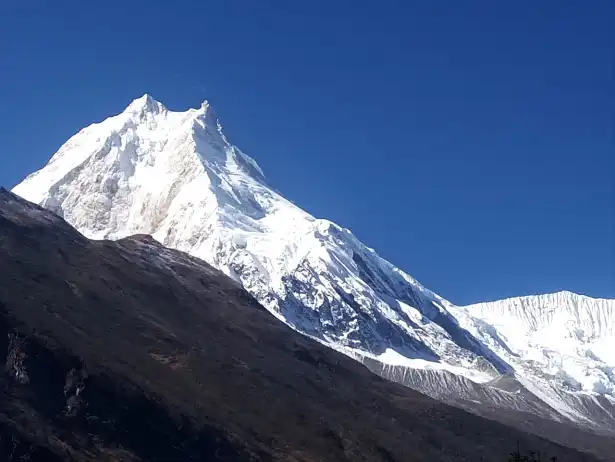
      Add-on Trips

      Similar Trips

      Manaslu Circuit Trek
      35375815
      Difficulty: Difficult
      Trending
      Trekking in Nepal
      (18 reviews)
      Manaslu Circuit Trek - 16 days
      From US$ 1,275
      US$ 955 Save US$ 320
      No of people Price per person
      1 - 1 $1,130
      2 - 4 $955
      6 - 10 $895
      12 - 16 $845
      Explore
      14 Days Manaslu Trek
      62770388
      Difficulty: Difficult
      Trending
      Trekking in Nepal
      (17 reviews)
      14 Days Manaslu Trek - 14 days
      From US$ 1,265
      US$ 885 Save US$ 380
      No of people Price per person
      1 - 1 $1,060
      2 - 4 $885
      6 - 10 $835
      12 - 16 $795
      Explore
      Manaslu Circuit Trek 12 days
      Manaslu/Annapurna Region
      Difficulty: Difficult
      Popular
      Trekking in Nepal
      (3 reviews)
      Manaslu Circuit Trek 12 days - 12 days
      From US$ 965
      US$ 675 Save US$ 290
      No of people Price per person
      1 - 1 $860
      2 - 4 $675
      6 - 10 $635
      12 - 16 $595
      Explore

      Join our Newsletter

      Sign up to stay updated with latest offers, recent events and more news.
      Art representing various natural and cultutal heritages of Nepal