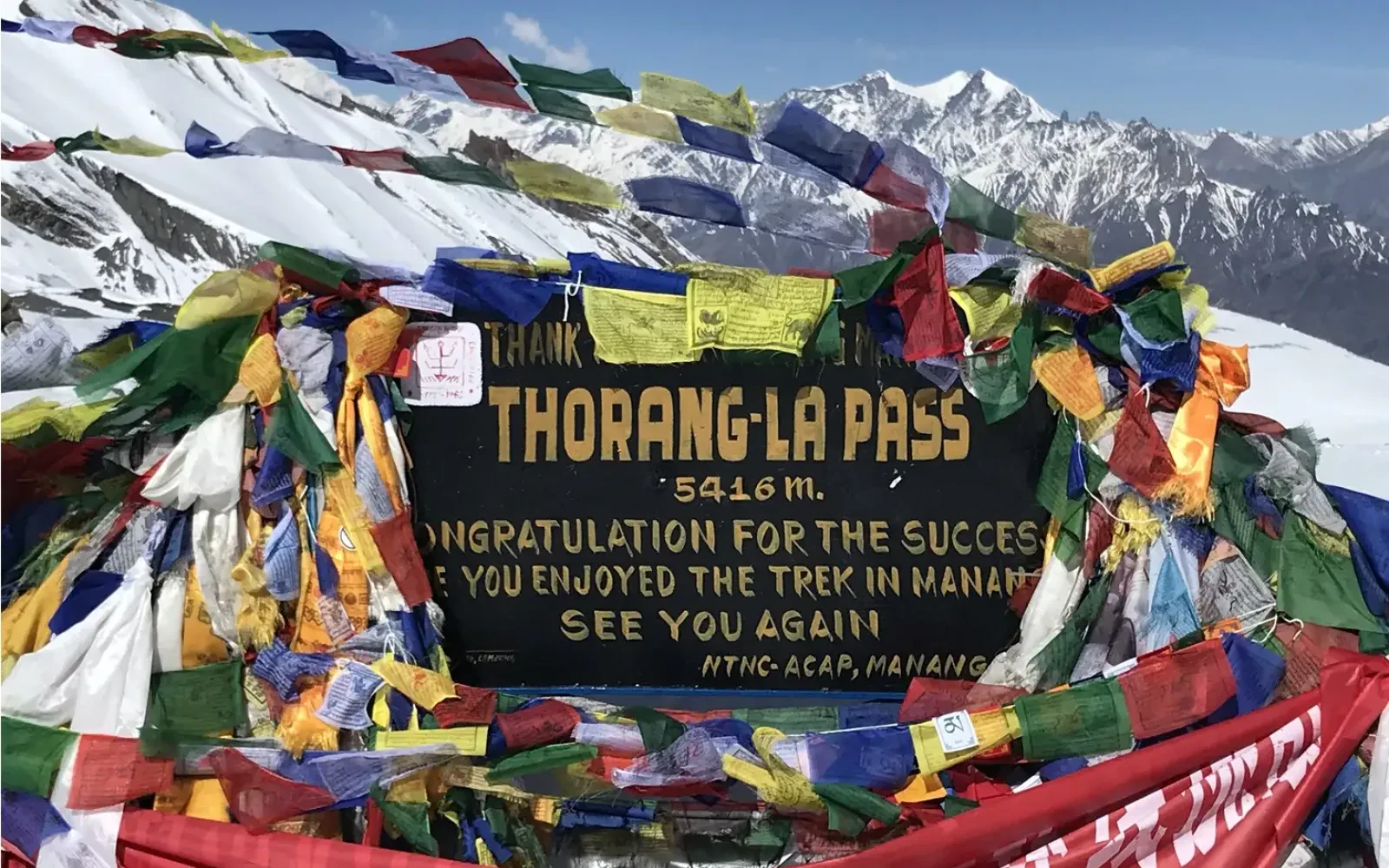
Standing at the trailhead of the Annapurna Circuit, you just know you’re in for something wild. This isn’t your average trek—Haven Holidays Pvt. Ltd. makes sure every step is a leap into new terrain, new culture, and honestly, a new version of yourself. One day you’re crossing jungle bridges, the next you’re staring across barren, wind-carved deserts. It isn’t just a trek; it’s a real journey through the heart of the Himalayas, the kind that changes how you see the world and yourself. The mountains are waiting. Seems like it’s your turn to answer the call.
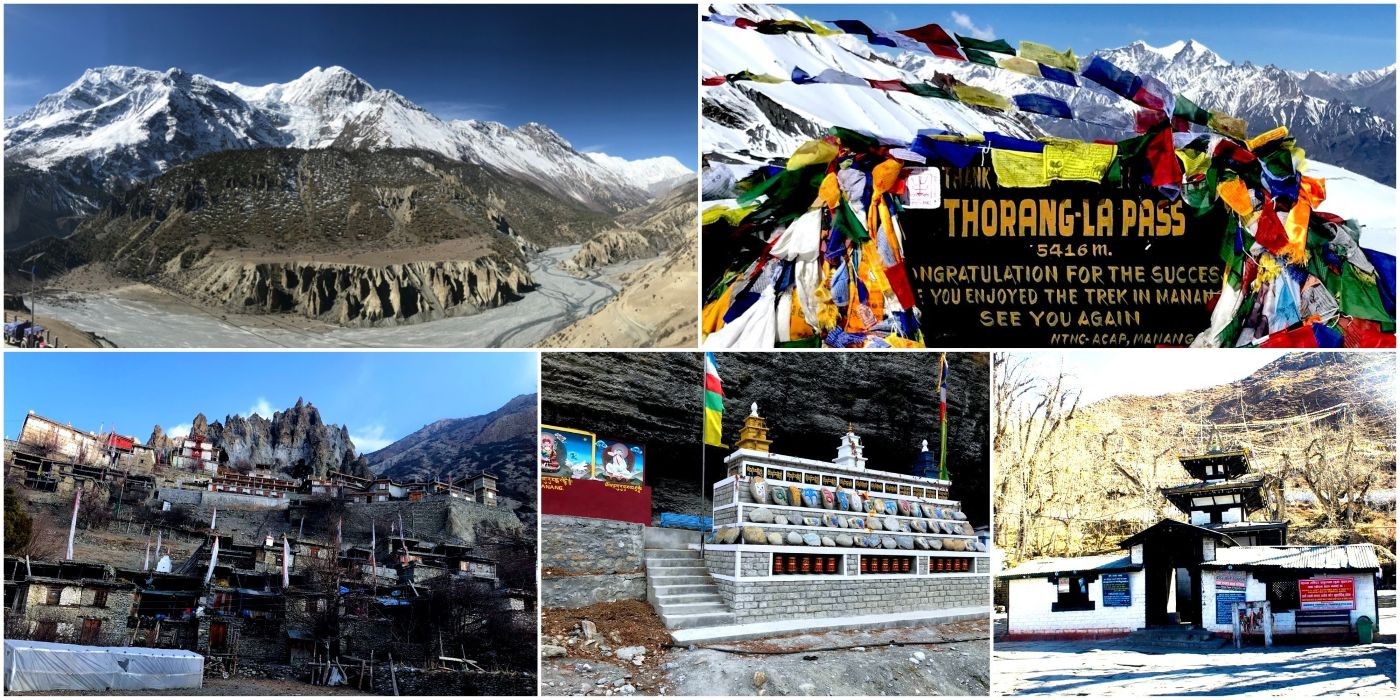
Actually, the magnitude hits pretty fast. You start in Besisahar at just 760 meters (2,493 feet) and, day after day, climb your way up to Thorong La Pass at a breathtaking 5,416 meters (17,769 feet). I’m Krishna Thapa, and after ten years of chasing stories here, I can tell you—it’s all about the transition. “One day you’re among blooming rhododendrons. The next, you’re walking beneath towering peaks that make you feel small but alive,” I always say. You’re never on your own out here—our guides, like Bhabanath Adhikari and Ramsaran Simkahda, know every turn and have your back the entire way. Bhabanath has been at it for two decades, Ramsaran for over fifteen years. They always remind folks, “Take your time, breathe deep—let the mountain set the pace. Nature isn’t in a rush, but everything gets done.”
Key Highlights of Your Journey :
| Max Elevation | Thorong La Pass at 5,416 meters (17,769 feet) |
|---|---|
| Duration | Typically 12–18 days depending on the chosen itinerary |
| Accommodation | Authentic local tea houses and guest houses |
| Best Seasons | Spring (March-May) and Autumn (September-November) |
So, why does this trek pull in adventurers year after year? The Annapurna Circuit is everything you hope for—ever-changing scenery, villages where strangers greet you with tea, and big-sky moments that stick with you long after you’re home. With Haven Holidays Pvt. Ltd., you’re not just passing through. You belong—for a while, at least—to these mountain communities. That’s what makes it special.
Actually, it’s the friendships and those small connections that turn a good trek into something unforgettable. Our guide Narayan Khadka puts it best: “Sure, the peaks blow you away, but sharing morning tea in a village with families who’ve lived up here for generations? That’s real magic.” You’ll meet local legends like Mukhiya Gurung in the cozy Manang hotel, or spotters like Tashi Gurung over at Lake View Hotel—he’s the guy you want if you’re hoping to glimpse a snow leopard. Likewise, our assistant guide Sujan Thapa loves to point out, “No matter how many times I come back, the first view of Annapurna II (7,937 meters / 26,040 feet) from the trail always hits me.”
Why Trekkers Choose This Route
| Scenery | Never more than a day’s walk from 8,000-meter titans, like Annapurna I (8,091 meters / 26,545 feet) |
|---|---|
| Culture | A one-of-a-kind blend of Tibetan Buddhism and Hindu rituals |
| Safety | Well-marked trails and guides who handle all the heavy lifting |
| Variety | Everything’s here: sky-high passes, hidden villages, and hot springs (hello Tatopani at 1,190 meters / 3,904 feet) |
If you’re itching to walk the very definition of Himalayan adventure or just want to know how our guides can tweak the route for you, reach out. There’s a story waiting—and it’s yours for the taking.
Ever wanted to walk through landscapes that change right before your eyes—one day you’re wrapped in humid green valleys, and not long after, you’re in wild, windswept deserts? That’s what the Annapurna Circuit is all about. I’ve taken dozens of groups around this loop with Haven Holidays Pvt. Ltd., and honestly, it still gives me chills every single time I talk about it.
Here, you kick things off in the Marsyangdi River valley, where everything feels alive: thick rhododendron forests, rice terraces stacked up high, waterfalls tumbling everywhere you look. The climb is steady, and before you know it, you’re leaving those lush woods for meadows speckled with wildflowers. After Manang, it all changes—the rain-shadow means dry, wide-open spaces, sheer cliffs, and those Tibetan prayer flags flickering in the wind. Then you reach the big one: Thorong La Pass at 5,416 meters (17,769 feet), before heading down into the legendary Kali Gandaki valley and making your way to Muktinath.
Likewise, the Annapurna Circuit Trek route wraps around the entire Annapurna Massif. On clear days, you see Annapurna I (8,091 m / 26,545 ft), Dhaulagiri (8,167 m / 26,795 ft), even Manaslu in the distance. No stretch ever gets boring—the scenery and culture switch up constantly.
Meanwhile, our guides—people like Narayan Khadka and Dashrath Adhikari—know this loop inside out. One thing they always repeat: don’t push too fast. “The Annapurna Circuit Trek rewards anyone who listens to their body and enjoys the ride, not just the finish line,” says Bhabanath Adhikari, who’s been doing this for 20 years.
Key Highlights of the Route:
| Aspect | Details | Elevation |
|---|---|---|
| Starting Point | Besisahar / Bhulbhule | 760-845 m (2,493-2,772 ft) |
| Highest Point | Thorong La Pass | 5,416 m (17,769 ft) |
| Key Transition | Manang to Yak Kharka | 3,540 m to 4,050 m (11,614-13,287 ft) |
| Cultural Zones | Gurung → Tibetan-influenced → Thakali | Varies |
| Total Distance | Approx. 160-230 km (depending on variants) | - - - - - |
Summing up, I’ve met trekkers from every corner, and after all these years, the classic Annapurna Circuit is still the one I recommend for a truly transformative adventure. Day by day, the mountains remind you just how small but alive you are out here. Want to see it for yourself? Haven Holidays Pvt. Ltd. sets you up for a safe, genuine experience so you can really take it all in.
Picture this: you wake up to snowy peaks, tucked into a cozy guest house, and your host pours you butter tea while sharing trail stories. This is the Annapurna Circuit I get to share with people through Haven Holidays Pvt. Ltd. After a decade guiding and blogging about these trails, I’m still hooked on the everyday rhythm.
Here, we run flexible trips, from 14 to 18 days. If you’re short on time, smaller sections are covered by jeep, but for the full experience, you want the classic walk. Here’s a solid 16-18 day itinerary—challenging but balanced for acclimatization and adventure.
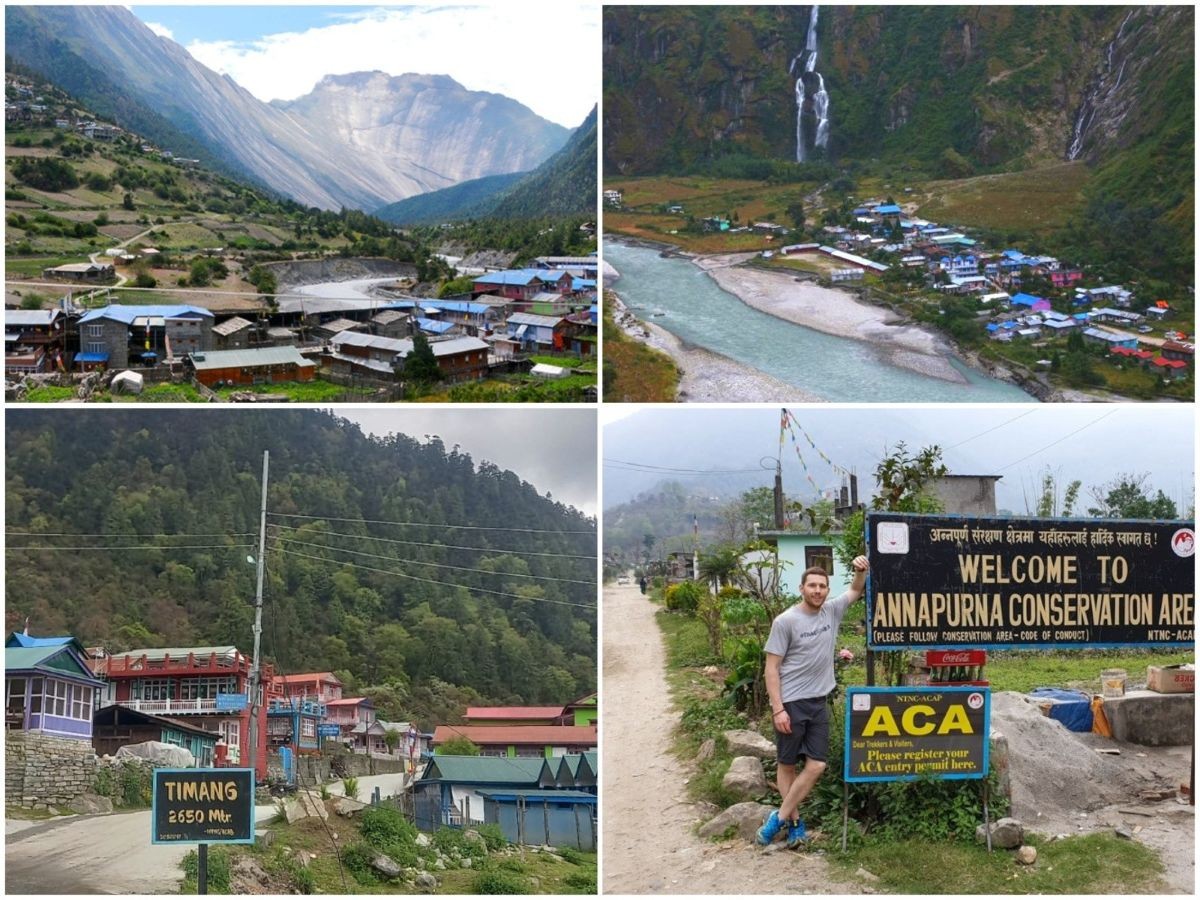
Day 1-2: Land in Kathmandu (1,400 m / 4,593 ft), explore a bit, then drive to Besisahar (760 m / 2,493 ft) or Bhulbhule. The trek begins gently, winding through green valleys.
Day 3-5: Walk through Jagat (1,300 m / 4,265 ft), Dharapani (1,860 m / 6,102 ft), and up to Chame (2,610-2,670 m / 8,563-8,760 ft). The Marsyangdi River rushes beneath suspension bridges. Apple orchards line the way.
Day 6-7: Chame to Upper Pisang (3,300 m / 10,827 ft), and then to Manang (3,540 m / 11,614 ft). I always suggest Hotel Manang—Mukhiya Gurung is the go-to host here. For a shot at spotting a snow leopard, check out Lake View Hotel with Tashi Gurung. He’s a legend for tracking wildlife in these parts.
Day 8: Acclimatization day in Manang, or head to Braga (approx. 3,450 m / 11,319 ft). Sonam Gurung at the New Yak Hotel welcomes trekkers like family and is a treasure trove for anyone curious about the region’s Buddhist traditions. Senior guide Bhabanath Adhikari gives the best advice here: “Go slow above 3,500 meters. Your body will thank you.”
Day 9-10: Pass through Yak Kharka (4,050 m / 13,287 ft), then reach Thorong Phedi (4,450 m / 14,600 ft) or High Camp. Here, the scenery feels almost Martian—barren, wild.
Day 11: The day everyone talks about—Thorong La Pass at 5,416 meters (17,769 feet). You start before sunrise, pockets full of snacks and water (thanks, Sujan Thapa for the reminders!). The views of Annapurna and Dhaulagiri are soul-stirring, even when you’re gasping for breath.
Day 12-14: Downhill now, to Jomsom (2,720 m / 8,924 ft) through windswept Kagbeni, past Marpha’s apple orchards, and finally to Tatopani (1,190 m / 3,904 ft) for a blissful soak in the hot springs.
Day 15-18: Finish with an optional detour to Ghorepani-Poon Hill or travel straight to Pokhara by road or flight.
Likewise, somewhere along the way, we always make a stop at Bhratang (Bradang), around 3,000 m (9,843 ft), to visit Agro Manang Apple Farm. Palden Gurung is the man behind it—he’ll slice you a fresh apple and tell you how this became the biggest orchard at high altitude in Nepal.
Here, Ramsaran Simkhada, who’s guided here for more than 15 years, sums up the best approach: “The secret to a great circuit isn’t going fast. It’s moving steadily and making friends with the families who open their homes to you.”
| Day Range | Key Stops & Stays | Elevation (m/ft) | Highlights & Tips |
|---|---|---|
| 1-5 | Besisahar to Chame | 760-2,670 m (2,493-8,760 ft) | Lush valleys, river walks |
| 6-8 | Pisang-Manang (Hotel Manang / Lake View / New Yak Braga) | 3,300-3,540 m (10,827-11,614 ft) | Acclimatization, monasteries, snow leopard spotting |
| 9-11 | Yak Kharka – Thorong La – Muktinath | Up to 5,416 m (17,769 ft) | High pass crossing, prayer flags |
| 12-18 | Jomsom – Tatopani – Pokhara | Down to 1,190 m (3,904 ft) | Apple farms, hot springs, relaxation |
Essential Tips from Our Team:
“Hydrate constantly and never rush the ascent after Manang,” – Narayan Khadka & Dashrath Adhikari
Choose family-run guest houses for authentic warmth and fresh dal bhat.
In fact,tThis isn’t just a trip—it’s a journey lined with tough climbs, wild laughter, and sunrise moments that’ll stay with you forever. With Haven Holidays Pvt. Ltd., we sort out the paperwork, the practical stuff, and those little things that make the days special. You just walk, look up, and soak in the moments.
Imagine the first half of your Annapurna Circuit feeling like you’re walking through a living painting, each day revealing something bigger and bolder than the last. That’s exactly the vibe between Besisahar and Thorong La Pass. After guiding tons of trekkers with Haven Holidays Pvt. Ltd., I always tell folks—this stretch builds your strength, your confidence, and your connection to these mountains.
Mainly, you start off easy in the subtropical Marsyangdi Valley at Besisahar (760 m / 2,493 ft). The place is full of lush hills, terraced fields, and waterfalls roaring nearby as you wind through Jagat and Dharapani (1,860 m / 6,102 ft). The trail climbs gently to Chame (2,670 m / 8,760 ft), where pine forests edge in and, suddenly, you get your first clear shots of Annapurna II (7,937 m / 26,040 ft).
From Chame, you push up to Upper Pisang (3,300 m / 10,827 ft), then on to Manang (3,540 m / 11,614 ft). Here’s where things get real—acclimatization isn’t just a suggestion, it’s the rule. Two nights in Manang are standard if you’re trekking smart. Check in at Hotel Manang—Mukhiya Gurung will make you feel at home—or Lake View Hotel with Tashi Gurung, who’s basically a pro at spotting snow leopards and sharing wild stories by the glacial lakes. Or try New Yak Hotel in Braga (3,450 m / 11,319 ft) with Sonam Gurung if you’re after something quieter and more cultural.
After Manang, the scenery shifts. It gets drier, bolder—almost Tibetan—with every step. You reach Bhratang (Bradang, approx. 3,000 m / 9,843 ft). Palden Gurung at Agro Manang Apple Farm hands out fresh apples and some good laughs. Then you keep climbing to Yak Kharka (4,050 m / 13,287 ft) and Thorong Phedi (4,450–4,540 m / 14,600–14,895 ft). It’s a slow walk, the air gets thinner, and every view feels like a reward.
Likewise, our guides totally own this section. Bhabanath Adhikari, who’s racked up twenty years out here, always tells trekkers, “Never rush between Manang and Thorong Phedi. Climb high during day hikes, but always sleep lower—this is the golden rule for safe acclimatization.” And Sujan Thapa, our assistant guide, won’t let anyone skip the garlic soup or forget their water bottle.
Ascending Phase Highlights:
| Day (Approx.) | Route Segment | Elevation Gain/Loss | Overnight Stay & Key Experience |
|---|---|---|
| 1-2 | Kathmandu to Besisahar | Start at 760 m / 2,493 ft | Drive + short trek, lush valleys. |
| 3-5 | Besisahar to Chame | Up to 2,670 m / 8,760 ft | River trails, first big mountain views |
| 6-7 | Chame to Manang (via Pisang) | Up to 3,540 m / 11,614 ft | Hotel Manang or Lake View, monasteries |
| 8 | Acclimatization in Manang/Braga | Side hikes to ~4,600 m | New Yak Hotel Braga, snow leopard stories |
| 9-10 | Manang to Yak Kharka to Thorong Phedi | Up to 4,540 m / 14,895 ft | Agro Manang apples, thinning air |
Moreover, Ramsaran Simkhada is fond of saying, “The journey from Besisahar to Thorong Phedi is not just about gaining meters—it’s about gaining respect for the mountains and trust in your own body.”
In fact, this stage with Haven Holidays Pvt. Ltd. is set up so you roll into the pass feeling strong, happy, and ready. The scenery shifts all the time, and the moments with locals? They stick with you. Are you ready to feel this transformation for yourself?
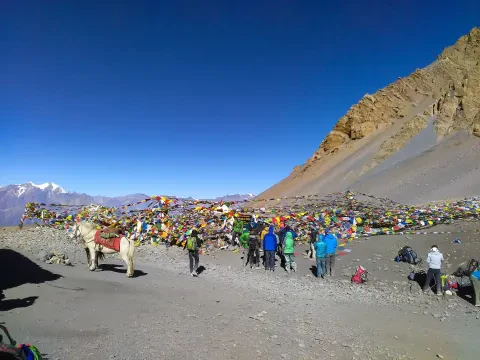
Imagine yourself at 5,416 meters (17,769 feet), standing among fluttering prayer flags while the Annapurna and Dhaulagiri ranges stretch out like an endless sea of snowy peaks.
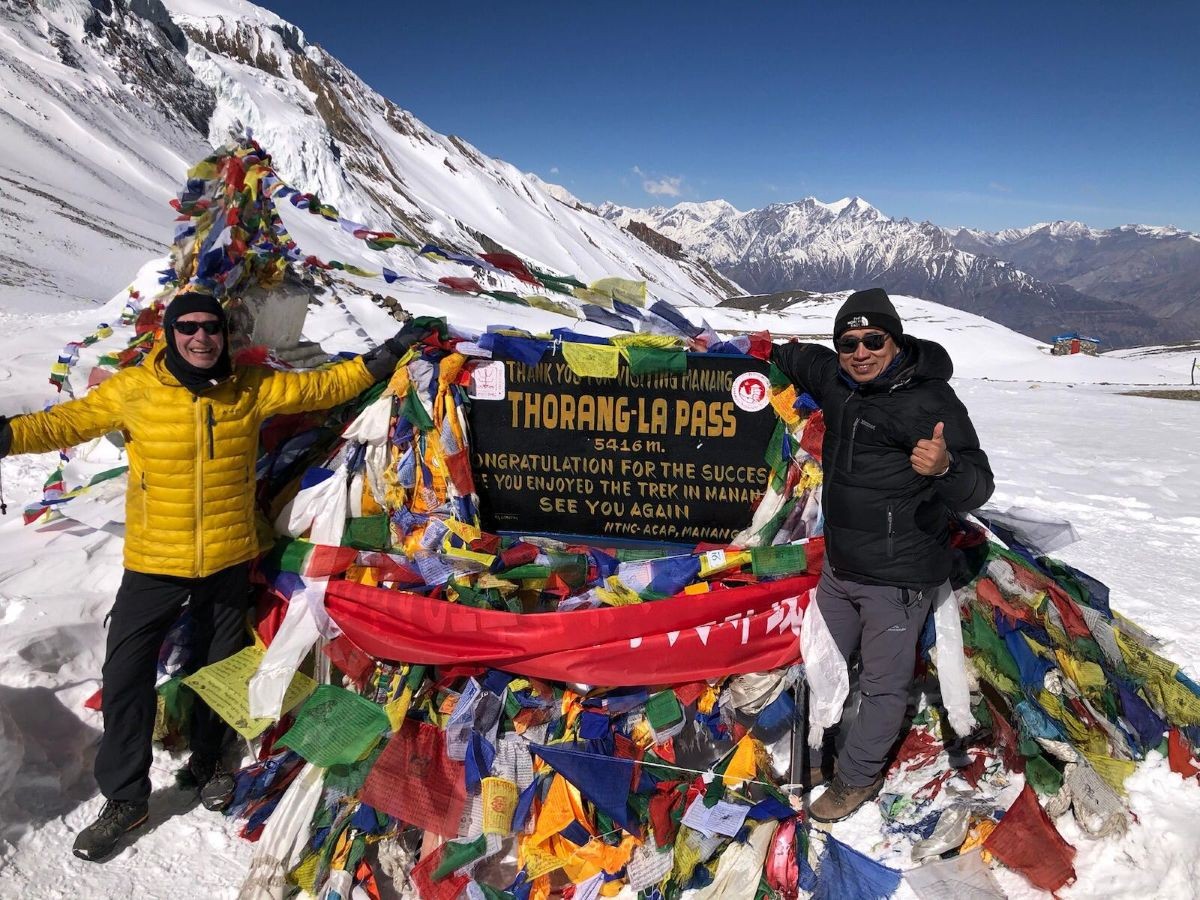
That moment at Thorang La Pass is the absolute highlight of the Annapurna Circuit. And honestly, even after all these crossings with our Haven Holidays Pvt. Ltd. groups, it still hits me every single time.
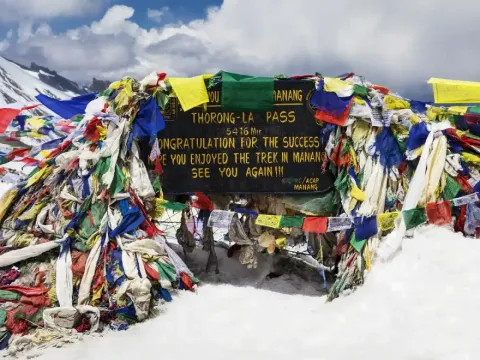
After taking time to acclimatize in Manang, you wake up painfully early—usually 3-4 AM—at Thorong Phedi (4,450 m / 14,600 ft) or High Camp (4,880 m / 16,010 ft). The climb starts out cold and dark, but as the sun comes up, it lights up the peaks with gold. The last push to the pass is tough. It’s a true test for your legs and your lungs. But what you get at the top is pure magic.
Here, at Thorong La (5,416 m / 17,769 ft), trekkers celebrate. There’s hugging, photos, silent moments where you just stare out at Annapurna I (8,091 m / 26,545 ft), Annapurna III, Gangapurna, and far-off Dhaulagiri (8,167 m / 26,795 ft). It feels huge—it’s not just another trekking milestone: you’ve crossed one of the highest passes you can trek without climbing gear.
Likewise, the descent is wild, almost brutal—about 1,600 meters straight down to Muktinath (3,800 m / 12,467 ft). Your knees know what’s up, but the landscape changes fast, from harsh desert heights to the sacred Kali Gandaki valley. Don’t miss the hot tea and momos at the pass teahouse before you head down.
Safety? Dashrath Adhikari and Narayan Khadka don’t mess around. “Start early to avoid strong afternoon winds. Walk slowly, breathe deeply, and listen to your guide—small steady steps win the day at this altitude,” says senior guide Bhabanath Adhikari, who’s seen just about everything the pass can throw at trekkers.
What Makes Thorong La Special:
| Key Point | Details | Elevation |
|---|---|---|
| Starting for Crossing | Thorong Phedi / High Camp | 4,450–4,880 m (14,600–16,010 ft) |
| Highest Point | Thorong La Pass | 5,416 m (17,769 ft) |
| Total Ascent | From Phedi to Pass | 966 m (3,169 ft) |
| Descent | Pass to Muktinath | 1,616 m (5,302 ft) |
| Typical Duration | Full crossing day | 8–10 hours |
Here, Ramsaran Simkhada puts it best: “Thorong La does not reward the fastest—it rewards the prepared, the patient, and those who trek with gratitude.”
In fact, crossing with Haven Holidays Pvt. Ltd. isn’t just safe, it feels meaningful. Our guides know every twist, every weather pattern, every little story the mountains hold. And that feeling at the top? It sticks with you forever.
So if you’ve been dreaming of this epic highlight, let us help make it real for you. Reach out—your Thorong La moment is waiting.
After climbing over the Thorong La Pass—5,416 meters (17,769 feet)—the trek totally changes. You head down into the Kali Gandaki Valley, which feels like a different world. The landscape shifts fast: from the dry, high-altitude desert into a place rich with culture and jaw-dropping scenery. The valley sits between two giants, Dhaulagiri (8,167 meters / 26,795 feet) and Annapurna I (8,091 meters / 26,545 feet), forming the deepest gorge on the planet. It’s no surprise this stretch stays in people’s memory; everyone trekking with Haven Holidays Pvt. Ltd. looks forward to it.
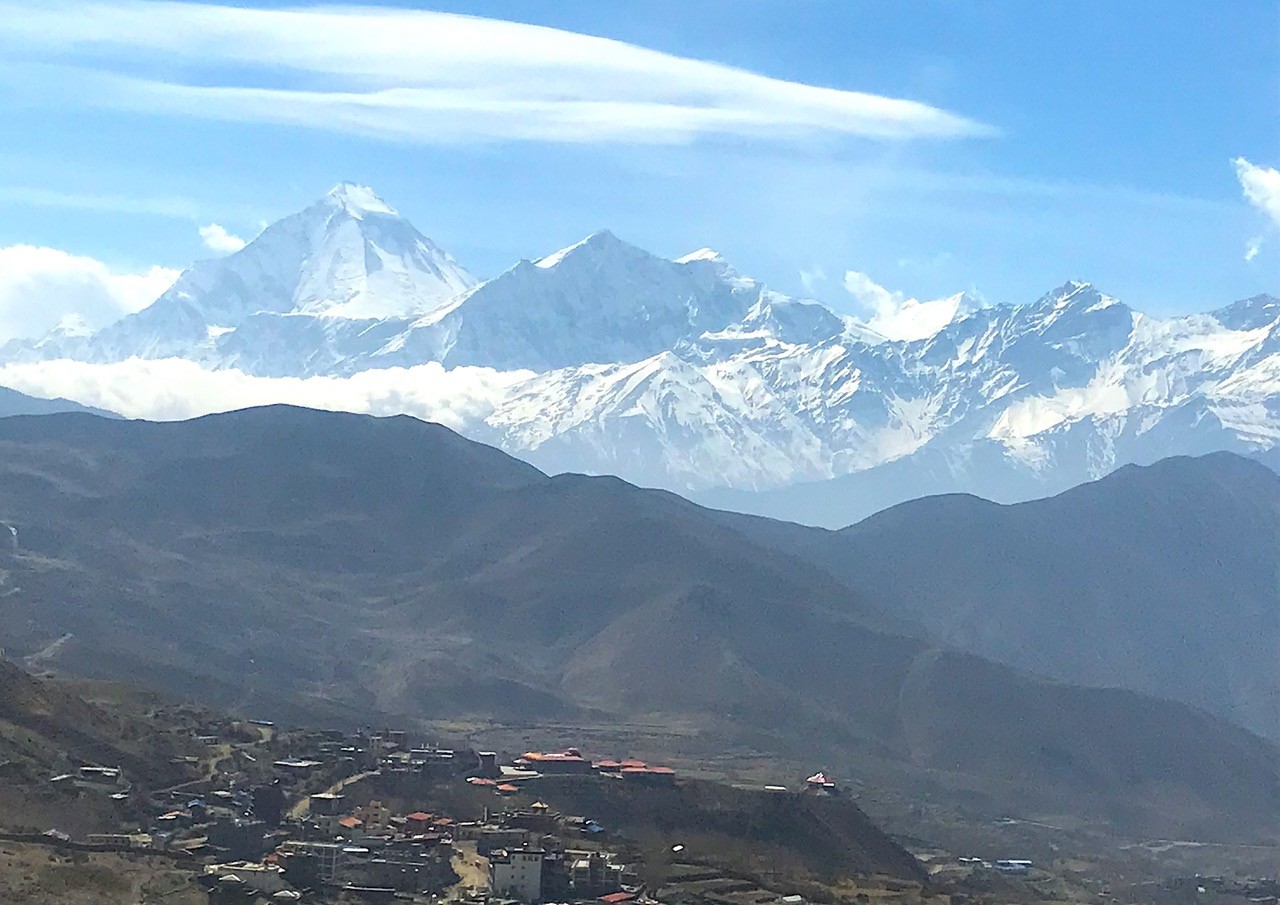
Here, the walk back has its own vibe. You pass through Thakali villages like Marpha—famous for apple orchards—before reaching Jomsom at 2,710 meters (8,891 feet). If you’re up for more adventure, check out the side trip to Tilicho Lake at 4,919 meters (16,138 feet). That spot really impresses seasoned trekkers. Ramsaran Simkahda, our guide, puts it best: “The descent is not just the end of the walk; it is the time to reflect on the high peaks while soaking in the unique, arid culture of the Mustang region, which feels like a hidden world.”
Highlights of the Descent :
| Destination | Elevation (m) | Elevation (ft) | Key Experience |
|---|---|---|
| Thorong La Pass | 5,416 m | 17,769 ft | High-altitude climax |
| Muktinath | 3,760 m | 12,336 ft | Spiritual pilgrimage site |
| Jomsom | 2,710 m | 8,891 ft | Gateway to Upper Mustang |
| Tatopani | 1,190 m | 3,904 ft | Natural hot springs |
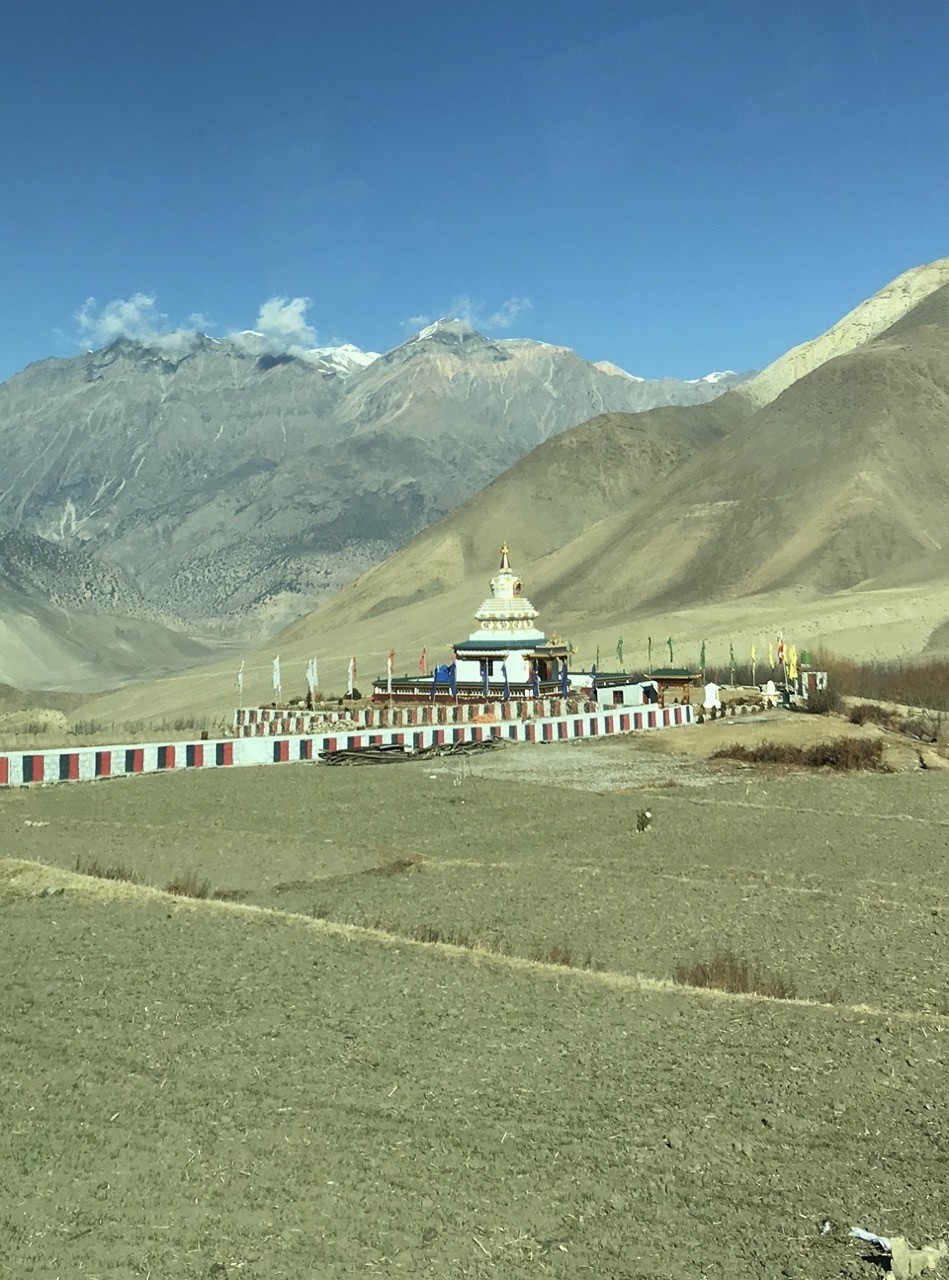
Likewise, figuring out your budget for the Annapurna Circuit trek is honestly the first big step. At Haven Holidays Pvt. Ltd., we keep things clear—no hidden fees—so you actually know what you’re paying for. Whether you’re trekking alone and want the classic teahouse experience, or you’re part of a group going for full comfort, what you spend depends on your style and choices.
Moreover, make sure you plan for your total package plus the extra expenses that always pop up. Our guide, Bhabanath Adhikari, says it flat-out: “Invest in a quality local operator; the difference between a good trip and a great one is having an experienced guide who knows every turn of the trail and every local family along the way.”
Understanding Your Investment
| Package Tier | Estimated Cost (USD) | What to Expect |
|---|---|---|
| Budget | $700 – $1,200 | Teahouses, local transport, basic meals. |
| Standard | $1,000 – $2,000 | Mid-range lodges, varied diet, optimized route. |
| Luxury | $2,500 – $4,000+ | Upscale accommodation, private guides, luxury transfers. |
Ready to lock in your 2026 or 2027 trip with Haven Holidays Pvt. Ltd.? Or maybe you want a custom itinerary that fits your budget and interests—let us know, and we’ll help make it happen.
When you book with Haven Holidays Pvt. Ltd., you can focus on those epic Himalayan views—we’ll handle the tricky details. Our standard trekking packages take care of the must-haves: your permits, essential paperwork, solid meals, and places to sleep. You just lace up your boots and get moving. We’ll square away all the official stuff, like the Annapurna Conservation Area Permit (ACAP), so by the time you hit the trail, you’re ready to enjoy the route, the people, and the scenery, not just worry about logistics.
Actually, full board comes with the deal: breakfast, lunch, and dinner—so you won’t have to stress about fueling up, even on those hard climbing days. We sort your teahouse stays too. That’s where trekkers and locals connect every night over big plates of Dal Bhat and stories from the path. The package covers wages, insurance, and gear for your English-speaking guide and the porters who actually get your bag up the mountain—these folks look after you more than you realize. I’ve heard my colleague Mr. Bhabanath Adhikari say it a hundred times: “When you travel with us, you get a team, not just a package. We handle everything—whether it’s the right turn in the trail or making sure you’re healthy—so you just focus on getting to the top safely.”
Key Inclusions of Our Standard Packages :
| Inclusion Category | Details of Service |
|---|---|
| Official Permits | Annapurna Conservation Area Permit (ACAP). |
| Full-Board Meals | Breakfast, lunch, and dinner included daily. |
| Trekking Staff | Licensed guide + porter support (1:2 ratio). |
| Accommodations | Twin-sharing rooms in teahouses throughout the trek. |
Meanwhile, your main package covers the basics, but out on the trail, there are always extras that sneak up on you. Hot showers, Wi-Fi, charging phones, even bottled water—the higher you go, the higher the price. I’m Krishna Thapa, and after ten years walking these paths, here’s what I tell people: set some cash aside for daily “trail extras.” If you plan ahead a bit, those little costs don’t become big hassles.
Likewise, you can dodge a lot of hidden expenses and lighten your impact too. For drinking water, nothing saves more than carrying purification tablets or a reliable filter bottle. Honestly, at high altitude, bottled water can cost $5 to $10 extra every day. Travel with a buddy or join a small group, and you can split rides or room upgrades, usually knocking a nice chunk off your daily spend. I’ve trekked with Mr. Ramsaran Simkahda for years. He always says: “Smart trekkers plan ahead—grab snacks and trail food in Kathmandu, because mountain shop prices are wild. And, in the teahouses, be part of the Dal Bhat culture—refills are your friend.”
Practical Tips for Managing Expenses :
| Expense Item | Hidden Cost (USD per unit) | How to Save Money |
|---|---|---|
| Drinking Water | $2.00 – $4.00 per liter | Use water purification tablets/filters. |
| Hot Shower | $3.00 – $5.00 per session | Use a wet towel or sponge bath in colder areas. |
| Wi-Fi / Charging | $2.00 – $4.00 per day | Bring a power bank and embrace a digital detox. |
| Snacks | $3.00 – $6.00 per item | Buy high-energy snacks in Kathmandu beforehand. |
Do you feel ready to plan your budget, or would you like me to lay out a custom day-by-day estimate for your trek to make things clearer?
Picking the right time to trek the Annapurna Circuit really changes everything—you want to catch those clear skies, comfortable temperatures, and safer trails.
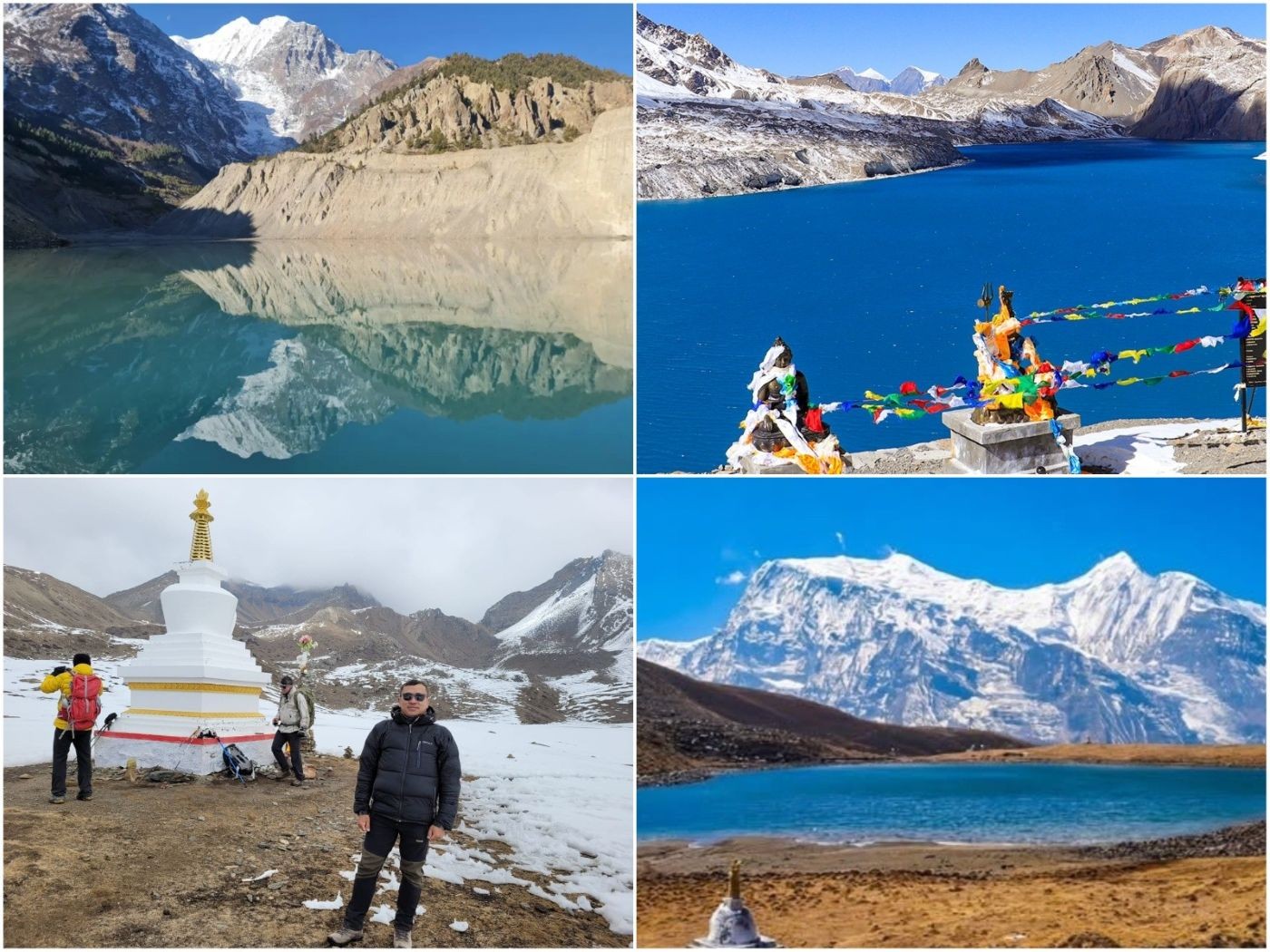
At Haven Holidays Pvt. Ltd., we've been leading treks for over twenty years, and every time, our senior guides—Mr. Bhabanath Adhikari and Mr. Ramsaran Simkahda—point people straight to spring and autumn. These months hit the sweet spot. The mountain views are breathtaking, and you get the best conditions both for hiking and for just soaking in the scenery.
Actually, Spring (March–May) feels like a fresh start. The hills explode with color—rhododendrons and wildflowers everywhere. Weather-wise, you’re looking at mild days, somewhere between 10°C and 20°C (50°F to 68°F) in the lower valleys. It’s about as comfortable as hiking gets. But afternoons can get cloudy, and lower trails start to haze up a bit as summer creeps in.
Now, autumn (September–November) is the absolute favorite. Monsoon rains clear out the dust, so you get these jaw-dropping, crisp mountain views. The weather holds steady, barely any rain, and the skies are deep blue. Sure, the nights near Thorong La (5,416 meters / 17,769 feet) freeze up, but once the sun’s out, hiking is a blast.
Seasonal Trekking Comparison :
| Season | Typical Daytime Temp (Low) | Typical Nighttime Temp (High) | Best Feature |
|---|---|---|
| Spring | 10°C–20°C (50°F–68°F) | -5°C to 5°C (23°F–41°F) | Rhododendron blooms |
| Autumn | 10°C–20°C (50°F–68°F) | -5°C to 5°C (23°F–41°F) | Crystal clear visibility |
| Winter | 0°C–10°C (32°F–50°F) | -15°C to -5°C (5°F–23°F) | Absolute solitude |
| Monsoon | 15°C–25°C (59°F–77°F) | 5°C to 10°C (41°F–50°F) | Verdant, lush landscapes |
Honestly, your trek starts way before you step foot in Kathmandu—it starts with how you prepare. At Haven Holidays, our longtime guide Narayan Khadka says it best: "Preparation isn’t just about the miles you walk; it's about conditioning your body and mind to respect the altitude." If you build solid endurance, pack light but smart, and take your time on the trail, you give yourself the best chance for a safe and memorable trek.
Here, start training about 3 to 4 months before your trip. Mix things up: jog, swim, cycle—anything to pump up your heart and lungs. Don't forget leg work and core strength. If you can, throw on a loaded daypack and walk some hills; it helps more than you’d think. And get ready mentally—teahouse life is basic, and the mountain’s unpredictable. Be cool with going with the flow.
Likewise, acclimatization is a must, not just advice. Stick to ‘climb high, sleep low’ as you pass that 3,000-meter mark so your body adjusts naturally. Down 3 to 4 liters of water each day, fill up on carbs to keep your energy steady, and take your guide's directions seriously.
Core Preparation Pillars :
| Category | Recommended Focus |
|---|---|
| Training | 12–16 weeks; focus on stair climbing and weighted hiking. |
| Hydration | 3–4 liters of water/fluid intake per day. |
| Gear Must-Haves | Sturdy boots, down jacket, trekking poles, sleeping bag. |
| Health Prep | Consult your doctor regarding Diamox and basic first-aid. |
So, are you ready to get your training going, or do you want our team to whip up a custom 8-week workout plan to match your fitness level?
Meanwhile, safety out here is no joke—the Annapurna Circuit isn’t just beautiful, it’s a genuine test of respect for the mountains, especially once you’re above 3,000 meters (9,843 feet). At Haven Holidays Pvt. Ltd., we put your safety first. That’s why we follow a pretty strict acclimatization routine with every trek, all to keep altitude sickness (AMS) at bay. Our guides, like Dashrath Adhikari, know these mountains inside and out. They’re well-trained—not just in reading the weather or the trails, but also in emergencies, with satellite phones on hand so help is never out of reach.
Likewise, teaming up with professionals really does make all the difference. Crossing Thorong La Pass at 5,416 meters (17,769 feet) isn’t just a walk—you need someone who understands every shift in weather, every icy turn, and the quirks of the trail. And honestly, our approach is about more than just getting you through safely—it's about keeping these wild places wild. “Leave No Trace” isn’t just a slogan to us. We’ll urge you to bring your own bottle, use the local water stations, and make sure you pack out every bit of waste until you’re back in the lower villages where it can be disposed of properly.
Safety and Responsibility Checklist :
| Safety Category | Best Practice Recommendation |
|---|---|
| Health Management | Hydrate consistently and ascend slowly; climb high, sleep low. |
| Emergency Prep | Ensure your travel insurance covers high-altitude evacuation. |
| Environmental Ethics | Use established trails and minimize your impact on village resources. |
| Team Support | Trust the pace set by your guide; they prioritize your well-being. |
Honestly, the real soul of the Annapurna Circuit lives in the teahouses. You come for the views, but it’s the warmth of the Nepalese mountain people that stays with you long after you’ve left.
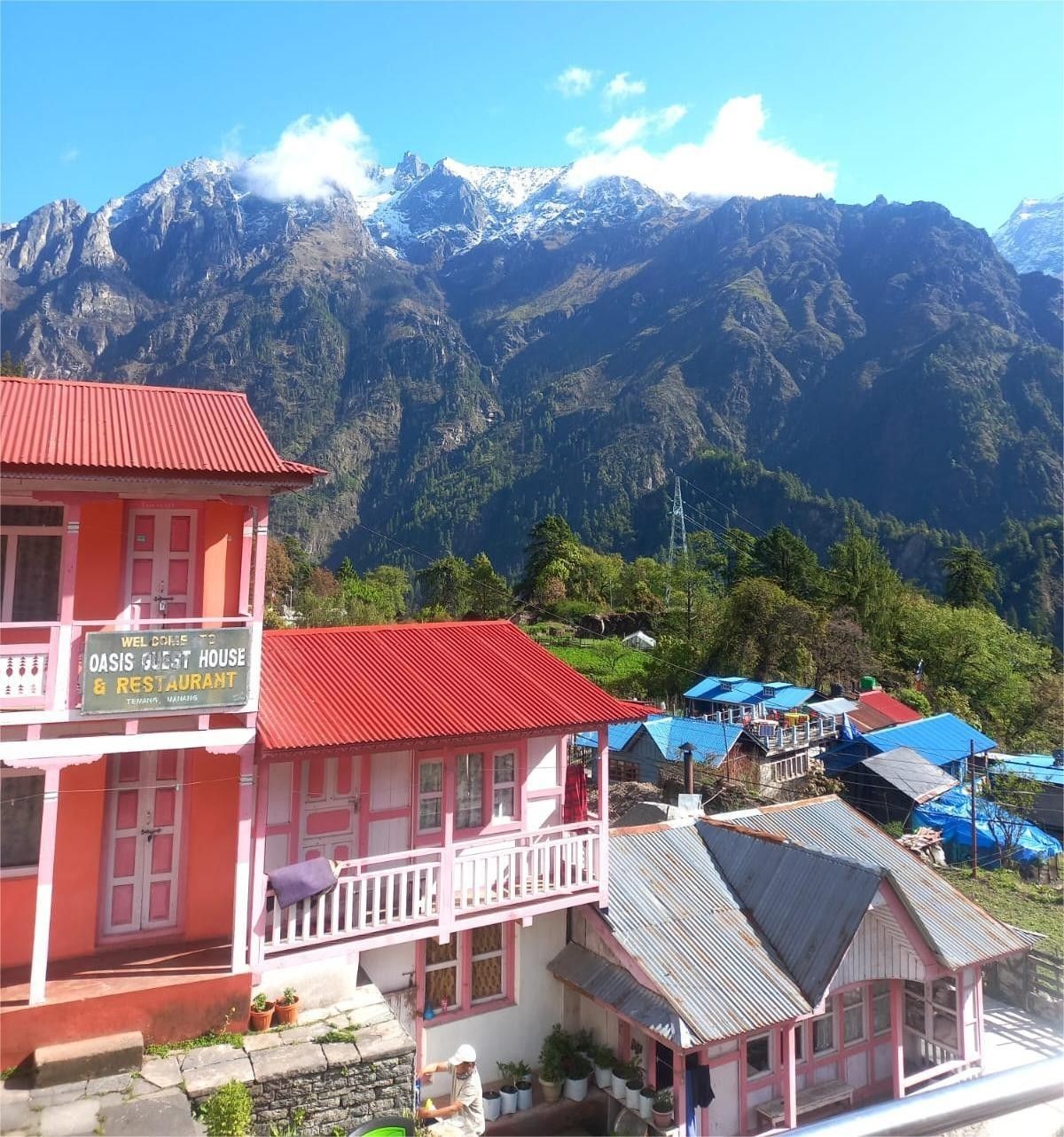
Stay at a spot like the New Yak Hotel in Braga or grab a bite at Hotel Manang with Mukhiya Gurung—suddenly, you’re not just another traveler. You’re part of something bigger, sharing stories in the glow of a cramped but cheerful dining hall, warming your hands and filling up on meals that taste especially good after a tough day.
The food? It’s a story in itself. Dal Bhat—hot lentil soup, heaps of rice, and a pile of veggie curry—powers just about every trekker up here. You’ll feel the cultural shifts too: Hindu rituals down in the foothills, and Tibetan-Buddhist traditions weaving through Manang (3,540 meters / 11,614 feet). Sujan Thapa, one of our guides, nails it when he says, “The teahouse is where the stories are told, where you share your journey with local owners, and where you realize that despite different languages, the mountains speak a universal tongue.”
Immersive Cultural Highlights :
| Encounter Type | Cultural Significance |
|---|---|
| Communal Dining | Central hub for social interaction and sharing trekking news. |
| Traditional Food | Sustainable nutrition tailored for high-altitude endurance. |
| Village Life | Opportunity to witness ancient farming and craft practices. |
| Monastery Visits | Deep insight into the spiritual foundations of the Manang region. |
Curious about which teahouses deliver the coziest nights, or ready to dive into this cultural adventure for yourself? Let us know—we can walk you through every detail, so your Himalayan journey is as comfortable as it is unforgettable.
So, you’re about to set off on the Annapurna Circuit—not just for a quick holiday, but for one of the most spectacular adventures you can imagine. At Haven Holidays Pvt. Ltd., we’ve pulled together over ten years' worth of hard-earned lessons from my own journeys as a blogger, plus the seasoned insights from guides like Mr. Bhabanath Adhikari, Mr. Ramsaran Simkahda, and our all-star team: Narayan Khadka, Dashrath Adhikari, and Sujan Thapa. You’re set up with insider knowledge, local support, and the right tools to make this a trip you’ll never forget.
Honestly, the secret to a great trek is blending solid physical prep with smart choices on the ground. Whether you’re dreaming of crossing the Thorong La Pass at 5,416 meters (17,769 feet), or you just want to relax in Mustang’s quiet beauty, keep your plans loose—things change fast in the mountains. If you’re eyeing 2026 or 2027, don’t wait! Lock in your itinerary at least three months ahead. That way, you snag the best teahouses, and our top guides can reserve your dates. Ramsaran Simkahda always says it best: "A successful trek is a balance of discipline on the trail and the freedom to embrace the unexpected moments that occur in these high, sacred valleys."
Your Roadmap to Success :
| Planning Phase | Key Action Item |
|---|---|
| Preparation (3–4 months out) | Focus on cardio and strength; finalize trekking package. |
| Logistics (1 month out) | Verify insurance coverage for high-altitude evacuation. |
| Execution (On-Trail) | Maintain daily logs, hydrate, and enjoy the communal culture. |
| Post-Trek | Reflect, share your stories, and plan your next Himalayan challenge. |
"The mountains do not change, but you will. When you return, the world looks different because you have walked through the clouds and touched the roof of the world. Let Haven Holidays Pvt. Ltd. lead the way." Krishna Thapa, Blogger & Expert Partner
Summing up, Annapurna Circuit Trek is more than reaching a destination—it's about pushing your limits and finding your own peace among giants. We’re here to guide you with the confidence and care that comes from two decades in the field. Ready to book your trek for 2026/2027, or want to talk through a custom plan first? Let us know—we’re excited to get you started.
1. What is the total cost of an Annapurna Circuit Trek?
If you want to tackle the Annapurna Circuit Trek, you’re looking at spending anywhere from $700 to $1,500 per person. The actual cost depends on whether you’re going DIY, joining a guided group, or splurging on luxury. Usually, that price wraps up permits, transport, teahouse stays, meals, and the guide/porter’s fees. Don’t forget, what you pay is also shaped by how comfy you want your trek to be.
2. How many days is the standard Annapurna Circuit Trek itinerary?
Most people spend around 12 to 15 days on the Annapurna Circuit Trek. This includes everything—from getting out of Kathmandu and heading to the trailhead, to the trek itself, acclimatization days, crossing Thorong La, and the journey back to Pokhara or Kathmandu. You can stretch it out, or trim it down, if you want to go slower or faster—or just tack on detours.
3. What permits are required for the Annapurna Circuit Trek?
You’ll need an Annapurna Conservation Area Project (ACAP) permit for the Annapurna Circuit Trek, which costs about $30 per person. As of 2026, the TIMS card isn’t required anymore, but rules change, so check with the Nepal Tourism Board in Kathmandu or Pokhara before you set off.
4. What is the maximum elevation reached on the Annapurna Circuit Trek?
Thorong La Pass is the highest point—it tops out at 5,416 meters (17,769 feet). Getting there is tough but the views are incredible. You’ll see the Annapurna and Dhaulagiri ranges stretch out across the horizon. It’s pretty much the trek’s main event.
5. When is the best time to do the Annapurna Circuit Trek?
If you’re chasing good weather, trek in spring (March to May) or autumn (September to November). Spring means rhododendron blossoms, autumn gives crisp air and clear skies. Both seasons make for easier hiking and the best mountain views. If you love photography, autumn’s your window.
6. Is a guide mandatory for the Annapurna Circuit Trek?
You aren’t forced to hire a guide for the Annapurna Circuit Trek right now, but honestly, having one helps. Guides know the trails, help with permit checks, sort teahouse stays, and keep an eye out for altitude sickness. It’s safer and makes the trek smoother—even if you’re feeling independent.
7. What kind of accommodation can I expect on the Annapurna Circuit Trek?
Expect teahouses—local mountain lodges—along the circuit. Rooms are basic, usually twin beds, and facilities are simpler the higher you go. In some places, you get private bathrooms, but mostly you’ll share. The food is hearty and you’ll get a warm welcome even if conditions are rustic.
8. What is the food like during the Annapurna Circuit Trek?
You’ll eat a lot of Dal Bhat—rice, lentils, vegetables; it’s filling and surprisingly energizing. Most teahouses also cook up noodles, pasta, soups, and porridge. The higher you go, the menu gets simpler, and prices climb a bit thanks to carrying everything up by hand.
9. Do I need to carry all my own gear for the Annapurna Circuit Trek?
You can carry your own pack, but most trekkers hire a porter. Porters usually handle about 20–25 kilos between two people, so you only need to lug a daypack with essentials. That way you’re not wrecked by weight and can actually enjoy the scenery.
10. How difficult is the Annapurna Circuit Trek?
The trek is moderate to challenging. Daily walks are long and the high altitude is tough. If you want to make it to Thorong La, train before you come: build up your fitness, take it slow, and schedule acclimatization days. It’s demanding, but doable if you prep properly.
11. Is travel insurance mandatory for the Annapurna Circuit Trek?
Don’t skip insurance: make sure your policy covers trekking up to 6,000 meters, plus emergency helicopter rescue and medical bills. The mountains aren’t forgiving and a rescue costs a fortune. It’s a basic safety must for the Annapurna Circuit.
12. What are the transportation options to reach the start of the Annapurna Circuit Trek?
To start the circuit, you can catch a public bus or hire a private jeep from Kathmandu to Besisahar or Dharapani. Jeeps are faster and more comfortable; buses are cheaper but slower and crowded. Many trekkers mix the two—bus for the main distance, jeep for the more rugged roads.
13. Can I do the Annapurna Circuit Trek solo?
Yes, you can do the trek solo, especially if you’ve done high-altitude hiking before. But solo trekkers should really know their way around mountain safety and navigation. Even on solo trips, hiring a guide adds a layer of security, and you’ll pick up more local insights too.
14. What training is required for the Annapurna Circuit Trek?
Train for the trek by hiking, jogging, or cycling about 2–3 months ahead. Build stamina for long days—think 5–7 hours on uneven ground. Leg-strength workouts help with ascents and descents. If you prep well, the circuit’s ups and downs will feel a lot more manageable.
15. Are there charging and Wi-Fi facilities on the Annapurna Circuit Trek?
Most teahouses have Wi-Fi and charging spots, though you’ll pay extra for both, especially higher up. Signal and power aren’t always reliable, so bring a power bank and use a local SIM—if you can get reception. Managing your devices takes a bit of planning.
16. How do I handle altitude sickness on the Annapurna Circuit Trek?
Go slow, drink lots, and schedule rest days to acclimatize. If you feel headaches, nausea, or dizziness, don’t tough it out—descend. Guides are trained to spot symptoms early, and taking altitude seriously can save your trek.
17. Can I extend my Annapurna Circuit Trek itinerary?
Definitely. Many trekkers extend their circuit to visit Tilicho Lake or the Muktinath temple. Talk to your trekking agency when you’re planning and make sure you have extra days for side trips. With buffer days, you get more out of the route—and don’t have to rush.
18. What currency should I carry for the Annapurna Circuit Trek?
Bring plenty of Nepalese Rupees. You’ll find ATMs in bigger towns, but nothing on the trails. Cash covers extras—hot showers, charging, snacks, and tips for your guide and porter. Plan ahead so you’re never caught short.
19. What should I pack for the Annapurna Circuit Trek?
Pack sturdy, broken-in hiking boots; a sleeping bag good for -10°C; a proper down jacket; thermal layers; and a reliable daypack. Add toiletries, water purification, first-aid stuff, and high-SPF sunscreen. The sun bites harder in the mountains, so prep for the altitude and the elements.
20. Is the Annapurna Circuit Trek suitable for beginners?
If you’re in shape and up for a challenge, beginners can do the trek, but it’s no casual walk. The altitude and terrain are serious. With a well-paced plan and a positive attitude, you can make your first big trek safe and memorable—just don’t underestimate the circuit.
Our travel experts are ready to assist you with any questions.
Send us a message.Have a question before you book? Send your enquiry below and our travel experts will get back with the required information.