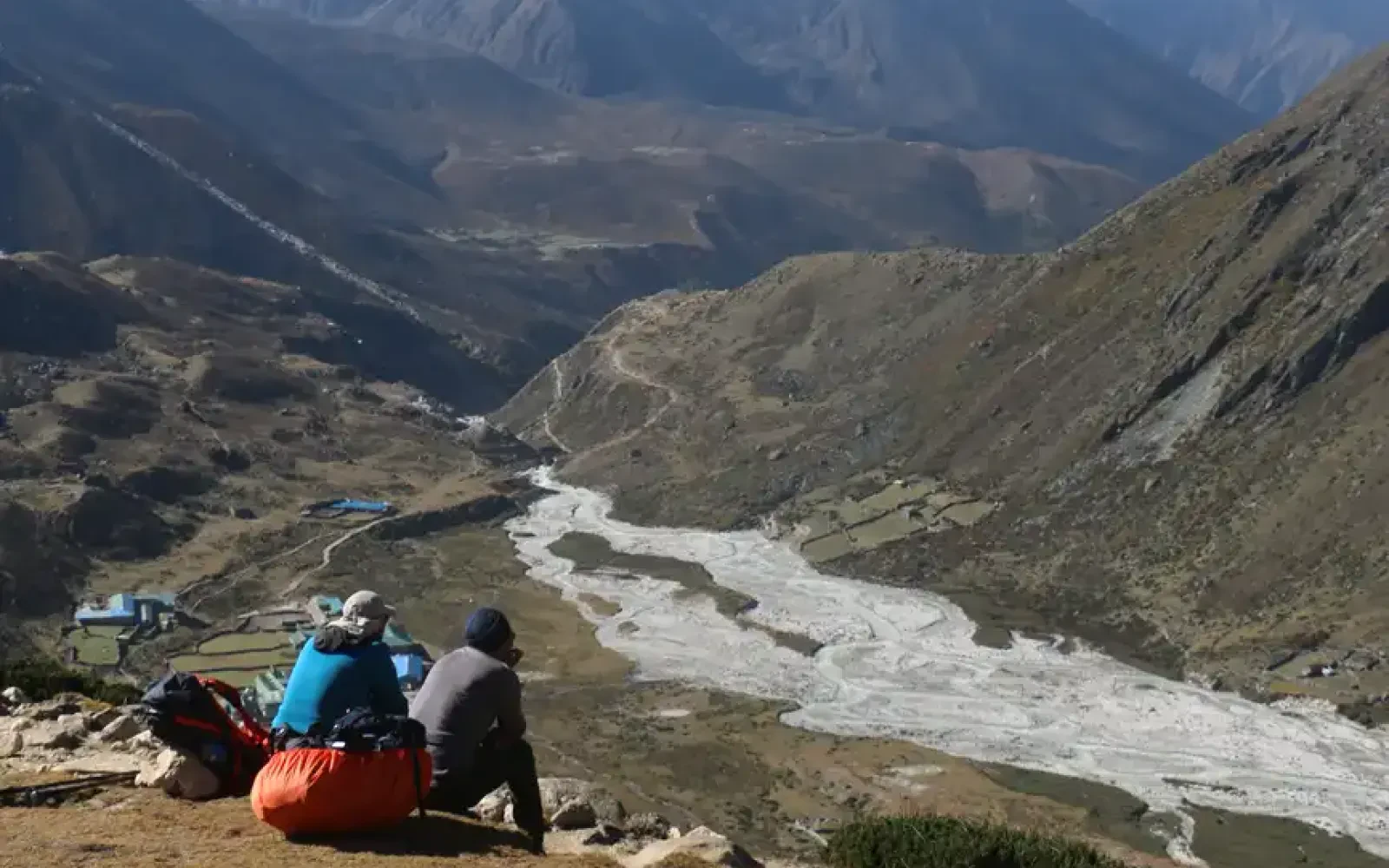
Here, ask anyone preparing for the Everest Base Camp trek what they’re worried about, and you’ll hear the same thing: those brutal uphill climbs. People picture endless stairs and burning legs. But talk to folks who’ve actually done it, and a different story comes out. The real beast isn’t the climb—it’s altitude sickness. That’s what gets even the fittest trekkers.
Actually, scroll through forums or social media, and you’ll see it over and over. Early on, people call the trails a long walk, nothing too wild. Then the altitude kicks in. Suddenly, breathing feels like a chore. Every step gets heavier, and your body starts acting up in ways you didn’t expect.
Likewise, take a look at poll results in trekking groups on Reddit—over 70% of people say altitude is the toughest part, not the hills. Steep sections? Sure, they’re rough, but you can train for that. What you can’t really prepare for is the pounding headache, nausea, or dizziness that hits as you go higher. That’s what fills the stories people share.
Moreover, the same thing pops up in Facebook trekking communities. You’ll see comments like, “The hills were tough, but the oxygen drop hit hardest.” These aren’t just casual complaints—they’re warnings from people who’ve been there. That’s why anyone planning their own trek keeps hearing about acclimatization, not just physical fitness.
In fact, even the experts back this up. Guides and trekking websites all say it: The trails challenge your legs, but the altitude tests your whole body. Most trekkers get used to the walking pretty fast. It’s the thin air and how your body reacts that sticks with you, sometimes when you least expect it.
Here, newcomers often worry about distance and steep climbs. But experienced trekkers know the real challenge is the air up there. That’s why they focus on adapting to the altitude, not just building muscle. If you want to avoid the biggest pitfalls, pay attention to that shift in thinking. It matters.
Here are key trekker opinions from forums :
Most importantly, knowing the truth here really sets you up for success. Put your energy into building up your cardiovascular endurance—that’s what matters most at high altitude. If you want to stay safe, sign up for a guided tour. They usually run between $1,200 and $2,500, and honestly, the peace of mind is worth it. That way, you give yourself the best shot at reaching Everest Base Camp.
In the end, it’s all about tackling the real challenge: the altitude. Trekkers who take time to acclimatize not only make it, but actually enjoy those incredible views along the way. People who try to rush or ignore the altitude? They’re the ones who end up disappointed and turning back. So, make acclimatization your top priority—you’ll remember this journey forever.
Let’s talk about altitude—it’s the sneaky problem that messes with everyone on the Everest Base Camp trek. With every step up, there’s less and less oxygen in the air, and you really start to feel it after leaving Lukla at 2,840 meters. Even tying your boots feels like a workout.
Once you climb past 3,000 meters, things get serious. By the time you reach Namche Bazaar at 3,440 meters, there’s about 30% less oxygen than at sea level. So yeah, even a simple stroll leaves you gasping and tired. It’s a heavy, slow kind of fatigue that creeps up on you fast.

Actually, the symptoms don’t give you much warning. Suddenly, your head is pounding, your stomach’s in knots, and your legs feel like they’re made of stone—trust me, I felt it worst in Tengboche at 3,860 meters. These are the classic signs that altitude’s catching up to you, and ignoring them is risky.
Here, that’s why acclimatization days matter so much. Taking a break at Dingboche (4,410 meters) gives your body a real chance to catch up. If you rush this part and push on to Lobuche (4,910 meters) too fast, things go downhill—fast. But if you pace yourself, what seems impossible actually starts to feel doable.
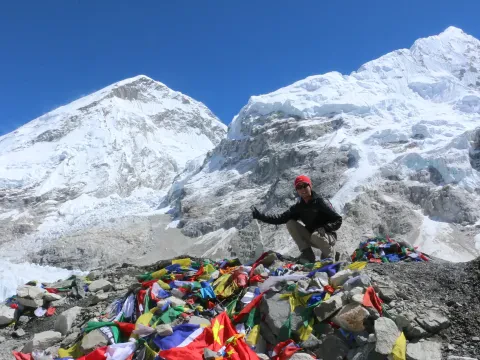
Likewise, the numbers make it clear enough: more than half the trekkers get at least mild altitude sickness. When you hit Gorakshep (5,164 meters), there’s only about half as much oxygen as at sea level. No wonder the last stretch to Base Camp (5,364 meters) feels like it never ends.
So what helps? Drink a ton of water—four or five liters a day isn’t overkill. It keeps your blood flowing and your body coping. Skip the alcohol, which just makes dehydration worse. Small steps, steady pace, and lots of water—that’s how you keep altitude from turning an epic trek into a nightmare.
Key elevations and oxygen impacts :
| Location | Elevation (m) | Oxygen Level (% of Sea Level) | Common Symptoms |
| Lukla | 2,840 | 70% | Mild breathlessness |
| Namche Bazaar | 3,440 | 65% | Headaches, fatigue |
| Tengboche | 3,860 | 60% | Nausea, dizziness |
| Dingboche | 4,410 | 55% | Insomnia, appetite loss |
| Lobuche | 4,910 | 52% | Severe shortness of breath |
| Gorakshep | 5,164 | 50% | Exhaustion, mental fog |
| Everest Base Camp | 5,364 | 48% | Potential acute sickness |
| Kala Patthar | 5,545 | 47% | Extreme effort for movement |
Likewise, talk to your doctor about meds like Diamox—it helps keep altitude sickness at bay on the Everest Base Camp trek. The guides watch everyone for early symptoms, so you’ve got backup. This kind of support keeps you moving safely.
But honestly, respecting the altitude is what really matters. Listen to your body. The people who do that finish the trek and soak in the views. Ignore the warning signs and you’re looking at an early ride down. Get this right, and those Everest Base Camp moments are yours to own.
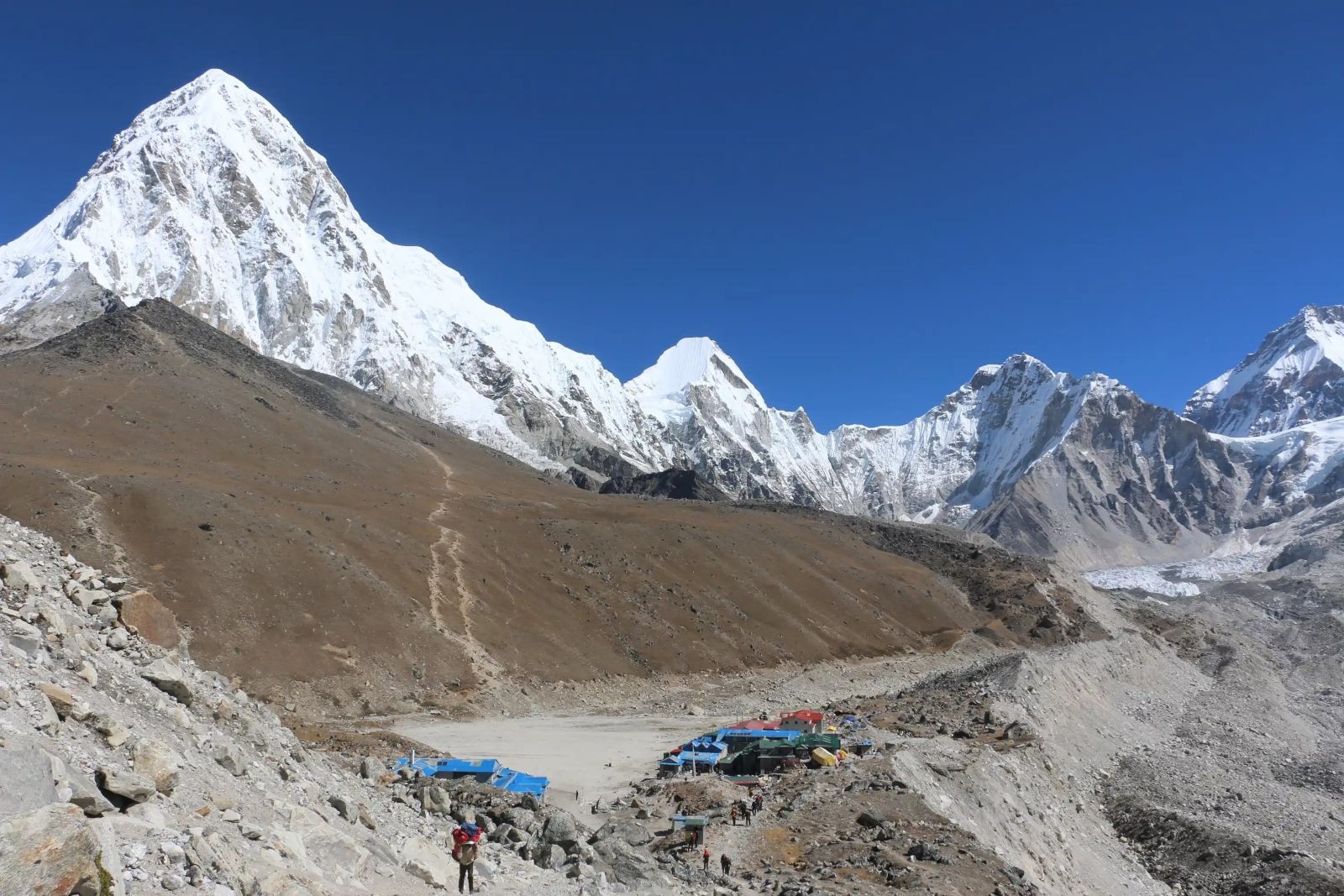
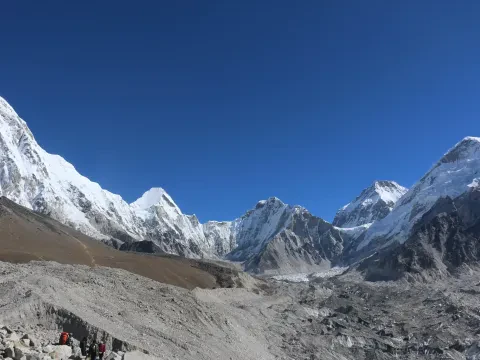
Actually, the last push from Gorak Shep up to Everest Base Camp is a true test. You’re at 5,164 meters, aiming for 5,364, and every step feels heavier up here. The trail throws loose rocks at you, so you have to watch your footing. And while the glacier views are absolutely wild, they also remind you how tough this place can get.

Here, the path hugs the Khumbu Glacier, winding over uneven ground that just keeps climbing. It’s only about 3.5 kilometers, but you gain 200 meters in elevation, and it usually takes two to three hours just to get there. Sounds short, right? But don’t let that fool you. The altitude slows you down, and the false summits—those rises that trick you into thinking you’ve made it—can really mess with your head. You’ll crest one, spot another stretch ahead, and feel your patience wearing thin. But you keep going, and eventually, the base camp sign comes into view. That moment is something special.
Likewise, the route from Gorakshep to Everest Base Camp isn’t a straight shot either. At one point, you’ll actually drop down to cross part of the glacier, then scramble back up through a maze of boulders. The wind never lets up in these exposed spots, so good gear isn’t just helpful—it’s essential.
And after you finally reach base camp, celebrate, and snap those photos, you still have to get back to Gorak Shep. That return trip is no joke. The round trip covers about 7 kilometers and can take four to six hours altogether. Hydration is your friend here—don’t skimp on water if you want to keep your energy up.
A lot of trekkers don’t realize how tough this last stretch is, mentally. Sure, being fit helps, but the altitude makes everything harder. Guides always push for a slow, steady pace. That’s what brings you home safe on this final day to Everest Base Camp.
Here are key stages of the Gorak Shep to Everest Base Camp hike:
So, bring some snacks and plenty of water to keep your energy up. Guided treks to Everest Base Camp usually run between $1,500 and $3,000, permits included. If you can, hire experienced porters—they really make the whole journey easier. And don’t forget to pay attention to your breathing; that’s what gets you through the toughest stretches.
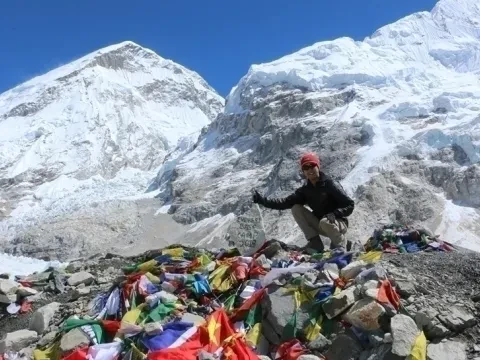
When you finally arrive, it just hits you—all the effort pays off. Everest towers above at 8,848 meters, and the view from base camp is unreal. Most trekkers never forget this moment. Prep well, because reaching Everest Base Camp is an adventure you’ll remember for life.
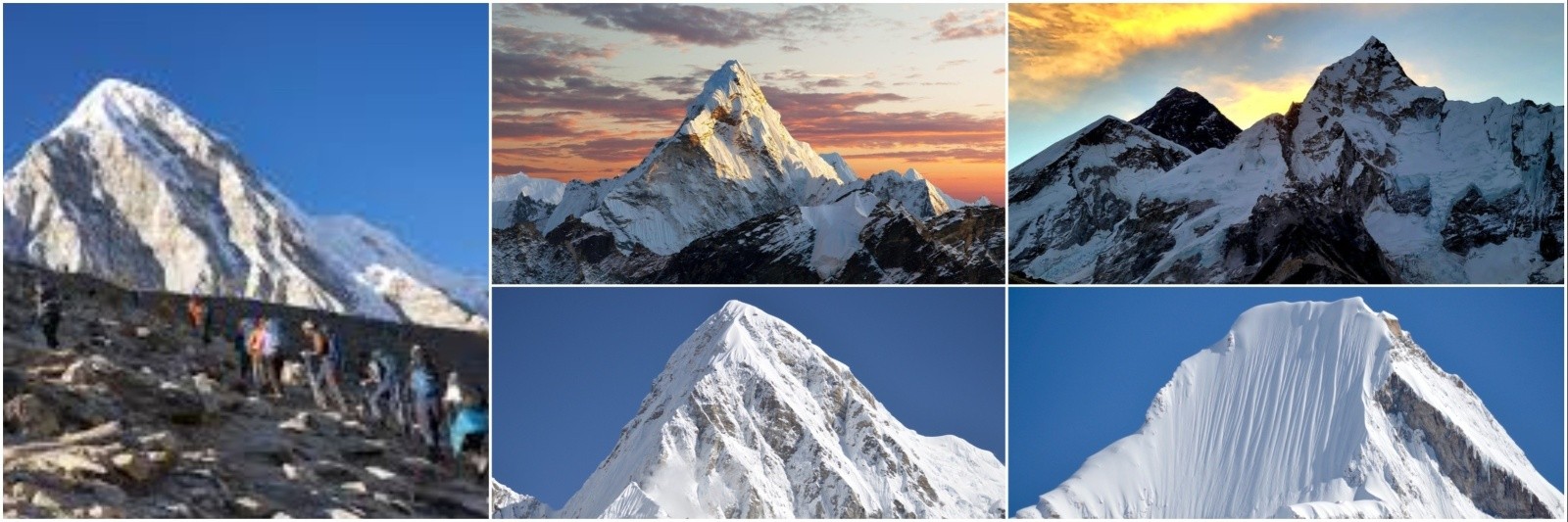
Actually, the Kala Patthar sunrise hike on the Everest Base Camp trek isn’t for the faint of heart. It’s steep, it’s freezing, and the wind cuts right through you. But the view of Everest at the top? Nothing compares.
Here, most trekkers crawl out of their sleeping bags long before sunrise in Gorak Shep, getting ready for the 5,545-meter climb. The air’s thin up there. You feel it in your lungs right away. Headlamps slice through the darkness as everyone starts up the trail.
Likewise, climbing wastes no time. The path zigzags straight up, and you gain almost 400 meters of elevation in just a short distance. Every step gets harder. Your breaths turn shallow and quick. The hardest part hits you in the pitch black, when it feels like the cold might never let up.
In fact, you really feel everything. The icy air works its way straight to your bones. The rocks under your boots shift and slide. It’s almost completely silent, except for the sound of people breathing hard in the dark.
And it’s not just the cold or the climb. You’re already tired from days on the Everest Base Camp trail, and now you’re starting at 4 or 5 in the morning. It’s easy to wonder if it’s even worth it. But somehow, the thought of that sunrise keeps you going.
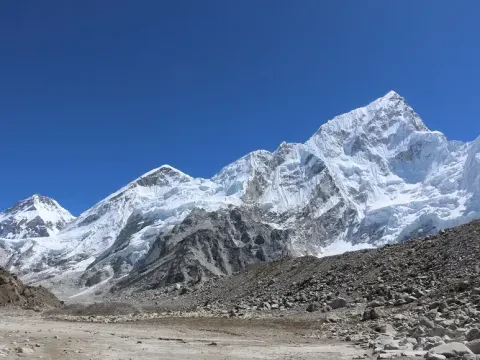
Then, just when you’re thinking about turning back, the first light hits. Everest glows gold. Lhotse and Nuptse stand out sharp against the sky. Suddenly, all the pain and exhaustion fall away. This view is why you pushed through.
Moreover, the way down is way faster—maybe half an hour to an hour. Your legs feel like jelly, but you can’t stop smiling. The whole trip is about 3 kilometers, taking 2 to 3 hours in total. If you’re well-acclimatized, the climb feels tough, but doable. The reward? It’s unforgettable.
Kala Patthar hike details for better planning :
| Aspect | Details | Tips for Success |
| Distance | 1.5 km one way (3 km round) | Pace slowly to manage altitude. |
| Elevation Gain | 381 meters from Gorak Shep (5,164m) | Use trekking poles for stability. |
| Time | 1-2 hours up, 0.5-1 hour down | Start at 4:30 AM for optimal sunrise. |
| Difficulty | Steep, rocky, high-altitude strain | Hydrate and layer against freezing winds. |
| Reward | Panoramic Everest views at dawn | Capture photos but savor the moment. |
Think about it: all that sweat and effort on the climb fades away when you reach the top and see that view. Most trekkers forget how tough it was the moment the mountains open up in front of them. That’s why Kala Patthar stands out as the best part of the Everest Base Camp trek. The challenge is real, but the memories stick with you for life.
Al in all, guided Kalapatthar Hike usually running between $1,200 and $2,500, give you expert backup. The guides keep an eye on your health, especially when things get rough near the end. Anyone who makes it up there comes away with a deep respect for the Himalayas. And when the sun rises? You never forget it. That moment stays with you forever.
Now, let’s talk about cumulative fatigue on the Everest Base Camp trek. It’s not just about being tired—this is exhaustion that sneaks up on you, day after day, until your whole body feels like it’s running on fumes. The trek stretches over 10 to 14 days, and at first, you’re buzzing with excitement. Those early days actually feel pretty good. But as you climb higher, your energy starts slipping away, bit by bit.
Here, picture the trek like a never-ending marathon. Recovery never quite catches up with the effort you’re putting out. You start off in Lukla (2,840m) full of energy, ready for anything. By day three, when you hit Namche Bazaar (3,440m), you notice the hills are getting steeper, and you’re dragging a little more. Every day, this tiredness piles up.
By the middle of the trek, things get real. At Tengboche (3,860m) on day five, the air thins out, your appetite drops, and even eating feels like work. It only gets tougher in Dingboche (4,410m). People complain about insomnia and waking up feeling like they haven’t slept at all. Short distances start to feel like marathons themselves.
Likewise, climb higher than 4,500 meters, and things get rough. At Lobuche (4,910m), simply putting one foot in front of the other can wipe you out. Even tiny hills feel like mountains. Staying hydrated and eating well isn’t just good advice—it’s your best defense.
Moreover, this trek isn’t a sprint. You have to pace yourself. Rest days at Namche and Dingboche help you catch your breath, but if you ignore the warning signs, you could hit a wall near Gorak Shep (5,164m) that you can’t climb over. Mental grit matters just as much as strong legs.
The good news? You can avoid a total crash if you plan ahead. The trekkers who do best usually train with lots of hiking before they even set foot on the trail. Guided groups—usually costing between $1,200 and $2,500—have leaders who keep an eye on how everyone’s holding up. With the right preparation, you don’t have to worry about quitting early because you’re too exhausted to go on.
Day-by-day energy crash examples on the Everest Base Camp trek :
| Day | Location (Elevation) | Energy Crash Symptoms | Mitigation Tips |
| 1-2 | Lukla to Phakding (2,610m) | Mild leg fatigue from initial walks | Stay hydrated, light pace. |
| 3-4 | Namche Bazaar (3,440m) | Headaches, reduced stamina | Acclimatization rest, carbs intake. |
| 5-6 | Tengboche to Dingboche (4,410m) | Appetite loss, sleep issues | Nutritious meals, short naps. |
| 7-8 | Lobuche (4,910m) | Deep exhaustion, slow movement | Slow ascent, oxygen monitoring. |
| 9-10 | Gorak Shep to Base Camp (5,364m) | Total body drain, mental fog | Electrolytes, group support. |
So, lean into the steady grind if you want to make it. Trekkers who expect to get tired little by little actually do better. The ones who rush at the start usually burn out before they’re even close to the end. Give yourself time to rest if you want to reach Everest Base Camp and actually enjoy it.
In the end, it’s really the slow build-up of exhaustion that sorts out who makes it and who doesn’t. If you’re not ready for it, it’ll wear you down bit by bit. People who’ve done this before always say the same thing: save your energy for the long haul. That way, you get those incredible views at the top—and you don’t finish wishing you’d done things differently.
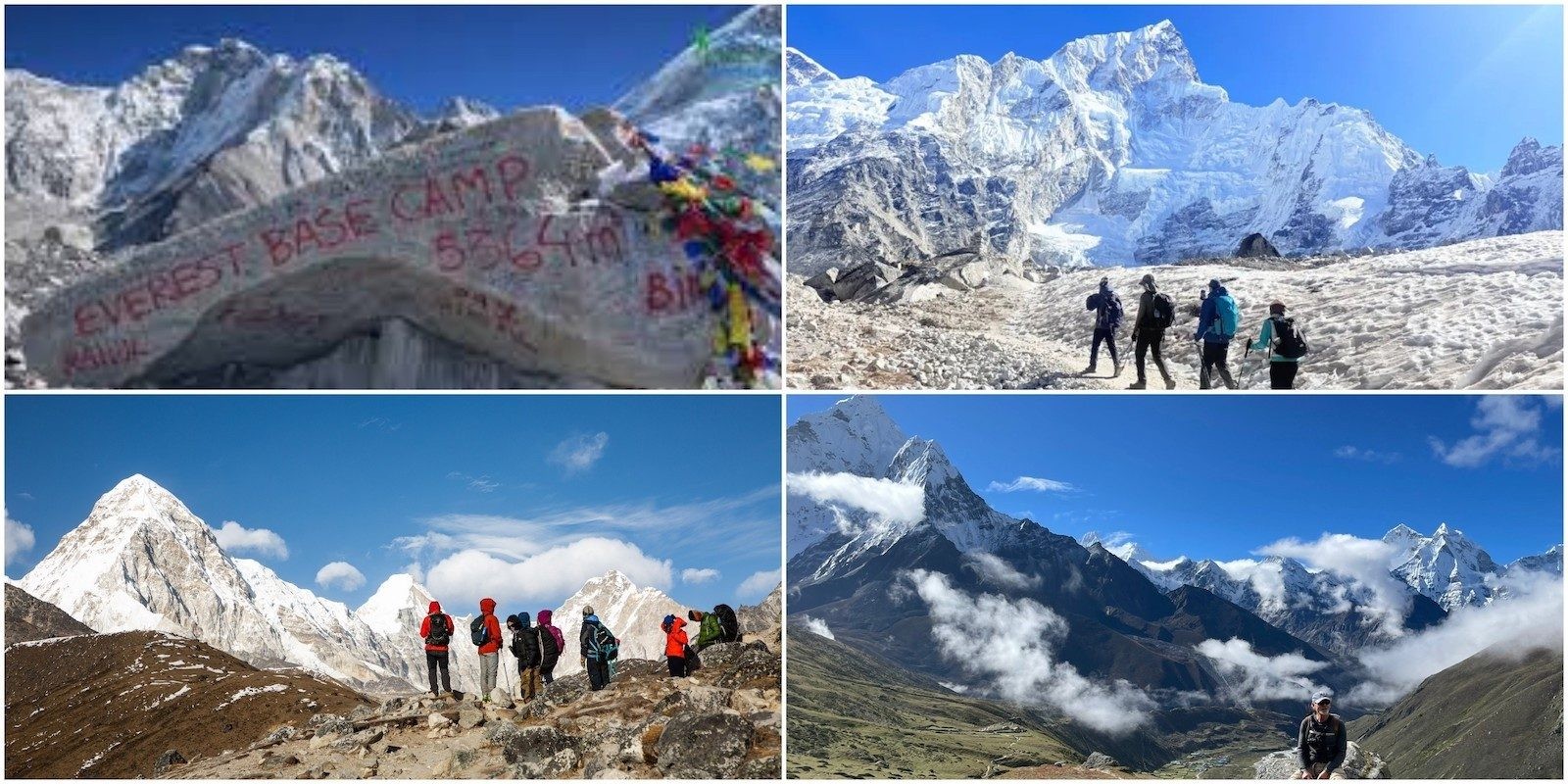
Meanwhile, every day on the Everest Base Camp trek, you run headfirst into what some people call the “terrain trap.” It’s always there—rocky moraine, loose stones everywhere, and just a ton of tricky little surprises. One minute you’re walking and the next, an ankle-twisting rock shows up out of nowhere. If the wind picks up, dust gets in your lungs and stings our eyes.
Honestly, don’t wait until you’re halfway up the mountain—grab trekking poles early. They’re a lifesaver for balance and keep you steady when the trail turns rough. Good boots matter, too. They shield your feet from sharp edges and the constant battering of rocks. With the right setup, you’re ready for almost anything the mountain throws at you.
Near Lobuche, where the altitude climbs past 4,900 meters, the ground gets especially tricky. Stones shift right under your feet, and the glacial moraine paths can be a nightmare if you’re not careful. Trekking poles spread out your weight, so you’re less likely to slip, and they take some pressure off your legs. Up above Dingboche, the dust gets worse, and the trails squeeze tight between boulders. Your poles start to feel like extra arms—something to lean on when you’re tired or just need another point of contact.
Likewise, steep descents are a whole other story. Your ankles start to feel the strain, especially near Gorak Shep. The moraine fields seem endless, but with poles, you take away some of that pounding on your joints. Suddenly, those “traps” don’t seem so bad.
In fact, the truth is, people who show up unprepared struggle the most. Loose rocks wear them out fast, and the mountain just keeps throwing more at them. The experienced trekkers? They spend a bit more—maybe an extra $100 to $300 on solid gear—but it pays off. They finish the day with energy to spare, and their ankles thank them for it.
List of must-have items for Everest Base Camp trek terrain :
Actually, grab your trekking poles and leave the worst of the trail behind. People who use them just move with more confidence. Without poles, you’re more likely to hobble back to camp, frustrated and sore. So pack the right gear—it makes the whole Everest Base Camp trip way easier.
Honestly, the landscape decides how tough this trek gets. It’s full of sneaky hazards that catch people off guard. But with good prep and poles in hand, you’re set free to enjoy every step. Take on the challenge and the Himalayas will reward you.
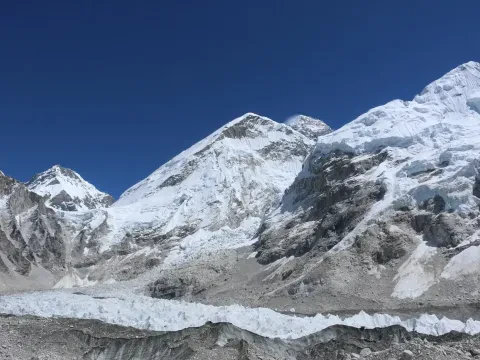
Actually, trekking to Everest Base Camp isn’t just about the hike—it’s about braving weather that can flip from manageable to brutal in minutes. Temperatures can nosedive to -15°C up high, and when the wind kicks up, you really feel it. A strong gust cuts straight through, making it feel way colder than what the thermometer says. Out here, it’s not just a walk; it’s survival mode.
Let’s talk about that wind. At Gorak Shep, which sits at 5,164 meters, you’ll get daytime highs of maybe 0°C to 5°C if you’re lucky. At night, the mercury drops fast—sometimes down to -20°C. You always need layers. Always. And when the wind hits 40 km/h, forget about “feeling cold”—it’s more like enduring a deep freeze. That wind chill? It knocks another 10 or even 15 degrees off what your body feels.
Likewise, trekkers end up huddled together, backs against the wind, especially close to Everest Base Camp (5,364m). Good gear is non-negotiable. You need a jacket that laughs at the wind, not one that flaps around helplessly.
And then there are the white-outs. One minute, you’re walking along, the next—total white curtain. Can’t see your own boots, let alone the trail. People have gotten lost in seconds. There’s this story about a trekker at Lobuche (4,910m) who got turned around in a sudden squall; only quick thinking and shelter saved them from hypothermia.
Moreover, you don’t mess around with Everest weather. Every day at Gorak Shep, check the forecast. The guides are glued to their weather apps because one missed warning can mean real trouble. That habit keeps you out of danger and moving forward.
Of course, there are days when the wind settles, the sky clears, and you get views so beautiful you forget the hardship for a second. But the mountain loves to surprise you, so you stay ready. Spend the money on a windproof jacket—$50 to $150 is a small price for staying warm. With the right prep, you turn a survival challenge into an adventure you’ll never forget.
Seasonal weather at Gorak Shep for Everest Base Camp trek planning:
| Season | Daytime Temp (°C) | Nighttime Temp (°C) | Wind Speed (km/h) | Wind Chill Impact |
| Spring (Mar-May) | 0 to 5 | -10 to -5 | 20-30 | Feels 5-10°C colder |
| Autumn (Sep-Nov) | 2 to 15 | -8 to -3 | 10-25 | Moderate chill effect |
| Winter (Dec-Feb) | -5 to 0 | -20 to -15 | 30-40 | Extreme, feels -30°C |
| Summer (Jun-Aug) | 3 to 10 | 0 to -5 | 15-30 | Variable with rain |
Consequently, Respect the elements or you’ll run into trouble. Trekkers who keep an eye on the wind and temperature usually do well. If you don’t prepare, you might have to turn back. Pay attention to the forecasts if you want to make it to Everest Base Camp.
In the end, weather really makes or breaks the toughest parts of the trek. One minute, the trail’s fine—next thing you know, it’s a struggle just to keep going. The experienced folks always talk about how important it is to watch the wind. Get the right info, pack the right gear, and you’ll handle it.
Meanwhile, altitude sickness pops up a lot on the Everest Base Camp trek, especially once you get above 3,000 meters. It doesn’t hit all at once—usually, the first signs are headaches, nausea, feeling wiped out, maybe a little dizzy. Spend a night in Namche Bazaar (3,440m), and you’ll know what I mean. Sleep gets tricky as you climb higher. All these are your body’s way of telling you to pay attention.
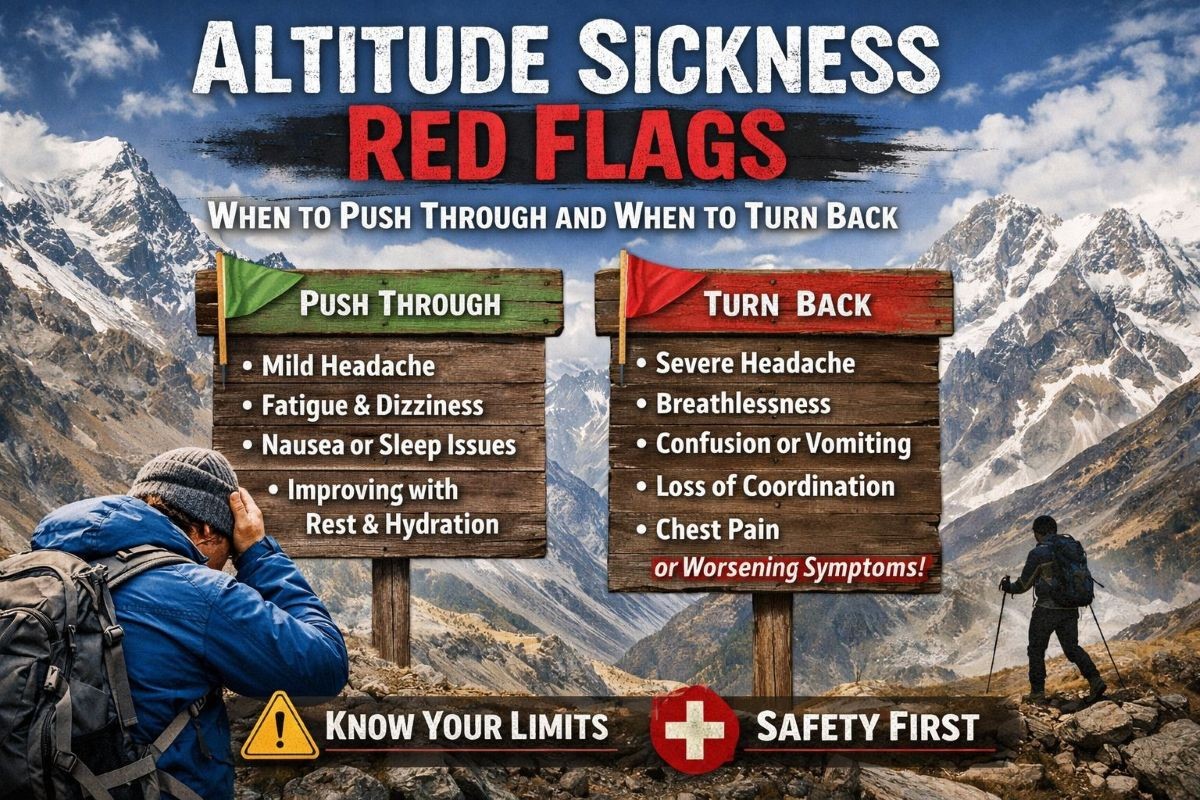
If it’s just mild stuff—headaches, a bit of nausea—don’t panic. Rest up, drink a ton of water (seriously, 4-5 liters a day isn’t overkill), and take those acclimatization days in places like Dingboche (4,410m) seriously. Watch how you feel before heading any higher. Sometimes a bit of patience is all it takes.
But there are moments when you just can’t push through. If you start feeling confused, get a splitting headache that won’t quit, or you’re short of breath even when you’re resting, that’s a huge warning sign. That’s when things like high-altitude cerebral or pulmonary edema can set in—and you don’t mess around with those. Immediate descent is the only move here.
If you start vomiting or can’t keep your balance, it’s time to head down—fast. Drop 300 to 500 meters and don’t wait around. Most guided treks (in that $1,200 to $2,500 range) include help with evacuations, so you’re not alone if things go south. Getting down quickly can actually reverse symptoms within a few hours.
Honestly, most people who listen to their bodies and act quickly bounce back just fine. Knowing your limits keeps you safe, and when you do it right, you get to enjoy the trek and make it back with nothing worse than a good story.
Numbered warning signs and immediate actions for altitude sickness on Everest Base Camp trek:
Consequently, listen to your body—it keeps you safe. Trekkers who pay attention to warning signs get to continue their journeys later. Ignore those signs, and you’re asking for trouble. Trusting yourself makes the trip better.
When it comes to altitude sickness, tests are helpful, but you need to use common sense. Most people bounce back after heading down and resting. Experienced trekkers have plenty of stories about making it back safely. Learn from them, and you’ll have a way better time on your Everest Base Camp adventure.
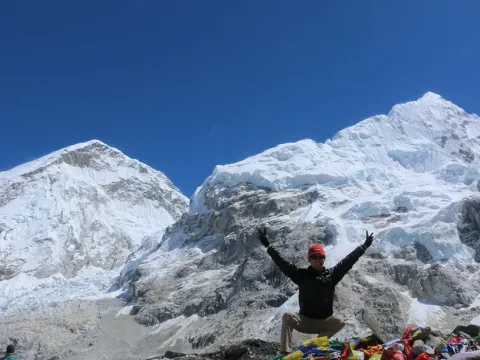
Meanwhile, the real challenge on the Everest Base Camp trek isn’t just the thin air or steep climbs—it’s the mental game. When your legs beg you to quit, your mind steps in. You start talking yourself through it, maybe whispering “just one more step” over and over. Suddenly, that tiny mantra keeps you moving when everything else wants to stop.
Likewise, the people around you help, too. Trekkers lean on each other, especially when things get rough near Tengboche at 3,860 meters. Someone cracks a joke, another offers a high five, and you remember you’re not alone up here. At night, everyone gathers around the fire in a teahouse at Dingboche, swapping stories. The laughter and encouragement turn a bunch of strangers into a team. That sense of camaraderie lifts everyone up when morale dips.
Here, chasing small wins makes the whole trek feel less impossible. You celebrate reaching a viewpoint or ticking off another stretch from Lobuche to Gorak Shep. Every little victory counts, and each one makes the next step easier. Sometimes all it takes is a quote scribbled in a journal or a friend’s pep talk to shake off the fatigue and keep moving.
Further, positive self-talk is your secret weapon. When doubt creeps in, you remind yourself, “I am strong.” Even the guides jump in, offering encouragement along the way. Over time, all that mental effort builds real confidence—and it sticks with you, even after the trek is done.
Specifically, solo trekkers have it tougher. Without a group, they rely even more on those inner pep talks. That’s why joining a group can make a huge difference. And honestly, preparing your mind for the challenge is just as important as packing the right boots. The real summit is the one inside your head.
Motivational trekker quotes from Everest Base Camp experiences:
So, get your mind in shape if you want to beat your body’s limits. Trekkers who really use these mental tricks? They’re the ones who actually make it to the end. Skip the psychology part, and you’ll probably turn back early. But if you lean into it, the whole journey feels different—you feel stronger.
In the end, it’s all in your head. That’s what separates the ones who finish from the ones who give up. A tough mindset builds grit when things get rough. Ask anyone who’s been there—they’ll tell you it’s all about attitude. So, if you’re heading to Everest Base Camp, get your head in the game and see how far you can go.
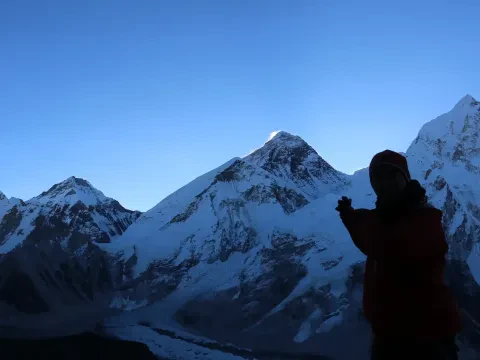
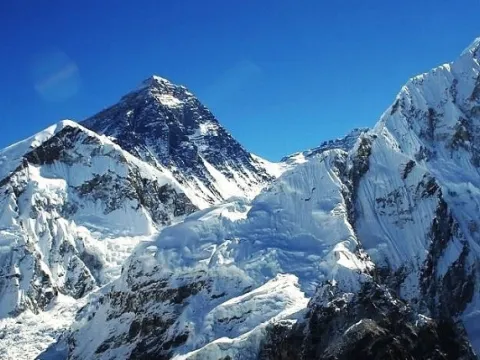
Here, you did it. You reached Everest Base Camp, and honestly, it hits you all at once—the exhaustion, the pride, the wild, almost unbelievable views. There’s this rush when you stand at 5,364 meters and look up at the roof of the world. Everest towers above at 8,848 meters, and for a moment, you don’t feel tired at all. You just feel lucky to be there.
Standing on Kala Patthar, you catch the first light hitting Nuptse and Lhotse, the peaks glowing gold. That’s the image you’ll never forget, the one that somehow makes every hard step, every cold night, every breath worth it. Suddenly, the pain and effort fade, replaced by a deep sense of accomplishment.
But it’s not just about the scenery. You pushed yourself past altitude headaches, aching muscles, and doubts, right from the starting point in Lukla. Somewhere along the way, you found reserves of inner strength you didn’t know you had. That’s the real reward—knowing you kept going when it felt impossible.
And then there are the moments in the teahouses at Gorak Shep. You sit with new friends, sharing bowls of dal bhat, swapping stories, and laughing so hard you forget how tired you are. Those bonds you make—strangers who became teammates—stick with you long after the trek ends.
Honestly, the hardest parts change you. You start to crave things you used to take for granted—warm showers, soft beds, even a simple cup of tea. You come back tougher, and maybe a little more grateful, too.
On the way down, everything feels clearer. You realize how much your health and determination matter. The money you spent? It fades into the background compared to what you gained—memories, confidence, friends for life. If you’re thinking about doing it, here’s the tip: train hard, pack light, respect the altitude, and don’t rush. Every step is worth it.
Trekker insights on Everest Base Camp payoff :
| Reflection | Description | Why Worth It |
| Stunning Views | Panoramas of Everest from base camp | Inspires awe and justifies every step. |
| Personal Growth | Overcoming mental and physical limits | Builds lifelong confidence and resilience. |
| Group Bonds | Shared celebrations in teahouses | Creates enduring friendships and support. |
| Sense of Achievement | Reaching the goal after challenges | Provides profound fulfillment and pride. |
| Life Lessons | Reflections on perseverance | Transforms perspective on daily hurdles. |
Here, take a second to appreciate every breath you take up there. That’s the real reward for trekkers who make it. Once you reach the end, all those doubts just fade away. When you’re planning, give yourself more time to acclimatize.
All in all, book trips with longer itineraries—it’s safer that way. Start training your cardio and building strength a few months before you go. Most guided packages run around $2,000. Everest Base Camp is waiting for you.
1. What is the hardest part of the Everest Base Camp Trek?
The hardest part of the Everest Base Camp Trek is not the climbs but the impact of the high altitude. The thin air at altitude makes every step feel exhausting. You get tired easily. You might get headaches and feel sick. To make it through the Everest Base Camp Trek you need to get used to the altitude and take your time.
2. How does altitude affect trekkers on the Everest Base Camp Trek?
The high altitude is a problem for trekkers on the Everest Base Camp Trek. When you are above 3,000 meters the air is too thin. You might feel breathless get headaches and feel tired. This makes every step harder near Gorak Shep and the Everest Base Camp. To stay safe, you need to drink plenty of water and take your time when you are trekking.
3. Is the final stretch from Gorak Shep to Everest Base Camp hard?
Yes, the last part of the trek from Gorak Shep to the Everest Base Camp is very hard. You have to walk 3.5 kilometers on a path that goes up 200 meters. The thin air makes it feel harder and you might feel mentally and physically tired. Many trekkers think this is the part of the trek even though it is not very long.
4. Why is the Kala Patthar sunrise hike so challenging?
The Kala Patthar sunrise hike is very hard because you have to start hiking before dawn in the cold and wind. The high altitude makes it even harder. You might feel very tired. The view of the sunrise from the top of Kala Patthar is worth all the hard work.
5. How does cumulative fatigue build during the Everest Base Camp Trek?
After days of trekking you might start to feel very tired. Your muscles hurt you do not sleep well. The high altitude is stressful. You get tired faster. It is harder to stay motivated. To stay safe, you need to take rest days and eat well.
6. What makes the terrain on Everest Base Camp Trek difficult?
The terrain on the Everest Base Camp Trek is very hard because of the paths, loose stones and uneven ground. You need to be careful all the time to avoid falling. Trekking poles can be very helpful because they give you stability and reduce the strain on your knees.
7. How does weather impact the Everest Base Camp Trek?
The weather on the Everest Base Camp Trek can be very bad with winds, low temperatures and sudden storms. This makes the trekking paths very hazardous. You need to be careful. You need to wear clothes and check the weather forecast to stay safe.
8. What are the red flags for altitude sickness on the trek?
If you have a headache, feel sick, dizzy, very tired or have trouble breathing you need to be careful. These are signs of altitude sickness. You need to go down to a lower altitude immediately. Never try to push through these symptoms because it can be very dangerous.
9. How do you mentally prepare for the Everest Base Camp Trek?
To prepare for the Everest Base Camp Trek you need to be strong. You need to train before you go and have expectations. You need to focus on goals each day and remember why you wanted to do the trek in the first place. Having a mindset and good support from your group can help you overcome the hard times.
10. Is physical fitness enough to complete the Everest Base Camp Trek?
Being physically fit can help with the terrain. It is not enough to prepare you for the high altitude. You need to have cardiovascular endurance experience with high altitudes and a good plan for getting used to the high altitude. These things are more important than being strong.
11. What is the best way to acclimatize on Everest Base Camp Trek?
The best way to get used to the altitude is to follow the "climb high sleep low" rule. You need to take rest days in places like Namche Bazaar and Dingboche drink plenty of water eat well and walk slowly. You might also want to consider taking medicine like Diamox. You need to talk to a doctor first.
12. How long does the round trip from Gorak Shep to EBC take?
The round trip from Gorak Shep to the Everest Base Camp usually takes 4-6 hours. The hike to the base camp takes 2-3 hours. Is very hard because of the rocky terrain and high altitude. The hike back is easier. People still need to be careful.
13. Should I use trekking poles on the Everest Base Camp Trek?
Yes, trekking poles are very helpful on the Everest Base Camp Trek. They help people walk safely on rocky and slippery trails reduce the strain on their knees and conserve energy. This is especially important on the days of the trek when people are very tired.
14. What temperature should I expect near Everest Base Camp?
It can get very cold near the Everest Base Camp at night and in the morning. The temperature can drop to -15°C. Lower and the wind makes it feel even colder. You need to have warm clothes, including a down jacket, gloves and a hat.
15. Can altitude sickness ruin the Everest Base Camp experience?
Yes, altitude sickness can ruin your experience if you do not take care of yourself. Mild symptoms are common. Severe cases can force you to go down to a lower altitude. If you listen to your body. Take rest days when you need to you can avoid most problems and have a good time.
16. Why do most trekkers say altitude is harder than expected?
Most trekkers say that the high altitude is harder than they expected because it affects everyone differently. You can be physically fit. The thin air can still make you feel tired, confused and weak. This makes easy walks feel like big challenges.
17. Is the Everest Base Camp Trek suitable for beginners?
The Everest Base Camp Trek can be done by beginners if they are physically fit prepare well and have a guide. However, the altitude and long days of trekking can be challenging. It is recommended that you have some experience with trekking at altitudes before you try the Everest Base Camp Trek.
18. What should I pack specifically for the parts?
You need to pack clothes, sturdy boots, trekking poles, a headlamp high-energy snacks, water purification tablets and any medicines you might need. A good sleeping bag and down jacket are also essential for the camps.
19. How rewarding is completing the hardest parts of the trek?
Completing the parts of the trek is very rewarding. When you reach the Everest Base Camp and watch the sunrise from Kala Patthar you feel like all the hard work was worth it. You feel a sense of achievement. The views are amazing.
20. Why choose a guided package for Everest Base Camp Trek?
You should choose a guided package, for the Everest Base Camp Trek because guides can help you with the risks of altitude, navigation, logistics and emergencies. They can also provide support during the parts of the trek help you stay safe and make sure you have a successful trip.
Our travel experts are ready to assist you with any questions.
Send us a message.Have a question before you book? Send your enquiry below and our travel experts will get back with the required information.