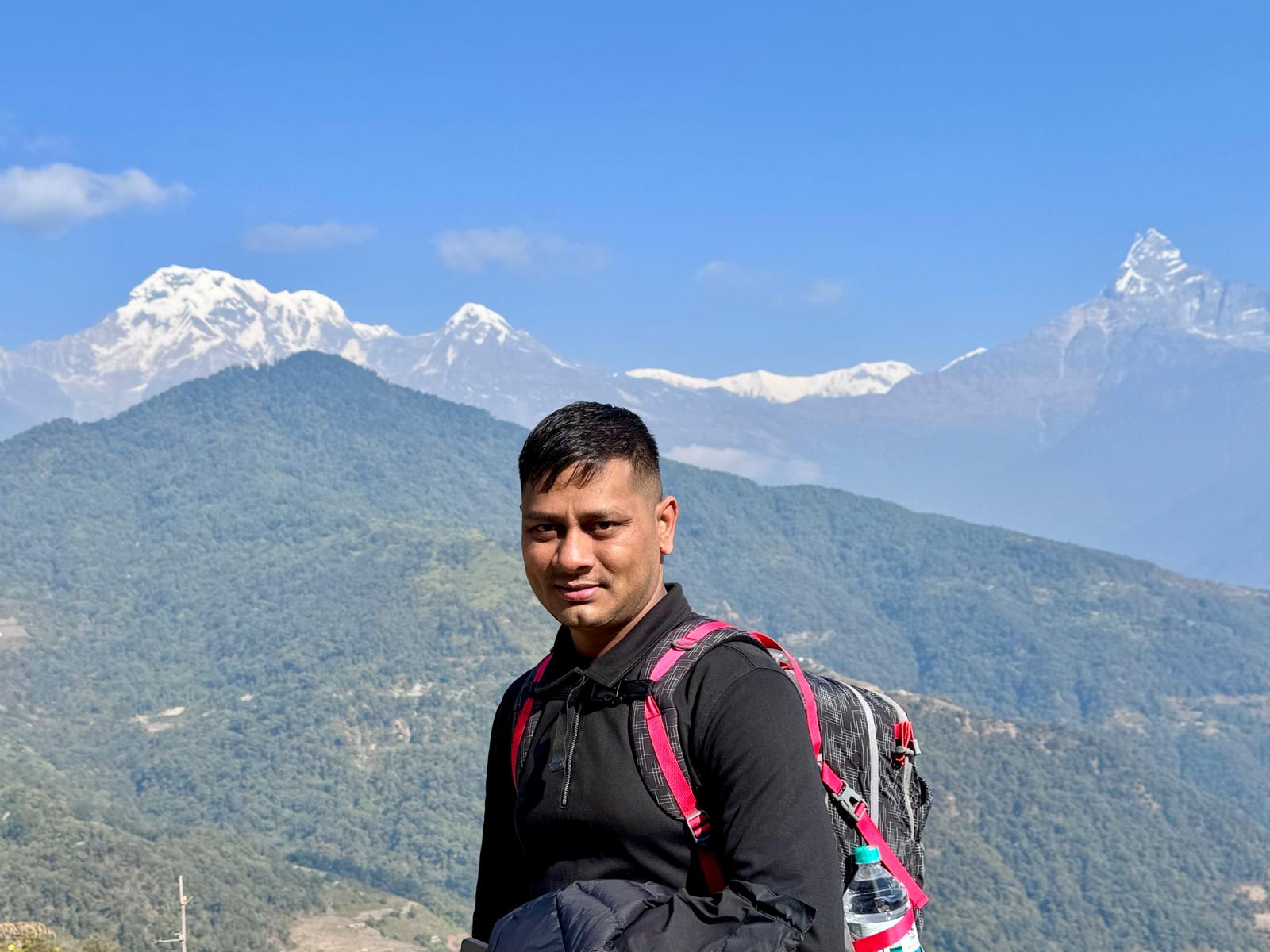

Yes, it is possible to get to Everest Base Camp (EBC) without flying by going overland. As a substitute for flying to Lukla, you can drive a jeep from Kathmandu to Thamdanda, Salleri, or Surke and start trekking from there. The most well-liked choice is a jeep to Thamdanda (10-12 hours) and then trekking to Lukla (1 day) or directly to Phakding without ascending to Lukla. It takes 12-14 days round trip from Lukla to reach EBC and return. This route is slightly longer but avoids the risk of flight cancellations. The total distance from Kathmandu to EBC through this route is around 130 km. The prices vary, but the jeep journey from Kathmandu to Thamdanda or Surke costs around $25-$50, while trekking ranges from $30-$50 a day. The highest height is 5,364m at EBC, and acclimatization is still necessary.
Yes, you can trek to EBC without taking a flight to Lukla. Drive a jeep from Kathmandu to Thamdanda or Salleri or Surke instead and start trekking from there. If you take a jeep to Salleri, it takes about 3 days to reach Lukla. It only takes 1 day from Thamdanda to Lukla or Phakding directly from Thamdanda or from Surke. The total trekking time increases by 3-4 days compared to the flight option, which brings the total trip to around 16-18 days. The advantage is avoiding the flight delays and the cost saving. However, the trek from Salleri involves steep trails, requiring good fitness. The cost is slightly lower than flying because jeep rides are close to $30-$50 one way from Kathmandu to Thamdanda to Surke, and trekking costs depend on accommodation and food choices
You can completely skip the Lukla flight while trekking to EBC. The most popular hiking trail starts at Salleri or Thamdanda or Surke which were classical EBC trekking trails before the Lukla airport was built. If you come by bus or jeep from Kathmandu to Salleri (10-12 hours) and then to Thamdanda and Surke, you can hike to Lukla in 1-2 days. Or, you don’t need to ascend up to Lukla town, you can directly walk to Phakding from Surke or Thamdanda.
From Lukla or Phakding you take the classical EBC route to reach the base camp in 9-10 days. The total round-trip trekking time equals approximately 21-24 days. The advantage of this trail is that acclimatization is better as the ascent is gradual. The cost is lower as the jeep fare is $25-$50 from Kathmandu to Surke or Thamdanda, and trekking is $25-$50 per day.
To get EBC without flying, you can go to Salleri (10-12 hours) or Thamdanda (10-12 hours) from Kathmandu by jeep and start trekking to EBC via Namche and Tengboche. If you go via Salleri, it takes 3-4 more trekking days to reach Lukla or Phakding. The entire EBC trek would take 16-18 days from Salleri and 14-16 days from Thamdanda. The jeep fare from Kathmandu to Thamdanda or Surke is $30-$50, and the day-to-day trekking expenses range from $30-$50 depending on accommodations and food choices. The highest point is 5,364m at EBC, so acclimatization is crucial. Avoiding flights reduces weather-related delays, but the road journey is long and rough. It is a definite choice if you prefer an overland route.
To get to EBC overland, travel by jeep from Kathmandu to Thamdanda, Salleri, Surke or Jiri and trek from there. The journey from Kathmandu to Thamdanda takes 10-12 hours, to Salleri 10-12 hours, and to Jiri 8-10 hours. The trek from Thamdanda to Lukla takes 1 day, from Salleri to Lukla takes 3-4 days, and from Jiri to Lukla takes around 5-7 days. From Lukla, you follow the classical EBC trekking route, which takes around 12-14 days return. If you go to Thamdanda or Surke, you can skip Lukla and directly trek to Phakding and Namche. It is less expensive than flying, costing between $25-$50 for a jeep and around $30-$50 per day for trekking. The highest altitude is 5,364m, and you must acclimatize well.
Yes, you can trek to Everest Base Camp (EBC) without flying to Lukla. You can drive to Jiri or Salleri and trek from there. The Jiri to EBC trek takes the old route taken by early climbers and takes around 21–24 days round trip. Salleri shortens the trek a little, taking around 18–20 days. While avoiding the Lukla flight, this route has extra trekking days and extra permits for the lower elevations. It's a great choice for those who want to observe the gradual transition from the lower hills to high-altitude country.
No, you cannot drive to Everest Base Camp on the Nepal side directly. The trekking trail lies within Sagarmatha National Park, which does not have road vehicle access beyond Salleri or Phaplu. Recently, the road has the access to go Thamdanda or Surke via Salleri from Kathmandu directly. The closest you can drive is to Salleri or Thame (nearer to Namche Bazaar with future road extensions). After that, you must trek to reach EBC. But on the Tibetan side, you can reach the North Base Camp of Everest in China by driving, but it is regulated by special permits and restrictions due to Chinese regulations.
Yes, you can take a jeep to the starting points of the EBC trek, for instance, Salleri or Phaplu, Surke or Thamdanda but not to Base Camp. An 8–10-hour jeep journey from Kathmandu to Salleri is far less costly than flying. The trek meets the regular Lukla trail at Phakding or Namche Bazaar from Salleri and adds 3–4 days to the regular Lukla itinerary. Budget travelers and people who do not want the gamble of the Lukla flight like this option. If you drive to Thamdanda and Surke by jeep from Kathmandu, it takes total 14-16 hours. It is possible in dry seasons like in Spring and Winter months.
Save money by walking alone instead of hiring a guide or porter, but only if you are skilled at high-altitude walking. Eat at local teahouses instead of expensive lodges, and eat simple food like dal bhat for refills ad infinitum. Travel by road to Salleri or Phaplu or Thamdanda or Surke a instead of flying to Lukla. Bring supplies from Kathmandu instead of hiring or buying along the route. Room-share with fellow trekkers to split the costs. Avoid joining a guided tour and book it directly in Nepal. Finally, trek in the off-season (winter or monsoon) when teahouses are more affordable.
The cheapest way to trek to Everest Base Camp is by trekking individually and wisely utilizing the local services. Ride a jeep from Kathmandu to Salleri/ Thamdanda/Surke instead of taking flights. Carry your own backpack instead of hiring a porter. Stay in low-cost teahouses and have plain, locally prepared food. Carry water purification tablets instead of paying a lot for bottled water. Forego the luxury add-ons such as hot showers and WiFi, which can soon add up. If possible, hire a local guide at Namche or Lukla rather than an expensive Kathmandu tour. Group trekking also reduces shared expenses.
In reducing costs, travel by jeep to Salleri/Thamdanda/Surke rather than by flying to Lukla. Stay at inexpensive teahouses and negotiate for rates, especially during off-seasons. Eat dal bhat for dinner and lunch because it is unlimited serving. Carry snacks, a water purification system, and a refillable water bottle to avoid the purchase of expensive bottled drinks. Carry all required gear from Kathmandu instead of renting on the trail. Skip luxury facilities like hot showers, internet connection, and charging points because they come with a cost. Traveling in a group makes accommodation and food-sharing possible. Lastly, organize a shorter trip to reduce daily expenses.
The jeep journey from Kathmandu to Thamdanda typically takes 17 to 18 hours. Early morning, 4:30 to 5:00 AM, it leaves from Kathmandu via Salleri and other villages until it arrives in Thamdanda in the evening. Timing might be altered according to road condition and traffic.
The jeep ride from Kathmandu to Surke typically takes around 17 to 18 hours. The journey starts early in the morning and traverses through Thamdanda and other villages before reaching Surke in the evening. The duration can vary based on road conditions and traffic.
Yes, one can travel by jeep from Kathmandu to Thamdanda all year round. The best times to travel are in the dry season, March to May and September to November, when the weather is more predictable and the roads are better. In the monsoon months (June to August), heavy rains can lead to landslides, making the roads difficult and sometimes impassable.
Yes, it is possible to drive by jeep from Kathmandu to Surke. There are jeep services directly, and the journey takes about 17 to 18 hours. The jeep departs in the early morning from Kathmandu and reaches Surke in the evening. It is advisable to ask about the road conditions and book in advance, especially during the high trekking seasons.
The road from Kathmandu to Thamdanda and Surke is mixed as far as condition. The initial section to Salleri is well blacktopped and paved, with a smooth ride. After Salleri, the road becomes more challenging and harder, with off-road segments requiring a 4WD car. Heavy monsoon rains can bring landslides and render some sections of the road impassable or very challenging. Tourists should prepare for a rough and thrilling ride, especially after Salleri.
The cost of a jeep ride from Kathmandu to Thamdanda or Surke varies depending on type of service (shared or private), time of year, and fuel prices. A shared jeep trip typically costs between NPR 5,000 to 8,500 (approximately USD 50 to 70) per person. During holiday periods like Dashain and Tihar, prices can be higher due to more demand and less return passengers. Private jeep hires can be in the range of NPR 65,000 to 90,000 (approximately USD 650 to 750), which can carry 8 to 10 passengers.
The most popular mode of transport to travel to Salleri from Kathmandu is a jeep, particularly if you are heading to the Everest region. The cost varies if you use a shared or private jeep:
Shared Jeep: A seat in a shared jeep will generally cost NPR 3,000 to NPR 3,500 per individual.
Private Jeep: Renting an entire jeep can range from $310 to $450, accommodating up to 7 passengers.
The journey covers approximately 270 kilometers and takes about 8 to 9 hours, depending on road conditions.
Flight fares from Kathmandu to Lukla are determined by the traveler's nationality:
Nepali Citizens: Approximately NPR 5,500 per person.
Indian Citizens: Around INR 8,370 to INR 9,185 per person.
Foreign Nationals: Approximately $180 per person from Ramechhap and $230 from Kathmandu
These flights offer a quick 25 to 35-minute journey, providing breathtaking aerial views of the Himalayas.
To avoid flying to Lukla, use the following options:
Overland Journey to Salleri or Phaplu: Make a journey from Kathmandu to Salleri or Phaplu via jeep, approximately 8 to 9 hours. Trek for approximately 3 to 4 days from there to meet the main Everest Base Camp trail to Namche Bazaar.
Jeep to Thamdanda or Surke: Take a jeep directly to Thamdanda and trek for approximately 8 hours to Lukla. You can also go directly to Phakding without ascending to Lukla if you go Thamdanda or Surke from Kathmandu by jeep. This choice avoids the flight completely.
Classic Jiri Route: Travel by bus or jeep to Jiri or Shivalaya and begin the trek from there. This is the longer, more culturally interesting original route.
These choices not only avoid potential flight delays but also enable one to appreciate the local culture and landscape more.
You can reach Everest Base Camp without flying by taking a jeep or bus from Kathmandu to Thamdanda or Salleri. From there, you’ll start trekking toward Phakding and Namche Bazaar. This route avoids the Lukla flight entirely.
The best trek without the Lukla flight is jeep from Kathmandu to Thamdanda. Trek from Thamdanda to Surke, and then join the normal trail to Namche and then to Everest Base Camp.
Without flying, the trek takes about 16 to 18 days. Extra days for road transportation and more trekking distance compared to flying to Lukla.
Yes, a bit tougher. The trek starts at a lower elevation, so you need to walk more. But it offers better acclimatization and landscape diversity.
You can travel to Salleri by jeep or public bus from Kathmandu. There are public jeeps that depart early morning from Chabahil or Koteshwor. The ride takes 8 to 10 hours. Public buses also operate daily and take 12 hours. For Thamdanda, proceed on from Salleri by another jeep, which takes 5 to 6 hours. The roads are bumpy, especially after Salleri. Jeeps fill up fast during trekking season, so advance booking is advisable. You can also fly to Phaplu and drive a short route to Salleri. But there are fewer flights and on the basis of weather conditions. Carry cash, as there are no ATMs in such remote places.
No, jeeps do not drive all the way up to Everest Base Camp. But they can take you close. You can go from Kathmandu to Thamdanda via Salleri. It is a 10–12 hour drive on rough roads. From Thamdanda, you hike to Lukla. Then follow the same route to Everest Base Camp (5,364m). Unlike flights, jeeps are safer from delays. Roads reach further each year, improving accessibility. However, the journey is rough and long. Still, it's a great option for sightseeing. So, even though jeeps can't reach base camp, they avoid flying and start your trek effectively.
The trek without flight is less costly. It costs approximately USD 1,000–1,500, depending on group size, accommodation, food, and transport.
The best seasons are spring and autumn. Spring (March to May) offers clear skies and blooming rhododendrons. Temperatures are warmer, especially below 4,000 meters. You’ll see snowy peaks like Everest (8,848m) and Thamserku (6,623m). Autumn (September to November) brings stable weather and crisp mountain views. Unlike monsoon, trails stay dry and safer. Crowds are moderate before Lukla, so the path feels peaceful. Winter, however, brings snow and cold, making it harder to travel. Summer is a season of rain and leeches. Therefore, choose spring or autumn for optimum comfort, safety, and views on the longer, flight-free Everest Base Camp trek.
Yes, Wi-Fi and hot shower are available on the trek. However, services start after the Lukla area. Earlier villages like Phaplu or Ringmo may not have them. But once you reach Namche Bazaar (3,440m), most of the teahouses offer paid hot showers. Similarly, Wi-Fi exists in most of the lodges, especially in big villages. You need to pay extra for both of them. The Everest Link card offers more internet connections. Hot water is typically solar or gas heaters. Wi-Fi may be slow due to remoteness. So, there will be limited connectivity in the early part of the trek. But comfort level improves as you go higher.
This trek offers many unforgettable moments. For starters, you tour remote villages like Phaplu and Ringmo. These villages show true Sherpa culture. You pass dense forests and deep valleys at the beginning. Unlike flying, the gradual ascent ensures more acclimatization. Prominent peaks like Mt. Everest (8,848m), Lhotse (8,516m), and Ama Dablam (6,812m) come into view. Namche Bazaar (3,440m) offers shops, bakeries, and broad views. Tengboche Monastery (3,867m) offers spiritual serenity. Kala Patthar (5,545m) offers the finest view of Everest. The trail is serene and much more scenic. Therefore, the longer trek offers richer cultural and natural experience.
Pack lightly but sensibly for the long trail. Bring warm clothing, as it is cold above 4,000 meters. Carry a water- and windproof jacket and trousers. Wear sturdy, broken-in footwear. Carry a -10°C sleeping bag. Carry thermal bottom layers and hiking top layers. Don't forget gloves, wool socks, and a warm hat. A headesian is handy in remote areas. Carry sunscreen, lip balm, and sunglasses. Pack water purification tablets or a water filter. Add energy bars and snacks. A minimum first aid kit is a necessity. As the hike is longer, take extra toiletries and a power bank.
Yes, trekking without the Lukla flight has its advantages. You avoid flight cancellations and delays. The trek starts from lower altitude, which helps in acclimatization. You climb through scenic villages like Phaplu and Nunthala. The gradual ascent reduces altitude sickness risk. But it's longer and is costlier. But the longer trip is calm and panoramic. Roads have been improved up to Salleri and Thamdanda. Compared to flying, you observe more landscapes and culture. Therefore, if you have some time in hand, trekking without using the Lukla flight is safer and more fulfilling.
The Everest Base Camp Trek Without Flying is a trekking option where you do not take the flight to Lukla. Actually, instead of flying, trekkers drive from Kathmandu to Surke or Phaplu and begin the trek on foot. This route is designed for travelers who prefer a road journey because flights are sometimes delayed or expensive. The drive gives a chance to see more of Nepal’s countryside before entering the mountains.
Moreover, this trek follows the same trail once you reach the Everest region, so you do not miss the real highlights of the journey. Trekkers still walk through Namche Bazaar, Tengboche, Dingboche, and Gorakshep before reaching Everest Base Camp. In conclusion, the Everest Base Camp Trek Without Flying is a safe and budget-friendly option, and Haven Holidays Nepal provides well-managed packages with guides, porters, and detailed itineraries.
The trek without flying usually takes 16 to 18 days. Actually, it is slightly longer than the normal trek with flights because the road journey takes extra time. Most itineraries include two days of driving and around 12 to 14 days of trekking. The longer duration allows for better acclimatization and safer climbing at high altitude.
Moreover, the trek is designed in such a way that trekkers can enjoy the landscapes without rushing. Walking days normally last for 5 to 7 hours, with rest days included in Namche Bazaar and Dingboche. Therefore, the total length depends on walking speed, weather, and road conditions. In conclusion, the Everest Base Camp Trek Without Flying takes a few more days but provides more cultural experiences. Haven Holidays Nepal offers a well-planned 16-day package for trekkers who want both adventure and safety.
The starting point of the Everest Base Camp Trek Without Flying is usually Surke or Phaplu. Actually, most travelers drive from Kathmandu for one or two days to reach these villages. The drive itself is long but very scenic, passing through hills, rivers, and traditional Nepali settlements. This makes the journey not only practical but also a cultural experience.
Similarly, after reaching Surke or Phaplu, trekkers follow the main trail that connects with the Everest trekking route. Surke is very close to Lukla but can be reached by road, so it avoids the need for a flight. Phaplu is another road-accessible village where trekkers can start walking towards the Khumbu region. In conclusion, both starting points give the same trekking experience as the normal route, but with extra scenic drives. Haven Holidays Nepal helps choose the best route depending on time and comfort.
Yes, the Everest Base Camp Trek Without Flying is safe. Actually, it avoids the risks of flight cancellations or delays, which are common at Lukla airport because of weather. The road journey is long but reliable, and trekkers can start the trek without worrying about flight issues. This makes the trek a secure choice for those who want certainty in their plans.
Moreover, the trek itself is designed with enough acclimatization days to make the high-altitude climb safe. Professional guides and porters from Haven Holidays Nepal assist trekkers on the trail, ensuring safety and comfort. Likewise, medical support and evacuation options are always available in case of emergencies. In conclusion, the trek is safe if done with proper planning and guidance, and driving to Surke or Phaplu is a trusted way to begin the journey.
The is suitable for trekkers who want to avoid flights, save money, or experience more of Nepal’s countryside. Actually, it is a good choice for people who prefer overland travel and are not in a rush. The road journey allows trekkers to slowly adapt before entering the high mountains.
Moreover, this trek is also good for budget travelers, because avoiding flights reduces overall cost. Similarly, it is a safe option for people who worry about Lukla’s small runway and unpredictable weather. However, the trek is still challenging, so trekkers should have moderate fitness and preparation. In conclusion, this trek is suitable for adventure seekers who want both culture and nature. Haven Holidays Nepal designs itineraries that suit beginners, groups, and experienced trekkers alike.
The Everest Base Camp Trek Without Flying has all the same highlights as the classic EBC trek. Actually, trekkers still enjoy views of Mount Everest, Lhotse, Ama Dablam, and many Himalayan peaks. The only difference is that the trek begins with a drive instead of a flight.
Moreover, along the trail, trekkers pass through Namche Bazaar, Tengboche Monastery, Dingboche, Lobuche, and Gorakshep. Similarly, they reach Everest Base Camp itself and climb Kala Patthar for the best sunrise views. The cultural highlights are also impressive, including Sherpa villages, monasteries, and warm hospitality. In conclusion, the trek without flying offers the more beautiful landscapes, mountain views, and cultural experiences than the regular route. Haven Holidays Nepal ensures trekkers enjoy all highlights with expert guidance.
No, trekkers do not miss anything important by not flying to Lukla. Actually, the drive to Surke or Phaplu gives more chances to explore rural Nepal. The trekking trail from these villages connects with the classic Everest route, so all main highlights are still covered.
Moreover, trekkers still enjoy the same mountain views, cultural sites, and adventure as those who take the flight. Likewise, avoiding the flight saves money and removes the stress of weather-related delays. In conclusion, trekkers gain extra cultural experience and still reach Everest Base Camp without missing out on the main beauty of the Himalayas. Haven Holidays Nepal designs the itinerary so travelers get the full experience.
Yes, acclimatization is an important part of the Everest Base Camp Trek Without Flying. Actually, the trek includes rest days in Namche Bazaar and Dingboche to help trekkers adjust to the altitude. These stops reduce the risk of altitude sickness and make the journey safer.
Moreover, the gradual ascent after the drive also allows the body to adapt naturally. Guides from Haven Holidays Nepal encourage trekkers to walk slowly, drink enough water, and follow proper acclimatization practices. Similarly, side hikes during rest days are included to prepare the body for higher altitudes. In conclusion, acclimatization is well-planned in this trek, and it is one of the main reasons why the route is considered safe and suitable for most trekkers.
The Everest Base Camp Trek Without Flying is moderately difficult. Actually, the trek involves walking 5 to 7 hours per day on mountain trails with ups and downs. The road journey makes the trek longer, but it does not make it harder than the classic route.
Moreover, the altitude is the main challenge, as the trek reaches over 5,000 meters. With proper acclimatization and guidance, most trekkers complete it successfully. Similarly, basic fitness and preparation are needed because the terrain can be steep and rocky. In conclusion, the trek is not extremely difficult, but it requires determination, fitness, and planning. Haven Holidays Nepal provides guides and porters who make the journey easier and safer for all travelers.
The cost of the Everest Base Camp Trek Without Flying actually depends on the services included, the group size, and the season. On average, it ranges from USD 1,400 to USD 1,800 per person for a standard package. Moreover, this cost usually covers permits, guide, porter, accommodation, meals, and transportation by road instead of a Lukla flight.
Similarly, trekking with Haven Holidays Nepal ensures that you get a fair and transparent price without hidden charges. The company provides quality service, safe arrangements, and reliable guides, which makes the cost worthwhile. In conclusion, the price may look higher compared to a short trek with a flight, but the longer journey gives you more cultural exposure, scenic landscapes, and value for money. Therefore, it is a cost-effective and enriching adventure for trekkers seeking a deeper Himalayan experience.
The cost of the Everest Base Camp Trek Without Flying usually includes permits (Sagarmatha National Park and Khumbu Pasang Lhamu fees), professional guide and porter services, transportation from Kathmandu to Phaplu or Surke, meals during the trek, and teahouse accommodation. Moreover, it often covers all government taxes and necessary paperwork.
However, it does not include personal expenses like drinks, snacks, hot showers, or Wi-Fi in the mountains. Similarly, travel insurance, tips for guides and porters, and international flights are excluded. Booking with Haven Holidays Nepal is helpful because they clearly explain what is included and excluded, so trekkers can plan properly. In conclusion, the cost covers almost everything you need for the trek, but you should carry extra money for personal choices and comfort. Therefore, understanding inclusions and exclusions makes your budget management much easier.
The Everest Base Camp Trek Without Flying is sometimes a little more expensive because it takes more days. Actually, the drive from Kathmandu to Phaplu or Surke adds extra time and services, which means more nights for meals, guides, and porters. Moreover, longer itineraries increase costs for accommodation and staff wages.
However, this extra expense also means extra value. You get more cultural experiences in the lower region, more acclimatization time, and fewer risks of flight delays or cancellations. Similarly, you enjoy a safer and more reliable itinerary without the stress of weather-dependent flights. In conclusion, the slightly higher cost gives you peace of mind and a deeper trekking experience. Therefore, this trek is a better long-term investment for those who want to enjoy every step of the Everest trail with safety and comfort.
Yes, the Everest Base Camp Trek Without Flying can actually become cheaper if you trek in a group. Trekking agencies like Haven Holidays Nepal often offer group discounts because many costs, such as guide fees and transportation, can be shared among participants. Moreover, larger groups make the trek more fun and social.
Similarly, group trekking reduces the per-person cost for permits, porter services, and other logistics. However, the discount depends on the group size, season, and service level. Therefore, if you want to save money, it is a good idea to join with friends or family, or even join a fixed departure group organized by Haven Holidays Nepal. In conclusion, group trekking not only lowers the cost but also creates lifelong memories with people who share the same adventure spirit.
Yes, the itinerary for the Everest Base Camp Trek Without Flying can actually be customized according to your needs. Haven Holidays Nepal offers flexible trekking plans where you can add extra days for rest, acclimatization, or village exploration. Moreover, if you are short on time, the itinerary can be shortened in some parts.
Similarly, customization helps trekkers with different fitness levels. Some may want to walk slower with more breaks, while others may prefer covering longer distances in fewer days. Therefore, discussing your preferences with the trekking company before booking is very useful. In conclusion, you are not limited to one fixed plan, and a tailored itinerary ensures you get the best experience according to your pace, comfort, and goals.
The Everest Base Camp Trek Without Flying usually takes around 16 to 18 days. Actually, the drive to Phaplu or Surke makes the trek longer compared to the Lukla flight option. Moreover, the longer duration gives trekkers more time to adjust to the altitude, which is safer for the body.
Similarly, the itinerary allows for acclimatization days in places like Namche Bazaar and Dingboche. These stops are very important because they reduce the risk of altitude sickness. Haven Holidays Nepal offers a standard 16-day itinerary, but extra days can be added if trekkers want more flexibility. In conclusion, the longer route requires patience but offers more cultural insights, natural beauty, and gradual altitude gain. Therefore, the trek is both adventurous and safe for people who prefer a more relaxed pace.
On the Everest Base Camp Trek Without Flying, trekkers usually walk 5 to 7 hours per day. Actually, the walking time depends on the terrain, altitude, and weather conditions. Some days, such as acclimatization days, may involve shorter hikes, while others like reaching Tengboche or Lobuche may take longer.
Moreover, trekking without flying means the first few days involve gentle walks through lower hills, which help prepare the body. Similarly, as you gain altitude, walking slowly and steadily is important for safety. Haven Holidays Nepal ensures the itinerary is well-balanced so trekkers can manage their energy. In conclusion, daily walking is manageable if you maintain a good pace and rest properly. Therefore, with regular breaks and steady walking, the trek is enjoyable for both beginners and experienced hikers.
Yes, acclimatization days are very important on the Everest Base Camp Trek Without Flying. Actually, the trek already includes planned rest days in Namche Bazaar and Dingboche to help your body adjust to the higher altitude. Moreover, walking slowly and taking breaks reduces the risk of altitude sickness.
Similarly, some trekkers may want to add one more acclimatization day if they feel uncomfortable at higher elevations. Haven Holidays Nepal allows such adjustments in the itinerary when needed. So, while extra acclimatization days may increase the total cost slightly, they improve safety and comfort. In conclusion, proper acclimatization ensures that you can reach Everest Base Camp successfully. Therefore, planning extra rest if your body needs it is always a smart choice.
Yes, the itinerary of the Everest Base Camp Trek Without Flying can actually change depending on weather, health conditions, or personal pace. Moreover, trekking in the Himalayas requires flexibility because trails may be affected by snowfall, rain, or landslides in rare cases.
Similarly, some trekkers may prefer to walk shorter or longer distances depending on their fitness level. Haven Holidays Nepal provides flexible guides who can adjust the plan safely without compromising the overall goal. So, while the standard plan is 16 days, it may change by one or two days in practice. In conclusion, itinerary changes are normal and often helpful for safety. Therefore, it is important to remain flexible and follow the advice of your guide for the best trekking experience.
Yes, the Everest Base Camp Trek Without Flying is definitely worth the time and cost. Actually, it offers more than just reaching the base camp of the world’s highest mountain. The longer route allows you to enjoy villages, forests, rivers, and cultural experiences that most people miss when flying directly to Lukla.
Moreover, this trek reduces risks related to flight cancellations, weather delays, and altitude shock. Similarly, you get to see a wider variety of landscapes and interact more with locals. Haven Holidays Nepal ensures that every detail of the journey is well-managed, so you can focus on enjoying the adventure. In conclusion, though it requires more days and a higher budget, the experience is richer, safer, and unforgettable. Therefore, it is one of the most rewarding treks in Nepal.
Yes, Wi-Fi is available at some teahouses and lodges along the Everest Base Camp Trek Without Flying. Actually, the quality and speed vary depending on location. In lower regions like Namche Bazaar and Phakding, the Wi-Fi is generally stable, but in higher villages like Dingboche or Gorakshep, connections are slower or intermittent.
Moreover, some teahouses charge extra for Wi-Fi, while others include it in the room rate. Therefore, it is wise to check availability before relying on it. Similarly, signal strength can depend on weather and the number of users. In conclusion, while you can access the internet occasionally, it is best to use it sparingly and focus on the trekking experience. Haven Holidays Nepal advises trekkers to inform family in advance about limited connectivity.
Yes, mobile phones can be used along the Everest Base Camp Trek Without Flying. Actually, major Nepali SIM cards like Ncell and Nepal Telecom provide coverage in most villages, especially below 4,000 meters. However, signal strength decreases at higher altitudes, and you may not have service at places like Gorakshep or Kala Patthar.
Moreover, mobile phones can be used for calls, texts, and basic internet where coverage is available. Similarly, some teahouses offer charging stations for a small fee. Therefore, mobile use is possible but limited by location and altitude. In conclusion, trekkers should not expect constant connectivity, and Haven Holidays Nepal suggests using phones mainly for emergencies or short updates.
Yes, the strongest internet is in larger villages like Namche Bazaar, Phakding, and Lukla (if you pass through). Actually, these towns have cafes and teahouses with good Wi-Fi that can handle video calls or social media.
Moreover, internet in smaller villages is often slower and may only allow messaging or emails. Similarly, weather can affect the connectivity, especially during monsoon or heavy snow. Therefore, while planning your trek, expect intermittent connectivity in remote locations. In conclusion, you can stay in touch online in some villages, but most of the higher trail offers a true digital detox experience. Haven Holidays Nepal provides guidance on the best connectivity spots.
Yes, you can buy a Nepali SIM card for mobile data before starting the trek. Actually, Ncell and Nepal Telecom are the most common providers, and their coverage works well up to Namche Bazaar. Moreover, SIM cards can be purchased in Kathmandu or Bhaktapur, and some shops help tourists activate them quickly.
Similarly, you can recharge online or buy local data packs to stay connected. However, data speed reduces at higher altitudes, and villages like Gorakshep or Lobuche may have very weak coverage. Therefore, having a SIM is useful for emergencies or staying in touch at lower altitudes. In conclusion, buying a SIM card is recommended, but connectivity will not be consistent throughout the trek. Haven Holidays Nepal advises carrying offline maps and travel apps.
Mobile coverage on the Everest Base Camp Trek Without Flying is reliable in lower villages but weak in higher regions. Actually, towns like Namche Bazaar, Phakding, and Tengboche usually have decent signals, but Lobuche, Gorakshep, and Kala Patthar often have no coverage.
Moreover, mountainous terrain can block signals even in some mid-altitude villages. Similarly, bad weather or heavy snow can temporarily disrupt service. Therefore, trekkers should not depend on mobile phones for constant connectivity. In conclusion, mobile coverage is intermittent, so it is best used for emergencies and occasional updates. Haven Holidays Nepal ensures trekkers are aware of connectivity limitations before the journey.
Yes, international calls are possible in some villages, especially Namche Bazaar and Phakding. Actually, you need a local SIM card or roaming service from your provider. Wi-Fi calling can also work in lodges with stable internet.
Moreover, higher villages like Dingboche, Lobuche, and Gorakshep may not support international calls due to weak coverage. Similarly, the cost for international calls is usually higher than local calls. Therefore, it is better to plan calls in towns with stronger signals. In conclusion, international calling is limited but possible, and Haven Holidays Nepal recommends scheduling calls in lower villages.
Yes, most teahouses and lodges provide charging facilities for a small fee. Actually, fees usually range from 200 to 500 NPR per device, depending on location and electricity availability.
Moreover, power can be limited in remote villages, so it’s wise to charge devices fully whenever possible. Similarly, bringing a power bank is highly recommended because electricity may not always be available in higher villages. In conclusion, charging is generally possible, but planning ahead ensures your devices last longer. Haven Holidays Nepal advises trekkers to carry extra power banks or solar chargers for safety.
Internet for video calls or streaming is limited. Actually, Wi-Fi in higher villages is slow and may not support high-bandwidth activities. It is mainly suitable for emails, messaging, or small photo uploads.
Moreover, weather and altitude affect signal strength, so streaming is often interrupted. Similarly, lower villages like Namche Bazaar or Phakding have better connections for short video calls. Therefore, don’t rely on internet for heavy online activity during the trek. In conclusion, the trek is designed to disconnect digitally while enjoying nature. Haven Holidays Nepal advises using Wi-Fi mainly for emergencies or brief updates.
Yes, offline navigation is actually very useful. Mobile coverage and internet can be weak in many parts of the Everest Base Camp Trek Without Flying. Using offline maps ensures you can always find your way even in remote areas.
Moreover, apps like Maps.me or Google Maps offline mode help track trekking progress and plan daily walks. Similarly, guides from Haven Holidays Nepal carry GPS devices and know the trails well, providing additional support. Therefore, offline navigation is recommended as a backup. In conclusion, relying solely on internet for navigation is risky, and carrying offline maps ensures safety and confidence on the trek.
Haven Holidays Nepal actually provides guidance on Wi-Fi and mobile usage throughout the Everest Base Camp Trek Without Flying. They inform trekkers about villages with strong signals and advise on SIM cards, offline apps, and emergency contacts.
Moreover, their guides carry communication devices for emergencies and can contact Kathmandu if needed. Similarly, trekkers are advised to limit internet use to conserve battery and avoid extra costs. Therefore, Haven Holidays Nepal ensures that connectivity is sufficient for safety, even if regular internet is limited. In conclusion, their support balances digital communication needs while letting trekkers fully enjoy the Himalayas.
For the Everest Base Camp Trek Without Flying, it’s actually important to carry essential gadgets that help with safety, communication, and navigation. A smartphone with a local SIM card, a power bank, a camera, and GPS or offline maps are recommended. Moreover, a headlamp or flashlight is useful for early starts or late arrivals at teahouses.
Similarly, chargers and extra batteries are essential because electricity can be limited in higher villages. Therefore, planning which gadgets to bring is crucial for comfort and safety. In conclusion, a few well-chosen gadgets make the trek smoother and allow you to capture memories while staying connected. Haven Holidays Nepal advises trekkers to pack only what is necessary to avoid extra weight.
Yes, a power bank is actually a must-have for the Everest Base Camp Trek Without Flying. Most higher villages like Dingboche, Lobuche, and Gorakshep have limited electricity, and charging fees can be high.
Moreover, power banks allow you to charge phones, cameras, and other devices while walking or during rest stops. Similarly, solar chargers can also be useful as backup power sources. Therefore, carrying a reliable power bank ensures that your gadgets remain functional throughout the trek. In conclusion, having a power bank is essential for safety, connectivity, and capturing memories. Haven Holidays Nepal always recommends trekkers to bring extra battery power.
Charging cameras is usually possible in teahouses, but laptops are not practical for high-altitude trekking. Actually, electricity in remote villages is limited, and priority is given to phones and essential devices.
Moreover, some teahouses charge for electricity, and supply can be unstable during heavy snowfall or rain. Similarly, laptops are heavy and not necessary on the trail. Therefore, carrying a camera with spare batteries and a power bank is better. In conclusion, focus on charging small, essential gadgets and avoid carrying bulky electronics. Haven Holidays Nepal guides trekkers on which gadgets are useful and safe to bring.
Yes, solar chargers are actually very useful, especially for trekkers spending many days in remote areas without reliable electricity. They allow you to charge phones, cameras, and power banks during daytime.
Moreover, solar chargers reduce dependence on teahouse electricity and help avoid high charging fees. Similarly, compact solar panels are lightweight and easy to carry, making them practical for high-altitude trekking. Therefore, a solar charger is recommended as backup power for long treks. In conclusion, solar chargers provide safety, convenience, and energy independence during the Everest Base Camp Trek Without Flying. Haven Holidays Nepal advises bringing one for uninterrupted gadget use.
Yes, some gadgets are not recommended because of weight, fragility, or limited use at high altitude. Actually, laptops, large gaming consoles, and heavy speakers are unnecessary and cumbersome.
Moreover, high-tech drones without permits are not allowed in the national park. Similarly, gadgets that require frequent charging may not be practical due to limited electricity. Therefore, it is better to carry only lightweight, useful, and essential electronics. In conclusion, minimizing gadgets ensures safety, comfort, and focus on the trekking experience. Haven Holidays Nepal advises trekkers to pack smart and only bring devices that enhance the journey.
Yes, smartphones are actually very useful for navigation on the Everest Base Camp Trek Without Flying. Apps like Maps.me, Google Maps offline, or trekking-specific GPS apps help track your location even when there is no mobile signal.
Moreover, using a smartphone allows you to check distances, estimated walking times, and trail routes. Similarly, carrying offline maps ensures you can navigate safely in remote areas where internet coverage is limited. Therefore, a smartphone is both a communication and navigation tool. In conclusion, using a smartphone for navigation is practical, but it should be backed up with traditional maps or guide support. Haven Holidays Nepal ensures trekkers understand how to use gadgets safely during the trek.
Yes, carrying a camera is highly recommended. Actually, the Everest Base Camp Trek Without Flying offers some of the most stunning Himalayan landscapes, including Mount Everest, Ama Dablam, and Lhotse.
Moreover, cameras with extra batteries and memory cards are better than relying only on smartphones because teahouse charging may be limited. Similarly, a lightweight camera or action camera is easier to carry on long trekking days. Therefore, a camera allows you to capture memories without worrying about phone battery life. In conclusion, photography is an essential part of the trek, and Haven Holidays Nepal encourages trekkers to document their journey safely.
Walkie-talkies are not necessary for casual trekkers but can be useful for larger groups or guides. Actually, they provide immediate communication between team members in areas without mobile coverage.
Moreover, guides and porters often carry communication devices for emergencies or coordinating logistics. Similarly, walkie-talkies are lightweight and easy to use but are mainly a safety tool rather than a requirement. Therefore, most trekkers do not need to carry them individually. In conclusion, for personal trekking, a smartphone with a local SIM card and offline maps is sufficient, while Haven Holidays Nepal ensures group safety using proper communication tools.
Yes, electronic translators can actually be helpful, especially when interacting with locals who speak Nepali or Sherpa. They allow basic conversation in villages, teahouses, and markets.
Moreover, most teahouses staff are friendly and often speak basic English, but a translator ensures smooth communication. Similarly, using translation apps on a smartphone can serve the same purpose. Therefore, carrying a small device or app helps avoid misunderstandings and enhances cultural experiences. In conclusion, electronic translators are optional but useful, and Haven Holidays Nepal guides trekkers in communicating respectfully with locals.
The Everest Base Camp Trek Without Flying is actually considered moderate to challenging. Walking longer days and higher altitudes makes it more demanding than a Lukla flight trek. Moreover, the gradual drive to Surke or Phaplu helps your body adjust slowly, reducing the risk of altitude sickness.
Similarly, the trek involves walking 5–7 hours per day through hilly terrain, suspension bridges, and rocky paths. Some days are steeper and require more endurance. Therefore, physical fitness and stamina are important for a safe and enjoyable experience. In conclusion, while the trek is challenging, proper preparation and support from Haven Holidays Nepal make it achievable for trekkers with average fitness.
Yes, certain sections are steep and rocky, especially near Namche Bazaar, Tengboche, and Lobuche. Actually, these parts require careful steps and good stamina. Moreover, suspension bridges and uneven trails add to the challenge, demanding balance and concentration.
Similarly, high-altitude trails feel more tiring because of thinner air and lower oxygen levels. Haven Holidays Nepal guides trekkers safely through these sections, providing advice and support. Therefore, preparation and careful walking make these difficult parts manageable. In conclusion, while some sections are steep, the trek is achievable with patience, steady pace, and professional guidance.
No, previous trekking experience is not required for the Everest Base Camp Trek Without Flying. Actually, it is suitable for first-time trekkers who are reasonably fit and motivated. Moreover, the longer itinerary gives more days to acclimatize and adapt to the altitude gradually.
Similarly, professional guides from Haven Holidays Nepal help manage the pace, provide advice, and ensure safety along the route. Therefore, even beginners can complete the trek successfully if they prepare physically and follow guidance. In conclusion, experience is helpful but not essential, making this trek accessible to a wide range of adventurers.
The trek can be suitable for older teens, adults, and fit elderly trekkers. Actually, children under 12 are not generally recommended due to long walking hours and altitude challenges. Moreover, elderly trekkers must maintain good health and stamina to manage daily climbs and longer trekking days.
Similarly, proper acclimatization and slower walking paces make it safer for seniors. Haven Holidays Nepal provides guidance, support, and porters to carry luggage, reducing the physical burden. Therefore, older trekkers can participate with preparation and support. In conclusion, the trek is moderately difficult but achievable for those in good health and careful planning.
High-altitude sections like Dingboche, Lobuche, and Everest Base Camp are the most challenging parts. Actually, the air is thinner, and physical exertion feels harder. Moreover, some trails are rocky, steep, or uneven, which requires careful walking.
Similarly, acclimatization days are built into the itinerary to allow the body to adjust safely. Haven Holidays Nepal ensures that trekkers maintain a proper pace and stay hydrated, minimizing altitude-related risks. Therefore, while high-altitude trekking is challenging, proper preparation makes it manageable. In conclusion, reaching Everest Base Camp is demanding but highly rewarding.
Physical preparation is very important. Actually, you should focus on cardio, leg strength, and endurance exercises before the trek. Walking, jogging, stair climbing, and hiking with a backpack are highly effective.
Moreover, practicing with weight in your backpack helps your body adjust to carrying gear during the trek. Similarly, trekking on uneven terrain in advance improves balance and stamina. Haven Holidays Nepal recommends starting training at least 2–3 months before the trek. Therefore, consistent preparation makes the trek easier and reduces fatigue. In conclusion, proper fitness preparation is key to completing the Everest Base Camp Trek Without Flying safely and enjoyably.
On the Everest Base Camp Trek Without Flying, trekkers usually walk 5–7 hours per day. Actually, the duration depends on the terrain, altitude, and weather conditions. Some days are shorter for acclimatization, while others, like reaching Tengboche or Lobuche, require longer walks.
Moreover, breaks are included to rest, enjoy scenery, and adjust to higher altitudes. Similarly, Haven Holidays Nepal ensures that daily schedules balance effort and safety, avoiding overexertion. Therefore, pacing yourself is important to complete each day comfortably. In conclusion, daily walking is manageable with proper fitness, and the guided itinerary helps you enjoy the trek without rushing.
Yes, altitude sickness is a real concern on this trek. Actually, symptoms like headache, nausea, or dizziness can appear above 3,000 meters. Moreover, walking slowly, staying hydrated, and including acclimatization days reduce the risk significantly.
Similarly, Haven Holidays Nepal monitors trekkers closely and can adjust the itinerary if needed. Having a medical kit and knowledge of warning signs is also essential. Therefore, being aware and cautious about altitude is key. In conclusion, while altitude adds difficulty, proper planning and guidance make the trek safe and enjoyable.
Yes, beginners can complete the Everest Base Camp Trek Without Flying with preparation. Actually, the longer route provides gradual altitude gain, giving the body time to adapt. Moreover, professional guides from Haven Holidays Nepal support beginners with pacing, guidance, and safety measures.
Similarly, the itinerary includes rest and acclimatization days to reduce fatigue and health risks. Therefore, even first-time trekkers with moderate fitness can reach Everest Base Camp successfully. In conclusion, beginners should focus on preparation, pacing, and following guide instructions to enjoy a rewarding trek experience.
The trek is extremely rewarding despite being challenging. Actually, reaching Everest Base Camp and viewing iconic peaks like Mount Everest, Lhotse, and Ama Dablam is an unforgettable experience. Moreover, the journey offers cultural encounters, scenic landscapes, and a sense of achievement.
Similarly, overcoming the physical challenges builds confidence and endurance. Haven Holidays Nepal ensures that the trek is safe, comfortable, and well-organized, making the adventure more enjoyable. Therefore, the effort and difficulty are balanced by incredible memories and satisfaction. In conclusion, the Everest Base Camp Trek Without Flying is a moderately difficult but highly rewarding adventure for trekkers of all levels.
Actually, trekkers need two main permits for the Everest Base Camp Trek Without Flying. The first is the Khumbu Pasang Lhamu Rural Municipality Permit, and the second is the Sagarmatha National Park Entry Permit. Moreover, these permits are mandatory to enter the trekking region, whether you fly to Lukla or drive to Surke.
Similarly, the permits help in maintaining the trails, protecting the environment, and supporting local communities. Haven Holidays Nepal arranges both permits for trekkers, so you don’t have to worry about paperwork. Therefore, having valid permits ensures a smooth journey without delays. In conclusion, with the right permits organized in advance, you can enjoy the trek stress-free and focus on the adventure.
Actually, both permits are easily available in Nepal. The Sagarmatha National Park Permit can be obtained in Lukla or Monjo or in Kathmandu, while the Khumbu Pasang Lhamu Rural Municipality Permit is issued in Lukla or nearby entry points. Moreover, since this package starts with a drive to Surke, you will get the permits on the way or with the help of your guide.
Similarly, many trekkers find it easier to let Haven Holidays Nepal handle all the permit arrangements before starting the trek. Therefore, you don’t have to waste time standing in lines or filling forms. In conclusion, permits are easy to get, but booking with a trusted company makes the process quicker and stress-free.
The Sagarmatha National Park Entry Permit costs NPR 3,000 for foreign trekkers and NPR 1,500 for SAARC nationals. Actually, children under 10 years old can enter for free. The Khumbu Pasang Lhamu Rural Municipality Permit costs NPR 3,000 per trekker. Moreover, these are fixed rates set by the government.
Similarly, Haven Holidays Nepal includes permit costs in their package, so trekkers don’t need to carry extra cash for them. Therefore, the overall budget becomes clear and simple. In conclusion, the permit costs are reasonable and directly support the region, ensuring future trekkers can also enjoy the Everest Base Camp route.
No, trekking without permits is not allowed. Actually, checkpoints are placed along the route where officers check your documents. Moreover, if you are caught without permits, you may face fines or be stopped from continuing.
Similarly, permits are important not just for legal entry but also for supporting conservation efforts. Haven Holidays Nepal always ensures that all trekkers carry proper permits before starting. Therefore, having permits guarantees peace of mind and avoids legal trouble. In conclusion, trekking without permits is not possible, and obtaining them is a must for a safe and lawful journey.
Actually, the Government of Nepal issues both trekking permits. The Sagarmatha National Park Permit is given by the Department of National Parks and Wildlife Conservation, while the Khumbu Rural Municipality Permit is managed by the local rural municipality office. Moreover, these offices are available in Kathmandu, Monjo, and Lukla.
Similarly, Haven Holidays Nepal collects all permits for clients directly from these official offices. Therefore, trekkers save time and avoid confusion about where to go. In conclusion, both permits are government-issued, and having a professional agency makes the process smooth and reliable.
Actually, trekkers can get the permits themselves, but it can be confusing for first-timers. Moreover, some offices may require local recommendations or guidance in filling forms. That is why many trekkers choose to travel with licensed agencies.
Similarly, Haven Holidays Nepal takes care of all permit-related needs as part of the trekking package. Therefore, you don’t need to worry about the language, process, or office hours. In conclusion, while it is possible to get permits alone, hiring a guide or trekking agency makes the experience easier and stress-free.
Yes, most trekking agencies include permit costs in their packages. Actually, Haven Holidays Nepal already covers both the Sagarmatha National Park Permit and the Khumbu Pasang Lhamu Rural Municipality Permit in the Everest Base Camp Trek Without Flying package. Moreover, this helps trekkers avoid hidden charges later.
Similarly, including permits in the package ensures everything is managed before the trek begins. Therefore, trekkers can focus on the journey instead of worrying about money or paperwork. In conclusion, booking with Haven Holidays saves time and effort, as all permits are arranged for you.
Yes, trekkers must always carry their permits during the trek. Actually, checkpoints along the trail will ask you to show them. Moreover, sometimes the permits are stamped or signed to confirm your progress.
Similarly, Haven Holidays Nepal guides ensure all trekkers keep permits safe and ready at all times. Therefore, it is better to keep them in a waterproof bag to protect against rain or snow. In conclusion, carrying permits is very important, as they are checked multiple times along the route.
Actually, TIMS cards (Trekkers’ Information Management System) are no longer required for the Everest Base Camp Trek. Instead, the Khumbu Pasang Lhamu Rural Municipality Permit has replaced the TIMS requirement in this region. Moreover, this makes the process easier because trekkers now need only two permits instead of three.
Similarly, Haven Holidays Nepal keeps trekkers updated on any rule changes to avoid confusion. Therefore, you don’t have to worry about outdated requirements. In conclusion, TIMS cards are not necessary for this trek, and the two standard permits are enough to complete the journey legally.
No, trekking permits are not refundable. Actually, once issued, the fees go directly to the national park and local municipality funds. Moreover, the government does not provide refunds even if you cancel your trek.
Similarly, Haven Holidays Nepal informs trekkers about this policy during booking to avoid confusion. Therefore, it is wise to confirm your trekking dates before buying permits. In conclusion, permits cannot be refunded, but they play a vital role in conservation and development of the Everest region.
Actually, hiring a guide is highly recommended for the Everest Base Camp Trek Without Flying. The trail is long, and walking days are often tiring, especially when crossing remote villages. Moreover, a guide provides proper directions, ensures safety, and explains local culture, making the journey more meaningful.
Similarly, guides help in communication with locals, arranging accommodation, and handling unexpected situations like illness or weather changes. Haven Holidays Nepal provides experienced guides who are licensed and trained in first aid. Therefore, you can trek confidently without worrying about navigation or safety. In conclusion, while trekking without a guide is possible, having one makes the experience more enjoyable, safe, and stress-free.
Actually, hiring a porter makes the Everest Base Camp Trek Without Flying much easier. The trek involves long walking days, often at high altitude, and carrying heavy loads can reduce your stamina. Moreover, a porter carries your main bag, leaving you free to walk with just a small daypack.
Similarly, this helps you enjoy the scenery, conserve energy, and avoid back or knee pain. Haven Holidays Nepal provides reliable porters who are used to mountain conditions and know how to handle loads safely. Therefore, hiring a porter allows you to focus more on the beauty of the Himalayas instead of worrying about luggage. In conclusion, trekking with a porter ensures a more comfortable and enjoyable journey.
Actually, one porter usually carries around 20 kg for two trekkers. This includes clothes, sleeping bags, and other personal gear. Moreover, it is important to pack only necessary items and keep your luggage within the weight limit to avoid overburdening the porter.
Similarly, Haven Holidays Nepal advises trekkers to carry a light backpack with essentials like water, snacks, and a camera, while the porter handles the heavier load. Therefore, by respecting the weight rules, the trek remains fair and safe for everyone. In conclusion, a porter’s support makes the trek easier, but packing wisely ensures their comfort and your smooth journey.
Actually, professional trekking companies provide licensed and trained guides. These guides are registered with the Nepal Tourism Board and trained in first aid. Moreover, many of them have years of experience leading trekkers safely to Everest Base Camp.
Similarly, porters are locals who know the trails well and are strong enough to handle mountain conditions. Haven Holidays Nepal only hires trustworthy and insured guides and porters who understand the needs of international trekkers. Therefore, you can rely on them for safety, cultural insights, and local assistance. In conclusion, with licensed and skilled staff, your trek becomes both safe and enjoyable.
Actually, the cost depends on the trekking season and the package. On average, a licensed guide costs around USD 25–30 per day, while a porter costs around USD 20–25 per Moreover, their food, accommodation, and insurance are included in these fees when booked with an agency.
Similarly, Haven Holidays Nepal includes guide and porter services in most trekking packages, so you don’t need to negotiate separately. Therefore, the overall cost is transparent and affordable compared to the comfort and safety they provide. In conclusion, hiring a guide and porter is worth the cost for a stress-free and memorable trek.
Actually, most trekking guides speak English, and some also know other languages like Hindi, Chinese, or Spanish. This makes communication easier during the trek. Moreover, guides are trained to explain local culture, mountains, and trekking routes clearly in English.
Similarly, porters may not be fluent in English, but they understand basic trekking-related words and instructions. Haven Holidays Nepal provides guides who can communicate well and make your journey informative and enjoyable. Therefore, language is not a big problem when trekking with a professional team. In conclusion, communication will be smooth enough to enjoy the trek fully.
Yes, it is very safe. Actually, guides and porters are local experts who know the trails, villages, and conditions of the Everest region. Moreover, they help in emergencies, guide you through safe routes, and protect you from getting lost.
Similarly, Haven Holidays Nepal ensures that all guides and porters are insured and trained for high-altitude situations. Therefore, trekking with them adds extra safety and confidence. In conclusion, trekking with guides and porters is not only safe but also enhances your overall experience in the Himalayas.
Actually, when you book through a trekking agency, the cost of food and accommodation for guides and porters is already included in your package. Moreover, this makes your planning much easier, as everything is arranged in advance.
Similarly, Haven Holidays Nepal ensures that guides and porters are well taken care of throughout the trek. Therefore, you don’t need to worry about their meals or rooms separately. In conclusion, their needs are managed by the company, allowing you to focus fully on your trekking experience.
Yes, absolutely. Actually, even if you are trekking solo, you can hire a guide or porter for support. Moreover, this makes your journey safer and less stressful, especially on the long trail without flights.
Similarly, Haven Holidays Nepal offers customized packages for solo trekkers, including professional guides and reliable porters. Therefore, even if you travel alone, you will never feel isolated in the mountains. In conclusion, solo trekkers can also benefit from the support of a guide and porter for a smooth and safe adventure.
Yes, tipping is a common practice in Nepal. Actually, guides and porters work hard to make your trek successful, and tips show appreciation for their effort. Moreover, tips are not fixed, but usually, trekkers give around 10–15% of the total trip cost as a group tip.
Similarly, Haven Holidays Nepal provides guidance on fair tipping practices so trekkers feel comfortable. Therefore, tipping is a good way to thank your guide and porter for their dedication. In conclusion, while not mandatory, tips are a kind gesture that supports the local staff and motivates them.
Actually, the trek is generally safe if you are well-prepared and walk with a professional guide. The trails are long but well-trodden, and thousands of trekkers complete the journey every year. Moreover, safety increases when you follow acclimatization schedules and walk at a steady pace.
Similarly, Haven Holidays Nepal ensures trekkers have experienced guides who monitor health and provide first aid when needed. Therefore, with proper preparation and guidance, the trek is very safe. In conclusion, your safety depends on planning, awareness, and following expert advice throughout the journey.
Actually, the biggest health risk is altitude sickness because the trail gradually goes above 5,000 meters. Other risks include dehydration, stomach problems, or minor injuries from walking long distances. Moreover, the lack of medical facilities in remote villages can make even small issues more serious if ignored.
Similarly, Haven Holidays Nepal guides are trained to recognize early symptoms of altitude sickness and know when to rest or descend. Therefore, being cautious and listening to your body is very important. In conclusion, most health risks are preventable if you walk slowly, stay hydrated, and follow professional guidance.
Actually, the best way to prevent altitude sickness is by walking slowly and allowing your body to acclimatize. Moreover, drinking enough water, avoiding alcohol, and taking rest days as suggested are very important.
Similarly, Haven Holidays Nepal designs itineraries with proper acclimatization days to keep trekkers safe. Guides also monitor health conditions daily. Therefore, following their advice reduces the risk of serious problems. In conclusion, patience, hydration, and listening to your guide are the keys to preventing altitude sickness.
Actually, if you feel sick, you should immediately inform your guide. Symptoms like headache, nausea, dizziness, or shortness of breath may be signs of altitude sickness. Moreover, resting and drinking fluids can help in mild cases, but sometimes descending is the safest choice.
Similarly, Haven Holidays Nepal guides carry first-aid kits and know when to arrange emergency evacuation if needed. Therefore, never ignore symptoms or try to push further. In conclusion, early action and proper care are the best ways to stay safe.
Actually, medical facilities are very limited in remote villages along the trek. You may find small health posts, but they lack advanced equipment. Moreover, serious cases require evacuation to Kathmandu, where hospitals are available.
Similarly, Haven Holidays Nepal arranges emergency helicopter evacuation if necessary, ensuring trekkers receive quick care. Therefore, having travel insurance that covers high-altitude trekking is very important. In conclusion, basic help is available on the trail, but major medical care is only possible in Kathmandu.
Yes, definitely. Actually, travel insurance is essential because it covers emergency evacuations, hospital treatments, and accidents. Moreover, trekking at high altitude always carries some risk, so insurance provides peace of mind.
Similarly, Haven Holidays Nepal strongly recommends insurance that covers up to 6,000 meters and includes helicopter rescue. Therefore, choosing the right policy ensures you are protected in case of emergencies. In conclusion, travel insurance is not just optional but a must for this trek.
Actually, being fit reduces the chances of injuries, exhaustion, and altitude problems. The trek involves long walking days with steep climbs, so stamina and strength are important. Moreover, fitter trekkers adjust better to altitude and recover quickly after daily walks.
Similarly, Haven Holidays Nepal suggests doing regular walking, hiking, or cardio training before the trek. Therefore, preparing your body helps you enjoy the journey without pushing beyond your limits. In conclusion, fitness plays a key role in your health and safety during the trek.
Actually, emergency support includes guides trained in first aid, local health posts, and helicopter evacuation in serious cases. Moreover, guides always carry contact numbers for rescue services and can arrange help quickly.
Similarly, Haven Holidays Nepal provides 24/7 support during treks, ensuring fast action in emergencies. Therefore, even in remote areas, trekkers are never left without help. In conclusion, while the trek is adventurous, professional backup ensures safety at all times.
Yes, absolutely. Actually, licensed guides in Nepal are trained in basic first aid and altitude sickness management. Moreover, they are experienced in handling emergencies, including arranging quick evacuation if necessary.
Similarly, Haven Holidays Nepal employs guides who are certified, insured, and highly responsible for their trekkers. Therefore, you can trust them to manage health and safety issues during the trek. In conclusion, trekking with a professional guide ensures that your health is always in good hands.
Actually, accommodation on the Everest Base Camp trek without flying is mostly in tea houses or guesthouses. These are simple lodges run by local families that provide basic rooms with twin beds, blankets, and pillows. Moreover, tea houses also have dining halls where trekkers gather, eat, and warm up.
Similarly, Haven Holidays Nepal arranges safe and clean tea houses throughout the journey, ensuring comfort at every stop. Therefore, while you should not expect luxury, the accommodation is cozy and authentic. In conclusion, tea houses give you both rest and a taste of local hospitality during the trek.
Actually, most tea houses at lower altitudes may offer attached bathrooms, but as you go higher, common shared toilets are more common. Bathrooms are usually outside the main rooms and may be basic with squat-style or Western-style toilets. Moreover, hot water for showers is limited and often available at an extra charge.
Similarly, Haven Holidays Nepal helps trekkers choose the best available accommodation based on comfort and hygiene. Therefore, you should be prepared for simple facilities, especially in high-altitude villages. In conclusion, attached bathrooms are rare at higher points, but tea houses always provide essential facilities.
Actually, hot water is available in many tea houses, but it is usually solar-heated and limited. Moreover, trekkers often have to pay a small fee for hot showers, especially at higher altitudes where fuel is scarce.
Similarly, Haven Holidays Nepal recommends limiting showers to save energy and prevent getting cold. Therefore, wet wipes or a simple wash may be a practical alternative on some days. In conclusion, hot showers are possible in some places, but you should not rely on them daily during the trek.
Actually, tea houses are generally clean but very basic. The rooms are simple, and cleanliness depends on the village and altitude. Moreover, common areas like dining halls are usually tidy and welcoming for trekkers.
Similarly, Haven Holidays Nepal works with trusted tea houses where hygiene standards are well maintained. Therefore, trekkers can expect safe, comfortable stays, even if luxury is not available. In conclusion, tea houses are clean enough to make your journey safe and pleasant.
Yes, tea houses usually provide blankets and pillows in each room. Actually, the bedding is clean but may not be warm enough at high altitudes where temperatures drop below freezing. Moreover, carrying your own sleeping bag is always recommended for extra warmth and comfort.
Similarly, Haven Holidays Nepal advises trekkers to bring a good sleeping bag rated for cold weather. Therefore, you will always stay warm and safe during the night. In conclusion, tea houses provide basic bedding, but a personal sleeping bag makes your trek more comfortable.
Actually, tea houses have dining halls where trekkers eat together around warm stoves. The menu usually includes Nepali meals like dal bhat, noodles, rice, and potatoes. Moreover, Western options like pasta, pancakes, and soups are also available.
Similarly, Haven Holidays Nepal ensures meals are safe, fresh, and prepared in hygienic kitchens. Therefore, dining in tea houses is not only about food but also about sharing stories with fellow trekkers. In conclusion, tea houses provide both energy and a friendly atmosphere after a long day of trekking.
Actually, most tea houses have electricity from solar panels or small hydropower. However, electricity may not be available in individual rooms and is often limited to common areas. Moreover, charging devices usually comes with an extra cost per hour.
Similarly, Haven Holidays Nepal advises carrying a power bank to stay connected. Therefore, while electricity is available, it should be used wisely. In conclusion, you can charge devices during the trek, but it is best to prepare for limited power.
Actually, toilets vary depending on altitude. At lower villages, you may find Western-style toilets, but at higher altitudes, squat toilets are more common. Moreover, shared toilets are the norm, especially after Namche Bazaar.
Similarly, Haven Holidays Nepal recommends carrying your own toilet paper and hand sanitizer for convenience. Therefore, being prepared makes the trek more comfortable. In conclusion, toilet facilities are basic but manageable with proper preparation.
Actually, many tea houses now offer Wi-Fi services through the Everest Link system, but it is paid and can be slow. Moreover, mobile networks like Ncell and NTC are available in some areas but not reliable everywhere.
Similarly, Haven Holidays Nepal guides help trekkers stay connected when possible. Therefore, while you may enjoy occasional internet, it is better to expect limited connection. In conclusion, Wi-Fi is available but slow, making the trek a good chance to enjoy nature without distraction.
Actually, tea houses are not as luxurious as hotels but provide a warm and authentic trekking experience. They are built for trekkers, so they offer basic comfort, hot meals, and shelter. Moreover, the hospitality of local families makes up for the lack of modern facilities.
Similarly, Haven Holidays Nepal ensures you stay at the best available tea houses on the route. Therefore, even though they are simple, you will feel safe and cared for. In conclusion, tea houses may not be hotels, but they give you a true Himalayan adventure with comfort and culture.
Actually, the Everest Base Camp trek without flying requires both warm and lightweight gear. You need trekking boots, layered clothing, a down jacket, gloves, a hat, sunglasses, and a sleeping bag. Moreover, carrying a backpack with water bottles, snacks, and toiletries is important.
Similarly, Haven Holidays Nepal provides a detailed packing checklist to ensure trekkers don’t miss anything. Therefore, packing smartly makes your journey easier and more comfortable. In conclusion, essential gear keeps you safe and ready for changing mountain conditions.
Actually, trekking poles are very useful, especially when walking uphill or downhill on rocky trails. They help balance your body and reduce pressure on knees and joints. Moreover, they make long days of trekking less tiring.
Similarly, Haven Holidays Nepal recommends bringing strong, adjustable poles for this journey. Therefore, even though they are optional, they improve comfort and stability. In conclusion, trekking poles are not a must but highly recommended for safety and ease.
Actually, good-quality trekking boots are the most important gear for this trek. They should be waterproof, strong, and already broken in to avoid blisters. Moreover, carrying lightweight shoes or sandals is useful for evenings in tea houses.
Similarly, Haven Holidays Nepal advises trekkers to invest in sturdy boots designed for high-altitude trekking. Therefore, the right footwear will keep your feet safe and comfortable during long walking days. In conclusion, strong boots and a spare pair of shoes are essential for this adventure.
Actually, tea houses provide blankets, but they may not be warm enough at high altitudes. Nights can be freezing, especially above 4,000 meters. Moreover, sleeping bags offer extra warmth and hygiene during the trek.
Similarly, Haven Holidays Nepal suggests bringing a four-season sleeping bag for complete comfort. Therefore, carrying one ensures restful sleep in cold conditions. In conclusion, even with tea house blankets, a sleeping bag is highly recommended.
Actually, you can carry your own backpack if it is light and manageable. However, trekking with heavy loads can be tiring at high altitudes. Moreover, hiring a porter allows you to walk freely and enjoy the journey.
Similarly, Haven Holidays Nepal offers porter services to carry heavier bags while you keep a small daypack. Therefore, the choice depends on your strength and comfort. In conclusion, many trekkers prefer hiring a porter to reduce physical stress.
Actually, layering is the best way to dress for the Everest Base Camp trek. You will need base layers for warmth, mid-layers like fleece, and outer layers such as a waterproof jacket. Moreover, temperatures change quickly, so flexible clothing is important.
Similarly, Haven Holidays Nepal provides packing advice based on the season you are trekking. Therefore, layering helps you adjust easily to both cold and warm weather. In conclusion, the right clothing keeps you safe, warm, and comfortable throughout the trek.
Actually, you don’t need climbing gear, but some items are very helpful. These include sunglasses, sunblock, lip balm, gloves, and a warm hat. Moreover, a headlamp is useful for early morning walks.
Similarly, Haven Holidays Nepal suggests carrying gear that protects you from cold, sun, and wind. Therefore, while technical equipment is not required, protective gear is essential. In conclusion, smart packing is enough for high-altitude trekking without extra climbing tools.
Yes, actually, many shops in Kathmandu and Pokhara rent or sell trekking gear. Items like jackets, sleeping bags, and poles are easy to find. Moreover, renting is cheaper if you don’t plan to use the gear often.
Similarly, Haven Holidays Nepal helps trekkers find reliable shops with quality equipment. Therefore, even if you arrive without everything, you can get what you need in Nepal. In conclusion, renting is a good option for saving money and traveling light.
Actually, your backpack should not be too heavy, especially at high altitude. Ideally, it should weigh around 7–8 kg if you are carrying it yourself. Moreover, it should include only essentials like clothes, snacks, and water.
Similarly, Haven Holidays Nepal advises keeping bags light because heavy loads slow down trekking. Therefore, smart packing makes the journey more enjoyable. In conclusion, a light backpack is always better than carrying unnecessary weight.
Actually, personal items like toiletries, first aid, sunscreen, lip balm, wet wipes, and toilet paper are very important. These are not always available on the trail. Moreover, carrying a reusable water bottle and water purification tablets is highly useful.
Similarly, Haven Holidays Nepal provides a reminder list so trekkers don’t miss small but vital items. Therefore, remembering personal essentials saves both time and comfort during the trek. In conclusion, small items may seem minor but make a big difference on the trail.
Yes, actually, all foreign travelers (except Indian nationals) need a visa to enter Nepal. You can get a visa on arrival at Kathmandu Airport or apply online before traveling. Moreover, the process is simple, and you can choose 15, 30, or 90 days depending on your stay.
Similarly, Haven Holidays Nepal suggests choosing a 30-day visa, which is enough for trekking and sightseeing. Therefore, having a valid visa ensures a smooth trip without delays. In conclusion, yes, you must get a Nepal visa before starting your trek.
Actually, the cost depends on the length of your stay. A 15-day visa costs around USD 30, a 30-day visa is USD 50, and a 90-day visa is USD 125. Moreover, you need to pay in cash, preferably in US dollars.
Similarly, Haven Holidays Nepal advises trekkers to bring extra cash for visa fees because card payment may not always work. Therefore, carrying the right amount saves you from last-minute problems. In conclusion, the Nepal visa fee is affordable and easy to pay at entry points.
Yes, actually, you can extend your visa at the Department of Immigration in Kathmandu or Pokhara. The extension fee is around USD 3 per day, and longer extensions are also possible. Moreover, it is a simple process if you apply before your visa expires.
Similarly, Haven Holidays Nepal can assist trekkers with extension guidance during their trip. Therefore, if you fall in love with Nepal and want to explore more, it’s easy to extend. In conclusion, yes, extending your Nepal visa is possible and convenient.
Actually, travel insurance is very important for the Everest Base Camp trek without flying. It should cover medical emergencies, trekking accidents, and high-altitude evacuation. Moreover, good insurance gives peace of mind in case of unexpected problems.
Similarly, Haven Holidays Nepal recommends insurance that includes coverage up to 5,500 meters. Therefore, choosing a trusted insurance company before your trip is essential. In conclusion, yes, travel insurance is a must for trekking safely in Nepal.
Actually, your insurance should cover high-altitude trekking, medical treatment, emergency evacuation, and trip cancellations. Moreover, it should include coverage for lost luggage and delays, which sometimes happen in remote areas.
Similarly, Haven Holidays Nepal always reminds trekkers to double-check that their insurance includes trekking above 4,000 meters. Therefore, not all policies automatically cover high-altitude activities. In conclusion, make sure your insurance covers everything you may need in the Himalayas.
Actually, most trekkers buy insurance from their home country before coming. This is better because international insurance companies offer wider coverage. Moreover, local insurance in Nepal may not include high-altitude evacuation or full medical benefits.
Similarly, Haven Holidays Nepal strongly recommends getting insurance before arriving in Nepal. Therefore, it is always safer to prepare in advance. In conclusion, while local options exist, international insurance is the best choice for Everest Base Camp trekking.
Yes, actually, good travel insurance should cover helicopter rescue if needed. Trekking to Everest Base Camp means you are in remote areas where road evacuation is difficult. Moreover, helicopter evacuation is the fastest and safest option in emergencies.
Similarly, Haven Holidays Nepal ensures trekkers are aware of their insurance coverage before starting. Therefore, choosing a policy with helicopter rescue is very important. In conclusion, yes, helicopter evacuation is usually covered by good insurance.
Actually, yes, carrying a copy of your insurance policy is very important. Guides and trekking companies may need this information if there is an emergency. Moreover, it makes evacuation and treatment faster.
Similarly, Haven Holidays Nepal recommends keeping both a printed copy and a digital copy of your insurance. Therefore, it is easier to share details if needed quickly. In conclusion, yes, always keep your insurance details with you on the trek.
Actually, you can trek without insurance, but it is very risky. The Himalayas are unpredictable, and accidents or altitude sickness can happen anytime. Moreover, medical treatment and helicopter evacuation are very expensive without insurance.
Similarly, Haven Holidays Nepal does not advise trekking without insurance because safety is most important. Therefore, having insurance protects both your health and finances. In conclusion, it is always better to have insurance before trekking.
Actually, trekking goes through remote villages, which means medical facilities are limited. Insurance helps in case of accidents, sickness, or delays. Moreover, it covers emergencies like altitude problems where helicopter rescue may be needed.
Similarly, Haven Holidays Nepal always highlights insurance as a top requirement for trekkers. Therefore, it provides peace of mind for both you and your family. In conclusion, insurance is not just useful, but a necessity for this trek.
Actually, food on the Everest Base Camp trek is simple but tasty. You will mostly find Nepali meals like dal bhat (rice, lentil soup, vegetables, and curry), noodles, fried rice, dumplings, and soups. Moreover, teahouses also serve some Western meals like pasta, pancakes, and omelets.
Similarly, Haven Holidays Nepal works with trusted teahouses that provide hygienic and fresh meals. Therefore, trekkers can enjoy both local and international options. In conclusion, the food is filling, warm, and perfect for long trekking days.
Yes, actually, vegetarian food is widely available in teahouses along the trail. Many trekkers prefer vegetarian options because meat is harder to transport to higher villages and may not always be fresh. Moreover, dishes like vegetable noodles, soups, rice, and curries are common.
Similarly, Haven Holidays Nepal recommends eating vegetarian food at higher altitudes for better health and safety. Therefore, vegetarians will have plenty of choices without worry. In conclusion, yes, vegetarian meals are easily available throughout the trek.
Actually, bottled water is available in teahouses, but it becomes more expensive as you go higher. Moreover, many trekkers prefer using water purification tablets, filters, or boiling water provided by lodges to save money and reduce plastic waste.
Similarly, Haven Holidays Nepal encourages trekkers to carry a reusable water bottle and purification method. Therefore, you can always have safe and clean water along the way. In conclusion, yes, drinking water is available, but it’s best to purify or boil it.
Actually, food prices increase as you go higher because everything is carried by porters or animals. At lower altitudes, meals may cost around USD 4–6, but at higher villages like Gorak Shep, they can cost USD 10–15. Moreover, hot drinks like tea and coffee also get more expensive.
Similarly, Haven Holidays Nepal advises budgeting around USD 25–30 per day for food and drinks. Therefore, trekkers should carry some extra cash. In conclusion, food is affordable, but prices rise with altitude.
Actually, the most popular trekking food is dal bhat, which is filling and provides energy for long walks. Moreover, trekkers also enjoy noodles, fried potatoes, eggs, soups, and Tibetan bread. Western dishes like spaghetti or pancakes are also common.
Similarly, Haven Holidays Nepal suggests trying local meals for both taste and nutrition. Therefore, eating what locals eat keeps you healthy during the trek. In conclusion, dal bhat and simple hot meals are favorites among trekkers.
Yes, actually, meat is available in some teahouses, especially at lower altitudes. But, above Namche Bazaar, meat is not always recommended because freshness cannot be guaranteed. Moreover, the meat is carried for long distances without proper refrigeration.
Similarly, Haven Holidays Nepal recommends avoiding meat at higher altitudes to prevent stomach problems. Therefore, vegetarian meals are safer and healthier for trekking. In conclusion, meat is available, but it is best to avoid it in upper regions.
Actually, the most common drinks are tea, coffee, hot chocolate, and herbal teas. Bottled water and soft drinks are also available, but they become costly at higher elevations. Moreover, alcohol is available in some teahouses, but it is not good for high-altitude trekking.
Similarly, Haven Holidays Nepal advises drinking plenty of warm fluids like tea or soup to stay hydrated. Therefore, healthy drinks are always better choices in the mountains. In conclusion, many hot and cold drinks are available along the trek.
Yes, actually, you can find alcohol in some villages and teahouses. But drinking alcohol at high altitude is not recommended because it can worsen altitude sickness. Moreover, alcohol dehydrates your body and makes trekking harder.
Similarly, Haven Holidays Nepal suggests avoiding alcohol until after completing the trek. Therefore, it is better to stay safe and healthy. In conclusion, while alcohol is available, it is best not to drink it during the trek.
Yes, actually, many trekkers bring snacks like energy bars, chocolates, nuts, and biscuits. These are light, easy to carry, and give extra energy during long walking days. Moreover, snacks can be expensive to buy in the mountains.
Similarly, Haven Holidays Nepal recommends carrying some favorite snacks from Kathmandu for the trek. Therefore, you can enjoy quick energy without extra cost. In conclusion, bringing your own snacks is a good idea.
Actually, yes, food in teahouses is generally safe because it is freshly prepared. However, because of limited facilities, meals are simple. Moreover, eating vegetarian dishes at higher altitudes is safer than meat.
Similarly, Haven Holidays Nepal always selects reliable teahouses where hygiene is maintained. Therefore, trekkers can eat with confidence. In conclusion, yes, food is safe and healthy if you choose carefully.
Actually, the best seasons are spring (March–May) and autumn (September–November). During these months, the weather is stable, skies are clear, and temperatures are suitable for trekking. Moreover, the views of Everest and nearby peaks are spectacular.
Similarly, Haven Holidays Nepal arranges treks during these ideal months to ensure comfort and safety. Therefore, trekkers can enjoy great scenery and better chances of reaching Base Camp successfully. In conclusion, spring and autumn are the most recommended seasons.
Yes, actually, it is possible to trek in winter (December–February), but the weather is very cold, especially at night. Snowfall can make some trails difficult, and temperatures may drop below -15°C at higher altitudes.
Moreover, winter treks offer quieter trails and clearer skies. Haven Holidays Nepal provides proper gear recommendations and support if you wish to trek in winter. Therefore, with preparation, winter trekking is possible but more challenging. In conclusion, winter is suitable only for well-prepared trekkers.
Actually, temperatures vary depending on the season. In spring and autumn, daytime temperatures range from 10°C to 15°C at lower altitudes, but at night it can drop below freezing at higher villages.
Moreover, in winter, it gets much colder, while in summer, monsoon clouds bring humidity and rainfall. Haven Holidays Nepal suggests packing warm layers for all seasons. Therefore, trekkers can be ready for both daytime warmth and nighttime cold. In conclusion, temperatures change quickly, so preparation is key.
Actually, yes, the mountain weather can change very fast. It may be sunny in the morning, cloudy in the afternoon, and snowy at night. Moreover, altitude plays a big role in sudden weather shifts.
Similarly, Haven Holidays Nepal always checks forecasts and updates trekkers regularly. Therefore, having proper gear and flexibility in plans is important. In conclusion, weather changes quickly, so trekkers should always be prepared.
Actually, the higher you go, the colder it gets. At places like Gorak Shep or Everest Base Camp, nights can be extremely cold even in spring. Moreover, the air becomes thinner, making the wind feel stronger.
Similarly, Haven Holidays Nepal helps trekkers adjust by planning gradual ascents. Therefore, you can adapt better to both altitude and changing temperatures. In conclusion, altitude directly affects the weather and temperature during the trek.
Actually, in spring and autumn, light trekking clothes for daytime and warm jackets for nights are enough. In winter, heavy layers, thermal wear, and down jackets are necessary. Moreover, rain gear is important for monsoon.
Similarly, Haven Holidays Nepal provides a packing guide suited to each season. Therefore, trekkers can choose the right clothing to stay comfortable. In conclusion, clothing depends on the season, but layers are always important.
Actually, trekking in heavy snow, rain, or storms is not safe because trails can be slippery or blocked. Moreover, poor visibility can increase the risk of getting lost.
Similarly, Haven Holidays Nepal always ensures safety first and may adjust the itinerary if weather turns harsh. Therefore, flexibility is important while trekking. In conclusion, trekking in bad weather is not safe, so it is better to wait or change plans.
Actually, both spring and autumn offer the clearest mountain views. The skies are blue, and visibility is excellent. Moreover, spring adds colorful rhododendrons, while autumn gives fresh post-monsoon air.
Similarly, Haven Holidays Nepal arranges treks in these seasons to maximize scenic beauty. Therefore, trekkers can enjoy the best panoramic views of Everest and other peaks. In conclusion, spring and autumn are best for clear mountain scenery.
Actually, preparation depends on the season. For cold weather, pack thermal wear, gloves, and down jackets. For monsoon, waterproof clothing and extra socks are useful. Moreover, always carry sun protection because UV rays are stronger at high altitudes.
Similarly, Haven Holidays Nepal gives trekkers seasonal gear advice before departure. Therefore, you can be ready for any weather challenges. In conclusion, proper preparation ensures a safe and enjoyable trek in any season.
Actually, prior trekking experience is not compulsory for this trek. Many beginners successfully reach Everest Base Camp with good preparation and guidance. Moreover, determination and positive mindset are equally important as fitness.
Similarly, Haven Holidays Nepal arranges experienced guides and porters to support new trekkers. Therefore, even without trekking history, you can complete the journey safely. In conclusion, no trekking experience is required, but preparation and guidance are necessary.
Actually, training should focus on improving stamina and leg strength. Walking long distances with a backpack is the best practice. Moreover, activities like running, cycling, or stair climbing also help in building endurance.
Similarly, Haven Holidays Nepal suggests regular exercise for at least 8–10 weeks before the trek. Therefore, with consistent training, trekkers can adapt better to long walking days. In conclusion, physical training before the trek increases confidence and reduces difficulties.
Actually, altitude training is not compulsory, but it can be helpful. The trek reaches above 5,000 meters, so your body must adapt to less oxygen. Moreover, gradual acclimatization is built naturally during the trek.
Similarly, Haven Holidays Nepal designs the itinerary with rest days to adjust to altitude. Therefore, special training is not essential if you follow the right pace. In conclusion, altitude training is optional but acclimatization is already part of the trek.
Actually, mental strength is just as important as physical fitness. Trekking for many days requires patience and determination. Moreover, you should be ready for changing weather, basic facilities, and long walks.
Similarly, Haven Holidays Nepal encourages trekkers to stay positive and enjoy the journey step by step. Therefore, strong mindset helps in overcoming challenges on the trail. In conclusion, mental preparation is essential for a successful trek.
Actually, yes, hiking with a backpack is very useful. Carrying 5–7 kg while walking prepares your body for the real trek. Moreover, it strengthens your shoulders and back, making the trek easier.
Similarly, Haven Holidays Nepal suggests weekend hikes with a loaded pack for practice. Therefore, you will be more confident when the trek begins. In conclusion, practice with weight is highly recommended.
Actually, if you hire a porter, you only need to carry a light daypack with water, snacks, and essentials. This usually weighs around 5–7 kg. Moreover, the heavier luggage is carried by your porter, making the trek easier.
Similarly, Haven Holidays Nepal offers porter services to support trekkers. Therefore, carrying only a light bag helps conserve energy for walking. In conclusion, you will not need to carry a very heavy load if you use porter services.
Actually, age is not a big limitation if you are healthy and prepared. Many trekkers above 50 or even 60 have successfully completed the trek. Moreover, fitness and medical check-ups are more important than age.
Similarly, Haven Holidays Nepal supports older trekkers by customizing pace and providing extra care. Therefore, with preparation and determination, older trekkers can also achieve this dream. In conclusion, age does not stop you if you are fit and motivated.
Actually, living at sea level is common for many trekkers. You can still prepare well with endurance training and cardio exercises. Moreover, stair climbing or hill walking helps mimic uphill trekking.
Similarly, Haven Holidays Nepal arranges gradual acclimatization days so your body adjusts naturally to altitude. Therefore, even sea-level residents can complete the trek successfully. In conclusion, with fitness training and proper itinerary, trekking from sea level is not a problem.
Actually, it is strongly advised to have a medical check-up before joining the trek, especially if you have any health concerns. Moreover, heart, lung, and blood pressure conditions should be discussed with a doctor.
Similarly, Haven Holidays Nepal recommends every trekker to carry basic medicines and inform guides of any conditions. Therefore, medical clearance gives peace of mind and safety. In conclusion, consulting a doctor before trekking is a wise step for everyone.