Need help with booking? Send us a message.
Kathmandu, Pokhara, Ghandruk, Poon Hill, Muktinath and Upper Mustang Tour? Book this Package and enjoy your time in Nepal
Here, you step off the plane in Kathmandu, and right away you feel it—the pulse of Nepal, ancient and alive. This is where your adventure with Haven Holidays Pvt. Ltd. kicks off. On day one, we show you around Kathmandu, hitting four
Are you looking for a trusted and experienced company to organize your dream Ghandruk, Poon Hill, Muktinath and Upper Mustang Tour? Moreover, choosing Haven Holidays Pvt. Ltd. Makes all the difference in the quality, safety and fun of such a diverse expedition.
This is why smart travelers choose to book this tour with us:
Expert Planning & Itinerary,
Professional Team & Safety :
Local Connections & Authenticity :
Best Value & Transparency :
Additional Benefits :
The ultimate reason why?
So, when you book your tour with Haven Holidays Pvt. Ltd., you are not just signing up for an expedition; you are ensuring a stress-free, authentic, and unforgettable experience of a lifetime. Our proficient team manages every meticulous detail so that you can truly immerse yourself in the sublime sunrise at Poon Hill, the sacred atmosphere of Muktinath and the mystic beauty of Upper Mustang.
Ready to embrace the most remarkable terrains and spirituality of Annapurna and Mustang?
Contact Haven Holidays Pvt. Ltd. Today and allow us to curate your dream Himalayan escapade.
Here, your Ghandruk Poon Hill Muktinath and Upper Mustang journey kicks off right in the heart of Kathmandu, with a full-day city tour packed with history and culture. After breakfast at your hotel and a warm welcome, your guide and private car swing by around 8:30 or 9:00 in the morning, ready to dive into Kathmandu’s most iconic UNESCO World Heritage Sites.
First up: Swayambhunath Stupa, or the Monkey Temple. It sits high above the city, and the climb up its 365 stone steps is worth every bead of sweat. Monkeys dart around the ancient statues, prayer flags flash in the sun, and the views sweep across the whole valley. While you spin the prayer wheels and pass beneath those famous Buddha eyes, your guide shares legends and insights that give you a real sense of why this spot matters—spiritually and historically. It’s a peaceful, energizing start to the day.
From Swayambhunath, you head straight to Kathmandu Durbar Square, right in the old city’s core. It’s lively, noisy, and bursting with life—old palaces and temples show off wooden carvings and pagoda rooftops. You’ll see the Hanuman Dhoka Palace, glimpse the Kumari Ghar (where the Living Goddess resides), and wander courtyards humming with locals, artists, and vendors. Don’t miss the Taleju and Shiva-Parvati Temples, or the intricate stone figures that line pathways. This is Newari architecture in all its glory, perfect for people-watching and photos.
Likewise, the afternoon brings you to Bouddhanath Stupa, towering and white, with eyes that seem to look right through you. Walk the wide kora path with Tibetan pilgrims, pause at a monastery, and breathe in the scent of incense curling around thangka shops and prayer wheels. The stupa’s sheer size and the prayer flags floating above create a quiet, moving atmosphere.
Last up: Pashupatinath Temple. It’s the most sacred Hindu shrine in Nepal, and it sits by the Bagmati River. While only Hindus can enter the main temple, there’s so much to witness in the temple complex—hidden shrines, wandering sadhus in orange robes, sacred rituals, and, by the river’s edge, the open-air cremation ghats. Your guide keeps things respectful and informative as you move through this deeply spiritual space.
By late afternoon or early evening, you’re back at your hotel. Maybe you’ll wander Thamel’s lively streets or sit down to a plate of dal bhat—pure relaxation after a day of discovery. Your overnight stay in Kathmandu sets you up perfectly for the Himalayan adventures that follow, giving you a solid foundation in Nepal’s living culture and history.
 Accommodation Non
  Meals Non
  Max. altitude 1,324m / 4,344ft.
 Day two kicks off early. After a refreshing night in Kathmandu, you’ll grab breakfast at the hotel, hop in a private jeep with your guide, and hit the road around 7 or 8 in the morning. The drive out to Ghandruk is long—about 250 kilometers, maybe eight to ten hours depending on traffic and road conditions—but it’s far from dull. One moment, you’re weaving through the busy streets of the city, then suddenly you’re out in the hills, watching the scenery shift to terraced fields and quiet mountain villages.
Once you get on the Prithvi Highway, the Trishuli River keeps you company, and you start catching those classic views: green rice paddies, clusters of houses hugging steep hills, fishermen working the riverbanks. You’ll stop now and then for tea, restroom breaks, and photos, with a longer lunch break around Kurintar or Mugling. If you’re lucky, you’ll score some fresh trout or classic Nepali dal bhat. The closer you get to Pokhara, the more you can feel the Annapurna and Machhapuchhre peaks creeping into view, waiting in the background.
After Pokhara, the road tightens, winding up through small towns like Lumle and Nayapul as you move into the Annapurna Conservation Area. Things get noticeably greener—and quieter. Rhododendron forests pop up along the way, especially in the final push before Ghandruk, and the air starts to feel crisp. You’ll probably reach Ghandruk by late afternoon.
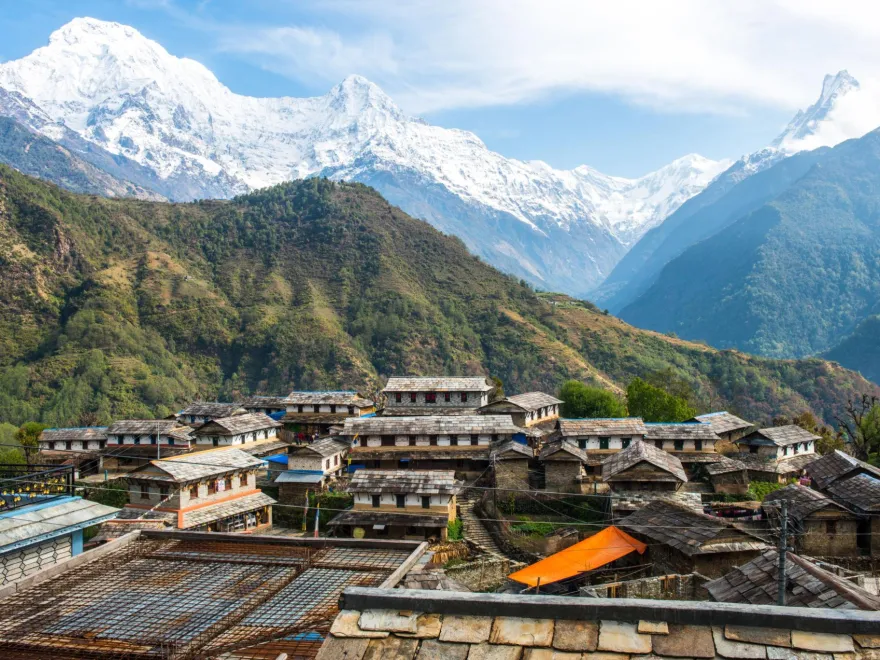
In fact, Ghandruk itself is a treat. At over 2,000 meters up, the Gurung village greets you with neat stone lanes, old slate-roofed houses, and a big blast of mountain air. After checking in at your cozy lodge (expect sturdy stone walls, hot tea, and smiling hosts), you’ll have time to wander. The paths twist between gardens and houses, and you’ll spot locals weaving, collecting firewood, or tending goats. Don’t skip the Old Gurung Museum—it’s small but packed with artifacts, old military uniforms (the Gurungs have a long tradition as Gurkha soldiers), and tools that tell the story of life in these mountains.
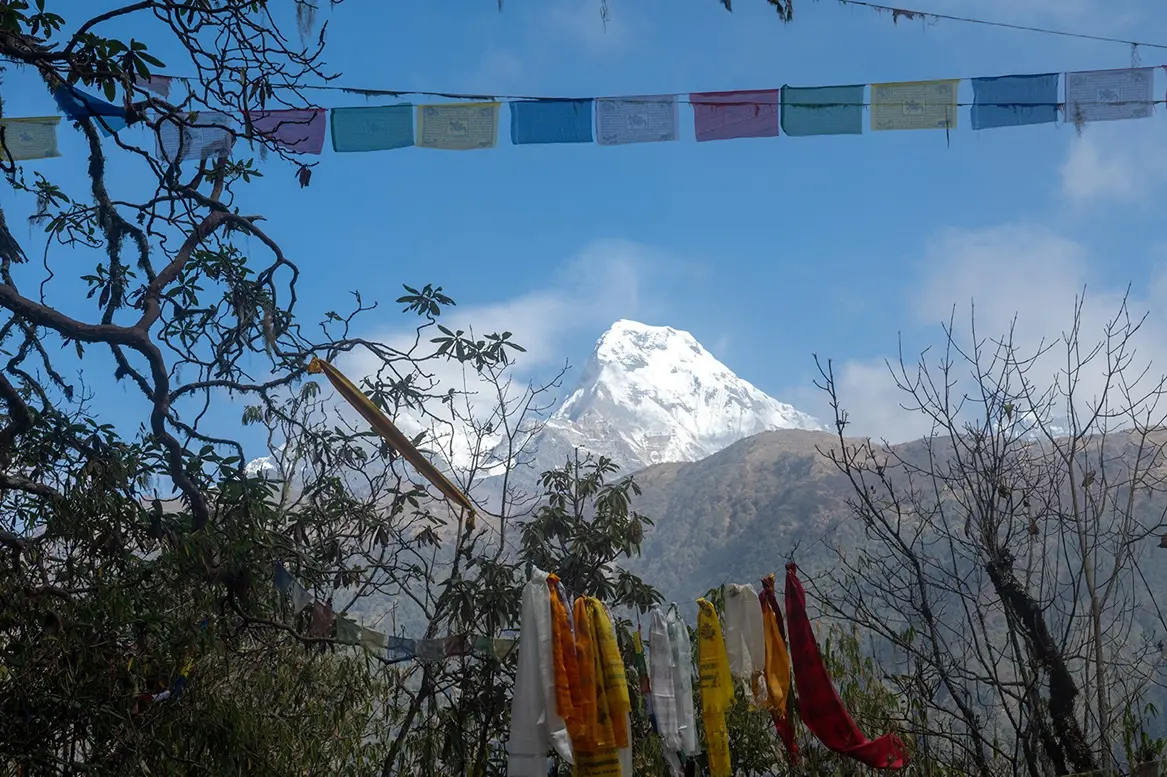
Actually, there’s nothing like the view here when the sun starts to sink. Annapurna South, Machhapuchhre, and Hiunchuli loom impossibly close, turning orange and pink in the evening light. Sit out on the lodge terrace and soak it up, maybe chatting with your guide or new friends. Sometimes there’s music, sometimes just quiet storytelling or local gossip. Dinner is simple but delicious, almost always made with fresh local vegetables and grains. You’ll sleep well tonight—the mountain air, the silence, and the anticipation of tomorrow’s sunrise at Poon Hill all but guarantee it.
This day mixes a real sense of adventure with your first real taste of life in the Annapurna foothills.
Accommodation Best Lodge Available Meals Lunch and Dinner Max. altitude 1,900m / 6,234ft. Here, Day 3 starts early—as in, before the sun rises. Step outside in Ghandruk, maybe to a viewpoint just near your lodge, and watch the first light spill over the Himalayas. Annapurna South, Machhapuchhre (that’s the Fishtail peak), and Hiunchuli practically light up in gold, orange, and pink. It’s one of those moments you don’t forget. The sky’s clear, the air’s crisp, and your guide might chime in with stories or local lore about those massive peaks and what they mean to the Gurung people.
After breakfast, slow things down and wander through Ghandruk. The streets are stone-paved, the houses have their own old-world charm, and the locals are always busy but friendly. Peek into the Gurung Museum, catch up on anything you missed yesterday, or swing by Meshrom Baraha Temple if you’ve got time. The region’s crazy with biodiversity—rhodies and oaks, maybe a butterfly or two, some birds flitting around. This part of the day really lets you sink into the Gurung culture and their daily life.
By late morning, hop in a jeep for the drive to Ghorepani, perched at about 2,860 meters. The journey’s anything but dull—passing through Ulleri and Banthanti, you’ll see terraced fields give way to dense forests, then steep climbs that open up to sweeping valley views. Stop off in Ulleri, look around at the traditional houses and scenery, then keep rolling through Banthanti. If it’s spring, the rhododendron flowers are ridiculously bright. The roads twist, the views expand, and there’s no shortage of spots to snap photos.
Finally, you’ll arrive in Ghorepani by the afternoon or early evening. It’s tucked into the hills, with lush surroundings and a relaxed feel. After checking in to your lodge, grab a hot drink, breathe in the scenery, and just unwind. Maybe take a stroll through the village, look through some shops, or hang out by the fire. Dinner’s usually hearty, mixing local flavors with some familiar favorites, and your guide will give you the lowdown for tomorrow’s pre-dawn hike up to Poon Hill.
Settle in for the night at your cozy lodge. You get a perfect blend—village culture, jaw-dropping sunrise, and mountain adventure—all lined up to set the stage for one of the trip’s biggest highlights.
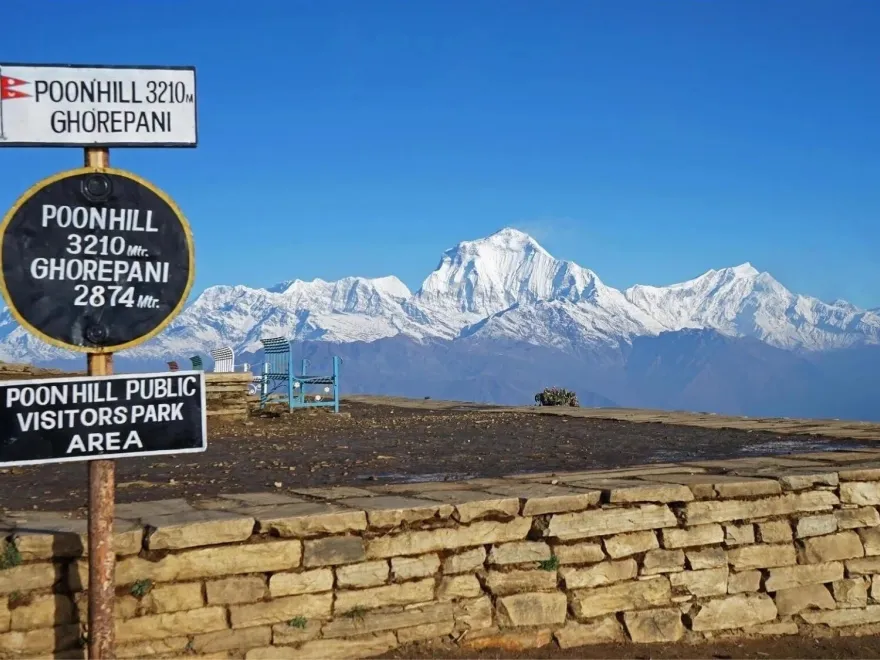
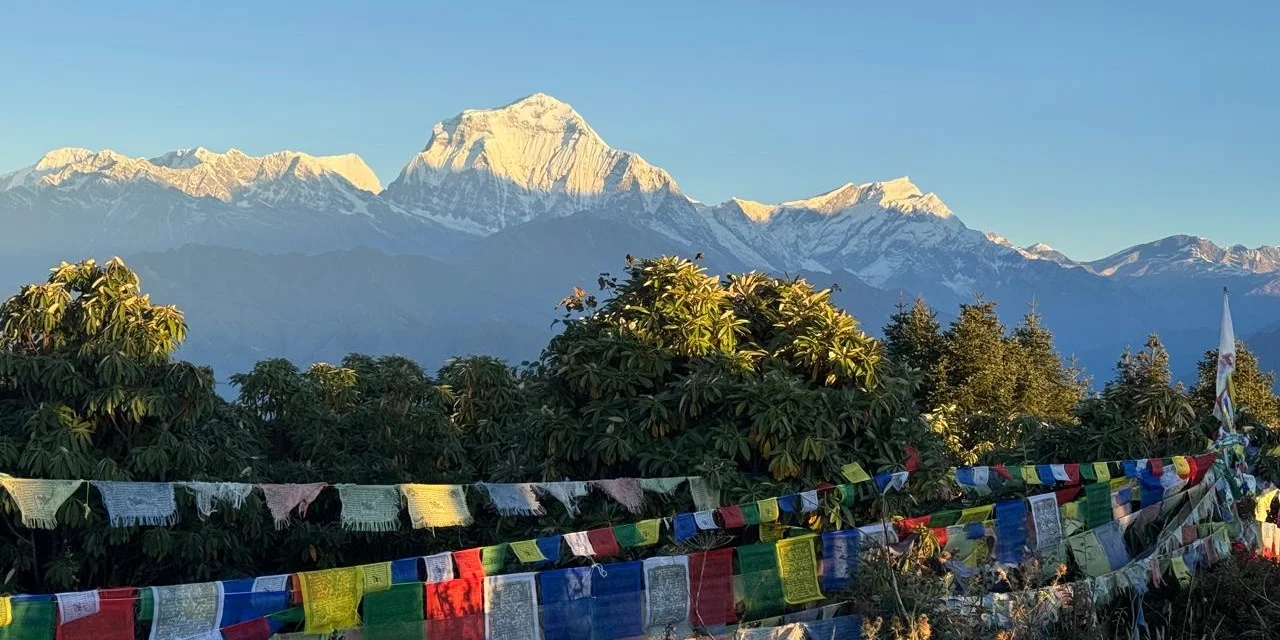
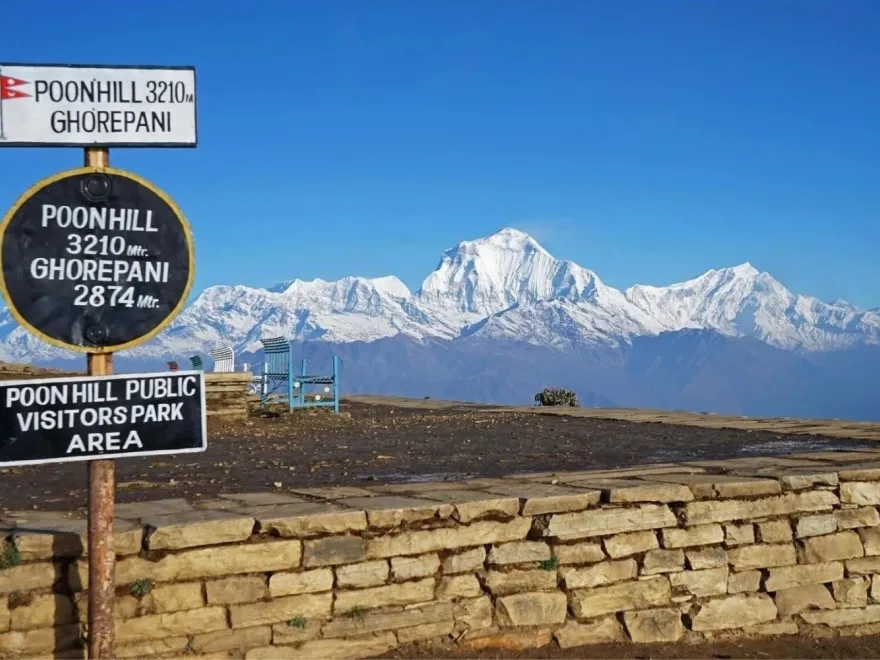
Accommodation Best Lodge Available Meals Breakfast, Lunch and Dinner Max. altitude 2,860m / 9,383ft. Day 4 kicks off way before sunrise with that hike to Poon Hill you’ve probably been eagerly waiting for. Around 4:00 AM, you roll out of bed, sip some hot tea to wake up, then grab your headlamp and start up the trail with your guide. It’s a steady climb, winding through rhododendron forests, and takes about 45 minutes or maybe a bit longer. Up at the top, before dawn, you catch the sunrise pouring over the Himalayas. Honestly, the view is jaw-dropping: Annapurna I and South, Machhapuchhre (or Fishtail, as the locals call it), Dhaulagiri, Nilgiri, and a whole parade of peaks glowing in orange and gold. It’s a 360-degree panorama that sticks with you. You take your photos, soak in the moment, then head down to Ghorepani.
Back at the lodge, breakfast tastes especially good after the morning hike. Once you’re fueled up, it’s time to load up for the drive to Kagbeni, passing through Tatopani along the way. The scenery starts changing fast—first lush rhododendron hills, then dropping into the deep Kali Gandaki Valley. The road snakes through villages and forests, and soon you find yourself at Tatopani, famous for its hot springs. Take a break here. Slip into the steaming pools by the river and let your muscles loosen up after that early hike. Lunch is served riverside, with the whole place feeling relaxed and friendly.
After your stop at Tatopani, the drive heads north beside the Kali Gandaki River. The landscape shifts again—things get drier and rougher, with the Mustang region’s trademark arid vibe. The road goes through gorges, orchards, and villages, towering peaks always looming nearby. The drive feels both wild and beautiful, showing off the dramatic geography around Annapurna and Mustang.
You reach Kagbeni, an old village perched at 2,810 meters, toward late afternoon or early evening. Check into your lodge, shake off the dust, and take time to wander around. Kagbeni has narrow alleys, mud-brick houses that look like something from centuries ago, red monasteries, and that mystical river confluence. It’s got a windswept, frontier feeling—perfect for exploring before the sun sets.
Here, you’ll spend the night in a nice lodge right in Kagbeni. All in all, today blends that magical Himalayan sunrise with a good dose of culture and some truly epic mountain roads.
Accommodation Best Lodge Available Meals Breakfast, Lunch and Dinner Max. altitude 3,210m / 10,531ft. Here, Day 5 begins with a cultural immersion in the quaint village of Kagbeni before a short but visually rewarding drive to the holy shrine of Muktinath. After an overnight stay at your lodge in Kagbeni, you will wake up to the barren, rugged terrain of the Kali Gandaki Valley. After breakfast, you will dedicate the entire morning to exploring this historic gateway village which is fondly referred to as the 'Windy Village' due to its fierce winds and strong Tibetan character.
Likewise, Wander through its narrow, cobblestone streets and admire its traditional mud-brick houses and ancient architecture. Visit the centuries-old Kag Chode Thupten Samphel Ling Monastery (15th-century Red Monastery) which is home to ancient idols, thangka paintings and texts, and gain insight into its religious significance among Buddhists and the local community. You will also walk along the banks of the holy Kali Gandaki River and observe its confluence with the Jhong River. Famous for its Shaligram fossils and set against red cliffs and barren hills, the location will give you the feel of the ancient entrance to Upper Mustang. Listen to the stories of this once important trading village for the old salt route between Tibet and India that your guide will narrate.
By mid-morning or afternoon, you will drive to Muktinath which lies approximately 14-16 km away. This relatively short 1 to 1.5 hour drive will wind you through a spectacular terrain, offering breath-taking views of the mountains and surrounding landscapes.
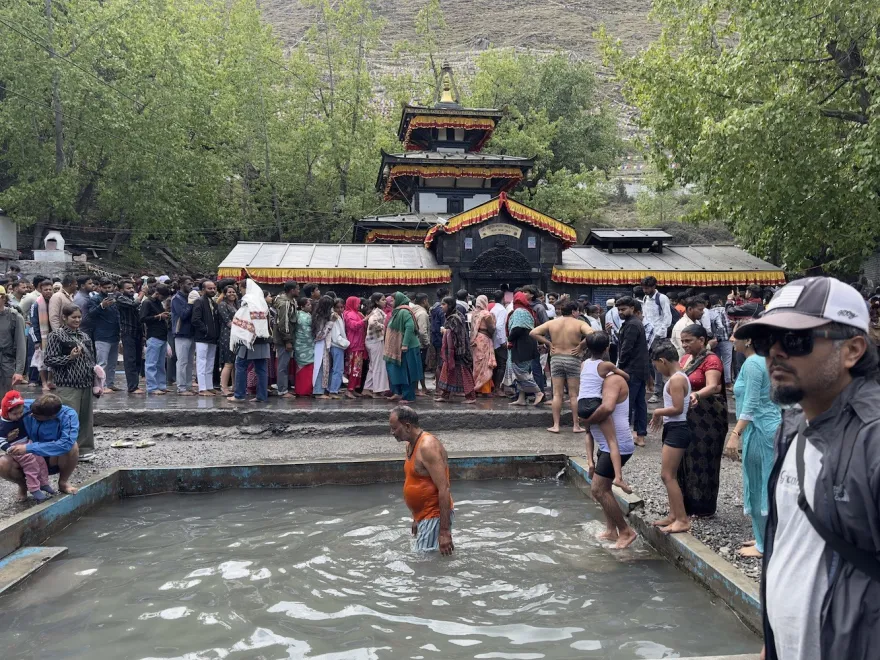
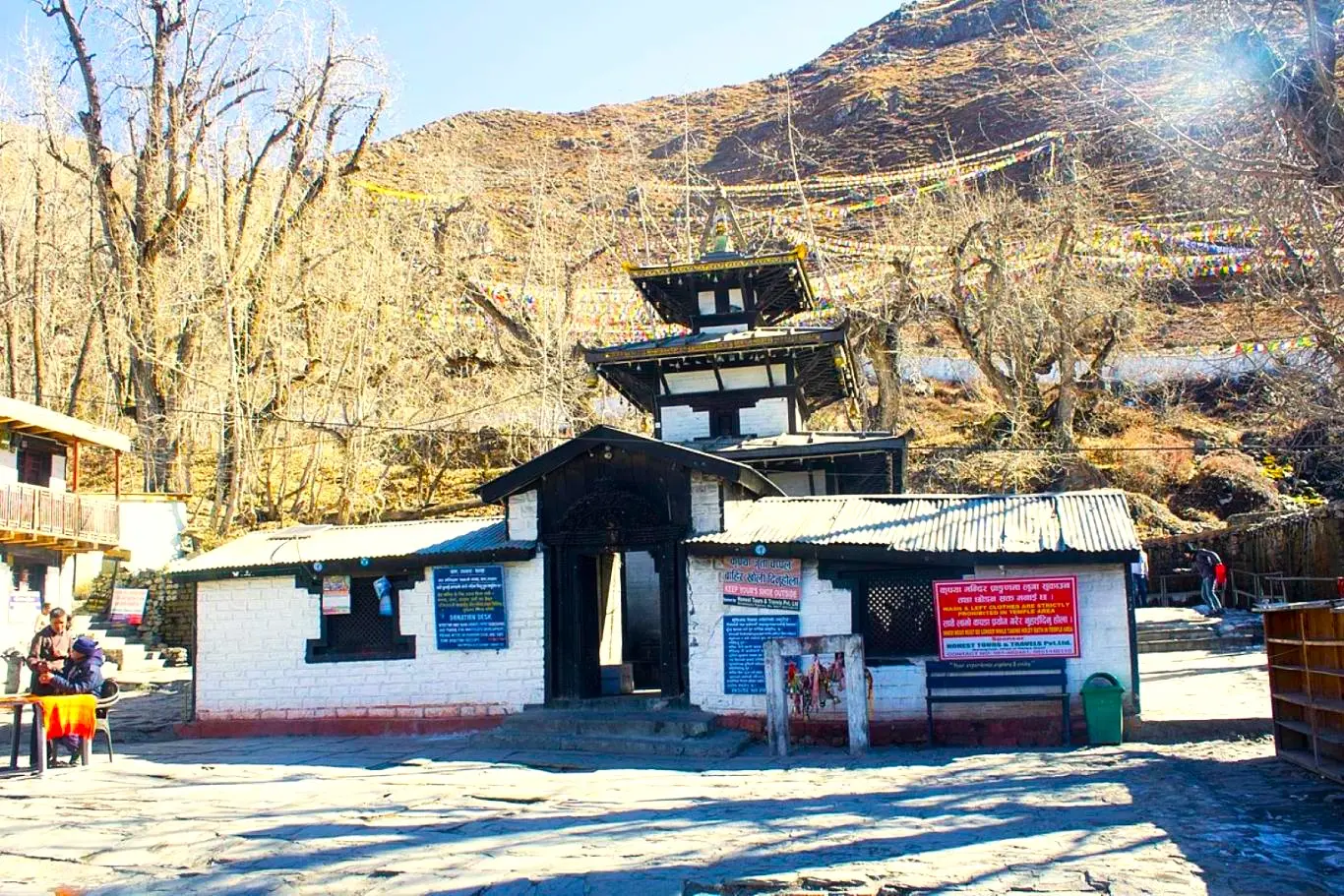
Upon arriving at Muktinath, check into the comfort of your tourist-standard lodge. In the afternoon, you will visit the much-revered Muktinath Temple. A pilgrimage site for both Hindus and Buddhists, it houses the main Vishnu temple. Take a spiritual bath under the 108 holy water spouts of Muktidhara, witness the perpetual natural flame at the Jwala Mai Temple, and explore the neighboring monasteries and holy ponds. The stunning Himalayan views coupled with the elevation will make this visit an extremely moving experience.
Finally, stay overnight at a tourist-standard lodge at Muktinath. Day 5 combines the rich cultural heritage of Kagbeni with the spiritual fervor of Muktinath, making for a diverse and enriching day during your Nepal trek.
Accommodation Best Lodge Available Meals Breakfast, Lunch and Dinner Max. altitude 3,800m / 12,467ft. Day 6 begins with a serene morning for the in-depth exploration of sacred pilgrimage site of Muktinath (3710m). After breakfast in your lodge your guide will then take you on a guided tour around the holy sites of the temple. You will start in the main Vishnu Temple where Hindus believe Lord Vishnu reached nirvana then take part in a holy dip in the 108 water spouts (Muktidhara). These extremely cold springs are considered to wash away all your sins, a wonderfully invigorating experience.
Likewise ,you will also find the Jwala Mai Temple with its eternal flame which continuously burns, fed by natural gas and water, an incredible and awe-inspiring site. Visit the nearby Buddhist monasteries, Nava Narayana Temple and also Lord Buddha statue in order to absorb the unique combination of Hindu and Buddhist spirituality of the site. The high altitude desert surroundings complete the image with wonderful views of the Dhaulagiri and Nilgiri mountain ranges.
After completing the visit and having lunch in Muktinath, mid-morning you will commence the long but very rewarding drive back to Pokhara. Descending the dramatic Kali Gandaki Valley, you will travel through Kagbeni, Jomsom and Marpha - the famous apple producing region, where a stop is normally made to try local apple brandies, ciders and dried fruits. As you descend the terrain will change from dusty, windy Mustang to green fields and fast flowing rivers in deep ravines. You will pass Tatopani again where a tea break or short dip in the hot springs can be made depending on time.
Moreover, the drive takes approximately 8 to 10 hours to reach Pokhara from Muktinath dependent on the condition of the road and is very comfortable and engaging with plenty of stops for drinks and photo opportunities with your guide and driver. Approaching Pokhara the spectacular Phewa Lake and the Annapurna range greet you once more.
Ultimately, you will arrive in Pokhara in the late afternoon. After checking into the comforts of your hotel, shower off and then spend the evening at leisure exploring lakeside or relax by the lake shore.
Overnight stay at Pokhara. This day offers a perfect blend of spiritual journey and truly diverse and stunning scenic driving experience, bridging the gap between the remote Himalayas and lakeside comforts.
Accommodation Hotel Meals Breakfast, Lunch and Dinner Max. altitude 900m / 2,953ft. This day combines Himalayan sunrises and Pokhara's most renowned sights. You will be picked up early morning5.30 am at from your hotel and will drive to Sarangkot (1,590m)-Pokhara's top viewpoint.
After a short uphill climb by drive to the main viewpoint, enjoy a spellbinding sunrise over the Annapurna range as the first light hits Machhapuchhre (Fishtail), Annapurna South, Annapurna I, and Dhaulagiri glowing with vibrant colors of orange, pink, and gold. After a few memorable photo moments and to cherish the moment, you will be driven back to your hotel.
After the return, you will visit Pumdikot Shiva Statue, a newly constructed but equally magnificent 21 meter statue of Lord Shiva located on another hillock of the region, where you may witness yet another awesome 360 degree panorama view and pray to Lord Shiva.
Next on the list is the World Peace Stupa (Shanti Stupa). White domed, it is one of the most prominent stupas in Nepal. From the stupa you will see an exquisite view of the lake and the snow capped peaks. As you walk around it and spin the prayer wheels, take in the blessed peacefulness and the breathtaking scenery.
In the afternoon, you will explore some wonderful natural sites of southern Pokhara such as Davis Falls (Patale Chhango), a beautiful cascade flowing down into the gorge, and a short walk from there is the Gupteshwor Cave, one of the longest caves of Nepal where you can witness a naturally formed Shiva Lingam and an underground temple dedicated to Lord Shiva. Your guide will be there to explain the myths associated with these wonderful spots.
Back at your hotel in late afternoon, you can spend the rest of the evening relaxing by the lake, optionally boating on Phewa Lake and stroll along the lakeside market. Attend evening AARati at Phewa Lake near Taal Barahi Temple.
Overnight in Pokhara. This day ensures to leave you spellbound and rejuvenated.
Accommodation Hotel Meals Breakfast, Lunch and Dinner Max. altitude 900m / 2,953ft. 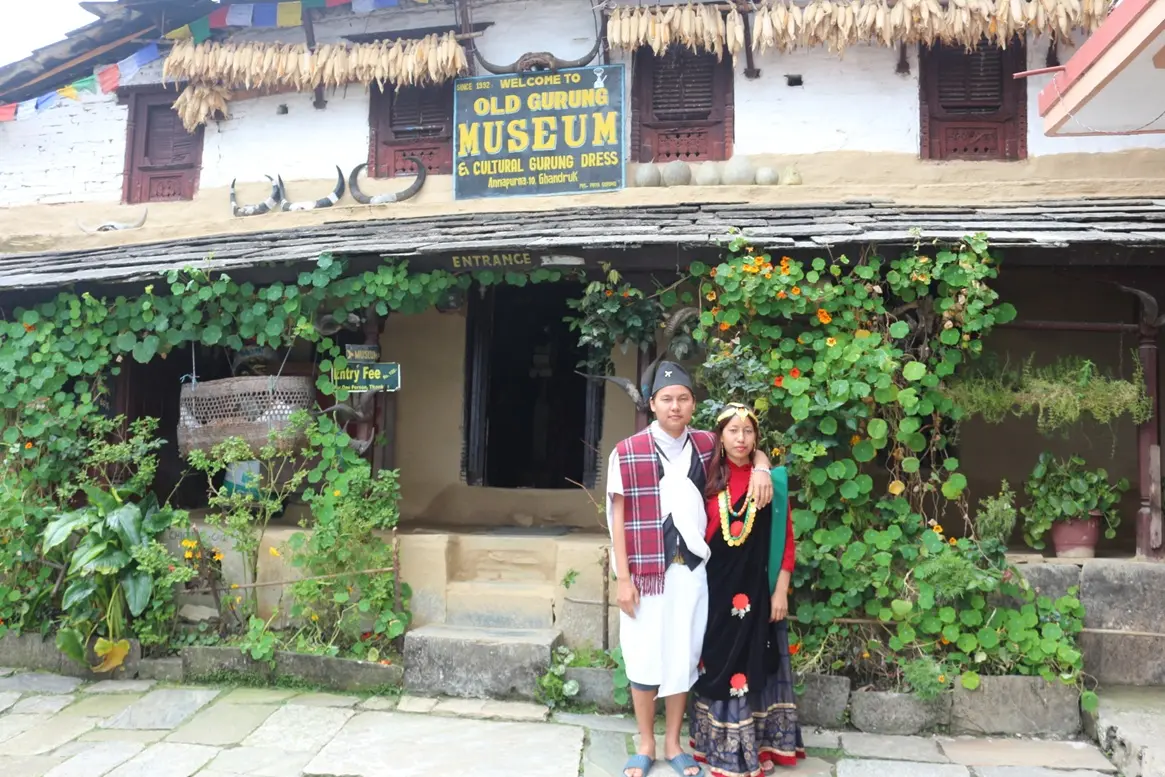
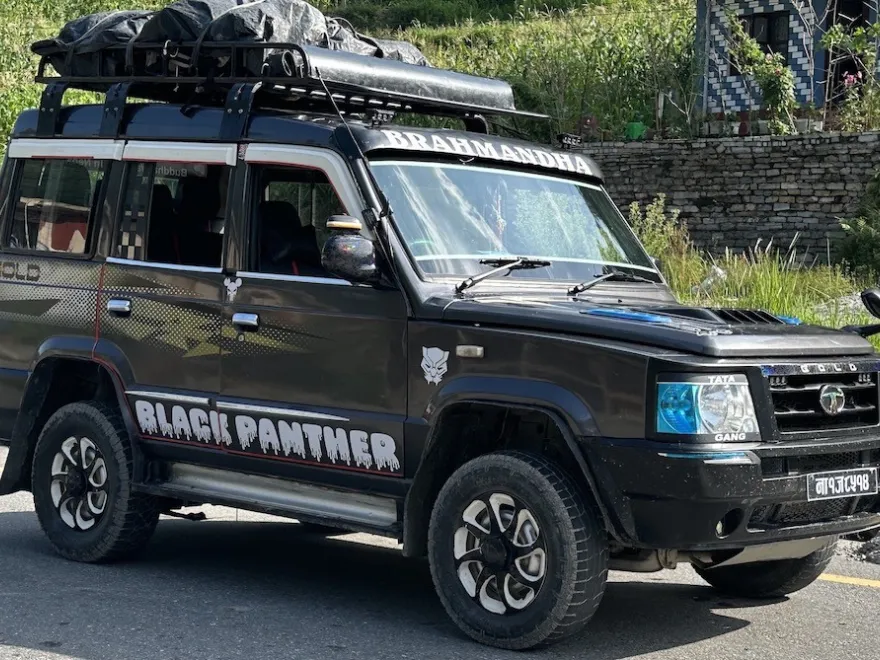
Getting around on the Ghandruk, Poon Hill, Muktinath, and Upper Mustang tour doesn’t have to be a hassle—especially if you’ve got a private Jeep and a good driver at your side. It’s honestly the best way to see the range of Nepal’s landscapes, from the lush green foothills around Annapurna to the dry, stark beauty of Upper Mustang that feels almost like Tibet.
Here, the journey typically starts with a scenic drive or short flight from Kathmandu to Pokhara (about 200 km, 6-8 hours by road). From Pokhara, a private 4WD Jeep heads to Nayapul or directly toward Ghandruk, a picturesque Gurung village. Jeep rides here navigate winding mountain roads, offering views of terraced fields and rhododendron forests. For Poon Hill (Ghorepani), you can drive close to the viewpoint and do a short hike for sunrise over the Annapurna range.
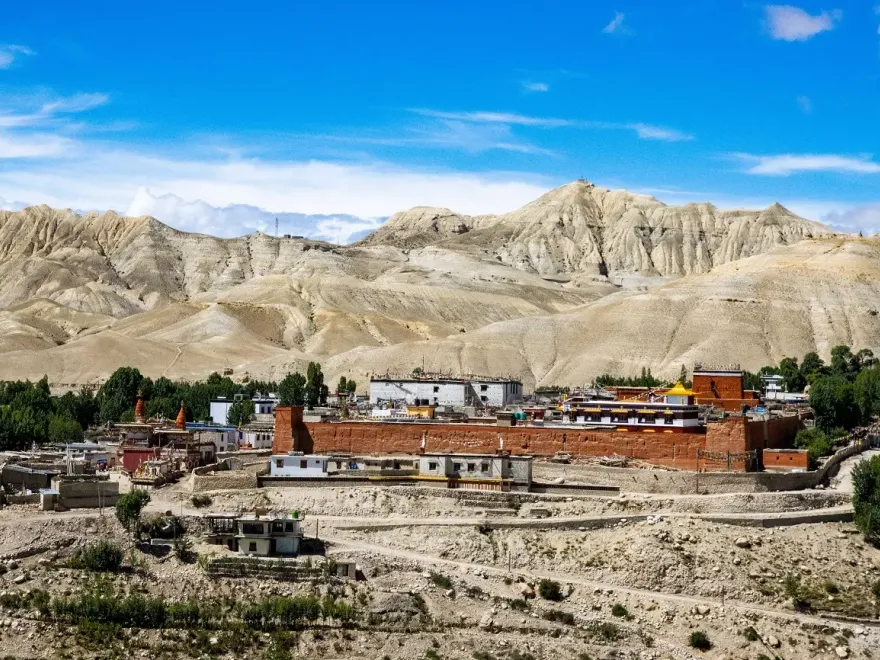
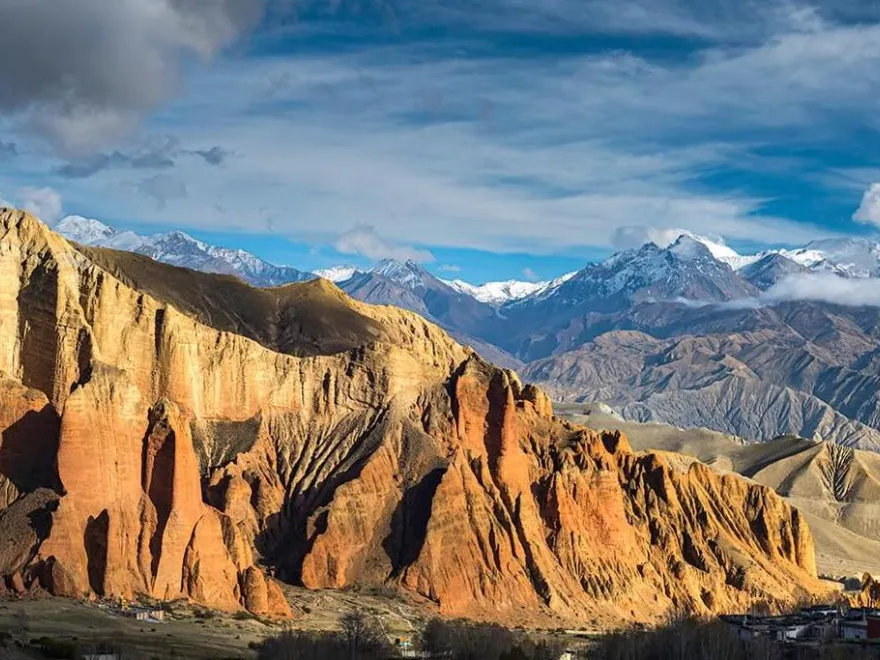
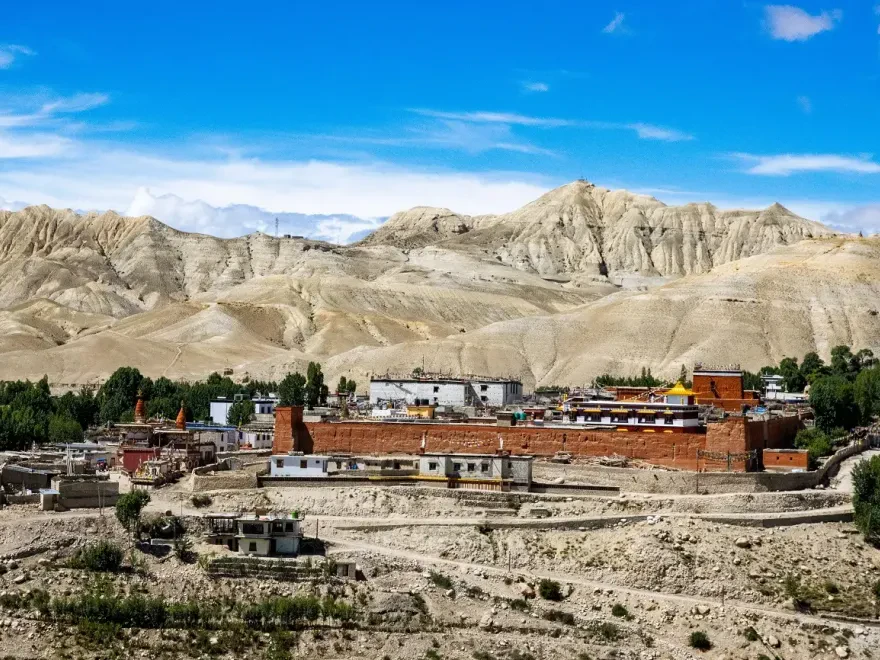
Actually, the road to Muktinath turns things up a notch. You wind through the Kali Gandaki Valley, pass through Jomsom—which is known for its apple orchards and those crazy mountain winds—and drive up toward Muktinath, which sits around 3,800 meters. The roads get rough here, with wild river crossings and steep cliffs, so having an experienced driver pays off. For Upper Mustang, private Jeeps aren’t just convenient—they’re a must, since public options are few and far between. Past Kagbeni, you head into the restricted Mustang region, passing crumbling red cliffs, old caves, and medieval villages on the way to Lo Manthang.
In fact, most of these Jeeps are Toyota Land Cruisers or something similar—solid 4WD vehicles prepped for pretty rough terrain. Drivers who know these routes make all the difference, especially with those long stretches where fuel and service stops matter. Pokhara to Upper Mustang is over 300 kilometers one-way, and on any given day, you might spend anywhere from 4 to 8 hours driving, depending on the weather and road conditions.
Moreover, there are a lot of reasons people pick this setup: you get more say over your schedule, plenty of space for luggage, air conditioning when you need it, and you cover a lot of ground without getting wiped out. And you don’t have to deal with sweaty public buses. Still, don’t expect every mile to be comfortable. The roads get pretty rough, especially in Upper Mustang—dusty, bumpy, with the kind of rattling that wakes you up if you’re drifting off. A private Jeep means you can start early to slip past morning winds or crowds.
When it comes down to it, traveling by private Jeep turns this tour into something accessible and flexible. It mixes the spirit of adventure with a bit of comfort, making it easier to soak in the culture and scenery without burning out. The memories? They pretty much make themselves.
Actually, all meals are included in the package in the mountain beyond Kathmandu.
Lunch and dinner usually mean dal bhat, which is rice, lentils, veggies, and curry. It's the go-to meal, mostly because it’s filling and you can always get more (they never seem to run out). Once you reach Upper Mustang, the menu shifts a bit. There’s thukpa—this warm noodle soup—moments of momos (dumplings), yak meat if you’re feeling adventurous, and tsampa, which is roasted barley flour. Marpha apples are a treat, and you’ll find a handful of local specialties. If you’re craving something familiar, most teahouses serve up pasta, pizza, fried rice, and sandwiches.
On private Jeep tours, meals are usually part of the package. Vegetarians are taken care of, no problem. Don’t forget to stay hydrated—bring plenty of boiled or filtered water, or try some herbal teas and lemon water. If you want to try something different, the local apple brandy (raksi) or Mustang’s butter tea are memorable. Snacks matter for those long drives, so pack energy bars, nuts, or fruit.
Food quality is solid—a lot of places stick to fresh, hygienic ingredients, especially in the bigger lodges. Menus get simpler in the more remote stretches, but you’ll find the basics. If you have dietary restrictions, just let them know in advance—they’ll work with you. Meals are a social thing, too; everyone gathers in the communal dining halls and bonds over food. Prices start out pretty reasonable, but expect them to creep up as you get deeper into Mustang; it’s tougher to get supplies out there. Honestly, the whole food experience is a sort of journey of its own—it keeps you fueled, warms you up, and ties right into the landscapes, from the green hills around Ghandruk to Mustang’s wild, empty terrain.
Here, we will give you a very professional and experienced guide os that you can stay safe and cool during the trip.
Even better, they make the whole trip richer by sharing stories and context: in Ghandruk, you get real insight into Gurung traditions; at Muktinath, you understand why it’s sacred to both Hindus and Buddhists; and up in Mustang, you hear about centuries of Tibetan heritage that’s still alive. On top of that, the guide coordinates with your Jeep driver and handles logistics—so you spend less time worrying, and more time experiencing the place.
| No of people | Price per person |
|---|---|
| 1 - 1 | $3,670 |
| 2 - 4 | $2,995 |
| 6 - 10 | $2,935 |
| 12 - 16 | $2,885 |
| No of people | Price per person |
|---|---|
| 1 - 1 | $195 |
| 2 - 4 | $155 |
| 6 - 10 | $125 |
| 12 - 16 | $95 |
| No of people | Price per person |
|---|---|
| 2 - 4 | $1,095 |
| 4 - 6 | $1,045 |
| 6 - 12 | $995 |