[{"name":"Everest Base Camp Helicopter Tour","duration":"1","image_url":"https:\/\/www.havenholidaysnepal.com\/storage\/trip-galleries\/1\/thumb_6cd53005d75a86e373d31419d1b14d78.webp","offer_price":1195,"url":"https:\/\/www.havenholidaysnepal.com\/trips\/everest-base-camp-helicopter-tour"},{"name":"Everest Mountain Flight","duration":"1","image_url":"https:\/\/www.havenholidaysnepal.com\/storage\/trip-galleries\/4\/thumb_3b0b4f1d6f72b0ad224daf4752f2c6e0.jpg","offer_price":285,"url":"https:\/\/www.havenholidaysnepal.com\/trips\/everest-mountain-flight"},{"name":"Everest Short Trek","duration":"9","image_url":"https:\/\/www.havenholidaysnepal.com\/storage\/trip-galleries\/5\/thumb_BXPP3621.JPEG0.02033800 1727957098.webp","offer_price":995,"url":"https:\/\/www.havenholidaysnepal.com\/trips\/everest-short-trek"},{"name":"Gokyo Valley Trek","duration":"12","image_url":"https:\/\/www.havenholidaysnepal.com\/storage\/trip-galleries\/6\/thumb_10bc469b14731f23d3ce84a7092ad53f.jpg","offer_price":1195,"url":"https:\/\/www.havenholidaysnepal.com\/trips\/gokyo-valley-trek"},{"name":"15 days Annapurna Base Camp Trek","duration":"15","image_url":"https:\/\/www.havenholidaysnepal.com\/storage\/trip-galleries\/7\/thumb_87d1533bc45faf070990aef0579e4be4.jpg0.81855100 1728285496.webp","offer_price":785,"url":"https:\/\/www.havenholidaysnepal.com\/trips\/15-days-annapurna-base-camp-trek"},{"name":"Nepal Pilgrimage Tour","duration":"14","image_url":"https:\/\/www.havenholidaysnepal.com\/storage\/trip-galleries\/8\/thumb_02c3bcf2ad2e8a4c1703e90ae747b5f1.jpg","offer_price":1475,"url":"https:\/\/www.havenholidaysnepal.com\/trips\/nepal-pilgrimage-tour"},{"name":"UNESCO World Heritage Site Tour","duration":"10","image_url":"https:\/\/www.havenholidaysnepal.com\/storage\/trip-galleries\/9\/thumb_unesco-world-heritage-site-Lumbani-temple-buddhists-hindus-kathmandu-nepal0.36988600 17347617740.93089500 1737469667.webp","offer_price":715,"url":"https:\/\/www.havenholidaysnepal.com\/trips\/unesco-world-heritage-site-tour"},{"name":"Island Peak Climbing","duration":"16","image_url":"https:\/\/www.havenholidaysnepal.com\/storage\/trip-galleries\/11\/thumb_Island peak0.53947000 1734692503.webp","offer_price":2495,"url":"https:\/\/www.havenholidaysnepal.com\/trips\/island-peak-climbing"},{"name":"Upper Mustang Trek","duration":"18","image_url":"https:\/\/www.havenholidaysnepal.com\/storage\/trip-galleries\/12\/thumb_upper mustang 7 Oct-2024.jpg0.95398900 1728286166.webp","offer_price":2995,"url":"https:\/\/www.havenholidaysnepal.com\/trips\/upper-mustang-trek"},{"name":"Annapurna Circuit Trek","duration":"16","image_url":"https:\/\/www.havenholidaysnepal.com\/storage\/trip-galleries\/15\/thumb_tibetan-flags.jpg0.04843900 1728289138.webp","offer_price":985,"url":"https:\/\/www.havenholidaysnepal.com\/trips\/annapurna-circuit-trek"},{"name":"Gosainkunda Lake Trek","duration":"10","image_url":"https:\/\/www.havenholidaysnepal.com\/storage\/trip-galleries\/16\/thumb_5A8083B3-C007-41A8-853F-D0C37C97D235_1_105_c.jpeg0.52581200 1731845258.webp","offer_price":595,"url":"https:\/\/www.havenholidaysnepal.com\/trips\/gosainkunda-lake-trek"},{"name":"Zip-lining in Pokhara and Dhulikhel","duration":"1","image_url":"https:\/\/www.havenholidaysnepal.com\/storage\/trip-galleries\/18\/thumb_215f765e2ebc995dd5c800b4bfdbacc3.jpg","offer_price":82,"url":"https:\/\/www.havenholidaysnepal.com\/trips\/zip-lining-in-pokhara-and-dhulikhel"},{"name":"Annapurna Heli Tour","duration":"1","image_url":"https:\/\/www.havenholidaysnepal.com\/storage\/trip-galleries\/19\/thumb_d71a6bbb9fd4da8d1b567a5cdbdec85d.jpg","offer_price":555,"url":"https:\/\/www.havenholidaysnepal.com\/trips\/annapurna-heli-tour"},{"name":"Paragliding in Pokhara","duration":"1","image_url":"https:\/\/www.havenholidaysnepal.com\/storage\/trip-galleries\/20\/thumb_de788d2dd9726783431f882c007efae1.jpg","offer_price":65,"url":"https:\/\/www.havenholidaysnepal.com\/trips\/paragliding-in-pokhara"},{"name":"Ultra-Flight in Pokhara","duration":"1","image_url":"https:\/\/www.havenholidaysnepal.com\/storage\/trip-galleries\/21\/thumb_e27a9fb572a5c21611bb2a3c18e4b8f0.jpeg","offer_price":175,"url":"https:\/\/www.havenholidaysnepal.com\/trips\/ultra-flight-in-pokhara"},{"name":"Sarangkot Hiking","duration":"1","image_url":"https:\/\/www.havenholidaysnepal.com\/storage\/trip-galleries\/22\/thumb_100ef822fea19987166c6c1366215f15.jpg","offer_price":55,"url":"https:\/\/www.havenholidaysnepal.com\/trips\/sarangkot-hiking"},{"name":"Mera Peak Climbing","duration":"18","image_url":"https:\/\/www.havenholidaysnepal.com\/storage\/trip-galleries\/24\/thumb_d16ae3895f678cf26ffbf2455f541fb5.jpg0.31883400 1732617790.webp","offer_price":2475,"url":"https:\/\/www.havenholidaysnepal.com\/trips\/mera-peak-climbing"},{"name":"Lower Dolpo Trek","duration":"18","image_url":"https:\/\/www.havenholidaysnepal.com\/storage\/trip-galleries\/26\/thumb_Dolpo Galary - 1.JPG0.37725200 1727939952.webp","offer_price":2995,"url":"https:\/\/www.havenholidaysnepal.com\/trips\/lower-dolpo-trek"},{"name":"Nagarkot Sunrise\/Sunset Tour","duration":"1","image_url":"https:\/\/www.havenholidaysnepal.com\/storage\/trip-galleries\/27\/thumb_5147a5532644283a380f2e86f3857c13.jpg0.17748000 1728488108.webp","offer_price":30,"url":"https:\/\/www.havenholidaysnepal.com\/trips\/nagarkot-sunrise-sunset-tour"},{"name":"16 day Everest Base Camp Trek","duration":"16","image_url":"https:\/\/www.havenholidaysnepal.com\/storage\/trip-galleries\/28\/thumb_IMG_4311.JPG0.64984800 1727942213.webp","offer_price":1695,"url":"https:\/\/www.havenholidaysnepal.com\/trips\/16-day-everest-base-camp-trek"},{"name":"Ghorepani Poon Hill trek with Jungle Safari and Trishuli River Rafting -13 days","duration":"13","image_url":"https:\/\/www.havenholidaysnepal.com\/storage\/trip-galleries\/29\/thumb_Ghorepani Poon hill.jpg0.48460800 1728281439.webp","offer_price":795,"url":"https:\/\/www.havenholidaysnepal.com\/trips\/ghorepani-poon-hill-trek-with-jungle-safari-and-trishuli-river-rafting--13-days"},{"name":"Mardi Himal Trek","duration":"12","image_url":"https:\/\/www.havenholidaysnepal.com\/storage\/trip-galleries\/30\/thumb_s1.jpg0.62112600 1728200721.webp","offer_price":795,"url":"https:\/\/www.havenholidaysnepal.com\/trips\/mardi-himal-trek"},{"name":"Langtang Valley Trekking","duration":"10","image_url":"https:\/\/www.havenholidaysnepal.com\/storage\/trip-galleries\/31\/thumb_IMG_4702.JPG0.84916500 1727958504.webp","offer_price":685,"url":"https:\/\/www.havenholidaysnepal.com\/trips\/langtang-valley-trekking"},{"name":"Real Adventure Tour in Nepal","duration":"9","image_url":"https:\/\/www.havenholidaysnepal.com\/storage\/trip-galleries\/32\/thumb_ebd1b8cc78d90abe8b9003dd9a2f25bf.jpg0.82151300 1728213516.webp","offer_price":695,"url":"https:\/\/www.havenholidaysnepal.com\/trips\/real-adventure-tour-in-nepal"},{"name":"Luxury Tour in Nepal","duration":"10","image_url":"https:\/\/www.havenholidaysnepal.com\/storage\/trip-galleries\/33\/thumb_8574e61b252b18676b042caf30d830df.jpg","offer_price":1675,"url":"https:\/\/www.havenholidaysnepal.com\/trips\/luxury-tour-in-nepal"},{"name":"Luxury Everest Panorama Trek With EBC Heli Sightseeing","duration":"8","image_url":"https:\/\/www.havenholidaysnepal.com\/storage\/trip-galleries\/34\/thumb_URZL2397.JPEG0.01209600 1728027820.webp","offer_price":2395,"url":"https:\/\/www.havenholidaysnepal.com\/trips\/luxury-everest-panorama-trek-with-ebc-heli-sightseeing"},{"name":"13 day Everest Base Camp Trek with Helicopter","duration":"13","image_url":"https:\/\/www.havenholidaysnepal.com\/storage\/trip-galleries\/35\/thumb_IMG_4292.JPG0.70131500 1728029276.webp","offer_price":2095,"url":"https:\/\/www.havenholidaysnepal.com\/trips\/13-day-everest-base-camp-trek-with-helicopter"},{"name":"Manaslu Circuit Trek","duration":"16","image_url":"https:\/\/www.havenholidaysnepal.com\/storage\/trip-galleries\/36\/thumb_Mt Manaslu 03-Oct-2024.jpg0.65804900 1727938470.webp","offer_price":1055,"url":"https:\/\/www.havenholidaysnepal.com\/trips\/manaslu-circuit-trek"},{"name":"Kanchenjunga Base Camp Trek","duration":"21","image_url":"https:\/\/www.havenholidaysnepal.com\/storage\/trip-galleries\/37\/thumb_Kanchanjunga Trek -!.jpg0.54744400 1727938497.webp","offer_price":2275,"url":"https:\/\/www.havenholidaysnepal.com\/trips\/kanchenjunga-base-camp-trek"},{"name":"Ganesh Himal and Sing-La Trek","duration":"14","image_url":"https:\/\/www.havenholidaysnepal.com\/storage\/trip-galleries\/38\/thumb_Ganesh Himal slider-1.jpg0.43764500 1727937722.webp","offer_price":1775,"url":"https:\/\/www.havenholidaysnepal.com\/trips\/ganesh-himal-and-sing-la-trek"},{"name":"Island Peak Climb with Everest Base Camp Trek","duration":"21","image_url":"https:\/\/www.havenholidaysnepal.com\/storage\/trip-galleries\/39\/thumb_2be428730fe83525bc85a010564f99de.jpg","offer_price":2750,"url":"https:\/\/www.havenholidaysnepal.com\/trips\/island-peak-climb-with-everest-base-camp-trek"},{"name":"Students' Adventure Tour in Nepal","duration":"12","image_url":"https:\/\/www.havenholidaysnepal.com\/storage\/trip-galleries\/41\/thumb_a926d22fbfe08cba271c41ac289b3fd2.jpg","offer_price":995,"url":"https:\/\/www.havenholidaysnepal.com\/trips\/students-adventure-tour-in-nepal"},{"name":"7 Day Poonhill Trek","duration":"7","image_url":"https:\/\/www.havenholidaysnepal.com\/storage\/trip-galleries\/42\/thumb_6196bd69036473293a2c24cc21ed57d7.jpg0.10880600 1728205378.webp","offer_price":555,"url":"https:\/\/www.havenholidaysnepal.com\/trips\/7-day-poonhill-trek"},{"name":"7 Days Annapurna Base Camp Trek","duration":"7","image_url":"https:\/\/www.havenholidaysnepal.com\/storage\/trip-galleries\/43\/thumb_IMG_2214.JPG0.08204900 1728202033.webp","offer_price":355,"url":"https:\/\/www.havenholidaysnepal.com\/trips\/7-days-annapurna-base-camp-trek"},{"name":"3 days Poonhill Trek","duration":"3","image_url":"https:\/\/www.havenholidaysnepal.com\/storage\/trip-galleries\/44\/thumb_Poon hill.jpg0.60816600 1731412954.webp","offer_price":165,"url":"https:\/\/www.havenholidaysnepal.com\/trips\/3-days-poonhill-trek"},{"name":"Poon Hill Luxury Trek with Chitwan-12 days","duration":"12","image_url":"https:\/\/www.havenholidaysnepal.com\/storage\/trip-galleries\/45\/thumb_Poom hill.jpg0.52074500 1730180532.webp","offer_price":1175,"url":"https:\/\/www.havenholidaysnepal.com\/trips\/poon-hill-luxury-trek-with-chitwan-12-days"},{"name":"Everest Luxury Trek-7 days","duration":"7","image_url":"https:\/\/www.havenholidaysnepal.com\/storage\/trip-galleries\/46\/thumb_ACRX9330.JPEG0.93236200 1728031275.webp","offer_price":2195,"url":"https:\/\/www.havenholidaysnepal.com\/trips\/everest-luxury-trek-7-days"},{"name":"Hindu Pilgrimage Tour in Nepal-10 days","duration":"10","image_url":"https:\/\/www.havenholidaysnepal.com\/storage\/trip-galleries\/47\/thumb_a94bf96a4d31decb419f6f828a3280d2.jpg","offer_price":995,"url":"https:\/\/www.havenholidaysnepal.com\/trips\/hindu-pilgrimage-tour-in-nepal-10-days"},{"name":"Everest Base Camp Short Trek-12 days","duration":"12","image_url":"https:\/\/www.havenholidaysnepal.com\/storage\/trip-galleries\/48\/thumb_IMG_4311.JPG0.52680100 1727945154.webp","offer_price":995,"url":"https:\/\/www.havenholidaysnepal.com\/trips\/everest-base-camp-short-trek-12-days"},{"name":"Everest Base Camp Hike 12 Days","duration":"12","image_url":"https:\/\/www.havenholidaysnepal.com\/storage\/trip-galleries\/49\/thumb_IMG_4260.JPG0.51729100 1728061234.webp","offer_price":1295,"url":"https:\/\/www.havenholidaysnepal.com\/trips\/everest-base-camp-hike-12-days"},{"name":"11 Days Everest Base Camp Trek","duration":"11","image_url":"https:\/\/www.havenholidaysnepal.com\/storage\/trip-galleries\/50\/thumb_IMG_4249.JPG0.21392500 1727946959.webp","offer_price":1055,"url":"https:\/\/www.havenholidaysnepal.com\/trips\/11-days-everest-base-camp-trek"},{"name":"6 Days Annapurna Base Camp Trek","duration":"6","image_url":"https:\/\/www.havenholidaysnepal.com\/storage\/trip-galleries\/51\/thumb_6 days Abc.jpg0.58185400 1728200798.webp","offer_price":285,"url":"https:\/\/www.havenholidaysnepal.com\/trips\/6-days-annapurna-base-camp-trek"},{"name":"Annapurna Base Camp Trek","duration":"8","image_url":"https:\/\/www.havenholidaysnepal.com\/storage\/trip-galleries\/52\/thumb_IMG_2214.JPG0.29415700 1729487656.webp","offer_price":585,"url":"https:\/\/www.havenholidaysnepal.com\/trips\/annapurna-base-camp-trek"},{"name":"Everest Base Camp Trek with Helicopter Fly Out 10 Days","duration":"10","image_url":"https:\/\/www.havenholidaysnepal.com\/storage\/trip-galleries\/53\/thumb_IMG_4328.JPG0.52056600 1728058444.webp","offer_price":1875,"url":"https:\/\/www.havenholidaysnepal.com\/trips\/everest-base-camp-trek-with-helicopter-fly-out-10-days"},{"name":"Everest Base Camp Trek 14 Days","duration":"14","image_url":"https:\/\/www.havenholidaysnepal.com\/storage\/trip-galleries\/54\/thumb_Everest Base Camp Trek 14 days Oct 3 2024.JPG0.43202700 1727939745.webp","offer_price":1335,"url":"https:\/\/www.havenholidaysnepal.com\/trips\/everest-base-camp-trek-14-days"},{"name":"ABC Trek with Poonhill 11 Days","duration":"11","image_url":"https:\/\/www.havenholidaysnepal.com\/storage\/trip-galleries\/55\/thumb_ABC with fishtail.JPG0.21441100 1728277965.webp","offer_price":555,"url":"https:\/\/www.havenholidaysnepal.com\/trips\/abc-trek-with-poonhill-11-days"},{"name":"Muldai Hill Trek 9 Days","duration":"9","image_url":"https:\/\/www.havenholidaysnepal.com\/storage\/trip-galleries\/56\/thumb_7efee59f0a8c6817c8255bd2b9f3539d.jpeg0.19479300 1728213091.webp","offer_price":675,"url":"https:\/\/www.havenholidaysnepal.com\/trips\/muldai-hill-trek-9-days"},{"name":"Mardi Himal Trek 6 days","duration":"6","image_url":"https:\/\/www.havenholidaysnepal.com\/storage\/trip-galleries\/57\/thumb_slider 1.jpeg0.36909700 1728184981.webp","offer_price":590,"url":"https:\/\/www.havenholidaysnepal.com\/trips\/mardi-himal-trek-6-days"},{"name":"Mardi Himal Trek 7 days","duration":"7","image_url":"https:\/\/www.havenholidaysnepal.com\/storage\/trip-galleries\/58\/thumb_slider1.jpg0.61666600 1728206414.webp","offer_price":620,"url":"https:\/\/www.havenholidaysnepal.com\/trips\/mardi-himal-trek-7-days"},{"name":"Mardi Himal Trek 8 Days","duration":"8","image_url":"https:\/\/www.havenholidaysnepal.com\/storage\/trip-galleries\/59\/thumb_sli1.jpg0.38569100 1728206631.webp","offer_price":695,"url":"https:\/\/www.havenholidaysnepal.com\/trips\/mardi-himal-trek-8-days"},{"name":"14 Days Manaslu Trek","duration":"14","image_url":"https:\/\/www.havenholidaysnepal.com\/storage\/trip-galleries\/60\/thumb_sunrise-mt-manaslu-during-manaslu-circuit-larke-pass-trekking-himalaya-nepal (1)0.81855800 1738673284.webp","offer_price":885,"url":"https:\/\/www.havenholidaysnepal.com\/trips\/14-days-manaslu-trek"},{"name":"Dhampus-Sarangkot Trek with Chitwan 8 days","duration":"8","image_url":"https:\/\/www.havenholidaysnepal.com\/storage\/trip-galleries\/61\/thumb_Sarangkot Bhangyang.jpg0.75461400 1728210333.webp","offer_price":790,"url":"https:\/\/www.havenholidaysnepal.com\/trips\/dhampus-sarangkot-trek-with-chitwan-8-days"},{"name":"7 Days Golden Triangle Tour","duration":"7","image_url":"https:\/\/www.havenholidaysnepal.com\/storage\/trip-galleries\/62\/thumb_311ce1d117ee0ba75402a7c301bcdf830.73532400 1739179809.webp","offer_price":845,"url":"https:\/\/www.havenholidaysnepal.com\/trips\/7-days-golden-triangle-tour"},{"name":"Annapurna Circuit Trek 12 days","duration":"12","image_url":"https:\/\/www.havenholidaysnepal.com\/storage\/trip-galleries\/63\/thumb_IMG_20161024_092237.jpg0.57796600 1728289938.webp","offer_price":695,"url":"https:\/\/www.havenholidaysnepal.com\/trips\/annapurna-circuit-trek-12-days"},{"name":"Everest Base Camp Budget Trek 16 Days","duration":"16","image_url":"https:\/\/www.havenholidaysnepal.com\/storage\/trip-galleries\/64\/thumb_IMG_4423.JPG0.92579200 1728144669.webp","offer_price":958,"url":"https:\/\/www.havenholidaysnepal.com\/trips\/everest-base-camp-budget-trek-16-days"},{"name":"Poonhill Budget Trek 7 Days","duration":"7","image_url":"https:\/\/www.havenholidaysnepal.com\/storage\/trip-galleries\/65\/thumb_5be067852d0c5228d6f3155bc425c6b5.jpg","offer_price":395,"url":"https:\/\/www.havenholidaysnepal.com\/trips\/poonhill-budget-trek-7-days"},{"name":"Annapurna Base Camp Budget Trek 8 Days","duration":"8","image_url":"https:\/\/www.havenholidaysnepal.com\/storage\/trip-galleries\/66\/thumb_Pokhara.jpg0.16188000 1728212001.webp","offer_price":375,"url":"https:\/\/www.havenholidaysnepal.com\/trips\/annapurna-base-camp-budget-trek-8-days"},{"name":"The Real UNESCO Seven World Heritage Tour in Kathmandu 4 days","duration":"4","image_url":"https:\/\/www.havenholidaysnepal.com\/storage\/trip-galleries\/67\/thumb_Baudha Stupa.JPG0.63906900 1728201021.webp","offer_price":380,"url":"https:\/\/www.havenholidaysnepal.com\/trips\/the-real-unesco-seven-world-heritage-tour-in-kathmandu-4-days"},{"name":"Everest Base Camp Jeep Ride with Helicopter Return","duration":"14","image_url":"https:\/\/www.havenholidaysnepal.com\/storage\/trip-galleries\/68\/thumb_788ee5b63a6efb6f3c3d048b4270daca.JPG","offer_price":1995,"url":"https:\/\/www.havenholidaysnepal.com\/trips\/everest-base-camp-jeep-ride-with-helicopter-return"},{"name":"Annapurna Base Camp Jeep Ride with Helicopter Return 7 days","duration":"7","image_url":"https:\/\/www.havenholidaysnepal.com\/storage\/trip-galleries\/69\/thumb_abc jeep.jpg0.10280600 1728204064.webp","offer_price":1455,"url":"https:\/\/www.havenholidaysnepal.com\/trips\/annapurna-base-camp-jeep-ride-with-helicopter-return-7-days"},{"name":"Everest Base Camp Trek","duration":"15","image_url":"https:\/\/www.havenholidaysnepal.com\/storage\/trip-galleries\/70\/thumb_Everest Base Camp Trek 3 oct- 2024.JPG0.58445300 1727941472.webp","offer_price":1375,"url":"https:\/\/www.havenholidaysnepal.com\/trips\/everest-base-camp-trek"},{"name":"7 UNESCO World Heritage Tour Kathmandu 2 days","duration":"2","image_url":"https:\/\/www.havenholidaysnepal.com\/storage\/trip-galleries\/72\/thumb_Bhaktipur 3.jpg0.05559600 1728201496.webp","offer_price":150,"url":"https:\/\/www.havenholidaysnepal.com\/trips\/7-unesco-world-heritage-tour-kathmandu-2-days"},{"name":"Day Tour to UNESCO Heritage Sites","duration":"1","image_url":"https:\/\/www.havenholidaysnepal.com\/storage\/trip-galleries\/73\/thumb_228A1018.jpg0.79892500 1728199793.webp","offer_price":55,"url":"https:\/\/www.havenholidaysnepal.com\/trips\/day-tour-to-unesco-heritage-sites"},{"name":"Golden Triangle Tour in Nepal","duration":"8","image_url":"https:\/\/www.havenholidaysnepal.com\/storage\/trip-galleries\/74\/thumb_f54139cf9100f00015ffe0400687e946.webp","offer_price":588,"url":"https:\/\/www.havenholidaysnepal.com\/trips\/golden-triangle-tour-in-nepal"},{"name":"Everest Base Camp Honeymoon Tour by Helicopter with Pokhara","duration":"7 days","image_url":"https:\/\/www.havenholidaysnepal.com\/storage\/trip-galleries\/76\/thumb_RJTL7517.JPEG0.40261600 1731499989.webp","offer_price":9999,"url":"https:\/\/www.havenholidaysnepal.com\/trips\/everest-base-camp-honeymoon-tour-by-helicopter-with-pokhara"},{"name":"Yoga and Meditation Retreat Tour in Nepal","duration":"10 days","image_url":"https:\/\/www.havenholidaysnepal.com\/storage\/trip-galleries\/77\/thumb_decf8e33-6617-4400-9df0-63bf75509adf.JPG0.51948300 1731574810.webp","offer_price":2575,"url":"https:\/\/www.havenholidaysnepal.com\/trips\/yoga-and-meditation-retreat-tour-in-nepal"},{"name":"Chisapani-Nagarkot Trek","duration":"3","image_url":"https:\/\/www.havenholidaysnepal.com\/storage\/trip-galleries\/78\/thumb_0b64dfceaeab48ac36d685476bdebafb.webp","offer_price":165,"url":"https:\/\/www.havenholidaysnepal.com\/trips\/chisapani-nagarkot-trek"},{"name":"Chitwan Jungle Safari Tour","duration":"2","image_url":"https:\/\/www.havenholidaysnepal.com\/storage\/trip-galleries\/79\/thumb_IMG_1696.JPG0.28467800 1733054554.webp","offer_price":175,"url":"https:\/\/www.havenholidaysnepal.com\/trips\/chitwan-jungle-safari-tour"},{"name":"Kailash Overland Tour","duration":"16","image_url":"https:\/\/www.havenholidaysnepal.com\/storage\/trip-galleries\/80\/thumb_PA2605230.68496700 1735818657.webp","offer_price":2495,"url":"https:\/\/www.havenholidaysnepal.com\/trips\/kailash-overland-tour"},{"name":"4 nights 5 days Bhutan Tour","duration":"5","image_url":"https:\/\/www.havenholidaysnepal.com\/storage\/trip-galleries\/81\/thumb_PB0508470.23069500 1735828937.webp","offer_price":1265,"url":"https:\/\/www.havenholidaysnepal.com\/trips\/4-nights-5-days-bhutan-tour"},{"name":"Everest Base Camp Trek Without Flying","duration":"16","image_url":"https:\/\/www.havenholidaysnepal.com\/storage\/trip-galleries\/82\/thumb_308b054484eddc042e092e1ae2ae5586.webp","offer_price":685,"url":"https:\/\/www.havenholidaysnepal.com\/trips\/everest-base-camp-trek-without-flying"},{"name":"Everest Base Camp Trek by Land","duration":"16","image_url":"https:\/\/www.havenholidaysnepal.com\/storage\/trip-galleries\/83\/thumb_8f0f2784a3ae7343d193b64fe8d47c96.webp","offer_price":675,"url":"https:\/\/www.havenholidaysnepal.com\/trips\/everest-base-camp-trek-by-land"},{"name":"Everest Base Camp Trek by Jeep","duration":"16","image_url":"https:\/\/www.havenholidaysnepal.com\/storage\/trip-galleries\/84\/thumb_f82b3acdfc933bc3e0197624c001b0a6.webp","offer_price":675,"url":"https:\/\/www.havenholidaysnepal.com\/trips\/everest-base-camp-trek-by-jeep"},{"name":"Everest Base Camp Trek without Lukla Flight","duration":"16","image_url":"https:\/\/www.havenholidaysnepal.com\/storage\/trip-galleries\/85\/thumb_2d0acc76dc958e3122a3745074989914.webp","offer_price":675,"url":"https:\/\/www.havenholidaysnepal.com\/trips\/everest-base-camp-trek-without-lukla-flight"},{"name":"Langtang Valley Trek","duration":"7","image_url":"https:\/\/www.havenholidaysnepal.com\/storage\/trip-galleries\/86\/thumb_a845db06c5feada1478e8aed659fce97.webp","offer_price":195,"url":"https:\/\/www.havenholidaysnepal.com\/trips\/langtang-valley-trek"},{"name":"Everest Base Camp Trek with Gokyo Lake","duration":"17","image_url":"https:\/\/www.havenholidaysnepal.com\/storage\/trip-galleries\/87\/thumb_c6aa32f7654f2eda78134bc84ac70b79.webp","offer_price":1885,"url":"https:\/\/www.havenholidaysnepal.com\/trips\/everest-base-camp-trek-with-gokyo-lake"},{"name":"Everest Three Passes Trek","duration":"19","image_url":"https:\/\/www.havenholidaysnepal.com\/storage\/trip-galleries\/88\/thumb_db5364eaab56f5755da55868f8ca4258.webp","offer_price":1735,"url":"https:\/\/www.havenholidaysnepal.com\/trips\/everest-three-passes-trek"},{"name":"Annapurna Base Camp Trek From Pokhara","duration":"5","image_url":"https:\/\/www.havenholidaysnepal.com\/storage\/trip-galleries\/89\/thumb_49c813cf1054ff06108963924a78ee88.webp","offer_price":255,"url":"https:\/\/www.havenholidaysnepal.com\/trips\/annapurna-base-camp-trek-from-pokhara"},{"name":"Sarangkot Sunrise Tour from Pokhara","duration":"1","image_url":"https:\/\/www.havenholidaysnepal.com\/storage\/trip-galleries\/90\/thumb_932d995b8fb702634a23e8f9a0432c6e.webp","offer_price":35,"url":"https:\/\/www.havenholidaysnepal.com\/trips\/sarangkot-sunrise-tour-from-pokhara"},{"name":"Langtang Valley Trek-8 days","duration":"8","image_url":"https:\/\/www.havenholidaysnepal.com\/storage\/trip-galleries\/91\/thumb_81d3d0a6979c9ed01f65d5ade53820b2.webp","offer_price":250,"url":"https:\/\/www.havenholidaysnepal.com\/trips\/langtang-valley-trek-8-days"},{"name":"Manaslu Circuit Trek 12 days","duration":"12","image_url":"https:\/\/www.havenholidaysnepal.com\/storage\/trip-galleries\/92\/thumb_d8251bbef0c8a246a02bda5c150a27c2.webp","offer_price":675,"url":"https:\/\/www.havenholidaysnepal.com\/trips\/manaslu-circuit-trek-12-days"},{"name":"2 Days Poon Hill Trek","duration":"2","image_url":"https:\/\/www.havenholidaysnepal.com\/storage\/trip-galleries\/93\/thumb_9d8fa8f60767538857d6c7cb3a7fee8b.webp","offer_price":135,"url":"https:\/\/www.havenholidaysnepal.com\/trips\/2-days-poon-hill-trek"},{"name":"Upper Mustang Jeep Tour","duration":"6","image_url":"https:\/\/www.havenholidaysnepal.com\/storage\/trip-galleries\/94\/thumb_9a3098a6c860b87ad3339773ef5435b9.webp","offer_price":1095,"url":"https:\/\/www.havenholidaysnepal.com\/trips\/upper-mustang-jeep-tour"},{"name":"Tsum Valley Trek","duration":"11","image_url":"https:\/\/www.havenholidaysnepal.com\/storage\/trip-galleries\/95\/thumb_704a6a1eb293553827633dbd8ad7d22c.webp","offer_price":775,"url":"https:\/\/www.havenholidaysnepal.com\/trips\/tsum-valley-trek"},{"name":"Mardi Himal Trek from Pokhara","duration":"4","image_url":"https:\/\/www.havenholidaysnepal.com\/storage\/trip-galleries\/96\/thumb_c92e9ee49c2564a11c7a9ba593439efc.webp","offer_price":295,"url":"https:\/\/www.havenholidaysnepal.com\/trips\/mardi-himal-trek-from-pokhara"},{"name":"4 Days Poon Hill Trek","duration":"4","image_url":"https:\/\/www.havenholidaysnepal.com\/storage\/trip-galleries\/97\/thumb_c349e182edd0858f3e3409d945f0d2ec.webp","offer_price":215,"url":"https:\/\/www.havenholidaysnepal.com\/trips\/4-days-poon-hill-trek"},{"name":"Poon Hill Sunrise Jeep Tour from Pokhara","duration":"2","image_url":"https:\/\/www.havenholidaysnepal.com\/storage\/trip-galleries\/98\/thumb_509875052b16f6f9156db386e3592eb8.webp","offer_price":260,"url":"https:\/\/www.havenholidaysnepal.com\/trips\/poon-hill-sunrise-jeep-tour-from-pokhara"},{"name":"Muktinath Jeep Tour from Pokhara","duration":"3","image_url":"https:\/\/www.havenholidaysnepal.com\/storage\/trip-galleries\/99\/thumb_1651790cb7422703fe86d472a35d4f90.webp","offer_price":255,"url":"https:\/\/www.havenholidaysnepal.com\/trips\/muktinath-jeep-tour-from-pokhara"},{"name":"Ghorepani Poon Hill Trek from Pokhara","duration":"5","image_url":"https:\/\/www.havenholidaysnepal.com\/storage\/trip-galleries\/100\/thumb_27fa62452af4ea8e08544aaa035cc446.webp","offer_price":295,"url":"https:\/\/www.havenholidaysnepal.com\/trips\/ghorepani-poon-hill-trek-from-pokhara"},{"name":"Ghandruk, Poon Hill, Muktinath and Upper Mustang Tour","duration":"7 days","image_url":"https:\/\/www.havenholidaysnepal.com\/storage\/trip-galleries\/101\/thumb_a7dd15032cd9693005233b1df7dc63d3.webp","offer_price":685,"url":"https:\/\/www.havenholidaysnepal.com\/trips\/ghandruk-poon-hill-muktinath-and-upper-mustang-tour"},{"name":"Nar Phu Valley Trek with Annapurna Circuit","duration":"16 days","image_url":"https:\/\/www.havenholidaysnepal.com\/storage\/trip-galleries\/102\/thumb_21f5af1d6f698a6898b64413bcc19c69.webp","offer_price":1395,"url":"https:\/\/www.havenholidaysnepal.com\/trips\/nar-phu-valley-trek-with-annapurna-circuit"},{"name":"Poon Hill-Jhino Danda Hot Spring Trek","duration":"4","image_url":"https:\/\/www.havenholidaysnepal.com\/storage\/trip-galleries\/103\/thumb_b1a8563edaf102468aab613332282c6c.webp","offer_price":215,"url":"https:\/\/www.havenholidaysnepal.com\/trips\/poon-hill-jhino-danda-hot-spring-trek"},{"name":"Annapurna Base Camp Trek with Helicopter Return","duration":"4","image_url":"https:\/\/www.havenholidaysnepal.com\/storage\/trip-galleries\/104\/thumb_928d650987e2db5f449127b41966da53.webp","offer_price":895,"url":"https:\/\/www.havenholidaysnepal.com\/trips\/annapurna-base-camp-trek-with-helicopter-return"},{"name":"Annapurna Circuit with Tilicho Lake Trek","duration":"10","image_url":"https:\/\/www.havenholidaysnepal.com\/storage\/trip-galleries\/105\/thumb_a8c9d8bf4041c0fa676d6c239abfd24c.webp","offer_price":615,"url":"https:\/\/www.havenholidaysnepal.com\/trips\/annapurna-circuit-with-tilicho-lake-trek"}]
Discover the Magic of Annapurna Circuit Trek in Winter
Actually, my first winter crossing near Manang in 2018 sticks with me. Fresh snow covered the trails, mountains glowed under a brilliant blue sky, and everything felt utterly silent. After blogging and guiding for Haven Holidays Pvt. Ltd. for over a decade, I’ve seen dozens of Annapurna Circuit treks in winter—honestly, nothing else compares to the raw, peaceful vibe. When you step out, the world feels transformed. Every peak pops against the sky, and that hush—yeah, it's magic. Haven Holidays Pvt. Ltd. puts these winter trips together so you catch all this Himalayan beauty without any summer crowds.
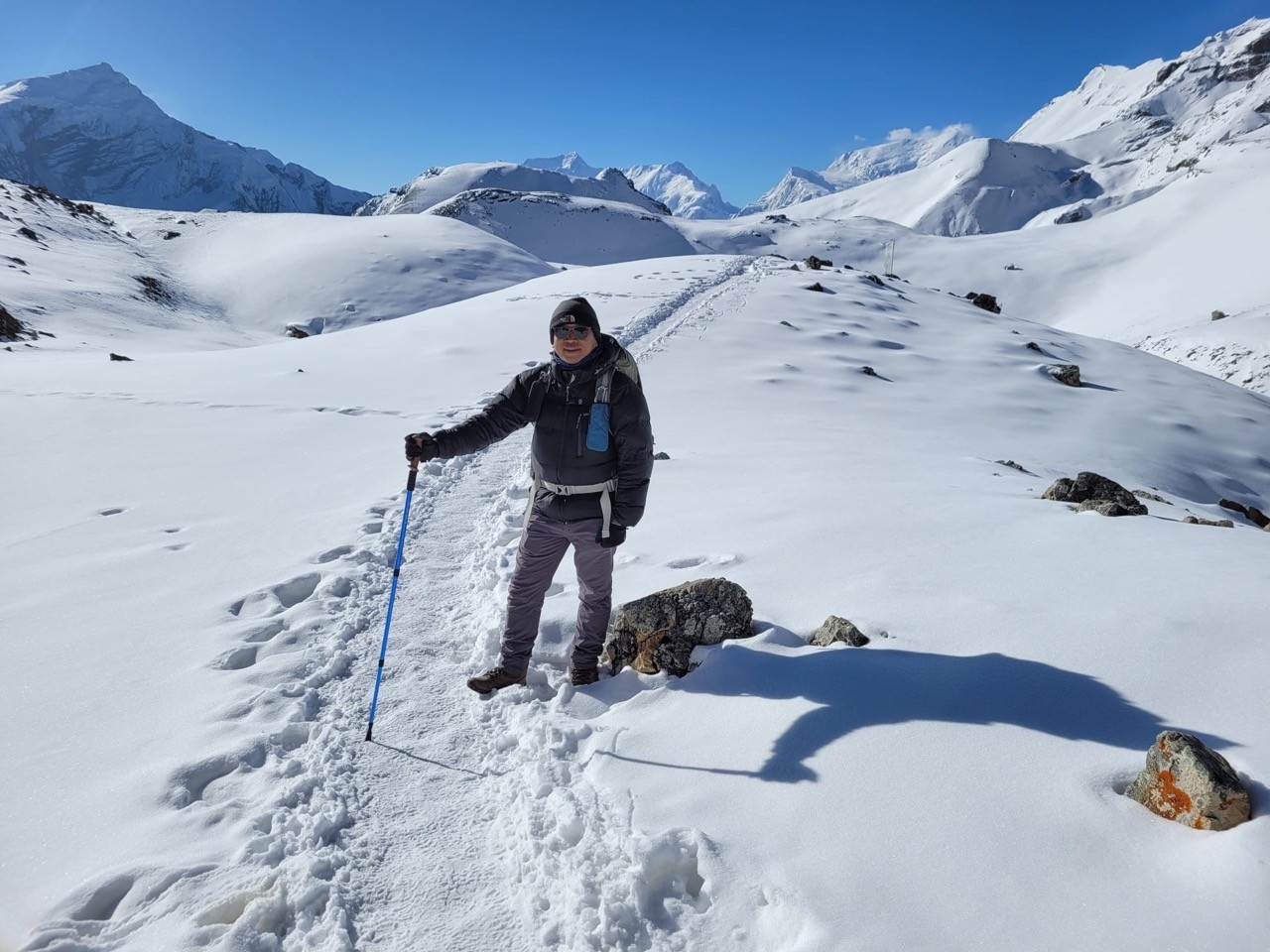
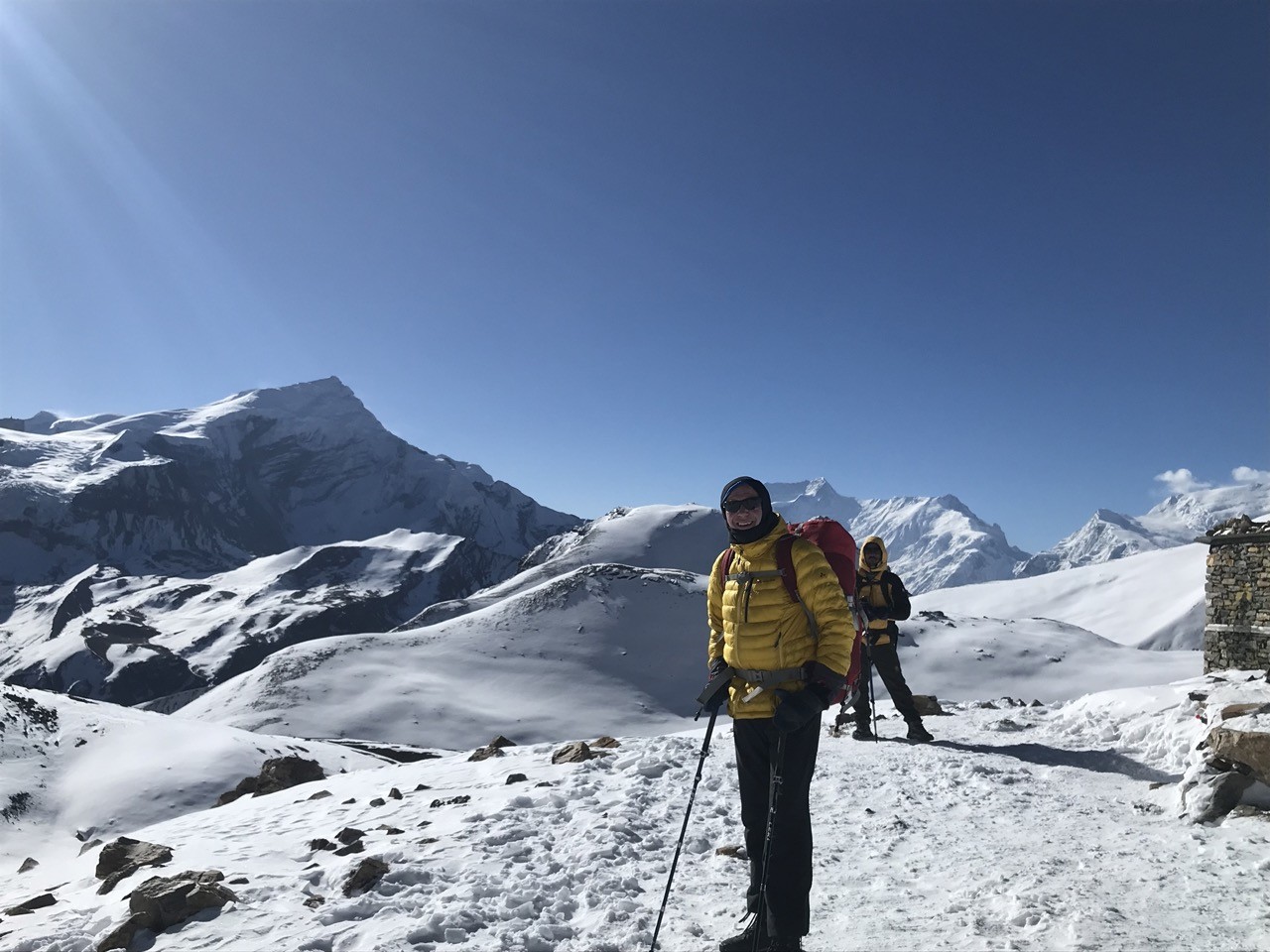
Winter conditions at Thorang La Pass, where deep snow, icy trails, and breathtaking Himalayan views create a dramatic high-altitude trekking environment.
Here, winter’s got this way of turning the circuit into a landscape of whites and deep blues. Trekkers get super clear views of Annapurna I at 8,091 meters (26,545 feet) and Gangapurna at 7,455 meters (24,455 feet). The air? Crisp as anything. Lower sections stay walkable, but the higher passes—well, you gotta respect them. I always let trekkers know: this season rewards solid prep. Local experts? They totally agree.
Meanwhile, Mr. Bhabanath Adhikari, our senior guide (20 years with Haven Holidays Pvt. Ltd.), sums it up nicely: “Winter Annapurna Circuit Trek in Winter brings the purest Himalayan solitude, yet you must respect the cold and altitude every single step.” He’s right. Most trekkers find themselves echoing those words by the end of the trip. Key Highlights of Winter Magic:
Fewer Crowds: Snap private moments at famous viewpoints that get swamped in autumn.
Stunning Photography: Golden sunlight on snowy peaks—absolutely unforgettable.
Serene Villages: Soak up real local life without the buzz.
Wildlife Chances: Spot blue sheep or even snow leopards in the emptier landscape.
Location
Elevation (Meters) | Elevation (Feet)
Notable Feature
Lower Pisang
3,200 | 10,499
Traditional Gurung houses
Manang
3,540 | 11,614
Acclimatization hub
Thorong La Pass
5,416 | 17,769
Highest point of the circuit
Annapurna I
8,091 | 26,545
Majestic peak views
Elevation Profile:
Likewise, winter trekking connects you with the landscape and people. At Hotel Manang in Manang (3,540m / 11,614 ft), Mukhiya Gurung pours hot tea and shares stories about the valley turning into a quiet wonderland under snow. Near there, Tashi Gurung at Lake View Hotel gives out snow leopard tracking tips and tells some thrilling winter tales. These real conversations stick with you.
Moreover, Braga village at 3,470 meters (11,385 feet) feels extra special in winter. At New Yak Hotel, Sonam Gurung serves up cozy rooms and big, hearty meals, describing how the monastery stands out against snow-covered cliffs. Palden Gurung at Bradang’s Agro Manang Apple Farm explains how winter cold makes the apples sweeter. These local stories are the heartbeat of every Haven Holidays Pvt. Ltd. winter trek.
In fact, our assistant guide Sujan Thapa always talks up pacing and hydration. His steady hand helps trekkers tackle chilly mornings. Narayan Khadka and Dashrath Adhikari add route expertise—so every tricky bit turns into a smooth adventure.
Why Book With Us?
Personalized winter Annapurna Circuit guide and expert backup.
Safe, authentic adventures led by locals who know every corner.
Comfort stays at handpicked guesthouses.
If you’re ready to see serious mountain magic, contact Haven Holidays Pvt. Ltd. and we’ll build your perfect winter Annapurna Circuit Trek in Winter. The peaks are calling—are you going to answer?
Why Choose Winter for the Annapurna Circuit Trek?
Ever wanted to stand on a snow-covered ridge and have the whole Annapurna range all to yourself? Winter flips the Annapurna Circuit Trek in Winter into a one-of-a-kind adventure—peak seasons just don’t measure up. I’ve guided for Haven Holidays Pvt. Ltd. for ten years now, and winter trips guarantee the best stories. You ditch the crowds for peace and real connections.
Winter trekking on the Annapurna Circuit rewards adventurers with quiet trails, crystal-clear mountain views, and unforgettable Himalayan landscapes, especially around high-altitude areas such as Thorong La Pass.
Meanwhile, solitude is the showstopper. You walk quiet paths, soak in that mountain spirit, and nobody’s rushing you. Photographers freak out over that sharp winter light: peaks like Annapurna II at 7,937 meters (26,040 feet) look unreal. Cultural experiences run deeper—families have time to swap stories by the fire. Mr. Ramsaran Simkhada, a seasoned guide with fifteen years at Haven Holidays Pvt. Ltd., nails it: “Winter reveals the real soul of the Annapurna region because locals share stories freely when fewer visitors arrive.”
Major Pros of Winter Annapurna Circuit Trek:
Unmatched Solitude: Empty trails let you truly connect with nature.
Authentic Culture: Quiet villages invite you into their daily rhythms.
Budget-Friendly: You often score better rates on packages.
Unique Wildlife: Easier to spot elusive animals in the quieter season.
Aspect
Winter Trek
Peak Season (Autumn/Spring)
Crowds
Very Low
High
Views
Crystal clear, snowy
Clear but busier
Cultural Experience
Deep & personal
Limited by group sizes
Cost
More value
Higher
Challenges
Cold & snow (manageable with gear)
Dust or rain possible
Comparison: Winter vs Peak Season:
Actually, winter’s got challenges, but smart prep turns them into highlights. I always remind trekkers—give winter respect, especially up at Thorong La, 5,416 meters (17,769 feet). Our guides keep you safe, and make the whole journey something to enjoy. Dashrath Adhikari likes to say the cold builds character and makes the view from the top extra sweet.
In Manang at 3,540 meters (11,614 feet), Mukhiya Gurung from Hotel Manang treats winter guests more like family. Tashi Gurung from Lake View Hotel leads early snow leopard tracking expeditions—fewer people around means more wildlife. Sonam Gurung at New Yak Hotel in Braga (3,470m / 11,385 ft) cooks up warming soups and shares old legends at the stove. Palden Gurung at Agro Manang shows how his apples change in winter—harsher weather, but somehow tastier fruit.
Expert Advice from Our Team :
Listen to your body and don’t rush the pass in bad weather,” says senior guide Bhabanath Adhikari.
Narayan Khadka is all about solid cold-weather gear and steady pacing.
Sujan Thapa suggests extra rest days in Manang to acclimatize right.
Likewise, Annapurna Circuit Trek in Winter is made for the people who want something genuine, not just comfortable. Haven Holidays Pvt. Ltd. sets you up so you can focus on the journey itself. You’ll go home with tales of silent snowy mornings, warm welcomes, and the kind of personal growth only winter delivers.
Ready for a change? Join Haven Holidays Pvt. Ltd. for a winter Annapurna Circuit Trek in Winter that’ll show you the mountains—and yourself—in a brand new light. Drop us a message, and let’s get your adventure started.
Understanding Winter Conditions on the Annapurna Circuit
Actually, I’ve walked the Annapurna Circuit in winter more times than I can count—ten years with Haven Holidays will do that to you—and, honestly, it’s all about knowing what you’re getting into. The mountains show off their wild beauty during these months, but only if you know how to read them, prepare properly, and stay flexible. With the right prep, you actually enjoy it instead of just surviving. That’s why our guides are always out there, watching the trails, checking the sky, talking to locals. Understanding these patterns is how you actually feel the Himalayas—raw and powerful.
Snowy winter landscape on the Annapurna Circuit Trek.
In fact, the higher you climb, the colder it gets. At mid-altitude, during the day, you’re looking at anything from -5°C up to maybe 10°C (23°F to 50°F). But once the sun sets—especially up high—it can plunge well below -15°C (5°F). The wind can really cut through, especially up on the ridges. Above 4,000 meters (13,123 feet), snow becomes a serious factor and the whole trail can change overnight. I always call my local contacts for updates and check the forecast before setting out with a group.
Here, Mr. Bhabanath Adhikari, who’s been guiding with us for two decades, sums it up: “Respect the cold and snow on the Annapurna Circuit Trek in winter—they test your preparation and determination.” It’s his experience that keeps every trip safe.
Key Winter Conditions You Face :
Temperature Swings: Layer up and down—sun can warm you during the day but nights bite.
Snowfall Risks: Heavy snow hits higher areas, especially around Thorong La.
Daylight Hours: Short days mean you have to move early and not waste time.
Trail Accessibility: Lower trails stay open, but the high passes get tricky.
Elevation / Location
Day Temp (°C) | Night Temp (°C)
Snowfall Risk | Daylight Hours
Manang (3,540m / 11,614 ft)
0 to 8 | -10 to -5
Moderate | 10 hours
Thorong Phedi (4,540m / 14,895 ft)
-5 to 5 | -20 to -12
High | ~9.5 hours
Thorong La Pass (5,416m / 17,769 ft)
-10 to 0 | -25 or lower
Very High | ~9 hours
Muktinath (3,800m / 12,467 ft)
2 to 10 | -8 to -3
Low to Moderate | 10 hours
Typical Winter Temperature & Snow Guide:
By December and January, daylight feels short. You’ve got to move efficiently from teahouse to teahouse. Below Manang, trails usually stay firm if you have solid boots and trekking poles, but higher up, snow and ice mean you really want microspikes. Afternoons get windy, and storms can hit fast—visibility drops in no time. Our assistant guide Sujan Thapa’s got a knack for catching weather shifts, thanks to years spent on winter trails.
Then there are the local hosts. Mukhiya Gurung at Hotel Manang tracks the valley weather daily and gives the best tips on timing. Tashi Gurung at Lake View is always on the lookout for snow leopards—clear winter skies help spot wildlife, but man, do they bring some serious cold. Sonam Gurung at New Yak Hotel in Braga keeps rooms warm and always passes along updates he hears about the upper valley. Palden Gurung at Agro Manang talks about the orchards as they sleep under snow, sharing little notes on which trails are still walkable.
Similarly, Narayan Khadka and Dashrath Adhikari, two of our most reliable guides, constantly remind everyone—drink more water than you think, and don’t rush. The dry air sneaks up on you. Ramsaran Simkhada, another veteran with over 15 years at Haven Holidays, says it best: “If you really understand the conditions, you can embrace the magic, not fight the mountain.”
So, stick to what works—move smart, listen to experience, respect the mountains—and you can have a winter trek you’ll never forget. At Haven Holidays, we keep our eyes on the weather and tailor the plan so you can enjoy the route, not worry about what’s around the corner. Winter on the Annapurna Circuit has something special for anyone who shows up prepared: clean, sharp views and a kind of peace you’ll remember forever.
Want to see it for yourself? Get in touch with Haven Holidays Pvt. Ltd. Our team’s ready to guide you safely through a true Himalayan winter adventure. Your story starts here.
Is the Full Annapurna Circuit Safe in Winter? Key Realities
Here, tons of trekkers ask me point-blank: Is it safe to do the full Annapurna Circuit in winter? After years of guiding, my answer is real—parts are fantastic, but crossing the high pass takes real caution and flexibility. Knowing these facts means you make the right choices. That’s what we help you do: make it work for you.
From Besisahar up to Manang (3,540 meters / 11,614 feet), the circuit is mostly open and safe, as long as you’re geared up. You’ll walk snowy forests, enjoy steady trails, and relax in warm teahouses at night. The real trouble comes with Thorong La Pass at 5,416 meters (17,769 feet). By January and February, deep snow and heavy winds can close the pass for days. We adjust plans all the time, and honestly, some trips are even better for it.
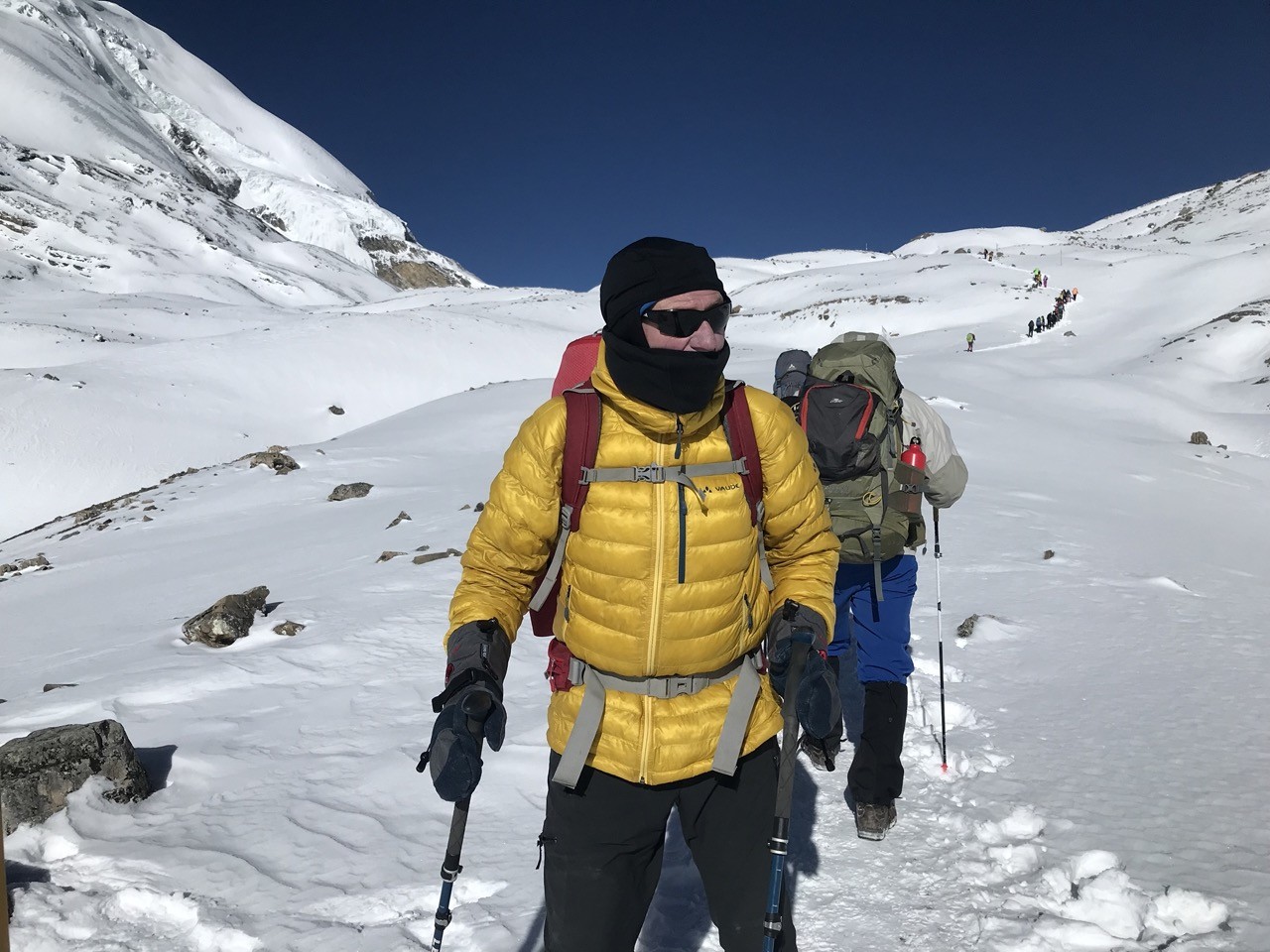
A professional guide helps trekkers navigate snowy trails, changing weather, and high-altitude conditions during a winter Annapurna Circuit Trek.
“This trek is totally possible in early or late winter for experienced trekkers, but safety always comes first—so we adapt if the mountains call for it,” says Mr. Bhabanath Adhikari, who’s seen everything in his 20 years guiding for us.
Safety Assessment Breakdown :
Lower Circuit (Besisahar to Manang): With good prep, this section’s both safe and rewarding.
Thorong La Pass (5,416m / 17,769 ft): The risk is real—snow, ice, and wind are serious obstacles. You need the right weather window.
Upper Mustang Side: It’s usually more sheltered, but still cold and isolated.
Overall Recommendation: Go with pro guides and stay flexible.
Section
Safety Level (Winter)
Main Risks | Best Alternative if Risky
To Manang (3,540m)
High
Cold, ice | Full access recommended.
Thorong La Crossing
Moderate to Low
Snow, wind, whiteouts | Return via same route or fly out.
Manang to Muktinath
Variable
Avalanches, deep snow | Acclimatize extra & monitor weather.
Full Circuit
Conditional
Combined factors | Custom lower circuit + side trips.
Risk vs Reward:
Mainly, I’ve found honesty beats everything. A lot of trekkers hike up to Manang then return the same way, or tack on side trips—Ice Lake at 4,620 meters (15,157 feet) is a favorite—so there’s no pressure to force the pass. You still get that winter thrill without pushing your luck. Dashrath Adhikari often leads these adapted routes, and people leave with better stories than they ever expected.
Likewise, local pros keep our info sharp. Mukhiya Gurung at Hotel Manang and Tashi Gurung at Lake View often remind guests that the lower circuit is perfect in winter; there’s no need to rush over the pass. Sonam Gurung at New Yak Hotel in Braga points out how quiet those upper trails get, while Palden Gurung at Agro Manang mixes trekking advice with stories from his snow-covered farm.
Similarly, Sujan Thapa, Narayan Khadka, and Ramsaran Simkhada are always watching the weather and keeping safety first. They’re big on early starts, dependable gear—think microspikes, real layers—and checking weather apps before anyone heads out.
Furthermore, winter in the Annapurna is amazing if you pick the right experience for you. At Haven Holidays, we build safe, flexible winter packages, team up with local experts, and help you soak up every moment without unnecessary risk.
Guided trekkers on the Annapurna Circuit benefit from professional navigation, safety support in the Nepal Himalayas.
Not sure if the full circuit’s the right call? Let’s figure it out—talk to Haven Holidays Pvt. Ltd. We’ll match the trek to your style and fitness. The Himalayas aren’t going anywhere, and when you’re ready, we’ll help you answer the call—wisely and safely.
Essential Preparation and Fitness Tips for Winter Trekking
Actually, a good preparation’s everything. It’s what turns a winter trek into a good time, not a miserable one—especially on the Annapurna Circuit in winter. After years guiding and writing with Haven Holidays Pvt. Ltd., I’ve watched trekkers thrive because they trained right and acclimatized well. You pick up the strength and know-how you need to handle cold and snow, and our expert team is with you every step, offering proven advice.
Proper preparation, fitness training, and winter trekking gear are essential for safely exploring the Annapurna Circuit during the cold season in the Nepal Himalayas.
Here, start your fitness routine at least three or four months ahead. Go heavy on cardio—running, cycling, whatever works for you—and add strength exercises for your legs, core, and back. Don’t just hit the gym: grab your pack, load it up, and get outside for hikes. Try hilly or snowy spots if you can. All that helps you build endurance. The key is training regularly and pushing yourself a bit further each time.
Likewise, Mr. Bhabanath Adhikari, our senior guide—he’s got twenty years under his belt at Haven Holidays Pvt. Ltd.—puts it plainly: “Build real stamina for winter trekking because cold drains energy faster than you expect—train hard and listen to your body on the trail.”
Core Fitness & Training Tips :
Cardio & Endurance: Run, cycle, or swim four or five times a week. Your heart and lungs will thank you.
Strength Work: Do squats, lunges, planks, step-ups—the muscles you’ll use on the trek.
Practice Hikes: Get out for a few full-day hikes with all your gear. Stretch your limits, bounce back stronger.
Mental Preparation: Picture the tough stuff ahead. Stay positive and steady.
Phase
Activity
Duration | Benefit
Pre-Trek
Altitude simulation or hill training
8-12 weeks | Better oxygen efficiency.
In Manang (3,540m / 11,614 ft)
Rest + side hikes (Ice Lake 4,620m)
2-3 days | Reduces altitude sickness risk.
Before Thorong La (5,416m / 17,769 ft)
Slow ascent & hydration
Key crossing day | Safe pass management.
Acclimatization Strategy :
Similarly, acclimatization really is your most important step on the Annapurna Circuit in winter. Spend a couple nights in Manang—at 3,540 meters—and use your days for short hikes to higher spots. This gives your body time to adjust to thinner air and cuts the risk of altitude sickness. Guides like Narayan Khadka and Dashrath Adhikari lead these walks and know their stuff.
Furthermore, locals have plenty of wisdom to share, too. Tashi Gurung at Lake View Hotel in Manang, who’s kind of a legend for snow leopard spotting, suggests gentle walks around the valley every day—keep moving without exhausting yourself. Mukhiya Gurung at Hotel Manang always emphasizes a good night’s sleep and solid meals on rest days. Sonam Gurung at New Yak Hotel in Braga (3,470m) and Palden Gurung at Agro Manang show how locals stay active during winter by sticking to reliable routines.
In fact, our assistant guide Sujan Thapa, whose winter experience is solid, gives this advice: “Pace yourself from day one, drink plenty of water, and never ignore headaches or fatigue.” Mr. Ramsaran Simkhada, with over fifteen years at Haven Holidays Pvt. Ltd., always talks about keeping your mind strong—not just your body.
When you stick to this preparation, you arrive ready for the trek, pumped and confident. Haven Holidays Pvt. Ltd. gives you pre-trip consults, training plans, and support along the trail, so you can focus on enjoying the journey. Winter trekking rewards those who put in the work.
Now’s the time to get started on your dream trek. Reach out to Haven Holidays Pvt. Ltd. and get your own training and prep plan for the winter Annapurna Circuit. They’ll help you become the trekker who’s ready for Himalayan winter magic.
Winter Packing List: Gear That Keeps You Warm and Safe
Here, having the right gear totally changed my winter trekking game. Now I help clients at Haven Holidays Pvt. Ltd. figure out what to pack so they stay warm and safe. Good gear means you don’t have to worry about freezing on snowy Annapurna trails—you buy quality once and it serves you for years. Our guides have tested every single item listed here.
A proper winter packing list includes a down jacket, thermal base layers, waterproof outerwear, warm hat, warm gloves, trekking poles, and insulated footwear.
Meanwhile, layering is crucial. Start with sweat-wicking base layers, stack insulating mid-layers, and top it off with a waterproof, windproof shell. You’ll be ready for whatever temperatures the day throws your way. Don’t fall for cheap gear—it always lets you down at the worst moment.
Likewise, Mr. Bhabanath Adhikari, with two decades guiding winter trips, says it straight: “Proper layering and a warm sleeping bag make the biggest difference between suffering and enjoying the Annapurna Circuit Trek in Winter.”
Essential Clothing & Layering :
Base Layers: Thermal tops and bottoms—merino wool’s best—pull sweat away from your skin.
Mid Layers: Fleece jackets and insulated pants—these lock in your warmth.
Outer Shell: Waterproof Gore-Tex jacket and trousers, all with sealed seams.
Head & Hands: Don’t forget a warm hat, a buff, insulated gloves plus liners, and goggles.
Footwear & Snow Protection:
Boots: Go for sturdy, waterproof trekking boots with solid ankle support.
Gaiters & Microspikes: Keep snow out and make sure you grip ice.
Socks: Pack several pairs of thick merino wool socks with liners.
Crampons (if needed): For the steep, icy parts near the passes.
Sleeping & Camping Gear:
Sleeping Bag: -15°C to -20°C (5°F to -4°F), stuffed with down or synthetic fill.
Sleeping Pad: Inflatable, insulated—keeps ground cold from creeping up.
Headlamp: Bring extra batteries—nights come early in winter.
Other Critical Items:
Trekking Poles: Adjustable, snow baskets—give you steadier footing.
Backpack: 50-70L with a rain cover.
Hydration: Insulated bottles or a water bladder—don’t let your water freeze.
First Aid & Misc.: Your meds, sunscreen, lip balm, multi-tool, emergency whistle.
Category
Must-Have Items
Why It Matters | Weight Consideration.
Cold Protection
Down jacket (-20°C rated), thermals
Prevents hypothermia | Medium.
Footwear
Boots + microspikes
Safety on snow & ice | Heavy but essential.
Sleep System
Warm bag + insulated pad
Recovery after cold days | Critical.
Navigation/Safety
GPS, map, headlamp, first aid
Emergency readiness | Light.
Essential Clothing & Layering
With this packing list, you stay dry, warm, and keep your energy up. Locals swear by these essentials every day. Tashi Gurung at Lake View Hotel in Manang will show you how a proper down jacket handles valley winds. Sonam Gurung at New Yak Hotel in Braga (3,470m) helps guests test gear and shares fixes for common problems.
Mukhiya Gurung and Palden Gurung guide you in layering for Manang’s unpredictable weather at 3,540 meters.
Moreover, our expert guides like Narayan Khadka, Dashrath Adhikari, and Sujan Thapa check everyone’s gear before heading out and always carry extras themselves. Mr. Ramsaran Simkhada, who’s been guiding winter treks for 15+ years, keeps it simple: “Your gear is your best friend in winter—choose quality and pack light but smart.”
In fact, Haven Holidays Pvt. Ltd. offers detailed gear consultations and rentals for stuff like sleeping bags or microspikes. That way, you can just focus on the trek, not fussing about missing equipment.
Get ready, pack smart, and set out with confidence. Talk to Haven Holidays Pvt. Ltd. for our full winter packing guide and personalized tips. You’ll have everything you need for a safe, warm, and unforgettable Annapurna Circuit Trek in Winter.
Permits, Logistics, and How to Reach the Starting Point
Here, I always take permits and logistics seriously because when those details are squared away, you can actually relax and soak in the magic of the Annapurna Circuit Trek in Winter. After more than a decade with Haven Holidays Pvt. Ltd., I’ve helped hundreds of trekkers start off excited and calm, not stressed and frazzled. Trust me, nothing spoils a trip faster than permit problems or missed buses, so it makes a difference to get this right from the start. We handle all of it smoothly—so you don’t have to.
Actually, there are two main permits you’ll need for the Annapurna Circuit: the TIMS (Trekkers' Information Management System) card and the ACAP (Annapurna Conservation Area Permit). We arrange both quickly in Kathmandu before you leave. All you do is bring your passport and photos—we handle the paperwork fast and properly.
As Mr. Bhabanath Adhikari, who’s spent 20 years guiding treks, always says, “Correct permits and reliable transport form the foundation of every safe winter trek — we never compromise on these basics.”
Essential Permits & Documents:
ACAP Permit: Required for entry into the conservation area.
TIMS Card: Tracks trekkers for safety and emergency response.
Passport & Copies: Carry originals and photocopies safely.
Travel Insurance: Must cover high-altitude trekking and winter conditions.
Item
Details
Winter Notes | Recommendation
Kathmandu to Besisahar
Bus or private jeep (6-8 hours)
Roads usually open | Private jeep for comfort & safety.
Teahouse Availability
Open but limited in higher villages
Book ahead through reliable operator | Haven Holidays arrangements.
Return from Jomsom
Flight to Pokhara or drive
Weather-dependent | Flexible booking advised.
Emergency Support
Guide, satellite phone, local contacts
Critical in winter | Included in our packages.
Logistics & Transport Overview:
In fact, Besisahar is your gateway. The drive from Kathmandu isn’t just transportation—it’s already an adventure, with scenery that keeps getting better. In winter, roads are mostly fine, though you could see a bit of ice. We suggest a private jeep for the flexibility and warmth—hauling winter gear on a crowded bus isn’t fun. Dashrath Adhikari and Narayan Khadka are often with our guests, pointing out interesting sights and making the drive feel like part of the trek.
Moreover, teahouse options thin out once you climb higher, but good ones stay open. Mukhiya Gurung at Hotel Manang and Tashi Gurung at Lake View Hotel in Manang (3,540m / 11,614 ft) keep things cozy and welcoming even in the cold months. Sonam Gurung at New Yak Hotel in Braga (3,470m / 11,385 ft) is known for spotless rooms. Palden Gurung at Agro Manang somehow manages to serve fresh produce throughout winter. These guys love what they do—and it shows.
On our side, Sujan Thapa, our assistant guide, keeps logistics running and locks in teahouse bookings so there are no last-minute surprises. Mr. Ramsaran Simkhada, who’s also spent over 15 years with Haven Holidays Pvt. Ltd., always says: If you plan early for winter, you get fewer options but better care. That’s the trade-off, and it’s worth it.
Most importantly, with proper permits and solid logistics, you start your trek without stress. Haven Holidays Pvt. Ltd. covers everything—permits, transport, teahouse bookings—customized for winter. You just focus on the journey ahead.
Ready to head out without drama? Get in touch with Haven Holidays Pvt. Ltd. Let us take care of permits and planning so you can gear up for a real winter adventure on the Annapurna Circuit. We make every stage easy, right from Kathmandu to the mountains.
Suggested 14-21 Day Winter Itinerary for Annapurna Circuit
When it comes to the Annapurna Circuit in winter, setting a comfortable pace is key. Over the years, I’ve tweaked these itineraries at Haven Holidays Pvt. Ltd. to keep everyone safe and happy, with enough room for acclimatization and the unpredictability of mountain weather. Here’s a staged plan that works for anywhere from 14 to 21 days, with extra attention on how snowfall can shape your progress. Our guides can read mountain conditions like a book and adjust your days as needed.
Here, Days 1-3: Kathmandu to Manang Area — You’ll drive to Besisahar and trek up through Chame (2,670m / 8,760 ft) and Pisang (3,200m / 10,499 ft). This section gives you time to ease in, enjoy the lower valleys, and get used to the altitude. The snow usually isn’t an issue yet.
Likewise, Days 4-7: Acclimatization in Manang — You make it to Manang (3,540m / 11,614 ft) and settle in for a good 2-3 rest days. There’s time for side hikes, maybe to Ice Lake (4,620m / 15,157 ft) or Praken Gompa. Trust me, these days are crucial—skipping them is risking your trek, especially in winter. Tashi Gurung at Lake View Hotel always has a suggestion for an interesting walk or local shortcut.
As Mr. Bhabanath Adhikari says: “Extra days in Manang save lives and create better memories — never rush before Thorong La at 5,416 meters (17,769 feet).”
Likewise, Days 8-12: Crossing Toward the Pass & Descent — Next, you head to Yak Kharka (4,050m / 13,287 ft), then Thorong Phedi (4,540m / 14,895 ft), finally crossing the famous Thorong La. Some days, the weather decides what’s possible—you cross when your guide says it’s good. Once over, you descend to Muktinath (3,800m / 12,467 ft). The guides are always watching the conditions, and if things get dicey, they’re ready to pivot.
Finally, Days 13-18: Completion & Return — There’s time to take in Muktinath and continue down to Jomsom. After that, it’s a flight or drive back to Pokhara or Kathmandu. We always build in an extra day or two in case the weather gets creative.
Stage
Duration Options | Key Elevation
Snow Risk & Notes | Flexible Option
Besisahar to Manang
4-6 days | Up to 3,540m / 11,614 ft
Low to Moderate | Add rest days.
Manang Acclimatization
2-4 days | Side hikes to 4,620m
Moderate | Essential in winter.
Thorong La Crossing
1-3 days | 5,416m / 17,769 ft
High — weather dependent | Return route or helicopter.
Muktinath to End
3-5 days | Down to 2,800m
Low | Relaxed cultural exploration.
Flexible Pacing & Snow Notes:
In fact, we keep daily walks reasonable, knowing winter brings shorter daylight and surprise storms. The section to Manang is usually clear, but once you approach the pass, patience becomes your best friend. Our guides—Narayan Khadka, Dashrath Adhikari, and Sujan Thapa—are pros at changing plans on the fly to keep you safe.
Similarly, the local hosts make a big difference too. Mukhiya Gurung at Hotel Manang creates a warm refuge while you’re acclimatizing. Sonam Gurung at New Yak Hotel in Braga and Palden Gurung at Agro Manang both keep you updated on trail conditions—straight from the source.
As Mr. Ramsaran Simkhada likes to say: “A good winter itinerary bends with the mountains rather than breaking against them.”
With this approach, you enjoy the journey at your own rhythm and come home with a story worth sharing. We at Haven Holidays Pvt. Ltd. shape the trek around your fitness, your schedule, and your preferences, and safety always comes first.
Feeling inspired? Reach out to Haven Holidays Pvt. Ltd. We’ll craft your ideal 14-21 day winter Annapurna Circuit Trek, backed by experience and local knowledge. Let’s make your dream trek through snowy Himalayan trails real.
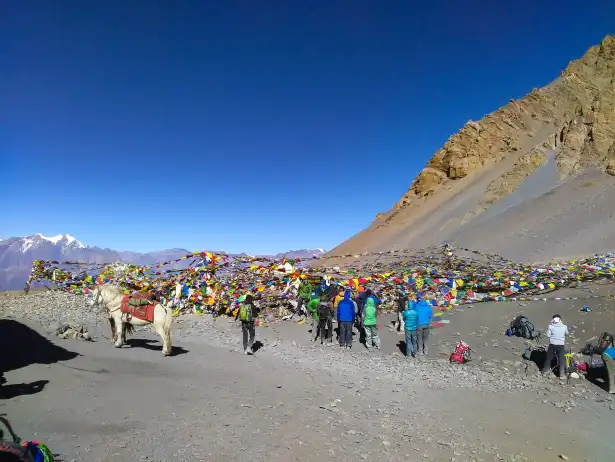
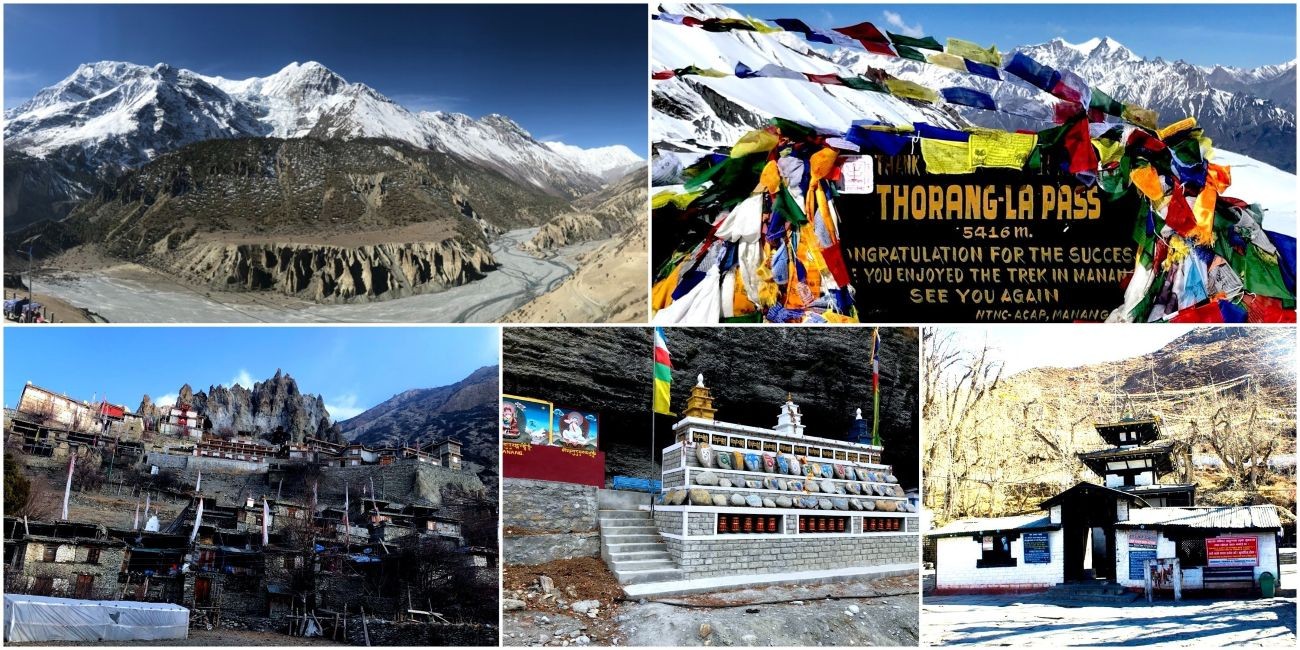
The major highlights of the Annapurna Circuit include picturesque mountain villages, the beautiful Manang Valley, the challenging Thorong La Pass, the sacred Muktinath Temple, and breathtaking Himalayan panoramas.
Highlight Stops: Must-Experience Villages and Viewpoints in Winter
Meanwhile, every winter, the Annapurna Circuit turns into something out of a storybook. I still get that rush whenever I bring clients here with Haven Holidays Pvt. Ltd. There’s just something about winter—it strips away the crowds and the noise, showing these villages and viewpoints at their absolute best. Ten years trekking and blogging, and I promise: winter brings out a kind of peace you just can’t fake. Our guides know the safest routes and hidden corners, so you don’t miss anything.
Likewise, Pisang is always a thrill early on. Lower Pisang sits at 3,200 meters, and Upper Pisang isn’t much higher. The views? Wild. Annapurna II rises nearly 8,000 meters, Pisang Peak looms in the background—all blanketed in snow. Old stone houses, monasteries… honestly, they feel even more timeless when the winter light hits.
Then there’s Manang at 3,540 meters, right in the circuit’s heart. You get jaw-dropping views of Gangapurna and Annapurna I. The acclimatization walks in and around Manang are unreal—everything seems quieter, almost like you’re walking in another world.
Here, Mr. Bhabanath Adhikari, who’s spent 20 years guiding with Haven Holidays, always says, “Manang in winter shows the true soul of the Annapurna region—the snow makes every viewpoint more dramatic and every cultural encounter more meaningful.”
Must-Experience Stops in Winter :
Pisang Villages: See ancient monasteries and mountains in shimmering white.
Manang Valley: Tranquil lakes, glaciers, and wide-open Himalayan views.
Braga Village (3,470m / 11,385 ft): Cliff-side monastery, extra peaceful when snow’s piled up.
Thorong La Attempts: Catch the epic views at 5,416 meters if conditions are right.
Muktinath: Sacred temples ringed by snowy peaks.
Stop / Viewpoint
Elevation
Winter Highlight | Cultural Gem
Upper Pisang
3,300m / 10,827 ft
Annapurna range snow views | Traditional Gurung architecture.
Manang
3,540m / 11,614 ft
Gangapurna Lake & glacier | Tibetan-influenced monasteries
Frozen turquoise lake | Sacred local significance.
Key Viewpoints & Elevations:
Similarly, the locals—you never forget them. Mukhiya Gurung at Hotel Manang treats guests like family, always ready with a story. Tashi Gurung at Lake View Hotel in Manang knows all the best wildlife spots; he’s a pro at spotting snow leopards and tiny hidden viewpoints. Sonam Gurung at New Yak Hotel in Braga gets you inside the ancient monastery and shares how these villages survive winter. Palden Gurung at Agro Manang? He’s got farming down, even under deep snow.
Furthermore, Narayan Khadka, Dashrath Adhikari, and Sujan Thapa always find the best photo spots and safest way through snow. Ramsaran Simkhada, with 15 years at Haven Holidays, swears by winter’s golden light—he says the snow makes the peaks glow in ways you’ll never see in summer.
Honestly, these places make the trek unforgettable. You come back with deep memories—true silence, endless snowy views, and real connections.
Want to see these winter highlights yourself? Reach out to Haven Holidays Pvt. Ltd.—we’ll take you to the most magical stops for your own personalized Annapurna Circuit Trek in Winter. The snow-covered Himalayas are ready for you.
Overcoming Challenges: Cold, Snow, and Altitude in Winter
Actually, Winter isn’t easy out here, but I’ve learned, after many years trekking with Haven Holidays, that smart planning turns those big challenges into proud moments. You’re up against cold, serious snow, and altitude, but you can handle it if you know what to do. Our guides have walked hundreds through these tough spots—you gain confidence when you can respond on the fly.
Winter trekking on the Annapurna Circuit requires proper gear, acclimatization, and careful planning to overcome cold temperatures, snow-covered trails, and high-altitude conditions.
Likewise, hypothermia and frostbite top the worry list. You shut them down with constant layering, keeping dry, and eating high-energy snacks often. Watch yourself for shivering and numb fingers or toes—act fast if they show up. Add a layer, find shelter, warm up—don’t wait.
Similarly, Icy trails and deep snow mean you slow down. Microspikes, trekking poles, these are your friends. Take it easy, especially going down, or anywhere near Thorong La Pass. Sujan Thapa, our assistant guide, teaches everyone how to walk on ice—practical tips that really help.
Here, Bhabanath Adhikari says it best: “Respect the cold and altitude every single day—small consistent actions prevent big problems on winter treks.”
Rest, hydrate, descend if needed | Extra nights in Manang.
Icy Trails
Slipping, fatigue
Microspikes + slow pace | Start early before snow softens.
Quick Response Guide:
In fact, altitude really matters above 3,000 meters—you respond by climbing slow, drinking plenty, and resting. Hosts like Mukhiya Gurung at Hotel Manang and Tashi Gurung at Lake View Hotel keep a close eye on trekkers, offering remedies when needed. Sonam Gurung at New Yak Hotel in Braga and Palden Gurung at Agro Manang know how to cook up meals that really help recovery.
Here, Narayan Khadka and Dashrath Adhikari pack full first-aid kits, always focused on safety. Ramsaran Simkhada from Haven Holidays likes to say, “Challenges build character, but preparation keeps you safe to enjoy the beauty.”
Truth is, you can beat these winter obstacles with a strong mindset and solid support. Haven Holidays Pvt. Ltd. brings expert guides, thorough gear checks, and 24/7 backup.
Are you ready to take on the winter mountains? Get in touch with Haven Holidays Pvt. Ltd. for a complete Annapurna Circuit Trek in Winter—where we help you master every challenge and collect memories you’ll brag about. Your adventure starts here.
Safety First: Expert Tips to Stay Secure on Winter Trails
When I’m guiding on the Annapurna Circuit Trek in winter, every decision starts with safety. That’s really been the cornerstone of my ten years at Haven Holidays Pvt. Ltd.—making sure trekkers feel secure and confident, not anxious about what’s ahead. Winter demands solid preparation, but that’s what lets you actually enjoy the experience. Our team’s not just reading from a manual; these tips come straight from surviving and thriving in some pretty harsh Himalayan weather. Put safety up front, and you’ll walk with genuine peace of mind.
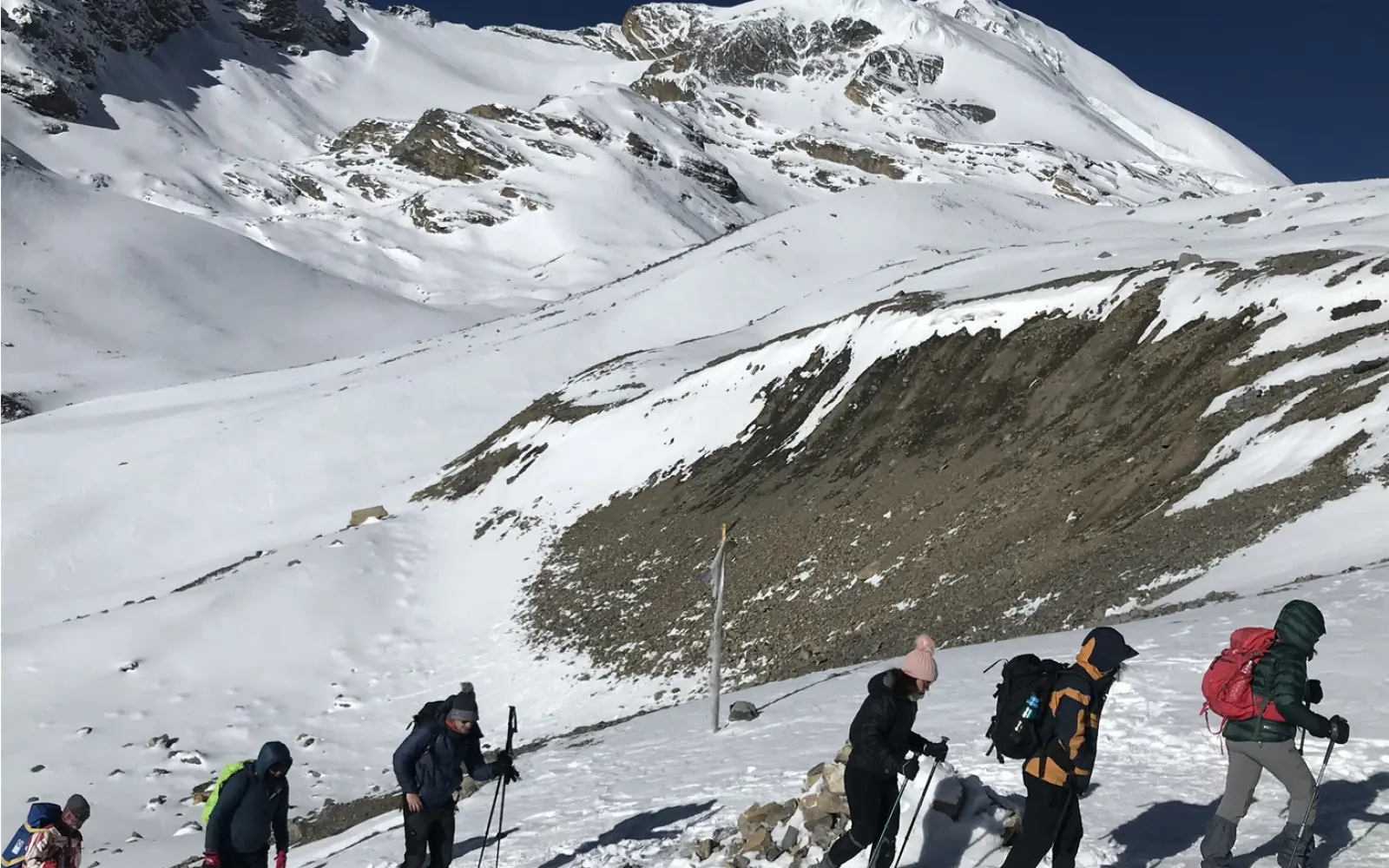
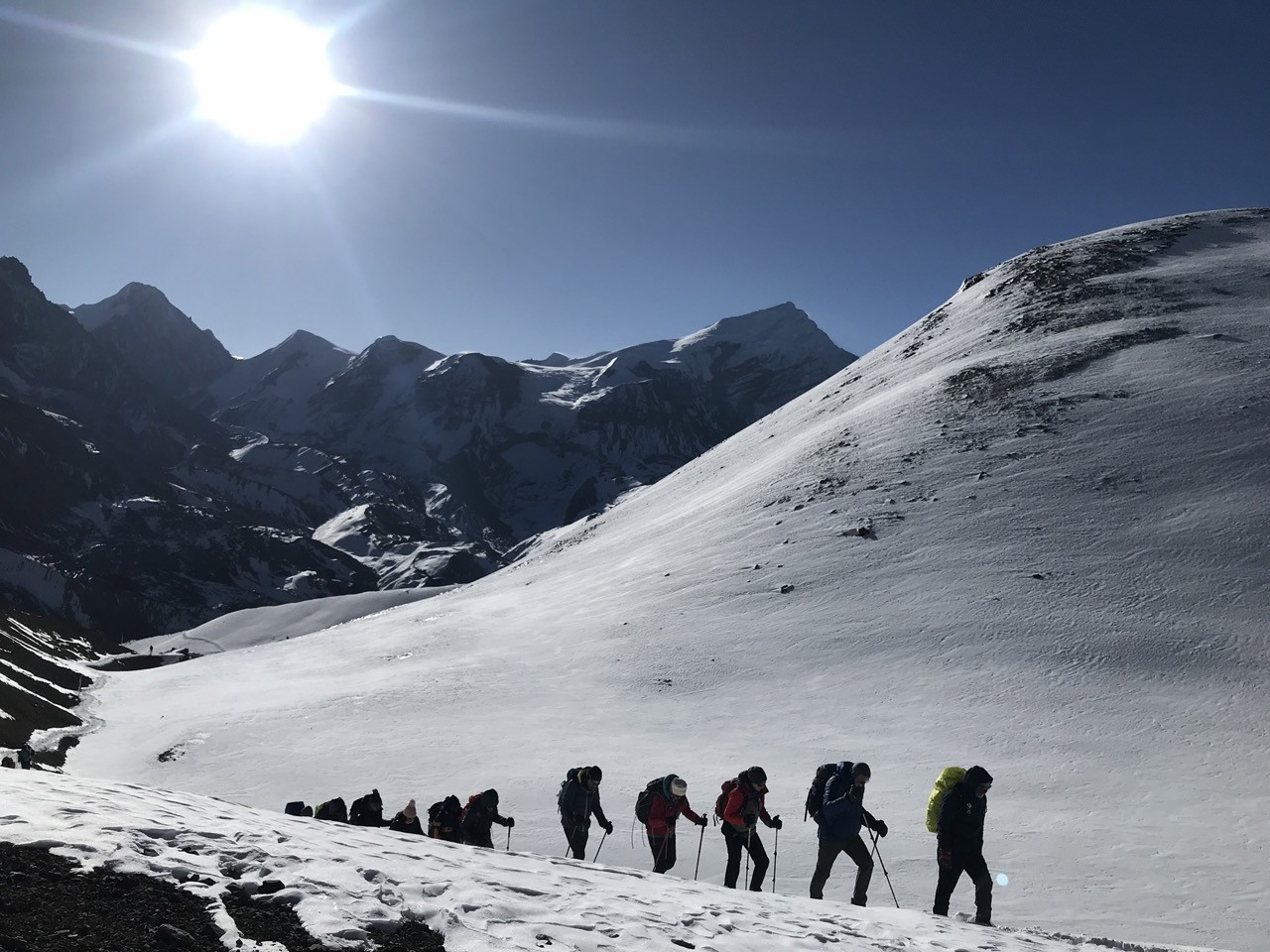
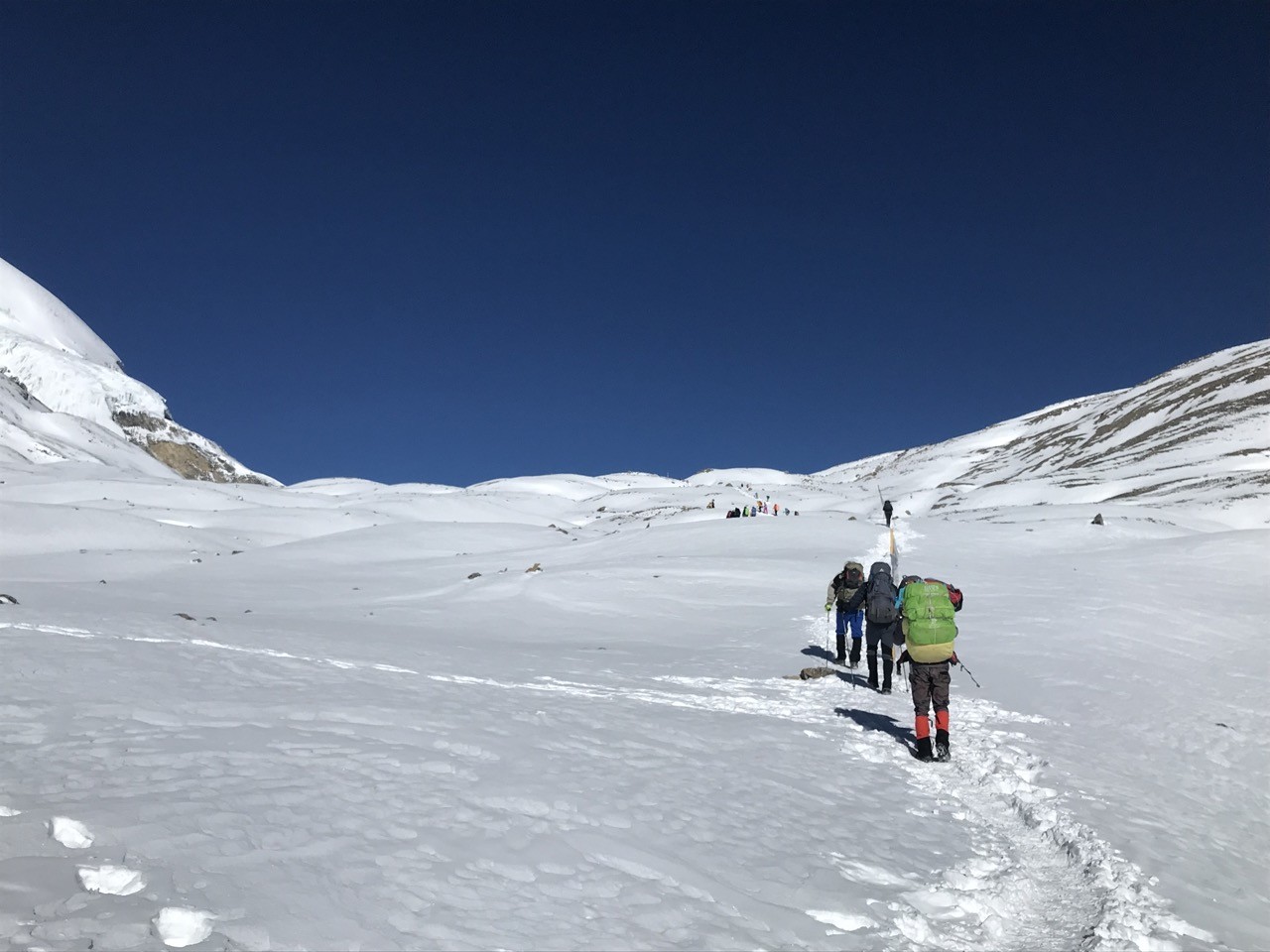
Trekkers making their way toward Thorong La Pass, the highest point of the Annapurna Circuit Trek, crossing high-altitude terrain, snowy paths, and dramatic Himalayan landscapes.
Staying on top of the weather is a big one. Every morning, before we set out—especially when we’re anywhere near Thorong La (that’s 5,416 meters up, so yeah, things get serious)—we’re checking the latest forecasts and talking with locals. The mornings are your best shot at safe, calm trekking, which is why we hit the trail early and always try to wrap up before those notorious afternoon winds pick up. If things start to turn, we change plans fast.
Actually, having an experienced guide and porter is more than just good company. They know the region’s quirky winter moods, they carry real emergency gear, and if something goes wrong, they know the way out. Haven Holidays Pvt. Ltd. only sends folks who put your safety first every single time.
Here, Bhabanath Adhikari, who’s been guiding longer than I’ve been in the field, sums it up perfectly: “On winter trails, a good guide is your best insurance—listen to their advice and stay together as a team.”
Key Safety Practices :
Weather Monitoring: Check updates daily with guides and local contacts.
Pacing & Hydration: Walk steadily, drink warm fluids regularly, and avoid overexertion.
Emergency Protocols: Carry satellite communication and know evacuation options.
Group Travel: Never trek alone; stay with guides and team members.
Winter Safety Essentials,
Meanwhile, hydration and pacing sound simple, but they’re lifesavers. Cold, dry air zaps your fluids fast, so we’re always nudging trekkers to sip warm drinks throughout the day—the trick is to drink even when you’re not thirsty. Sujan Thapa, one of our assistant guides, never stops reminding people to eat and drink. Pacing’s just as personal, and Narayan Khadka and Dashrath Adhikari are great at making sure the whole group moves at the right speed.
Likewise, local partners make our safety net even stronger. Mukhiya Gurung at Hotel Manang and Tashi Gurung at Lake View Hotel (both in Manang) are our eyes and ears on the trails. Sonam Gurung at New Yak Hotel in Braga and Palden Gurung at Agro Manang always have the latest on trail conditions.
Similarly, Ramsaran Simkhada, who’s spent over 15 years with us, calls it like it is: “Safety is not optional in winter—it’s the foundation that lets you actually enjoy these mountains.”
Follow these tips, rely on your team, and you’ll stay safe. At Haven Holidays Pvt. Ltd., every winter trek has safety baked in—from our staff training and gear choices to our emergency planning.
Most importantly, make safety your first step. Go ahead, book your winter Annapurna Circuit Trek with us and let the experts keep you safe. Our team’s ready to help you explore the Himalayas with confidence.
Sustainable and Responsible Trekking Practices in Winter,
Meanwhile, Winter transforms the Annapurna Circuit. Fewer trekkers show up, which makes every act of responsible travel count so much more—for locals and for the environment. Over the past decade with Haven Holidays Pvt. Ltd., I’ve really doubled down on doing things the right way. Making mindful choices and supporting local communities isn’t just good for the trail; it goes a long way, especially when visitor numbers drop in winter. Our crew works hard to promote sustainability on every trip.
That all starts with Leave No Trace. It’s not just talk—you need to pack out all your waste, use proper toilets, and respect the plants and animals you meet along the way. Little things, like bringing biodegradable soap or sticking to the marked paths, make a big difference up here and keep these places special for whoever comes next.
Here, Winter’s a tough season for local families—business slows down, income dips—so every time you choose a family-run teahouse or pick up something from a village shop, you’re helping people get through the quiet months.
Our senior guide, Bhabanath Adhikari, drives the message home: “Winter trekking brings responsibility—when you support local families, you help preserve the culture and environment we all love.”
Sustainable Practices You Can Follow :
Waste Management: Carry reusable items and pack out everything you bring in.
Local Support: Stay in family-run teahouses and purchase local goods.
Energy Conservation: Use solar-charged devices and minimize wood burning.
Cultural Respect: Learn basic local customs and ask permission before photographing people.
Eco-Friendly Choices:
In fact, people on the trail can see when you care. Mukhiya Gurung and Tashi Gurung in Manang notice guests treating their home right. Sonam Gurung in Braga and Palden Gurung at Agro Manang always appreciate trekkers who buy local and respect the culture.
Out on the trail, guides like Narayan Khadka, Dashrath Adhikari, and Sujan Thapa lead by example. They teach sustainable habits and share real stories that make the landscape come alive. Ramsaran Simkhada, with his years of experience, always says: “True trekkers leave the mountains better than they found them.”
Here, every responsible choice you make leaves a mark. Haven Holidays Pvt. Ltd. weaves sustainability into every winter trip and works side-by-side with locals to keep these mountains thriving.
Give your trek meaning. Join us for a winter Annapurna Circuit adventure that supports the communities and the wild beauty you come to see. Let’s make your footsteps count—for you, for the mountains, and for everyone who follows.
What to Expect: Daily Life, Teahouses, and Food on the Winter Circuit
Meanwhile, daily life on the Annapurna Circuit Trek in Winter just settles into this peaceful rhythm that I’ve grown pretty fond of after ten years with Haven Holidays Pvt. Ltd. Mornings start with crisp air and majestic snow-covered peaks. You sit down to a warm breakfast, then head out to trek through quiet, breathtaking scenery — honestly, it's the kind of silence you can feel. Teahouses are your home base, and their hospitality really shines during the low season. There’s a closeness in winter you don’t get when things are busy.
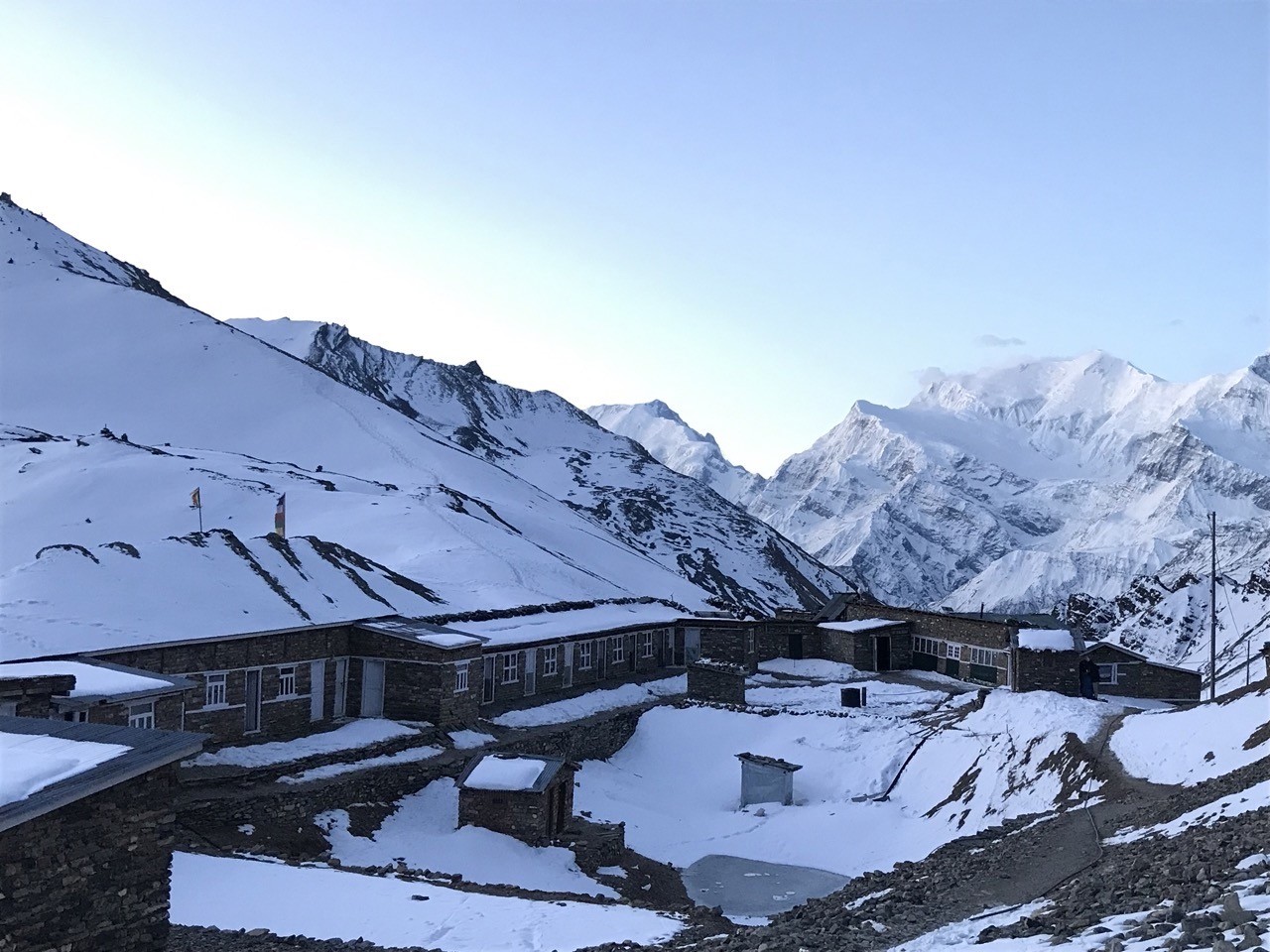
Winter trekkers on the Annapurna Circuit enjoy simple teahouse accommodation, hot meals, and authentic mountain hospitality while exploring Nepal's Himalayas.
Here, you’ll find the teahouse rooms basic but cozy, just enough to keep you comfortable: simple beds, thick blankets, sometimes even a little heater, or solar lights if you’re lucky. Everyone gathers in the dining hall around a central stove — trading stories, warming up together. That sense of community? It's what winter trekking is all about.
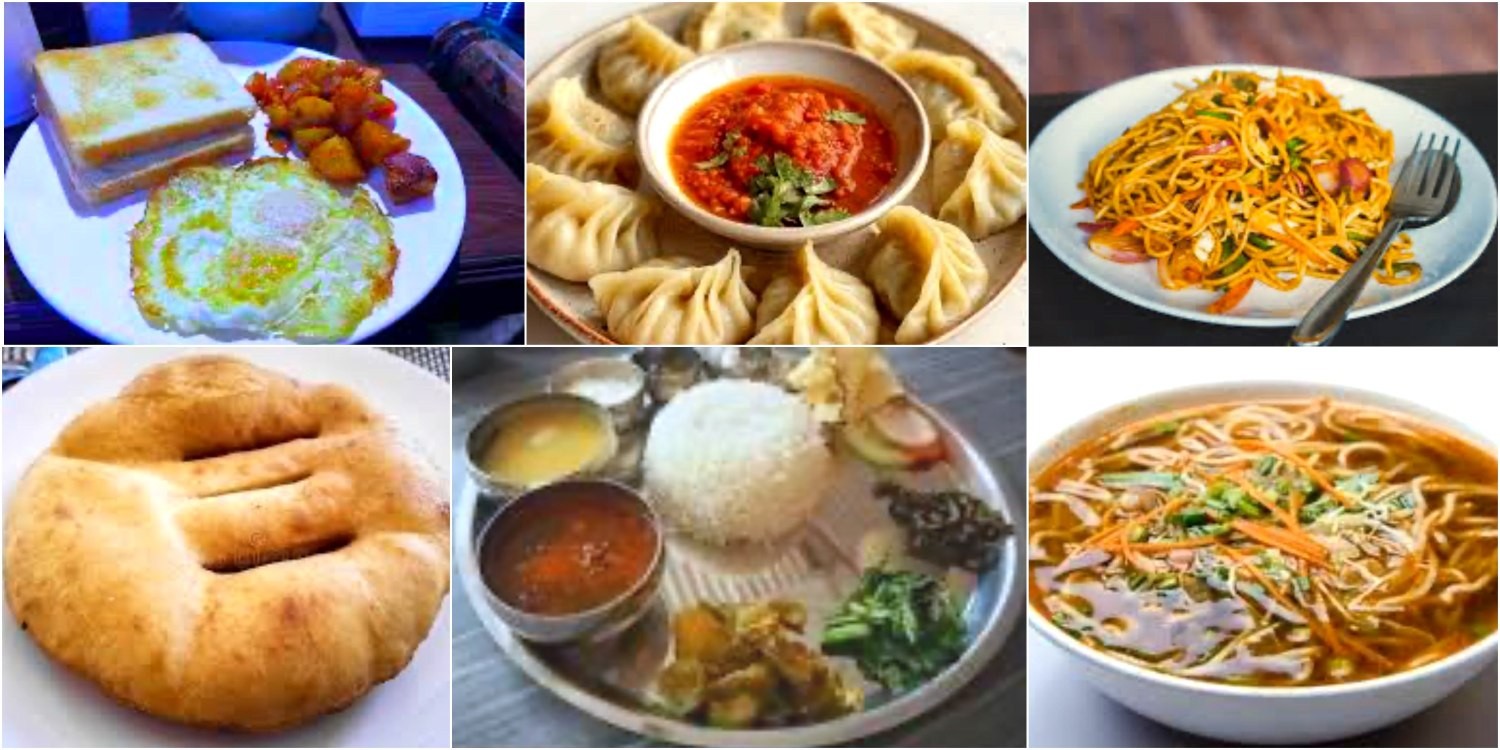
Likewise, food on the trail is just what you need: hearty, filling, and meant to warm you inside out. Dal bhat, noodle soups, Tibetan bread, apple pie... and generous portions. Hot drinks, especially ginger lemon honey tea, are a lifesaver during those chilly stretches.
Popular trekking foods on the Annapurna Circuit include dal bhat, fried rice, pasta, soups, potatoes, momos, pancakes, and hot drinks served in mountain teahouses.
Similarly, Mr. Bhabanath Adhikari, our guide of 20 years, puts it perfectly: “Winter teahouses feel like family homes — the food is warming, the atmosphere is peaceful, and the connections you make last a lifetime.”
Daily Life & Warmth Strategies :
Morning Routine: Hot tea and a warm breakfast before sunrise keep you steady.
Trekking Day: Move at your own pace, stop whenever you need a warm drink.
Evening Wind-Down: Relax by the stove, eat a hot meal, swap stories — it’s classic winter comfort.
Sleep Strategy: Double up your sleeping bag with the teahouse blankets for real warmth.
Aspect
What to Expect
Winter Advantage | Tips for Comfort
Accommodation
Basic rooms with blankets
More personal service | Bring sleeping bag liner.
Meals
Dal bhat, soups, pancakes
Fresh local ingredients | Request extra garlic/ginger.
Deeper cultural immersion | Engage with hosts & locals.
Typical Winter Teahouse & Food Experience:
Here, it’s the local hosts who make it special. Mukhiya Gurung at Hotel Manang and Tashi Gurung at Lake View Hotel in Manang (3,540m / 11,614 ft) are always welcoming, serving hot meals and sharing stories. At New Yak Hotel in Braga (3,470m / 11,385 ft), Sonam Gurung knows just how to make a soup that sticks with you, plus monastery history if you’re curious. Palden Gurung at Agro Manang still offers crisp apples and farm-fresh food even in winter.
Likewise, Narayan Khadka, Dashrath Adhikari, and Sujan Thapa have insider knowledge on the best teahouses and how to arrange those little comforts — extra blankets, hot water bottles. Mr. Ramsaran Simkhada, who’s been with us for over 15 years, always says that winter's quiet is perfect for real conversations and bonding with local families.
Similarly, the winter circuit just runs on a different beat: simple pleasures, epic views, real warmth. Haven Holidays Pvt. Ltd. picks teahouses carefully and keeps close ties with owners so you’re comfortable and well looked-after.
Ready to try this for yourself? Reach out to Haven Holidays Pvt. Ltd. and book your Annapurna Circuit Trek in Winter. This rhythm of winter is something you can only find in the quieter months.
Common Mistakes to Avoid When Trekking Annapurna in Winter
Actually, I’ve watched plenty of good trekkers stumble into trouble on the Annapurna Circuit in Winter, mostly from things that could have been avoided. After ten years guiding with Haven Holidays Pvt. Ltd., I want you to skip the headaches and make the most of your trek. Winter is gorgeous — but honestly, that magic comes with a need for serious preparation and respect. Our team’s been through it all and we’ll help you steer clear of the usual pitfalls.
Number one problem? Not packing enough warm clothes, or bringing a sleeping bag that just isn’t up to the job. You need gear that’s rated for sub-zero nights because the cold doesn’t play around. It drains you fast, and safety takes a hit.
Likewise, some trekkers ignore weather forecasts or push too hard to cross Thorong La Pass at 5,416 meters (17,769 feet). Conditions up there can shift in a matter of hours. You have to stay flexible — patience might turn out to be your biggest friend.
Similarly, Mr. Bhabanath Adhikari, our veteran guide, is straight about it: “Never rush the pass in winter — the mountains will still be here next season, but your safety cannot be replaced.”
Critical Mistakes to Avoid :
Insufficient Cold Gear: It’s not just uncomfortable, you could end up with hypothermia.
Poor Acclimatization: Skipping rest days in Manang is a shortcut to altitude sickness.
Rushing the Schedule: Ignoring weather or forcing long days is risky.
Dehydration & Poor Nutrition: The cold and dry air dull your sense of thirst and hunger.
Mistake
Consequence
Smart Solution | Expert Advice
Under-preparing for cold
Hypothermia, early exit
Quality layers & -20°C sleeping bag | Test gear before trek.
Ignoring weather
Dangerous conditions at pass
Daily checks & flexible plans | Trust your guide’s judgment.
Rushing Thorong La
High risk of snow/ice issues
Extra acclimatization days | Wait for clear window.
Inadequate hydration
Altitude sickness
Drink 4-5L warm fluids daily | Sip constantly.
Common Mistakes vs Smart Solutions:
More importantly, don’t skip acclimatization in Manang at 3,540 meters (11,614 feet). Even if you feel fine, those extra days matter. Tashi Gurung at Lake View and Mukhiya Gurung at Hotel Manang always remind trekkers to pace themselves. Sonam Gurung at New Yak Hotel in Braga and Palden Gurung at Agro Manang have seen both sides — the ones who prepare and the ones who learn the hard way.
Equally important, Sujan Thapa, Narayan Khadka, and Dashrath Adhikari have helped plenty of trekkers adjust plans mid-trek. Ramsaran Simkhada, with 15+ years at Haven Holidays Pvt. Ltd., keeps telling everyone to learn from others’ mistakes so you spend your energy on enjoying the views, not solving problems.
Plan smart, trust experienced advice, and you’ll avoid these classic winter pitfalls. Haven Holidays Pvt. Ltd. builds its trips to tackle winter challenges and keep you making good decisions all the way.
To conclude, trek smarter. Reach out to Haven Holidays Pvt. Ltd. — we’ll help you skip the common mistakes and enjoy a safe, rewarding Annapurna Circuit Trek in Winter.
Start on the right foot and the whole experience just gets better.
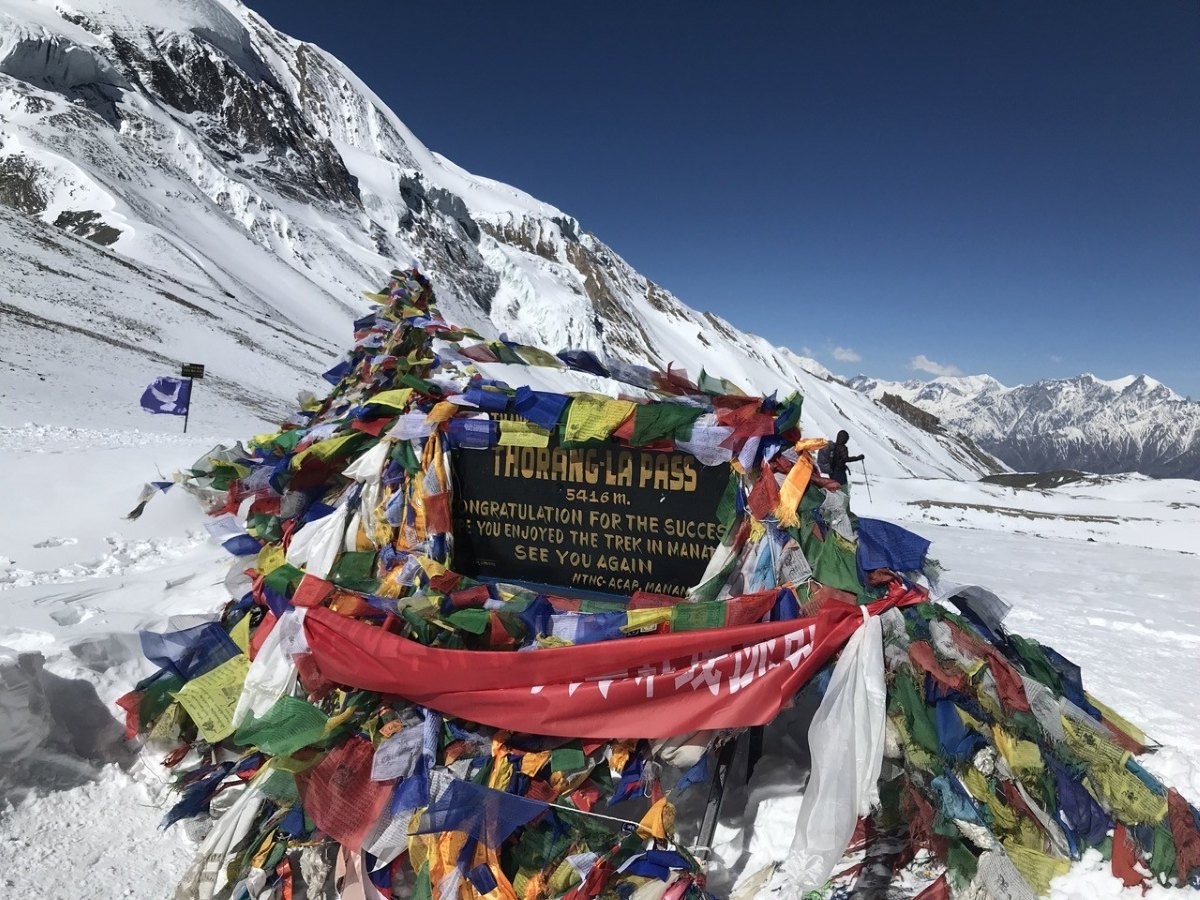
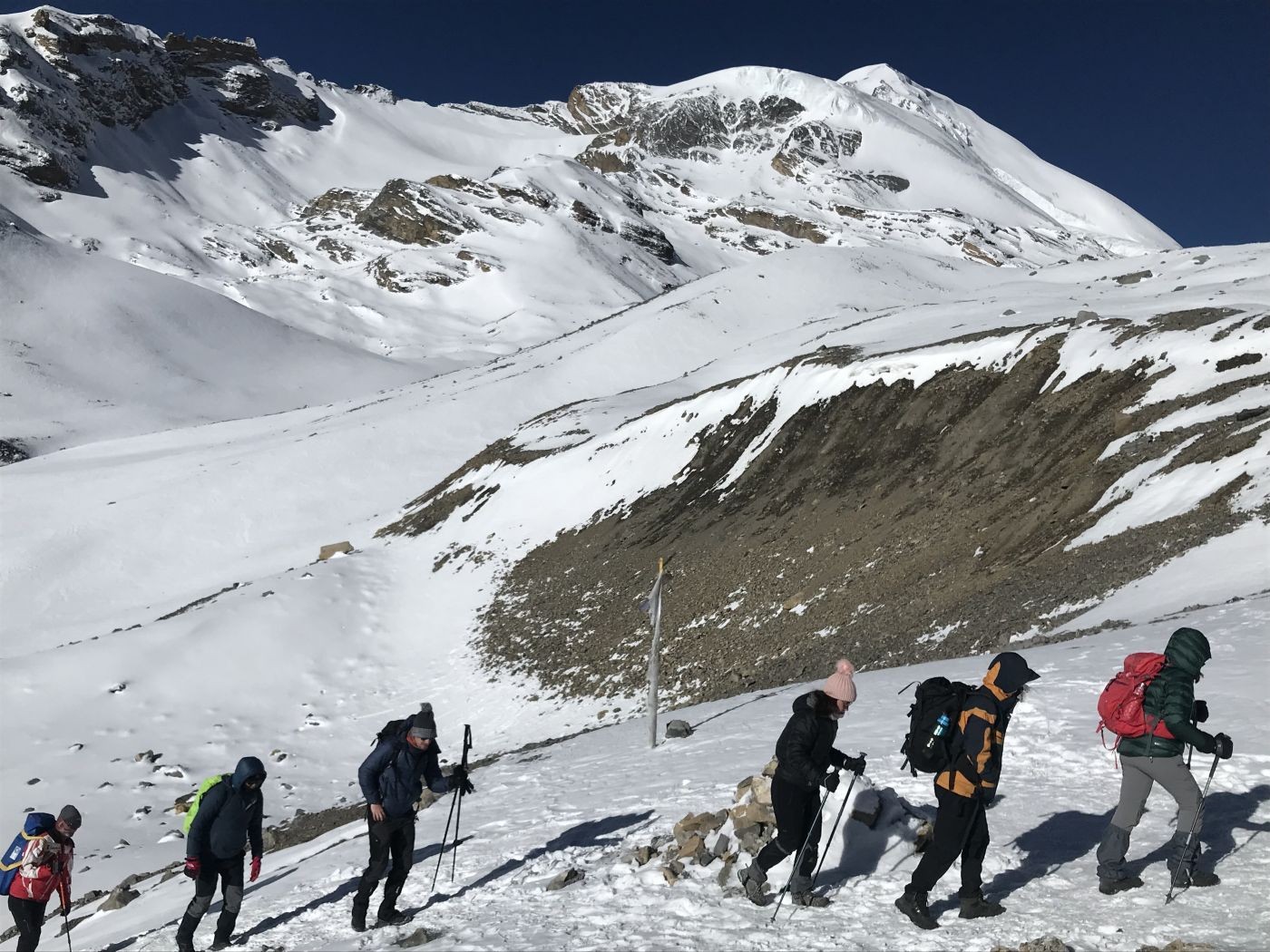
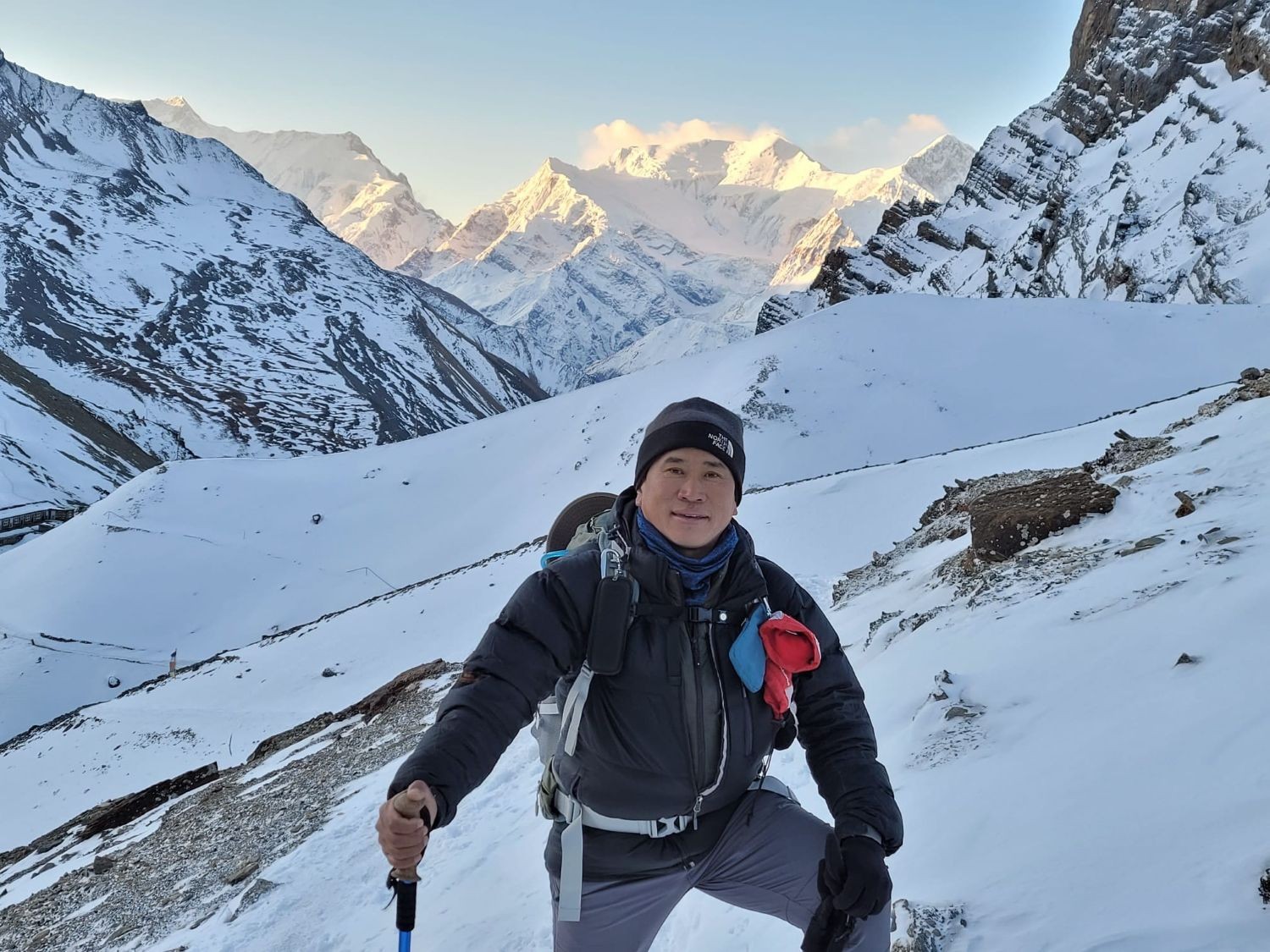
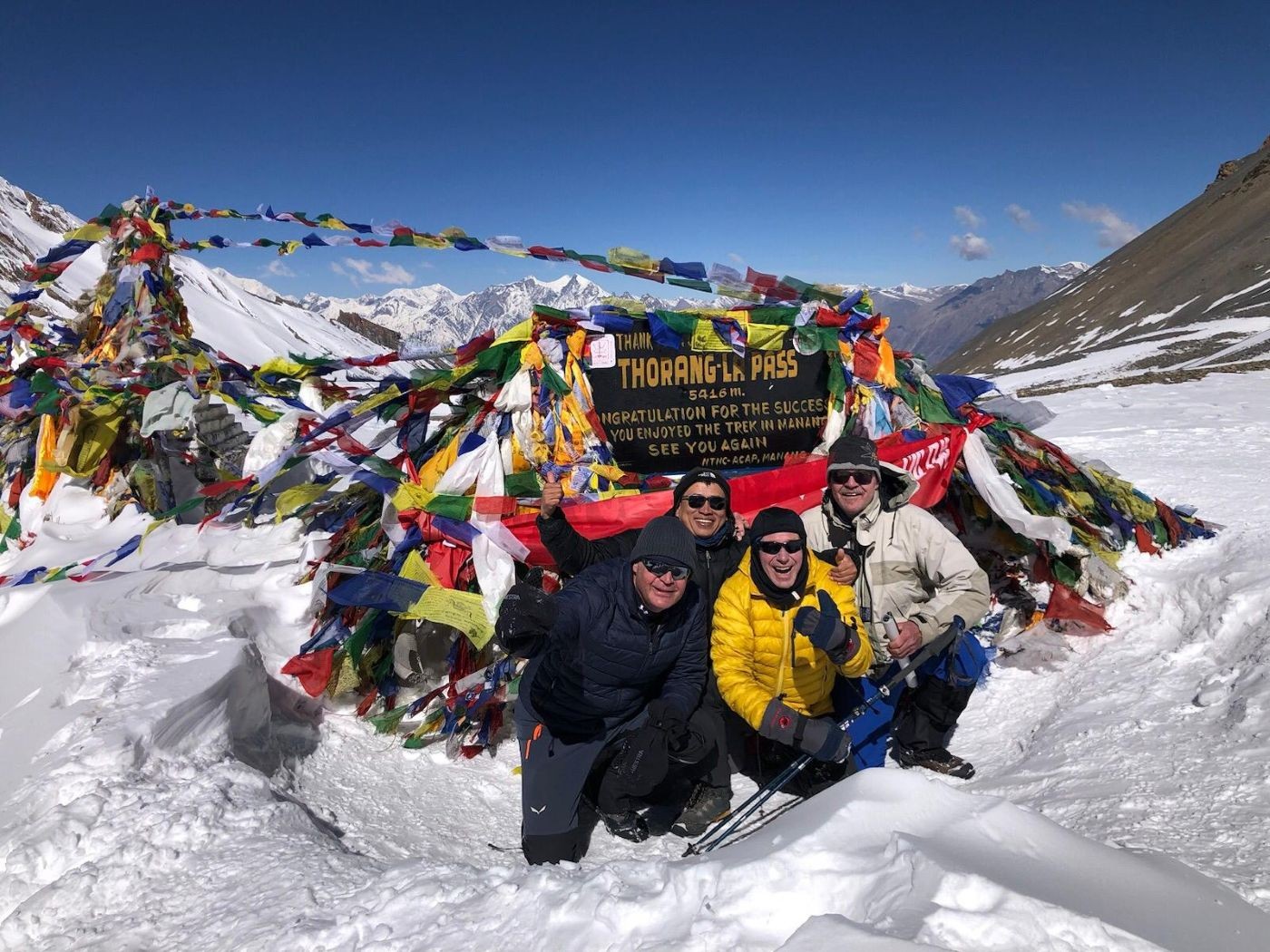
Reaching the summit of Thorong La Pass in winter is a challenging high-altitude achievement, with snow-covered trails, cold winds, and breathtaking Himalayan views marking the highest point of the Annapurna Circuit Trek.
Embracing the Winter Adventure: Final Thoughts and Next Steps
Actually, there’s nothing quite like standing on a snowy ridge with the Annapurna range glowing in that sharp winter light. It’s a moment that stays with you. After more than a decade on these trails and sharing my stories through Haven Holidays Pvt. Ltd., the Annapurna Circuit in Winter still finds a way to surprise me. There’s a rare mix of peace, raw beauty, and real challenge—you just don’t get that in the busier months. You go home carrying more than just snapshots; these are the kind of memories that sink in and shape you. Winter asks more of you, but give it your all, and the rewards are unforgettable.
Likewise, it’s the season when you can feel the real Himalayas—no crowds, just snow-dusted villages like Manang at 3,540 meters (11,614 feet) and Braga at 3,470 meters (11,385 feet), warm families, and massive landscapes stretching in all directions. The air feels cleaner. The sun hits the summits—like Annapurna I at 8,091 meters (26,545 feet)—with that golden glow. The silence is huge. It’s the kind of quiet that you remember for years.
Similarly, Mr. Bhabanath Adhikari, our senior guide who’s spent 20 years leading treks with Haven Holidays Pvt. Ltd., says it best: “Winter trekking is not for everyone, but for those who answer the call, it becomes a life-changing journey of courage, beauty, and connection.”
Why Winter Stays Special :
Unmatched solitude and crystal-clear mountain views.
Deeper cultural immersion with local families.
Personal growth through overcoming cold and altitude.
Support for communities during the quieter season.
Step
Action
Benefit
Initial Consultation
Contact Haven Holidays Pvt. Ltd.
Personalized itinerary & advice.
Fitness Preparation
Follow our training plan
Build confidence & endurance.
Gear & Permits
Get expert recommendations
Safety & compliance assured.
Booking Your Trek
Reserve early for best teahouses
Secure dates & experienced guides.
Next Steps & Booking Advice:
In fact, the warmth you get from the local people is just as memorable as the landscapes. Mukhiya Gurung at Hotel Manang, Tashi Gurung at Lake View Hotel, Sonam Gurung at New Yak Hotel in Braga, and Palden Gurung at Agro Manang make every visit special with their genuine welcome. Our guiding team—Narayan Khadka, Dashrath Adhikari, Sujan Thapa, and Mr. Ramsaran Simkhada, all with over 15 years at Haven Holidays Pvt. Ltd.—know every corner of the trail and are ready to get you safely across the snow.
If a full circuit isn’t your thing, take it easy. Try a winter Annapurna Base Camp trek, or a few days exploring the Manang Valley. We have flexible winter packages to match your fitness and interests, always keeping safety and sustainability in mind.
If you’re searching for something extraordinary, the winter mountains won’t disappoint. You don’t need to be in top athlete shape—show up with determination, prepare well, and trust your team.
Take the Next Step Today,
Reach out to Haven Holidays Pvt. Ltd. and let’s talk about your winter trek. We’ll design a safe, authentic, and unforgettable Annapurna Circuit experience just for you. Whether it’s your first Himalayan trip or one more adventure to add to your story, we’re here to help you every step of the way.
Here, the snow is waiting. The quiet is powerful. Your winter adventure in the Himalayas starts with a single bold step. Contact Haven Holidays Pvt. Ltd. today and let us lead you toward the mountains that will change your perspective on the world.
Nar Phu Valley Trek with Annapurna Circuit | 16 days days
1. Is the Annapurna Circuit Trek possible in winter? Absolutely, you can trek the Annapurna Circuit in winter, though it does come with a few challenges. Lower trails up to Manang (3,540m) stay open most of the time, but crossing Thorong La Pass (5,416m) really depends on the weather. With the right gear, a good guide from Haven Holidays Pvt. Ltd., and a bit of flexibility, you’ll have a safe, memorable winter adventure.
2. What is the best month for Annapurna Circuit Trek in winter? December and February stand out for winter treks on the Annapurna Circuit. Skies are clearer and it’s just a bit less harsh than deep January. Always double-check the latest forecasts. Our guides at Haven Holidays Pvt. Ltd. usually suggest early December or late February for the best shot at good conditions.
3. How cold does it get during the winter trek? Days stay somewhere between 0°C and 10°C. At night, especially above Manang, it can plunge to -15°C or even -25°C. Wind makes it feel colder. Dress in layers and bring a sleeping bag that’s rated for -20°C, minimum. Our guides keep a close eye on everyone to make sure you stay warm and dry.
4. Is Thorong La Pass safe in winter? Thorong La Pass can get tricky in winter—think heavy snow, strong winds, and sometimes total closure, especially around January. Many trekkers stop at Manang or turn back if conditions look bad. For safety, stick with experienced guides from Haven Holidays Pvt. Ltd.
5. What kind of gear do I need for winter trekking? You’ll need thermal base layers, a good down jacket, a waterproof shell, sturdy insulated boots, microspikes, gaiters, and a -20°C-rated sleeping bag. Trekking poles help a lot, too. Haven Holidays Pvt. Ltd. gives you a packing list and can sort out rentals for any special winter gear.
6. How difficult is the Annapurna Circuit Trek in winter? Expect it to be tougher. Cold, snow, and shorter days all add to the challenge. Bring solid fitness, mental grit, and plan for acclimatization. Most fit trekkers finish the trek with help from our team—including guidance from Mr. Bhabanath Adhikari.
7. Do I need a guide for winter Annapurna Circuit? Definitely. Hiring a guide and porter for the winter circuit isn’t just wise—it’s safer. Guides know the trails, weather shifts, and what to do in emergencies. With Haven Holidays Pvt. Ltd., our seasoned guides (15 to 20 years’ experience) make sure you’re covered.
8. How long is the Annapurna Circuit Trek in winter? It usually takes about 14 to 21 days, based on your pace and the weather. We add extra days for acclimatization in Manang. Winter can mean detours if there’s deep snow, so flexibility is key.
9. What about teahouse availability in winter? Most teahouses stay open, but rooms are fewer in winter. You’ll usually find space in popular places like Manang and Braga. Booking ahead with Haven Holidays Pvt. Ltd. means you get good rooms and a warm welcome from local owners.
10. Is altitude sickness a big risk in winter? Yes, it’s a serious risk, especially beyond Manang and crossing Thorong La. Acclimatize in Manang (3,540m) and don’t rush. Our guides keep a close check on everyone’s condition and follow the safest ascent routine.
11. What food can I expect on the winter trek? You’ll eat plenty of hot dal bhat, noodle soups, Tibetan bread, porridge, and apple pie. Teahouses serve up warm, hearty meals. Places like Manang and Braga are known for fresh, home-style dishes that help you refuel and warm up.
12. How much does the Annapurna Circuit Trek in winter cost? A well-organized 18-day winter trek with Haven Holidays Pvt. Ltd. runs about USD 1,350 to 1,850 per person. This includes your permits, guides, teahouses, food, and transport. Final price can change a bit depending on group size and your service options.
13. What permits do I need? You need an ACAP (Annapurna Conservation Area Permit) and a TIMS card. Haven Holidays Pvt. Ltd. handles all the paperwork in Kathmandu so you don’t deal with any hassle before the trek.
14. Can beginners do the Annapurna Circuit in winter? Winter’s not really for complete beginners.You need some previous high-altitude trekking experience and good fitness. But if you’re strong, well-prepared and follow your guide’s advice, even fit newcomers can make it.
15. How to stay warm during the winter trek? Layer up: base, mid, and outer shells work best. Always cover your head and hands, sip on hot drinks, and use a quality down sleeping bag. Moving enough and eating well help you keep body heat, too.
16. Is there snow on the trail? Yes, you’ll hit snow from about 3,000 meters up, especially past Manang. Trails can get icy, so microspikes are a must. Our guides check snow and pick the safest path every day.
17. What are the highlights of winter Annapurna Circuit? Empty trails, insane mountain views, sparkling snow everywhere, and real local culture. Wildlife like snow leopards show up more often. The peace and hospitality you find on the winter circuit—can’t beat it.
18. What happens if weather closes the pass? If Thorong La gets closed, no worries—we switch to a safer alternative, like turning back or flying out from Manang or Jomsom. At Haven Holidays Pvt. Ltd., your safety always comes first.
19. Do I need travel insurance for winter trekking? Yes, don’t skip it. Get travel insurance that covers high-altitude trekking (up to 6,000m) and emergency helicopter rescue. We always double-check your policy before you hit the trail.
20. Why should I book with Haven Holidays Pvt. Ltd.? We’ve got over 10 years of experience, guides with two decades on the circuit, a strong safety record, and close ties with teahouse owners. We deliver safe, genuine, responsible winter treks that put your comfort, security, and Himalayan memories at the center of it all.
Thank you for reading. I hope I’ll see you out on the trail soon. Ever trekked during winter? Drop a comment below—I respond to every one. Safe travels and warm wishes,