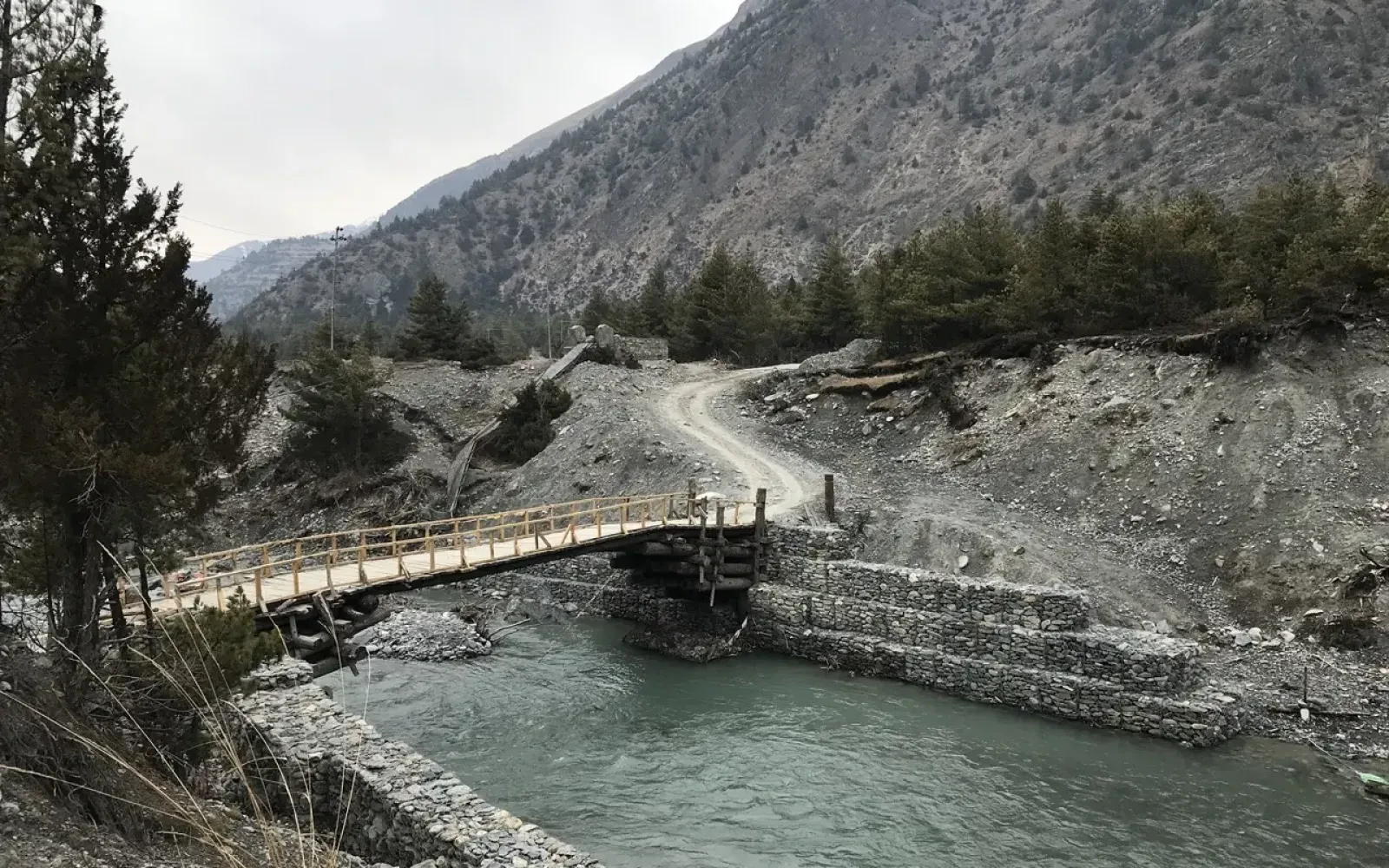
Ever wanted to circle the massive Annapurna range and see landscapes that seem to switch every single day? I’m Krishna Thapa—a trek blogger who’s spent over a decade roaming Nepal’s mountains and towns, and teaming up with Haven Holidays Pvt. Ltd.—and honestly, the excitement hits me just as hard every time I start this trek. The Annapurna Circuit Trek is legendary because it’s so varied: you start down in lush valleys, climb to wild mountain passes, and then drop into barren, blustery terrain that looks straight out of Tibet.
Actually, most trekkers tackle this loop to wrap around the Annapurna massif and catch sweeping views of giants like Annapurna I (8,091 meters/26,545 feet), Annapurna II, III, Gangapurna (7,455 meters/24,459 feet), and Dhaulagiri. Along the trail, you meet Gurung, Thakali, and Tibetan-influenced communities—so you get a dose of culture with the scenery. Sure, some roads reach the lower parts now, but the real high-altitude adventure kicks in at Manang, and if you plan right with Haven Holidays Pvt. Ltd., you can dodge those dusty jeep paths and stay on the most epic trails.
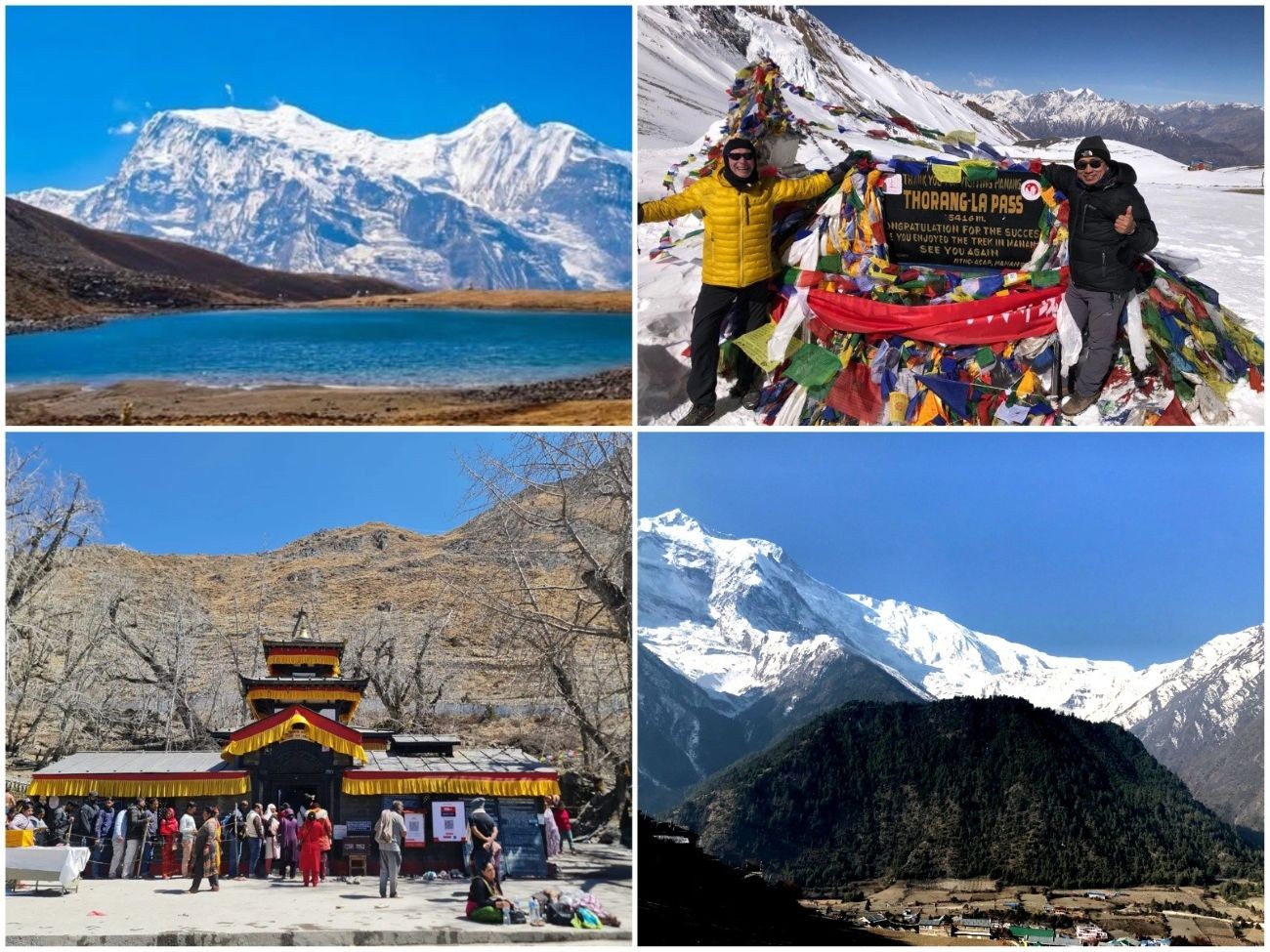
Likewise, the owners of local lodges make the journey special, too. Mukhiya Gurung at Hotel Manang says, “Trekkers who stay with us and acclimatize properly always succeed at Thorong La because they respect the mountain’s pace.” Tashi Gurung from Lake View Hotel in Manang, who actually specializes in spotting snow leopards, leads guests out at dawn to catch glimpses of rare wildlife around Gangapurna Lake.
Key Highlights of the Annapurna Circuit Route :
| Aspect | Details | Why It Matters |
|---|---|---|
| Total Circuit | 160–230 km (100–145 miles) | Customizable with jeep support. |
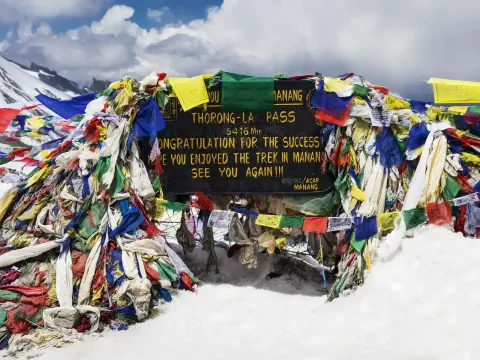
| Max Elevation | 5,416 m / 17,769 ft (Thorong La) | Dramatic altitude journey. |
| Typical Duration | 12–20 days | Allows proper acclimatization. |
| Difficulty | Moderate to Challenging | Rewarding for prepared trekkers. |
Ready to take on this epic loop? Reach out to Haven Holidays Pvt. Ltd. Our team designs Annapurna Circuit packages customized for you, focusing on safety, comfort, and real adventure. Let us help you craft memories that stick for a lifetime.
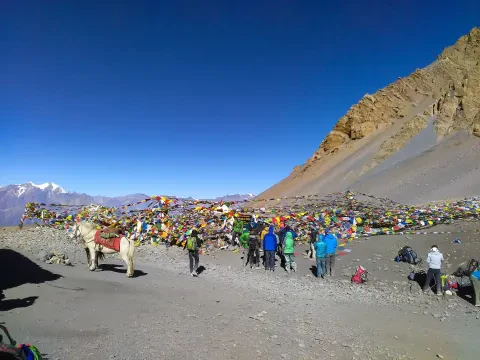
Actually, good planning makes the Annapurna Circuit Trek unforgettable—and honestly, it’s the difference between a struggle and a story you’ll want to tell. After years guiding this trail and blogging about it with Haven Holidays Pvt. Ltd., I always tell trekkers: get your timing right, know the distance, and respect the challenge. That’s how you really enjoy this wild Himalayan journey.
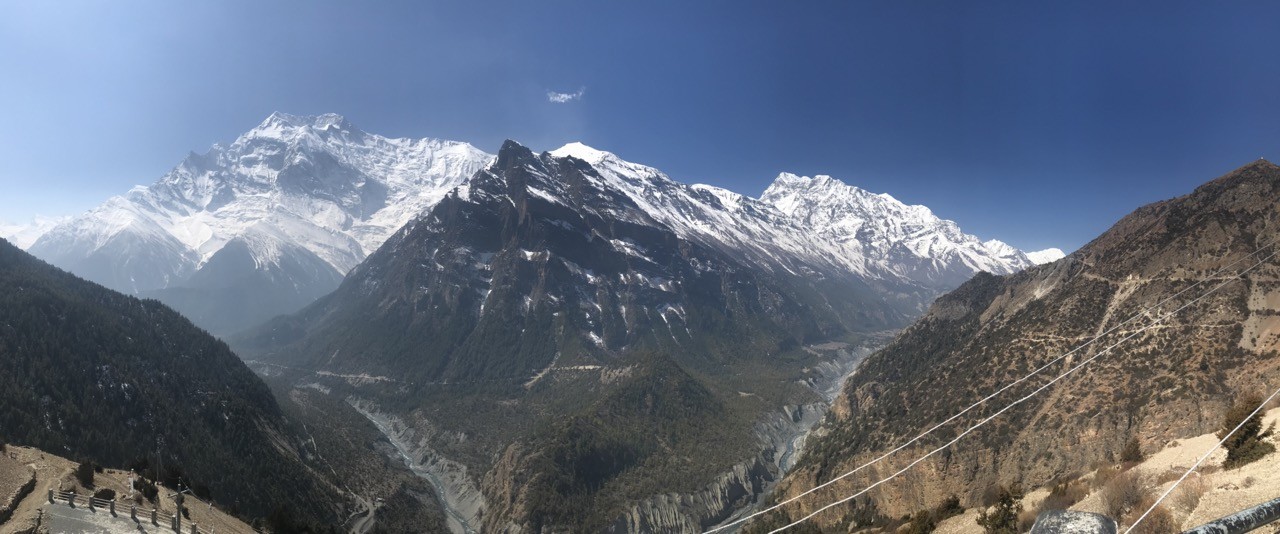
Here, you want Annapurna Circuit Trek in spring (March to May) or autumn (September to November)—these months mean clear skies, steady weather, and comfortable temps. Spring brings vibrant rhododendrons, autumn has crisp air and sharp mountain views. You skip the monsoon’s misery and avoid winter snows, and the Thorong La Pass is much safer. Our senior guide, Bhabanath Adhikari (20 years guiding), insists: “Always trek in these windows because visibility and trail conditions make the journey safer and more enjoyable.”
Likewise, depending on where you start and how much you use jeeps, the Annapurna Circuit runs 160–230 km (100–145 miles). Most people spend 14–18 days, walking 5–8 hours a day and climbing plenty, so it’s a trek that’s moderate to pretty tough. You hit the highest point at Thorong La (5,416 meters/17,769 feet). Assistant guide Sujan Thapa likes to remind groups, “Listen to your body and acclimatize well in Manang at 3,540 meters (11,614 feet) – it makes all the difference at the pass.”
Essential Planning Checklist :
| Planning Factor | Recommendation | Expert Tip from Haven Holidays |
|---|---|---|
| Best Time | Mar-May & Sep-Nov | Clear skies, ideal temperatures. |
| Total Distance | 160–230 km / 100–145 miles | Adjust with jeep for comfort. |
| Duration | 12–20 days | Build in rest days at Manang. |
| Max Altitude | 5,416 m / 17,769 ft | Acclimatize to prevent AMS. |
| Fitness Level | Moderate-Challenging | Train cardio and legs beforehand. |
Similarly, Palden Gurung at Agro Manang Apple Farm in Bradang offers a great tip: “Trekkers who eat fresh apples from our farm and rest well gain natural energy for the higher sections.”
So, what’s holding you back? Join Haven Holidays Pvt. Ltd. for a trek that’s perfectly planned. Guides like Ramsaran Simkahda (15+ years experience) make sure you stay safe and actually enjoy the trail. Book your Annapurna Circuit adventure now and step into the Himalayas with real confidence.
Ready to chase your Himalayan dream without any nasty financial surprises? My name’s Krishna Thapa. I’ve spent a decade trekking, blogging, and working with Haven Holidays Pvt. Ltd., and if there’s one lesson I share with every traveler—it’s that clear budgeting saves a lot of anxiety. Get your money sorted, and all you have left to do is soak in those jaw-dropping landscapes.
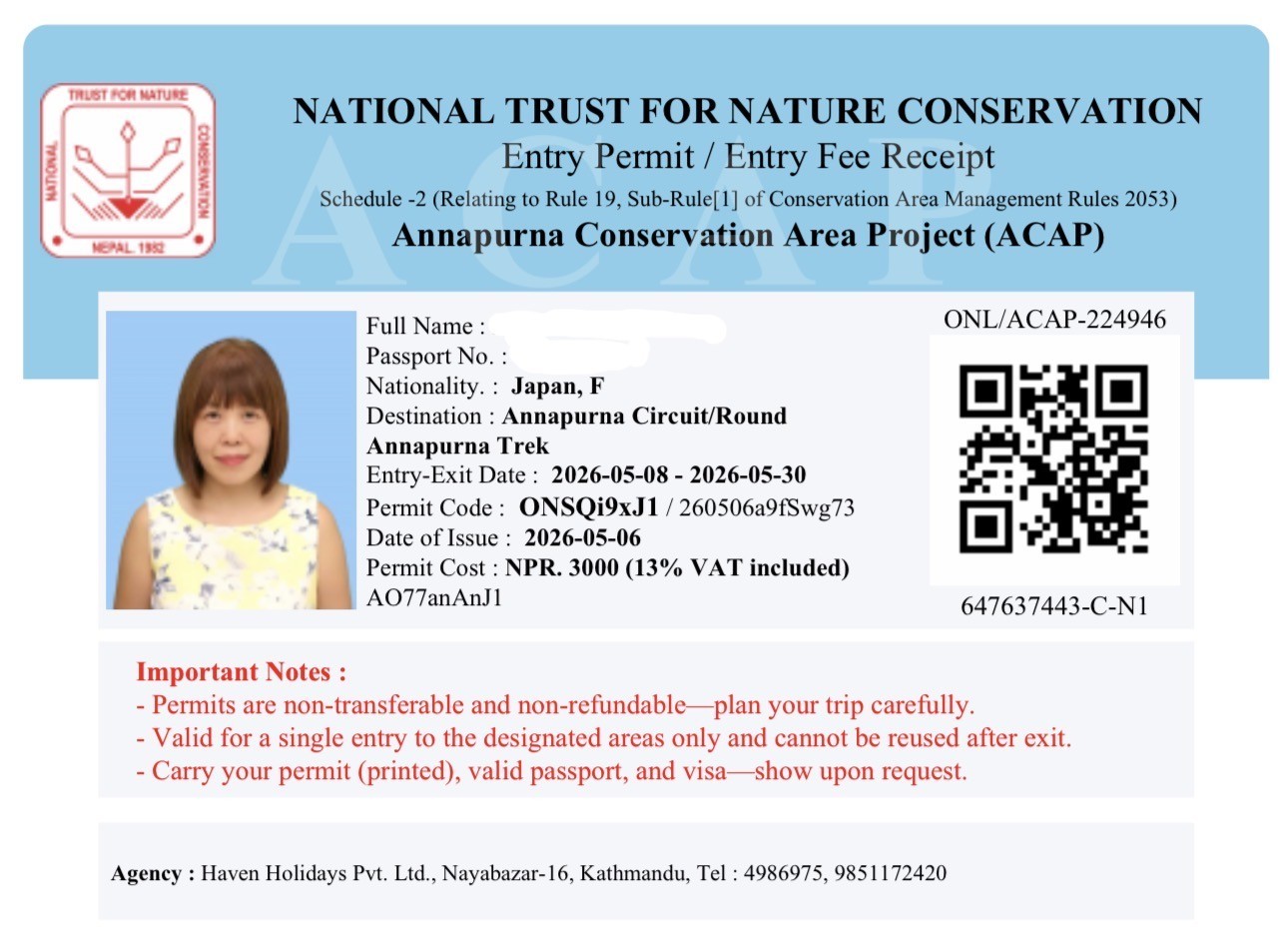
Seriously, don’t skimp on permits. They’re not just legal paperwork; they help protect the Annapurna region for future generations. And choosing between trekking independently or going guided? That’s all about your style and how safe you want to feel.
Here, right now, you’ll pay about USD 25 (NPR 3,000) for the ACAP (Annapurna Conservation Area Permit) and another USD 15–20 (NPR 2,000) for the TIMS card—so all together, permits run USD 40–45 each. It’s pretty straightforward to get them in Kathmandu or Pokhara. Go through a registered agency like Haven Holidays Pvt. Ltd., and we’ll handle the boring bits for you. Opt for a guided trek with us and permits come bundled in the deal. Plus, you get expert guides and maximum safety. Bhabanath Adhikari, our most experienced guide (20 years on the trails), always says, “Never trek without proper permits—they protect you and the mountains we all love.”
If you’re trekking on your own, you’ll spend around USD 30–50 a day—teahouse rooms, meals (hello, endless dal bhat), and a few extras. For 14–18 days, most independent trekkers shell out USD 600–1,200. Guided options at Haven Holidays typically range from USD 1,000–1,800 per person (depends how big your group is, and whether you want flights or extra side trips). Honestly, it’s peace of mind with pros who know the route backward.
Likewise, Sonam Gurung from New Yak Hotel in Braga sees it all the time: “Trekkers who budget wisely and choose good lodges enjoy better rest and energy for Thorong La at 5,416 meters (17,769 feet).
Key Budget Components :
| Category | Independent Budget (USD) | Guided Package (Haven Holidays) | Notes |
|---|---|---|
| Permits (ACAP + TIMS) | 40–45 | Included | Mandatory for all. |
| Daily Expenses (14–18 days) | 400–700 | Included or 30–50/day extras | Meals & teahouse. |
| Transportation | 50–150 | Included or customized | Bus/Jeep/Flight. |
| Guide & Support | Optional (extra) | Included | Safety & expertise. |
| Total Estimate | 600–1,200 | 1,000–1,800 | Per person, 14–18 days. |
More importantly, take a smart step. Contact Haven Holidays Pvt. Ltd. for straight-up pricing and packages built around you. We make sure you get real value—plus the best experience on the Annapurna Circuit Trek. Book now, and trek with zero worries!
Picture this—you start your adventure with no hassles, saving your energy for the actual hiking. After ten years trekking and guiding with Haven Holidays Pvt. Ltd., I know that sorting out transportation early can mean the difference between a great trek and a stressful one.

Meanwhile, you’ll begin in Kathmandu or Pokhara, then head to the trailhead at Besisahar. Choose based on your budget and comfort—maybe a scenic bus, maybe a jeep. Planning your exit from Jomsom or Muktinath is just as important. Get it right, and the whole circuit clicks together.
Actually, most trekkers go from Kathmandu to Pokhara in six to seven hours by tourist bus, then catch another bus or jeep to Besisahar (760m / 2,493 ft). From there, it’s shared jeeps up to Dharapani (1,860m / 6,102 ft) or Chame (2,710m / 8,891 ft). Why bother walking the dusty low sections? Starting up higher means cleaner trails and better views. Haven Holidays pre-books jeeps—shared or private—so you skip road-walking and get straight into the Marsyangdi River valley scenery. Want an expert tip? Guide Narayan Khadka always says, “Opt for jeep rides up to Chame when possible—it preserves your legs for the higher, more rewarding sections.
Heading home, you’ll descend to Muktinath (3,760m / 12,336 ft) and Jomsom (2,743m / 9,003 ft) after Thorong La Pass at 5,416 meters (17,769 feet). Then you’ve got options: fly from Jomsom to Pokhara (20–25 minutes, epic views, but weather can be tricky, USD 180–200) or take a bus or jeep—cheaper, longer, but still pretty scenic. Go with what fits your plans and pocket.
Moreover, Dashrath Adhikari, another guide, likes to remind trekkers: The journey to the trailhead feels exciting when arranged properly—it sets a positive tone for the entire circuit.
Main Transportation Options :
| Route | Mode | Duration | Approx. Cost (USD) | Elevation |
|---|---|---|
| Kathmandu to Besisahar | Bus/Jeep | 7–9 hours | 10–30 | 760m / 2,493 ft. |
| Besisahar to Chame | Shared Jeep | 5–7 hours | 25–40 | 2,710m / 8,891 ft. |
| Jomsom to Pokhara | Flight | 20–25 min | 180–200 | Descent to 827m / 2,713 ft. |
| Jomsom to Pokhara | Jeep/Bus | 8–10 hours | 20–40 | Scenic drive. |
Start your trek right. Let Haven Holidays Pvt. Ltd. handle all the transport so you can just show up and start hiking. Our team, including friendly assistant guide Sujan Thapa, takes care of your transfers—no fuss, all adventure. Get in touch, reserve your spot, and experience the iconic Annapurna Circuit from the moment you hit the road.
What would it be like to go from green valleys to wild mountain deserts, all in one trip? I’ll tell you, after a decade guiding and writing about Nepal for Haven Holidays Pvt. Ltd., the Annapurna Circuit keeps surprising me. This isn’t just a long hike around Annapurna—the circuit throws you into jungly river gorges, wide open alpine meadows, and high-altitude deserts that feel almost like another planet. Every day, you’re moving through new scenery, meeting new people, hearing fresh languages: that’s what keeps this trek a world favorite.
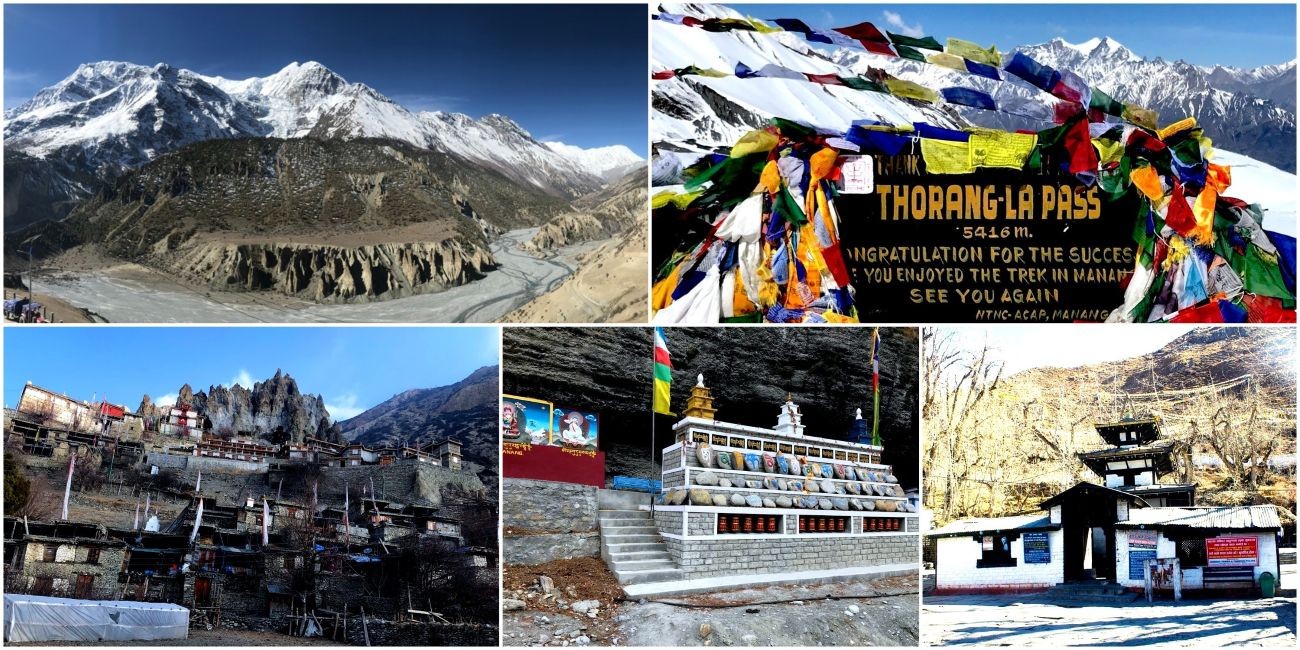
Depending on how much you use jeeps or explore side trails, the full Annapurna Circuit runs about 160–230 km (100–145 miles). You climb up the Marsyangdi River Valley past waterfalls and Gurung villages, stop in Manang to acclimatize and rest, challenge yourself over the high Thorong La Pass at 5,416 meters (17,769 feet), and drop into the stark Kali Gandaki Valley—officially the world’s deepest gorge. One day you’ll walk under shady forests, the next you’re crossing wind-blasted, stony plateaus, staring at Annapurna I, Gangapurna, and Dhaulagiri. If you’re feeling adventurous, you can take upper route detours—like going through Upper Pisang or trekking out to Tilicho Lake.
Here, our guide Ramsaran Simkahda, who’s spent fifteen years on these paths, likes to say, Let each stage unfold on its own. The Circuit rewards patience and respect with views you’ll never forget.
Key Sections of the Route :
| Section | Key Highlights | Elevation Range | Distance (approx.) |
|---|---|---|
| Marsyangdi Valley | Gorges, waterfalls, subtropical forests | 760m – 3,540m (2,493 – 11,614 ft) | 70–90 km |
| Manang Region | Acclimatization, views of Gangapurna | 3,540m / 11,614 ft | Variable. |
| Thorong La Pass | Highest point, panoramic views | 5,416m / 17,769 ft | 8–12 km crossing. |
| Kali Gandaki Descent | Arid valley, Muktinath, Jomsom | 5,416m down to 2,743m | 60–80 km. |
To sum up, there’s no better way to experience the whole thing. Haven Holidays Pvt. Ltd. carefully plans routes that balance challenge with safety. Get in touch now to start building your own Annapurna Circuit story—you’ll come home with memories that stick for life.
Ready to jump into the mountains with green valleys and friendly villages all around you? Trust me, after years of leading trekkers on these lower trails and writing guides for Haven Holidays Pvt. Ltd., starting from Besisahar just gets people into the right trekking rhythm. The early stretch is perfect: the walking isn’t too hard, the scenery grabs you from day one, and you’re slowly getting your body used to higher altitudes. You’ll weave through gorges, over old suspension bridges, past houses where dogs bark and kids wave—these are the little things that make the days more real.
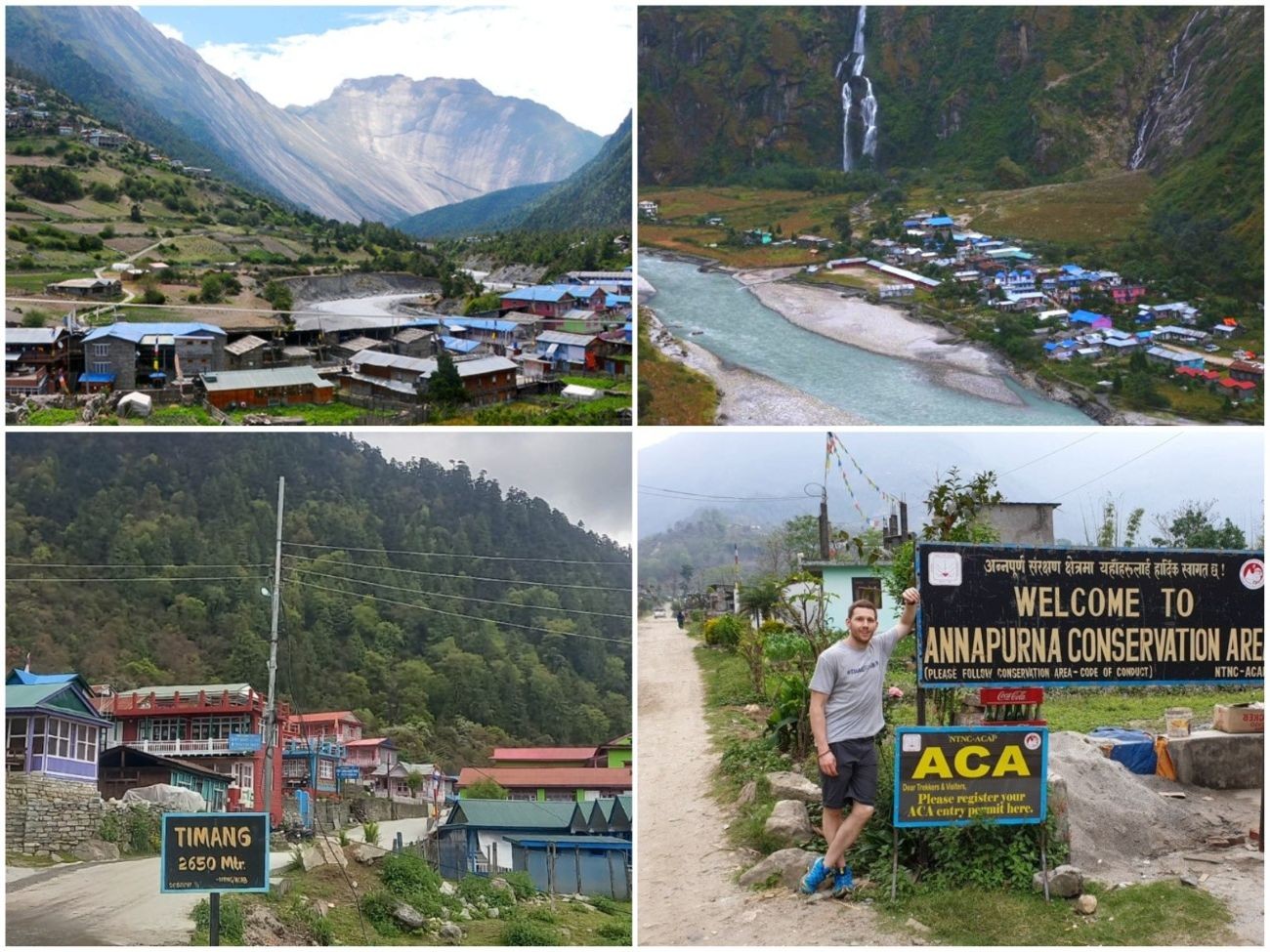
Meanwhile, most poeple kick things off at Besisahar (760m / 2,493 ft)—though some drive higher to Dharapani (1,860m / 6,102 ft) to save their legs. As the trail climbs, you reach Jagat (1,300m / 4,265 ft), then Dharapani, Chame (2,650–2,710m / 8,694–8,891 ft), Pisang (3,200–3,300m / 10,499–10,827 ft), and finally Manang (3,540m / 11,614 ft). Each day you cover 12–22 km, with steady ascents and about 5–7 hours of actual walking time. Some people still use the new roads, but honestly, you’ll get more from the original trails—like the views between Chame and Upper Pisang, which are just stunning.
Likewise, it helps having guides or locals looking out for you. Mukhiya Gurung from Hotel Manang swears by rest days: “Take it slow in Manang—stay two nights and explore. You’ll handle the high pass much better.” Tashi Gurung, who knows every track and is a bit of a snow leopard specialist, likes to show guests around Gangapurna Glacier Lake on their days off.
Daily Highlights (Besisahar to Manang) :
| Day / Stage | Distance | Elevation Gain | Key Stops & Highlights |
|---|---|---|
| Besisahar to Dharapani | 35–45 km | Up to 1,100m | Jagat, Tal village, gorges. |
| Dharapani to Chame | 15–18 km | 750–850m | Timang, pine forests. |
| Chame to Pisang | 13–15 km | 600–700m | Upper Pisang views. |
| Pisang to Manang | 14–22 km | 240–400m | Braga, ancient villages. |
Actually, Narayan Khadka—one of our senior guides, and a guy who knows every shortcut—always reminds trekkers, Take it easy at the start. Building up slowly is what gets you over Thorong La in one piece.
Kick off your trek the right way. Leave the planning to Haven Holidays Pvt. Ltd. while you soak up every bit of the lower circuit’s magic. Reach out, and we’ll get you sorted with people who know these hills inside out.
Ready for the biggest challenge—and the most unforgettable moment—of the Annapurna Circuit Trek? I’m Krishna Thapa, and after a decade guiding and sharing stories all over Nepal with Haven Holidays Pvt. Ltd., I can say that crossing Thorong La is the real showstopper. It’s tough. It’s high. It’s just wild. You leave Manang and climb through raw alpine terrain, pushing yourself to the pass at 5,416 meters. The view from the top? You get the whole sweep of the Himalayas in a single glance. Every breath and every step make sense when you’re standing up there. This day really proves your grit, but going at the right pace and having a reliable team by your side turn it from a grueling push into something honestly triumphant.
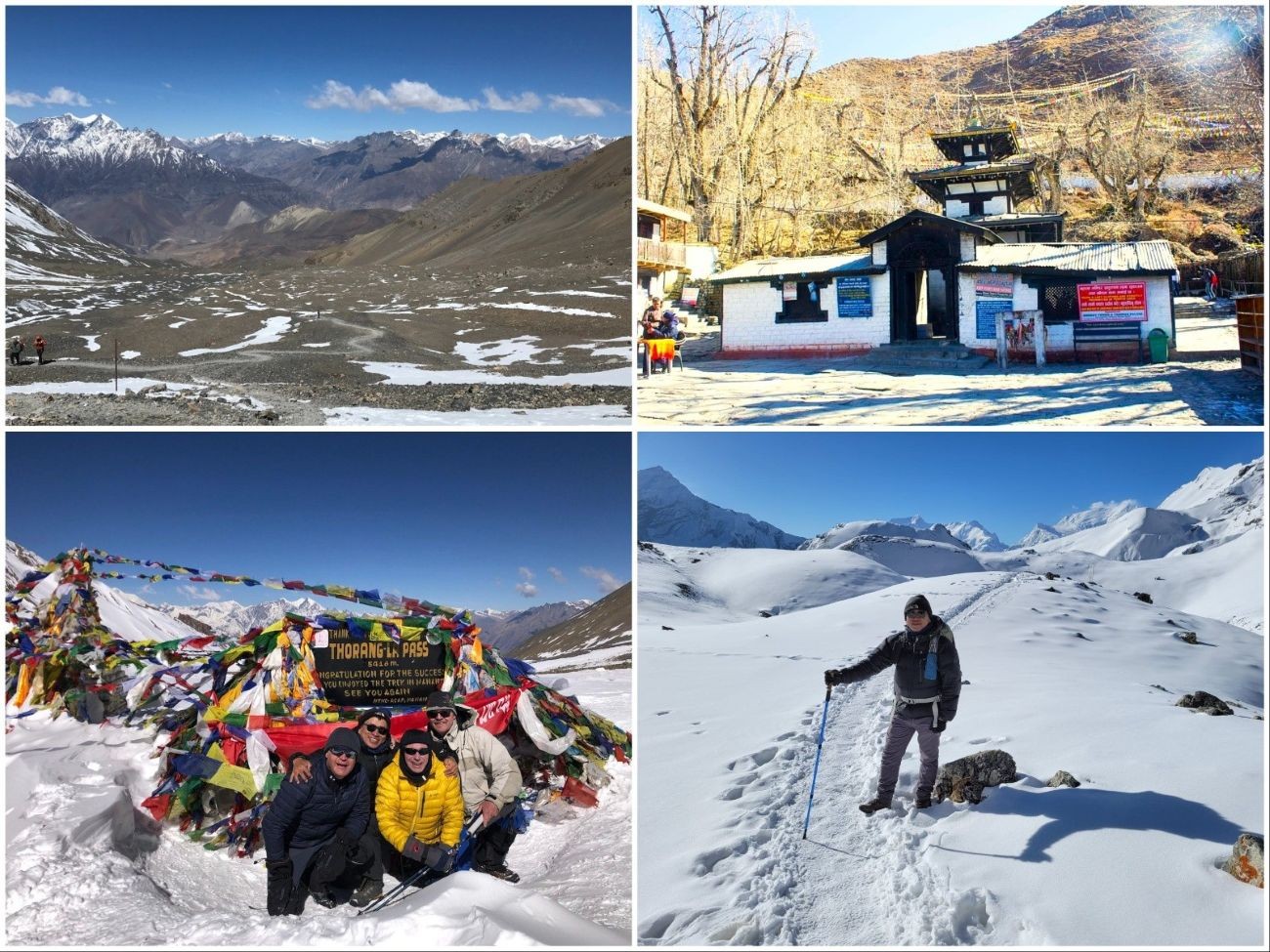
Meanwhile, you start out from Manang (3,540m) and move up to Yak Kharka (4,050m), then on to Thorong Phedi (4,540m) or High Camp (4,900m). These stops aren’t just for rest—they’re crucial to get your body used to the thin air. On crossing day, it’s all about starting early, usually around 4 or 5 AM. You move up for 4-6 hours, aiming to stay ahead of afternoon winds, reach the pass, and then drop dramatically down toward Muktinath (3,760m).
Mountain weather can flip on you fast—snow, fog, wind, you name it—so safety matters more than anything. Bhabanath Adhikari, our veteran guide with almost twenty years out here, reminds everyone: “Early is always better. Keep moving but listen to yourself. Patience and respect—that’s how you earn the mountain’s trust.”
Likewise , the descent is a rush. Your legs might feel jelly but the energy from those Kali Gandaki valley views—and big peaks like Dhaulagiri—keep you going. Honestly, staying hydrated, mixing your layers, and being with a team you rely on makes all the difference up here.
High Route Highlights :
| Stage | Distance | Elevation | Time (approx.) | Key Challenge |
|---|---|---|
| Manang to Yak Kharka | 10-12 km | 3,540m to 4,050m (11,614-13,287 ft) | 4-5 hrs | Steady gain. |
| Yak Kharka to High Camp | 6-8 km | Up to 4,900m (16,076 ft) | 3-4 hrs | Thinner air. |
| High Camp to Thorong La | 5-6 km | 5,416m / 17,769 ft | 4-6 hrs | Cold & wind. |
| Pass to Muktinath | 10-12 km | Descent to 3,760m (12,336 ft) | 4-6 hrs | Steep downhill. |
Similarly, Tashi Gurung from Lake View Hotel in Manang has a knack for wildlife advice, especially for those hoping to spot snow leopards before heading higher.
In conclusion, get ready to face this legendary pass with confidence. Haven Holidays Pvt. Ltd. makes sure you have expert guides, steady pacing, and all the backup you need for Thorong La. Reach out and book your Annapurna Circuit—let's turn your big dream into a safe, incredible reality.
So what’s it like dropping down into a whole new world after the high pass? Honestly, after ten years working with Haven Holidays Pvt. Ltd., I still get amazed every single time. The stretch from Muktinath into the Kali Gandaki valley is wild—the landscape dries out, wind picks up, and it’s so different from the lush hills earlier in the trek. You wrap up the circuit, catching glimpses of Tibetan culture, sacred sites, and the tough, beautiful river scenery. Plus, you’ve got options: end the trek comfortably or keep going for more adventure.
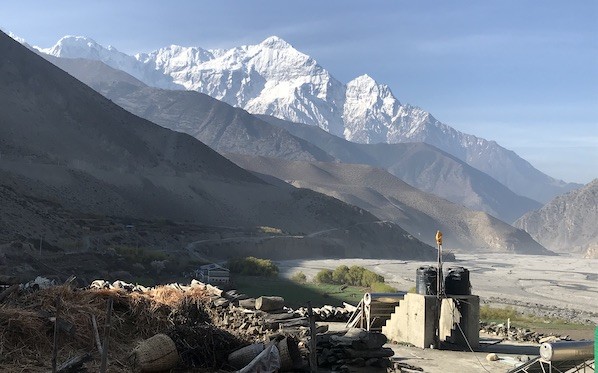
Actually, leaving Muktinath (3,760m), you make your way to Jomsom (2,743m), down through the world’s deepest gorge along Kali Gandaki. Kagbeni village marks the gateway to Upper Mustang—a spot for side trips if you’re feeling adventurous. And don’t forget the afternoon winds sweeping through; the barren cliffs and apple orchards always make it worth it. Dashrath Adhikari, one of our trusty guides, tells trekkers, “This stretch is way more relaxed after Thorong La. But don’t let your guard down—watch the wind and drink plenty even while you soak in the Mustang vibes.”
Likewise ,you get to choose: walk the whole way, hop on a jeep for speed, or mix it up. From Jomsom, you can grab a scenic flight to Pokhara (about 20 minutes—it’s quick and gorgeous) or jump into overland travel with a jeep or bus. It’s up to you—fit the return to your energy and schedule.
Return Route Features :
Kali Gandaki Valley: Deepest gorge, wild winds, striking geology.
Muktinath to Kagbeni/Jomsom: Shrines, villages, all kinds of cultural immersion.
Transportation Options: Go by foot, jeep, or take a flight to Pokhara.
Optional Extensions: Glimpse Upper Mustang or take side trips if you want more.
| Segment | Distance | Elevation Change | Transport Options | Highlights |
|---|---|---|
| Muktinath to Kagbeni | 8-10 km | Descent to ~2,800m | Trek or Jeep | Sacred temple & village. |
| Kagbeni to Jomsom | 10-12 km | To 2,743m / 9,003 ft | Trek/Jeep | Kali Gandaki riverbed. |
| Jomsom to Pokhara | - - - | Down to 827m / 2,713 ft | Flight or Jeep/Bus | Quick or scenic return |
Here, Sonam Gurung from New Yak Hotel in Braga always hears trekkers say this descent brings a real sense of finishing—like you’ve really completed the journey.
End your epic trek hassle-free. Let Haven Holidays Pvt. Ltd. sort out your return while you wind down and celebrate. Get in touch, book your full Annapurna Circuit Trek, and let our experts smooth out your adventure from start to finish.
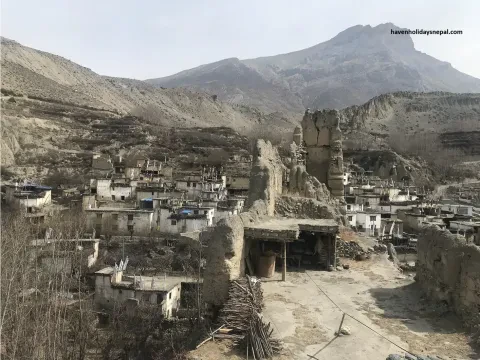
Have you ever wondered if the Annapurna and Manaslu circuits meet each other or if they even overlap? Most trekkers tend to ask this question due to the proximity of both trails in west Nepal, both offering magnificent views of the Himalayas.
The Definitive Answer
Yes, the Annapurna and Manaslu circuits do intersect each other at Dharapani.
The Key Intersection Point
Dharapani is the main connecting village of the two circuits. Most itineraries on the Manaslu circuit will typically end at Dharapani having completed crossing Larkya La pass at (5,106m/16,752ft). This point on the trail coincides with a part of the typical Annapurna Circuit route at day 3 or day 4 having trekked from Besisahar at (820m/2,690ft).
Route Intersection Chart
| Element | Manaslu Circuit | Annapurna Circuit | Intersection Point |
| Termination point (standard) | Dharapani | Jomsom / Muktinath | Dharapani |
| Main Pass | Larkya La (5,106m/16,752ft) | Thorong La (5,416m/17,769ft) | - |
| Route direction at Dharapani | Approaching from north | Climbing upwards towards Manang | The trails merge at this point. |
| Time distance between circuits | - | - | Circuits are combinable. |
The Significance of the Intersection
Moreover, many ambitious trekkers are known to combine both circuits together into one magnificent expedition. You will find that on the Manaslu Circuit you can finish at Dharapani and continue onwards to start trekking the Annapurna circuit, without having to backtrack from this specific location. It’s this merge of trails at Dharapani that gives many the advantage of being able to summit both Larkya La and Thorong La, diverse cultures, landscapes and reach up to two major passes all in one trip (25-30 days) which is known to be challenging yet highly rewarding.
Important Notes
Conclusion
Both circuits do not run parallel to each other for extended distances, but they certainly intersect at Dharapani and may readily be combined together. The ease with which this union can be achieved is one of the reasons that the combination of the Manaslu + Annapurna Circuit treks is increasingly popular among seasoned trekkers looking to tackle a longer and even more impressive trek.
So, you’re probably thinking: where am I going to crash each night after those long days of hiking? I get asked this all the time, and honestly, having trekked, blogged, and worked closely with Haven Holidays for a decade, I put a lot of focus on teahouses. If your accommodation isn’t comfortable, you feel it all over. Good nights turn into good days—it’s that simple.
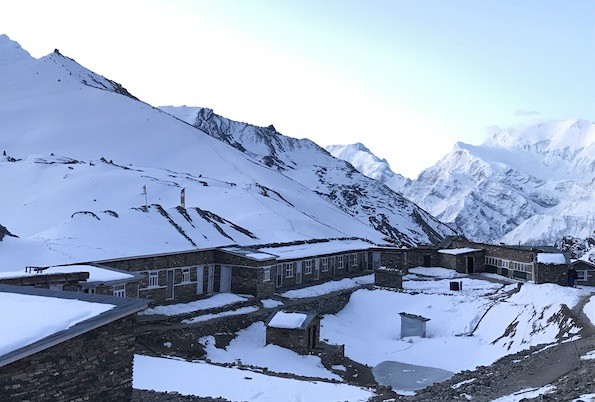
As you climb higher on the Circuit, teahouses shift. Down in the lower sections, from Besisahar to Chame (up to 2,710 meters), rooms are fairly simple but clean, often with attached baths and reliable hot showers. You can freshen up, plug in your devices, and enjoy proper meals. It feels almost easy. Once you reach Manang (3,540 meters) and above, rooms get more basic and you share facilities, but the owners really step up. The dining halls warm you up—literally, because heaters are common—and the food is consistently tasty. You’ll find Dal Bhat, momos, noodle soups, and apple pie everywhere. These dishes are legendary for keeping trekkers fueled, and they taste pretty great after a day of hiking.
At higher altitudes, Wi-Fi, charging, and hot showers get spotty. Haven Holidays always recommends bringing power banks and picking your lodges carefully. You feel the difference when you’re shivering after sunset and craving a hot meal.
Here, Mukhiya Gurung of Hotel Manang puts it best: “Guests who rest well, eat hot meals, and stay hydrated cross Thorong La much better.” Tashi Gurung at Lake View Hotel in Manang is another local who’s always ready with useful tips.
Teahouse Facilities by Region :
| Region / Altitude | Room Quality | Meals & Amenities | Price Range (USD per night) |
|---|---|---|
| Besisahar to Chame (760-2,710m) | Good, often attached bath | Hot shower, Wi-Fi, variety of food | 8–15 |
| Pisang to Manang (3,200-3,540m / 10,499-11,614 ft) | Comfortable | Dal Bhat, heater, charging | 10–20 |
| Thorong Phedi / High Camp (4,540-4,900m) | Basic | Simple meals, limited electricity | 12–25 |
| Muktinath to Jomsom (2,743-3,760m) | Good to Very Good | Good Wi-Fi, hot water, apple products | 10–18 |
And don’t miss the produce. Palden Gurung at Agro Manang Apple Farm in Bradang often sends fresh apples up to teahouses, and it really does make meals feel a little special.
Choose your comfort wisely. At Haven Holidays, we handpick the best teahouses for every Annapurna Circuit group, so you can trek knowing you’ll have a safe, comfortable spot each night. Reach out to us—let’s make sure your journey feels as good as it looks.
What makes the Annapurna Circuit more than just another trek? After ten years exploring these trails and guiding with Haven Holidays, I never get tired of the blend—those huge mountain vistas plus side trips off the main route. You get jaw-dropping panoramas, sure, but it’s the quieter detours and the chance to shape the trek around your trip that stick with you.
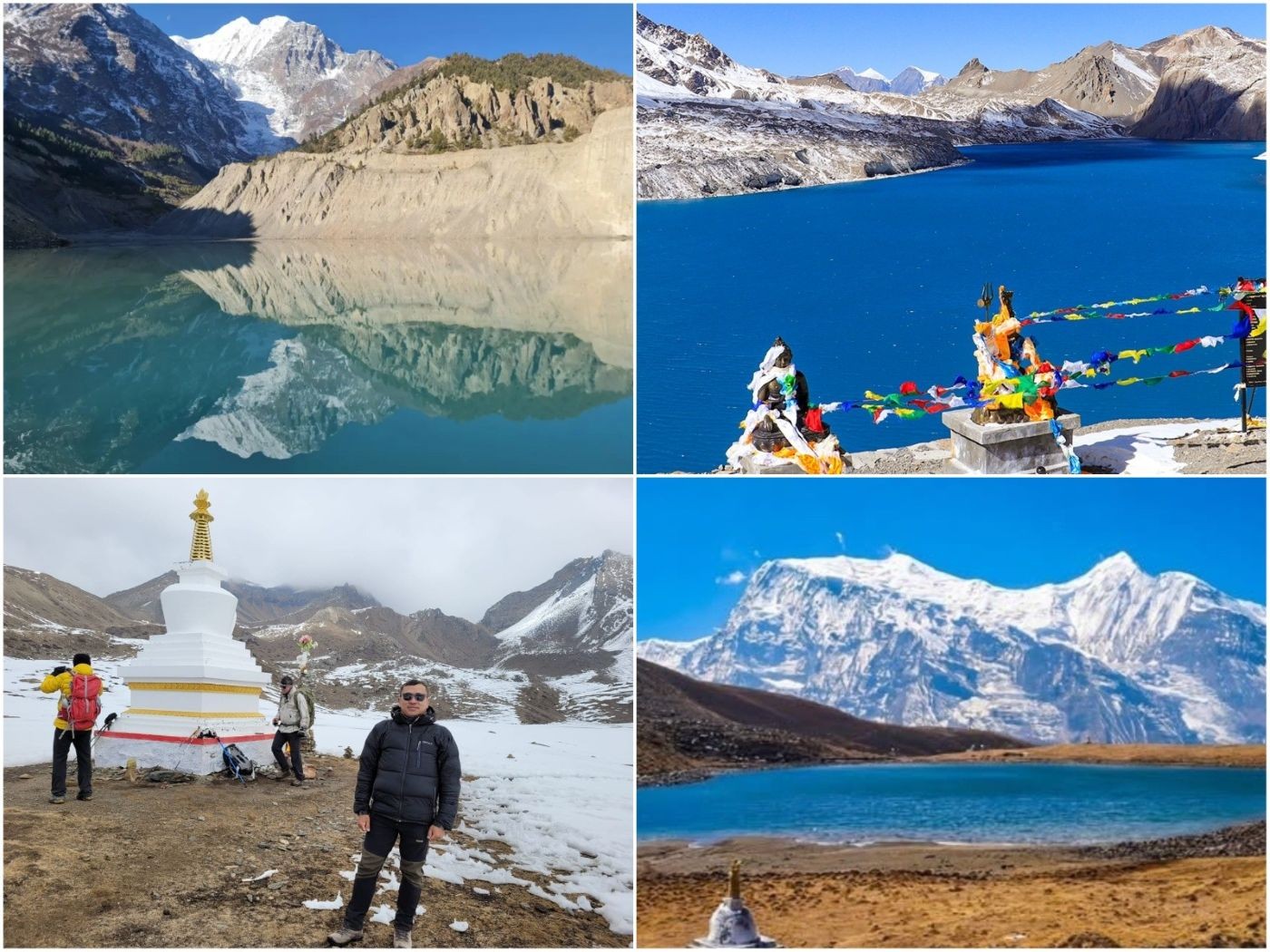
In fact, everyone talks about Annapurna I (8,091 meters), Annapurna II, Gangapurna (7,455 meters), and the massive Dhaulagiri. These peaks dominate the views almost every day. But for something extra, consider side trips. Tilicho Lake (4,919 meters) is epic—highest lake in the world, with unreal scenery. Upper Pisang and Ghyaru (3,200–3,500 meters) are old stone villages with monasteries and big views most trekkers miss. The dazzling Ice Lake (4,600 meters) near Manang is another favorite; yeah, it’s challenging, but totally worth it.
Actually, these detours usually add one to three days, but you get quieter trails and scenery you’ll remember forever. Ramsaran Simkhada, our guide with over fifteen years' experience, swears by the Upper Pisang route and the Ice Lake hike for top views and real culture.
If you’re short on time, you can cut some sections with a jeep, or if you’re eager for more, add Upper Mustang explorations. There’s almost always a way to tweak the trek to fit your schedule and style.
Major Highlights & Side Trips :
| Side Trip / Highlight | Elevation | Extra Days | Difficulty | Why Visit |
|---|---|---|
| Upper Pisang / Ghyaru | 3,200–3,500m (10,499–11,483 ft) | 1 | Moderate | Better views, fewer people. |
| Ice Lake | 4,600m / 15,092 ft | 1–2 | Challenging | Stunning turquoise lake. |
| Tilicho Lake | 4,919m / 16,138 ft | 2–3 | Demanding | High altitude beauty. |
| Muktinath Temple | 3,760m / 12,336 ft | – | Easy | Sacred site & natural springs. |
Similarly, our assistant guide Sujan Thapa is always helping groups mix in these options and making sure plans fit just right.
In conclusion, make your Annapurna Circuit Trek fit you. Haven Holidays specializes in creating custom routes—just tell us what matters most to you, and our team handles the details. Get in touch, share your dreams, and let us design a Himalayan adventure you’ll never forget. Book now and experience the highlights for yourself.
Want to do the Annapurna Circuit Trek safely, make smart choices, and really enjoy every step? That’s exactly what I’ve aimed for during my 10 years of trekking, blogging, and guiding with Haven Holidays Pvt. Ltd. Here’s what I’ve learned on the trail: good prep and even smarter decisions protect your health, make your journey a lot more enjoyable, and keep you coming back for more. You have to get acclimatized to the altitude, know what weather’s coming your way, and pack wisely—Thorong La sits up at a staggering 5,416 meters (17,769 feet). And when you trek right, you help protect these incredible mountains for the next wave of adventurers.
Actually, acclimatization isn’t just a tip—it’s non-negotiable. Plan for at least two nights in Manang (3,540m / 11,614 ft), and take some shorter hikes higher before heading for the pass. Weather above 4,000 meters (13,123 ft) changes fast, so keep a close eye on the forecast and trail updates. Honest advice? Book an experienced guide and porter. Mr. Bhabanath Adhikari, our senior guide with 20 years under his belt, always says, “Never rush the altitude sections — slow and steady wins the mountain every time.”
Similarly, sustainable trekking means a lot to me. We push for reusable water bottles (skip the plastic), and we always try to support local villages as directly as possible.
Essential Practical Tips :
| Aspect | Recommendation | Why It Matters |
|---|---|---|
| Acclimatization | 2 nights in Manang (3,540m / 11,614 ft) | Prevents Altitude Mountain Sickness |
| Weather & Updates | Daily checks via guide or app | Avoids sudden storms at high passes |
| Packing List | 10–15 kg max with porter help | Comfort and safety on trail |
| Sustainability | No plastic, support local lodges | Protects Annapurna Conservation Area |
Here, Narayan Khadka, one of our top guides, never lets groups forget about trail etiquette and general safety.
Summing up, trek with confidence—and a bit of care. At Haven Holidays Pvt. Ltd., we make sure you’ve got the right advice, the right gear, and proper support every step along the Annapurna Circuit. Ready to get started? Get in touch. We’ll help you plan a safe, rewarding journey you’ll remember forever.
What’s it like to finish the Annapurna Circuit Trek—one of the world’s great treks—and carry a bit of Himalaya with you? After a decade guiding and working alongside trekkers, I still catch myself getting a little emotional when someone completes the journey. That sense of achievement is no joke. From lush, green valleys to the wild heights of Thorong La (5,416 meters / 17,769 feet) and down that dramatic Kali Gandaki descent, you come home changed. And it’s not just the landscape—those bonds you form with fellow trekkers and locals? They last.
Actually, the rewards aren’t just about nice photos. Most people leave stronger mentally, more open to new cultures, and feeling a much deeper connection with nature. A lot of folks finish in Jomsom (2,743m / 9,003 ft) or Muktinath (3,760m / 12,336 ft) and then head straight to Pokhara for some lakeside calm or to Kathmandu for a real taste of Nepali city life. Take it from Mr. Ramsaran Simkahda, our leading guide with 15+ years on the trails: The real journey begins after you return home — the mountains change how you see the world.
Want to keep the adventure going? Go for a jungle safari in Chitwan, hit the rapids of paragliding in Pokhara, or explore Kathmandu’s culture. Taking time to rest, recover, and really reflect locks in the whole experience.
Post-Trek Reflections & Tips :
| Post-Trek Activity | Location | Duration | Benefit |
|---|---|---|
| Lakeside Relaxation | Pokhara | 2–4 days | Body & mind recovery |
| Cultural Exploration | Kathmandu | 2–3 days | Rich heritage experience |
| Adventure Add-ons | Pokhara | 1–2 days | Rafting or paragliding |
| Reflection Time | Anywhere | Ongoing | Process the transformation |
In fact, one of my favorite things is chatting with the local people like Palden Gurung from Agro Manang Apple Farm; he loves hearing how trekkers carry the mountain spirit back home with them.
1. What is the full route of the Annapurna Circuit Trek?
The Annapurna Circuit loops all the way around the Annapurna mountain range. Most people start at Besisahar, then hike through places like Dharapani, Chame, Manang, cross Thorong La Pass (5,416m), head to Muktinath, and finally finish at Jomsom. You’ll see rice fields, forests, desert, and snowy peaks along the way.
2. How long is the classic Annapurna Circuit route?
It stretches about 160 to 230 km, depending on where you start and finish. Most trekkers walk it in 12 to 18 days. May is a great time since the weather’s steady. These days, lots of hikers ride jeeps along lower roads to skip dusty sections and shorten the trek.
3. Where does the Annapurna Circuit trek start?
Besisahar (760m) is the traditional starting point. Sometimes people drive to Bhulebule or Jagat to dodge the dust. Now, quite a few trekkers start from Chame or Manang by jeep so they can enjoy good scenery right away and miss the bumpy roads.
4. What are the major stops on the first half of the route?
From Besisahar to Manang, you’ll pass through Dharapani, Chame, Upper Pisang, and Manang. This part is full of forests, waterfalls, and apple orchards. You steadily gain altitude and catch great views of Annapurna II and Lamjung Himal.
5. Which is the hardest part of the Annapurna Circuit route?
Crossing Thorong La Pass (5,416m) is definitely the toughest. The climb from Thorong Phedi is brutal—steep, long, and cold. Even in May, you need to get up super early, walk slowly, and brace for thin air and wind, but the trail is usually clear then.
6. How many days does it take to reach Manang?
Most folks reach Manang in 5 to 7 days from Besisahar. It’s not too steep, which helps your body get used to the altitude. Manang’s a popular stop for rest—lots of trekkers take an extra day here before heading up.
7. What is special about the route after Thorong La Pass?
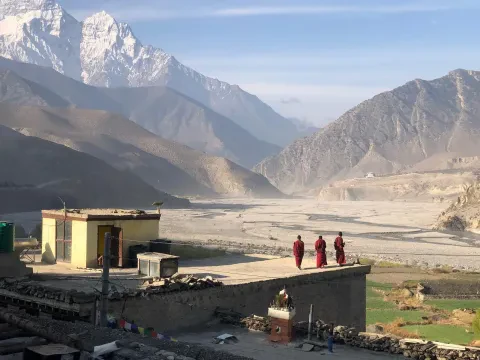
Once you’re over the pass, the scenery switches to dry, almost desert terrain. You’ll drop down to Muktinath, pass Kagbeni, and finally reach Jomsom. The views of Dhaulagiri and the Kali Gandaki valley here are something else.
8. How difficult is the daily walking on the route?
Each day, you walk about 5 to 8 hours. The trail has loads of stone steps, suspension bridges, and steady ups and downs. In May, paths are dry and comfortable. Most days are moderate, with the real challenge at the highest parts.
9. Are there side trips on the Annapurna Circuit route?
Definitely. Ice Lake near Manang and Tilicho Lake are popular side trips—they’re beautiful and add a day or two. Lots of people visit Muktinath Temple as well, since it's considered sacred.
10. What is the highest point on the route?
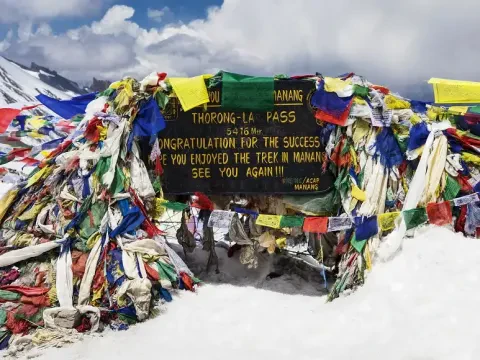
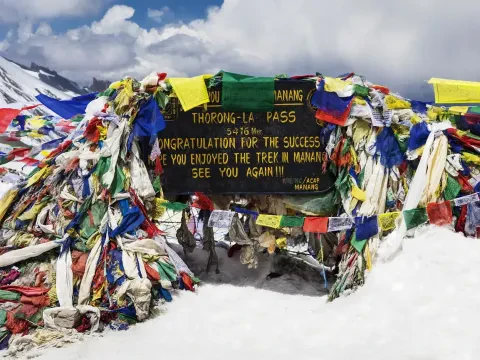
Thorong La Pass stands at 5,416 meters. If you make it there at sunrise, the views are just spectacular—prayer flags, snowy peaks, everything. Coming down the other side is tough, but it sticks in your memory.
11. How has the road affected the trekking route?
Roads now run from Besisahar to Chame and from Muktinath to Jomsom. Plenty of trekkers skip these lower, dusty parts by jeep and start hiking further up. It’s easier on your feet and way more scenic.
12. Which villages offer the best views on the circuit?
Upper Pisang, Manang, Letdar, and Muktinath are favorites for mountain scenery. Manang is especially famous for close-up looks at Annapurna, Gangapurna, and Tilicho Peak. In May, mornings around these villages feel magical.
13. What is the route like from Manang to Thorong La?
Leaving Manang, the trail winds through Yak Kharka and Letdar to Thorong Phedi. The scenery turns dry and wild. This stretch is where you really need to acclimatize. The trail’s straightforward, but gets steep near the pass.
14. How do you end the Annapurna Circuit trek?
Most people finish at Jomsom or Muktinath. From Jomsom, you can fly to Pokhara or grab a jeep, or keep walking to Tatopani for the hot springs. After climbing the pass, ending the trek feels like a relief.
15. Is the route well-marked and easy to follow?
The main trail is easy to spot—stone paths and signs everywhere. In May, the route is clear and there’s hardly any snow. Still, lots of trekkers hire guides, especially for Thorong La, to stay safe and learn more about the area.
16. What altitude changes should I expect on the route?
You start low at about 760m in Besisahar, climb up to 5,416m at Thorong La, and the route goes up and down a lot. Making sure you acclimatize in Manang before tackling the pass is key.
17. Which part of the route has the best rhododendron forests?
Between Besisahar and Dharapani, the rhododendron forests are stunning. In May, you’ll see plenty of flowers lining the trail, creating a colorful and pleasant atmosphere.
18. How many suspension bridges are on the route?
There are plenty, especially from Bhulebule to Dharapani. Crossing them is pretty exciting—they swing over fast-flowing rivers and are totally safe, but if you’ve never done it before, it might feel scary.
19. Is the return route different from the going route?
Yes—the trek is a loop, so after Thorong La you follow a new path to Jomsom through a dry, windy valley. It’s completely different from the lush green side you hiked up.
20. Why is the Annapurna Circuit route so popular?
People love it because you get everything: green hills, old villages, Buddhist monasteries, huge mountains, and the thrilling high pass. The scenery changes every day and the locals are really welcoming—it’s easily one of the best treks out there.
Here, your Annapurna story is waiting. Let Haven Holidays Pvt. Ltd. guide you on this classic trek, and make sure you finish safely, ready for whatever comes next. Reach out, book your adventure, and get ready for a journey you’ll never forget. Hope to see you out on the trail.
Krishna Thapa
Blogger and Trek Planner
Haven Holidays Pvt. Ltd.
Our travel experts are ready to assist you with any questions.
Send us a message.Have a question before you book? Send your enquiry below and our travel experts will get back with the required information.