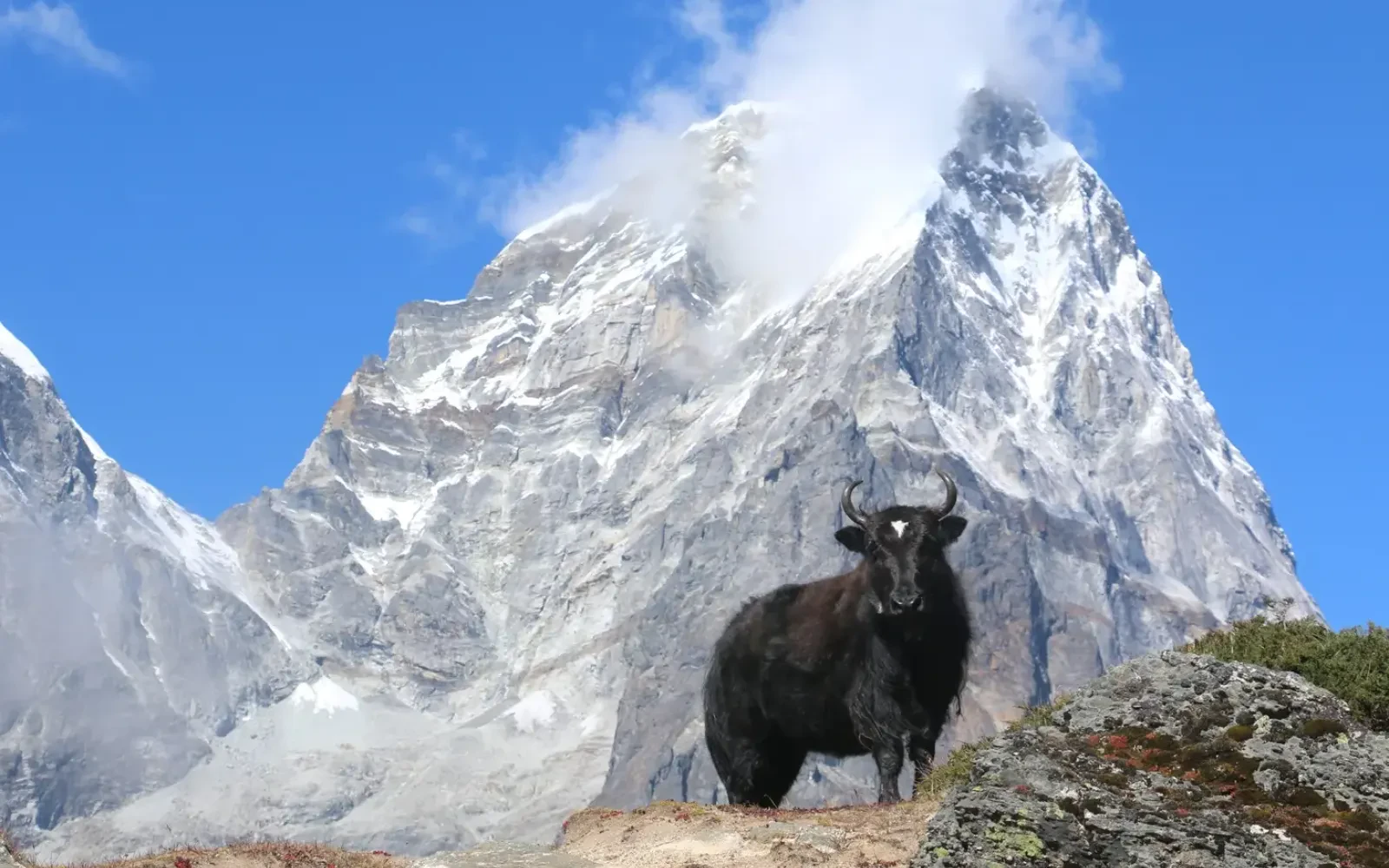
Have you ever wondered if you'll actually see yaks on your Nepal trek? Well the answer is definitely yes!
Actually, Yaks are extremely common in high-altitude treks throughout Nepal and once you are above 3,000 meters (9,843 feet) you're more likely than not to encounter one of these majestic beasts.
In fact, Yaks aren't rare wild animals; they're a part of the ecosystem of the High Himalayas and integral to the livelihood of the locals. Because of this, seeing them graze peacefully against a backdrop of snow-capped peaks will undoubtedly be one of the highlights of your trek.
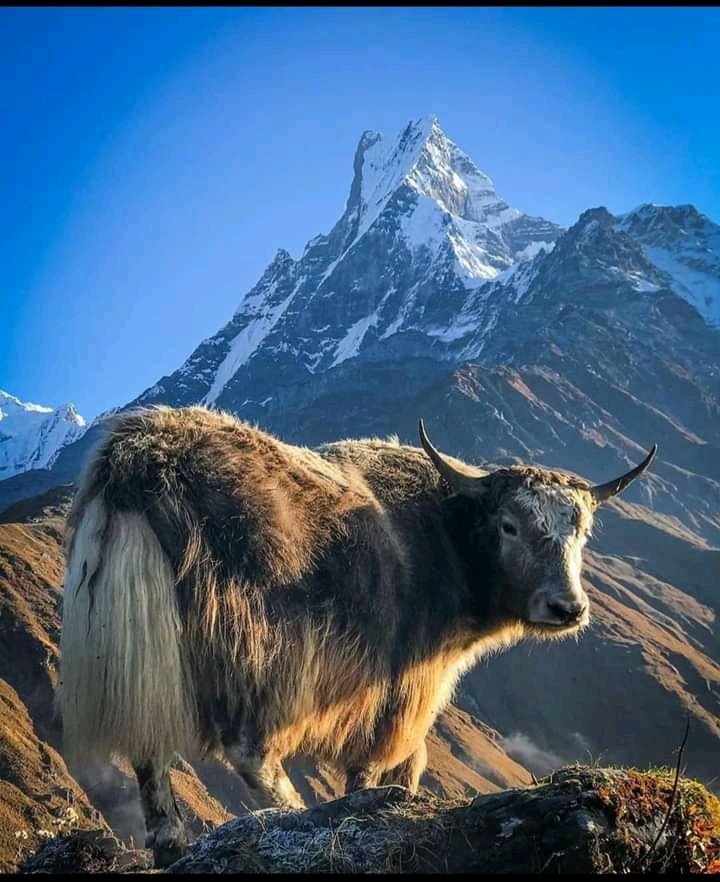
Places you are most likely to see Yaks :
| Altitude Range | Likelihood of seeing yaks | Best Treks to see them |
|---|---|---|
| Below 3,000 m | Very Low | Lower Annapurna, Langtang |
| 3,000-4,000 m | Moderate | Manang Valley, Gokyo Lakes |
| Above 4,000 m | Very High | Annapurna Circuit, EBC |
| High Passes | Excellent | Thorong La, Cho La, Kongma La |
Therefore, if you make it to proper high altitude you are all but guaranteed to see yaks, sometimes huge herds of them, trekking along the trails with you.
Have you ever heard yaks referred to as 'The Ships of the Himalayas' and wondered where the beautiful moniker comes from? Well this incredible nickname couldn't be more accurate!
In fact, for centuries they have been the vital form of transportation across the high mountain passes of the Himalayas, acting as the lifeline for remote communities and traders, much like a ship crosses a vast ocean carrying goods to different shores.
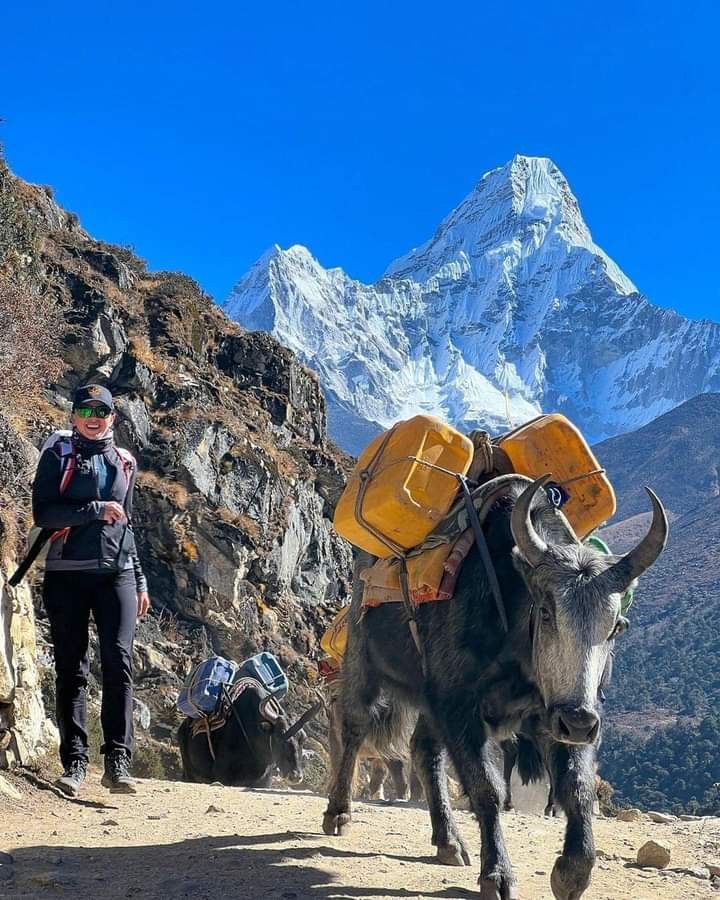
Likewise, the incredibly hardy yaks are built to withstand the extreme cold, low oxygen environment, and the harsh and rocky terrain where other forms of transport simply cannot survive. They are the pack animals carrying essential supplies such as salt, fire wood, food and even trekking equipment even to this day.
Reasons behind the name :
| Feature | Yaks ('Ships of the Himalayas') | Traditional Ships |
|---|---|---|
| Primary Function | Carrying goods across mountains | Carrying goods across seas. |
| Environment | Rocky high-altitude passes | Open ocean. |
| Carrying Capacity | Up to 150kg | Varies widely. |
| Importance to locals | Crucial for trade/daily life | Crucial for commerce/travel. |
Thus 'The Ships of the Himalayas' is an aptly beautiful and factual nickname given to these amazing creatures!
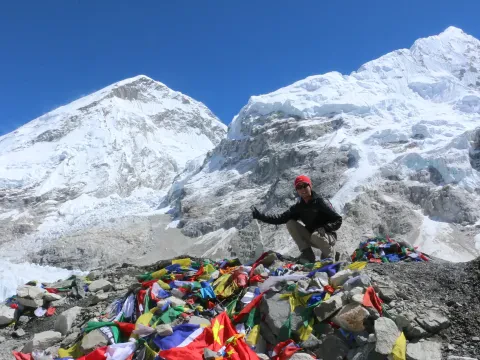
Are you planning on trekking in Nepal and hoping to spot plenty of yaks? While yaks are present on many routes, some have a much higher likelihood of encounters.
Actually, the most fruitful yak-viewing treks are those that venture well above 3,500m, traversing traditional high alpine pastures. Based on this, here are the top 10 treks in Nepal where you have the highest probability of seeing yaks in their natural habitat.
| Rank | Trek Name | Max Altitude | Best Season | Yak Sighting Chance | Highlights |
|---|---|---|
| 1 | Everest Base Camp Trek | 5,364m | Mar-May, Sep-Nov | Excellent | Large herds seen near Dingboche & Lobuche. |
| 2 | Annapurna Circuit Trek | 5,416m | Mar-May, Sep-Nov | Very High | Encounter them in Manang Valley & Thorong La Pass. |
| 3 | Gokyo Lakes Trek | 5,357m | Mar-May, Sep-Nov | Excellent | Expansive grazing fields in Gokyo. |
| 4 | Upper Mustang Trek | 4,200m | Apr-Oct | Excellent | Unique Tibetan landscape, ancient yak routes. |
| 5 | Langtang Valley Trek | 4,984m | Mar-May, Sep-Nov | Very High | Likely near Kyangjin Gompa. |
| 6 | Manaslu Circuit Trek | 5,135m | Mar-May, Sep-Nov | High | High altitude pastures, near Larkya La. |
| 7 | Nar Phu Valley Trek | 5,320m | Mar-May, Sep-Nov | Very High | Unspoiled and authentic yak herding villages. |
| 8 | Kanchenjunga Base Camp Trek | 5,143m | Mar-May, Oct-Nov | High | Wide alpine meadows. |
| 9 | Rolwaling Valley Trek | 5,200m+ | Mar-May, Sep-Oct | High | Less crowded, yet fruitful yak sightings. |
| 10 | Dolpo & Shey Gompa Trek | 5,000m+ | May-Jun, Sep-Oct | Excellent | Truly remote and wild yak experiences. |
Pro Tip
In fact, the best times to witness herds of yaks grazing in high alpine meadows are in the spring (April-May) and autumn (September-November). If seeing yaks is a priority for your Nepal trek, choose your trek accordingly, aiming for routes that climb above 4,000 meters.
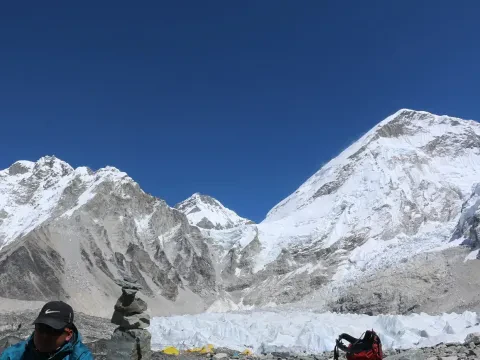
Have you ever wondered exactly where you'll see large numbers of yaks on a trek? And are there specific areas on the popular routes that are far better than others for viewing yaks?
General, yaks prefer higher, alpine pastures for grazing and tend to be in large herds. As such, it's the open meadows and traditional herding villages rather than the busier, main trails that yield the most sightings.
Where to best see yaks on popular treks :
| Trek name | Best yak spotting area | Altitude | Why it is best |
|---|---|---|
| Everest Base Camp | Dingboche to Lobuche | 4,400 - 5,000 m | Big herds in wide valleys. |
| Annapurna Circuit | Manang to Yak Kharka | 3,540 - 4,500 m |Traditional yak herding location. |
| Gokyo Lakes | Gokyo village & 5th lake | 4,700 - 5,000 m |Peaceful, high pastures. |
| Nar Phu Valley | Phu village & surrounding meadows | 4,000 - 4,800 m |Very authentic and less populated. |
| Upper Mustang | Lo Manthang & surrounding areas | 3,800 - 4,200 m |Tibetan-style yak caravans. |
In conclusion, early morning and late afternoon are the best times for sightings and when they are most active. Therefore, schedule your trek to accommodate these times.
Have you ever thought about the best time of year to see happy, active yaks? Well, the best time of year to spot yaks is tied very closely to when they are actively grazing, and this depends a lot on the weather conditions in the higher mountains.
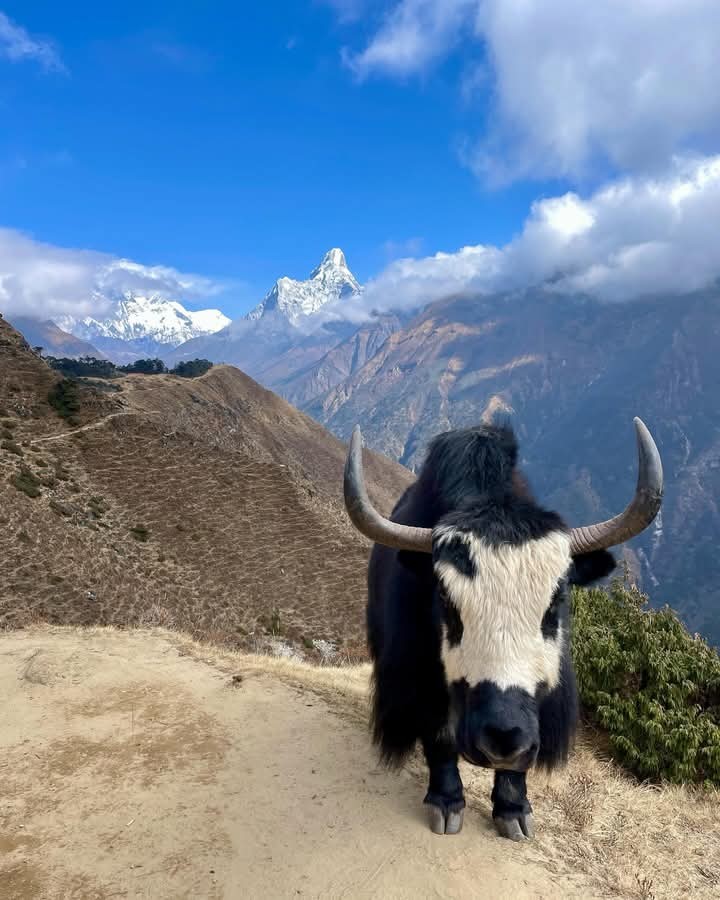
Actually, yaks are known to descend to lower pastures during the winter season and climb back up to the high pastures after the snow has melted. It means spring and autumn is best for reliably seeing yaks.
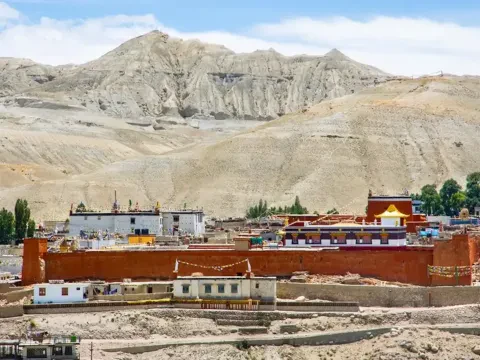
Best seasons for yak spotting :
| Season | Yak activity | Weather | Visibility | Recommendation |
|---|---|---|
| Spring | Very High | mild days, cold nights | Good | Highly Recommended. |
| Autumn | High | Clear skies, stable | Excellent | Best of all. |
| Summer | Moderate | Rainy, cloudy | Average | Good for wildflowers. |
| Winter | Low | Snow covered | Poor | Not recommended. |
Once again, early morning and late afternoon are also the times when you should really try and get your photographs as the light is excellent at this time. In conclusion, spring and autumn are the most worthwhile seasons.
Have you ever wondered at what altitude you can see yaks? Yaks are animals of high altitudes and they aren't found below a certain elevation.
Here, Yaks thrive in low-oxygen, cold environments, and they have special adaptions for this. In order to see yaks in their natural habitat reliably, you need to trek to at least a specific altitude.
Reliable yak spotting elevation chart :
| Altitude range | Yak sighting probability | Where to expect them |
|---|---|---|
| Below 3,000m | Very Low | Lower valleys, forests |
| 3,000m – 3,800m | Moderate | Upper Manang, Dingboche |
| 3,800m – 4,500m | High | Manang, Gokyo, Lobuche |
| Above 4,500m | Very High | Thorong la, Everest base camp region |
Actually, above 4,000 - 5,000 meters is where you have excellent probabilities of seeing them. As such, almost all treks that you take above 4,000 meters should get you ample numbers of yaks, which is why trekking at altitude for yak sightings is essential.
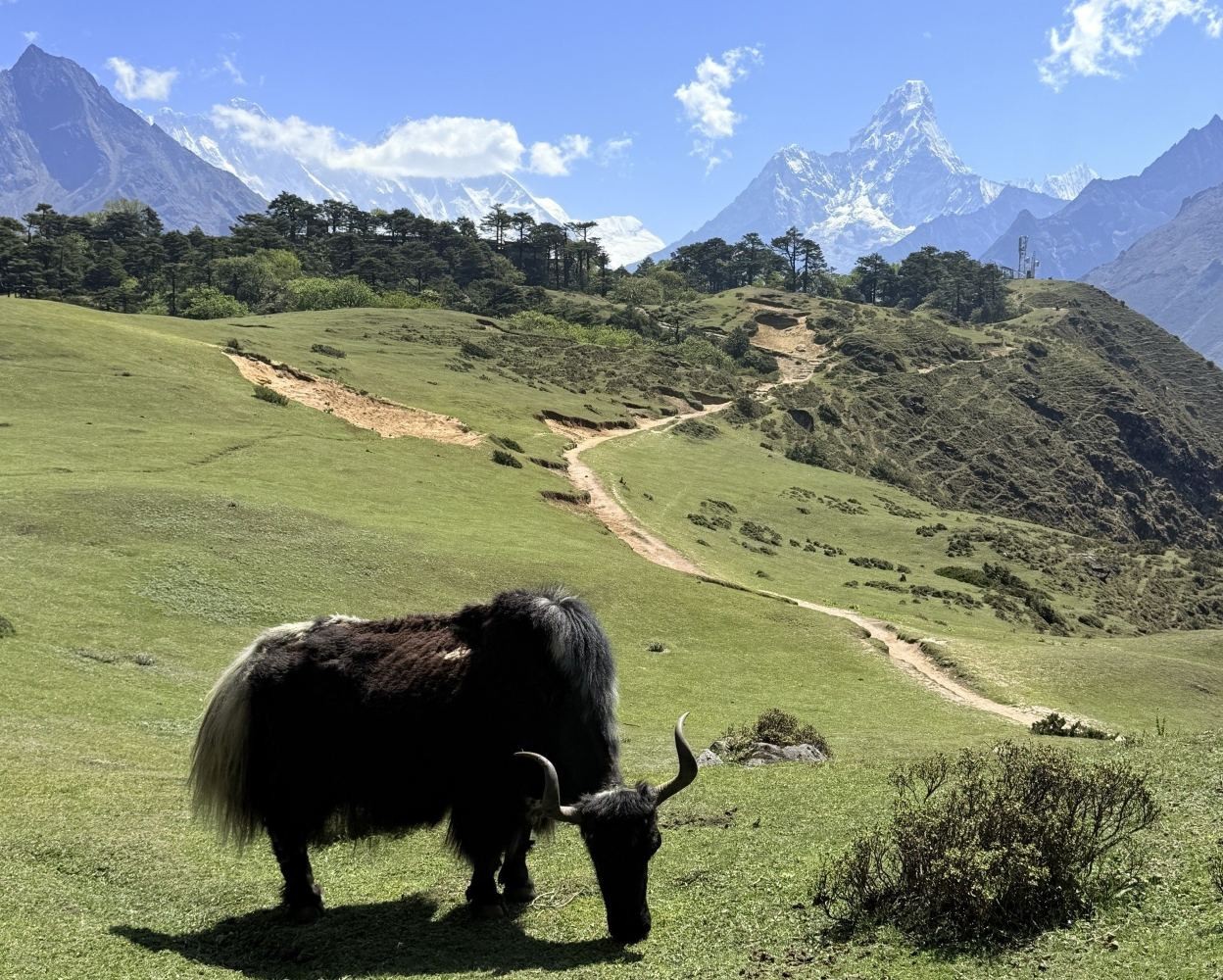
Actually, the Everest region is a yak spotting paradise, because the hairy giants are crucial for transport in the harsh high-altitude environment of the Sagarmatha National Park. As you trek to Everest Base Camp (5,364m / 17,598ft) and back, you’ll constantly share the narrow trails with these beasts of burden as they carry supplies effortlessly through the thin air. Yaks in Everest region are the best means of transportation
| Feature | Details | Altitude / Context |
|---|---|---|
| Primary Habitat | Alpine meadows and moraines | Above 3,000m / 9,842ft |
| Best viewing points | Dingboche and Pheriche | 4,240m - 4,371m / 13,910ft - 14,340ft |
| Role | Carrying loads and cargo | The length of the Khumbu Valley |
| Natural habitat | Sub-zero conditions | Perfectly evolved for high altitudes |
Facts about Yaks in Everest Region :
Actually, there are plenty of yaks to be seen on the Langtang Valley Trek, mainly at higher altitudes near the open alpine meadows around Kyanjin Gompa (3,830m / 12,565ft). While there are hybrids known as "Chauries" lower down the valley, purebred yaks dominate the higher, rugged mountainsides surrounding the village.
| Feature | Description | Relevant Altitude |
|---|---|---|
| Main Viewing Area | Kyanjin Gompa and the valley floor | 3,830 meters / 12,565 feet. |
| Local industry | Famous Yak Cheese Factory | Located in Kyanjin Village. |
| Upper altitude limit | Tserko Ri slopes | Up to 4,984m / 16,351ft. |
| Viewpoint | Wide, open U-shaped glacial valley | Perfect for viewing distant herds. |
Yaks and the Langtang region :
Actually, both the Annapurna Circuit and the Manaslu Circuit are fantastic routes for viewing yaks, particularly on the higher, more arid routes that pass through Manang, and around the Samagaun region. You will see the highest number of yaks in this area on your approach towards the Thorong La (5,416m / 17,769ft) and Larkya La (5,106m / 16,752ft) passes.
| Region | Primary Viewing Location | High Pass Altitude |
|---|---|---|
| Annapurna | Yak Kharka and Manang | Thorong La (5,416m / 17,769ft) |
| Manaslu | Samagaun and Samdo | Larkya La (5,106m / 16,752ft) |
| Landscape | Arid alpine desert and tundra | Above 3,500m / 11,482ft |
| Role | Trading and supply caravans | Historic trans-border routes |
Yaks in Manaslu and Annapurna Circuits :
Acclimatization Companions: You will see many yak herds during your down time in places like Samdo (3,860m / 12,664ft) when adjusting to the altitude.
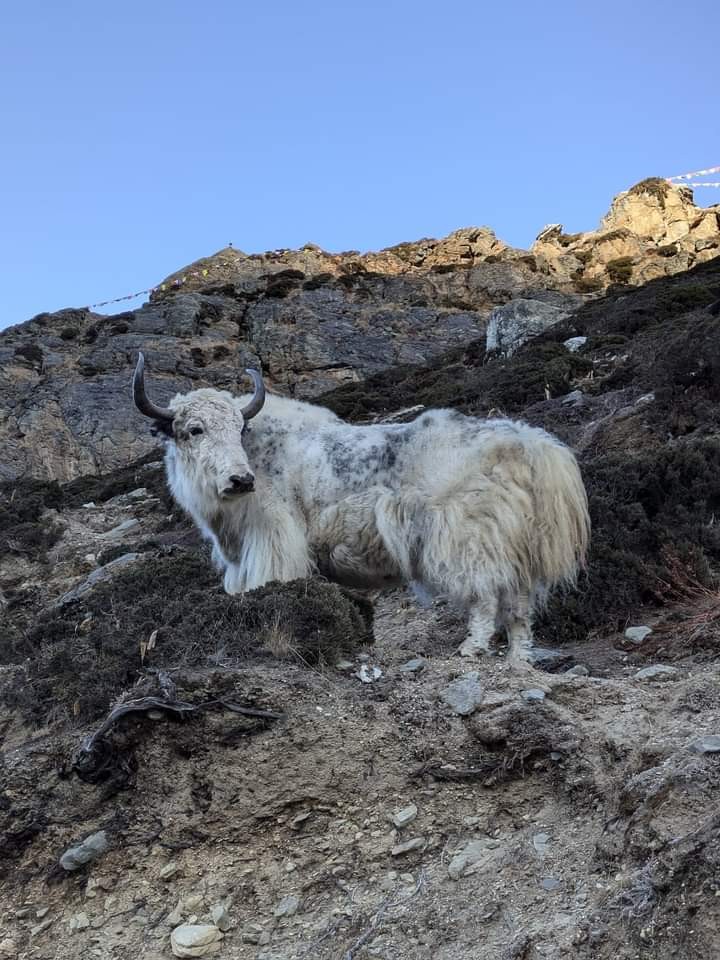
Yes, you will see plenty of yaks on the Kanchenjunga Base Camp Trek! They are particularly common once you get above 4,000 meters (13,123 feet) into the high alpine meadows of the extremely remote eastern Himalayas. Yaks are the workhorses here, transporting trekking gear and supplies to high camps like Pangpema (5,143 meters / 16,873 feet), the North Base Camp.
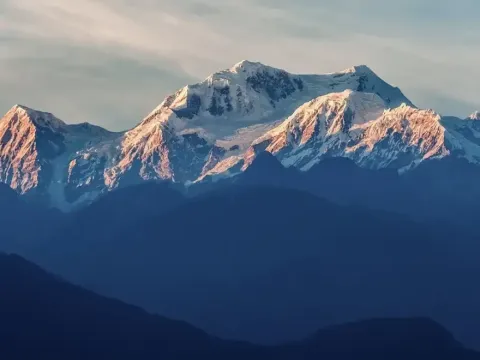
| Location | Elevation (M) / Elevation (Ft) | Probability of Seeing Yaks |
|---|---|---|
| Ghunsa | 3,595m | 11,795ft | High (villager owned herds). |
| Lhonak | 4,780m | 15,682ft | Very High (grazing pastures). |
| Pangpema (NBC) | 5,143m | 16,873ft | High (carrying gear for expedition members). |
| Ramche (SBC) | 4,580m | 15,026ft | High (grazing grounds) |
Yaks Sightings on Kanchenjungha Base Camp Trek :
Actually, the Tsum Valley Trek is an excellent choice for seeing yaks, particularly in the upper reaches of the 'Hidden Valley' which rely heavily on traditional animal husbandry. You'll see pure bred yaks in higher-altitude settlements like Nile and around the sacred Mu Gompa (3,700 meters / 12,139 feet) set against a dramatic backdrop of the Ganesh Himal (7,422 meters / 24,350 feet).
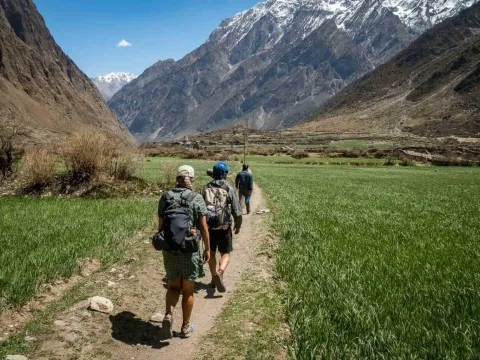
| Location | Elevation (M) | Elevation (Ft) | Yak Type |
|---|---|---|
| Chhokangparo | 3,010m | 9,875ft | Mixed (yaks/hybrids). |
| Nile Village | 3,361m | 11,027ft | Purebred yaks. |
| Mu Gompa | 3,700m | 12,139ft | High-altitude herds. |
| Ganesh Himal BC | 4,200m | 13,780ft | Remote summer pastures. |
Yaks Sightings on the Tsum Valley Trek :
Yes, the Gokyo Lake trek provides some of the best yak views in Nepal as the trek is at the heart of the high-altitude pastureland of Khumbu. You'll often see caravans of yaks trekking along the edges of the beautiful emerald Gokyo Lakes (4,700-5,000 meters / 15,420-16,404 feet) and carrying large loads across the massive Ngozumpa Glacier (Himalaya's largest).
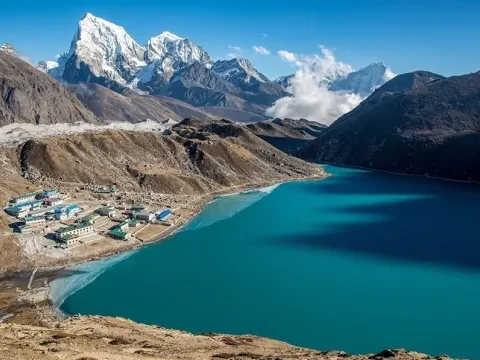
| Landmark | Elevation (M) | Elevation (Ft) | Views of Peaks |
|---|---|---|
| Dole | 4,110m | 13,484ft | Cho Oyu (8188m/26,864ft). |
| Machhermo | 4,470m | 14,665ft | Kantega (6782m/22,251ft). |
| Gokyo Village | 4,750m | 15,583ft | Gokyo Ri (5357m/17,575ft). |
| Renjo La Pass | 5,360m | 17,585ft | Mt Everest (8848m/29,032ft). |
Pro Tips:
Always give yaks at least 2 to 3 metres (7 to 10 feet) of space for the safety of both of you. Because yaks carry large, unwieldy bundles on either side that project far from their bodies, they can easily knock you off balance and shove you up against rock faces while crossing narrow Himalayan passes.
| Safety Factor | Recommend Action | Risk if Ignored |
|---|---|---|
| Trail Position | Always be on the side toward the mountain | Being pushed off a cliff face. |
| Safe Distance | At least 2-3 metres / 7-10 feet | Being gored or physically run over. |
| Vocal Warnings | Listen to jingling bells, herder calls | Getting caught in a stampede/bottleneck. |
| Body Language | Notice head down and snorting | Potential defensive charging. |
Safety measures while seeing the yaks :
You need to remember that yaks are working animals and not tourist props so avoid using camera flashes or creating noise that will disturb the pace of their weary climb to Everest Base Camp (5,364m / 17,598ft) or other high camps.
| Etiquette Goal | Best Practice | Impact |
|---|---|---|
| Noise Control | Talk in quiet voices, avoid yelling | Minimises stress and fatigue in the animal. |
| Photography | Don’t use flash, stay a respectful distance | Avoids spooking the lead animal and provoking charges. |
| Path Clearance | Notice yaks from afar and give space | Smooth caravan passage. |
| Contact | Don't try to pat or feed yaks | Preserves wild and working natures. |
Yak Etiquette Best Practices :
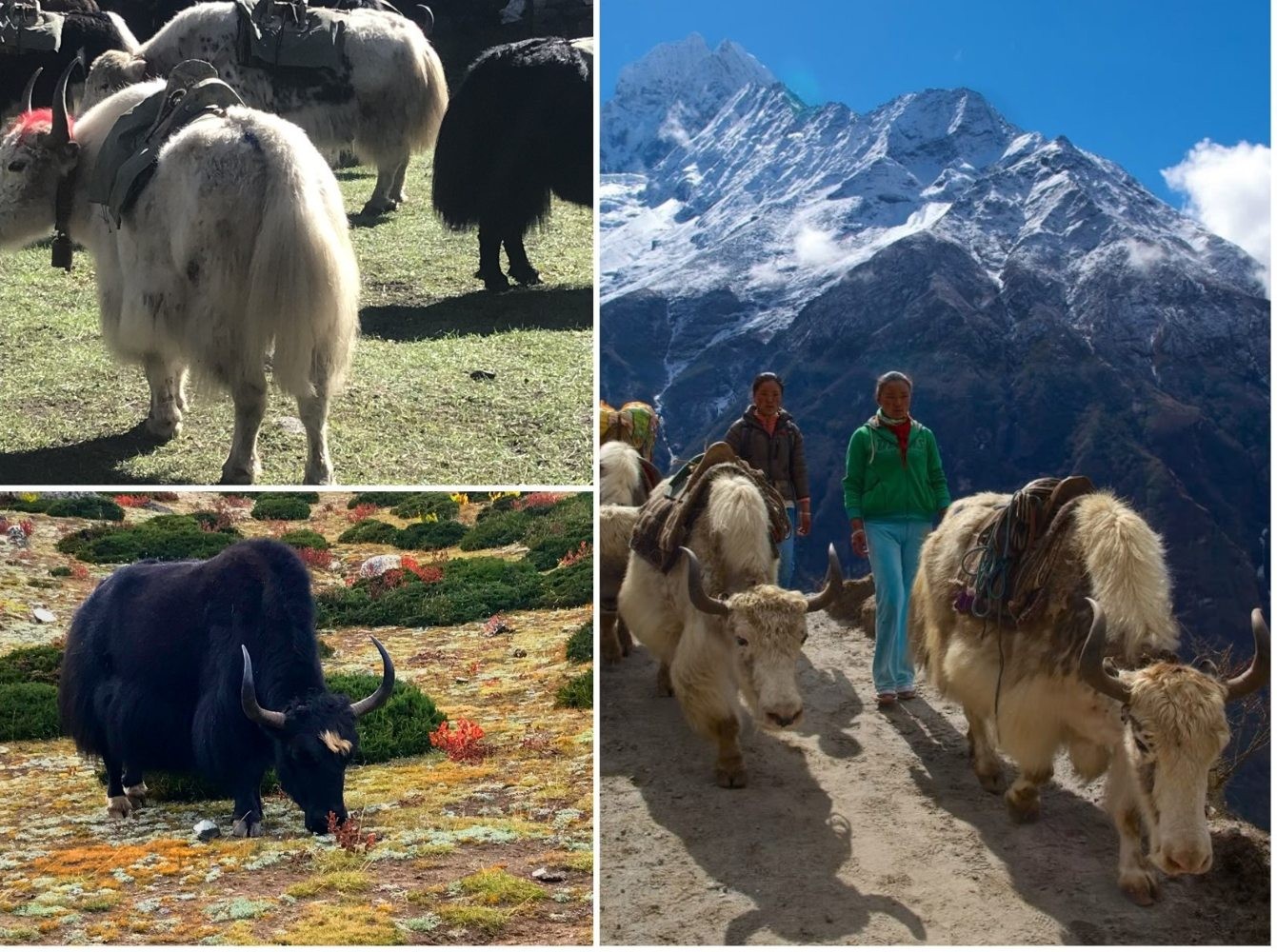
Meanwhile, the humble yak has formed the bedrock of the Himalayan economy in terms of transportation, as well as food and clothing, in areas where there are no roads, however the hardy animals are invaluable in villages above 3,500 m (11,482 ft), as their dung is used as fuel and their high fat milk processed into vital butter and cheese.
| Product/Service | Cultural/Economic Use | Elevation Context |
|---|---|---|
| Transport | Moving goods, food, and expeditions | Up to 6,000m / 19,685ft |
| Milk/Butter | Diet and salt butter tea | Daily use above 3,500m / 11,482ft |
| Wool/Hide | Warm clothes and strong tents | Winter months, extreme cold |
| Dung | Cooking fuel in treeless zones | Areas above 4,000m / 13,123ft. |
Yak's cultural and economic significance :
To get an impressive yak portrait, you’ll need both patience and awareness, so you can show off the superb texture of their coats against the sparse Himalayan environment. A telephoto lens will enable you to give yourself enough distance from the yak while simultaneously compressing the distance between your subject and towering mountains such as Ama Dablam (6812m/22,349ft) behind it.
Professional Photography Tactics :
Action-Oriented Camera Settings :
The following trek destinations provide you with the rare chance to see wild yaks in their native habitat when you get a way from commercialized treks. This enables you to experience these large, shaggy animals on vast, high altitude Tibetan border plains.
Less-explored trekking areas in Nepal for yak observation,
Region Main observation spot Altitude range :
What is special about remote yak herds?
When left for months at a time these yaks can hardly be differentiated from their pure-blooded ancestors. The yaks are still used to carry goods like salt or grains along their centuries-old trade routes, and their appearance today resembles the appearance of yak caravans centuries ago.
In these remote lands, the yaks with their rugged, black bodies are juxtaposed dramatically against red and ochre cliffs in the desert like terrain. Life revolves around the health of the community's yak herd in settlements such as Saldang.
What to Expect When you meet yak caravans on high passes?
Meanwhile, the highest passes of the Himalayas present you with a fast paced challenge where both physical and mental agility are tested. With their accompanying bells ringing in the chilling wind, you need to quickly make your way to a safe place on the upslope side of the trail so the ever moving, unstoppable line of animals can pass.
| Pass scenario | Observed phenomena | Required reaction |
|---|---|---|
| Auditory bells and whistles from animals | Ringing copper bells sound | Rhythmic ring from the copper bells means to stop and look for the leader yak. |
| Animal movement | Heavy and stable animal steps | The steady animal movement with loaded luggage at the center means step aside two meters from the path. |
| Atmospheric effects | Dust or snow is disturbed | Dust kicked up by their hoof means to cover your mouth and camera with a buff. |
| Human leader | Whistler and caller among the herders | Polite greeting with herders while stepping aside the trail. |
Rules on the trail when meeting yak caravans :
Actually, it is impossible for yaks to stop on the steep path. You have to step aside from the path. The weight of the Yak plus their saddle bags means they can be as wide as your shoulders. Look at the lead yak wearing a red tassel; it is an animal that sets the pace for all of them. In thinner air above 5000m, the yaks barely pant while walking in the thin air.
Seeing yaks up close is an integral aspect of trekking in the Himalayas as it truly links you to the primal pulse of life in the high mountains, and this is something technology can never replace. Whether they are peacefully feeding at Gokyo lakes (4750m/15583ft) or hauling baggage at Everest Base Camp, yaks are an essential symbol of the high Himalayas.
Assessment for trekkers :
Final conclusion,
In fact, meeting a yak is a full sensory experience during trekking in Nepal, including the smell of the animal, the ring of its bells, and its breath on cold, thin air. By trekking in areas that are populated by yaks, you are in some way helping to sustain the traditional way of life of the nomadic families. You'll likely remember your encounters with these gigantic beasts for long after you've forgotten the exertion. A trek to the roof of the world isn't complete without stepping aside to let these gentle giants have their way with the trail.
1. Can I see yaks while trekking in Nepal?
Yes, you can definitely see yaks while trekking in Nepal! They're a common sight on most high-altitude trails, especially above 3,000m. Popular routes like the Annapurna Circuit, Everest Base Camp, Langtang, and Manaslu offer excellent opportunities to spot these majestic animals, which are an iconic part of the Himalayan landscape.
2. At what altitude can I see yaks in Nepal?
You're likely to see yaks starting around the 3,000m mark in Nepal. The best sightings usually occur between 3,500m and 5,000m. For instance, on the Annapurna Circuit, you'll encounter them regularly after Manang (3,540m) and on the route towards Thorong La.
3. Where is the best place to see yaks on Annapurna Circuit?
The Manang Valley, Khangsar village, the area around Thorong La high camp, and parts of the upper Kali Gandaki region are fantastic spots for seeing yaks. Seeing them graze against the stunning backdrop of snow-capped peaks is truly one of the highlights of the trek.
4. Are yaks dangerous to trekkers?
While yaks are generally gentle and accustomed to people, they can become aggressive if they feel threatened, particularly during their mating season or if you startle them. Always maintain a respectful distance, stay on the lower side of the trail where you have an easier escape route, and never try to touch or feed them.
5. What is the difference between yaks and cows in Nepal?
Yaks are significantly larger, have shaggy, long coats for insulation, and are adapted to harsh, cold, high-altitude environments. Unlike domestic cows, they are exceptionally strong and resilient pack animals, and their milk, meat, and wool are vital resources for mountain communities.
6. When is the best season to see yaks in Nepal?
You can see yaks throughout the main trekking seasons in Nepal, which are spring and autumn. During the monsoon (summer), herders often move them to higher pastures. Autumn typically offers the clearest views and the most active herds along the trekking routes.
7. Do yaks live around Everest Base Camp?
Yes, yaks are a common sight on the Everest Base Camp trek! They are extensively used for transporting supplies, equipment, and food to the remote Sherpa villages and the base camp itself. You'll see them particularly between Namche Bazaar and Gorak Shep.
8. Can I take good photos with yaks?
Absolutely! Yaks create incredible photographic opportunities, especially with prayer flags, mountains, and ancient mani walls in the background. The soft light of early morning and late afternoon usually produces the most dramatic shots. Remember to ask permission from their herder before getting too close.
9. What do local people use yaks for?
Mountain communities in Nepal rely heavily on yaks. They are essential for carrying heavy loads, their milk is used to make butter and cheese, and they are also a source of meat and wool for warm clothing. Yak dung is also collected and used as a crucial fuel for cooking and heating.
10. Are there wild yaks in Nepal?
True wild yaks are incredibly rare and primarily found in remote parts of Tibet. In Nepal, the yaks you encounter are almost always domesticated or are a crossbreed with cattle, known as 'dzopkyo,' and have been raised by local herders for generations.
11. Will I see baby yaks (calves) during trekking?
Yes, especially if you're trekking in late spring or early summer. Baby yaks, called calves, are incredibly cute with their fluffy coats and playful nature. You'll often see them gamboling near their mothers in pastures and around villages.
12. How do yaks help the trekking economy in Nepal?
Yaks are indispensable to the high-altitude trekking economy. They are the primary means of transporting heavy goods, including trekking gear, food supplies, and personal belongings, to remote lodges and campsites where vehicles cannot access, supporting local porters and businesses.
13. What should I know before approaching a yak?
It's crucial to give yaks plenty of space, especially if they are carrying loads. Speak in a calm, steady voice and avoid sudden movements that could startle them. Never block their path or try to pass too closely, as they have sharp horns and can charge if they feel cornered or threatened.
14. Can I see yaks on short treks near Pokhara?
While you might catch a glimpse of a few yaks on shorter treks like Ghorepani Poon Hill, the real abundance of these animals is found at higher altitudes. For a guaranteed and more immersive yak experience, you'll need to embark on longer treks that reach above 3,000m.
15. Do yaks stay on the trail during winter?
In the winter months, many yaks are moved to lower, more sheltered altitudes to escape the heavy snow and harsh conditions. You might still see some on popular trekking routes, but their numbers will be reduced compared to the spring and autumn seasons.
16. Are there any cultural beliefs related to yaks in Nepal?
Yaks hold significant cultural and religious importance, especially in Buddhist communities. They are highly respected animals, symbolizing strength and endurance, and are often featured in local festivals and rituals. Their products, like milk and wool, are also frequently used in religious ceremonies.
17. Is it ethical to ride a yak during trekking?
Riding yaks is generally not recommended and is considered unethical by many responsible trekking operators. It can cause unnecessary stress and physical strain on the animal. It's far better to observe and appreciate them from a respectful distance as they go about their work.
18. What other animals might I see with yaks?
Besides yaks, you might also encounter dzopkyos (a yak-cow hybrid) which are also used for transport. Depending on the region and season, other wildlife like mountain goats, Himalayan blue sheep (bharal), and even elusive snow leopards or Himalayan tahr could be spotted in the more remote and wilder areas.
19. Will kids enjoy seeing yaks on family treks?
Absolutely! Kids are often mesmerized by yaks. Seeing these large, hairy animals up close, especially if they get to spot a playful yak calf, can make family treks truly exciting and create unforgettable childhood memories.
20. Is seeing yaks one of the highlights of trekking in Nepal?
For many trekkers, yes, it truly is! The sight of a large herd of yaks, with their bells gently chiming, traversing dramatic, snow-dusted Himalayan passes, or grazing peacefully in verdant high-altitude meadows, is an iconic and deeply memorable part of the Nepal trekking experience.
Our travel experts are ready to assist you with any questions.
Send us a message.Have a question before you book? Send your enquiry below and our travel experts will get back with the required information.