Now, trekkers kick things off at Nayapul, about 1,070 meters up, where the Modi Khola river rushes by with a kind of infectious energy. Cross the bridge, and you’re in Birethanti—a bustling little village full of teahouses, shops, and friendly faces. People stop here to sort out trekking permits, grab a cup of tea, and settle into the adventure ahead. Right from the start, the Ghorepani Poon Hill Trek feels warm and inviting.
Note: Trekkers these days can directly drive to Ulleri/Banthnati from Pokhara by jeep or bus to begin the Ghorepani Poon Hill Trek. Or even people can drive directly drive into Ghorepani from Pokhara.
Here, leaving Birethanti, the path hugs the BhurungdiKhola, winding upstream through valleys bursting with life. You see rice paddies stacked on terraces, layer after layer tumbling down the hillsides. Birds call out from the subtropical greenery, and the whole place hums with life. It’s an early taste of Nepal’s wild mix of plants and animals.
In fact, the trail passes through tiny settlements like Ramghai and Sudame. Here, Gurung villagers greet you with easy smiles. Wildflowers pop up along the way, and butterflies dance through the air. It’s not just a walk through nature—you really feel the culture too, side by side with the landscape.
Meanwhile, a gentle climb brings you toward Hille, sitting at 1,495 meters. The farmland here is a patchwork of banana trees, millet, and more rice paddies, all thriving in the soft, warm air. Look close and you might spot monkeys darting through the bushes. This stretch really shows off how much farming shapes life in the Annapurna region.
Soon, you reach Tikhedhunga, marked by a long suspension bridge swaying over the river. Waterfalls crash down nearby, sending cool mist drifting over the trail. Locals haul goods along narrow paths, going about their day. There’s nothing staged about it—it’s just honest, rural Nepal.
Likewise, the forest starts to show itself now too. Oaks and bamboo crowd close, their leaves rustling as squirrels dart past. Orchids cling to the tree trunks, bright splashes of color in the shade. Already, the wild side of the trek starts to reveal itself, hinting at what’s waiting deeper in the Annapurnas.In fact, teahouses along the trail serve up dal bhat for about 500 NPR, and you’ll see trekkers kicking back, sharing stories with their guides about what’s coming next. You need permits like ACAP (3000 NPR), which help protect the area and keep trekking sustainable. With everything sorted, the whole experience just feels more mindful and connected to the land.
In fact, the scenery changes bit by bit—open fields give way to thick green woods. Farmers are out there, working the terraced hillsides with oxen, keeping traditions alive and the land healthy. Above, birds of prey glide through the clear sky. All of this hints at the wilder forests waiting farther along the path.
Similarly, the climb isn’t too steep, so your legs get used to the altitude without too much struggle. Villages draped in bright prayer flags make for great photos. Kids peek out from stone houses, waving with shy smiles. These moments—just a simple hello or a wave—make the trek feel real and personal.
As the sun dips, the forest edges start to look mysterious and inviting. Trekkers pause, thinking back on the peaceful start to their day. Somewhere in the distance, you’ll hear the calls of wildlife. This “green gateway” really pulls you in with its quiet beauty.

Highlights for Ghorepani Poon Hill Trek Start:
Hikers leave Tikhedhunga early in the morning, crossing a sturdy suspension bridge before facing more than 3,000 stone steps that shoot straight up. Guides call out reminders to keep a steady pace. It’s a real test of endurance on the Ghorepani Poon Hill Trek.
Here, the forest wakes up around you. Songbirds call from the trees, filling the air with music. Bright butterflies flit through blooming bushes. Now and then, trekkers stop to catch their breath—or just to watch the colors and movement. Nature’s putting on a show, and it helps distract from the burn in your legs.
Now, the trail snakes through Magar villages. Locals look after goats and chickens. Stone houses cluster together, their gardens bursting with color. Sometimes villagers wave and offer you fruit—mangoes, maybe, or bananas—for about 100 rupees. It’s more than just a hike; you get a taste of village life, and those small exchanges stick with you.
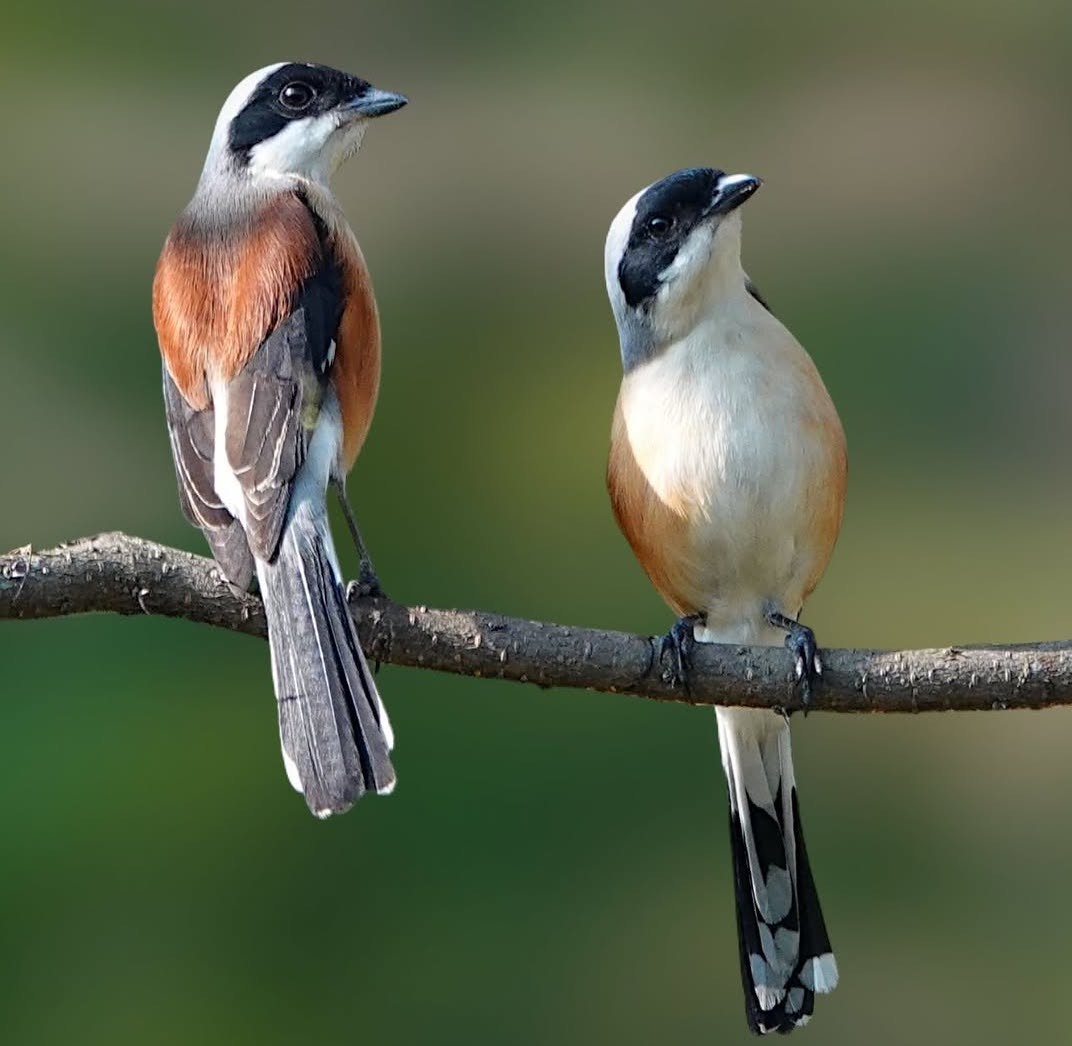
Likewise, shady bamboo groves appear just when you need relief from the sun. Ferns and moss sprawl across the ground, and tiny streams run alongside the steps. The forest changes as you climb, and Annapurna’s wild side comes out—bit by bit.
Moreover, you gain elevation quickly. Ulleri sits at 2,070 meters, and as you get closer, you catch glimpses of Annapurna South poking through the trees. Sweat soaks your shirt, but the cool breeze takes the edge off. Each step brings a little more of that mountain view, and that’s enough to keep you moving.
More importantly, waterfalls crash down nearby, giving you an excuse to stop and drink. Somewhere up ahead, you hear cuckoos and pheasants. Langur monkeys swing overhead, crashing through branches. Every animal sighting makes the forest feel even more alive—like you’ve stepped into a subtropical dream.
Here, porters cruise past, somehow managing impossible loads with steady feet. Guides share stories about keeping the trail in shape. Halfway up, a teahouse appears, serving hot tea for 50 rupees. That cup warms your hands and gives you a reason to keep climbing. With all this—nature, culture, support—the trek feels tough, but never lonely.
Similarly, the forest gets denser as you climb, with oaks taking over and rhododendrons popping up here and there. In spring, pink blossoms brighten the trail, making everything feel alive. Insects buzz around the flowers, and you can really sense the variety of life in this spot where the forest changes.
Further, the climb itself has a way of bringing people together. Groups swap stories about old Nepal treks during breaks, and sometimes a burst of birdsong makes everyone stop for photos. You end up sharing these moments, and they stick with you long after the hike.
Finally, reaching Ulleri at 2,070 meters feels like a real achievement. The village sits above deep valleys, with terraced fields stretching far below. As evening sets in and the birds start up their songs, you know it’s time to rest. Walking those stone steps is tough, but honestly, the journey feels genuine and unforgettable.
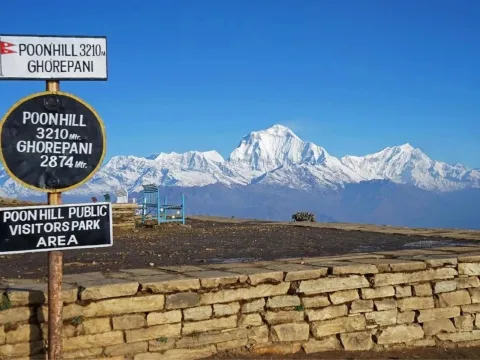
Trail Features Table for the Climb to Ulleri
Aspect: Stone Steps
Aspect: Songbirds & Fauna
Aspect: Village Life
Aspect: Forest Whispers
Meanwhile, trekkers leave Banthanti behind at 2,250 meters, stepping straight into forests that feel alive with color. The trail climbs, winding through mist and bursts of spring blooms. Rhododendrons steal the show—red, pink, and white flowers crowd together overhead, turning the path into a living rainbow. The air’s thick with their scent, and you can’t help but breathe it in.
Orchids dangle from branches, adding their own fragile touch. Mist hangs around, blurring the forest’s edges and giving everything a dreamlike quality. Birds dart through the trees, flashes of movement breaking up the quiet. Here, Nepal’s wild plant life really stands out.
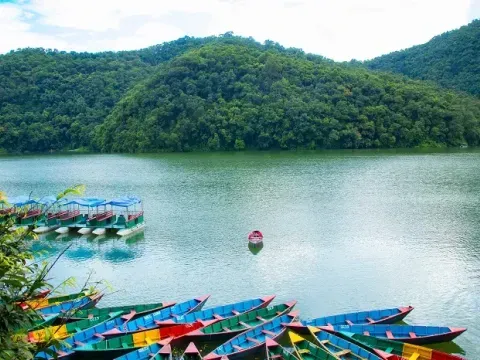
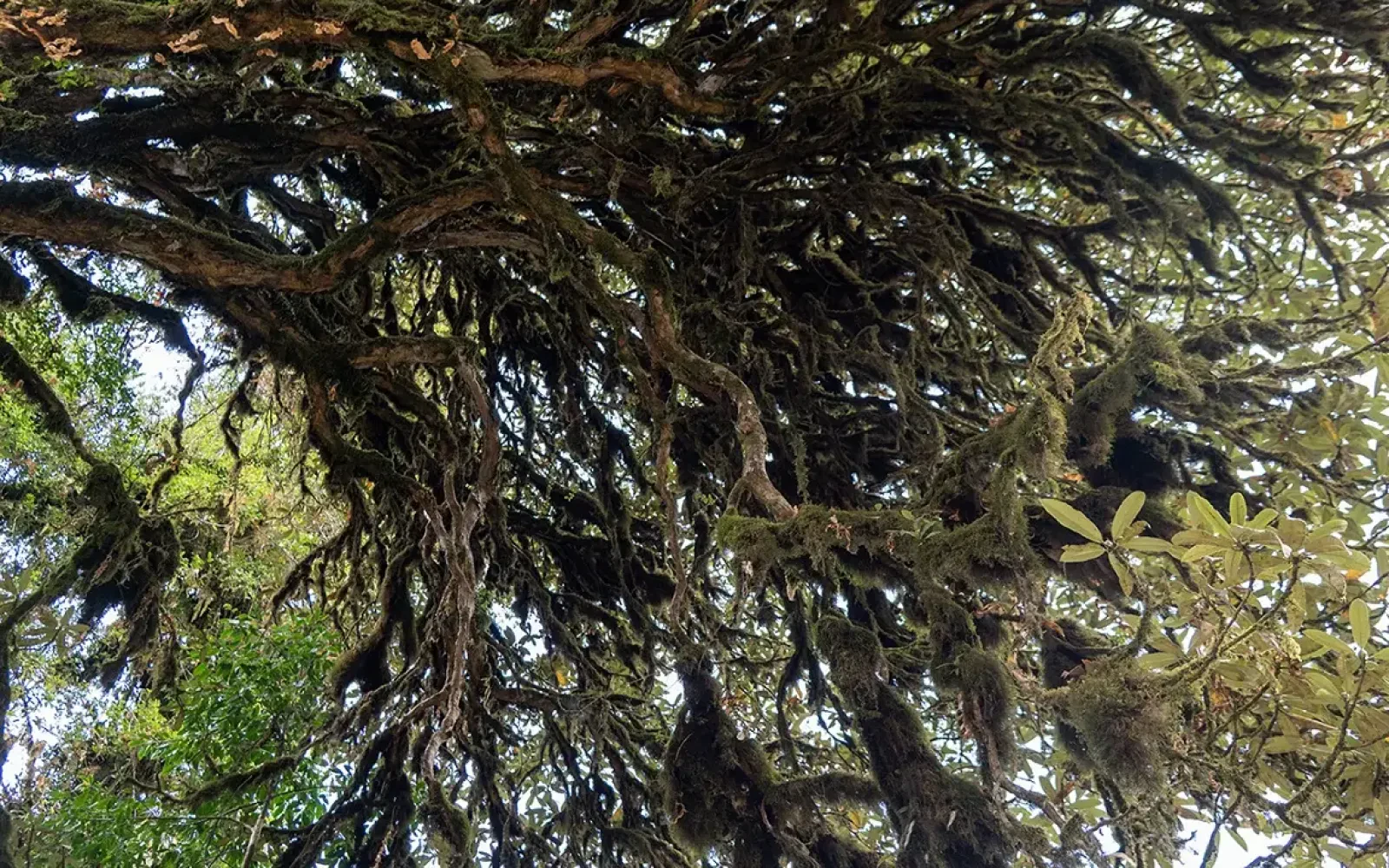
As the trail heads up toward Nangethanti at 2,460 meters, the forest grows even denser. Epiphytes cling to damp bark, soaking up the moisture. Shafts of sunlight break through the leaves and light up the petals all around you. Every step draws you deeper into the heart of this Annapurna trek.
In fact, there are moments when you cross little streams—cool water, soft sounds, a quick break from climbing. Everyone stops to snap photos of the rhododendrons. Local guides often pause to share stories about the trees, weaving folklore into the walk and giving the whole experience another layer.
Here, butterflies flutter from flower to flower, busy with their own work. The path gets tighter in places, so you watch your footing. The higher you go, the more you can’t wait to see what’s next. That sense of walking through living rainbows just stays with you.
And, tucked along the way, teahouses offer herbal teas for 100 NPR. It’s the perfect excuse to rest among the orchids and the mist. Porters move easily through the forest, carrying loads and keeping everything running smoothly. Thanks to them, the trek through these blooming, misty woods feels effortless.
In fact, the deeper you go, the thicker the forest gets. Suddenly, you’re swallowed up by every shade of green you can imagine. Red rhododendrons steal the show, lighting up the understory. Somewhere out of sight, animals rustle in the bushes. The whole trail almost buzzes with life, especially when the flowers are in full bloom.
Early mornings? The mist hangs low, turning the path into something out of a dream. Most hikers throw on extra layers to shake off the chill. Orchids show up, too, popping out in wild shapes and colors you don’t expect. Honestly, the Ghorepani Poon Hill Trek feels like a parade of Nepal’s wildest plants.
When you finally reach Nangethanti, sitting pretty at 2460 meters, the reward is huge—panoramic views that just stop you in your tracks. The rhododendron forest feels endless up there, and it sticks in your mind long after you leave. As you climb higher, the spring colors slowly fade, but the climb itself keeps that sense of wonder alive.
Key Highlights for the Rhododendron Wonderland on the Ghorepani Trek
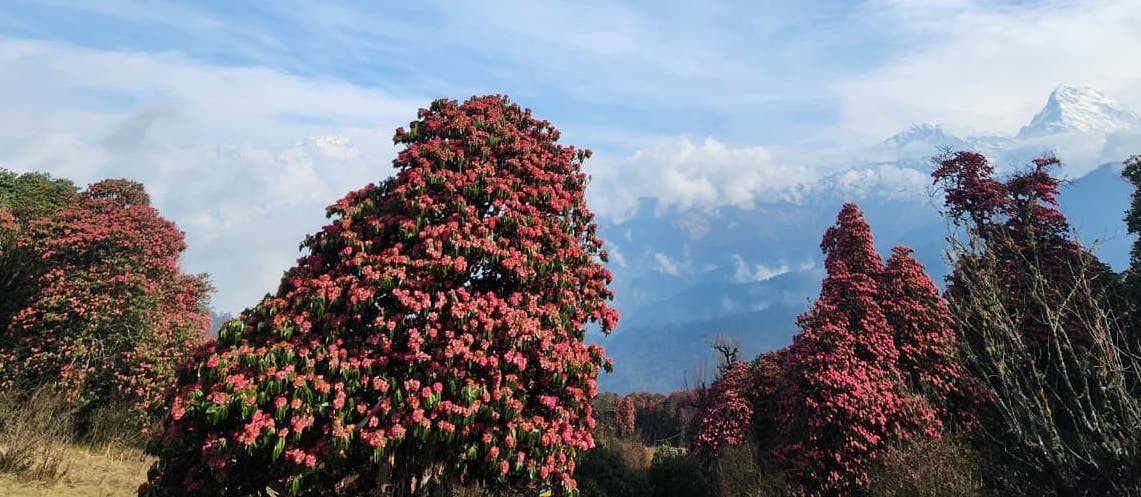
Ghorepani sits quietly at 2,874 meters, tucked away after a steady climb. The moment you walk into the village, thick forests greet you on all sides. Lodges pop up in little clearings, and as the sun drops, a hush settles over everything. There’s a gentle magic here — not in-your-face, but slow and steady, like the dusk itself.
Tall oaks stretch overhead, their branches weaving a tight canopy. Rhododendron bushes line the trails, some still hanging on to their last blooms. The air up here feels different — crisp, cool, and somehow cleaner. Every breath wakes you up a bit more. Nature does its thing, and it’s impossible not to notice.
If you’re lucky, you’ll spot a flash of movement in the trees. Langurs jump from branch to branch, tails trailing behind. Sometimes, deer leave fresh tracks in the soft earth near the paths. Birds rustle in the undergrowth, finding their spots for the night. The whole place feels alive, but nothing shouts for attention.
Actually, the teahouses here are simple but warm. A room costs 500–800 NPR, and after sundown, trekkers all end up huddled around the stove. Stories fly, guides share trail tips, and outside, the forest grows even quieter. It’s the kind of evening that makes you forget the world outside this valley.
Walk a little, and the forest seems to swallow up every sound except your own footsteps. Oak leaves flutter overhead. Rhododendron flowers break up the green with splashes of color. The biodiversity in this corner of Annapurna is real — squirrels darting across branches, birds calling, even the occasional rumor of a red panda.
As the sun sets, the sky turns soft shades of purple and gold. Some folks go out hoping to spot paw prints by the streams, or maybe just to enjoy the stillness. There’s something hypnotic about watching oak acorns cover the ground, knowing all these hidden animals might be nearby. Ghorepani isn’t loud about its magic, but if you slow down and look, you’ll feel it everywhere.
Night creeps in, and everything feels even more peaceful. You hear langurs chattering somewhere up in the trees. Deer wander close to the edge of the village, a little curious but always alert. Even as darkness settles, the whole place—Poon Hill Trek—comes alive in its own quiet way.
Further, the rhododendron forests here aren’t just pretty—they’re full of life. Birds, monkeys, all sorts of creatures call this place home. Most hikers stick to the paths, trying not to disturb anything. The air feels so fresh up here, you actually sleep well for once. That rest really matters when you’re waking up early for that famous Poon Hill sunrise at 3210 meters.
In fact, Ghorepani, at 2874 meters, is a true hideaway. Oaks and rhododendrons mix together, creating little worlds where animals hide out of sight. When evening rolls around, everything slows down. That calm sticks with you, long after you leave. It’s easy to see why people fall in love with this village.
Ghorepani Forest Features for Poon Hill Trek:
Dense Forests
Hidden Creatures
Evening Calm
Village Magic
Actually, it’s still dark when trekkers in Ghorepani, 2874 meters up, shuffle out of bed around 4:30 AM. Flashlights in hand, they slip onto the trail while the stars hang above and everything else stays quiet. The path kicks off steep and fast, but no one’s complaining—they know what’s waiting at the top of Poon Hill, 3210 meters
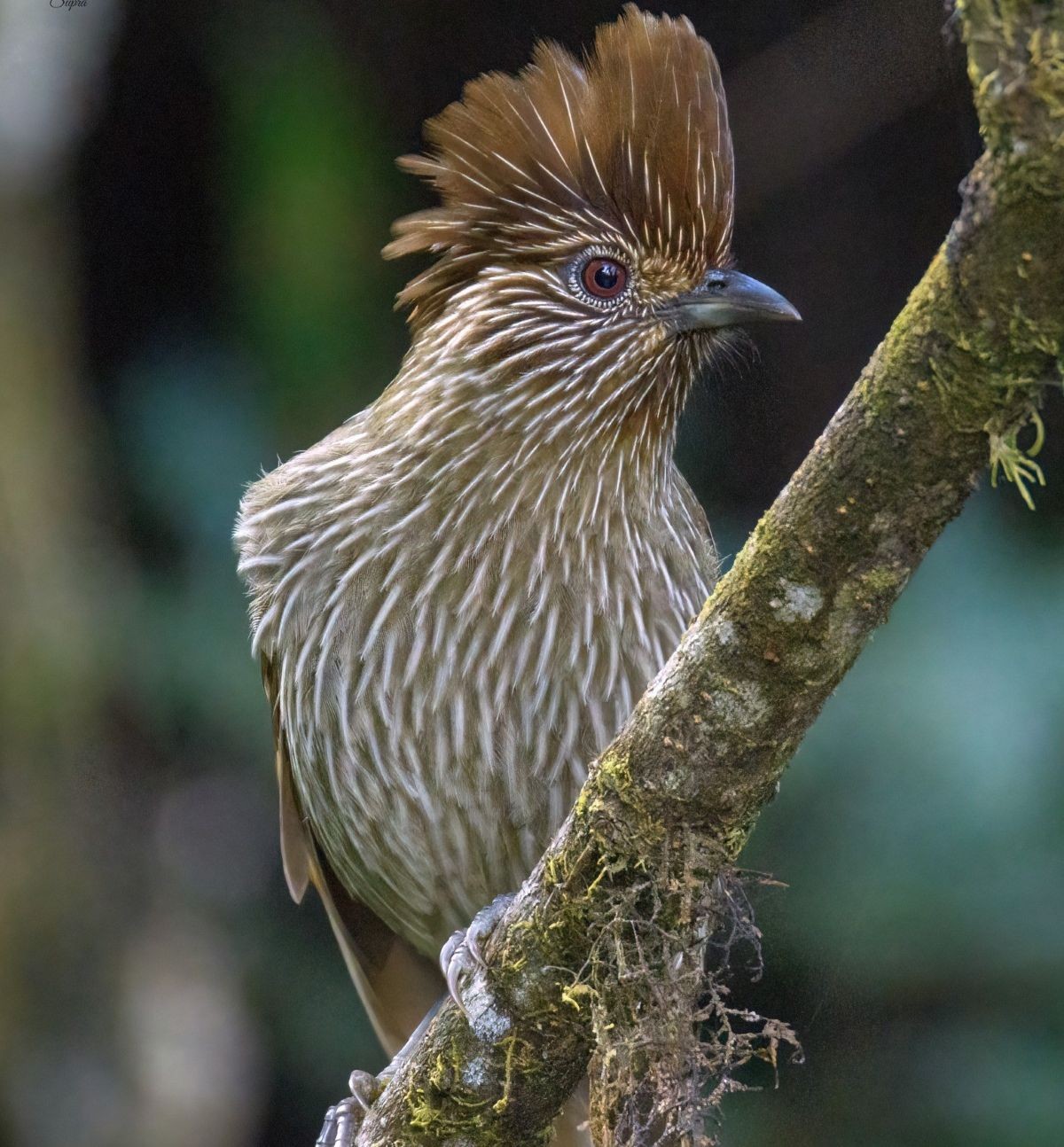
As the group climbs, something special happens. At first, it’s just a single birdsong, quiet and distant, drifting through the blackness. Then another. Hidden in the rhododendrons, Himalayan monals and other birds start to wake up, each adding a new note to the mix. The air fills with a gentle, growing music, and suddenly the hike feels less like a slog and more like a private concert.
Step by step, flashlight beams dance over stone steps and tangled roots. The cold bites a little, sharpening your senses. Every time a new bird calls out, the excitement builds. The trail gains altitude quickly—forty-five minutes, maybe an hour—and people pause now and then, just to listen. More and more voices join in, turning the forest into a layered symphony. It’s not just a climb anymore; it’s an immersion in Nepal’s wild side.
Cuckoos, magpies—they all join in, their calls clear and distinct. The forest suddenly feels alive, each tree and branch part of the chorus. Mist curls between the trunks, and for a moment the trail glows in the flashlight beams, mysterious and otherworldly. The whole thing starts to feel like a shared secret, a little bit of magic before sunrise.
Likewise, groups move together, mostly quiet, sometimes whispering as guides point out a rare call or a rustle in the leaves. The climb levels off near the top, and the dawn chorus hits its peak—right before the first light cracks the horizon. Trekkers save their energy for the last stretch, hearts pounding a little faster. Birdsong swells in the darkness, rhododendron leaves rustle overhead, and you can feel it—the real spirit of the Ghorepani Poon Hill trek, right here in the shadowy, singing forest.
More excitedly, gray light sneaks over the horizon, barely there at first. Hikers finally switch off their flashlights and let their eyes adjust. Everyone’s a little breathless, but also excited — the hardest part’s behind them. Up near the summit, birds start singing, and it just feels like the day’s about to burst open.
Here, the climb up is steep, but it doesn’t last long. Legs start burning, hearts pound, but there’s something about the chilly mountain air that keeps you moving. The birds — monals, magpies, cuckoos, and so many others — start up before sunrise, and their chorus honestly makes the whole thing feel bigger, like you’re part of something special. People look at each other and smile, and it’s clear the shared struggle brings everyone closer.
Here, reaching Poon Hill at 3,210 meters, the whole group lets out a sigh — some in relief, some in awe. The birds are still at it, singing louder now. Darkness fades, and the first real light paints the sky with hope. It’s not just another sunrise; it’s an experience that grabs you and stays with you.
Dawn Chorus Highlights on Poon Hill Trek :
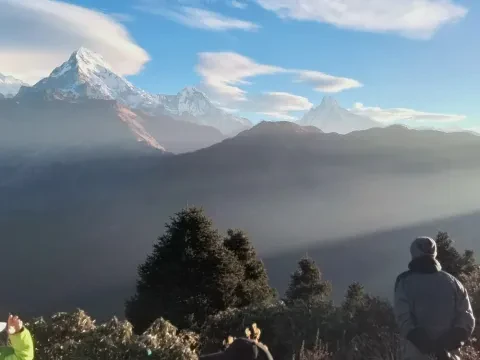
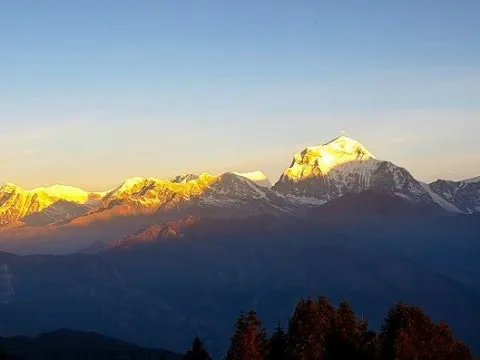
Meanwhile, trekkers climb up to Poon Hill (3,210 meters) just as the sky starts to lighten. They gather at the viewpoint, hearts pounding, waiting for the show. Then, the first golden light hits the peaks. Suddenly, the whole mountain range glows—Annapurna and Dhaulagiri, giants waking up in the dawn. It’s a sunrise symphony, and honestly, there’s nothing quite like it.
Here, Poon Hill Trek In spring, rhododendrons explode in color along the trail. Their blossoms—red, pink, white—frame the snowy peaks, while ancient oaks add deep green, a steady backdrop. Annapurna I (8,091 meters) and Dhaulagiri (8,167 meters) shine at the center of it all. The way the flowers and trees set off these Himalayan titans is just perfect.
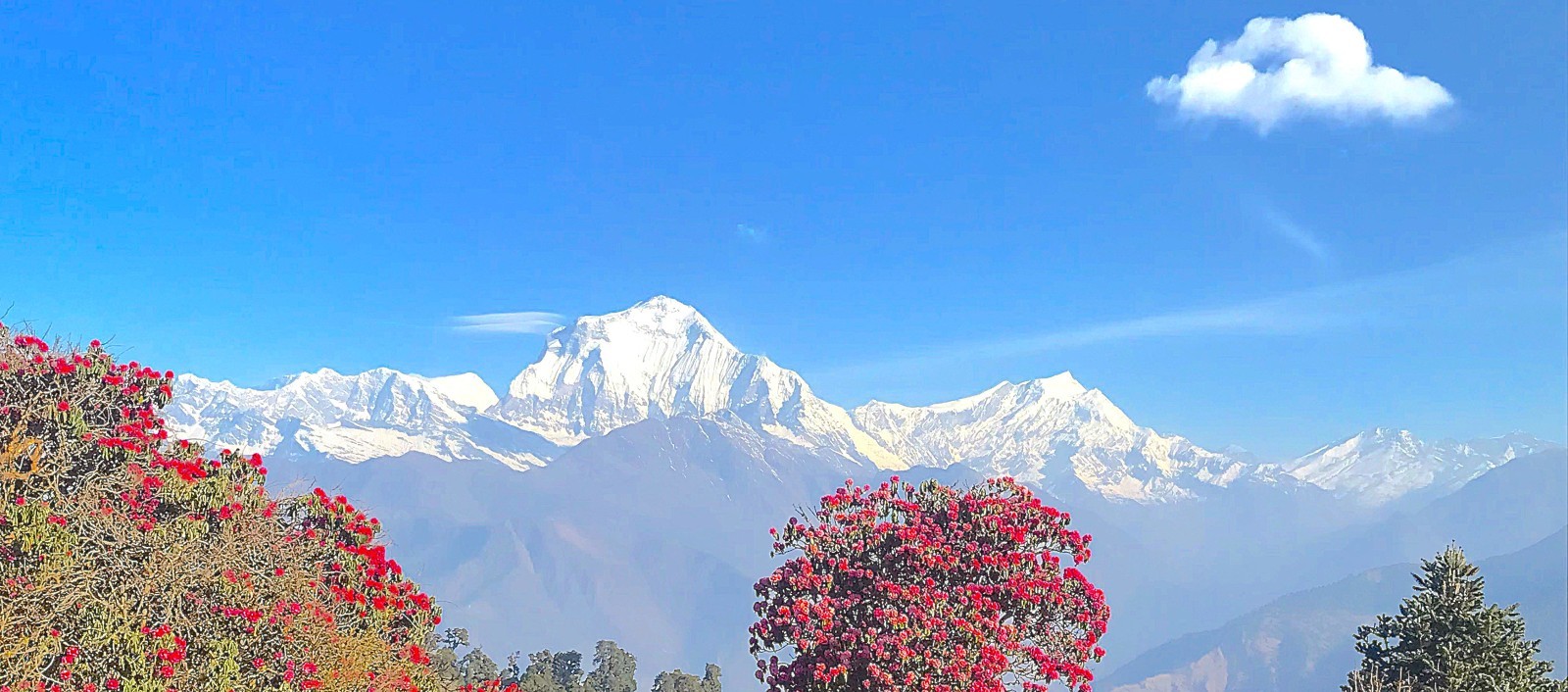
As the sun climbs, it sweeps pink and orange across the ridges. Cameras come out—everyone wants to capture the layers of light and shadow, Machhapuchhre (6,993 meters) standing sharp and sacred to the east. Every hiker falls silent at some point, just swept up in the magic.
Then, from the slopes, the Himalayan monal calls out—Nepal’s national bird. Its feathers flash blue and green for just a moment, if you’re lucky. People scan the forests, hoping for a glimpse. It’s a little bit of wildlife wonder added to the morning.
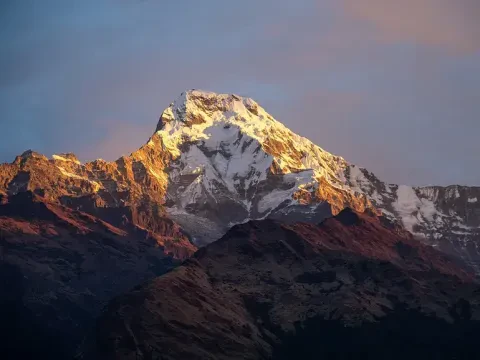
Moreover, Annapurna South (7,219 meters) catches the sunlight first—a burst of gold on its face. Rhododendrons below look like splashes of paint against the green oaks. The whole scene feels alive, the flowers and trees showing off the mountains in their best light.
Soon, the sun rises higher, and more peaks join the show—Nilgiri, Hiunchuli, all glowing. The sense of awe hits you, deep in your chest. The sunrise builds and builds, reaching a wild, unforgettable crescendo.
Here, cool breezes carry the smell of earth and flowers. Trekkers sip steaming tea from local vendors. People are laughing, sharing photos, just soaking it all in together. That sense of shared excitement—right there on Poon Hill—makes the experience even better. This is why the Ghorepani Poon Hill Trek is a highlight for anyone coming to Nepal.
Further, colors slowly warm up, shifting into full daylight. Rhododendrons and oaks keep grabbing your attention up close. If you spot a Himalayan monal, you’re in luck—it’s a real treat. These scenes just stick with you, burned into your memory.
Up here, you get a clear, wide-open 360-degree view. The way the trees and flowers frame the mountains makes every photo look perfect. Peaks like Gangapurna and Tukuche shine in the morning sun. When the sun rises, it’s more than just beautiful—it’s unforgettable.
Eventually, trekkers start heading down from Poon Hill (3210m), but nobody’s in a hurry. The mountain giants slowly fade into the morning light, and those rhododendrons and oaks seem to watch over the trail. That feeling—magic, really—lasts long after you leave.
Sunrise at Poon Hill Features
Here, trek down from Ghorepani to Tadapani through forests alive with wildlife, blooming flowers, monkeys, deer, signs of red pandas, and the sound of waterfalls—an Annapurna adventure packed with surprises.
After sunrise in Ghorepani (2874m), trekkers head out, following a gentle ridge that drops them right into thick forests. Oaks and rhododendrons crowd the trail, the air still fresh with memories of Poon Hill’s sunrise views. Step by step, the landscape shifts—lush, wild, and buzzing with life.
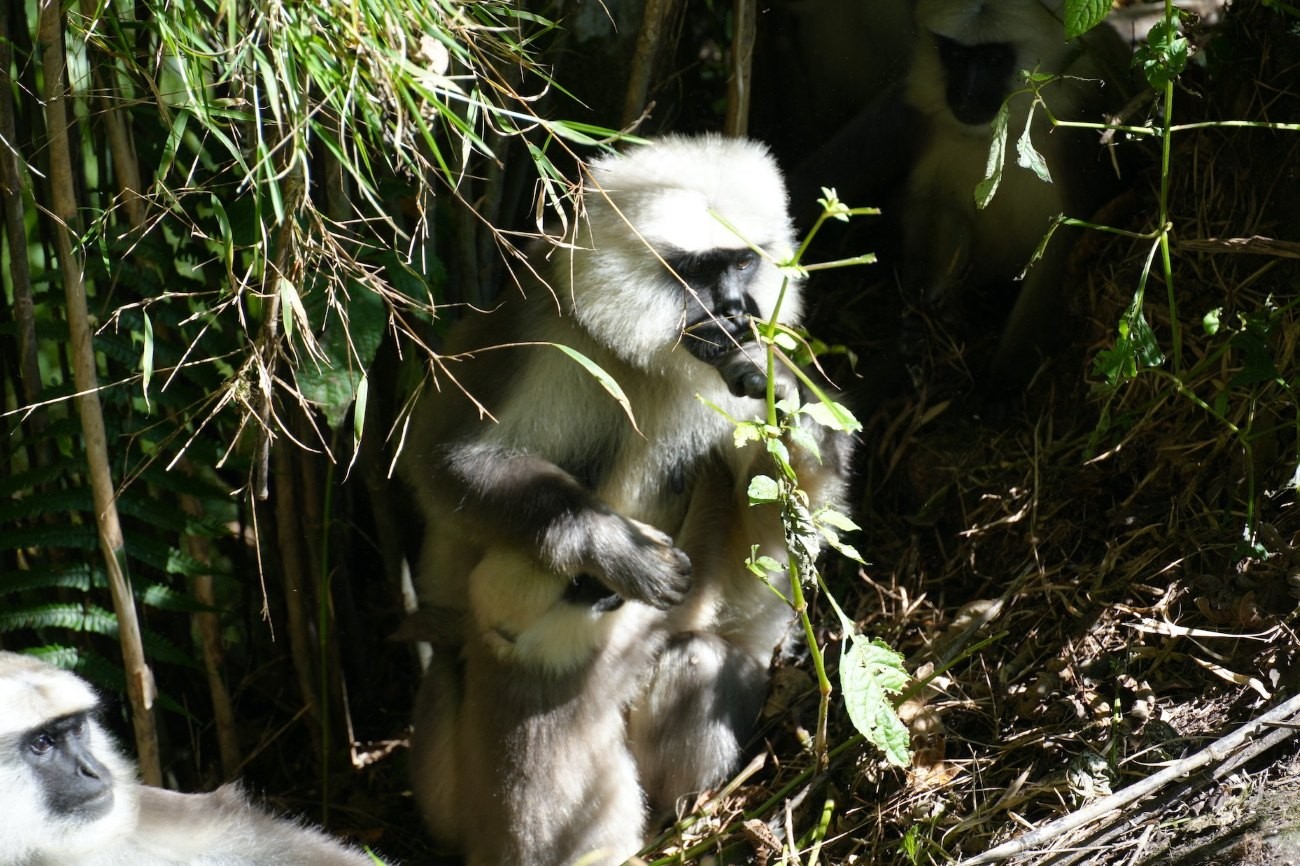
Monkeys—those playful gray langurs—swing overhead, chattering as you pass. Sometimes you catch the neat print of a deer in the mud, or spot signs that a red panda’s been nearby, usually in a quiet patch of bamboo. It’s the kind of trail where you need to keep your eyes open; wildlife is everywhere if you look for it.
In spring, the forest floor explodes with color. Rhododendrons bloom in wild reds and pinks, butterflies dart from petal to petal, and the oaks above keep you cool. The Annapurna range puts on a show with every step—flowers, trees, and all sorts of small surprises tucked away in the greenery.
Likewise, the sound of waterfalls isn’t far off, either. Water rushes down nearby cliffs, spilling over rocks and sending cool mist drifting onto the trail. Every now and then, the trees part and you catch a glimpse of sweeping valleys, the kind that make you slow down just to take it all in. After Poon Hill, this descent really gets under your skin.
Moreover, the path twists and turns, weaving through forests that feel untouched. Monkeys leap from branch to branch, sometimes pausing to watch you back. You’ll spot deer grazing quietly if you walk softly. The forest feels alive—every corner holds something new, a reminder you’re a guest here.
Underfoot, rhododendron petals scatter in bright carpets. Hikers can’t help but snap photos, hoping to catch the magic. A little off the trail, you spot red panda droppings—proof these shy creatures are out there, just hidden from view. The walk to Tadapani isn’t just a descent, it’s a treasure hunt.
After about five or six hours, you roll into Tadapani (2630m). Teahouses line the trail, ready with hot meals (usually around 600 NPR). Guides swap stories and point out what you might’ve missed. This is the perfect spot to catch your breath and soak in the last bit of forest before the journey continues.
As you head down the lower ridges, bamboo groves start crowding in, thickening with every step. Langur monkeys crash and chatter through the branches, always on the move in noisy groups. Every now and then, a waterfall appears—perfect spot to take a break, snap a photo, or just cool off for a moment. This stretch of the trek is a mix of gentle adventure and real calm.
Likewise, the landscape changes fast. Oak and rhododendron trees take over, painting the hillsides with their tangled mix. Trekkers stick to the trails, careful not to disturb the deer hiding in the undergrowth. When spring hits, the path bursts with rhododendron blooms—pinks, reds, and whites everywhere. It makes you slow down, pay attention, and actually enjoy the walk. After Poon Hill, there’s this new awareness that settles in—a sense of respect for the place and everything living in it.
Here, reaching Tadapani at 2,630 meters, you’re rewarded with a view of a forested enclave. As the sun dips, wildlife sounds fade, and the whole place settles into an easy quiet. These living forests leave an impression that sticks with you long after you leave. This part of the trek really shows off the wild, authentic side of Annapurna.
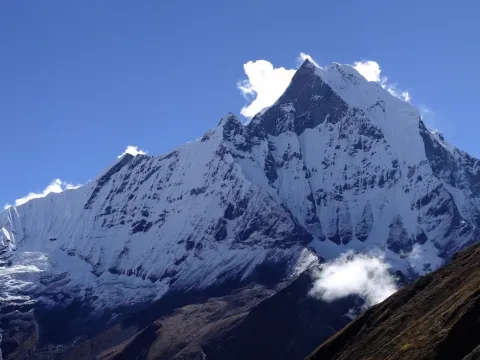
Wildlife and Flora Highlights on the Way Down to Tadapani :
Discover bird-filled canopies, bamboo groves, and peaceful moments among hundreds of bird species and butterflies on the Ghorepani Poon Hill Trek.
After Tadapani, the trail pulls you deeper into the forest. Right away, you’re surrounded by birds—canopies alive with fluttering wings and constant calls. The Annapurna Conservation Area shelters over 500 bird species, and you really start to notice how vibrant and alive this quieter side feels.
Here, a Himalayan monal might call out from someplace high above you—its voice rings through the trees. You might spot a satyr tragopan ducking shyly into the undergrowth, or catch a flash of feathers as all sorts of birds dart through the branches. In these deeper sections of the trek, the air just feels charged with birdlife.
Here and there, you’ll come across bamboo groves. They sway gently in the breeze, and butterflies drift through sunlit clearings, their wings flashing bright colors. The whole place feels calm, almost like you’re wrapped in a blanket of peace. This is the Annapurna biodiversity at its most striking and serene.
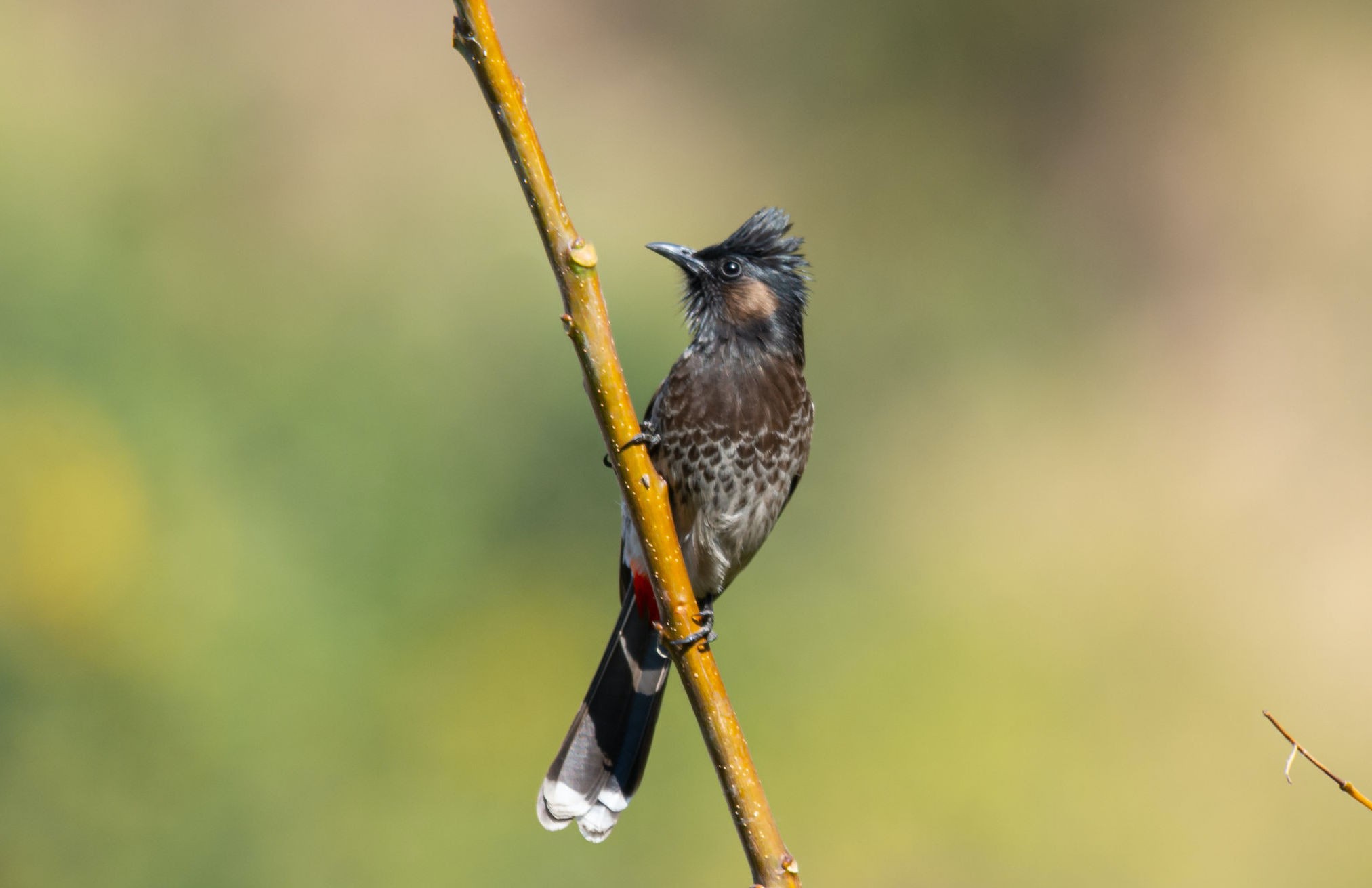
Every now and then, a blood pheasant scurries across the forest floor while a koklass pheasant calls out in its own distinct way. If you’re into birdwatching, these canopies are a goldmine—there’s always something to spot, and the sheer variety is pretty stunning.
Moreover, the trail winds through dense bamboo, and you’ll catch the songs of cuckoos and barbets blending together. Busy butterflies add pops of color as they flit between wildflowers. It’s the kind of setting that makes you slow down and really pay attention.
Further, people have recorded more than 518 bird species here, which is wild. Sometimes you’ll see Himalayan griffons soaring overhead, and the bamboo shelters flocks of smaller birds. It’s quiet, it’s peaceful, and it feels like a hidden sanctuary for wildlife.
With every step, that sense of calm deepens. Butterflies float along the trail like living confetti. Annapurna’s biodiversity really flourishes in these untouched spots, and after a while, you can’t help but feel more connected to the place—and more grateful for the efforts that keep it this way.
Actually, you rarely spot koklass or cheer pheasants, but every once in a while, they flash through the trees. The canopy stays full of birds, their calls muffling everything else. Bamboo groves line the trails, acting like secret corridors for migrating flocks. The Ghorepani Poon Hill Trek really puts you in the middle of all this birdlife—no filters, nothing staged.
A ton of bird species live here, even some that are globally threatened. Trekkers always have their binoculars ready, hoping for a better look. There’s something about quietly watching, letting the peace soak in, that just melts away stress. As you follow the trail deeper, the sense of eco-tourism feels real—not just a buzzword, but something you’re living.
At the far end, everything settles into a deep quiet. Butterflies drift by, birds weave in and out, and together they create this natural harmony. The biodiversity in Annapurna really sticks with you—it’s hard to forget. There’s a subtle magic on the quieter side of the trek that just pulls you in.
Annapurna Biodiversity Features Table for Deeper Trails :
Aspect: Bird-Filled Canopies :
Aspect: Bamboo Groves :
Aspect: Butterflies & Fauna :
Aspect: Trail Experiences :
Meanwhile, trekkers leave Tadapani behind at 2,630 meters, heading down into a landscape that keeps changing right in front of them. The wild forests start to thin out, and before you know it, rhododendron and oak trees give way to those famous terraced fields. Here’s where you really start to notice how the natural world melts into daily life. It’s not just scenery—it’s the backdrop for the Gurung people’s way of living.
Here, farmers work the steep terraces, planting maize, millet, and potatoes. Goats and buffaloes graze quietly in the lush grass, and birds from the forest drift along the edges of the village, filling the air with their songs. On this part of the Ghorepani Poon Hill Trek, you see how everything—plants, animals, and people—shares the space in a way that just works.
Likewise, Ghandruk, sitting at 1,940 meters, pops up next. It’s a real Gurung center, with stone houses packed together and locals ready with genuine smiles for passing trekkers. Terraced fields wrap around the whole village, and you can feel the deep connection people have to the land. It makes the trek back even richer.
If you’re paying attention, you’ll spot langur monkeys hanging out at the forest’s edge, sometimes deer tracks crossing the trails, and grazing animals woven into daily routines. It’s a reminder of how much biodiversity the Annapurna region holds—and how people and wildlife have figured out how to share it.
Here, you’ll probably end up at the Gurung Museum, too. It’s packed with old farming tools and things used in the forest, and you’ll see how rhododendron flowers inspire local crafts. Walking from forest to village isn’t just a change in scenery; it’s a real window into the culture.
Buffaloes plow the fields while birds hop around, snatching up insects. Kids herd goats along the paths, laughing and chasing each other. In the teahouses, you can grab a meal for about 500 NPR. Life here moves to its own rhythms—simple, natural, and real.
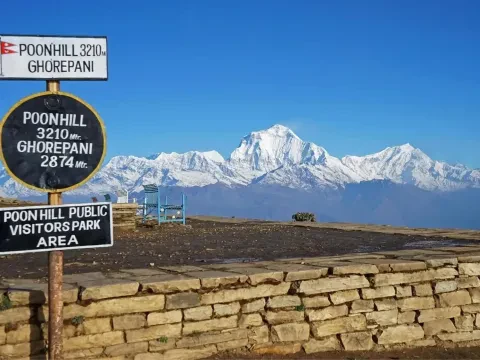
Oak trees still mark the border between wild and cultivated land, and you’ll notice orchids and epiphytes giving way to wildflowers in the fields. Sometimes monkeys peek down from the treetops, curious. All of this—nature and culture side by side—gives the Annapurna region its special balance.
More importantly, the trail slowly winds down to Syauli Bazaar, just before you hit Nayapul at 1,070 meters. Terraced fields spill down the hills—pretty stunning, honestly. You’ll spot sheep grazing, which just adds to the peaceful, country vibe. The walk down really pulls together the plants, animals, and Gurung way of life in a way that just feels right.
Here, you see the culture come alive in local festivals that celebrate nature spirits. Farmers love to swap stories, especially about red panda sightings—those tales stick with you. Wildlife corridors keep the forests and villages connected, which is a big deal for everyone, people and animals alike. When you pass through Ghandruk, you can’t help but notice how much the locals respect the land.
Dropping down to lower elevations, you close the loop on the trek. You end up thinking back on how the ecosystems and communities blend together. Gurung traditions keep thriving under the watchful Annapurna peaks, especially Annapurna South towering at 7,219 meters. The whole transition—from dense forests to lively villages—sticks with you long after you leave.
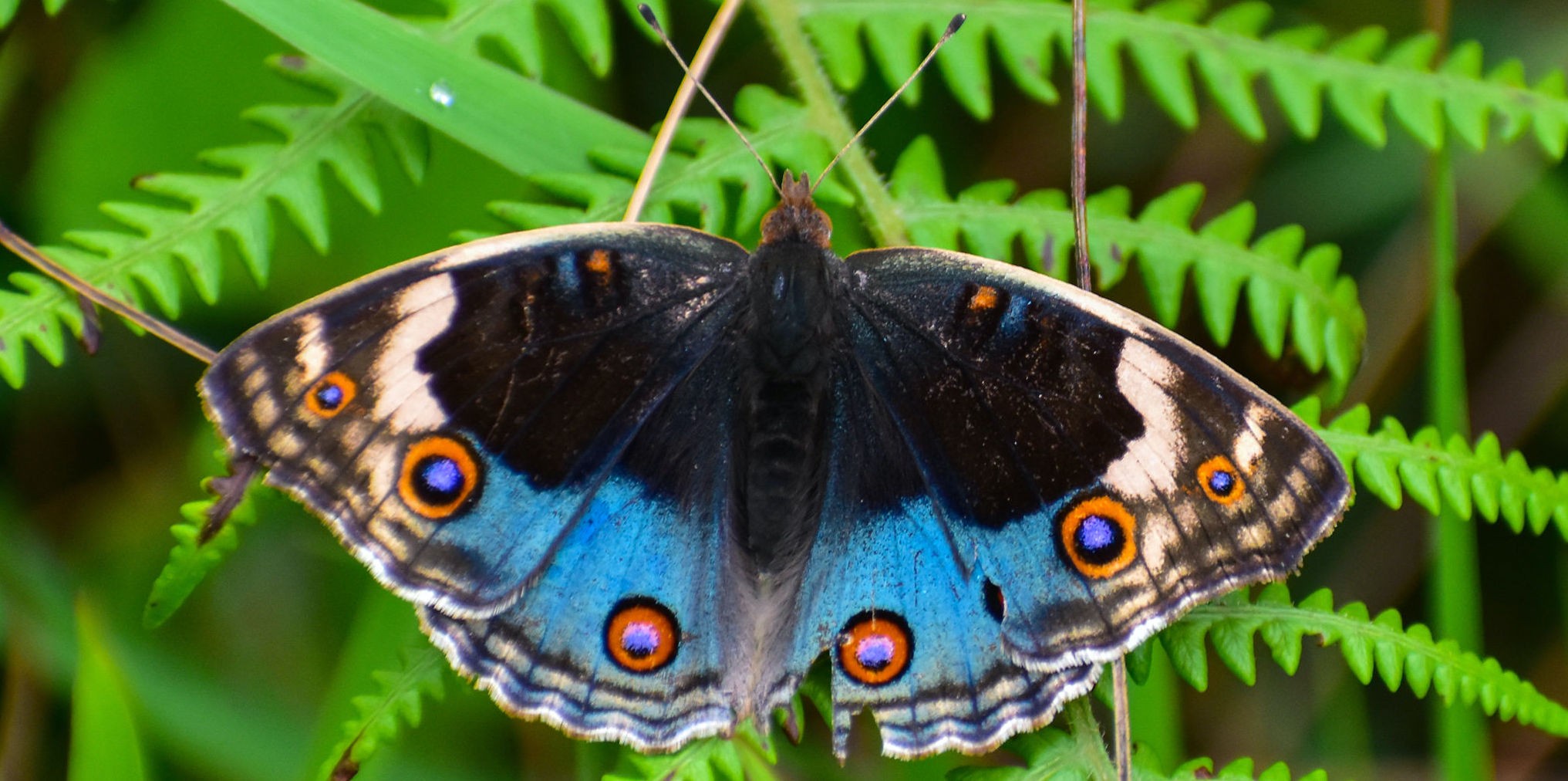
Highlights from the Ghorepani Trek:
Actually, trekkers come back from the Ghorepani Poon Hill Trek with memories that stick for life. They talk about wandering through rhododendron forests bursting with color, waking up to songbirds that seem to sing just for them, and feeling like the trail’s magic lingers long after they leave the mountains behind.
Think about it: you catch a glimpse of a Himalayan monal or watch a langur leap between branches—those moments show up in your mind again and again. Butterflies swirling through the mist, flashes of color in the green—these are the memories that won’t quit.
When you reach Poon Hill at sunrise, oak and rhododendron trees frame the view. Annapurna and Dhaulagiri glow in the morning light, standing tall above the forests. The variety of life here makes the whole place look and feel even more stunning. This isn’t just scenery—the wild beauty sticks with you.
In fact, the villages along the way add to it all. Gurung homes blend into terraced fields, and you see grazing animals or spot animal tracks crossing the path. Nature and culture blend together, and you can feel the harmony of people and land. That connection lifts the trek beyond just pretty views.
There’s peace too. Bamboo groves are alive with birds—over 500 species—and finding a red panda track fires up your imagination. The quiet soaks in, and for a moment, you feel healed.
Even after you leave, you notice the change. You catch the scent of orchids in the air, or remember the way the wind moved through the trees. Maybe you hear the night rustle with hidden life. The music of Poon Hill plays on in your head, turning regular days into something special.
Every real encounter—watching a pheasant, spotting a deer—becomes part of your own story. The range of plants, from subtropical to alpine, keeps things new at every turn. These moments don’t just stay with you—they turn you into someone who wants to protect wild places. That’s why the trek’s nature never really leaves you.
You start to see why Ghorepani Poon Hill gets under people’s skin. Sure, the views are incredible—those sweeping panoramas of the Himalayas—but there’s more to it. Out here, the whole place feels alive. The sheer variety of plants and animals is stunning. It’s not just about reaching the top—nature pulls you in and doesn’t let go.
People talk about those early morning hikes, climbing in the dark with the sound of birds waking up. As the first light hits, the forests frame massive peaks, burning the moment into your mind. The animals—sometimes you catch a glimpse, sometimes just a trace or a sound—make the forest feel calm in a way that sticks with you. This trek changes what adventure means.
And when you leave, you don’t really leave it behind. That magic comes back with you, making the ordinary back home feel a little brighter, a little wilder. The sights and sounds, the plants and animals—they create a kind of inner sanctuary that you carry around. Ghorepani Poon Hill Trek becomes something personal, something you keep with you. Nepal’s wild beauty just grabs hold, and it doesn’t let you forget.
Unforgettable Trail Magic Table for Ghorepani Poon Hill :
Aspect: Lasting Impact :
Aspect: Real Sightings :
Aspect: Flora Beyond Views :
Aspect: Trek Reflections :
1. What flora and fauna can I expect on the Ghorepani Poon Hill Trek?
The Ghorepani Poon Hill Trek is really beautiful. You will see a lot of flowers and trees like rhododendrons and oaks. There are also monkeys and birds. The Ghorepani Poon Hill Trek has a lot of plants and animals. Our team will help you see all these things safely.
2. When is the best time to see rhododendrons blooming on Poon Hill Trek?
If you want to see rhododendrons blooming you should go on the Poon Hill Trek in March and April. The flowers are very pretty. Come in many colors. This time of year is also good for hiking because the weather is nice. We think this is the time for people who love nature.
3. Which birds are commonly seen on the Ghorepani Poon Hill Trek?
There are birds on the Ghorepani Poon Hill Trek. You will hear them singing in the morning. Some of the birds you might see are the monal and the cuckoo. The Ghorepani Poon Hill Trek is home to over 500 kinds of birds. Our guides know a lot about the birds. Can help you find them.
4. Are there monkeys or other mammals on the Poon Hill Trek trail?
Yes there are monkeys on the Poon Hill Trek trail. They are called langur monkeys. You might also see deer. Our guides can help you see these animals without disturbing them. This makes the Ghorepani Poon Hill Trek very exciting.
5. What plants and flowers grow in the forests around Ghorepani?
The forests around Ghorepani have plants and flowers. You will see rhododendrons, oaks and bamboo. There are also orchids and wildflowers. These plants make the Ghorepani Poon Hill Trek very pretty. Help many animals live there.
6. How does the flora change from Ulleri to Ghorepani?
As you walk from Ulleri, to Ghorepani you will see plants. At first you will see banana trees and wildflowers. Then you will see rhododendrons and oaks. The Ghorepani Poon Hill Trek has different kinds of plants and this makes it very interesting. The weather also gets cooler and mistier as you climb higher.
7. What kind of wildlife will I see during the sunrise hike to Poon Hill?
The walk up to Poon Hill in the morning is really nice. You will hear birds like the monal singing. You might see monkeys and small animals in the rhododendron bushes. Our guides know that if you are quiet and pay attention you can see a lot of wildlife. It is a way to connect with nature before the sun comes up.
8. Is the Ghorepani Poon Hill Trek good for people who like birds?
Yes it is. The trek has different kinds of birds because it goes through many different kinds of forests. You can see birds in the lower parts of the trek and bigger birds like pheasants and monals in the higher parts. Our guides can help you spot birds with binoculars. This trek is one of the best for people who like birds.
9. What should I know about the animals and plants in the Annapurna Conservation Area?
The Annapurna Conservation Area has different kinds of animals and plants. There are hundreds of kinds of birds, kinds of mammals and many kinds of flowers like rhododendrons and orchids. We work with people to make sure that trekkers respect the area and do not hurt the environment. This helps keep the area beautiful for everyone.
10. Can I see pandas or deer on the Poon Hill Trek?
Red pandas are very hard to see. You might see signs of them in the bamboo forests. Deer are a little easier to see. You might see their tracks in the forest. If you are patient and quiet you might see some wildlife. Our guides can help you see animals without hurting them or their homes.
11. How do orchids and bamboo make the trek more interesting?
Orchids are really pretty. They hang from trees. Bamboo forests are cool and quiet. They have many birds and butterflies. We like to point out these things on the trek because they make it more fun and interesting. They make you feel like you are really in the wilderness.
12. What are some tips for seeing wildlife on the trek without hurting them?
You should walk quietly. Stay on the trail. Do not feed the animals. Use binoculars to look at them from far away. Our guides can teach you how to do these things. We want to make sure that the wildlife is safe and that you have a time.
13. How do the people who live in the area the Gurung people, live with the wildlife?
The Gurung people live in villages like Ghandruk. They have farms and animals. They live in harmony with the wildlife. You can see birds and monkeys in the trees. The rhododendron flowers are also used to make crafts. It is really nice to see how the people and the wildlife live together.
14. What is special about the walk from Ghorepani to Tadapani?
The walk down is really nice because you go through forests with flowers and trees. You might see monkeys and deer. There are waterfalls and bamboo forests. This part of the trek is one of the best for seeing wildlife and flowers. Our guides think it is one of the highlights of the trek.
15. Why is the Ghorepani Poon Hill Trek so good for people who like nature?
The trek is great because you can see different kinds of plants and animals. You can see the Himalayan mountains and the forests are really beautiful. Our guides can help you learn about the area. See many things. The trek is good, for everyone whether you are a beginner or an experienced trekker. You will always remember this trek.
Our travel experts are ready to assist you with any questions.
Send us a message.Have a question before you book? Send your enquiry below and our travel experts will get back with the required information.