
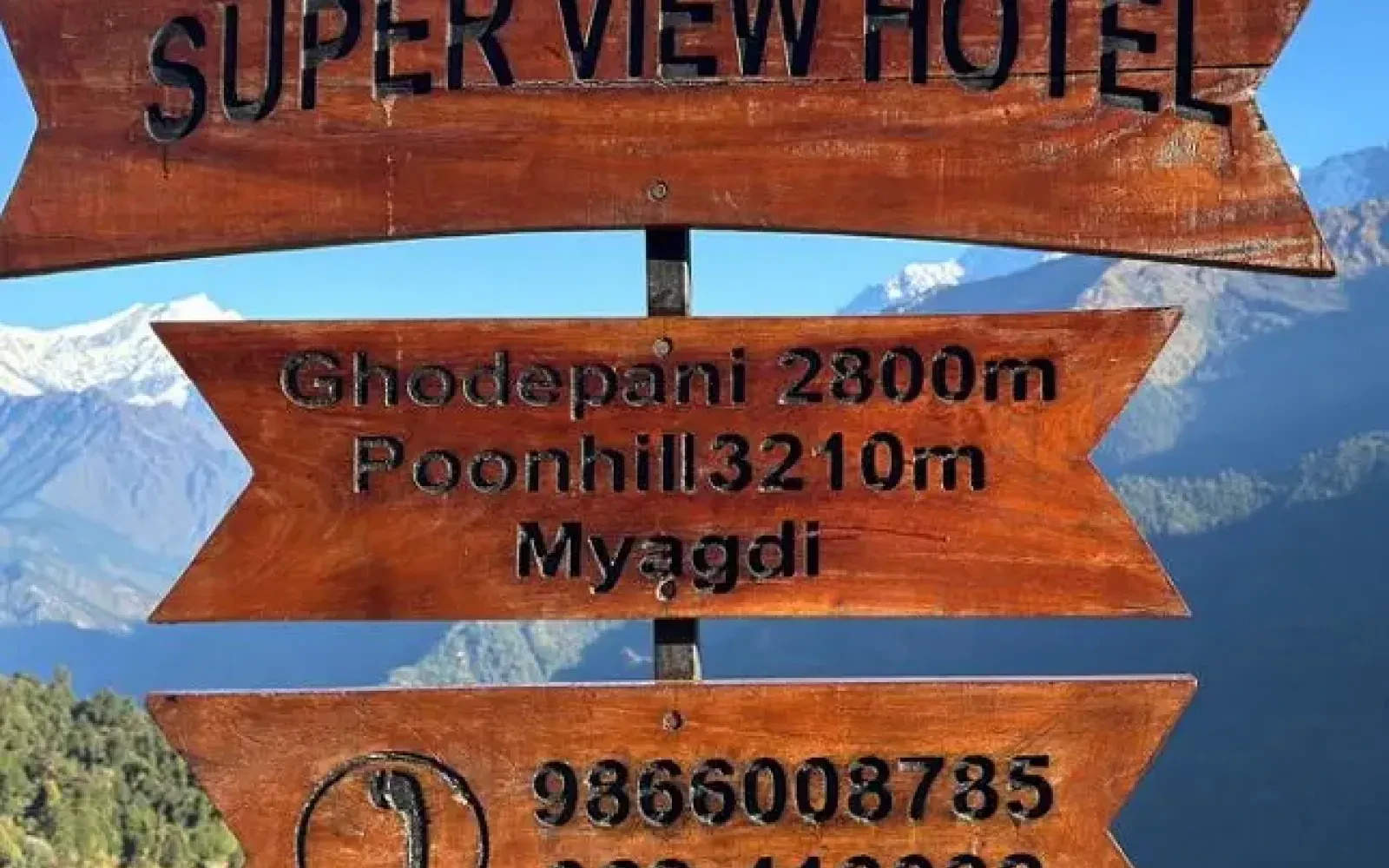
Ghorepani is a small hill village in the Annapurna region of Nepal. It is situated at approximately 2,850 meters above sea level. Compared to big cities like Pokhara and Kathmandu, Ghorepani is quiet and nature-encircled. The village is well known as one of the focal points on the famous Poon Hill trek. Poon Hill stands at 3,210 meters and boasts incredible views of the sunrise over the Annapurna and Dhaulagiri Himalayas.
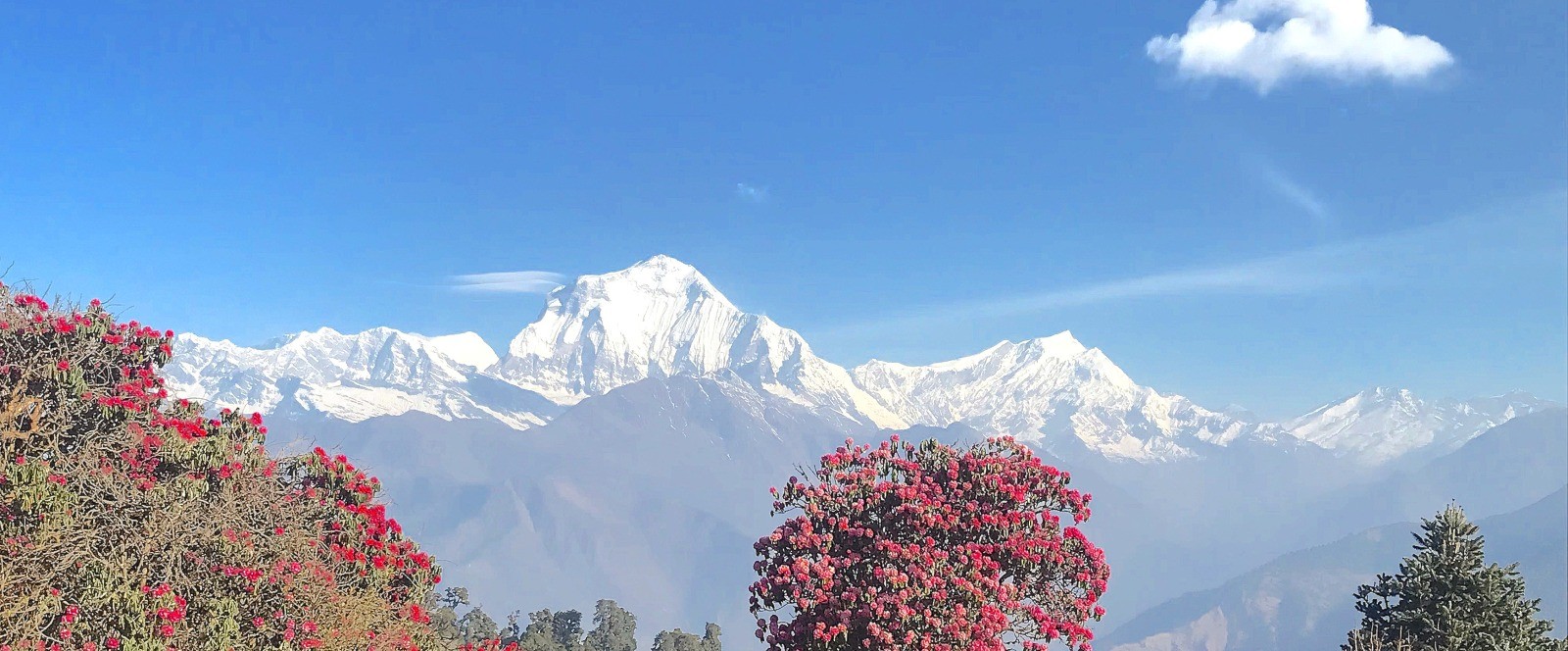
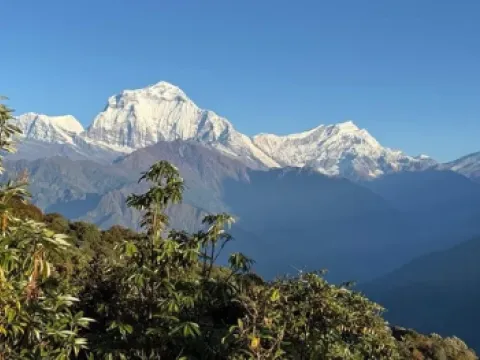
Actually, the village is located in thick rhododendron jungles. The jungles bloom with red and pink rhododendron flowers in the spring season. Similarly, Ghorepani also contains small and big lodges and teahouses. Actually, recently, big and luxury hotels are being built in Ghorepani. Trekkers usually rest here prior to climbing Poon Hill. The Annapurna (8,091m) and Dhaulagiri (8,167m) ranges are viewed from here. These White Mountains create stunning panoramas during your stay in Ghorepani village.
In contrast to villages with roads, Ghorepani lacks transportation directly from Pokhara via Ulleri and Banthanti. But, there is road connection up to Ulleri and Banthanti from Pokhara. It has stone paths and trails leading the village into the surrounding areas. Traditionally, the Gurung locals reside and treat visitors well. The village is calm, crisp, and authentic. Trekkers adore the blend of nature and culture.
However, one can drive into Ghorepani village via Beni and Tatopani. It takes 7-8 hours to get Ghorepani from Pokhara via Beni and Tatopani.
Meanwhile, Ghorepani provides minimum facilities to travelers, but there are hot food, clean rooms, and sometimes even hot showers and spa and massages. Even though it is so isolated, the village has sufficient facilities to meet the requirements of most travelers. Ghorepani is utilized by some as a base for exploration of the Annapurna area.
Briefly, Ghorepani is a peaceful mountain village full of charm. Its location, culture, and landscape make it a must-visit place. Overall, it offers a tranquil and unforgettable experience. Unlike cities, Ghorepani connects you to nature and heritage.

Ghorepani is in Annapurna region in mid-Nepal. Its elevation is 2,850 meters. It is located in Myagdi District of Nepal. The village is located on a ridge between hills and forests. In the north is the huge Annapurna I (8,091m). To the west lies Dhaulagiri (8,167m). Both of these mountains are in the Himalayas.
Actually, the village is a part of the Annapurna Conservation Area. It covers 7,629 square kilometers. It is comprised of forests, rivers, wildlife, and trekking trails. Ghorepani is found on the trail between Nayapul and Tatopani or Tadapani. The trail is popular because it is blessed with scenic beauty as well as cultural villages.
Nearby, Poon Hill (3,210m) is a short walk from Ghorepani. It is famous for sunrise views over Dhaulagiri and Annapurna. The area around Ghorepani is blanketed with rhododendron forest, especially vibrant in spring. The forests are much frequented by nature lovers and photographers.
In contrast to valleys or lowlands, Ghorepani is encircled by high mountains. The terrain is steep but well-traveled by hikers. Rivers such as Modi Khola run close by, contributing to the lush greenery. The village topography ensures a cool climate, ideal for trekking.
Because of its location, Ghorepani is an ideal stopover for mountain lovers. Trekkers rest here before continuing to higher or lower elevations. The natural setting also supports local farming and animal grazing. Overall, Ghorepani’s geography combines mountains, forests, and trails to create a unique Himalayan experience.
To sum up, Ghorepani’s location in the Annapurna region makes it special. The mix of mountains, forests, and rivers offers stunning views and rich biodiversity. Therefore, geography of Ghorepani plays a key role in its popularity.
2-3 days trek will take you to Ghorepani from Pokhara. No road or vehicles will go up to the village directly from Kathmandu as in the city. Most tourists come by foot from nearby villages. Nearest road head points are Nayapul or Birethanti, 20 kilometers away. Also, people can get jeep/bus for Ulleri/Banthanti during dry seasons (winter, spring and late autumn) then the trek to Ghorepani will be 5 to 7 hours.
Similarly, people start from Tatopani or Ghandruk to get Ghorepani village, and these points are also connected with trekking trails. These treks pass through forest, cultivated land, and villages. Because of the increase in altitude, the trek may be challenging for people. However, the trail is well marked and has good traffic of trekkers.
Unlike motorable roads, the trekking routes are narrow and rocky in places. Goods for the Ghorepani lodges are usually transported by porters and mules. Produce and tourists are used by the village depending on human traffic. It is this that maintains it natural and traditional.
Nearer destination to Ghorepani is Pokhara, the main gateway city. It lies approximately 65 kilometers southwest of Ghorepani. The majority of trekkers travel first by plane or road from Kathmandu to Pokhara. They take either a local bus or taxi from there to Nayapul or Birethanti to start the trek. Such a multi-phase procedure is normal in Annapurna treks.
Moreover, people can get Ghorepani village directly by drive (car/taxi/jeep) via Beni and Tatopani. It takes 7-8 hours to get Ghorepani village from Pokahra via Beni and Tatopani.
Local guides and porters are readily available in Pokhara for accessibility assistance to Ghorepani. They carry equipment and accompany you. Unlike fast city transport, trekking is slower but picturesque. Walking along the hills and forests is part of the experience.
Overall, in summary, Ghorepani is only reachable through trekking from Pokhara. Though the road connects Ulleri and Banthanti from Pokhara, trekkers have to walk at least 4-5 hours to get Ghoreapni from Ulleri or Banthanti. Its inaccessibility keeps it peaceful and natural. On average, trekking access enhances the experience and appeal of visiting Ghorepani.
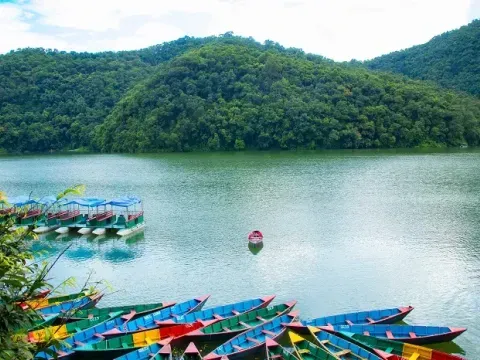
Actually, accommodations at Ghorepani are basic but cozy. There are no large hotels or hospitals like in cities. But these days, big luxury hotels are being built. There are tiny teahouses and lodges for trekkers in the village. They have rooms with beds, blankets, and minimal furniture. The majority of the rooms are dormitory or private with basic amenities.
Likewise, hot showers are sometimes available but weather and fuel dependent. Electricity is scarce and normally supplied by solar panels. However, most lodges provide charging points for phones and cameras. Wifi is not usual or slow due to the remote locations.
Similarly, food in Ghorepani emphasizes trekking food and local dishes. Dal bhat (vegetables, lentils, rice) is the staple food. Noodles, soups, and momos are also common foods. Due to the high altitude, vegetables can be scarce. Tea and coffee are had during the day.
Also, essentials like snacks, batteries, and toilet materials are available in stores. You can also get trekking gear like sunscreen, hats, and raincoats. They are more expensive than in urban areas, taking transportation fees into account.
Medical facilities are scarce in Ghorepani. There a few pharmacies to provide basic medicines. There is no hospital in Ghorepani. In case of emergencies, first aid kits and guides are used. Serious emergencies must be evacuated to Pokhara or Kathmandu. Therefore, one has to be prepared in advance.
Despite these limitations in facilities, Ghorepani guesthouses are intimate and welcoming. Owners provide blankets and extra care on cold evenings. Fireplaces or wood burners have public spaces in most guesthouses. It creates a cozy space for tourists to unwind.
To sum up, facilities in Ghorepani are simple but meet trekkers’ needs. Overall, the village offers essential comfort while keeping its natural charm. Therefore, it is a good base for trekking and exploring the Annapurna region.
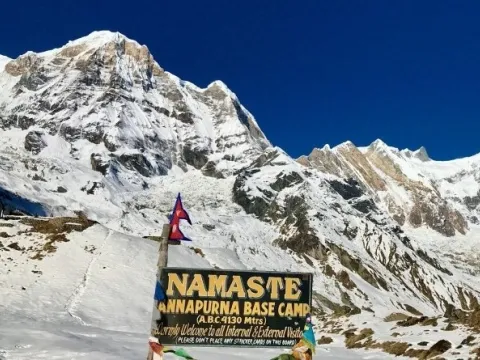
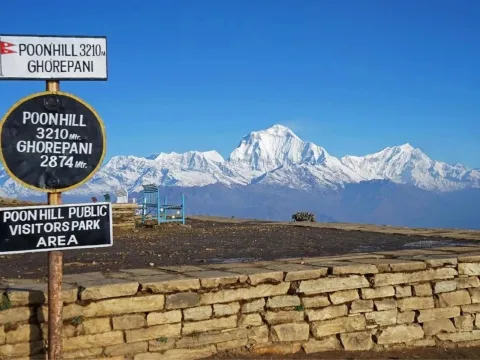
Ghorepani’s major attraction is its proximity to Poon Hill. This viewpoint at 3,210 meters offers stunning sunrise views of Annapurna, Dhaulagiri, and Machapuchare. Many trekkers wake early to hike the short trail from Ghorepani to Poon Hill. The panoramic mountain views are unforgettable.
Meanwhile, the Ghorepani village itself is charming. Prayer flags, old stone houses, and rhododendron groves all mix to provide the atmosphere of serenity. The hills become red and pink with blooming rhododendrons during spring. Nature lovers and photographers especially enjoy this.
Nearby, hiking trails lead to neighboring villages like Tadapani, Ghandruk, and Chhomrong. People, then, go to Annapurna Base Camp walking through Sinuwa, Deurali and Machhapuchhre Base Camp. They offer exposure to local Gurung and Magar culture. Visitors see traditional houses, farming, and rituals. Compared to cosmopolitan cities, these are real and welcoming villages.
Similarly, Ghorepani is part of Annapurna Conservation Area. Wildlife in the Annapurna Conservation Area includes deer, monkeys, and many bird species. Trekking routes often pass through forest sections where you may catch a glimpse of animals. The diversity is something that adds to the beauty of the place.
Moreover, Ghorepani is also an overnight spot for longer treks such as the Annapurna Circuit. Trekkers enjoy the village amenities before ascending further such as Thorong La Pass (5,416m).
In short, Ghorepani has beautiful scenery, diversity of cultures, and beauty of nature. It is favored among trekkers due to its closeness to Poon Hill. Overall, the village is a gem for the Annapurna trekking trip including Annapurna Circuit, Annapurna Base Camp and Poon Hill Trek.
Ghorepani offers a variety of activities that suit trekkers and nature lovers. The main activity is a trek to Poon Hill for sunrise observation. This is a brief trek of about 45 minutes from the village. Watching the sun rise over Annapurna (8,091m) and Dhaulagiri (8,167m) is breathtaking.
Apart from trekking, visitors hike along neighboring trails to other villages. Treks to Tadapani or Ghandruk provide exposure to culture and scenery. These treks are usually several hours long and pass through forests and farms.
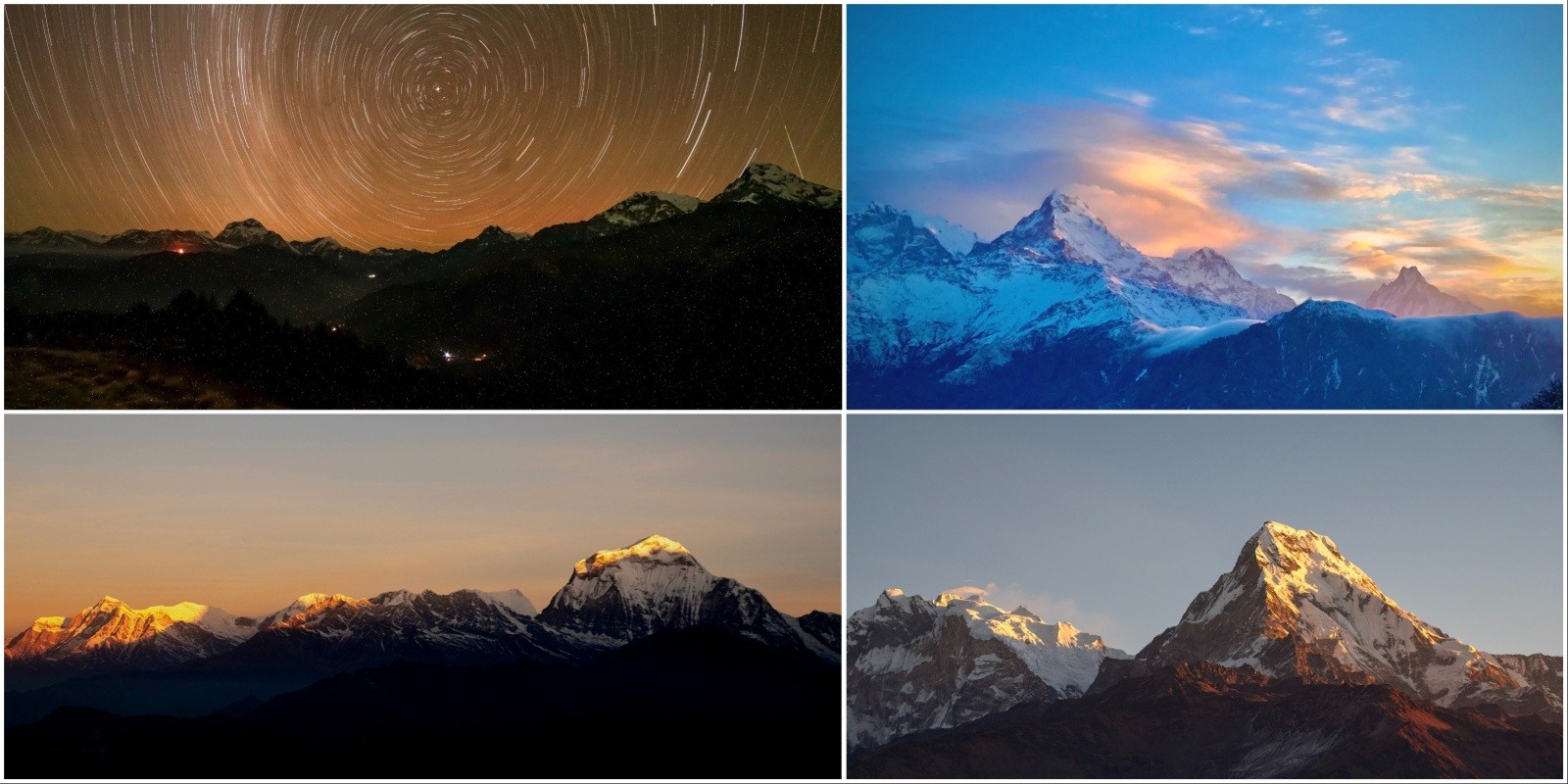
Moreover, nature walks around Ghorepani enable you to enjoy rhododendron forests. During spring, the multi-colored flowers provide a magical atmosphere. Bird watching is also popular. The Annapurna region has many bird species including pheasants and eagles.
In the Ghorepani village, one can visit local markets and interact with the Gurung community. An insight into their lifestyle, customs, and festivals makes it more enjoyable. Cultural events or traditional dinners are sometimes provided in some lodges.
If photography is your hobby, the scenic mountains, woods, and the life of the villagers offer endless photographic opportunities in Ghorepani village. Sun rise or sun set hikes enhance color and light.
Resting, refreshing at local teahouse and socializing is another favorite activity. Even, you can cook local foods here in Ghorepani if you want. Trekkers share experiences and itineraries over hot food and tea. This socializing is cultural in the context of trekking.
In conclusion, Ghorepani has hiking, cultural tours, nature walking, and socializing time. These activities contribute to a memorable mountain experience. All in all, the village is not just a stopover; it is an adventure and a cultural center.
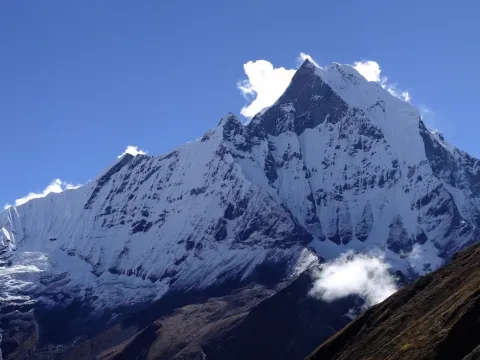
Ghorepani is popular as it offers excellent mountain views, culture, and accessibility. The adjacent viewpoint at Poon Hill is renowned globally for viewing the Himalayan sunrise. Early morning sunrises, when the snow-covered peaks reflect warm sunlight, are appreciated by the early risers who trek to Ghorepani and Poon Hill. It will be a life- time experience.
Likewise, the peaceful and serene environment of the village receives visitors seeking serenity beyond the towns. The stone houses of Ghorepani and rhododendron groves add to the attraction. The indigenous Gurung tribe helps ensure welcoming nature.
As opposed to larger towns like Pokhara, Ghorepani is real and serene. There are no vehicles or noises to be found. This is best suited for nature lovers and photographers. Also, the protected nature of the Annapurna Conservation Area maintains the natural attraction.
Also, Ghorepani is also a key destination on popular trails like Annapurna Circuit and Annapurna Base Camp. Its location on the Annapurna Circuit and the Poon Hill Trail is not difficult to locate. Trekkers receive accommodation, food, and rest there prior to their subsequent leg of journey. Such facilities play a part in its popularity.
Likewise, accessibility through well-marked trekking paths renders Ghorepani accessible yet remote. Such a balance appeals to many visitors. The combination of adventure, culture, and nature offers a complete Himalayan experience.
To sum up, stunning mountain views from Ghorepani’s, traditional charm, and trekking convenience make it popular among the people. Overall, it is a favorite destination in Nepal’s Annapurna region. In conclusion, Ghorepani leaves lasting memories for all who visit.
1. What is Ghorepani. Why is it called the base of Poon Hill?
Ghorepani is a hill village. It is at 2,850 meters in Nepal’s Annapurna region. People call it the base of Poon Hill because trekkers start their journey to Poon Hill from here. Poon Hill is a viewpoint at 3,210 meters. From Ghorepani you can see Annapurna and Dhaulagiri mountains. We have guided travelers through Ghorepani. We know it has a mix of comfort, culture and access to beautiful Himalayan views. Ghorepani is a place to stay and enjoy the mountains.
2. How high is Ghorepani village?
Ghorepani village is at 2,850 meters above sea level. This height is good for beginners. Many of our guests have stayed here. Felt comfortable before going to Poon Hill. The village is surrounded by rhododendron forests. This makes the air fresh and the stay peaceful.
3. What makes Ghorepani special for trekkers?
Ghorepani is special for its forests, friendly Gurung people and great Himalayan views. We recommend it because it has nature, culture and comfort. Trekkers rest in lodges and then go to Poon Hill to see the sunrise. It feels like the start of an Annapurna adventure. Ghorepani is a base for Poon Hill.
4. How do I reach Ghorepani from Pokhara?
Most people drive from Pokhara to Ulleri or Banthanti. Then they hike 4-6 hours to Ghorepani. You can also go via Beni and Tatopani by jeep. This route takes 7-8 hours. We help you choose the option based on your fitness and the season. We want your journey to be safe and enjoyable. Ghorepani is accessible from Pokhara.
5. Is there a road to Ghorepani village?
No there is no road to Ghorepani. The nearest roads are Ulleri or Banthanti. This keeps the village peaceful and authentic. We plan routes carefully for our guests. Ghorepani remains an beautiful place.
6. How long does it take to trek from Ulleri to Ghorepani?
The trek from Ulleri to Ghorepani takes 5 to 7 hours. It depends on your pace. The trail has stone staircases. Goes through forests. We have helped many trekkers complete this section. We advise starting and taking breaks. This way you arrive at Ghorepani feeling refreshed. The trek, to Ghorepani is enjoyable.
7. What kind of accommodation is available in Ghorepani?
Ghorepani has teahouses and lodges. They have comfortable rooms, warm blankets and hot meals. Some luxury hotels are also available in Ghorepani. These Ghorepani lodges provide hospitality and everything trekkers need. They offer a stay before climbing Poon Hill.
8. Are there showers and electricity in Ghorepani?
Most Ghorepani lodges have showers. They use solar or gas for showers. Electricity is available from panels in Ghorepani.. It can depend on the weather. We advise carrying power banks. Travelers have found these facilities sufficient and reliable.
9. What food is available in Ghorepani?
In Ghorepani you can have Dal Bhat. They also serve noodles, soups, momos and hot tea or coffee. The meals are fresh and hearty in Ghorepani. We recommend trying dishes in Ghorepani. They give energy for trekking. Offer an authentic Nepali taste.
10. How are facilities in Ghorepani compared to Pokhara?
Ghorepani facilities are simpler than Pokhara.. They meet all basic needs. You get rooms, good food and friendly service in Ghorepani. This makes the experience more authentic. We know the Ghorepani lodges for comfort and value.
11. Do I need permits to visit Ghorepani and Poon Hill?
Yes you need a permit. You need an Annapurna Conservation Area Permit (ACAP) and TIMS card. These support communities and conservation in Ghorepani and Poon Hill. We handle permits
12. Is Ghorepani suitable for beginners?
Yes Ghorepani is suitable for beginners. Ghorepani and Poon Hill are beginner- treks. The altitude is moderate. Trails are well-marked. We have guided first-timers and ensure safe experiences in Ghorepani.
13. What is the best time to visit Ghorepani?
The best time to visit Ghorepani is spring. It is from March to May for rhododendron blooms. Autumn is also good. It is from September to November for mountain views in Ghorepani. We recommend these periods, for weather and visibility.
14. How hard is it to hike to Poon Hill from Ghorepani?
The hike to Poon Hill in the morning takes around 1 to 1.5 hours. The trail is steep. It is well maintained. Most people can do it. Our guides make sure everyone goes at a pace. This way you can safely enjoy the sunrise views.
15. Can I do a trip to Ghorepani?
Many people do a 3-day Poon Hill trek via Ghorepani. It is perfect for those who do not have time. We plan trips that give you the full Himalayan experience.
16. Is WiFi available in Ghorepani?
Most lodges have WiFi. However it can be slow because Ghorepani is in an area. We think it is best to use it to communicate with family and friends.
17. What should I pack for a Ghorepani trip?
You should pack layers of clothes. Comfortable shoes for trekking are a must. You also need a rain jacket, headlamp, water bottle, snacks and sunscreen. We have guided trips and know these things are essential.
18. Are there facilities in Ghorepani?
There are pharmacies with basic medicines. However there is no hospital. We advise you to have travel insurance and a personal first-aid kit. Our guides know first aid.
19. Why choose Ghorepani as a base for Annapurna exploration?
Ghorepani is a base. It is easy to go to Poon Hill from here. You can also connect to Annapurna trails. It is peaceful. Has good facilities. Many people extend their stay because they love Ghorepani.
20. Is Ghorepani safe, for travelers?
Ghorepani is very safe. Many trekkers and locals are here. We suggest you join a group or hire a guide. This way you will be more comfortable. Learn more about the place. Our team has helped solo travelers.
Our travel experts are ready to assist you with any questions.
Send us a message.Have a question before you book? Send your enquiry below and our travel experts will get back with the required information.