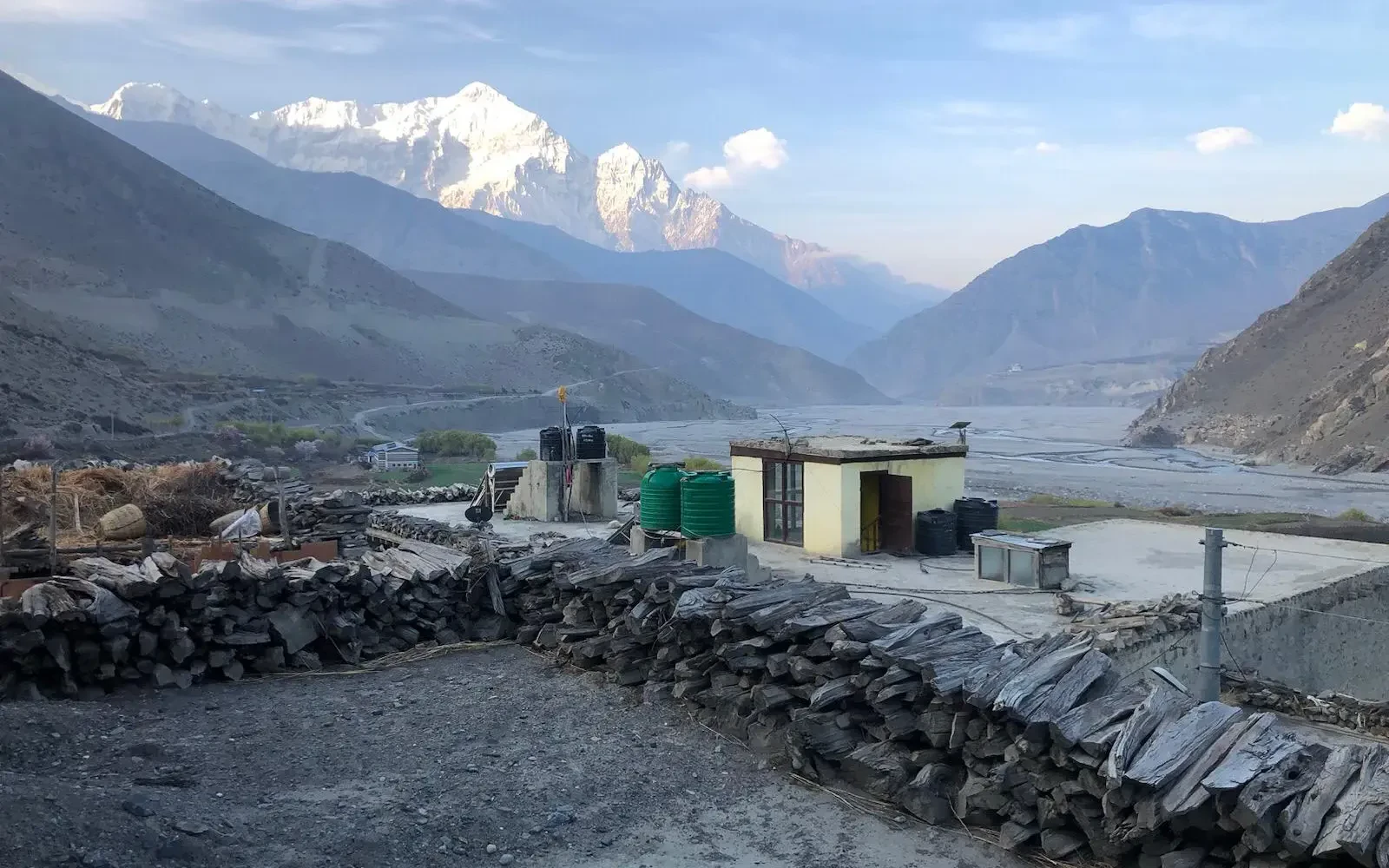
Have you ever been curious about the kind faces that greet you as you navigate the trails of the Annapurna Circuit? If so, it's the local people and their fascinating cultures that truly embody the spirit of this trek. Moving from the lower hills to higher valleys, you'll encounter different ethnic communities, each with its unique traditions, language and exceptional warmth.
Unlike cultural highlights in Everest Region and Langtang valley trek, the culture in Annapurna Circuit is totally distinct. There are Gurung and Thakali people unlike Sherpa People in Everest Base Camp Trek and Tamang people in Langtang region.
What makes the Annapurna Circuit more than just a mountain journey? It's the richness of the culture that you discover along the trail, the part of the journey that often leaves the deepest impressions. Actually, you will be walking through diverse environments and experiencing the different ethnic groups, ancient beliefs, and living culture that has flourished in the Himalayas for centuries.
The major cultural highlights that you can find on your Annapurna Circuit trek include:
1. Gurung Culture in Lower Annapurna
2. Manangi Culture of Manang Valley
3. Thakali Culture of Kali Gandaki Valley
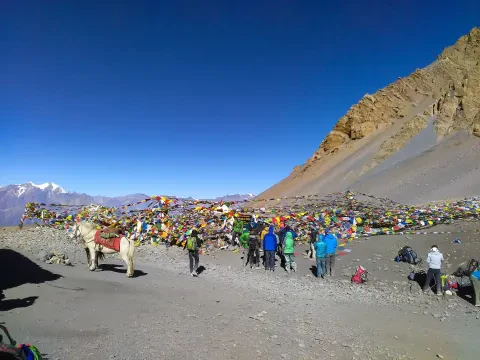
4. Religious Landmarks and Harmony
5. Lifestyle and Traditions
| Cultural Aspects | Key Locations | Uniqueness |
|---|---|---|
| Gurung Culture | Ghandruk, Chame | Traditional stone villages and warm hospitality |
| Tibetanized Culture | Manang, Braga | Ancient monasteries, Tibetan culture and architecture |
| Thakali Cuisine | Marpha, Jomsom | Best food options and neat teahouses on the whole circuit |
| Religions of two faiths | Muktinath | Dual importance for both Hindu and Buddhist religions |
| Local Traditional Architecture | whole trek | Varies according to altitude, religion and culture |
Final Thought:
In conclusion, the Annapurna Circuit is a trek to majestic peaks; equally, it's a pilgrimage of spiritual and cultural significance, where each step takes you closer to experiencing a way of life unchanged for centuries. You'll never forget the warmth of the local people, their distinct culture, their sacred places, and their incredible kindness. Most trekkers agree that it is these elements of local culture rather than the peaks, that truly makes the Annapurna Circuit an unforgettable experience.
Here, trekking from the lower hills towards the high valleys, you'll encounter many distinct ethnic groups. The diverse cultures that you'll experience are indeed one of the highlights of this trek.
The main Ethnic Groups on the Annapurna Circuit :
| Ethnic Group | Main areas | Altitude range(m) | Known for |
|---|---|---|
| Gurung | Ghandruk, Chame, Landruk | 1500 - 3500m | Hospitality, Gurkha history. |
| Magar | Tatopani, lower regions | 1000 - 2500m | Farming, folk culture. |
| Thakali | Marpha, Jomsom, | Kagbeni | 2500 - 3500m | Trade, apple farming, hotels. |
| Manangi(Nyeshang) | Manang valley | 3000 - 4000m | Tibetan culture, salt trade. |
| Tibetan/Bhotia | Muktinath, Thorong La region | 3500 - 4500m | Buddhism, monasteries. |
Have you ever felt the warmth you experience when staying in villages like Ghandruk or Chame? It's from the Gurung community, one of the warmest and friendliest ethnic groups.
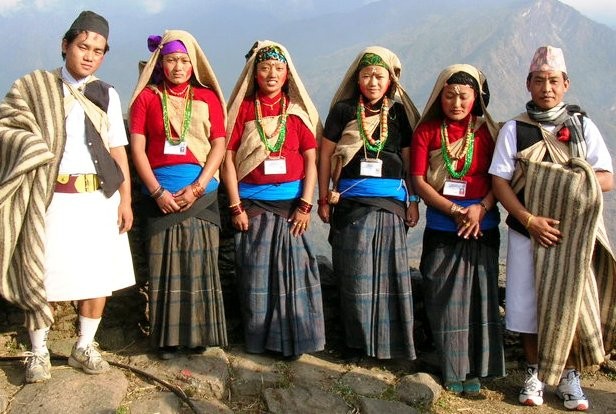
Distinctive features of Gurung culture :
Gurung lifestyle highlights :
As you travel through the lower segments of the Annapurna Circuit, you'll meet the friendly and industrious Magar people. It is the largest indigenous group in Nepal, and it plays a major role in hosting trekkers.
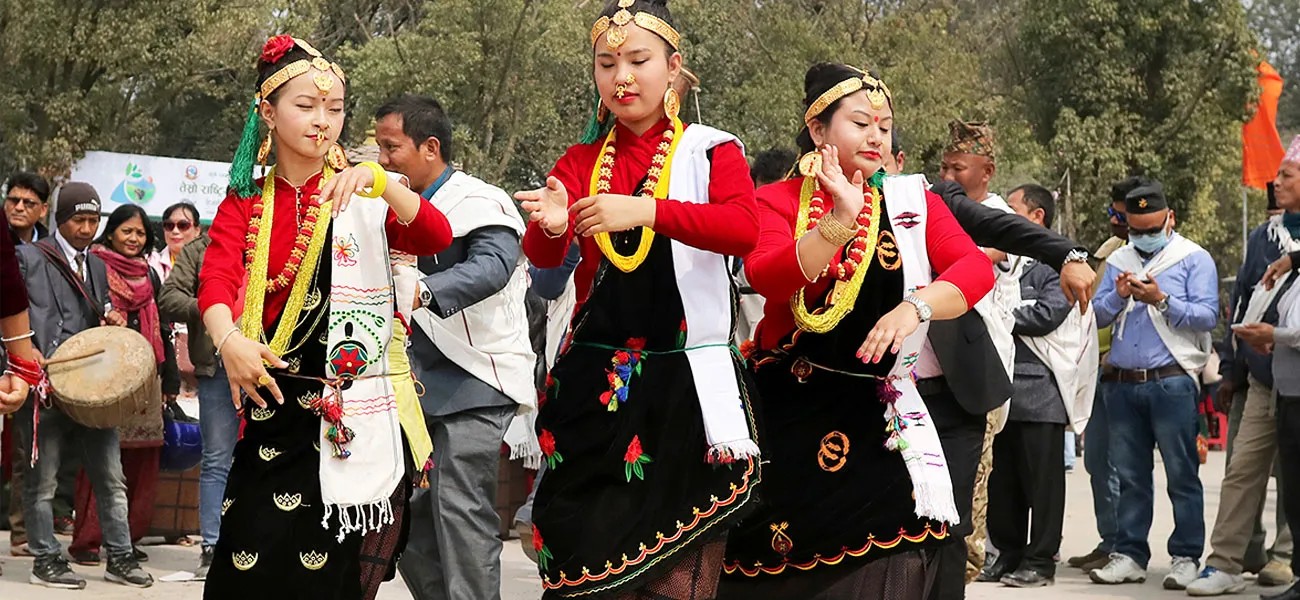
Magar Community Characteristics :
How Magars Welcome Trekkers :
In Conclusion,
Summing up, the local people along the Annapurna Circuit – whether Gurungs, Magars, Thakalis or Manangis – not only form the soul of this trek, but they also elevate it from a merely physical adventure to a profoundly human experience.
Have you ever experienced great hospitality and delicious food while staying in Jomsom or Marpha? It is thanks to the Thakali community who are considered the best hoteliers along the Annapurna Circuit.
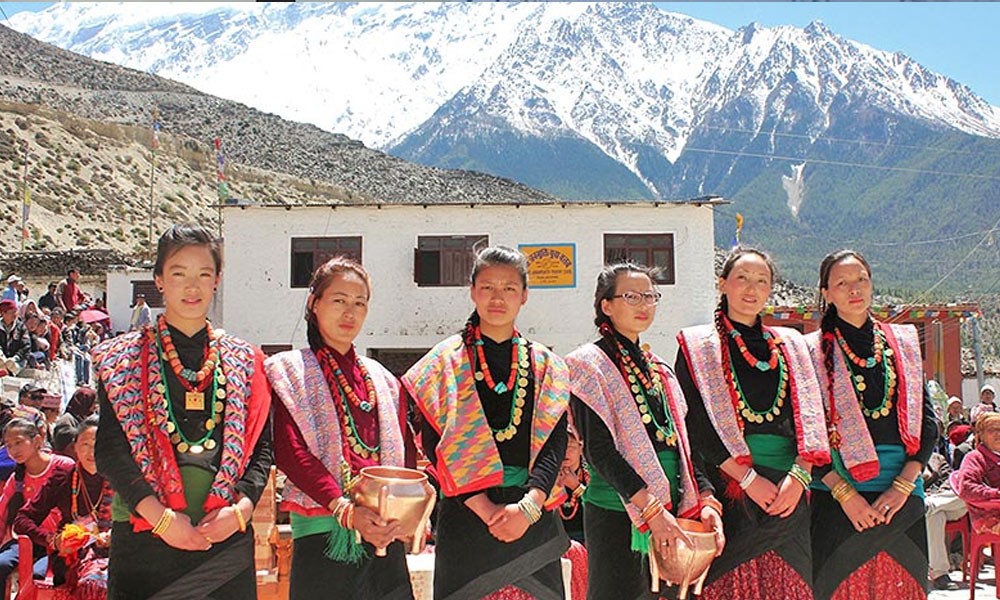
What makes Thakali people so special?
| Aspect | Description | Why it is so good |
|---|---|---|
| Hospitality | Clean rooms, kind service, good management | Among the best on the entire circuit |
| Signature Dish | Thakali Set (Dal Bhat with different sides) | Most popular meal choice by trekkers |
| Apple products | Apple pie, juice, dried apple, apple brandy | Marcha is known as "Apple Capital" |
| Other dishes | Buckwheat pancakes, momos, thukpa, local pickles | Combines Tibetan and Nepali tastes |
Moreover, Thakali people are known to be very honest, diligent and genuinely care about the guest's comfort. Consequently staying in a Thakali owned lodge turns into a cherished moment of the trek.
Once you reach the arid lands of Manang Valley, you will get acquainted with the specific way of life of the Manangi (Nyeshang) people. The way they live and the culture they follow differ greatly from that of lower altitude communities.
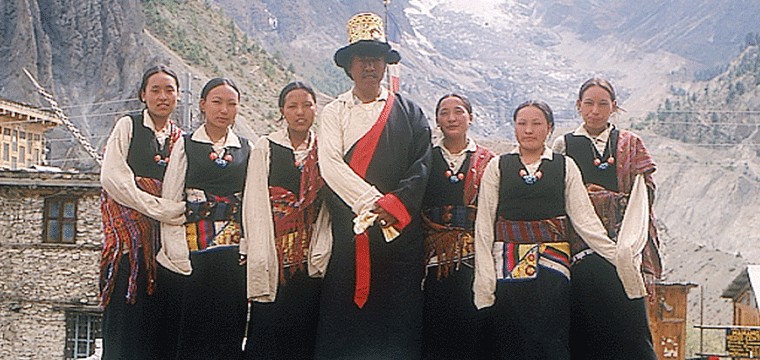
The most distinguishing features of Manangi culture:
| Aspect | Details | Importance |
|---|---|---|
| Traditional house | Houses made of stones with flat roofs | They are constructed to cope with severe high altitude conditions. |
| Livelihood | Cultivation and trade | Barley, potatoes, historically salt trade. |
| Religion | Tibetan Buddhism | Very old Gompas and monasteries scattered around. |
| Society | Community based | People are very cooperative. |
| Festivals | Losar, Yartung, and local holidays | Traditional celebrations are often vibrant and joyous. |
In addition to their resilience they lead one of the hardest lifestyles among any other in the trek at 3,540 m (11,614 ft). Smiling warmly at trekkers, the Manangi proudly hold their traditions very close and have truly wonderful stories to tell.
Meanwhile, it's actually quite striking to witness the peaceful coexistences of Hinduism and Tibetan Buddhism throughout the Annapurna Circuit. The presence of both religions are not in contrast, but rather beautifully complementary.
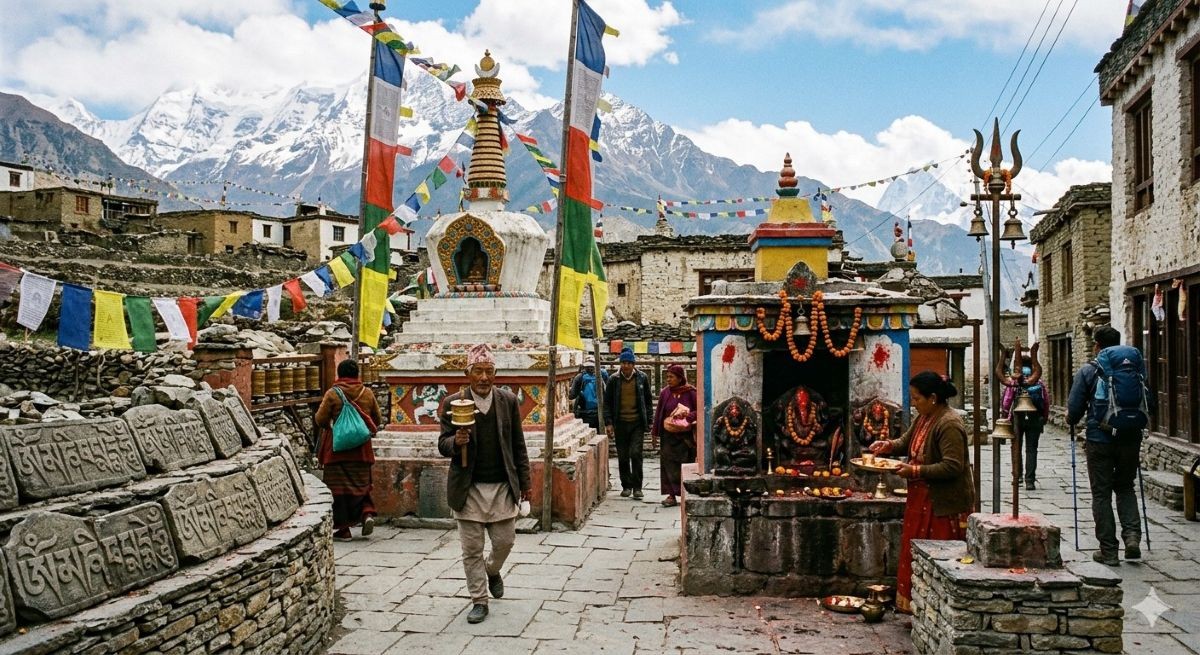
Key examples of religious harmony:
| Site / aspect | Hinduism | Tibetan Buddhism | Harmonious presence example |
|---|---|---|
| Muktinath Temple | Vishnu temple & 108 water spouts | Buddhist monastery & eternal flame | Both have equal regard. |
| Prayer flags & Chortens | Yes | Very Common | seen side-by-side everywhere. |
| Local beliefs | Worship of mountain gods & nature | Buddhist rituals & monasteries | Both exist harmoniously. |
| Festivals | Hindu holidays are celebrated | Losar & Buddhist festivals are celebrated | participation by all. |
In conclusion, it is this peaceful intertwining of the two dominant religions on the circuit that add to the charm and depth of the trek, offering a holistic cultural and spiritual experience for all travelers.
Have you ever had the opportunity to experience a place where two of the world's major religions are worshipped side by side in perfect harmony? In addition, Muktinath Temple is such a rare, yet spiritual place of significant meaning for both Hindus and Buddhists.
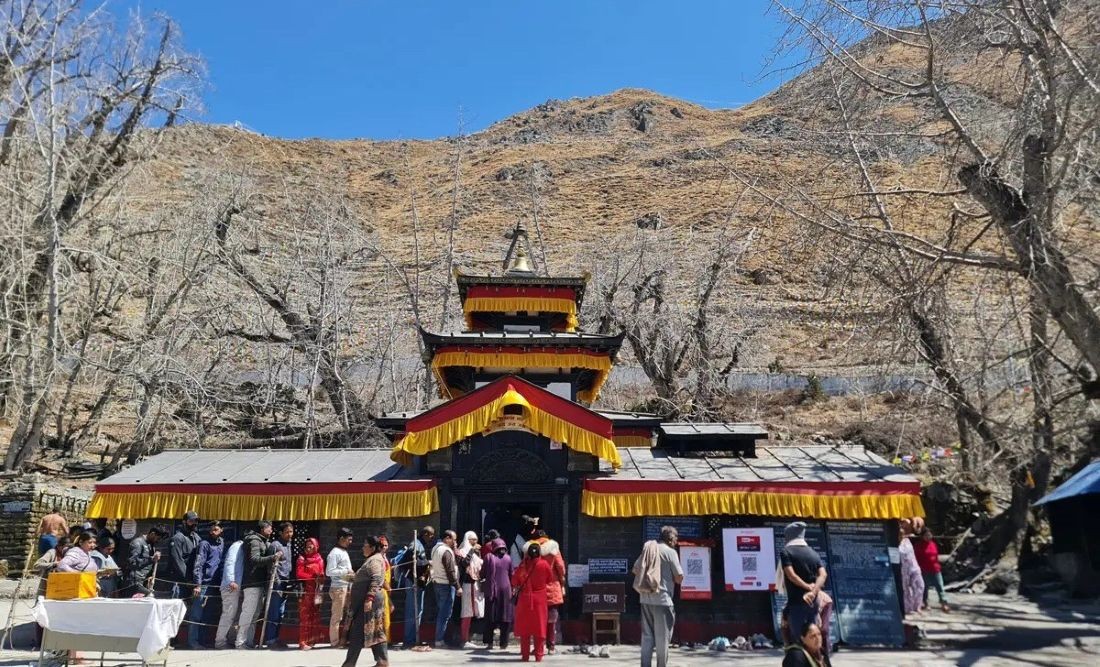
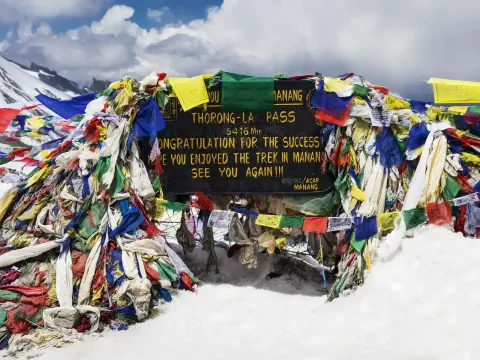
Situated at 3,710m (12,172ft) nearby the Thorong La Pass, Muktinath is regarded as one of the most holy pilgrimage sites in the Himalayas. Moreover, Hindus consider it to be the place where Lord Vishnu attained enlightenment, while Buddhists deem it as a sacred site that holds relation to Guru Rinpoche (Padmasambhava).
Religious Significance :
| Religion | Name & Belief | Main Attraction |
|---|---|---|
| Hinduism | Vishnu Temple (Place of Salvation) | 108 Water Spouts, Vishnu Statue. |
| Buddhism | Chumig Gyatsa (Place of 100 Springs) | Eternal Flame, Buddhist Monastery. |
| Both | Sacred site for moksha (liberation) | United worship and traditions. |
Here at Muktinath, Hindus and Buddhists alike often worship side by side in a demonstration of religious tolerance.
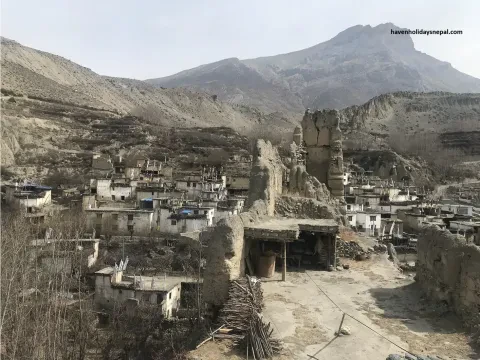
Are you hoping to experience the colorful and jubilant side of Himalayan culture? Especially if your trek aligns with the many local festivals, you will discover Annapurna region in its liveliest and most vibrantly appealing state.
Key festivals of the Annapurna Circuit :
| Festival | Month | Main Location | Highlights |
| Losar | Feb-March | Manang & Narphu | Prayer flags, festive meals, traditional dances. |
| Yartung | Aug-Sep | Manang Valley | Horse Racing, archery, performances. |
| Dashain | Sep-Oct | Lower villages | Family gatherings, tika ceremony, special foods. |
| Gurung Lhosar | Dec-Jan | Ghandruk, Chame | Traditional music and dance. |
In fact, these local festivals present an ideal opportunity to mingle with and participate in local traditions with the locals; enjoy ethnic foods and appreciate the locals' colorful attire and dances.
Have you begun to think about the array of unique local food awaiting you on Annapurna circuit? It’s one of the many fascinating experiences of the trail that one needs to witness personally.
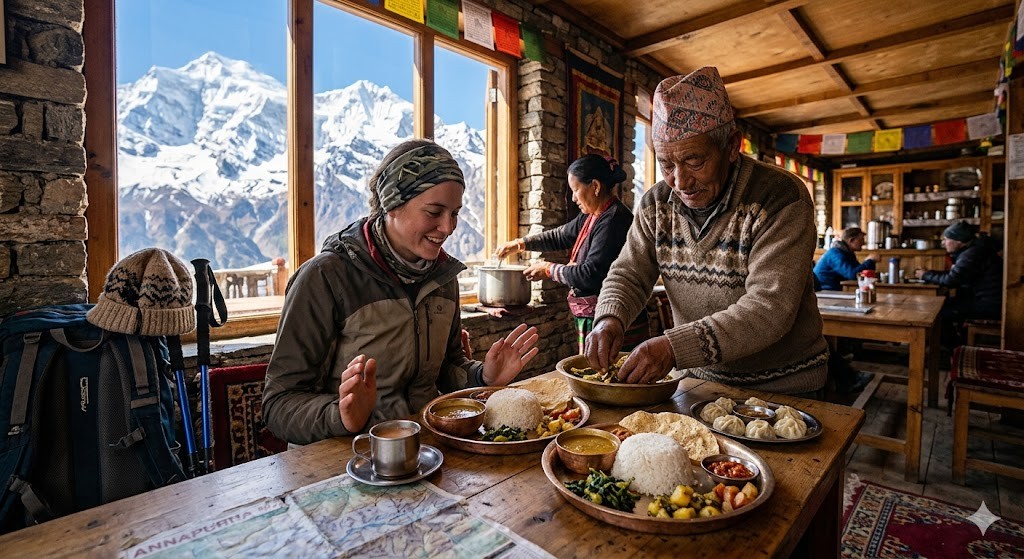
Must try foods in Annapurna Circuit :
| Food Item | Main Area | Taste Profile | Best Place to Try |
|---|---|---|
| Thakali Dal Bhat | Jomsom & Marpha | Balanced and savory | lodges run by the locals. |
| Apple pie and cider | Marpha | Sweet and refreshing | German Bakery. |
| Buckwheat pancakes | Manang and high-altitude areas | Nutty and hearty | local tea-houses. |
| Raksi (local brew) | Gurung and Magar villages | Strong home-brewed spirits | With permission of locals. |
| Momos and thukpa | Manang and Buddhist settlements | Savory steamed dumplings, hot soup | kitchens with a Tibetan feel. |
Conclusion,
Ultimately, it is the locals, the sanctity of their holy sites, the allure of their dazzling festivals and unique traditional food that form the character of Annapurna circuit trek, making each experience and memory more significant.
Have you noticed the endless fluttering of colorful prayer flags, ancient monasteries perched high on hills, and long stone walls etched with mantras as you walk the Annapurna Circuit? Indeed, these sacred elements shape the spiritual terrain and imbue the entire region with a sense of peace and divinity.
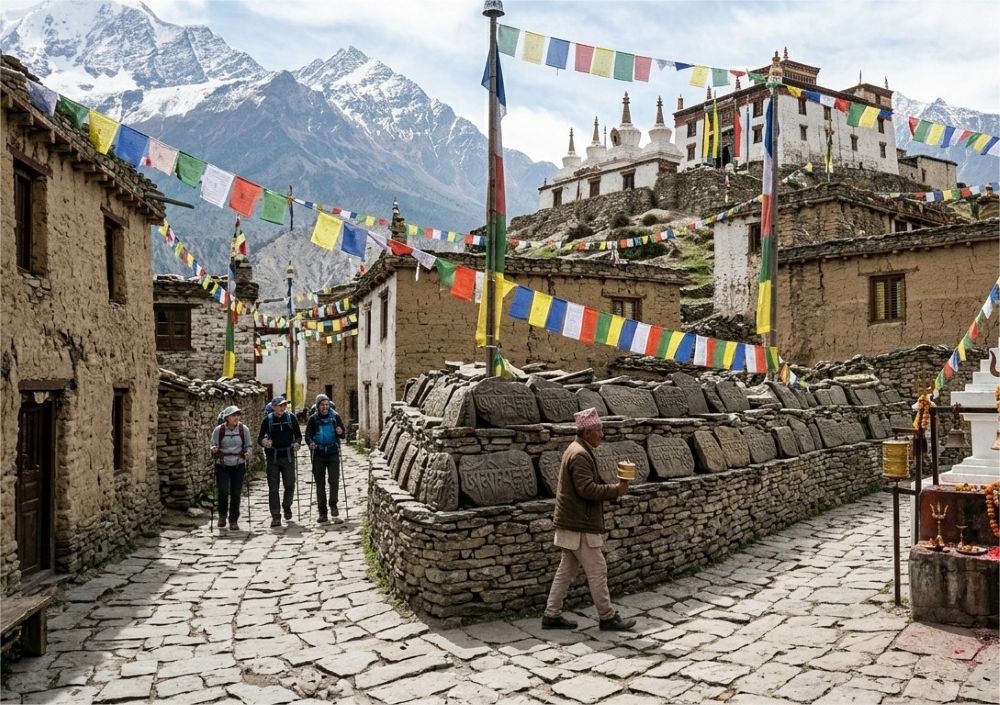
Key Spiritual Elements :
| Spiritual Element | Description | Cultural Significance |
|---|---|---|
| Prayer Flags | Blue, white, red, green, yellow cloths | These are meant to spread blessings and peace when the wind blows them. |
| Monasteries | Ancient Buddhist temples that contain statues and murals | They serve as centers for learning, prayer, and festivals. |
| Mani Walls | Stone walls carved with mantras | When walkers, on the other hand, circumambulate clockwise and circumambulate on the right of Mani walls, they earn merit. |
In conclusion, the spiritual sites also encourage trekkers to walk with mindfulness and respect. Hence, the sight of prayer flags against snow-capped peaks is one of the most picturesque and spiritual trekking experiences.
Would you like to interact respectfully with the local communities during your trek along the Annapurna Circuit? Following simple cultural etiquette guidelines helps you form genuine connections and show respect for the local way of life.
Important Cultural Etiquette Rules :
| Do's | Don'ts |
|---|---|
| Greet with "Namaste." | Touch anyone's head. |
| Accept tea or food with thanks | Step over anyone's legs or over an offering. |
| Speak quietly inside monasteries | Display affection publicly. |
| Ask for consent before taking photographs of locals | Throw trash and litter along the trails. |
In fact, it's also considered a good gesture to learn a few local phrases like "Tashi Delek" in Buddhist areas. Thus, practicing cultural sensitivity not only enhances your trekking experience but also earns you deeper respect from the local people.
Have you ever considered the effects of the constant influx of trekkers on the traditional lifestyle of the local communities in the Annapurna villages? Tourism has certainly brought about significant changes, both positive and negative, in these communities.
Positive Impacts of Tourism :
| Area | Positive Changes | Negative Changes |
|---|---|---|
| Economy | Increased income from tourism | Dependence on seasonal tourism |
| Infrastructure | Better lodges, electricity, and internet | Over-construction in certain villages |
| Culture | Revival of festivals and crafts | Gradual erosion of traditional culture |
| Environment | Awareness of conservation | Problems with waste management |
Conclusion,
Therefore, while tourism has been beneficial for the economic development of Annapurna villages, it has also introduced new challenges. Hence, responsible trekking and support for eco-friendly lodges play a crucial role in preserving the unique culture and fragile environment of this breathtaking region for future generations.
Have you ever experienced that unique sense of belonging and care when staying at someone's home, almost as if you were part of the family? This is exactly what makes Annapurna locals' hospitality so unforgettable. The welcome you receive, from the Gurung villages in the lower lands all the way to the dry deserts of Mustang, is genuine, natural, and profoundly heartwarming.
What's Special About Their Hospitality?
| Quality | How it feels | Example |
|---|---|---|
| Warmth | An immediate sense of belonging | Being invited for tea upon arrival. |
| Generosity | Giving their best despite limitations | Extra helping of Dal Bhat. |
| Care | Looking after your well-being | Checking if you need hot water. |
| Respect | Treating you with dignity | Using both hands while serving. |
Moreover, this hospitality is deeply rooted in their culture and not simply a business transaction. Many trekkers find that although the mountains are stunning, it is the local people who make the Annapurna Circuit a truly special journey.
Are you looking forward to forming genuine connections while on your Annapurna Circuit Trek? Engaging respectfully is key to both enriching your own experience and preserving local dignity and culture.
Best Practices for Respectful Engagement:
| Action | Why it matters | How to do it |
|---|---|---|
| Greeting | Shows respect | Say "Namaste" with hands together. |
| Buying souvenirs | Supports local economy | Buy directly from villagers. |
| Conversation | Builds a real connection | Ask about their family and festivals. |
| Behavior in homes/temples | Maintains trust | Remove shoes, speak softly. |
| Giving gifts | Creates goodwill | Bring small items like pens or chocolates |
Remember, you are a guest in their home. Even small, respectful actions can go a long way in building trust and creating positive memories for everyone involved.
Have you ever returned from a trek with incredible photos and memories of the mountains, only to realize that it was the people you met who left the most lasting impression? This is precisely the feeling many trekkers have after completing the Annapurna Circuit.
While the snow-capped peaks, soaring passes, and dramatic landscapes are undeniably breathtaking, it is the local people who truly make this journey an unforgettable experience. Their resilience, kindness, honesty, and rich cultural traditions transform a physical challenge into a deeply human adventure.
Why Locals are the Real Highlight:
Final Thought
In fact, you might forget the exertion of crossing Thorong La or the beauty of the mountains, but you will always remember the smiling faces, the warm cups of tea, and the kind hearts you encountered along the way. The people of the Annapurna Circuit are more than just hosts – they become an integral part of your journey.
In conclusion, the mountains will forever stand majestic, but it is the people who truly elevate the Annapurna Circuit into a trip of a lifetime.
Have you observed that as you climb up the Annapurna Circuit, the style of house also change? More so, the traditional houses along the Annapurna Circuit have stories to tell about people, environment and their culture.
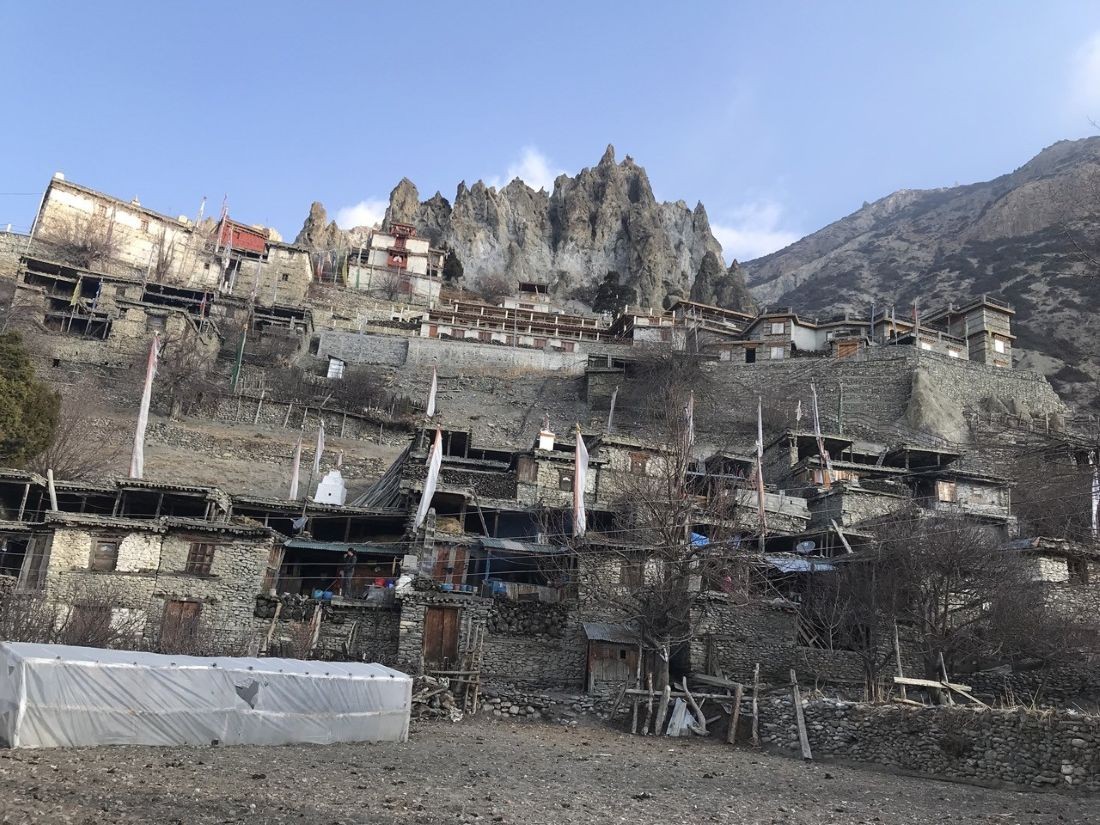
Important Architectural Style :
| Region | Style of the houses | what it tells you |
| Lower Hills | Slate roof, multi-storey stone house | Heavy rain fall and an agriculture oriented lifestyle. |
| Thakali Area | Beautiful carved wood and strong house | Trade culture and well-off settlement. |
| Manang Valley | Flat-roofed house, with thick walls | Dry weather and windy condition. |
| Upper Mustang | Whitewashed mud houses | Tibetan culture with dry environment. |
And thus the intelligence and ability to design houses that suits with extreme mountain condition, of the local people, have taught a good lesson and is respected a lot.
Have you ever imagined how human can live on altitudes higher than 3500 meter (11483ft) where air is scarce of oxygen and environment is so unfriendly? Well, the locals of Manang and Mustang have unique adaptations to live on such altitudes and this is seen over many generations.
High Altitude Adaptations :
Survival Strategy on High altitude :
Are you interested to know which of the traditions have kept surviving despite the changes that have come about the world? The fact is that many ancient traditions still live with the vibrant spirit along the Annapurna circuit.
Living Ancient Traditions :
| Traditions | Community | Region to see it |
|---|---|---|
| Buddhist Prayers | Manangi & Tibetan | Manang & Braga monasteries. |
| Shamanism | Gurung | Ghandruk & villages below. |
| Horse Racing | Manangi | Manang Valley. |
| Traditional Weaving | Thakali & Gurung | Marpha and Ghandruk. |
Also, these are living traditions which are practiced by the people as part of their life and they do it as an essential part of the year and as per the local customs rather than a program for tourists.
Have you ever wondered what makes the Annapurna Circuit trekking a more special trip? It is not just the mountain ranges and landscape but the local people and their culture that makes the trekking experience one of a kind.
Actually, a kind smile after a tiring day's hike, a conversation with the locals while having butter tea, stories told with pride, and the way they have survived in the mountains since ages – all these have given the trekking the identity of 'culture' which touches your heart.
Also the tradition they follow, the foods they eat and the religion they follow, along with the strong will power to survive in this difficult terrain has made it an experience of emotional attachment which last forever even after leaving the place.
In fact, Annapurna Circuit trek is a cultural trek more than an adventurous trip. The people living there, their ancient traditions and their warm hospitality makes the place more incredible.
1. Which ethnic groups live along the Annapurna Circuit Trek?
The route winds through many communities, including Gurungs and Magars down in the lower hills, the highly Tibetan-influenced Manangi (who are actually Gurungs themselves) in the Manang valley, the entrepreneurial Thakali down the Kali Gandaki valley and the Tibetan-derived peoples up in the higher villages like Muktinath and Jharkot.
2. What is the culture like in the lower parts of the Annapurna Circuit?
The villages you'll pass through in the lower Annapurna circuit (from Besisahar to Jagat) are predominantly inhabited by people of Gurung and Magar ethnicity. The culture is predominantly Buddhist with a significant sprinkling of Hindu influence, and hospitality is of utmost importance. You will find music, dances, and fantastic food (think dal bhat!) at the family-run teahouses.
3. How Tibetan-influenced is the culture in Manang?
The people of Manang, called the Nyeshang, are strongly Tibetan in appearance, dress and culture, and the area is dominated by monasteries and stupas; you will encounter many prayer flags fluttering in the wind. Their architecture is very characteristic; flat-roofed stone houses built to withstand the high winds and low rainfall. Their language is closely related to Tibetan, and it's not unusual to see local people wearing traditional Tibetan robes.
4. Who are the Thakali people and where do they live?
Thakali are known for their industrious and entrepreneurial spirits. Their homes and culture are concentrated around the Kali Gandaki valley (from Jomsom down to Kagbeni). They possess unique culinary traditions, and are famous for their exquisite apple products. Their architecture is more elaborate than many others, often made of ornately carved timber. Their culture is a blend of Buddhism and Hinduism.
5. What role do monasteries play in local culture on Annapurna Circuit Trek?
Monasteries, or Gompas, are the cultural and spiritual heart of many villages, with particularly important ones in Braga, Manang, Muktinath, and Jharkot. They house ancient Buddhist art and writings and often contain magnificent statues. Visitors are normally welcome to observe morning rituals and witness the monks' peaceful routine.
6. How hospitable are the local people on the Annapurna Circuit?
The local people of Annapurna are famously warm and welcoming. Teahouse owners will often try to make you feel like a member of the family, bringing you extra blankets if you feel cold and cooking you delicious home-made meals. The smiles and genuine kindness of the people who you meet is an integral part of the Annapurna experience.
7. What traditional clothing do people wear in Annapurna villages?
Women typically wear colorful aprons tied tightly around the waist along with various pieces of silver jewelry, while the men can be seen in their everyday Nepali topi (hats) or traditional Tibetan-style clothes at higher altitudes. Festival times bring elaborate and unique costumes to the fore that are typical to each specific group.
8. Are there any important festivals I might witness on Annapurna Circuit Trail?
Yes, the dates for festivals such as Losar (Tibetan New Year), Buddha Jayanti or other Gurung celebrations vary each year but they are fantastic opportunities to gain a deeper insight into local life. Many villages also have local festivals accompanied by music, dancing and sometimes competitive sports like archery.
9. What is the main religion practiced along the Annapurna Circuit trek?
Buddhism predominates at higher altitudes, from Manang up to the highest points of the trek. The lower portions combine the beliefs and practices of Hinduism and Buddhism, and throughout the route there is an almost symbiotic relationship between the two with prayer wheels, Mani walls (stone walls with inscriptions) and occasional small Hindu temples.
10. How has modernization affected local culture of Annapurna Circuit?
Although roads now exist in much of the lower part of the trek, much of the remote villages retain much of their traditional way of life. Modern amenities such as electricity, internet and schooling are becoming more commonplace and are influencing and changing the lives of local people while traditions are kept alive for others.
11. What kind of food represents local culture on the Annapurna Circuit trek?
The staple food you will eat every day is dal bhat (rice and lentil stew) with various local vegetables; however you will also have opportunities to try foods typical to the ethnic group you are walking with. Gurung bread, Thakali thali, Tibetan momos (dumplings), Tibetan tsampa (a mixture of flour and yak butter) and apples with everything (especially in Manang and on theKali Gandaki trail) are just some examples.
12. Do local people still practice traditional trades on Annapurna Circuit Trail?
Yes, farming and animal husbandry (yak and goat rearing) is prevalent in many communities and remains an important aspect of the people's lives. For centuries, the people of the higher regions have been traders, historically with Tibet, and this entrepreneurial culture still exists today along the trade routes. Tourism is a modern but important source of income for many.
13. What is unique about the architecture in Annapurna villages?
The lower village architecture features sturdy stone buildings with slatted roofs that typically stand for many years. As you progress to the dry regions in higher altitudes such as Manang or Mustang, you will encounter traditional Tibetan style flat-roofed buildings with heavy timbers and flat roofs made to maximize on sunshine.
14. How do locals view tourism and trekkers on Annapurna Circuit Trail?
In most villages locals welcome trekkers as the income generated by the influx of visitors helps to improve their economic well-being. They often greet people with genuine warmth and appreciate trekkers who take the time to be respectful and learn about their traditions.
15. Can trekkers participate in local cultural activities during Annapurna Circuit Trek?
Yes, where facilities exist trekking lodges can arrange cultural shows with traditional music and dancing by local people. If you wake early in a village, you may be able to see the monks chanting their morning prayers and often they will permit visitors to witness this inspiring ritual. Taking an cooking lesson or simply chatting with locals over a cup of tea is also an option.
16. What languages are spoken along the Annapurna Circuit?
Nepali is spoken by the vast majority of the people in the Annapurna region and is used as the primary language throughout Nepal. There are also various local dialects used by the different ethnic groups. For example, in Manang, the language is called Nyeshang ( a variant of Tibetan). English is spoken in most tourist centers and by younger locals involved in the tourism industry.
17. Are there any cultural dos and don'ts for trekkers during Annapurna Circuit Trek?
When walking around prayer wheels, mani walls and chortens, make sure you always walk clockwise, from right to left. Before taking any photos of people you should always ask for permission first. Always dress modestly and cover your arms and legs when visiting religious sites or entering peoples homes or monastery buildings and remove your footwear.
18. How important is the apple farming in the Annapurna region?
Apples are widely grown in the lower altitude region around the Kali Gandaki valley, particularly in villages such as Marpha. They are transformed into an array of products including apple cider, apple brandy (rakshi), pies, and dried fruit. Apple cultivation is a significant source of income and culture for the Thakali people who inhabit this region.
19. What can trekkers learn from the local people during Annapurna Circuit Trek?
This trek offers a fantastic opportunity to witness a very different, often very humble but happy way of life that emphasizes respect for elders, for nature and for religion. The people demonstrate an ability to overcome adversity in a very calm and peaceful way, and this should bring a great perspective to your own daily life.
20. Why is experiencing local culture important on the Annapurna Circuit?
Whilst the stunning scenery is an enormous part of the attraction of this trek, to miss out on meeting the varied people of the Annapurna region – the Gurung, Manangi, Thakali and Tibetan peoples and integrating yourself within their local culture and lifestyle, would diminish the experience significantly. It adds another dimension and makes the journey infinitely more memorable.
Our travel experts are ready to assist you with any questions.
Send us a message.Have a question before you book? Send your enquiry below and our travel experts will get back with the required information.