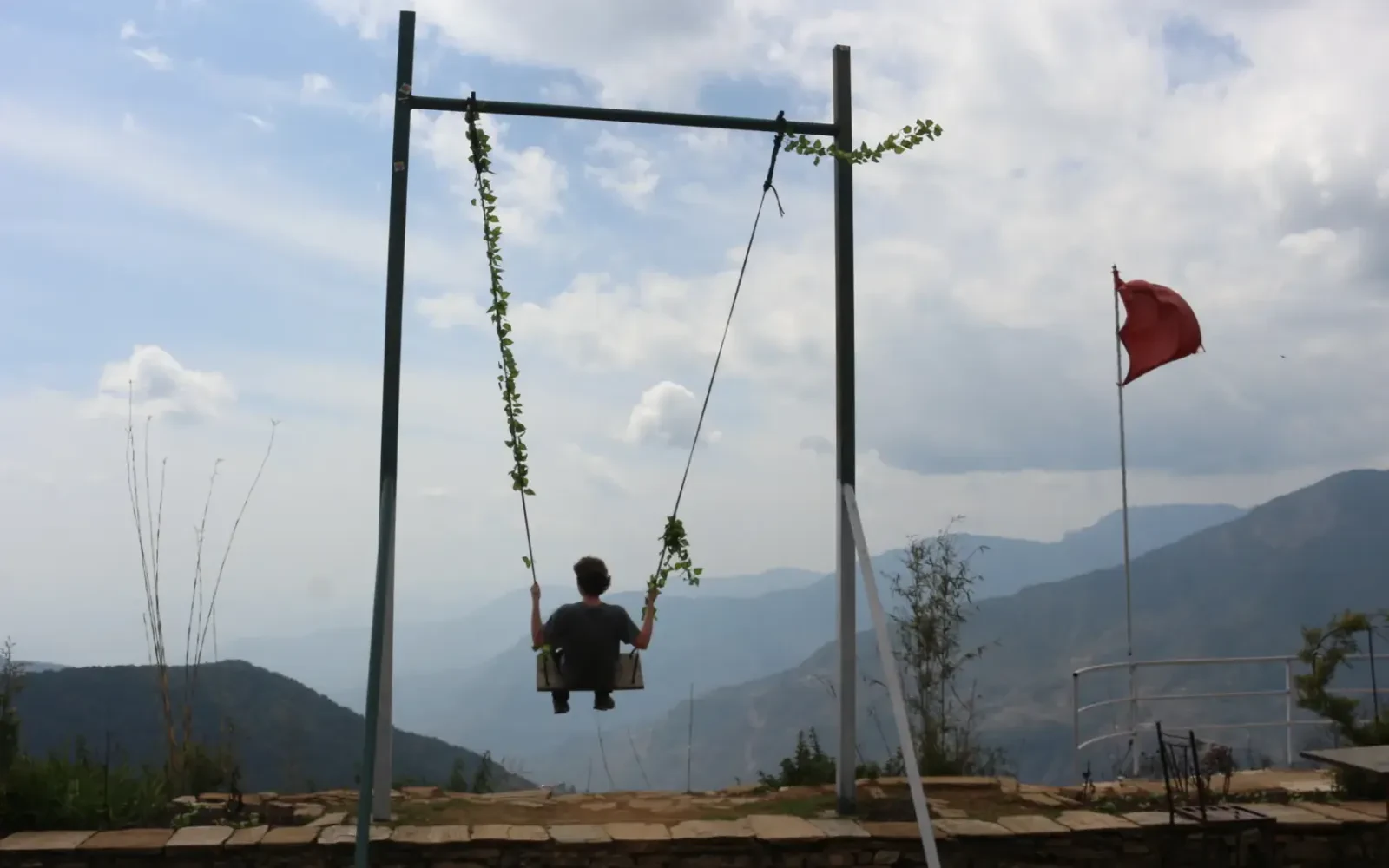
Ever thought about trekking in Nepal during the monsoon and dismissed the idea straight away? Fair enough. While the summer months tend to be ignored by most travelers to the Himalayas, trekkers who choose to journey in Nepal during this time are rewarded with some of the most incredible benefits of trekking the Himalayas.
On top of this, trekking in Nepal in monsoon feels nothing like the busy trekking seasons like Trekking in Nepal Spring and Autumn that usually characterize crowds, and you will experience the Himalayas in a state you might not imagine-alive and vivid.
Unexpected Advantages of Monsoon Trekking :
| Advantages | Monsoon Season | Peak season(March-May & September-November) |
|---|---|---|
| Crowd Level | Very less | Very much |
| Cost of trekking | 30-50% less | Normal rates |
| Landscape Beauty | Vibrant and greener landscapes along with waterfalls | Crystal and clear mountain views |
| Personal Interactions | High level of interactions with locals | Social and transactional experiences with locals |
| Availability of lodges | Good availability | Rooms are fully booked |
If you love to have the most satisfying trekking experience along with tranquil walking environment and greater values for money than you must consider going for trek during monsoon.
Have you ever thought about what the Himalayan trails look like when they become vibrantly alive with nature? Here, the monsoon transforms the entire region into a lush green haven that is nothing short of magical.
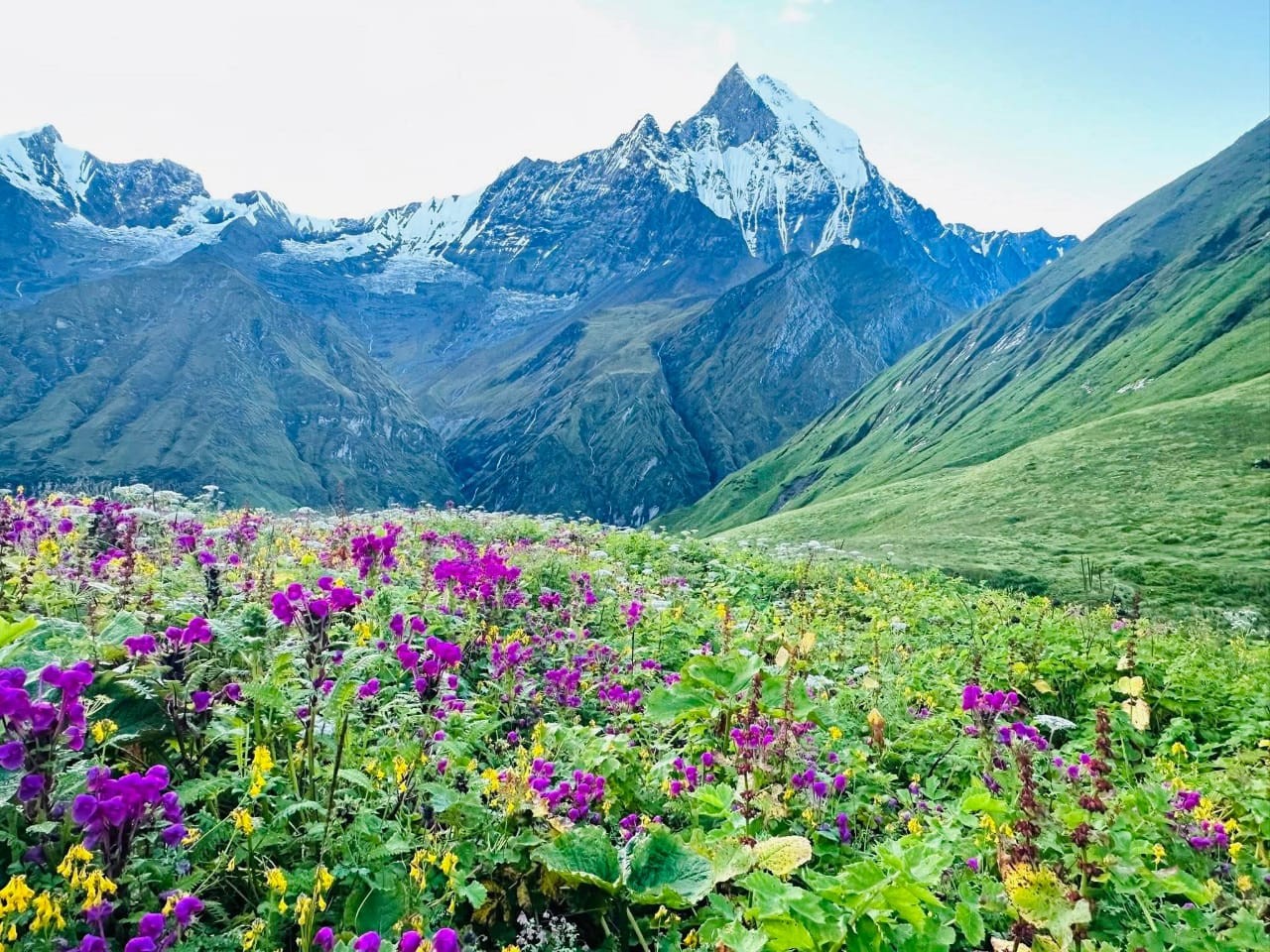
Actually, the hills around you are carpeted in verdant hues, and as you walk through the narrow trails, countless waterfalls spring into life, cascading down the cliffs, adding to the mystical ambiance. You get to experience a symphony of sounds and sights, a different kind of beauty that's hard to find during other seasons.
The Magical Transformation of the Monsoon Trails :
| Elements | The dry season | The monsoon season | The magical effect |
|---|---|---|
| Hills and Forests | Dry, barren and brown | Emerald green and vividly colorful | Extremely striking. |
| Waterfalls | Mostly dried up | Strong and spectacular, countless in number. | Wonderful sight. |
| Rivers | Very calm | Roaring with immense strength | Intense. |
| Overall scenery | Traditional, clear views of the distant peaks | Vibrant, alive, mystical and refreshing | Enchanting. |
Moreover, you can feel a profound sense of freshness and vitality in the air, even if the distant peak views might be somewhat obscured. It is a truly unique sensory experience that draws many trekkers back, year after year.
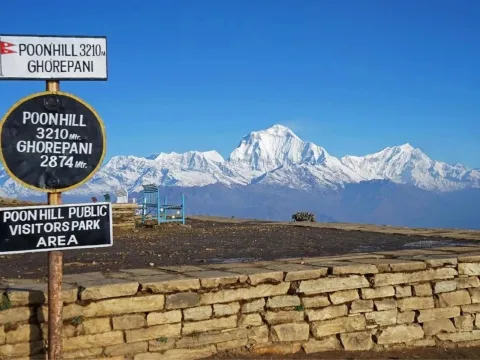
Do you dream of walking the ancient paths of the Himalayas with an almost deserted trail, with just you and nature? This is exactly what monsoon trekking offers-a serene and tranquil experience that can feel incredibly personal and authentic.
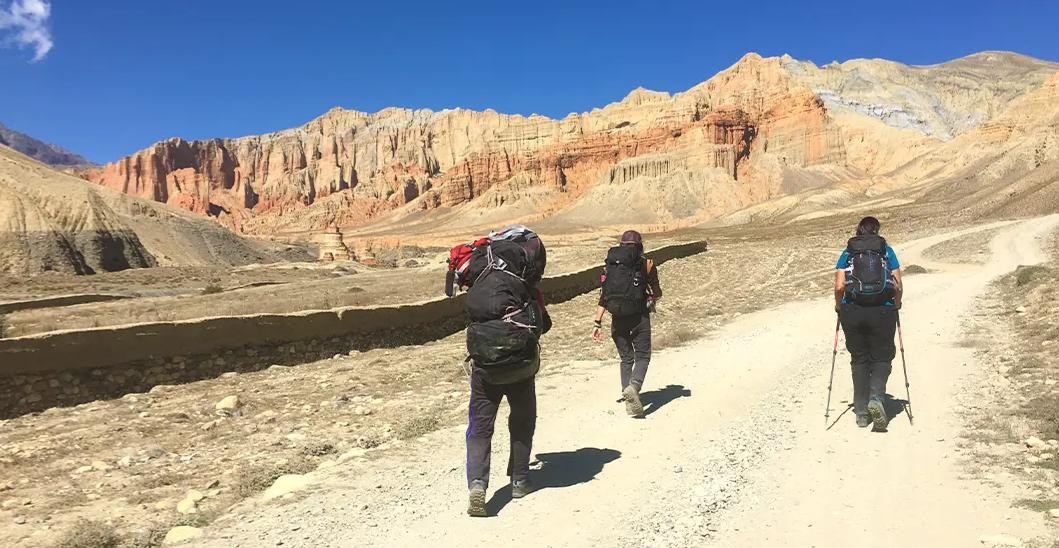
Unlike the bustling peak seasons like trekking in Nepal in Autumn, when teahouses are packed and interactions can feel hurried, the monsoon season offers a quiet magic. It's a chance to truly immerse yourself in the landscapes and connect with the local culture on a deeper level.
Your Real Monsoon Trekking Experience :
| Experience Factor | Peak Season | Monsoon Season |
|---|---|---|
| Trail Crowds | Many people | Very few trekkers |
| Teahouse Atmosphere | Busy and social | Calm and intimate |
| Local Interactions | Quick and transactional | Meaningful and genuine |
| Personal Space | Very limited | Abundant |
| Overall Feeling | A popular tourist destination | A private adventure |
If you crave a more intimate and personal connection with the mountains and the people who call them home, the fewer crowds during monsoon trekking create a truly magical difference that many find addictive.
Have you been asking yourself which treks are really safe to undertake and still be pleasurable? The fact remains that not all trails are open during this season, yet some truly outstanding treks are easily doable.
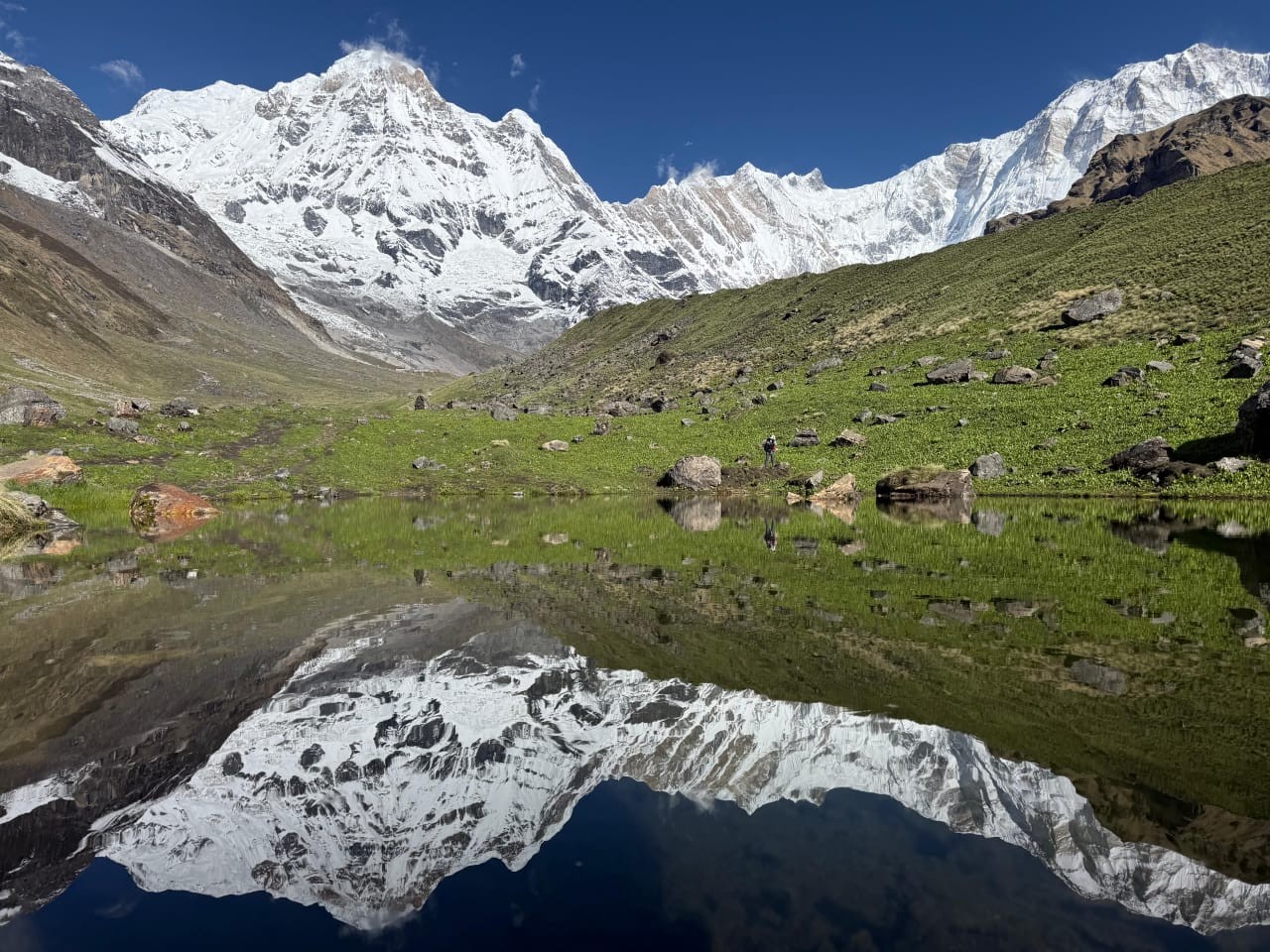
Actually, the strategy here is to choose lower and mid-altitude treks where you can stay away from the higher passes, landslides-prone regions, and yet witness nature at its best.
Our Recommended monsoon treks :
| Trek Name | Duration | Max Altitude | Difficulty | Why Best during monsoon? | Crowd Level |
|---|---|---|
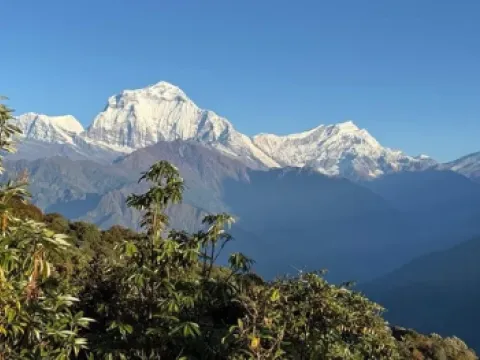
| Ghorepani Poon Hill | 4-6 days | 3,210 m | Moderate | Beautiful scenery and the best facilities | Very Low. |
| Ghandruk to Tadapani Trek | 5-7 days | 3,000 m | Easy-Moderate | Vibrant culture, charming village and awesome landscape | Low. |
| Australian Camp & Dhampus Trek | 2-4 days | 2,100 m | Easy | Closest, shortest and very convenient trek from Pokhara | Very Low. |
| Langtang Valley | 6-8 days | 3,000 m | Moderate | Serene and comfortable trail with good lodges available | Low. |
| Shivapuri National Park to Chisapani | 2-3 days | 2,400 m | Easy | Accessible from Kathmandu; perfect for a short trip | Very Low. |
Taking low and mid-altitude treks is the most convenient way to enjoy the rainy season in the mountains.
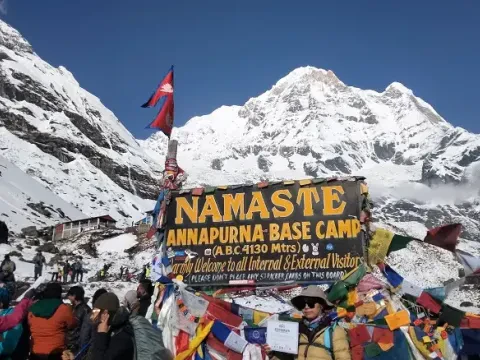
Do you know what monsoon rain in the mountains really feels like in Nepal? It’s essential for the success of your trek to have an understanding of the typical weather.
Actually, Monsoon in Nepal doesn't mean that it will rain for three consecutive months without any stop. As a matter of fact, it generally follows a daily routine which you can utilize with intelligence instead of facing it.
Typical Daily monsoon weather pattern :
| Time of the day | Typical weather | Condition for trekking | Recommendation |
|---|---|---|
| Early Morning | Clear weather with mild temperature | Great | start trek as early as possible |
| Late Morning | Becoming cloudy | Good | continue to walk |
| Afternoon | Rainfall and thunderstorm may occur | Hard | reach your tea-house before evening |
| Evening | Cool with light drizzle/ mist | relaxing time | dry yourself out and recover |
Likewise, it also varies with terrain as it rains significantly more on the southern face and comparatively less in rain-shadow areas like Upper Mustang. Keeping this in mind while estimating distances and planning your trek accordingly will make the experience much smoother and safer.
Have you always been unsure what extra items to carry for monsoon treks? Indeed, the correct gear can make or break your trip, transforming a miserable experience into an exciting adventure.
Actually Monsoon trekking gear requires specialized equipment. You can't always rely on your normal waterproof jacket and the whole emphasis is on staying dry, comfortable, and preventing leeches and scratches.
Monsoon Trekking Essential Gear :
| Category | Item | Why needed | Priority |
|---|---|---|
| Shoes | Waterproof walking shoes with excellent grip | To save you from tripping on slippery stones and mossy trails | High. |
| Rain Protection | Gore-tex Jacket and Pants | To keep you dry in the unpredictable downpour | High. |
| Leech Protection | Gaiters / Leech Socks | Essential to ward off blood-sucking leeches in forest terrains | High. |
| Backpack Protection | Rain cover / Waterproof dry sacks | To keep your clothes and equipment safe and dry | High. |
| Quick Dry Clothing | Synthetic base layers and trekking pants | To dry quickly even if they get wet | High. |
In conclusion carrying extra pairs of socks, and a microfiber towel can make a huge difference. Therefore, it is extremely important to be packed accordingly.
Ever wondered how to trek in wet and uncertain conditions? Trekking responsibly in the monsoon is about more than just having the right gear, it's about adopting a mindful and cautious attitude throughout your trip.
In fact, with muddy trails and suddenly changing weather in higher altitudes, Extra caution is required, Following safety protocols can help reduce risk and make your trek enjoyable.
Essential Safety Measures :
| Safety Measure | Altitude Consideration | Why It Matters | How to Implement |
|---|---|---|
| Trek with a Guide | Above 2,500 m | Local knowledge of the terrain | Hire through a reliable agency |
| Early Morning Starts | All altitudes | To reach your destination before rain | Begin trekking before 7 AM. |
| Weather Monitoring | Above 3,000 m | To avoid walking in heavy downpours | Check forecasts daily with your guide |
| Emergency Preparedness | Above 3,500 m | To respond promptly if problems occur | Carry first-aid kit & insurance information |
| Trail Awareness | All altitudes | Reduced risk of landslide & slips | Walk slow & use trekking poles |
Stay below 3,500m in prolonged downpours. Responsible trekking in the monsoon is all about preparedness, adaptability, and respecting the environment. This can turn into a unique & satisfying adventure.
Are you worried about the challenges of trekking in the rain? Mud, leeches and landslides are the three major problems during Nepal's monsoon, especially with higher altitudes.
Although it may seem frightening at first, these are quite manageable with proper planning and preparation.
How to tackle the key challenges:
| Challenge | Altitude Range | Impact Level | Effective Solutions |
|---|---|---|
| Muddy Trails | 1,500 - 3,500 m | Moderate | Good-grip trekking shoes, trekking poles, slow pace. |
| Leeches | 1,500 - 2,800 m | Mild (annoying) | Leech socks/gaiters, salt, regular body checks. |
| Landslides | Above 2,000 m | High | Weather forecast, follow guide, avoid risky sections. |
| Slippery Steps | All altitudes | Moderate | Careful foot placement, use handrails. |
Likewise, remaining calm and listening to your guide makes a significant difference. With simple techniques and awareness these problems can become just part of the journey.
Are you in search of quieter, more authentic trekking experiences? The monsoon is a great time to explore less-traveled trails and hidden gems that do not receive much tourist attention.
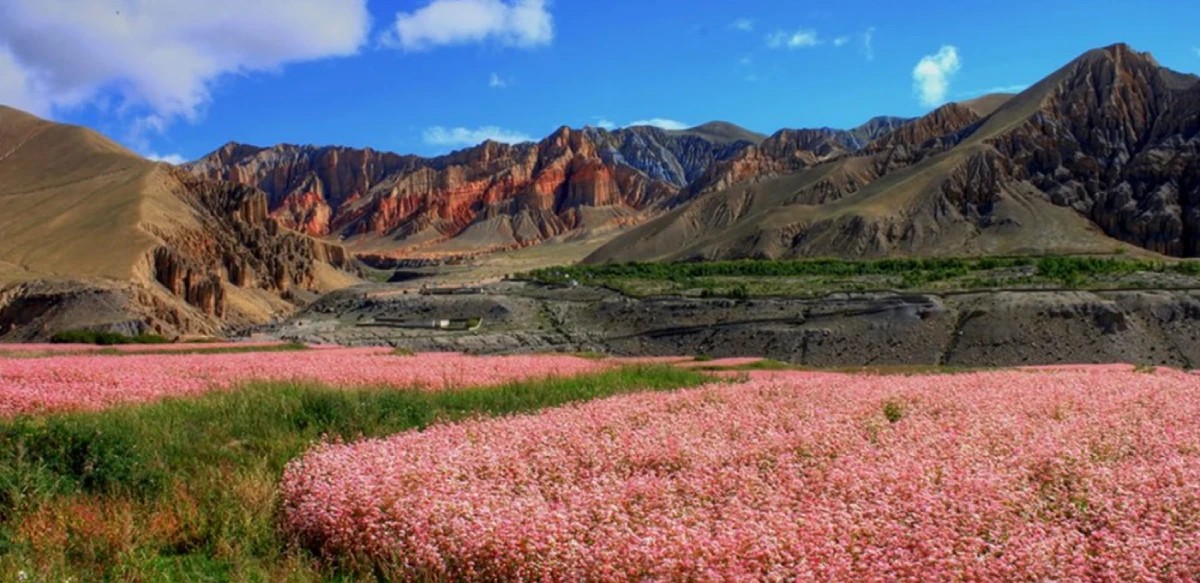
Since most trekkers prefer the dry months, these lesser-known or off the beaten trails give you more time for solo adventures, and for engaging with the environment and local cultures in a deeply meaningful way.
You can discover new and undiscovered spots in Nepal almost privately.
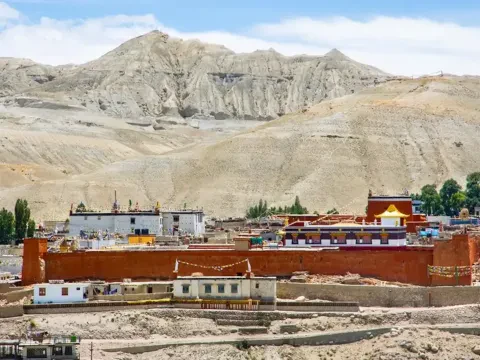
| Route | Duration | Max Altitude | Difficulty | Special Feature | Monsoon Advantage |
|---|---|---|
| Australian Camp Trek | 3-4 days | 2,100 m | Easy | Panoramic mountain views, serene ridge | Very quiet and verdant. |
| Lower Helambu | 6-8 days | 2,800 m | Moderate | Tamang culture, lush forests | Serene and vibrant. |
| Shivapuri - Chisapani | 2-3 days | 2,400 m | Easy | Close proximity to Kathmandu | Refreshing and tranquil. |
| Khopra Danda Trek | 7-9 days | 3,660 m | Moderate | High alpine meadows, dramatic landscape | Fewer crowds, emerald |
Choosing lesser-known routes in the monsoon allows for a more personalized and immersive trekking adventure in Nepal's mountains. The rainy season is truly a fantastic time to explore the more authentic side of Nepal.
Local and Trekker Voices: The Rainy Season Experience
What is it really like trekking during monsoon? Also, to hear the honest truth from both locals and trekkers would be the best answer.
In addition, many of those who have faced the rains came back with stories which turned into surprisingly optimistic. Thus, their experiences can clear out some common fears.
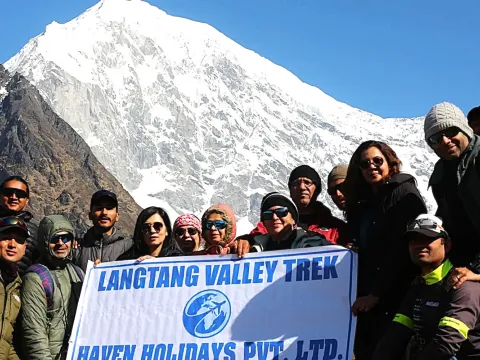
What the locals have to say :
Real Trekker Stories :
| Parameter | General Feedback |
|---|---|
| Nature | "Green,alive,vibrant" |
| Company of people | "Private and personal" |
| Satisfaction level | "Worth all the discomfort for the solitude" |
From the testimonies, we can see that there are upsides and downsides of monsoon trekking. However, it offers its own unique and memorable trekking experience.
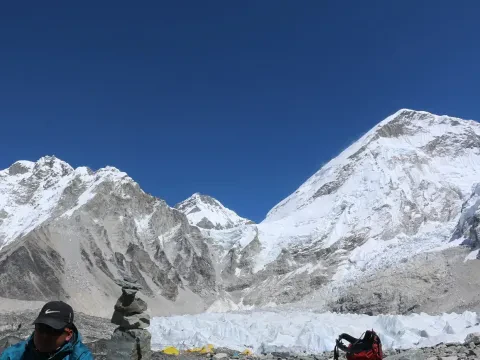
Have you considered the photographic opportunities that this wet season provides? More importantly, monsoon is one of the best times to photograph the Himalayas when you are armed with the right techniques.
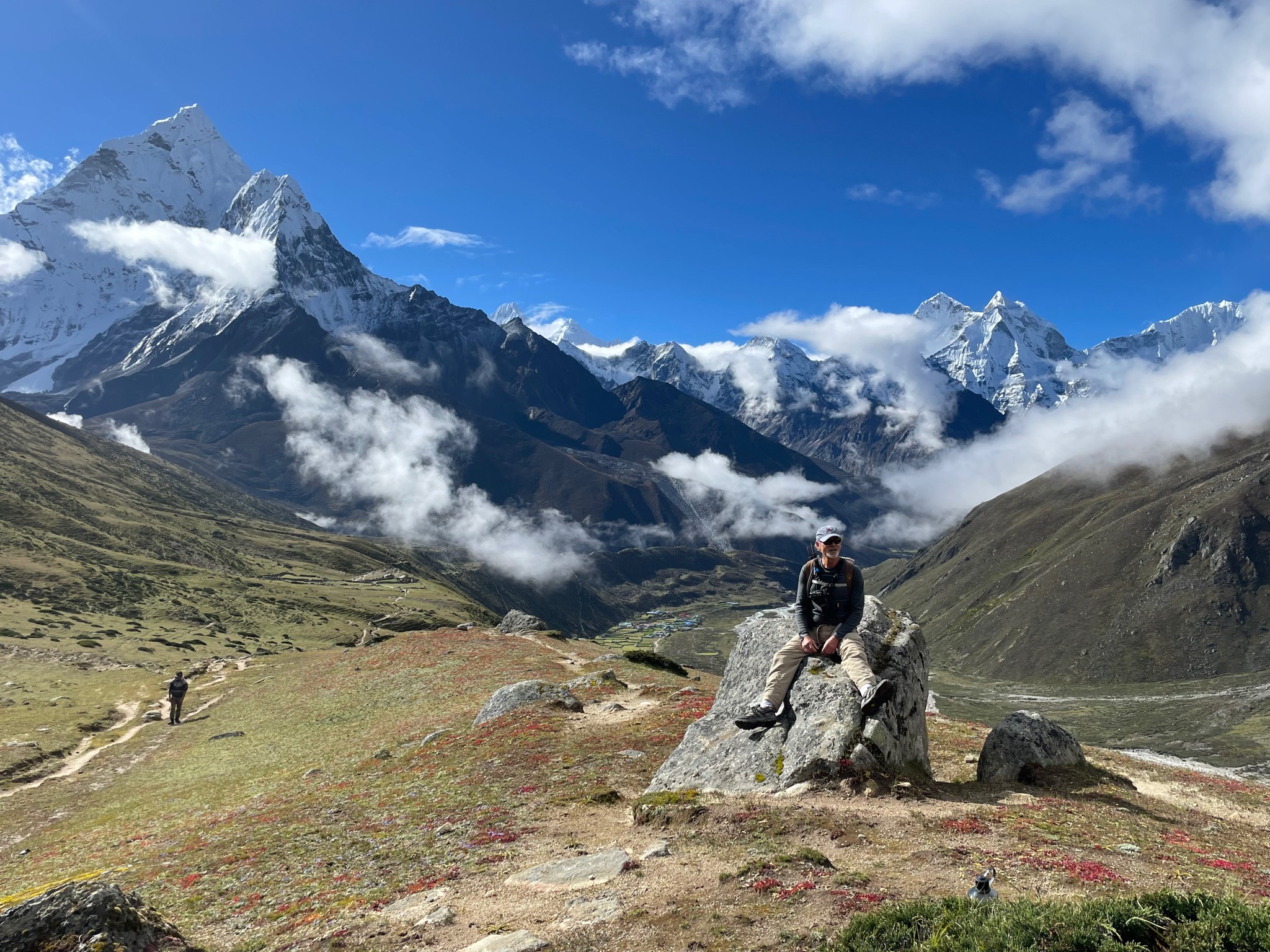
In addition, the mist combined with water in its flow creates some of the most mystical and artistically beautiful photographs of Himalayas which are difficult to find otherwise. So, to take photographs, it is essential to take care of your equipment properly and follow few tips.
Photography tips for monsoon trekking in Nepal :
| Condition | Shutter Speed | Aperture | ISO | Tips |
|---|---|---|
| Waterfalls | 1/8 to 1/2 sec | f/8-f/16 | ISO 100 | Try to support your camera using a tripod. |
| Mist | 1/125-1/250 sec | f/5.6-f/8 | ISO 200-400 | To show depth, place something in the foreground. |
| Raindrops on leaves | 1/500 sec. And faster | f/4-f/5.6 | ISO 400 or above | Move closer for fine details. |
| Cloudy light at morning | 1/60 to 1/125 sec | f/5.6 | ISO 200 | Best time for portrait of locals. |
Embrace the monsoon rather than trying to evade the rain. In fact, some of the best photographs are clicked when it is actively raining.
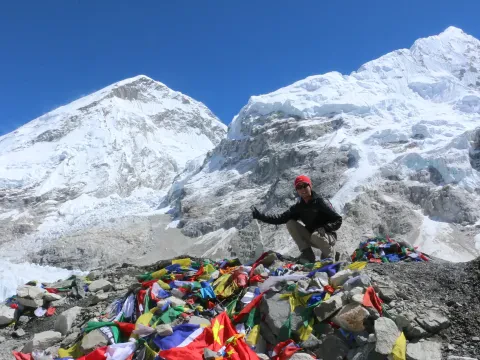
Have you now learned both good and bad of trekking during the monsoon? Ultimately, with all the information on the pros and cons of monsoon trekking, the question to ask is whether it's the right choice for you?
More importantly, monsoon trek is not suitable for people looking to achieve clear views of the mountain tops and enjoy walking in dry conditions. But, if you want the ultimate solitude, vivid green meadows, amazing waterfalls and an unforgettable cultural encounter with the locals then monsoon is an ideal time to be at Nepal.
Final thoughts :
Ultimately, trekking in Nepal during the monsoon is about experiencing a completely different kind of journey-one that is green, vibrant, and peaceful beyond measure. If you are ready for such an adventure that offers its rewards in exchange for flexibility and preparedness then, the monsoon season of Nepal is calling for you.
1. Is trekking in Nepal in monsoon worth it?
Definitely, trekking in Nepal in monsoon means stunning green vistas, roaring waterfalls, and peaceful, nearly empty trails. While some rain is expected, regions like Upper Mustang are often dry. The benefits of lower prices, serene hikes, and genuine cultural immersion make monsoon trekking incredibly rewarding.
2. What are the best places for monsoon trekking in Nepal?
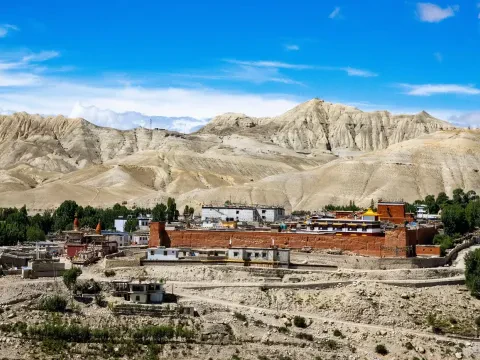
Excellent monsoon trekking destinations in Nepal include Upper Mustang, Upper Dolpo, Nar Phu Valley, and the higher Annapurna regions. These rain-shadow areas experience less rainfall and offer incredible mountain scenery and solitude without the typical crowds.
3. Is monsoon trekking in Nepal safe?
Monsoon trekking in Nepal can be very safe with careful planning and an experienced guide. Potential hazards like landslides and slippery trails exist but are manageable by choosing suitable routes and staying informed about weather conditions. Comprehensive travel insurance is essential for trekking in Nepal during monsson.
4. What are the benefits of trekking in Nepal in monsoon?
Trekking in Nepal in monsoon offers breathtaking lush vegetation, vibrant forests, impressive waterfalls, and significantly fewer trekkers. You'll benefit from reduced prices and more personalized attention at teahouses. It's a chance to experience a unique, serene side of the Himalayas.
5. How difficult is monsoon trekking in Nepal?
Monsoon trekking in Nepal presents moderate challenges, mainly due to muddy trails and rainfall. However, easier routes like Ghorepani Poon Hill or treks in Upper Mustang are accessible to fit beginners. The right rain gear and a guide make it much more manageable.
6. What should I pack for trekking in Nepal in monsoon?
Essential items for monsoon trekking in Nepal include a high-quality rain jacket, quick-drying clothing, leech socks, gaiters, waterproof boots, and trekking poles. Dry bags for your electronics are crucial. Thorough preparation ensures a more comfortable experience.
7. Is Upper Mustang good for monsoon trekking in Nepal?
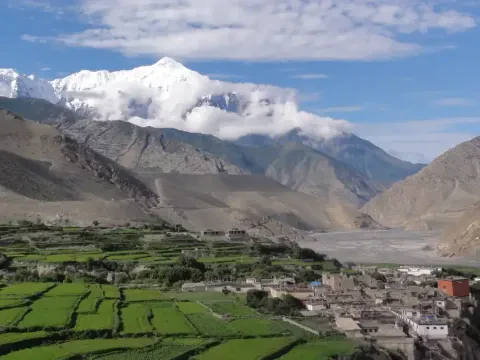
Upper Mustang is an excellent choice for monsoon trekking in Nepal because it's located in a rain-shadow area. This means you'll encounter very little rain while enjoying unique desert landscapes and rich Tibetan culture. It feels like a completely different trekking experience in Nepal.
8. Are there fewer crowds during monsoon trekking in Nepal?
Yes, a major advantage of monsoon trekking in Nepal is the significantly reduced number of trekkers. Popular trails are often empty, providing a truly private and immersive Himalayan adventure. Trekking in Nepal during the monsoon offers unmatched peace and solitude.
9. What are the challenges of trekking in Nepal in monsoon?
Trekking in Nepal in monsoon can bring challenges such as slippery trails, leeches in lower forests, and potential flight disruptions. However, with the right equipment and guidance, these issues are usually easy to overcome. The stunning green scenery makes the effort worthwhile.
10. Do I need a guide for monsoon trekking in Nepal?
Hiring a licensed guide is highly recommended for monsoon trekking in Nepal. They possess essential knowledge about safe routes, changing weather conditions, and alternatives in case of heavy rain. Trekking in Nepal in monsoon is far safer and more enjoyable with professional support.
11. Will I see mountain views while trekking in Nepal in monsoon?
While mountain views in Nepal can be obscured by clouds during monsoon, you can still catch glimpses, particularly in the mornings and in rain-shadow areas. Misty landscapes create their own unique and dramatic beauty, offering a different perspective than during other seasons.
12. How much does monsoon trekking in Nepal cost?
Monsoon trekking in Nepal is noticeably more affordable than during peak seasons. You can expect to save anywhere from 20-40% on permits, accommodation, and guiding services. Trekking in Nepal in monsoon provides exceptional value for money due to lower tourist numbers.
13. Are leeches a big problem during monsoon trekking in Nepal?
Leeches are a possibility in the lower forest areas during monsoon trekking in Nepal but can be effectively managed with leech socks and salt. They are less of a concern at higher altitudes. Trekking in Nepal in monsoon above 3,000m typically has very few leeches.
14. Is photography good during monsoon trekking in Nepal?
Photography can be fantastic during monsoon trekking in Nepal, with lush greenery, misty mountains, and powerful waterfalls creating moody and dramatic scenes. The unique lighting conditions offer creative opportunities that are distinct from the bright, clear skies of other seasons.
15. Can beginners do monsoon trekking in Nepal?
Beginners can safely undertake short monsoon trekking in Nepal routes like Ghorepani Poon Hill with a guide. More challenging high-altitude treks are better suited for experienced trekkers. Adequate rain gear and good fitness are necessary for all beginners.
16. How is the weather during trekking in Nepal in monsoon?
During trekking in Nepal in monsoon, it typically rains in the afternoons, with mornings often being clearer. Temperatures are warm at lower elevations and cooler at higher altitudes. Flexibility in your itinerary is important.
17. Are teahouses open for monsoon trekking in Nepal?
Most teahouses remain open during monsoon trekking in Nepal. As there are fewer trekkers, you'll often receive better service and a warmer welcome. Finding accommodation for monsoon trekking in Nepal is generally easy.
18. What food can I expect during monsoon trekking in Nepal?
You can expect hearty and delicious food like dal bhat, momos, pasta, and other fresh local dishes during monsoon trekking in Nepal. With fewer trekkers, meals are often prepared with more attention. Comfort food is readily available.
19. Is it worth doing monsoon trekking in Nepal?
Yes, monsoon trekking in Nepal is highly worth it for those who appreciate abundant green landscapes, tranquility, and reduced costs. Trekking in Nepal in monsoon provides an authentic, uncrowded experience with breathtaking natural beauty.
20. Why choose monsoon trekking in Nepal?
Choose monsoon trekking in Nepal for its empty trails, vibrantly green scenery, blossoming nature, and significant cost savings. It's perfect for trekkers seeking solitude and a different kind of Himalayan adventure.
Ready for a different trekking experience?
The mountains are waiting for you, even during the rain.
Our travel experts are ready to assist you with any questions.
Send us a message.Have a question before you book? Send your enquiry below and our travel experts will get back with the required information.