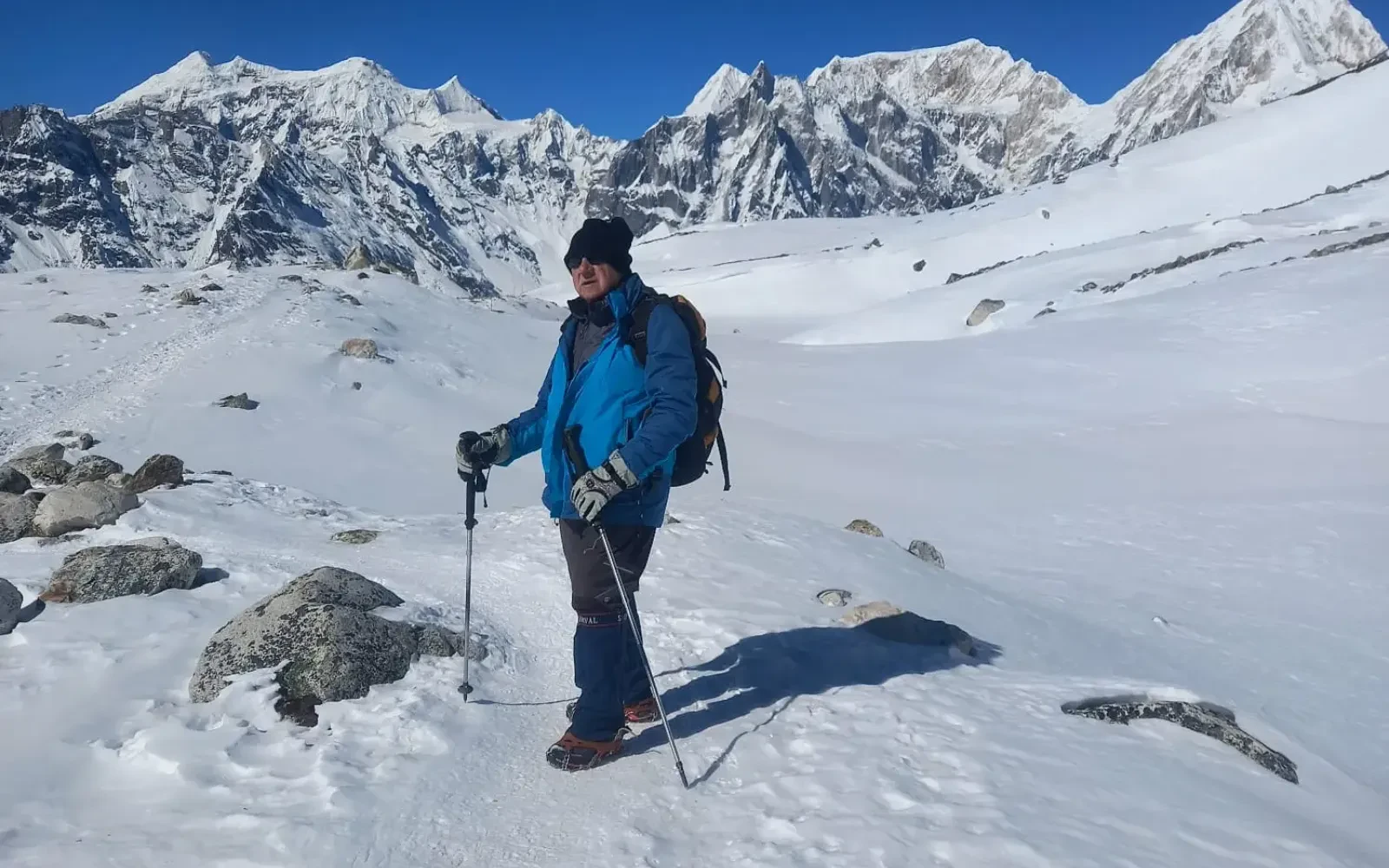
Understand why the Manaslu Circuit Trek is going to be special in 2026 with improved trails, stable weather, strong safety measures, and better services throughout the remote villages.
Key 2026 Highlights
Firstly, the Manaslu Circuit Trek (Larke Pass 5,106m) will feel special in 2026 due to better trail upgrades and wider trekking awareness. The authorities further improve sections between Machha Khola (869m), Jagat (1,340m), Deng (1,804m), and Samagaun (3,530m). These changes make walking more comfortable and a bit safer. These changes further allow trekkers to enjoy stable pacing.
In addition, 2026 will see better environmental management along the Manaslu Conservation Area from 1,400 to 6,000 meters. Conservation teams monitor waste more closely in Samdo at 3,860 meters, Dharamsala at 4,460 meters, and Bimtang at 3,720 meters. The new systems reduce plastic waste and improve campsite hygiene. These standards protect the region’s fragile alpine ecosystem.
In 2026, teahouses in lower and mid-altitude villages will be more reliable. Owners are still improving their rooms in Namrung (2,630m), Lho (3,180m), and Sho (3,000m). There is increased use of solar power, which makes charging in the evening easier. These improvements make long-day travel more comfortable.
Moreover, clearer weather patterns characterized by recent climate trends will shape the nature of the trekking experience in 2026. Autumn months offer stability from late September until November, while spring offers stronger visibility across Himalchuli (7,893m), Ngadi Chuli (7,871m), and Manaslu (8,163m). Continuing weather supports slow and safe acclimatization.
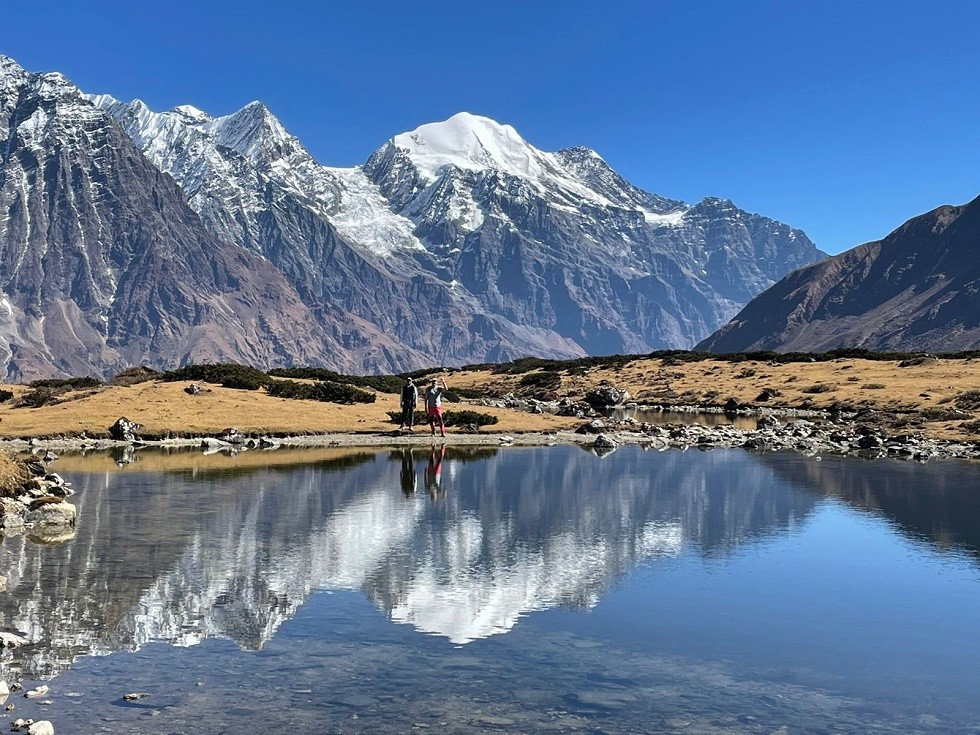
Similarly, the guiding services in 2026 will be at better professional standards because of continuous training. The local guides now use updated map tools, altitude-care systems, and communication devices. These additions reduce risks on longer sections like Larke Phedi (4,460m). Their improvements will build confidence for first-time trekkers.
Besides, the trek will get more importance with improved connectivity along the access route from Kathmandu via 1,400m to Machha Khola. Road sections become smoother every year as local authorities focus on safe transportation. Travelers will face fewer delays during monsoon shoulder months. The reduced travel stress will support a smoother start of the itinerary.
In addition, 2026 will attract more global trekkers seeking quieter alternatives to the Everest and Annapurna regions. The Manaslu Circuit remains controlled through restricted-area guidelines. These rules maintain low crowd levels even during peak seasons. The controlled volume protects village life and cultural authenticity.
Similarly, cultural exploration goes deeper in 2026 with the opening of more homestays in Tibetan-influenced villages. Trekking guides and trekkers receive rich cultural experiences in Lho, Samagaun, and Samdo. The experiences entail monasteries, festivals, and family dining. These insights into culture strengthen the uniqueness of this trek.
Finally, the Manaslu Circuit Trek will have a special feeling in 2026 because it maintains wild landscapes while offering better comfort for trekking. Trekkers love balanced adventure with improved safety. Nevertheless, the region retains its remote charm despite the measured development. These attributes make Manaslu one of the most rewarding routes in Nepal.
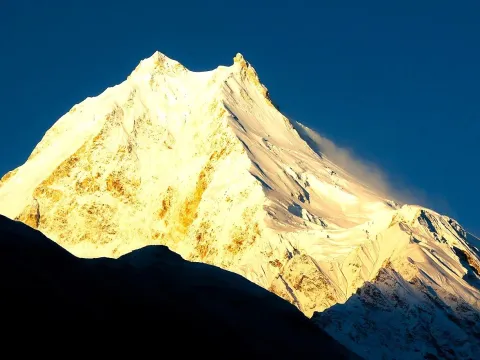
Find the best time to trek Manaslu Circuit in 2026 for clear seasonal breakdowns, temperatures, and weather patterns, with the advantage of smooth trekking experiences.
Seasonal Weather Breakdown for 2026
| Season | Months | Temperature Range | Advantage | Challenges |
| Autumn | Sep–Nov | 0°C–18°C | Best visibility, stable weather | Cold nights |
| Spring | Mar–May | 2°C–20°C | Flowers, warmer days | Occasional clouds |
| Winter | Dec–Feb | -15°C–5°C | Very quiet trails | Snow and cold |
| Monsoon | Jun–Sep | 10°C–25°C | Green landscapes | Mud, leeches, landslides |
Actually, Autumn continues to be the best time of year for undertaking a Manaslu Circuit Trek (Larke Pass 5,106m) in 2026, because of clear skies with stable temperatures. The month of late September to November is the most preferred period as regards good visibility. The view of Manaslu (8,163m), Himalchuli (7,893m), and Naike Peak (6,211m) emerges distinctively. This stability supports safe acclimatization.
Besides, September provides pleasant weather in Jagat (1,340m), Deng (1,804m), and Namrung (2,630m). In the Budi Gandaki Valley, at elevations between 1,000m–2,000m, the greenery of early seasons still remains robust. The trails are fresh due to monsoon rains. This situation is favorable to comfortable walks.
Furthermore, October has the most balanced conditions for both beginners and experienced trekkers. During the daytime, the temperatures remain moderate at Lho (3,180m), Sho (3,000m), and Samagaun (3,530m); night temperatures become cold but manageable, while the visibility remains perfect for mountain views.
Additionally, in November, there are cold mornings in Samdo 3,860m and Dharamsala 4,460m; however, the weather remains fairly consistent.Trails are stable until mid-November. Snow levels remain low before winter builds up. These dry conditions support the whole circuit.
Similarly, spring becomes the second-best season for Manaslu in 2026. March starts with cool weather across Philim (1,590m), Deng, and Ghap (2,160m). Early spring trails feel much quieter. These conditions support slow and enjoyable starts.
Likewise, April brings warmer temperatures across mid-altitude zones. Fully-blooming Rhododendron forests are seen near Namrung and Lho. The weather remains clear across higher viewpoints. These are the conditions that attract nature-focused trekkers.
Moreover, May becomes warm but suitable for trekkers who like longer daylight. Snow melts faster near Larke Phedi (4,460m). Across Cheo Himal (6,820m), views remain sharp. Weather is inviting until late month.
However, the monsoon starts to be unsuitable from June to mid-September. Trails become muddy and slippery near Jagat, Dobhan (1,070m), and also in Philim. There is still a chance for landslides in narrow parts. Views are hidden during frequent rain.
Winter, however, is not easy for most trekkers because of extreme cold and snowfall. It is sharp during December around Samdo and Dharamsala. January and February create unstable conditions near the pass because of snowfall. These risks definitely reduce safety and comfort.
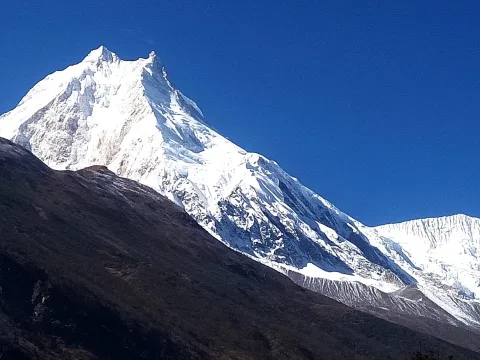
Learn about updated permits, rules, and costs of the Manaslu Circuit Trek for 2026 based on current official rates, guided requirements, and conservation guidelines.
2026 Permit Requirements
Firstly, the Manaslu Circuit Trek-restricted region from Jagat 1,340m to Sama Gaun 3,530m-requires a restricted area permit. Nepal Immigration still requires and enforces guided travel. Trekkers must travel with a licensed guide who is registered with the Nepal Government. These rules protect trekkers and support conservation.
Meanwhile, trekkers also must acquire three essential permits for the 2026 season. These will be the Manaslu Restricted Area Permit, the Manaslu Conservation Area Permit, and the Annapurna Conservation Area Permit. ACAP applies after crossing Larke Pass (5,160m) into Dharapani (1,860m). All these permits assist in trail maintenance.
Additionally, the cost of permits for 2024–2025 remains the base for the planning in 2026. Permit costs for Manaslu Restricted start at USD 100 per week from September to November. The cost is higher from December to August at USD 75 per week. A small increase can be expected in 2026 but nor certain. So, please, check the latest updates about Manaslu Circuit Trek Permits.
Then, MCAP and ACAP cost NPR 3,000 each to foreign trekkers, respectively. These conservation fees have been kept the same each year. Any changes in 2026 will follow the national policies on conservation. These fees support wildlife and trail conservation.
In addition, trekkers must undertake group travel rules for all restricted areas. The groups need to include at least two trekkers following policy norms, and the permit needs to be issued by a registered trekking agency. These systems ensure safety across remote terrain.
In addition to, recent updates promote good altitude management in 2026. Authorities recommend one day of acclimatization in Samagaun and one optional break in Samdo (3,860m). These guidelines still provide crucial measures for safe ascent. They reduce altitude sickness.
Besides, the authorities are continuously strengthening communication and emergency policies. Guides should have operational communication devices. The villages, like Lho - 3,180m and Samagaun, now support better networks. These updates have helped in improving responses to emergency situations. Teahouses will also have to adhere to sanitary requirements starting in 2026. Local committees inspect kitchen practices and the proper disposal of waste. Compliance better protects the safety of travelers in high-altitude sectors. These systems safeguard community health.
Finally, transportation rules encourage safer road travel between Kathmandu (1,340m) and Machha Khola (869m). Authorities maintain regular road checks during monsoon. Trekking agencies must use reliable vehicles. These updates ensure safe journey starts for all trekkers.
Complete route guide: major stops, elevation, landscapes, and cultural highlights of the Manaslu Circuit Trail for 2026.
Major Stops and Elevations
| Location | Elevation |
| Machhakhola | 869 m/2,260 ft |
| Jagat | 1,340 m/4,396 ft |
| Deng | 1,860 m/6,102 ft |
| Namrung | 2,630 m/8,629 ft |
| Lho | 3,180 m/10,433 ft |
| Samagaun | 3,530 m/11,581 ft |
| Samdo | 3,860 m/12,664 ft |
| Dharmasala | 4,460 m/14,633 ft |
| Larke pass | 5,106 m/16,752 ft |
| Bimthang | 3,720 m/12,203 |
Basically, Manaslu Circuit Trail is one of the most diversified trails in the Himalayas of Nepal, as the route combines remote valleys, villages of cultural importance, and high mountain passes. Because of this, trekkers find themselves continuously progressing from low terraced fields to challenging alpine terrain. Thus, the route offers a perfect blend of scenery, adventure, and authenticity.
Actually, it begins with a drive from Kathmandu to Machhakhola, a riverside settlement at 869 meters above sea level with lush forests and terraced hills. It then continues to pass through, Jagat at 1,340 meters, and Deng at 1,860 meters, where the gorge of Budhi Gandaki becomes more dramatic. Thus, trekkers are gradually gaining altitude by enjoying traditional Gurung and Tibetan-influenced settlements.
Here, the landscape changes dramatically after passing Namrung (2,630m) as it offers a natural gateway to the upper Manaslu region. From there, the trail also rewards breathtaking views of Manaslu-8,163m, Himalchuli-7,893m, and Naike Peak-6,211m. Thus, the region becomes culturally richer with rising Buddhist influence.
Afterward, the trail enters Lho 3,180m, a village famous for its monastery and unmatched sunrise views over Manaslu 8,163m. Similarly, Samagaun 3,530m stands as the most important acclimatization stop with choices like Birendra Lake 3,691m and Manaslu Base Camp 4,800m. Hence, trekkers spend more time here to adapt safely to high elevation.
Similarly, Samdo at 3,860m offers another opportunity for acclimatization close to the Tibetan border; the topography is rugged and the winds strong, hence setting them up for the upcoming pass. This portion, therefore, becomes crucial in terms of stamina build-up before the final ascent.
Consequently, the trail reaches Dharmasala-4,460m, the last stop before the Larke Pass-5,106m. Moreover, this section also sees the trekkers struggling with cold temperatures, thin air, and steep climbs. Proper preparation becomes vital for a successful crossing.
Finally, crossing Larke Pass at 5,160m, offers great views of Himlung Himal at 7,126m, Kang Guru at 6,981m, and Cheo Himal at 6,820m. Furthermore, it descends to Bimthang at 3,720m, where the trek changes dramatically from glacial landscapes to alpine meadows. The trail further descends to Tilije at 2,300m and Dharapani at 1,860m for the completion of the circuit in the Annapurna region.
Thus, the Manaslu Circuit Trail is one of the finest high-altitude trekking routes in Nepal that combines natural beauty, cultural authenticity, and adventurous terrain.
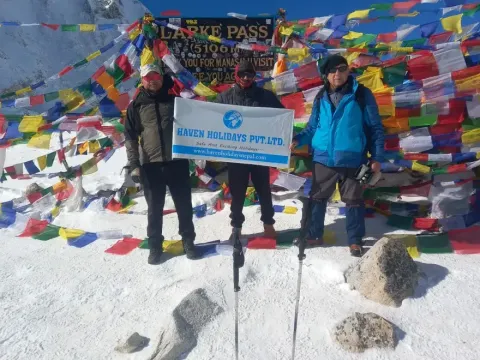
Follow complete 2026 Manaslu Circuit Trek itinerary, including day-to-day distance, elevation, acclimatization stops, and route information, for safe travels across the Himalayas.
Table of Daily Distance and Altitude
| Day | From → To | Distance | Elevation |
| 1 | Machhakhola → Jagat | 15 km | 1,340m |
| 2 | Jagat → Deng | 19 km | 1,860m |
| 3| Deng → Namrung | 18 km | 2,630m |
| 4| Namrung → Lho | 10 km | 3,180m |
| 5 | Lho → Samagaun | 8 km | 3,530m |
| 6| Acclimatization Day | | – | – |
| 7| Samagaun → Samdo | 8 km | 3,860m |
| 8| Samdo → Dharmasala | 6 km | 4,460m |
| 9 | Dharmasala → Larke → Bimthang | 24 km | 5,160m / 3,720m |
| 10 | Bimthang → Tilije → Dharapani | 18 km | 1,860m |
First of all, this 2026 itinerary provides for a balanced and safe way of completing the Manaslu Circuit Trek by combining daily altitude gain with daily, feasible walking distances. That is why trekkers follow an optimized path for gradual acclimatization. As a result, this plan decreases altitude problems and enhances general comfort.
Actually, day 1 begin with a drive to Machhakhola from Kathmandu at 869m, the day presents a relaxing walk along forested trails and riverbanks. Besides that, this section also introduces suspension bridges and rocky paths. Thus, trekkers get used to the terrain without extreme elevation gain.
Further, Day 2 heads towards Jagat-1,340m: a village with stone-paved streets and an entry checkpoint. Additionally, the trail is steep in various places, so the scenery changes frequently. Thus, trekkers must keep up the pace.
Likewise, Day 3 heads toward Deng (1,860m), where the valley narrows and the surroundings become much cooler. Besides that, the trail passes waterfalls and dramatic cliffs. Therefore, the move indicates entering the highlands
Similarly, Day 4 heads to Namrung-2,630m, a village possessing beautiful forests and mountain views. Moreover, this section introduces Buddhist gates and teahouses that have been newly built in the area. In this way, cultural transition is noticeable.
Additionally, the rest day is followed by Day 5, continuing to Lho (3,180m), offering great views of Manaslu-8,163m. Moreover, Lho Monastery offers a great backdrop for sunrise photography. Thus, the trekkers get both cultural and natural highlights.
Furthermore, Day 6 reaches Samagaun (3,530m), the largest village on the route. Moreover, trekkers stay here on Day 7 for acclimatization, visiting Birendra Lake (3,691m) or Manaslu Base Camp (4,800m). This stay strengthens your body for higher altitudes.
Likewise, Day 8 descends to Samdo at 3,860m, a border village with Tibetan origins. Furthermore, there are short hikes up to viewpoints nearby. In this way, the body gets prepared for further difficulties.
From here, Day 9 follows to Dharmasala (4,460m), the last resting point before the pass. Additionally, due to high altitude trekkers should drink plenty of water and rest properly. In this way, this night is very important for preparation.
Finally, Day 10 crosses the Larke Pass (5,160m) before descending to Bimthang (3,720m). Besides, this day also offers spectacular mountain panoramas. Thus, for trekkers, this is often regarded as the most rewarding part of the trek.
Lastly, Day 11 descends to Tilije (2,300m) and continues to Dharapani (1,860m). Further, trekkers join the Annapurna Circuit region and complete their journey. Hence, this itinerary delivers both safety and satisfaction.
Thus, this 2026 itinerary ensures proper altitude adaptation and smooth progression across the Manaslu region.
Understand weather patterns, temperatures, climate shifts, and seasons for safe and well-prepared trekking on the 2026 Manaslu Circuit.
Overview of Seasonal Temperature:
| Season | Lower Elevations | Mid Elevations | High Elevations | Larke Pass |
| Spring | 18°C–26°C | 5°C–15°C | -5°C to -10°C -10°C to -18°C |
| Autumn | 17°C–24°C | 4°C–12°C | -6°C to -14°C | -12°C to -20°C |
| Winter | 5°C–12°C | -2°C to -10°C | -10°C to -20°C | -18°C to -26°C |
Meanwhile, the weather in the Manaslu region during 2026 follows the typical patterns of the high-altitude Himalayas with slight variations in climate. Hence, trekkers need to be prepared for fluctuating temperatures, sudden changes in weather, and risks of early snowfall. For that, proper gear is necessary in terms of safety and comfort.
Secondly, the spring season from March to May is one of the best periods to trek. Moreover, temperatures at lower regions like Soti Khola (700m) and Machhakhola (869) remain between 18°C and 26°C. Therefore, warm days and stable skies provide excellent trekking conditions.
Moreover, in mid-altitude sections like Namrung (2,630m), the temperature ranges from 5°C to 15°C during spring. Furthermore, wildflowers bloom across the forested sections, making them more visible and scenic. Thus, this season encompasses both beauty and comfort.
Here, the settlements like Samagaun 3,530m and Samdo 3,860m located at high altitudes are equally cold, with night-time temperatures reaching -5°C to -10°C. Winds sometimes make it even colder. So, proper layering is required.
Later, the early morning temperatures recorded in Larke Pass (5,106m) often range from -10°C to -18°C. Moreover, the presence of snow on the pass still persists during spring. Hence, the trekkers must use proper crampons when needed.
Similarly, autumn extends from September to November with clear skies and good visibility. In addition, the temperature at lower elevations remains between 17°C to 24°C. Therefore, many trekkers prefer this season because the weather remains stable.
Furthermore, mid-altitude regions cool down with temperatures between 4°C and 12°C. Besides this, dry air keeps the trails comfortable for long walking hours. Hence, this season remains ideal for photography and panoramas. Similarly, high-altitude villages have temperatures from -6°C to -14°C at night. Furthermore, winds increase near the pass, which requires stronger insulation. For that, warm gloves, down jackets, and thermal layers become necessary. Winter conditions in December and January bring the region under extreme cold conditions.
Moreover, heavy snowfall closes the Larke Pass (5,106m) frequently. Therefore, trekking becomes unsafe for most of the travelers.
Finally, trekkers in 2026 should be prepared for mild climate shifts that sometimes result in storms or early snowfall. Carrying considerable layered clothing, waterproof gear, and insulated boots is sure to make travel comfortable across all zones. Hence, awareness of the seasonal pattern supports the trekker in safer and more rewarding experiences.
Understand the difficulty of the 2026 Manaslu Circuit Trek with detailed insights into the terrain, acclimatization, elevation gain, fitness needs, and safety considerations.
Key Difficulty Factors
Meanwhile, the Manaslu Circuit Trek in 2026 is going to be a challenging yet manageable journey for any trekker who has good physical fitness. Its difficulty comes from long walking hours, steep climbs, and high-altitude terrain. Proper acclimatization is thus very essential for a safe trek.
In addition to, the altitude difference from Machhakhola (869m) to Larke Pass (5,160m) is huge within the trek. Further, the trek route comprises rocky roads, suspension bridges, and stretches of landslide areas. So, trekkers need to be conscious while crossing these areas.
Moreover, after Deng's altitude of 1,860m and Namrung of 2,630m, altitude gain may be demanding. The temperatures go down, plus reduced oxygen levels can already be noticed by a trekker while approaching Lho of 3,180m and Samagaun of 3,530m. Therefore, the body needs more time to acclimatize.
Similarly, the acclimatization days in Samagaun (3,530m) and Samdo (3,860m) reduce the risk of altitude sickness. Short hikes to Birendra Lake (3,691m) or viewpoints near Samdo strengthen the lungs. As such, these stops are non-negotiable for trekkers.
Thereafter, the route to Dharmasala (4,460m) gets more challenging as the air is thinner and the temperatures are colder. Also, the basic staying facilities requires a psychological preparation. Therefore, trekkers need to rest early and consume sufficient water before heading towards pass-crossing.
Likewise, Larke Pass is the most challenging portion, with steep ascents and icy patches, at 5,160 meters high. In addition, winds during early morning hours contribute to making it difficult, thus forcing trekkers to move steadily. Hence, professional guides are of great value in this segment.
Apart from that, physical fitness also plays a major role in the overall trek difficulty. Besides, trekkers should train uphill hikes, stair climbs, and long walks prior to the trek. Hence, preparation reduces fatigue and strengthens endurance across long trekking days.
Similarly, the vagaries of weather in 2026 might affect the trail journey. Additionally, sudden early snowfall may further increase the difficulty on the pass. Proper gear, thus, ensures safety against unexpected conditions.
Later on, there is mental preparation because Manaslu still remains remote; also, limited facilities will surely challenge the first-time trekkers, so a positive attitude always helps in overcoming difficult moments.
Finally, the Manaslu Circuit Trek in 2026 remains moderately difficult but manageable for well-prepared trekkers. Moreover, steady walking, proper acclimatization, and reliable guides ensure a safe adventure. Therefore, anyone with determination and training can complete this rewarding Himalayan journey.
Understand 2026 accommodation on the Manaslu Circuit, including lodge upgrades, room facilities, heating options, and what to realistically expect in terms of comfort.
Overview of Accommodation Prices:
| Region | Room Cost (NPR) | Hot Shower (NPR) | Charging (NPR) |
| Lower Region | 500–1,000 | 300–500 | 200–400 |
| Mid Region | 700–1,200 | 400–700 | 300–500 |
| High Region | 1,000–1,500 | 500–800 | 400–600 |
Actually, accommodation on the Manaslu Circuit in 2026 still improves while retaining its traditional teahouse style. Accordingly, a trekker will enjoy more comfort than those in earlier years but should not expect luxury. Realistic expectations therefore become paramount for a satisfactory stay.
However, lower villages like Soti Khola (700m) and Machhakhola (869m) have upgraded teahouses with private rooms. Moreover, attached bathrooms in some lodges are available in these places, so early trek days feel more comfortable.
Likewise, mid-altitude places like Jagat-1,340m, Deng-1,860m, and Namrung-2,630m offer more neat and clean rooms, dining halls, and better facilities. Therefore, most of the teahouses have adopted solar for light in the rooms as well as charging battery-powered devices with limitations. Thus, trekkers experience more reliable services.
Similarly, Lho (3,180m) and Samagaun (3,530m) offer some of the best accommodations on the trail. Furthermore, these villages provide warm dining rooms, thicker mattresses, and enough blankets. Hence, acclimatization days in these places feel comfortable.
Later on, Samdo at 3,860 meters has simpler lodges, offering clean but basic rooms. Also, it gets colder, which means less availability of hot water. Therefore, with increasing altitude, trekkers must become more flexible with their expectations.
Likewise, Dharmasala, at 4,460m, is the most basic of accommodations for the trek due to its remoteness and altitude. Additionally, the shelter has dormitory-type rooms that are small and not well heated; therefore, trekkers depend on warm sleeping bags.
Further, food and dining facilities continue to improve throughout most settlements. Moreover, lodge owners employ cleaner kitchens due to the demand created by trekking. In this respect, the standards of hygiene increase further each year.
In addition to, hot showers are offered in a number of mid-altitude villages for an added fee. In addition, the prices rise with altitude because fuel becomes scarcer. Hence, trekkers need to budget for this.
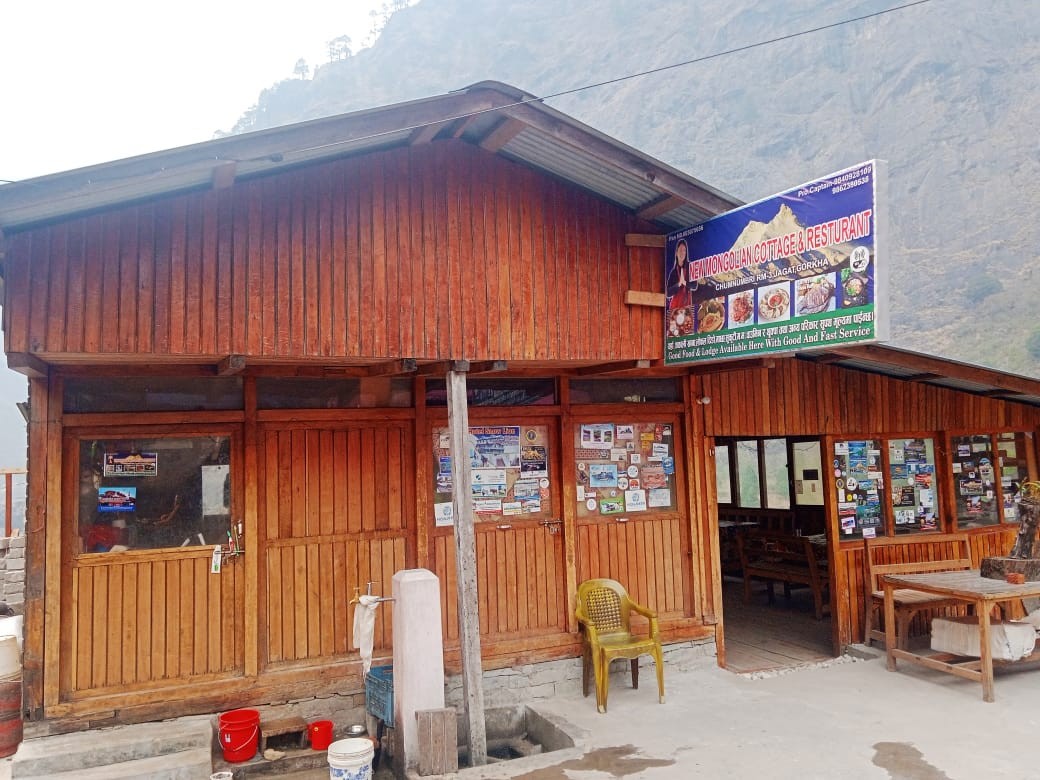
Afterwards, it's pretty much solar charging. And also, the charging costs are in a range of 200 to 600 NPR according to altitude. Therefore, it's worth it to bring a power bank.
In fact, the Manaslu Circuit in 2026 has well-balanced accommodation quality, with a gradual increase in comfort. Additionally, it offers friendly hospitality and good services along the route for trekkers. Realistic expectations are built upon understanding these standards, and it makes for smoother trekking experiences.
Discover information on food and drink on the Manaslu Circuit, including local dishes, hygiene tips, meal prices, hydration safety, and nutrition recommendations.
Average Food and Drink Prices
Firstly, food on the Manaslu Circuit Trek in 2026 keeps getting better, with versatile meals served in teahouses. So, accordingly, trekkers enjoy more variety while still being dependent on local ingredients. Because of this, nutrition becomes a major aspect of daily trekking performance.
Secondly, the staple Dal Bhat is the most reliable meal during the trek. In addition, it contains rice, lentils, vegetables, and pickles served fresh. Therefore, most trekkers like to use it for its consistent energy.
Moreover, the meal available in mid-altitude villages includes noodles, fried rice, pasta, Tibetan bread, and soups. The cooks also prepare these meals in a quick and safe manner. Thus, trekkers obtain enough carbohydrate-rich foods
Similarly, high-altitude areas of Samagaun (3,530m) and Samdo (3,860m) use limited ingredients due to remoteness. Moreover, menus become simpler but still provide warm and filling meals. Therefore, trekkers must accept reduced variations.
Afterwards, porridge, pancakes, eggs, chapati, and muesli were provided for breakfast. Warm drinks like tea, coffee, and lemon water were also widely available. As a result, the morning began steadily.
Likewise, hydration is paramount, as the high altitude causes faster dehydration. Additionally, trekkers need to drink at least three to four liters a day. For this reason, carrying purification tablets or a filter is important.
Moreover, bottled water is costly in higher regions due to transportation difficulty. Besides, the trekking community promotes not using plastic waste. Refilling bottles with purified water, therefore, supports sustainable practices.
In addition to, hygiene is essential when choosing food and drinks. Further, preferring cooked meals minimizes the possibility of stomach ailments. Hence, consumption of raw vegetables can be avoided at high altitudes. Afterwards, snacking foods such as chocolate bars, nuts, and energy biscuits will allow maintenance of energy on long walking days.
Moreover, snacks purchased in Kathmandu start to become cheaper. Thus, the trekkers can afford proper day-to-day nutrition.
In conclusion, food and drinks on the Manaslu Circuit in 2026 provide adequate nutrition despite the region’s remoteness. In addition, understanding local dishes, hygiene practices, and hydration needs helps trekkers maintain good health. Therefore, proper meal planning will ensure energy, comfort, and satisfaction throughout the journey.
Learn about key altitude sickness prevention tips to know for the 2026 Manaslu Trek: ascent rates, symptoms, acclimatization, hydration, and safe trekking.
Key Symptoms of Altitude Sickness
Meanwhile, basic altitude sickness prevention for the Manaslu Trek in 2026 requires an understanding of how elevation affects the body. Hence, it is imperative for trekkers to follow rules of gradual ascent to reduce risks. Consequently, careful planning ensures a safer and more comfortable journey.
Whereas, the Manaslu Circuit starts with Soti Khola at 700m or Machhakhola (869m) and gradually climbs up to Larke Pass at 5,106m. The symptoms like headache, nausea, and tiredness usually set in above 3,000m. Thus, early recognition of these signs is necessary for the trekkers.
Secondly, adequate acclimatization days enable the body to adapt to lower oxygen levels. Moreover, Samagaun (3,530m) and Samdo (3,860m) are perfect stops for altitude adaptation. Therefore, overnight stays at these places enhance physical preparation.
Similarly, slow walking becomes important because fast ascent stresses the body. Moreover, the gain recommended remains under 500m per day above 3,000m. Thus, monitoring daily elevation change prevents dangerous situations.
Later, proper hydration extends altitude acclimatization. It is also recommended that trekkers drink at least three liters a day to offset physical exertion. As a result, the probabilities of dehydrations at high attitudes reduce.
Likewise, refraining from alcohol and smoking enhances oxygen efficiency. Additionally, both habits decrease breathing capacity and lower altitude tolerance. Therefore, trekkers should maintain clean habits during the entire trek.
Furthermore, Diamox becomes helpful for trekkers with low altitude tolerance when used under medical advice. Additionally, it improves breathing by reducing fluid buildup. Thus, many trekkers take it before climbing higher.
Additionally, altitude stability is aided by the retention of body temperature. Furthermore, Dharmasala's cold temperatures (4,460m) raise energy expenditure. Thus, layering will be necessary to shield the body.
Afterwards, dangerous high-altitude symptoms need to be recognized. In addition, conditions such as HAPE and HACE do call for immediate descent. Thus, severe signs are those that a trekker should refrain from ignoring.
Similarly, trekking with a licensed guide guarantees immediate response to altitude problems. In addition, guides recognize symptoms more quickly and organize emergency assistance. Consequently, professional assistance enhances safety.
Finally, prevention from altitude sickness on the Manaslu Trek in 2026 is based on slow ascent, hydration, and close monitoring. Moreover, early understanding of symptoms ensures safe decision-making. Thus, responsible trekking practices protect health and enhance the overall Himalayan experience.
Key transportation updates for the Manaslu Trek in 2026: road conditions, driving time, new way in, price of Jeep, and how to get back from Besisahar.
Average 2026 Transport Costs:
| Route | Mode | Cost (NPR) | Time |
| Kathmandu to Machhakhola | Private Jeep | 25,000–30,000 | 7–8 hours |
| Besisahar to Kathmandu | Tourist Bus | 1,500–2,000 | 6–7 hours |
| Besisahar to Kathmandu | Private Jeep | 22,000–28,000 | 5–6 hours |
First, the transportation to and from the Manaslu Circuit in 2026 is more reliable due to improved roads. Thus, access for trekkers is smoother compared to the earlier years. As a result, travel times shorten on several segments.
Actually, the journey from Kathmandu (1,400m) to Soti Khola (700m) remains a standard starting route. In addition, recent road upgrades between Arughat and Machhakhola reduce dust and bumps, therefore Jeep travel becomes more comfortable.
Moreover, due to improved road conditions, most trekkers now take Machhakhola (869m) as the official entry point. In addition, the drive takes seven to eight hours depending on the weather. Thus, the first travel day becomes more predictable.
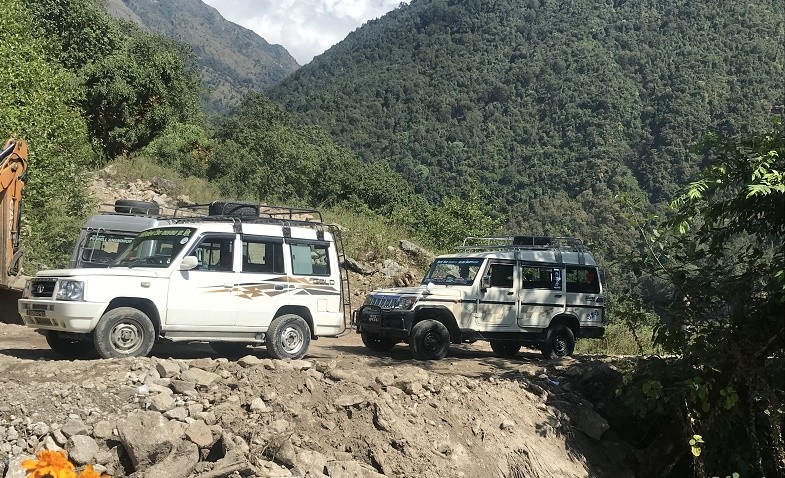
Similarly, local buses operate to Arughat while Jeeps continue to Soti Khola and Machhakhola. Moreover, Jeep services are considered safer and provide comparatively faster travel on such rough terrain. Therefore, private vehicles become the preferred option for trekkers.
Actually, roadworks are slow afterwards towards Jagat - 1,340m because of the geography. Expansion is also limited by the rugged landscape. This section remains a walking trail.
Likewise, in 2026, the return route from Dharapani (1,860m) or Besisahar (760m) also gets easier. Additionally, the road from Dharapani to Besisahar is frequently repaired. Therefore, Jeeps complete the journey in about four or five hours.
Moreover, the trekkers usually come back to Kathmandu from Besisahar by tourist bus or a private Jeep. In addition, the Prithvi Highway is busy but manageable. Hence, it takes six to seven hours for the return journey.
Here, there are helicopter options for emergencies or premium itineraries. In addition, flights are available from Samagaun (3,530m) and Samdo (3,860m) in good weather conditions. Hence, emergency evacuation becomes fast and reliable.
Finally, transportation from Kathmandu to the trail and back during the Manaslu Trek in 2026 takes on a safer, smoother, and more organized form. Improved access also aids better trekking schedules. Hence, trekkers enjoy reliable travel to
Understand the 2026 guide and porter requirements for the Manaslu Trek, including mandatory rules, benefits of licensed staff, safety needs, and support advantages.
2026 Guide and Porter Costs:
First, the Manaslu Circuit Trek in 2026 still enforces the rule that every trekker must hire a licensed guide. This means that independent trekking is still restricted to ensure safety and regulation. Consequently, one will have to plan in advance regarding one's team.
Secondly, this trek passes through a controlled area that requires the Restricted Area Permit. Furthermore, this permit only comes into effect with a guide accompanying the group. Hence, hiring a professional is crucial.
Moreover, guides licensed by the government ensure safety by monitoring altitude symptoms and trail risks. Additionally, they share local knowledge, culture, and altitude updates. Thus, trekking becomes more organized and meaningful.
Similarly, porters play an important role by carrying luggage and reducing physical stress. Furthermore, they enable trekkers to walk very comfortably at high elevations. Thus, with porter support, stamina increases and fatigue is reduced.
Subsequently, responsible trekking culture improves community welfare. Afterwards, guidelines require that loads are carried by porters fairly with a weight limit under 20–25 kilograms. In addition, trekkers should provide warm clothing and rain protection for porters. Similarly, guides arrange accommodations and meals through the lodges. This assistance proves to be useful during seasons of heavy trekking. Smoother logistics, therefore, reduce daily stress.
Furthermore, guides help in emergency cases of altitude sickness or any kind of injury. Moreover, they arrange helicopter rescue services if needed. Thus, their presence ensures lifesaving response in remote areas.
Likewise, hiring local staff is done to help the regional economy. In addition, Manaslu relies heavily on trekking income.
Therefore, responsible hiring also helps in developing the community.
Further, qualified guides follow government standards and training in rescues. Thus, trekkers receive reliable assistance.
Finally, the use of guides and porters in 2026 guarantees safety, cultural awareness, and trekking comfortably. Licensed support further aids in logistics development and emergency preparation. Hence, locals with experience play an important part in every successful Manaslu Circuit journey.
A comprehensive 2026 Manaslu Circuit Trek cost guide for permits, transportation, guides, food, accommodation, and gear expenses with appropriate insights into budgeting.
Table of Cost Breakdown:
| Category | Cost (USD) | Details |
| Permissions | 160–190 | Restricted + MCAP + ACAP |
| Transportation | 330–420 | Kathmandu–Machha Khola + Return |
| Guide | 30–40/day | Licensed Manaslu guide |
| Porter | 20–25/day | One porter per trekker |
| Meals | 20–30/day | Tea house meals |
| Accommodation | 6–12/night | Room cost |
| Total | 1200–1800 | Full package range |
Firstly, the Manaslu Circuit Trek in 2026 needs to be clearly budgeted because this region remains restricted and remote. Overall, the total cost can be expected between USD 1200 to 1800 depending on services and trekking season.
During the entire journey, the trek goes through important places such as Soti Khola (700 m), Machha Khola (869 m), Samagaun (3520 m), Samdo (3860 m), Dharamshala (4460 m), and Larke La Pass (5106 m). The overall expenditure is based on permit costs, transportation, accommodation costs, food expenses, guides, and equipment rent.
Actually, the permit cost is still the biggest fixed cost to trek in the Manaslu region. The Restricted Area Permit, which is seasonal, costs from USD 100 to USD 75 per week. The Manaslu Conservation Area Permit is USD 30, and the Annapurna Conservation Area Permit is also USD 30. These are compulsory for all trekkers, ensuring regulated traffic and good trail conditions.
Furthermore, transportation costs also form a significant share in the 2026 cost structure: The standard private jeep from Kathmandu (1400 m) to Machha Khola (869 m) costs between USD 180-220 per jeep. Return jeep from Dharapani (1860 m) or Besisahar (760 m) back to Kathmandu costs USD 150-200 per jeep. Usually, group travelers decrease the costs by sharing the vehicle.
Also, guide and porter services cannot be dispensed with since the trekking route is a restricted one. A licensed Manaslu guide costs from USD 30 to USD 40 per day with food and accommodation. A porter costs from USD 20 to USD 25 per day and carries up to 18 kilograms on the high-altitude trail. These service costs ensure safety, navigation, and proper acclimatization at villages like Lho (3180 m) and Samdo (3860 m).
Similarly, accommodation and food make constant contributions to the total budget. The cost of a tea house room on the trail varies from USD 6 to USD 12 per night, depending on the altitude and season. Food per day costs around USD 20 to 30, and the prices of food increase after Namrung (2630 m) as all the supplies need to be carried from lower villages. Additionally, trekkers should budget more for hot showers, charging, and drinking water.
Further, gear and equipment rentals vary depending on individual needs. Down jackets, sleeping bags, trekking poles, or microspikes rented in Kathmandu come at a cost of from USD 1 to USD 3 per item per day. Buying this gear increases costs but provides comfort and reliability during high-altitude sections such as Larke La Pass (5106 m). Proper gear ensures warmth and altitude protection during cold nights at Dharamshala (4460 m).
Finally, trekkers should budget additional expenses for emergencies and personal needs. The cost of travel insurance that covers evacuations normally ranges from USD 50 to USD 100 for the duration of the trek. Without insurance, emergency transport using helicopter services from places like Samagaun (3520 m) can cost over USD 3000. A flexible budget ensures comfort, safety, and reliability throughout the 2026 trek.
Complete Manaslu trekking pack list in 2026, including clothing, gear, layers, and essentials for safe high-altitude Himalaya trekking.
The Essential Packing List:
Basically, the Manaslu Circuit Trek in 2026 requires a deliberate packing list due to its remoteness and vast difference in altitudinal variation. From the starting point of Soti Khola (700 m) to Larke La Pass, at 5106 meters, this trek demands layered clothing and strong footwear. Proper packing ensures warmth, comfort, and safety across temperature changes. A balanced backpack also protects trekkers against fatigue during long days of climbing.
Moreover, clothing layers are the foundation of a successful Manaslu trek packing plan. Base layers manage sweat, mid layers maintain warmth across higher villages such as Samagaun (3520 m) and Samdo (3860 m), outer layers provide wind and snow protection at Dharamshala (4460 m) and Larke La Pass (5106 m). Good-quality clothing means consistent body temperature control throughout the trek.
Besides this, trekkers should bring suitable trekking boots, socks, and gloves during long days of traveling. Sturdy boots offer ankle support on the rocky paths in areas between Jagat (1340 m) and Deng (1800 m). Similarly, warm gloves and socks protect against frost in higher altitudes. Footwear durability becomes essential when walking on the glacial terrains in places near Larke La Pass.
In addition, sleeping systems keep trekkers warm in frigid nights at high camps. A sleeping bag rated to minus ten degrees Celsius allows comfort during Dharamshala (4460 m) nights. A lightweight sleeping liner provides hygiene and warmth in tea houses. These items guarantee sound sleep for better acclimatization.
Likewise, essential trekking gear increases comfort and safety on the Manaslu trail. Trekking poles stabilize movement on steep climbs near Lho (3180 m). A headlamp supports visibility during early morning starts. Sunscreen, sunglasses, and hats protect against high UV levels at higher altitudes.
In addition to, health and safety items provide preparation for conditions related to trekking remotely. A small first aid kit supports minor injuries or altitude-related concerns. Water purification tools reduce dependency on bottled water. Toiletries and hand sanitizers maintain hygiene in tea houses. These items ensure wellness throughout the trek.
Personal items and documentation complete the 2026 packing list. Trekkers should carry permits, passports, cash, and insurance documents. Electronics include things like power banks to support charging needs at remote villages. Minimal but essential items ensure comfort and readiness.
Learn about communication, Wi-Fi, network coverage, and the availability of electricity in all major stops of the Manaslu Circuit Trek in 2026.
Connectivity Details:
| Village | Elevation | Mobile Signal | Wi-Fi | Electricity |
| Machha Khola | 869 m | Good | Limited | Good |
| Namrung | 2630 m | Poor | Yes | Good |
| Samagaun | 3520 m | Weak | Yes | Solar |
| Samdo | 3860 m | Very weak | Limited | Solar |
| Dharamshala 4460 m | None | None | Very limited |
Actually, communication and electricity services remain limited on the Manaslu Circuit Trek for 2026 due to its geographically remote region. Its stages include low-lying villages such as Machha Khola (869 m) and high-altitude settlements like Samdo (3860 m). Network access improves slowly but remains inconsistent after Namrung (2630 m). Trekkers must schedule communication needs accordingly.
Moreover, mobile network coverage with NTC and Ncell works only in the lower sections. Between Soti Khola (700 m) and Deng (1800 m), the connection is quite stable. It becomes weak after Namrung (2630 m) and disappears at Dharamshala (4460 m). Also, trekkers should not expect mobile data near Larke Pass (5106 m).
Likewise, wi-fi services are also available at selective lodges on the Manaslu trail. The lodges at Namrung (2630 m), Lho (3180 m), and Samagaun (3520 m) offer slow Wi-Fi service for anywhere between USD 3 to USD 7. During storms or peak hours of trekking, the service becomes unstable. Reliance on Wi-Fi must be less at higher altitudes.
Here, electricity availability also differs along the trail, depending on elevation and settlement size. Smaller villages at lower elevations use hydropower for low-cost charging points. Higher villages like Samdo (3860 m) rely on solar, and charging often costs between USD 2 to USD 5 per device. Electricity becomes scarcer at Dharamshala (4460 m) due to limited solar resources.
Similarly, at high-altitude camps, there is very little opportunity to charge, so trekkers must plan for that in advance. The power banks help support electronic devices when there is no electricity. Solar chargers become useful at mid-altitude camps on sunny days. In this way, planning ensures continuous access to such essential electronics as headlamps and phones.
In addition, there are emergency communication devices that are crucial in relation to safety. Satellite phones ensure connectivity is stable near remote areas. Guides usually carry means of communication during emergencies for coordination. Such devices provide support reliably at high camps before crossing Larke Pass (5106 m).
Finally, trekkers should formulate a clear communication plan for the 2026 trek. Informing family about limited access reduces tension. Carrying critical numbers and insurance papers ensures readiness during emergencies. Preparation improves safety along the entire trail.
The Manaslu Circuit Trek is rich in culture, monasteries, and a different lifestyle, especially in Tsum and Nubri Valleys, including traditions, festivals, and the local communities.
Cultural Highlights :
First, the Manaslu region in 2026 presents the deep cultural experience due to the communities that are influenced by Tibetan traditions. Villages such as Samagaun (3520 m), Lho (3180 m), and Samdo (3860 m) retain their traditions undisturbed. The remote Tsum Valley (1900–3500 m) and Nubri Valley (2200–3500 m) maintain unique traditions and sacred practices. Trekkers witness the local festivals, rituals, and routines shaped by Buddhism.
Here, monasteries along the Manaslu trail act as cultural hotspots. In fact, one can witness prayer ceremonies and intricate wall paintings at the Tibetan-style monasteries located in the villages of Samagaun (3520 m), Lho (3180 m), and Nubri (3100 m). These monasteries give one a fair idea about Buddhist teachings and community life. Visitors are encouraged to observe respectfully, especially during morning pujas and evening chants.
Besides this, local festivals represent centuries of tradition preserved in isolated valleys. Festivals like Chhewar, Lhosar, and Mani Rimdu include prayer wheels, masked dances, and community feasting. Tsum and Nubri villagers are enthusiastic participants and show off skillfully made items, folk music, and food. Seasonal festivals correspond to agricultural and religious schedules, allowing trekkers to experience the culture first-hand.
Besides, the way of life here includes practices related to subsistence farming, animal husbandry, and trade. The inhabitants grow buckwheat, barley, and potatoes, and rear yaks, sheep, and goats. Houses in villages such as Samdo (3860 m) are made of stone and mud, while trails are lined with prayer flags and mani walls. Day-to-day activities involve spiritual devotion, community care, and manual work.
Likewise, food also provides special flavors of the Tibetan-Himalayan cuisine. Its staples include buckwheat pancakes, yak cheese, and momo dumplings. Most tea houses along the trail would serve butter tea, lentil soup, and barley-based drinks. Tasting local food helps to understand the means of survival in high-altitude villages.
In addition, language and dress reflect identity. Villagers speak a variety of Tibetan dialects and Nepali, in colored robes, aprons, and traditional hats. Women more often show woven patterns and silver ornaments that reflect their family and cultural heritage. Subtle details like these enrich the trekking experience in the Tsum (1900-3500 m) and Nubri (2200-3500 m) Valleys.
Interactions with locals give insight into resilience and adaptation. Despite limited resources, communities maintain hospitality-sharing food and shelter with trekkers. Cultural sensitivity ensures mutual respect and a deeper connection with Manaslu's unique way of life: observing lifestyle, rituals, and tradition completes the immersive Himalayan experience.
Discover wildlife, rivers, glaciers, forests, and diverse terrain on the Manaslu Circuit Trek in 2026. Have a chance to spot red pandas, snow leopards, and breathtaking Himalayan landscapes.
Nature Highlights:
Meanwhile, the Manaslu Circuit Trek has a diverse ecosystem from low to high altitude. From Soti Khola (700 m) to Larke Pass (5,106 m), trekkers go through subtropical forests, alpine meadows, and glacial landscapes. Additional rivers, waterfalls, and steep valleys create great scenic variety. Each section has its particular flora and fauna appropriate to the specific altitudinal and climatic conditions.
Secondly, forests along the trail harbor rich biodiversity. Lower regions near Jagat (1340 m) and Deng (1800 m) feature dense rhododendron, oak, and bamboo forests. Higher elevations near Samagaun (3520 m) and Samdo (3860 m) consist of alpine shrubs and conifers. These habitats shelter animals like red pandas, Himalayan black bears, and musk deer, though sightings are rare.
Added to this, the wildlife of the Himalayas makes it a thrill for nature lovers. The higher altitudes near Larke Pass at 5,106 m have snow leopards, blue sheep, and Himalayan tahr. Several birds like the Himalayan monal, snow partridge, and Tibetan snowcock are visible along the trail. Guided treks provide better opportunities for safe observation of elusive species.
Besides, the trekking landscape is delineated by rivers and glaciers. The Budhi Gandaki River leads up to Machha Khola (869 m) and Jagat (1340 m) with its water supplies and with great views. Glaciers around Dharamshala (4460 m) and Larke Pass (5,106 m) show active ice movement and provide opportunities for spectacular photos. The seasonal streams feed the local agriculture.
Similarly, topography changes pose a challenge to the trekkers besides being an added attraction. The trek routes pass through gorges, suspension bridges, landslide-prone areas, and open valleys. Places like Samagaun and Samdo at 3520 and 3860 respectively present an oasis of culture within natural surroundings. Understanding terrain aids safety and pacing on long days of trekking.
Besides that, the mountain flora of high altitudes offers a variety of medicinal and ornamental plants. Rhododendrons bloom in the spring season within the altitude range of 2800–3500 m, whereas junipers and dwarf shrubs dominate alpine zones. Gathering knowledge about flora enhances eco-awareness and appreciation for nature conservation.
Likewise, trekkings in Manaslu combine wildlife, landscapes, and natural phenomena. Iconic backdrops are provided by snow-capped peaks like Manaslu 8163 m and Himalchuli 7893 m. Streams, forests, and glaciers create immersive experiences for photography, meditation, and trekking satisfaction. Wildlife is to be respected with the consideration of sustainability.
Have a safe 2026 Manaslu Circuit Trek with information on trail conditions, weather risks, rescue options, and emergency tips for high-altitude trekking.
Safety Checklist:
Meanwhile, preparation determines safety for the Manaslu Circuit Trek in 2026 because of the high-altitude and remote conditions. Trails vary from the well-maintained path from Machha Khola (869 m) to the landslide-prone sections on route to Larke Pass (5,106 m). Weather conditions also change rapidly; the rate of change is very high, especially near Dharamshala (4460 m). Awareness of trail conditions decreases the number of accidents.
Second, trekkers must heed seasonal hazards. Monsoon (June–August) brings increased landslides and swollen rivers near Soti Khola (700 m), Machhakhola(869m) and Jagat (1340 m). The autumn and spring remain the safest periods for stable paths, moderate temperatures, and good views of Manaslu 8163 m and Himalchuli 7893 m. High-altitude unpredictability demands flexibility in your itinerary.
Besides, rescue and emergency services do exist but are limited. Helicopter evacuations are possible from Samagaun (3520 m), Samdo (3860 m), and Dharamshala (4460 m) but costly without insurance. Guides usually carry satellite phones and first aid kits. The local lodges have basic medical facilities but are unable to treat severe altitude sickness or trauma.
Moreover, the conditions of the trails change significantly with the gain in altitude. The lower parts have rocky and forested paths with occasional suspension bridges. Mid-altitude trails include steep ascents and river crossings. High-altitude zones, such as Larke Pass (5,106 m), include snow, ice, and slippery trails that require trekking poles and crampons. Proper footwear prevents injuries.
Likewise, altitude sickness prevention is critical: ascend gradually and have rest days at Samagaun (3520 m) or Samdo (3860 m), with good hydration. Recognizing symptoms early and descending promptly saves lives. Oxygen cylinders and portable altitude kits may remain optional but are recommended for emergency preparedness.
Additionally, trekking in groups or with licensed guides enhances safety. Guides understand evacuation points and weather shifts, and they are familiar with the local terrain. Solo trekkers have more risks, especially in remote Tsum (1900–3500 m) and Nubri (2200–3500 m) Valleys. Communication devices like satellite phones enhance emergency preparedness.
Finally, trekkers should have in their possession a compact emergency kit, comprising items such as first aid, medications, whistle, flashlight, and thermal blanket. Informing family and agencies about the itinerary adds to security. In sum, careful planning, local guidance, and monitoring trail and weather conditions give far greater assurance of a safer 2026 Manaslu trek.
For 2026, learn why Manaslu Circuit Trek is less crowded, villages are more authentic, and Himalayan scenery is outstanding compared to Annapurna.
Manaslu vs Annapurna Comparison:
| Feature | Manaslu Circuit | Annapurna Circuit |
| Crowds | Low, permits controlled | High, peak seasons |
| Major Peaks | Manaslu (8163 m), Himalchuli (7893 m) | Annapurna I (8091 m), Machapuchare (6993 m |
| Villages | Tsum Valley (1900–3500 m), Nubri Valley (2200–3500 m) | Ghorepani (2770 m), Jomsom (2720 m) |
| Cultural Authenticity | High | Moderate |
| Trek Difficulty | Moderate to challenging, includes Larke Pass (5,106 m) | Moderate, well-trodden |
| Wildlife | Red panda, musk deer, Himalayan tahr | Monal |
Meanwhile, the Manaslu Circuit Trek for 2026 is much quieter compared to the Annapurna Circuit. Places such as the villages of Samagaun (3520 m), Lho (3180 m), and Samdo (3860 m) are thin in population, allowing the trekkers a serene walk. Contrasting with these, places such as Annapurna Base Camp (4130 m) and Ghorepani (2770 m) are full of groups during peak seasons of autumn and spring. Manaslu requires restricted permits, which inhibit traffic and build up a sense of remoteness.
Likewise, scenery along the route to Manaslu rivals and sometimes surpasses Annapurna's views. The trek boasts Manaslu at 8163 m, Himalchuli at 7893 m, and Ngadi Chuli at 7871 m, featuring dramatic ridgelines, glaciers, and alpine landscapes. Rolling terraced fields, pristine forests, and Budhi Gandaki River valleys provide constant visual variety. Annapurna does offer iconic peaks, but heavy crowds detract from the immersive natural experience.
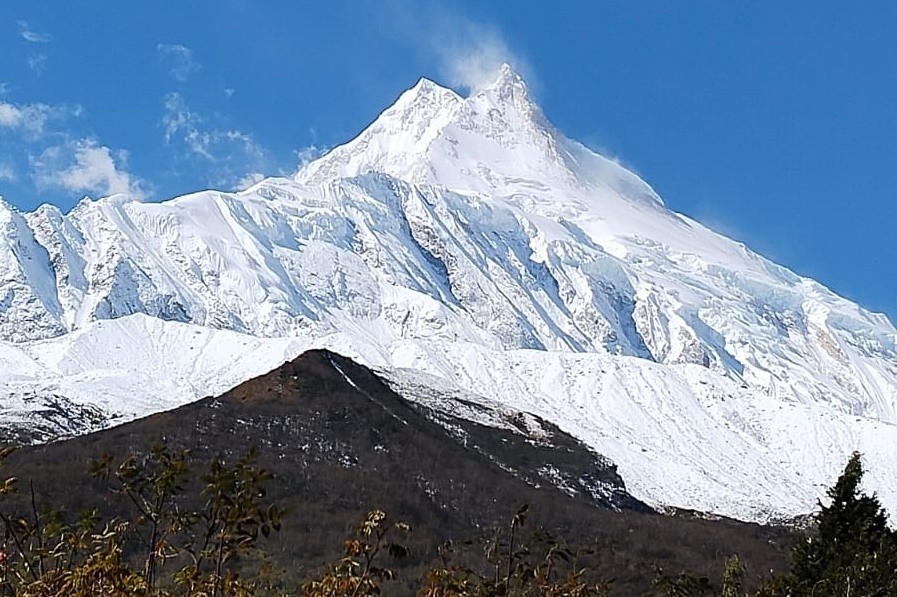
Besides, the cultural authenticity is one of the highlights of the Manaslu Circuit. Remote Tsum Valley (1900–3500 m) and Nubri Valley (2200–3500 m) are home to Tibetan Buddhist traditions and lifestyle. Monasteries at Samagaun (3520 m) and Lho (3180 m) have rituals that hardly ever encounter tourists. In contrast, Annapurna becomes more commercialized, while Manaslu does allow direct involvement with the locals, their festivals, and the food.
Further, Manaslu is differentiated from Annapurna in terms of trail difficulty and adventure appeal. The Manaslu trail consists of difficult Larke Pass (5,106 m), steep river crossings, and areas prone to landslides. This adventurous element attracts those trekkers who seek high-altitude achievements without overcrowding. Various Annapurna trails, though scenic, are often more developed and hence less challenging for thrill seekers.
Similarly, the alternative appeal of Manaslu is enriched by wildlife and natural diversity. Trekkers can observe red pandas, musk deer, Himalayan tahr, and rare birds around Samagaun (3520 m) and Samdo (3860 m). The different ecosystems comprise dense rhododendron and conifer forests, rivers, and glaciers. It is true that Annapurna also offers wildlife, but human activity can disturb habitats more easily.
Besides, the logistic support is easier and less commercialized. The teahouses provide food and a night-stay facility with charging points but retain authenticity without excessive tourism-oriented service offers. The village of Namrung (2630 m) and Samdo (3860 m) retains an atmosphere of a Himalayan rural village. Travelers enjoy real hospitality, not touristic ones.
In fact, considering crowd levels, scenery, and authenticity, Manaslu Circuit emerges as a premier alternative to Annapurna in 2026. The trekkers who want peace, adventure, and immersion into the culture benefit from the controlled access of fewer commercialization and spectacular landscapes. Choosing Manaslu ensures a fulfilling off-the-beaten-path Himalayan experience.
Key action-oriented tips for a successful 2026 Manaslu Circuit Trek. Learn planning, permits, gear, health, acclimatization, and high-altitude strategies.
Final Quick Tips:
First, plan early for the trek as permits are restricted in 2026. Manaslu Restricted Area Permit, MCAP, and ACAP should be submitted at least one month in advance. Early planning ensures availability and smooth travel from Kathmandu (1400 m) to Machha Khola (869 m). Organized bookings reduce stress and allow for better choice accommodations.
Second, acclimatization is key here to avoid altitude sickness. Rest days at Samagaun (3520 m) and Samdo (3860 m) are crucial before crossing Larke Pass (5,106 m). One should ascend gradually, drink plenty of fluids, and avoid alcohol or hard work. The early recognition of symptoms enhances safety and enjoyment.
Third, pack strategically for varied weather and elevation. Include base, mid, and outer layers, gloves, and a sleeping bag rated to minus ten degrees Celsius. Take trekking poles for steep ascents near Dharamshala (4460 m). Proper gear ensures comfort, warmth, and injury prevention.
In addition, hire certified guides and experienced porters. Guides provide increased levels of navigation, cultural insights, and emergency preparedness. Porters reduce the physical load, especially on high-altitude days between Samdo (3860 m) and Larke Pass (5,106 m). Collaboration increases the efficiency and safety of trekking.
Similarly, carry enough cash to cover teahouse bills. Very few villages have ATMs, and card facilities are limited in Samagaun and Samdo. Your meal, accommodation, charging, and hot shower expenses need to be budgeted for. Planning finances avoids problems on remote trails.
Additionally, respect local culture and environment: ask for permission before photographing, respect monastery etiquette, and do not litter. Be considerate towards Tibetan Buddhist traditions in the Tsum (1900-3500 m) and Nubri (2200-3500 m) Valleys. Sustainable behavior maintains natural and cultural heritage.
Lastly, maintain safety and contingency plans: carry first aid, emergency contact numbers, a satellite phone if possible, and travel insurance covering helicopter evacuation. Monitor daily weather and trail conditions. Preparedness ensures that one has a successful and memorable Manaslu Circuit Trek in 2026.
1. Can solo trekkers join the Manaslu Circuit Trek in 2026?
Yes, the rule in Nepal has changed for 2026. Now a single person can get a Manaslu Restricted Area Permit. You still have to book with a trekking agency and go with a guide. So, people who like to trek can now do the Manaslu Circuit Trek if they have the right help.
2. What is the best time to trek Manaslu Circuit in 2026?
The best time for the Manaslu Circuit Trek is autumn from September to November. The weather is stable. The views of Manaslu and the surrounding peaks are clear. Spring, from March to May is also a time with beautiful rhododendrons blooming. Both seasons are safe to cross Larke Pass. Have pleasant temperatures.
3. What are the new permit rules and costs for Manaslu Trek 2026?
For the Manaslu Circuit Trek, you need three permits. These are the Manaslu Restricted Area Permit, which costs $100 per week the Manaslu Conservation Area Permit and the Annapurna Conservation Area Permit. If you are a solo trekker you can apply for the Restricted Area Permit. You must book through a registered agency and hire a licensed guide.
4. How difficult is the Manaslu Circuit Trek?
The Manaslu Circuit Trek is pretty tough. You must walk away and climb up steep hills. You also have to go high up. The hardest part is crossing Larke Pass, which's 5,106 meters high. You need to be in shape and get used to the high altitude.
5. What is the plan for the Manaslu Circuit Trek in 2026?
The usual plan for the Manaslu Circuit Trek, in 2026 takes 12 to 16 days. You drive to Machha Khola. Then walk to Dharapani crossing Larke Pass on the way. You get to see some cool Tibetan villages and different landscapes. It is an idea to spend an extra day in Samagaun so you can get used to the high altitude safely.
6. Is a guide mandatory for Manaslu Circuit Trek in 2026?
Yes, you need a guide for the Manaslu Circuit Trek in 2026. Even though you can get the Restricted Area Permit on your own you have to book through a registered trekking agency and trek with a guide. This is for your safety. To follow local regulations. You cannot trek alone.
7. What is the total cost of Manaslu Circuit Trek in 2026?
The cost of the Manaslu Circuit Trek in 2026 is usually between $1,200 and $1,800 per person. This includes permits, a guide, accommodation, meals and transportation. The permit costs $150 to $170. The total cost depends on your group size and the type of accommodation you choose.
8. How to prevent altitude sickness on Manaslu Trek?
To prevent altitude sickness on the Manaslu Circuit Trek you should trek slowly and include a rest day in Samagaun. You should also drink a lot of water. Not drink alcohol. Listen to your guide. Go back down if you feel sick. The highest point of the trek is Larke Pass which's 5106 meters high so you need to be prepared.
9. What accommodation and teahouses are available on Manaslu Circuit 2026?
On the Manaslu Circuit Trek in 2026 you can find teahouses that offer basic to rooms. The rooms are better in the mid-altitude villages. You can expect to have a room and a shared bathroom. The teahouses also have power and warm dining halls. In the areas the accommodation is simpler. You should bring a sleeping bag because it can get very cold near Larke Pass.
10. What food and drinks are available on the Manaslu Circuit Trek?
On the Manaslu Circuit Trek, you can find food like Dal Bhat, noodles and pancakes. There are also options available. You can buy water, tea and coffee in the teahouses. It is an idea to bring energy snacks and water purification tablets. The food is better in the villages like Samagaun and Lho. The Manaslu Circuit Trek has a lot of options, for food and drinks.
11. How are the weather and temperature on Manaslu Trek in 2026?
In 2026 during autumn, it gets pretty cold. The temperature ranges from 15–20°C in areas to -10°C or lower near Larke Pass, which is 5106 meters high. Spring is a bit warmer. The landscapes look beautiful with flowers blooming. It gets really cold at night. The weather is usually stable during peak seasons so you can see Manaslu and other peaks clearly.
12. What should I pack for Manaslu Circuit Trek?
For Manaslu Circuit Trek in 2026 you need to pack some items. These include a 4-season sleeping bag, a jacket, trekking poles, waterproof layers good boots, sunglasses and a headlamp. Don't forget to bring altitude medicine, a power bank and some snacks. It's all about layering your clothes as it gets cold before you cross Larke Pass, which's 5,106 meters high.
13. Is Manaslu Circuit a good alternative to Annapurna Circuit?
The Manaslu Circuit Trek is an alternative to the Annapurna Circuit. It offers views of the Himalayas, different landscapes and Tibetan culture but with fewer people and a more adventurous feel. The best part is crossing Larke Pass, which's 5,106 meters high into the Annapurna region.
14. How to reach the starting point of Manaslu Circuit Trek?
To start with the Manaslu Circuit Trek, you drive from Kathmandu to Machha Khola. The drive takes around 8–9 hours. After finishing the trek at Dharapani you drive back via Besisahar. The road conditions have improved i making the journey more comfortable. Your trekking agency will arrange all the transportation.
15. What is the culture and local lifestyle in the Manaslu region?
The Manaslu region has a Tibetan-Buddhist influence. You will see monasteries, prayer flags and traditional villages, like Lho, Samagaun and Samdo. The locals follow a lifestyle, farming and trading. Trekkers often enjoy the hospitality and learn about the local culture during the Manaslu Circuit Trek.
16. What wildlife and landscapes can I see on Manaslu Circuit Trek?
The trail goes through different types of areas. You will see green forests, rhododendron flowers, green meadows and dry high-altitude areas. You might see tahr, blue sheep and many types of birds. The views of Manaslu Mountain and Larke Pass are amazing. You will see glaciers and many mountains.
17. Are communication and network available on Manaslu Trek 2026?
You can use your phone in some villages. The network is better in places like Jagat and Samagaun.. The signal is weak or not available near Larke Pass and high camps. Your guide will have a phone for emergencies.
18. What are the safety tips and trail conditions for Manaslu 2026?
The trails are safer now because some parts have been upgraded. Always trek with a guide. Make sure you get used to the altitude and check the weather before crossing Larke Pass. Bring a first-aid kit. Have travel insurance. If there is an emergency you can be taken out by helicopter.
19. Do I need a porter for the Manaslu Circuit Trek?
You must have a guide but a porter is not required. However, hiring a porter is an idea if you do not want to carry a heavy backpack. In 2026 guides and porters have to follow safety and communication rules.
20. What are the final tips for a successful Manaslu Circuit Trek?
Book your trip through a registered agency. Get fit before you go. Allow time to get used to the altitude. Respect the culture and environment. Be prepared for changing weather around Larke Pass. Follow your guides instructions. Drink plenty of water. The new solo permit rules, for 2026 make planning easier.
Our travel experts are ready to assist you with any questions.
Send us a message.Have a question before you book? Send your enquiry below and our travel experts will get back with the required information.