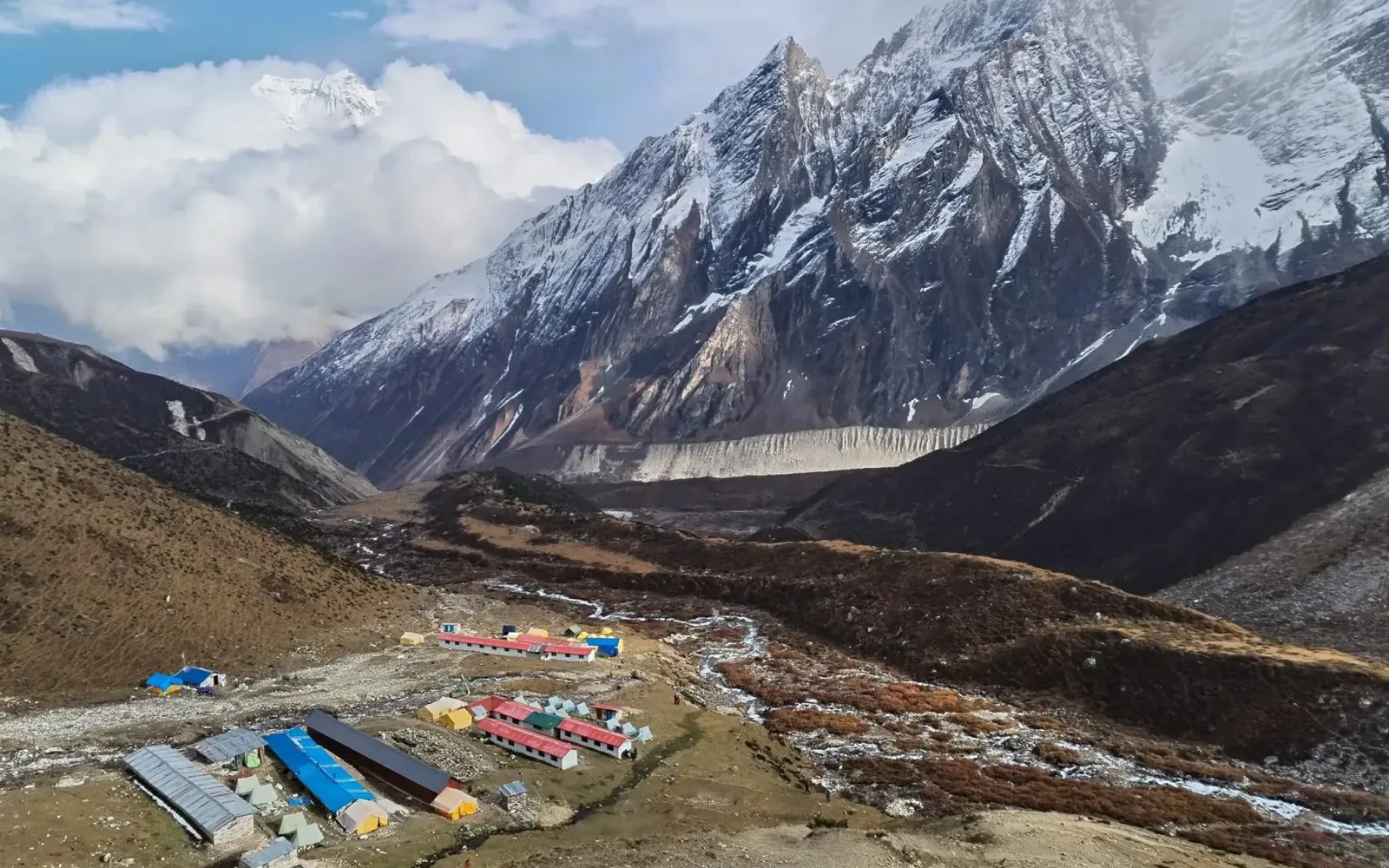
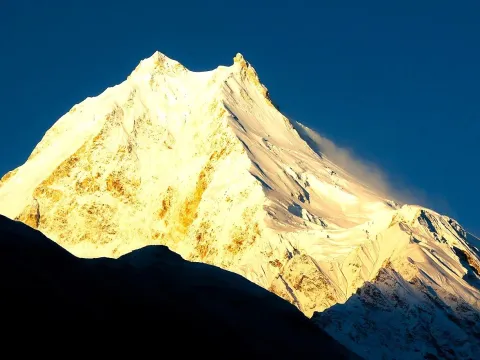
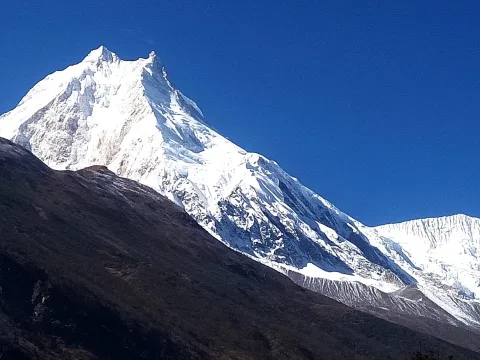
Manaslu Circuit Trek-an Adventure trekking in Hidden Himalayas of Nepal. Manaslu Circuit Trek is an awesome adventure around Mt. Manaslu, the world's eighth highest at 8,163 meters.
This difficult trek starts from Machhakhola (869m) and finishes at Dharapani (1,860m); the total length of the circuit via Larke Pass is approximately 180 km (5,106m), the highest point of this trek. From dense forests to high-altitude terrain and a number of Tibetan-influenced villages, beautiful Manaslu, Himal Chuli, Ngadi Chuli, and Annapurna II gave successive sights to trekkers.

Accommodation in Manaslu Circuit is entirely teahouse-based, and food includes traditional Nepali, Tibetan, and basic Western dishes. The special permit, MCAP, ACAP and Local Tsum Valley Entyr Permits are needed for the Manaslu trek, which is best done during spring-March to May, or autumn-September to November-for ideal weather conditions and memsrizing mountain views.
1. How difficult is the Manaslu Circuit Trek?
Manaslu trek is difficult, as trekkers should be in good fitness and also have experience in trekking. The long trekking days and hours, steep ascents, high altitude above 5000m, and unpredictable weather classify this as a moderate to difficult trek.
2. How many kilometers is Manaslu in total?
Manaslu circuit covers around 180 km from Machhakhola/Sotikhola to Dharapani via Larke Pass, walking 6-8 hours every day for 12-15 days with the average distance covering 12-15 km each day.
3. What are the permits needed for Manaslu Circuit?
You will be requiring: Manaslu Restricted Area Permit: $75 for the first 7 days, $10 per day thereafter in September-November; $50 for the first 7 days, $7 thereafter in December-August.
4. What is the highest alititude of of Manaslu Circuit?
Highest altitude: Larke Pass, 5,106 meters. Best acclimatization stop: Samagaon, 3,530 meters, rest day is usually taken here, and most people hike either to Manaslu Base Camp, 4,800 meters, or Pungyen Gompa for altitude acclimatization.

Do not ascend up to Larke without day acclimatization at Samagaon, or you may get acute mountain sickness.
5. What are the major mountain views in Manaslu Trek?
Panoramic views of the following can be seen on this trek:
6. What kind of food and lodging?
Accommodation in Manaslu Trek is in teahouses, with basic rooms, and shared bathrooms. Food options are given in the menu which comprises Dal Bhat, Tibetan bread, momo, pasta, and soups. The higher one goes, the less choice there is. Actually, at Dharmasala, both accommodation and foods are very limited. Be prepared for this.
7. What is the best time to go on the Manaslu Circuit Trek?
Best seasons of the year for Manaslu Circuit are Spring and Autumn :
You may be wondering about the facts about Manaslu Circuit and you really intend to know it and you must know the facts about Manaslu trek before board on the Manaslu Trekking route.
Here are the 50 facts about Manaslu Circuit Trek which can make your Manaslu Circuit more comfortable and more exciting.
1. Total Distance of the Trek: 177-200 km in total
Manaslu Circuit Trek covers approximately 177 km to 200 km, depending on the route taken. It usually takes about 12–16 days to make a round, passing by scattered villages, river valleys, and high-altitude landscapes. It follows the Budi Gandaki River from Machhakhola, crossing the Larke Pass at 5,160m/16,930ft above sea level and then descends into the Marshyangdi Valley. It contains a proper blend of cultural experiences, stunning landscapes, and fewer crowds compared to the Annapurna and Everest regions.
Get ready to beat at least 177km in the remote mountain terrains of Nepal at the Tibetan boarder.
2. Highest Elevation: Larke Pass (5,160m/16,930ft)
The highest point of the Manaslu Circuit is Larke Pass, which is 5,160 meters above sea level. This pass is one of the longest and most dramatic Himalayan passes, offering panoramic views of Manaslu (8,163m), Himlung Himal (7,126m), Cheo Himal (6,820m), and Annapurna II (7,937m). The ascent to the pass is demanding, requiring an early morning start, proper acclimatization, and sufficient physical fitness.
3. Starting Point: Soti Khola (710m/2,329ft)/ Machhakhola (910m)
This long trek usually starts from Soti Khola (710m/2,329ft)/Machhakhola(910m) after a long drive from Kathmandu. Soti Khola/Machhakhola lies in the Gorkha District next to Arughat bazaar and serves as the entrance point to the Manaslu Conservation Area. It follows the Budi Gandaki River and makes its way through the subtropical forests, terrace fields, and small villages to the highest point of Manaslu Circuit Larke Pass( 5106m) and then to Dharapani.
4. Dharapani (1,860m/6,102ft)
The trek ends at Dharapani (1,860m/6,102ft) in the Annapurna region, where Manaslu Circuit trail meets the Annapurna Circuit Trail. From here, trekkers take a jeep to Besisahar (760m/2,493ft) and then return to Kathmandu. Some trekkers continue their journey by continuing to Annapurna Circuit as well if they have enough time and they like more adventure.
5. Total Duration: 12-16 Days
Most trekkers complete the Manaslu Circuit in 12 to 16 days, depending on pace, acclimatization days, and itinerary. It requires 2-3 acclimatization days on this trek, particularly in Samagaon (3,530m) and Samdo (3,875m), as this is crucial to getting acquainted with high-altitude conditions. Most of trekkers choose acclimatization at Samagaon as they can go to explore Pungen Gumpa or can walk to Manaslu Base Camp if they like harder hiking on that day. Actually, if you stay acclimatization at Syala, it will be easier to walk to Pungen Gumpa.
6. Best Seasons: Spring (March-May) & Autumn (September-November)
The best time to trek the Manaslu Circuit is Spring (March-May) and Autumn (September-November). Spring offers rhododendron blooms, clear skies, and mild temperatures, while autumn provides stable weather and excellent mountain views. Winter (December-February) is extremely cold, and monsoon (June-August) brings heavy rainfall, making trails slippery and dangerous.
Also, per-winter and post-winter time (early Dec. and Late Feb.) are good times for Manaslu Circuit.
7. Permits Required: Manaslu, Annapurna, TIMS Card (is not mandatory recently) and Tsum Valley Local Area Entry Permit
Trekkers need three permits:
8. Guide & Group Mandatory
Due to remote and restricted area status,Trekkers should be attached with a licensed guide for Manaslu Circuit. The motive behind such rules is obviously for safety concern to the trekkers and also in favor of the local tourism sectors.
9. Transportation: Drive from Kathmandu to Machhakhola
Drive from Kathmandu to the trailhead at Machhakhola takes 8-10 hours for 126 km, partly on paved roads and partly on off-roads; the roads after Arughat to Machhakhola are bad. Towards the end of the trek, most trekkers take a jeep from Dharapani to Besisahar, which takes 4-5 hours for 63 km, and then back to Kathmandu by bus or car or jeep.
10. Accommodation: Teahouses Along the Trail
Most of the villages on the Manaslu Circuit have basic teahouse accommodations. The rooms are simple, usually with twin beds, blankets, and shared bathrooms. In Deng, Namrung, Samagaon, and Samdo villages, which are higher up, the teahouses, are limited, and early booking during peak seasons is recommended
Especially, at Dharmasala, the accommodation is very limited and hard to find. So, you’d better carry a reliable sleeping bag and some extra warm clothing while doing Manaslu Trek. Dharmasala will be more crowded during peak trekking seasons( Autumn and Spring).
11. Food Availability in Manaslu Circuit: Dal Bhat, Momos, and Tibetan Dishes
Teahouses along the Manaslu Circuit provide basic yet nutritious meals. The most common dish is Dal Bhat, including rice, lentil soup, vegetables, and pickles—in that order and with unlimited refills. You will see the board written ‘Dal Bhat Power-24 Hour on the Manaslu Circuit Trail’.
Other options include noodles, Tibetan bread, momos or dumplings, pasta, chapati, and potato-based dishes. As expected, in high-altitude villages like Samdo and Dharmashala, where transportation of goods is difficult, the prices are higher than in lower elevations.
Better carry some lights snacks from Kathmandu that can keep you alive all round the Manaslu trekking.
12. Drinking Water: Boiled or Purified Water Recommended
Safe drinking water is available at teahouses for $1–$4 per liter, depending on altitude. Both bottled and boiled water are available with extra cost. Carry reliable water bottle from Kathmandu to refill the water along the Manaslu Circuit Trekking. Trekkers should carry water purification tablets or a SteriPEN to treat tap water from streams and rivers. Avoid plastic bottled water to minimize environmental impact as far as possible.
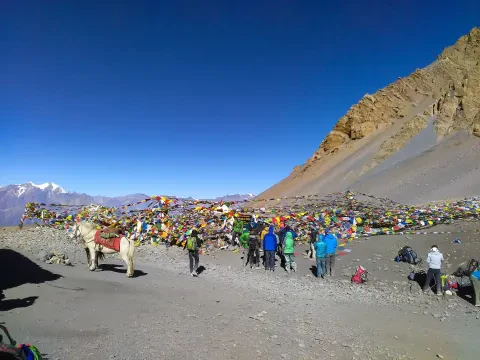
13. Altitude Sickness: Acclimatization Days required
Above 3,000m, there is a possibility of AMS in Manaslu Circuit. Acclimatization days in Samagaon (3,530m) and Samdo (3,875m) are necessary to avoid AMS before heading Larke pass (5106m).
Acute mountain sickness symptoms include headaches, nausea, dizziness, and breathlessness. It is very important to trek slowly, keep your body hydrated, and go down if the symptoms worsen before climbing Larke Pass, the highest point of Manaslu Circuit.
14. Weather Conditions: Cold at High Altitude
Weather conditions can vary greatly with the season and also with altitude in Manaslu Trek. During winter, temperatures drop down to -20°C (-4°F) at Larke Pass. In the lower valleys, during the day, it would be mostly warm with 10°C-20°C, but at night, cooler. It's normally very windy at Larke Phedi. Prepare accordingly.
15. Larke Pass: The Most Challenging Section
The most difficult part of Manaslu trek is at Larke Pass, which is 5,160 meters above sea level. People start the ascend at 3–4 AM to avoid wind in the afternoon. It takes 4–5 hours to ascend and steeply go down to Bimthang at 3,720 meters. Proper gear, with crampons in snowy conditions, is recommended.
16. Manaslu Region's Unique Tibetan Buddhist Culture
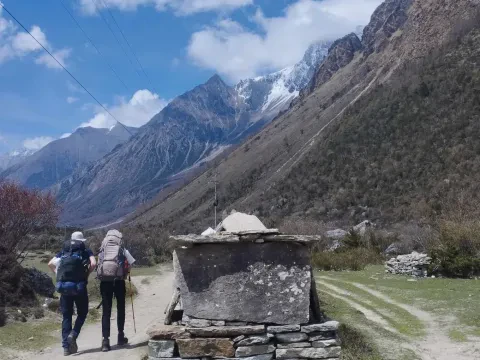
The Manaslu region is a home for Tibetan-origin ethnic groups like Tamang, Gurung, and Bhutia communities. The trail is dotted with Buddhist monasteries, prayer wheels, mani walls, and chortens. Many villages, including Samagaon and Samdo, still closely follow Tibetan traditions.

One can explore and make an extensive reaerch on Tibetan Buddhist culture and civilization during Manaslu Circuit trek if wishes.
17. Manaslu Conservation Area: Rich in Flora & Fauna
MCAP is 1,663 sq. km of conserved area, which shelters snow leopards, Himalayan tahr, red pandas, and blue sheep. The areas of low altitude are dominated by rhododendron forests, and the alpine vegetations can occur above 3,500 m. It will very exciting to experience and explore the Manaslu Conservation Area in Manaslu Circuit Trekking in Nepal.
18. The Name "Manaslu" Means "Mountain of the Spirit"
Manaslu in Sanskrit-derived name comes from the word "Manasa" meaning Soul or Spirit. In Manaslu, one could find high spiritual importance to its surroundings as equally considered to Hindus and Buddhists alike.
Actually, the easiest and the highest success rate of climbing peak is with Mt. Manaslu.
19. Rich History: Opened for Trekking in 1991
Manaslu Circuit was restricted for foreign trekkers until 1991. After Nepal opened the trail, it became more famous owing to raw beauty, less spoiled culture, and fewer tourists than Everest and Annapurna.
The solitary lovers and escpeailly European people love doing an adventurous trekking to Manaslu Circuit.
20. Side Trip to Pungyen Gompa (4,400m)
Day hike to Pungyen Gompa (4,400m) from Samagaon: Pungyen Gompa offers a stunning view of Manaslu Glacier. This historic monastery that was destroyed during a past avalanche was rebuilt and still serves as a holy place for Buddhist monks. It will be a blissful spiritual moment to explore this historical and high monastery on Manaslu Circuit Route.
21. Samagaon (3,530m): The Largest Village on the Trail
The largest settlement on Manaslu Circuit is Samagaon, which is used as an acclimatization stop before heading up higher. From here, trekkers can either visit the Ribung Gompa or make their way toward Manaslu Base Camp at 4,800m for better acclimatization. Or can just stroll around the village for acclimatization.
22. Samdo (3,875m): The Last Village Before Larke pass
Samdo is a traditional Tibetan village, with lots of yak herders. It's close to the Tibetan border and has good views of the surrounding mountains. From here, an extra day's side trip can be made to the Tibetan border (5,000m).
If the trekkers have flexible time frame and interest to explore unique things on Manaslu Trek, they can walk to Tibetan boarde and experience unique Tibetan lifestyle and culture of the people living at the boarder.
23. Dharamshala (4,460m): The Last Teahouse Before Larke pass
Dharamshala, also known as Larke Phedi, 4,460m, is the last stop before Larke Pass. Basic facilities are available here, and this teahouse can be really crowded during peak seasons. It is better for trekkers to book in advance or carry their own stuff like down jacket and sleeping bag for overnight stay at Dharmasala.
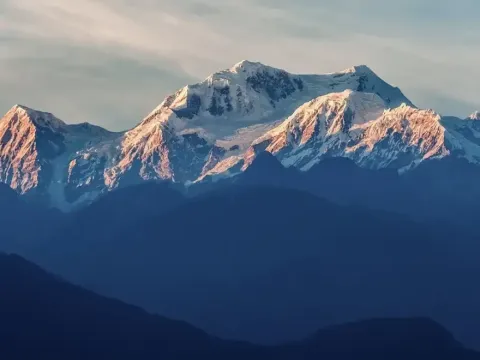
24. Manaslu Base Camp (4,800m): A Side Trip From Samagaon
A lot of trekkers go on a day hike to Manaslu Base Camp, 4,800m, from Samagaon. It's a strenuous ascent that takes 4-5 hours, but the great views of Manaslu Glacier make it all worth it. The walk from Samagaon to Manaslu Base Camp, it will take a whole day workout. Prepare accordingly if you wish to walk to Manaslu Base Camp.
25. Birendra Lake (3,691m): A Glacial Lake Near Samagaon
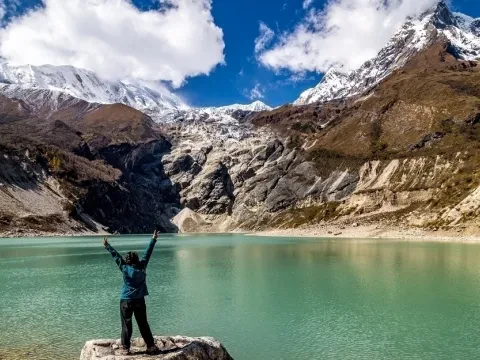
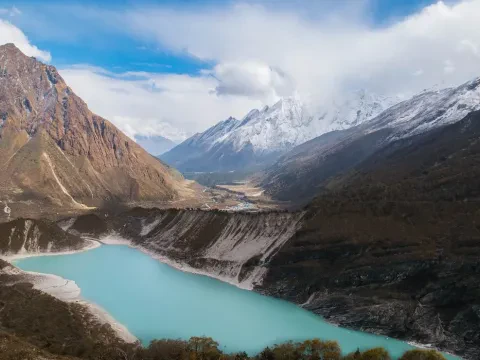
Birendra Lake is turquoise-colored and lies near the village of Samagaon. In fact, it is really an outcome of the melting glacier from Mount Manaslu. The lake has been a sacred place for the locals, who visit it largely for religious reasons.
One can make a day trip to Birendra Lake from Samagaon if intends to do see it as a side trip in Manaslu Circuit.
26. Suspension Bridges: Across the Budi Gandaki River
Trekkers have to cross various suspension bridges that span the Budi Gandaki River. Most exciting of these is the long one near Nyak Phedi. These add to the trekking adventure as villages are joined by these suspension bridges.
It will be thrilling moments to cross a number of high sunpsension bidges on Manaslu Circuit Trail.
27. Tsum Valley Side Trek: A Sacred Hidden Valley
For a more extended adventure, trekkers can combine Manaslu Circuit with the Tsum Valley trek. Tsum Valley is noted for Mu Gompa, 3,700 meters elevation, Rachen Gompa, and very ancient Tibetan Buddhist traditions.
28. Electricity & Charging Facilities: Limited at Higher Altitudes
Electricity is available in lower villages but becomes scarce above Namrung (2,630m). Higher-altitude teahouses charge $2–$5 per hour for recharging devices, using solar power. You can carry your own power backup for Manaslu circuit as charging facility is rare on the trail.
29. Mobile Network & Internet: Limited Connectivity
Cellular reception is weak after Jagat. Until then, NCELL and NTC networks work in some villages but higher altitudes have no signal. WiFi works in Namrung, Samagaon, and Samdo; however, this costs $5–$10 per hour.
You can buy and install local SIM cards like NT and NCELL in Kathmandu before heding towards Manaslu Circuit Trekking Route.
30. Trekking Gear: Essential Equipment for High Altitude
Proper trekking gear is vital. Key things to bring: warm layers, sleeping bag -20°C, trekking poles, sunglasses, gloves, good backpack. During snowy conditions in Larke Pass, microspikes or crampons may be required.
31. Porters and Yaks: Significant to Carry the Loads
Trekking in the Manaslu Circuit highly recommends hiring a porter. A porter can carry up to 20-25 kg, which may lighten the weight of a trekker. In higher regions, many locals use yaks and mules to transfer supplies. In the case of hiring a porter, it's customary to provide tips (10-15% of his wage) as a way of showing appreciation.
32. Difficulty Level: Challenging but Rewarding
The Manaslu Circuit trek is considered from moderately difficult to strenuous; it requires hours of walking on foot-5-8 every day, steep ascents with high altitude, and different ground. Previous experiences in trekking are beneficial but can be conquered by fit ones with proper acclimatization and training against altitude and altitude sickness.
One needs to walk at least 12-14 km each day as Manaslu Circuit Trek Average working hours.
33. Local Currency: Nepali Rupees-NPR-No ATM on the way
Trekkers should carry enough Nepali Rupees (NPR) before leaving Kathmandu. There are no ATMs after Soti Khola/Machhakhola. It’s advisable to bring extra cash for food, accommodations, WiFi, charging, and emergency expenses.
Don’t depend on the ATMS booths located at Machhakhola as they may run out of money or do not work.
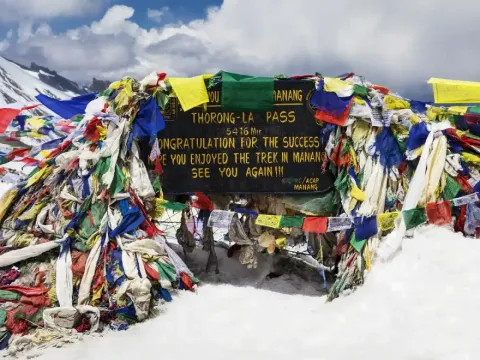
34. Cultural Etiquette: Respect Local Buddhist Traditions
35. Meteorological Hazards: Landslide and Snowfall
Heavy rain during the monsoon, which begins in June and goes through to August, leads to landslides in the lower valley of Budi Gandaki. In winter, between December and February, Larke pass is blocked by snow and thus unsafe to cross. Consult the weather forecast prior to starting the Manaslu Circuit trek.
36. View of Sunrise & Sunset: Ideal from Larke pass and Bimthang
The sunrise view from Larke Pass is a kaleidoscope of colors, offering golden hues over Mt. Manaslu (8,163m), Kang Guru (6,981m), and Himlung Himal (7,126m). Likewise, Bimthang at 3,720m provides stunning evening mountain views.
37. Famous Monasteries on Manaslu Circuit Route: Ribung Gompa & Mu Gompa
Ribung Gompa in Samagaon is one of the oldest Buddhist monasteries and houses sacred scriptures and relics. If doing the Tsum Valley extension, it is highly recommended to visit Mu Gompa at 3,700m, a monastery 700 years old.
38. Avalanche Risk on Manaslu Circuit: Especially near Samagaon
This part, especially between winter and spring around Samagaon and Dharamshala, is really an avalanche-prone area. It is advisable that trekkers check conditions and follow local guides to avoid the danger of it.
39. Tea and Butter Tea are Popula on Manaslu Trail: Tibetan Staple Drink
One of the most famous beverages in the region is Tibetan butter tea—a mixture of yak butter, salt, and tea leaves. It provides warmth and energy at high altitudes. Other options include black tea, ginger tea, and masala chai.
40. Unique Festivals on Manaslu Circuit: Lhosar & Mani Rimdu Celebrations
If trekking in February or March, trekkers may be able to experience Lhosar (Tibetan New Year) celebrations in either Samagaon or Samdo. Mani Rimdu is a popular Buddhist masked dance festival celebrated in the local monasteries.
Check the right time for Mani Rumdu and Lhosar and plan your Manaslu Circuit accordingly if you wish to observe them.
41. The Legend of Gorkha: Origins of the Trek's Region
The Manaslu region is in Gorkha, the birthplace of Nepal's founder, King Prithvi Narayan Shah, who unified Nepal in the 18th century. The warriors from this place, known as Gurkhas, have worldwide fame for their bravery. They also found batteling bravely in Anglo-Nepal War. You can learn a glorified history of Gorkhalis during Manaslu Circuit Trek.
42. Marshyangdi River & Budi Gandaki River Meet at Dharapani
At Dharapani, the trek meets the Marshyangdi River where the Manaslu Circuit and Annapurna Circuit trails meet. The Budi Gandaki River that this trek started with at Soti Khola meets here.
43. Larke Bazaar: A Historical Tibetan Trade Route
Traditionally, Samdo is famous for the Larke Bazaar, a traditional trading hub between Tibetans and Nepalese for salt, wool, and grains. Today, the marketplace is not that active; however, it represents an indication of how historically vital Tibetan-Nepalese trade has been.
44. Side Trek to Hinang Glacier & Himalchuli Base Camp
From Lihi village (2,920m), there is a 2-hour side trek to Hinang Glacier and Himalchuli Base Camp at 4,020m. This is an offbeat trail that offers stunning views of Himalchuli at 7,893m and Ngadi Chuli at 7,871m.
45. Dharmashala's Limited Accommodation: Pre-Booking Required
At Dharmashala (4,460m), only a few teahouses operate, making early booking quite necessary in peak seasons. Some trekkers sleep in tented camps if teahouses are full.
Carry very reliable sleeping bag and down jacket for this special night stay at Dharmasala in your Manaslu Circuit.
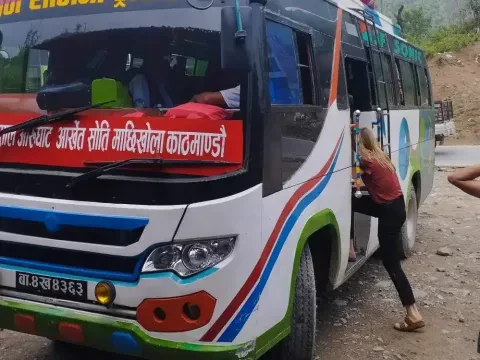
46. No Good Roads after Machhakhola for regular bus and jeep – Off-the-Beaten-Path Adventure
Unlike the Everest and Annapurna treks, there is no good road access beyond Soti Khola/Machhakhola on the Manaslu Circuit, making it a purer trek with minimal disturbances from vehicles.
Recently, the raod connects the rural villages like Jagat, Deng and Philim in Manaslu Circuit Trek transportation. However, in monsoon months (June, July and August), the road from Machhakhola to Deng or Philim or Ghattekulo may not function properly. Check weather condition and availability of transportation for Manaslu Circuit beforehand you begin it.
47. Camping Options in Manaslu Circuit Trek: Ideal for Remote & Side Trekking
Teahouses are available; however, for those seeking to experience the wilderness and real taste of remote area trekking in Nepal, camping can be arranged on the Manaslu Circuit Trek. The side trips to Dharche Danda (3,220m) and Kal Tal (3,780m) involve beautiful camping during Manaslu Circuit Treks.
48. Less Crowded than Everest & Annapurna Circuits
The best thing about Manaslu Circuit is that it is way less crowded when compared with Everest Base Camp and Annapurna Circuit or Annapurna Base Camp. Even in peak season, that is, October & November, the trail feels serene and far-flung. Those who requires plenty of space and time to explore the local area, Manaslu Circuit will be the perfect choice.

49. Travel Insurance: Mandatory for Safety & Rescue
Manaslu Circuit Route, being a remote trek route with high altitude risks, every trekker needs to be prepared with high-altitude travel insurance to cover emergency helicopter evacuation above 5,000m.
Bring a reliable and comprehensive travel insurance for Manaslu Circuit Trekking.
50. Manaslu Circuit: A Perfect Alternative to Annapurna Circuit
The mentioned route is an ideal option aside from the Annapurna Circuit, which is for the strenuous yet less crowded trek in rich culture and dramatic landscapes. Nature, adventure, spiritual experience-the Manaslu Circuit combines all that defines an ideal Himalayan journey.
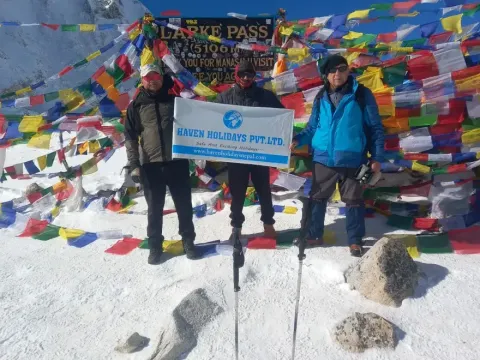
Since Manaslu Circuit is a very challenging trek into the remote area of Nepal at the border of Tibet, one requires preparing very well beforehand. Here are 10 most important preparations to do for Manaslu Circuit Trek to make it grand and successful.
1. Obtain Required Permits: MRAP-Manaslu Restricted Area Permit, Manaslu Conservation Area Permit (MCAP), and Annapurna Conservation Area Permit (ACAP) Cost: MRAP: US$ 100 for the first 7 days and US$ 15 each day thereafter, MCAP & ACAP US$ 30 each Regulation: Since it falls under a restricted area, trekking is compulsorily restricted with a licensed guide and a minimum of two trekkers.
2. Plan Itinerary with Acclimatization: 14-16 days. Key Stops:
3. Train for Endurance & Strength
4. Packing Essential Trekking Gear
5. Altitude Sickness-Be Prepared
6. Transportation & Guide Arrangement
7. Bring Enough Cash (NPR)
8. Be Prepared for Basic Accommodation in Tea Houses
9. Get Proper Travel Insurance
10. Be Ready for Unpredictable Weather
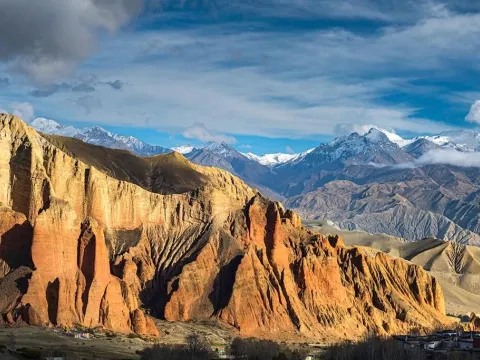
Equally spectacular, yet equally demanding, the Manaslu Circuit Trek takes one through the wilderness of villages that are pretty remote, diversified landscapes, and high altitude. Gradually working up from the starting point of Machhakhola, the trek takes one to a maximum height-the Larke Pass-5,106m/16,752ft above sea level.

Manaslu area being restricted, trekkers will require three different permits: a Manaslu Restricted Area Permit, a Manaslu Conservation Area Permit, and an Annapurna Conservation Area Permit. The trek contains steep ascents, rugged trails, and altitude challenges; thus, it requires good physical fitness and acclimatization. The teahouses provide basic but comfortable stays, while the food includes local Nepali cuisine such as dal bhat, noodles, momos, and Tibetan bread.
Essential equipment, training, and travel insurance are critical to safe Manaslu Circuit Trek. A thing of pristine beauty and rich culture, the Manaslu Circuit Trek is definitely something that any trekker in pursuit of newer territories would love to experience.
If you are really looking forward to exploring the remote and wild mountain regions of Nepal and uncover the hidden mysteries of mighty Himalayas, you can simply venture onto Manaslu Trekking Trail and make it happen with a winder preparations.
1. What is the Manaslu Circuit Trek?
The Manaslu Circuit Trek is an amazing 12–18-day adventure that goes around the Manaslu Mountain, which is the eighth-highest mountain in the world. It takes you through some beautiful and remote parts of the Himalayas, where you can see Tibetan villages and high mountain passes.
2. How long is the Manaslu Circuit Trek?
The Manaslu Circuit Trek usually takes 14 to 16 days to complete, starting and ending in Kathmandu. You can also do it in 12 to 18 days depending on how fast you walk and if you want to take any extra trips along the way.
3. What is the highest point on the Manaslu Circuit Trek?
The highest point on the trek is the Larke pass, which's 5,106 meters high. This is a challenging part of the trek but the views from the top are amazing. You need to make sure you are properly acclimatized to the altitude before you try to cross the pass. Our blog has information about this part of the trek.
4. Can solo trekkers do the Manaslu Circuit Trek?
Yes, solo trekkers can do the Manaslu Circuit Trek. They need to book their trip through a registered agency that provides a licensed guide. You cannot do the trek on your own without a guide. This is a rule that's in place to keep trekkers safe.
5. Is a guide mandatory for Manaslu Circuit Trek?
Yes, a licensed guide is required for all trekkers on the Manaslu Circuit Trek even if you are traveling alone. You need to book your guide through a registered trekking agency, like Haven Holidays Nepal to make sure you are following the rules and staying safe.
6. What permits are required for Manaslu Circuit Trek?
To do the Manaslu Circuit Trek you need to get permits, including the Manaslu Restricted Area Permit, the Manaslu Conservation Area Permit and the Annapurna Conservation Area Permit. In 2026 solo trekkers can get these permits through a registered agency. They still need to have a guide with them.
7. What is the best time for Manaslu Circuit Trek?
The best time to do the Manaslu Circuit Trek is in the spring from March to May or in the autumn from September to November. These are the times because the weather is usually clear and stable and it is safer to cross the high mountain passes.
8. How difficult is the Manaslu Circuit Trek?
The Manaslu Circuit Trek is moderately difficult to challenging because you have to walk for days and deal with rugged terrain and high altitude. You need to be in physical shape and make sure you are properly acclimatized to the high altitude.
9. How much does the Manaslu Circuit Trek cost?
The cost of the Manaslu Circuit Trek can vary. A standard 14-day package usually costs around USD 1,100 to 1,400 per person. This includes the cost of permits a guide, food and accommodation. You can contact Haven Holidays Nepal to get a quote for your trip.
10. What should I pack for Manaslu Circuit Trek?
You should pack layers of clothing, sturdy trekking boots, a down jacket, a sleeping bag, trekking poles and rain gear. You should also bring medication for altitude sickness.
11. Is acclimatization important on Manaslu Circuit Trek?
Yes, acclimatization is really important on the Manaslu Circuit Trek because you need to get used to the altitude to avoid getting sick. The itinerary includes rest days in villages along the way, which helps you acclimatize.
12. What kind of accommodation is available?
Along the Manaslu Circuit Trek, you can stay in teahouses which're basic but comfortable. They have food and drinks and the people who run them are really friendly. At elevations the accommodation is simpler but it is still comfortable.
13. Are there any cultural highlights on the trek?
Yes, the Manaslu Circuit Trek takes you through some interesting Tibetan villages, like Samagaon and Samdo. These villages have monasteries and the people are really welcoming. Our blog has information about the cultural highlights of the trek.
14. How safe is the Manaslu Circuit Trek?
The Manaslu Circuit Trek is really safe if you do it with a guide and follow the rules. The biggest risk is altitude sickness. If you acclimatize properly and follow the advice of your guide you should be okay.
15. Can I extend the Manaslu Circuit Trek?
Yes, you can extend the Manaslu Circuit Trek by adding on some trips like going to the Tsum Valley or to Manaslu Base Camp. These trips add some cultural and scenic value to your trek.
16. What is the food like on Manaslu Circuit Trek?
The food on the Manaslu Circuit Trek is really hearty and delicious. You can get Dal Bhat, bread, noodle soups and fresh vegetables. The teahouses have a lot of energy- food to help you keep going on your trek.
17. Do I need travel insurance for Manaslu Circuit Trek?
Yes, it is a good idea to get comprehensive travel insurance that covers high-altitude trekking, medical evacuation and trip cancellation. This will help you in case something goes wrong on your trek.
18. How to prepare physically for Manaslu Circuit Trek?
To prepare physically for the Manaslu Circuit Trek you should start training least 2-3 months before you go. You can do things like hiking, gym workouts and stair climbing to build up your fitness and strength.
19. What makes Manaslu Circuit Trek unique?
The Manaslu Circuit Trek is unique because it is a remote and pristine part of the Himalayas. There are not many tourists as there are on other treks like the Annapurna or Everest treks. The trek also has an authentic Tibetan culture, which is really interesting to experience
20. How to book the Manaslu Circuit Trek with Haven Holidays Nepal?
You can book the Manaslu Circuit Trek with Haven Holidays Nepal by going to their website or contacting their team. They will take care of all the logistics, including permits and guides. Make sure you have a safe and successful trek.
Our travel experts are ready to assist you with any questions.
Send us a message.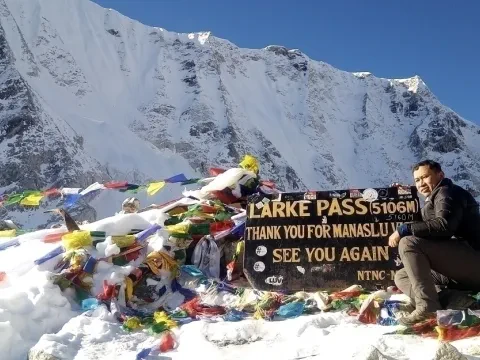
Have a question before you book? Send your enquiry below and our travel experts will get back with the required information.