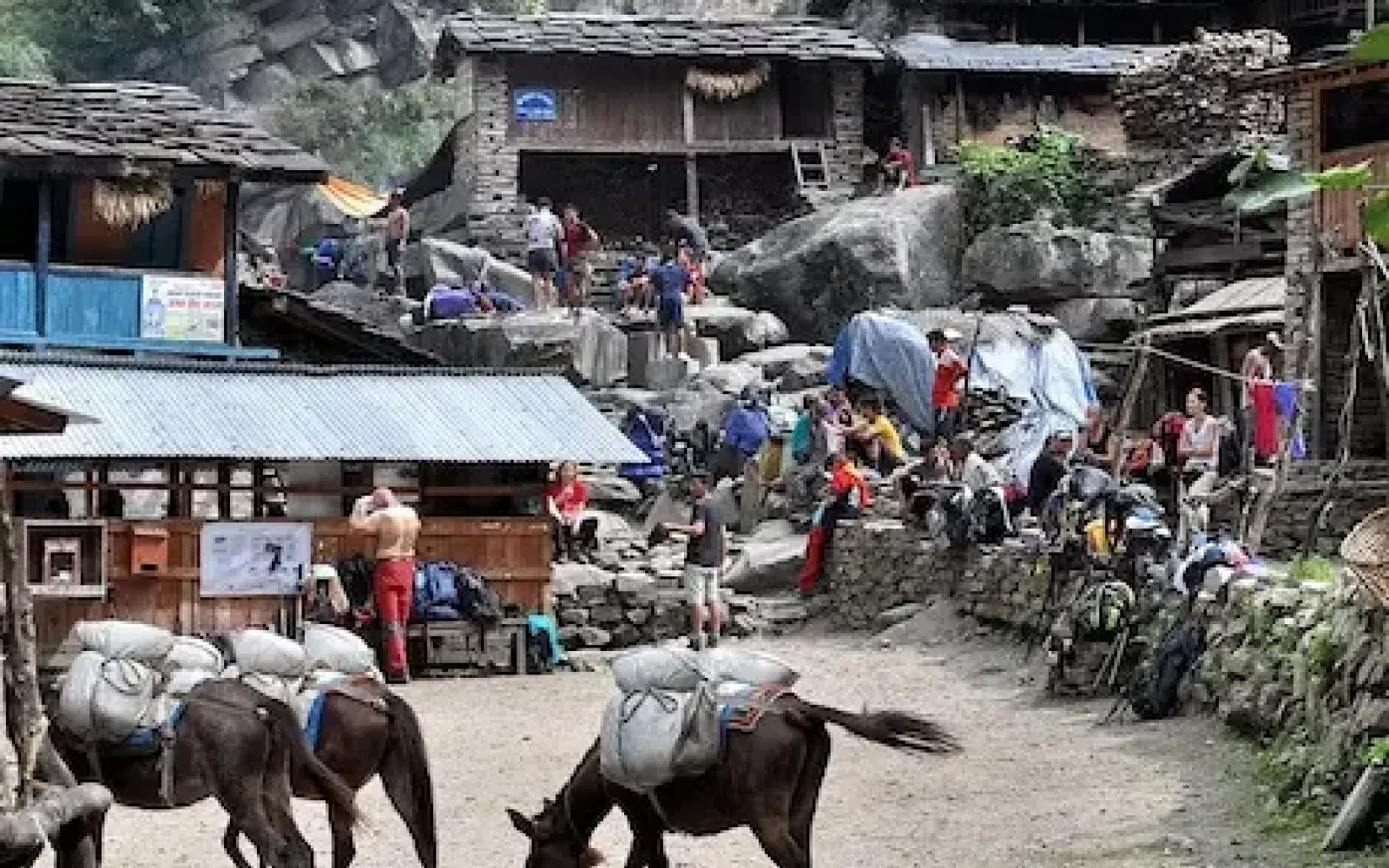
Begin your Manaslu Circuit Trek from Jagat (1,340m) and immerse yourself in the authentic experiences that Nepal has to offer, with its villages and culture, as well as adventure and treks.
Key Takeaways / Highlights from Jagat:
Actually, the Manaslu trek begins from Jagat (1,340m), which is a very welcoming entry point sitting along the banks of the scenic Budhi Gandaki River. It is also where hikers get to really breathe in the true Nepal culture, with gray slate roofs and stone roads that lead the way. The beginning trek from Jagat is very important as it is part of the acclimatization process, preparing hikers for the tough days that lie ahead when hiking higher up.

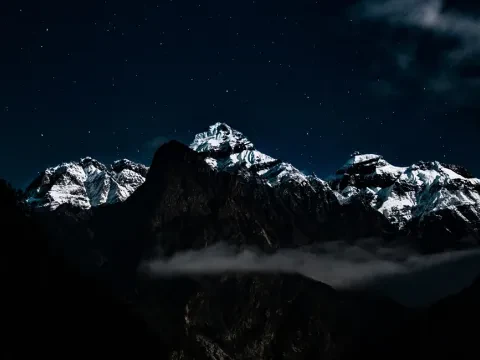
Moreover, Jagat also offers basic necessities such as teahouses, small shopping stalls, and experienced local guides who are familiar with the Manaslu Circuit by heart. You can arrange the permits for trekking here, including the Manaslu RAP card and the TIMS card, making Jagat an excellent entry point. The views are also very impressive for the most part, with peaks such as Himalchuli (7853m) and Ngadi Chuli (7871m) captivating the imagination before the actual climb. This initial trekking stage therefore offers an excellent combination of preparation, cultural exposure, and aesthetics.
Additionally, starting the trek from Jagat exposes the trekker to the Budhi Gandaki Gorge route, well-known for its lush vegetation, suspension bridges, and river crossings. The trekker encounters rhododendron and oak groves while climbing to Deng (1,860m). The relatively low elevation gain facilitates a gradual adaptation to trekking conditions and prevents acclimatization problems due to high elevation. Hence, the choice of trekking from Jagat not only provides an opportunity to engage with local cultures but also supports successful acclimatization for adventure enthusiasts.
In addition to this, the trail from Jagat to Deng (1,860m) touches a number of small villages, giving trekkers a real taste of what treks in the Manaslu region can offer. The villages, such as Bihi (1,400m), along with Gho (1,600m), not only give a glimpse into the culture but also into the agricultural practices of the people. The basic lodges in these villages not only offer sleep to trekkers but also local cuisine—yet another experience that is a part of the Manaslu Circuit Trek.
Finally, setting off from Jagat ensures that trekking teams are also open to experiencing the Manaslu Circuit in totality. The first 10-12 kilometers of trekking to Deng is not taxing, making it an excellent point to acclimatize. Offering permits, tea-house accommodations, and stunning views of the Himalayas, there is no reason not to start the Manaslu Circuit Trek from Jagat.

Understanding the Trekking Terrain: Jagat to Deng Explained
Discussion about Jagat to Deng (1,340m to 1,860 m) section of Manaslu Circuit Trek, involving elevation, trekking distance, types of trek, and what can be expected scenically along the trekking trail.
Here is a summarized perspective of elevation and distance for this area:
| Village / Point | Elevation (m) | Approx. Distance from Jagat (km) |
| Jagat | 1,340 m | 0 |
| Bihi | 1,400 m | 2 |
| Lho | 1,550 m | 5 |
| Gho | 1,600 m | 8 |
| Deng | 1,860 m | 10–12 |
Beginning the trek at Jagat, in order to reach Deng, you need to trek approximately 10-12 kilometers, and you negotiate this on an easy-to-trek slope that is just apt for acclimatization. The trekking trail moves along with the river Budhi Gandaki and passes by rhododendron and pine trees, with some suspension bridges along the way. The height of Jagat, beginning at 1,340 meters, reaches 1,860 meters at Deng, making it easier on your legs if you are experiencing any effects of acclimatization. The trail is composed of stone steps, earth tracks, and suspension bridges, making it an experience to trek.
In this section, you will come across a few small villages, including Bihi, situated at an altitude of 1,400 meters, Lho, standing at 1,550 meters, and Gho, located at 1,600 meters. The villages split up the walkable distances, and the trails have teahouses, local cuisine, and accommodations where you can take a breather. Though the trails will narrow down at times, they will not confuse you, and there will be wooden bridged river crossings.
Starting from Jagat and then to Deng, the trail winds its way on a combination of slope, rocky, and forested trails. After the passage at Gho (1,600m), the ascents become more strenuous, all the way up to Deng (1,860m), where the breathtaking views of Manaslu (8,163m) and the giant Himalayas come into view. Along the trail, Himalayan birds and a few monkeys might be seen, and this trekking part brings a welcome balance of possible trekking and natural scenery.
Likewise, the trail also provides good opportunities for taking pictures, especially at river crossings and along the edges of the forests. Waterfalls and terraced fields add beauty to the landscape. The villages are situated 2-3 km apart, and you can take a rest before proceeding. If you understand the landscape, you can plan your activities according to your strength.
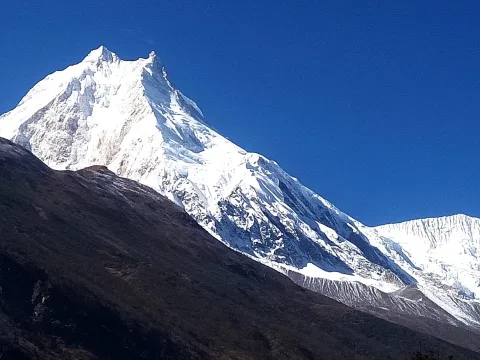
Overall, the Jagat to Deng section determines the tempo of the Manaslu Circuit Trek. This helps you gain confidence, familiarize you with diverse topography, and allows you to get accustomed to the high-altitude regions. Being aware of the changes in elevation, what trail you should expect, and where you would be halting in the villages allows you to stay safe while simultaneously elevating your trekking experience to new heights.
See Jagat (1,340m), an entry point to the Manaslu Circuit Trek. Immersive experience of village life, Himalayan ranges, and authentic Nepal culture.
Important Points of Jagat:
Meanwhile, the first trekking destination is Jagat, located at an elevation of 1,340 meters, and is considered the vital cultural starting point for all people embarking on a Manaslu Circuit trek. Upon reaching this site, you get to experience an architectural blend of the local Gurung and Tibetan cultures as you stroll through the stone-lined roads. The local teahouses and stores place you squarely within the Manaslu trekking experience, giving you a firsthand feel of what the trek is all about and what you need to gear up for.
Likewise, the environment that surrounds the trekkers offers a beautiful setting for the events that follow. Peaks such as Himalchuli (7,893m) and others like Ngadi Chuli (7,871m) are visible from the fringes of the village. The land usage patterns of Nepal, with terraced farmland and dense rhododendron and pine forests of the Himalayas, are visible here. To sum up, Jagat represents an important stop for acclimatization because of its strong cultural, scenic, and natural impact.
Jagat, besides its natural surroundings and cultural aspects, serves as a functional trekking base. It is here that you will be arranging for your Manaslu Restricted Area Permit, TIMS card, as well as hiring a local guide. There are teahouse options available for accommodations as well as local markets for trekking essentials. The preparation phase will prepare you for what lies ahead, including climbing towards Deng (1,860m).
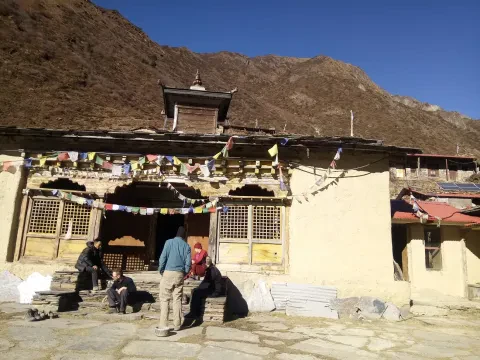
Specifically, historically and culturally, Jagat adds to the experience. Prayer flags, mani walls, and monastery sites with linkages to the Buddhist culture will be experienced. Engagement with the locals adds to an understanding of the significance of the culture to the lives of the people in the Himalayan regions. Conclusion: Cultural highlights adds meaning to the trekking adventure.
Actually, Jagat is the start of the area where the lowland plains meet the upper, more rugged areas of the Manaslu region. As the trekkers enter the lower Manaslu trek, they move in gentle steps upward through the Budhi Gandaki, acclimating to the land. Of course, this would be an easier way to acclimate to the Himalayan ranges for beginners, introducing them to the wonderful sights of the forests as well as the rustic charm of the Nepal villages.

Finally, it is worth saying that the combination of cultures, landscapes, and availability of trekking facilities that Jagat has to offer makes it an important place to visit on a Manaslu Circuit Trek. Here, the trekker is treated to breathtaking scenery and is able to experience the local culture and soak up the necessary physical and mental preparations for the harder trekking that is to come.
Hike from Jagat 1,340m into the Budhi Gandaki Gorge on the Manaslu Circuit Trek, passing through Himalayan forests, river scrub, and cottages remarkably local in feel.
For easier reference, here’s a brief description of villages and villages' height along this area:
| Village / Stop | Elevation (m) | Distance from Jagat (km) | Highlights |
| Jagat | 1,340 m | 0 | Trek permits, teahouses. |
| Bihi | 1,400 m | 2 | Local culture, forest views. |
| Lho | 1,550 m | 5 | Suspension bridges, riverside. |
| Gho | 1,600 m | 8 | Tibet culture, teahouses. |
| Deng | 1,860 m | 10–12 |mountain panorama, acclimatization. |
Meanwhile, the first real challenge in the Manaslu Circuit is the start of your journey from Jagat at an altitude of 1,340 m. It follows the Budhi Gandaki river through thick rhododendron and oak forests with an endless patchwork of stone steps, dirt trails, and wooden suspension bridges that keep the day lively.
Soon, the trail reveals the small Himalayan towns of Bihi at 1,400 meters and Gho at 1,600 meters dotting the way. These teahouse stops provide meals, stopping places, and time for acclimatization. The locals' conversations unveil a Tibetan-oriented cadence of life and mountain living, placing the trek in cultural grounding as much as in terrain. Put differently, physical challenge coupled with cultural immersion marks the journey.
Here, the Budhi Gandaki Gorge offers spectacular Himalayan landscapes with river crossings, waterfalls, and fields as trekking progresses. Peaks such as Manaslu (8,163m) and 7,893m high Himalchuli tower above trekkers as they ascend to greater heights. "The initial exposure to this gorge acts as a motivator to move through difficult terrain.
Moreover, it has some gradual ascending parts from Jagat (1,340m) to Deng (1,860m). This process also helps in easier acclimatization without much problem of altitude sickness. The variety in this trail comes in the shape of river-crossing bridges and rocky sections that make this trek both interesting and safe. It can thus be concluded that this trek marks the beginning for the entire Manaslu Circuit Trek.
Finally, emerging out of the Jagat area and entering the Budhi Gandaki Gorge begins the actual Manaslu Trek experience. Here, trekkers are surrounded by the Himalayan environment, experience genuine village life, and ascend towards the picturesque summits amidst a gradual climb. This part in the journey allows trekkers to acclimatize and gain enough strength before proceeding.
Outline your second day on Manaslu Circuit Trek with the figures: approximately 20–22 km, about 6–8 hours, gain in altitude, and the type of terrain encountered on the trek.
To keep things clear, here’s a quick snapshot of distance, elevation, and the main stops for the second day:
| Starting Point | Elevation (m) | Destination | Elevation (m) | Distance (km) | Estimated Time (hrs) | Highlights |
| Jagat | 1,340 m | Bihi | 1,400 | 2 | 1 | Forest paths, river views. |
| Bihi | 1,400 m | Lho | 1,550 | 3 | 1.5 | Suspension bridge, village teahouse. |
| Lho | 1,550 m | Gho | 1,600 | 3 | 1.5 | Scenic terraces, cultural encounter. |
| Gho | 1,600 m | Sirdibas | 1,420 | 5–6 | 2–3 | Forest descent, river crossing . |
On the second day, you'll walk 20–22 kilometers in 6–8 hours, depending on your speed. Many trekkers start from Salleri (1,300 m) or Jagat (1,340 m) and reach up to Sirdibas (1,420 m). Along this route, there is a bit of everything: steady climbs, stone steps, forest trails, and, at various times, crossings of the Budhi Gandaki. Over that distance and with these field conditions, it's an excellent, pretty available introduction to the Himalayan trekking paths: difficult enough to make it prominent, but not excessive.
Further, today's elevation gain is very gradual, as it rises from Jagat at 1,340 m up to Sirdibas at 1,420 m. This gradual rise contributes to better acclimatization and reduces the risk of altitude problems. Today's walk is expected to be along a shaded forest area along a path filled with rhododendrons and pines, so the steepness does not feel as brutal due to the variety and scenery en-route. Understanding your elevation profile helps you strategize better hydration, breaks, and energy use.
On the second day, the trail unwinds itself with frequent village stops and rest points at almost every 2 to 3 kilometers of distance. Villages such as Bihi-1,400 meters and Lho-1,550 meters make up the trail, each with teahouses serving simple local fare and opportunities to interact with locals and their culture. This breaks the trek into achievable bits and fills it with rich and realistic glimpsings of the local culture. In other words, the actual kilometers you walk and the altitude you gain are directly related to the possibility of cultural experience.
Now, the trail itself morphs underfoot from packed dirt to stone steps, with the occasional rocky stretch. Bridges that span tributaries of the Budhi Gandaki River add yet another layer of character to the trek. Safety is paramount, especially during the monsoon season when trails get slick. So, sturdy footwear, trekking poles, and local guidance are paramount.
Understanding day one elevation gain and overall distance allows trekkers to set realistic goals, pace themselves, and enjoy the experience. Thoughtful planning enhances safety, stamina, and enjoyment on the Manaslu Circuit Trek.
Immerse yourself in local culture, stone-wall houses, and terraced lands on the Manaslu Circuit Trek from Salleri (1,300m) to Sirdibas (1,420m).
kKy village highlights along this section can be summarized as:
Here, the journey begins from the village of Salleri (1,300 m) and continues towards Sirdibas (1,420 m), giving a firsthand experience of the Himalayan village way of living. The houses here are made of stones, roofs made of slate, prayer flags fluttering in the wind, and well-organized fields. The locals here have their fields and lead their lives as Gurung Buddhists of the Tibetan variety.
During this stage, there will be opportunities to interact with the local population as well as taste some of the local dishes. Teahouse meals will be offered, including some of the local foods, which will ensure immersion in the local culture. Markets along the trails will be full of local products, ensuring an immersive experience. Overall, this is a stage that will ensure a balance of the natural beauty of the place and cultural immersion.
As one begins the ascent from Salleri at 1,300m and moves to Sirdibas at 1,420m, the terrain gradually changes. Rice fields, meandering streams, and conical pine trees surround the trail as the majesty of the Himalayas peeks through. The Himalchuli range at 7,893m unfolds on the horizon, hinting at what's to follow. Early exposure to mighty mountains and valleys at higher elevations sets the mood for what's to follow.
In fact, the village trekking routes follow stone roads or dirt trails meandering through the settlements. There are small bridges stretching over streams of rivers as they trickle through the mountains. Then later, wooded areas provide shade from the sun as trekkers make their way to places named Lho (1,550m), Gho (1,600m), where they can rest at teahouses or stop to acclimatize their bodies at 1,420m at Sirdibas.
Finally, the Salleri-to-Sirdibas leg is the perfect way to start the Manaslu trek. The trekker is initiated into rural life and takes in the breathtaking Himalayan landscape as they gradually gain altitude. The trek is all about initiation and preparation for what is yet to come.
During the Manaslu Circuit Trekking, you can feel the excitement of wobbly suspension bridges and enjoy the river-side views at GhattaKhola at an altitude of 1,480 meters. There are river-side trails for trekkers.
Here is a snapshot of the major suspension bridges and river crossings:
| River/Bridge | Elevation (m) | Distance from Sirdibas (km) | Highlights |
| GhattaKhola | 1,480 m | 2 | Suspension bridge, waterfalls. |
| Chumling Bridge | 1,500 m | 5 | Village views, river crossing. |
| Bihi Bridge | 1,520 m | 7 | Teahouse stop, forest path. |
| Lho River | 1,550 m | 10 | Cascading stream, Himalayan scenery. |
To begin, crossing suspension bridges spanning rivers such as the GhattaKhola combines adventure with beautiful scenery for Manaslu trekker hikers. These narrow structures stretch various Himalayan routes and hidden villages to enable crossing through fast-moving gorge routes via wooden planks and steel cable systems. Excitement and a sense of adventure accompany your journey through forested areas and field routes.
Apart from the control points on the bridges, the trails passing through GhattaKhola go through the ever-green Himalayan forests full of pine and rhododendron and oak trees. Waterfalls and small streams line the Manaslu River, and even some formations on the rocks scattered on the sides of the river engage the attention. The sound of the water flowing adds another element of realism, which together with the experiences and challenges provided by the trek through nature, makes the trek memorable.
Other villages along GhattaKhola are small settlements including Chumling (1,500m) and Bihi (1,520m). Villagers' rests, teahouses, and local food attract trekkers to these villages. The interaction with the villagers is blending with Tibetan and Gurung culture and adding flavor to the journey. Crossing suspension bridges has brought both adrenaline and a real sense of Himalayan life.
From Sirdibas to Deng, the trail ascends from 1,420m to 1,860m. On the way up, you follow river paths and narrow gorges. Grades remain moderate, and most paths are well kept so that bridges and rocky sections are rather easy to negotiate. For the first-time Himalayan trekkers, planning your daily pace, staying hydrated, and keeping energy up is crucial.
Finally, crossing these suspension bridges and the GhattaKhola thus acts as a memorable point of the Manaslu Circuit Trek. There is thrilling river trekking, a lot of natural beauty, and possibilities of connecting with the local culture. Proper equipment, guidance at every step from the locals, and steady pacing mean safety will be taken care of with the sense of adventure.
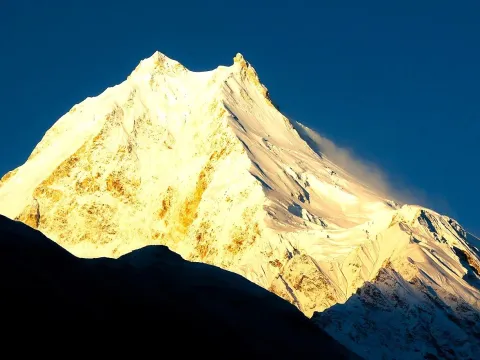
Meet Philim, at 1,630 meters, a Gurung cultural hub along the Manaslu Circuit Trek, and experience the culture, fluttering prayer flags, teahouse lunches, and the rhythm of village life.
Here is a list of Philim highlights:
First of all, Philim at 1,630 meters is among the largest Gurung villages that one will see along the circuit. Entry to this village is through streets lined with traditional stone houses, and every corner has prayer flags and mani walls tucking in Buddhist shrines. The buildings, as well as customs, have long-standing Tibetan and Gurung influences, which make Philim a cultural centerpiece in itself.
Next, Philim is a convenient lunching stop for trekkers to head towards Deng at 1,860m or Namrung at 2,050m. Local teahouses serve dal bhat, noodles, and warm drinks, rejuvenating energy for hikers. Talking to the locals provided a window into farming cycles, festivals, and the simple patterns of life at an elevation in the Himalayas. In other words, Philim provides an adequate trekking tempo along with effective cultural interaction.
But that's not all; the scenery surrounding Philim itself adds to the appeal of the trek. The views of peaks like Himalchuli (7,893m) are framed by terraced fields, pine forests, and river views. It is a place for taking photos, quick forest walks, and observing traditional farming. In summary, Philim has it all in one stop: cultural depth and natural beauty.
Likewise, there is also a gentle welcome path in Philim, which leads to the trek, making it an easier process to initiate. Finally, the trek is made safer through suspension bridges that cross some nearby streams, providing the trekkers with an adventure. However, in the Philim camp, the trekkers are able to sensibly take their breaks, water, and meals, preparing for the tougher moments to come. Keywords: trekking routes, suspension bridges, Himalayan trek preparation.
In conclusion, Philim (1,630m) emerges as an important stopover where culture, the Himalayas, and accessibility of the trek come together. In this stopover, the trekkers experience the culture of the village, have a break, and prepare for the next phase, all while experiencing the scenic beauty. This important cultural point enhances the experience of the Manaslu Trek.
Trek along the route from Philim (1,630m) to Ekle Bhatti (1,780m) via Manaslu Circuit Trek. Witness Rhododendron and Bamboo forests, with terraced fields along the trail.
Some key details of this trail are as follows:
The trail begins from Philim (1,630m) and moves towards Ekle Bhatti (1,780m) through a forest of rhododendron and bamboo. There are plentiful places inhabited with a cool climate and enough Himalayan flora. The trail consists mainly of stone-paved paths and dirt tracks, which make it relatively easy, even for beginners.
As you move along, the terraced fields are seen between the forest sections. This can be attributed to agricultural practices influenced by Gurung and Tibetan culture. Maize, millet, and potatoes are some crops that are grown by the local villagers through the traditional method practiced through terraced farming. The combination of forest and agricultural land gives trekkers an opportunity to experience the same level of natural and cultural understanding.
Now, the trail also has some small streams crisscrossing the trail, with wooden bridges that are little more than a wriggle of planks slipping across the way, making places for resting in the shade of the surrounding bamboo forests. This combination of streams, bamboo forests, and wooden bridges makes for many exciting places for picture-taking. Caution must be exercised on the wet stone paths, especially in the monsoon season. It is also recommended to have trekking poles for safety, especially on wet paths.
Starting off from Philim (1,630m), the trail hugs the ascent towards Ekle Bhatti (1,780m), an ascent of 150 meters over the distance of 4-5 km. The easier slopes will get your body used to the altitude, but will not tax you too much. The teahouses here will ensure that your body is well-acclimated and ready for the steeper treks up ahead.
Finally, a trek from Philim to Ekle Bhatti combines natural beauty with the cultural aspects of the Himalayas. The trekker will pass through ranges of Rhododendron, Bamboo, cultivated lands, as well as interaction with people in villages. Having information about this trek is essential in ensuring trekker safety and, hence, a rewarding experience.

The trek at Deng (1,860m) on the Manaslu Circuit is literally where the air gets cooler, the mountains get bigger, and the path gets lined with pine- and oak-filled forests.
Here's a quick, clear compact view of the final approach:
Here, the final route to Deng starts its ascent from Ekle Bhatti, which is 1,780 meters above sea level, following the Budhi Gandaki River. Trekkers are embraced with cool and crispy air, and the trail penetrates through thick pine and oak forests with regular spots of bamboo bushes. The track is filled with stone steps, dirt trails, and a few minor crossings over rivers, making the trek very picturesque but also moderately challenging.
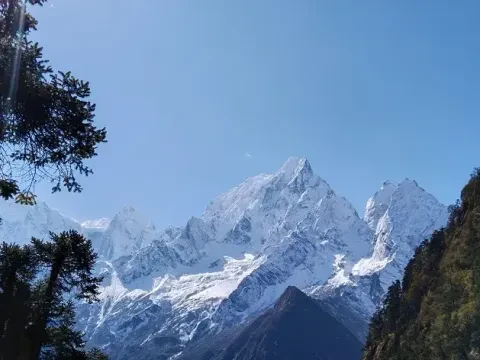
As you go uphill, the giants-Manaslu 8,163m and Ngadi Chuli 7,871m-appear on the horizon and escort you upward with their impressive silhouettes. You'll pass terraced fields, tiny Gurung villages, and enjoy sweeping views that allow acclimatization and keep you motivated for higher elevations. Keywords: Himalayan peaks, panoramic views, Manaslu trekking.
In fact, teahouses along this final leg offer meals and rest, and the opportunity to prepare for the next leg of the journey. Locals cultivate maize, millet, and vegetables on steep terraces in respect to subsistence, adding a proper touch of reality to Himalayan village life. Community-based trekking allows cultural understanding with the people themselves. In short, this final approach blends exertion, cultural immersion, and stunning scenery.
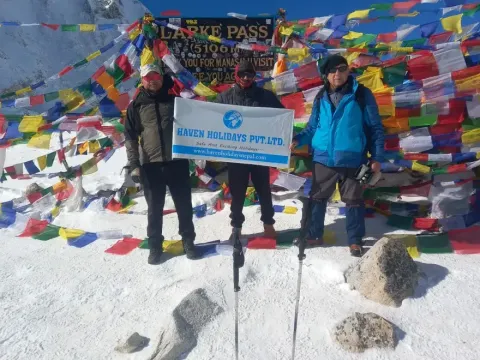
Here, in this stretch from Ekle Bhatti up towards Deng, the trek path rises gradually, gaining approximately 80 meters in height from 1780 m to 1860 m. A generally moderate ascent relieves the altitude stress as you walk at a steady pace. Remember to drink water, pause for short rests, and soak in the surroundings-the health benefits with scenic delight form part of the journey.

In conclusion, this crossing to Deng at 1,860 meters offers a far-flung memory of natural beauty, cultural immersion, and a moderate physical challenge. Trekkers like to see the expanding mountain vistas, cooler forest air, and authentic village experiences. This final leg will prime you for higher stages on the Manaslu Circuit, with a focus on safety, acclimatization, and enjoyment.
Know what to eat on the stretch from Jagat 1,340m to Deng 1,860m. Dal bhat, Tibetan bread, noodles, and tea keep your energy steady.
Here’s a brief list of common trekking food items from Jagat to Deng:
Here, dal bhat remains the reliable staple for trekkers from Jagat to Deng. A classic Nepalese meal comprising rice, lentil soup, vegetables, and occasional meat will provide you with all the energy and protein for steady trekking. Teahouses offer fresh dal bhat in villages such as Bihi and Gho, at 1,400 and 1,600 meters in altitude, respectively. Keywords: dal bhat, Manaslu trekking food, teahouse meals.
Likewise, various forms of Tibetan bread, like tingmo and balep, can be easily found along this route. Both these breads taste good with butter tea, soup, or curry and provide carbohydrates for endurance. For most trekkers, these form lighter lunch options or snacks during the hike, often balanced according to the needs of the day. Therefore, Tibetan bread enhances dal bhat as the staples of a diverse and energetic diet.
In addition, noodles are another staple in the teahouses from Jagat to Deng. Quick-cook instant varieties or hand-pulled local noodles provide fast energy, warmth, and hydration. Hot soups and momos (dumplings) lift nutrition during colder months. In other words, noodles and dumplings remain convenient high-energy options for trekkers.
Further, tea remains a constant companion throughout the Manaslu trek. Butter tea, black tea, and herbal tea are consumed from an altitude of 1,340m to 1,860m. Tea is made from local materials in the villages of Lho (1,550m) and Philim (1,630m). Hence, the purpose of the tea breaks is to keep the body refreshed as well as to immerse oneself in the Himalayan culture.
Discover the stay experiences at Teahouse in Deng (1,860m) while taking on the Manaslu Circuit Trek. Teahouse offers meals, lodging, showers, and panoramic views.
Here is a quick snapshot of some Deng teahouse amenities:
| Beds & blankets | Yes Private/shared rooms |
| Meals | Dal bhat, noodles, | Tibetan bread | Local cuisine, refueling. |
| Hot drinks | Tea, coffee | Hydration and warmth. |
| Showers | Solar or cold | Limited availability. |
| Toilets | Western & squat | Cleanliness varies. |
Beginning with the fundamentals: a night in Deng, at 1,860 meters, provides exhausted trekkers an absolute reprieve on the Manaslu Circuit. Teahouse and lodges provide warmth in terms of accommodation along the Manaslu Trail in the form of rooms that range from sharing to having a bed to yourself, besides blankets for each guest. These are managed by villagers in this region, an optimum mix of technical knowledge and ‘Himalayan hospitality.'
For tea and lunch, the menu at the Deng teahouses includes dal bhat, Tibetan breads, noodles, and momos—all great to refuel with after the rigors of the trail. Hot beverages such as tea and coffee are also available at the lodges, and although it may seem indulgent, it's nice to have a taste of comfort even at higher elevations. With the addition of food and accommodations, you are now well-equipped to move forward.
Here, facilities vary from lodge to lodge as you ascend from 1,860m to 2,095m. There are places with Western toilets, solar shower systems, and charging points; while others have more elementary facilities. It would be a practical move to bring personal hygiene kit as well as sufficient cash; this way, you can tip the personnel or buy additional services as needed. Overall, it is essential to choose teahouse lodges according to your personal needs to make this journey easier and more comfortable.
Teahouses in Deng, at 1,860 meters, fill in on the main trail and frame breathtaking views of the Budhi Gandaki River, along with nearby peaks like Himalchuli that rises to 7,893 meters. Indeed, the balcony spaces are ideal for taking a breather, capturing photo moments, and having the scenery sink into your bones. Subtle elevation, in this respect, gradually deepens your experience of the Himalayan landscape.
Finally, overnight stays in Deng at 1,860 meters are very important for rest, acclimatization, and immersion in local culture. Teahouses offer meals, basic facilities, and opportunities to mingle with the locals, enhancing the Manaslu Circuit Trek. In the case of lodge facilities, prices, and services, acquaintance with them will help trekkers be better prepared for the journey and enjoy the adventure in the Himalayas with safety.
Follow the cultural showcases of Gurung and Tibetan-influenced communities on the Manaslu Circuit Trek for a healthy dose of tradition, warmth, and Himalayan village life.
Here’s a quick and vivid overview of the cultural experiences on the lower part of the Manaslu circuit:
As you make your way around the Manaslu Circuit, you pass through the Gurung and Tibetan-influenced villages of Philim-1,630m, Ekle Bhatti-1,780m-and Deng-1,860m. Stone houses line the paths, as do mani walls, fluttering prayer flags, and Buddhist shrines-a living tapestry of centuries-old Himalayan craftsmanship and ritual. The architecture and customs speak to a deep, enduring heritage.
En route, villagers with marked hospitality-greet you with tea and snacks, offering helpful pointers along the trail. These exchange moments provide insight into traditional farming, tending of cattle, or other festivals customs. Teahouses serve as social centers where stories are shared and practical trekking tips are swapped. Such encounters enrich both cultural understanding and the practical side of the trek.
Here, a walk through these villages also shows seasonal farming life. In the steep terraces ranging from 1,630 m to 1,860 m in altitude, farmers plant maize, millet, barley, and potatoes. Planting, harvesting, and irrigation viewed during this trek give an insight into the sustainable agriculture of the Himalayas and allow going deeper into local life. Shortly, immersion in culture becomes a natural part of the trek, way beyond the beautiful sceneries.
Likewise, festivals and religious customs provide an insight into local culture along the way. Mani walls with prayer wheels and chortens dating back to the Gurung and Tibetan influences dot the landscape. If one happens to pass through villages such as Philim (1,630 m), they might just witness an ongoing religious ritual or a prayer ceremony taking place. Such experiences bring home the fact that the Manaslu region is deeply rooted in religious culture.
In the end, interacting with Gurung and Tibetan-influenced communities during the Manaslu trek is a learning experience combined with the natural beauty of the place. Trekkers gain insight into local culture while having the safety of the trail while on their trek.
The first glimpses of the Shringi Himal (7,187m) and surrounding ranges can be enjoyed during the Manaslu Circuit Trek. The Himalayan landscapes are simply breathtaking.
Notable peaks that one can spot from Deng to Namrung:
As you ascend from Deng (1,860m) to Namrung (2,050m), Shringi Himal, along with the surrounding ranges, come into sight, broadening the horizon in an instant. These sights are motivational, perfect for picture-taking. Peak after peak, snow-capped, standing over the terraced lands below, creates the look of the Himalayan range.
Higher up, there are giants such as Ngadi Chuli (7,871m) and Himalchuli (7,893m), which form the horizon from this point. The trekkers move on a gently undulating track, feeling the magnitude of the land around them as they move through the forested lands above. The early mountain scenery is a precursor to what is to come next on the trek.
On clear days, there are ranges in the distant horizon, while the Budhi Gandaki Gorges cast dark recesses in the sky. When it comes to the front, there are elements of interest in the forests on the slopes, fields, and rivers. Many trekkers stop to admire the view from Ekle Bhatti (1,780m) or Philim (1,630m) viewpoints. Overall, the first exposure to the peaks prepares trekkers psychologically for the next challenging high altitude.
Early on, the mountain scenics bring a cooler breeze and shifting plant zones. The more you climb, the more rhododendron and bamboo give way to pines and oaks. You find yourself walking this route, your body adjusting as your mind tunes into the ecology of the Himalayas.
In the end, those early mountain views on the Manaslu Circuit Trek spark trekkers' imagination and help pace the climb into the higher sections. Shringi Himal (7,187 m) and its neighboring peaks blend visual delight with cues for acclimatization on Manaslu Circuit Trek and motivation to press on. This portion underlines preparation, ideation of scenery, and plunging into immersion in the Himalayas.
Along this route of the Manaslu Circuit Trek, enjoy the sublimity of the Budhi Gandaki River and its dramatic gorge-perfect for photography, Himalayan nature lovers, and adventure seekers.
Photography, nature, and river stops along the Budhi Gandaki:
Here, the turquoise waters of the Budhi Gandaki meander between towering Himalayan gorges to greet you as you begin your trek. The route threads its way along forested riverbanks and rocky paths in places from Sirdibas 1,420m up to Deng 1,860m. You'll meet cascading waterfalls, craggy outcrops, and the occasional suspension bridges which punctuate the journey with memorable sights.
Likewise, the gorge itself exposes rugged cliffs, terraced villages, and lush forests. In the distance, peaks like Shringi Himal, 7,187m, and Ngadi Chuli, 7,871m, frame wide panoramas that are worthy of a photo. Changing light on river bends creates ideal conditions for both a seasoned professional and a casual shooter. In short, Budhi Gandaki Gorge is a major visual focus of Manaslu trek.
Moreover, teahouses and rest spots dot along the river, beckoning pauses to take breaths of it all in. From villages such as Bihi at 1,400m, Lho at 1,550m, and Gho at 1,600m, viewpoint sights, immersion with the culture, and snacks await. This set-up lets trekkers capture river scenery alongside local architecture, blending natural beauty with cultural flavor for a richer experience.
Here, the banks support abundant life that is full of color and pattern, and a rich tapestry is formed through this. Other forms of vegetation that one would find on this trekking route include rhododendrons, bamboos, oaks, and pines. Birds and small animals would further create motion among these landscapes. Observations of eddies, waterfalls, and vegetation surrounding the waterbody form a dynamic visual story.
Finally, the Budhi Gandaki River and its gorge on the Manaslu Circuit Trek are experiences to remember. Photographers take pictures, and trekkers can explore beside the river. This can be done safely and to the fullest by having the right gear for hiking and photography and an appropriate hiking speed.
Learn about the wildlife and vegetation you might see on a Manaslu Circuit trek from Jagat (1,340m) to Deng (1,860m). Keep an eye out for forest animals, rhododendrons, and pockets of bamboo.
Some common examples of wildlife and plant life you can expect to find along the way:
| Elevation (m) | Vegetation | Wildlife | Notes |
| Jagat (1,340m) | Rhododendron, bamboo | Monal, Himalayan squirrel | Forest edge, riverbank habitat. |
| Bihi (1,400m) | Pine, oak | Langur, bulbuls | Village outskirts and teahouse surroundings. |
| Lho (1,550m) | Mixed forest, terraced farmland | Small mammals, pheasants | Photographic opportunities. |
| Ekle Bhatti (1,780m) | Bamboo thickets, rhododendron | Birds, insects | Dense mid-elevation habitat. |
| Deng (1,860m) | Pine-oak forests, river banks | Occasional musk deer | Preparation for higher elevation trekking. |
From Jagat to Deng via Jagat, the trek passes through an array of forest areas, thus providing an ideal background for several peeks at wildlife thriving within the forests. Along the riverbank areas or outskirts of the village, you will trek through rhododendron, bamboo, pine, oak, and fern forests. Sprinkling color across the landscape due to seasonal flowers will also be accompanied by lush vegetation supporting various species from the Himalayan range.
Also, there may also be Himalayan bird species such as monals, pheasants, or bulbuls. There are small mammals such as Himalayan squirrels, langurs, and musk deer that live in the forests along the Budhi Gandaki. As you are trekking early in the morning or when leaving in the later afternoon, the likelihood of seeing the wildlife in the natural habitat is greater. In conclusion, the seeing of the wildlife will be part of the adventure that the Manaslu trekking will offer.
Here, mid-elevation ranges, measuring 1,500-1,780 meters, harbor bamboo, rhododendron, and rhododendron forests. These dense growths protect birds and insects, apart from providing shade and chilled air for trekkers. Observe the growth patterns of the flora and monitor the movement of the seeds. Also, observe the leaf patterns of the vegetation. In this way, the vegetation lore not only serves as a backdrop but becomes a learning experience too.
Furthermore, terraced farmland is present in the region, interspersed with areas of forests. Indeed, this is one area that depicts the relationship between humans and vegetation in the clearest manner: the farmers in the area cultivate potatoes, maize, and millet crops. At the same time, the traditional means of terracing the land are used to prevent erosion.
Overall, the observation of nature and vegetation within the Manaslu Circuit makes the trek experience richer. The trekkers get a better appreciation of the Himalayan environment and enjoy the scenic variations. Being silent, very patient, and carrying binoculars helps obtain maximum observation of the animals.
A day-by-day glimpse into what to expect on the Deng stretch of the Manaslu Circuit (1,860 m)- trail conditions and footing, packing tips, and practical advice on trekking.
In order to make Deng doable, here’s what has to happen:
Meanwhile, the way to Deng at 1,860m from Philim at 1,630m and Ekle Bhatti at 1,780m combines dirt trails, stone steps, and gentle ascents. Along the Budhi Gandaki, trekkers will find occasional river crossings with narrow paths hugging the sides of it. Conditions fluctuate by seasons and rainfall; having the proper gear is essential in safety and comfort.
Here, evidence for shoes involves sturdy trekking boots required to handle uneven, rocky, and slippery terrain, while water-proof boots with substantial grip soles help enjoining stone trails and riverbanks. The socks worn should be such that they are able to wick off moisture, reducing the risk of blisters over continuous long days of walks. To put it briefly, proper shoes enhance safety and efficiency on the trek.
Actually, daypack, trekking poles, rain jacket, and extra layered clothing are all part of the gear list for Manaslu Circuit trek. Temperatures will be cooler-the realm of 1,780m to 1,860m-especially at dawn and dusk, so don't forget warm layers on the path. Allow the preparing of water, snacks, first-aid, and headlamp to get ready for the unexpected. This proper packing enhances comfort, safety, and the overall trekking experience.
Further, "Climbing equipment is more about ease and comfort and enhances one’s performance and well-being when trekking. The use of trekking poles reduces the burden on one’s knees during ascending and descending activities, gaiters ensure that snow and mud do not seep inside one’s footwear, and sun protection accessories like sunglasses, sunscreen, and headgear are required in the Himalayan climate, particularly when trekking near the exposed gorges of rivers."
Ultimately, understanding trail conditions and proper packing allow for a much safer and more enjoyable journey to Deng (1,860m). Proper preparation will also allow you to tackle any variety in trail conditions that come in the form of river crossings and unpredictable Himalayan weather so that you can focus on comfort rather than safety in regards to your Manaslu trek.
Find out the best time to trek to the Deng on the Manaslu Circuit. Spring is when you can see the rhododendrons blooming and have warmer days. Autumn is when the sky is clear to appreciate views of the Himalayas.
Summary of seasonal trekking conditions for Deng segment:
| Season | Temperature | Trail Conditions | Scenic Highlights |
| Spring | 12°C–22°C - Dry, moderate | Blooming rhododendrons, lush greenery. |
| Summer | 15°C–25°C - Wet, slippery | Limited visibility, heavy rain. |
| Autumn | 8°C–20°C - Dry, stable | Clear skies, panoramic peaks. |
| Winter | -2°C–10°C -Snowy, icy | Snow-covered trails, limited teahouses. |
Actually, the best time for trekking the Manaslu Circuit is during spring (March-May) and autumn (September-November). In spring, you start with rhododendrons in bloom, pleasant temperatures, and an array of greenery that varies from 1,340m to 1,860m. In autumn, you have clear skies, consistent weather, and breathtaking vistas of the Himalayas, extending to Shringi Himal (7,187m) and Ngadi Chuli (7,871m).
On the other hand, the summer season (June to August) will be less favorable as it will be affected by the monsoon. Also, there will be slippery trails, cloud cover, and heavy rainfall that will increase risks at river crossing and stone steps. The winter season (December to February) will, therefore, have colder temperatures, sometimes snow, and fewer tea house facilities. Therefore, planning for the season will be essential for safety and scenic views.
Here, "The day temperatures at 1,340-1,860 m intervals would be approximately 12°C-22°C during spring and 8°C-20°C during autumn. The nights can be quite cold, so it is advisable to carry warm clothes and a reliable sleeping bag. The late afternoon or early morning sun is ideal for photographs as it lights up the mountains, so this is the best time to go out."
In spring, rhododendrons group dangerously close to wooded slopes and agricultural fields. On the trek from Philim (1,630m) to Ekle Bhatti (1,780m), flowers of red, pink, and white create colorful contrasts. In autumn, the woods get cloaked with golden hues while the atmosphere is so clear that the sight of Manaslu (8,163m) is unobstructed. In other words, the fact that it is autumn adds to trekking to this place.
Lastly, the plan for the Deng trek (1,860m) that considers the seasons is relevant in ensuring safety, comfort, as well as amazing views. For Manasalu, the best time to visit is during autumn or spring when there is an appropriate blend of temperature, trail stability, and peak views. Clothes, equipment, and the weather are critical in enhancing the adventure of Manaslu trekking.
Get essential tips on acclimatization while trekking to Deng (1,860m) on the Manaslu Circuit. Stay healthy while trekking.
To put things simply, here are the acclimatization tips for the Deng segment:
First things first, acclimatization is a very important aspect whenever you're trekking to Deng (1,860m) on this particular trekking route called the Manaslu Circuit. A climb can allow the body to acclimatize to the higher altitudes and hence reduce the chances and risks associated with altitude sickness. Philim (1,630m) and Ekle Bhatti (1,780m) are but a couple of the places where acclimatization stops can be taken.
Finally, the next step is to employ the ‘climb high and sleep low’ strategy. In other words, it is essential to hike higher during the day and go back to lower elevations during the night. Moreover, it is also important to consider that this tip allows the body to acclimatize to the lower air pressure and thereby helps to avoid any headaches, tiredness, and other altitude sickness issues during trekking.
Here, hydration and nutrition will also play a vital role. Drink 3-4 liters of water and consume meals consisting of high-carb foods like "dal bhat," noodles, and Tibetan bread while ascending from Jagat (1,340 mtrs) to Deng (1,860 mtrs). Limit alcohol and caffeine consumption as this will help your body utilize oxygen better. In conclusion, the foods and liquids you put into your body will have a great influence on your ability to acclimate.
Now, trekkers can monitor their body conditions to identify possible Acute Mountain Sickness (AMS) symptoms. They can observe if they have a throbbing headache, vomiting, lightheadedness, or feeling short of breath. If they begin to suffer from such symptoms, they can either rest or move to a lower place if they have portable oxygen equipment with their guides. AMS prevention is necessary while trekking to the Himalayas.
Overall, following acclimatization techniques makes a safe and fun trip to Deng (1,860m) possible. Climb high, drink plenty of water, eat well, and monitor your health. Trekkers will arrive in Deng refreshed, revitalized, and in prime health to tackle the rest of the Manaslu Circuit. Keywords: Altitude tips in Deng, Manaslu acclimatization techniques, health tips in Himalayan trekking.
Finish the lower Manaslu leg in Deng (1,860m) and prepare yourself for the more challenging trail segments to come. What you can expect next and the importance of the stop described.
To better understand Deng's participation in preparations for the higher trek, here's an informal outline:
To begin with, reaching Deng marks the final point in the lower Manaslu Circuit, marking the beginning of preparation for the trek what lies ahead. It is a point where one can rest, acclimatize, and prepare for what is to come in terms of gear. Deng is both a cultural point and a health-checked point, a point where one is able to take stock before continuing.
Next, the Manaslu trek gets steeper, with mountains towering above, such as Manaslu at 8,163m and Himalchuli at 7,893m. To understand the significance of the passage of the village of Deng, one must be aware of what follows the village in order to prepare mentally for the journey ahead.
During this leg from Jagat to Deng , many trekkers complete any last-minute packing preparations. Waterproof jackets, trekking poles, insulating layers, and sun protection accessories are rearranged before moving on to Namrung (2,050m) and Sama Gaun (3,400m). The itinerary, maps, and guides are examined to avoid any hitches in this trek circuit. Deng is much more than a trekking rest stop. It also marks an organizational phase in this trek journey.
Here, the village welcomes trekkers with color and scenic interest just before entering the higher regions. Prayer flags flutter above roofs, and the sight of the snow-capped peaks of Shringi Himal (7,187m) always reminds and stimulates climbers as they continue their journey. Living within the tea houses with the locals definitely allows trekkers to immerse themselves within the Himalayan lifestyle while they enjoy meals and sleep.
In summary, finishing the day in Deng (1,860m) is the key to substantially resting the body and the mind to be prepared for the more difficult Manaslu upper trek. Equipment in place, acclimatization, and sojourns in different environments are sufficient to allow adventurers to take on the more challenging Himalayan treks. This particular portion of the adventure emphasizes again the importance of the Deng trek.
1. How long is the trek from Jagat to Deng on the Manaslu Circuit, and what is the elevation gain?
The trek from Jagat (1,340m) to Deng (1,860m) covers 12-20 kilometers and takes around 6-8 hours. You gain 500-600 meters in elevation. The trek has an ascent through the Budhi Gandaki gorge. This makes it a second or third day on the Manaslu Circuit for getting used to the altitude.
2. Can I trek from Jagat to Deng solo under the new Manaslu rules?
Yes, a single trekker can now get the Manaslu Restricted Area Permit.. You still need to book through a registered trekking agency and trek with a licensed guide. You cannot trek alone on the Manaslu Circuit without a guide.
3. What is the best time to trek from Jagat to Deng on the Manaslu Circuit?
The best time to trek is in spring from March to May and in autumn from September to November. The weather is stable. The views of Shringi Himal and the Budhi Gandaki gorge are clear. You can see blooming rhododendrons or crisp skies. Avoid trekking during the monsoon season because the trails between Philim and Ekle Bhatti are slippery.
4. What kind of tea houses and accommodation are available in Deng?
In Deng you can find comfortable tea houses. They have shared rooms, blankets and local meals. The tea houses have cold showers and squats or Western toilets. Friendly Gurung families manage them. Provide a warm stay after trekking through forests and farmlands from Philim.
5. What food should I eat while trekking from Jagat to Deng?
The tea houses serve dal bhat, Tibetan bread, momos, noodles and butter tea. These meals are high in carbs. Give you energy to cross suspension bridges and climb through forests. You should also carry snacks like energy bars. Stay hydrated, along the Budhi Gandaki River.
6. What are the trail conditions like from Jagat to Deng?
The trail from Jagat to Deng has suspension bridges, stone steps, dirt paths and some rocky parts. It goes along the Budi Gandaki gorge and Ghatta Khola. You will see forests and farmlands from Philim to Ekle Bhatti. The trail is mostly easy to moderate with a climb. It is suitable for trekkers who are fit.
7. What is Philim village like on the trek from Jagat to Deng?
Philim village is a Gurung settlement. It has stone houses, terraced fields, prayer flags and mani walls. You can have lunch here. See Himalchuli. Philim village gives you a chance to see village life and Tibetan-influenced Buddhist culture.
8. What mountain views can I expect from Jagat to Deng?
You can see Shringi Himal, Himalchuli, Ngadi Chuli and Manaslu on the way. The Budhi Gandaki River gorge and dense forests make a background. On days you can see a lot of mountains as you go to Deng. Himalchuli is 7,893m high.
9. What wildlife and greenery might I see trekking from Jagat to Deng?
The trail goes through forests of rhododendron, pine, oak and bamboo. You can also see farmlands. You might see squirrels, langurs, monal pheasants and many birds. In spring the flowers are. The part from Philim to Ekle Bhatti looks especially beautiful.
10. Is a guide mandatory for the Jagat to Deng section?
Yes, you need a guide for the Jagat to Deng section. Even though solo permits are allowed after 2026 you still need a guide from a registered trekking agency. This is for your safety. To follow the rules, in the restricted area. The guide must be. Arranged through a registered trekking agency.
11. What acclimatization tips are useful for the trek from Jagat to Deng?
When I walk from Jagat to Deng I will go up from 1,340m to 1,860m which is a way to get my body used to the high altitude. I should drink a lot of water walk slowly and check if I have any problems because of the altitude. This part of the Manaslu Circuit trek helps my body get ready for higher places like Larke Pass 5,106 m.
12. How many suspension bridges will I cross from Jagat to Deng?
I will walk across suspension bridges over the Budhi Gandaki River and Ghatta Khola. These bridges are very exciting to cross. I will see beautiful views of the gorge. I will also see that the forests and villages like Philim are getting closer as I walk to Deng.
13. What essentials should I carry for trekking from Jagat to Deng?
I should carry trekking poles, waterproof boots, a rain jacket, layers of clothes, sunscreen, a hat, a first-aid kit, a headlamp and a water bottle that I can use again. The path has bridges, forests and it might rain so I need to have the things with me to be comfortable on this part of the trek that has a lot of culture and beautiful views.
14. What culture can I experience in villages from Jagat to Deng?
In villages like Philim and Deng I can see the culture of the Gurung and Tibetan people with their monasteries, mani walls, prayer flags and houses with stone roofs. The people are very friendly and welcoming. I can learn about their farming and traditions.
15. How does reaching Deng prepare me for the upper Manaslu Circuit?
When I get to Deng, which's at 1,860m, I will have finished the lower part of the trek. After I rest in the teahouses I will keep walking. I will be better at handling the high altitude as I go to Namrung and eventually Larke Pass 5106 m. I will also feel more confident about the path and the local culture, which is the Manaslu Circuit trek culture.
16. What weather should I expect trekking from Jagat to Deng?
Daytime temperatures are usually between 12-22°C in spring and autumn. It gets cooler at night. The gorge area is usually pleasant. You should bring rain gear for afternoon showers. When the sky is clear you can see the Shringi Himal mountains on.
17. Is the trek from Jagat to Deng difficult for beginners?
This part of the trek is not too difficult. You go up slowly. The trails are clear. You walk through villages and forests. It's a choice for beginners who are reasonably fit. It helps you get used to the Manaslu Circuit’s culture and scenery.
18. What permits do I need for the Jagat to Deng section?
You need three permits: the Manaslu Restricted Area Permit, Manaslu Conservation Area Permit and Annapurna Conservation Area Permit. You must get these through a registered agency with a guide. Even if you're trekking alone this is the rule in 2026.
19. What is the final approach like from Ekle Bhatti to Deng?
The last part from Ekle Bhatti to Deng is short 5 km. You go up gently through pine and oak forests and fields. You can see the Budhi Gandaki River. Then you arrive at the Gurung village of Deng.
20. Why choose a guided package for trekking from Jagat to Deng?
A guided package helps with permits, safety and logistics. A licensed guide comes with you. This is required in 2026. With a guide you can enjoy the Gurung villages and gorges. You get ready for the climb, to Larke Pass, which is 5106 meters high.
Our travel experts are ready to assist you with any questions.
Send us a message.Have a question before you book? Send your enquiry below and our travel experts will get back with the required information.