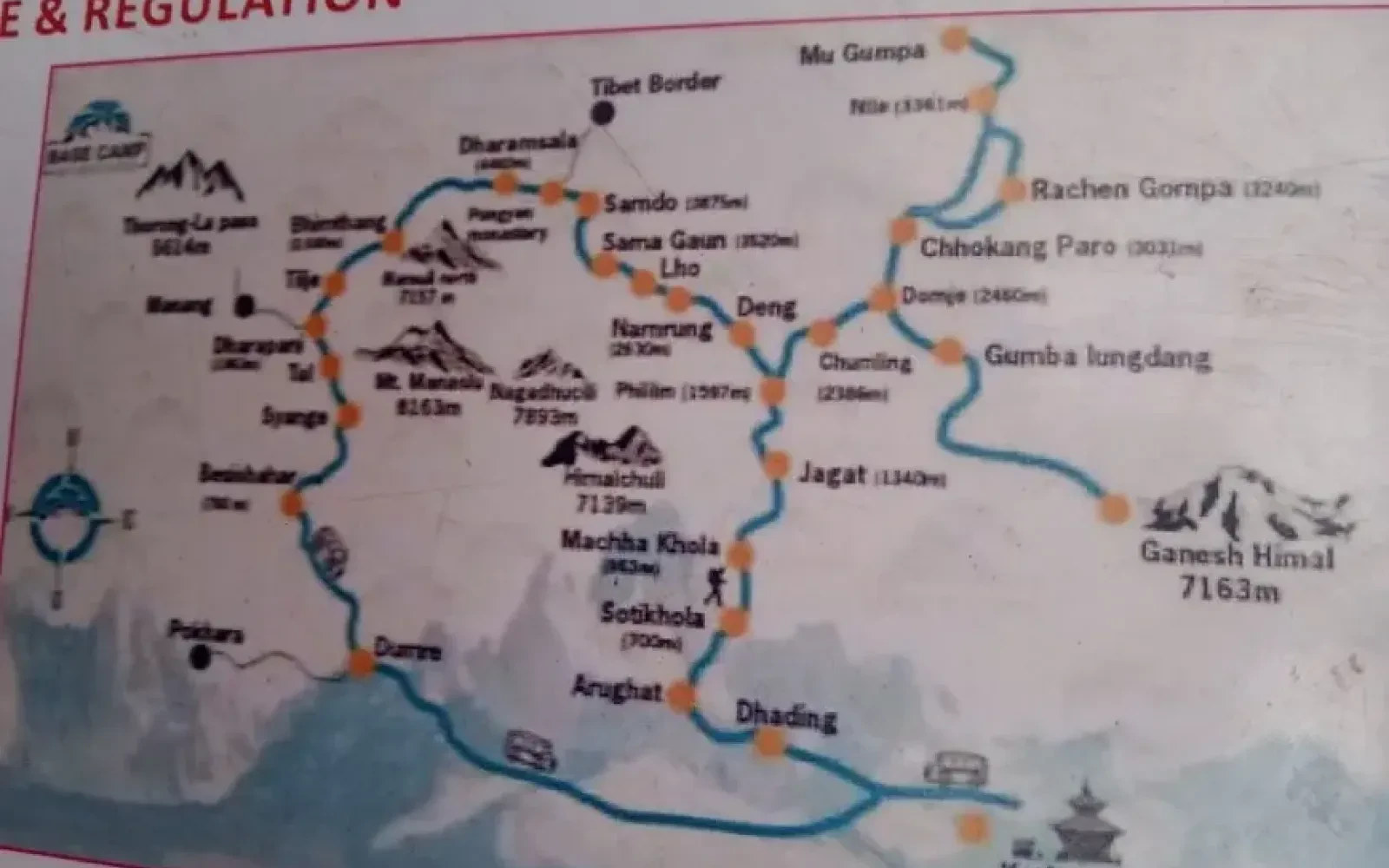
Deng is a peaceful and beautiful village in the Manaslu region of Nepal. The village is located at about 1,860 meters above sea level. It is situated in the valley of the Budhi Gandaki River between wooded hills and terrains that are cultivated. Hikers following the Manaslu Circuit Trek, which is a very famous trek, prefer to stop at this village to rest and acclimatize. As a midpoint, Deng is a vital area between lower areas like Jagat and higher villages like Namrung and Samagaon. It serves as many people's layover to more challenging segments ahead.
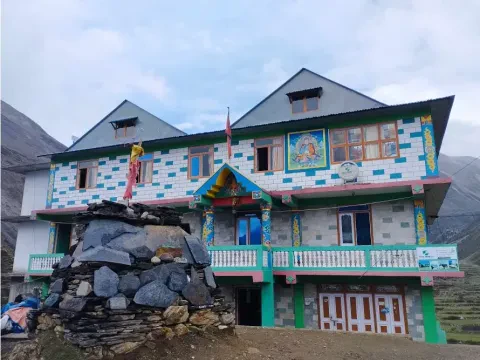
Actually, the Deng village is unlike more touristy trekking locales in that it is a traditional, authentic mountain culture. Local wood and stones construct the village houses. Prayer flags flutter in the mountain breeze, and mani walls line the trails. The villagers are largely Gurung and Tamang communities with Tibetan Buddhist influences. Locals have been proven to be friendly, welcoming, and open to sharing their lifestyle and tradition by hosting visiting tourists. Additionally, the village is peaceful and less crowded than in typical trekking hubs. The tranquility of the place makes Deng a good place to relax and enjoy nature.
In summary, Deng Village is a much-needed resting point on the Manaslu Circuit Trek. Its combination of stunning natural beauty, cultural heritage, and serene environment appeals to trekkers of all types. The village provides simple amenities such as lodging and food along with an unspoiled Himalayan experience. Deng is therefore not just an overnight stop—it is part of the trekking experience to cherish. Its own combination of view and tradition leaves an indelible mark on everyone.
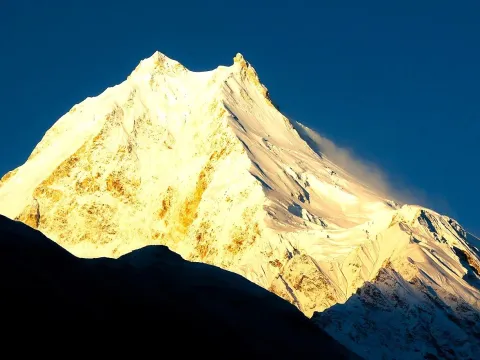
Deng Village is located in Nepal's Gorkha District in the Manaslu region. It is at around 1,860 meters above sea level. The village lies along the Budhi Gandaki River and is surrounded by steep hills and terraced cultivated land. The hills are covered in dense forests of rhododendron, pine, and bamboo. Because of this dense foliage, the area sustains a great range of wildlife and plants. Compared with higher altitudes of settlements, Deng has a fairly moderate climate with moderate temperatures.
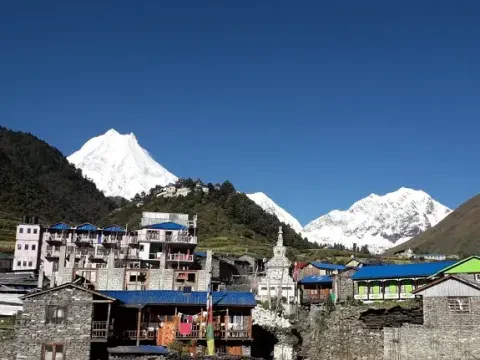
Likewise, the scenery of Deng illustrates its positioning midway between the lower slopes and the upper Himalayan range. Budhi Gandaki River gushes through the valley, carving out deep gorges and scenic views. Langtang Lirung (7,227 meters) and other peaks are visible in the distance from some vantage points. As compared to most villages along the trekking trails, Deng has a good balance of cultivated land and natural forest. This makes it a popular destination for trekkers who want to touch nature and culture.
Likewise, Deng is also situated along the popular Manaslu Circuit Trekking trail. It acts to connect the lower Jagat village to other villages at higher elevations like Namrung and Samagaon. Being within the valley, its position makes it a natural rest stop. It is also the spot for Manaslu conservation area permit verification. The valley and hills surrounding the river provide excellent walking opportunities for trekkers. In general, Deng's landscape is a marvelous blend of river valley, forest, and mountains. Its location provides trekkers with a mix of natural beauty and exposure to culture. Deng remains a significant halt along the Manaslu Circuit Trek, therefore.
Deng Village is accessible mainly via trekking trails, which connect it to major destinations in the region of Manaslu. All trekkers start from Arughat Bazaar or Soti Khola or Machhakhola. It is a 4 to 6 hours' trek from Soti Khola/Machhakhola to Deng. It passes along the Budhi Gandaki River and through dense jungle, small villages, and paddy fields. The route is moderately inclined but well marked, so both beginners and experienced trekkers can use it.
Likewise, Deng stands apart from other more isolated villages in the fact that it benefits from being along the popular Manaslu Circuit Trek route. The route links key stops like Jagat, Namrung, and Samagaon. This offers steady tourist traffic trekking seasons. The Arughat to Machha Khola road is much better than it has been for years. However, rugged and steep mountain roads stop motor access beyond Machha Khola. Therefore, walking remains the primary mode of transport to reach Deng Village.
Here, weather may impact accessibility to Deng Village, especially during monsoon seasons. Continuous rain may cause landslides and temporary trail closure. Trekkers always monitor the weather and trail condition before starting. Trails in winter are usually free but with lower temperatures. Emergency helicopter evacuation is accessible but costly and only for emergency purposes.
Overall, Deng Village has fair accessibility considering its remote Himalayan location. Its position on a popular trekking trail ensures regular tourists. To summarize, Deng marries accessibility with scenic beauty, thereby qualifying as a convenient and highly sought destination in the Manaslu Circuit Trek.
Deng Village provides basic but necessary shelter for Manaslu Circuit Trek hikers. A number of guesthouses and tea houses have simple rooms with wooden beds and hot blankets. Shared toilets and little electricity, usually provided in the evening, are available in most places. Compared to five-star luxury hotels, facilities here are geared towards comfort and hygiene. The cozy and welcoming atmosphere is a refreshing respite for trekkers after long days on the trail.
Likewise, foods in Deng habits mainly consist of Nepali staple foods like dal bhat, noodles, and vegetable soups. The tea houses provide hot drinks like Nepali tea, coffee, and herbal teas. Clean drinking water is generally provided but must be purified for use. Snacks, bottled water, and standard trekking gear are purchased from small shops. There is no ATM or bank facility, so travelers must carry enough cash for the expenses. Medical facilities are not available; trekkers need to carry their own first-aid kit. Porters and guides can be employed through local agents or in advance.
Similarly, internet and mobile phone access are poor but getting better. Some tea houses have Wi-Fi, though the strength and reliability can vary. The village has a rural atmosphere as a result of being remote and simple in terms of lifestyle. There is heating available in most lodges during winter months, generally from wood or gas fires. Quiet nights facilitate sleep, important for acclimatization and recuperation.
On the whole, Deng's facilities meet the basic needs of the trekker without losing the essence of the Himalayan experience. Overall, trekkers enjoy Deng as a comfortable and convenient stopover along the Manaslu trek. The village offers a good mix of essential facilities and raw mountain way of life.
Deng Village is famous for its culture and beauty. It is situated in the valley of the Budhi Gandaki River, circled by forests and terraced fields. The river lends a peaceful ambiance to the village. Mountain trekkers adore the gurgling stream and fresh air of the hills. Rhododendrons bloom in profusion in the spring, covering the hillside with red and pink colors. Photographers and nature lovers visit the village in hordes during this time.
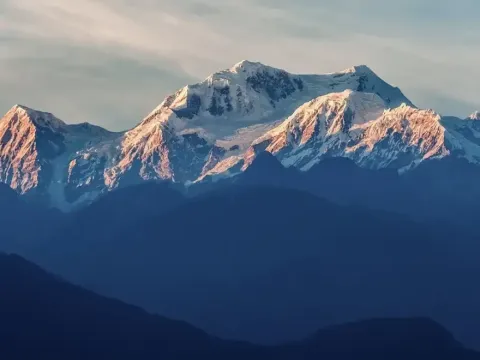
Moreover, the Himalayan mountain peaks nearby Deng are a major draw. Langtang Lirung (7,227m) and other enormous peaks can be seen from the village and the surrounding trekking routes. These wider views inspire hikers and are excellent photo opportunities. In contrast to popular tourist spots, Deng is peaceful and less developed. A peaceful setting like this allows travelers to connect deeply with nature.
Likewise, cultural sites are also included in Deng's attractiveness. The village has plenty of mani walls, prayer flags, and Buddhist chortens. These reflect the overall Tibetan Buddhist domination of the region. Gurung and Tamang people live in the village, sharing traditional practices and lifestyles. There are periodic small religious celebrations held now and then, offering unique cultural experiences. Visitors often find friendly locals who are eager to explain practices and traditions.
In brief, the major attractions of Deng are the natural scenery and authentic culture. The blending of river valleys, mountain landscapes, and local culture make Deng stand out among the other trekking destinations of Manaslu Circuit Trek. Travelers enjoy its beauty of scenery and peaceful environment. Therefore, Deng is a favorite destination for adventure and cultural seekers.
Trekking is the principal activity in Deng Village. The village is one of the significant stops on the Manaslu Circuit Trek. Many trekkers spend the night here prior to climbing higher. The trek from Jagat to Deng is along forest and agrarian terraced fields. It offers beautiful views of the Budhi Gandaki River and surrounding peaks. As Deng is at 1,860 meters, it is ideal for rest and acclimatization.
Other than trekking, visitors enjoy nature walks around Deng. Trails to walk through rhododendron and pine trees are available. Bird watching is also prevalent because the area hosts a range of Himalayan birdlife. Views and relaxation spots are available along the Budhi Gandaki River. Compared to more populated trekking destinations, Deng is peaceful and sparsely populated and can be visited peacefully.
Similarly, cultural immersion also enriches a journey to Deng. Trekkers have the opportunity to interact with indigenous Gurung and Tamang villagers. It is gratifying to learn more about their Buddhist culture and mountain life. Mani walls, prayer flags, and chortens provide options in the village for exploring. Periodic religious festivals provide a glimpse into the local way of life. Local porters or guides are hired by some travelers to aid their trek.
Overall, Deng provides trekking, nature, and cultural outings all wrapped into a package. The diversity appeals to both adventurers and culture enthusiasts. So, Deng is regarded by many as an important stop on the Manaslu Circuit Trek.
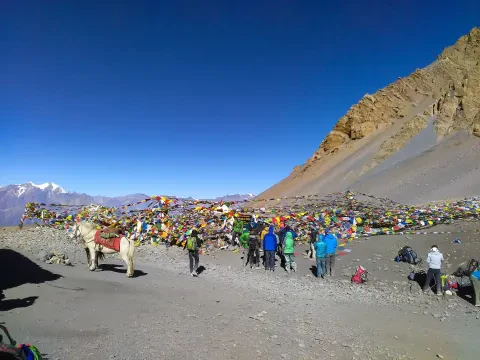
Deng Village is preferred because it lies on the Manaslu Circuit Trekking Trail. It sits at 1,860 meters and offers an excellent acclimatization point during Manaslu circuit Trek. Trekkers appreciate this chance to rest before continuing to higher levels. The village provides both natural views and cultural interaction. Unlike more tourist-y villages, Deng is a true Himalayan setting. That is why it attracts both experienced and new trekkers.
Second, Deng is loved for its lovely natural surroundings. The peaceful Budhi Gandaki River runs nearby, adding to the village's charm. Hill woods and fields of paddy surround Deng, providing a scenic backdrop throughout the year. Trekkers can see the Langtang Lirung (7,227 meters) and other Himalayas. Deng is also less crowded and peaceful than most trekking places. Some travelers visit its peaceful environment to relax and refresh. In fact, one of Deng's strongest draws is this peacefulness.
Last but not least, Deng offers rich cultural exposure. There are Gurung and Tamang inhabitants in the village who are Tibetan Buddhist in culture. Prayer flags, mani walls, and chortens are everywhere. Trekkers like to engage with locals and observe their ways of life. Occasional celebrations and rituals provide unique cultural encounters. On the whole, Deng is well-liked because of where it is situated, its natural environment, and culture. So, it is a favorite stopover along the Manaslu Circuit Trek. Travelers return for its hospitality people and pleasant atmosphere.
1. What is Deng village on the Manaslu Circuit Trail?
Deng village is a charming traditional village. It is at 1,860m along the Budhi Gandaki River on the Manaslu Circuit Trek. Deng village serves as a stop where people can get used to the high altitude. Deng village has fields, old stone houses and a very peaceful atmosphere. This makes Deng village perfect for experiencing the culture of the Himalayas.
2. Where is Deng village located geographically?
Deng village is in the Gorkha District. It is at 1,860 meters high. Deng village is in the Budhi Gandaki River valley. The village is surrounded by rhododendron and pine forests. There are fields and great views of Langtang Lirung, which's 7,227m high. This marks the beginning of the Manaslu region.
3. How do I reach Deng on the Manaslu Circuit?
To get to Deng village you have to walk from Jagat. This usually takes 5 to 7 hours. The trail follows the Budhi Gandaki River. You will pass through forests, suspension bridges and small villages like Salleri. You can only get to Deng village on foot because the road stops earlier.
4. What facilities are available in Deng village?
Deng village has facilities for trekkers. There are guesthouses, dal bhat meals, hot drinks and not much electricity. There are shops where you can buy snacks and water. There is no ATM or medical clinic. The internet is weak and only available in some lodges.
5. Which are the best local lodges in Deng?
Some popular lodges in Deng village are Windy Valley Guest House, New Manaslu Guest House, Deng Guest House, Larkya Guest House, Tsum Valley Guest House, Manaslu Peace Lodge and Nubri Guest House. These lodges have rooms, warm blankets and home-cooked meals.
6. What are the major attractions in Deng?
The major attractions in Deng village include the Budhi Gandaki River valley. There are Gurung and Tamang stone houses. You can see mani walls, prayer flags and Buddhist chortens. In the spring the rhododendrons are in bloom. The views of the surrounding peaks like Langtang Lirung are stunning.
7. What activities can I do in Deng village?
In Deng village you can relax by the river. You can take walks through the pine and rhododendron forests. You can talk to the locals. You can visit the mani walls and chortens. You can also learn about the culture. Deng village is a place to rest and get used to the high altitude before going higher.
8. Why is Deng popular on the Manaslu Circuit Trail?
Deng village is popular because it is a midpoint and place to get used to the high altitude. The village is very peaceful. The Gurung-Tamang Buddhist culture is rich. The river valley is scenic. There are not people, which makes it a favorite rest point for trekkers.
9. What is the altitude of Deng village?
Deng village is at an altitude of 1,860 meters. This is 6,102 feet. The altitude is moderate which makes it a great place for trekkers to rest and get used to the altitude. This helps before going to villages like Namrung and Samagaon.
10. Is Deng a good place for acclimatization?
Yes, Deng village, at 1,860m is a place for trekkers to get used to the high altitude. Spending a night in Deng village helps your body adjust slowly. This reduces the risk of getting sick from the altitude later in the trek. The Manaslu Circuit Trek is a trek and Deng village is an important part of it. Deng village is a place to experience the Manaslu Circuit.
11. Can solo trekkers visit Deng?
Yes, according to the 2026 update Nepal has changed the rule that required at least two trekkers. Now a trekker who is alone can get a Manaslu Restricted Area Permit. However, you still need to book with a trekking agency that is registered and trek with a guide who has a license.
12. Do I need a guide to trek to Deng?
Yes, a guide with a license is needed for the Manaslu Circuit, which includes the part to Deng. You still cannot trek on your own without a guide with the 2026 changes that allow solo trekkers.
13. How many days does it take to reach Deng from Kathmandu?
It usually takes 4 days to get to Deng from Kathmandu. This includes driving to Machha Khola or Jagat and then trekking via Machha Khola and Jagat. Most trips to the Manaslu Circuit plan to stay overnight in Deng on Day 4.
14. What permits are required to visit Deng?
You need the Manaslu Restricted Area Permit, Manaslu Conservation Area Permit and Annapurna Conservation Area Permit to go to and stay in Deng. All permits must be arranged with a registered trekking agency.
15. What is the best time to visit Deng village?
The best times to visit Deng are in the spring from March to May and in the autumn from September to November. These months have views of the mountains, stable weather and beautiful flowers in the spring.
16. Is the trek from Jagat to Deng difficult?
The trek from Jagat to Deng is moderately hard with some parts and suspension bridges. It takes 5 to 7 hours. Goes through forests and trails by the river making it okay for most trekkers who are fairly fit.
17. What type of food is available in Deng lodges?
Lodges in Deng serve food that's typical for trekking in Nepal including Dal Bhat, vegetable curry, noodles, fried rice, soup, eggs and pancakes. They also have tea, coffee and water that has been filtered.
18. Can I combine Tsum Valley with a visit to Deng?
Yes, many trekkers do the Tsum Valley trip along with the Manaslu Circuit. Deng is a place where the trails split so you can explore Tsum Valley before or after you visit Deng.
19. What should I pack for a night stay in Deng?
You should pack clothes, a good sleeping bag, a rain jacket, shoes that are good for trekking, a headlamp tablets to purify water, your own medications and cash. Nights can get cold at 1,860m so warm clothes are important.
20. Is Deng village safe for trekkers?
Yes, Deng is very safe. With a guide who has a license and proper permits the area is secure. The local people are friendly. The trail, to Deng is well used by trekking groups.
Our travel experts are ready to assist you with any questions.
Send us a message.Have a question before you book? Send your enquiry below and our travel experts will get back with the required information.