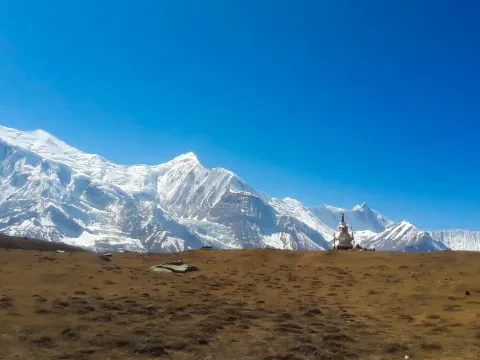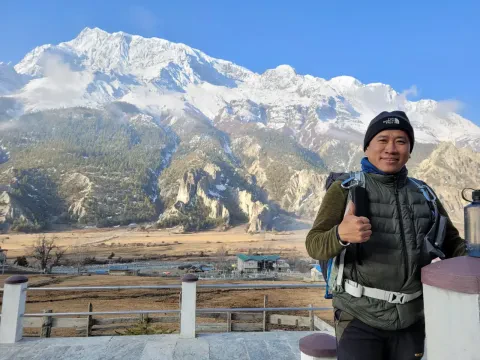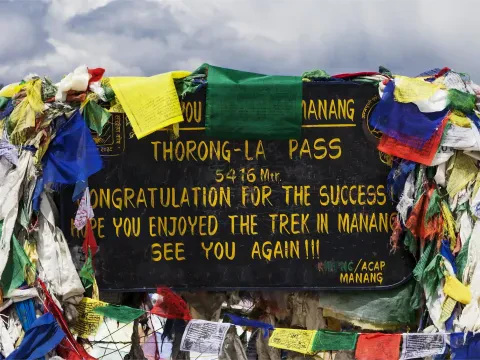
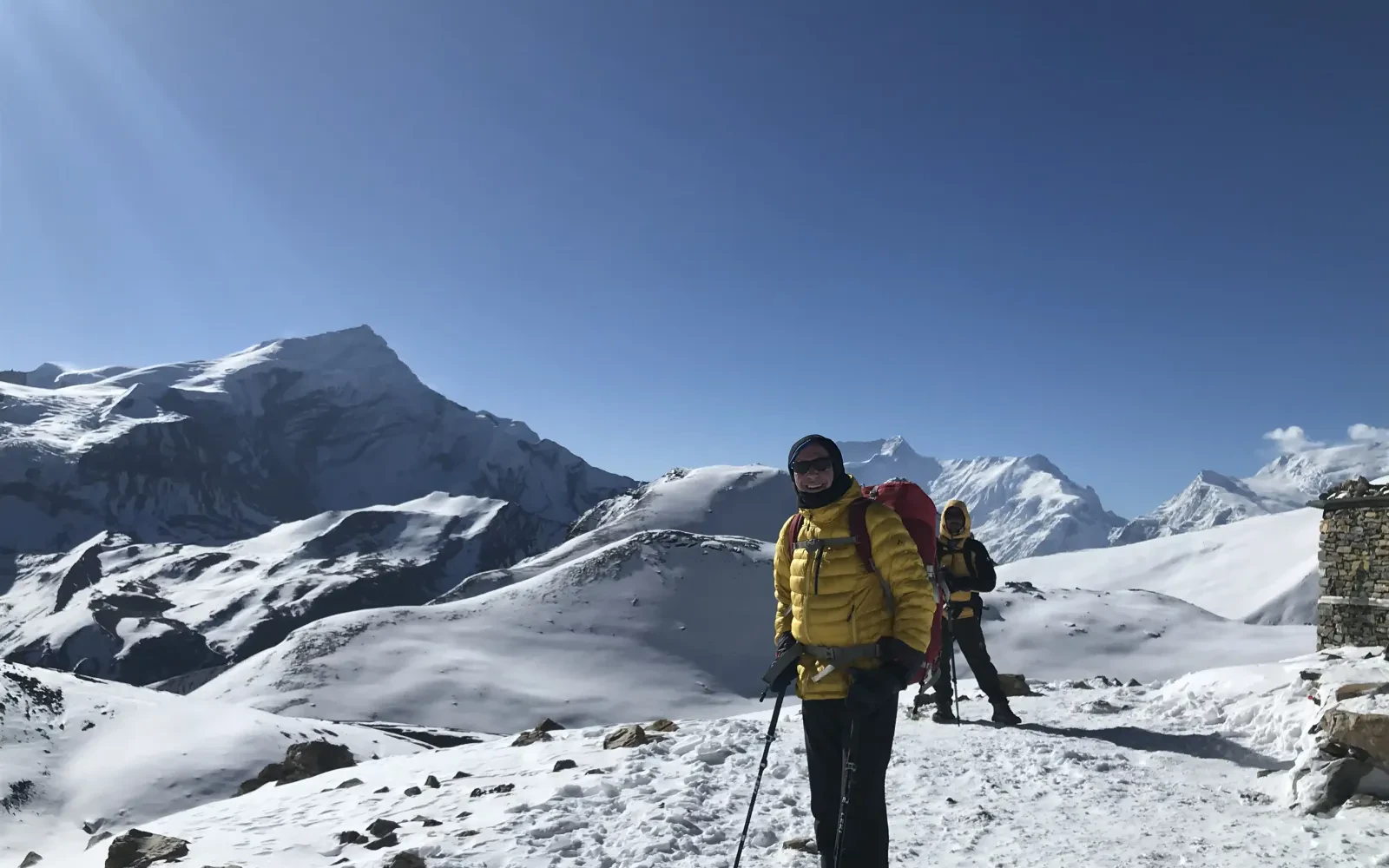
Here, let me take you back to my first Annapurna Circuit trek in 2016—I almost called it quits in Manang, all because I’d packed wrong. You learn fast in these mountains. I’m Krishna Thapa, and after ten years guiding and chronicling treks with Haven Holidays Pvt. Ltd., I’ve watched smart packing make the difference between a trip you’ll brag about for years or an exhausting struggle you want to forget. The Annapurna Circuit route throws you from steamy valleys near Besisahar (about 760 meters) straight up to the cold, unpredictable world of Thorong La Pass (5,416 meters). The weather can flip in minutes, and every extra kilo feels heavier the higher you climb.
At Haven Holidays, we don’t just talk about “proper preparation”—we make it a core part of every trek. Our lead guide, Mr. Bhabanath Adhikari, who’s been in the game over 20 years, likes to say, “A well-packed bag feels like a friend on your back, but a heavy one becomes your enemy above 4,000 meters.” You’ll pass through muggy forests and howling ridges, so gear that’s properly chosen keeps your spirits up and your body out of trouble. It’s no exaggeration: most cases of blisters, hypothermia, or AMS aren’t just bad luck—they start with a bad packing list.
Essential Packing Principles:
| Category | Key Items | Why It Matters (Elevation Impact) | Expert Tip from Haven Holidays |
|---|---|---|
| Backpack | 50-65L with rain cover | Supports long hauls up to Thorong La 5,416m (17,769 ft) | Choose padded hip belt |
| Clothing | Base layers, down jacket | Handles cold at high passes | Layering is essential |
| Footwear | Broken-in boots + poles | Prevents injury on rocky terrain | Break them in early |
| Health | First aid + altitude meds | Critical above 3,000m (9,843 ft) | Consult guides |
Actually, the message comes through every day from local teahouse owners. Mukhiya Gurung, who runs Hotel Manang at 3,540 meters, has seen plenty of underdressed trekkers walk, or limp, through his door. Tashi Gurung at Lake View Hotel—he’s the go-to guy for snow leopard sightings—likes to remind everyone, “the mountains forgive preparation but punish carelessness.”
In fact, you’re the one who decides how this trek ends. Pack smart and you give yourself the best shot at glory. That’s what we’re here for at Haven Holidays. If you’re ready to trade worry for confidence (and a little suffering for a lot of joy), get in touch with us. We’ll set you up for a trip you’ll remember the rest of your life.
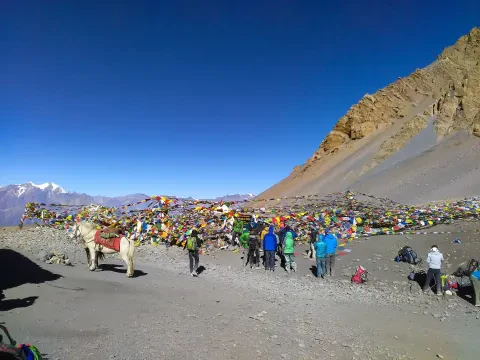
If you want variety, the Annapurna Circuit Trek will give you plenty. I’ve walked its length more times than I can count in my years with Haven Holidays Pvt. Ltd., and every time, the wild swings in terrain and weather keep things interesting—and demand you pack smart. You start down low, winding through green forests and rice terraces at 760 meters, climb up through Manang at 3,540 meters, and eventually haul yourself over Thorong La Pass standing tall at 5,416 meters. It doesn’t matter how fit you are. If you pack wrong for these conditions, you’ll feel it every step—usually for 12 to 18 days straight.
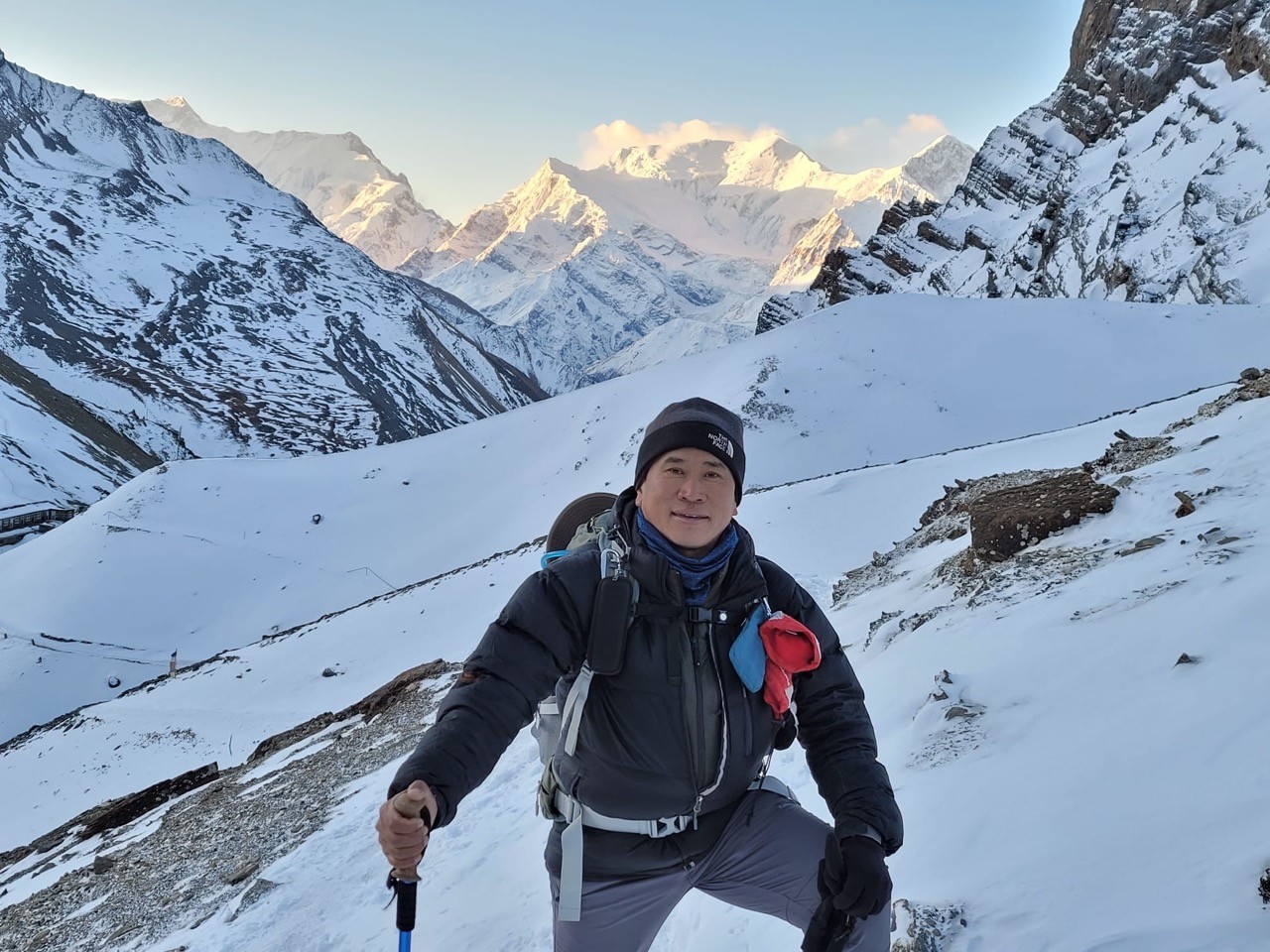
And the seasons? They’re not a small detail. Ramsaran Simkhada, one of our senior guides, nails it: autumn is perfect for huge views but the wind at the pass will bite right through you if you don’t have a good layer, definitely the best time for Annapurna Circuit. Spring is beautiful with rhododendrons everywhere, but you still need to expect afternoon downpours. Monsoon, honestly, means everything needs to dry fast and keep the rain out. Winter? Brutal cold above 4,000 meters, and you’ll be thankful for every thermal layer and a serious sleeping bag.
Seasonal Packing Adjustments :
| Section | Elevation | Terrain Highlights | Packing Focus |
|---|---|---|
| Lower Valley (Besisahar to Jagat) | 760-1,300m (2,493-4,265 ft) | Subtropical forests, rivers | Light clothing, rain cover |
| Manang Region | 3,540m (11,614 ft) | High plateau, lakes, glaciers | Warm layers, altitude meds |
| Thorong La Pass | 5,416m (17,769 ft) | Steep rocky pass, prayer flags | Windproof, headlamp, poles |
| Descent to Muktinath | 3,800m (12,467 ft) | Arid Kali Gandaki valley | Sun protection, comfortable shoes |
Here, we’ve seen it all. Narayan Khadka, our guide, remembers a last-minute weather flip near Thorong Phedi—swapping out gear isn’t just smart, it’s survival. Sujan Thapa’s quick thinking with a client at High Camp saved their trek when the cold hit harder than expected. Want true local expertise? Ask people like Palden Gurung at Bradang’s Agro Manang—he knows the mountain moods better than any weather app. Or check with Sonam Gurung at the New Yak Hotel in Braga. They see what works and what doesn’t, year in and year out.
Bottom line: knowing the route lets you pack with purpose, not just guesswork. We at Haven Holidays tailor each trip so you’re never caught off-guard—leaving you free to focus on the big moments, not the small mistakes. Ready for a smooth adventure? Reach out, and let’s get your Annapurna Circuit trek dialed from day one.
Here, I learned the hard way on my first big hikes—pick the wrong backpack, and a dream trip quickly turns into an endurance test. These days, with ten years of guiding and trekking behind me at Haven Holidays Pvt. Ltd., I help hundreds of trekkers get gear that actually helps them, not hurts them, all the way around the Annapurna Circuit.
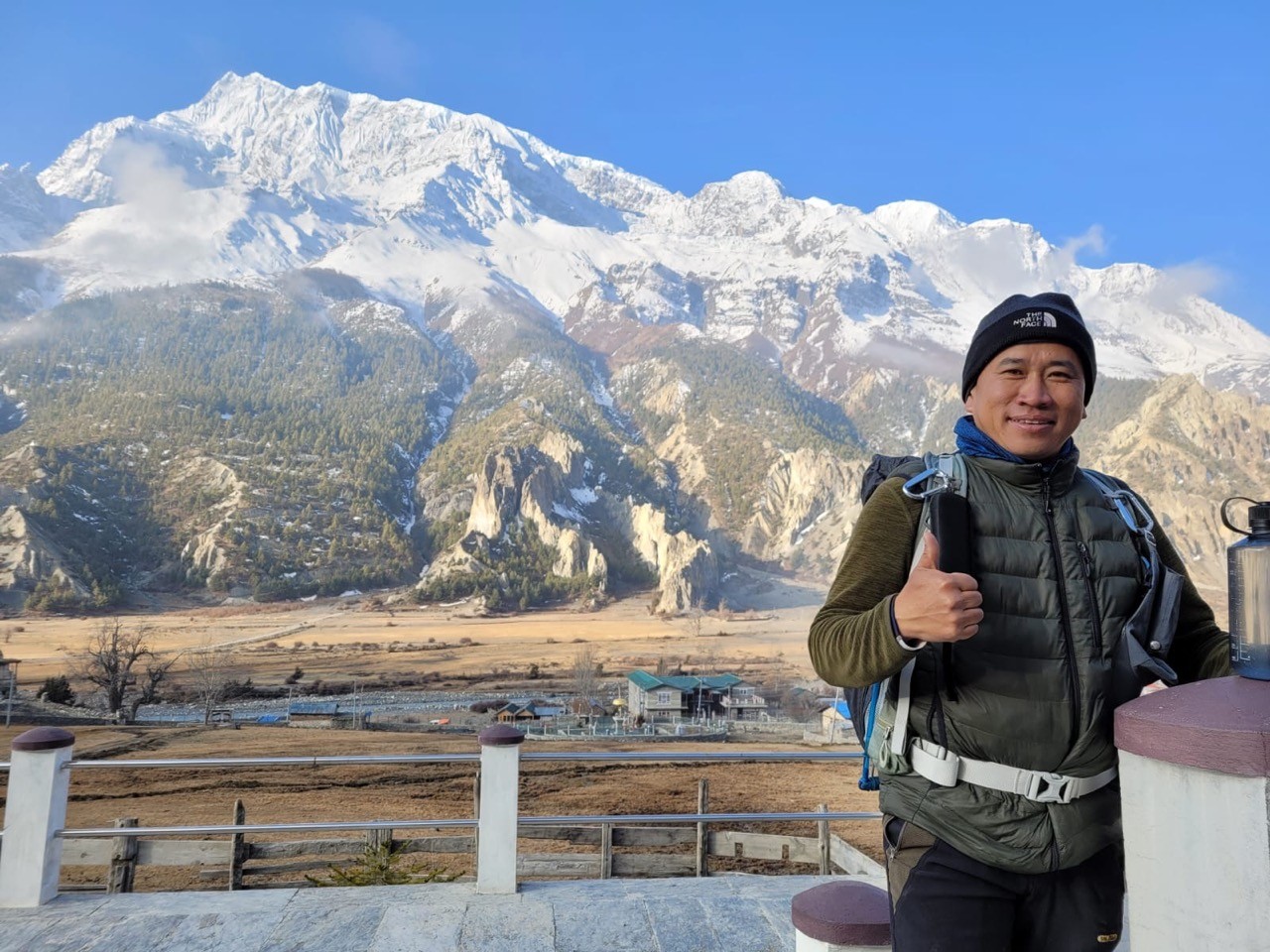
You’re basically carrying your life on your back as you climb from lush valleys at 760 meters (2,493 feet) all the way up to Thorong La Pass at 5,416 meters (17,769 feet). That’s why a solid, comfortable backpack is non-negotiable. Go with a main pack in the 50-65 liter range—it needs to fit your body perfectly and balance your gear so you’re not fighting the bag every step.
Actually, Haven Holidays Pvt. Ltd. doesn’t mess around with theory—we recommend gear that stands up to the Himalayan test. Bhabanath Adhikari, our senior guide, knows what works after two decades. He always says, “Your backpack should move with you, not slow you down—especially on those tough high passes.” So, go for a pack with a reliable internal frame, a soft but strong hip belt, and shoulder straps that actually adjust to your build. If you plan to hire porters, bring a big duffel (70-90L) for your extras. Or we can provide you the duffle bag if necessary. For your own daily use, a 20-30L daypack covers water, snacks, and whatever jacket you keep grabbing for.
Key Backpack Features You Need :
| Backpack Type | Capacity | Best For | Recommended Features | Expert Note from Haven Team |
|---|---|---|
| Main Trekking Bag | 50-65L | Full circuit gear | Internal frame, rain cover, hip belt | Krishna Thapa's choice |
| Day-pack | 20-30L | Daily essentials + camera | Hydration sleeve, quick access pockets | Lightweight & breathable |
| Porter Duffel | 70-90L | Extra clothes & shared items | Waterproof, lockable | Use if hiring support |
| Rain Cover | Universal fit | All weather protection | Full coverage with secure straps | Essential above 3,000m |
Meanwhile, our local partners swear by these choices. Mukhiya Gurung over at Hotel Manang (3,540 meters/11,614 feet) sees trekkers limp in with packs way too big and often jumps in with tips to fix it. Tashi Gurung at Lake View Hotel, who’s basically a snow leopard encyclopedia, always reminds people to get their gear weight just right—or risk burning out before the pass.
Likewise, our guide Narayan Khadka once fixed someone’s whole setup right on the trail near Yak Kharka—sometimes, it just takes a keen eye and a quick repack. Similarly, Dashrath Adhikari always tells our trekkers to try out their pack on short hikes close to home before the real thing. Sujan Thapa, our assistant guide, swears packing cubes are a total game-changer for keeping everything easy to find.
The real secret? You can enjoy your trek if your backpack works for you—not against you. At Haven Holidays Pvt. Ltd., we help clients find the right setup and even offer hands-on advice. Book your Annapurna Circuit adventure with us and take off knowing you’re covered by plenty of real-world expertise.
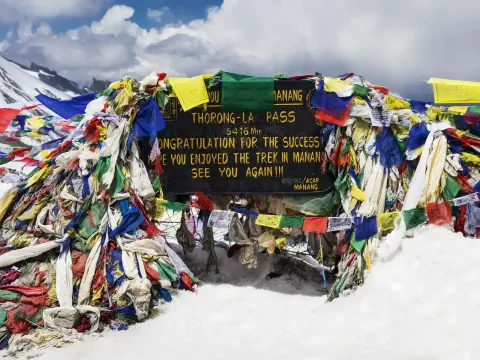
Meanwhile, weather on the Annapurna Circuit will test you—no doubt about it. Even after years of trekking, it still catches me off-guard. That’s where good layering saves the day, every single time. At Haven Holidays Pvt. Ltd., with a decade of guiding behind me, I help people figure out layers that move with them—from sweaty subtropical trails at 760 meters (2,493 feet) to icy wind up at Thorong La Pass (5,416 meters/17,769 feet). Sometimes, the temperature swings 20°C in a single day. So, you need clothes that you can pile up or peel off easily, always in quick-dry, moisture-wicking fabrics.
Furthermore, Ramsaran Simkhada, a top guide of ours with over 15 years of experience, gets straight to the point: “Forget cotton. Once it’s wet, it ruins your whole day. Stick to synthetic or merino wool.” Start with a base layer that pulls sweat away from your skin, add a mid-layer—something cozy like fleece—then top it all off with a rain shell that breathes but actually keeps out water. And always pack plenty of warm accessories for those surprise chills near Manang, or after nightfall.
Proven Layering System :
| Layer Type | Recommended Items | Fabric Benefits | Key Use on Circuit (Elevation) | Pro Tip |
|---|---|---|
| Base Layers | 2-3 merino/synthetic tops & bottoms | Quick-dry, odor-resistant | All altitudes, especially sweaty climbs | Change daily |
| Trekking Shirts/Pants | Lightweight long-sleeve shirts, convertible pants | UV protection, breathable | Lower valleys to 4,000m+ (13,123 ft) | Roll-up sleeves |
| Insulation | Fleece jacket + down jacket | Warmth without weight | Evenings & high passes like Thorong La | Packable down |
| Rain Shell | Gore-Tex or equivalent jacket/pants | Waterproof yet breathable | Monsoon or sudden storms | Pit zips for ventilation |
Similarly, Sonam Gurung at New Yak Hotel in Braga has seen layering rescue trekkers who get caught by surprise snowstorms. Palden Gurung from Bradang’s Agro Manang apple farm always highlights the power of staying flexible with your layers so you’re ready for anything.
Likewise, our guide Narayan Khadka ends up helping clients strip down or bundle up during those roasting midday climbs. Dashrath Adhikari says merino is the trick for staying fresh after days on trail, and Sujan Thapa pushes everyone to do a full test run at home, just to work out the kinks.
In fact, you only really enjoy this trek when you’re comfortable—and that all comes down to getting your layers right. Haven Holidays Pvt. Ltd. brings together everything we’ve learned to keep you safe and happy in the wildest Himalayan weather. Get in touch now to lock in your spot, and see what the Annapurna Circuit feels like when you’re completely prepared.
Actually, there’s nothing like stepping onto rocky trails or swinging across suspension bridges with feet that aren’t nagging you all day. I’m Krishna Thapa, and after a decade organizing treks with Haven Holidays Pvt. Ltd., I can tell you—getting the right footwear and sock combo makes all the difference. You’ll move strong from the lush lowlands all the way up to Thorong La at 5,416 meters, as long as your boots and socks are dialed in and broken in before you hit the trail. Invest in solid gear, break it in properly, and honestly, our expert team will help you pick what works so you don’t limp into the next teahouse with sore feet.
Likewise, our senior guide, Mr. Bhabanath Adhikari, who’s been trekking for 20 years, is always reminding us, “Good boots and socks are your foundation. They decide if you end up loving the journey or just surviving it, especially on those rocky patches around Manang at 3,540 meters.”
More importantly, you want waterproof trekking boots that have seen some miles before you start—boots that grip, support your ankles, and keep out water and mud. But at night, don’t forget lightweight camp shoes or sandals. They let your feet breathe and recover after those long days. Pack several pairs of wool or synthetic socks too; they wick moisture and cut down on blisters by reducing friction. Gaiters are worth throwing in as well, especially on higher trails where snow, dust, and stones can sneak right into your boots.
Footwear and Sock Game :
| Item | Key Benefit | Best Use on Circuit | Pro Tip from Our Guides |
|---|---|---|
| Trekking Boots | Ankle support & waterproofing | Long rocky days to Thorong La | Break in fully before trip |
| Camp Shoes | Comfort & recovery | Evenings in Manang & Braga | Lightweight and quick-drying |
| Wool/Synthetic Socks | Moisture wicking & blister prevention | Daily rotation | Change socks midday if wet |
| Gaiters | Debris & snow protection | Higher sections above 4,000m | Pair with boots for full coverage |
Similarly, Mr. Ramsaran Simkhada, who’s led treks with us for more than 15 years, tells everyone, “Blisters have crushed plenty of great trips, but folks who rotate socks and wear boots that fit finish the circuit with smiles—and sore-free feet.”
In fact, local guesthouse owners know this stuff firsthand after years of hosting trekkers. Mukhiya Gurung at Hotel Manang and Tashi Gurung at Lake View Hotel in Manang help guests take care of blisters and are always pushing for smart sock changes. Sonam Gurung in Braga and Palden Gurung at Agro Manang Apple Farm watch the best-prepared trekkers walk in comfort and enjoy their stays.
Moreover, our guides Narayan Khadka, Dashrath Adhikari, and assistant Sujan Thapa always check clients’ footwear during briefings. They teach everyone how to lace up properly and layer socks for whatever weather the mountains throw at you.
Most importantly, master your footwear and sock game, and you’ll walk with confidence and joy. Haven Holidays Pvt. Ltd. gives you detailed gear lists and plenty of advice so you get it right. Book your Annapurna Circuit trek today and step onto the trail fully prepped. Our team will make sure your feet stay strong—and you get to soak up every beautiful moment in the Himalayas.
When you’re tucked up warm in a teahouse, you sleep deep and wake up ready to hit another day of adventure. I’m Krishna Thapa, and after 10 years helping trekkers gear up with Haven Holidays Pvt. Ltd., I know firsthand how much good sleeping gear matters—especially when nights turn cold the higher you climb. Getting solid rest isn’t just about comfort; it helps you acclimatize and keeps your energy up for that push toward Thorong La at 5,416 meters. Our guides will make sure you get what actually works in each teahouse.
Here, Mr. Bhabanath Adhikari, who’s been guiding for 20 years, sums it up: “A cozy sleeping bag and smart layering turn basic teahouse rooms into surprisingly comfy spots, especially in places like Manang at 3,540 meters, where nights get chilly.”
Similarly, grab a sleeping bag rated to -10°C or even colder—anything less, and you’re in for sleepless nights up high. Adding a liner is a smart move; it brings extra warmth, keeps your sleeping bag clean, and helps with scratchy blankets. If you’re sensitive to hard beds or floors, consider packing an inflatable pillow and mat for better cushioning and insulation. Put together, these pieces help you sleep well and bounce back strong.
Sleeping Gear and Overnight Essentials :
| Gear Item | Temperature/Comfort Rating | Why Essential for Circuit | Packing Advice |
|---|---|---|
| Sleeping Bag | -10°C or colder | Cold nights at altitude | Choose lightweight down or synthetic |
| Liner | Adds 3-5°C warmth | Hygiene & extra insulation | Silk or cotton for easy washing |
| Inflatable Pillow | Neck support | Better sleep quality | Compact and deflates small |
| Inflatable Mat | Ground insulation | Cold floor protection | Only if sensitive to hard surfaces |
Furthermore, Mr. Ramsaran Simkhada, who’s guided for us over 15 years, always tells trekkers, “Test your sleeping bag at home first. A good night’s sleep makes a real difference when you’re heading up from Manang to the higher camps.”
Likewise, local teahouse owners have their own stories. Mukhiya Gurung and Tashi Gurung in Manang, Sonam Gurung in Braga, and Palden Gurung in Bradang see guests who come well-prepared sleep better and stay more energetic.
Moreover, our guides Narayan Khadka, Dashrath Adhikari, and Sujan Thapa show everyone how to use sleeping gear during pre-trek meetings. They’ll also explain how to layer clothes inside your bag to trap the heat.
Most importantly, pack smart sleeping gear, and you’ll recharge and stay strong every step of the circuit. Haven Holidays Pvt. Ltd. gives you thorough gear guidance and even offers rental options if you’re missing something. Get in touch and book your Annapurna Circuit trek—comfortable, restorative nights are waiting. Let our experienced team get you ready so you make great memories in the heart of the Himalayas.
When you have the right trekking gear and accessories for the Annapurna Circuit, suddenly everything feels easier. You don’t just walk—you move with confidence and comfort, balanced even on those tough patches of trail. After ten years guiding with Haven Holidays Pvt. Ltd., I’m Krishna Thapa, and I’ve watched good gear turn hard days into something close to fun. Trust me, these aren’t just “nice-to-haves”—they’re essentials that help you handle wild weather, tricky terrain, and the long climb up to Thorong La, way up at 5,416 meters (17,769 feet). The right gear doesn’t just keep you safe—it keeps you less tired, so you can actually enjoy the stunning views around Manang at 3,540 meters (11,614 feet).
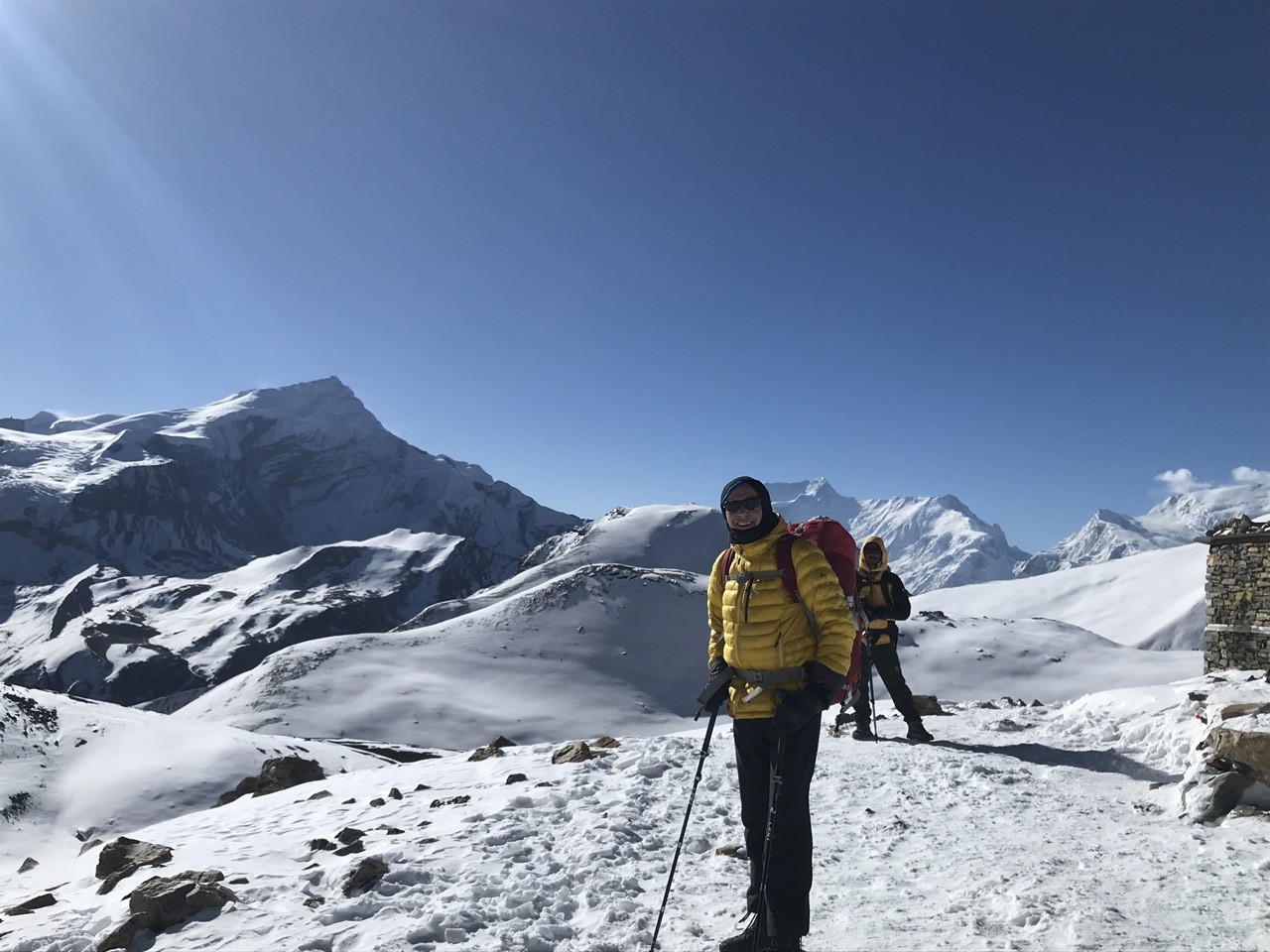
Here, Mr. Bhabanath Adhikari, who has twenty years of guiding behind him, likes to say, “Trekking poles and a reliable headlamp are not luxuries — they are necessities that keep you steady and safe, especially during early mornings or late descents.” And he’s right. Trekking poles protect your knees and help you stay balanced on steep, rocky trails. You really count on a strong headlamp with extra batteries too. Power cuts happen all the time in teahouses, and you’ll often be up before sunrise. A water bottle or hydration bladder should always be on your list—you need to drink plenty, especially high up where you get thirsty fast. And don’t skip the sunglasses, sun hat, gloves, and seasonal crampons or microspikes. Take it from me: you’ll want that protection from the sun, cold winds, and unexpected snow or ice near the passes.
Trekking Gear and Accessories You Can’t Hike Without :
| Accessory | Main Benefit | Critical For | Expert Tip |
|---|---|---|
| Trekking Poles | Stability & joint protection | Rocky & steep sections | Adjustable length for versatility |
| Headlamp | Visibility in low light | Early starts & evenings | Bring spare batteries |
| Hydration System | Easy water access | High altitude days | Insulate in freezing conditions |
| Sunglasses & Gloves | Eye & hand protection | Thorong La crossing | UV400 lenses & warm layers |
Moreover, Mr. Ramsaran Simkhada, who’s guided with Haven Holidays for more than fifteen years, puts it simply: “I always check clients’ headlamps and poles because these small items prevent big problems on the circuit.” And you’ll hear the same thing from the people who run the guesthouses you’ll stay in.
Mukhiya Gurung at Hotel Manang, Tashi Gurung at Lake View Hotel, Sonam Gurung in Braga, and Palden Gurung at Agro Manang Apple Farm—they all see the difference that good gear makes. Trekkers who show up prepared hike in comfort and with a lot more confidence.
Likewise, our guides—Narayan Khadka, Dashrath Adhikari, and assistant Sujan Thapa—are all about helping you get it right. They test gear themselves, teach proper pole technique, and always remind everyone to pack spare batteries.
All of this means you hike stronger, safer, and happier. Haven Holidays Pvt. Ltd. gives you a full checklist, plus our best advice so you can pack smart. Book your Annapurna Circuit trek with us, and you’ll step onto the trail knowing you’re ready for whatever comes your way. Our experienced team handles the details, so you’re free to soak up every moment across the Himalayas.
If you really want to enjoy the Annapurna Circuit Trek, you need to look after your health and hygiene, and pack a solid first aid kit. That’s what keeps you fresh, clean, and ready for those long days on the trail. I’m Krishna Thapa from Haven Holidays Pvt. Ltd., and after a decade on these mountains, I know how simple routines—washing hands, using sanitizer, taking medicine—make all the difference at high altitude. Bring the right things and you won’t just feel better; you’ll stay safe while your body adapts up to Thorong La at 5,416 meters (17,769 feet). This kind of preparation means fewer worries and more confidence to explore the remote stretches of the circuit.
Here, Mr. Bhabanath Adhikari, our senior guide with twenty years of experience, reminds everyone: “Prevention is better than cure, especially at altitude, so a good first aid kit combined with hygiene supplies keeps minor problems from becoming serious.” He’s seen it all—just a bit of care early on avoids trouble later.
Likewise, you’ll want to carry your toiletries, hand sanitizer, and a little biodegradable soap. Cleanliness matters, especially in busy teahouses. Sun protection isn’t optional up here—get a strong sunscreen, good lip balm, and all your personal medications. The sun’s brutal, and the air dries everything out fast. Don’t forget altitude sickness meds, a blister kit, and a quick-dry towel. Those things save you time and keep you healthy when you’re far from the pharmacy.
Health, Hygiene, and First Aid :
| Category | Essential Items | Purpose at Altitude | Usage Tip |
|---|---|---|
| Hygiene | Sanitizer, biodegradable soap, towel | Prevent infections | Use daily, especially hands |
| Sun Protection | Sunscreen, lip balm | UV protection | Reapply frequently |
| Medications | Personal meds + Diamox (if advised) | Manage altitude sickness | Consult doctor before trip |
| First Aid | Blister kit, basic supplies | Quick treatment of issues | Keep easily accessible |
Likewise, Mr. Ramsaran Simkhada, guiding with us for over fifteen years, has helped plenty of trekkers dodge bigger problems just because they came prepared and followed basic hygiene routines.
Moreover, local guesthouse owners—Mukhiya Gurung and Tashi Gurung in Manang, Sonam Gurung in Braga, and Palden Gurung in Bradang—often share their own advice about staying clean and spotting altitude issues early. They’ve seen which trekkers cope best, and almost always, it comes down to the basics.
And then there’s our guide team—Narayan Khadka, Dashrath Adhikari, and Sujan Thapa. They’ll check your health kit, show you how to use it, and walk you through basic altitude safety during orientation. They’ve picked up countless tips from years on the trail and are always happy to share.
With the right preparation, you won’t just survive the circuit—you’ll thrive. Haven Holidays Pvt. Ltd. includes health tips and a thorough checklist in every trekking package. Contact us to book your Annapurna adventure, and let our experienced crew take care of the details. With the basics sorted, you can focus on having the time of your life in the Himalayas.
When you’re trekking the Annapurna Circuit, having the right electronics, navigation tools, and documents makes a huge difference. Honestly, after spending 10 years with Haven Holidays Pvt. Ltd., I’ve watched plenty of trekkers thrive simply because they packed smart—especially for high-altitude spots like Thorong La (5,416 meters) or scenic stretches near Manang (3,540 meters). You don’t want to be caught off guard in the mountains where even a dead phone or missing permit can turn into a headache.
Here, Mr. Bhabanath Adhikari, our senior guide who’s clocked 20 years on these trails, always says, “Electronics and documents—they go hand in hand. Keep your batteries full and your papers safe. Both can save your trek when things get tough.”
Likewise, you keep your phone alive with a reliable power bank and chargers—seriously, days without electricity are common up there. Download offline maps and toss a GPS app on your phone before you head out since the cell signal fades the higher you go. Along with that, stash your passport, permits, cash, and insurance in a waterproof pouch. Want to really soak in the views? Bring a camera or binoculars. The Himalayas will reward you with sights you’ll want to remember.
Electronics, Navigation, and Must-Have Documents :
| Category | Key Items | Importance on Circuit | Pro Tip |
|---|---|---|
| Electronics | Power bank, chargers, headlamp | Power in remote areas | Bring extra charging cables |
| Navigation | Offline maps, GPS app | Find your route | Download maps before you start |
| Documents | Passport, permits, insurance, cash | Legal & safety stuff | Use a waterproof document holder |
| Photography | Camera or binoculars | Save your memories | Shield from dust and moisture |
Similarly, Mr. Ramsaran Simkhada, a seasoned guide with over 15 years guiding for Haven Holidays, puts it simply: “I always double-check clients’ documents and power banks. Those little steps give everyone big confidence, especially before we cross the difficult high passes.”
Moreover, guesthouse owners like Mukhiya Gurung at Hotel Manang, Tashi Gurung at Lake View Hotel, Sonam Gurung in Braga, or Palden Gurung at Agro Manang Apple Farm know the drill too. They often help trekkers charge devices and make sure everyone’s paperwork is secure.
Further, our experienced team—Narayan Khadka, Dashrath Adhikari, and assistant Sujan Thapa—go over all electronics and documents at your pre-trek meeting. They’ll show you the best tricks to keep your gear safe from dust or moisture.
Most importantly, get your essentials ready and you’ll trek with peace of mind. Haven Holidays Pvt. Ltd. gives you detailed checklists and expert support, so you’re completely prepared. Book your Annapurna Circuit trek package today and let us help you focus on making unforgettable memories. You deserve an adventure where gear worries don’t get in the way.
Meanwhile, good nutrition and hydration make all the difference when you’re trekking the Annapurna Circuit. I’ve seen firsthand—after ten years at Haven Holidays Pvt. Ltd.—how planning your meals, snacks, and water keeps your energy steady, especially as you climb. Smart choices give your body what it needs to acclimatize and push forward, and mixing teahouse meals with your own snacks means you never go hungry or weak, even as you approach Thorong La at 5,416 meters.
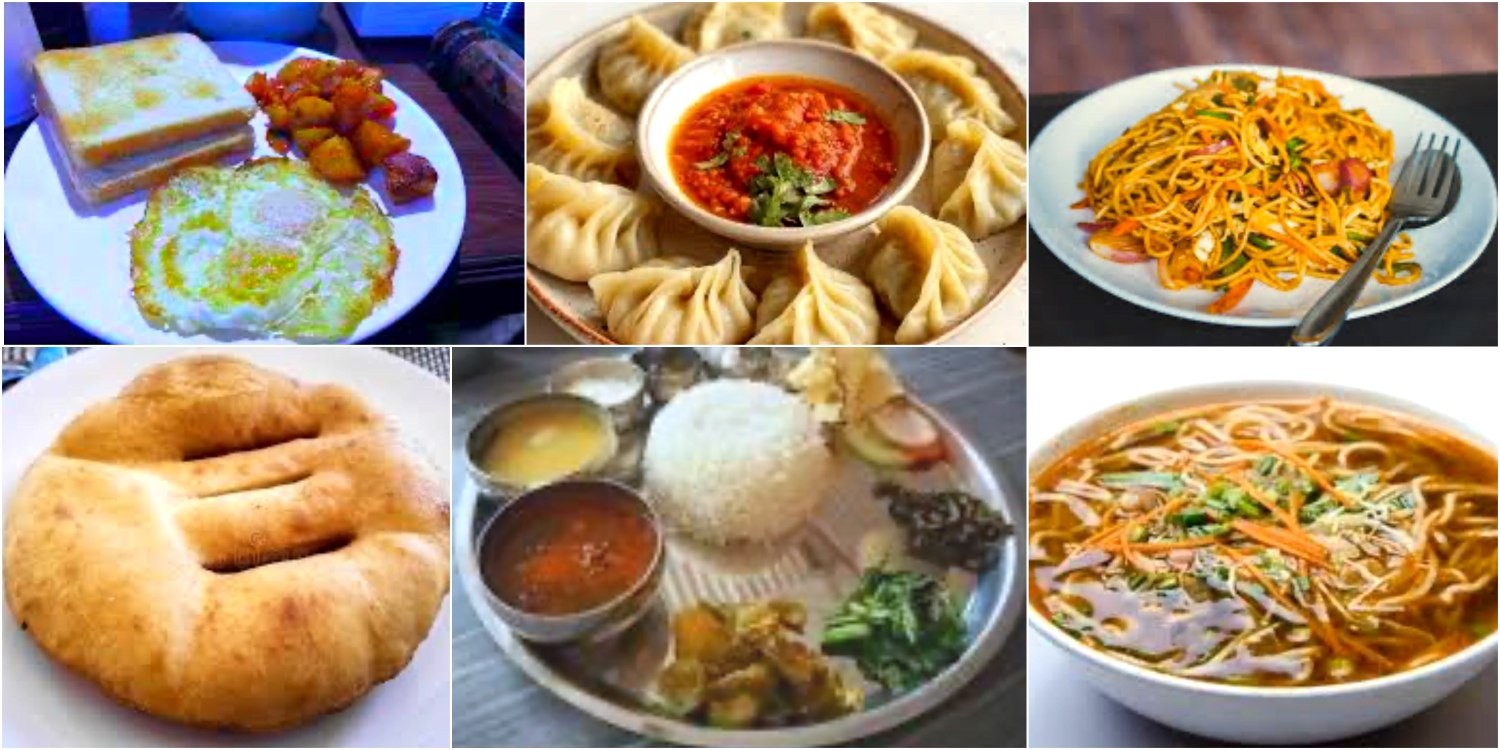
Actually, Mr. Bhabanath Adhikari, our guide with twenty years under his belt, always insists, “Eat often and drink plenty. Your body works overtime at altitude, and nutrition plus hydration keeps fatigue and altitude sickness in check.”
Likewise, safe water isn’t guaranteed everywhere, so carry purification tablets or a filter. Energy bars, nuts, and electrolytes are easy to pack, lightweight, and quick to eat between meals. Don’t forget reusable bottles—they’re convenient and better for the environment. Enjoy the teahouse food, but fill in the gaps with personal snacks for balanced, steady energy.
Food, Water, and Snacks :
| Item | Benefit | Best Use | Practical Tip |
|---|---|---|
| Water Purification | Safe hydration | Teahouse & trail water| Try your filter before you go |
| Energy Bars & Nuts | Quick, steady fuel | Between meals & passes| Bring a mix to avoid taste fatigue |
| Electrolytes | Replace minerals | High-altitude days | Mix with water regularly |
| Reusable Bottles | Responsible hydration | Every day on trek | Insulate for cold nights |
Similarly, Mr. Ramsaran Simkhada, guiding for Haven Holidays for over 15 years, always tells clients to try local dal bhat at teahouses and carry snacks too. That combo really fuels you well and helps support local businesses.
Moreover, owners like Mukhiya Gurung and Tashi Gurung in Manang (3,540m), Sonam Gurung in Braga, or Palden Gurung at Agro Manang Apple Farm love to recommend teahouse favorites and respect trekkers who manage their snack supplies responsibly.
Furthermore, our guides—Narayan Khadka, Dashrath Adhikari, and assistant Sujan Thapa—keep an eye on how clients eat and drink. They don’t just hand out advice; they show you how to balance the teahouse food with your own snacks for best results.
In fact, planning your nutrition ahead means you hike stronger and enjoy more of the journey. Haven Holidays Pvt. Ltd. gives you detailed food and hydration tips as part of your trek package. Get in touch and book your Annapurna Circuit trek with us. We’ll help you stay fueled and focused so you finish with the kinds of memories you’ll never forget.
Actually, you hike easier, smarter, and with way more enjoyment once you crack the code on pro packing tips and weight management, plus really thinking about what’s worth bringing for the Annapurna Circuit. I’m Krishna Thapa, and after 10 years at Haven Holidays Pvt. Ltd., I’ve seen hundreds of trekkers transform their bags—so their first day feels just as comfortable as their last steep descent. Honestly, sticking to an ultralight approach just makes sense. It keeps those endless days from dragging and stops your shoulders from complaining. Choosing smart moves—like planning for laundry, renting gear, and packing sustainably—makes your trip simpler and a lot more responsible.
Here, Mr. Bhabanath Adhikari, one of our guides with twenty years under his belt, nails it: “A heavy backpack drains your energy fast, so only take what you need and rent what you can—trust me, it leaves more fuel in the tank for soaking up Manang's views at 3,540 meters (11,614 feet) and higher.”
Why go ultralight? Your pack stays under 10–12 kg, and you’ll feel the difference on those steep climbs. Plan ahead for laundry—teahouses help out with quick washes, so you can cut down your clothing stash. Rent sleeping bags or trekking poles if you don’t want to buy everything brand-new, and skip the common mistakes: leave out extra outfits and unnecessary gadgets. Aim for reusable items, not single-use plastics—good for you, and good for the mountain.
Pro Packing Tips and Weight Management :
| Aspect | Recommendation | Benefit | Common Mistake to Avoid |
|---|---|---|
| Weight Management | Keep pack 8-12 kg | Less fatigue on long days | Overpacking "just in case" items |
| Laundry Strategy | Plan washes every 3-4 days | Lighter pack | Bringing too many clothing sets |
| Renting Gear | Sleeping bag, poles, crampons | Saves money & space | Buying expensive items unused |
| Sustainable Choices | Reusable bottles, biodegradable soap | Eco-friendly trek | Excessive single-use plastics |
Likewise, Mr. Ramsaran Simkhada, who’s spent over 15 years guiding for Haven Holidays, gives the best advice: “Lay everything out—and then take away half. Most trekkers pack way more than they need.”
Moreover, teahouse owners share their wisdom too. Mukhiya Gurung at Hotel Manang, Tashi Gurung at Lake View Hotel, Sonam Gurung in Braga, and Palden Gurung at Agro Manang Apple Farm—they’ve seen every kind of trekker and know who’s got their act together.
Before you head out, our guides Narayan Khadka and Dashrath Adhikari, plus assistant Sujan Thapa, check everyone’s packs. They’ll help you toss the extras—seriously, you don’t need everything you think you do.
When you finally hit the trail, you feel free—no heavy weights, nothing holding you back. Haven Holidays Pvt. Ltd. offers custom packing advice and gear rental right here. Book your Annapurna Circuit trek with us, and you’ll start light, trek smart, and finish with memories you’ll never forget. Let us take care of the details so you focus on the adventure.
At this point, you’ve got everything you need to pack with confidence for the Annapurna Circuit. After a decade with Haven Holidays Pvt. Ltd., I know that good planning and a solid attitude turn your trek into a safe, fun, and meaningful journey. When you follow these tips you’ll stay comfortable, and you’ll help protect both the trails and the local communities. Smart packing goes a long way—seriously, it’ll help you reach Thorong La at 5,416 meters (17,769 feet) and make the return trip just as smooth.
Here, Mr. Bhabanath Adhikari sums it up perfectly: “Pack with purpose, trek with respect, and remember—the mountains reward those who come prepared and tread lightly.”
Ready-to-Go Annapurna Packing Checklist :
When you stick to this checklist—and bring a positive mindset and respect for locals—you’re bound to make memories you’ll never forget. Watch for altitude symptoms, always listen to your guide, and stick to Leave No Trace principles so future trekkers get to see the same wild beauty.
Likewise, Mr. Ramsaran Simkhada has seen it all on the trail, and his advice is spot on: “The best packing lets you enjoy the trek—not worry about your backpack.”
Similarly, locals like Mukhiya Gurung, Tashi Gurung, Sonam Gurung, and Palden Gurung welcome trekkers who show some care for their culture and environment. And our guides—Narayan Khadka, Dashrath Adhikari**, and Sujan Thapa—always have your back, every step of the way.
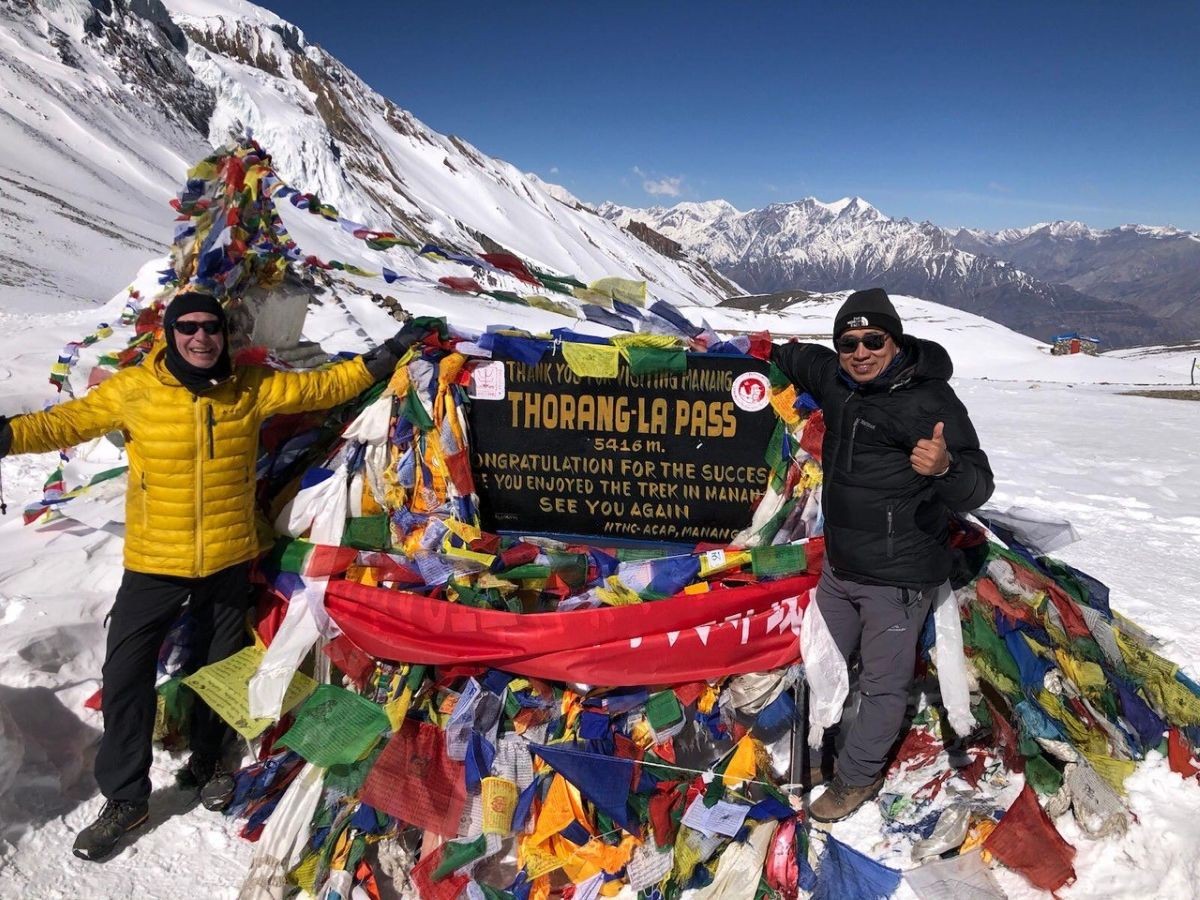
1. What is the most important thing to pack for Annapurna Circuit Trek?
Don’t skip good waterproof trekking boots—make sure they’re already broken in—and a sleeping bag rated to -10°C or colder. These two things will decide how well you sleep and how happy your feet are. At Haven Holidays, we double-check these with every traveler before the trek starts.
2. How heavy should my backpack be for the Annapurna Circuit?
Aim for 8 to 12 kg tops. The lighter your pack, the less tired you’ll get, and your knees will thank you on those endless uphills and downhills. We always help trekkers sort through the extra stuff before heading out so you never feel weighed down.
3. What kind of shoes should I wear for the Annapurna Circuit?
Bring sturdy, waterproof trekking boots that you’ve already broken in. Toss in a pair of light camp shoes or sandals for the evenings. Good shoes will keep blisters away and give you solid support on rocky, muddy sections. Your feet do a lot of work—take care of them.
4. Do I need a sleeping bag for teahouse stays?
Yes, definitely bring a sleeping bag rated to -10°C or better. Teahouse blankets aren’t warm at higher altitudes, and it gets freezing up there. Using a sleeping bag liner helps too—it adds warmth and keeps things clean.
5. What clothes should I pack for the Annapurna Circuit Trek?
Wear layers: moisture-wicking base layers, a fleece, a waterproof jacket and pants, and a down jacket for chilly nights. Don’t forget a warm hat, gloves, and four or five pairs of trekking socks. The weather can change quickly and layers keep you ready.
6. Are trekking poles necessary for the Annapurna Circuit?
Yes, take trekking poles. They save your knees, help you balance, and make steep climbs and descents much less tiring. Most trekkers find them a lifesaver, especially going over Thorong La Pass.
7. What should I carry for drinking water on the trek?
Carry a reusable water bottle or a hydration bladder. Bring water purification tablets or a filter too—safe water is a must, especially high up. Staying hydrated is key on the Annapurna Circuit, so always have clean water handy.
8. How much cash should I carry for the Annapurna Circuit?
Take enough Nepali Rupees in small bills since ATMs disappear after the early stages of the trek. You’ll need extra cash for meals, hot showers, WiFi, and emergencies. Teahouse life runs on cash, so come prepared.
9. Do I need a power bank for the Annapurna Circuit?
Yes, pack a 10,000 mAh power bank (or higher). Power cuts are common in teahouses and charging can get expensive. Don’t forget the right charging cables so your devices stay ready for photos and trail maps.
10. What first aid items should I pack for the trek?
Bring blister pads, painkillers, altitude medicine, hand sanitizer, sunscreen, lip balm, and a few basic meds. A small, organized first aid kit means you can deal with small issues yourself and keep moving.
11. Should I buy or rent trekking gear in Nepal?
You can rent quality sleeping bags, down jackets, poles, and crampons in Kathmandu or Pokhara. It’s best to buy boots and personal gear. We help trekkers choose what to rent and what to own so you get the right stuff.
12. What snacks should I bring for the Annapurna Circuit?
Pack energy bars, mixed nuts, dried fruit, and chocolate. These give you a boost when you need it between meals. Teahouses have food, but quick snacks keep you going, especially on long, tough days.
13. Is a rain jacket necessary for Annapurna Circuit Trek?
Absolutely—bring a solid waterproof rain jacket and rain pants. Mountain weather is unpredictable, and sudden storms happen. Also, get a rain cover for your backpack to keep your things dry.
14. What documents do I need to carry while trekking?
You’ll need your original passport, ACAP and TIMS permits, travel insurance, and some photocopies of each. Store everything in a waterproof pouch. We help travelers get everything sorted before the trek.
15. Do I need crampons for Thorong La Pass?
Bring crampons or microspikes if you’re trekking during winter or early spring. Snow and ice make the pass tricky in those seasons, so check trail conditions before your trip.
16. How many pairs of socks should I pack?
Take four or five pairs of trekking socks. Changing daily keeps your feet dry and cuts down on blisters. Wool or synthetic socks are best for the trail and much better than cotton.
17. Is a headlamp important for the Annapurna Circuit?
Yes, carry a reliable headlamp with spare batteries. You’ll often walk before sunrise and some teahouses don’t have much lighting at night. A headlamp keeps you safe and hands-free.
18. What toiletries should I pack for the Annapurna Circuit Trek?
Pack travel-sized toothbrush, toothpaste, biodegradable soap, hand sanitizer, wipes, toilet paper, and a quick-dry towel. Keep toiletries small and eco-friendly. Less weight, less waste.
19. What is the best way to pack my clothes?
Use packing cubes or plastic bags. Roll your clothes instead of folding—they take up less space. Keep rain gear and warm layers at the top of your bag for those quick weather changes on the trail.
20. Why should I choose Haven Holidays Pvt. Ltd. for my Annapurna Circuit Trek?
We give you expert packing advice, recommend solid gear, and offer all-around trek support. Our guides know what works, so you pack smart, stay safe, and have a great Himalayan adventure from start to finish.
Ready for your Annapurna Circuit adventure? Reach out to Haven Holidays Pvt. Ltd. and book your trek. We’ll sort out permits, give you packing help, and make sure you’re set for a safe, awesome journey. Drop your packing tricks in the comments, check out our other guides, and let’s make your Himalayan adventure happen. Pack smart. Trek happy. We’ll be waiting to see you out there
Our travel experts are ready to assist you with any questions.
Send us a message.Have a question before you book? Send your enquiry below and our travel experts will get back with the required information.