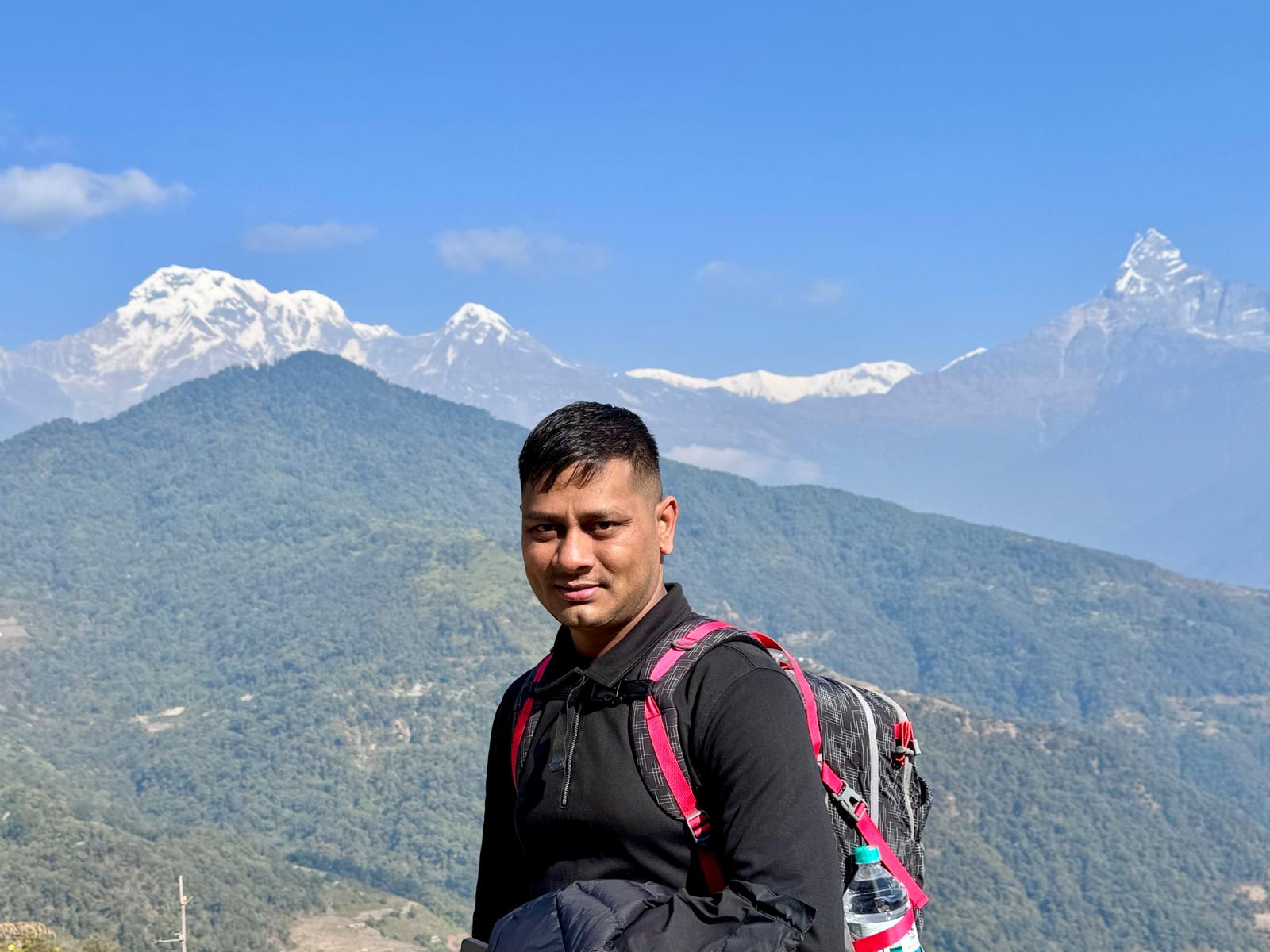
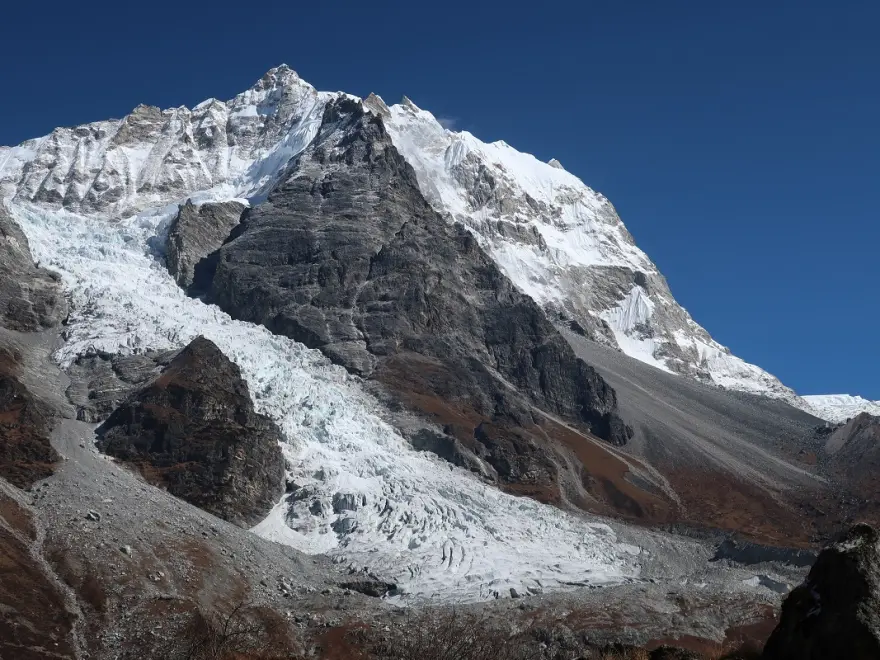
The Langtang Valley Trek is a beautiful and peaceful trekking route in Nepal, located just north of Kathmandu. Actually, it lies inside Langtang National Park, close to the Tibetan border, and is known for its scenic mountain views, traditional villages, and rich natural beauty. This trek takes you through lush forests, fast-flowing rivers, and high alpine meadows, leading up to the charming village of Kyanjin Gompa.
Moreover, the Langtang Valley Trek is a great choice for both beginners and experienced trekkers because it offers a mix of adventure, culture, and nature. The trek usually takes 7 to 11 days, depending on the itinerary, and the highest point is around 4,773 meters at Kyanjin Ri which offers amazing views of the Himalayas. So, in conclusion, the Langtang Valley Trek is a short yet unforgettable Himalayan journey. Haven Holidays Nepal provides safe, comfortable, and guided trekking experiences in this stunning region.
Scenic Beauty – The trek passes through dense rhododendron forests, alpine meadows, and high mountain glaciers with views of Langtang Lirung (7,227m) and other peaks.
Cultural Experience – The region is home to the Tamang and Sherpa communities, who have a rich Tibetan-influenced heritage.
Easy Accessibility – The trek starts from Syabrubesi, which is about a 7-8 hour drive from Kathmandu.
Moderate Difficulty – Suitable for both beginners and experienced trekkers.
Langtang National Park – Home to diverse wildlife like the red panda, Himalayan tahr, and snow leopards.
Kyanjin Gompa – A famous Buddhist monastery with spectacular views and nearby day-hike options, including Tserko Ri (4984m) for a panoramic mountain view.
The Langtang Valley Trek is located in the Langtang region of Nepal, north of Kathmandu and close to the border of Tibet. Actually, it is part of the Langtang National Park, which is famous for its mountains, forests, and Tamang culture. The trek starts from a place called Syabrubesi, which is about a 7–8 hour drive from Kathmandu.
Moreover, the Langtang Valley is often called the “valley of glaciers” because of the amazing snow-capped mountains that surround it. You will see peaks like Langtang Lirung and Gangchempo during the trek. Likewise, the area is known for its peaceful trails and less crowded routes compared to Everest or Annapurna regions.
So, if you are looking for a beautiful and peaceful trek close to Kathmandu, the Langtang Valley Trek is a perfect choice. Haven Holidays Nepal offers this trek with expert guides and personalized services.
The first mountain ever established around the Nepal Himalaya region is Langtang National Park. The areas around Langtang Himal of Rasuwa district was declared as Langtang National Park in the year 1976. Where all trekkers requires the entrance fees at the cost of US$ 30 or equivalent in Nepali Rupees.
Yes, nearly all lodges have the facilities of hydroelectricity, some few small villages runs the electricity for guest by solar-power. All trekkers needs to pay extra for charging each electronic gadgets as per hour basis at minimum reasonable cost.
Nearly all overnight stop lodge and guest-house have the facilities of internet and Wi-Fi. But sometime on the mountain the connection is quite slow and disturbing due to terrain and weather wise.
The foods on every meals like breakfast, lunch and dinner are amazingly of best quality, prepared with care and hygienic. All lodge restaurants serves as per the food menu wise on La Carte basis or Set meals of Nepali Dal Bhat (Boiled/steamed rice with lentil soup and mild vegetable curry served with pickles).
The foods on the menu includes from Continental, Chinese, Indian to Nepali, some restaurants on treks also provides bakery items as well.
Most popular is Nepali Dal / Bhat, noodle soup or fried noodle with veg and eggs or meats, Mo-Mo dumpling stuffed with meats or vegetable is also popular dishes found on the treks.
Interested people can extend the trek after Langtang Valley, for a few days to a week. The famous areas are Gosainkunda a holy glacial lake south east of Langtang Valley. Trekkers can enjoy more days long trekking across the high ridges of Langtang Himal to reach Kathmandu via Helambu area also.
The next best destination is Tamang Heritage Trail, takes you on the off the beaten route and close to Nepal / Tibet border and end the trek at Syabrubesi.
The Langtang Valley Trek generally takes 7 to 10 days, depending on the itinerary and trekking pace you choose. Starting from Syabrubesi (1,503 meters/4,931 feet), the trek covers about 70-80 kilometers (43-50 miles) round trip in Langtang Valley Trek.
Key highlights of Langtang Valley Trekking include trekking through lush forests, traditional Tamang villages in Langtang National Park with rare Red Pandas, and reaching Kyanjin Gompa (3,870 meters/12,700 feet). Most of the trekkers prefer to stay one more day in Kyanjin Gompa in order to view nearby peaks, such as Kyanjin Ri (4,773 meters/15,655 feet) or Tserko Ri (4,984 meters/16,349 feet), for brilliant Himalayan scenery.
The trek to Langtang Valley descends and finishes at Syabrubesi or continues onward via Gosainkunda (4,380 meters/14,370 feet) or Helambu for an even longer trek. Proper preparation and acclimatization are necessary for this moderately high-altitude trek.
The Langtang Valley Trek is graded as moderate because it's a suitable trek for trekkers with some previous experiences or even for the beginners at least those in good health and fitness. The Langtang Trekking trail contains steep ascents, descents, and rough paths, yet it does not require any technical climbing. Elevation gain can be challenging, especially around Kyanjin Gompa (3,870 meters/12,700 feet), Kyanjin Ri (4,773 meters/15,655 feet), and Tserko Ri (4,984 meters/16,349 feet). There is a risk of altitude sickness sometimes while climbing Kyanji Ri and Tsherko Ri, so proper acclimatization and hydration are necessary.
Daily walking hours in Langtang Valley Trek vary from 5 to 7 hours, depending on pace and itinerary. Most healthy individuals can easily complete the trek though they are the beginners, but training in advance, such as regular hiking and cardio exercises, is highly recommended.
The Langtang Valley was terribly devastated during the earthquake in Nepal in 2015. A giant landslide/avalanche struck Langtang village, 1,450 meters (4,757 feet), and buried the settlement underneath the debris; about 310 local people and trekkers lost their lives. It has badly affected the local Tamang people as many lost their homes and families. Since then, the area has been rebuilt, and the trekking route reopened, showcasing the resilience of the local people. Today's trekkers have the chance to learn about its history and remember the people it affected, at the same time contributing to the recovery of the region through responsible tourism.
However, the entire Langtang Trekking trails including Langtang Valley has fully been revived and there is no any disturbances and risks of trekking to Langtang Valley and Gosainkunda Lake.
Yes, the Langtang Valley Trek is worth it! Popular as the "Valley of Glaciers," it offers breathtaking views of Langtang Lirung (7,227 meters/23,711 feet), Gangchenpo (6,387 meters/20,955 feet), and Dorje Lakpa (6,966 meters/22,854 feet). Trekkers trek through lush forests, alpine meadows of Langtang National Park viewing rare red panda, and traditional Tamang villages like Langtang Village (3,430 meters/11,253 feet).
Cultural immersion in rich Tamang people’s tradition is another highlight, as you interact with the Tamang and Tibetan communities. High-altitude viewpoints, such as Kyanjin Ri at 4,773 meters (15,655 feet) and Tserko Ri at 4,984 meters (16,349 feet), provide breathtaking panoramas over the Himalayan range. This is, in many ways, a quiet, short and easy trek compared to the routes found in Everest and Annapurna. For this reason, it makes this short but richly rewarding trek the best way to see the taste of the Himalayas without avoiding culture altogether.
The Langtang Valley Trek usually takes 7 to 11 days, depending on your pace and itinerary. Actually, the standard trek offered by Haven Holidays Nepal is 7 days, which includes arrival, trek days, and return to Kathmandu.
The trek itself lasts for about 7 days from Syabrubesi to Kyanjin Gompa and back. Moreover, most trekkers take a rest day at Kyanjin Gompa to explore the area and hike up to Kyanjin Ri for amazing mountain views. This day helps with acclimatization too.
So, the number of days can be adjusted based on your time and fitness. Haven Holidays offers customizable itineraries, which means you can shorten or extend the trek according to your needs and preferences.
For trekking in Langtang, you will need two permits: (1) Langtang National Park Entry Permit, which costs NPR 3,000 per head, approximately $23, and (2) TIMS Card, or Trekkers' Information Management System, at a cost of NPR 2,000 for individual trekkers and NPR 1,000 for trekkers within the group. These can be collected in Kathmandu at the office of the Nepal Tourism Board or through registered trekking agencies.
Yes, airport pick-up and drop-off is included when you book the Langtang Valley Trek with Haven Holidays Nepal. Actually, this service is part of the full package to make your arrival and departure easy and stress-free. Once you land at Tribhuvan International Airport in Kathmandu, a company representative will greet you and take you to your hotel.
Moreover, after your trek is complete, Haven Holidays also arranges transportation to the airport for your departure flight. This helps you avoid the hassle of finding taxis or navigating on your own. So, in conclusion, when you book your Langtang trek with Haven Holidays, you can enjoy a smooth and comfortable airport transfer, both at the beginning and end of your journey.
Get ready for the trek by training yourself in cardiovascular exercises, strength training, and hiking with a weighted backpack. Bring trekking boots, warm layers, a sleeping bag, and trekking poles. Bring altitude sickness medication like Diamox and water purification tablets. Be mentally prepared to walk 5-7 hours every day up to an altitude of 4,984m -Kyanjin Ri or Tserko ri from Kuanjing Gompa.
Yes, since 15th February 2025, the service of an authorized guide is mandatory for all trekkers in the Langtang Valley. The Nepal Government, Langtang National Park, and the Trekking Agencies' Association of Nepal(TAAN) implement this to enhance trekker safety, encourage environmental conservation, and support the local community.Guides range from $25 to $35 per day, depending upon experience and the services offered. They will lead the way, offer cultural background, and act in case of emergencies, contributing to a more secure and richer trekking adventure.
Yes, you can do the Langtang Valley Trek solo, but going with a guide is safer and more enjoyable. Actually, trekking alone can be risky if you don’t know the trail or have health problems. Some areas have poor phone signals, so help may take time if you get lost or sick.
Moreover, hiring a guide helps you understand the culture, find the best paths, and manage your time better. Haven Holidays Nepal provides experienced and friendly guides who speak English and take good care of you.
So, while solo trekking is possible, guided trekking is highly recommended for your safety, comfort, and a richer experience.
Syabrubensi, the trek starting point of Langtang Valley Trek, is 130 kilometers north of Kathmandu.Means of Transport:
Public Bus: Departs daily between 6:00 AM and 7:50 AM from New Bus Park in Kathmandu. It takes approximately 8 hours and costs approximately $10.
Shared Jeep: From Machhapokhari, giving a faster but slightly more expensive option.
Private Jeep: Gives the more comfort and flexibility, best suited for groups or one who wishes to have a personal experience. It is strongly advised that one should book the transport well in advance, especially in the peak trekking months.
Accommodation on the Langtang Trail is primarily teahouses and lodges. They offer simple facilities, including a bed, blanket, and shared toilet and bathroom facilities. Food is available at the teahouses, and prices increase at higher altitudes depending on transportation. Eating at the teahouse where you stay is common.
The best time to do the Langtang Valley Trek is during spring (March to May) and autumn (September to November). Actually, these months offer clear skies, warm days, and great views of the Himalayas.
Spring is a colorful time because rhododendron flowers bloom in the forest. Moreover, autumn is popular for its stable weather and stunning mountain views. Likewise, the trails are dry and safe during these seasons, which makes walking easier.
Winter is cold but also peaceful, and summer brings rain, which can make the trail slippery. So, in conclusion, for the best trekking experience in Langtang, choose spring or autumn. Haven Holidays Nepal can help you plan the perfect trek during the best season.
The Langtang Valley Trek is special because it combines beautiful nature, Himalayan views, and local culture. Actually, it is one of the nearest treks from Kathmandu but offers amazing experiences like snow-capped mountains, yak pastures, and ancient monasteries.
Moreover, the people here are mainly Tamang, and you can learn about their culture, food, and lifestyle. Likewise, the region was hit hard by the 2015 earthquake, and by trekking here, you support local recovery. Haven Holidays Nepal works with local communities, so your trip also helps local families.
In conclusion, Langtang Valley Trek is a peaceful and rewarding journey. With Haven Holidays Nepal, you get trusted service, local support, and memories for life.
Langtang Valley Trek is renowned for its stunning Himalayan views, rich Tamang heritage, and diversity of flora and fauna. Panoramic view of Langtang Lirung (7,227m), visit to monastery at Kyanjin Gompa, and viewing wildlife like red pandas and Himalayan monals are the most noted highlights. The trek offers a less crowded alternative to Everest and Annapurnaregions, with a serene and culturally rewarding experience.
There are several rewarding side trips which can enhance your Langtang Valley Trek,
Tserko Ri (4,984m): A challenging trek with extensive views of the Langtang range.
Langshisha Kharka: A secluded valley with its serene landscapes and yaks grazing.
Gosaikunda Lake: A sacred alpine lake at 4,380 meters, sanctified by Hindus and Buddhists.
Tamang Heritage Trail: A cultural trek through traditional Tamang villages, with local architecture and traditions.
These side trips offer additional adventure and cultural information, adding to the overall trekking experience.
Yes, the Langtang Valley Trek is an easy trek for beginner with normal fitness. It is among the simpler treks of Nepal but still offers stunning mountain views and exposure to culture. The trek has a highest point of approximately 4,984 meters at Tserko Ri, which is sufficient to require gradual acclimatization. However, the trek is of moderate tempo, and daily walking hours are between 5 and 7 hours.
In contrast to technical climbing, Langtang treks are technical-free and do not require any mountaineering knowledge. Beginners need to acclimatize with walking, gentle hikes, or cardio exercises three weeks before traveling. The trail has steep ups and downs, especially around Lama Hotel and Kyanjin Gompa, but nothing for a determined beginner.
Having a porter or guide makes the journey easier as well as safe. Overall, with proper preparation and a positive attitude, beginners can definitely enjoy the Langtang Valley Trek.
The Langtang Valley Trek is moderately difficult. It does not require technical expertise but requires endurance. Trekkers walk 5 to 7 hours a day, usually on unbalanced and inclined terrain. The trail consists of forest trails, suspension bridges, and some steep ascents—especially between Bamboo, Lama Hotel, and Langtang Village.
At higher altitudes, like Kyanjin Gompa (3,870m) or Tserko Ri (4,984m), there is less oxygen. That makes walking more exhausting. Even fit trekkers will be short of breath. But the trail allows plenty of time to rest, acclimatize, and stroll slowly. That reduces the exhaustion.
Compared to high passes like Larkya La or Thorong La, Langtang is moderate. But it's harder than short treks like Ghorepani Poon Hill. A light pack and a rented porter are a big help.
Overall, the trek challenges your legs and lungs, but it's within the capability of basic fitness, good planning, and steady pacing. It's rewarding without being extreme.
No trekking experience is really needed for the Langtang Valley Trek. It is simple enough for a beginner and possible with little fitness. However, being prepared in both body and mind does the trick. Even if it is your first multi-day trek, you can be successful with proper preparation.
The daily trek is 5 to 7 hours, with moderate elevation gain. Tserko Ri (4,984m), the high point, is difficult but optional. All of the trek is below 4,000 meters, which is better acclimatized. Experience is beneficial, but not required.
Several weeks of preparatory training before the trek—cardio, hiking, or just walking—gains your strength and stamina. Proper shoes, good packs, and suitable layering also ensure no injury and no discomfort. Having a guide and a porter makes the trek even smoother, especially for novices.
In short, being reasonably fit and ready, you don't require any experience in trekking to safely and enjoyably complete the Langtang Valley Trek.
The average daily walking distance on the Langtang Valley Trek is between 10 to 15 kilometers. It slightly differs depending on the itinerary and your speed. The trail is shorter and less strenuous on some days. On others, there are steeper ascents or descents, which can feel longer even though the distance is shorter.
For example, the hike from Syabrubesi (1,550m) to Lama Hotel (2,470m) is about 11 km. From Lama Hotel to Langtang Village (3,430m) is about 14 km. Kyanjin Gompa (3,870m) to Tserko Ri (4,984m) and back is shorter in length but almost straight up and physically strenuous.
Typically, trekkers walk 5 to 7 hours a day. But the pace is slow and includes taking several breaks for rest. Altitude also affects how fast you can walk.
Generally, the daily distances are not inconvenient for most trekkers. Acclimatization by walking every day or short hikes beforehand makes it less difficult to adapt to the pace of the trek.
The Langtang Valley Trek is a mix of flat, gradual, and steep terrain. The steepest parts are between Bamboo (1,970m) and Lama Hotel (2,470m), and again as you trek up to Langtang Village (3,430m). These climbs entail continuous uphill walks along forests and riverbanks.
Although not steep like high-pass treks, the trails are tiring due to altitude. The path becomes gentler but still uphill as you approach Kyanjin Gompa (3,870m). Side excursions like Tserko Ri (4,984m) are quite steep and more strenuous, with early starts and slow progress.
The descents—especially to Syabrubesi—can also be knee-hard. Decent trekking poles reduce impact. The terrain is not technically difficult but the grade and altitude can be exhausting to unconditioned legs.
Overall, Langtang trails are steep in certain parts but manageable. Pre-trek conditioning on stairs, inclines, or hills helps a great deal in adapting to the terrain.
Yes, children can undertake the Langtang Valley Trek if they are accompanied. It is one of the more child-friendly treks in Nepal. But the success of children on the trek rests on their age, fitness, and willingness. Children over the age of 8–10, with outdoor inclination, tend to adapt.
There is not a technical ascent on the trail with good rest stops in between. Along the way, lodges exist for decent overnight resting areas. The ascent is gradual, and acclimatization days spent at Kyanjin Gompa smooth out children from the altitude stress.
However, altitudes like Tserko Ri (4,984m) are possibly too demanding for young children. Parents must be vigilant for symptoms of altitude sickness and allow time for resting. The carrying of light daypacks and porters to handle heavy loads is advisable.
Provided that families and children are well-paced, well-equipped, and well-guided, they can enjoy the trek. It's a good adventure and cultural experience when taken at a relaxing pace.
Yes, Langtang Valley Trek is tougher than the Ghorepani Poon Hill Trek. Poon Hill (3,210m) is shorter in distance and elevation. Most of the Poon Hill trail is below 3,000 meters and takes 3–5 days to complete, which is a bit easier for first-timers or families.
On the other hand, the walk to Langtang goes up to higher elevations. Kyanjin Gompa is 3,870 meters high, and Tserko Ri reaches 4,984 meters. Greater elevation means better acclimatization and stamina. The daily walking time is longer, usually 6–7 hours, and the slope has steeper ups and downs.
Langtang also offers fewer villages and infrastructure on the route than the established Poon Hill trek. This entails carrying appropriate gear and possibly hiring guides or porters.
Generally, while both treks are safe and non-technical, Langtang is a more strenuous work-out. It offers more solitude and mountain scenery but requires better conditioning and preparation.
No, technical climbing is not part of Langtang Valley Trek. It is a non-technical trekking route for all the categories of trekkers. You don't need mountaineering skills, ropes, crampons, or technical climbing gear to use the main trek.
The trek follows established routes through forests, gorge valleys of rivers, and hilly terrain. Some sections are rocky and steep, particularly near Lama Hotel and the ascent to Tserko Ri (4,984m). None involve exposed cliff sides or climbing walls that require special gear.
Trekking poles can be used to assist for steep slopes or descending. Sturdy boots and layered clothes are the most essential gear.
Side trips like Yala Peak (5,500m) or Ganja La Pass (5,122m) are technically challenging and require climbing gear but are not part of standard Langtang Valley Trek.
Ultimately, however, the Langtang trek remains a trekking experience, not a climb.
You must be moderately fit prior to undertaking the Langtang Valley Trek. While not being highly demanding, the trek involves walking 5–7 hours daily on uneven and ascending terrain. The elevation increases are gradual, although the altitude itself also adds to the challenge, especially above 3,500 meters.
Preparation for some weeks does wonders. Walking, jogging, stair climbing, or hiking for some days a week condition legs and endurance. Training while carrying a daypack in the back exercises back and shoulder muscles. You needn't be an athlete but be able to walk for some hours without any inconvenience.
If you've done multi-day hikes before, you'll acclimatize just fine. If not, just chill out at first and ease your way into it. Rest days and drinking plenty of water also reduce fatigue on the trail.
In short, being relatively fit allows you to appreciate the trek, remain injury-free, and rejuvenate better every night. Conditioning is what differentiates misery from really appreciating the Langtang experience.
Yes, it is quite possible for elderly trekkers to do the Langtang Valley Trek with proper preparation. Age is no barrier if you are fit and healthy. Many trekkers in their 50s, 60s, and even 70s complete the trek every year.
The trail does require endurance. You’ll walk 5–7 hours daily, sometimes on steep and uneven paths. But the pace is flexible. Taking rest days, walking slowly, and staying hydrated help greatly. Hiring a porter also reduces physical strain.
Medical clearance from a doctor is important before trekking. It’s wise to carry medications, including those for altitude-related symptoms. Trekking poles can help with balance and reduce knee stress, especially on descents.
The Langtang trek has tea houses with hot food and clean toilets, and so is more comfortable for older trekkers. With a guide and steady pace, older people are able to experience the cultural richness and views of the Langtang region.
Yes, the Langtang Valley trekking route is well-marked and relatively easy to follow. It's one of Nepal's more frequented trekking routes, and local residents maintain the route. Signs, rock trails, and red-and-white paint make up most of the route.
From Syabrubesi to Kyanjin Gompa, the trail passes through common villages like Lama Hotel, Langtang, and Mundu. It makes it easy to ask for directions or assistance. Even in forest areas, the trail is conspicuous.
But sometimes fog or snow higher up can limit visibility. In that case, a guide will make sure you don't get lost. Side trails to Tserko Ri or Yala Peak are not as well marked and more difficult.
If you are by yourself, bring a map or GPS program. But the direct path is easy for most trekkers. With minimal consciousness, the Langtang trail remains suitable for beginners and safe to trek.
Yes, there are numerous rest stops on the Langtang Valley Trek. The majority of villages are about 2–3 hours apart with decent chances of breaking up for tea, food, or overnight stops. Some well-known stops are at Bamboo, Lama Hotel, Ghoda Tabela, Langtang Village, and Kyanjin Gompa.
Along the trail, there are tea houses where one can rest, eat, and refill water. There are also most of them with benches or flat surfaces outside where trekkers stop and rest for a few minutes. On the rising sections, especially from Bamboo to Langtang Village, natural resting sites like huge rocks or shaded trees are common.
These rests enable you to regain strength from steep portions and adapt to rising altitude. Acclimatization days—especially at Kyanjin Gompa—are recovery days for your body to adapt.
In total, you will not need to trek for hours straight without breaks. The route is well-patronized with regular rest stops, such that novices and experienced trekkers both find it convenient.
You need average fitness to do Langtang Valley Trek. You have steep ascents, stone paths, and high altitude. Your 5- to 7-hour daily walks. Someone with good fitness adapts to the physical load and altitude. You don't need to be an athlete but need to walk long distances easily. You will need cardiovascular fitness, leg strength, and balance.
Begin exercising at least a month before the trek. Walking regularly, climbing stairs, or hill climbing increases endurance. Add leg strengthening like squats and lunges. Practice with a backpack as well. Acclimatization to altitude is facilitated by breathing exercises. Toughening the mind also helps. You will surely feel uncomfortable, cold, or sleepy. If you remain active, the trek is enjoyable.
So, build stamina slowly. Do not rush your training. Regularity and activity in the body are important. With adequate preparation, most healthy adults can easily complete the Langtang Valley Trek.
Training is unavoidable before the Langtang trek. The trek is to an altitude of more than 3,800 meters. Daily walking time is 5–7 hours. Lack of training may lead to tiredness, cramping, or altitude sickness. Training builds stamina, muscular strength, and confidence. Aerobic exercise through jogging, swimming, or fast walking is advisable.
Hill walking backpack. This replicates real trail walking. Add strength training to stabilize back and knees. Prepare for at least 3–4 weeks before the trek. Stretching increases flexibility and reduces injury risk. Breathing exercises are also helpful, especially for high altitude. People who train enjoy the trek more.
They heal quicker and encounter less trouble. Beginners particularly require preparation. Even healthy individuals can take advantage of trek-specific training. Avoid missing out on this crucial phase. It really helps.
Utilize a mix of cardio, strength, and flexibility exercises to prepare for Langtang trek. Cardio exercises increase endurance and oxygen uptake. Walk, jog, cycle, or swim. These are helpful for long trek days. Strength exercises build leg and core muscle strength. Utilize squats, lunges, planks, and step-ups. These have heavy backpacks and uneven ground.
Flexibility exercises avoid injury. Stretch or do daily yoga in hamstrings, calves, and hips. Attempt hiking on uneven ground if possible. It gets your body used to actual trails. Train with a backpack for realism. Balance training also assists—stand on one leg or practice on a balance board. Aim at four training days a week. Don't forget recovery days.
Start training 4–6 weeks before trek. Gradually increase intensity. This balanced approach trains your body well. This reduces risk and adds to overall trekking experience. Be consistent and listen to your body.
Start training at least 6 to 8 weeks before trekking. This will gradually acclimatize your body.Focus on walking, stair climbing, and core exercises.
Progressively increase the duration and intensity of your exercise.Exercise 4 to 5 times a week for maximum benefits.Include one long hike every week, around 3 to 4 hours.
Rest in between training days to avoid injury. Hike using a backpack to simulate trekking conditions. Consistent effort over time conditions you physically and mentally.
Yes, beginners can undertake the Langtang trek after proper preparation. The trek is moderate, not extremely difficult. Nevertheless, physical training is required for safety and enjoyment. Start fitness training several weeks in advance. Walk frequently, climb stairs and descend, and enhance endurance. Try to hike on uneven paths on weekends.
And mental toughness, too. Drink plenty of fluids, get plenty of sleep, and listen to your body. Go slow, step by step, and enjoy the view.
Altitude training is not absolutely necessary, but it does help. The Langtang trek peaks at 4,984 meters at Tserko Ri. Acclimatization is a bit easier with some altitude experience.
If possible, hike at higher altitudes before your trip. Spending time above 3,000 meters helps your body adjust. Use stair climbing or altitude masks to simulate elevation.
During trekking, ascend step by step and maintain proper hydration. Avoid alcohol, take acclimatization days seriously. Altitude preparation maximizes safety and trekking ease.
Experience is useful but not essential. Langtang is feasible for novice trekkers with organization. General walking and terrain fitness are most critical.
Practice hikes help you understand trekking routines. You learn to pace your walk and work with equipment. This helps reduce surprises on the actual trail.
Learn about trekking gear and how to pack. Check out blogs or YouTube for tutorials. Preparation makes up for lack of experience.
Combine cardio, strength, and trekking training. Train 4–5 times a week for six weeks. Start with short walks and gradually lengthen them. Include stair climbing and uphill walking. Carry a backpack weighing 5–7 kg. Strengthen leg, core, and back muscles. Take rest days to avoid injury. Stretch regularly and warm up properly. Drink water in abundance and watch your progress. Avoid exercise two weeks prior to the trek.
Yes, if they commit to training. Langtang is difficult for unwary trekkers who are unfit. Altitude sickness and exhaustion can be greater risks.
Begin training early. Start with brief walks and easy cardio. Gradually work by continuous effort. Use a guide and take more rest days. Take slow walks and drink loads of water. It is possible with good planning.
Hiking builds strength, balance, and trail comfort. It makes you used to uneven terrain and ascents. Use hiking boots during practice hikes. Include elevation gain in practice walks. Use a loaded backpack for simulated conditions. This builds stamina and joint strength. It also trains your mind to focus. Decide on your walking pace and recovery needs. Practice hikes give trek confidence.
Yes, it is good to practice wearing a backpack. Start with light weight and ascend gradually. Try 5 to 7 kg by the last week. This mimics actual trekking conditions. It prepares your back and legs. You will be more set on the trail. Use the same pack you use trekking. Practice walking 2–4 hours a week. Avoid overdoing to prevent injury.
Leg strength is very important for trekking. It helps with long climbs and descents. Strong legs prevent knee and ankle injuries. Train with squats, lunges, and stair climbs. Add weights for better strength training. Do 3–4 sets twice a week. You’ll hike more comfortably with stronger legs. Leg strength supports your backpack weight. Recovery will also be much quicker.
Yes, many people over 50 do Langtang with no problems. Good physical fitness makes age unimportant. Health and preparation are more than age.
Take a medical check-up before the trek. Start training 2–3 months in advance. Exercise on walking, cardio, and balance exercises. Trek at a slow pace and rest a lot. Drink plenty of water and monitor your body signs.
With care, trekking at 50+ is worth it.
Walk slowly and keep stopping often. Never accelerate in high altitude terrain. Listen to your initial body signals. Drink 3–4 liters of water daily. Stay hydrated even when not thirsty. Eat foods with high energy content like nuts and fruits. Use trekking poles to ease the strain on joints. Sleep well and avoid missing acclimatization days. Smart pacing reduces the chances of altitude fatigue.
The majority of individuals do not train enough before trekking. This causes fatigue and altitude sickness. Failure to do cardio and strength training is risky. Some only train inside the gym. Hiking outdoors is also required training. Trekking conditions some muscles and balance. Others overlook resting and overtrain their bodies. This leads to injuries before the trek. Train smart, rest often, and be consistent.
The price of the Langtang Valley Trek for this 7 days is comparatively cheap. On average, you will be costing around USD 455 to 699 depends on service and quantity. This price includes permits, transport, Guide, accommodation. If you are taking a porter or full-board meal, it can cost marginally more. Furthermore, your total spending depends on your trekking lifestyle. Luxury trekkers will pay more for private rooms and higher-quality food. Budget trekkers will be able to bring costs down by sharing rooms and eating locally. Likewise, choosing a local guide directly might be less expensive than contacting a company. But always check what is included in a package. Transport or permits are in some of the prices excluded. In short, Langtang trek is well priced. Therefore, no matter whether you are an economy traveler or you like extra comforts, you can make your budget accordingly and enjoy this beautiful Himalayan scenery without spending too much.
The cost difference between solo and guided Langtang treks is actually noticeable. Solo trekkers usually spend less on services but may spend more time planning. A solo trek may cost around USD 300 to 450, depending on your choices. A guided trek can range from USD 500 to 800. This includes guide salary, accommodation, meals, and permits. Moreover, guides help you and explaining about, mountains, flora and fauna, navigation, and safety. Likewise, they offer cultural knowledge, making your trek more meaningful. But solo trekkers enjoy more flexibility and freedom. However, you may face difficulties during emergencies. Guided trekkers have more support and fixed itineraries. Therefore, the guided option is better to do this trek. In conclusion, going solo is cheaper but needs more preparation. Guided treks cost more, but we offer peace of mind and expert help throughout the journey.
Yes, the Langtang Valley trek is very cost-friendly for budget trekkers. Actually, it is one of Nepal’s most affordable Himalayan treks. A full trek can cost under USD 600 for 7 days. This includes permits, meals, guide, rooms, and local transport. Moreover, you don’t need flights or expensive gear for Langtang. Unlike treks in Everest or Annapurna, costs here are lower and more stable. Likewise, food and rooms are reasonably priced at most villages. If you walk without a guide, you save even more. But guided treks offer safety and local insights. In conclusion, Langtang offers great scenery, culture, and mountain views at a low cost. So, it’s perfect for budget travelers looking for an authentic trekking experience.
The standard Langtang Valley Trek takes about 7 days. On Day 1, you drive from Kathmandu to Syabrubesi. Day 2, you start trekking to Lama Hotel. Then, on Day 3, you continue walking to Langtang Village. On Day 4, you reach Kyanjin Gompa, a beautiful high-altitude village. Day 5 you return down to Lama Hotel. Then on Day 6, you walk to Syabrubesi again and Day 7 is the drive back to Kathmandu. Moreover, the route is well-structured and covers key cultural and scenic points. Likewise, each day involves 5 to 7 hours of walking. The path passes through forests, rivers, and mountain villages. In conclusion, this itinerary balances trekking, rest, and exploration. It gives you time to adjust and enjoy the Langtang region fully without rushing.
Actually, 8 to 10 days is ideal for completing the Langtang Valley Trek. This allows enough time for travel, walking, and acclimatization. Moreover, it helps you enjoy the scenery without rushing. A typical 8-day plan includes travel to and from Kathmandu, trekking to Kyanjin Gompa, and one rest day. Similarly, extra days allow for side hikes like Tserko Ri or Kyanjin Ri. Unlike shorter treks, longer itineraries offer more comfort and safety. High-altitude walking is tiring, so rest days reduce risk of altitude sickness. Likewise, spending more days helps you enjoy village life and local culture. But experienced trekkers in good shape might do it in 6 or 7 days. However, that means long walking hours each day and no rest day. In conclusion, for a comfortable and rewarding trek, plan 8 to 10 days. This way, you explore deeply and adjust well to the mountain environment.
Yes, you can shorten the Langtang trek to fewer than 7 days, but it needs careful planning. Actually, fast trekkers with good fitness can complete it in 5 to 6 days. For example, you can trek from Syabrubesi to Lama Hotel on Day 1, reach Kyanjin Gompa by Day 3, and return quickly. Moreover, skipping rest days or hiking longer hours helps reduce the total days. Likewise, using a private jeep saves time on the road. But this fast pace is tough and not ideal for first-time trekkers. High-altitude trekking needs time for the body to adjust. Therefore, rushing may lead to altitude sickness. Unlike standard treks, short versions offer less time for side trips and local culture. it’s possible to finish the trek faster, but not recommended unless you're fit, experienced, and used to the altitude.
The Langtang trek passes through many beautiful villages and scenic stops. Actually, the journey starts from Syabrubesi, a small town in Rasuwa. From there, you walk to Lama Hotel, a forested resting point. Moreover, the next stop is Langtang Village, which was rebuilt after the 2015 earthquake. Then, you reach Kyanjin Gompa, the final major stop and one of the highlights. Similarly, along the way, you pass places like Bamboo, Riverside, and Ghodatabela. These spots offer food, rest, and mountain views. The Langtang trail stays inside the national park. Therefore, you walk through forests, rivers, and yak pastures. Kyanjin is the best place to explore glaciers and local cheese factories. In conclusion, the key villages—Syabrubesi, Lama Hotel, Langtang, and Kyanjin—create a beautiful trail experience with culture and nature together.
Including one acclimatization day in the Langtang Valley trek is usually enough. Actually, the trek doesn't reach extremely high altitudes like Everest. The highest point, Kyanjin Gompa, sits at 3,870 meters. Moreover, the trail gradually climbs, which helps with adjustment. Most trekkers take a rest or exploration day at Kyanjin. This helps your body adapt before side hikes to Kyanjin Ri or Tserko Ri. Likewise, it gives you time to enjoy the area’s beauty and culture. Unlike high passes in Annapurna or Manaslu, Langtang is less risky for altitude sickness. But everyone adjusts differently, so you should listen to your body. Therefore, adding one extra day for rest is a smart and safe choice. In conclusion, one acclimatization day makes your trek more enjoyable, safer, and lets you explore stunning side trails.
Actually, the Langtang trek offers great side trips to enrich your journey. The most popular options are Kyanjin Ri and Tserko Ri. Kyanjin Ri (4,773 m) is a short but steep climb from Kyanjin Gompa. It gives stunning sunrise views of Langtang Lirung and nearby peaks. Moreover, the trail is well-marked and ideal for morning hikes. Tserko Ri (4,984 m) is a longer day hike and more challenging. Unlike Kyanjin Ri, it takes 6 to 7 hours round-trip. But the views from the top are unforgettable. Similarly, you can also visit the local cheese factory or walk to Langshisha Kharka for a scenic valley experience. These side trips are best done with a rest day in Kyanjin. In conclusion, adding hikes like Tserko Ri and Kyanjin Ri makes the trek more exciting and rewarding without needing extra permits.
The Langtang Valley itinerary stays mostly the same in both spring and winter. But the weather changes how you experience each day. Actually, in spring (March to May), the trail is warmer and full of rhododendron blooms. Walking is easier, and lodges are open with more trekkers around. Moreover, days are longer, so you get more sunlight for hiking. Similarly, side trips like Kyanjin Ri are easier to climb in spring. Unlike spring, winter (December to February) is cold with possible snow at higher altitudes. Therefore, treks may be slower due to icy trails. Some lodges might also close in winter. You may need warmer gear and flexible plans. But the trails are peaceful, and skies are clear. In conclusion, while the route doesn’t change much, your pace and experience depend on the season. Spring is colorful and social, while winter is quiet and crisp.
Trekkers can enjoy a variety of meals on the Langtang valley trekking trail. Dal bhat, fried rice, noodles, pancakes, and soups are common. Moreover, many teahouses serve eggs, chapati, and simple pasta dishes. In conclusion, the menu is basic but filling enough for long trekking days.
Yes, vegetarian meals are widely available along the trek. Dal bhat with vegetables is a regular option. Moreover, you can get fried rice, noodles, and soups without meat. In conclusion, vegan choices are possible too, but it’s better to ask about dairy use.
Drinking water from taps and streams is not always safe. It may contain bacteria or parasites. Therefore, use purification tablets or bring a filter bottle. In conclusion, with treatment, the water becomes safe for drinking throughout the trek.
Yes, you can get it, hot drinks are common and comforting in the mountains. Teahouses offer milk tea, black tea, mint tea, black coffee, milk coffee and ginger lemon honey. Similarly, herbal teas are also available. In conclusion, you will find plenty of warm drinks to enjoy during your breaks.
Yes, they served dal bhat, this nepali food is the most popular meal in the mountain. It includes rice, lentil soup, vegetables, and pickles. Moreover, it’s freshly made and gives lots of energy. In conclusion, dal bhat is a healthy and reliable choice every day.
You can find some snacks in tea-houses and small shops. Chips, biscuits, and noodles are common. But energy bars and chocolates are more expensive than city in the higher part. In conclusion, it’s better to carry your own snacks from Kathmandu.
Bottled water is available but costly and not eco-friendly in mountain. Unlike that, tablets are light and cheaper. Therefore, purification tablets or a filter bottle are better options to take it. In conclusion, use these to stay safe and reduce plastic waste.
Meals cost more at higher altitudes. In lower settlements, a meal would be $3–5. At higher altitudes like Kyanjin Gompa, however, this would be $6–8. In brief, budget more for meals the higher place you go.
Yes, you can get yak cheese in Kyanjin Gompa. It's locally made and is yummy. Besides, buckwheat roti and Sherpa stew are available too. In conclusion, the region has plain but unique local cuisines.
Yes, always best to inform them in advance. Most of them will help but require some time to prepare. Likewise, this also helps you to get safe and appropriate food. So, at the end, advance communication makes the hike more convenient.
The Langtang Valley Trek begins from a place called Syabrubesi. You can reach there by road from Kathmandu. Actually, there is no airport nearby, so flights are not an option. Most trekkers use a bus or a jeep for this journey. The drive passes through hills, forests, along the Trishuli river and small villages.
Moreover, the route provides scenic views of rivers and mountains. The road is bumpy but exciting. Therefore, starting your trek with a road trip gives a true Himalayan experience. So that, you must travel by road from Kathmandu to Syabrubesi to begin the Langtang valley trek.
Yes, there is a direct bus service from Kathmandu to Syabrubesi. Buses leave early in the morning, usually from Machhapokhari near Balaju. These local buses are cheaper than jeeps. Moreover, they carry both locals and trekkers. But they can be crowded and slow.
Unlike jeeps, buses stop often to pick up passengers. The journey takes around 8 to 10 hours. Similarly, delays are common due to road conditions. In conclusion, public buses are available and affordable but less comfortable than private jeeps.
The drive from Kathmandu to Syabrubesi usually takes 8 to 10 hours. However, the time depends on weather and traffic. Actually, road conditions are not always smooth, especially in monsoon. Landslides can cause delays.
Moreover, buses take longer because they stop often. Private jeeps are a bit faster and more comfortable. But even they may get delayed due to rough terrain. Therefore, you should leave early in the morning. In conclusion, expect a full day’s drive when traveling to Syabrubesi.
Yes, private jeeps are available and often preferred by trekkers. They are faster, more flexible, and more comfortable than public buses. Moreover, they can stop at scenic spots or for breaks as needed. Jeeps usually take 7 to 8 hours depending on road conditions.
Actually, you can book through with trekking agencies better or if you go directly at Kathmandu’s jeep counters it could be different, it means they provide you like public kinds of Jeep not better one. Unlike buses, jeeps are ideal for groups or those who want comfort. In conclusion, hiring a private jeep is a great option for a smoother journey.
The road to Syabrubesi is partly paved and partly rough. It starts smooth in Kathmandu but becomes bumpy and narrow later. Actually, the last few hours can be dusty and steep. Moreover, during monsoon, landslides may block the road. Similarly, traffic from construction or accidents can cause delays. But the views along the way are worth it. Unlike highways, this mountain road needs careful driving. In conclusion, the road is challenging but manageable with good planning.
There are no regular flights to Langtang. Unlike the Langtang region, Langtang has no airport near the trekking trail. Actually, the closest airstrip is in Trisuli bazaar but it's not used for commercial flights. Therefore, all trekkers must travel by road to Syabrubesi. Moreover, helicopters can be chartered, but they are expensive. Similarly, rescue flights operate only in emergencies. In conclusion, you need to go by road, as flights are not available for Langtang valley trekking.
Transportation cost depends on the mode you choose. A local bus from Kathmandu to Syabrubesi costs around USD 10 by bus. But private jeeps are more expensive than the public bus. Actually, a jeep may cost USD 150 to 200 per trip. The cost can be shared if you’re in a group. Moreover, jeep fares can vary based on season and demand. Similarly, booking through agencies may cost slightly less and easy. In conclusion, you should budget around USD 10–50 per person depending on how you travel.
Yes, advance booking is possible and recommended. You can book jeeps or buses through from our agencies. Actually, jeep services are easier to book early, especially in trekking season. Moreover, agencies arrange pickups directly from your hotel. Similarly, bus tickets can be reserved at Machhapokhari bus park. But last-minute tickets might not be available during peak time, so that if you go through with trekking agency they will manage everything like your trekking guide, porters Transport accommodations and more... . Therefore, booking a few days in advance is safer and advance booking helps ensure a smooth journey.
Yes, transportation can be affected during monsoon. Heavy rain often causes landslides and roadblocks. Actually, the road from Kathmandu to Syabrubesi is vulnerable to such issues. Moreover, delays are common from June to August. Similarly, safety risks increase on wet and muddy roads. Unlike dry seasons, monsoon journeys require extra caution. Therefore, travel during monsoon is not always reliable. In conclusion, avoid monsoon if possible or prepare for delays.
After reaching Syabrubesi, trekking is the only way forward. Actually, there are no roads beyond the village. Therefore, you cannot use vehicles once you start the trek. Moreover, mules and porters carry supplies and bags on the trail. Similarly, local people walk between villages every day. Unlike other regions, Langtang is purely a walking trail after Syabrubesi. In conclusion, be ready to hike from there onward without any further transport but in future can be.
Teahouses are the main type of accommodation on the Langtang Valley Trek. These are simple guesthouses run by local families. Actually, rooms are basic with wooden beds and mattresses. Moreover, most teahouses offer food, tea, and a warm place to rest.
The facilities improve as you go higher, especially in larger villages like Kyanjin Gompa. Likewise, the teahouses may be smaller in remote places. Unlike hotels, these places focus more on warmth and hospitality. So, don’t expect luxury, but enjoy local comfort. In conclusion, teahouses provide a cozy and authentic trekking experience in Langtang valley trek.
Most teahouses offer private rooms with twin beds. Actually, these rooms are basic but enough for rest. In some busy areas, shared rooms or dormitories may be used. Moreover, shared spaces are common during peak seasons. Likewise, solo trekkers may need to share if teahouses are full. Unlike hotels, there’s no guarantee of single rooms in every village. But most places try to offer privacy when possible. Therefore, it’s good to reach early or trip book through with trekking agencies in advance. But now a days it is improving the accommodation in, private rooms and common rooms, but sharing is possible in busy times occasionally .
Yes, tea-houses usually provide both blankets and pillows. Actually, beds come with basic bedding in almost every village. Moreover, the higher you go, the colder it gets, so extra blankets may be given. Likewise, it’s smart to carry a sleeping bag for extra warmth. Unlike city hotels, heating is not available in rooms. Therefore, layering and extra blankets help in cold nights. In conclusion, bedding is available, but if you have bringing your own sleeping bag adds comfort and warmth.
Yes, During peak trekking season, our company early book rooms in advance. Actually, spring and autumn are the busiest months in Langtang. Moreover, popular villages like Lama Hotel and Kyanjin Gompa fill up quickly. Unlike the off-season, teahouses get fully booked in high season. Similarly, bigger groups should always reserve ahead. But solo trekkers may still find space if they reach early. Therefore, calling ahead or booking through a guide is useful. In conclusion, advance booking helps avoid problems during busy trekking months.
Yes, hot showers are available in many teahouses. Actually, solar or gas-heated showers are used in most places. Moreover, you may need to pay extra for hot water sometimes or some places. The cost increases as you climb higher. Likewise, not all showers are reliable in cold or cloudy weather. Unlike city hotels, water can be limited, so use it wisely. Therefore, it’s good to plan showers on warmer days. In conclusion, hot showers are possible but may not be available everywhere or at all times.
Yes, most teahouses offer charging facilities. Actually, charging is done through solar or small power sources. Moreover, you may need to pay a small fee, especially at higher altitudes. Likewise, charging points are often in the dining area, not in private rooms. Unlike cities, power is limited, so it’s good to carry a power bank. Therefore, charge your devices during the day when the sun is strong. In conclusion, charging is available, but use it wisely and carry backups.
Toilet facilities on the Langtang valley trek are simple and basic. Actually, most teahouses have squat toilets, especially in lower villages. Moreover, some lodges now offer Western-style toilets. Likewise, bathroom cleanliness varies depending on location and crowd. Unlike city hotels, shared toilets are common. Therefore, carry your own toilet paper and hand sanitizer too for a emergency. In conclusion, expect simple, shared toilets with basic hygiene, and be prepared with personal supplies.
When packing for the Langtang Valley Trek, it’s best to carry only the most essential gadgets. Actually, your most useful items will be a smartphone, headlamp, camera, and a power bank. A smartphone helps with maps, photography, and staying in touch. A headlamp is very useful for early morning walks or power cuts at night.
Moreover, if you enjoy photography, a compact camera or DSLR will help capture the beautiful mountain landscapes. Don’t forget to bring extra memory cards and spare batteries because power is limited at high altitudes. A portable power bank or solar charger is also a must to keep your devices running.
So, in conclusion, carry only what you need and keep it lightweight. Haven Holidays Nepal recommends bringing basic but reliable electronics to help you stay safe, connected, and make the most of your trekking experience.
Yes, there is limited electricity available at tea houses on the Langtang Valley Trek, especially in villages like Syabrubesi, Lama Hotel, and Kyanjin Gompa. Actually, most tea houses use solar or small hydropower systems to provide basic electricity for lighting and charging.
Moreover, some tea houses charge a small fee (USD 2–5) for charging your phone or power bank. But during busy seasons or bad weather, the power supply might not be enough for everyone. That’s why it’s smart to bring your own portable charger or solar power bank.
So, in conclusion, electricity is available but not always reliable. Haven Holidays Nepal suggests carrying backup power sources to avoid problems and keep your electronics ready for use during the trek.
Yes, bringing a power bank or solar charger is highly recommended for the Langtang Valley Trek. Actually, while tea houses offer charging facilities, the power supply is limited, and sometimes you may have to wait or pay a fee to charge your phone or camera.
Moreover, at higher altitudes, electricity is not always available, especially during bad weather. A 10,000–20,000 mAhpower bank is enough to charge your phone a few times. A portable solar charger is also useful, especially if you plan to stay off-grid for longer periods or take lots of photos.
So, in conclusion, carrying a reliable power source is important to keep your devices functioning. Haven Holidays Nepal encourages all trekkers to bring a power bank or solar charger to stay prepared and enjoy the trek without power worries.
Keeping your electronics safe during the Langtang Valley Trek is very important because of cold weather, dust, and moisture. Actually, cold temperatures drain batteries faster, especially at night or above 3,000 meters. Moisture from rain or snow can also damage sensitive gadgets like phones and cameras.
Moreover, you should store all electronics in waterproof dry bags or pouches, and keep them inside your sleeping bag at night to prevent battery loss. Avoid placing devices near windows or cold surfaces. Also, carry a zip-lock bag or plastic cover to protect items during wet or snowy conditions.
So, in conclusion, simple steps like insulation and waterproof storage help keep your electronics safe and working. Haven Holidays Nepal always advises trekkers to take good care of their gadgets while enjoying the beautiful Langtang region.
Yes, it’s possible to use a drone during the Langtang Valley Trek, but you must follow Nepal’s drone rules. Actually, flying drones in national parks or near villages requires special permission from the Nepal Civil Aviation Authorityand the Langtang National Park office. You may also need approval from the local army post if you’re near restricted zones.
Moreover, you should always respect local culture and privacy, as flying drones near monasteries or homes may offend people. Drones also need extra batteries and protection from cold weather. So, in conclusion, Haven Holidays Nepalrecommends getting all required permits before the trek and using drones only in open areas, away from wildlife and crowds.
At higher altitudes in Langtang, temperatures can drop well below freezing, especially at night. Actually, cold weather affects battery performance, making your phone or camera battery drain much faster than usual. Devices may even shut down without warning in very cold conditions.
Therefore, it’s important to keep your electronics warm by storing them in inner pockets or sleeping bags overnight. Moreover, avoid turning on devices after they’ve been exposed to cold for a long time. So, in conclusion, Haven Holidays Nepal recommends proper insulation and extra batteries to keep your devices functional during cold sections of the trek.
Yes, mobile data is work in some parts of the Langtang Valley, but not everywhere. Actually, NTC offers 3Gcoverage in a few villages like Syabrubesi and Kyanjin Gompa, but the speed is very slow and often unstable. Ncell may have limited data access at lower elevations only.
Moreover, in higher areas and deep valleys, there may be no mobile data at all, especially during cloudy or stormy weather. So, in conclusion, Haven Holidays Nepal recommends downloading offline maps, emergency apps, and entertainment before the trek and using mobile data only when available.
Yes, you can make phone calls during the Langtang Valley Trek, but coverage is limited to specific areas. Actually, mobile signals are only available in lower villages and sometimes at high points, depending on weather and location. In some parts, especially in forests or valleys, there may be no signal at all.
Moreover, when there is a signal, you can use your NTC or Ncell SIM to make local or international calls. So, in conclusion, Haven Holidays Nepal suggests informing your family and friends that you may not be reachable at all times, and using offline GPS and maps for safety.
The best mobile network for the Langtang Valley Trek is Nepal Telecom (NTC). Actually, NTC provides wider coverage in remote mountain areas, including most parts of Langtang National Park. You may get signal in Syabrubesi, Ghoda Tabela, and Kyanjin Gompa, although the signal can be weak or disappear in forests or narrow valleys.
Moreover, Ncell also works in a few lower-altitude villages but is less reliable in high regions. So, in conclusion, Haven Holidays Nepal recommends buying an NTC SIM card in Kathmandu before your trek, so you can stay connected when Wi-Fi is unavailable.
It is better to use a combination of both mobile network and Wi-Fi for communication during the Langtang Valley Trek. Actually, Wi-Fi may be available in teahouses but is often slow and not suitable for video calls or big files. A local SIM card, especially from NTC, gives you more flexible options when there's mobile signal.
Moreover, using messaging apps like WhatsApp or Viber is easier than making direct calls, especially when the connection is weak. So, in conclusion, Haven Holidays Nepal recommends using Wi-Fi when resting in villages, and relying on mobile signal with a Nepal SIM card when you're out on the trail.
Yes, but mobile network coverage is limited in the Langtang Valley Trek region. NTC (Nepal Telecom) provides the widest coverage in Nepal, and it works better than Ncell in the mountains. You may get a decent signal in the lower villages such as Syabrubesi and Bamboo. However, once you go higher, like in Langtang Village or Kyanjin Gompa, the signal may become weak or disappear completely.
Moreover, network availability often depends on weather and terrain. So, it’s a good idea to inform your friends and family that communication may not be regular. If you need to stay connected, you can use Wi-Fi services at teahouses, though it might be slow. In conclusion, while you can get mobile network at some points, do not fully depend on it for communication during the trek.
The Langtang Valley Trek usually costs between USD 500 to 900 per person, depending on the services you choose. Actually, the cost covers permits, transportation, guide, accommodation.
Moreover, the price can increase if you choose private transportation, a porter, or higher-quality lodges and meals. So, in conclusion, the Langtang Valley Trek is one of the most affordable treks in Nepal, offering great value with amazing views and cultural experiences.
A typical Langtang Valley Trek package includes transportation from Kathmandu to Syabrubesi, all necessary permits, licensed guide, accommodation in teahouses.
Moreover, Haven Holidays Nepal makes sure you receive safe and comfortable services throughout the journey. So, in conclusion, the trek package provides most of what you need, but personal expenses like snacks, Wi-Fi, and charging are usually not included.
The Langtang Valley Trek usually takes 7 to 10 days, depending on your pace and itinerary. Actually, the most popular itinerary is 8 days, which includes travel to and from Kathmandu, acclimatization, and trekking days.
Moreover, you can add extra days for side trips or rest at Kyanjin Gompa. So, in conclusion, this trek is perfect for travelers looking for a short Himalayan experience without going to extreme altitudes.
Yes, you can fully customize your Langtang Valley Trek with Haven Holidays Nepal. Actually, many trekkers want to adjust their pace, add rest days, or include extra places like Tserko Ri or Langshisa Kharka.
Moreover, families and older trekkers may prefer a slower itinerary. So, in conclusion, the itinerary is flexible, and your guide will help you match it to your fitness level and travel goals.
The cost of your trek usually includes the Langtang National Park Entry Permit and TIMS card (Trekkers’ Information Management System). Actually, these permits are required for all trekkers in the Langtang region.
Moreover, Haven Holidays Nepal handles all the paperwork and ensures everything is ready before your trek starts. So, in conclusion, you don’t need to worry—permit fees are included in most standard packages.
Transportation to and from Syabrubesi is included in the trek package. Actually, this is usually in a shared jeep or local bus, depending on the package price.
Moreover, if you prefer a private vehicle, the cost will be higher. So, in conclusion, check your itinerary carefully to confirm if transportation is included, and ask Haven Holidays Nepal if you want to upgrade.
Yes, the Langtang Valley Trek is definitely worth the price for the experience it offers. Actually, you get to explore stunning Himalayan landscapes, unique Tamang culture, and quiet trails with less crowd than Everest or Annapurna.
Moreover, the trek is budget-friendly, and the services offered by Haven Holidays Nepal ensure value and safety. So, in conclusion, this trek is perfect for those seeking an affordable yet scenic Himalayan adventure.
The Langtang Valley Trek starts from a small town called Syabrubesi, which is located about 122 km north of Kathmandu. Actually, there is no airport there, so the only way to get to Syabrubesi is by road transport.
You can take a public bus, shared jeep, or private vehicle arranged by Haven Holidays Nepal. So, in conclusion, a scenic drive from Kathmandu is the main way to reach the trailhead for this trek.
The drive from Kathmandu to Syabrubesi usually takes around 7 to 9 hours, depending on road conditions and traffic. Actually, the distance isn’t too long, but the roads are winding and sometimes bumpy in the mountain region.
Moreover, private vehicles may reach faster than public buses. So, in conclusion, be prepared for a long but scenic journey to the starting point of the trek.
There are mainly three transport options: public bus, shared jeep, and private vehicle. Actually, public buses are cheaper, but they can be slow and crowded.
Moreover, Haven Holidays Nepal can arrange comfortable private jeeps or Public Transports, which are quicker and more reliable. So, in conclusion, you can choose based on your budget and comfort level.
The cost depends on the mode of transport. Actually, public buses cost around $10 USD, while shared jeeps can cost around $15–$20 USD per person.
Moreover, private jeeps may cost between $150–$200 USD for the whole vehicle, depending on the season. So, in conclusion, there are options for every budget when traveling to the Langtang region.
Yes, the road is generally safe, but it can be bumpy and narrow in places, especially during the monsoon season. Actually, drivers are experienced with mountain roads, and accidents are rare.
Moreover, traveling with a reliable company like Haven Holidays Nepal ensures you get safe and trusted transport services. So, in conclusion, it’s safe but prepare for a rugged ride.
Yes, Haven Holidays Nepal offers full transportation services as part of their Langtang Valley Trek. Actually, they can arrange private cars, jeeps, or help with public bus tickets based on your preference.
So, in conclusion, booking with Haven Holidays saves you time and gives peace of mind about your travel arrangements.
For the most comfort, a private jeep or car is the best option. Actually, it is faster, cleaner, and more spacious than public transport, especially if you're carrying trekking gear.
Moreover, private vehicles also allow flexible departure times. So, in conclusion, choosing a private vehicle makes your journey more relaxed and enjoyable.
Yes, it is best to book your transport in advance, especially during peak trekking seasons like spring and autumn. Actually, buses and jeeps can fill up quickly.
Moreover, Haven Holidays Nepal helps you secure reliable transport ahead of time. So, in conclusion, booking early ensures your travel plans go smoothly.
Yes, round-trip transportation is included. Actually, Haven Holidays Nepal offers both arrival and return services in their trek packages.
Moreover, we arrange for the same level of comfort on the way back.
You need two permits for the Langtang Valley Trek: the Langtang National Park Entry Permit and the TIMS (Trekkers’ Information Management System) Card. Actually, both are mandatory for all trekkers. The national park permit allows you to enter the protected Langtang region, while the TIMS card is for your safety and trekker tracking. Haven Holidays arranges both permits for you in advance.
You can get the Langtang National Park Entry Permit in Kathmandu or at the park entry point in Dhunche. The TIMS card, however, is only available in Kathmandu. Moreover, if you're trekking with Haven Holidays, they will handle the entire permit process for you, saving time and effort.
As of now, the Langtang National Park Entry Permit costs NPR 3,000 for foreigners, and the TIMS card costs NPR 2,000. Prices may change, but Haven Holidays includes these in your trekking package, so you don’t have to pay extra.
No, you cannot get the permits once you're on the trail. Actually, all permits must be arranged before your trek begins. There are checkpoints where your permits will be checked. Therefore, it's important to carry them from the start.
Yes, children also need permits to enter Langtang National Park. However, in most cases, the cost is reduced or even free for children below 10 years. Similarly, TIMS card requirements vary with age. It’s best to confirm with Haven Holidays for current rules.
You’ll need your original passport, two passport-sized photos, and a copy of your travel insurance (for TIMS). Haven Holidays collects all documents from you before the trek and arranges the permits accordingly.
The Langtang National Park permit is valid for the duration of your trek in the park. The TIMS card is also valid for the planned trekking period. Therefore, it’s important to mention your trek dates clearly. Haven Holidays makes sure the permits match your itinerary.
Yes, it is recommended to hire a guide for the Langtang Valley Trek. Actually, having a guide helps with navigation, communication, and understanding local culture. Moreover, guides provide safety and support in case of emergencies. In conclusion, trekking with a guide makes your journey more enjoyable and secure.
Most trekking guides speak good English. Actually, they help you understand the local culture and people. Moreover, they can translate when you meet locals. For communication is usually not a problem when you trek with a licensed guide.
A guide for the Langtang Valley Trek usually costs around USD 25–30 per day. Actually, this includes their food, accommodation, and insurance. Moreover, hiring a guide through Haven Holidays ensures you get a licensed and experienced person. So, it’s a great value for the support and safety you receive.
Yes, female guides are available upon request. Actually, many solo female travelers feel more comfortable with a female guide. Moreover, hiring them also supports women in Nepal’s tourism industry. So, you can request one in advance through a company like Haven Holidays.
Yes, professional guides are trained for emergencies and mountain safety. Actually, they usually know basic first aid and how to handle altitude sickness. Moreover, they are familiar with evacuation procedures. So, with a trained guide, your trek becomes much safer.
You don’t have to hire a porter, but it is very helpful. Actually, carrying a heavy backpack for days can be tiring. So, a porter lets you enjoy the trek more comfortably. Moreover, it supports the local economy.
A porter usually costs around USD 20–25 per day. Actually, this includes their food, accommodation, and insurance. Moreover, Haven Holidays only works with experienced and insured porters. In conclusion, hiring a porter is a good investment for a smooth trek.
Yes, one porter can carry for two people if the total weight is manageable. Actually, the usual limit is 20–25 kg. So, pack light if you want to share one. Moreover, this helps reduce costs while still getting support.
Most porters speak only basic English. Actually, they can understand simple trekking-related words. But for better communication, your guide will help translate. So, it’s still a smooth journey with both.
If your guide or porter becomes sick, inform your agency immediately. Actually, companies like Haven Holidays will arrange a replacement quickly. Moreover, your safety and trek schedule will be managed professionally. So, booking through a good agency gives full support.
You can hire a guide or porter through a licensed trekking agency like Haven Holidays Pvt. Ltd. Actually, the agency checks their experience, license, and insurance. Moreover, they arrange everything for your trek. So, you get peace of mind and trusted support.
Actually, the best time for the Langtang Valley Trek is during the spring (March to May) and autumn (September to November) seasons. During these months, the weather is clear, dry, and perfect for trekking. Moreover, the skies stay blue, mountain views are stunning, and the trails are in excellent condition. Spring brings blooming rhododendrons, while autumn offers crisp air and vibrant landscapes.
So, these seasons are ideal for anyone wanting to enjoy the best scenery and stable conditions. In conclusion, if you're planning your trek, choosing spring or autumn will provide the most rewarding and safest experience in Langtang.
Yes, you can trek during winter (December to February), but it’s more challenging. Actually, temperatures drop significantly, especially at night, and snowfall is common at higher altitudes. Moreover, some parts of the trail might become icy, making the journey tougher.
However, winter treks are peaceful with fewer crowds and crystal-clear mountain views. So, if you’re well-prepared with proper gear and clothing, it can still be a rewarding experience. In conclusion, winter trekking is possible but best suited for experienced trekkers or those with guides for added safety.
The temperature in Langtang varies depending on the season and altitude. Actually, in spring and autumn, daytime temperatures range from 10°C to 20°C at lower elevations and drop to -5°C at night in higher areas like Kyanjin Gompa.
Moreover, winter can bring freezing temperatures, especially at night, while summer remains warm but humid due to rain. So, it's important to dress in layers and be ready for changing weather. In conclusion, understanding the temperature range helps you pack the right gear and clothing for a comfortable trekking experience.
Yes, snowfall can occur in the Langtang region, especially from December to February. Actually, higher elevations like Kyanjin Gompa often receive snow during winter. Moreover, snow can also fall in early spring or late autumn, depending on the year’s weather patterns.
Snow makes the trail more beautiful but also more difficult to walk on. So, proper footwear, warm clothing, and possibly trekking poles are necessary. In conclusion, snow is common in winter, and trekkers should be well-prepared or take a guide from Haven Holidays for safe navigation.
Yes, most tea houses along the Langtang Valley route stay open year-round. Actually, even in winter and monsoon, locals continue to run their lodges. However, services may be limited during extreme weather, and fewer lodges may operate at higher elevations.
Moreover, early booking or trekking with an agency like Haven Holidays ensures accommodation is arranged in advance.
You can check the weather forecast through apps like Windy, AccuWeather, or Mountain-Forecast.com. Actually, these services provide temperature, wind speed, and snowfall predictions for specific altitudes. Moreover, your guide from Haven Holidays also checks local updates from lodges and trekking checkpoints.
So, staying informed before and during the trek is easy. In conclusion, monitoring the forecast helps you plan each day safely, especially if you’re trekking in the shoulder or winter seasons.
Actually, clear mountain views depend on the season. Spring and autumn offer the best visibility, with clear skies and panoramic views of Langtang Lirung and other peaks. Moreover, these seasons avoid clouds and haze common in summer.
In winter, the air is crisp and views can also be excellent, though it’s colder. So, if scenery is important to you, plan your trek around autumn or spring. In conclusion, the best mountain views come when weather is dry and clear, making those seasons the most rewarding.
Actually, cold weather doesn’t directly cause altitude sickness, but it can increase your fatigue and make it harder to stay hydrated. Moreover, bad weather can delay your acclimatization plan, especially if you’re rushing due to cold or storms.
Strong winds or snow may also force you to rest less and push forward quickly, which increases risk. So, it’s important to stick to a slow, planned ascent regardless of the weather. In conclusion, weather and altitude go hand in hand, and Haven Holidays ensures your trek plan reduces risks by managing both properly.
Actually, the key is to bring layered clothing to adjust to different weather conditions. Mornings and evenings can be cold, while mid-days may feel warm during spring and autumn. Moreover, rain jackets are essential during summer and early spring.
A base layer, insulating jacket, and windproof outer layer are recommended. So, packing gloves, a warm hat, and thermal innerwear helps too. In conclusion, having the right gear ensures you’re comfortable across all weather changes during the trek.
Actually, the main health risks on the Langtang trek are altitude sickness, dehydration, and common colds. Moreover, the high altitude can affect your breathing and energy. So, it’s important to acclimatize slowly and drink plenty of water. In conclusion, being aware of these risks and preparing well helps you stay healthy during the trek.
Altitude sickness happens when your body struggles to adjust to high elevations. Actually, the best way to prevent it is to ascend slowly and rest regularly. Moreover, drinking enough water and avoiding alcohol helps. So, listen to your guide and don’t rush the climb. In conclusion, careful pacing and hydration are key to preventing altitude sickness.
Altitude sickness happens when your body struggles to adjust to high elevations. Actually, the best way to prevent it is to ascend slowly and rest regularly. Moreover, drinking enough water and avoiding alcohol helps. So, listen to your guide and don’t rush the climb. In conclusion, careful pacing and hydration are key to preventing altitude sickness.
Yes, clean drinking water is available at most tea houses and lodges. Actually, many places offer boiled or filtered water for a small fee. Moreover, it’s better to carry a reusable water bottle and use water purification tablets or filters as a backup. So, staying hydrated with safe water is easy on the trek.
If you feel sick, tell your guide immediately. Actually, guides are trained to help with basic first aid and know when to seek medical help. Moreover, there are health posts along the trail, and in serious cases, evacuation can be arranged. So, never ignore symptoms and get help as soon as possible.
Yes, there are basic health posts and clinics in villages like Syabrubesi and Kyanjin Gompa. Actually, these provide treatment for common illnesses and minor injuries. Moreover, more serious medical help is available in Kathmandu or nearby cities. So, for emergencies, quick evacuation options are in place.
Guides monitor your health daily and advise on pace and rest. Actually, they know symptoms of altitude sickness and other issues. Moreover, they carry first aid kits and communicate with local health posts. So, guides from Haven Holidays Pvt. Ltd. play a crucial role in keeping trekkers safe throughout the journey.
Trekking alone is possible but not recommended for beginners. Actually, having a guide or trekking with a group is safer because help is available if problems arise. Moreover, guides from Haven Holidays know the trails and can assist in emergencies. So, trekking with support improves safety and enjoyment.
Dressing in layers, wearing insulated clothing, and keeping dry help protect against cold. Actually, hypothermia happens when your body loses heat faster than it can produce. Moreover, staying active and eating enough food also keeps your body warm. So, prepare with the right gear and avoid getting wet.
Yes, travel insurance is highly recommended and often required. Actually, good insurance covers medical emergencies, evacuation, and trip cancellations. Moreover, Haven Holidays advises all trekkers to buy insurance before the trek for peace of mind. So, always check your policy details carefully.
Actually, the food on the Langtang Valley Trek includes traditional Nepali dishes and simple meals. You can enjoy dal bhat (lentil soup with rice), noodles, momos (dumplings), and soups. Moreover, many tea houses serve continental and vegetarian options to suit different tastes. So, whether you want local flavors or familiar foods, there is something for everyone. In conclusion, food on the trek is tasty, filling, and caters to most diets.
Safe drinking water is important for health. Actually, most tea houses provide boiled or filtered water. Moreover, many trekkers bring water purification tablets or filters as a backup. So, you can stay hydrated safely throughout the trek. In conclusion, drinking safe water helps avoid sickness and keeps you energized.
Food and drinks on the Langtang Trek are generally affordable but slightly more expensive than in Kathmandu. Actually, meals cost between USD 3 to 8 depending on the dish. Moreover, drinks like tea or coffee cost about USD 1 to 2. So, budgeting accordingly helps you manage expenses. In conclusion, food prices are reasonable considering the remote location.
Yes, vegetarian and vegan meals are commonly available. Actually, many tea houses serve vegetable soups, rice, lentils, and noodles without meat or dairy. Moreover, you can request vegan meals in advance if needed. So, special diets can be accommodated easily. In conclusion, vegetarian and vegan trekkers will find suitable food options on the trail.
Yes, hot beverages like tea, coffee, and hot chocolate are widely available. Actually, tea is a staple in Nepali trekking culture and is served at every tea house. Moreover, drinking hot beverages helps keep you warm and hydrated. So, enjoy a cup of tea or coffee to relax after a day’s hike. In conclusion, hot drinks are easy to find and enjoyable on the trail.
Yes, snacks like biscuits, chocolates, and nuts are available at tea houses. Actually, energy bars and instant noodles are popular choices among trekkers. Moreover, you can buy tea, coffee, soft drinks, and sometimes fresh juices. So, it’s easy to keep your energy up during long trekking days. In conclusion, snacks and drinks are readily available on the Langtang Trek.
Carrying some personal snacks is a good idea. Actually, while tea houses serve meals, having your favorite snacks helps in emergencies or long walking days. Moreover, energy bars and dried fruits are light and convenient. So, packing some extra food ensures you stay nourished at all times. In conclusion, bring your preferred snacks for added comfort.
Yes, local specialties include momos (steamed dumplings), thukpa (noodle soup), and dal bhat (lentils and rice). Actually, these dishes provide energy and warmth. Moreover, trying local food adds cultural richness to your trek. So, don’t miss tasting authentic Nepali meals during your Langtang journey. In conclusion, local food enhances your trekking experience.
Alcohol is available in some tea houses, especially in larger villages like Kyanjin Gompa. Actually, local drinks like raksi (rice wine) and beer are popular. However, alcohol is not recommended during trekking because it can dehydrate you and increase altitude sickness risks. So, it’s best to enjoy alcohol in moderation or avoid it altogether. In conclusion, drink responsibly if you choose to.
Yes, Haven Holidays Pvt. Ltd. can arrange special meals for vegetarians, vegans, and those with allergies. Actually, informing the company in advance helps them prepare your preferred food. Moreover, guides assist in communicating your dietary needs at tea houses. So, your nutrition and comfort are well cared for. In conclusion, Haven Holidays ensures your food requirements are met on the Langtang Trek.
Accommodation on the Langtang Valley Trek mostly consists of tea houses and guesthouses. Actually, these are simple lodges run by locals that offer basic rooms with beds. . So, you can expect clean and comfortable stays along the trail. In conclusion, tea houses offer affordable and convenient accommodation for trekkers.
Most tea houses have basic toilets, but these are often shared and may be outside the rooms. Actually, running hot water for showers is limited, especially at higher elevations. Moreover, some places offer bucket showers heated by firewood. So, while facilities are basic, they meet essential needs. In conclusion, facilities are simple but sufficient for most trekkers.
Wi-Fi is available in some tea houses, mainly in larger villages like Syabrubesi and Kyanjin Gompa. Actually, the connection can be slow and unreliable. Moreover, many remote lodges do not offer Wi-Fi at all. So, it’s best to plan for limited internet access during the trek. In conclusion, Wi-Fi is sometimes available but not guaranteed on the Langtang Trek.
Accommodations are generally clean but basic. Actually, tea houses are run by local families who keep rooms tidy and beds made. Moreover, cleanliness standards improve at more popular stops. So, while not luxurious, rooms are comfortable for resting. In conclusion, basic cleanliness is maintained to provide a pleasant stay.
Booking accommodation in advance is possible but not always necessary. Actually, most tea houses operate on a first-come, first-served basis. Moreover, during peak seasons, it’s wise to book ahead to ensure a room. So, if you prefer security and comfort, pre-booking through Haven Holidays Pvt. Ltd. arranged. In conclusion, advance booking helps avoid last-minute issues.
Charging devices is possible in many tea houses but may cost a small fee. Actually, electricity is often generated by solar panels or generators. Moreover, power outages can occur, especially during bad weather. So, bringing a portable power bank is a good idea. In conclusion, you can charge your devices but should be prepared for limited access.
Some tea houses provide wood-burning stoves or fireplaces for heating, especially in common areas. Actually, private rooms may not have direct heating. Moreover, temperatures drop significantly at night, so good sleeping bags are important. So, warm clothing and gear are essential. In conclusion, heating is available mainly in shared spaces, helping keep you warm.
Laundry services are offered in some larger villages like Syabrubesi and Kyanjin Gompa. Actually, it usually involves hand washing and drying in the sun. Moreover, laundry might take a day or two to be ready. So, packing enough clothes for the trek is advisable. In conclusion, laundry is available but limited and slow.
Mobile is available at most tea houses for a small fee. Actually, power supply is not always stable and may be off at night. Moreover, it’s better to charge devices during the day when electricity is more reliable. So, plan your charging times carefully. In conclusion, phone charging is possible but not always guaranteed.
Yes, Haven Holidays Pvt. Ltd. helps arrange comfortable and reliable accommodation throughout the trek. Actually, they book with trusted tea houses and ensure good standards. Moreover, they assist with special requests and advance bookings. So, you can relax knowing your lodging is well organized. In conclusion, Haven Holidays provides full support for your accommodation needs on the Langtang Valley Trek.
Yes, travel insurance is very important for the Langtang Valley Trek. Actually, trekking in the Himalayas involves risks like altitude sickness, accidents, or sudden illness. Moreover, your insurance should cover emergency medical expenses, helicopter evacuation, and trip cancellations. Without insurance, these costs can be extremely high. So, having good insurance gives peace of mind during the trek. Haven Holidays always recommends that trekkers arrange suitable insurance before arriving in Nepal.
Your travel insurance must include coverage for trekking up to at least 4,000 meters, as Langtang Valley reaches high altitudes. It should also cover helicopter rescue, which is the fastest evacuation method in remote areas. Moreover, it’s better if your plan covers lost baggage, trip delays, and personal liability. In conclusion, choose a policy that covers both medical and adventure-related risks to ensure a safe and worry-free journey.
It is possible to get insurance in Nepal, but it’s not recommended for foreign trekkers. Actually, many local insurance policies don’t cover foreign nationals or high-altitude trekking properly. Moreover, international insurance companies offer better coverage and emergency support. So, it’s best to arrange your insurance from your home country before traveling to Nepal. This way, you can start your trek knowing you are fully protected.
While it’s not always checked before starting, some trekking agencies, like Haven Holidays, require proof of insurance for your safety. Moreover, in case of emergencies, rescue teams will need your insurance details to arrange evacuation quickly. In conclusion, always carry a copy of your insurance policy and emergency contact numbers during the trek. This helps avoid delays in critical situations.
You need a Nepal Tourist Visa to do the Langtang Valley Trek. Actually, most trekkers can get a visa on arrival at Tribhuvan International Airport in Kathmandu. Moreover, you can also apply for it online in advance. The tourist visa is available for 15, 30, or 90 days, depending on how long you plan to stay in Nepal. Make sure your passport is valid for at least six months from your entry date.
The visa fee depends on the duration of your stay. A 15-day visa costs USD 30, a 30-day visa costs USD 50, and a 90-day visa costs USD 125. Moreover, payment can be made in cash (USD or other major currencies) at the immigration counter. In conclusion, carry exact change when possible to make the process quicker.
Yes, you can extend your tourist visa at the Immigration Office in Kathmandu or Pokhara. Actually, extensions are given in 15-day blocks, costing USD 45 for the first 15 days and USD 3 per day after that. Moreover, the maximum total stay for tourists in Nepal is 150 days in a calendar year. So, plan your stay and visa extension accordingly.
No, you don’t need a separate visa for the Langtang Valley. Actually, the Nepal Tourist Visa allows you to travel anywhere in Nepal, including trekking areas. However, you will still need special trekking permits like the Langtang National Park Entry Permit and TIMS Card. Moreover, the tourist visa simply lets you enter and stay in Nepal, while permits control trekking access.
It’s best to arrange travel insurance at least fews days before your departure, so you have time to read the terms carefully. Actually, the visa can be obtained upon arrival, but if you want to avoid queues, you can apply online a few days before your flight. Moreover, organizing both in advance ensures a smooth start to your Langtang Valley Trek with Haven Holidays.
You should pack smart and warm clothes like a down jacket, thermal layers, and fleece jackets because the weather can get very cold, especially at higher altitudes. Also, bring waterproof jackets and pants because rain and snow are possible. Moreover, packing comfortable trekking boots and wool socks helps protect your feet. In conclusion, layering is key to staying warm and dry on the trek.
A backpack between 30-50 liters is best because it is big enough to carry your clothes, water, snacks, and gear but not too heavy to slow you down. Also, choose a backpack with padded shoulder straps and a waist belt for comfort. In conclusion, a well-fitted backpack helps you carry your essentials comfortably.
Yes, bringing a good-quality sleeping bag rated for cold temperatures is important because tea houses provide basic bedding but may not keep you warm enough at night. Moreover, a sleeping bag adds hygiene and extra comfort. Therefore, a sleeping bag suitable for temperatures below zero Celsius is ideal for Langtang.
Yes, trekking poles are highly recommended because they reduce stress on your knees and improve balance on rough trails. They are especially helpful when going downhill or crossing streams. So, packing lightweight, adjustable trekking poles can make your walk easier and safer.
Yes, you can buy basic trekking gear in Kathmandu or nearby towns, but quality and prices may vary. It is better to bring your own essential items like boots, sleeping bags, and thermal clothing to ensure they fit well and are reliable. Moreover, buying some items locally can help lighten your luggage.
Yes, a small personal first aid kit is very useful. It should include bandages, painkillers, altitude sickness medication, and blister treatment. Moreover, carrying hand sanitizer and any personal prescription medicines is important. So, being prepared helps you handle minor injuries or illness during the trek.
Bring a reusable water bottle or hydration bladder with at least 1 to 2 liters capacity. It is important to stay hydrated during the trek. Also, carry water purification tablets or a filter to ensure safe drinking water. In conclusion, having a good hydration system helps prevent dehydration and keeps you healthy.
Yes, you can bring a camera, phone, and power bank. However, electricity is limited on the trek, so a power bank is essential to keep devices charged. Also, pack universal plug adapters if needed. Moreover, keep your devices protected from cold and moisture.
Sturdy, waterproof trekking boots with good ankle support are best for the Langtang Valley Trek. They protect your feet on rocky and uneven trails. Also, bring comfortable shoes or sandals for relaxing at tea houses. In conclusion, proper footwear helps prevent injuries and keeps you comfortable.
You can carry your gear if it is light and manageable, but many trekkers prefer to hire a porter to carry heavy backpacks. Porters make the trek easier and allow you to enjoy the scenery more. Moreover, hiring porters supports the local economy. Haven Holidays Pvt. Ltd. can arrange reliable porters for you.