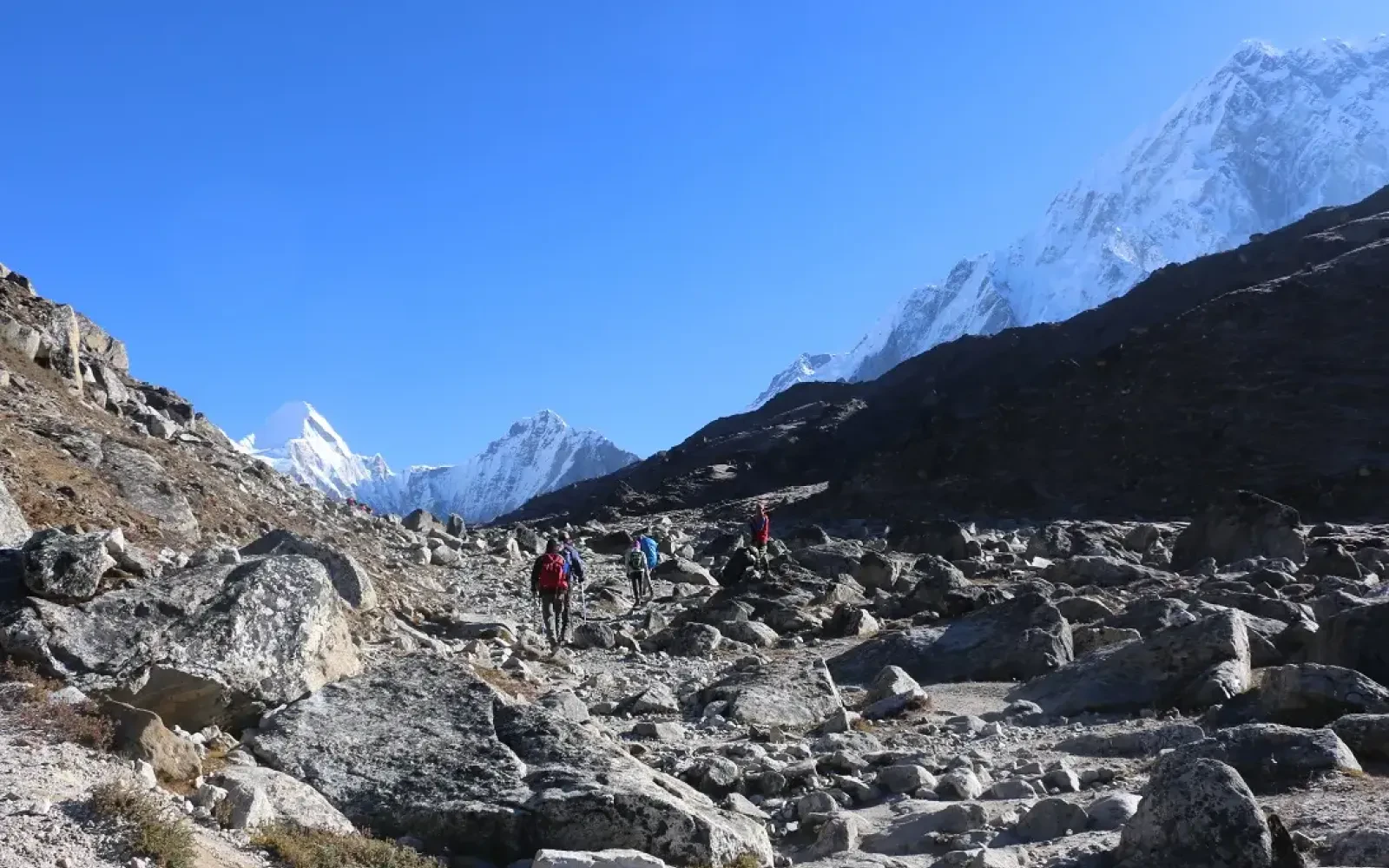
To begin with, the Everest Base Camp Trek Cost depends on several factors. The 12–16-day trekking has different prices with different services. On average, trekkers spend $1200 to $2000 for a full Everest Base Camp Trek package. It includes permits, transportation, food, accommodation, and guide or porter services.
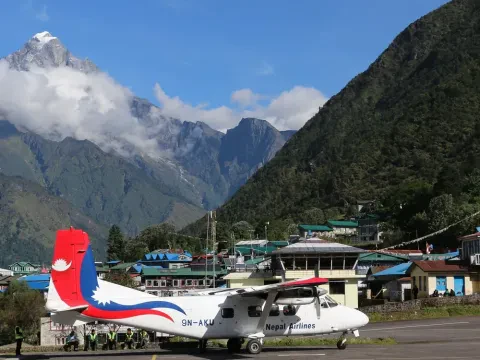
Secondly, location and logistics dictate the price of EBC Trek. For example, airfares to Lukla from Kathmandu at 2,860m are around $255–$295 one way. Private Jeep ride to Thamdanda at 2,000m are, however, around $200- $350 and on sharing USD 65. More higher locations like Namche Bazaar at 3,440m and Lobuche at 4,940m have more expensive food and accommodation prices due to transport difficulties.
Moreover, the Everest Base Camp Trek cost reflects seasonal variations. Spring and autumn attract most trekkers, so tea-house and food prices rise slightly. Winter may be cheaper, but conditions around Gorak Shep at 5,164m are harsher. Trekkers must still budget wisely because altitude challenges often bring unexpected expenses.
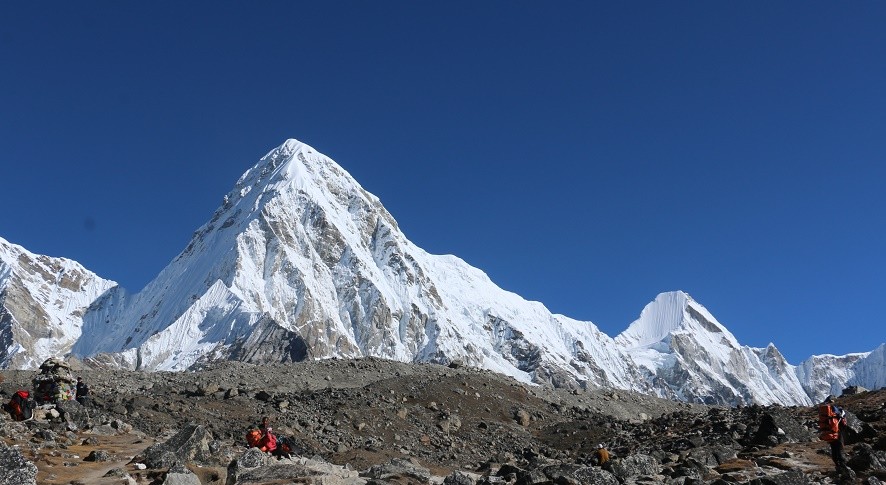
In conclusion, Everest Base Camp Trek cost balances transport, accommodation, food, and safety. Packages from local agencies are more economical as they include guides, food, and permits. Therefore, planning with a good company ensures a successful trip while keeping the cost in check.
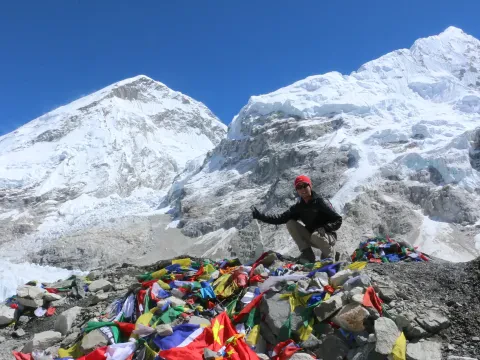
Firstly, a split in costs of Everest Base Camp Trek helps trekkers understand where the funds are being utilized. The significant elements are transport, permits, food, accommodation, guides, and porters. A round-trip flight to Lukla costs around $510–$590. Travel by private jeep via Salleri to Thamdanda costs around $350 including return.
Second, there are entrance permits for Everest Base Camp Trek. The Sagarmatha National Park permit costs approximately $30, and the Khumbu Pasang Lhamu local entrance permit costs about $30. Together, the two of them cost $60 more before one even reaches Namche Bazaar at 3,440m. Everest trekking is not allowed without these permits.
Further, accommodation and food are a daily expense. Teahouses in Tengboche at 3,867m charge $8–$15 per night for normal lodge. Food such as dal bhat, noodles, or potatoes ranges from about $5–$8 per meal. Therefore, trekkers can expect $25–$35 per day for food and rooms.
Lastly, porters and guides offer professional support but at an extra cost. A guide can cost between $30–$35 a day and a porter $20–$25 a day. Thus, trekkers can expect to pay between $1200 and $2000 depending on group sizes and service level.
First, the Everest Base Camp Trek Cost Comparison helps trekkers decide between packages and independent trekking. Guided treks with agencies cost more but with full support. Independent treks cost less but require good planning. Both options end up at the same spot at Everest Base Camp, 5,364m.
Second, package Everest Base Camp treks take on average $1200–$2000 for 12–16 days. This amount covers meals, accommodation, permits, guide, and porter. Independent trekkers, however, can get by with $800–$1200. They do, however, need to organize transport to Lukla or Salleri, meals, and permits themselves.
Furthermore, luxury Everest Base Camp treks cost significantly more. Helicopter evacuations from Gorak Shep at 5,164m cost around $500–$1200. Likewise, better-rated lodges at Namche Bazaar 3,440m cost between $50–$100 for a night. Such facilities are perfect for trekkers who value comfort more than cost.
In total, a comparison of costs of Everest Base Camp Trek shows the trek can be affordable. Trekkers who are on a tight budget can trek independently and spend very little. However, full-package deals remove stress and provide safety. Therefore, choice depends on personal budget and the level of support wanted.
To begin with, in Nepal, Everest Base Camp is one of the most expensive treks. It is more expensive than Annapurna or Langtang. This is because there is limited transport to Lukla and expensive logistics beyond Phakding at 2,610m. All the supplies must be carried by porters or airlifted.
Second, Nepalese agencies offer luxury and budget options for EBC Trek. Budget treks cost about $1200 with local guides and teahouses. Luxury packages, however, cost approximately $3000 with higher-end lodges and helicopter returns. The cost difference corresponds to the range of services.
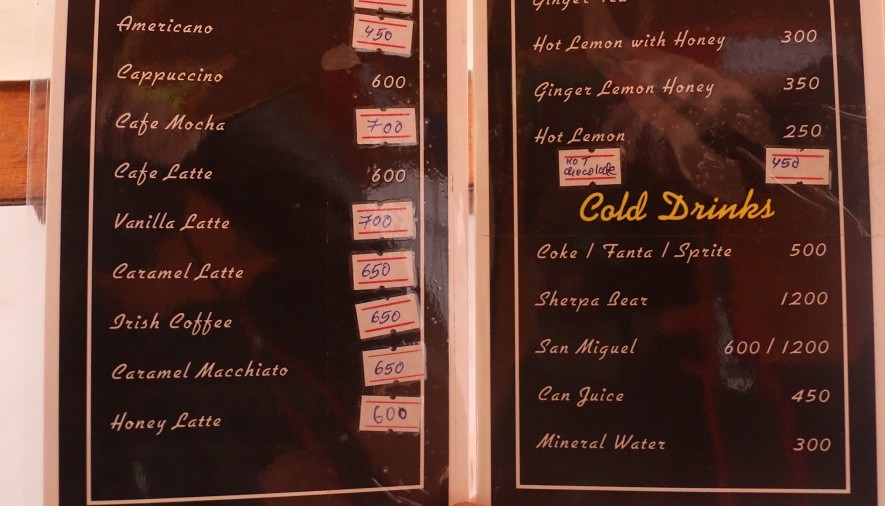
Also, daily costs are higher in the Khumbu region. A bottle of water at Lobuche at 4,940m costs $5–$8. Similarly, food is double the price of that in Kathmandu at 1,400m. These costs rise with altitude since transport relies on human or animal effort.
Lastly, the Everest Base Camp trek Cost Nepal is pricier than most of other popular treks in Nepal. Yet, Everest scenery at 8,848m, Lhotse at 8,516m, and Ama Dablam at 6,812m justifies the expense. Therefore, trekkers must be financially ready for comfort and safety.
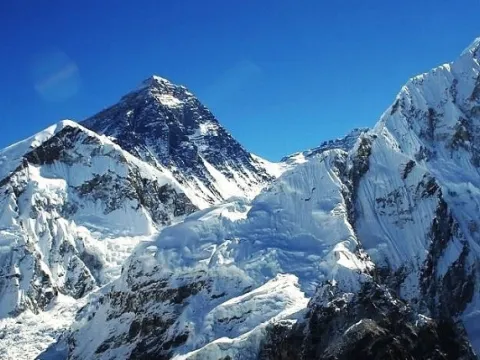
To start with, saving money on the Everest Base Camp trek requires smart planning. Flying to Lukla at 2,860m is costly. Therefore, traveling by jeep to Thamdanda at 2,000m saves around $150. It takes longer, but it reduces transport costs significantly.
Secondly, staying in local teahouses instead of luxury lodges also reduces expenses. For example, accommodation in Namche Bazaar at 3,440m costs between $6–$10. Luxury lodges cost as much as $50, however. Staying in basic teahouses offers the same trail experience at lower prices.
Besides, the meals have a huge bearing on the budget. It costs $6–$7 to have local dal bhat in Tengboche at 3,867m. Pizza or pasta, on the other hand, are available for $10–$12. As such, taking local food ensures energy and savings.
Briefly, solo trekking with permits and with porters is cheaper than booking luxury packages. Having said that, local agencies like Haven Holidays Pvt. Ltd do package prices quite affordably. Accordingly, prudent choices in transportation, food, and shelter reduce the total expense of the trek.
Firstly, Everest Base Camp trek cost per day differs according to altitude. At lower altitudes like Phakding at 2,610m, day-to-day costs are minimal. Trekkers would spend around $25–$30 on food and accommodation here. This increases with a rise in altitude as supplies are costlier.
Second, in Namche Bazaar at 3,440m, accommodation and food together cost around $30–$40 a day. Similarly, in Dingboche at 4,410m, the cost increases to some $40–$45. So, average daily costs generally range from $35 to $50 depending on location.
Also, other costs have to be added. Like, hot showers, charging facilities for devices, and internet services in Lobuche at 4,940m will cost $5–$10. In the same way, bottled water costs more in Gorak Shep at 5,164m. Thus, trekkers have to add $10 for these extra facilities.
Overall, the Everest Base Camp trek cost per day is around $40–$50 including your meals, accommodation and some personal expenses. Iy you count the cost of guide and porter, permits and transportation along with meals and accommodation, it comes like USD 115-120. This cost excludes the cost travel incusrance and extra personal expenses.
Thus, be ready to spend USD 115-120 for the full Everest Base Camp Trek Package per day for 12-14 day EBC Trek Itinerary.
However, comfort levels, eating options, and altitude greatly influence these expenses. Therefore, planning with realistic expectations allows trekkers to effectively budget for daily costs.
Firstly, it is common practice to take a porter for the Everest Base Camp trek. A porter would be $20–$25 a day. That is for loads of 20kg to 25kg. Porters make the trek easier, especially above Namche Bazaar at 3,440m.
Second, charges are according to trekking duration. A 12–14 day trek costs around $250–$350 for a porter. Trekkers usually hire from Lukla at 2,860m or Salleri at 2,400m. Hiring early implies better availability and quality of service on the trail.
Moreover, porters also need to be well treated. Trekkers are supposed to pay for their food, accommodation, and insurance. On average, accommodation and food for porters cost $15–$20 a day. In higher altitude places like Dingboche at 4,410m, these cost a bit more.
Overall, hiring daily porter wages are inexpensive compared to the benefits. They conserve physical energy and offer stress-free trekking. Therefore, it is worth it to spend $20–$25 a day on a porter.
First and foremost, guides are important for safety and navigation. A licensed guide can cost between $30–$35 per day for your Everest Base Camp Trek. They offer trail expertise from Phakding at 2,610m to Everest Base Camp at 5,364m. Thus, they offer both support and cultural insight.
Secondly, the cost also covers their accommodation and food. Trekkers need to provide guides' accommodation at Namche Bazaar at 3,440m and Tengboche at 3,867m. These are typically included as part of the daily fee. Hence, booking via agencies simplifies matters.
Moreover, guides make the trek safer. At high elevations like Lobuche at 4,940m, guides' experience prevents altitude dangers. They also manage permits and teahouse bookings. Therefore, they offer an added peace of mind and ease along the trek.
In total, a guide cost would be around $30–$35 a day during Everest Base Camp Trek. While it is an added expense, it is a safer experience. For this reason, most trekkers opt for guides for comfort, cultural knowledge, and assurance of safety.
To begin with, food along the Everest Base Camp trek is more costly with altitude. Phakding at 2,610m offers a dal bhat of $5–$6. The same dal bhat at Gorak Shep at 5,164m is $8–$10. This is due to the fact that food is transported by porters or flown in to Lukla.
Second, the breakfast tends to cost between $4–$6 per days in Everest Base Camp Trek. The popular items for breakfast are porridge, eggs, or pancakes. In Namche Bazaar at 3,440m elevation, a pancake may cost a trekker $5. But in Lobuche at 4,940m, it could be $7. So the budgeting going higher is necessary.
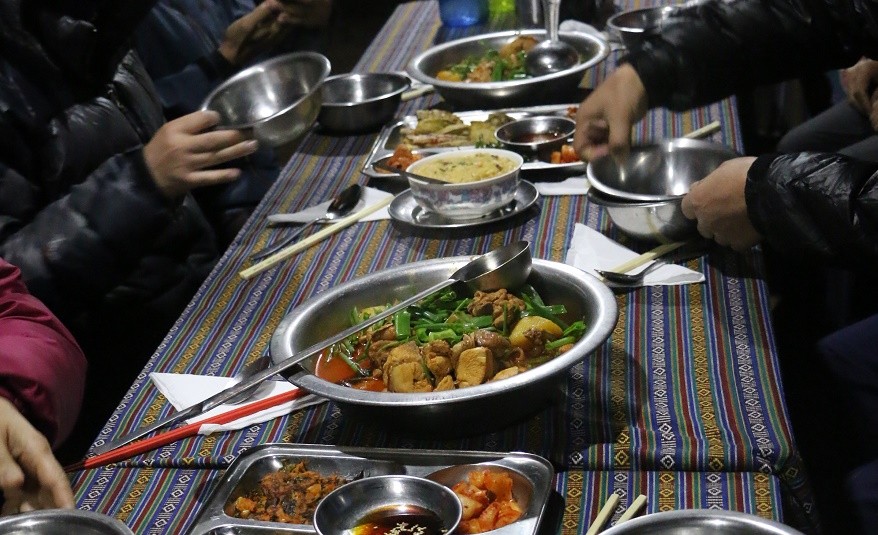
Also, lunch and dinner make up most of the daily costs. In Tengboche at 3,867m, noodles or fried rice cost around $6–$7. Similarly, in Dingboche at 4,410m, pasta dishes cost $8–$10. Trekkers spend around $20–$25 a day on food alone.
Briefly, food costs around $25–$30 per day during the Everest Base Camp trek. However, prices rise steadily from 4,000m onwards. Budgeting for more costly food ensures that trekkers never starve. Local food like dal bhat remains the biggest energy bargain.
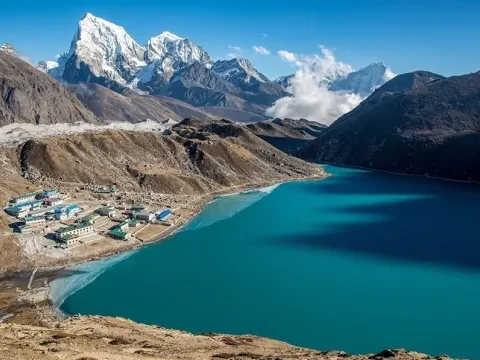
Firstly, accommodation along the trail is typically basic teahouses. At Phakding at 2,610m, a standard room costs $5–$6. At Namche Bazaar at 3,440m, the teahouses cost about $6–$10 per night. The cost covers a bed but not breakfast.
Secondly, the rooms are basic but a bit pricier with higher altitude. At Tengboche located at 3,867m, lodges cost $7–$10. The rooms cost around $10–$12 at Lobuche that is at 4,940m. Therefore, trekkers have to pay more in higher villages.
Along with that, there are also luxury lodges in some locations. In Namche Bazaar and Dingboche, for example, luxury rooms are $50–$100 per night. The lodges offer hot showers, Wi-Fi, and softer beds. Nevertheless, beyond Dingboche at 4,410m, the options are mostly simple teahouses.
Mostly, rooms cost in Everest Base Camp Trek are $6–$10 per day for most trekkers. Prices are still affordable but rise with the elevation. Budgeting $100–$120 for accommodations during the trek is thus reasonable. Teahouses are warm in hospitality even with simple facilities.
Firstly, extra expenses include snacks, drinks, and minor tips. A cup of coffee in Namche Bazaar at 3,440m is $3–$5. Chocolate or biscuits are also $2–$4. These are quite a contribution to daily costs.
Second, trekkers also incur expenditure on cultural contributions. Many trekkers leave small amounts of money for monasteries, like at Tengboche at 3,867m. Contributions generally range between $2–$10. These help maintain monasteries and local populations.
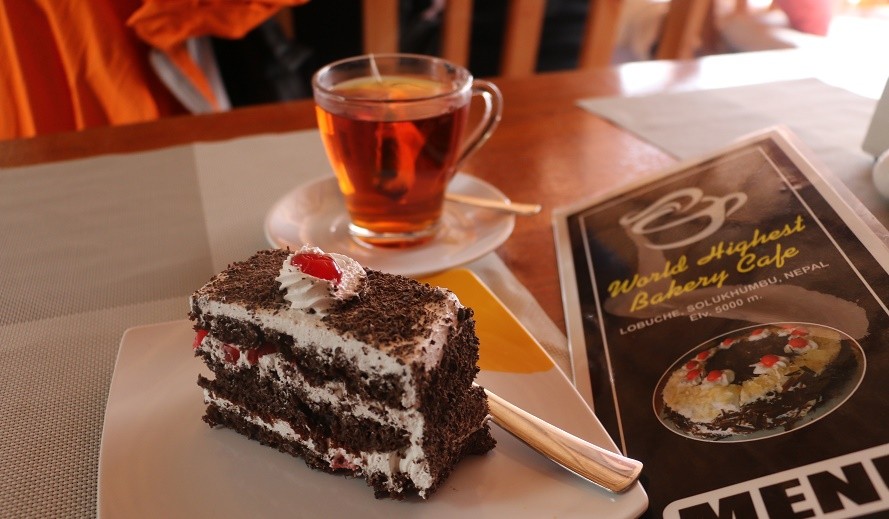
Moreover, hot showers and charging equipment are also add-ons. A shower at Dingboche at 4,410m may cost $5. Charging a phone at Lobuche at 4,940m may cost $3–$5. Therefore, these services contribute to a daily expenditure of $5–$10.
Lastly, extra cost during Everest Base Camp Trek ranges $10–$15 per day. Souvenirs, snacks, and services all contribute to this. Budgeting for extras therefore keeps trekkers comfortable without encountering unexpected expenses. Small donations also go to local people on the trail.
To start with, drinking water is a necessity on the trek every day. At Phakding at 2,610m, bottled water is $1.50. But at Gorak Shep at 5,164m, the same bottle of water will be $4. It is more expensive because the supplies are carried long distances.
Secondly, most trekkers purify the water using purification tablets or filters to be economical. Refilling bottles with stream or tap water is without any charge. Purification tablets cost around $0.50 per liter, though. Thus, this method is cheaper and environmentally friendly than bottled water.
In addition, boiled water is also available at some lodges for $2–$3 per liter. In Tengboche at 3,867m, it is common. Trekkers use boiled water for safety at high elevation. Thus, whether bottled, boiled, or purified water is used impacts the budget.
Lastly, drinking water costs about $3–$5 per day during Everest Base Camp Trek. Trekkers that treat water save money, and bottled water is costly. Therefore, bringing tablets or filters is cost-saving and eco-friendly. At 4,000m and higher, hydration is essential for safety and energy.
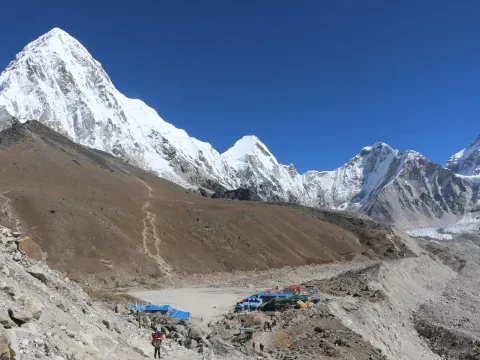
To begin with, transport constitutes one of the biggest costs on the Everest Base Camp trek. Most individuals take the flight to Lukla at 2,860m. One-way fares range from $255–$295, and round trip ranges from $510–$590. Flights take approximately 30 minutes from Kathmandu or Manthali only 20 minutes.
Secondly, there are normally delays since Lukla airport is short and weather-permitting. Trekkers therefore prefer the jeep. It takes $20–$30 per person in a jeep from Kathmandu to Salleri at 2,400m. From Salleri, there are jeeps to Thamdanda at 2,000m for another $30–$40.
Besides, the jeep path costs less but is longer. It takes two days of hiking and driving to Lukla. However, the saved money is significant in comparison to flights. Trekkers also have gradual altitude ascension from lower villages like Paiya at 2,730m.
In short, transport prices in Everest Base Camp Trek range between $200 and $590 depending on the option. Flights are faster but costlier. Jeeps take longer but are cheaper and offer cultural exposure. Therefore, transport directly affects costs and trekking experience.
It begins by requiring two permits to hike to the Everest Base Camp. The first is the Sagarmatha National Park entrance permit. It costs about $30 per person and is checked at Monjo at 2,835m. If it is not produced, park entry is impossible.
Second, trekkers need the Khumbu Pasang Lhamu Rural Municipality permit too. This costs about $30. It is collected in Lukla at 2,860m or Monjo at 2,835m. Both are obligatory and stringently checked on route.
Besides, individual trekkers must purchase permits in advance or en route. Organizations, however, factor such expenses into packages. For example, while trekking along Namche Bazaar at 3,440m, the guides do so seamlessly. Packages, therefore, reduce hassle.
In short, total permit costs are around $60 per person. It is cheap taking into account transportation, food, and lodging. Nevertheless, permits remain mandatory for all. Therefore, having them arranged in advance avoids problems on the trail.
First, the Everest Base Camp trek cost is normally $40–$60 per day. This includes meals, lodges, and very minor expenses. But, it comes between USD 115-120 if you calculate all expenses for 12-14 day Trek.
Thus, the total cost for 12-14 day Everest Base Camp Trek Package will range between USD 1200–$2000 depending on group size, itienrary and services included.
At Namche Bazaar at 3,440m, daily expenses are moderate. Nonetheless, once above Lobuche at 4,940m, meals and services contribute to the cost.
Secondly, guides and porters incur extra money in the daily budget. A guide costs $30–$35 per day. Similarly, a porter costs $20–$25 per day. They both incur an extra $50 per day, although they are valuable support.
Also, extra expenses like hot showers, charging, or water purification are $5–$10 per day. Also, souvenirs, snacks, and contributions to the local culture are included in the total cost. Even normal tea is pricier at Gorak Shep at 5,164m than at Phakding at 2,610m.
Overall, day-to-day budgeting is essential for trekking to Everest Base Camp. Most of the trekkers spend $80–$90 per day with guides, porters, meals, accommodation and other minor expenses. A 12–14 day trek, therefore, costs between $1200 and $2000 in total. Pre-planning makes the trip safe and enjoyable.
1. What is the Everest Base Camp Trek Cost Per Day?
The cost of the Everest Base Camp Trek per day is usually around $40 to $115. This includes the cost of a guide, a porter, meals, accommodation, transport and permits. We give you a breakdown of the costs so you can plan your trip to the Himalayas.
2. How much is the total Everest Base Camp Trek Cost?
The total cost of the Everest Base Camp Trek is around $1,200 to $2,000 per person for a 12-14 day trip. This includes flights, permits, a guide, a porter, meals and accommodation in teahouses. You can contact Haven Holidays Nepal for a customized quote.
3. What does the Everest Base Camp Trek Cost Breakdown include?
The cost breakdown of the Everest Base Camp Trek includes the cost of flights to Lukla permits, the guide and porters wages, meals, accommodation in teahouses and transport. We are transparent about our pricing so you know what you are paying for.
4. How does Everest Base Camp Trek Cost Comparison work?
The cost of the Everest Base Camp Trek can vary depending on the type of trip you want. Budget options can cost around $900-$1,400 standard trips can cost around $1,200-$2,000 and luxury trips can cost than $3,000. Haven Holidays Nepal offers prices with professional guides and excellent service.
5. What is the Everest Base Camp Trek Cost in Nepal?
The cost of the Everest Base Camp Trek in Nepal is usually around $1,200-$2,000. It is cheaper to book a trip with an operator like Haven Holidays Nepal because we can provide an authentic experience with trained staff and direct support.
6. How to Save Money on Everest Base Camp Trek?
To save money on the Everest Base Camp Trek you can trek during the shoulder season join a group bring a water bottle eat local food like dal bhat and rent gear in Kathmandu. Choosing a package from Haven Holidays Nepal can also help you save money.
7. What is Everest Base Camp Trek Cost Per Day for Porter?
The cost of a porter per day on the Everest Base Camp Trek is around $20-$30. This includes the porters wages, food and insurance. Hiring a porter can help reduce your load and support the economy.
8. What is Everest Base Camp Trek Cost Per Day for Guide?
The cost of a guide per day on the Everest Base Camp Trek is $25-$40. Our guides are. Can provide you with information about the route, safety and culture. They can also help make your trip more enjoyable and secure.
9. What is Everest Base Camp Trek Cost Per Day for Meals?
The cost of meals per day on the Everest Base Camp Trek is $25-$40. The cost of meals can increase with altitude. You can eat dal bhat, noodles and soups at teahouses. Our packages often include meals to help you control your expenses.
10. What is Everest Base Camp Trek Cost Per Day for Accommodation?
The cost of accommodation per day on the Everest Base Camp Trek is around $10-$30. You can stay in rooms with shared facilities in teahouses. Upgrades are available at elevations. Haven Holidays Nepal recommends accommodation for proper rest.
11. What are Everest Base Camp Trek Cost Per Day for Extra Expenses?
The extra expenses per day on the Everest Base Camp Trek can include showers, Wi-Fi charging and snacks. These can cost $10-$25 per day. You should budget cash for these comforts to keep your overall expenses under control.
12. What is Everest Base Camp Trek Cost Per Day for Drinking Water?
The cost of drinking water per day on the Everest Base Camp Trek is $5-$15. The cost of water can increase with altitude. You can use purification tablets or filters to save money and reduce waste.
13. What is the Cost of Transport on Everest Base Camp Trek?
The cost of transport on the Everest Base Camp Trek mainly includes round-trip flights to Lukla, which can cost around $350-$500. Helicopter options are more expensive. Ground transfers in Kathmandu are usually included in our packages.
14. What is Everest Base Camp Trek Cost for Permits?
The cost of permits for the Everest Base Camp Trek includes the Sagarmatha National Park permit and the Khumbu Rural Municipality permit. The total cost is around $50-$60 per person. We handle all the paperwork for you.
15. Is tipping included in Everest Base Camp Trek Cost?
Tipping is not included in the cost of the Everest Base Camp Trek. It is appreciated. You should budget around $5-$10 per day for your guide and $3-$5 per day for your porter. Tipping is a custom and can help support the team.
16. What is the best time for Everest Base Camp Trek Cost?
The best time to go on the Everest Base Camp Trek for the value is from March to May and from September to November. These shoulder seasons offer prices, fewer crowds and stable weather. You should avoid the monsoon season for value and views.
17. Can beginners afford Everest Base Camp Trek Cost?
Yes, beginners can afford the Everest Base Camp Trek with planning. Our standard packages start at around $1,500. Include support. You should have fitness and acclimatization to complete the trek. Haven Holidays Nepal provides training advice and safe itineraries.
18. Does Everest Base Camp Trek Cost include insurance?
The cost of the Everest Base Camp Trek usually does not include travel insurance. You must purchase insurance that covers high-altitude trekking, evacuation and medical emergencies before you arrive in Nepal.
19. What currency and payment for Everest Base Camp Trek Cost?
You can pay for the Everest Base Camp Trek in USD or Euros via bank transfer. You should also bring Nepali Rupees or USD cash for expenses during the trek. ATMs are limited on the trail. We accept payment options.
20. Why choose Haven Holidays for Everest Base Camp Trek Cost?
You should choose Haven Holidays Nepal for the Everest Base Camp Trek because we offer pricing, with no hidden fees, experienced local guides, sustainable practices and excellent reviews. We can customize packages to fit your budget and expectations.
Our travel experts are ready to assist you with any questions.
Send us a message.Have a question before you book? Send your enquiry below and our travel experts will get back with the required information.