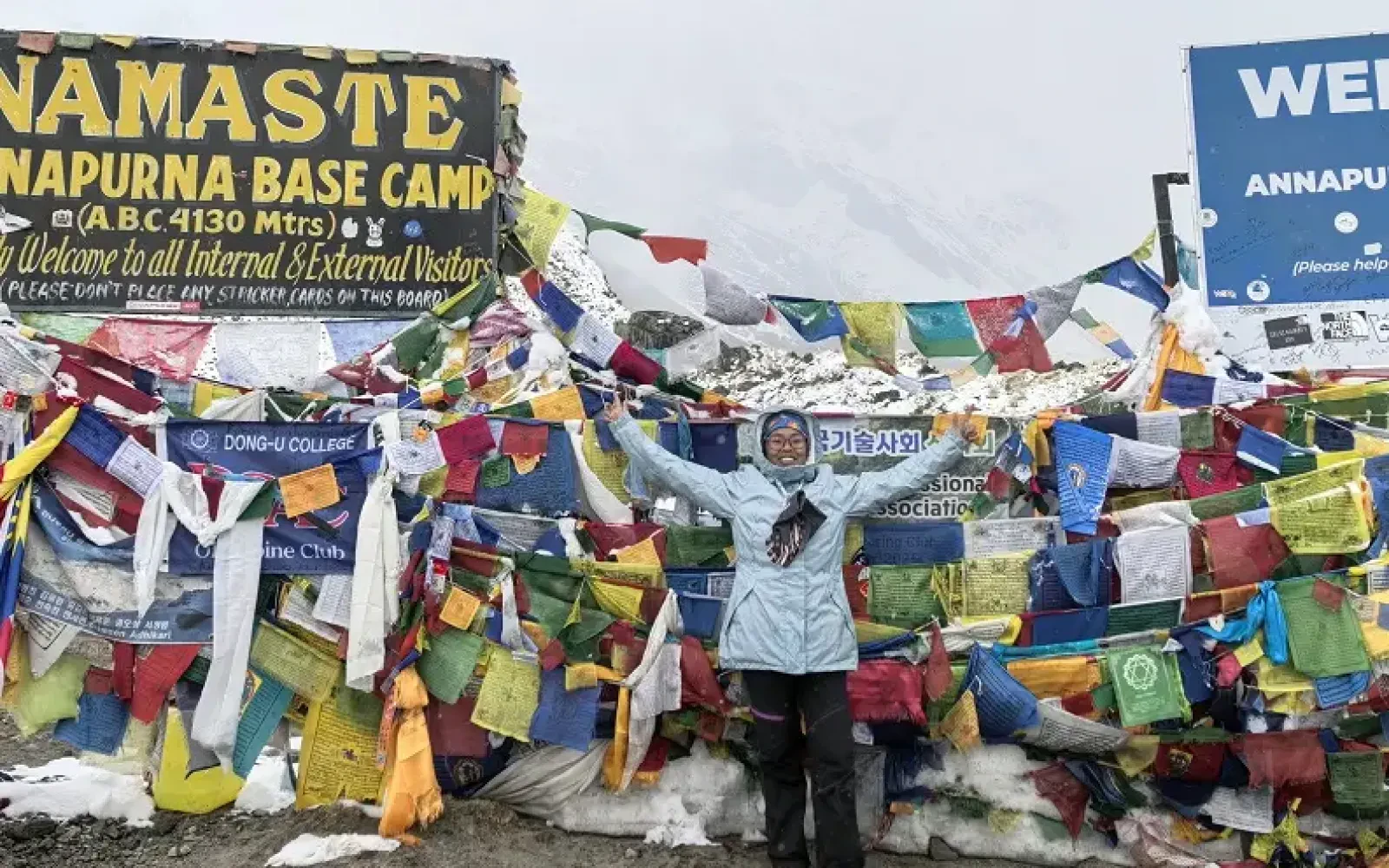
The Annapurna Base Camp Trek gives the brief but thrilling Himalayan experience. Annapurna Base Camp Trek is also popular as ABC. The ABC trek begins with jeep drive from Pokhara (2,700 ft / 820 m) to Jhino Danda (5,840 ft / 1,780 m), a scenic village renowned for its natural hot springs at the bank of Modi River. The drive of 3 to 4 hours from Pokhara is in one direction by jeep. The Annapurna Base Camp trek at Jhino Danda begins trekking towards Annapurna Base Camp (ABC) and returns to the same starting point to create a loop. Annapurna Base Camp Trek Via Poon Hill is always better option than going directly to ABC via Jhino and Ghandruk.
Trekking from Pokhara to ABC is a round-trip distance of about 37 miles (60 kilometers) on foot. The entire trek generally takes 5 to 7 days. Trekkers hike daily for 4 to 7 hours in Annapurna Base camp Trek, covering 5 to 10 miles (8 to 16 kilometers) in average. The Annapurna Base Camp route slowly gains altitude through forests, stone steps, farm terraces, and traditional Gurung villages. The ABC trail is entirely based in Annapurna Conservation Area.
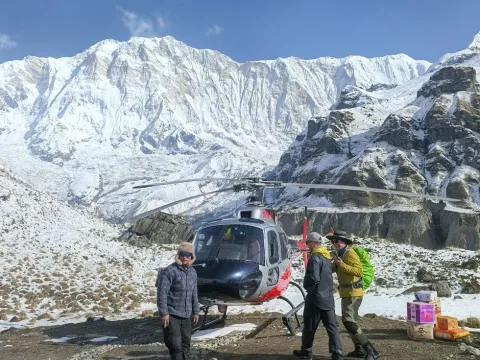
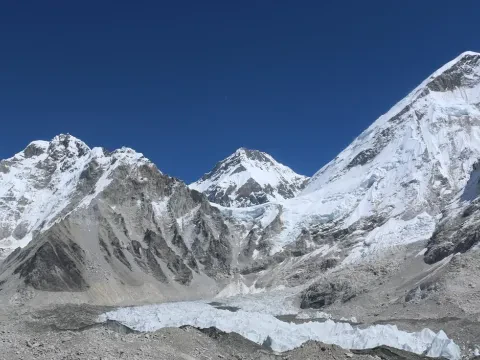
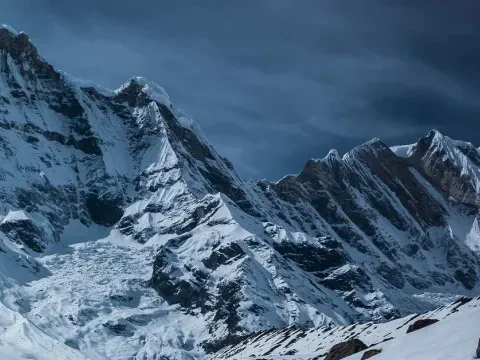
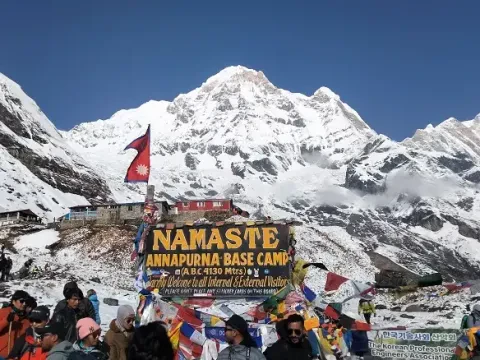
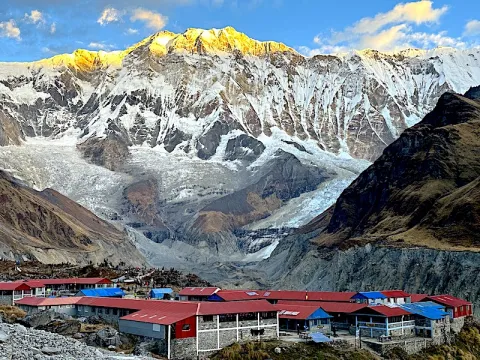
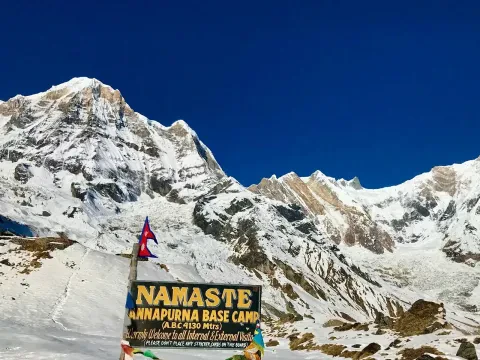
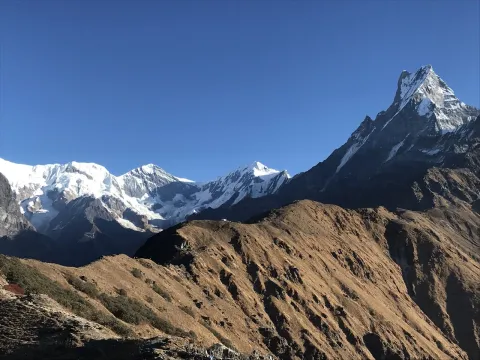
The Annapurna Base Camp route offers spectacular views of Annapurna I (26,545 ft / 8,091 m), Machapuchare (22,943 ft / 6,993 m), Hiunchuli (21,132 ft / 6,441 m), and Annapurna South (23,684 ft / 7,219 m). From ABC (13,550 ft / 4,130 m), you can see Himalayan giants standing before you 360 degrees. The natural amphitheater is the crown jewel of the Annapurna Trek from Pokhara.

ABC Trail conditions range from stone steps to forest trails and alpine high country. The most challenging section of Annapruna Base Camp Trek is between Deurali (10,597 ft / 3,230 m) and ABC, with both altitude gain and steep ridges. The Annapruna trek as a whole is moderate to moderately difficult.
Accommodations in ABC Trek are teahouses that have basic rooms and communal toilets. They are mostly equipped with Wi-Fi and hot showers. Foods on ABC Trek includes Nepali dal bhat, noodles, pasta, soups, eggs, and seasonal vegetables. Food is simple but fresh and filling along the ABC Trek from Pokhara.
March to May and September to November are the ideal times to trek to Annapurna Base Camp from Pokhara. There is favorable weather, clear landscapes, and spring flowers of rhododendrons during these times.
You need an ACAP permit and TIMS card to undertake this trek. It is extremely advisable to have a guide for security and way-finding. Having a porter helps with luggage and makes trekking easier.
Trekking to Annapurna Base Camp from Pokhara offers spectacular mountain views, cultural encounters, and satisfying trail accomplishment.
Yes, altitude sickness is possible during the Annapurna Base Camp (ABC) Trek. Even though ABC (4,130 m) is below the 5,000-meter risk area unlike Everest Base Camp(5364m), the risk does exist. Trekkers experience symptoms at an elevation above 2,500 m. while doing Annapurna Base Camp Trek. The risk begins around Chhomrong (2,170 m) and is more significant beyond Himalaya (2,920 m), Deurali (3,200 m), and Machapuchare Base Camp (MBC, 3,700 m).
Altitude Sickness Symptoms include headache, dizziness, nausea, loss of appetite, fatigue, and shortness of breath. The signs usually occur 6–24 hours following ascent. Untreated mild Acute Mountain Sickness (AMS) can develop into High Altitude Pulmonary Edema (HAPE) or High Altitude Cerebral Edema (HACE). Both are life-threatening conditions that need immediate treatment.
To avoid the risk of Altitude Sickness on Annapurna Base Camp Trek, climb gradually. Avoid going from Deurali to ABC in a single day. Overnight stay at MBC (3,700 m) and allow your body to acclimatize. Drink plenty of water and don't consume alcohol. Have sufficient carbos for energy. Trust your body. Stop climbing if symptoms occur. Descend or rest if they intensify.

If the altitude sickness symptoms aggravate in ABC Trek, descend at least 500–1,000 meters promptly. Use Diamox (acetazolamide) if prescribed by a doctor. In extreme situations, request an emergency evacuation. Helicopter evacuation can be done from MBC or ABC but is subject to weather conditions.
Most trekkers complete the ABC trek without incident of altitude sickness if they take precautions. Proper acclimatization, slow climb, and caution avoid altitude sickness. Always inform your guide or tour when you are unwell. Acting early avoids serious consequences.
Altitude sickness may strike the trekkers at and beyond 2,500 meters during Annapurna Base Camp Trek. The risk of altitude sickness increases as you ascend higher during your ABC Trekking. During Annapurna Base Camp (ABC) Trek, there are a number of zones where trekkers should be cautious.
The ascent from Chhomrong (2,170m) to Himalaya (2,920m) is where the altitude sickness on Annapurna Base Camp Trek begins. Some will experience mild symptoms here. Headache, loss of appetite, and disturbed sleep may start. It will usually stay in check with slow ascent and drinking fluids.
Himalaya to Deurali (3,200m) section is a gentle climb. Oxygen levels drop dramatically. Trekkers may start to feel lightheaded or weak. This section is likely to induce altitude sickness. Rest frequently. Drink water. Avoid alcohol.
Deurali to Machapuchare Base Camp (MBC) at 3,700m is a steep ascent. This section of the trek is a common trigger area for Acute Mountain Sickness (AMS). Symptoms become worse: nausea, dizziness, shortness of breath. Some people have tightness in chest. Do not ignore these symptoms. Acclimatize overnight at MBC if you feel so.
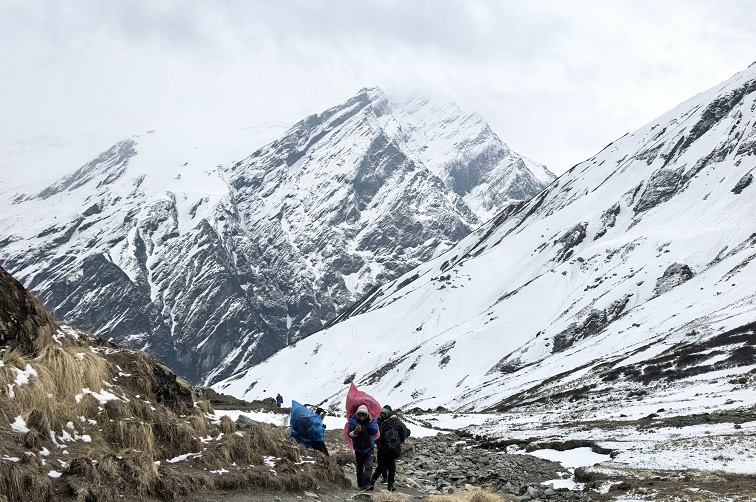
Dangers area is MBC to Annapurna Base Camp (4,130m). Most ascend this in one day. It is extremely risky. Many trekkers develop headache, fatigue, and confusion here. It is not safe to push on.
Altitude sickness Symptoms on ABC Trek worsen, do not ascend further. Rest where you are or descend lower. Pushing higher can cause HAPE or HACE. These are killers.
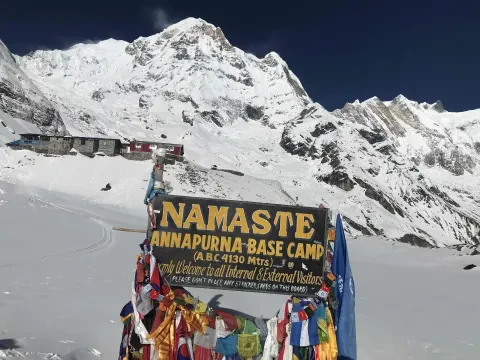
Sometimes, altitude sickness can be a real threat on the Annapurna Base Camp (ABC) Trek. The trek rises from 820 m at Nayapul to 4,130 m at ABC. Several studies highlight the risk of acute mountain sickness (AMS) as trekkers ascend quickly during ABC Trek.
Basnyat et al. (2000) found that 34% of trekkers above 3,000 m in Nepal had AMS symptoms. Another study by Hackett and Roach (2001) found that rapid ascent and poor acclimatization were significant stimuli. The Himalayan Rescue Association (HRA) study shows that 25%–30% of trekkers along the ABC trail experience AMS, especially above Deurali (3,230 m) and Machapuchare Base Camp (3,700 m). ABC itself stands at 4,130 m, where oxygen is 60% of sea level.
Most cases of AMS on Annapurna Base Camp Trek start from Deurali. Most trekkers feel breathless, dizzy, or nauseous. Some return at this point. Few proceed to Machapuchare Base Camp and develop worse symptoms. A few are evacuated by helicopter.
Actually, exact numbers having altitude sickness on ABC Trek vary from year to year. There are on average 20–30 helicopter rescues on this trail each month during high season, mainly from ABC and MBC. Deaths are rare due to altitude sickness on Annapurna Base Camp Trek. Experts estimate fewer than 5 deaths each year due to AMS on the ABC trek. These are usually due to neglect of symptoms and no descent.
About 10 out of 100 trekkers experience moderate to severe AMS on ABC Trek. About 5 out of 100 turn back due to altitude. Nevertheless, the success rate of the trek is high. More than 90 out of 100 trekkers can complete the trek if they spend some time acclimatizing.

In brief, altitude sickness is natural but preventable on the ABC trek. Proper pacing, hydration, and rest days between Chhomrong (2,170 m) and Deurali avoid AMS. Slower pace and monitoring are evidently backed by science as the best prevention.
1. Ascending Too Quickly
Rising too quickly is more likely to develop into Acute Mountain Sickness (AMS) on Annapurna Base Camp Trek. On the ABC trail, some trekkers rush from Chhomrong (2,170 m) to Deurali (3,230 m) or even Machapuchare Base Camp (MBC, 3,700 m) within one day. The quick 1,500 m climb leaves little time to acclimatize. The mistake of omission is to skip overnight stays at Himalaya (2,920 m) or Deurali, which are natural points of acclimatization. Most have symptoms of dizziness and nausea at MBC. Rushing causes dangerous symptoms above 3,000 m. Gradual approaches, with constant pacing and regular pauses, significantly reduce risk. Stick to the rule: "Climb high, sleep low," and never ascend more than 500 m of sleeping altitude a day above 2,500 m.
2. Skipping Acclimatization Days
The ABC route technically doesn't have rest days, unlike the Everest Base Camp route. However, acclimatization is necessary after crossing 2,500 m. Most avoid acclimatization at Himalaya (2,920 m) or Deurali (3,230 m) and reach ABC (4,130 m) early. Such a sudden rise typically leads to AMS. Trekkers are okay at MBC (3,700 m) but are sick at ABC in the morning are a good example. Slow altitude gain is required. Even night acclimatization more at Deurali allows the body some time for acclimatization. Slow ascent with overnight camps less than 3,500 m is what guides tend to advise. Listen to this warning—AMS can delay or dash your summit attempt.
3. Not Drinking Enough Water
Dehydration worsens the symptoms of AMS. Trekkers regularly underestimate water requirements, especially above 2,500 m. In the cold altitudes like MBC (3,700 m) and ABC (4,130 m), people consume less water due to low thirst. But dehydrating dry air and effort require additional fluid. Headaches and fatigue at ABC often result from dehydration instead of altitude. One of the trekkers at Deurali (3,230 m) mentioned that he had experienced dizziness only to return to normal after rehydration. Carry a bottle and aim at 3-4 liters of fluids daily. Avoid caffeine-containing drinks in lodges and stick to warm water, herbal tea, or electrolyte solution.

4. Overexerting Yourself
Pushing your limits on high slopes like Chhomrong to Sinuwa (2,340 m) or Bamboo to Deurali (2,920 m to 3,230 m) exhausts the body and compromises its ability to acclimatize to height. An exhausted body can't acclimatize. Too many overdo extended days like Himalaya to ABC and burn out upon arrival. A trekker walked from Sinuwa (2,340 m) to MBC (3,700 m) in one day and later needed evacuation for bad AMS. Split your days logically. Add buffer days if needed. Shorter trekking times with continuous pace enable your body to acclimatize naturally and minimize the risk of AMS on Annapurna Base Camp Trek.
5. Ignoring Early Signs
AMS typically starts with minor symptoms: headache, fatigue, or loss of appetite. Most dismiss these since they think it is normal fatigue. At Deurali (3,230 m) or MBC (3,700 m), the symptoms can be extremely rapid to progress. One MBC trekker reported headache and breathlessness, but proceeded to ABC (4,130 m). He slipped by nightfall and had to descend immediately. AMS can go ahead rapidly without notice. If you experience symptoms above 2,500 m, descend or rest at once. Resting at Himalaya (2,920 m) or Deurali may rescue you from something worse. Always inform your guide or teahouse keeper of your condition.
6. Sleeping Higher Than Recommended
Sleep altitude has a greater effect on AMS than day altitude. Trekkers ascending to MBC (3,700 m) and sleeping there without acclimatizing are likely to feel unwell. An example at ABC (4,130 m) was that of a trekker who bypassed Deurali (3,230 m) and slept there instead. He was nauseated and confused for the night. Even if you ascend to a higher point, descend to sleep at a lower place. Sleeping at Himalaya (2,920 m) before going up to MBC (3,700 m) is safer. Follow the "sleep low" rule to allow recovery. Prioritize setting up overnight altitude gains correctly, especially above 3,000 m.
7. Alcohol or Smoking
Alcohol and smoking reduce oxygen consumption and worsen AMS. Pokhara (822 m) bars invite drinking before and after treks. Some lodges at Jhinu Danda (1,780 m) also provide alcohol and cigarettes. Consumption of alcohol during trekking exacerbates dehydration, disrupts sleep, and blunts AMS symptoms. In one of the Sinuwa groups (2,340 m), people consumed alcohol and took warning signs lightly—one had to be evacuated back due to AMS at MBC (3,700 m). Avoid alcohol and tobacco above 2,500 m. Party afterwards, after the trek. Your body needs clean air and water, not poison, to cope with the altitude.
8. Wearing Inadequate Clothing
Freezing temperatures are found in MBC (3,700 m) and ABC (4,130 m) at night. Trekkers overdress too much and take only light jackets. Hypothermia and cold stress the body and hinder acclimatization. One trekker in Deurali (3,230 m) came down with a fever due to poor layering and had to go back. Use a layering system: base, insulate, and outer cover. Gloves, hats, and thermal socks are needed. Layered warm dry clothing allows your body to focus on altitude adaptation instead of fighting cold. Inadequate gear increases your vulnerability to AMS and discomfort in high-altitude regions.
9. Skipping Meals
Decreased intake affects energy levels and decelerates acclimatization. Some lose appetite above 3,000 m, especially at MBC (3,700 m) or ABC (4,130 m). One of the team members skipped dinner at Himalaya (2,920 m) due to nausea and was weak the next day. Calories sustain warmth, energy, and oxygen flow. Simple foods such as dal bhat or garlic soup at Deurali (3,230 m) contribute greatly. Force small bites if appetite disappears. Do not skip meals altogether. Correct nutrition drives acclimatization. Bring snacks such as nuts, energy bars, or glucose tablets as reserve along the trail.
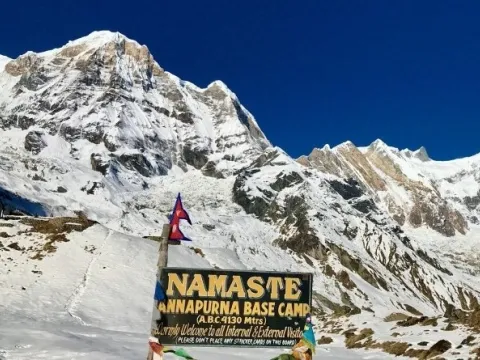
10. Trekking Without Heeding Your Body
Altitude requires being in tune with oneself. Forcing on through pain, denying fatigue, or concealing symptoms is risky. On the ABC hike, most neglect subtle symptoms because of peer pressure or lack of time. A single hiker disregarded recurring dizziness at Sinuwa (2,340 m) and was evacuated from MBC (3,700 m).

Listen to your body and rest when fatigued, eat when hungry, and rest if sick. The mountain will still be there. Your health is more important. Always speak out, sleep when required, and do not compare your speed with others.
1. Ascend Gradually: Refraining from Hurrying the Itinerary
2. Hydrate Well, Consistently

3. Acclimatization Breaks at Strategic Locations
4. Pay Heed to Early Symptoms of AMS
5. Rest at Lower Altitudes When You Can
6. Take Diamox Preventively if Advised
7. Take Sufficient Carbs for Energy and Acclimatization
8. Dress for Cold-Induced Fatigue

9. Abandon Alcohol and Smoking Completely
10. Turn Back or Descend When Necessary
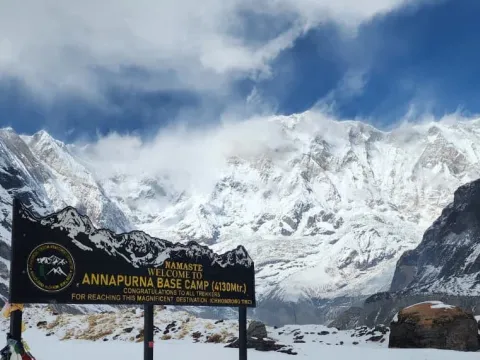
1. Diamox (Acetazolamide)
Diamox forestalls and relieves altitude sickness symptoms by stimulating the breathing process and increasing oxygenation. Start taking it while climbing to Chhomrong (2,170 m) or higher, always under the guidance of a doctor.
2. Pulse Oximeter
This handy device monitors your oxygen level and pulse. Wear it daily from Deurali (3,230 m) on to detect early hypoxia signs and take appropriate action.
3. Reusable Water Bottle with Filter
Hydrate is the greatest preventive measure against AMS. Carry a 1-liter bottle with a built-in filter to drink safely, particularly between Sinuwa (2,340 m) and Machapuchare Base Camp (3,700 m) where bottled water is pricey and scarce.
4. Electrolyte Tablets
Altitude dehydrates you faster. Electrolyte tablets replenish sodium and potassium levels, preventing exhaustion and headache. Take them from Bamboo (2,310 m) onwards on long climbs.
5. Thermal Flask
Hot beverages like herbal teas and soups are good for hydration and heat. A thermal flask keeps them warm on cold ascents, especially between ABC (4,130 m) and Himalaya (2,920 m).
6. Lightweight Down Jacket
Cold exposure can worsen altitude sickness. A good down jacket keeps your body temperature even at high-altitude camps like MBC (3,700 m) and ABC (4,130 m) where temperatures at night drop below freezing.
7. Trekking Poles
Trekking poles minimize leg fatigue and keep the pace stable, which is essential to avoid fatigue at high altitude. Use them regularly from Chhomrong to ABC on uphill and downhill slopes.

8. UV Protective Sunglasses
UV radiations become stronger at higher altitudes. Eye protection minimizes headaches and tiredness, particularly when walking through snowy areas near ABC (4,130 m).
9. Wide-brim Hat or Cap
Sunlight dries out and fatigues you very quickly. Wear a hat for day ascents in the area around Jhinu Danda (1,780 m) and beyond to save energy and prevent overheating.
10. Buff or Neck Gaiter
The convenient piece of gear protects from cold air and dry winds that irritate lungs and cause cough. It is especially useful between Himalaya (2,920 m) and MBC (3,700 m) on windy days.
11. Moisturizing Lip Balm and Nasal Saline Spray
Chapped lips and nose are normal at altitude and can cause breathing discomfort. Use these from Deurali (3,230 m) onwards.
12. High Calorie Content Snacks (Nuts, Chocolates, Energy Bars)
Maintenance of energy levels supports acclimatization. Snack frequently while going from Sinuwa to ABC and especially on longer intervals between Deurali and MBC.
13. Sleeping Bag -10°C Rated
Good rest allows for recovery and adjustment. Accommodation at MBC (3,700 m) and ABC (4,130 m) is chilly, and blankets may be insufficient. A hot sleeping bag promises good nights' sleep.
14. Oxygen Canister (Optional for Emergencies)
Oxygen canisters are not a substitute for acclimatization but come to the rescue in the case of severe AMS attacks. Take it past Deurali (3,230 m) if you are highly altitude-sensitive.
15. Warm Gloves and Woolen Hat
Keeping extremities warm also avoids loss of body heat. Utilize them from above Himalaya (2,920 m) onwards, where it becomes very chilly in the evenings.
16. Layered Clothing System

A layering system allows you to modify the body temperature without sweating or getting too cold. You will need flexibility when walking in and out of ABC (4,130 m), where the weather fluctuates quickly.
17. Map or Offline GPS App
Knowing your path helps to pace and avoids going too hard. Paper maps or apps like Maps.me from Ghandruk (1,940 m) to ABC to make mindful day ascents.
18. Waterproof Backpack Cover
Keeping your gear dry prevents cold and damp exposure. It's used in surprise showers between Chhomrong and Deurali, where the weather changes rapidly.
19. Headlamp with Spare Batteries
Power blackouts are common in teahouses higher than Deurali (3,230 m). A headlamp provides safe descent at night and helps take charge of your nighttime activities peacefully and stress-free.
20. Personal First Aid Kit (Including Ibuprofen and Antiseptic Cream)
Altitude headaches and minor injuries can distract and sap you. A personal kit assures quick self-help, especially above Himalaya (2,920 m) where medical help is scarce.
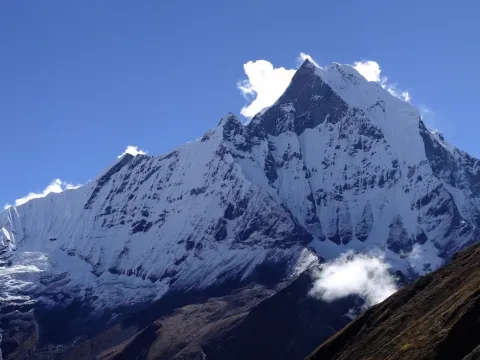
Altitude sickness on the Annapurna Base Camp (ABC) Trek is possible but less probable compared to the higher treks like Everest Base Camp. However, it can still happen in trekkers above 2,500 meters while climbing above Himalaya. It increases significantly after Chhomrong (2,170 m), especially after Deurali (3,230 m) and all the way to ABC (4,130 m).
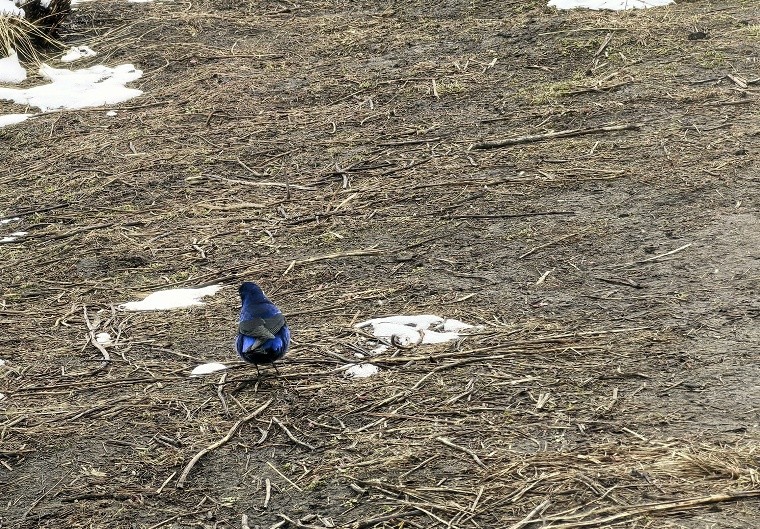
The most hazardous altitude sickness trigger area lies between Deurali and ABC. The rapid gain in height, fewer plants, and shorter oxygen supply make this part dangerous. Trekkers skip Machapuchare Base Camp (3,700 m), which makes the climb steep without acclimatization.
To prevent altitude sickness on Annapurna Base Camp Trek, ascend slowly, drink lots of water, and avoid alcohol. Add an extra overnight stay at Deurali or MBC. Listen to your body. If any symptoms of headache or nausea arise, descend immediately.
ABC Trek can be both safe and rewarding with good preparation. Train hard, sleep well, and follow altitude rules. With smart planning and information, anyone can experience this breathtaking journey with confidence.
1. What is altitude sickness on the Annapurna Base Camp Trek?
Altitude sickness happens when your body has trouble with oxygen at high places above 2,500 meters. On the ABC trek it often starts after Chhomrong. We have seen that going slow and resting properly prevents cases. Being aware of it keeps your trek safe and fun.
2. At what altitude does altitude sickness start on ABC Trek?
Altitude sickness can start around 2,500 to 3,000 meters. On the Annapurna Base Camp trek you might feel symptoms after Himalaya or Deurali. Our team plans a climb so your body gets used to it naturally making the journey safer.
3. What are the early symptoms of altitude sickness on ABC Trek?
Early signs are headache feeling sick, tiredness, dizziness and no appetite. These usually show up within 6 to 24 hours of going up. We advise you to rest and drink water away to stop symptoms from getting worse.
4. How common is altitude sickness on Annapurna Base Camp Trek?
Many trekkers get symptoms but serious cases are rare if you plan properly. ABC is at 4,130m, which's lower than other treks. Our guides help many trekkers avoid issues every season by going at a pace.
5. What is the trigger zone for altitude sickness on ABC Trek?
The main problem area is, between Deurali (3,200m) and ABC (4,130m). Going up fast here causes issues. We recommend sleeping at Machapuchare Base Camp to get used to the altitude safely.
6. Can I get altitude sickness even if I am physically fit?
Yes being fit does not fully protect you from altitude sickness. It depends on how you go up. Our guides have seen fit trekkers face issues when they rush, which is why we say to go at a steady pace.
7. How to prevent altitude sickness on Annapurna Base Camp Trek?
Go up slowly drink plenty of water eat well and take rest days. Do not drink alcohol. We design itineraries that give your body time to adjust naturally for an successful trek.
8. What is the best way to get used to the altitude for the ABC Trek?
To do this you should follow a simple rule: climb to a high point during the day but sleep at a lower point. It is also an idea to take an extra night at key points like Chomrong or MBC. Our team has a lot of experience. They make sure to include these rest days in every plan to keep everyone safe and happy.
9. Should I take Diamox for the Annapurna Base Camp Trek?
Some people find that Diamox helps them get used to the altitude faster. However you should talk to your doctor before taking it. We only recommend taking Diamox when it is really needed and you should always take it with plenty of water and rest.
10. How water should I drink every day on the ABC Trek?
You should drink 3 to 4 liters of water every day. If you do not drink water you may get sick from the high altitude. From our years of experience guiding treks we have seen that drinking plenty of water helps reduce symptoms and keeps your energy levels high.
11. What kinds of food can help prevent altitude sickness on the trek?
You should eat foods that're high in carbohydrates, such as rice, pasta, garlic soup and fruits. It is best to avoid fatty foods. We have found that these food choices help your body use oxygen better and keep your energy levels steady.
12. What are some common mistakes that can cause altitude sickness on the ABC Trek?
Some common mistakes include rushing to climb high skipping rest days not drinking enough water and drinking alcohol. We have guided treks and we always tell our trekkers that being patient is the best way to prevent problems.
13. Can I keep trekking if I have altitude sickness?
No you should not keep climbing if you have altitude sickness. Instead you should. Rest at your current altitude. If you start to feel better you can continue trekking. Our guides are very experienced. They keep a close eye on every trekker to make sure they are safe.
14. What should I pack to help prevent altitude sickness?
You should pack water bottles, special powder to help replace electrolytes, medicine, for headaches, warm clothes, sunscreen and snacks. A good sleeping bag and rain jacket can also be helpful. We make sure to create a list of everything you need based on our years of experience leading treks.
15. How well does garlic soup work to prevent altitude sickness?
Garlic soup is a remedy that many trekkers use to help prevent altitude sickness. It may help improve blood flow and reduce symptoms. We recommend trying garlic soup as part of a plan to prevent altitude sickness.
16. What happens if you do not do anything about altitude sickness on ABC Trek?
If you ignore altitude sickness on ABC Trek mild symptoms can become very bad. Turn into HAPE or HACE. You must go down to a place right away. Our team is very careful. Acts fast to keep everyone safe on ABC Trek.
17. Is altitude sickness on ABC Trek compared to other treks in Nepal?
The highest point on ABC Trek is lower than on EBC Trek so the risk of altitude sickness is a little less on ABC Trek.. You can still have problems if you go up too fast. We make sure everyone walks at a pace on ABC Trek so most people can handle it.
18. How long does it take to get better from sickness?
If you have altitude sickness you can feel better in 24 to 48 hours if you rest and go down to a lower place. If it is very bad you need to see a doctor away. We watch people carefully to make sure they get better on every ABC Trek.
19. Do guides help stop altitude sickness on ABC Trek?
Yes guides help prevent altitude sickness on ABC Trek. They watch for symptoms make sure you walk at a pace and help you when you need it. Our team has helped many people complete ABC Trek safely and happily.
20. Is it safe to go on Annapurna Base Camp Trek?
Yes it is safe if you get ready properly and have a plan. Many people complete Annapurna Base Camp Trek every year without any problems. Our team plans everything carefully. Helps you on the trail to make sure the risks of altitude sickness are very low, on Annapurna Base Camp Trek.
Our travel experts are ready to assist you with any questions.
Send us a message.Have a question before you book? Send your enquiry below and our travel experts will get back with the required information.