[{"name":"Everest Base Camp Helicopter Tour","duration":"1","image_url":"https:\/\/www.havenholidaysnepal.com\/storage\/trip-galleries\/1\/thumb_6cd53005d75a86e373d31419d1b14d78.webp","offer_price":1195,"url":"https:\/\/www.havenholidaysnepal.com\/trips\/everest-base-camp-helicopter-tour"},{"name":"Everest Mountain Flight","duration":"1","image_url":"https:\/\/www.havenholidaysnepal.com\/storage\/trip-galleries\/4\/thumb_3b0b4f1d6f72b0ad224daf4752f2c6e0.jpg","offer_price":285,"url":"https:\/\/www.havenholidaysnepal.com\/trips\/everest-mountain-flight"},{"name":"Everest Short Trek","duration":"9","image_url":"https:\/\/www.havenholidaysnepal.com\/storage\/trip-galleries\/5\/thumb_BXPP3621.JPEG0.02033800 1727957098.webp","offer_price":995,"url":"https:\/\/www.havenholidaysnepal.com\/trips\/everest-short-trek"},{"name":"Gokyo Valley Trek","duration":"12","image_url":"https:\/\/www.havenholidaysnepal.com\/storage\/trip-galleries\/6\/thumb_10bc469b14731f23d3ce84a7092ad53f.jpg","offer_price":1195,"url":"https:\/\/www.havenholidaysnepal.com\/trips\/gokyo-valley-trek"},{"name":"15 days Annapurna Base Camp Trek","duration":"15","image_url":"https:\/\/www.havenholidaysnepal.com\/storage\/trip-galleries\/7\/thumb_87d1533bc45faf070990aef0579e4be4.jpg0.81855100 1728285496.webp","offer_price":785,"url":"https:\/\/www.havenholidaysnepal.com\/trips\/15-days-annapurna-base-camp-trek"},{"name":"Nepal Pilgrimage Tour","duration":"14","image_url":"https:\/\/www.havenholidaysnepal.com\/storage\/trip-galleries\/8\/thumb_02c3bcf2ad2e8a4c1703e90ae747b5f1.jpg","offer_price":1475,"url":"https:\/\/www.havenholidaysnepal.com\/trips\/nepal-pilgrimage-tour"},{"name":"UNESCO World Heritage Site Tour","duration":"10","image_url":"https:\/\/www.havenholidaysnepal.com\/storage\/trip-galleries\/9\/thumb_unesco-world-heritage-site-Lumbani-temple-buddhists-hindus-kathmandu-nepal0.36988600 17347617740.93089500 1737469667.webp","offer_price":715,"url":"https:\/\/www.havenholidaysnepal.com\/trips\/unesco-world-heritage-site-tour"},{"name":"Island Peak Climbing","duration":"16","image_url":"https:\/\/www.havenholidaysnepal.com\/storage\/trip-galleries\/11\/thumb_Island peak0.53947000 1734692503.webp","offer_price":2495,"url":"https:\/\/www.havenholidaysnepal.com\/trips\/island-peak-climbing"},{"name":"Upper Mustang Trek","duration":"18","image_url":"https:\/\/www.havenholidaysnepal.com\/storage\/trip-galleries\/12\/thumb_upper mustang 7 Oct-2024.jpg0.95398900 1728286166.webp","offer_price":2995,"url":"https:\/\/www.havenholidaysnepal.com\/trips\/upper-mustang-trek"},{"name":"Annapurna Circuit Trek","duration":"16","image_url":"https:\/\/www.havenholidaysnepal.com\/storage\/trip-galleries\/15\/thumb_tibetan-flags.jpg0.04843900 1728289138.webp","offer_price":985,"url":"https:\/\/www.havenholidaysnepal.com\/trips\/annapurna-circuit-trek"},{"name":"Gosainkunda Lake Trek","duration":"10","image_url":"https:\/\/www.havenholidaysnepal.com\/storage\/trip-galleries\/16\/thumb_5A8083B3-C007-41A8-853F-D0C37C97D235_1_105_c.jpeg0.52581200 1731845258.webp","offer_price":595,"url":"https:\/\/www.havenholidaysnepal.com\/trips\/gosainkunda-lake-trek"},{"name":"Zip-lining in Pokhara and Dhulikhel","duration":"1","image_url":"https:\/\/www.havenholidaysnepal.com\/storage\/trip-galleries\/18\/thumb_215f765e2ebc995dd5c800b4bfdbacc3.jpg","offer_price":82,"url":"https:\/\/www.havenholidaysnepal.com\/trips\/zip-lining-in-pokhara-and-dhulikhel"},{"name":"Annapurna Heli Tour","duration":"1","image_url":"https:\/\/www.havenholidaysnepal.com\/storage\/trip-galleries\/19\/thumb_d71a6bbb9fd4da8d1b567a5cdbdec85d.jpg","offer_price":555,"url":"https:\/\/www.havenholidaysnepal.com\/trips\/annapurna-heli-tour"},{"name":"Paragliding in Pokhara","duration":"1","image_url":"https:\/\/www.havenholidaysnepal.com\/storage\/trip-galleries\/20\/thumb_de788d2dd9726783431f882c007efae1.jpg","offer_price":65,"url":"https:\/\/www.havenholidaysnepal.com\/trips\/paragliding-in-pokhara"},{"name":"Ultra-Flight in Pokhara","duration":"1","image_url":"https:\/\/www.havenholidaysnepal.com\/storage\/trip-galleries\/21\/thumb_e27a9fb572a5c21611bb2a3c18e4b8f0.jpeg","offer_price":175,"url":"https:\/\/www.havenholidaysnepal.com\/trips\/ultra-flight-in-pokhara"},{"name":"Sarangkot Hiking","duration":"1","image_url":"https:\/\/www.havenholidaysnepal.com\/storage\/trip-galleries\/22\/thumb_100ef822fea19987166c6c1366215f15.jpg","offer_price":55,"url":"https:\/\/www.havenholidaysnepal.com\/trips\/sarangkot-hiking"},{"name":"Mera Peak Climbing","duration":"18","image_url":"https:\/\/www.havenholidaysnepal.com\/storage\/trip-galleries\/24\/thumb_d16ae3895f678cf26ffbf2455f541fb5.jpg0.31883400 1732617790.webp","offer_price":2475,"url":"https:\/\/www.havenholidaysnepal.com\/trips\/mera-peak-climbing"},{"name":"Lower Dolpo Trek","duration":"18","image_url":"https:\/\/www.havenholidaysnepal.com\/storage\/trip-galleries\/26\/thumb_Dolpo Galary - 1.JPG0.37725200 1727939952.webp","offer_price":2995,"url":"https:\/\/www.havenholidaysnepal.com\/trips\/lower-dolpo-trek"},{"name":"Nagarkot Sunrise\/Sunset Tour","duration":"1","image_url":"https:\/\/www.havenholidaysnepal.com\/storage\/trip-galleries\/27\/thumb_5147a5532644283a380f2e86f3857c13.jpg0.17748000 1728488108.webp","offer_price":30,"url":"https:\/\/www.havenholidaysnepal.com\/trips\/nagarkot-sunrise-sunset-tour"},{"name":"16 day Everest Base Camp Trek","duration":"16","image_url":"https:\/\/www.havenholidaysnepal.com\/storage\/trip-galleries\/28\/thumb_IMG_4311.JPG0.64984800 1727942213.webp","offer_price":1695,"url":"https:\/\/www.havenholidaysnepal.com\/trips\/16-day-everest-base-camp-trek"},{"name":"Ghorepani Poon Hill trek with Jungle Safari and Trishuli River Rafting -13 days","duration":"13","image_url":"https:\/\/www.havenholidaysnepal.com\/storage\/trip-galleries\/29\/thumb_Ghorepani Poon hill.jpg0.48460800 1728281439.webp","offer_price":795,"url":"https:\/\/www.havenholidaysnepal.com\/trips\/ghorepani-poon-hill-trek-with-jungle-safari-and-trishuli-river-rafting--13-days"},{"name":"Mardi Himal Trek","duration":"12","image_url":"https:\/\/www.havenholidaysnepal.com\/storage\/trip-galleries\/30\/thumb_s1.jpg0.62112600 1728200721.webp","offer_price":795,"url":"https:\/\/www.havenholidaysnepal.com\/trips\/mardi-himal-trek"},{"name":"Langtang Valley Trekking","duration":"10","image_url":"https:\/\/www.havenholidaysnepal.com\/storage\/trip-galleries\/31\/thumb_IMG_4702.JPG0.84916500 1727958504.webp","offer_price":685,"url":"https:\/\/www.havenholidaysnepal.com\/trips\/langtang-valley-trekking"},{"name":"Real Adventure Tour in Nepal","duration":"9","image_url":"https:\/\/www.havenholidaysnepal.com\/storage\/trip-galleries\/32\/thumb_ebd1b8cc78d90abe8b9003dd9a2f25bf.jpg0.82151300 1728213516.webp","offer_price":695,"url":"https:\/\/www.havenholidaysnepal.com\/trips\/real-adventure-tour-in-nepal"},{"name":"Luxury Tour in Nepal","duration":"10","image_url":"https:\/\/www.havenholidaysnepal.com\/storage\/trip-galleries\/33\/thumb_8574e61b252b18676b042caf30d830df.jpg","offer_price":1675,"url":"https:\/\/www.havenholidaysnepal.com\/trips\/luxury-tour-in-nepal"},{"name":"Luxury Everest Panorama Trek With EBC Heli Sightseeing","duration":"8","image_url":"https:\/\/www.havenholidaysnepal.com\/storage\/trip-galleries\/34\/thumb_URZL2397.JPEG0.01209600 1728027820.webp","offer_price":2395,"url":"https:\/\/www.havenholidaysnepal.com\/trips\/luxury-everest-panorama-trek-with-ebc-heli-sightseeing"},{"name":"13 day Everest Base Camp Trek with Helicopter","duration":"13","image_url":"https:\/\/www.havenholidaysnepal.com\/storage\/trip-galleries\/35\/thumb_IMG_4292.JPG0.70131500 1728029276.webp","offer_price":2095,"url":"https:\/\/www.havenholidaysnepal.com\/trips\/13-day-everest-base-camp-trek-with-helicopter"},{"name":"Manaslu Circuit Trek","duration":"16","image_url":"https:\/\/www.havenholidaysnepal.com\/storage\/trip-galleries\/36\/thumb_Mt Manaslu 03-Oct-2024.jpg0.65804900 1727938470.webp","offer_price":1055,"url":"https:\/\/www.havenholidaysnepal.com\/trips\/manaslu-circuit-trek"},{"name":"Kanchenjunga Base Camp Trek","duration":"21","image_url":"https:\/\/www.havenholidaysnepal.com\/storage\/trip-galleries\/37\/thumb_Kanchanjunga Trek -!.jpg0.54744400 1727938497.webp","offer_price":2275,"url":"https:\/\/www.havenholidaysnepal.com\/trips\/kanchenjunga-base-camp-trek"},{"name":"Ganesh Himal and Sing-La Trek","duration":"14","image_url":"https:\/\/www.havenholidaysnepal.com\/storage\/trip-galleries\/38\/thumb_Ganesh Himal slider-1.jpg0.43764500 1727937722.webp","offer_price":1775,"url":"https:\/\/www.havenholidaysnepal.com\/trips\/ganesh-himal-and-sing-la-trek"},{"name":"Island Peak Climb with Everest Base Camp Trek","duration":"21","image_url":"https:\/\/www.havenholidaysnepal.com\/storage\/trip-galleries\/39\/thumb_2be428730fe83525bc85a010564f99de.jpg","offer_price":2750,"url":"https:\/\/www.havenholidaysnepal.com\/trips\/island-peak-climb-with-everest-base-camp-trek"},{"name":"Students' Adventure Tour in Nepal","duration":"12","image_url":"https:\/\/www.havenholidaysnepal.com\/storage\/trip-galleries\/41\/thumb_a926d22fbfe08cba271c41ac289b3fd2.jpg","offer_price":995,"url":"https:\/\/www.havenholidaysnepal.com\/trips\/students-adventure-tour-in-nepal"},{"name":"7 Day Poonhill Trek","duration":"7","image_url":"https:\/\/www.havenholidaysnepal.com\/storage\/trip-galleries\/42\/thumb_6196bd69036473293a2c24cc21ed57d7.jpg0.10880600 1728205378.webp","offer_price":555,"url":"https:\/\/www.havenholidaysnepal.com\/trips\/7-day-poonhill-trek"},{"name":"7 Days Annapurna Base Camp Trek","duration":"7","image_url":"https:\/\/www.havenholidaysnepal.com\/storage\/trip-galleries\/43\/thumb_IMG_2214.JPG0.08204900 1728202033.webp","offer_price":355,"url":"https:\/\/www.havenholidaysnepal.com\/trips\/7-days-annapurna-base-camp-trek"},{"name":"3 days Poonhill Trek","duration":"3","image_url":"https:\/\/www.havenholidaysnepal.com\/storage\/trip-galleries\/44\/thumb_Poon hill.jpg0.60816600 1731412954.webp","offer_price":165,"url":"https:\/\/www.havenholidaysnepal.com\/trips\/3-days-poonhill-trek"},{"name":"Poon Hill Luxury Trek with Chitwan-12 days","duration":"12","image_url":"https:\/\/www.havenholidaysnepal.com\/storage\/trip-galleries\/45\/thumb_Poom hill.jpg0.52074500 1730180532.webp","offer_price":1175,"url":"https:\/\/www.havenholidaysnepal.com\/trips\/poon-hill-luxury-trek-with-chitwan-12-days"},{"name":"Everest Luxury Trek-7 days","duration":"7","image_url":"https:\/\/www.havenholidaysnepal.com\/storage\/trip-galleries\/46\/thumb_ACRX9330.JPEG0.93236200 1728031275.webp","offer_price":2195,"url":"https:\/\/www.havenholidaysnepal.com\/trips\/everest-luxury-trek-7-days"},{"name":"Hindu Pilgrimage Tour in Nepal-10 days","duration":"10","image_url":"https:\/\/www.havenholidaysnepal.com\/storage\/trip-galleries\/47\/thumb_a94bf96a4d31decb419f6f828a3280d2.jpg","offer_price":995,"url":"https:\/\/www.havenholidaysnepal.com\/trips\/hindu-pilgrimage-tour-in-nepal-10-days"},{"name":"Everest Base Camp Short Trek-12 days","duration":"12","image_url":"https:\/\/www.havenholidaysnepal.com\/storage\/trip-galleries\/48\/thumb_IMG_4311.JPG0.52680100 1727945154.webp","offer_price":995,"url":"https:\/\/www.havenholidaysnepal.com\/trips\/everest-base-camp-short-trek-12-days"},{"name":"Everest Base Camp Hike 12 Days","duration":"12","image_url":"https:\/\/www.havenholidaysnepal.com\/storage\/trip-galleries\/49\/thumb_IMG_4260.JPG0.51729100 1728061234.webp","offer_price":1295,"url":"https:\/\/www.havenholidaysnepal.com\/trips\/everest-base-camp-hike-12-days"},{"name":"11 Days Everest Base Camp Trek","duration":"11","image_url":"https:\/\/www.havenholidaysnepal.com\/storage\/trip-galleries\/50\/thumb_IMG_4249.JPG0.21392500 1727946959.webp","offer_price":1055,"url":"https:\/\/www.havenholidaysnepal.com\/trips\/11-days-everest-base-camp-trek"},{"name":"6 Days Annapurna Base Camp Trek","duration":"6","image_url":"https:\/\/www.havenholidaysnepal.com\/storage\/trip-galleries\/51\/thumb_6 days Abc.jpg0.58185400 1728200798.webp","offer_price":285,"url":"https:\/\/www.havenholidaysnepal.com\/trips\/6-days-annapurna-base-camp-trek"},{"name":"Annapurna Base Camp Trek","duration":"8","image_url":"https:\/\/www.havenholidaysnepal.com\/storage\/trip-galleries\/52\/thumb_IMG_2214.JPG0.29415700 1729487656.webp","offer_price":585,"url":"https:\/\/www.havenholidaysnepal.com\/trips\/annapurna-base-camp-trek"},{"name":"Everest Base Camp Trek with Helicopter Fly Out 10 Days","duration":"10","image_url":"https:\/\/www.havenholidaysnepal.com\/storage\/trip-galleries\/53\/thumb_IMG_4328.JPG0.52056600 1728058444.webp","offer_price":1875,"url":"https:\/\/www.havenholidaysnepal.com\/trips\/everest-base-camp-trek-with-helicopter-fly-out-10-days"},{"name":"Everest Base Camp Trek 14 Days","duration":"14","image_url":"https:\/\/www.havenholidaysnepal.com\/storage\/trip-galleries\/54\/thumb_Everest Base Camp Trek 14 days Oct 3 2024.JPG0.43202700 1727939745.webp","offer_price":1335,"url":"https:\/\/www.havenholidaysnepal.com\/trips\/everest-base-camp-trek-14-days"},{"name":"ABC Trek with Poonhill 11 Days","duration":"11","image_url":"https:\/\/www.havenholidaysnepal.com\/storage\/trip-galleries\/55\/thumb_ABC with fishtail.JPG0.21441100 1728277965.webp","offer_price":555,"url":"https:\/\/www.havenholidaysnepal.com\/trips\/abc-trek-with-poonhill-11-days"},{"name":"Muldai Hill Trek 9 Days","duration":"9","image_url":"https:\/\/www.havenholidaysnepal.com\/storage\/trip-galleries\/56\/thumb_7efee59f0a8c6817c8255bd2b9f3539d.jpeg0.19479300 1728213091.webp","offer_price":675,"url":"https:\/\/www.havenholidaysnepal.com\/trips\/muldai-hill-trek-9-days"},{"name":"Mardi Himal Trek 6 days","duration":"6","image_url":"https:\/\/www.havenholidaysnepal.com\/storage\/trip-galleries\/57\/thumb_slider 1.jpeg0.36909700 1728184981.webp","offer_price":590,"url":"https:\/\/www.havenholidaysnepal.com\/trips\/mardi-himal-trek-6-days"},{"name":"Mardi Himal Trek 7 days","duration":"7","image_url":"https:\/\/www.havenholidaysnepal.com\/storage\/trip-galleries\/58\/thumb_slider1.jpg0.61666600 1728206414.webp","offer_price":620,"url":"https:\/\/www.havenholidaysnepal.com\/trips\/mardi-himal-trek-7-days"},{"name":"Mardi Himal Trek 8 Days","duration":"8","image_url":"https:\/\/www.havenholidaysnepal.com\/storage\/trip-galleries\/59\/thumb_sli1.jpg0.38569100 1728206631.webp","offer_price":695,"url":"https:\/\/www.havenholidaysnepal.com\/trips\/mardi-himal-trek-8-days"},{"name":"14 Days Manaslu Trek","duration":"14","image_url":"https:\/\/www.havenholidaysnepal.com\/storage\/trip-galleries\/60\/thumb_sunrise-mt-manaslu-during-manaslu-circuit-larke-pass-trekking-himalaya-nepal (1)0.81855800 1738673284.webp","offer_price":885,"url":"https:\/\/www.havenholidaysnepal.com\/trips\/14-days-manaslu-trek"},{"name":"Dhampus-Sarangkot Trek with Chitwan 8 days","duration":"8","image_url":"https:\/\/www.havenholidaysnepal.com\/storage\/trip-galleries\/61\/thumb_Sarangkot Bhangyang.jpg0.75461400 1728210333.webp","offer_price":790,"url":"https:\/\/www.havenholidaysnepal.com\/trips\/dhampus-sarangkot-trek-with-chitwan-8-days"},{"name":"7 Days Golden Triangle Tour","duration":"7","image_url":"https:\/\/www.havenholidaysnepal.com\/storage\/trip-galleries\/62\/thumb_311ce1d117ee0ba75402a7c301bcdf830.73532400 1739179809.webp","offer_price":845,"url":"https:\/\/www.havenholidaysnepal.com\/trips\/7-days-golden-triangle-tour"},{"name":"Annapurna Circuit Trek 12 days","duration":"12","image_url":"https:\/\/www.havenholidaysnepal.com\/storage\/trip-galleries\/63\/thumb_IMG_20161024_092237.jpg0.57796600 1728289938.webp","offer_price":695,"url":"https:\/\/www.havenholidaysnepal.com\/trips\/annapurna-circuit-trek-12-days"},{"name":"Everest Base Camp Budget Trek 16 Days","duration":"16","image_url":"https:\/\/www.havenholidaysnepal.com\/storage\/trip-galleries\/64\/thumb_IMG_4423.JPG0.92579200 1728144669.webp","offer_price":958,"url":"https:\/\/www.havenholidaysnepal.com\/trips\/everest-base-camp-budget-trek-16-days"},{"name":"Poonhill Budget Trek 7 Days","duration":"7","image_url":"https:\/\/www.havenholidaysnepal.com\/storage\/trip-galleries\/65\/thumb_5be067852d0c5228d6f3155bc425c6b5.jpg","offer_price":395,"url":"https:\/\/www.havenholidaysnepal.com\/trips\/poonhill-budget-trek-7-days"},{"name":"Annapurna Base Camp Budget Trek 8 Days","duration":"8","image_url":"https:\/\/www.havenholidaysnepal.com\/storage\/trip-galleries\/66\/thumb_Pokhara.jpg0.16188000 1728212001.webp","offer_price":375,"url":"https:\/\/www.havenholidaysnepal.com\/trips\/annapurna-base-camp-budget-trek-8-days"},{"name":"The Real UNESCO Seven World Heritage Tour in Kathmandu 4 days","duration":"4","image_url":"https:\/\/www.havenholidaysnepal.com\/storage\/trip-galleries\/67\/thumb_Baudha Stupa.JPG0.63906900 1728201021.webp","offer_price":380,"url":"https:\/\/www.havenholidaysnepal.com\/trips\/the-real-unesco-seven-world-heritage-tour-in-kathmandu-4-days"},{"name":"Everest Base Camp Jeep Ride with Helicopter Return","duration":"14","image_url":"https:\/\/www.havenholidaysnepal.com\/storage\/trip-galleries\/68\/thumb_788ee5b63a6efb6f3c3d048b4270daca.JPG","offer_price":1995,"url":"https:\/\/www.havenholidaysnepal.com\/trips\/everest-base-camp-jeep-ride-with-helicopter-return"},{"name":"Annapurna Base Camp Jeep Ride with Helicopter Return 7 days","duration":"7","image_url":"https:\/\/www.havenholidaysnepal.com\/storage\/trip-galleries\/69\/thumb_abc jeep.jpg0.10280600 1728204064.webp","offer_price":1455,"url":"https:\/\/www.havenholidaysnepal.com\/trips\/annapurna-base-camp-jeep-ride-with-helicopter-return-7-days"},{"name":"Everest Base Camp Trek","duration":"15","image_url":"https:\/\/www.havenholidaysnepal.com\/storage\/trip-galleries\/70\/thumb_Everest Base Camp Trek 3 oct- 2024.JPG0.58445300 1727941472.webp","offer_price":1375,"url":"https:\/\/www.havenholidaysnepal.com\/trips\/everest-base-camp-trek"},{"name":"7 UNESCO World Heritage Tour Kathmandu 2 days","duration":"2","image_url":"https:\/\/www.havenholidaysnepal.com\/storage\/trip-galleries\/72\/thumb_Bhaktipur 3.jpg0.05559600 1728201496.webp","offer_price":150,"url":"https:\/\/www.havenholidaysnepal.com\/trips\/7-unesco-world-heritage-tour-kathmandu-2-days"},{"name":"Day Tour to UNESCO Heritage Sites","duration":"1","image_url":"https:\/\/www.havenholidaysnepal.com\/storage\/trip-galleries\/73\/thumb_228A1018.jpg0.79892500 1728199793.webp","offer_price":55,"url":"https:\/\/www.havenholidaysnepal.com\/trips\/day-tour-to-unesco-heritage-sites"},{"name":"Golden Triangle Tour in Nepal","duration":"8","image_url":"https:\/\/www.havenholidaysnepal.com\/storage\/trip-galleries\/74\/thumb_f54139cf9100f00015ffe0400687e946.webp","offer_price":588,"url":"https:\/\/www.havenholidaysnepal.com\/trips\/golden-triangle-tour-in-nepal"},{"name":"Everest Base Camp Honeymoon Tour by Helicopter with Pokhara","duration":"7 days","image_url":"https:\/\/www.havenholidaysnepal.com\/storage\/trip-galleries\/76\/thumb_RJTL7517.JPEG0.40261600 1731499989.webp","offer_price":9999,"url":"https:\/\/www.havenholidaysnepal.com\/trips\/everest-base-camp-honeymoon-tour-by-helicopter-with-pokhara"},{"name":"Yoga and Meditation Retreat Tour in Nepal","duration":"10 days","image_url":"https:\/\/www.havenholidaysnepal.com\/storage\/trip-galleries\/77\/thumb_decf8e33-6617-4400-9df0-63bf75509adf.JPG0.51948300 1731574810.webp","offer_price":2575,"url":"https:\/\/www.havenholidaysnepal.com\/trips\/yoga-and-meditation-retreat-tour-in-nepal"},{"name":"Chisapani-Nagarkot Trek","duration":"3","image_url":"https:\/\/www.havenholidaysnepal.com\/storage\/trip-galleries\/78\/thumb_0b64dfceaeab48ac36d685476bdebafb.webp","offer_price":165,"url":"https:\/\/www.havenholidaysnepal.com\/trips\/chisapani-nagarkot-trek"},{"name":"Chitwan Jungle Safari Tour","duration":"2","image_url":"https:\/\/www.havenholidaysnepal.com\/storage\/trip-galleries\/79\/thumb_IMG_1696.JPG0.28467800 1733054554.webp","offer_price":175,"url":"https:\/\/www.havenholidaysnepal.com\/trips\/chitwan-jungle-safari-tour"},{"name":"Kailash Overland Tour","duration":"16","image_url":"https:\/\/www.havenholidaysnepal.com\/storage\/trip-galleries\/80\/thumb_PA2605230.68496700 1735818657.webp","offer_price":2495,"url":"https:\/\/www.havenholidaysnepal.com\/trips\/kailash-overland-tour"},{"name":"4 nights 5 days Bhutan Tour","duration":"5","image_url":"https:\/\/www.havenholidaysnepal.com\/storage\/trip-galleries\/81\/thumb_PB0508470.23069500 1735828937.webp","offer_price":1265,"url":"https:\/\/www.havenholidaysnepal.com\/trips\/4-nights-5-days-bhutan-tour"},{"name":"Everest Base Camp Trek Without Flying","duration":"16","image_url":"https:\/\/www.havenholidaysnepal.com\/storage\/trip-galleries\/82\/thumb_308b054484eddc042e092e1ae2ae5586.webp","offer_price":685,"url":"https:\/\/www.havenholidaysnepal.com\/trips\/everest-base-camp-trek-without-flying"},{"name":"Everest Base Camp Trek by Land","duration":"16","image_url":"https:\/\/www.havenholidaysnepal.com\/storage\/trip-galleries\/83\/thumb_8f0f2784a3ae7343d193b64fe8d47c96.webp","offer_price":675,"url":"https:\/\/www.havenholidaysnepal.com\/trips\/everest-base-camp-trek-by-land"},{"name":"Everest Base Camp Trek by Jeep","duration":"16","image_url":"https:\/\/www.havenholidaysnepal.com\/storage\/trip-galleries\/84\/thumb_f82b3acdfc933bc3e0197624c001b0a6.webp","offer_price":675,"url":"https:\/\/www.havenholidaysnepal.com\/trips\/everest-base-camp-trek-by-jeep"},{"name":"Everest Base Camp Trek without Lukla Flight","duration":"16","image_url":"https:\/\/www.havenholidaysnepal.com\/storage\/trip-galleries\/85\/thumb_2d0acc76dc958e3122a3745074989914.webp","offer_price":675,"url":"https:\/\/www.havenholidaysnepal.com\/trips\/everest-base-camp-trek-without-lukla-flight"},{"name":"Langtang Valley Trek","duration":"7","image_url":"https:\/\/www.havenholidaysnepal.com\/storage\/trip-galleries\/86\/thumb_a845db06c5feada1478e8aed659fce97.webp","offer_price":195,"url":"https:\/\/www.havenholidaysnepal.com\/trips\/langtang-valley-trek"},{"name":"Everest Base Camp Trek with Gokyo Lake","duration":"17","image_url":"https:\/\/www.havenholidaysnepal.com\/storage\/trip-galleries\/87\/thumb_c6aa32f7654f2eda78134bc84ac70b79.webp","offer_price":1885,"url":"https:\/\/www.havenholidaysnepal.com\/trips\/everest-base-camp-trek-with-gokyo-lake"},{"name":"Everest Three Passes Trek","duration":"19","image_url":"https:\/\/www.havenholidaysnepal.com\/storage\/trip-galleries\/88\/thumb_db5364eaab56f5755da55868f8ca4258.webp","offer_price":1735,"url":"https:\/\/www.havenholidaysnepal.com\/trips\/everest-three-passes-trek"},{"name":"Annapurna Base Camp Trek From Pokhara","duration":"5","image_url":"https:\/\/www.havenholidaysnepal.com\/storage\/trip-galleries\/89\/thumb_49c813cf1054ff06108963924a78ee88.webp","offer_price":255,"url":"https:\/\/www.havenholidaysnepal.com\/trips\/annapurna-base-camp-trek-from-pokhara"},{"name":"Sarangkot Sunrise Tour from Pokhara","duration":"1","image_url":"https:\/\/www.havenholidaysnepal.com\/storage\/trip-galleries\/90\/thumb_932d995b8fb702634a23e8f9a0432c6e.webp","offer_price":35,"url":"https:\/\/www.havenholidaysnepal.com\/trips\/sarangkot-sunrise-tour-from-pokhara"},{"name":"Langtang Valley Trek-8 days","duration":"8","image_url":"https:\/\/www.havenholidaysnepal.com\/storage\/trip-galleries\/91\/thumb_81d3d0a6979c9ed01f65d5ade53820b2.webp","offer_price":250,"url":"https:\/\/www.havenholidaysnepal.com\/trips\/langtang-valley-trek-8-days"},{"name":"Manaslu Circuit Trek 12 days","duration":"12","image_url":"https:\/\/www.havenholidaysnepal.com\/storage\/trip-galleries\/92\/thumb_d8251bbef0c8a246a02bda5c150a27c2.webp","offer_price":675,"url":"https:\/\/www.havenholidaysnepal.com\/trips\/manaslu-circuit-trek-12-days"},{"name":"2 Days Poon Hill Trek","duration":"2","image_url":"https:\/\/www.havenholidaysnepal.com\/storage\/trip-galleries\/93\/thumb_9d8fa8f60767538857d6c7cb3a7fee8b.webp","offer_price":135,"url":"https:\/\/www.havenholidaysnepal.com\/trips\/2-days-poon-hill-trek"},{"name":"Upper Mustang Jeep Tour","duration":"6","image_url":"https:\/\/www.havenholidaysnepal.com\/storage\/trip-galleries\/94\/thumb_9a3098a6c860b87ad3339773ef5435b9.webp","offer_price":1095,"url":"https:\/\/www.havenholidaysnepal.com\/trips\/upper-mustang-jeep-tour"},{"name":"Tsum Valley Trek","duration":"11","image_url":"https:\/\/www.havenholidaysnepal.com\/storage\/trip-galleries\/95\/thumb_704a6a1eb293553827633dbd8ad7d22c.webp","offer_price":775,"url":"https:\/\/www.havenholidaysnepal.com\/trips\/tsum-valley-trek"},{"name":"Mardi Himal Trek from Pokhara","duration":"4","image_url":"https:\/\/www.havenholidaysnepal.com\/storage\/trip-galleries\/96\/thumb_c92e9ee49c2564a11c7a9ba593439efc.webp","offer_price":295,"url":"https:\/\/www.havenholidaysnepal.com\/trips\/mardi-himal-trek-from-pokhara"},{"name":"4 Days Poon Hill Trek","duration":"4","image_url":"https:\/\/www.havenholidaysnepal.com\/storage\/trip-galleries\/97\/thumb_c349e182edd0858f3e3409d945f0d2ec.webp","offer_price":215,"url":"https:\/\/www.havenholidaysnepal.com\/trips\/4-days-poon-hill-trek"},{"name":"Poon Hill Sunrise Jeep Tour from Pokhara","duration":"2","image_url":"https:\/\/www.havenholidaysnepal.com\/storage\/trip-galleries\/98\/thumb_509875052b16f6f9156db386e3592eb8.webp","offer_price":260,"url":"https:\/\/www.havenholidaysnepal.com\/trips\/poon-hill-sunrise-jeep-tour-from-pokhara"},{"name":"Muktinath Jeep Tour from Pokhara","duration":"3","image_url":"https:\/\/www.havenholidaysnepal.com\/storage\/trip-galleries\/99\/thumb_1651790cb7422703fe86d472a35d4f90.webp","offer_price":255,"url":"https:\/\/www.havenholidaysnepal.com\/trips\/muktinath-jeep-tour-from-pokhara"},{"name":"Ghorepani Poon Hill Trek from Pokhara","duration":"5","image_url":"https:\/\/www.havenholidaysnepal.com\/storage\/trip-galleries\/100\/thumb_27fa62452af4ea8e08544aaa035cc446.webp","offer_price":295,"url":"https:\/\/www.havenholidaysnepal.com\/trips\/ghorepani-poon-hill-trek-from-pokhara"},{"name":"Ghandruk, Poon Hill, Muktinath and Upper Mustang Tour","duration":"7 days","image_url":"https:\/\/www.havenholidaysnepal.com\/storage\/trip-galleries\/101\/thumb_a7dd15032cd9693005233b1df7dc63d3.webp","offer_price":685,"url":"https:\/\/www.havenholidaysnepal.com\/trips\/ghandruk-poon-hill-muktinath-and-upper-mustang-tour"},{"name":"Nar Phu Valley Trek with Annapurna Circuit","duration":"16 days","image_url":"https:\/\/www.havenholidaysnepal.com\/storage\/trip-galleries\/102\/thumb_21f5af1d6f698a6898b64413bcc19c69.webp","offer_price":1395,"url":"https:\/\/www.havenholidaysnepal.com\/trips\/nar-phu-valley-trek-with-annapurna-circuit"},{"name":"Poon Hill-Jhino Danda Hot Spring Trek","duration":"4","image_url":"https:\/\/www.havenholidaysnepal.com\/storage\/trip-galleries\/103\/thumb_b1a8563edaf102468aab613332282c6c.webp","offer_price":215,"url":"https:\/\/www.havenholidaysnepal.com\/trips\/poon-hill-jhino-danda-hot-spring-trek"},{"name":"Annapurna Base Camp Trek with Helicopter Return","duration":"4","image_url":"https:\/\/www.havenholidaysnepal.com\/storage\/trip-galleries\/104\/thumb_928d650987e2db5f449127b41966da53.webp","offer_price":895,"url":"https:\/\/www.havenholidaysnepal.com\/trips\/annapurna-base-camp-trek-with-helicopter-return"},{"name":"Annapurna Circuit with Tilicho Lake Trek","duration":"10","image_url":"https:\/\/www.havenholidaysnepal.com\/storage\/trip-galleries\/105\/thumb_a8c9d8bf4041c0fa676d6c239abfd24c.webp","offer_price":615,"url":"https:\/\/www.havenholidaysnepal.com\/trips\/annapurna-circuit-with-tilicho-lake-trek"}]
Explore the colorful Mani Rimdu Festival celebrated in Tengboche Monastery, a spiritual festival of the Himalayas with guided insights from Haven Holidays Pvt. Ltd.
Key Features of Mani Rimdu Festival
Masked dances symbolizing divine protection
Blessing ceremony by the head lama
Fire puja for purification
Insightful Sherpa Buddhist Rituals
Best combined with Everest trekking routes
Actually, the Mani Rimdu Festival is one of the most important cultural festivals in the Everest region of Nepal. It occurs at the sacred Tengboche Monastery (3867m), the largest monastery in Khumbu. Haven Holidays Pvt. Ltd. provides knowledgeable and escorted arrangements for those travelers who want to experience this spiritual Himalayan event. Thus, many trekkers incorporate the festival into a short Everest trek.
Meanwhile, the masked dances, blessings, and symbolic spiritual performances underline the triumph of good over evil. Sacred rituals are performed by monks in conformance with centuries-old Tibetan Buddhist tradition. Visitors are allowed to watch the chanting, meditation, and fire puja, contributing to an overwhelming spiritual atmosphere. Besides, during the festival, it's possible for trekkers to understand Sherpa culture more profoundly.
Moreover, the festival usually falls in October or November according to the Tibetan lunar calendar. For this reason, it coincides with the peak trekking season in the Everest region, which means clear weather and views of the mountains. Due to this timing, travelers find a comfortable climate throughout the time, especially when the trails take them to hike through villages like Namche Bazaar at 3440m. Thus, your entire trip would be culturally enriching and visually rewarding.
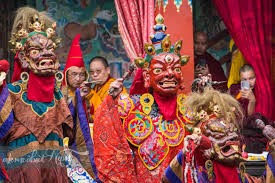
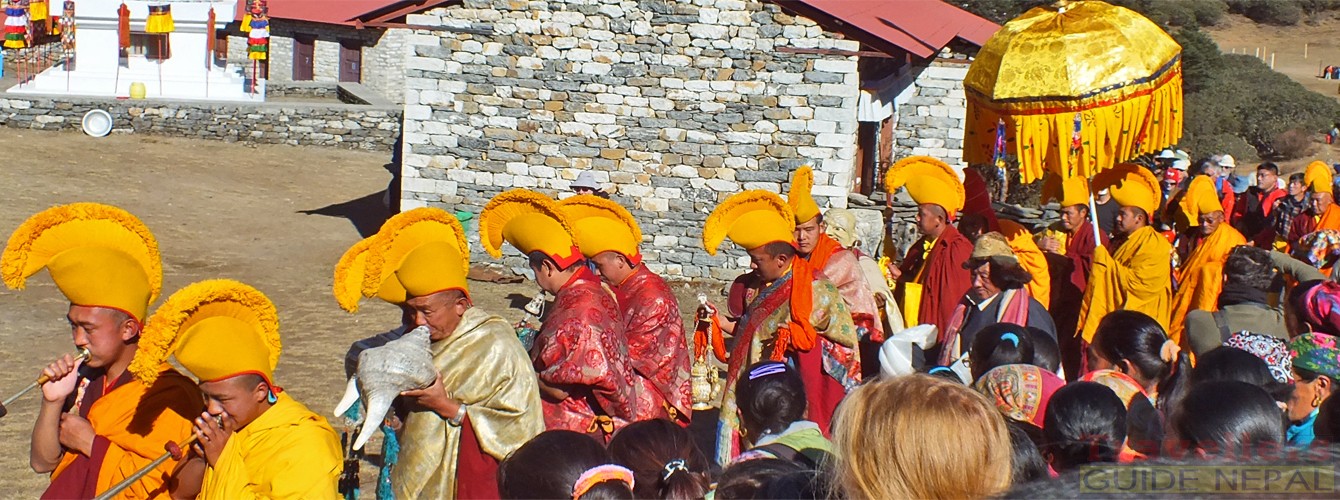
Similarly, the highlight of Mani Rimdu is the famous masked dances, known as "Chham." These dances symbolize divine energies protecting the world from negative forces. Monks don elaborate costumes, colorful masks, and traditional ornaments while performing powerful movements. The atmosphere is dramatic and spiritually elevating.
Furthermore, another highlight of the event is the “Wong” blessing ceremony. The head lama from Tengboche Monastery blesses both the locals and the trekkers. Many believe it brings good fortune, health, and safe journeys across the Himalayas. Hence, the visitors often feel privileged enough to be a part of such a moment.
Furthermore, the fire ceremony "Jingsak" symbolizes the purification of evil forces through sacred fire. Accordingly, monks chant, offer grains, and perform ritual motions as a means of spiritual cleansing. The Buddhist principle of showing compassion to all living things is immediately reinstated in this ceremony. Afterwards, the atmosphere is felt to be at peace and purified.
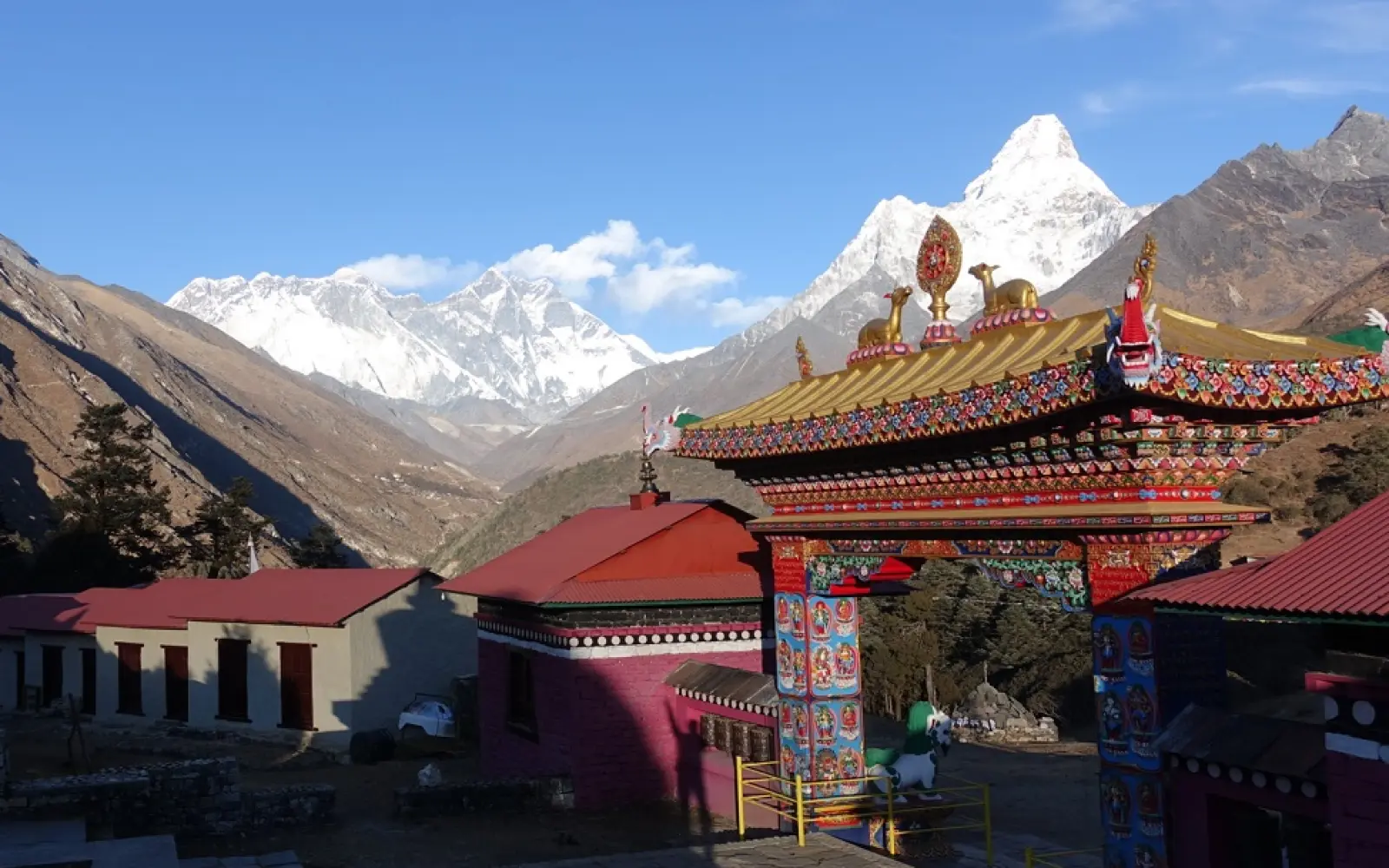
Here, the additional trek to the festival adds an adventure to this cultural trek. The trail goes through the pine forests, suspension bridges, and Sherpa settlements. Trekkers get views of Everest (8848m), Lhotse (8516m), and Ama Dablam (6812m) along the route. Thus, the experience blends with nature, spirituality, and culture.
Finally, Mani Rimdu Festival offers a rare opportunity to witness authentic Himalayan spirituality in its purest form: the powerful meeting of culture, nature, and community during this celebration. Travelers who are seeking meaningful contact with Sherpa heritage find this event especially relevant. Finally, Haven Holidays Pvt. Ltd ensures safe, well-planned, and culturally rich journeys into the festivals for all visitors.
"Masked monks perform the sacred Cham dances during the Mani Rimdu Festival at Tengboche Monastery, celebrating Tibetan Buddhist traditions through vibrant costumes, elaborate masks, and centuries-old spiritual rituals in the heart of the Everest region."
Extended Description
Learn about the Mani Rimdu Festival of the Everest region in relation to its cultural and spiritual importance with expert guidance from Haven Holidays Pvt. Ltd.
Below is a helpful overview of Mani Rimdu's three key stages:
Main Stages of Mani Rimdu,
Festival Stage
Description
Wong
Blessing ceremony for visitors
Chham
Masked dances performed by monks
Jingsak
Fire puja symbolizing purification
First, the Mani Rimdu Festival introduction brings out the deep spiritual roots that define the cultural identity of the Everest region. The festival is held at Tengboche Monastery (3867m), which is considered the heart of Sherpa Buddhist tradition. Haven Holidays Pvt. Ltd supplements this with detailed explanations about the cultural background of each ritual to enable travelers to understand what each ritual means. This, therefore, gives the visitors substantial lessons while witnessing the festival for themselves.
In fact, the festival also commemorates the founding of Buddhism by Guru Rinpoche, who was very instrumental in spreading Buddhism throughout the Himalayas. The rituals are meant to express and appeal for peace, harmony, and human well-being. Monks prepare the festival for weeks through meditation, mandala creation, and spiritual practices. Thus, the event is of immense cultural and religious significance.
Additionally, Mani Rimdu is composed of three major phases, each with symbolic depth. The opening ceremony of the “Wong” blessing starts the festival, followed by “Chham” masked dances, ending with the “Jingsak” fire puja. Each one of these phases represents how negative energies have turned into positive spiritual forces. As such, the festival becomes a powerful reminder of compassion and balance within the circle of life.
Furthermore, the description of the festival in its introductory part articulates how the local communities await this annual festival. Sherpa families come from neighboring villages like Khumjung (3790m) and Pangboche (3985m) in order to get blessings. The community bonds are solidified, along with traditional values being maintained. Thus, the festival acts as a cultural and social anchor to the region.
Similarly, the introduction of the festival stresses its link with Himalayan trekking: many trekkers plan their Everest Base Camp trek according to Mani Rimdu so that they can witness the festival. The clear autumn weather adds clarity to mountain views, which makes the journey memorable. Thus, the festival enriches both cultural curiosity and trekking adventure.
Moreover, there is a symbolic role of the sand mandala during the preparation for the festival. The monks make this mandala with colored sand, showing the palace of the deity. Afterwards, when finished, they dismantle it in order to show the impermanence of life. Therefore, visitors learn about the very core of Buddhist philosophy.
Similarly, the festival introduction also emphasizes the disciplined lifestyles of monks. During the entire duration of the festival, they continue to carry out long meditation sessions and chant sacred mantras. These spiritual practices foster inner peace and compassion among participants. Thus, travelers develop a deeper appreciation for Himalayan monastic traditions.
Mainly, the introduction to Mani Rimdu Festival epitomizes how an event amalgamates religious depth, community values, and Himalayan beauty. It allows travelers to connect with Sherpa culture and Buddhist teachings in an authentic setting. Standing tall as a gateway to understanding Himalayan spirituality, Haven Holidays Pvt. Ltd guarantees smooth arrangements and meaningful experiences for all who attend.
Explore the ancient origin of the Mani Rimdu Festival in Tengboche Monastery with cultural insights guided by Haven Holidays Pvt. Ltd.
The following is a simple reference table showing early transmission of Mani Rimdu rituals:
Stage
Cultural Influence | Key Element
Tibet
Rongbuk Monastery | Tantric rituals
Migration
Himmalayan routes | Mantras and teachings
Khumbu
TengbocheMonastery | Masked dances
First and foremost, the roots of the Mani Rimdu Festival originate deep within Tibetan Buddhist traditions that migrated into the Everest region. It finds its spiritual roots at Rongbuk Monastery (5000m) in Tibet: as the monks expanded Buddhist philosophy, they carried these sacred teachings across the Himalayas. The celebration, therefore, evolved to become a core Sherpa cultural heritage.
Actually, the name "Mani Rimdu" is also related to two of the most important Buddhist ideas, which are connected with compassion and enlightenment. "Mani" refers to the famous mantra Om Mani Padme Hum, a symbol of pure compassion. "Rim" reflects the steps of spiritual practice, while "Du" refers to the accomplishment of divine rituals. The festival thus shows a complete journey of Buddhist transformation.
Moreover, the festival reached the Khumbu region when learned lamas brought the teachings to Tengboche Monastery (3867m). They adapted the ceremonies to match the local Sherpa culture without losing their sacred origins. These monks followed precise rituals that preserve ancient Tantric traditions. As a result, the festival maintains strict spiritual authenticity.
In fact, the origin story also links the ceremonies to Guru Rinpoche, or Padmasambhava, the saint who brought Buddhism to Tibet and wielded magical powers against evil spirits. It was due to his inspiration that such rituals developed during Mani Rimdu, honoring his wisdom and accomplishments in spirituality.
Also, the initial establishment of Mani Rimdu was based on profound scriptural educations transmitted from the master to the disciple. Monks studied ancient texts describing symbolic dances, blessings, and fire rituals. These monks engaged themselves in meditation and the recitation of mantras for many days prior to the performance of the dance. Thus, it became a disciplined spiritual tradition.
Similarly, the sacred sand mandala emerged out of the symbolic palace of the deity of compassion. The monks prepared it with colored sand, representing universal balance. They dismantled it upon completion to demonstrate impermanence, which remains central to Buddhist philosophy. Thus, the mandala symbolizes the heart of Mani Rimdu's origin.
Besides, the festival gained more strength after the rituals were embraced by Sherpa communities. They supported the monasteries and helped monks preserve teachings through festivals and daily prayers. Sherpa families gathered for blessings that connected spiritual life to community identity. Mani Rimdu, therefore, became a unifying cultural event.
Equally important, the origin also points to the role of Himalayan geography in shaping spiritual movements. High mountains like Everest 8848m, Lhotse 8516m, and Ama Dablam 6812m created sacred environments for monastic practice. According to the monks, these landscapes safeguarded spiritual purity. The festival, therefore, was able to blossom in the serene surroundings of nature.
Also, the practice of origin is continued through strict monastic discipline: monks teach the younger generation how to keep up ritual accuracy. They focus on compassion, meditation, and the ethical values of Buddhism. Thus, the festival maintains its ancient meaning.
Finally, the origin of Mani Rimdu reveals a powerful blend of Tibetan monastic tradition, Sherpa culture, and Himalayan spirituality. It reflects centuries of devotion and disciplined practice. Travelers gain deeper understanding when guided by experts who respect its sacred foundation. Ultimately, Haven Holidays Pvt. Ltd ensures meaningful experiences that honor this remarkable cultural heritage.
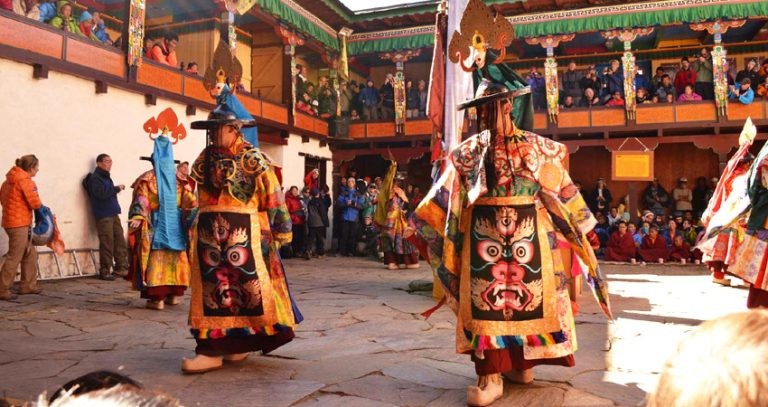
"A masked monk performs the sacred Cham dance during the Mani Rimdu Festival, preserving centuries-old Tibetan Buddhist traditions through vibrant costumes, symbolic masks, and spiritual rituals in the Everest region."
Significance
Understand the cultural and spiritual importance of the Mani Rimdu Festival with expert insights and guided experiences from Haven Holidays Pvt. Ltd.
Promotes regional tourism and improves livelihoods.
Meanwhile, Mani Rimdu is the most celebrated Himalayan Buddhist festival of the Everest region. Communities of people come together for blessings and spiritual renewal at Tengboche Monastery (3867m). Indeed, such a festival strengthens cultural identity through rituals passed down for centuries. Therefore, it stands as a powerful symbol of Sherpa heritage.
Moreover, the festival is of great religious importance since it commemorates the teachings of Guru Rinpoche. The rituals conducted drive peace, compassion, and dispel all forces of negativity. Monks dance in acquisition of auspicious blessings as they direct good energy to the people. Thus, the event instills spiritual confidence among locals and visitors strongly.
Likewise, Mani Rimdu plays an important role in preserving ancient Buddhist traditions. Monks perform masked dances depicting the victory of wisdom over ignorance. These dances follow precise instructions from sacred texts that maintain the ritual's authenticity. Hence, the festival protects valuable cultural knowledge.
Similarly, the significance also goes to community unity: Sherpa families come together from villages like Namche Bazaar (3440m) and Khumjung (3790m) for blessings. They meet their relatives, share cultural stories, and enjoy the festival meals together. Therefore, regional harmony is enhanced through the event.
Besides, the festival contributes to spiritual well-being through blessings that are considered to provide protection and happiness. The head lama performs rituals that encourage inner peace and mental balance. Many visitors feel renewed after witnessing the ceremonies; thus, the festival becomes a source of emotional strength.
Also, the festival strengthens local livelihoods by bringing trekkers into the region during the event. Travelers combine events with Everest Base Camp routes, increasing seasonal tourism. This cultural movement helps lodges, guides, and local businesses. The economy grows with cultural preservation.
Besides, Mani Rimdu helps visitors learn about Himalayan monastic discipline. They observe meditation, chanting, and minute ritual preparation. These practices allow one to see the depth of Buddhist philosophy in everyday life. Thus, the festival becomes an educational experience.
In fact, Mani Rimdu thus provides a unique attraction for trekkers who also seek cultural immersion. The clear autumn weather enhances the experience with mountain views of Everest 8848m and Lhotse 8516m. Trekkers like the combination of scenic beauty and cultural richness. Thus, the festival adds value to journeys in the Everest region.
Additionally, the festival facilitates meaningful interaction between locals and international travelers. The tourists are respectful of the rituals while learning about Sherpa values and monastic life. From these interactions, cultural understanding and mutual appreciation arise.
Therefore, the festival fosters global cultural harmony. The importance of Mani Rimdu finally lies in a balance between spirituality, community unity, and the preservation of culture. It continues to enrich the Everest region with deep meaning and longstanding tradition. This festival allows travelers in search of authentic experiences in the Himalayas to gain profound insights. In the end, Haven Holidays Pvt. Ltd offers safe, culturally informed festival journeys that are respectful for all visitors.
Everest Base Camp Trek with Helicopter Fly Out 10 Days | 10 days
Learn about how Mani Rimdu Festival is celebrated at Tengboche Monastery with rituals, dances, and blessings guided by Haven Holidays Pvt. Ltd.
Main Stages of Mani Rimdu Celebration
Wong: Public blessing ceremony
Chham: Masked dance performances
Jingsak: Fire purification ritual
First of all, the Mani Rimdu Festival is celebrated through a series of ancient Buddhist rituals, which cover several meaningful days. The ceremonies take place in Tengboche Monastery (3867m), where monks prepare intensively before the event. Haven Holidays Pvt. Ltd ensures that visitors understand every part of this spiritual journey. As such, travelers witness authentic Himalayan cultural practices.
Then, the preparation of a colored grain sand mandala marks the beginning of the festival, wherein monks create patterns that symbolize the palace of the deity of compassion. They chant mantras and meditate as they build the mandala. Hence, the mandala becomes the basis of this whole festival.
Moreover, the opening ceremonial referred to as "Wong" initiates public involvement. The head lama sprinkles sacred water on the people as a sign of blessings. The people are blessed with health and happiness, and also safe passage across the Himalayas. For this reason, many trekkers try to plan their trips in accordance with this religious event.
Similarly, the second major phase includes famous masked dances known as “Chham.” Monks perform these dances in full detail, including costumes and expressive masks. Each dance portrays a mythical story of good overcoming evil. Thus, it draws huge audiences from villages like Pangboche (3985m) and Khumjung (3790m).
Furthermore, the dances themselves have strong symbolic connotations with regard to Buddhist teaching. They describe divine energies defending the world from harmful forces. Monks practice the movement all year round to keep the accuracy and tradition of the dance. Each performance, therefore, connotes cultural and spiritual meaning.
Another important part of the celebration is the fire ceremony called “Jingsak.” Monks burn symbolic objects to purify negative energies surrounding the community. During the ceremony, they chant specific mantras and also perform rhythmic rituals. The spiritual feel and tranquility in the environment are felt afterward.
In addition to, chanting and meditation form another important part of the celebration. Monks recite powerful mantras for hours to enhance the positive energy. The sound of chanting makes a soothing ambiance around Tengboche. Thus, guests experience a serene spiritual ambiance.
Additionally, local Sherpa families come together to join the festival prayers. They offer things like butter lamps, grains, and flowers as a way to show their devotion. Such offerings signify gratitude towards the monastery and Buddhist teachings. Hence, the festival solidifies community cohesion.
In fact, the festival ends with the dismantling of the sand mandala. The monks sweep the mandala into a container and take the sand to a river. This practice signifies impermanence or the wheel of life. Therefore, visitors are taught one of the crucial Buddhist lessons.
Finally, the Mani Rimdu Festival is celebrated with devotion and discipline, steeped in deep cultural pride, fusing meditation, dance, blessings, and community gatherings into one powerful event. Tourists attending this celebration are offered a glimpse of Sherpa spirituality in its purest sense.
After all, Haven Holidays Pvt. Ltd facilitates safe, respectful, and culturally aware access to this sacred Himalayan festival.
Discover with expert guidance from Haven Holidays Pvt. Ltd. when and where the Mani Rimdu Festival is celebrated in the Everest region.
Mani Rimdu Festival: Time and Location:
Category
Detail
Time
October or November
Calendar
Tibetan lunar system
Primary Venue
Tengboche Monastery (3867m)
Region
EVEREST (KHUMBU)
First of all, the Mani Rimdu Festival is celebrated according to the Tibetan lunar calendar and falls in October or November of every year. The timing coincides with Nepal's prime autumn trekking season when the skies remain clear. Haven Holidays Pvt. Ltd guides through this season for the best cultural and Himalayan experiences. As such, combining the festival with stunning views of Everest (8848m) and Ama Dablam (6812m) is possible.
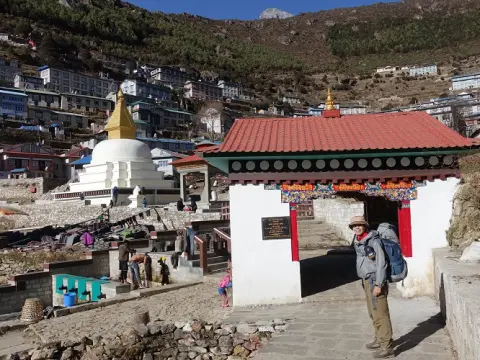
Besides, the festival is held at Tengboche Monastery (3867m), the spiritual hub of the Everest region. The monastery is nestled on a ridge that provides breathtaking vistas of major Himalayan peaks. Trekkers reach it during the Everest Base Camp trail through villages such as Namche Bazaar (3440m). Thus, the location adds natural beauty to the cultural celebration.
Besides, the Tengboche Monastery was chosen because of its sacred geographical position: the surrounding mountains ring an amphitheater area which supports the meditation and ritual activities. The monks believe that the landscape enhances spiritual energy during the festival, so the setting plays an essential role in Mani Rimdu's significance.
Also, the date is different each year because it coincides with lunar calculations. Exactly when the festival falls is determined by the reading of traditional charts by the monastic astrologers. Such calculations enable rituals to fall precisely according to auspicious cosmic timings, thereby retaining strong spiritual accuracy in the festival.
Moreover, during this season, autumn offers perfect weather for both trekking and festival observation. The trails are dry, while daytime temperatures are pleasant. Visitors enjoy stable weather and crystal-clear views throughout the season. That is why this period has attracted many international trekkers.
Similarly, the location of the festival becomes accessible to locals and tourists alike. Trekkers acclimatize in Namche Bazaar en route to Tengboche. The gradual altitude gain ensures a safer journey to the festival venue. Thus, the route remains friendly to most trekkers with basic fitness.
Additionally, villages nearby help add to the cultural ambiance of the festival. The Sherpa families come down from Khumjung-3790m, Phortse-3810m, and Pangboche-3985m for blessings. Such gatherings enhance community bonding and cultural identity by conserving it. Thus, the festival gains a regional dimension.
In fact, the high-altitude location of this festival demands good preparation from its visitors. Visitors must bring warm clothing, permits, and enough supplies for hydration. The elevation requires a slow ascent to avoid altitude sickness. Hence, proper planning calls for a safe and enjoyable visit.
Moreover, the timing of the festival allows visitors to enjoy vibrant landscapes: the forests wear their autumn colors, while mountain views are still sharp. The combination of cultural and natural sceneries is what photographers love most. Therefore, it becomes just the right period for travel and documentation.
Finally, Mani Rimdu timing and venue combine perfect Himalayan beauty with cultural ri
"A Buddhist monk takes part in the Mani Rimdu Festival at Tengboche Monastery, one of the Everest region's most important spiritual celebrations. The festival showcases centuries-old Tibetan Buddhist traditions through prayers, rituals, meditation, and vibrant cultural ceremonies."
chness. The autumn season enhances visibility and trekking comfort. Travelers who attend this festival will encounter profound Sherpa traditions in a sacred environment. Lastly, Haven Holidays Pvt. Ltd ensures that smooth arrangements are made for anyone who desires to witness this remarkable celebration.
Cultural and Religious Importance of Mani Rimdu Festival
The following will explain the profound cultural and religious importance of the Mani Rimdu Festival in Tengboche Monastery with insights for trekkers and spiritual travelers.
Main Components of Mani Rimdu Festival:
Component
Description
Sand Mandala
The monks create a symbolic, multi-coloured sand mandala, which expresses universal balance.
Empowerment
A high lama gives blessings to the monks, locals and trekkers.
Masked Dance
Monks perform ritual dances to portray triumph of good over evil.
Fire Pooja
Monks perform a purification ritual for the benefit of all beings
Meanwhile, the Mani Rimdu Festival is one of the most meaningful cultural celebrations in the Everest Region, and Haven Holidays proudly guides visitors to experience it authentically. Moreover, this sacred festival takes place at Tengboche Monastery, at an altitude of 3867m, one of the highest spiritual centers in the Khumbu region.
Thus, its cultural and religious value extends far beyond Tibetan Buddhism and influences Sherpa heritage deeply. Therefore, travelers experience centuries of Himalayan traditions in their purest form during Mani Rimdu.
The festival also focuses on the empowerment program provided by the lamas of the monastery. They execute the sacred prayers, chants, and meditations to bless the devotees, trekkers, and the entire Khumbu valley.
Consequently, it makes the environment a powerful spiritual space where belief and culture blend together in a beautiful way. Thus, people can connect with the depth of peace related to Tibetan Buddhism.
Here, the masked dance performances are yet another integral part of Mani Rimdu Festival. For this purpose, monastics don colored robes and symbolic masks that denote divine forces guarding the Sherpa people. They enact, through ritual dances, the long struggle that has always been between positive energies and negative spirits. Thus, performances epitomize the victory of compassion, wisdom, and truth.
Besides this, the festival is very important socially to the Sherpas of Namche Bazaar (3440m), Khumjung (3790m), and Pangboche (3930m). It is a time for families to come together at Tengboche Monastery, reunite with their relatives, and consolidate relationships in the community.
Mani Rimdu, therefore, is a spiritual and cultural reunion of the highland communities. Eventually, it shapes Sherpa identity through sacred customs preserved for generations.
Similarly, trekkers of the Everest Base Camp route and other visitors get a rare insight into Himalayan spirituality. They witness ceremonies such as Chham dance, Sand Mandala creation, and Fire Pooja. Each ritual teaches values of compassion, harmony, and protection from harm. Therefore, the festival becomes a deep cultural learning experience.
Consequently, the Mani Rimdu Festival caries deep spiritual energy from the close mountains such as Ama Dablam (6812m), Kangtega (6782m), and Everest (8848m). These peaks form a natural sanctuary around Tengboche. Hence, visitors feel immersed in nature and culture at the same time. Moreover, this experience enriches every trekker's journey.
Essentially, Mani Rimdu is a representation of centuries of Sherpa tradition, Buddhist wisdom, and mountain spirituality. It provokes a sense of respect, cultural appreciation, and inner peace in trekkers. As always, Haven Holidays Pvt. Ltd. ensures safe guidance and meaningful access to the festival for every traveler in search of authentic Himalayan culture.
Learn how to prepare for the Mani Rimdu Festival with tips on gear, permits, altitude readiness, and travel planning for Tengboche Monastery.
Essential Preparation Checklist for Mani Rimdu Festival:
Trekking permit for Everest Region
Warm layered clothing and thermal wear
Insulated down jacket suitable for high altitude.
Sturdy trekking boots with strong grip
Headlamp for early morning walks
Reusable water bottle for safe hydration
Altitude medication if recommended by doctor
Personal hygiene items that are cold region-compatible
Small gifts or donations for monasteries if desired
Travel insurance that covers high-altitude trekking
To effectively prepare for the Mani Rimdu Festival at Tengboche Monastery (3867m), travelers need to consider weather, altitude, logistics, and cultural etiquette. Planning the journey with an experienced operator like Haven Holidays Pvt. Ltd ensures a smooth and meaningful journey.
Additionally, the festival falls in autumn when temperatures drop significantly at higher elevations. Proper preparation thus guarantees comfort and safety.
Accordingly, travelers should arrange essential permits required for the Everest Region: Sagarmatha National Park Permit and Khumbu Pasang Lhamu Rural Municipality Permit. Thus, trekkers have to keep these available during the journey. Consequently, early planning avoids last-minute hassles.
Second, while traveling to Tengboche via places like Namche Bazaar (3440m) and Debuche (3820m), acclimatization is very vital. Thus, trekkers need to walk by locally ascending and taking rest days for their bodies to adapt. In addition, they have to drink enough water and avoid exerting too much pressure on their body. Hence, proper acclimatization reduces altitude sickness risks.
Third, packing the right clothes provides safety in cold Himalayan temperatures. The temperatures go below freezing every night in Tengboche. Essential items are warm layers, thermal wear, gloves, and insulated jackets. Furthermore, strong boots for trekking provide an opportunity to walk safely along rocky and icy pathways.
Fourth, trekkers should remain culturally respectful during the festival. Mani Rimdu holds deep spiritual significance for local monks and the Sherpa community.
Because of this, visitors are urged to maintain complete silence during rituals, adhere to rules about photography, and practice respectful behavior. Consequently, cultural mindfulness enhances the overall experience.
Fifth, physical preparation is important for trekkers. They are supposed to start regular cardio exercises, short hikes, and strength training at least a month prior to travel. Improved stamina therefore allows easy movement along steep trails. In addition, physical readiness enriches the festival experience. Sixth, weather preparation remains equally important. Due to winds blowing directly from Everest (8848m), temperatures at Tengboche shift very fast.
Therefore, trekkers must carry waterproof jackets and warm hats. Consequently, these will help in maintaining body heat during long ceremonies. Finally, financial planning facilitates a smoother journey. Trekkers have to have enough cash for meals, accommodations, and monastery offerings; hence, in remote areas with no ATMs, carrying Nepali currency is vital.
Moreover, budgeting avoids unexpected challenges. In the end, preparation for Mani Rimdu involves paying close attention to gear, altitude, weather, and respect for culture. Well-planning travelers enjoy one of the most spiritual experiences in the Everest Region. As always, Haven Holidays Pvt. Ltd. provides expert guidance to make the journey safe, comfortable, and deeply meaningful.
Everest Base Camp Trek without Lukla Flight | 16 days
Can I Combine Mani Rimdu Festival with Everest Base Camp Trek?
Combine Mani Rimdu Festival with Everest Base Camp Trek: Experience the Sherpa culture and adventure of the Himalayas from Haven Holidays Pvt. Ltd on one journey.
Why Combine Mani Rimdu with EBC Trek?
Attend Mani Rimdu celebrations at Tengboche Monastery-3860m during the usually stable autumn weather.
Trek through major Sherpa villages like Namche Bazaar (3440m) and Dingboche (4410m).
Enjoy clear mountain views of Everest 8848m, Lhotse 8516m, and Ama Dablam 6812m.
Follow a well-managed itinerary designed by Haven Holidays Pvt. Ltd.
Everest Base Camp Trek (5364m) during peak trekking season with the festival experience.
While many trekkers are curious if they can combine the Mani Rimdu Festival with Everest Base Camp Trek, the answer remains yes when they plan properly. Furthermore, trekkers can attend the sacred festival at Tengboche Monastery (3860m) and then continue their classic adventure to Everest Base Camp (5364m).
Besides, Haven Holidays Pvt. Ltd provides expert guides who manage festival timing, acclimatization, and routes in the Everest region. Hence, the travelers enjoy both cultural celebration and high-altitude trekking in a single itinerary.
Here, this combination provides a rare opportunity to witness masked dances, blessings, and rituals while trekking through iconic Sherpa settlements. Similarly, trekkers walk through Lukla (2860m), Namche Bazaar (3440m), Dingboche (4410m), and Lobuche (4910m) before reaching the base of Mount Everest (8848m).
In addition, foreign visitors view the festival during the best season of the year when the weather remains stable and the views remain clear. Thus, the journey becomes both spiritually meaningful and visually rewarding.
Moreover, the combination of both highlights cultural depth and trekking adventure in fully balanced form. Similarly, the Mani Rimdu Festival usually falls in October or November, which coincides with peak trekking months.
Consequently, trekkers get good weather conditions for high-altitude trails and festival events. Thus, this special package creates lifelong memories for cultural travelers and adventure seekers.
In fact, many trekkers choose this combination package through Haven Holidays Pvt. Ltd because the company ensures accurate festival dates, lodge reservations, and safe altitude planning. Besides, professional guidance helps trekkers maintain proper acclimatization before and after attending the celebration at Tengboche.
Thus, this itinerary becomes an excellent choice for anyone wanting to blend spirituality with Himalayan adventure.
How Can I Combine Everest Base Camp Trek with Mani Rimdu Festival?
Learn how to combine Everest Base Camp Trek with Mani Rimdu Festival at Tengboche on a well-planned itinerary designed by Haven Holidays Pvt. Ltd.
Sample Combined Itinerary ( Mani Rimdu Festival + EBC Trek):
Day
Activity | Elevation
Day 1 :
Fly to Lukla and trek to Phakding. Lukla (2860m); Phakding (2610m).
Day 2:
Trek to Namche Bazaar | Namche Bazaar (3440m)
Day 3:
Acclimatization and exploration day | Everest View Hotel (3880m)
Day 4:
Trek to Tengboche for Mani Rimdu Festival | Tengboche (3860m)
Day 5:
Attend festival events and blessings | Tengboche (3860m)
Day 6:
Trek to Dingboche | Dingboche (4410m)
Day 7:
Trek to Lobuche Lobuche (4910m)
Day 8:
Trek to Everest Base Camp | Everest Base Camp (5364m)
Day 9:
Hike to Kalapatthar and descend Kalapatthar (5545m)
Day 10:
Trek back to Lukla (2860m)
Since many trekkers aim to combine the Everest Base Camp Trek with the Mani Rimdu Festival, they need a structured plan that aligns festival dates with trekking days. Starting off with a short flight to Lukla (2860m), the journey proceeds through the classic trail toward the location of the festival, Tengboche Monastery (3860m).
Additionally, Haven Holidays Pvt. Ltd also helps travelers choose the correct departure date due to the fact that the festival follows the Tibetan lunar calendar. Thus, trekkers reach Tengboche exactly on the main festival days.
Furthermore, it requires good acclimatization for both highlights to be combined, and the basic schedule involves rest days in Namche Bazaar (3440m) and Dingboche (4410m).
Similarly, the main events of the festival are viewed, such as masked dances, blessing ceremonies, and night prayers, before moving to Everest Base Camp (5364m). In addition, professional guides take care of safety along steep parts, such as Lobuche (4910m) and Gorak Shep (5140m).
Therefore, a good itinerary enhances comfort and altitude adaptation during the entire journey.
Besides this, the trekkers also have to prepare for cold temperatures because the festival falls in autumn when nights become freezing at higher elevations. Haven Holidays Pvt. Ltd similarly arranges reliable teahouses and meals along the trail, ensuring proper warmth and nutrition.
Resulting from this, travelers have both cultural immersion and high-altitude trekking without logistics pressure. Hence, a balanced plan enhances the general Himalayan experience.
Here, this combined schedule thus presents one of the most rewarding Everest region adventures. Furthermore, it combines sacred Buddhist rituals with iconic trekking routes to Everest Base Camp.
Additionally, guided support ensures safe pacing, cultural understanding, and timely festival attendance. Thus, this combined package becomes ideal for trekkers seeking culture and adventure at the same time.
Mani Rimdu Festival- FAQS:
1. What is the Mani Rimdu Festival? The Mani Rimdu Festival is an event that the Sherpas in Nepals Everest region celebrate. It is a 19-day festival that honors Guru Rinpoche and the victory of good over evil. The Mani Rimdu Festival has rituals, prayers and masked dances at monasteries like Tengboche.
2. When is the Mani Rimdu Festival celebrated? The Mani Rimdu Festival usually takes place in October or November. It follows the lunar calendar. The public celebrations of the Mani Rimdu Festival last for three days at Tengboche Monastery. If you want to know the dates for 2026 you should check with the organizers.
3. Where is the Mani Rimdu Festival held? The main public celebrations of the Mani Rimdu Festival take place at Tengboche Monastery in the Khumbu region. The Mani Rimdu Festival is also observed at Thame and Chiwong monasteries. These places offer views of the Himalayas during the festival.
4. What is the significance of Mani Rimdu Festival? The Mani Rimdu Festival commemorates the founding of Tibetan Buddhism by Guru Rinpoche. The Mani Rimdu Festival symbolizes the triumph of compassion over evil. It brings blessings for peace and prosperity in the world through prayers and performances.
5. How is Mani Rimdu Festival celebrated? During the Mani Rimdu Festival monks perform masked dances and sacred rituals. There are also ceremonies and prayers. On days you can see cultural performances, feasts and community gatherings with the Everest and surrounding peaks in the background.
6. What should I wear to Mani Rimdu Festival? You should dress modestly in layers because the festival takes place at an altitude. Wear trekking clothes, warm jackets and sturdy shoes. You should respect the customs by not wearing revealing clothes inside the monastery.
7. Is Mani Rimdu Festival suitable for beginners? Yes, the trek to Tengboche for the Mani Rimdu Festival is moderately challenging and suitable for beginners who're fit. The daily walks are short. There are comfortable lodges, which makes it accessible and a great way to experience the culture.
8. Can I combine Mani Rimdu Festival with Everest Base Camp Trek? Yes, you can combine Mani Rimdu Festival with the Everest Base Camp Trek. Many packages include both the festival at Tengboche and the trek to Everest Base Camp. This allows you to experience the celebrations and see iconic viewpoints like Kala Patthar.
9. How can I combine Everest Base Camp Trek with Mani Rimdu Festival? You can join a 12–18-day itinerary that includes the festival dates at Tengboche. After the festival you can continue to Everest Base Camp. Combine both for a great cultural and adventure holiday.
10. What is the best time to attend Mani Rimdu Festival? The best time to attend the Mani Rimdu Festival is during the three days in late October or early November. The weather is clear. The festival atmosphere is vibrant in the Khumbu region.
11. What is the cost of Mani Rimdu Festival package? The cost of the Mani Rimdu Festival package typically ranges from USD 1,200 to 2,500. The cost depends on the duration, group size and what is included in the package, such as accommodation, meals and guide.
12. Do I need a special permit for Mani Rimdu Festival? Yes, you need a Sagarmatha National Park entry permit and a TIMS card to attend the Mani Rimdu Festival. The festival itself is open. You need trekking permits to visit the Khumbu region.
13. What is the duration of Mani Rimdu Festival trek? Most packages for the Mani Rimdu Festival trek 10-15 days, including travel, acclimatization and festival viewing. If you combine it with the Everest Base Camp trek it can last 15-20 days for an experience.
14. Is altitude sickness a concern during Mani Rimdu Festival? Yes, Tengboche is at an altitude so you need to be careful. You should acclimatize properly stay hydrated and ascend gradually. Follow your guides advice. Consider taking Diamox if your doctor recommends it.
15. What cultural etiquette should I follow at the festival? You should respect the monks and rituals by not interrupting the dances. Ask for permission before taking photos dress and be silent during prayers. You can participate in community events. Show your respect.
16. What kind of food is served during Mani Rimdu? The food served during Mani Rimdu Festival includes Sherpa and Tibetan cuisine like dal bhat, momos and thukpa. There are also specialties and vegetarian options available in monasteries and lodges.
17. Who can participate in Mani Rimdu Festival? Everyone is welcome to observe the celebrations of the Mani Rimdu Festival. Travelers, trekkers and cultural enthusiasts from around the world join the Sherpas and monks for this event.
18. What should I pack for Mani Rimdu Festival trek? You should pack trekking boots, a jacket, a sleeping bag, a headlamp rain gear, sunscreen, water purification tablets, snacks and warm layers. Binoculars can be helpful for viewing the mountains and dances.
19. Are there any health requirements for the trip? You should consult your doctor for vaccinations before the trip. Ensure you are fit for high-altitude trekking. It is strongly recommended that you have travel insurance that covers high-altitude evacuation and medical emergencies.
20. Why choose Haven Holidays Nepal for Mani Rimdu Festival? Haven Holidays Nepal offers expert-guided and safe packages with Sherpa leaders. We combine the festival celebrations with the Everest Base Camp trek for a journey in the Himalayas. The Mani Rimdu Festival, with Haven Holidays Nepal is a way to experience the culture and adventure of the region.