Lukla is a small but vital hill town in Nepal's Solukhumbu District of northeastern Nepal. At 2,860 meters (9,383 feet) elevation, it is the main entry point for trekkers headed to Everest Base Camp and other popular trails in the Khumbu. It is situated in the Himalayas, with breathtaking views of surrounding peaks and ridges. Small as it may be, Lukla plays a huge role in the adventure tourism industry in Nepal.
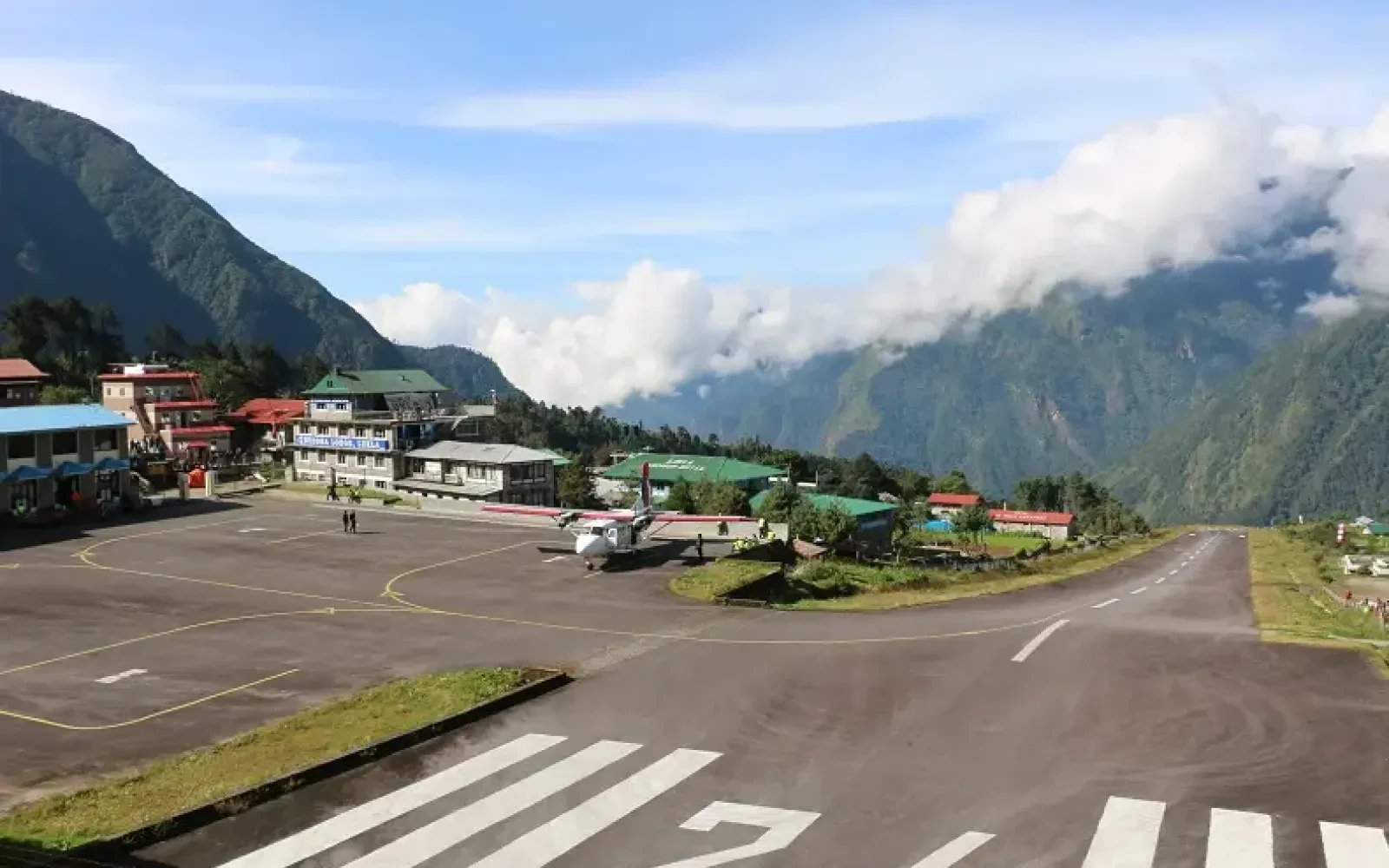
Meanwhile, the Tenzing-Hillary Airport at Lukla is famously one of the most dangerous airports in the world. The short, sloping runway is carved directly out of the mountain side. Due to this, takeoff and landing are skill and weather-dependent. Despite the risk, a thousand or so trekkers disembark at Lukla each year. Most treks to Everest Base Camp, Gokyo Lakes, and the Everest Three Passes Trek begin here. Also, there is Sagarmattha National Park Entry Permit and Khumbu/Pashang Lhamu Rural Municipality Entry Permit Check post just next to Lukla town.
Apart from its strategic position, Lukla also provides a cultural warm-up to the Everest terrain. The village is inhabited predominantly by Sherpa people, who share the mountaineering heritage and Buddhist culture. Colourful prayer flags blow across roofs. Monasteries, mani walls, and chortens line the walks. Visitors experience their first glimpse of mountain hospitality at the teahouses, shops, and bakeries.
Also, Lukla offers essential amenities such as gear renting facilities, porters, SIM cards, restaurant and hotels, clubs, bars and banking services. Trekkers overnight here to acclimatize. On the way back from the Everest Base Camp trek, it is a place of reflection, rest, and celebration before returning by flight.
Briefly, Lukla is more than a transportation hub. It mixes adventure, culture, and luxury. It is the portal to a few of the most exciting experiences on the globe. Each trekker who heads to Everest will never forget his first and last steps on this pulsating mountain town.
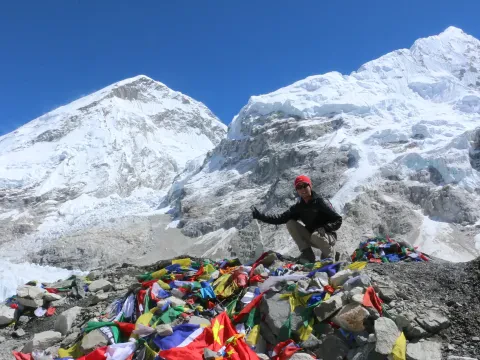
Lukla is situated in Province No. 1's Solukhumbu District, eastern Nepal. It has an elevation of 2,860 meters (9,383 ft) above sea level, lying within the Himalaya's Khumbu subregion. Geographically, it is on the edge of the lower hilly midlands and Sagarmatha National Park's high mountain terrain. For this reason, Lukla then becomes the natural beginning point of treks to Everest Base Camp, Gokyo Valley, and the Everest Three Passes.
Moreover, Lukla is some 368 kilometers north-east of Kathmandu. The village is on a ridge with stunning views of surrounding peaks, deep valleys, and alpine woodlands. The Dudh Koshi River flows beneath, dividing the valley leading to Namche Bazaar and eventually the Everest region. Pine, rhododendron, and birch woods give the area around Lukla a picturesque landscape, especially in spring and autumn.
Particularly, Lukla is a significant altitude break point for Everest region trekking in Nepal. Trekkers who fly in jump 1,400 meters (Kathmandu) to nearly 2,900 meters in a matter of minutes. As such, it is a significant location for first acclimatization. Others trek in from lower locations like Jiri or Phaplu to acclimatize more gradually, but most still fly to Lukla for ease's sake.
Additionally, Lukla is placed strategically in Everest region. It is located at the head of the trail into Sagarmatha National Park. All goods, supplies, and building materials are transported in or dragged up by porters or mules from here. The airport is situated on a sloping plateau above a cliff and is therefore both dramatic and dangerous.
In short, Lukla geography is a combination of height, accessibility, and nature. Being located between lowland hills and Himalayan heights, it serves as a transit point for trekkers heading to Nepal's highest mountain undertakings. It has regular flight from Manthali airport especially during peak trekking seasons: Autumn and Spring.
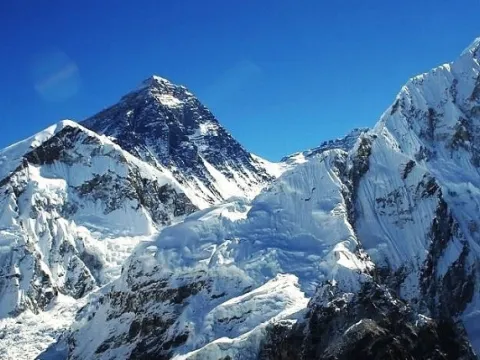
To begin with, Lukla is accessed predominantly by air from Kathmandu. The Tenzing-Hillary Airport connects Lukla to the capital of Nepal. The flight of about 135 kilometers lasts for about 30 minutes. Flight is the quickest and most secure mode of transport for a majority of tourists since there are flights over the mountainous region.
Meanwhile, Lukla can be accessed by flight from Manthali airport after a drive (4-5 hrs) from Kathmandu. In fact, the Kathmandu-Lukla flights are diverted to Manthali during peaks trekking seasons: Spring and Autumn. The flight from Manthali to Lukla is only for 20 minutes.
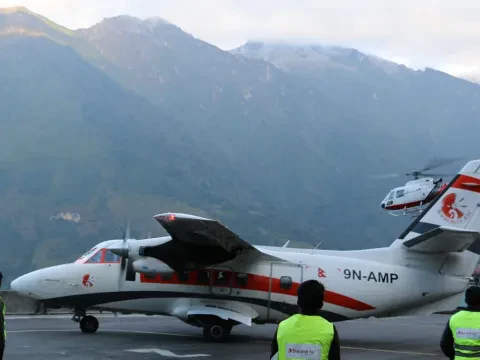
In addition, Lukla airport is notoriously short and sloping and one of the most challenging airports in the world. Skilled pilots only venture out here, typically in small STOL aircraft like Twin Otters or helicopters. Weather is a determining force when making flight plans. Fog, strong winds, or rain often result in delays or cancellations.
In the same way, Lukla can be reached on foot via long trekking routes. The most used alternative is the Jiri-Lukla route. The route starts in Jiri at an altitude of 1,900 meters, and it normally takes 7 to 9 days to arrive in Lukla. It provides acclimatization gradually and stunning scenery of the mountains. This option is not used by many trekkers because it consumes time.
Also, some of the treks start at Phaplu, which is at an altitude of 2,400 meters and has a tiny airport. Two or three days' journey from Phaplu to Lukla by foot is feasible. Less touristy and offering genuine Sherpa village experience, this trail follows.
Besides, no roads exist to Lukla due to Himalayan topography. But, one can get to Thamdanda or Surek by road from Kathmandu via Salleri. The walk from Thamdanda or Surek to Lukla is 2-3 days. But, so far, everything is airlifted to Lukla by aircraft or carried by porters and yaks. This remoteness preserves Lukla's old-fashioned mountain village demeanor.
In general, Lukla's access depends mostly on airflights from Kathmandu and Manthali. Daredevil trekkers can use footpaths for acclimatization and culture instead, though. Flight planning is cautious due to unpredictable weather.
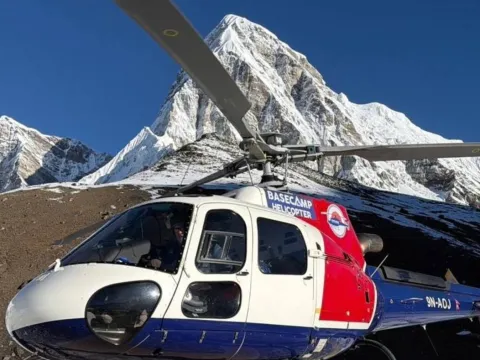
First of all, Lukla is a small mountain village at 2,860 meters above sea level. It has basic facilities for trekkers. There are a few teahouses and lodges with twin bed rooms. Shared bathroom and basic toilets are available in most rooms. Warm blankets can be found, but it is advisable to bring a sleeping bag. Hot showers can be taken but at an extra cost. The temperature falls dramatically at night.
Also, Lukla has a variety of food offered at local lodges and restaurants. Dal bhat, noodles, and momos are the local delicacies. Western cuisine like pasta and pizza is also found. Fruits and vegetables are seasonal and sometimes costly. This is due to transport problems. Tea and coffee are available everywhere in tea houses. Most of the lodges offer Wi-Fi for a small charge. The connections are slow and unstable, though.
Likewise, Lukla has some shops of trek gear and clothing. You can buy or rent gear like jackets, boots, and trekking poles. SIM cards for mobiles are on sale. There is exchange currency and an ATM which is available. These facilities help trekkers prepare before moving further. Besides, there are clubs, bars and modern restaurants in Lukla these days.
Moreover, it also has a small medical clinic and some community hospitals. It attends to minor injuries and altitude sickness. Any serious cases have to be evacuated by helicopter to Kathmandu. The airport also has rescue services in case of emergencies. In view of Lukla's inaccessibility, travelers are advised to carry elementary first aid kits.
Secondly, electricity is provided mostly by solar panels and generators. Outages are frequent, especially at night. It typically costs a supplement to charge electronic items. Well, most tea houses have nice common areas with wood-burning stoves for warmth.
Overall, the facilities in Lukla are limited but sufficient. Trekkers must plan and prepare well in advance. The town strikes a balance between tough mountain ambiance and needed amenities.
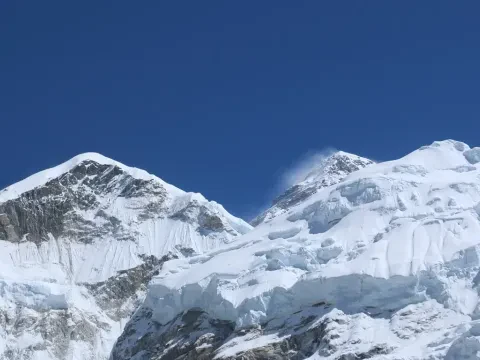
To begin with, Lukla is famous all over for its airport, Tenzing-Hillary Airport. It is the gateway to the Everest region. Even the airport is a tourist spot due to its challenging runway. Pilots need to land on a short sloping runway at an elevation of 2,860 meters. Visitors can typically see planes land and take off, awed by the skill involved.
Also, Lukla offers abundant Sherpa culture to experience to the trekkers who are doing Everest Base Camp Trek. The village boasts mani walls, prayer flags, and Buddhist stupas. Such locations add beauty to the trek experience. Trekkers go to small monasteries to get spiritual peace. Local shops offer traditional handicrafts, souvenirs, and trekking gear.
In the same way, scenery of surrounding mountains in Lukla is very scenic. From Lukla, you have scenery of mountains like Kusum Kanguru (6,367m) and Thamserku (6,608m). These Himalayan giants dominate the skyline. Early morning and late afternoon are the best times for a photo shoot. Nature surrounding Lukla lures trekkers and photographers alike.
Additionally, the Dudh Koshi River valley nearby attracts nature lovers. Its turbulent waters and green valleys are a serene retreat. Riverside trails take visitors to scenic spots as well as to Sherpa villages. Many trekkers hike these trails prior to beginning their primary trekking expedition.
Moreover, Lukla boasts a lively marketplace, pubs, spa and massages, clubs, bars and some quaint tea houses. They are places where visitors can relax, eat, and socialize. The village is welcoming and friendly. Visitors usually exchange tales and tips prior to venturing deeper into the mountains.
Lastly, Lukla boasts adventure, entertainment, some luxuries, culture, and nature. Its airport, mountain vistas, and Sherpa traditions make it an experience not to be forgotten. Lukla is truly the center of Everest trekking.
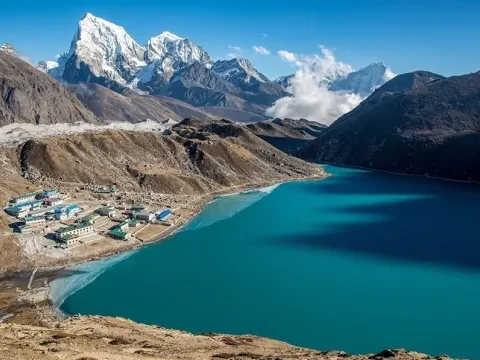
To begin with, Lukla offers different exciting activities for travelers and trekkers. Lukla is used by majority of travelers as the base for Everest Base Camp trek. Therefore, preparing your equipment and body is the first major activity here. Many trekkers spend one day of rest and acclimatization in terms of the altitude of 2,860 meters.
In addition, strolling around the village itself is agreeable activity to do in Lukla. You can go to nearby markets selling Sherpa handicrafts and trekking equipment. The busy marketplace gives a peep into Sherpa culture. Mani walls, prayer flags, and small Buddhist stupas are everywhere. Strolling around Lukla allows you to absorb the spiritual atmosphere.
Similarly, plane spotting and capturing their movements at Lukla airport is also a favorite activity. The runway of the airport is short and steep, which makes each flight a thrilling one to watch. Tourists usually congregate at viewing areas around the airstrip. They observe pilots' expert maneuvers amid changing weather conditions. This is another source of charm for Lukla.
In addition, there are brief hikes in and around Lukla with breathtaking views of mountains. There are trails leading to nearby Sherpa villages such as Chaurikharka and Phakding. The trails pass through alpine meadows and rhododendron forests. You have wildlife viewing, including Himalayan birds and wildflowers.
Additionally, unwinding in tea houses, lodges, restaurants and indulging in local food is fulfilling. You may have dal bhat, momos, or apple pie straight from the oven. Several tea houses have cozy shared spaces with wood fires. These are great places to rest before extended hikes.
Besides, there are some massages, spas, bars, clubs and pubs to enjoy in Lukla these days.
Overall, Lukla provides cultural, natural, and adventurous pursuits. It best integrates preparation, discovery, and relaxation for trekkers. Lukla's cosmopolitan atmosphere greets each visitor warmly.
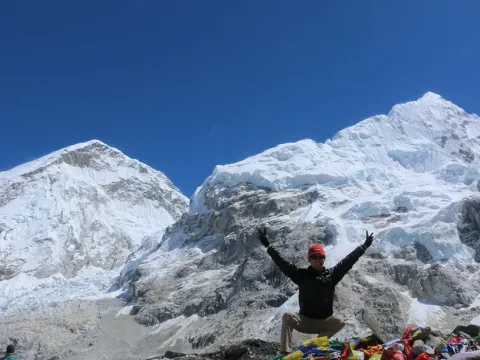
Primarily, Lukla is well-known as the gateway to the Everest region. At 2,860 meters elevation, it connects trekkers to the Himalayas. Most Everest Base Camp and Gokyo trekkers start from here. Its airport facilitates quick access to out-of-the-way mountain trails.
Moreover, the Tenzing-Hillary Airport attracts global attention. It's famous for its challenging runway and short, inclined airstrip. Pilots land planes skillfully between mountain ridges. Travelers often get to see heart-stopping takeoffs and landings. It makes Lukla's renown all the more thrilling.
Similarly, Sherpa culture at Lukla adds to the experience of trekking. Mani stones, prayer flags, and Buddhist stupas adorn the village. Sherpa host communities warmly greet tourists with hospitality and traditions. Handicrafts and souvenirs are available at local markets. This cultural experience attracts a lot of tourists.
Furthermore, Lukla offers picturesque mountain views. Kusum Kanguru (6,367m) and Thamserku (6,608m) are just a couple of peaks that fill the horizon. The availability of the surrounding Dudh Koshi River valley brings natural scenery. Nature walks prior to starting the main trek have picturesque trails in the region.
Moreover, Lukla offers basic trekking amenities. Equipment and apparel become available from shops, whereas lodges provide accommodation. Currency exchange and ATMs make tourists' lives easier. All these aspects make Lukla accessible for most visitors.
Furthermore, Lukla's small size is part of its charm. The village is full of trekkers, guides, and porters preparing for climbs. Hot meals and shared spaces are offered in tea houses. The language of friendliness leaves a permanent impression.
In total, Lukla's fame is founded on its strategic location, thrilling airport, dense culture, and breathtaking views. It offers access, drama, and convenience for Everest trekkers. Lukla is actually the Everest trek's heart.
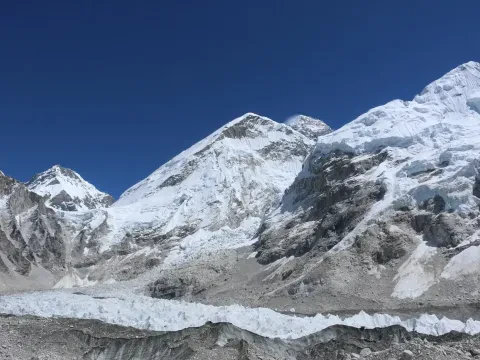
First of all, Lukla has a number of teahouses and lodges for the trekkers. These vary from plain to fairly comfortable. Twin beds with blankets are what most rooms have. Shared bathrooms are standard, and toilets are generally plain pit latrines. Hot showers can be found in some of the lodges but typically are an additional charge.
Besides, there are also warm dining rooms with wooden or sun heating in most tea houses. The warm rooms are perfect to sit and take a break after a long day. Food menu includes typical Nepali cuisine like dal bhat, momos, and soups. Western cuisine like pasta and bread are also available. Fresh fruits and vegetables depend on supply and transportation in seasons.
As is the case in Lukla, power is limited at local lodges. Solar panels or small generators supply electricity. Power outages are common, especially during poor weather. Charging electronic devices is very cheap. Internet speeds are slow and not reliable. Trekkers should prepare themselves for poor connectivity.
Also, basic facilities such as gear rent, laundry, and SIM cards are available in most lodges. Room bookings can be made in advance by the guides and porters. Make booking early for trekking seasons of March to May and September to November when rooms get occupied due to high demand.
Moreover, staying in Lukla allows trekkers to acclimatize at 2,860 meters before heading towards Everest Base Camp(5364m) via Namche Bazaar (4400m) . Another night here prevents altitude sickness. It also allows for time to organize supplies and finish permits. The friendly village culture makes it a welcoming place for rest.
Overall, Lukla's accommodation blends mountain personality with simplicity. Spontaneous planning and advance planning ensure an unstressed and pleasant trip. Tea houses provide culture, cuisine, and warmth in this critical Everest access point.
1. What is the significance of Lukla in the Everest region?
Lukla is universally recognized as the ultimate gateway town to the entire Khumbu and Everest trekking corridor. Because it houses the region's only commercial airstrip, almost every expedition begins and ends its journey here. Therefore, it serves as the vibrant starting point for your Himalayan adventure.
2. Where is Lukla geographically located?
Perched on a dramatic mountain shelf, Lukla is situated at an elevation of 2,860 meters in northeastern Nepal's Solukhumbu district. Furthermore, the town hangs right above the deep Dudh Koshi River valley. This unique cliffside geography sets the stage for a thrilling alpine experience.
3. Why is Lukla Airport considered so famous worldwide?
The Tenzing-Hillary Airport is famous due to its incredibly short, uphill runway measuring just 527 meters. Additionally, the runway drops off directly into a steep valley abyss at one end and hits a solid rock wall at the other. Consequently, it requires immense piloting skill to land safely.
4. How do trekkers typically get from Kathmandu to Lukla?
Trekkers typically take a scenic, 35-minute domestic flight on a small twin-otter aircraft departing from Kathmandu or Ramechhap. Alternatively, those who prefer to avoid flying can choose a multi-day jeep ride combined with a trek from Jiri or Phaplu. Ultimately, flying remains the fastest option.
5. What facilities are available for travelers arriving in Lukla?
Despite its remote mountain location, Lukla offers a surprisingly wide array of modern amenities for international tourists. For example, you will find comfortable lodges, Irish pubs, basic medical clinics, gear shops, and even automated teller machines (ATMs). Thus, it serves as an excellent base for preparation.
6. What are the major attractions or things to do in Lukla?
While most people pass through quickly, exploring the local monastery and watching planes land from a runway cafe are highly entertaining activities. Additionally, visiting the Kemgon Gompa provides a wonderful introduction to Sherpa Buddhist culture. These spots offer a great way to spend your arrival afternoon.
7. What is Lukla popular for among global adventurers?
Lukla is globally renowned for its high-energy atmosphere, acting as the busy crossroad where hopeful trekkers meet successful mountaineers. It is also famous for its unpredictable weather, which frequently dictates the timeline of Everest expeditions. Its legendary status makes it a memorable milestone of the trek.
8. What are the teahouses and lodges like in Lukla?
Accommodations in Lukla range from very basic, traditional trekkers' lodges to highly comfortable, premium luxury hotels. Most properties feature hot running water, electronic charging docks, and spacious dining halls serving diverse international menus. As a result, you are guaranteed a very restful night before your hike.
9. Can I buy or rent trekking gear in Lukla?
Yes, the town features several well-stocked shops where you can purchase or rent essential gear like down jackets, trekking poles, and sleeping bags. While the selection is smaller than in Kathmandu or Namche Bazaar, it is perfect for last-minute replacements. It serves as your final safety net.
10. Is internet and mobile network connectivity reliable in Lukla?
Mobile signals from major local providers like NTC and Ncell are remarkably strong and stable throughout the town. Furthermore, most cafes and teahouses provide reliable satellite Wi-Fi networks for a small fee. This allows you to easily download maps and send final messages before heading out.
11. Why do flights to Lukla get delayed so frequently?
Flights face regular delays because mountain weather changes rapidly, creating sudden fog, high winds, and low visibility around the runway. Since pilots fly completely by sight rather than instruments, safety regulations strictly forbid landing during poor conditions. Therefore, patience is essential when traveling here.
12. What is the weather like in Lukla during peak seasons?
During the prime autumn and spring trekking months, Lukla enjoys beautiful, crisp mornings with clear mountain views. Daytime temperatures are generally pleasant for walking, hovering around 15°C. Conversely, the evening temperatures quickly drop close to freezing, requiring you to unpack your warm layers.
13. Are there banking and currency exchange services in Lukla?
Yes, Lukla houses a few local bank branches and operational cash machines where you can withdraw local currency. However, because these machines can occasionally run out of cash during peak seasons, carrying sufficient paper money from Kathmandu is highly recommended. This ensures you face no financial disruptions.
14. What kind of food can I expect in Lukla restaurants?
The food options are surprisingly diverse, ranging from traditional Sherpa potato pancakes to authentic Italian pizzas and burgers. You can also enjoy freshly brewed espresso and pastries at local bakeries. These hearty, high-calorie meals are perfect for fueling up before your trek begins.
15. How safe is it to fly into Lukla Airport?
While the airport's dramatic setting looks intimidating, airlines follow exceptionally strict safety protocols and only fly when weather conditions are flawless. Furthermore, only highly experienced pilots with specialized high-altitude training are permitted to operate these routes. This rigorous regulation ensures passenger safety remains the highest priority.
16. How much time should I spend in Lukla?
Most standard itineraries schedule just a few hours in Lukla upon arrival before immediately hiking to Phakding. However, on your return journey, spending one full night here is customary to catch an early morning flight back. This setup provides a relaxing end to your trek.
17. Do I need any special permits before arriving in Lukla?
Yes, you will need the Khumbu Pasang Lhamu Rural Municipality Permit, which is conveniently purchased upon arrival at the Lukla checkpoint. Additionally, the Sagarmatha National Park Permit is required further up the trail. Having these permits ready ensures a smooth and legal journey.
18. What is the elevation of Lukla, and can I get altitude sickness?
Lukla sits at 2,860 meters, which is just around the threshold where some individuals might feel minor atmospheric changes. However, severe altitude sickness is extremely rare here since you immediately descend to lower ground on day one. It serves as a gentle introduction to thin air.
19. How do local lodges manage heating during cold nights?
To keep guests comfortable, lodges ignite a large potbelly stove located right in the center of the communal dining room. These stoves are typically fueled by firewood or eco-friendly briquettes, creating a cozy evening environment. It is the perfect place to socialize before bed.
20. Where do trekkers head immediately after leaving Lukla?
After organizing your gear and meeting your porters, you will exit the town through the official Pasang Lhamu memorial gate. From there, the trail descends beautifully through lush landscapes along the river toward your first overnight stop in Phakding. This marks the true beginning of your adventure.
Our travel experts are ready to assist you with any questions.
Send us a message.Have a question before you book? Send your enquiry below and our travel experts will get back with the required information.