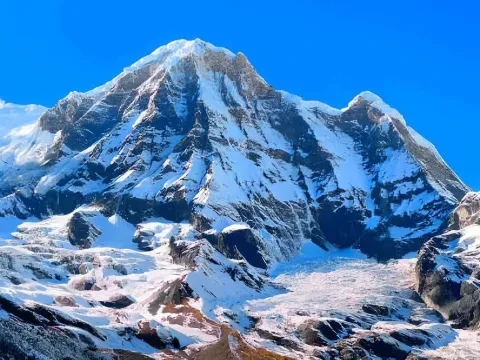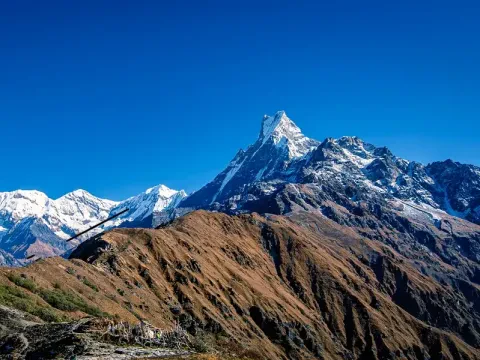
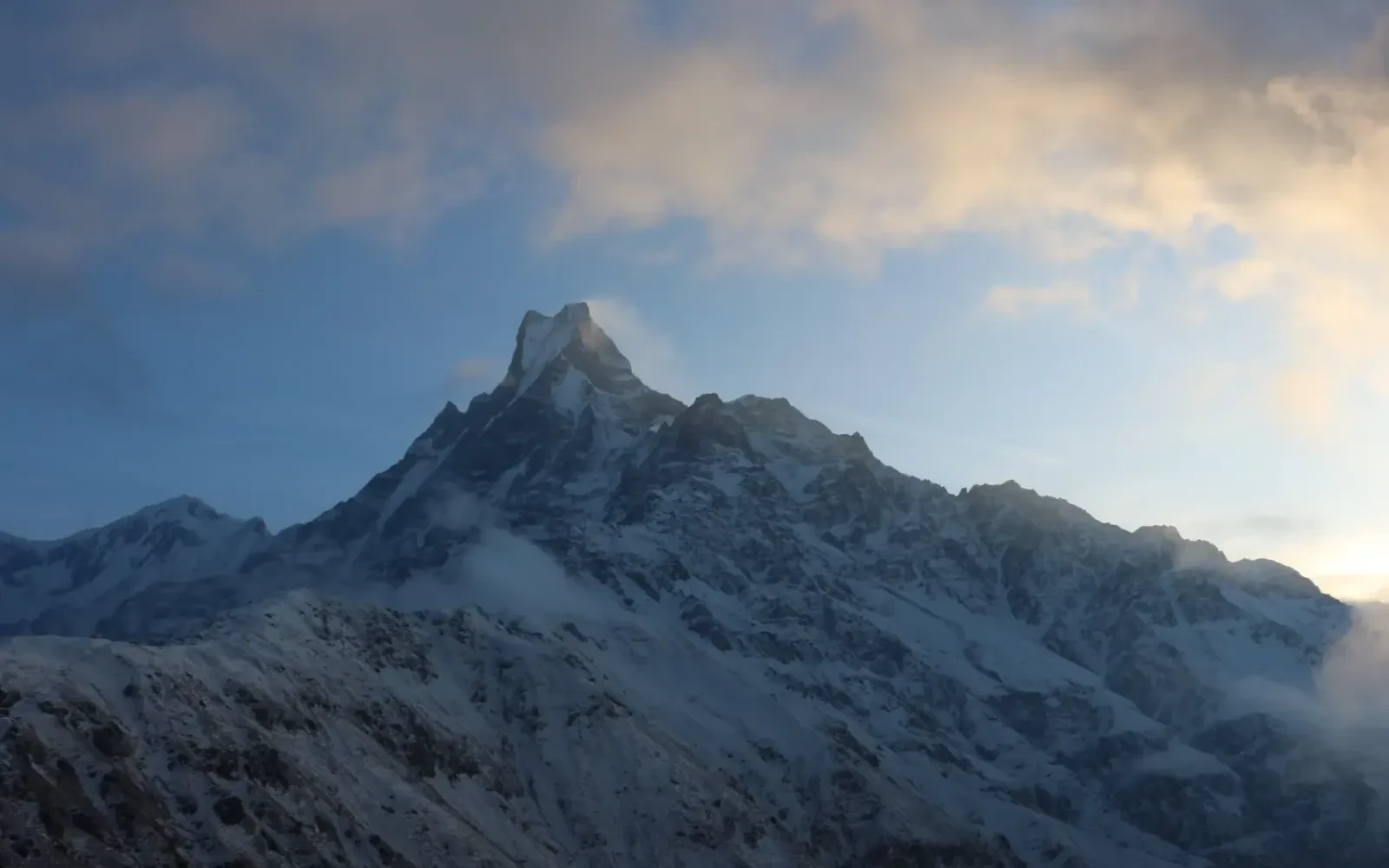
Mardi Himal Base Camp sits quietly in the heart of the Annapurna region, waiting for people willing to step off the beaten track. If you’re after a real Himalayan experience but want to skip the crowds, this is where you want to be. At 4,500 meters, it’s the highest point of the Mardi Himal Trek, and the view—the mountains, the silence, the thin air—just hits differently. You end up standing so close to Machhapuchhre (the iconic “Fishtail” peak) and Mardi Himal, you feel like you could almost touch them.
Getting to the trailhead isn’t a hassle either. The Mardi Himal trek usually kicks off from Kande, just outside Pokhara, and rolls gently through rhododendron forests and small Gurung villages. The path climbs steadily, never too steep, so you get time to adjust as you make your way toward High Camp at 3,580 meters. From there, things get a little more dramatic: a narrow ridge leads you right up to Base Camp. It's just the right amount of adventure for both first-timers and people who've trekked around Nepal before.
And the views at the top? They’re unreal. You’re surrounded on all sides by giants like Annapurna South, Hiunchuli, and Gangapurna. If you get up with the sun, the peaks glow gold and orange—and all you can do is stand there and breathe it in. It’s mountain beauty you can feel in your chest.
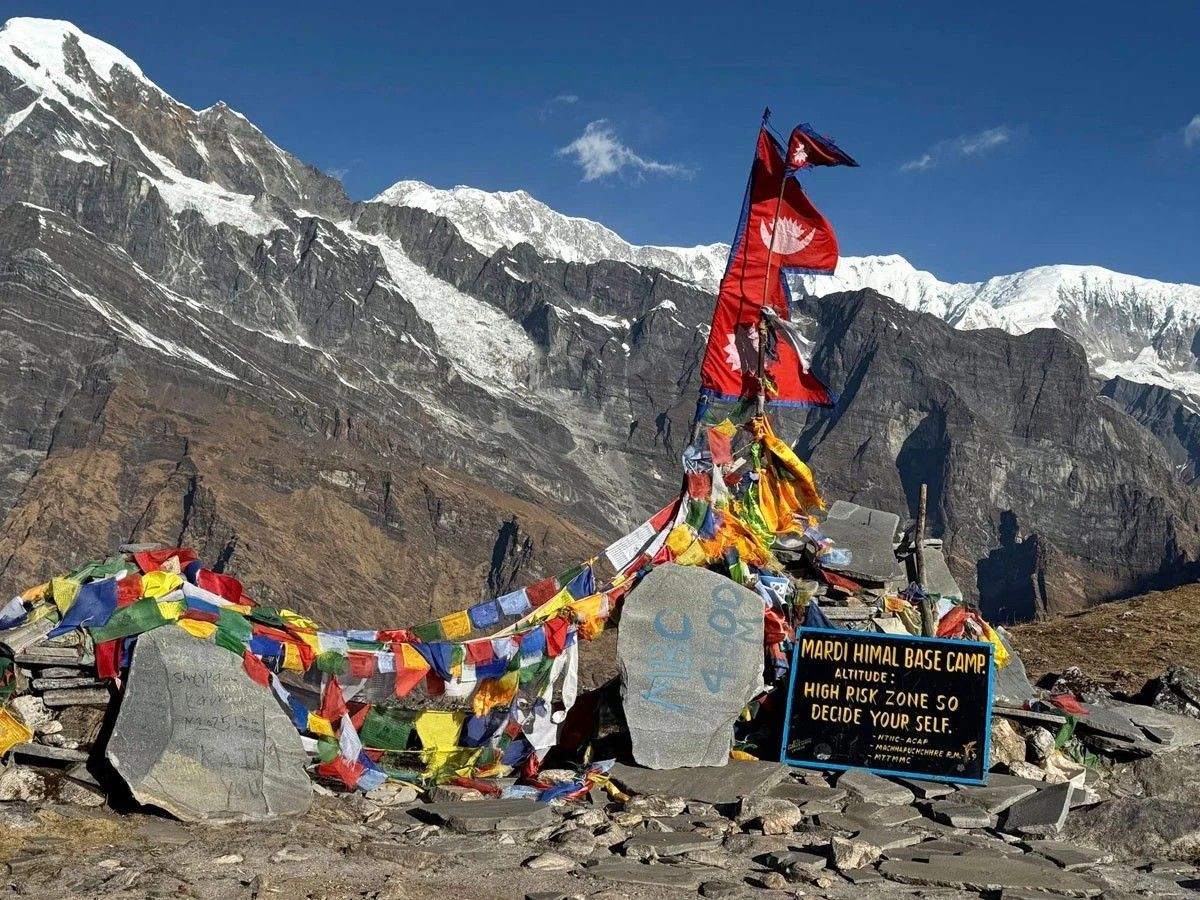
One of the best things about Mardi Himal Base Camp is the peace and quiet. Unlike the busier Annapurna routes, you don’t find crowds here—just the odd trekker and welcoming tea houses dotted along the way. Every night, you can end the day with a hot meal and mountain views, eating dal bhat and chatting with locals and other travelers.
Moreover, it’s a trip that’s accessible too. Most packages cost between $650 and $850 for a week to ten days, and that includes guides and permits. You can pick up the ACAP and TIMS cards in Pokhara, and hiring a guide makes things simple and safe, especially on unfamiliar trails.
If you’re thinking about when to go, spring and autumn steal the show. Clear skies, wildflowers, and views for days. And as always with altitude, take the climb slow. Spend a night at High Camp to acclimatize, and listen to your body.
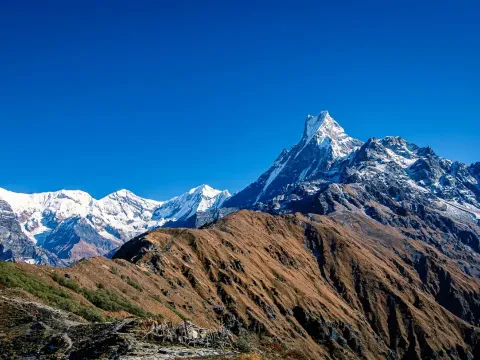
Honestly, Mardi Himal Base Camp is perfect if you want to dip your toes into high-altitude trekking without biting off more than you can chew. You get jaw-dropping mountain scenery, some friendly local culture, and more adventure than you might expect on a short trek. The Annapurnas will stick with you long after you leave.
| Location | Elevation | Significance |
|---|---|---|
| Kande (Trailhead) | 1,770m | Starting point after drive from Pokhara. |
| High Camp | 3,580m | Last overnight before final ascent. |
| Mardi Himal Viewpoint | 4,200m | Panoramic ridge spot. |
| Mardi Himal Base Camp | 4,500m | Highest point with closest mountain views. |
Here, getting ready is everything when it comes to the Mardi Himal Trek. People show up with sturdy boots and enough layers to handle the unpredictable weather up at Mardi Himal Base Camp, which sits high at 4,500 meters. On the trail, they keep drinking water and don’t rush—especially while making their way along that dramatic ridge. There’s a special kind of peace up there, just you and those wild, jaw-dropping views.
When you finally reach Mardi Himal Base Camp, the place leaves a mark. It’s the sort of trek that dials right into what people love about the Himalayas: stunning scenery, no crowds, and an honest challenge—all packed into a route you can actually finish if you’re short on time. Let’s be real, hikers who make it up there leave changed by the mountains. If you want a real Himalayan story, start planning your Mardi Himal Base Camp trek. It’s one of those trips you’ll replay in your head for years to come.
Getting to Mardi Himal Base Camp is surprisingly easy, which is one of the reasons so many people are drawn to this trek. Most hikers start out in Pokhara—it’s just a quick drive from there to the trailhead at Kande (1,770m), and the roads are decent, so the ride is comfortable with some nice countryside views along the way. You can hop on a local bus or a shared jeep for a few bucks, anywhere between $2-$10, which makes the trip affordable. If you’d rather just get moving on your own schedule, there are private jeeps and taxis too.
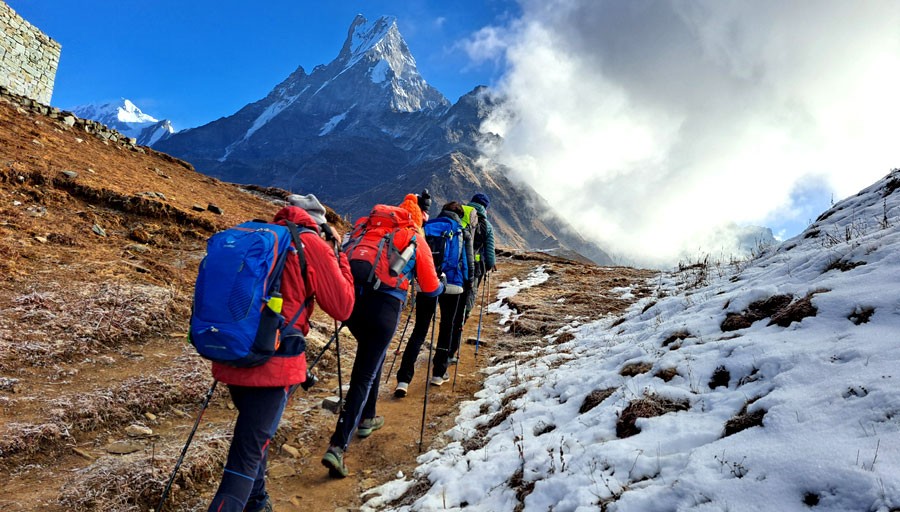
Actually, the beauty of this setup is that you don’t have to waste precious time or energy slogging through urban sprawl at the start. Instead, you’re right on the trail after just about an hour. This makes Mardi Himal perfect for trekkers who are short on time but still want that Himalayan experience.
As soon as you leave Kande, though, it’s all uphill from there—but in a good way. The first day takes you through quiet forests up to Forest Camp (2,550m). It’s about five or six hours of walking, enough to break a sweat but not too much to handle if you’re relatively fit. From there, most people push onward to Low Camp and then settle in at High Camp (3,580m). The stages are manageable, giving trekkers time to build up their stamina while taking in the scenery.
Moreover, the final push to Mardi Himal Base Camp (4,500m) is the toughest part. If you start early from High Camp, you’ll follow a narrow ridge for three or four hours, climbing almost a thousand meters. Some parts are exposed, so you have to watch your step, but the reward is unbeatable views of Machhapuchhre—the famous “Fishtail” peak—towering overhead. You do need to pay attention to the altitude here, but basically, as long as you’re reasonably fit and cautious, you’ll be fine.
Getting back is easy, too. After the summit, most people head down to Siding Village, where jeeps are ready to give tired legs a break and take you back to Pokhara. All in all, you can finish the loop in five to seven days, which makes it one of the more efficient treks in the region.
A couple things are required, though: permits (ACAP and TIMS), which cost about $30 and are easy to get in Pokhara. Hiring a licensed guide is a smart move—they’ll keep you on track and handle any issues with weather or altitude, especially up at High Camp.
Honestly, the best seasons are spring and autumn—trails are dry, skies clear, and the whole trek is just more enjoyable. Monsoon season can make the roads muddy and the first stretch by jeep a little more adventurous than most people want, so it’s worth checking the weather before heading out.
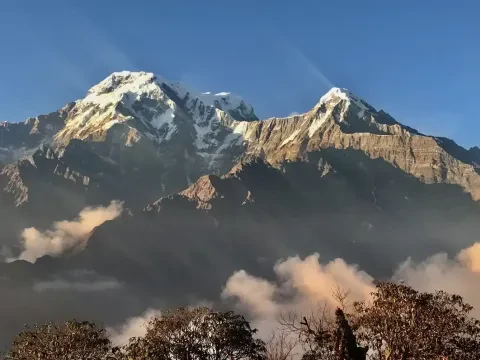
That’s the gist. With good transport, a clear trail, and just enough challenge, Mardi Himal feels accessible for eager beginners and seasoned trekkers alike. Plan well, and it’s a fantastic trip.
| Mode | Route | Cost (USD) | Duration |
|---|---|---|
| Local Bus | Pokhara to Kande | 2–5 | 1.5 hours. |
| Shared Jeep | Pokhara to Kande | 5–10 | 1 hour. |
| Private Jeep/Taxi | Pokhara to Kande | 20–70 | 45–60 minutes. |
| Jeep Return | Siding to Pokhara | 15–50 | 2–3 hours. |
Getting ready physically makes reaching Mardi Himal Base Camp a lot easier. Most folks do a few uphill walks before tackling the actual Mardi Himal trek. Solid boots are key for crossing those rocky ridges up near High Camp, about 3,580 meters up. And people usually pack light for that last climb. Fitness really does help, turning Mardi Himal Base Camp, perched at 4,500 meters, into a realistic goal for most travelers.
Actually, this trek isn’t just another Himalayan challenge—it’s a short, sweet escape. You get simple road access out of the gate, then step right onto trails that actually reward you for your effort. When trekkers come back, they feel inspired by how beautiful—and surprisingly easy—the mountains can be. So why not plan your adventure to Mardi Himal Base Camp today? It’s one of the smoothest ways to dive into Himalayan magic.
Actually, the Mardi Himal Base Camp gives you one of the best up-close Himalayan views you can get. You stand at 4,500 meters, surrounded by a full circle of snow-capped peaks. Machhapuchhre, with its sharp summit, looms right overhead. Annapurna South and Hiunchuli—they’re just right there, massive and beautiful, almost touchable. Honestly, reaching base camp feels like the grand prize of the trek.
Moreover, sunrise up here is something special. Most people roll out of their sleeping bags at High Camp before dawn and shuffle along narrow ridges in the cold. You watch the first rays of golden light sweep across the mountains, and suddenly everything—each peak and ridge—glows like fire. Cameras come out, and it’s hard not to just stand and stare for a moment.
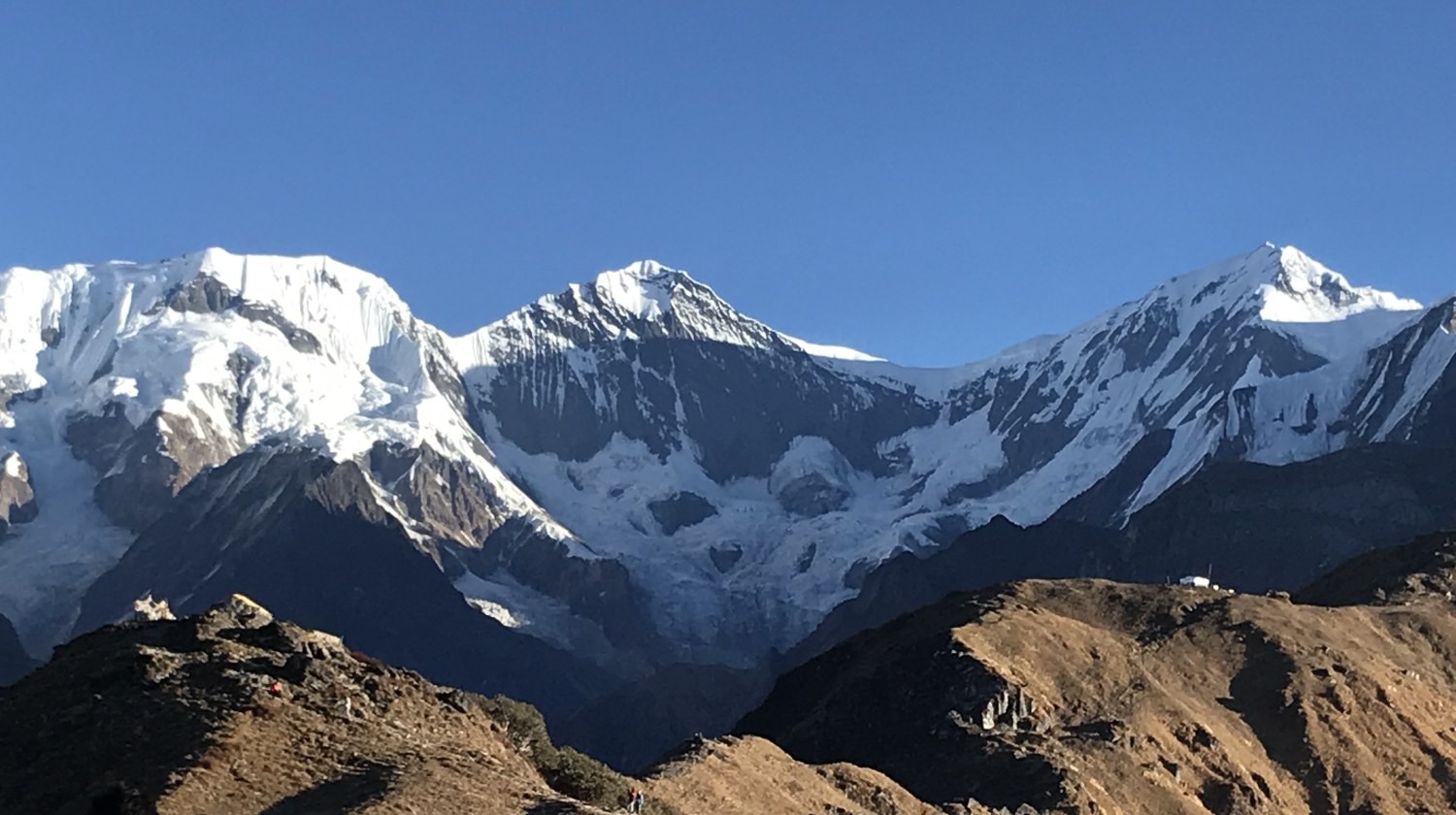
But it’s not just about the summit. The trail itself is worth the journey. You walk through dense rhododendron forests, then out into wide, open meadows. If you’re there in spring, wildflowers are everywhere. There's a real sense of peace since the crowds from Nepal’s more popular trails are far away. Nature feels undisturbed up here.
In fact, the adventure doesn’t stop at just walking, either. Short ridge walks branch off near base camp, perfect for those who want even more views—or just a bit more solitude. Sometimes, if there’s been snow, you can play around in the icy patches. And for photography lovers, every turn brings another postcard shot: snow, cliffs, huge skies, and dramatic light.
Similarly, there's also a cultural side to this trek that a lot of people love. You pass through Gurung villages and meet locals who always seem ready with a smile and a cup of tea. You get a taste of mountain hospitality and learn what daily life is really like up here—quiet, tough, and honest.
For a lot of trekkers, photography becomes the main event—especially with Machhapuchhre’s “fishtail” peak against a deep blue sky or a sunset lighting up the whole Annapurna range in orange and pink. A lot of people leave with memory cards full and lifelong memories.
And after all that, base camp becomes a place to unwind. You find a quiet spot, sit back, and let the place sink in. Sometimes people stretch or meditate; sometimes you just trade stories with other trekkers, gathered around a stove as dusk settles in. It’s that combination of raw adventure and quiet moments that makes Mardi Himal special—complete, balanced, and unbelievably rewarding.
Top Activities to do at Mardi Himal Base Camp
In fact, seasonal changes really bring the Mardi Himal Trekking Trail to life. In spring, the trail bursts with colorful rhododendrons, while autumn brings those crystal-clear skies everyone dreams about. Along the way, guides don’t just lead—they share stories about the unique and fragile world up in these high mountains. You end up learning a lot without even realizing it, just by hiking and listening.
Summingly, it’s the mix of jaw-dropping mountain views and meaningful experiences that turn Mardi Himal Base Camp, sitting at 4,500 meters, into a place you’ll never forget. Every day feels bigger and brighter out here, and you walk away not only inspired but honestly changed by the raw beauty of the Himalayas. If you’re looking for something epic, start planning your Mardi Himal Base Camp trip now. You’ll come back with memories that stick with you forever.
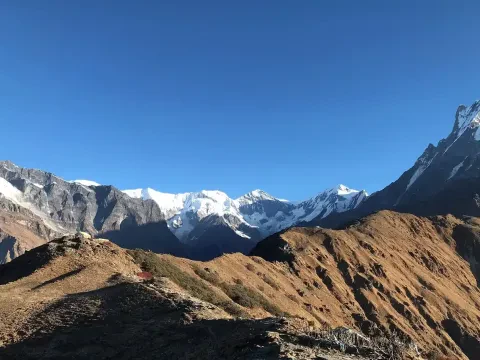
Meanwhile, Mardi Himal Base Camp sits high up on many trekkers' bucket lists, and honestly, there’s a clear answer about the best time to go: hit the trail in spring or autumn. Both seasons just deliver, really. The skies clear up, the weather settles down, and you get those knockout views of Machhapuchhre towering over the horizon. If you want solid conditions, you really can’t beat these months.
Here, Spring, from March to May, is all about the rhododendrons. The lower parts of the trail explode in reds and pinks, and the whole forest comes alive. Days are mild, usually between 10 and 20 degrees Celsius — perfect for hiking and not so cold that you’re miserable at High Camp. Photos just pop with so much color around.
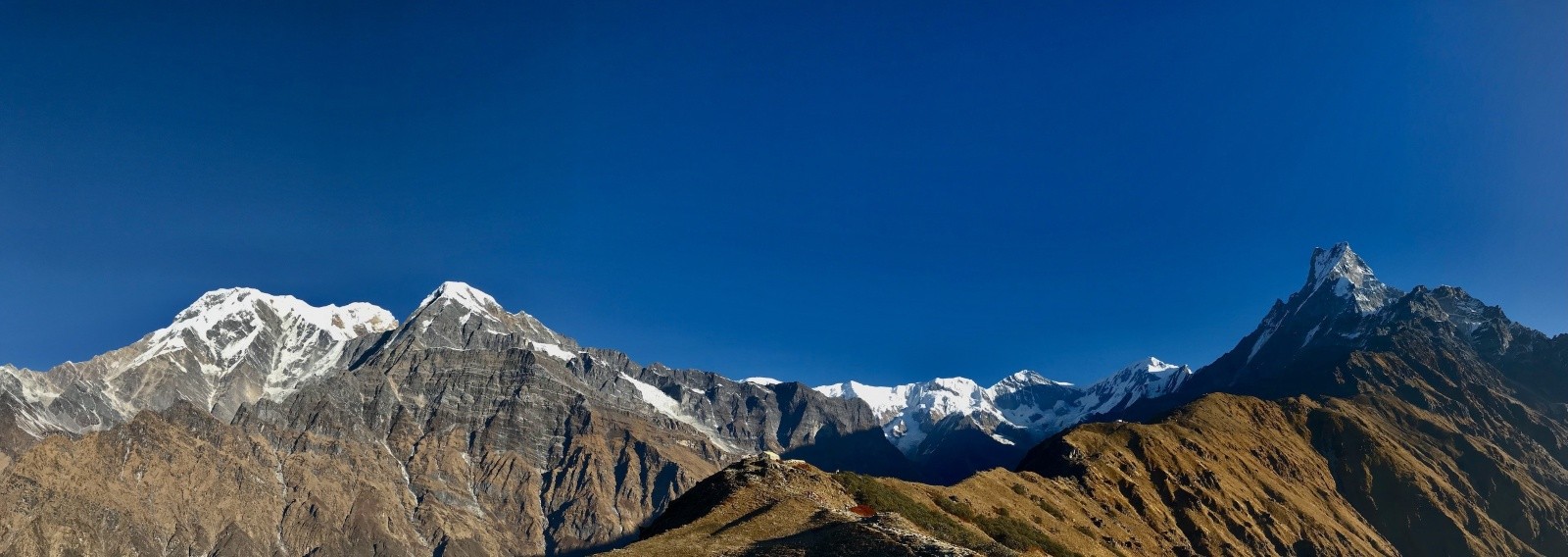
Come autumn, from September to November, you get crisp air and ridiculously clear mountain views. The trails dry out after the summer rains and, by October, everything’s just about perfect. October’s definitely the winner if catching Annapurna South in razor-sharp detail is your goal. Honestly, if you care about the best vistas, go in autumn.
Winter? Not the smartest choice. From December through February, snow and ice take over near High Camp. Nights get brutally cold — it’s tough if you’re not used to freezing temperatures. And the winds whip through, making things pretty uncomfortable. Most experienced trekkers skip winter for good reason.
Likewise, Monsoon doesn’t make things any easier. June to August brings heavy rain, muddy paths, and leeches crawling everywhere in the forests. Visibility drops, and the risk of landslides is real. It’s not a fun way to tackle the trail.
So, if you’re chasing wildflowers and color, go in spring. If crystal-clear peaks call your name, autumn’s your season. Pack smart — layers for chilly nights and strong sun by day. Both seasons promise an incredible experience up to the base camp.
If you want to dodge the crowds, pick early March or late November. Trails get quieter, and you get the mountains mostly to yourself. But always keep an eye on the weather forecast; things can change fast at altitude. Prep for cold nights at High Camp, and you’ll be set for a real Mardi Himal adventure.
| Season | Months | Key Advantages | Day/Night Temperature | Crowd Level |
|---|---|---|
| Spring | March–May | Rhododendron blooms, mild weather | 10–20°C / 0–10°C | Moderate. |
| Autumn | Sept–November | Clearest skies, dry stable trails | 10–18°C / 0–8°C | Moderate. |
| Winter | Dec–Feb | Snowy landscapes | Below 5°C / Freezing | Low. |
| Monsoon | June–Aug | Lush greenery | 15–25°C / Warm | Low. |
In fact, the best time to visit Mardi Himal Base Camp also depends on individual preferences, the ones that prefer colorful blooms in the spring season and those who prefer excellent mountain visibility in the autumn season. Additionally, conditions are equally dependable at both seasons for treks till Mardi Himal Base Camp (4,500m). One has a gradual acclimatization at a height of 4,500m, hence memorable vistas can be seen along the Mardi Himal Trekking Trail.
Likewise, the spring and autumn seasons can be categorized as best time to visit Mardi Himal Base Camp which perfectly balanced in conditions of weather, safety and beautiful scenery at Mardi Himal Trekking Trail. Trekkers return in inspiration from the magnificence of Himalayas. So, start planning your trip to Mardi Himal Base Camp (4,500m) season.
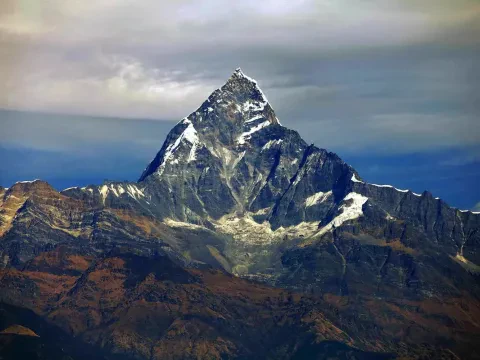
Discover the basic yet essential amenities provided along the Mardi Himal Trekking trail all the way up to Mardi Himal Base Camp. Trekkers can find relatively basic tea houses for cozy nights in. Moreover, each of the lodges which are family owned offer double beds with blankets in all of the stopping points. This supports safe rests prior to reaching Mardi Himal Base Camp (4500 m). Facilities enhance the various Mardi Himal Trekking Trail packages.
Additionally, High Camp (3580 m) offers the most built facilities closest to the base camp. These consist of around five to six tea houses which have dining rooms. Warm fires were used for heating and trekking would be carried out in warmer conditions inside in these dining rooms. Visitors could admire views of Machhapuchhre (6993 m) while warming up. Therefore, these facilities adequately prepare you for Mardi Himal Base Camp (4500 m) trekking.
Nevertheless, there are no tea houses at the Mardi Himal Base Camp (4500 m) which are permanent features since it can only be visited as a day hike. Trekkers would have to bring their own food and drink for the short trek along the ridge to Mardi Himal Base Camp. Temporary tents might occasionally be used for this trip during high season. Facilities are mainly clustered around the Mardi Himal Trekking trail in High Camp.
Furthermore, food facilities were still adequate in all the tea houses where visitors were offered dal bhat, noodles, soups, pancakes, and momos on a daily basis. However, the menus at higher levels would be less varied than those in the lower levels although they were still very nutritious for all trekkers to allow them to continue trekking to Mardi Himal Base Camp (4500 m). Food facilities make trekking a more enjoyable and energetic experience.
Also, there were adequate but basic toilet facilities throughout the Mardi Himal Trekking Trail, offering squat toilets with very minimal running water. Warm showers were sold for additional cost in camps below high altitude. Eco-friendly waste management also encouraged proper disposing. Hygiene facilities assist with the health up to Mardi Himal Base Camp (4500 m).
Also, electricity and charging is available with additional fee to be paid to each of the charging services and solar power is available from the Forest Camp (2550m) onwards. Internet access is available between 2-5 USD per day at most tea houses mostly in the dining room. Charging was commonly carried out by trekkers in the common dining room in High Camp (3580 m). Connectivity makes the journey enjoyable and enables users to keep in touch.
Moreover, purified drinking water will be provided at each tea house where trekkers may either boil or filter the water or buy purified bottled water at higher levels where they cannot risk to use raw drinking water, especially when reaching Mardi Himal Base Camp (4500 m). Therefore, hydration facilities maintain a comfortable trek.
| Location | Elevation | Accommodation | Key Facilities | Extra Costs |
|---|---|---|
| Forest Camp | 2,550m | 3–5 tea houses | Shared toilets, basic meals, solar power | Hot shower, Wi-Fi. |
| Low Camp | 2,990m | Several lodges | Dining halls, blankets, mountain views | Charging, hot water. |
| High Camp | 3,580m | 5–6 tea houses | Warm stoves, panoramic views | Wi-Fi (2–5 USD), showers. |
| Mardi Himal Base Camp | 4,500m | No permanent tea houses | Day hike only, carry essentials | None. |
Here, facilities also contribute to easier access along the Mardi Himal Trekking Trail. They offer warm local hospitality rather than high-class luxury. Furthermore, bookings need to be made prior in peak seasons for High Camp (3,580m). Most people carry a sleeping bag to increase warmth. So the careful planning of the amenities leads to a good time prior to Mardi Himal Base Camp (4,500m).
All in all, the facilities are necessary rather than luxurious and are quite simple. They facilitate enjoyable treks along the Mardi Himal Trekking Trail to Mardi Himal Base Camp (4,500m). Authentic mountain lodges would appeal more to trek lovers. Book your trek to Mardi Himal Base Camp in advance for easy access to facilities.
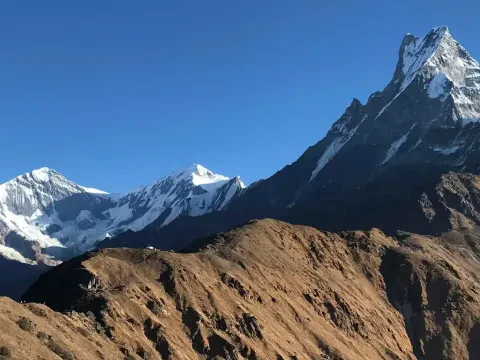
Conclude your unforgettable adventure on Mardi Himal Base Camp along Mardi Himal Trekking Trail. The trekking group appreciates the untouched beauty and peaceful isolation at the altitude of 4,500m. It is a hidden treasure which allows incredible Himalayan views without being over-crowded, leaving trekkers with memories of a luminous Machhapuchhre (6,993m) at dawn. Mardi Himal Trekking Trail express the pure charm of Mardi Himal Base Camp through each and every Mardi Himal Trekking Trail package.
Actually, the Mardi Himal Trekking Trail is an unforgettable trip where every step of the trekking group from Kande (1,770m) passes through vibrant rhododendron forests to High Camp (3,580m). In fact, the route of the Mardi Himal Trekking Trail is moderately easy making it accessible to all beginners as well as experienced trekking groups who will experience awe inspiring views of Annapurna South (7,219m) and Mardi Himal (5,587m) from Mardi Himal Base Camp (4,500m) throughout Mardi Himal Trekking Trail package.
All-in-all, smart planning is essential for a fulfilling Mardi Himal Base Camp Trekking Trail experience. Trekkers acquire ACAP permits in Pokhara and hire reliable guide. Besides, having the proper trekking gear, as well as, good altitude acclimatization help trekker overcome altitude problems, and trekkers should monitor weather conditions before ascending to Mardi Himal Base Camp (4,500m). Thus, the journey is more successful at Mardi Himal Base Camp if they had smart preparations.
Additionally, the relatively lower price tag on a Mardi Himal Trekking Trail makes it an attractive option for everyone as the Mardi Himal Trekking Trail costs between 650 and 850 USD per person for a complete 7 to 10 days trekking package. This cost typically includes guide, permits, accommodation and meals at the trekking groups tea house, making it value for money compared to the longer Annapurna trekking treks. Final words are words of encouragement for those seeking a worthwhile trip at a lower price.
Also, cultural encounters play a part on the trekking group's unforgettable experience on the Mardi Himal Base Camp Trekking Trail. The trekker is privileged to meet the welcoming Gurung family and their warm culture in their traditional villages. Sharing the trekking group's experience and tales with the local family truly touches one’s heart. Final words here would be that the warmth of people are truly beyond the mountains and the Mardi Himal Base Camp (4,500m).
Essentially, Mardi Himal Base Camp is a superb option for a shorter trek to the Himalayas. Trekkers with moderate fitness will definitely enjoy the moderate trek which has big rewards at the altitude of 4,500m. Furthermore, it boosts confidence for future longer trekking. Final words recommend the trekking trail to everyone looking for authentic trekking in Nepal. Thus, the Mardi Himal Base Camp is worth trying.
Moreover, this trek practices conservation by employing sustainable means and encouraging visitors to follow it too. Trekkers practice leave no trace policy all along the Mardi Himal Trekking Trail, and the tea houses work towards better waste management practices to help in the protection of Mardi Himal Base Camp (4,500m).
Why Choose Mardi Himal Base Camp – Quick Summary
Here, it tells you why the Mardi trail is so popular. Combined with the convenience, the scenery and the reality, people get hooked. The trekkers return with more inspiration from the great mountains. Hence, Mardi Himal Base Camp (4,500m) stays on the mind forever.
Therefore, try the Mardi Himal Base Camp Trek with confidence. You will realize why Mardi Himal Base Camp (4,500m) is acclaimed so much. Plan your trip right now and write your own final words, full of amazement at Mardi Himal Base Camp.
1. What is Mardi Himal Base Camp and Why is it Famous?
Mardi Himal Base Camp is the point you can trek to on the Mardi Himal Trek. It is 4,500 meters high. From Mardi Himal Base Camp you can see Machhapuchhre, Annapurna South and Hiunchuli close. These are really mountains. Mardi Himal Base Camp is famous because of the views of these mountains. The scenery at Mardi Himal Base Camp is really beautiful. People remember it forever.
2. How High is Mardi Himal Base Camp?
Mardi Himal Base Camp is 4,500 meters above the sea. This is really high. You can see the Himalayan mountains from Mardi Himal Base Camp. But the air is thin at Mardi Himal Base Camp so you need to climb rest. Most people go to High Camp before they go to Mardi Himal Base Camp. This makes the climb to Mardi Himal Base Camp easier and safer.
3. How Long Does it Take to Reach Mardi Himal Base Camp?
It usually takes four to six days to reach Mardi Himal Base Camp. The time it takes to reach Mardi Himal Base Camp depends on where you start and how fast you walk. People usually stay at High Camp before they go to Mardi Himal Base Camp. If you plan well you can have an fun trip to Mardi Himal Base Camp.
4. Is the Trail to Mardi Himal Base Camp Difficult?
The trail to Mardi Himal Base Camp is not too hard. The last part of the trail to Mardi Himal Base Camp is steep. You do not need to be a good climber. If you are fit and walk slowly you can make it to Mardi Himal Base Camp. So people who are new to trekking can also go to Mardi Himal Base Camp if they get ready.
5. What Mountains Can You See from Mardi Himal Base Camp?
You can see big mountains from Mardi Himal Base Camp. Mardi Himal Base Camp is a place to see Machhapuchhre, Annapurna South and Hiunchuli. You can also see the Annapurna range from Mardi Himal Base Camp. So people who love nature and take pictures think Mardi Himal Base Camp is one of the places to trek in Nepal.
6. Can Beginners Reach Mardi Himal Base Camp?
Yes beginners can reach Mardi Himal Base Camp. You just need to be determined and walk slowly. It is also good to be a little fit before you go to Mardi Himal Base Camp. If you go slowly and rest you can avoid getting sick from the altitude. So many people who are new to trekking go to Mardi Himal Base Camp. Have a great time.
7. Is Altitude Sickness Common at Mardi Himal Base Camp?
Some people get sick from the altitude, at Mardi Himal Base Camp.. This does not happen often if you climb slowly and rest. You should drink a lot of water. Walk slowly to avoid getting sick at Mardi Himal Base Camp. If you pay attention to how you feel you can stay safe on the trek to Mardi Himal Base Camp.
8. What is the best time to visit Mardi Himal Base Camp?
The best times to visit are spring and autumn. During these seasons the skies are clear. The mountain views are amazing. The trails are also stable which is why most people visit from March to May and September to November.
9. How far is High Camp from Mardi Himal Base Camp?
High Camp is the stop before the base camp. It takes around three to five hours to walk. The distance isn't very long. The steep climb makes it tough. So most trekkers start early to see the morning views.
10. Are there tea houses at Mardi Himal Base Camp?
There aren't any tea houses at Mardi Himal Base Camp. Most trekkers stay at High Camp. Visit the base camp for a day.. There are tea houses at lower elevations along the way. So it's easy to find accommodation and meals during the trek.
11. Is sunrise worth seeing from Mardi Himal Base Camp?
Watching the sunrise at Mardi Himal Base Camp is one of the parts of the trek. The sun shines on Machhapuchhre and the Annapurna range beautifully. The morning skies are usually clear many trekkers climb up before dawn.
12. Do you need a guide to reach Mardi Himal Base Camp?
A guide is highly recommended for the Mardi Himal Trek. They help with safety, navigation. Make the trek more enjoyable. Guides also know a lot about the area. So many trekkers choose to go with a guided group.
13. What should you pack for Mardi Himal Base Camp?
Warm clothes are a must because it gets very cold near the base camp. You should also bring boots, gloves, sunglasses and a water bottle. Packing the gear makes the trek more comfortable and safe.
14. Is Mardi Himal Base Camp better than Poon Hill?
Both places offer views of the Himalayas.. Mardi Himal Base Camp is closer to the mountains and higher up. Poon Hill is easier to get to. Has famous sunrise views. So it depends on how fit you're what you want to get out of the trek.
15. Why is Mardi Himal Base Camp the highlight of the trek?
Mardi Himal Base Camp is a mix of adventure, scenery and achievement. You get to see Machhapuchhre up which is a unique experience. The walk, to the base camp is also amazing. So many trekkers say it's the part of the Mardi Himal Trek.
Our travel experts are ready to assist you with any questions.
Send us a message.Have a question before you book? Send your enquiry below and our travel experts will get back with the required information.