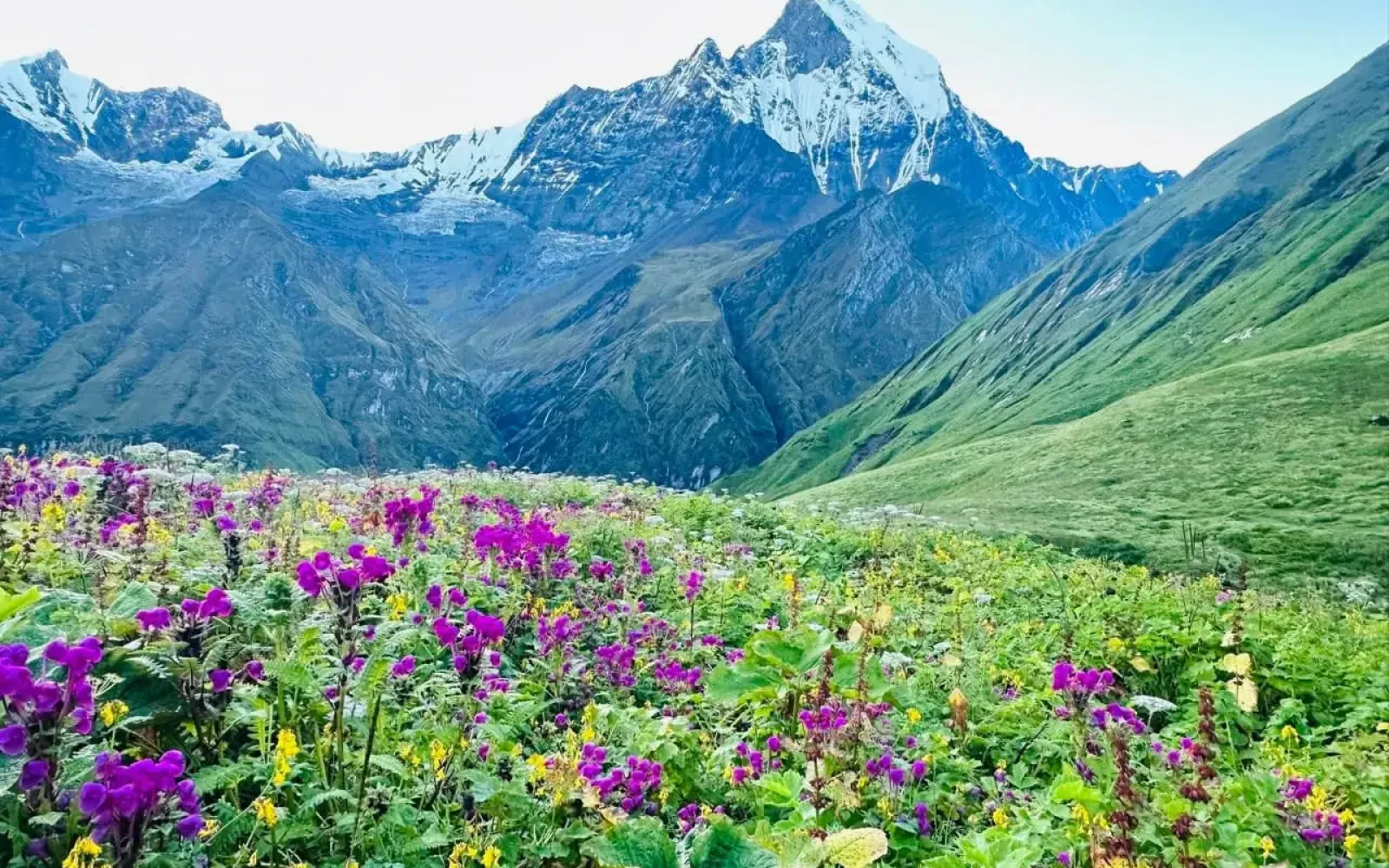
Did you know that Nepal's all trekkings are closed for the monsoon months? Actually, this is the largest and most persistent myth among trekkers worldwide. The reason people mostly avoid trekking in the monsoon season is that they believe the entire country would be drowned and dangerous. They may miss an alternative peaceful aspect of the Himalayas.
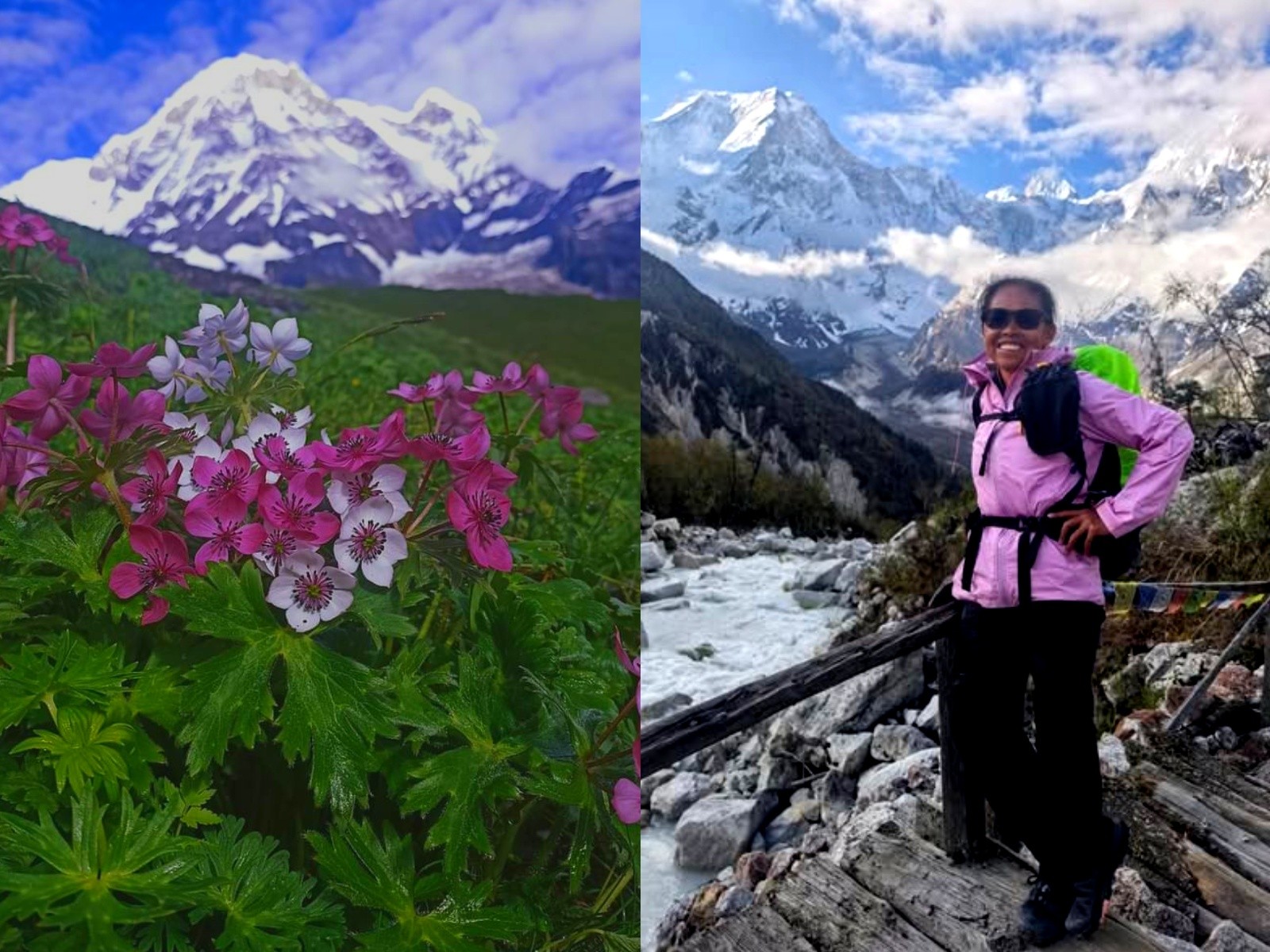
Why most trekkers are reluctant about Monsoon trekking :
| Myth | Reality | Actual Situation |
|---|---|---|
| Nepal's all trekking trails are closed during the monsoon season | Some trekking routes remain open | Lower & mid altitude treks are manageable. |
| There are continuous rains throughout the month of the monsoon | Rains may be frequent but not always persistent; a considerable amount of sunshine may still exist each day. | Numerous dry spells can be seen each day. |
| All trekking trails can be dangerous in monsoon | Trekking in certain areas may not be safe; still, most trails are less hazardous in monsoon season. | The trekking trails in the lower Himalayas are comparatively safer to hike even in monsoon season. |
| Nobody treks during the monsoon season in Nepal | Thousands of trekkers still trek in Nepal during the monsoon season; trekkers can enjoy a quieter experience of the Himalayas. | Quiet & least crowded experience of trekking. |
Therefore, not completely avoiding monsoon trekking can be the experience of lifetime.
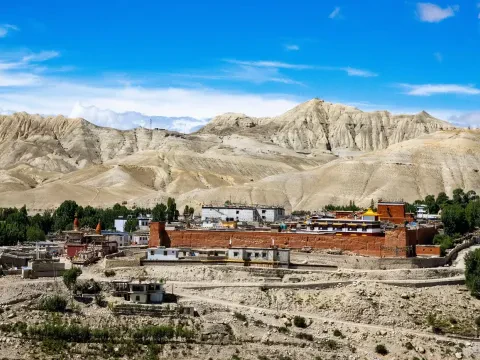
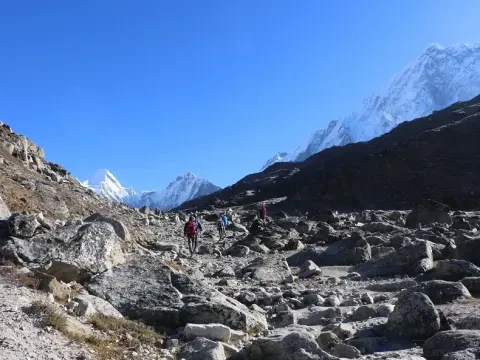
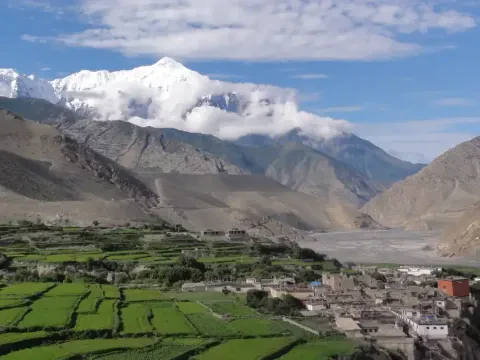
Have you ever wondered why certain areas in Nepal receive less rain even during monsoon months? The reason behind this geographical phenomenon is called the Rain Shadow Effect. The monsoon clouds get blocked by the towering mountains which cause the northern parts of the Himalayas to receive relatively low rainfall. These less-drenched parts have their own secrets that make trekking convenient even during the monsoon months.
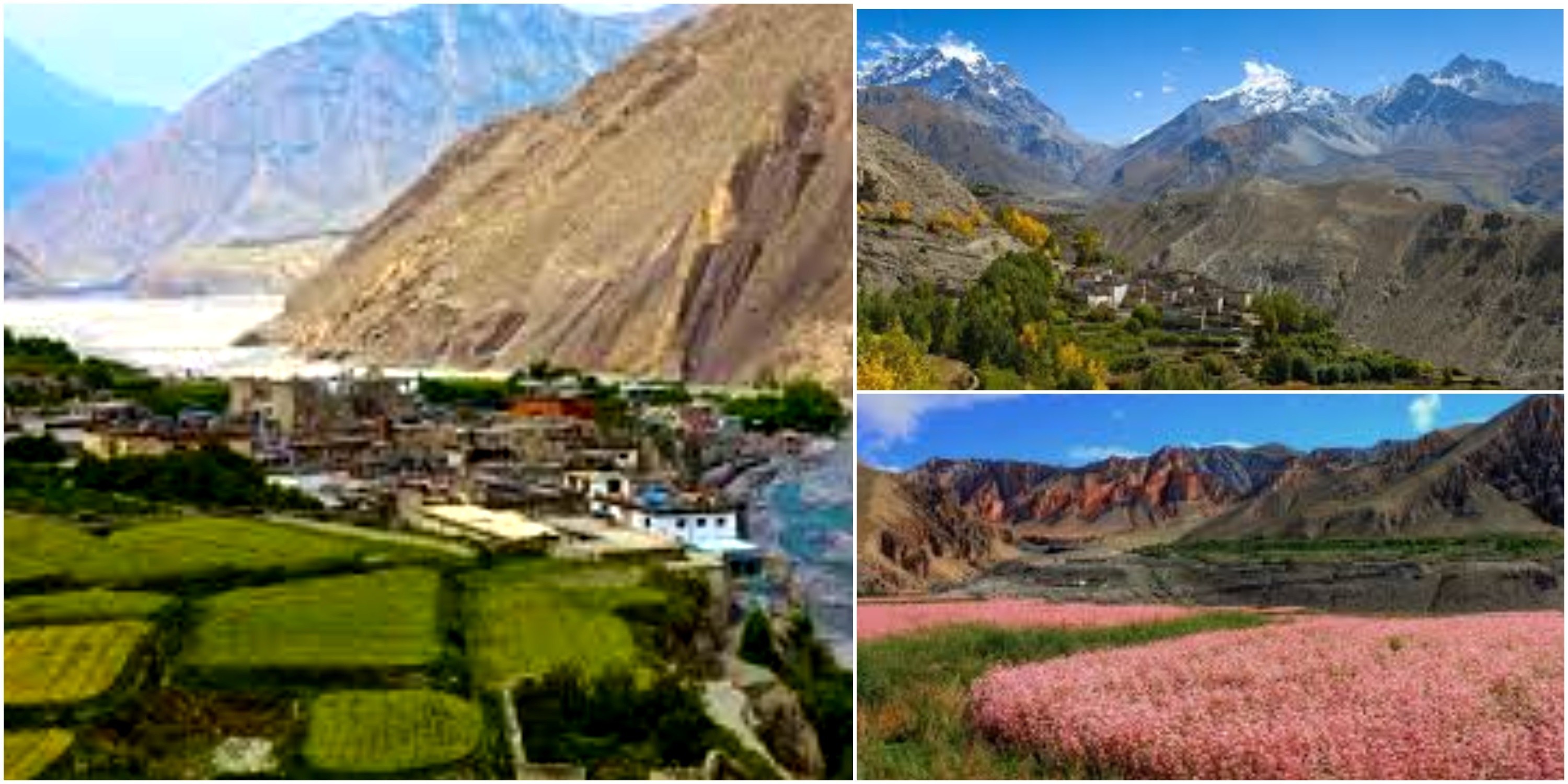
Major Rain Shadow Areas in Nepal :
| Region | Rainfall During Monsoon | Landscape Characteristics | Trekking Experience | Best For |
|---|---|---|
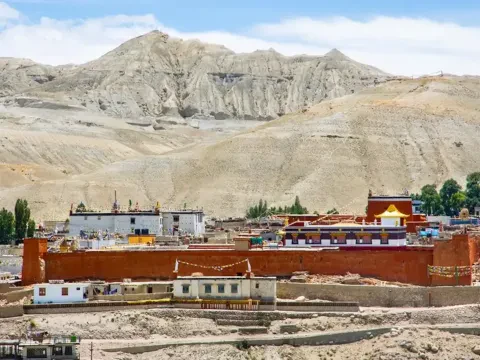
| Upper Mustang | Very Low | Arid like desert and Tibetan culture | Dry trails and amazing views | Culture and Landscape. |
| Dolpo region | Low | Raw and rugged region, it is very wild | Peaceful adventure for advanced trekkers | Adventure and solitude. |
| Nar Phu valley | Moderate-Low | Semi-arid with remarkable mountains | Unique cultural blend and wonderful mountain vistas | Adventurous culture experience. |
| Lower Annapurna region | High | Vivid and lush green, you can view waterfalls | Wet and alive landscape | Nature and natural beauty. |
Therefore, if you want to avoid heavy rains and muddy trails, then this Rain Shadow Effect should be the first thing you would remember while deciding your trekking destination in Nepal.
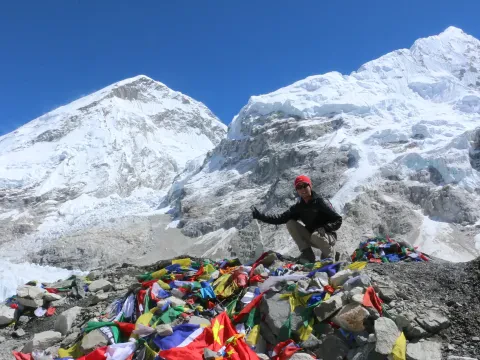
Ever wondered what the Himalayas look like when the monsoon is in full swing? Well, contrary to popular belief, the landscapes turn truly spectacular and are an experience that most trekkers never get to witness.
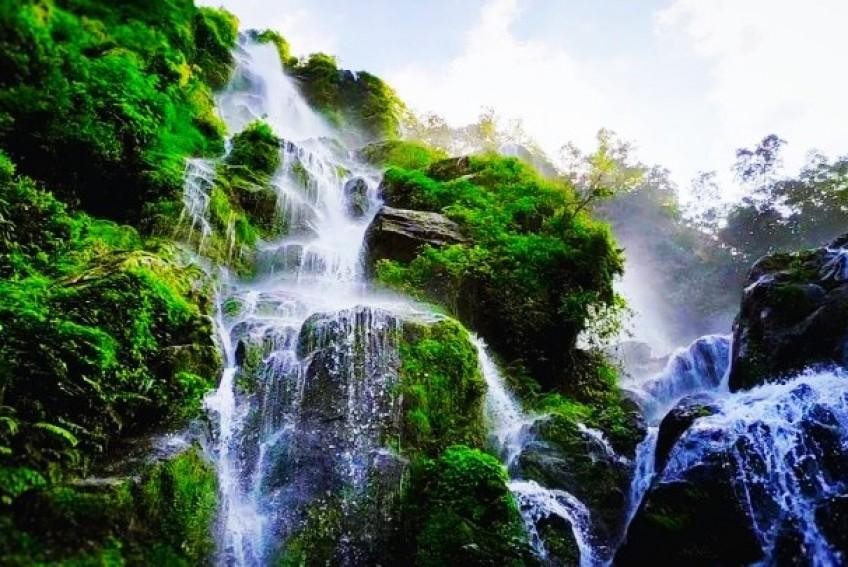
Actually, the hills explode into vivid emerald green and countless waterfalls plunge down the mountainsides like silver ribbons. As a result, the whole landscape comes alive with lush vegetation, blossoming flowers and thundering rivers which create a dramatic, mystical and awe-inspiring atmosphere.
Visual Highlights of Monsoon Trekking :
| Element | Monsoon Appearance | Why It's Special |
|---|---|---|
| Hills & Forests | Vibrant emerald green | Lush and alive; highest growth period of the year. |
| Waterfalls | Numerous & dramatically powerful | Visually stunning and highly photogenic. |
| Rivers | Roaring and full-flowing | Creates an incredible natural soundtrack. |
| Vegetation | Fresh, dense, and blooming | Maximizes the year's oxygen levels. |
| Overall Atmosphere | Mystical & alive | Serene, peaceful, and rejuvenating. |
Furthermore, the season has the highest concentration of oxygen because of the lush greenery. So even though long-range mountain views are obstructed, the nearby nature often provides a much more engaging and captivating display compared to other seasons.
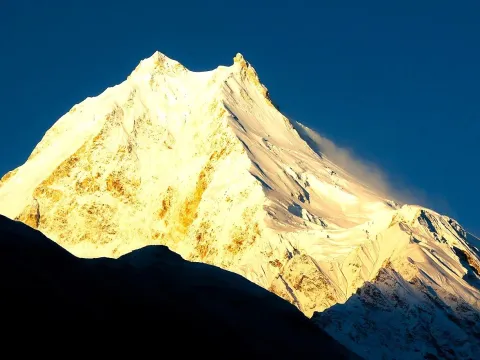
Dream of walking the Himalayas without the usual throngs of trekkers on the path? Well, that's the best part about trekking during the monsoon season.
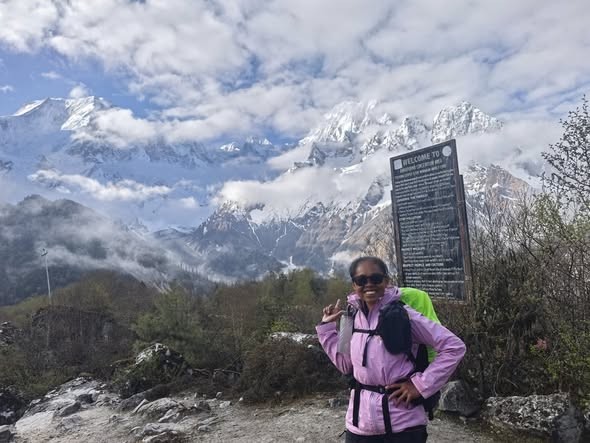
Where peak seasons can be incredibly crowded and overly commercialized, the monsoon presents you with a rare opportunity for peace and solitude on the trails. Consequently, you can experience a more personal and authentic connection with the mountains and the people.
Benefits of Solitude During Monsoon :
| Aspect | Peak Season (Spring/Autumn) | Monsoon Season |
|---|---|---|
| Number of Trekkers | High (sometimes crowded) | Very Low (often solitary). |
| Teahouse Experience | Bustling and often noisy | Intimate and personal |
| Interaction with Locals | Brief and superficial | Deeper and more genuine |
| Trail Atmosphere | Sociable and lively | Calm, tranquil, and contemplative |
| Overall Feeling | Popular tourist destination | Private Himalayan adventure |
So, many avid trekkers actually plan their adventures for monsoon specifically because they wish to discover the "real" Nepal and not just the well-trodden, tourist path. Trading crowds for solitude truly makes for a deeper, more memorable experience in the Himalayas.
Were you concerned how the unpredictable weather might affect your travel during the monsoon? Well, more so the delays to your flights and adjustments to your trekking routes will arguably be the most practical problem you will encounter during your trek to Nepal this season.
And since Lukla and Jomsom Airports are very sensitive to the amount of rainfall and visibility, expect frequent delays and even cancellations to your flights, which sometimes can stretch for days. Therefore, you have to build a degree of flexibility into your itinerary so that your holiday is stress free.
Handling Flight Delays & Trail Changes :
| Situation | Frequency | Best to Do | Tip to Remember |
|---|---|---|
| Lukla Flight Delays | Very common | Add buffer days to your itinerary in Kathmandu | Try not to have tight connection flights. |
| Jomsom Airport closures | Common | Plan for driving from Pokhara or Beni | A private jeep is usually reliable. |
| Trail blockages | Occasional | Hike on alternative trails or take rest days | Rely on your guide's local knowledge. |
| Road obstructions | Moderate | Have contingency plans and alternatives | Keep with you some snacks and power banks. |
Therefore, it is extremely advantageous to have hired a trek agent who has good connections locally to facilitate things for you. While logistics may be a little taxing this monsoon season, with good planning they can surely be managed.
Did you notice that there's a daily pattern to how the weather unfolds during the monsoon season? Well, learning to adapt and working with it will be one of the most valuable tricks to a successful monsoon trek.
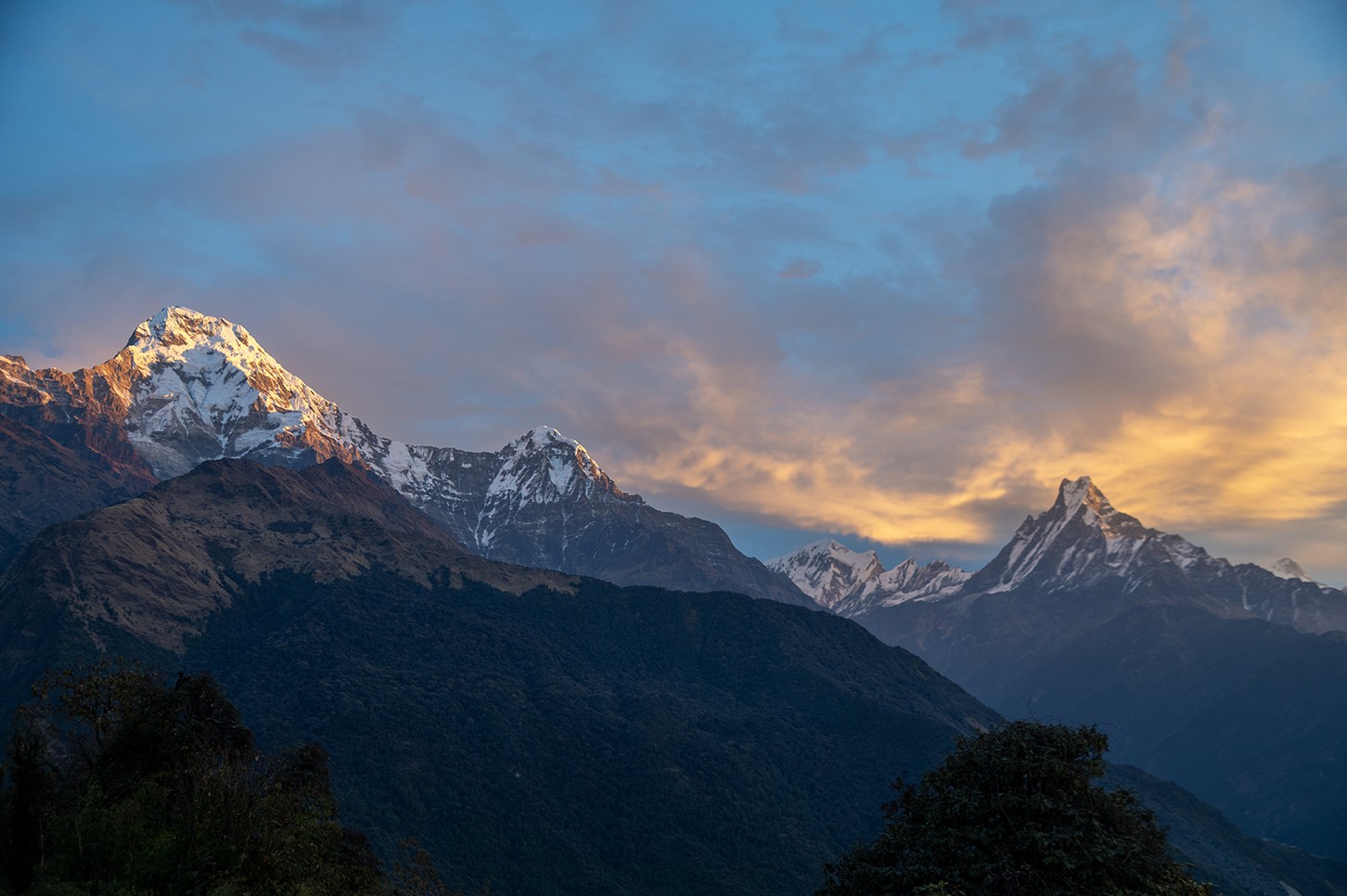
More so, the monsoon in Nepal tends to have a somewhat predictable daily cycle where mornings are typically bright, clear and quite dry and afternoons tend to bring overcast skies, rain and eventual storms. That is precisely why starting early becomes indispensable if you wish to trek safely.
Why an Early Start is indispensable :
| Time | Typical weather | Trekking recommendation |
|---|---|---|
| Early Morning | Clear and bright | Optimal trekking window. |
| Late morning | Usually clear with scattered clouds | Another good window for hiking. |
| Afternoon (12-4) | Skies become overcast with the onset of rain | Try to rest if not necessary for long hikes. |
| Evening | It is most likely to be raining with lower temperatures | Best to relax and recover at the lodge. |
In fact, veteran trek guides in Nepal will generally recommend you to be off before 7 AM in the monsoon! Hence, waking up early and hiking during the "morning window" will undoubtedly be the smart thing to do this monsoon trekking season.
So, did you think a waterproof jacket would suffice for monsoon treks in Nepal? In reality, you actually need much more specialized gear for monsoon treks compared to dry-season trekking.
Additionally, combination of ceaseless rain, slippery trails and leeches will need careful consideration regarding footwear, clothing and equipment. Consequently, a well-chosen equipment will make an immense difference to your experience.
Important monsoon specific equipment:
| Gear Items | Importance | Recommended Features | Priority |
|---|---|---|
| Trekking Shoes | Wet & slippery stone steps | Strong grip, waterproof, quick dry | very high. |
| Rain Jacket and Pants | Heavy & continuous rain | Highly breathing, fully taped seam | very high. |
| Gaiters/leech socks | leeches and mud protection | High ankle covering | high. |
| Trekking poles | Slippery paths | light weight, adjustable | High. |
| Dry Bags | Protects clothes and electronics | Multiple size, roll top | High. |
In conclusion, carry spare socks in addition to that. Furthermore, have a microfiber towel with you. Thus, the right equipment would make trekking much enjoyable.
So, did you worry too much about leeches and that held you back from going trekking in monsoons? Well, though the fear of leeches are prevalent, it is manageable compared to what you might think.
Also, the presence of leeches are predominantly in forests below 2,500m, mainly after rains. Consequently, with a bit of awareness and techniques, leeches will not pose a menace to your trekking adventure.
Effective leech management strategies:
| Situation | Action to Take | Prevention Tip |
|---|---|---|
| Leech on skin | Apply salt/antiseptic fluid and remove | Do not tug forcefully. |
| Leeches on the trail | Stick to the middle of the path | Gaiters/leech socks is a solution. |
| Post continuous rainfall | Be cautious in forests | Check at least once every 30 minutes. |
| Post removal of leeches | Bleeding will occur and this is normal | Clean with an antiseptic later. |
In most cases leeches are merely a nuisance and once you get accustomed to them, you'll barely notice them !
Have you ever wished to experience authentic village life in the Himalayas rather than tourist-oriented ones? Also, during monsoon, you can find yourself surrounded by the local way of life you rarely get to experience during the peak season.
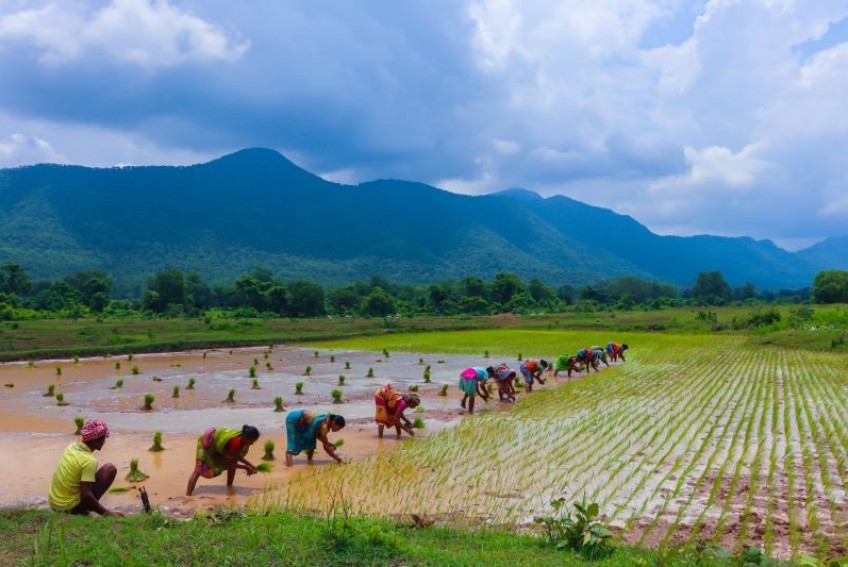
In addition to that, monsoon also involves significant agricultural activity and local festivities which make the village very lively. In this way, you can experience the authentic culture of Nepali mountains much deeper.
Amazing experiences in monsoon :
| Factors | Peak season (Autumn/Spring) | Monsoon Season |
|---|---|---|
| Interaction with Locals | Less due to many tourists | Friendly and closer. |
| Festival celebration | More commercialized | Authentic and festive |
| Observation of agricultural tasks | Harvesting season | Planting season – very exciting. |
| Village ambiance | Hustling and bustling with tourists | Very calm and simple. |
In conclusion, you may be invited by local farmers to take part in their rice planting or local festivities. This way, the trip to the Himalayas might be less about reaching the top of the view points, and more about culture.
Have you been anxious about staying healthy amidst the damp and humid monsoon conditions? In addition to the rain, keeping healthy is also one of the significant aspects while on a monsoon trekking expedition in the Himalayas.
Also, the rainy and humid environment coupled with muddy trails makes perfect grounds for common ailments if you aren't careful enough. Nevertheless, with a few simple steps and precautions, you can remain hale and hearty during the journey.
Tips for Health & Well-being :
| Concern | Precautionary Method | Significance |
|---|---|---|
| Foot & Skin infections | Dry your feet completely and use antifungal powder | Fungal infections are more likely. |
| Stomach and related problems | Eat hot food and avoid street food | Food can get contaminated easily. |
| Feeling cold & damp | Dress in layers and wear quick-dry base layers | Wet clothes steal body heat. |
| Lack of energy | Eat carbohydrate-rich local food to maintain your body's energy levels | Provides steady energy during wet trekking. |
| Leech bites | Always use proper gaiters and remove leeches carefully with salt/heat. | Prevents infections from wounds. |
Always choose a lodge with good ventilation, especially rooms with the sun shining on them. This way, even though you are treading into challenging terrain during the monsoon trekking in Nepal, you can surely keep fit and healthy.
Do you consider that rigidly scheduled trips are often very stressful to go on, especially during monsoon trekking? Besides that, incorporating a flexibility buffer into your trekking itinerary is indeed the most intelligent choice.
Additionally, monsoon weather is very unpredictable and the trails can become slow-paced, and at times blocked. Building in additional days to your itinerary can offer you more leisure and less pressure.
Why Flexibility Is Essential?
| Core trek duration | Buffer days | suggested total duration | Purpose |
|---|---|---|
| 4-5 days | 1-2 days | 6-7 days | Poon Hill and short treks |
| 6-8 days | 2-3 days | 8-11 days | Moderate treks |
| 9+ days | 3-4 days | 12-14 days | Remote and longer treks |
conclusion, talk to your trekking agency/guide about backup plans too. A flexible itinerary is one of the best ways to manage situations that come your way, instead of finding yourself frustrated.
Have you already weighed up all the realities, risks, and special joys that monsoon trekking in Nepal can bring about? If so, then the decision finally rests on you, your wishes, and your style of travelling.
Additionally, monsoon trekking is not ideal for everyone, but for the right traveller it may offer one of the most satisfying and unforgettable journey you may ever have. It’s so unique compared to the normal dry-season Himalayan trekking trip.
Who Will Enjoy Monsoon Trekking the Most?
The Final Verdict,
If you can be adaptable, prepare for the unexpected, and the thought of having the entire Himalayan panorama more or less to yourself with green surroundings thrills you, then Yes monsoon trekking in Nepal will definitely be the right choice for you.
1. Myth: Is Monsoon trekking in Nepal is really awful?
Reality: Not at all! While there are challenges like rain and muddy trails, monsoon trekking is far from impossible. Experienced trekkers actually love the season for the lush green landscapes, lack of crowds, and budget-friendly options. The success boils down to selecting the right region and being adequately prepared.
2. Myth: can't I see any mountains during monsoon trekking Nepal?
Reality: Partially true, but exaggerated. Views can be elusive due to clouds, but clear mornings are very common. Rain-shadow regions like Upper Mustang and the upper Annapurna Conservation Area offer clear vistas. The dramatic misty landscapes actually create incredible photo opportunities!
3. Myth: Are all trekking trails turn into dangerous death traps in monsoon?
Reality: While trails can get slippery and landslide risks are higher, most popular trails remain manageable with a good guide and proper caution. Lower altitude and rain-shadow regions are quite safe. The danger is often blown out of proportion for well-planned trips.
4. Myth: Do teahouses shut down during monsoon?
Reality: Most teahouses on popular routes remain open year-round. With fewer guests, you'll actually experience better service and more personalized interactions! Only very remote lodges may close seasonally.
5. Myth: Is Upper Mustang good for monsoon trekking?
Reality: Upper Mustang is a prime reality of monsoon trekking! Located in a rain-shadow zone, it receives minimal rainfall. You'll get dry weather, stunning desert landscapes, and unique Tibetan culture with virtually no other trekkers.
6. Myth: Do Leeches make trekking unbearable in monsoon?
Reality: Leeches are prevalent in lower, forested areas, but easy to manage with leech socks, salt, and by sticking to the main trails. Above 3,000m, their presence significantly decreases. They are a minor nuisance rather than a trek-ruiner.
7. Myth: Do Flights to mountain airports are constantly canceled in monsoon?
Reality: Flights to places like Lukla and Jomsom are frequently delayed or canceled, especially when weather is bad, but not every day. Building in 2-3 buffer days and having a road alternative ensures you can still make your trek happen.
8. Myth: Is Trekking in monsoon is significantly more expensive?
Reality: The opposite is true! Permits, accommodation, guide fees, and packages are often 20-40% cheaper during the monsoon. With fewer tourists, you can negotiate better deals and receive more individualized attention.
9. Myth: Do Only experienced trekkers should attempt monsoon treks?
Reality: Beginners can enjoy shorter, lower-altitude treks like Ghorepani Poon Hill with adequate support. However, higher altitude or more remote treks are better suited for those with previous trekking experience.
10. Myth: Does Monsoon means continuous heavy rain all day long?
Reality: Typically, rain occurs in the afternoon and evenings. Mornings are often clear or with light showers, making them perfect for trekking. The weather patterns become quite predictable once you're there.
11. Myth: It is real that I cannot do the Annapurna Circuit in monsoon?
Reality: Yes, it can be! The upper part of the circuit, from Manang onwards, is relatively dry. The lower sections are vibrant and green, although muddier. Many trekkers complete the Annapurna Circuit every year during the monsoon.
12. Myth: Do Monsoon trekking in Nepal has no benefits?
Reality: The benefits are immense! Enjoy the intensely green landscapes, blooming flowers, powerful waterfalls, peaceful solitude, cost savings, and witness the vibrant local farming life. It offers a vastly different, and often more authentic, Nepalese experience.
13. Myth: Is Independent trekking is safe in monsoon?
Reality: It's riskier than in peak season. Hiring a licensed guide is highly recommended as they have local knowledge of safe routes, weather patterns, and alternatives during adverse conditions like landslides.
14. Myth: Are the trails still crowded in monsoon?
Reality: This is completely false. Monsoon is the least crowded time to trek. You'll often have famous trails all to yourself!
15. Myth: Is Altitude sickness enhanced by monsoon?
Reality: While high humidity can make breathing feel more labored, the slower pace of trekking during monsoon can actually aid acclimatization. Standard altitude sickness precautions still apply.
16. Myth: Is Monsoon trekking photography is disappointing?
Reality: Many photographers relish the monsoon for its dramatic, moody light, intense greens, dynamic waterfalls, and the ethereal beauty of misty mountainscapes. The resulting photographs are often more artistic and unique.
17. Myth: Are there any treks that are better in monsoon?
Reality: Absolutely! Upper Mustang, Nar Phu Valley, and parts of Dolpo truly come alive in monsoon, as these regions lie within rain-shadow zones.
18. Myth: Are you much more likely to get sick during monsoon?
Reality: While there's a higher chance of minor issues like colds due to being wet, with good rain gear, proper hygiene, and dry clothing at night, most trekkers stay healthy. Preparation is key!
19. Myth: Should I avoid monsoon trekking if this is my first trip to Nepal?
Reality: If clear mountain views and easier conditions are your priority for a first trip, spring or autumn are generally better choices. However, for solitude, incredible greenery, and budget travel, a well-planned monsoon trek can be incredibly rewarding for first-timers too.
20. Myth: isn’t monsoon trekking in Nepal worth it?
Reality: For the right traveler, a resounding yes! It offers peace, stunning and different landscapes, genuine cultural experiences, and significant cost savings. With realistic expectations and meticulous planning, monsoon trekking in Nepal can be an unforgettable adventure.
Happy Monsoon trekking!
Our travel experts are ready to assist you with any questions.
Send us a message.Have a question before you book? Send your enquiry below and our travel experts will get back with the required information.