Actually, Patan Durbar Square has deep roots in Nepal’s Kathmandu Valley. People say the Kirat dynasty started the city of Patan—also called Lalitpur—way back in the 3rd century BC. They laid down the first settlements here. Then the Lichhavi dynasty came along in the 6th century AD and expanded things. Emperor Ashoka stopped by in 250 BC and put up stupas around Patan, marking important Buddhist spots. Patan didn’t just sit quietly in the corner either—it grew into a busy trading hub. The name Lalitpur means “City of Beauty” in Sanskrit, which fits. King Veer Deva officially established the city in 299 AD. Still, records from those early days are pretty thin. So, the square really grew out of these humble beginnings and turned into a center of culture and activity. This early mix of influences set things up for the big changes that came later and shows off Nepal’s complex history.
Then, the Malla kings came onto the scene, ruling from the 12th to 18th centuries, and they really changed Patan Durbar Square. They loved architecture and art. King Siddhi Narsingh Malla built many of the main structures in the 1600s. His son, Srinivasa Sukriti, added even more temples and palaces, and the square became the royal home. In the 18th century, Prithvi Narayan Shah unified Nepal, ending the Malla reign, but Patan hung on to its character. Historians point out that Newari craftsmanship really flourished here—wood and stone carvings got incredibly detailed. You can see the Malla legacy everywhere in the square, blending Hindu and Buddhist styles. Patan’s story is one of resilience and cultural mixing. That journey turned it into the UNESCO World Heritage Site we see today.

Key Dynasties Involved: Kirat (3rd century BC, founders); Lichhavi (6th century AD, expanders); Malla (12th-18th centuries, major builders); Shah (18th century, unifiers).
Early Markers: Ashoka's stupas (250 BC) bordered Patan; ancient crossroads facilitated trade.
| Timeline of Origins | Key Events and Rulers |
|---|---|
| 3rd Century BC | Kirat dynasty founds Patan as early settlement. |
| 250 BC | Emperor Ashoka builds boundary stupas. |
| 299 AD | King Veer Deva establishes Lalitpur formally. |
| 6th Century AD | Lichhavi dynasty expands the city. |
| 12th-18th Centuries | Malla kings develop square; Siddhi Narsingh Malla (1619-1660) constructs major parts. |
| 1768 AD | Prithvi Narayan Shah unifies; ends independent kingdom. |
| Architectural Influences | Periods and Features |
|---|---|
| Ancient Era | Basic crossroads; stupas for Buddhism. |
| Medieval Malla | Newari style peaks; wood carvings, stone temples. |
| Post-Unification | Preserved as heritage; minor modifications. |
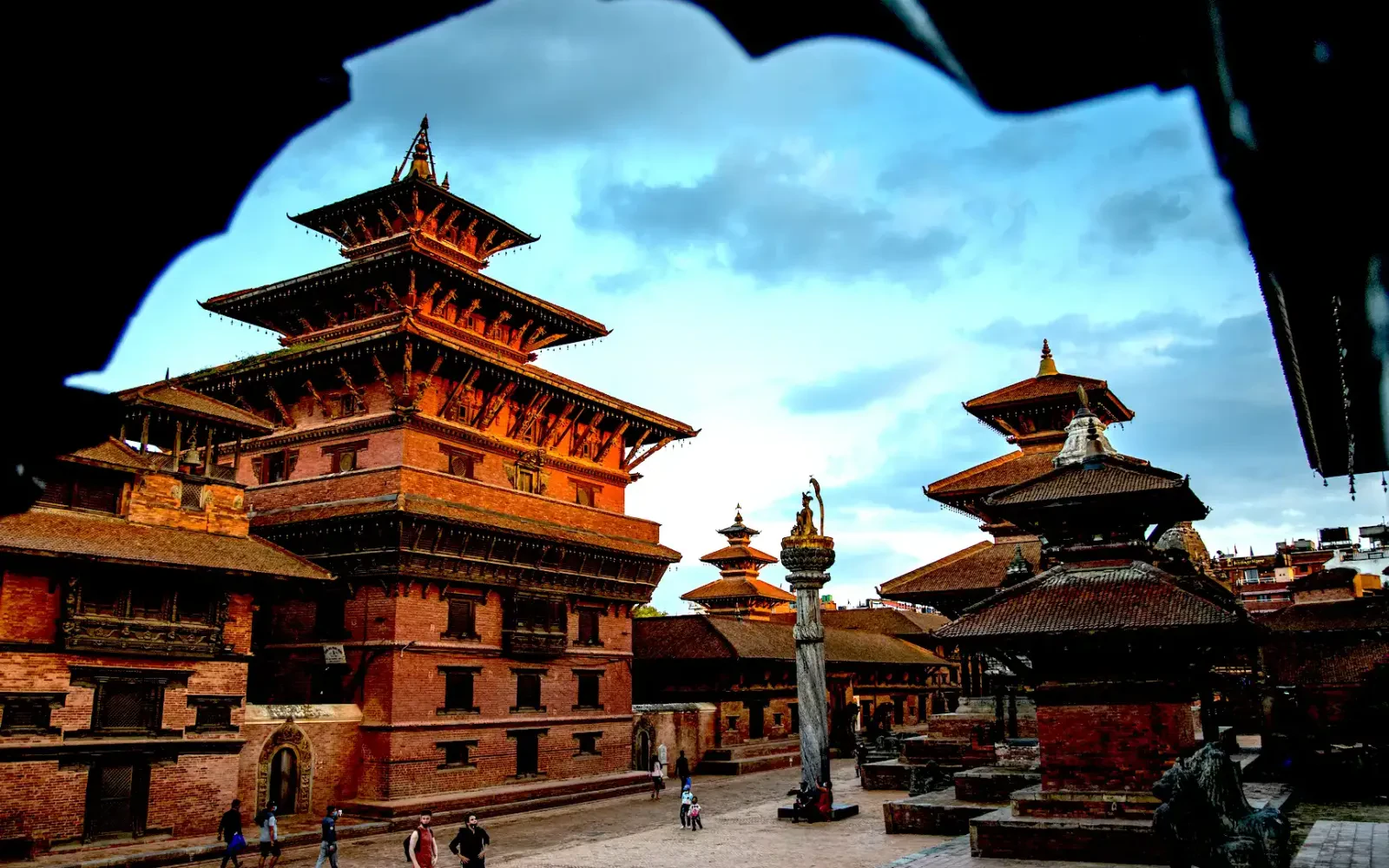
Meanwhile, Patan Durbar Square is situated at 1,313 m with finest Newari architecture of Nepal. The place is famous for temples and palaces from Malla period. The area has 136 courtyards and 55 main temples. The traditions maintained blending Hindu and Buddhist influences. The craftmen were expert in carving stone and woodwork. These were later initiated as major works during 17 th century by King Siddi Narsingh Malla. Artiste visit the place to see royal houses flown to modern age and made into museums. The 2015 earthquake affected the structures but the renovation work is being enhanced successfully. Therefore, the site is alive and known across globe as UNESCO heritage site and one of the important part of 7 UNESCO Sites Tour in Kathmandu. It shows presentation of culture and traditional influence. It symbolizes an elite class of time-era.

In fact, the major highlights attract tourists in every hour. The Krishna Mandir of stone is an example of architecture commissioned by 1637 for Lord Krishna, and it has 21 gold shining tops. The Patan Museum displayed the antique artifacts in renovated palace building. Overall, the Golden temple reveals Buddhist securities from 12 th century. The Mul Chowk consists of courtyard to carry out festivals; Manka Hiti comprise underground tap stands. The shops display local handicraft and guides explain its significance. Finally, there will lot of knowledge absorbing scenarios while watching in night. Thus, the highlights connect old ages with modern trends.

Iconic Temples: Krishna Mandir (1637 AD, Shikhara-style with stone carvings); Taleju Bhawani Temple (1640 AD, five-storey with triple roofs); Mahabouddha Temple (thousands of Buddha terracotta figures).
Museums and Palaces: Patan Museum (in royal palace, covers 13 centuries of art); Ancient Royal Palace (Malla residence with courtyards like Sundari Chowk).
| Major Temples | Description and Year Built |
|---|---|
| Krishna Mandir | Stone temple with 21 spires; honors Krishna; 1637 AD. |
| Golden Temple (Hiranya Varna Mahavihar) | Buddhist site with golden facade; peaceful monastery; 12th century. |
| Taleju Bhawani Temple | Royal deity shrine; five storeys; 1640 AD. |
| Mahabouddha Temple | Features 1,000 Buddha images; terracotta work. |
| Courtyards and Features | Purpose and Highlights |
| Mul Chowk | Central courtyard; religious ceremonies. |
| Sundari Chowk | Holds royal bath Tushahity; stone architecture. |
| Keshav Narayan Chowk | Palace area; artistic carvings. |
Actually, Patan durbar square is the historical heart of Nepal in Kathmandu Valley. It originated during the 3rd century BC under the Kirat dynasty. It developed during the Lichhavi and Malla kings. It was traditionally a place for kings and emperors. A number of Buddhist influences by Emperors like Ashoka contributed to its early Buddhist symbols and iconography. It was ushered into by 17th century Malla rulers who build temples and stone inlays. These reflect centuries of political influence. The square became a major UNESCO World Heritage Site in 1979.Architecture experts praise its well-preserved medieval architecture, despite damage inflicted by earthquakes in 2015. Restoration programs do their best to preserve the site's long history and legacy. The historical relevance of Patan Durbar square reveals the evolution and resilience of Nepal's capital. Leading to attracting scholars and tourists from all over the world.

Likewise, the religious spread of Patan durbar square is deeply rooted to Hindus and Buddhists. It boasts of 136 different courtyards and 55 temples at its take-off point in Patan durbar square (1,313 m). Populated by deities representing both religions it draws on the concretization of all traditions for religious spots. Skilled craftsmen from the Newari dynast built numerous plush carvings that adorn the site. The celebrations and participation of locals in most festivals spotlight the co-existence of two religions. The shrines have helped to preserve ancient religious practices. Regular prayer sessions happen among the locals. The site appears as a vibrant vibrant religious space. Handicrazfts and religious artworks flourish here. Museums hold artifacts over centuries. Visitors feel its religious and cultural meanings are merged into a unique idea.
Historical Milestones: Founded as Lalitapattan in 3rd century BC; Malla dynasty peak from 12th-18th centuries; royal residence until 1768 AD unification.
Religious Harmony: Blends Hinduism and Buddhism; hosts Krishna Mandir (Hindu) and Golden Temple (Buddhist); syncretic art influences.
| Historical Periods | Key Developments |
|---|---|
| 3rd Century BC | Kirat founding as trade hub. |
| 6th-9th Centuries AD | Lichhavi expansion with Buddhist sites. |
| 12th-18th Centuries | Malla kings build palaces and temples. |
| 1979 AD | UNESCO designation for global importance. |
| Religious and Cultural Elements | Significance |
|---|---|
| Temples and Bahals | 55 major temples for worship; 136 courtyards for ceremonies. |
| Art and Crafts | Newari wood carvings preserve traditions. |
| Festivals | Annual events blend Hindu-Buddhist rituals. |
| Community Role | Daily rituals maintain cultural identity. |
If you want to see Patan Durbar Square at its best, go early in the morning. Honestly, that’s when the place feels most real. The temples catch the soft sunrise light, so your photos just pop. Locals drift in to start their daily routines, and you can wander around without bumping into crowds. It’s cooler in the mornings, but that’s not a bad thing. Most guides say 7 to 9 AM is perfect. You get peace, space, and a real sense of the city’s history before the midday heat and tour groups roll in. If you’re after an authentic, calm experience, this is your window.
Now, if you’re into energy and color, late afternoon is your time—especially around 4 to 6 PM. The sunlight turns golden, the whole square glows, and the atmosphere shifts. People come out, the pace picks up, and sometimes there’s a festival or street event. Yes, it’s busier, but that’s part of the charm. Sunset over the square is something else—really spectacular. If you want things a bit quieter, stick around right after peak hours as the crowds thin out at dusk. But if you’re hoping for solitude, evenings aren’t ideal. And once it’s dark, you lose a lot of the detail that makes this place special. So, mornings are best for calm and culture lovers, afternoons for those who want a taste of the city’s buzz. Both times have their own magic.

| Time Slots | Pros and Cons |
|---|---|
| Early Morning (7-9 AM) | Pros: Minimal crowds, cool temps; Cons: Limited cafe access. |
| Late Afternoon (4-6 PM) | Pros: Warm light, lively vibe; Cons: Increasing crowds. |
| Evening/Dusk | Pros: Atmospheric quiet; Cons: Reduced visibility. |
| Seasonal Influences on Daily Timing | Recommendations |
|---|---|
| October-November (Clear Skies) | Extend morning visits for comfort. |
| April-May (Moderate Season) | Favor afternoons for festivals. |
| General | Adjust for personal crowd preference. |
When you visit Patan Durbar Square (1,313 m), you jump into a mix of history, art, and local life. People wander through ancient temples and palaces—some just soaking in the old Newari carvings, others snapping photos of the stunning architecture. The Patan Museum is a big draw if you’re into artifacts; you’ll find visitors drifting through its halls, lost in centuries-old stories. Out in the courtyards, it’s calm, almost peaceful, but there’s always a buzz—locals chatting with travelers, sharing a laugh, maybe pointing out something you’d otherwise miss. Here, Patan is definitely, one of the 10 best places to visit in Kathmandu Valley.
Shops and market stalls add a splash of color. Tourists bargain for crafts, searching for that perfect souvenir. And if you’re hungry, don’t skip the Newari snacks from street vendors—they’re everywhere and honestly, they’re part of the experience. Restoration sites pop up here and there, a reminder of the earthquake’s impact, but also of the city’s determination to rebuild.
Here, guided tours bring the legends to life. You’ll hear stories that make the old stone and wood feel alive. If your timing’s right, you might catch a festival—music, rituals, crowds, the whole square buzzing. Even outside of festivals, people stop to watch artisans working metal by hand or to quietly observe daily rituals. Walk down a narrow alley, and suddenly you’re face-to-face with some hidden masterpiece carved in wood, tucked away from the crowds.
At the end of the day, it’s not just about seeing old buildings. It’s about connecting with Patan’s artistic soul. You walk away feeling like you’ve touched living history—and maybe, just maybe, you’ll want to come back for more.
| Popular Activities | Description and Tips |
|---|---|
| Temple Exploration | Walk around 55 major temples; focus on Krishna Mandir (1637 AD) and Taleju Bhawani; respect active worship sites. |
| Museum Tour | Spend time in Patan Museum; learn about Newari art; entry included with square fee. |
| People-Watching & Strolling | Observe daily life; get lost in peaceful lanes; enjoy vibrant atmosphere. |
| Shopping & Crafts | Buy metalwork or wood carvings; support local artisans directly. |
| Additional Experiences | Benefits |
|---|---|
| Festival Participation | Attend events for cultural vibrancy; check dates in advance. |
| Nearby Extensions | Visit Kumbeshwor Temple or Mahabouddha; extend walk for deeper insight. |
| Relaxed Moments | Sit in courtyards; enjoy views over square at elevation 1,313 m |
If you’re heading to Patan Durbar Square (1,313 m), showing some respect goes a long way. Dress modestly—locals really notice that. Take off your shoes before you step into any temple, and keep things quiet in sacred spots. Don’t just start snapping photos; ask first. People here appreciate visitors who act thoughtfully. Some areas are off-limits after restoration, so keep an eye out for signs. If you’re not sure about something, ask a guide—they know the ropes. All these little rules aren’t just for show; they help everyone have a better experience and keep Nepal’s heritage alive.
At Patan Durbar Square, every move should show cultural sensitivity. Greet people with a friendly “Namaste,” and use your right hand if you’re making an offering. When you walk around stupas, always go clockwise. Don’t touch statues or offerings—that’s a big no. It really matters to be mindful here. Skip public displays of affection, and keep your stuff close. These aren’t just rules—they make things smoother and more enjoyable for everyone, and they let you be part of something bigger than yourself.
| Dos While Visiting | Explanation |
|---|---|
| Dress Modestly | Cover shoulders/knees; shows respect for religious sites. |
| Remove Shoes | Essential for temples and sacred areas; common Nepali custom. |
| Use Right Hand | For greetings, offerings, or eating; cultural norm. |
| Walk Clockwise | Around stupas and temples; follows Buddhist tradition. |
| Greet Politely | Say "Namaste" with palms together; builds goodwill. |
| Don'ts While Visiting | Reason |
|---|---|
| Enter Restricted Areas | Some temples limit access; respect signs and locals. |
| Take Photos Without Permission | Especially of people or inside temples; privacy matters. |
| Touch Statues/Offerings | Sacred items; avoid disrespect. |
| Be Loud or Disruptive | Maintain peaceful atmosphere; honor worshippers. |
| Litter or Damage Sites | Preserve UNESCO heritage; contribute positively. |
Most visitors to Patan Durbar Square at 1,313 m elevation need tickets, which authorities demand to save UNESCO heritage for now. Foreigners are consistently charged more. SAARC residents are offered discounts. Nepalese residents enter for free or minimum. Generally, entrance blanks allow museum access too. Tickets are available at main gates. Funds support maintenance. Recently prices are steady. Always confirm on site. Overall, fees help ensure visitors' fair treatment. This dual policy helps protect sites and balances numbers.

Here, charges might reflect reasons for positive discrimination policy in Nepal for monuments. Foreign visitors are necessary more in conserving. Residents from SAARC some fee-relief. Native people pay the most. So, consider one-day entry existing one-day itinerary, possibly. Make payment in Rupees within Nepal. Carry cash. Guides are at hand. To conclude, charges value visits. They fund restorative preserves after disasters. This policy insures culture for future.
| Visitor Category | Entry Fee (NPR) | Includes | Remarks |
|---|---|---|
| Foreign Nationals | 1,000 | Square + Patan Museum | Standard tourist rate; cash payment preferred. |
| SAARC Nationals | 250 | Square + Patan Museum | Discounted; passport required for proof. |
| Nepalese Citizens | Free (square) / 10-30 (museum) | Museum access limited | Students: NPR 10 with school letter; card discount NPR 15. |
| Children (under 10) | Free | N/A | Accompanied by adults. |
| Payment and Practical Tips | Details |
|---|---|
| Where to Buy | Main entrance gates; ticket counters on-site. |
| Currency | Nepalese Rupees (NPR); USD approx. $7-10 equivalent. |
| Validity | Usually one day; some multi-day options with visa proof. |
| Changes | Confirm latest at counter; subject to updates. |
| xtra Sites | Separate fees for nearby like Golden Temple (NPR 100 foreign). |
Getting from central Thamel to Patan Durbar Square is simple and quick, even with Kathmandu’s traffic. The distance isn’t much—just 6 or 7 kilometers south. Most tourists grab a taxi; it’s the fastest way and you’ll always find one. If you’re watching your budget, ride-hailing apps like Pathao or InDrive are everywhere and easy on the wallet. Public buses run all the time too, so you’ve got options.
Here, traffic can slow things down, especially in the mornings and evenings. If you head out early, you’ll dodge most of the jams. Overall, you can get to Patan pretty much any day, any season, without much hassle. Solo travelers, groups, people on a tight budget, or those looking for comfort—everyone finds something that works.
Honestly, the short trip is perfect for a day out. Patan really is a must-see when you’re in Thamel.Most people pick taxis for convenience, but the apps often get you a better deal. Buses are there for anyone who prefers to save cash. Feeling adventurous? On a nice day, you can even walk or cycle. Just know the pollution and heat can make a long walk less fun. Getting across the Bagmati River isn’t a big deal—bridges and road signs make it straightforward. There aren’t any tricky mountain roads to worry about either. So, getting to Patan is easy and flexible. You can spend the whole day exploring, then get back to Thamel without a headache. Therefore, people pick Patan Durbar Square as an important part of UNESCO World Heritage Sites Tour in Nepal.
| Transport Mode | Time (Average) | Cost (NPR) | Pros | Cons |
|---|---|---|
| Taxi (Street Hail) | 20-40 min | 600-900 | Door-to-door; comfortable | Traffic delays; bargaining needed. |
| Ride-Hailing (Pathao/InDrive) | 20-35 min | 500-700 | Fixed price; trackable; safer | App required; occasional surge. |
| Public Bus/Microbus | 30-60 min | 25-50 | Cheapest; authentic experience | Crowded; stop at Pulchowk/Lagankhel + walk. |
| Walking | 90-120 min | Free | Scenic route via Bagmati | Pollution; heat; not recommended. |
| Private Car/Guide | 20-30 min | 2,000-3,500 (half-day) | No hassle; informative | Most expensive. |
| Route Tips | Details |
|---|---|
| Main Route | Thamel → Tri-Devi Marg → Durbar Marg → Tripureshwor → Pulchowk → Patan Dhoka. |
| Best Departure Time | Before 9 AM or after 4 PM to avoid peak traffic. |
| Return Ease | Taxis plentiful around square; apps work well in Lalitpur. |
| Accessibility Note | Wheelchair users prefer taxis/private vans; some cobblestones at square. |
1. What is Patan Durbar Square. Why is Patan Durbar Square famous?
Patan Durbar Square is a beautiful place in Lalitpur. It is known for its Newari architecture and old palaces and temples. Patan Durbar Square has over 55 temples and nice wood and stone carvings. This shows how rich Nepals culture is. Patan Durbar Square was where the Malla kings used to live. So it is like a living museum that combines Hindu and Buddhist traditions. People love Patan Durbar Square because it is so artistic and has an atmosphere. This is why Patan Durbar Square is a must visit place for anyone who is exploring Kathmandu Valley.
2. What is the history of Patan Durbar Square?
Patan Durbar Square has a history that started in the 3rd century BC. It was under the Kirat dynasty. Then it became really famous during the Lichhavi and Malla periods. This was between the 18th centuries. Malla kings like Siddhi Narsingh Malla built famous buildings. Patan Durbar Square was a palace until Nepal became one country in 1768. Even though there was an earthquake in 2015 people took care to restore Patan Durbar Square. So it still looks like it did a time ago. This history shows how artistic and strong the people were. It also shows how different cultures mixed together. We are proud to share this history with travelers who visit Patan Durbar Square.
3. What are the major attractions in Patan Durbar Square?
There are great things to see in Patan Durbar Square. Some of the things are the Krishna Mandir with 21 really nice spires, the Golden Temple which is also called Hiranya Varna Mahavihar, the Taleju Bhawani Temple and the Patan Museum. The Patan Museum is in the palace. You should also see the courtyards like Mul Chowk and the old water spouts like Manga Hiti. These places show how great the Newari craftsmen were. They also help us understand Nepals art and spiritual legacy. Patan Durbar Square has things to offer.
4. When is the best time to visit Patan Durbar Square?
The best time to visit Patan Durbar Square is early in the morning. This is between 7 and 9 AM. The light is soft. There are not many people. You can also feel like a local. In the afternoon is also nice. This is when the sun is setting and it is really beautiful. The best time to visit Patan Durbar Square is between October and November. The weather is nice. It is not too hot. We have been taking visitors to Patan Durbar Square for a time. So we know that these are the times to visit. You can really enjoy Patan Durbar Square. Take some great photos.
5. How much is the entry fee for Patan Durbar Square?
If you are a visitor you have to pay NPR 1,000 to get into Patan Durbar Square. This also includes the Patan Museum. If you are from a SAARC country you have to pay NPR 250.. If you are from Nepal you can get into Patan Durbar Square for free. You just have to pay a fee to get into the museum. You can buy tickets at the gate. The money, from the tickets helps to take care of Patan Durbar Square. So it is an idea to carry some cash and your passport when you visit Patan Durbar Square. This will make it easier for you to get in. The fees help to keep Patan Durbar Square nice for people to visit in the future.
6. What should I know before I visit Patan Durbar Square?
I should wear shoes carry water and dress modestly when I visit Patan Durbar Square. It is an idea to hire a knowledgeable local guide for Patan Durbar Square so I can get deeper insights into the history and architecture of Patan Durbar Square. Patan Durbar Square is at an elevation of 1,313 m so I should take it easy if I am new to high altitude. I should plan to spend least 2-3 hours to explore Patan Durbar Square properly. From what people have experienced doing these things helps me enjoy an hassle-free visit to Patan Durbar Square.
7. What are the important rules. Etiquette at Patan Durbar Square?
When I am at Patan Durbar Square I should always remove my shoes before entering the temples at Patan Durbar Square dress modestly and speak quietly in the areas of Patan Durbar Square. I should walk clockwise around the stupas at Patan Durbar Square avoid touching the statues or offerings at Patan Durbar Square and ask for permission before I photograph people at Patan Durbar Square. I should respect the zones and the ongoing restoration work at Patan Durbar Square. If I follow these customs it shows that I respect the local traditions at Patan Durbar Square and it helps preserve Patan Durbar Square as a living heritage site.
8. Is Patan Durbar Square a UNESCO World Heritage Site?
Yes Patan Durbar Square is a UNESCO World Heritage Site it was inscribed in 1979 as part of the Kathmandu Valley listing. Patan Durbar Square is celebrated for its Newari architecture, its cultural significance and its historical value. This recognition highlights the importance of Patan Durbar Square as a masterpiece of urban planning and craftsmanship. People take pride in sharing Patan Durbar Square as a global treasure with visitors who respect Patan Durbar Square.
9. What activities can I enjoy at Patan Durbar Square?
I can explore the temples at Patan Durbar Square wander around the peaceful courtyards at Patan Durbar Square visit the Patan Museum at Patan Durbar Square shop for traditional handicrafts at Patan Durbar Square and watch the local artisans at work at Patan Durbar Square. Many people enjoy photography at Patan Durbar Square people-watching at Patan Durbar Square. Trying the nearby Newari food at Patan Durbar Square. During festivals at Patan Durbar Square the square comes alive with rituals and music at Patan Durbar Square. These activities offer a blend of history, culture and daily Nepali life at Patan Durbar Square.
10. How can I reach Patan Durbar Square from Kathmandu?
Patan Durbar Square is 5-6 km south of central Kathmandu it takes about 20-30 minutes by taxi or rickshaw from Thamel to get to Patan Durbar Square. I can also take a bus to get to Patan Durbar Square or walk from nearby areas to get to Patan Durbar Square. It is easy to get to Patan Durbar Square. It is well-connected. From what people have experienced organizing tours to Patan Durbar Square it is an idea to hire a reliable driver to get to Patan Durbar Square or join a guided trip to get to Patan Durbar Square for the most convenient and informative journey, to Patan Durbar Square.
Our travel experts are ready to assist you with any questions.
Send us a message.Have a question before you book? Send your enquiry below and our travel experts will get back with the required information.