Nepal owns 10 world heritage sites listed by UNESCO. These 10 world heritage sites are:
1. Swyombhunath Stupa ( Monkey Temple)
2. Pashupatinath Temple
3. Bouddhanath Stupa
4. Patan Durbar Square
5. Kathmandu Durbar Square
6. Bhaktapur Durbar Square
7. Changunarayan Temple
8. Lumbini
9. Chitwan National Park
10. Sagarmatha National Park
Thousands of travelers board to Nepal every year for visiting these 10 World Heritage Sites, where they explore ages old history, culture, religion, civilization and arts and architectures.

UNESCO World Heritage Site Tour is popular trip package in Nepal to explore these 10 UNESCO Sites located in Nepal comprehensively.
Now, let’s learn the facts and highlights of each world heritage site one by one.
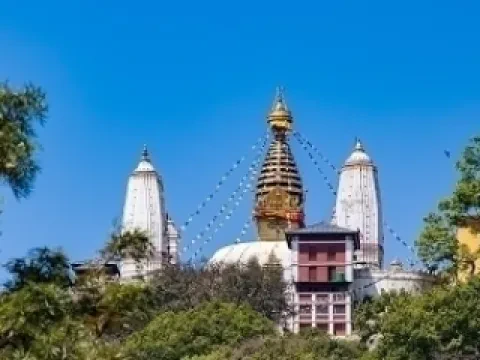
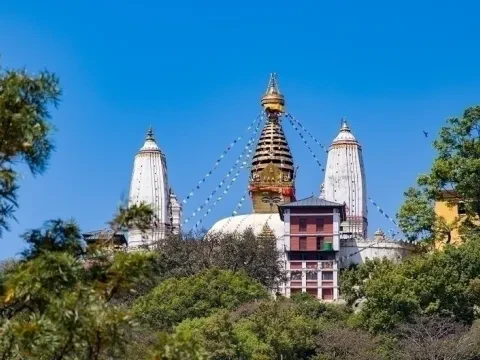
Swyombhunath Stupa: The Monkey Temple of Kathmandu
Swyombhunath Stupa is one of the most iconic and revered Buddhist monuments of Nepal, of the entire world. It stands on the top of a hill in Kathmandu Valley, commanding an all-encompassing panorama of the bustling city below and the surrounding mountain views including Mt. Langtang and Ganesh Himal.
The stupa traces its origins to over 2,500 years ago, thus being one of the oldest religious sites in Nepal.
You can explore Swyombhunath Stupa authentically with Day Tour to UNESCO Heritage Sites of Kathmandu.
Origin and Significance :
The name Swyombhunath means "Self-Existing One." Legend has it that the stupa was self-created from a lotus flower that sprouted in the middle of the lake that originally covered the Kathmandu Valley. It was said that Manjushri, the Bodhisattva of Wisdom, drained the lake by cutting a gorge, thus making the valley inhabitable and revealing the hill where the stupa now stands.
This place has become an epitome of harmony between Buddhism and Hinduism, as both the devotees hold it in equal respect. The stupa is decorated by the all-seeing eyes of the Buddha on all four sides, which signify wisdom and compassion. The Nepali number "one" below the eyes depicts unity.
Key Highlights :

Interesting Facts :
Swyombhunath is a UNESCO World Heritage Site, Tibetan monasteries, Hindu Templel like Ajima and a museum are kept here. The stupa is an important point during the festival of Buddhist and Hindu festivals. Visiting Swyombhunath offers insight into Nepal's spiritual and cultural legacy, hence really worth seeing. A huge number devotees of Buddhism and Hinduism flock to the Stupa on the auspicious day of Gautam Budhdha’s birthday.
Temple is one among the holiest Hindu temples dedicated to Lord Shiva, located on the banks of the river Bagmati in Kathmandu, Nepal. This temple is a UNESCO World Heritage Site and a major spiritual and cultural landmark.
Pashupatinath Temple is as popular as Kedarnath in India.
You can with 7 World Heritage Sites Tour in Kathmandu for the real and wider exploration of Pashupatinath Temple.
Origin
The Pashupatinath is said to originate around the 5th century, but according to various legends, it was in existence a long time before that. According to Hindu mythology, Lord Shiva once took the form of a deer and roamed the forest near the Bagmati River. When gods tried to bring him back to Kailash, his horn broke into four parts, marking the creation of the temple.
Importance
It is central to Shaivism and forms one of the most significant religiously important places among Hindus worldwide. It is believed that worshipping Lord Shiva here absolves devotees of all sins and ensures moksha. The term 'Pashupatinath' stands for the meaning "Lord of Beings," depicting Shiva's aspect as a protector of every living thing.

Thousands of Hindu Devottes gather here for prayer to Shiva on the special day of Shivaratri which falls in the month of February.
Facts :
The Bagmati River is sacred and purifying, with ghats used for the cremation rituals. Pashupatinath is of utmost importance during the Maha Shivaratri, where thousands of pilgrims and ascetics/sadu arrive.
Shivlinga: Unique, four-faced Shiva Lingam housing Chaturmukha within the temple.
Cremation Ghats:
One of the largest and most important stupas in the world, Bouddhanath Stupa is situated in Kathmandu, Nepal. To all Buddhists around the world, it is a very important icon and embodies spiritualism and architecture.
Origin :
The origins of Bouddhanath Stupa date back to the 5th or 6th century during the Licchavi dynasty. According to legend, it was built by an old woman named Jadzima and her four sons as a tribute to the Buddha.

The stupa’s construction is also linked to King Śivadeva and later restored by Tibetan lamas. Its location on an ancient trade route between Tibet and Nepal made it a center for Buddhist teachings and practices.
Significance :
Bouddhanath Stupa is a symbol of the road to enlightenment and has a direct link with Tibetan Buddhism. The huge mandala-shaped stupa depicts the universe, while the dome resembles the womb of creation. It is topped with 13 steps, denoting stages of spiritual awakening. The eyes painted on all four sides of the tower are called the "Eyes of Buddha," signifying omniscience. It is a UNESCO World Heritage Site and a vital pilgrimage destination for devotees.
Facts and Highlights :
Stupa Bouddhanath represents calmness and spiritualism, and therefore it is a must-visit landmark for people touring Nepal's rich cultural heritage.
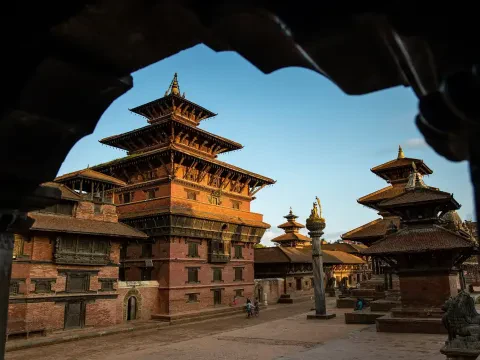
It is one of the three main Durbar Squares in the Kathmandu Valley, Nepal. Situated in Lalitpur, also commonly known as Patan, the place was established during the rule of the Malla kings, specifically during the 17th century when King Siddhi Narsingh Malla administered it. In fact, this is of much earlier origin, standing as part of Nepal's cultural and architectural pride. The square now teemed with Newar art, craftsmanship, and devotion, signifying the zenith of Nepalese architecture and urban planning.
Significance :
Patan Durbar Square is listed as a UNESCO World Heritage Site and is considered one of the most important cultural and historical hotspots. This place epitomizes the Newar community's artistic brilliance and spiritual depth. It is not only a repository of ancient monuments but also an active cultural space for rituals, festivals, and gatherings.

It is a repository of Hinduism and Buddhism, as depicted by its temples and stupas. The site is a religious one, with several festivals like Rato Machhindranath Jatra, a major festival in the city.
Facts :
Some of The Highlights :
Visitors are struck by the complex carvings and golden front of Krishna Mandir and Hiranya Varna Mahavihar, or Golden Temple. Ancient traditional waterways called Hitis and carvings adorn the walls of the royal palace, exemplifying Patan's artistry. The lively square provides peeks into local life, with artisans and markets continuing centuries-old traditions.
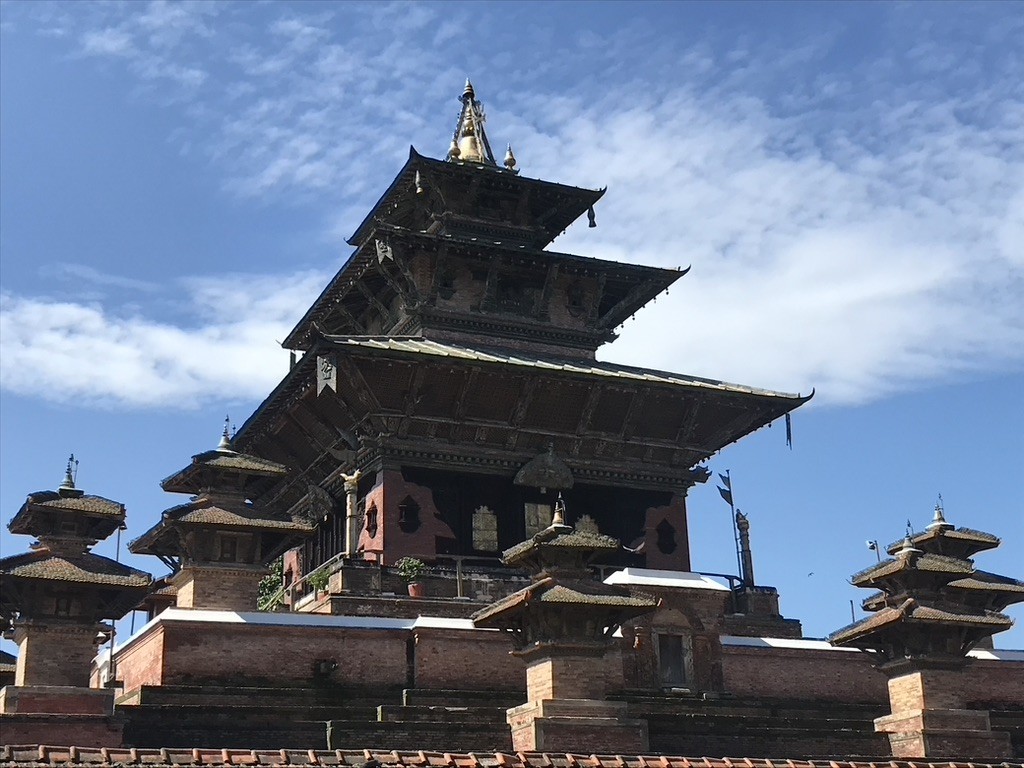
Location Kathmandu Durbar Square, a UNESCO World Heritage Site, lies at the heart of Nepal's capital city. Known locally as Hanuman Dhoka Durbar Square, its origins date back to the Licchavi period (4th to 8th century), though the majority of structures were developed during the Malla dynasty (12th to 18th century). Historically, this place was the palace of the Malla and Shah kings, the center of political and cultural life. It gets its name from the temple of the monkey god, Hanuman, at the entrance of the palace.
Significance :
Kathmandu Durbar Square holds immense religious, historical, and cultural value. It was the coronation site of Nepalese kings and remains a vibrant hub of traditional rituals and festivals. It showcases a blend of Hindu and Buddhist influences, symbolizing Nepal's religious harmony. The square serves as a living museum, encapsulating the architectural brilliance of Nepal's golden era.
Facts :
Highlights :
These include the 16th-century Taleju Temple, dedicated to the royal deity Taleju Bhawani, and the statue of Kal Bhairav-an impressive sight of Lord Shiva in his fearful avatar. Tourists wander along intricately carved wooden windows, ancient courtyards such as Basantapur Durbar, and colorful local markets. The square is especially alive during festivals such as Indra Jatra, hence it is one of those places to visit in Nepal.
Origin :
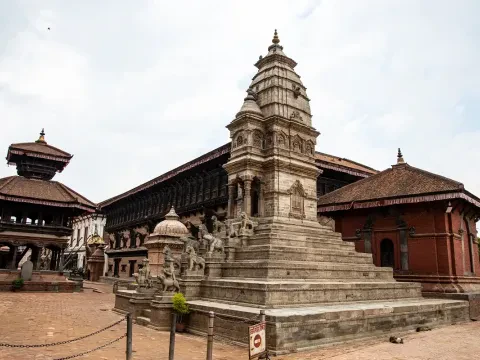
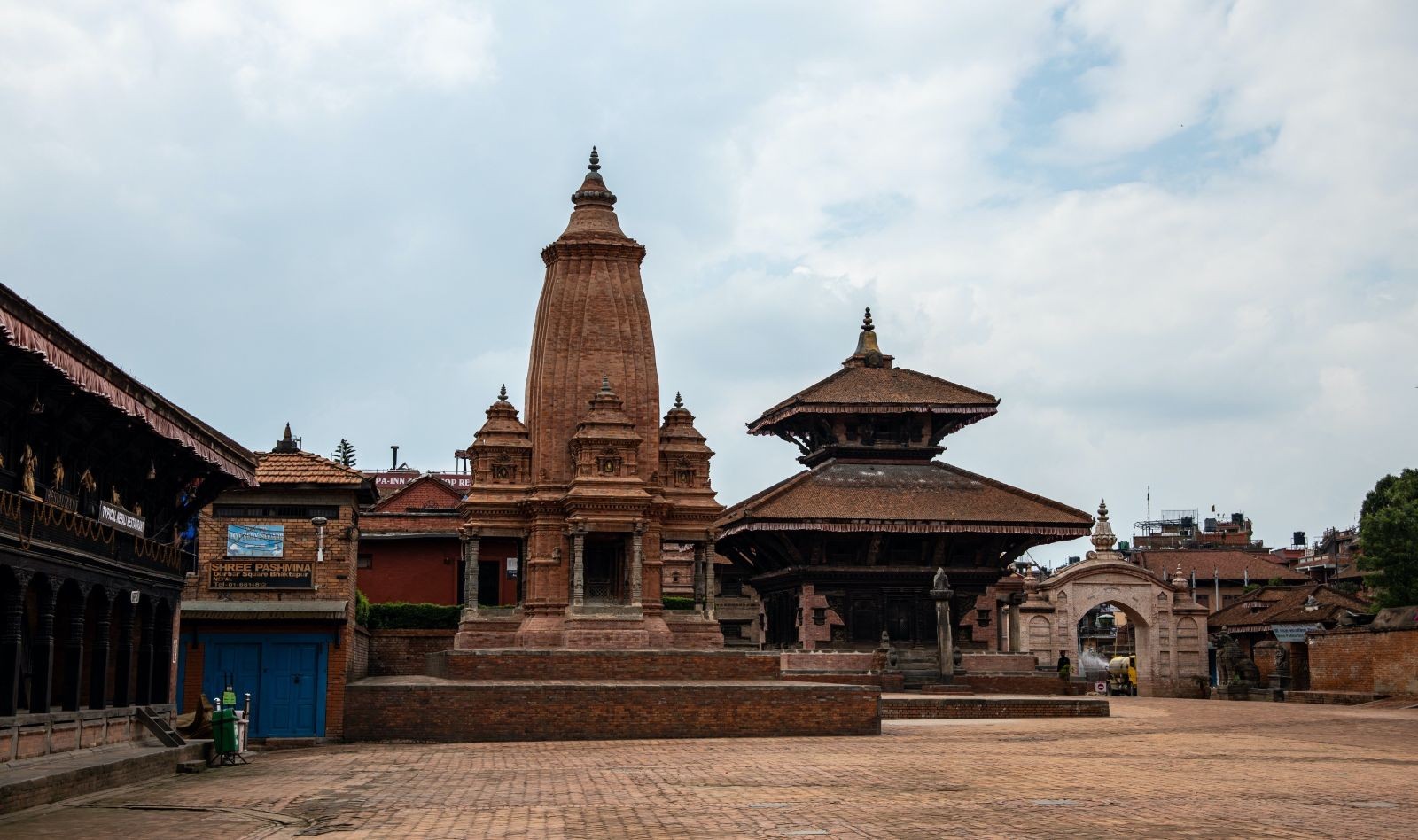
Bhaktapur Durbar Square, located in the heart of Bhaktapur, Nepal, is a UNESCO World Heritage Site that reflects the grandeur of the Malla dynasty (12th-18th centuries). The square was the royal palace courtyard of the Malla kings who ruled over Bhaktapur. The development of this architectural marvel began during King Yaksha Malla's reign in the 15th century, with successive rulers adding temples, statues, and other features, making it a cultural and artistic hub.
Significance :
Bhaktapur Durbar Square is a living museum representing Nepalese architecture, culture, and religion. The square symbolizes the artistic excellence of the Newar community, reflecting both Hindu and Buddhist influences. The square has historically been the political and administrative center and the spiritual heart of the city. It is still alive with festivals, rituals, and daily practices that celebrate Nepalese traditions.
Facts :
UNESCO Status: It was listed as a UNESCO World Heritage Site in 1979 as part of the Kathmandu Valley ensemble. Architecture: The square offers a typical layout of pagoda-type temples with the most elaborate wood carvings and terracotta works. Restoration Efforts: The earthquake in 2015 gave them several monuments that were restored or are being restored for their preservation. Distinctive Layout: It comprises four connected squares, namely Durbar Square, Taumadhi Square, Dattatreya Square, and Pottery Square.
Highlights :
Bhaktapur Durbar Square stands as a monument to Nepalese culture and architecture, fascinating visitors by its timeless beauty.
Origin :
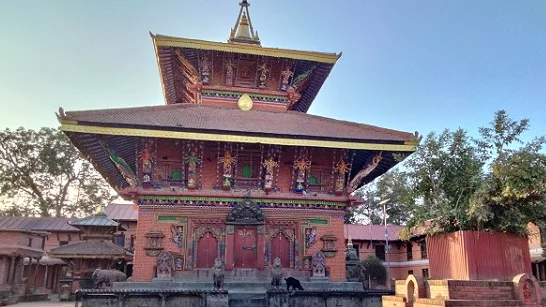
Changunarayan Temple is among the oldest Hindu temples that exist in Kathmandu Valley, Bhaktapur, Nepal. It was built around the 4th century, is located over a knoll and is dedicated to Lord Vishnu, who has been referred locally as Narayan. According to a myth, the roots of this temple have been traced to the founding of this Changunarayan site based on the recovered idol of Vishnu from under a tree. Centuries of worship have taken place here, and its architecture certainly has reflections of the Licchavi dynasty.
Facts :
Significance :
Changunarayan represents not only a spiritual frontier but also a testimony to ancient craftsmanship and religious dedications of Nepal. It is an important pilgrimage site for Hindus, especially for the devotees of Lord Vishnu. The various objects and inscriptions found in this temple depict early history, culture, and language of Nepal.
Highlights :
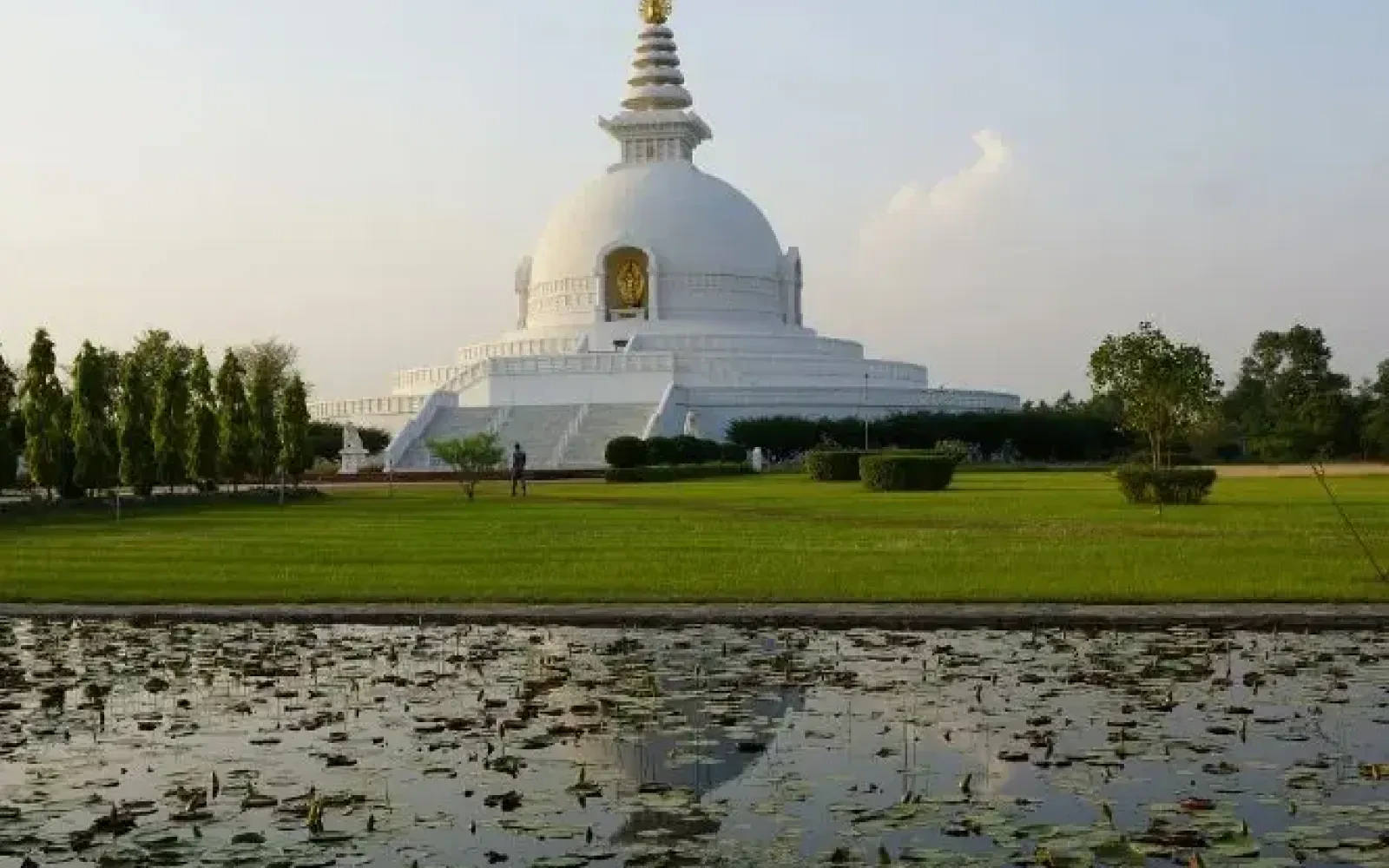
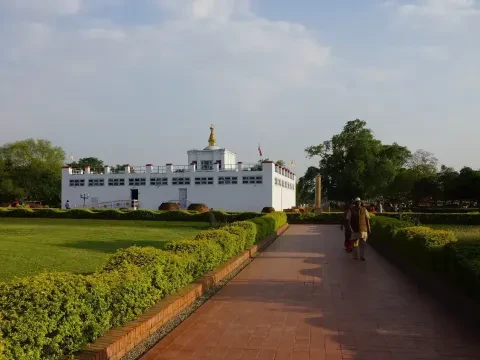
Lumbini is one of the most holy places for Buddhists all over the world and is a UNESCO World Heritage Site. It is located in the Rupandehi District of Nepal, renowned for being the birthplace of Siddhartha Gautama, later known as Gautama Buddha, the founder of Buddhism. Historical evidence confirms Lumbini to be Buddha's birthplace through many inscriptions that were found on the pillar of Mauryan Emperor Ashoka, dated 623 BCE.
Its association with Lumbini derives from its hoary past. According to Buddhist tradition, Queen Mayadevi, on her way to her parental home, gave birth to Siddhartha under a sale tree in this serene grove. The site had great spiritual and historical value ever since.
Besides being the birthplace of Buddha, Lumbini has a load of archaeological and religious significance. The temple enshrines the exact spot where Buddha was born within the Mayadevi Temple, while the Ashoka Pillar is dedicated to the Indian emperor, who set it up upon pilgrimage. The sacred pond, Puskarini, where Mayadevi is believed to have bathed before childbirth, is another focal point.

Today, Lumbini represents peace and enlightenment, as pilgrims and visitors from all over the world come there. It has a monastic zone with temples and monasteries built by different countries with their own unique architectural styles. Therefore, the site is one of meditation, study, and cultural exchange and epitomizes the teachings of Buddha regarding non-violence, compassion, and harmony in an already disturbed world.
The timeless spiritual aura and rich history of Lumbini make it a beacon of hope and reverence for humanity.
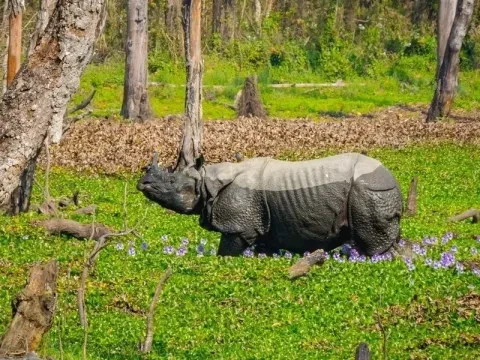
Origin: Chitwan National Park is Nepal's first national park and was established in 1973. It has been designated as a UNESCO World Heritage Site since 1984, and this park was formed in the Terai lowlands with a view to conserving the fast dwindling wildlife in the region, including the one-horned rhinoceros and the Bengal tigers. Its history as a protected area dates back to the early 20th century when it served as a royal hunting ground. Over time, concerns over poaching and habitat loss raised several eyebrows, and the government declared it a national park, thus making it a cornerstone for Nepal's conservation efforts.
Facts :
Highlights :
The Chitwan National Park offers unique opportunities for visitors to enjoy Nepal's remarkable natural beauty and wildlife.

Jungle Safari: Jeep safaris and traditional canoe rides through the jungles bring the visitor in contact with rhinos, crocodiles, and many species of birds. Elephant Breeding Center: One of the most interesting aspects of ecology and conservation is performed at the elephant breeding center in the park.
Birdwatching: Chitwan is a birdwatcher's dream, with several migratory and endemic species recorded here. The place happens to be a supreme destination for birding. Cultural Experiences: Tharu cultural shows in the hotel include traditional folk dances and music. Tiger Tracking: A more adventurous guided treks to track elusive Bengal tigers.
Chitwan National Park is not just a conservation hub but also a gateway to Nepal’s natural and cultural treasures. Its pristine landscapes and rich biodiversity make it a must-visit destination.

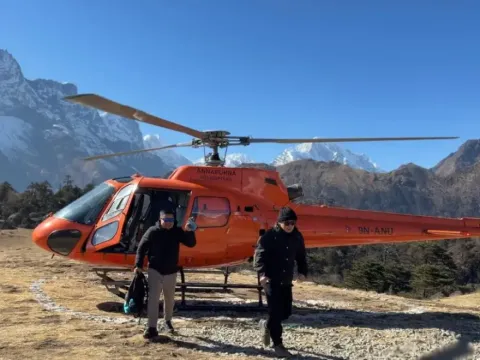
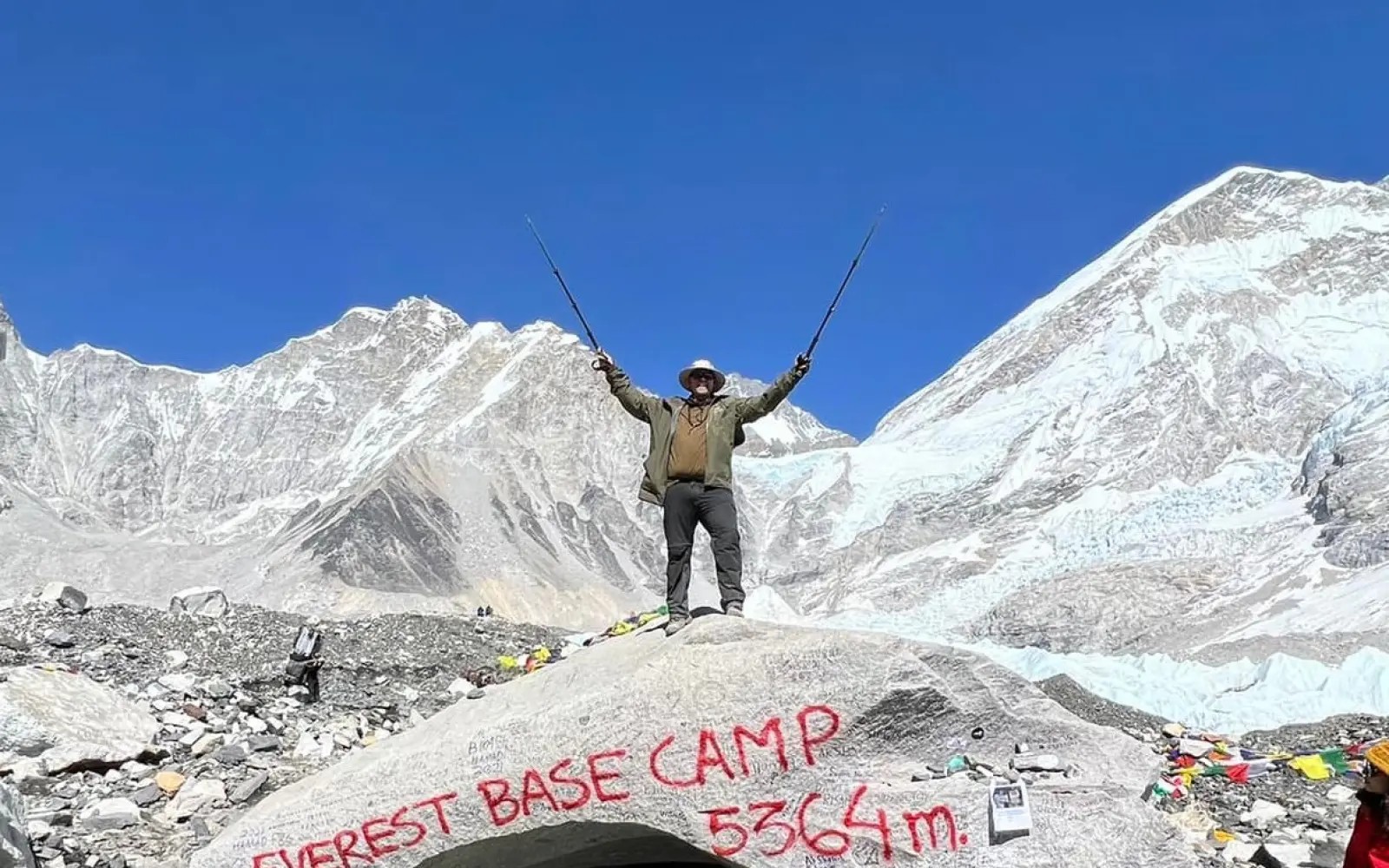
Origin Sagarmatha National Park in the Solu-Khumbu region, Nepal, was established in 1976 and was declared a UNESCO World Heritage Site in 1979. The park takes its name from Sagarmatha, which is what Mount Everest is known as in Nepali. Sagarmatha National Park comprises an area of 1,148 sq. km., and it is also part of the Himalayas characterized by rugged terrain, deep valleys, and popular peaks: Everest, 8,848.86 m; Lhotse; and Nuptse. It is a spiritual landscape as well, with many Sherpa villages, ancient monasteries, and cultural landmarks reflecting the local Buddhist traditions.
Those who go for Everest Base Camp Trek can experience and explore Sagarmatha National Park, the highest national park of the world.
Facts
Weather: The weather conditions are alpine, generally cold with mild summers, although the weather can change suddenly.
Attractions :
Mount Everest Base Camp Trek: a teahouse trek with tremendously spectacular views of Everest and other peaks.
Sagarmatha National Park expertly weaves together natural grandeur, cultural richness, and spiritual depth into an unforgettable destination.

1. What are the 10 World Heritage Sites of Nepal that are recognized by UNESCO?
Nepal has ten World Heritage Sites that are recognized by UNESCO. These World Heritage Sites of Nepal include seven sites in the Kathmandu Valley the World Heritage Site of Lumbini the World Heritage Site of Chitwan National Park and the World Heritage Site of Sagarmatha National Park. The World Heritage Sites of Nepal showcase the history of Nepal, the culture of Nepal, the religion of Nepal and the natural beauty of Nepal. Visiting the World Heritage Sites of Nepal offers an understanding of the unique identity of Nepal and the global significance of Nepal.
2. Why are the World Heritage Sites of Nepal important to the people of Nepal and the world?
The World Heritage Sites of Nepal are important because they preserve cultural treasures of Nepal and natural treasures of Nepal. The World Heritage Sites of Nepal protect temples of Nepal, royal palaces of Nepal sacred religious places of Nepal, rare wildlife of Nepal and mountain ecosystems of Nepal. The World Heritage Sites of Nepal also connect the generations of Nepal with the history of Nepal. The World Heritage Sites of Nepal attract researchers, pilgrims and travelers from around the world every year to visit the World Heritage Sites of Nepal.
3. Which World Heritage Site of Nepal is the most visited by travelers from around the world?
The Kathmandu Durbar Square is one of the visited World Heritage Sites of Nepal. The Kathmandu Durbar Square features ancient temples of Nepal palaces of Nepal and traditional architecture of Nepal. However the World Heritage Site of Lumbini and the World Heritage Site of Chitwan National Park also receive visitors from around the world. The visited World Heritage Site of Nepal often depends on the interests of travelers whether they are interested in the culture of Nepal, the religion of Nepal or the wildlife of Nepal.
4. Can all ten World Heritage Sites of Nepal be visited in one trip to Nepal?
Yes all ten World Heritage Sites of Nepal can be visited in one trip to Nepal. Most of the World Heritage Sites of Nepal are located within the Kathmandu Valley. Meanwhile the World Heritage Site of Lumbini the World Heritage Site of Chitwan National Park and the World Heritage Site of Sagarmatha National Park require travel to visit the World Heritage Sites of Nepal. A planned itinerary of two to three weeks usually covers all major World Heritage Sites of Nepal comfortably.
5. What is the best time to visit the World Heritage Sites of Nepal?
The best time to visit the World Heritage Sites of Nepal is during the spring and autumn seasons. During these seasons the skies remain clear. The temperatures stay comfortable in Nepal. The mountain views are also excellent in the Sagarmatha National Park during these seasons. The cultural sightseeing is also more enjoyable during the spring and autumn seasons. Therefore many travelers choose to visit the World Heritage Sites of Nepal from March to May and from September, to November.
6. Is Lumbini a UNESCO World Heritage Site?
Yes Lumbini is a UNESCO World Heritage Site. Lumbini is where Lord Buddha was born. People come from over to see the sacred garden Maya Devi Temple and old ruins. Lumbini is very important for its history and religion. This makes Lumbini a top pilgrimage spot in Nepal.
7. Why is Chitwan National Park listed as a World Heritage Site?
Chitwan National Park is a UNESCO World Heritage Site because it has different types of plants and animals. The park protects animals like the one-horned rhinoceros and Bengal tiger. Chitwan National Park also has wetlands, forests and grasslands. So it is one of the places in South Asia to conserve wildlife and nature lovers visit from all over.
8. What makes Sagarmatha National Park a World Heritage Site?
Sagarmatha National Park is home to Mount Everest, the mountain in the world at 8,848.86 meters. The park also protects animals, glaciers and unique mountain ecosystems. Sagarmatha National Park preserves Sherpa culture and traditions. UNESCO recognizes Sagarmatha National Park for its cultural importance.
9. Are Kathmandu Valley heritage sites close to each other?
Yes most heritage sites in Kathmandu Valley are close to each other. You can visit sites in one day. These sites include Pashupatinath, Boudhanath, Swayambhunath and Kathmandu Durbar Square. Kathmandu Valley offers one of the cultural sightseeing experiences in Nepal.
10. Do travelers need entry tickets for Nepal’s World Heritage Sites?
Yes most World Heritage Sites in Nepal need entry tickets. The cost varies depending on your nationality and the location. The money collected from tickets helps. Manage these sites. Buying tickets helps keep these cultural and natural landmarks safe, for future generations and makes your visit better.
Our travel experts are ready to assist you with any questions.
Send us a message.Have a question before you book? Send your enquiry below and our travel experts will get back with the required information.