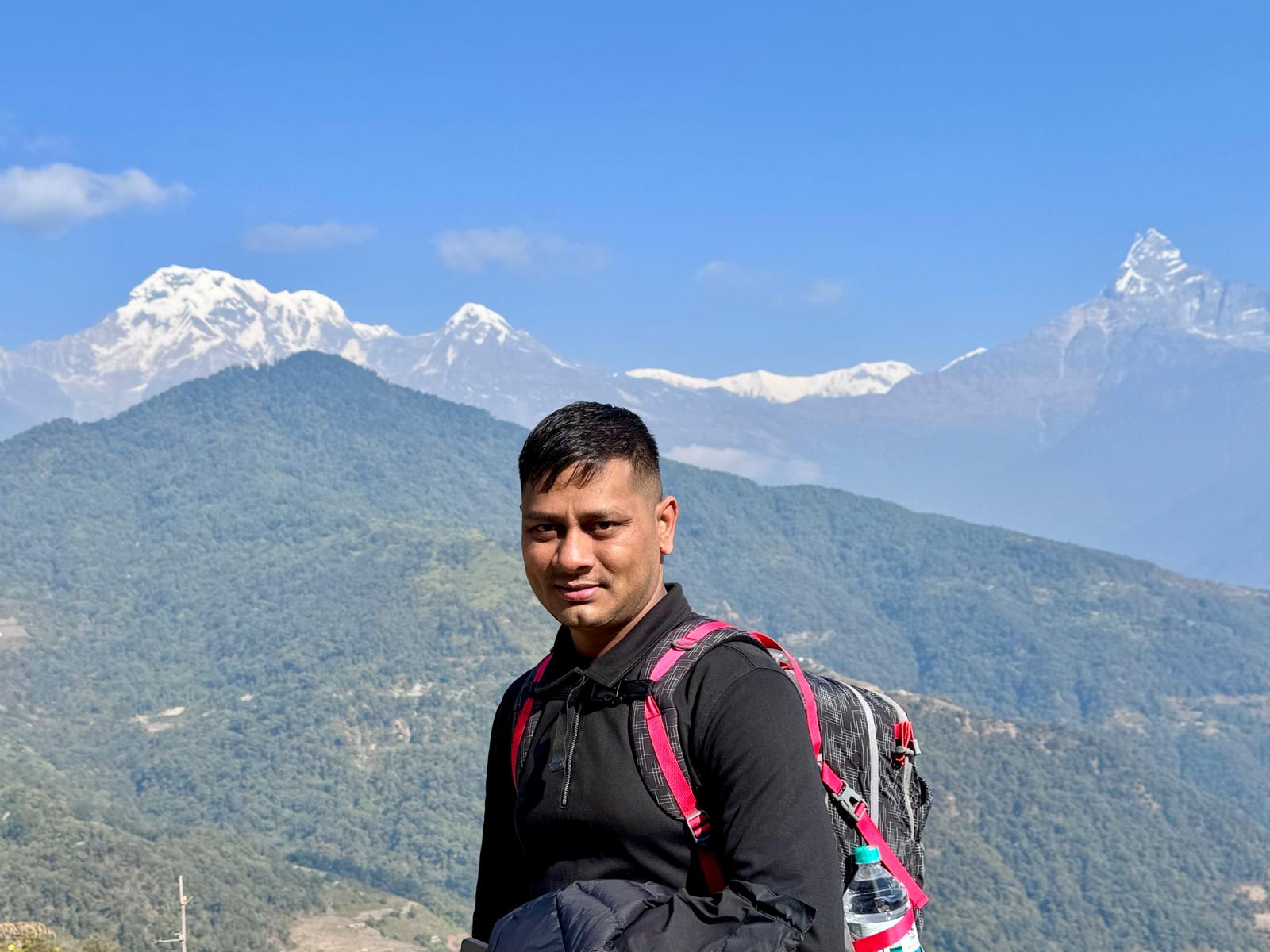
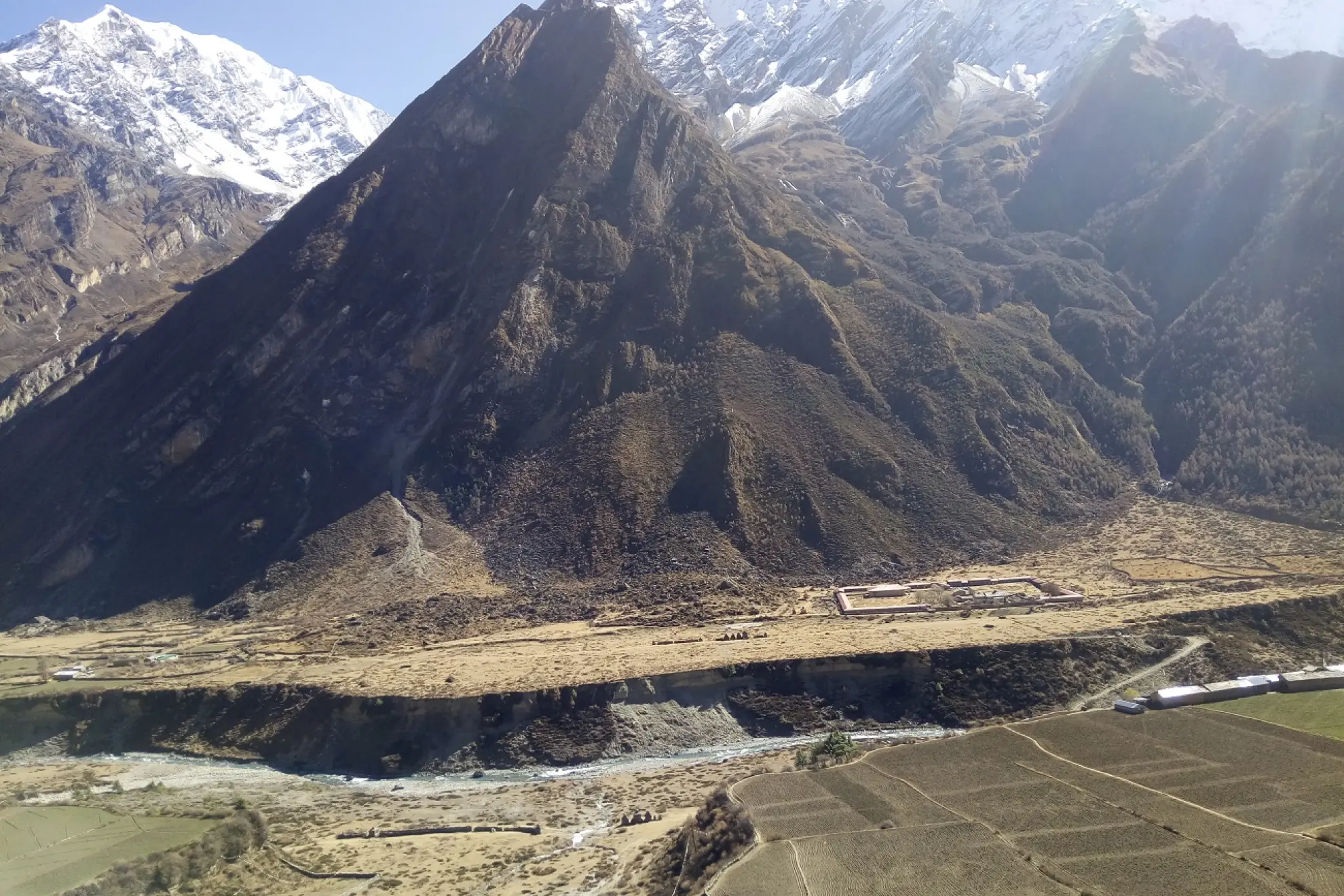
The Tsum Valley Trek is a remote and culturally rich trekking route in northern Gorkha, Nepal. Actually, it lies close to the Tibetan border and is known as the “Hidden Valley of Happiness.” This trek is special because it offers untouched landscapes, ancient monasteries, and traditional villages. Moreover, the area is deeply influenced by Tibetan Buddhist culture, so trekkers experience prayer flags, mani walls, and peaceful gompas throughout the journey. The trek is less crowded compared to Everest or Annapurna, so it is ideal for travelers who want a quiet Nepal tour.
Moreover, the Tsum Valley Trek is perfect for those interested in culture, nature, and slow travel. Because the region was restricted for many years, the traditions are still well preserved. Therefore, trekking here feels authentic and meaningful. Haven Holidays Nepal organizes this trek with experienced local guides, so travelers can enjoy trekking in Nepal safely and responsibly. In conclusion, Tsum Valley is a hidden gem for cultural and scenic trekking.
Tsum Valley is located in the northern part of the Gorkha district, within the Manaslu region of Nepal. Actually, it sits near the Tibet border, which is why the culture and lifestyle are similar to Tibetan communities. The valley lies inside the Manaslu Conservation Area, so it is protected and rich in biodiversity. Moreover, the trek starts after driving from Kathmandu to Soti Khola or Machha Khola, followed by gradual walking into the valley.
Similarly, the location makes Tsum Valley Trek unique because it combines mountain scenery with deep cultural experiences. Because it is remote, the villages feel peaceful and untouched. Therefore, trekkers must plan properly with permits and guides. Haven Holidays Nepal handles all logistics, so visitors can focus on enjoying the journey. In conclusion, Tsum Valley’s location makes it one of the most culturally rewarding treks in Nepal.
The Tsum Valley Trek is famous for its preserved Tibetan Buddhist culture and peaceful environment. Actually, the valley is home to ancient monasteries like Mu Gompa and Rachen Gompa. Moreover, the local people follow non-violence traditions, so hunting and animal killing are prohibited. This creates a calm and spiritual atmosphere throughout the trek.
Likewise, the trek is famous because it is less crowded than other trekking routes in Nepal. Because of this, travelers enjoy pure nature and authentic village life. Therefore, it is ideal for cultural explorers and slow trekkers. Haven Holidays Nepal promotes responsible trekking here to support local communities. In conclusion, Tsum Valley is famous for culture, peace, and untouched Himalayan beauty.
The Tsum Valley Trek usually takes around 11 to 14 days, depending on the itinerary. Actually, the trek includes gradual ascents and proper acclimatization days. Moreover, the walking hours per day are moderate, making the trek comfortable for most trekkers. Side trips to monasteries may add extra days, but they enrich the experience.
Similarly, the trek duration can be customized. Because some travelers have limited time, shorter itineraries are also possible. Therefore, planning with a local company is important. Haven Holidays Nepal offers flexible itineraries based on fitness and schedule. In conclusion, the trek length is manageable and adjustable.
The Tsum Valley Trek is suitable for beginners who are reasonably fit and prepared. Actually, the trail is not technical and does not require climbing skills. Moreover, the altitude is lower compared to Everest Base Camp, so altitude sickness risk is moderate. However, daily walking hours can be long.
But beginners must train properly because the trek lasts many days. Therefore, light cardio and hiking practice are recommended. Haven Holidays Nepal provides experienced guides who support beginners throughout the trek. In conclusion, with preparation and guidance, beginners can enjoy the Tsum Valley Trek safely.
Tsum Valley has a strong Tibetan Buddhist culture. Actually, the local people are known as Tsumbas and follow ancient traditions. Moreover, you will see monasteries, prayer wheels, chortens, and long mani walls. Festivals and daily rituals are part of village life.
Similarly, the culture is peaceful and respectful toward nature. Because of religious beliefs, violence is forbidden in the valley. Therefore, visitors feel a calm spiritual energy. Haven Holidays Nepal arranges cultural visits with local insight. In conclusion, Tsum Valley offers one of the richest cultural experiences in trekking in Nepal.
Tsum Valley is different because of its isolation and preserved traditions. Actually, it was opened to trekkers only in 2008. Moreover, the restricted status helped protect its culture and environment. Unlike busy trails, this trek remains quiet and authentic.
Likewise, the valley focuses more on culture than high mountain views. Because of this, it attracts travelers seeking meaningful experiences. Therefore, it is ideal for cultural trekking. Haven Holidays Nepal specializes in such responsible Nepal tours. In conclusion, Tsum Valley stands out for authenticity and peace.
Yes, Tsum Valley is a restricted trekking area in Nepal. Actually, special permits are required to enter the valley. Moreover, trekkers must travel with a licensed guide and registered trekking company. This rule helps protect local culture and security.
Therefore, independent trekking is not allowed. Because of permit rules, booking with a trusted company is essential. Haven Holidays Nepal manages all permits smoothly. In conclusion, restricted status keeps Tsum Valley safe and preserved.
The Tsum Valley Trek offers diverse landscapes. Actually, trekkers pass through forests, rivers, waterfalls, and high valleys. Moreover, snow-capped peaks like Ganesh Himal add scenic beauty. The trail gradually changes from green hills to alpine terrain.
Similarly, the natural beauty feels untouched. Because there is less traffic, wildlife and birds are often seen. Therefore, nature lovers enjoy this trek greatly. Haven Holidays Nepal ensures eco-friendly trekking practices. In conclusion, the landscapes are peaceful and varied.
The Tsum Valley Trek is ideal for cultural travelers, nature lovers, and peaceful trekkers. Actually, it suits those who want to avoid crowded routes. Moreover, photographers and spiritual travelers enjoy the monasteries and village life.
But it is not for luxury seekers because facilities are simple. Therefore, travelers must be flexible. Haven Holidays Nepal prepares trekkers with clear information and support. In conclusion, Tsum Valley is perfect for meaningful trekking in Nepal.
The cost of the Tsum Valley Trek usually ranges from USD 7,00 to 1,500 per person. Actually, the final price depends on trek duration, group size, and services included. Moreover, the cost covers permits, guide, porter, accommodation, meals during the trek, and transportation from Kathmandu. Because Tsum Valley is a restricted area, special permits increase the overall cost.
Moreover, trekking with a local company helps manage costs properly. Haven Holidays Nepal offers transparent pricing with no hidden charges, so travelers can plan confidently. Therefore, booking a package is often better than arranging everything separately. In conclusion, the Tsum Valley Trek cost is reasonable considering its cultural richness and remote location.
A standard Tsum Valley Trek package includes permits, licensed guide, porter service, accommodation, and breakfast during trekking. Actually, ground transportation from Kathmandu to the trek starting point is also included. Moreover, the package often covers conservation fees and restricted area permits.
Similarly, some services are excluded, such as international flights, Nepal visa, and personal expenses. Because inclusions vary, reading the package details is important. Haven Holidays Nepal clearly explains what is included and excluded. Therefore, trekkers can prepare better. In conclusion, a full package ensures a smooth trekking in Nepal experience.
Yes, permits are usually included in the Tsum Valley Trek cost. Actually, trekkers need a Restricted Area Permit and Manaslu Conservation Area Permit. Moreover, these permits are mandatory and cannot be avoided.
Because permits must be arranged through a registered trekking company, independent trekking is not possible. Therefore, choosing a reliable operator is important. Haven Holidays Nepal handles all permit paperwork efficiently. In conclusion, including permits in the package saves time and stress.
The standard Tsum Valley Trek itinerary is around 11 to 14 days. Actually, this duration allows proper acclimatization and cultural exploration. Moreover, the itinerary includes rest days and monastery visits, which add value to the trek.
Similarly, longer itineraries are more comfortable. Because rushing increases fatigue, gradual pacing is recommended. Therefore, most travelers prefer 11–14 days. Haven Holidays Nepal designs balanced itineraries for safety and enjoyment. In conclusion, the trek length supports a safe and rewarding Nepal tour.
Yes, the Tsum Valley Trek itinerary can be customized. Actually, travelers can adjust days based on fitness, time, and interests. Moreover, side trips to monasteries or villages can be added.
But customization may affect the cost and duration. Therefore, early discussion with the trekking company is important. Haven Holidays Nepal offers flexible itineraries for private and group treks. In conclusion, customization makes the trek more personal and enjoyable.
The Tsum Valley Trek is slightly more expensive than popular treks like Annapurna Base Camp. Actually, the restricted area permit increases the cost. Moreover, the remote location adds transportation expenses.
However, the experience is unique. Because the culture is preserved and crowds are fewer, the value is high. Therefore, many trekkers find it worth the cost. Haven Holidays Nepal ensures fair pricing. In conclusion, the trek offers excellent value for a cultural trekking in Nepal.
The daily walking distance in the Tsum Valley Trek is usually 10–15 kilometers. Actually, walking hours range from 5 to 7 hours per day. Moreover, the trail includes ups and downs but no technical sections.
Similarly, walking distance depends on the itinerary. Because rest days are included, fatigue is managed well. Therefore, the trek feels comfortable. Haven Holidays Nepal plans realistic daily distances. In conclusion, the itinerary is well balanced.
Yes, the cost is higher for solo trekkers. Actually, restricted area rules require at least two trekkers, but a private trek is still possible with special arrangements. Moreover, guide and permit costs are shared in group treks.
Therefore, solo travelers may pay more. But joining a group reduces expenses. Haven Holidays Nepal helps match solo travelers with groups when possible. In conclusion, group trekking is more cost-effective.
It is best to book the Tsum Valley Trek at least 1–2 months in advance. Actually, permits and logistics take time. Moreover, peak seasons like spring and autumn fill up quickly.
Because early booking ensures availability, planning ahead is smart. Therefore, travelers avoid last-minute stress. Haven Holidays Nepal assists with early planning and permits. In conclusion, advance booking is recommended.
Yes, the Tsum Valley Trek is worth the cost for most travelers. Actually, it offers rare cultural exposure and peaceful trails. Moreover, the remote setting adds adventure value.
Similarly, the experience goes beyond scenery. Because of meaningful interactions with locals, memories last long. Therefore, it is a valuable Nepal tour. Haven Holidays Nepal ensures quality service throughout. In conclusion, the trek delivers excellent value for money.
Wi‑Fi is very limited on the Tsum Valley Trek. Actually, some villages in Tsum Valley do not have reliable internet. Moreover, because the region is remote and protected, modern infrastructure is minimal. Mos of Lodges offer Wi‑Fi, but the speed is slow and unstable.
Therefore, trekkers should not depend on Wi‑Fi during the trek. Because the connection is weak, it is best used only for short messages. Haven Holidays Nepal advises travelers to inform family before starting the trek. In conclusion, Wi‑Fi is scarce, and enjoying a digital break is part of the experience.
Yes, but only occasionally. Actually, you may find internet access in some villages before entering deep Tsum Valley. Moreover, satellite-based connections are sometimes available but costly.
But regular contact is not guaranteed. Because of poor connectivity, communication may be delayed. Therefore, travelers should plan accordingly. Haven Holidays Nepal suggests sharing emergency contact details before departure. In conclusion, limited contact is possible, but not daily.
Most teahouses offer charging facilities. Actually, charging is usually available using solar power. Moreover, charging may cost extra in higher villages.
Likewise, power supply depends on sunlight. Because of this, charging is not always guaranteed. Therefore, carrying power banks is recommended. Haven Holidays Nepal briefs trekkers about power management. In conclusion, charging is available but limited.
Yes, buying a local SIM card is helpful. Actually, Nepal Telecom SIM works better in remote areas than others. Moreover, it is affordable and easy to get in Kathmandu.
But coverage is still limited. Because the valley is remote, even local SIMs may not work everywhere. Therefore, SIM cards are useful mainly in lower regions. Haven Holidays Nepal can assist with SIM information. In conclusion, a local SIM is helpful but not essential.
Satellite phones are not mandatory for trekkers. Actually, guides usually carry phones for emergency communication. Moreover, trekking agencies maintain contact with local authorities.
However, satellite phones are useful for groups wanting extra safety. Because the region is remote, emergencies require communication. Therefore, Haven Holidays Nepal ensures safety protocols. In conclusion, satellite phones add security but are optional.
Working remotely during the Tsum Valley Trek is not practical. Actually, internet access is unreliable and slow. Moreover, power supply is limited.
Therefore, the trek is better suited for disconnecting. Because of limited connectivity, focusing on nature and culture is easier. Haven Holidays Nepal promotes mindful trekking experiences. In conclusion, Tsum Valley is ideal for digital detox, not remote work.
There are no internet cafes in Tsum Valley. Actually, the villages are small and traditional. Moreover, facilities focus on basic needs.
Similarly, lodges prioritize accommodation and food. Because of cultural preservation, modern services are minimal. Therefore, trekkers should prepare in advance. Haven Holidays Nepal provides pre-trek briefings. In conclusion, internet cafes are not available.
Emergencies are managed through guides and trekking companies. Actually, licensed guides are trained in emergency response. Moreover, they coordinate with local authorities if needed.
Because trekkers travel with registered companies, safety systems are in place. Therefore, internet is not essential for emergencies. Haven Holidays Nepal prioritizes safety and communication planning. In conclusion, emergencies are handled professionally.
Poor connectivity is not a problem for most trekkers. Actually, many travelers enjoy being offline. Moreover, it enhances cultural immersion.
But those needing constant connection may find it challenging. Therefore, expectations should be realistic. Haven Holidays Nepal explains connectivity limitations clearly. In conclusion, limited connectivity is part of the authentic Tsum Valley Trek experience.
For the Tsum Valley Trek, essential gadgets include a smartphone, camera, power bank, and headlamp. Actually, these items help with navigation, photography, and safety. Moreover, because the trek is remote, gadgets should be simple, durable, and lightweight. A basic smartwatch or GPS watch can also be helpful for tracking distance and altitude.
Likewise, carrying too many electronics is not necessary. Because charging options are limited, fewer gadgets mean less power usage. Therefore, focus on essentials only. Haven Holidays Nepal advises trekkers to pack wisely for trekking in Nepal. In conclusion, minimal and reliable gadgets work best on this trek.
Yes, it is safe to carry a smartphone on the Tsum Valley Trek. Actually, most trekkers use smartphones for photos and basic communication. Moreover, local people are friendly and respectful toward visitors.
But phones should be protected from cold and moisture. Because temperatures drop at higher altitudes, battery life reduces. Therefore, keeping phones inside inner pockets is helpful. Haven Holidays Nepal recommends using waterproof covers. In conclusion, smartphones are safe if handled carefully.
Charging is possible but limited during the Tsum Valley Trek. Actually, most teahouses offer charging using solar power. Moreover, charging often costs extra, especially in higher villages.
Similarly, charging availability depends on weather. Because solar power relies on sunlight, cloudy days affect supply. Therefore, carrying power banks is important. Haven Holidays Nepal always suggests backup power options. In conclusion, charging is available but not guaranteed daily.
Yes, power banks are highly recommended for the Tsum Valley Trek. Actually, they provide backup power when electricity is unavailable. Moreover, high-capacity power banks help charge multiple devices.
Likewise, choosing a good-quality power bank is important. Because cheap ones may fail in cold conditions, reliable brands work better. Therefore, at least one power bank per person is advised. Haven Holidays Nepal includes this in packing guidance. In conclusion, power banks are essential gadgets.
Both options work well on the Tsum Valley Trek. Actually, modern smartphones take excellent photos. Moreover, they are lighter and easier to manage.
But cameras offer better zoom and image quality. Because landscapes and monasteries are beautiful, photography lovers prefer cameras. Therefore, choose based on interest. Haven Holidays Nepal supports photography-friendly itineraries. In conclusion, either option is fine depending on your needs.
A GPS device is not mandatory for the Tsum Valley Trek. Actually, licensed guides lead the route and handle navigation. Moreover, the trail is well known to locals.
However, GPS watches or apps can be useful for personal tracking. Because some trekkers enjoy recording data, GPS adds value. Therefore, it is optional. Haven Holidays Nepal ensures safe navigation throughout. In conclusion, GPS devices are helpful but not required.
Cold weather affects batteries significantly. Actually, phones and cameras lose power faster in cold conditions. Moreover, sudden temperature changes may cause condensation.
Therefore, devices should be kept warm. Because inner jacket pockets provide warmth, they help preserve battery life. Haven Holidays Nepal advises carrying extra batteries. In conclusion, cold protection is important for electronics.
Solar chargers can be useful but have limitations. Actually, they work best on sunny days. Moreover, cloudy weather reduces efficiency.
Similarly, carrying solar chargers adds weight. Because charging opportunities exist in lodges, power banks are often more reliable. Therefore, solar chargers are optional. Haven Holidays Nepal recommends simple solutions. In conclusion, solar chargers help but are not essential.
Using drones in Tsum Valley is restricted. Actually, special permission is required from authorities. Moreover, the area is culturally sensitive and protected.
Therefore, flying drones without permission is not allowed. Because rules are strict, travelers should avoid carrying drones. Haven Holidays Nepal follows all regulations. In conclusion, drones are generally not permitted.
Protecting gadgets is very important on the Tsum Valley Trek. Actually, dust, cold, and moisture can damage electronics. Moreover, rough trails increase risk.
Therefore, using waterproof bags and padded cases is recommended. Because careful handling extends device life, attention matters. Haven Holidays Nepal provides safety briefings before trekking. In conclusion, proper protection keeps gadgets safe.
The Tsum Valley Trek is considered moderate in difficulty. Actually, it involves long walking hours of 5–7 hours per day, gradual ascents, and some steep trails. Moreover, the altitude rises up to around 3,700 meters, which requires proper acclimatization. Because of the remote location, trekkers need physical endurance and mental preparation.
Similarly, the trail is not technical and does not require climbing skills. Therefore, with proper guidance from licensed guides and a prepared itinerary, most fit travelers can complete the trek. Haven Holidays Nepal ensures support for all difficulty levels. In conclusion, it is moderately challenging but rewarding.
Yes, beginners can attempt the Tsum Valley Trek with preparation. Actually, the trek does not require technical mountaineering skills. Moreover, the trail is well-marked and guides provide assistance.
But beginners should train with regular cardio and hiking practice. Because the trek lasts 14–18 days, stamina is necessary. Therefore, joining with a reliable company like Haven Holidays Nepal ensures a safe and enjoyable experience. In conclusion, prepared beginners can undertake the trek successfully.
Moderate physical fitness is recommended for Tsum Valley Trek. Actually, daily walking covers 10–15 kilometers with elevation gain. Moreover, trekkers should have stamina and basic hiking experience.
Because the trail is remote, carrying a light backpack and walking on uneven terrain requires strength. Therefore, pre-trek exercises help. Haven Holidays Nepal advises preparation with cardio, hiking, and leg-strength training. In conclusion, moderate fitness ensures a comfortable trek.
No, the Tsum Valley Trek does not include technical climbing. Actually, the trail consists of dirt paths, river crossings, and gradual ascents. Moreover, trekkers do not need ropes, crampons, or special gear.
Similarly, the trek is suitable for travelers without mountaineering experience. Because the route is moderate, guides focus on safety and pace. Haven Holidays Nepal ensures all trekkers navigate comfortably. In conclusion, the trek is non-technical.
Yes, older travelers can manage the trek with preparation. Actually, many trekkers in their 50s and 60s have completed it. Moreover, gradual ascents and rest days allow proper acclimatization.
But pre-trek fitness and medical checkups are important. Because the trek is remote, stamina and endurance matter. Therefore, older trekkers should plan carefully. Haven Holidays Nepal provides guidance and support. In conclusion, age is not a barrier with preparation.
Yes, the trek is physically demanding but achievable. Actually, trekkers walk for several hours daily, often on uneven trails. Moreover, carrying a light backpack adds effort.
Similarly, gradual acclimatization reduces fatigue. Because walking endurance is required, preparation is key. Therefore, moderate fitness and proper pace make it manageable. Haven Holidays Nepal structures itineraries to balance challenge and comfort. In conclusion, it is demanding but enjoyable.
Altitude adds to the trek's difficulty. Actually, the highest point is around 3,700 meters. Moreover, mild altitude sickness may occur for some trekkers.
Because proper acclimatization is included in the itinerary, most travelers adjust well. Therefore, understanding altitude effects and pacing is important. Haven Holidays Nepal emphasizes safety and monitoring for altitude issues. In conclusion, altitude moderately increases difficulty but is manageable.
Yes, rest days are included in the Tsum Valley Trek. Actually, they allow acclimatization and recovery. Moreover, some rest days include cultural visits to monasteries and villages.
Similarly, rest days reduce fatigue and enhance the experience. Because recovery is essential for moderate treks, pacing matters. Therefore, itineraries are carefully planned. Haven Holidays Nepal ensures proper rest days are incorporated. In conclusion, rest days make the trek manageable.
Basic hiking experience is sufficient for the Tsum Valley Trek. Actually, trekkers should be comfortable walking 5–7 hours per day. Moreover, familiarity with trails, uneven paths, and river crossings helps.
Because the trail is moderate, professional mountaineering is not required. Therefore, travelers with general trekking experience can enjoy the journey. Haven Holidays Nepal provides guidance and support for all experience levels. In conclusion, moderate trekking experience is adequate.
Preparation includes physical training and mental readiness. Actually, cardio exercises, leg-strength workouts, and hiking practice are helpful. Moreover, packing light and following a healthy routine improves stamina.
Similarly, mental preparation for remote areas and limited facilities is important. Because fatigue and weather changes affect the experience, planning is key. Haven Holidays Nepal provides pre-trek advice and support. In conclusion, proper preparation ensures the moderate Tsum Valley Trek is enjoyable and safe.
Physical preparation is important for the Tsum Valley Trek. Actually, daily walking of 5–7 hours requires stamina and leg strength. Moreover, trekking at moderate altitude demands cardiovascular fitness. Therefore, practicing hiking, jogging, and stair climbing before the trek helps.
Similarly, carrying a light backpack during training simulates real conditions. Because preparation reduces fatigue and risk of injury, it is essential. Haven Holidays Nepal provides pre-trek advice and customized tips. In conclusion, physical preparation ensures a safer and enjoyable trekking experience.
Basic hiking experience is recommended. Actually, being familiar with uneven trails and long walking hours is helpful. Moreover, previous trekking experience helps manage pace and endurance.
But beginners can also do the trek with preparation. Because the trail is moderate, training in advance suffices. Haven Holidays Nepal offers guidance for beginners. In conclusion, hiking experience improves comfort but is not mandatory.
Cardio, strength training, and leg workouts are important. Actually, running, brisk walking, cycling, and stair climbing boost endurance. Moreover, squats and lunges strengthen legs for uphill trails.
Similarly, practicing with a backpack helps adapt to load. Because preparation reduces fatigue, exercises should start 6–8 weeks before trekking. Haven Holidays Nepal provides a recommended training plan. In conclusion, consistent exercise ensures readiness.
Acclimatization is very important on Tsum Valley Trek. Actually, the highest altitude is around 3,700 meters. Moreover, gradual ascent and rest days prevent altitude sickness.
Because proper acclimatization ensures safety, trekkers should follow the itinerary. Haven Holidays Nepal plans rest days strategically. In conclusion, acclimatization is crucial for a safe trek.
Yes, mental preparation is necessary. Actually, the trek is remote, and facilities are basic. Moreover, weather changes can affect comfort and morale.
Similarly, being patient, adaptable, and motivated improves the experience. Because trekking involves long walking hours, positive mindset helps. Haven Holidays Nepal advises mindfulness and preparation tips. In conclusion, mental readiness enhances enjoyment.
Stamina can be improved through regular cardio exercises. Actually, jogging, cycling, swimming, or hiking build endurance. Moreover, gradually increasing walking duration simulates trek conditions.
Similarly, including interval training helps with uphill trails. Because stamina reduces fatigue, preparation matters. Haven Holidays Nepal recommends structured exercise routines. In conclusion, improving stamina ensures comfort during trekking.
Moderate fitness level is sufficient for Tsum Valley Trek. Actually, trekkers should handle 5–7 hours of walking per day. Moreover, climbing moderate elevation requires endurance.
But training is advised to handle multiple days of walking. Because moderate fitness helps enjoy the trek, preparation is essential. Haven Holidays Nepal supports fitness preparation with guidance. In conclusion, moderate fitness ensures successful trekking.
It is possible but not recommended. Actually, lack of preparation increases fatigue and risk of altitude sickness. Moreover, walking long hours with poor fitness can reduce enjoyment.
Because Tsum Valley is remote, physical and mental preparation is important. Therefore, following exercise and acclimatization guidance is wise. Haven Holidays Nepal provides pre-trek support for preparation. In conclusion, preparation ensures safety and enjoyment.
Preparation should start at least 6–8 weeks before the trek. Actually, this duration allows gradual improvement in stamina and strength. Moreover, regular training builds confidence and reduces fatigue.
Similarly, mental preparation can start early to set realistic expectations. Because preparation improves performance, early planning is essential. Haven Holidays Nepal recommends starting fitness routines well in advance. In conclusion, early preparation leads to a smoother trek.
Yes, Haven Holidays Nepal provides fitness and preparation advice. Actually, they offer training plans, exercise tips, and trekking guidance. Moreover, guidance includes acclimatization strategies and mental preparation.
Similarly, advice is tailored for beginners and experienced trekkers. Because proper preparation enhances safety and enjoyment, it is valuable. Haven Holidays Nepal ensures all trekkers are well-prepared. In conclusion, guidance from a professional trekking company supports a successful Tsum Valley Trek.
The Tsum Valley Trek requires special trekking permits. Actually, trekkers need a Tsum Valley Restricted Area Permit (RAP) and the Manaslu Conservation Area Permit (MCAP). Moreover, these permits are mandatory for all foreign trekkers entering the valley. Because Tsum Valley is a protected and culturally sensitive area, permits help manage tourism responsibly.
Therefore, trekkers cannot enter the region without valid permits. Because the permit process must be handled through a registered trekking company, booking in advance is important. Haven Holidays Nepal manages all required permits smoothly. In conclusion, proper permits are essential for legal and safe trekking in Tsum Valley.
Tsum Valley is a restricted area to preserve its culture and environment. Actually, the valley has strong Tibetan Buddhist traditions that need protection. Moreover, the region lies close to the Tibet border, so controlled access ensures security.
Similarly, restricted status helps prevent over-tourism. Because fewer trekkers visit, the culture remains authentic. Therefore, special permits are required. Haven Holidays Nepal follows all government regulations. In conclusion, restricted status protects the valley’s heritage.
No, trekkers cannot get Tsum Valley permits independently. Actually, permits must be arranged through a registered trekking agency. Moreover, a licensed guide is mandatory.
Because of these rules, solo and independent trekking is not allowed. Therefore, choosing a reliable company is necessary. Haven Holidays Nepal handles all permit formalities efficiently. In conclusion, permits require agency support.
Yes, a licensed guide is mandatory for the Tsum Valley Trek. Actually, this is a government rule for restricted areas. Moreover, guides ensure safety, navigation, and cultural understanding.
Similarly, guides help manage permits and communication. Because the region is remote, professional guidance is important. Haven Holidays Nepal provides experienced local guides. In conclusion, guides are essential and beneficial.
Yes, Haven Holidays Nepal includes all required permits in their trekking packages. Actually, this saves time and avoids confusion. Moreover, travelers do not need to visit government offices.
Because permit processing can be complex, having professional support helps. Therefore, booking a package ensures peace of mind. In conclusion, permit inclusion makes trekking hassle-free.
Passport copies, visa copies, and passport-sized photos are required. Actually, these documents are submitted to the Department of Immigration. Moreover, trekking company details are also needed.
Because incomplete documents cause delays, preparation is important. Therefore, travelers should provide documents early. Haven Holidays Nepal assists with document handling. In conclusion, proper documents ensure smooth permit processing.
Trekking without a permit is illegal in Tsum Valley. Actually, authorities conduct checks along the trail. Moreover, penalties may include fines or forced return.
Therefore, following rules is essential. Because permits protect both trekkers and local communities, compliance matters. Haven Holidays Nepal ensures all treks are legal and safe. In conclusion, trekking without permits should be avoided.
The Tsum Valley Restricted Area Permit costs around USD 40 per person per week. Actually, the cost may change depending on the season. Moreover, the Manaslu Conservation Area Permit costs NPR 3,000 per person.
Because permit fees are fixed by the Nepal government, prices are standard. Therefore, travelers should budget accordingly. Haven Holidays Nepal includes permit fees in trekking packages. In conclusion, permit costs are reasonable for conservation and safety.
Nepali citizens do not need restricted area permits. Actually, these rules apply mainly to foreign trekkers. Moreover, Nepali trekkers may still require local permissions.
Similarly, foreign nationals must follow stricter rules. Because regulations differ, checking in advance is wise. Haven Holidays Nepal provides clear guidance. In conclusion, permit rules vary by nationality.
A trekking guide leads the route and manages daily activities. Actually, guides handle navigation, accommodation arrangements, and communication with locals. Moreover, they monitor trekkers’ health and watch for altitude-related issues.
Similarly, guides explain local culture, monasteries, and customs. Because cultural knowledge adds value to the trek, guides enhance the experience. Haven Holidays Nepal trains guides professionally. In conclusion, guides ensure safety, comfort, and cultural insight.
Hiring a porter is not mandatory but highly recommended. Actually, porters carry heavy luggage, allowing trekkers to walk comfortably. Moreover, this reduces fatigue and risk of injury during long trekking days.
Therefore, many trekkers choose porters for a better experience. Because the trek is long, carrying less weight helps. Haven Holidays Nepal provides trained and insured porters. In conclusion, porters make the trek easier and more enjoyable.
A porter usually carries 20–25 kilograms in total. Actually, this weight is often shared between two trekkers. Moreover, ethical trekking practices limit the maximum load.
Similarly, porters use traditional carrying methods with head straps. Because safety matters, responsible companies manage porter loads carefully. Haven Holidays Nepal follows ethical porter guidelines. In conclusion, porters carry loads safely and responsibly.
Yes, most guides and porters are highly experienced. Actually, many come from trekking regions and know the terrain well. Moreover, guides receive training in first aid and altitude awareness.
Likewise, porters are familiar with trails and weather conditions. Because experience ensures safety, professional staff are important. Haven Holidays Nepal hires skilled and trained teams. In conclusion, experienced staff enhance trek quality.
Yes, licensed trekking guides speak English. Actually, they can communicate clearly with international trekkers. Moreover, they explain culture, history, and daily plans in simple language.
Similarly, porters may speak basic English. Because communication improves comfort, English-speaking guides are essential. Haven Holidays Nepal ensures good communication support. In conclusion, language is not a barrier.
Yes, guide and porter costs are usually included in the trekking package. Actually, this includes wages, food, accommodation, and insurance. Moreover, it avoids hidden expenses.
Therefore, booking a full package is convenient. Because separate hiring can be confusing, packages are preferred. Haven Holidays Nepal offers transparent pricing. In conclusion, inclusive packages simplify planning.
Tipping is customary but not mandatory. Actually, tips are given as appreciation for good service. Moreover, the amount depends on satisfaction and group size.
Similarly, tips are usually given at the end of the trek. Because tipping supports local livelihoods, it is encouraged. Haven Holidays Nepal provides tipping guidelines. In conclusion, tipping is a kind gesture.
One guide usually manages up to 6–8 trekkers. Actually, group size depends on fitness and itinerary. Moreover, assistant guides may be added for larger groups.
Because safety is important, group size is managed carefully. Therefore, smaller groups get better attention. Haven Holidays Nepal ensures proper guide-to-trekker ratio. In conclusion, group management supports safety.
The best time to do the Tsum Valley Trek is spring and autumn. Actually, spring runs from March to May, while autumn is from September to November. Moreover, during these seasons the weather is stable, skies are clear, and temperatures are comfortable for trekking in Nepal.
Similarly, mountain views are best in these months. Because rainfall is low and trails are dry, walking becomes easier and safer. Therefore, most trekkers choose these seasons. Haven Holidays Nepal recommends spring and autumn for the best trekking experience. In conclusion, these months offer ideal weather and scenery.
Yes, trekking to Tsum Valley in winter is possible. Actually, winter lasts from December to February and brings cold temperatures, especially at night. Moreover, higher areas may receive snowfall, which can make trails challenging.
But the trek is quieter in winter. Because fewer trekkers visit, the experience feels peaceful and authentic. Therefore, well-prepared trekkers can enjoy winter trekking. Haven Holidays Nepal arranges winter treks with proper planning. In conclusion, winter trekking is possible but requires preparation.
Yes, the Tsum Valley Trek is possible during monsoon, from June to August. Actually, compared to other regions, Tsum Valley receives less rainfall. Moreover, the valley lies in a rain-shadow area.
However, lower trails can be muddy and slippery. Because leeches and landslides may occur, caution is required. Therefore, monsoon trekking suits experienced trekkers. Haven Holidays Nepal plans routes carefully during this season. In conclusion, monsoon trekking is possible with extra care.
Spring weather in Tsum Valley is pleasant and mild. Actually, daytime temperatures are comfortable, and nights are cool. Moreover, rhododendron forests bloom, adding color to the trails.
Similarly, visibility is excellent in spring. Because the weather is stable, trekking days are enjoyable. Therefore, spring is very popular among trekkers. Haven Holidays Nepal recommends spring for first-time visitors. In conclusion, spring offers beautiful scenery and good weather.
Temperatures vary by season and altitude. Actually, in spring and autumn, daytime temperatures range from 10°C to 20°C. Moreover, nights can drop below freezing at higher villages.
In winter, temperatures fall much lower. Because cold affects comfort, warm clothing is essential. Therefore, packing properly matters. Haven Holidays Nepal provides packing advice for cold conditions. In conclusion, temperature changes should be expected.
Yes, weather affects trek difficulty. Actually, rain makes trails slippery, while snow increases cold and risk. Moreover, fog and clouds reduce visibility.
Therefore, choosing the right season improves safety and comfort. Because good weather reduces fatigue, planning matters. Haven Holidays Nepal selects safe trekking windows. In conclusion, weather plays an important role in difficulty.
Mountain views are best in clear seasons. Actually, spring and autumn offer clear skies and sharp views. Moreover, winter also provides clear mornings.
But monsoon clouds often block views. Because visibility changes daily, patience is needed. Therefore, timing affects scenic enjoyment. Haven Holidays Nepal plans itineraries for best views. In conclusion, clear seasons offer the best scenery.
Mountain views are best in clear seasons. Actually, spring and autumn offer clear skies and sharp views. Moreover, winter also provides clear mornings.
But monsoon clouds often block views. Because visibility changes daily, patience is needed. Therefore, timing affects scenic enjoyment. Haven Holidays Nepal plans itineraries for best views. In conclusion, clear seasons offer the best scenery.
Packing depends on the season. Actually, warm layers are needed in all seasons due to cold nights. Moreover, rain gear is essential during monsoon.
Similarly, winter requires thermal wear and down jackets. Because weather changes quickly, layered clothing works best. Haven Holidays Nepal provides seasonal packing lists. In conclusion, packing should match the season.
Weather becomes colder as altitude increases. Actually, higher villages experience stronger winds and lower temperatures. Moreover, sudden weather changes are common in the mountains.
Therefore, trekkers must be prepared for cold and wind. Because altitude affects comfort, proper gear is important. Haven Holidays Nepal emphasizes altitude awareness. In conclusion, altitude strongly influences weather.
Haven Holidays Nepal mostly recommends spring and autumn. Actually, these seasons offer the best balance of weather, views, and trail conditions. Moreover, cultural festivals also occur during these months.
Similarly, these seasons are suitable for beginners and experienced trekkers. Because conditions are stable, safety is higher. Therefore, most travelers choose these times. In conclusion, spring and autumn are the best seasons for Tsum Valley Trek.
Yes, the Tsum Valley Trek is generally safe when done with proper planning. Actually, the trail is non-technical and guided trekking is mandatory. Moreover, local communities are friendly and supportive of visitors. Because the area is restricted, trekking activities are well regulated.
Therefore, choosing a registered company is important. Because professional guides monitor health and safety daily, risks are reduced. Haven Holidays Nepal follows strict safety standards and itinerary planning. In conclusion, the trek is safe with the right support.
The main health risk is altitude-related discomfort. Actually, the trek reaches around 3,700 meters, which can cause mild altitude sickness. Moreover, fatigue, dehydration, and minor injuries may occur.
Similarly, cold weather can affect health if not prepared. Because prevention is better than cure, slow walking and hydration help. Haven Holidays Nepal guides monitor trekkers closely. In conclusion, health risks are manageable with care.
Altitude sickness is managed through gradual ascent and acclimatization. Actually, rest days are included in the itinerary. Moreover, guides are trained to recognize early symptoms.
Therefore, trekkers are advised to walk slowly and drink enough water. Because ignoring symptoms is risky, communication matters. Haven Holidays Nepal follows safety protocols for altitude management. In conclusion, altitude sickness is preventable with proper planning.
Medical facilities are very limited in Tsum Valley. Actually, there are no hospitals in the valley. Moreover, small villages may only have basic health posts.
Therefore, carrying a personal first aid kit is important. Because emergencies require evacuation, trekking insurance is essential. Haven Holidays Nepal prepares emergency response plans. In conclusion, limited facilities require preparation.
Guides follow strict safety measures during the trek. Actually, they monitor walking pace, health condition, and weather changes. Moreover, they choose safe accommodation and routes.
Similarly, guides maintain communication with the trekking office. Because safety is a priority, decisions are made carefully. Haven Holidays Nepal trains guides in first aid and emergency response. In conclusion, guide-led safety measures are reliable.
Yes, travel insurance is strongly recommended. Actually, insurance should cover high-altitude trekking and emergency evacuation. Moreover, helicopter rescue may be needed in serious cases.
Because medical evacuation is expensive, insurance provides security. Therefore, travelers must arrange insurance before arrival. Haven Holidays Nepal assists with insurance guidance. In conclusion, insurance is essential for safety.
Emergencies are handled through trained guides and coordination with local authorities. Actually, guides assess the situation and provide first aid. Moreover, evacuation is arranged if required.
Because communication systems are in place, response is timely. Therefore, trekking with a registered company matters. Haven Holidays Nepal ensures emergency preparedness. In conclusion, emergencies are managed professionally.
Natural water sources are not safe to drink directly. Actually, untreated water may cause stomach problems. Moreover, bottled water availability is limited.
Therefore, water purification tablets or filters are recommended. Because hydration is important, safe drinking practices matter. Haven Holidays Nepal advises on water safety. In conclusion, purified water should always be used.
Staying healthy requires good habits. Actually, drinking enough water, eating well, and resting properly help. Moreover, wearing suitable clothing protects against cold and sun.
Similarly, listening to your body is important. Because early signs of illness should not be ignored, communication helps. Haven Holidays Nepal guides support trekkers daily. In conclusion, simple habits ensure good health.
People with serious medical conditions should consult doctors before trekking. Actually, heart or lung issues may increase risk. Moreover, lack of physical preparation may cause problems.
But with medical advice and preparation, many people can trek safely. Therefore, honest assessment is important. Haven Holidays Nepal provides clear pre-trek guidance. In conclusion, health evaluation ensures safety.
The Tsum Valley Trek usually starts from Kathmandu. Actually, trekkers drive from Kathmandu to Machha Khola or Soti Khola. Moreover, this journey is done by jeep or bus depending on road conditions.
Because the road is rough in some sections, a private jeep is more comfortable. Therefore, planning transportation in advance is important. Haven Holidays Nepal arranges safe and reliable transport. In conclusion, road travel from Kathmandu is the main access.
No, there are no domestic flights involved in the Tsum Valley Trek. Actually, the trek is fully accessible by road. Moreover, this makes the trip more budget-friendly compared to other treks.
Similarly, avoiding flights reduces delays caused by weather. Because road travel is reliable, planning becomes easier. Haven Holidays Nepal manages all ground transportation. In conclusion, no flights are required for this trek.
The drive from Kathmandu to Machha Khola takes about 7 to 9 hours. Actually, travel time depends on traffic and road condition. Moreover, scenic views make the journey interesting.
But the road can be bumpy in places. Because comfort matters, choosing a good vehicle is important. Haven Holidays Nepal uses experienced drivers. In conclusion, expect a full-day drive.
Transportation is usually by local bus or private jeep. Actually, private jeeps are faster and more comfortable. Moreover, they are better for small groups.
Similarly, buses are cheaper but slower. Because safety and comfort matter, jeep travel is often recommended. Haven Holidays Nepal offers both options. In conclusion, vehicle choice depends on budget and comfort.
Yes, road travel is generally safe with experienced drivers. Actually, mountain roads require careful driving. Moreover, weather conditions can affect travel.
Therefore, traveling with a trusted company matters. Because safety is a priority, Haven Holidays Nepal selects trained drivers. In conclusion, road travel is safe with proper planning.
Yes, public buses run from Kathmandu to Soti Khola or Machha Khola. Actually, buses are affordable and commonly used by locals. Moreover, they provide a local travel experience.
But buses are slower and less comfortable. Because long travel can be tiring, private transport is preferred by many trekkers. Haven Holidays Nepal can arrange either option. In conclusion, both public and private transport are available.
The return journey follows the same route back to Kathmandu. Actually, transport is arranged from the trek endpoint. Moreover, schedules are flexible based on trek progress.
Therefore, coordination is important. Because delays can happen, extra buffer days help. Haven Holidays Nepal handles return logistics. In conclusion, return transportation is well managed.
Yes, weather can affect road conditions. Actually, heavy rain during monsoon may cause delays. Moreover, landslides can block roads temporarily.
Therefore, flexible planning is important. Because safety comes first, alternative arrangements may be needed. Haven Holidays Nepal monitors road conditions closely. In conclusion, weather can impact travel plans.
Haven Holidays Nepal provides reliable and safe transportation. Actually, they use experienced drivers and quality vehicles. Moreover, they manage schedules professionally.
Similarly, their local knowledge helps avoid issues. Because comfort and safety matter, choosing a trusted company helps. Therefore, Haven Holidays Nepal is a good choice. In conclusion, professional transport makes the trek smoother.
Food on the Tsum Valley Trek is simple but nourishing. Actually, most meals are prepared in local teahouses along the trail. Moreover, the menu usually includes Nepali dishes like dal bhat, rice, lentils, vegetables, and pickles.
Similarly, trekkers can find noodles, soup, pasta, potatoes, and sometimes eggs. Because food choices become limited at higher altitudes, simple meals are common. Haven Holidays Nepal selects teahouses with good hygiene. In conclusion, food is basic, healthy, and filling.
Yes, dal bhat is available almost everywhere in Tsum Valley. Actually, it is the most common and reliable meal during trekking in Nepal. Moreover, dal bhat provides good energy because it includes carbohydrates and protein.
Similarly, it is often served with free refills. Because of this, many trekkers prefer dal bhat for strength. Haven Holidays Nepal recommends dal bhat for long trekking days. In conclusion, dal bhat is the best food choice on the trek.
Yes, vegetarian food options are widely available. Actually, many locals follow a vegetarian lifestyle. Moreover, vegetable curries, rice, noodles, soups, and potatoes are common.
Similarly, vegetarian food is safer at high altitude. Because meat may not always be fresh, vegetarian meals reduce stomach issues. Haven Holidays Nepal suggests vegetarian meals during the trek. In conclusion, vegetarian food is easy to find and healthy.
A variety of hot and cold drinks are available. Actually, tea, coffee, hot lemon, ginger tea, and milk tea are common. Moreover, soft drinks may be available in lower villages.
Similarly, herbal teas help with warmth and digestion. Because staying hydrated is important, hot drinks are popular. Haven Holidays Nepal encourages warm fluids. In conclusion, drink options are simple but sufficient.
Natural water sources are not safe to drink directly. Actually, untreated water can cause stomach problems. Moreover, bottled water availability is limited in remote areas.
Therefore, using water purification tablets or filters is necessary. Because hydration is important, safe water practices matter. Haven Holidays Nepal provides guidance on water safety. In conclusion, water should always be treated.
Yes, bottled water is available in some villages. Actually, availability decreases as altitude increases. Moreover, bottled water becomes expensive in remote areas.
Therefore, reusable bottles are recommended. Because environmental protection matters, avoiding plastic is better. Haven Holidays Nepal promotes eco-friendly trekking. In conclusion, bottled water is limited and costly.
Basic dietary needs can be supported. Actually, vegetarian and egg-based meals are easy to arrange. Moreover, guides can inform teahouses in advance.
But very special diets may be difficult. Because remote areas have limited supplies, flexibility helps. Haven Holidays Nepal communicates dietary needs beforehand. In conclusion, basic needs are manageable.
Food and drinks are paid daily during the trek. Actually, costs increase with altitude. Moreover, an average daily food cost is reasonable.
Because prices vary, carrying extra cash is important. Therefore, planning food budget helps. Haven Holidays Nepal provides cost guidance before departure. In conclusion, food costs are manageable.
Haven Holidays Nepal prioritizes food hygiene and comfort. Actually, they select clean teahouses with good service. Moreover, guides monitor food quality daily.
Similarly, they advise guests on safe eating choices. Because health matters, experienced guidance helps. Therefore, Haven Holidays Nepal ensures a safe food experience. In conclusion, professional support makes dining worry-free.
Accommodation on the Tsum Valley Trek is mostly basic teahouses. Actually, these are family-run lodges offering simple rooms and meals. Moreover, teahouses provide a warm and cultural experience during trekking in Nepal.
Similarly, rooms usually have twin beds with blankets. Because facilities are basic, comfort depends on location and altitude. Haven Holidays Nepal selects reliable teahouses for guests. In conclusion, accommodation is simple, clean, and welcoming.
Most rooms are private twin-sharing. Actually, solo trekkers may share rooms during busy seasons. Moreover, private rooms depend on availability.
But bathrooms are often shared. Because teahouses are small, private bathrooms are rare. Haven Holidays Nepal manages room arrangements carefully. In conclusion, private rooms are common but facilities are shared.
Yes, bathrooms are available in teahouses. Actually, most lodges have shared toilets. Moreover, hot showers may be available in lower villages.
However, hot water may cost extra. Because fuel is limited in remote areas, facilities are basic. Haven Holidays Nepal informs guests about facilities in advance. In conclusion, bathrooms are available but simple.
Electricity is limited in Tsum Valley. Actually, some villages use solar power. Moreover, charging devices may cost extra.
Therefore, power banks are recommended. Because electricity supply is not constant, planning helps. Haven Holidays Nepal advises on electronics preparation. In conclusion, electricity is available but limited.
Yes, charging is possible in many teahouses. Actually, charging is often done in common areas. Moreover, a small fee may apply.
Because power is solar-based, charging may be slow. Therefore, carrying backup batteries helps. Haven Holidays Nepal guides assist with charging arrangements. In conclusion, charging is available with limits.
Yes, blankets are usually provided. Actually, blankets are thick but may not be enough in winter. Moreover, cleanliness is generally good.
Therefore, carrying a sleeping bag is recommended. Because nights can be cold, extra warmth matters. Haven Holidays Nepal suggests proper sleeping gear. In conclusion, blankets are provided but backup is useful.
Wi-Fi availability is limited in Tsum Valley. Actually, some lower villages may offer paid Wi-Fi. Moreover, internet speed is slow.
But higher villages usually have no connection. Because remoteness affects connectivity, digital detox is common. Haven Holidays Nepal informs guests about connectivity. In conclusion, Wi-Fi is limited and unreliable.
Teahouses are generally clean and well maintained. Actually, cleanliness standards vary by village. Moreover, locals take pride in hospitality.
Similarly, guests are expected to respect local customs. Because hygiene matters, choosing good lodges helps. Haven Holidays Nepal prioritizes cleanliness. In conclusion, teahouses are clean but basic.
Laundry facilities are very limited. Actually, washing clothes by hand is common. Moreover, drying may be difficult in cold weather.
Therefore, packing quick-dry clothes is helpful. Because services are minimal, planning matters. Haven Holidays Nepal provides packing advice. In conclusion, laundry services are limited.
Haven Holidays Nepal carefully selects accommodation. Actually, they choose trusted teahouses with good service. Moreover, guides ensure comfort and safety.
Similarly, guest needs are communicated in advance. Because experience matters, professional planning helps. Therefore, Haven Holidays Nepal ensures a pleasant stay. In conclusion, reliable accommodation makes the trek comfortable.
Packing for the Tsum Valley Trek should focus on comfort and safety. Actually, essential items include trekking boots, warm clothing, a backpack, and a sleeping bag. Moreover, weather can change quickly, so layered clothing is important.
Similarly, personal items like sunscreen, sunglasses, and a water bottle are needed. Because remote areas have limited supplies, packing properly matters. Haven Holidays Nepal provides a detailed packing checklist. In conclusion, smart packing makes the trek enjoyable.
Yes, good trekking boots are very important. Actually, boots should be well broken-in and waterproof. Moreover, rocky and uneven trails require strong ankle support.
Similarly, comfortable boots reduce injury risk. Because long walking days are common, footwear quality matters. Haven Holidays Nepal recommends proper trekking boots. In conclusion, good boots are essential for safety.
Layered clothing works best for the Tsum Valley Trek. Actually, base layers keep you warm, while outer layers protect from wind and rain. Moreover, temperatures vary by altitude.
Therefore, carrying thermal wear and a down jacket is important. Because cold nights are common, warm clothes help. Haven Holidays Nepal advises seasonal clothing. In conclusion, layers offer flexibility and comfort.
Yes, a sleeping bag is recommended. Actually, teahouse blankets may not be warm enough at higher altitude. Moreover, winter trekking requires extra insulation.
Therefore, a good-quality sleeping bag adds comfort. Because temperatures drop at night, warmth matters. Haven Holidays Nepal suggests suitable sleeping bags. In conclusion, a sleeping bag is useful.
A medium-sized backpack is ideal. Actually, a 30–40 liter backpack works well for day use. Moreover, it should have comfortable straps and rain cover.
Similarly, porters carry main luggage. Because comfort matters, choosing the right backpack helps. Haven Holidays Nepal provides porter support. In conclusion, choose a comfortable backpack.
Yes, trekking poles are very helpful. Actually, they reduce pressure on knees during descents. Moreover, they improve balance on uneven trails.
Similarly, poles help during river crossings. Because terrain varies, poles add stability. Haven Holidays Nepal recommends trekking poles. In conclusion, poles improve safety and comfort.
Yes, cold-weather gear is necessary. Actually, gloves, hats, and thermal socks are important. Moreover, windproof jackets protect from cold winds.
Therefore, packing winter accessories is wise. Because higher altitude gets cold, preparation matters. Haven Holidays Nepal guides on cold gear. In conclusion, cold protection is essential.
Personal items include toiletries, medicines, and a first aid kit. Actually, lip balm and moisturizer help in dry conditions. Moreover, headlamps are useful at night.
Similarly, carrying extra batteries is smart. Because shops are limited, self-preparation matters. Haven Holidays Nepal reminds trekkers of essentials. In conclusion, personal items ensure comfort.
Porters usually carry up to 20–25 kg. Actually, this weight is shared among two trekkers. Moreover, ethical trekking practices are followed.
Therefore, packing light is encouraged. Because comfort and safety matter, limits exist. Haven Holidays Nepal follows porter welfare guidelines. In conclusion, luggage limits should be respected.
Haven Holidays Nepal provides expert packing guidance. Actually, their experience helps avoid unnecessary items. Moreover, they tailor packing lists by season.
Similarly, proper packing improves trekking comfort. Because mistakes can cause discomfort, guidance matters. Therefore, Haven Holidays Nepal ensures you are well prepared. In conclusion, expert advice leads to a smoother trek.
Yes, travel insurance is strongly required for the Tsum Valley Trek. Actually, the trek goes into remote mountain areas where medical facilities are limited. Moreover, altitude-related issues or injuries can happen unexpectedly.
Therefore, insurance that covers trekking activities is essential. Because emergency evacuation can be expensive, proper insurance provides security. Haven Holidays Nepal always recommends valid travel insurance. In conclusion, insurance is necessary for a safe trek.
The best insurance covers high-altitude trekking up to at least 4,000 meters. Actually, it should include medical treatment and helicopter evacuation. Moreover, trip cancellation coverage is helpful.
Similarly, insurance should be valid for trekking in Nepal. Because not all policies include trekking, checking details is important. Haven Holidays Nepal guides guests in choosing suitable insurance. In conclusion, comprehensive insurance is best.
Yes, helicopter rescue coverage is very important. Actually, Tsum Valley is remote and road access is limited. Moreover, helicopter evacuation is the fastest option in emergencies.
Because rescue costs are high, insurance coverage is essential. Therefore, travelers must confirm helicopter evacuation is included. Haven Holidays Nepal stresses this requirement. In conclusion, helicopter rescue coverage is mandatory.
Some travelers may buy insurance after arrival. Actually, many international insurers require purchase before travel. Moreover, local insurance may not cover trekking.
Therefore, it is better to arrange insurance in your home country. Because full coverage matters, advance purchase is recommended. Haven Holidays Nepal advises arranging insurance early. In conclusion, buy insurance before arrival.
Insurance documents should include policy number and emergency contact details. Actually, coverage details must mention trekking and evacuation. Moreover, carrying a digital and printed copy is useful.
Similarly, sharing insurance details with your guide helps in emergencies. Because quick access saves time, preparation matters. Haven Holidays Nepal collects insurance details before departure. In conclusion, proper documents are important.
Yes, most travelers need a Nepal tourist visa. Actually, visas are required before starting any Nepal tour or trekking activity. Moreover, the visa allows entry into Nepal.
Therefore, checking visa requirements before travel is important. Because visa rules vary by nationality, planning helps. Haven Holidays Nepal assists with visa information. In conclusion, a valid visa is required.
A Nepal tourist visa can be obtained on arrival at Tribhuvan International Airport. Actually, visas are also available at Nepal embassies abroad. Moreover, online visa application is possible.
Because visa on arrival is convenient, many travelers choose it. Therefore, carrying passport photos and cash helps. Haven Holidays Nepal provides visa guidance. In conclusion, getting a visa is simple.
Visa validity should cover your entire stay in Nepal. Actually, the Tsum Valley Trek usually takes around 14 to 18 days. Moreover, extra days are recommended for flexibility.
Therefore, choosing a longer visa duration is wise. Because overstaying causes fines, planning matters. Haven Holidays Nepal advises correct visa duration. In conclusion, ensure sufficient visa validity.
Yes, Haven Holidays Nepal provides full guidance. Actually, they inform guests about insurance requirements and visa processes. Moreover, they answer questions before arrival.
Similarly, they help avoid common mistakes. Because proper documents ensure smooth travel, support matters. Therefore, Haven Holidays Nepal is a reliable partner. In conclusion, professional guidance simplifies preparation.
Trekking without insurance or a visa is risky. Actually, emergencies become difficult to manage. Moreover, visa issues can cause legal problems.
Therefore, proper documents are essential. Because safety and legality matter, preparation is important. Haven Holidays Nepal does not allow trekking without proper documents. In conclusion, insurance and visa are mandatory.