
Need help with booking? Send us a message.
Besides, this 10-day Annapurna Circuit with Tilicho Lake Trek can confidently guarantee that this excellent Himalayan trekking vacation will give you the thrills, spills and memories of a lifetime! It is advised that you make your reservation for this holiday package with us now as we will ensure your safety as you contemplate the awe-inspiring views!
Actually, your magnificent Annapurna Circuit with Tilicho Lake begins in the valley of Marsyangdi after 7-8 hours drive from Kathmandu or Pokhara to the remote village of Chame, situated at 2,710 meters (8,891 feet). This enables your lungs to adapt to the thinning mountain air in a relaxed manner while enjoying your wonderful Annapurna Circuit trek with Tilicho.
Importantly, be watchful and keep your camera ready because you will be trekking along the mighty Marsyangdi River and will be witnessing the first glimpse of the rising white giants, Mt. Manaslu at 8,163 meters (26,781 feet) and Annapurna II at 7,937 meters (26,040 feet) while passing through picturesque trails.
Next, you will set off for Tilicho Lake leaving Manang at 3540m (11614ft) because we are heading toward the the great Himalayan ranges on this high-altitude Nepal trekking trail. We are going beyond the small village of Khangsar (3745m, 12286ft), and then we will stay at the Tilicho base camp of 4140 m (13582 ft) at the Tilicho Lake trek. There are some beautiful local settlements in the areas on the trail and the peaceful mountain landscape more than makes up for any inconvenience. Truly speaking, this gives you the feeling of naturally rugged Himalayan solitude along the Tilicho lake trek.
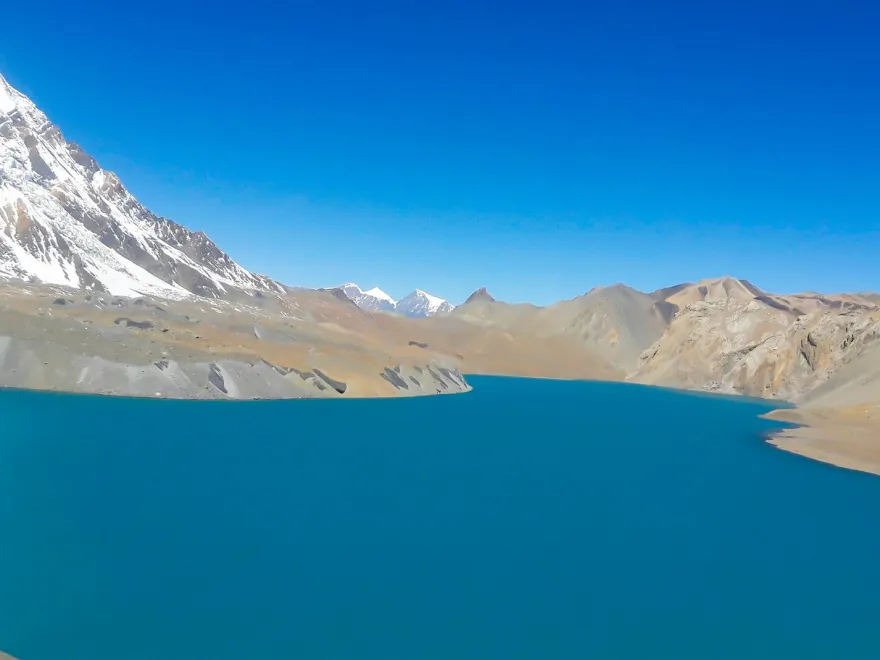
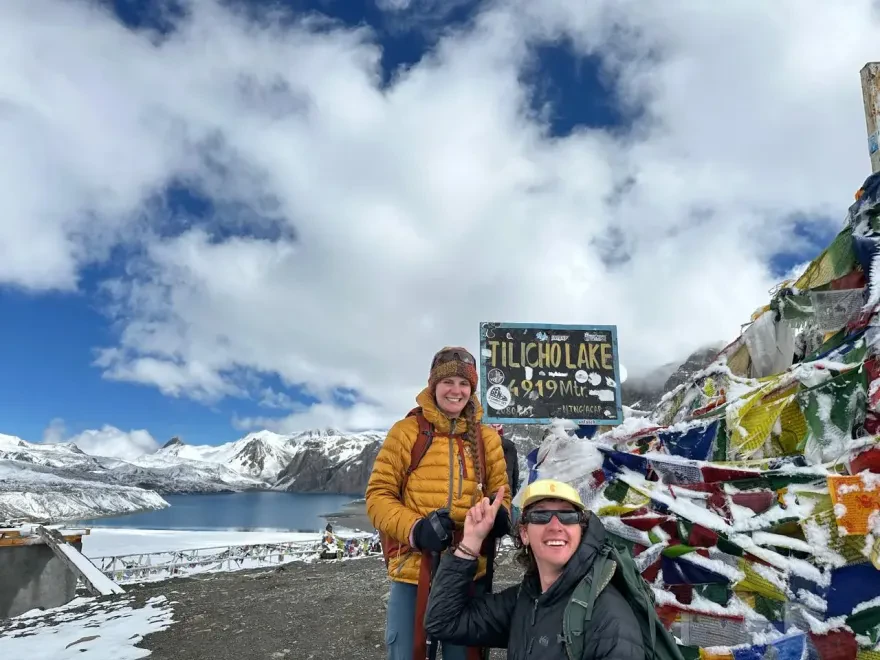
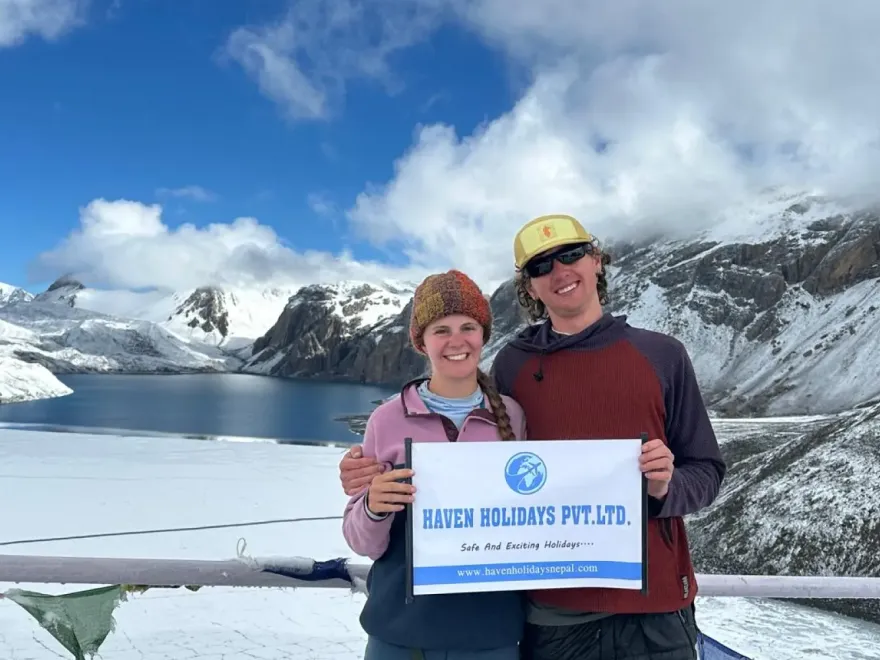
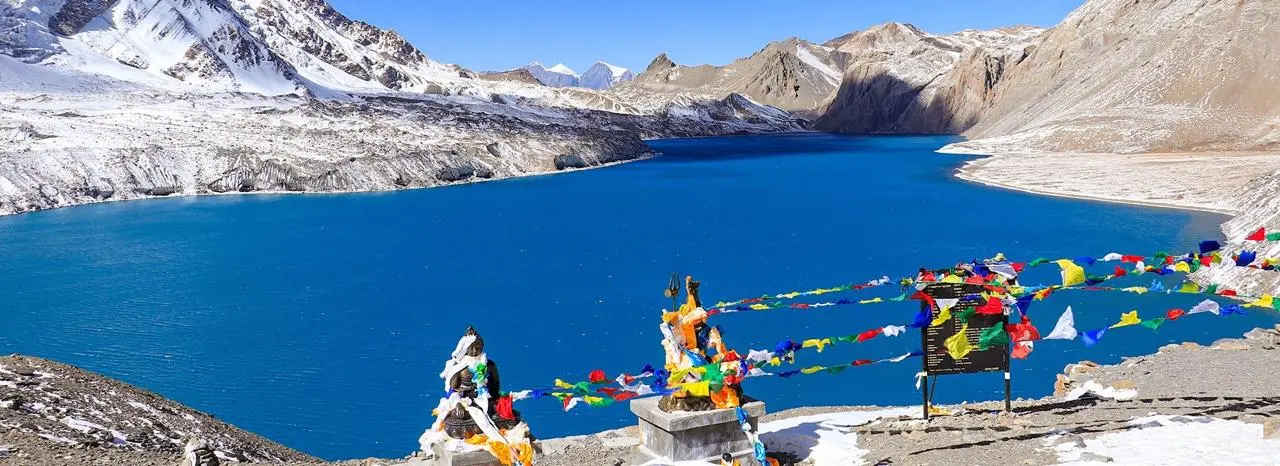
Soon, you'll arrive at the stunning Tilicho Lake at 4919 meters (16138 ft), and the striking turquoise water will blow you away. This lake is just below the towering Tilicho Peak at 7134 meters (23405 ft), so the scene is mind-blowingly postcard perfect. The air is extremely cold here, but the magnificent lake will make you forget how tired your legs are, as the powerful natural energy of this place makes you feel delighted.
In fact, choosing the best itinerary for Annapurna Circuit with Tilicho Lake makes your trip a grand and hugely successful.
Following the lake, we will retrace our steps to the main trail and prepare for the adventure crossing of the renowned Thorong La Pass. We will take a break at Thorong Phedi at an elevation of 4,530 meters (14,862 feet) before beginning our ascent early in the morning. Your headlamp will illuminate the frozen path, while the world remains silent, and you will experience a profound concentration as you ascend toward the heavens.
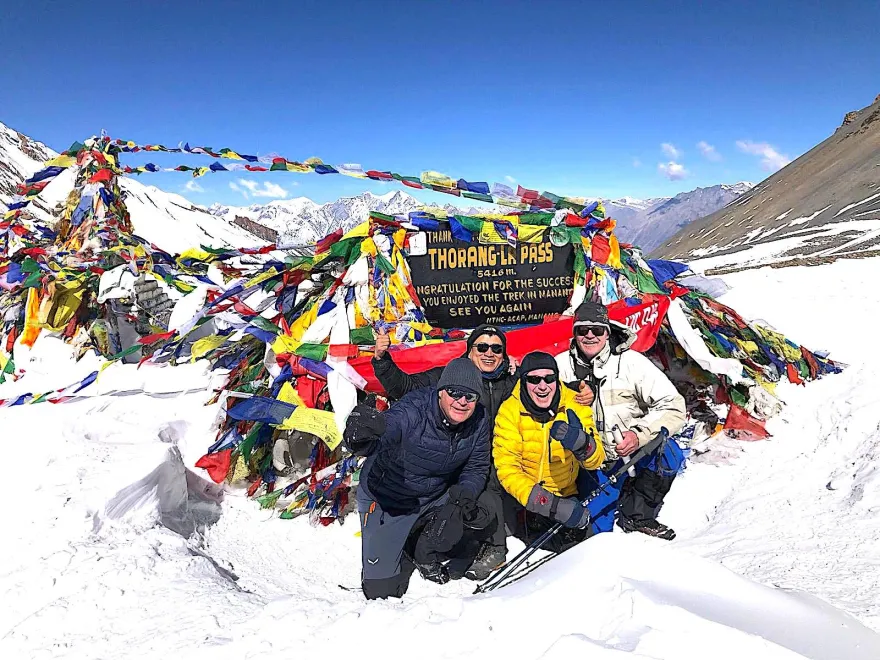
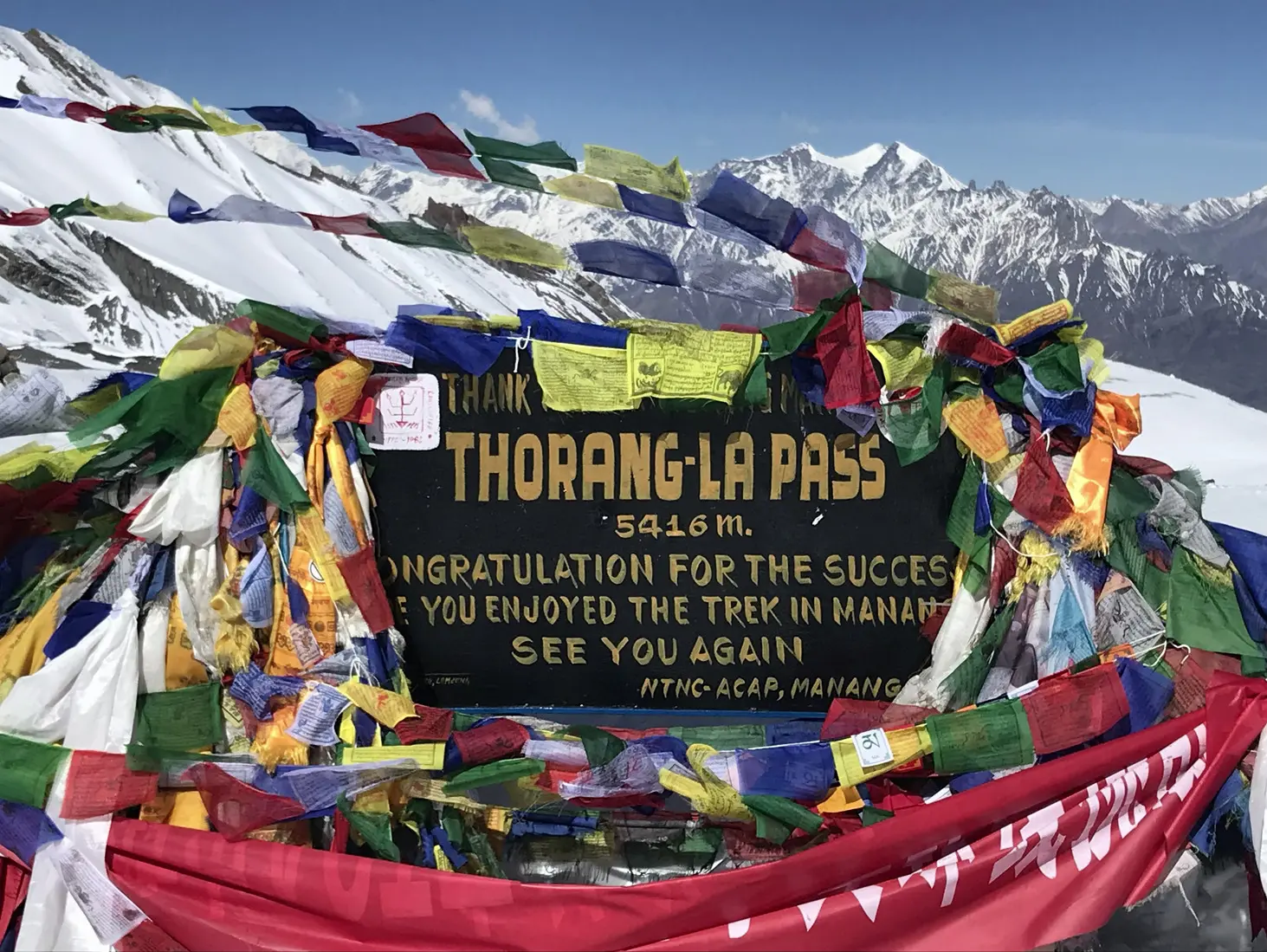
Finally, you will be at the very top of the Thorung La Pass, at 5416 meters (17769 feet), and you will see literally thousands of brightly colored prayer flags blowing in the breeze. The morning sun will be shining off the enormous Annapurna mountains and across the magnificent 8167 meter (26794 feet) summit of Mt. Dhaulagiri. It is a victorious moment that you will remember for the whole of your life.
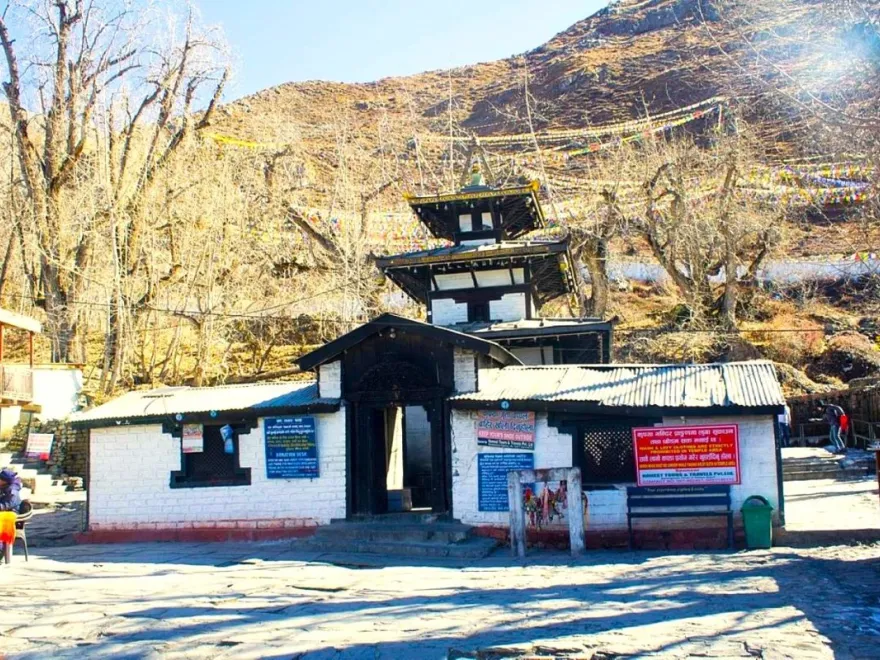
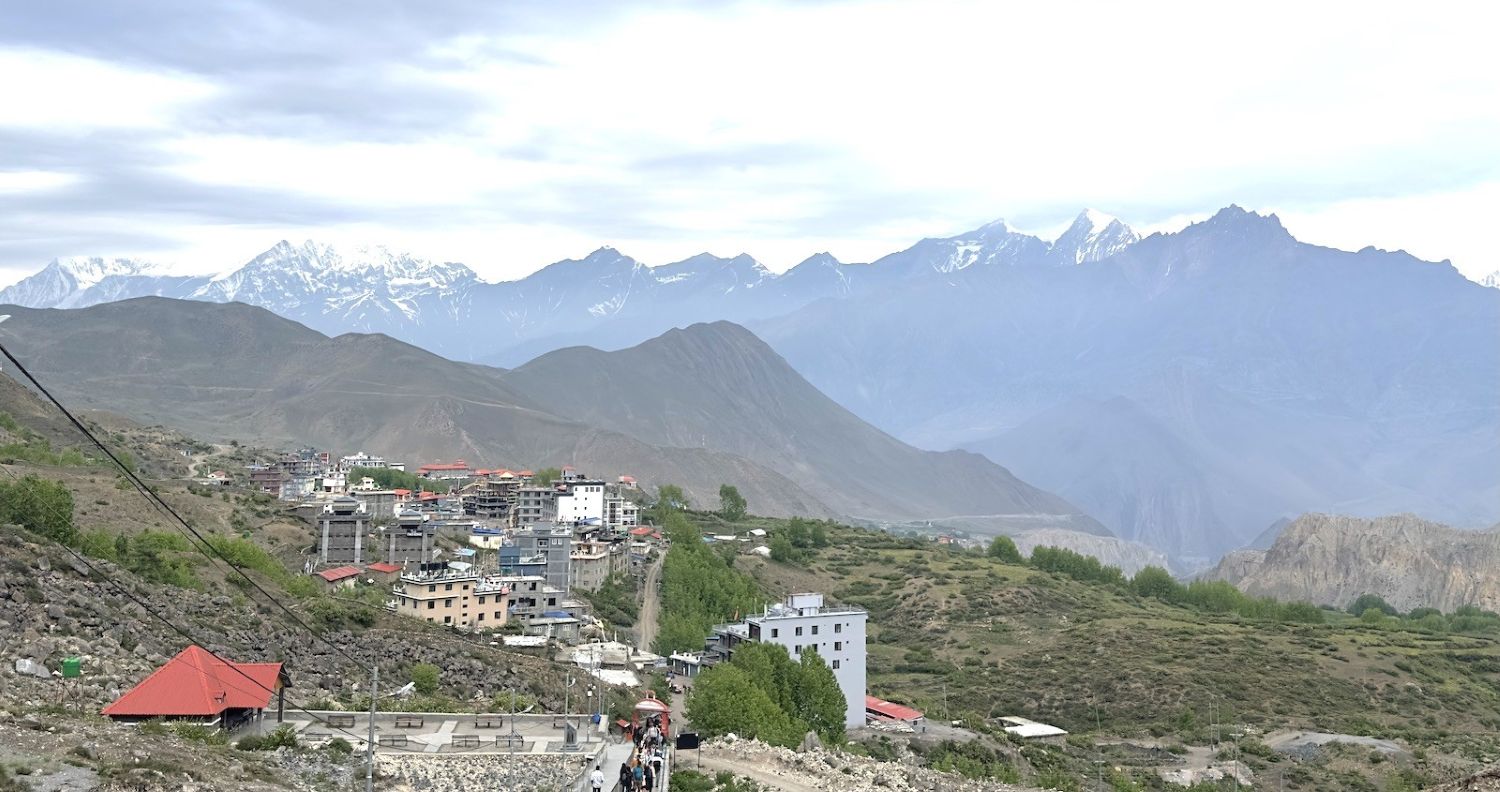
Afterwards, you descend to Muktinath, a popular Hindu and Buddhist pilgrimage site. You will explore it and finally end the trip in Pokhara.
Therefore, Annapurna Circuit with Tilicho Lake 10 days is a perfectly balanced high altitude trek in Nepal with the flavors of unique culture, massive adventure, holy pilgrimage and wild and remote nature.
You begin your Annapurna Circuit with Tilicho Lake trek early in the morning. You will drive from Kathmandu to Besisahar . You will take tourist bus for thus drive from Kathmandu to Besisahar. This part of the journey is 176 km and it takes 6 to 8 hours. You will see hills and small villages on the way. The road also passes through farms where people grow food. You will enjoy the views of rivers and the countryside. Besisahar is at a height of around 760 to 1,100 meters. It is the place where people start the Annapurna Circuit with Tilicho Lake trek.
In Besisahar you will get into a jeep for the part of the journey. The road to Chame is not very smooth. It is about 66 km long. This part of the journey takes 4 to 6 hours. The road follows the Marsyangdi River. You will see big gorges and waterfalls. You will also see suspension bridges and lush forests. You will see local villages and the scenery will get more exciting as you go higher.
Actually, Chame is at a height of about 2,550 to 2,670 meters. It is the town of Manang. When you get to Chame you will stay in a teahouse or lodge for the night. The good things about Chame are the views of the mountains the apple trees and the peaceful atmosphere. You will feel the air of the Himalayas and get ready for the real trekking days.
To get ready for the Annapurna Circuit with Tilicho Lake trek you should get your Annapurna Conservation Area Permit and TIMS card before you start. You should carry clothes because it gets cold at night. You should also bring water, snacks and medicine for sickness. You should check the weather and the road before you travel. If you need help you can hire a guide or porter.
This day of traveling gets you excited for the adventure. You will rest well in Chame. Eat local food. The total distance you travel is 240 km. You should drink a lot of water. Take breaks. This will help you save energy for the parts of the Annapurna Circuit with Tilicho Lake trek and the trip to Tilicho Lake.
 Accommodation Best Lodge Available
  Meals Non
  Max. altitude 2,650m / 8,694ft.
 You start your first day of trekking from Chame, which is 2,670 meters after eating a good breakfast. The trail takes you to Upper Pisang, which’s 3,300 meters. This hike is not too hard. Is about 14 to 17 kilometers long. It takes around 5 to 6 hours to complete including breaks. You will go up around 630 meters. The path takes you through pine and fir trees forests. You will walk along the Marsyangdi River.
First, you will walk to the village of Bhratang. Then you will pass by Dhukur Pokhari. The route has some parts, but the scenery is beautiful. You will cross bridges that are suspended above the river, and you will see waterfalls. Some of the things you will see are the huge rock face of Paungda Danda and your first clear views of Annapurna II, which is 7,937 meters high and Pisang Peak, which is 6,091 meters high. The landscape will change from a forest to more open areas.
In the afternoon, you will arrive at Upper Pisang, which's at 3,300 meters. This village is higher than Lower Pisang, which’s 3,200 meters and it has amazing views of the mountains. You will stay in a teahouse. Many people who trek stay here because the views are better and it helps them get used to the altitude. The air is cooler and thinner at this height. You will. Enjoy the peaceful setting of the Himalayas.
Here, you should get ready before you start trekking to Pisang. You should drink a lot of water so you do not get sick from the altitude. You should carry things like trekking poles, a rain jacket, sunscreen and snacks. You should wear clothes that're comfortable and can be layered because the weather can change quickly. You should start early in the morning so you can walk at a pace. You should listen to your body. Walk slowly when you are going uphill. A guide can help you with the route. Keep you safe.
This day of trekking to Pisang from Chame will help you feel more confident for the parts of the trip. You will see how powerful the mountains are. You will be excited about the trip to Tilicho Lake and Thorong Pass later. You should eat a lunch on the way and have a warm dinner, at the lodge. You should go to sleep early so you can recover. The views of Annapurna II and Pisang Peak make all the hard work worth it.
Accommodation Best Lodge Available Meals Breakfast Max. altitude 3,250m / 10,663ft. You begin the day from Upper Pisang at 3,250 meters after having breakfast. The trail takes you to Manang at 3,540 meters. This hike is really pretty. It covers about 15 to 17 kilometers. It takes around 5 to 7 hours to complete with some stops on the way. You will gain around 240 to 400 meters in elevation overall. A lot of trekkers prefer the route via Ghyaru at 3,730 meters and Ngawal at 3,660 meters because the views are better. The path goes up the ridges. Then comes down slightly to Manang.
First you walk uphill to Ghyaru village. Then you reach Ngawal. The route offers stunning views of Annapurna II at 7,937 meters Pisang Peak at 6,091 meters and other peaks. You pass by monasteries and traditional stone houses. The landscape opens up into a valley with dry and arid hills. You cross streams and enjoy the fresh mountain air.
In the afternoon you arrive at Manang at 3,540 meters. This is a village with shops, bakeries and lodges. You check into a teahouse. The best part is the views of the Annapurna range and the peaceful atmosphere. You can explore the village. Get ready for the higher altitudes ahead. The air is noticeably thinner here at Manang.
Importantly, you need to prepare for this day. Drink lots of water to fight the effects of altitude. Carry trekking poles, warm layers, a hat and energy snacks. Wear hiking boots and sunscreen. Start early so you can enjoy the views without rushing. Walk at an steady pace. It is important to listen to your body because acclimatization's important. A guide will share stories and make sure you are safe.
Ultimately, this day takes you deeper into the Himalayas. You feel the beauty of the valley and get ready for the Tilicho Lake side trip. Eat a lunch on the trail and have a warm dinner at the lodge. Rest well at night. The amazing sights of Annapurna II at 7,937 meters and the surrounding peaks are a reward, for your efforts.
Accommodation Best Lodge Available Meals Breakfast Max. altitude 3,540m / 11,614ft. You will spend this day in Manang, which's at 3,540 meters and it is a day for your body to get used to the high altitude. This is a day to rest before you go higher and you will not be trekking far but you will be exploring the area a little bit. This helps your body adjust to the air and it is good for you. Manang is at 3,540 meters. You will be staying in a comfortable teahouse, where you can do things at a slow pace.
One thing you can do is go for a hike to Gangapurna Lake, which is around 3,900 meters and it will take you about 1 to 2 hours to go there and come back. When you are at the lake you will see the glacial lake and the Gangapurna Glacier and you will also see Annapurna III, which is 7,555 meters high and other peaks. Another option is to go to Ice Lake, which is also called Kicho Tal and it is at 4,600-4,620 meters and this trip will take you about 6 to 8 hours to go and come back and you will see some great views.
Here, you can also visit Braga Monastery or Praken Gompa which're near Manang and you can walk around the old village and see the traditional stone houses and many trekkers go to a free talk about altitude at the Himalayan Rescue Association clinic. These things will help you learn about the culture and they will also help you get stronger. The valley is very beautiful. You can see the surrounding mountains from there.
So, you should drink plenty of water. Eat food that has a lot of carbohydrates and you should wear clothes in layers because the temperature changes a lot during the day. You should also carry sunscreen, a hat and a small bag with you. You should rest in the afternoon and not do any heavy exercise. You should listen to your body. See if you have any signs of altitude sickness and a guide can tell you about the local culture and history.
In conclusion, this day of acclimatization in Manang is important, for the rest of your trek including when you go to Tilicho Lake and it will keep you safe. You will feel refreshed. You will enjoy the peaceful village in the Himalayas and you can explore the shops or bakeries in Manang. You should go to sleep early so that you can recover fully and the beautiful views of the Annapurna peaks and glaciers will make this day memorable.
Accommodation Best Lodge Available Meals Breakfast Max. altitude 3,540m / 11,614ft. You start this trip from Manang (3,540 m) after breakfast. The trail leads to Tilicho Base Camp. This hike is quite challenging. Covers about 11 to 15 km. It takes around 5 to 7 hours depending on how you walk. You gain around 600 to 800 meters in elevation. The route goes via Khangsar village. Follows ridges with rocky paths and some steep sections.
First, you trek to Khangsar village (3,734 m). This old village has stone houses and a local culture. You get views of Kang Guru Peak (6,981 m). The path then climbs higher through landscapes. The trail offers scenery with high cliffs and distant peaks. You pass prayer flags. Feel the beauty of the remote Himalayas.
In the afternoon you reach Tilicho Base Camp (4,150 m to 4,200 m). It sits below Tilicho Peak (7,134 m). You check into a lodge or teahouse. The peaceful surroundings and first views of Tilicho Lake are highlights. The air is cold and thin at this elevation. You. Prepare for visiting the lake the next day.
To prepare for this day drink lots of water. Eat energy-rich food. Carry layers, gloves, a hat, trekking poles and sunscreen. The weather can change quickly with winds. Start early. Walk slowly to avoid altitude problems. A guide is very helpful for navigation and safety. Check your health before leaving Manang.
In conclusion, this day takes you closer to Tilicho Lake, one of the lakes, in the world. You feel thrilled by the mountains and high altitude adventure. Eat meals at the base camp and sleep early to rest well. The stunning sights of Tilicho Peak (7,134 m) and surrounding ranges are rewarding.
Accommodation Best Lodge Available Meals Breakfast Max. altitude 4,150m / 13,615ft. You get up early from Tilicho Base Camp, which's at 4,150-4,200 meters to start the big hike to Tilicho Lake. This hike is the part of the Annapurna Circuit with Tilicho Lake. It takes 2 to 3 hours to get to the lake. It is not easy. You have to climb up high about 700 to 800 meters. The path is steep and rocky. You have to be careful.
When you get to Tilicho Lake you will see how beautiful it is. The lake is at 4,919-4,950 meters. It is one of the highest lakes in the world. You can see Tilicho Peak, which's 7,134 meters high and the other snow-covered mountains around it. The water is a blue color and it is very peaceful. You can take pictures rest and enjoy the view.
After you explore the lake you go down to Tilicho Base Camp and then you keep going to Shri Kharka, which is at 4,050-4,070 meters. The whole day is 15 to 18 kilometers. It takes 7 to 9 hours. You have to be careful because the path's steep and rocky. You get to Shri Kharka in the afternoon or evening.
Importantly, you have to get ready for this day. You should start before the sun comes up to avoid the wind in the afternoon. Bring water, snacks, warm clothes, gloves and sunglasses. Use trekking poles to help you balance on the rocks. Go slow. Be careful and make sure you have a guide with you. Listen to your body. Drink plenty of water.
In conclusion, this day is the part of the Tilicho Lake with Thorong Pass because you get to see Tilicho Lake and Tilicho Peak. You will feel proud of yourself for making it to such a place. Rest well at the lodge, in Shri Kharka eat food and get ready for the next part of the Annapurna Circuit. The views of Tilicho Peak and Tilicho Lake are amazing. They make all your hard work worth it.
Accommodation Best Lodge Available Meals Breakfast Max. altitude 4,919m / 16,138ft. You start the day at Shri Kharka, which's at an altitude of 4,050-4,070 meters after you finished the Tilicho adventure. Now you go back to the Annapurna Circuit trail that leads to Ledar. This hike is not too hard. It is about 12 to 13 kilometers long. It takes around 5 to 7 hours to complete including breaks. You walk through valleys and there are some parts where you have to climb up. The trail goes through Old Khangsar and Yak Kharka, which's at an altitude of 4,000-4,077 meters. You go up and down hills before you reach Ledar, which's at an altitude of 4,240 meters.
First you go down a bit. Cross the valley. Then you climb up past yaks that are eating grass and old settlements that're in bad shape. The land is dry. There are rocky hills and mountains far away. You can see Gangapurna and other mountains which's very nice. The trail is easy to follow. There are some steep parts. You stop to eat lunch and rest at Yak Kharka.
In the afternoon you get to Ledar, which's at an altitude of 4,240 meters. Ledar is a village and it has simple teahouses where you can spend the night. The best things about Ledar are the atmosphere and the great views of Thorong Pass (5416m). The air is still thin so you have to move. You. Get some rest after the hard days you had before.
Here, you should bring water and snacks with you. Wear clothes that you can layer because the weather can change. Use trekking poles when you walk on ground. Drink a lot of water to help your body get used to the altitude. Start walking at a pace and take pictures of the beautiful scenery. The guide will tell you about the area. Make sure you are safe. Get some rest at the end of the day.
In fact, this day you go back to the Annapurna Circuit Route. You feel stronger after the Tilicho side trip. Eat something at the lodge and go to sleep early. The mountains and yaks make this trek very special. You get ready, for the days ahead when you will go to Thorong Pass and you continue your great adventure.
Accommodation Best Lodge Available Meals Breakfast Max. altitude 4,240m / 13,911ft. You begin your day at Ledar, which's 4,240 meters above sea level. The High Camp trail starts here. It goes to Thorong Phedi, which is between 4,450 and 4,540 meters above sea level. Then you go to High Camp. This part of the trek is short. It is very tough. You walk for 7 to 8 kilometers. The whole thing takes around 4 to 6 hours. You go up about 600 to 700 meters. The path is rocky. There are landslide areas. You have to be careful on the trails.
First, you walk to Thorong Phedi. It is located at the bottom of the pass. The route is steep. You get to see the valley from the top. Then you climb the steep part to Thorong High Camp, which is between 4,870 and 4,925 meters above sea level. This last part is short. It is very tiring because the air is thin at high altitude. The scenery around you becomes more dramatic with slopes and high peaks all around the High Camp.
You reach the High Camp in the afternoon. The High Camp is at 4,870 to 4,925 meters elevation below the Thorong La Pass, which is 5,416 meters above sea level. You check into a teahouse at the High Camp. The best part of being at the High Camp is the feeling of being very high and the views of the surrounding mountains from the High Camp. The air is very thin at the High Camp so you need to rest a lot at the High Camp. You prepare your gear for the pass crossing to the Thorong La Pass the next day.
Here, you need to be ready for this day at the High Camp. You should drink lots of water. Eat light meals. You should carry layers, a headlamp, gloves and snacks with you to the High Camp. The weather can be cold and windy at the High Camp. You should walk slowly and use trekking poles at the High Camp. You should watch for signs of altitude sickness at the High Camp. A guide can help you with the route and motivation to reach the High Camp. You should sleep after dinner at the High Camp.
In fact, this day at the High Camp gets you ready for the point of the trek, which is the Thorong La Pass. You feel excited and a bit nervous about the Thorong La Pass. You should rest well at the High Camp. The high mountain environment at the High Camp and the sense of achievement make it special at the High Camp. You are now close to completing one of the parts of the Annapurna Circuit with Tilicho Lake, at the High Camp.
Accommodation Best Lodge Available Meals Breakfast Max. altitude 4,870m / 15,978ft. You get up early at High Camp, which is at an elevation of 4,870 to 4,925 meters and this is the biggest day of your trip. You will cross Thorong Pass, which's 5,416 meters high. This trek is long and tough it is around 15 to 20 kilometers. It will take you 8 to 12 hours to complete. You will climb up about 500 meters to get to Thorong Pass. Then go down more than 1,500 meters to Muktinath, which is at 3,800 meters. The trail is steep at first. It gets easier after you cross Thorong Pass.
Actually, you will walk up in the dark with a headlamp on. The path is rocky. Sometimes you will walk on snow. When you get to Thorong La Pass you will see prayer flags and the views of Annapurna and Dhaulagiri ranges are amazing. Thorong La Pass is the point of your trek. You will take pictures. Rest for a little while before you start going down.
Here, the way down is long. It can be tough on your knees. You will pass through meadows and stop for lunch at Charabu, which is around 4,200 meters high. Then you will keep going down to Muktinath. The main things to see in Muktinath are the temple, the natural gas flames and the 108 water spouts. Muktinath is an important place for Hindus and Buddhists to visit.
Importantly, you need to get ready for this day. You should start before the sun comes up and you should wear clothes bring a headlamp, water, snacks and sunglasses. It is an idea to use trekking poles when you are going down. You should walk slowly when you are at Thorong La Pass because of the elevation and the cold wind. A guide will show you the way. Keep you safe. You should drink water. Eat food that gives you energy. When you get to Muktinath you should rest your legs.
In conclusion, this day will make you feel really good about what you have done. You will cross one of the highest passes in the world and get to the other side of the mountains. You will be happy when you are in Muktinath. You should eat food and sleep well. The great views from Thorong Pass and the holy site of Muktinath make all the hard work worth it when you are on your Annapurna Circuit with Tilicho Lake trek.
Accommodation Best Lodge Available Meals Breakfast Max. altitude 5,416m / 17,769ft. On the final day, your journey starts early at the Muktinath Temple, which is at a height of 3,710 meters. After saying your morning prayers you will get on a 4WD jeep to drive to Pokhara, which is about 175 kilometers away. The drive begins on a concrete road that goes through the dry and empty terrain of the Mustang region, which looks like Tibet. You will go down through Jharkot. Pass near Kagbeni before you get to Jomsom, which is at 2,743 meters and this is where the valley gets very windy.
As you keep going you will pass by the nice village of Marpha, which is well known for its beautiful apple trees. The nice road quickly changes into an bumpy dirt track as you get into the amazing Kali Gandaki Valley. Here your jeep will drive through the gorge in the world with the big mountains of Annapurna and Dhaulagiri on both sides. On this part of the road you will see the beautiful Rupse Waterfall and you will feel how rough the Himalayan terrain really is.
Then you will go down to Tatopani, which's at 1,190 meters and this place is very famous for its natural hot springs by the river. This is a place to take a short break and have something to eat and drink before you keep going down the rough road. The rough road in the gorge will finally take you to Beni, which's at 830 meters and this is the main town in the area where the hard dirt track finally ends.
From Beni the jeep will go onto the paved road of the Pokhara-Baglung Highway. This last part of the trip takes three hours and it is a comfortable drive through green hills, fields with steps and old villages. Finally after an exciting drive of eight to ten hours you will get to the beautiful city of Pokhara, which is, at 827 meters and you can relax by Phewa Lake.
Accommodation Best Lodge Available Meals Breakfast Max. altitude 827m / 2,713ft. 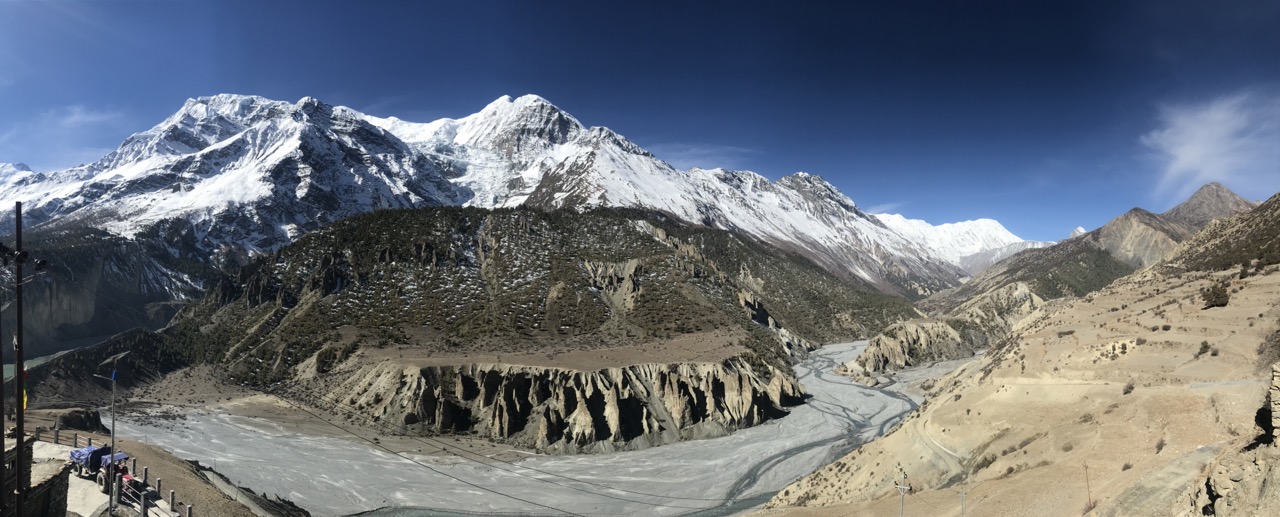
When you are in Nepal you will be using the Rupee. You can exchange your money in Kathmandu or Pokhara. The ATMs in the cities work well so you can withdraw money whenever you need it. However as you go higher up like above Manang the services become limited. That is why it is an idea to carry some cash with you for the entire trek. The tea houses on the way usually do not accept cards so it is better to have some notes with you. You will need them to buy snacks take showers and pay for charging your devices. The Nepalese Rupee is the currency you will be using so make sure you have enough of it. You can exchange your money before you start the trek or you can do it in Kathmandu or Pokhara. Just remember to have some cash with you at all times because you never know when you might need it. The Nepalese Rupee is what you will be using. It is always better to be prepared.
A professional trekking team is really important for a trek. The team has licensed guides and experienced porters who will take care of you throughout the journey. The guides will manage the navigation, safety and accommodation for you so you do not have to worry about anything. The porters will carry your duffel bags, which's a big help because you will not have to carry all your luggage with you. The local staff knows the trail conditions, weather patterns and altitude issues so they can provide you with advice and assistance. A good team will also provide emergency support, which's really important in case something goes wrong. The friendly service of the team will make your trekking experience better because they will be with you throughout the journey. They will help you with everything from navigating the trails to finding the tea houses to stay in. The Haven Holidays Team is a trekking team that will take care of you so you can focus on enjoying your trek.
When you are trekking you will need to carry some luggage with you. Most trekkers carry a daypack with them, which has all the essentials they need for the day. The main duffel bag is usually given to a porter, who will carry it for you. The porter load is usually 20kg or less so you do not have to worry about carrying much weight. You can leave some of your luggage at your hotel in Kathmandu, which's a good idea because you will not need all your clothes and gear with you on the trek. It is always an idea to keep your valuables, passports, money and electronics in your daypack so they are safe and secure. A 30-40L backpack is a size for a daypack because it can fit all your essentials, such as water, snacks and extra clothes. You can also use it to carry your lunch and other things you might need during the day. The luggage and storage is a thing to consider when you are trekking because you will need to carry some things with you but you do not want to carry too much.
When you are trekking you will need to eat to keep your energy up. The tea houses on the way serve a variety of food including Dal Bhat, noodles, fried rice, soup, potatoes, eggs, porridge and Tibetan bread. You can also get tea and coffee which is really nice on a cold day. The food prices rise with altitude, which means that the higher you go the more expensive the food will be. However Dal Bhat is an option because it gives you energy and nutrition and it is usually affordable. The meals on the trek are a part of the journey because they will give you the energy you need to keep going. You can also buy snacks and other things you might need from the tea houses, such as chocolate and energy bars. The meals on the trek are usually simple. They are delicious and filling and they will help you to enjoy your journey even more. The tea houses are also a place to rest and relax because they have comfortable rooms and nice views.
The journey starts with a drive to Besisahar. Then continues to Chame. Chame is a trekking town and it is a beautiful place to start your journey. You will see some mountain scenery, including peaks like Annapurna II, which is really breathtaking. The trail follows the Marsyangdi River, which's a beautiful river that flows through the valley. The drive, to Chame is scenic. You will see some nice villages and landscapes along the way. When you arrive in Chame you can. Prepare for the trek ahead because it is a big journey and you will need to be ready. The trek starts in Kathmandu. It really begins in Chame because that is where you will start walking. You will be excited to start your journey. You will be looking forward to seeing all the beautiful scenery and experiencing all the challenges and adventures that the trek has to offer. The Trek Starts in Kathmandu. Chame is where the real journey begins and it is an exciting place to start your trek.
When you are traveling to the tea houses you will find that most of them offer charging services for your devices. The lower villages usually use hydropower and the higher villages use power from sources. You have to pay extra for charging your devices. It is an idea to bring a power bank with you because the electricity can be unreliable at times. In Nepal they use Type C, D and M plugs so you should be prepared for that. Also keep in mind that cold weather can drain your batteries faster. Electricity is essential for charging your devices. You should be prepared for any situation. The tea houses that offer charging services are very helpful. You can charge your devices there. However the charging services are not free. You have to pay for them. Electricity is not always available in all the villages. You should be prepared for that. Bring a power bank. Be prepared for any situation.
Drinking water is very important when you are traveling. You should always buy boiled water to stay safe. There are refill stations where you can refill your water bottles or you can purify the water yourself. Many trekkers carry filters or purification tablets with them to ensure they have drinking water. You should never drink water from a river that has not been treated as it can be harmful to your health. Drinking water is essential when you are going to places and you should drink water several times a day. Drinking water helps you to stay hydrated and healthy. You can also use the refill stations to refill your water bottles. It is a good way to save money. Drinking water is a necessity. You should always prioritize it. When you are traveling you should always carry a water bottle with you. Drink water regularly.
When you are traveling to the villages you will find that NTC and Ncell have coverage in areas. You can use Wi-Fi in the tea houses. You have to pay for it. The Wi-Fi services are not free. You have to pay for them. When you are near Tilicho Base Camp or in remote areas the signal is very weak and you will not be able to communicate all the time. Communication is essential when you are traveling. You should be prepared for any situation. The tea houses that offer Wi-Fi services are very helpful. You can stay in touch with your loved ones. However the Wi-Fi services are not always available. You should be prepared for that. NTC and Ncell are the network providers in the area and you should have a sim card from one of these providers. Communication is key when you are traveling. You should always be prepared.
When you cross Thorong La Pass you will reach Muktinath, which's a beautiful place. Many people go to Jomsom and Tatopani by jeep after that which is a way to see the scenery. Usually the trek ends in Pokhara, which's a beautiful city. Then you go back to Kathmandu, which's the capital city of Nepal. The trek ends in Pokhara. You can stay there for a few days to relax. You can also go to places from Pokhara, such as Jomsom and Tatopani. The trek is an experience and you will see many beautiful places. When you cross Thorong La Pass you will feel a sense of accomplishment. You will be proud of yourself. The trek ends in Pokhara. You can celebrate your achievement there. You can also buy souvenirs in Pokhara to remind you of your trek. The trek is an adventure and you will always remember it.
When you are traveling you will have personal expenses that you should be prepared for. These expenses can include charging your devices buying drinking water and using Wi-Fi services. You should also budget for any emergency situations that may arise. Extra personal expenses can add up quickly. You should be prepared for them. You can budget for these expenses by setting aside an amount of money each day. You should also be mindful of your expenses. Try to save money where you can. Extra personal expenses are a part of traveling. You should be prepared for them. You can also use cash or credit cards to pay for these expenses, which's convenient. However you should be careful not to overspend. You should stick to your budget. Extra personal expenses can be managed if you are careful and plan ahead. You should always prioritize your expenses. Make sure you have enough money, for the essentials.
A day on the Annapurna Circuit with Tilicho Lake Trek starts at 6:00 or 7:00 AM. You have breakfast at the tea house. Then you start walking with your guide. You have lunch on the way at a spot. The walk in the afternoon is usually not very long. You reach the tea house by 3:00 or 4:00 PM. At night you have dinner and tea with your fellow trekkers. Your guide tells you what you will do the day on the Annapurna Circuit with Tilicho Lake Trek. Drinking water is very important every day on the trek. You should drink water times during the day on the Annapurna Circuit with Tilicho Lake Trek. This helps you stay healthy and safe. The Annapurna Circuit with Tilicho Lake Trek can be challenging so you need to be prepared. You should also listen to your guide. Follow their advice. They know the area. Can help you if you have any problems. The Annapurna Circuit with Tilicho Lake Trek is an experience and you will enjoy it if you are prepared.
Haven Holidays is a choice for trekkers who want to do the Annapurna Circuit with Tilicho Lake Trek. They have guides who know what they are doing and can help you on the trek. They also let you change your plans if you want to which is very helpful. You know what you are paying for the Annapurna Circuit with Tilicho Lake Trek. They help you stay safe on the trek. Their guides know the area of the Annapurna Circuit with Tilicho Lake Trek, which helps you get used to the places and know when the weather is bad. They also give you service, which makes your trip to the Annapurna Circuit with Tilicho Lake Trek nicer. Haven Holidays is a company that can help you have a great time on the Annapurna Circuit with Tilicho Lake Trek. They have a lot of experience. Can help you with any problems you may have. The Annapurna Circuit with Tilicho Lake Trek is a trek and Haven Holidays can help you make it even better.
When you are getting ready for the Annapurna Circuit with Tilicho Lake Trek there are some things you need to bring with you. The Annapurna Circuit with Tilicho Lake Trek requires some items, such as boots for trekking, warm clothes, a special jacket that keeps you warm gloves, a hat sunglasses, sunscreen, poles for trekking, a sleeping bag bottles for water, a light for your head medicines that you need, toiletries and documents for travel. The Annapurna Circuit with Tilicho Lake Trek can be very cold when you are high up so you need to be prepared with clothes. Try not to bring stuff but make sure you have what you need for the cold weather when you are above 4,000m on the Annapurna Circuit with Tilicho Lake Trek. You should also bring an aid kit and a portable charger for your phone. The Annapurna Circuit with Tilicho Lake Trek is a trek and you need to be prepared with the right gear. You should also check the weather forecast before you start the trek and pack accordingly.
The Thorong La Pass is a part of the Annapurna Circuit with Tilicho Lake Trek. You start walking before sunrise from High Camp (4,880m) to reach the Thorong La Pass. The climb is steep and cold. The air is thin so walking is harder. There are prayer flags at the pass, which's a nice sight. You can see Thorong Peak, Gangapurna and Annapurna II from the top of the Thorong La Pass, which's a great view. The Thorong La Pass is the point on the Annapurna Circuit with Tilicho Lake Trek and it is a challenging climb. You should be prepared with clothes and a good pair of boots. You should also drink plenty of water. Take breaks when you need to. The Thorong La Pass is an experience and you will feel a sense of accomplishment when you reach the top. The view from the top is amazing. You can see many mountains and valleys.
This part of the Annapurna Circuit with Tilicho Lake Trek is the best. You go through Yak Kharka, Thorong Phedi (4,540m) and High Camp (4,880m) before you reach the Thorong La Pass. After you cross the Thorong La Pass (5,416m) you go down a way to Muktinath (3,760m). Muktinath is a place for pilgrims. It is a nice town with many temples and shops. The trek from Manang to Muktinath is an experience and you will see many nice views and meet many people. You should be prepared with a pair of boots and warm clothes as the trek can be challenging. You should also drink plenty of water. Take breaks when you need to. The Annapurna Circuit with Tilicho Lake Trek is a trek and this part is one of the best. You will enjoy the scenery and the culture of the people who live in the area. The Annapurna Circuit, with Tilicho Lake Trek is an experience and you will have many memories when you finish the trek.
The trail from Pisang to Manang is a highlight of the Annapurna Circuit. As you ascend the scenery becomes more breathtaking. You pass through villages and witness the majestic beauty of the Annapurna range. The air gets thinner. The landscape more rugged. You see the village of Pisang with its quaint houses and busy streets. As you climb higher the views of the surrounding mountains become more stunning. Manang is a town with a rich cultural heritage. The locals are friendly. You can explore their traditions. You visit the Manang monastery. Learn about the local way of life. The trail is well-marked. The tea houses offer warm hospitality. This section is a must-experience for trekkers. The scenery is unforgettable. The experience is enriching. Pisang to Manang is a journey.
The trek from Jomsom to Tatopani is a descent. You leave Jomsom, a town and begin your journey downwards. The trail takes you through villages and lush forests. You see the Kali Gandaki River. Hear its soothing sound. The scenery is stunning with the Dhaulagiri range in view. Tatopani is a town with hot springs. You can. Rejuvenate in the warm waters. The town offers views of the surrounding mountains. You can explore the market and try traditional food. This section is perfect for those who want to unwind. The trail is relatively easy. The scenery is picturesque. Jomsom to Tatopani is a way to end your trek.
Tilicho Lake is a destination. It is a side trip from the Annapurna Circuit. The lake is the lake in the world at 4,900 meters. The scenery is breathtaking with the surrounding mountains towering. You take a detour from the trail to reach the lake. The trail is steep. The views are worth it. You see the lakes turquoise waters. Take in the majestic scenery. The experience is unforgettable. You can explore the lakes surroundings. Take stunning photos. The lake is a place for the locals. You can learn about their traditions and culture. Tilicho Lake is a must-visit destination.
The Annapurna Circuit offers exciting side trips. These trips take you to destinations. You can visit Tilicho Lake, a lake at 4,900 meters. Another option is to trek to the base camp of Thorong Peak. The scenery is breathtaking with towering mountains and picturesque villages. You can also visit the town of Manang and explore its culture. The side trips offer a chance to experience the way of life. You can try food and drinks. The trips are a way to break up the trek. You can. Rejuvenate in the tea houses. The side trips are a part of the Annapurna Circuit trek.
We value your feedback. It helps us improve our services. You can share your thoughts on your trekking experience. What did you enjoy most ? What could we improve ? Your feedback is confidential. We use it to make our services better. You can provide feedback on our guides, accommodations and trail conditions. Your input is invaluable. It helps us to serve you. We appreciate your time and honesty. Your feedback makes a difference. We look forward, to hearing from you. Your feedback helps us grow.
The Annapurna Circuit with Tilicho Lake Trek is a trip. It has everything. You get to see mountain passes and beautiful lakes. You will also see villages that are influenced by culture. The views are really dramatic. The Annapurna Circuit with Tilicho Lake Trek is also very good for getting used to the altitude. You will get to experience different cultures. That is why many people who like to trek think that the Annapurna Circuit with Tilicho Lake Trek is one of the long distance trips in Nepal.
When preparing for a trekking trip in Nepal, it's essential to have the right equipment and packing list to ensure your safety and comfort to complete your mission. You will need to pack smart and light. This packing list doesn’t mean you need to pack everything listed here. This list is a guideline, and your final list will depend on your preferences and judgment. Follow as per your personal needs and preferences by taking this as a reference. Here’s a comprehensive list of items you should consider:
A down jacket is a versatile and warm piece of clothing that is commonly used in trekking and is most effective when used as a mid-layer or outer layer in cold weather. Consider the layering system and pack other appropriate layers such as base layers, fleece jackets, or a waterproof shell to adjust to changing conditions. Remember to choose a down jacket that fits you well and allows for easy movement. Prioritize your comfort, warmth, and safety when selecting a down jacket for your trekking adventure.
You need waterproof and breathable Gore-Tex or similar waterproofing material as an outerwear jacket. This should be lightweight with a hood that will help protect you from rain/snow and help block the wind.
When selecting a trekking backpack, it's essential to consider its size, features, comfort, and durability.
Trekking backpacks come in various sizes, typically measured in litres. The ideal size depends on the amount of gear you need to carry for a day. A backpack with a capacity of 30-40 litres multi-compartments is commonly recommended but personal preference.
A properly fitting backpack is very important for comfort and avoiding discomfort or strain during your trek. Look for backpacks with adjustable shoulder straps, a padded hip belt, and a sternum strap. Consider trying on different backpacks to find the one that fits your body shape and provides proper weight distribution. A good trekking backpack should have a supportive suspension system that effectively transfers the weight to your hips.
Invest in qualitative and reliable clothing and footwear as your whole trekking depends upon them.
Make sure your gear is in good condition and that you have everything you need for all types of weather conditions.
With proper planning and preparation, you can have a safe and enjoyable trip.
Water purification is most important during outdoor activities, especially when you may not have access to clean and safe drinking water sources. There are several methods you can use to purify water in such situations:
Carrying chocolate bars as a snack during trekking trips can be great.
Chocolate bars can provide a quick source of energy due to their high sugar and calorie content. Look for chocolate bars that have a good balance of nutrients. your taste preferences and any dietary restrictions or allergies. There are various options available, including dark chocolate, milk chocolate, or chocolate bars with specific flavors or added ingredients
If you're planning to keep a diary or journal during your trekking trip, a dedicated travel journal can be a wonderful way to document your experiences. you can write down your thoughts, observations, and memories as you go.
You may want to have a book diary or cards to use in the lodges at night when you have downtime.
A well-prepared first aid kit is essential for addressing minor injuries and emergencies. While the contents may vary depending on your specific needs and activities, here is a general list of items you should consider including in your first aid kit:
Additionally, you may want to consider including personal items such as any prescribed medications, an EpiPen for severe allergies, or any specific items required for your unique circumstances or medical conditions.
There are no facilities for Pharmacies everywhere along the trail. Some basic medicines are supplied someplace. where you can consult with a Pharmacist. Medicines are for emergencies.
Here are some essential medications and supplies you should consider including in your kit(consult with your GP before trip)
Remember, this list is not exhaustive, and it's always advisable to consult with a healthcare professional or pharmacist before your trip to get personalized recommendations based on your specific needs and any known medical conditions.
Our Trek Leader will be carrying a group medical kit for medical problems and emergencies. But we recommend you bring along the items mentioned above and keep your medical kit with you daily on the trail.
The above-listed gears are essential for women, too. However, besides above mentioned, there are some other women's essential packing list
(necessary things for during the day) You will carry a daypack with you every time.
Potters carry between tea houses (lodge to Lodge)
Note: You Can buy or rent trekking equipment in Kathmandu as well
Haven Holidays Nepal will provide fine-class accommodation with a beautiful breakfast and duffel bag. Our porters are carrying your personal belongings which is also the weight restriction for the porters by the Government of Nepal. Be selective in what you take. We will provide you with a very professional and experienced trekking leader throughout the trek.
The Annapurna Circuit with Tilicho Lake Trek usually takes around 15 to 18 days to complete including the time it takes to drive to the starting point and get used to the altitude. This gives you plenty of time to see all the landscapes, from the warm valleys to the high mountains. You will have time to enjoy the views and take it all in. The Annapurna Circuit with Tilicho Lake Trek is an adventure that allows you to experience many different things.
The Annapurna Circuit with Tilicho Lake Trek is special because it combines the trek with a visit to Tilicho Lake, which is one of the highest lakes in the world. You will also get to cross Thorong La Pass, which's very high. On the Annapurna Circuit with Tilicho Lake Trek you will see scenery, different cultures and lots of nature. The Annapurna Circuit with Tilicho Lake Trek has something for everyone.
The Annapurna Circuit with Tilicho Lake Trek is suitable for people who're fit and have some experience with hiking. If you are looking for a rewarding adventure then the Annapurna Circuit with Tilicho Lake Trek is a good choice. You need to be prepared and take the time to get used to the altitude but it is worth it. The Annapurna Circuit with Tilicho Lake Trek is a way to push yourself and see what you can do.
The highest point on the Annapurna Circuit with Tilicho Lake Trek is Thorong La Pass, which's 5,416 meters high. Tilicho Lake is also very high at 4,919 meters. But do not worry you will have time to get used to the altitude and there are rest days to help you adapt. The Annapurna Circuit with Tilicho Lake Trek is designed to help you adjust to the altitude.
To book the Annapurna Circuit with Tilicho Lake Trek package you should contact Haven Holidays Nepal. They will help your plan your trip and give you all the information you need. Haven Holidays Nepal can also give you a package and discounts for groups. They will take care of everything from the permits to the logistics so you do not have to worry about anything. Just contact Haven Holidays Pvt. Ltd. They will help you with the Annapurna Circuit, with Tilicho Lake Trek.
Solo trekking is allowed,. I think it is a good idea to have a guide with you. The guide can help you with safety. Navigating the trails. They can also tell you about the culture. This is especially important when you are trekking at altitudes. Solo trekking can be really tough. It is easy to get lost. A guide can help you with all these things. They know the trails well and can make sure you are safe.
We can take care of types of groups. You can come with your friends and family. You can join a bigger group. We can also help you if you want to travel with us. We are flexible with our prices. We will make sure you get the service you need. Our groups are small and private. We can take bigger groups too. We want to make sure you have a time and that you get the experience you are looking for.
No, But normally if you are above 18 years old it will be good to go on this trek. and also If you are a teenager who is fit and healthy you might be able to come with us. You will need to get a doctor to say it is okay. Older adults can also come on the trek if they are fit and healthy. We just want to make sure you can handle the trek.
We have guides who're very experienced and also he knows the trails, Local Culture and mountains explaining really well. We also have porters who can help you with your bags. We will get all the permits you need. We will make sure you have a place to stay. If something goes wrong we have emergency support to help you. We want to make sure you have an memorable trip.
I think you should choose Haven Holidays because we know what we are doing. We have been doing this for a time and we want to make sure you have a good time. We care about your safety and comfort. We want to give you a real experience of the trek. Haven Holidays is a choice because we have a lot of experience, with this iconic trek.
Yes, you can bring it a smartphone is a must-have for this trip. You will need it to take photos use maps and stay in touch with your friends and family. Make sure to download the maps of the area so you can navigate easily. This will be especially helpful when you are in areas with no internet connection.
A power bank is absolutely necessary for this trip to do Annapurna Circuit With Tilicho Lake Trek. At altitudes electricity is limited and you will need to keep your devices charged. A power bank with a capacity of 10,000-20,000mAh will be able to charge your devices times. This will ensure that you stay connected and can take photos and videos whenever you want.
A good camera or phone with a camera will help you capture stunning views of Tilicho and the Annapurna mountains. Make sure to bring memory cards so you don't run out of storage space. You will want to take lots of photos so it's an idea to have a backup plan.
Solar chargers work well on the parts of the trek. They help keep your devices charged. Also they are good for the environment. Bring a charger to keep your devices powered up all day.
You will need to charge your phone, camera and other devices. A solar charger is a way to do this. It uses sunlight to charge your devices. This is especially useful on trekking days.
The Annapurna Circuit With Tilicho Lake Trek has open sections. Here solar chargers are very effective. They can charge your devices quickly. Make sure to get a good quality charger. It should be able to withstand the trekking conditions.
A charger will help you stay connected. You can take photos make calls and navigate. So it is a thing to bring along. Solar chargers are an option, for trekkers. They are eco-friendly and efficient.
To protect your gadgets from cold an Annapurna Circuit With Tilicho Lake Trek you should use insulating cases. This will help keep them warm. You can also keep batteries by putting them inside your jacket. This will prevent them from draining. Cold weather can damage your gadgets so it's essential to take precautions. You can also use hand warmers or warm packs to keep your gadgets at a temperature. It's also an idea to keep your gadgets close to your body to keep them warm. By taking these steps you can ensure that your gadgets continue to function in cold weather.
A GPS device can be very handy as a backup. However guides provide navigation expertise. Its not essential. A GPS device can help you find your way if you get lost. Its always best to follow a guide. They have knowledge of the area and can help you navigate safely. A GPS device can also be a tool for tracking your route and monitoring your progress.
E-readers and tablets are options for entertainment during rest days. They are light and easy to carry. Make sure to keep the weight minimal. You don't want to carry much weight especially if you're planning to hike or trek. Look for options and pack them carefully. E-readers and tablets can be a way to pass the time and relax.
When it comes to charging your gadgets it's best to charge them in villages. This is because power sources can be limited at altitudes. Try to limit your use of gadgets at altitudes to conserve power. This will help prevent your gadgets from running out of battery. You can also consider bringing a charger to keep your gadgets charged.
Drones can be used in some areas. They are restricted in conservation areas. Before flying a drone make sure to check the permits and regulations. You don't want to get in trouble or harm the environment. Some areas may have rules or restrictions, on drone use so it's essential to do your research. Always follow the rules and regulations to ensure an enjoyable experience.
So you want to know if Wi-Fi is available throughout the Annapurna Circuit With Tilicho Lake Trek. The answer is yes, Wi-Fi is available everywhere on the Annapurna Circuit With Tilicho Lake Trek. You can get Wi-Fi in every teahouses like the ones, in Chame and Manang. It is usually works pretty well there. However the higher up like High Camp you go on the Annapurna Circuit With Tilicho Lake Trek there is a little worse the Wi-Fi gets and also you can get a connection all the Annapurna Circuit With Tilicho Lake Trek.
When it comes to the Annapurna Circuit With Tilicho Lake Trek you should know that the mobile signal is pretty good in the villages that're below 3,500 meters. However when you get near Tilicho Lake and the pass the signal gets really weak or even disappears. So you cannot always count on the signal.
The Annapurna Circuit With Tilicho Lake Trek is an adventure and you will want to stay connected with your loved ones. Buying a SIM is a good idea for the Annapurna Circuit With Tilicho Lake Trek. You can use it for emergencies in areas with coverage. For the Annapurna Circuit With Tilicho Lake Trek you have two options: Ncell and NTC. They work well in places, which's useful for the Annapurna Circuit With Tilicho Lake Trek.
Making calls is possible on the Annapurna Circuit With Tilicho Lake Trek. It is easier at lower altitudes. You can use apps when you have a connection, which can be helpful on the Annapurna Circuit With Tilicho Lake Trek. However it is not always easy to make calls on the Annapurna Circuit With Tilicho Lake Trek.
There are alternatives to staying connected on the Annapurna Circuit With Tilicho Lake Trek. You can download maps and information before you go on the Annapurna Circuit With Tilicho Lake Trek. Guides also carry communication tools on the Annapurna Circuit With Tilicho Lake Trek, which can help you stay connected or find your way, on the Annapurna Circuit With Tilicho Lake Trek.
Wi Fi often comes with fees so it is an idea to use it sparingly to manage costs. This way you can keep track of how much you're spending on Wi Fi. When you are using Wi Fi be mindful of the costs. Try to limit your usage. Wi Fi can be expensive if you are not careful. It is a good idea to use it only when you need to. For example you can use Wi Fi to check your emails or send messages to your family. Try not to use it too much.
Our team has reliable backup systems in place for safety so you do not have to worry about emergency communication. We have a team that's always available to help you in case of an emergency. Our team is very experienced. They know how to handle emergency situations. They have all the equipment and backup systems to ensure your safety.
The best time to update your family is in the evenings when you are in teahouses with Wi Fi signals. This way you can send messages. Make calls to your family and let them know that you are safe. Evenings are usually the time to update your family because the Wi Fi signals are stronger and more reliable. You can also use this time to catch up with your family and friends.
Yes the weather can affect Wi Fi connectivity. Storms can disrupt Wi Fi signals so it is an idea to plan accordingly. If you know that there is a storm coming try to send any messages or make any important calls before the storm hits. This way you can ensure that you stay connected with your family and friends.
My tip for staying connected is to focus on the trek experience and remember that Wi Fi connectivity is secondary to safety. When you are on a trek it is easy to get distracted by the scenery and the thrill of the adventure. However it is also important to stay connected, with your family and friends. Try to find a balance between enjoying the trek and staying connected.
The Level of Difficulty of the Annapurna Circuit With Tilicho Lake trek is something that people want to know about. The trek is moderate to strenuous because of the altitude, distance and terrain. This means that the trek is not easy and people need to be in shape to do it. The altitude is very high. This can make it hard for people to breathe and walk. The distance is also long and the terrain is not flat so people need to be able to walk and downhill for many hours. The trek is not impossible. It is definitely challenging.
The Daily walking hours are typically 5-8 hours with days at passes. This means that people will be walking for least 5 hours every day and sometimes more. The days when people have to cross passes are usually the days and people need to be prepared to walk for 8 hours or more. People should make sure they have shoes and clothes that are suitable for walking.
The Technical skills required for the trek are not many. People do not need to have any skills they just need to be fit and have trekking poles. The trekking poles can help people with their balance. Can also help take some of the pressure off their knees. People should make sure they have poles that're the right size for them.
The Challenges of the Tilicho side trip are many. The moraines are steep and the altitude is very high so people need to have a lot of endurance. The Tilicho side trip is not easy. People should only do it if they are feeling strong and confident. The views from the top are amazing. People need to be prepared for a tough climb.
The Thorong La crossing difficulty is something that people should be aware of. The crossing is long, steep and cold. People should start early in the morning to avoid the worst of the weather. The crossing can be challenging,. The views from the top are amazing. People should make sure they have clothes and a good guide to help them.
The trek is not really Suitable for beginners. Only, if they have trained and have guidance. People who are new to trekking should not try to do the trek on their own they should go with a guide or a group too. The guide can help people navigate the trail. Can also provide advice and support. People should make sure they are reasonably fit before they start the trek.
The way acclimatization helps is by reducing the risks of altitude sickness. When people climb to altitudes their bodies need time to adjust to the lower air pressure. If people climb high too fast they can get sick.. If they take rest days and climb slowly their bodies can adjust and they will be less likely to get sick. Acclimatization is very important. People should not rush the trek.
The Mental preparation needed for the trek is significant. People need to be prepared for days and variable conditions. The weather can be unpredictable. People need to be able to deal with rain, snow and heat. People should also be prepared for the challenges of the trek and should make sure they have the right mindset. The trek can be tough. It is also very rewarding.
The Support, on sections is very good. Guides and porters are always available to help people. They can provide assistance and advice. The guides and porters are. Know the trail very well so people can trust them to help. The support is constant. People should not be afraid to ask for help if they need it.
The Success rate of the trek is very high especially if people have preparation and support. The trek is challenging. It is not impossible. People who are well prepared and have the right mindset can succeed and the sense of accomplishment is amazing. People should make sure they have the gear and training before they start the trek and they should also make sure they have a good guide and support team.
To train physically you should focus on building your endurance. Start with cardio exercises. Go for hikes with a backpack. This will help you get used to walking distances with a heavy load. You should also do strength exercises to build muscles. Its recommended to do this for 2-3 months before your trek. This will give you time to build your endurance and strength. Make sure to start and gradually increase your intensity. This will help prevent injuries and ensure you're ready for your trek.
Mental preparation is just as important as preparation. To build resilience you should go on practice hikes and do some research. This will help you get used to the challenges you'll face on your trek. It's also an idea to learn about the potential risks and how to manage them. You can build resilience by pushing yourself outside of your comfort zone. This will help you stay calm and focused on your trek.
It's highly recommended to get a check before your trek. This is especially important if you have any health concerns. You should get your heart and respiratory health checked. This will ensure you're healthy enough for high-altitude trekking. Your doctor can also give you advice on how to stay healthy on your trek.
Altitude training is really good for you to the Annapurna Circuit With Tilicho Lake Trek. It helps your body get used to altitudes. You can train at altitudes or you can do simulated altitude training. If you have been to altitudes before that is also very helpful. This helps your body get used to the oxygen levels at altitudes. When you are at altitudes you have to get used to having less oxygen. Altitude training helps you with this. You can go on trips to altitudes before your big trek. This will help your body get ready. Altitude training has benefits. It can help you avoid getting sick at altitudes. You can also get stronger and more fit. Altitude training is a part of preparing for a trek. It can help you have an successful trip.
To go trekking you should be pretty fit. You should be able to hike for 6-8 hours with a load. This means you should be able to walk for a time with a backpack on. You should also be able to handle inclines. This means you should be able to walk up hills. Trekking can be very challenging. You have to be in shape to do it. If you are not fit you might get tired easily. You might also get hurt. So it is very important to be fit before you go trekking. You should try to hike and walk much as you can before your trip. This will help you get ready.
Before you go on a trek you should eat a diet. You should drink plenty of water to stay hydrated. A healthy diet will give you the energy you need for your trek. You should try to eat food that's high in calories. This will give you the energy you need to hike. You should also try to avoid getting sick. You can do this by eating food that's safe and healthy. You should also drink plenty of water. This will help you stay hydrated. It is very important to stay hydrated when you are hiking. If you do not drink water you might get sick.
You should try out your gear before you go on a trek. This means you should wear your boots and backpack. This will help you get used to your gear. You will know if your boots are comfortable or not. You will know if your backpack is too heavy or not. This is very important. If your gear is not comfortable you might get hurt. You might also get tired easily. So you should try out your gear before you go on a trek. This will help you have an successful trip.
We offer briefings and personalized advice before you depart. This means we will give you information about your trek. We will tell you what to expect. We will also give you advice on how to prepare. This will help you get ready, for your trek. We want to make sure you have an successful trip. We will do our best to help you. We will give you all the information you need. We will also answer any questions you have.
One common mistake is underestimating the effects of altitude. This means you should not think that altitude is not a deal. You should research the risks. Take precautions. You should also not overpack. This means you should not bring much gear. You should only bring what you need. If you overpack you might get tired easily. You might also get hurt. So you should be careful when you are packing. You should also be careful when you are preparing for your trek.
After your trek you should. Recover. You should do some activity. Stay hydrated. This will help your body recover from the demands of trekking. Trekking can be very challenging. You have to hike for a time and carry a heavy load. This can be very tiring. So you should. Recover after your trek. You should also drink plenty of water. This will help you stay hydrated. You should also eat food. This will give you the energy you need to recover. You should take care of your body after a trek. This will help you have an successful trip.
The ACAP and TIMS card are permits. You will need to obtain these two permits for your trip. The ACAP permit is required for the Annapurna Conservation Area and the TIMS card is necessary for trekking in Nepal.
We handle all the paperwork for you. Our team takes care of arranging the permits so you don't have to worry about it. We ensure that everything is in order and that you have all the documents.
The cost of the permits is included in our package. You can expect to pay around USD 40-50 in total for the ACAP and TIMS card. We take care of all the expenses so you don't have to worry about a thing.
It is best to obtain the permits in Kathmandu or Pokhara before starting your trek. You can get them arranged through our team. We will take care of the rest. Make sure to get them before you begin your journey.
Yes, The ACAP permits are required for Tilicho Lake. This standard permits are sufficient, for visiting Tilicho Lake. You don't need to obtain any other permits and our team will ensure that you have everything you need.
The validity period of permits covers the duration of your itinerary. This means that the permit is good for the time you are traveling. You do not have to worry about it expiring in the middle of your trip. The duration of your itinerary is the time you are going to be away. Permits are very important. You need to make sure you have them for the whole time.
We make sure that you never face this issue. Forgetting permits can be a double fine problem. We help you so that you do not have to worry about it. We ensure that you have all the permits you need. Permits are necessary. We take care of them for you.
The conservation purpose of permits is to support the environment and communities. Permits help to make sure that people do not hurt the environment. They also help the communities. The conservation purpose of permits is very important. Permits are not pieces of paper. They are used to help the environment and the people who live there.
The documentation needed for permits is passport copies and photos. You need to have these things to get a permit. Passport copies and photos are used to identify you. They are necessary for permits. You cannot get a permit without them.
We stay updated on regulations regarding permits. This means that we know about any changes that have been made. We can tell you about any changes to permits. Permits are very important. We make sure that we know everything, about them. We stay updated on regulations so that we can help you.
Guides are not strictly required,. But for them highly recommended. This is because guides play a role in ensuring your safety and enjoyment during the hike. They have knowledge of the terrain, weather conditions and potential hazards. With a guide you can focus on taking in the views and enjoying the experience without worrying about navigating through unfamiliar territory. Moreover guides can provide insights into the local culture and ecosystem making your experience even more enriching.
Our guides are Government licensed holder, Long years experienced and first-aid trained. This means that they have undergone training and have the necessary expertise to handle any situation that may arise during the hike. They are familiar with the terrain. Know how to mitigate risks ensuring a safe and enjoyable experience for our clients. Additionally their first-aid training enables them to respond promptly and effectively in case of an emergency.
The primary role of a porter is to carry gear allowing you to hike light and conserve your energy. This means that you can focus on enjoying the hike without being weighed down by luggage. Our porters are skilled and experienced. They take great care to ensure that your gear is safely transported to your destination.
We maintain support levels to ensure that each client receives the attention and care they deserve. This means that we have a number of staff members to provide guidance, support and assistance whenever needed. Our goal is to provide an enjoyable experience for each client and we strive to achieve this by maintaining a suitable staff-to-client ratio.
Our guides are English-speaking and possess knowledge enabling them to provide insightful commentary and answer any questions you may have. They are also familiar with the customs and traditions and can facilitate interactions, with the local community. This ensures that you have an immersive experience and can appreciate the cultural nuances of the region.
Tipping is appreciated at the end of the trek. We provide guidelines on tipping customs. It is a way to show appreciation for the service provided by our guides and porters. The amount you tip depends on you. We give you an idea of what is usual. Our guides and porters work hard to make sure you have an experience. They are happy to help with any questions or problems you have. At the end of the trek you can give them a tip as a thank you.
Our guides and porters are trained to handle emergencies. They know what to do if someone gets sick or hurt at altitude. We have a plan in place for emergencies. Our guides carry an aid kit and know how to use the items in it. If there is a problem we have a plan to get you to a hospital quickly. We take the safety of our trekkers seriously. We want to make sure you have an enjoyable trek.
If you want a porter you can request one. A personal porter will carry your luggage for you. This can be helpful if you have a lot of gear or prefer not to carry a backpack. Our personal porters are. Can carry a lot of weight. They will take care of your gear.
Our guides enhance your experience in ways. They share stories about the culture and history. They make sure you are safe and on track. They also handle logistics like booking lodges and arranging meals. This way you can just enjoy the trek. Not worry about the details. Our guides are knowledgeable and friendly. They want to make sure you have an experience.
Our team has decades of experience guiding, in the Annapurna region. We know the trails and the local culture well. Our guides are. Friendly. They have guided trekkers successfully. We are confident that our team can provide you with an experience. We have an understanding of what makes a trek successful. We want to make sure you have a trek.
The best seasons for the Annapurna Circuit with Tilicho Lake Trek are Spring, which's from March to May and Autumn, which is from September to November. During these periods the weather is usually clear and stable making it ideal for trekking. The temperatures are moderate. The skies are generally blue offering breathtaking views of the mountains.
The Winter Season is possible. Challenging for the Annapurna Circuit with Tilicho Lake Trek. From December to February the trails are often covered in snow and ice making them slippery and difficult to navigate. The cold temperatures, at high altitudes can also be a challenge for trekkers. Most people do not recommend trekking during this season.
The Monsoon Season, which is from June to August has an impact on the Annapurna Circuit with Tilicho Lake Trek. The heavy rainfall makes the trails slippery. Increases the risk of landslides and floods. The weather is also unpredictable. The visibility can be poor due to the fog and cloud cover. It is generally advised to avoid trekking during this season.
The daily temperature range on the Annapurna Circuit with Tilicho Lake Trek varies significantly. During the day the temperature can be warm at lower altitudes. However at night it can drop to temperatures especially at higher altitudes.
For the pass weather considerations on the Annapurna Circuit, with Tilicho Lake Trek it is essential to start in the day to avoid the afternoon winds. The high-altitude passes can be particularly windy. The weather can change quickly. By starting trekkers can increase their chances of crossing the passes in good weather.
We keep an eye on the weather to make sure we can make safe decisions on the Annapurna Circuit With Tilicho Lake Trek. This trek is in a mountain area so the weather can change quickly. We use up-to-date weather forecasts to plan our days. This helps us avoid weather like heavy snow or strong winds. We also talk to people and guides to get their experience and knowledge about the weather conditions. With this information we can make choices about which paths to take and when to move. Safety is our priority and monitoring the weather helps us make sure everyone gets to their destination safely.
The Annapurna Circuit With Tilicho Lake Trek goes through different climates and seasons. To be prepared we use a layering system for clothing. This means wearing layers of clothes that can be added or removed easily. In weather we wear warm layers like fleeces and down jackets. In weather we wear light and breathable clothes. It's also important to have clothes for rainy days. We choose clothes that're comfortable and can keep us warm or cool depending on the weather. This way we can enjoy the trek in any season.
If it rains on the Annapurna Circuit With Tilicho Lake Trek we have a plan. We can adjust our itinerary to make sure everyone stays safe and comfortable. This might mean moving to a tea house or lodge for the day or taking a walk. We always have a plan in case of bad weather. Our guides are. Know the best ways to deal with rain. They can help us make decisions and keep us on track. With a plan we can still have a great trek even on a rainy day.
The Annapurna Circuit With Tilicho Lake Trek offers some of the most beautiful mountain views in the world. The best time for views is during the peak seasons, which are usually September to November and March to May. During these times the weather is generally calm and clear. We can see the mountains, in all their glory. Outside of peak seasons we can still have great views but they might be less predictable. We do our best to plan for views and make the most of our time on the trek.
Climate change is affecting parts of the world including the Annapurna Circuit With Tilicho Lake Trek. We are working to be responsible and adapt to these changes. This means being aware of how our actions might impact the environment and taking steps to reduce our impact. For example we try to reduce waste and use friendly practices. We also work with guides and communities to understand how climate change is affecting the area and to find ways to mitigate its impacts. By being mindful of climate change we can help protect this region for future generations.
The first question is how to prevent altitude sickness for the Annapurna Circuit With Tilicho Lake Trek. The Annapurna Circuit With Tilicho Lake Trek is a high altitude trek so it is very important to take care of yourself too. To prevent altitude sickness for the Annapurna Circuit With Tilicho Lake Trek you should ascend slowly drink plenty of water to stay hydrated and take medication if you need it for the Annapurna Circuit With Tilicho Lake Trek. This will help your body get used to the altitude of the Annapurna Circuit With Tilicho Lake Trek. It is also an idea to listen to your body and rest when you need to for the Annapurna Circuit With Tilicho Lake Trek. The Annapurna Circuit With Tilicho Lake Trek can be challenging,. With slow ascent, hydration and medication you can prevent altitude sickness for the Annapurna Circuit With Tilicho Lake Trek.
The next question is about aid availability for the Annapurna Circuit With Tilicho Lake Trek. The good news is that guides for the Annapurna Circuit With Tilicho Lake Trek carry first aid kits. This means that if you get hurt or sick during the Annapurna Circuit With Tilicho Lake Trek your guide will have the supplies they need to help you for the Annapurna Circuit With Tilicho Lake Trek. The guides for the Annapurna Circuit With Tilicho Lake Trek are trained to handle emergencies so you can feel safe during the Annapurna Circuit With Tilicho Lake Trek. The first aid kits for the Annapurna Circuit With Tilicho Lake Trek include everything from bandages to medications so you can get the help you need for the Annapurna Circuit With Tilicho Lake Trek.
Now lets talk about evacuation for the Annapurna Circuit With Tilicho Lake Trek. In case of an emergency during the Annapurna Circuit With Tilicho Lake Trek you may need to be evacuated by helicopter for the Annapurna Circuit With Tilicho Lake Trek. The good news is that there are insurance-covered helicopter options for the Annapurna Circuit With Tilicho Lake Trek. This means that if you have insurance that covers evacuation for the Annapurna Circuit With Tilicho Lake Trek you can get the help you need without having to worry about the cost for the Annapurna Circuit With Tilicho Lake Trek. The medical evacuation for the Annapurna Circuit With Tilicho Lake Trek is an aspect of the trek and it is good to know that there are options available for the Annapurna Circuit With Tilicho Lake Trek.
The next question is about the importance of hydration for the Annapurna Circuit With Tilicho Lake Trek. Staying hydrated is crucial when you are trekking at altitudes like the Annapurna Circuit With Tilicho Lake Trek. You should drink least 3-4 liters of water per day for the Annapurna Circuit With Tilicho Lake Trek. This will help your body stay healthy and prevent dehydration for the Annapurna Circuit With Tilicho Lake Trek. It is also an idea to avoid drinking alcohol and caffeine during the Annapurna Circuit With Tilicho Lake Trek as they can dehydrate you for the Annapurna Circuit With Tilicho Lake Trek. The hydration for the Annapurna Circuit With Tilicho Lake Trek is very important. You should make sure to drink plenty of water throughout the day for the Annapurna Circuit With Tilicho Lake Trek.
Finally lets talk about health issues for the Annapurna Circuit With Tilicho Lake Trek. When you are trekking at altitudes like the Annapurna Circuit With Tilicho Lake Trek you may experience some health issues for the Annapurna Circuit With Tilicho Lake Trek. The common health issues for the Annapurna Circuit With Tilicho Lake Trek are headaches and gastrointestinal upset for the Annapurna Circuit With Tilicho Lake Trek. However these can be managed promptly with rest, hydration and medication for the Annapurna Circuit With Tilicho Lake Trek. It is also an idea to consult with a doctor before you start the Annapurna Circuit With Tilicho Lake Trek especially if you have any pre-existing medical conditions for the Annapurna Circuit With Tilicho Lake Trek. The common health issues for the Annapurna Circuit With Tilicho Lake Trek can be. You can continue with the trek, for the Annapurna Circuit With Tilicho Lake Trek.
We follow the updated health guidelines to ensure your safety. Our protocols are in place to minimize the risk of COVID and other health issues. We take the health and safety of our trekkers seriously. The Annapurna Circuit with Tilicho Lake Trek requires a level of physical fitness and we want to make sure you're prepared. We have a team of guides and medical professionals who will be with you throughout the trek. They will monitor your health. Provide medical assistance if needed.
Our guides are trained to manage risks like landslides and inclement weather. They have knowledge of the trail and will ensure your safety throughout the trek. We also have a emergency response plan in place in case of any situations. The Annapurna Circuit with Tilicho Lake Trek is a trek but with proper planning and precautions it can be a safe and enjoyable experience. Our guides will always be with you to provide support and guidance.
We accommodate vegetarian and other dietary needs. Please let us know about your requirements in advance so we can make necessary arrangements. We offer a variety of meals to cater to tastes and dietary needs. Our meals are prepared by cooks who use fresh and locally sourced ingredients. We can also provide snacks and drinks to keep you energized throughout the trek.
We provide -trek advice to ensure you're prepared for the trek. Our team will assess your fitness level. Provide guidance on how to prepare for the trek. We want to make sure you're physically prepared for the challenges of the trek. The Annapurna Circuit with Tilicho Lake Trek requires a level of physical fitness and we want to make sure you're ready.
We have a safety record thanks to our professional management and experienced guides. We take the safety of our trekkers seriously and have a strong focus on risk management. Our guides are trained to manage risks and respond to emergencies. We also have a relationship with local authorities and emergency services, which enables us to respond quickly in case of an emergency. The Annapurna Circuit with Tilicho Lake Trek is an enjoyable experience, with proper planning and precautions.
To get to the starting point for the Annapurna Circuit With Tilicho Lake Trek you will need to drive from Kathmandu to Besisahar and Chame. This is the way that people start their journey on the Annapurna Circuit With Tilicho Lake Trek. The drive from Kathmandu to Besisahar or Chame is a way to see the countryside of Nepal and get a feel for the local culture. You will pass through small villages and towns along the way and you will have the opportunity to see the daily life of the people who live in this region. The Annapurna Circuit With Tilicho Lake Trek is a trek and many people drive from Kathmandu to Besisahar or Chame to start their journey.
When it is time to return from the Annapurna Circuit With Tilicho Lake Trek you will have an options for transportation. You can take a jeep or bus. You can take a flight from Jomsom to Pokhara. The jeep or bus ride can be a bit bumpy. It is a great way to see the scenery and enjoy the views of the Himalayas. The Annapurna Circuit With Tilicho Lake Trek is a trek and you will be tired when you finish so you may want to consider taking a flight from Jomsom to Pokhara to get back to civilization a bit quicker.
The road conditions on the Annapurna Circuit With Tilicho Lake Trek are scenic. They can be a bit bumpy in some sections. The Annapurna Circuit With Tilicho Lake Trek is a trek that takes you through the Himalayas and the roads are not always in the condition. However the scenery is beautiful. You will have the opportunity to see many amazing views along the way. You will pass through small villages and towns and you will see the daily life of the people who live in this region. The road conditions on the Annapurna Circuit With Tilicho Lake Trek are not always the best. The scenery makes up for it.
The flight reliability of the Annapurna Circuit With Tilicho Lake Trek is weather-dependent which means that the flights may be cancelled or delayed if the weather is bad. The Annapurna Circuit With Tilicho Lake Trek is a trek that takes you through the Himalayas and the weather can be unpredictable. However there are options available if the flights are cancelled or delayed. You can take a jeep or bus. You can wait for the weather to clear up. The Annapurna Circuit With Tilicho Lake Trek is a trek and many people take flights to get to and from the trek.
Yes, there is private vehicle options available to go on the Annapurna Circuit With Tilicho Lake Trek but it can be expensive than public sharing transport. The Annapurna Circuit With Tilicho Lake Trek is a trek and you will need to consider your budget when you are planning your trip. If you want to take a vehicle you will need to pay extra but it can be worth it for the comfort and convenience. The Annapurna Circuit With Tilicho Lake Trek is a trek that takes you through the Himalayas. You will want to make sure that you are comfortable and safe during your journey. Private vehicles can be an option if you want to avoid the crowds and have a more personalized experience, on the Annapurna Circuit With Tilicho Lake Trek.
We provide transport for your luggage throughout the Annapurna Circuit With Tilicho Lake Trek. Our porters are. Will handle your luggage with care. We ensure that your luggage is securely transported to each destination so you do not have to worry about carrying it.
Airport transfers are included in our package for the Annapurna Circuit With Tilicho Lake Trek. We arrange for a vehicle to pick you up from the airport and drop you off at the trailhead. Our driver will be waiting for you at the airport. He will take you to the starting point of the trek.
The travel time from Kathmandu to the trailhead is 7-10 hours. The duration may vary depending on traffic and road conditions. We provide a vehicle for the journey and our driver will ensure that you reach the trailhead safely.
We are flexible and prepared for any delays that may occur during the Annapurna Circuit With Tilicho Lake Trek. We have a contingency plan in place in case of weather or other unforeseen circumstances. Our experienced guides and staff will work together to ensure that your trek goes smoothly.
We prioritize sustainable transport options for the Annapurna Circuit With Tilicho Lake Trek. We choose vehicles that're environmentally friendly and have a lower carbon footprint. Our goal is to minimize our impact on the environment while providing an safe journey, for our clients.
When you go on the Annapurna Circuit With Tilicho Lake Trek you will get some meals included. Typically breakfast is part of the deal. For lunch and dinner you often have to pay out of your pocket. The good news is that there are plenty of options along the way. You can choose from a variety of international dishes.
The typical menu on the Annapurna Circuit With Tilicho Lake Trek is pretty simple. You will find dal bhat, noodles, soups and pancakes on the menu. These dishes are popular among trekkers and locals. Dal bhat is a Nepali staple made with lentils and rice. Noodles and soups are also common. If you are looking for something pancakes are a great option. The menu is not fancy. It will give you the energy you need to complete the trek.
Vegetarian options are plentiful and delicious on the Annapurna Circuit With Tilicho Lake Trek. You will find local dishes that are vegetarian. Dal bhat is an option and you can also try noodles and soups. The trekking staff and guides are happy to help you choose the vegetarian options.
Water safety is a concern, on the Annapurna Circuit With Tilicho Lake Trek. To stay safe make sure to drink boiled or purified water. Avoid drinking water from rivers, streams or taps. You can buy boiled or purified water at tea houses along the way.
When it comes to snacks, energy bars and nuts are highly recommended for the Annapurna Circuit With Tilicho Lake Trek. These snacks are easy to carry and provide an energy boost. You can also try dried fruits and jerky.
The answer to this question is that it is best to avoid alcohol at altitude when you are doing the Annapurna Circuit With Tilicho Lake Trek. Drinking alcohol at altitude can be very bad for your health. It can make you feel sick and tired. You should not drink alcohol when you are trekking at altitude. This is because your body is already working hard to cope with the altitude and alcohol can make it even harder. So it is best to avoid alcohol when you are doing the Annapurna Circuit With Tilicho Lake Trek.
The food quality on the Annapurna Circuit With Tilicho Lake Trek is generally good in the selected teahouses. These teahouses make sure that the food they serve is hygienic and healthy. They know that trekkers need food to stay healthy and have the energy to trek. The teahouses serve a variety of food including Nepali dishes and some western food. The food is usually fresh and tasty. However it is always an idea to check the food before you eat it and make sure it is hygienic.
When you are doing the Annapurna Circuit With Tilicho Lake Trek it is very important to communicate your needs in advance. This means that you should tell your guide or the teahouse owner about any food you need or cannot eat. This will help them to make sure that they have the food for you. They will do their best to provide you with the food you need. It is also an idea to carry some snacks with you in case you need something to eat during the day.
The price of extras on the Annapurna Circuit With Tilicho Lake Trek can increase with altitude. This means that the higher you go the more you will have to pay for things like food and accommodation. This is because it is more expensive to transport goods to altitude areas. The teahouses and lodges also have to pay more for things like food and fuel so they charge more to trekkers. You should be prepared for this. Budget accordingly.
To manage your energy when you are doing the Annapurna Circuit With Tilicho Lake Trek you should eat frequently for performance. This means that you should eat meals throughout the day instead of eating two or three big meals. This will help you to keep your energy levels up and avoid feeling tired and hungry. You should also drink plenty of water to stay hydrated. It is also an idea to take breaks and rest when you need to. This will help you to recover and keep going. Eating frequently and staying hydrated will help you to have the energy you need to complete the trek.
When it comes to the Annapurna Circuit With Tilicho Lake Trek I want to tell you about the accommodation. The type of lodging you can expect on an Annapurna Circuit With Tilicho Lake Trek is teahouses with rooms. These teahouses are a place to rest after a long day of trekking. You will have a room with two beds, which's perfect for you and your trekking partner. The teahouses are run by families and they are very welcoming. They will make you feel at home. You can expect a warm and friendly atmosphere. The Annapurna Circuit With Tilicho Lake Trek is a way to experience the local culture and staying in teahouses is a big part of that. You will get to see how the local people live. You can learn a lot about their customs and traditions.
The comfort level on an Annapurna Circuit With Tilicho Lake Trek is basic but clean and welcoming. You will not find any luxury hotels or resorts on the trek. The teahouses are comfortable and clean. They have the amenities that you need such as a bed, a table and a chair. The rooms are simple. They are warm and cozy. The Annapurna Circuit With Tilicho Lake Trek is not about luxury it is about experiencing the beauty of the Himalayas and the local culture. You will be amazed by the views of the mountains and you will have a great time trekking through the beautiful landscapes. The basic comfort level is part of the charm of the Annapurna Circuit With Tilicho Lake Trek. It is what makes it so special.
On an Annapurna Circuit With Tilicho Lake Trek you can get showers but they are only available in the lower parts of the trek. You will have to pay a fee for the hot shower but it is worth it after a long day of trekking. The hot shower is a way to relax and unwind and it will make you feel refreshed and rejuvenated. The Annapurna Circuit With Tilicho Lake Trek can be challenging,. The hot shower is a great way to reward yourself after a long day. You will feel like you are in heaven. You will be ready to take on the next day of trekking. The hot shower is a luxury and it is a nice treat on the Annapurna Circuit With Tilicho Lake Trek.
The toilet facilities on an Annapurna Circuit With Tilicho Lake Trek are shared,. They are improving in the popular stops. You will have to share the toilet with trekkers but it is clean and well maintained. The toilet facilities are basic. They are sufficient. You will not find any toilets or bathrooms on the trek but the shared toilets are okay. The Annapurna Circuit With Tilicho Lake Trek is an area and the toilet facilities are limited. However the teahouses and lodges are doing their best to provide comfortable toilet facilities. The shared toilet facilities are part of the adventure. They are what make the Annapurna Circuit With Tilicho Lake Trek so unique.
When it comes to booking assurance on an Annapurna Circuit With Tilicho Lake Trek we secure the available accommodations. We work with the teahouses and lodges to make sure that you have a comfortable and clean place to stay. We understand that the accommodation is a part of the trek and we do our best to provide you with the best possible experience. The Annapurna Circuit With Tilicho Lake Trek is a trek and the accommodations can fill up quickly. That is why we recommend booking in advance to secure the available accommodations. We will take care of everything. You can focus on enjoying your trek. The booking assurance is part of our service. We are committed to providing you with the best possible experience, on the Annapurna Circuit With Tilicho Lake Trek.
The Annapurna Circuit With Tilicho Lake Trek can provide a room option but it is possible at an extra cost. This means that people who want to have their room will have to pay more money for it. The Annapurna Circuit With Tilicho Lake Trek is a trek and many people like to have their own space so this option is available for them. However it is not included in the package and people have to ask for it separately. The Annapurna Circuit With Tilicho Lake Trek is a trek and people need to be comfortable so having a single room can be a good option. The extra cost is worth it for people who want to have some time after a long day of trekking. The Annapurna Circuit With Tilicho Lake Trek is about making the trekker happy and providing a single room option is one way to do that.
The Annapurna Circuit With Tilicho Lake Trek has a heating system. This means that there are not places where people can get warm and they have to rely on warm layers to keep themselves cozy. The Annapurna Circuit With Tilicho Lake Trek is a trek, especially in the mornings and evenings so people need to be prepared. They should bring clothes, including hats, gloves and scarves to keep themselves warm. The limited heating system on the Annapurna Circuit With Tilicho Lake Trek is not enough to keep people warm so they have to take care of themselves. The trek is beautiful. It can be cold so people should be prepared for that. The Annapurna Circuit With Tilicho Lake Trek is an adventure and people should be ready for it.
The Annapurna Circuit With Tilicho Lake Trek has. Limited charging points, especially higher up. This means that people have to share the charging points with others and they are not always available. The Annapurna Circuit With Tilicho Lake Trek is a trek and there are not many places where people can charge their devices. The charging points are. People have to be careful about how they use them. They should bring chargers and power banks to keep their devices charged. The Annapurna Circuit With Tilicho Lake Trek is a trek where people have to be self-sufficient. That includes keeping their devices charged. The shared and limited charging points on the Annapurna Circuit With Tilicho Lake Trek are a challenge. People can overcome them with some planning.
The cultural experience on the Annapurna Circuit With Tilicho Lake Trek is amazing. Staying in lodges enriches the trip and gives people a chance to experience the local culture. The Annapurna Circuit With Tilicho Lake Trek is not a trek; it is a cultural experience. People get to stay in lodges eat local food and interact with local people. The local lodges are simple. They are comfortable and clean. The food is delicious. People get to try new things. The local people are friendly. They welcome trekkers with open arms. The cultural experience on the Annapurna Circuit With Tilicho Lake Trek is something that people will always remember. It is a chance to experience a culture and learn about the local way of life. The Annapurna Circuit With Tilicho Lake Trek is a trek that gives people a lot of opportunities to learn and grow.
The Annapurna Circuit With Tilicho Lake Trek maintains standards. We select options for accommodation and food and we make sure that people are safe and comfortable. The Annapurna Circuit With Tilicho Lake Trek is a trek that requires a lot of planning and preparation. We have to make sure that people have an experience and that includes providing them with good accommodation and food. The standards on the Annapurna Circuit With Tilicho Lake Trek are high. We strive to maintain them. We want people to have a time and we do everything we can to make that happen. The Annapurna Circuit With Tilicho Lake Trek is a trek that people will always remember and we want to make sure that it is an experience. The high standards, on the Annapurna Circuit With Tilicho Lake Trek are one way to ensure that people have a time.
When it comes to the Annapurna Circuit With Tilicho Lake Trek you have to think about the clothing you need to pack. The Annapurna Circuit With Tilicho Lake Trek is a trek so you need clothes that will keep you warm and dry. You should bring base layers, fleece and a waterproof jacket. These are the clothing items you need for the Annapurna Circuit With Tilicho Lake Trek. The base layers will keep you warm the fleece will provide warmth and the waterproof jacket will keep you dry in case it rains. You should also consider the time of year you are going on the Annapurna Circuit With Tilicho Lake Trek because the weather can be different. The Annapurna Circuit With Tilicho Lake Trek is a high altitude trek so the weather can be cold and unpredictable. You need to be prepared with the Essential clothing.
The Annapurna Circuit With Tilicho Lake Trek requires Footwear. You need to bring broken-in trekking boots that're comfortable and sturdy. The Annapurna Circuit With Tilicho Lake Trek is an difficult trek and you will be walking on rough terrain. You need Footwear that can handle the terrain and keep your feet safe. Broken-in trekking boots are the choice for the Annapurna Circuit With Tilicho Lake Trek. You should also make sure your trekking boots are waterproof because you will be walking in conditions. The Annapurna Circuit With Tilicho Lake Trek can be wet and muddy so you need Footwear that can handle these conditions.
For the Annapurna Circuit With Tilicho Lake Trek you need a Sleeping bag that can keep you warm on nights. The Annapurna Circuit With Tilicho Lake Trek takes you to altitudes and the nights can be very cold. You need a Sleeping bag with a rating to keep you comfortable. The Sleeping bag should be able to keep you warm in temperatures below freezing. You should also consider the weight and bulk of the Sleeping bag because you will be carrying it with you on the Annapurna Circuit With Tilicho Lake Trek. A good Sleeping bag is essential for the Annapurna Circuit With Tilicho Lake Trek because it will keep you warm and comfortable.
Trekking poles can be very helpful on the Annapurna Circuit With Tilicho Lake Trek. The trek can be difficult. The terrain can be rough. Trekking poles can provide stability. Help you navigate the rough terrain. You should consider bringing Trekking poles on the Annapurna Circuit With Tilicho Lake Trek especially if you have any mobility issues. The Trekking poles can help you walk on the terrain and provide extra support. The Annapurna Circuit With Tilicho Lake Trek can be challenging,. With Trekking poles you can make it easier.
For the Annapurna Circuit With Tilicho Lake Trek you need a Backpack that's the right size. You should bring a Daypack that's 30-40L because this size is perfect for day trips. You will also be provided with a duffel bag, which you can use to carry your gear. The Daypack should be comfortable. Have multiple compartments to keep your gear organized. You should also consider the weight and durability of the Backpack because you will be carrying it with you on the Annapurna Circuit With Tilicho Lake Trek. A good Backpack is essential, for the Annapurna Circuit With Tilicho Lake Trek because it will allow you to carry all your gear comfortably.
When it comes to the Annapurna Circuit With Tilicho Lake Trek you will need to take some items with you. The Annapurna Circuit With Tilicho Lake Trek is an adventure so you should think about what you need to bring. For the Annapurna Circuit With Tilicho Lake Trek you should pack sunscreen, a hat and sunglasses to protect yourself from the sun. You should also bring an aid kit because accidents can happen on the Annapurna Circuit With Tilicho Lake Trek. It is always better to be safe than sorry on the Annapurna Circuit With Tilicho Lake Trek.
The Annapurna Circuit With Tilicho Lake Trek is a trek and many people want to know if they can rent gear. The answer is yes you can take options for the Annapurna Circuit With Tilicho Lake Trek. There are rental shops in Kathmandu where you can rent the gear you need for the Annapurna Circuit With Tilicho Lake Trek. Kathmandu has everything you need for the Annapurna Circuit With Tilicho Lake Trek.
One of the important things to think about on the Annapurna Circuit With Tilicho Lake Trek is the weight limit. The weight limit is important because you do not want to carry much weight on the Annapurna Circuit With Tilicho Lake Trek. On the Annapurna Circuit With Tilicho Lake Trek a porter will handle the load so you do not have to worry too much about the weight limit. The porter will take care of the stuff on the Annapurna Circuit With Tilicho Lake Trek.
Before you start the Annapurna Circuit With Tilicho Lake Trek you will get a packing list. The packing list will be provided during the briefing. It will be very detailed. You will know what to bring on the Annapurna Circuit With Tilicho Lake Trek. The packing list is important because you do not want to forget anything on the Annapurna Circuit With Tilicho Lake Trek.
Many people make the mistake of packing for the Annapurna Circuit With Tilicho Lake Trek. You should try to travel light for comfort, on the Annapurna Circuit With Tilicho Lake Trek. Traveling light will make the Annapurna Circuit With Tilicho Lake Trek more enjoyable. You will be able to move easier on the Annapurna Circuit With Tilicho Lake Trek if you travel light.
The Annapurna Circuit With Tilicho Lake Trek is an adventure. When it comes to visa requirements for the Annapurna Circuit With Tilicho Lake Trek most nationalities can get a visa on arrival. This makes it easy for people from countries to visit Nepal and do the Annapurna Circuit With Tilicho Lake Trek. The visa on arrival for the Annapurna Circuit With Tilicho Lake Trek is usually available at the airport or at the border crossing. It is an idea to check with the Nepalese embassy or consulate in your home country to confirm the visa requirements for the Annapurna Circuit With Tilicho Lake Trek. The Annapurna Circuit With Tilicho Lake Trek is a trek and many people from around the world come to do it every year. The visa on arrival for the Annapurna Circuit With Tilicho Lake Trek is an option for most nationalities.
The Annapurna Circuit With Tilicho Lake Trek is a high-altitude trek. Because of this it is very important to have the insurance coverage for the Annapurna Circuit With Tilicho Lake Trek. The insurance coverage for the Annapurna Circuit With Tilicho Lake Trek should include high-altitude trekking and evacuation. This is because the Annapurna Circuit With Tilicho Lake Trek takes you to high altitudes and there is a risk of altitude sickness. The insurance coverage for the Annapurna Circuit With Tilicho Lake Trek should also include emergency evacuation in case you need to be taken to a hospital quickly. The Annapurna Circuit With Tilicho Lake Trek is a trek and it is better to be safe than sorry. Having the right insurance coverage for the Annapurna Circuit With Tilicho Lake Trek will give you peace of mind and allow you to enjoy the trek without worrying about what might happen.
When it comes to insurance providers for the Annapurna Circuit With Tilicho Lake Trek it is recommended to go with international companies. These companies have a lot of experience providing insurance coverage for treks like the Annapurna Circuit With Tilicho Lake Trek. They know what kind of risks are involved in the Annapurna Circuit With Tilicho Lake Trek and they can provide you with the insurance coverage. The Annapurna Circuit With Tilicho Lake Trek is an adventure and you want to make sure you have a reliable insurance provider. Reputable international companies are a choice for the Annapurna Circuit With Tilicho Lake Trek because they are trustworthy and have a good reputation. They will be able to provide you with the insurance coverage you need for the Annapurna Circuit With Tilicho Lake Trek.
When it comes to insurance policies for the Annapurna Circuit With Tilicho Lake Trek there are a things you should keep in mind. One of the important things is to read the fine print and check the altitude limits. The Annapurna Circuit With Tilicho Lake Trek takes you to high altitudes and you want to make sure your insurance policy covers you for those altitudes. You should also check what kind of activities are covered and what kind of risks are excluded. The Annapurna Circuit With Tilicho Lake Trek is a high-risk activity. You want to make sure you have the right insurance coverage. It is also an idea to check the policys emergency evacuation procedures in case you need to be taken to a hospital quickly. The Annapurna Circuit With Tilicho Lake Trek is an adventure and you want to make sure you are prepared for anything that might happen.
It is very important to purchase insurance before you travel to do the Annapurna Circuit With Tilicho Lake Trek. The Annapurna Circuit With Tilicho Lake Trek is a high-risk activity. You want to make sure you have the right insurance coverage before you start the trek. Purchasing insurance before you travel will give you peace of mind. Allow you to enjoy the Annapurna Circuit With Tilicho Lake Trek without worrying about what might happen. The Annapurna Circuit With Tilicho Lake Trek is an adventure and you want to make sure you are prepared, for anything that might happen. Purchasing insurance before you travel is an idea because it will cover you in case of any unexpected events. The Annapurna Circuit With Tilicho Lake Trek is an experience and having the right insurance coverage will make it even better.
The Annapurna Circuit With Tilicho Lake Trek is an undertaking and sometimes things do not go as planned. If you need time to complete the Annapurna Circuit With Tilicho Lake Trek it is possible to get a Visa extension. This will give you the time you need to finish the Annapurna Circuit With Tilicho Lake Trek without having to worry about your Visa expiring. You can get a Visa extension if you need it to complete the Annapurna Circuit With Tilicho Lake Trek. The Annapurna Circuit With Tilicho Lake Trek is an adventure and with a Visa extension you can enjoy it without any stress.
To do the Annapurna Circuit With Tilicho Lake Trek you will need some documents. First and foremost you need to keep your passport safe. Your passport is an important document and you will need it to get a Visa extension if you need one to complete the Annapurna Circuit With Tilicho Lake Trek. You should always keep your passport in a place where it will not get lost or damaged. This is very important for the Annapurna Circuit With Tilicho Lake Trek.
You will get advice on what you need to do the Annapurna Circuit With Tilicho Lake Trek. This advice will help you to prepare for the Annapurna Circuit With Tilicho Lake Trek and make sure you have everything you need. The advice on requirements for the Annapurna Circuit With Tilicho Lake Trek will be provided to you. You can use this advice to help you get ready for the Annapurna Circuit With Tilicho Lake Trek. The Annapurna Circuit With Tilicho Lake Trek is an adventure and with the right advice you can be well prepared.
Yes there is a Group insurance option for the Annapurna Circuit With Tilicho Lake Trek. This Group insurance option is available through partners. You can get insurance through these partners to cover you on the Annapurna Circuit With Tilicho Lake Trek. The Group insurance option for the Annapurna Circuit With Tilicho Lake Trek is a way to make sure you are protected. The Annapurna Circuit With Tilicho Lake Trek is an adventure and with Group insurance you can enjoy it without any worries.
Insurance is mandatory for the Annapurna Circuit With Tilicho Lake Trek because it protects you against events that may happen in remote areas. The Annapurna Circuit With Tilicho Lake Trek takes you to some remote places and things can go wrong. If you have an accident or get sick on the Annapurna Circuit With Tilicho Lake Trek insurance will help to cover the costs. This is very important, for the Annapurna Circuit With Tilicho Lake Trek because it will give you peace of mind. You can enjoy the Annapurna Circuit With Tilicho Lake Trek without worrying about what might happen. The Annapurna Circuit With Tilicho Lake Trek is an adventure and with insurance you can enjoy it safely.
The package price is around USD 600-1,500 per person. This cost is going to depend on the size of the group and the services that are included, And the cost of the trip is a thing to think about when you are planning your trip.
The cost of the trip is around USD 900-1,500 per person. This is something that you should consider when you are planning your trip.
The cost of the trip includes a lot of things such as permits, guides, selected meals, accommodations and transport. These are all things that you will need to pay for when you're on the trip and they are all included in the cost of the package.
The cost of the trip includes permits, guides, porters, selected meals, accommodations and transport which's something that you should consider when you are planning your trip.
The itinerary of the trip is something that can be customized which's a good thing. You can add rest days and optional activities to the itinerary, which's something that you should consider when you are planning your trip.
The itinerary of the trip is customizable with rest days and optional activities. This is something that you should think about when you are planning your trip.
There are some costs that are not included in the package price, such as expenses, extra meals, tips and drinks. These are all things that you will need to pay for when you're on the trip and they are not included in the cost of the package.
The cost of the trip does not include expenses, extra meals, tips and drinks which is something that you should consider when you are planning your trip.
A typical day on the trip will include a morning trek, lunch, an afternoon hike and evening rest in teahouses. This is something that you should consider when you are planning your trip. It is something that you should think about when you are getting ready for the trip.
The daily schedule of the trip includes a morning trek, lunch, an afternoon hike and evening rest in teahouses which's something that you should consider when you are planning your trip.
Yes, If you want even you can do a few day shorten then now for this Annapurna Circuit With Tilicho Lake trek so with jeep transfers or flights where possible.This is something that you should consider when you are planning your trip. It is something that you should think about when you are getting ready for the trip.
The trek can be shortened with jeep transfers or flights where possible which's something that you should consider when you are planning your trip.
If you are traveling with a group you may be able to get a discount on the cost of the trip. This is something that you should consider when you are planning your trip. It is something that you should think about when you are getting ready for the trip.
Group discounts are available for groups, which is something that you should consider when you are planning your trip.
It comes to payment and booking terms the process is secure and flexible. You should contact the company Haven Holidays Pvt. Ltd for details about the payment and booking terms, which is something that you should consider when you are planning your trip.
The payment and booking terms of the trip are secure and flexible. You should contact the company for more details.
If you need to cancel your trip you should be aware of the cancellation policy.The company has a cancellation policy and it is recommended that you get travel insurance to protect yourself in case you need to cancel your trip.
The cancellation policy of the trip is standard and travel insurance is recommended, which is something that you should consider when you are planning your trip.
Overall the trip is a value for the money with professional service and unforgettable experiences.This is something that you should consider when you are planning your trip. It is something that you should think about when you are getting ready for the trip.
The trip is a value for the money, with professional service and unforgettable experiences, which is something that you should consider when you are planning your trip.
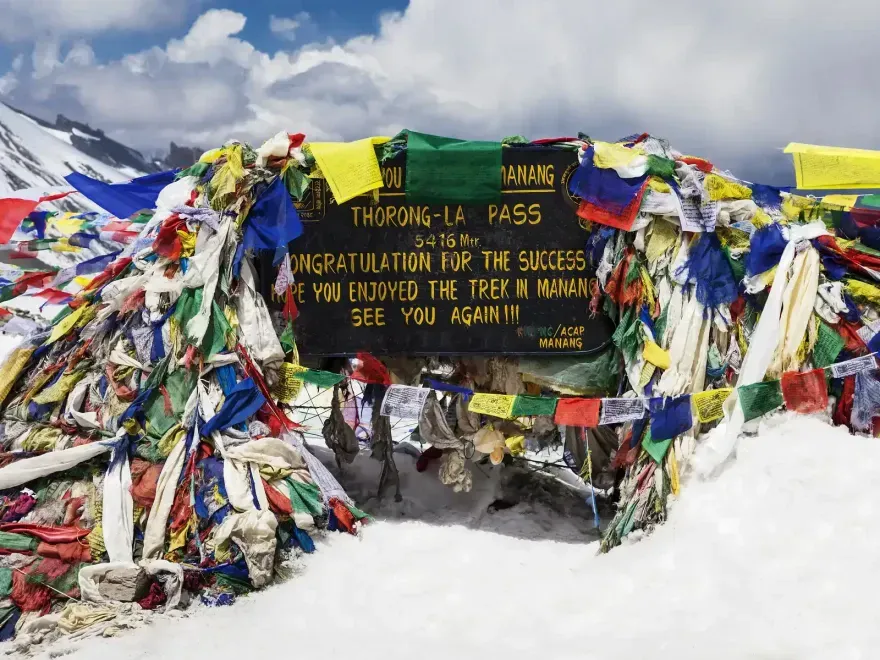
| No of people | Price per person |
|---|---|
| 1 - 1 | $1,230 |
| 2 - 4 | $985 |
| 6 - 10 | $935 |
| 12 - 16 | $885 |
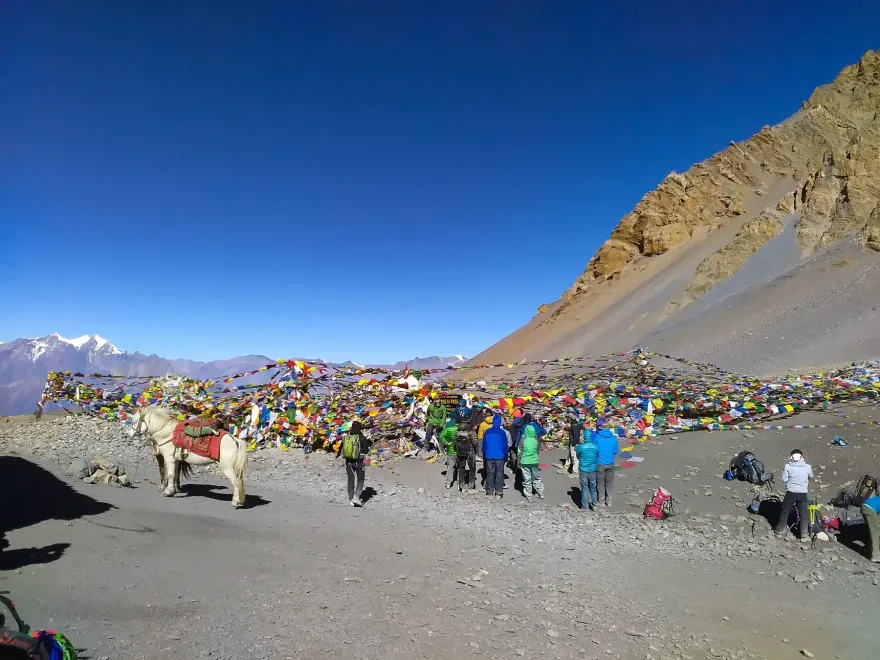
| No of people | Price per person |
|---|---|
| 1 - 1 | $888 |
| 2 - 4 | $695 |
| 6 - 10 | $655 |
| 12 - 16 | $595 |
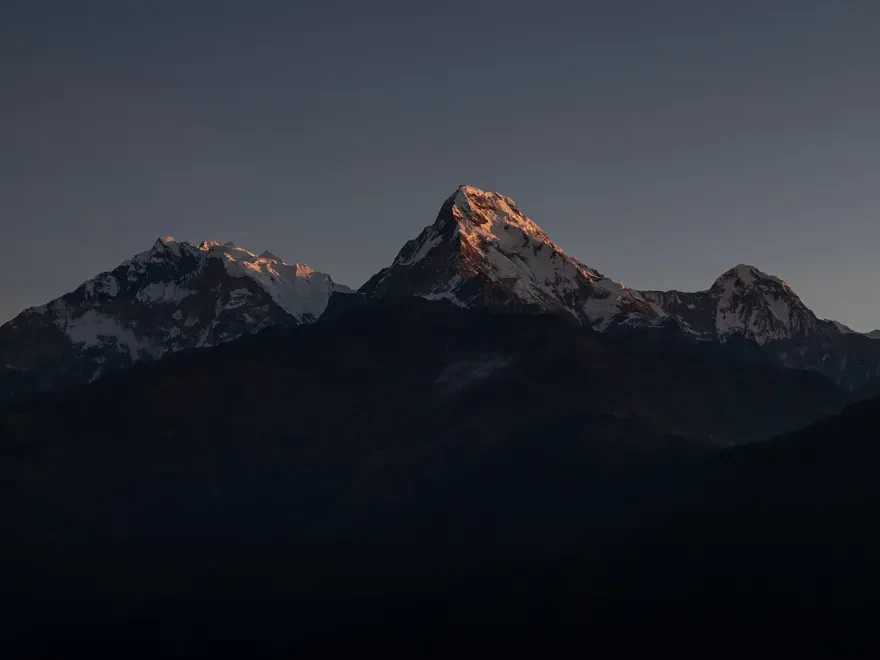
| No of people | Price per person |
|---|---|
| 1 - 1 | $1,985 |
| 2 - 2 | $985 |
| 4 - 4 | $755 |
| 6 - 6 | $685 |