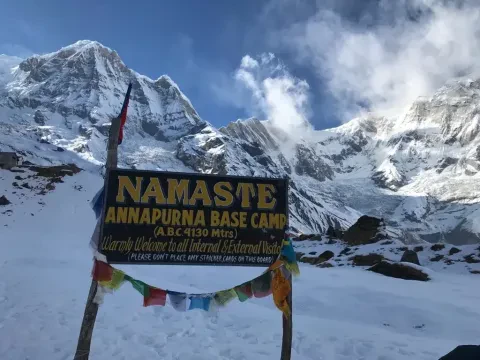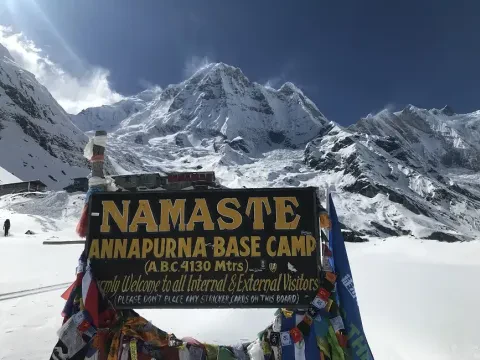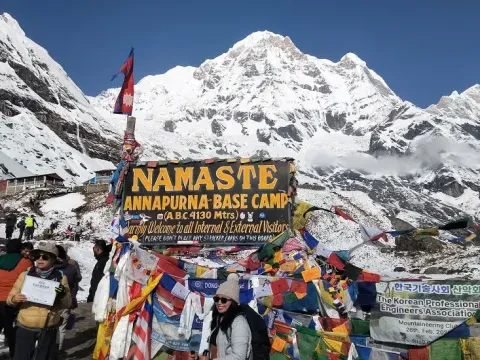
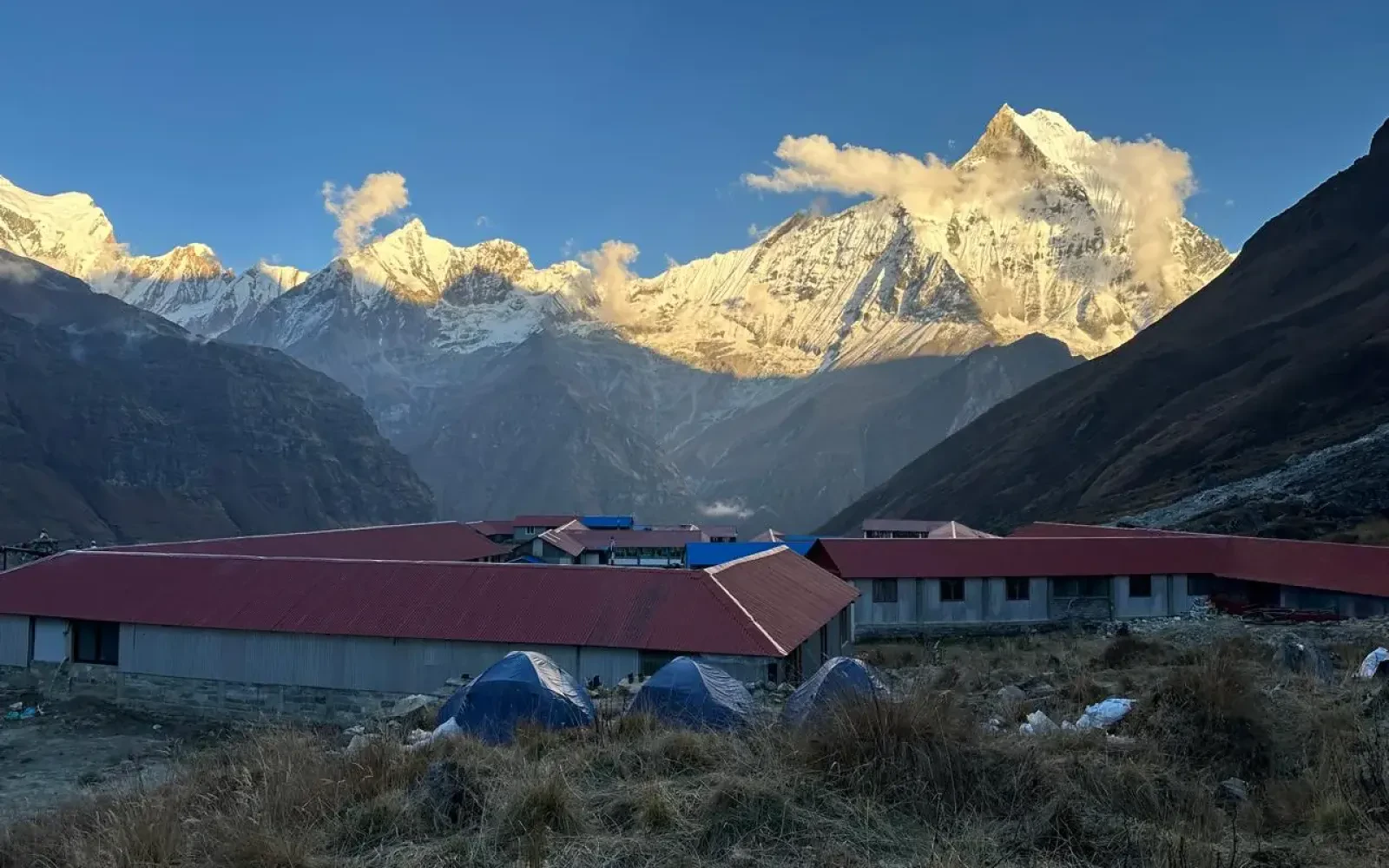
If you’re planning for big adventure in Nepal, the Annapurna Base Camp Trek is hard to beat. It’s a classic for a reason. The trail weaves through thick forests and open, grassy meadows, then suddenly you’re standing in the shadow of massive Himalayan peaks. That rush you feel? Yeah, it’s real — you’re right up close with some of the world’s tallest mountains, no ropes or ice axes needed.
Actually, most people kick off ABC Trek in Pokhara, a laid-back lakeside city at 825 meters (2,707 feet). From there, you drive up to Klue at 1,800 meters (5,906 feet), and the real trekking begins. Ghandruk comes next, perched at 2,000 meters (6,562 feet), and this is where the Gurung culture really shines. Moving on, you’ll pass through Chhomrong (2,200 meters/7,218 feet), then Bamboo (2,300 meters/7,546 feet), and keep climbing until you hit Deurali at 3,200 meters (10,499 feet). Altitude starts to get serious here, so you’ll slow down and let your body catch up. The final push takes you to Machhapuchhre Base Camp (3,700 meters/12,139 feet) and finally, Annapurna Base Camp itself at 4,130 meters (13,550 feet).
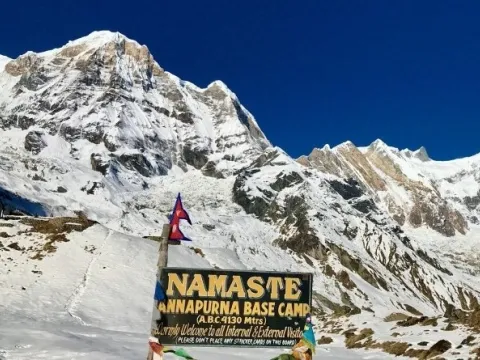
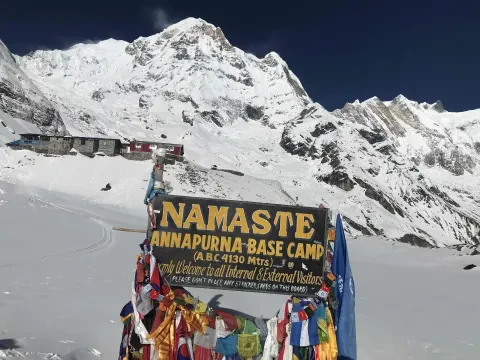
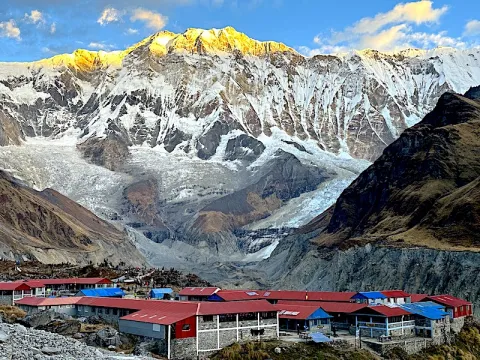
Once you’re up there, it’s wild. Annapurna I looms at 8,091 meters (26,545 feet), and the iconic Machhapuchhre — the Fishtail — stands at 6,993 meters (22,943 feet). You’re surrounded on all sides by these giants, so it’s no surprise everyone’s snapping photos left and right. The whole trek runs through the Annapurna Conservation Area, so you’ll spot all sorts of birds and wildlife, and if you come during spring, rhododendrons explode in pink and red all over the hillsides.
Here, speaking of spring — March is pretty much perfect for Annapurna trek. The skies clear up, giving you killer views all day. Down low, it’s a comfy 10°C to 20°C (50°F to 68°F), but at higher camps, nights dip to -5°C (23°F). Sometimes there’s snow on the peaks, but the trails usually stay open and dry. And the rhododendrons? They’re everywhere. Crowds aren’t bad either, so you get plenty of quiet moments to soak it all in.
What really makes this trek stand out, though, is the mix of nature and culture. You’ll meet Gurung and Magar families, swap stories, maybe share a meal or two. There’s a hot spring at Jhinu that’s perfect for soaking tired legs, and if you catch sunrise on the peaks, the mountains glow gold and pink. The trek isn’t crazy difficult, so even first-timers can handle it — but don’t expect it to be a walk in the park.
Here’s what you get with the Annapurna Base Camp Trek:
In fact, the Annapurna Base Camp trek usually takes about nine days and covers around 70 kilometers. You start with a quick drive from Pokhara, and then it’s mostly hiking, with daily distances ranging from 7 to 13 kilometers. The path takes you up, then back down, and wraps up with a drive back to Pokhara.
Sample 9-Day Itinerary :
Most importantly, safety always comes first up here. Guides keep an eye out for altitude sickness and changing weather. Most trekkers acclimatize slowly, carry solid insurance, and pack the right gear. March is the sweet spot — so if you’re ready for a real adventure and some unforgettable stories, this is the time to go.
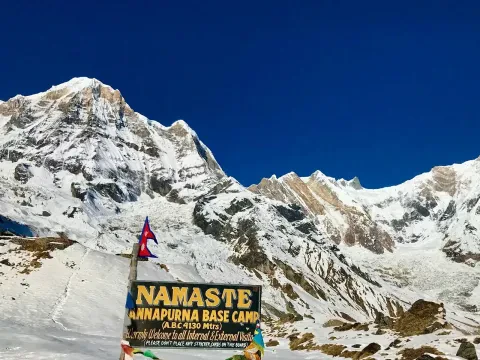
Actually, there’s something special about March in the Annapurna Himalayas. The whole region starts to wake up from winter, and trekkers know this is when Annapurna Base Camp is at its best. Most days bring sharp, clear skies, so you get those jaw-dropping views of Annapurna I and Machhapuchhre without any haze blocking your camera lens. The temperatures during the day feel just right for long hikes—not too hot, not too cold. Sure, nights get chilly, but that’s just an excuse to savor a hot meal and layer up by the fire. And you won’t have to jostle for space on the trails, either. Compared to the crowds of April and May, March feels calm and unhurried, which makes it easier to connect with the mountains and the people who live there.
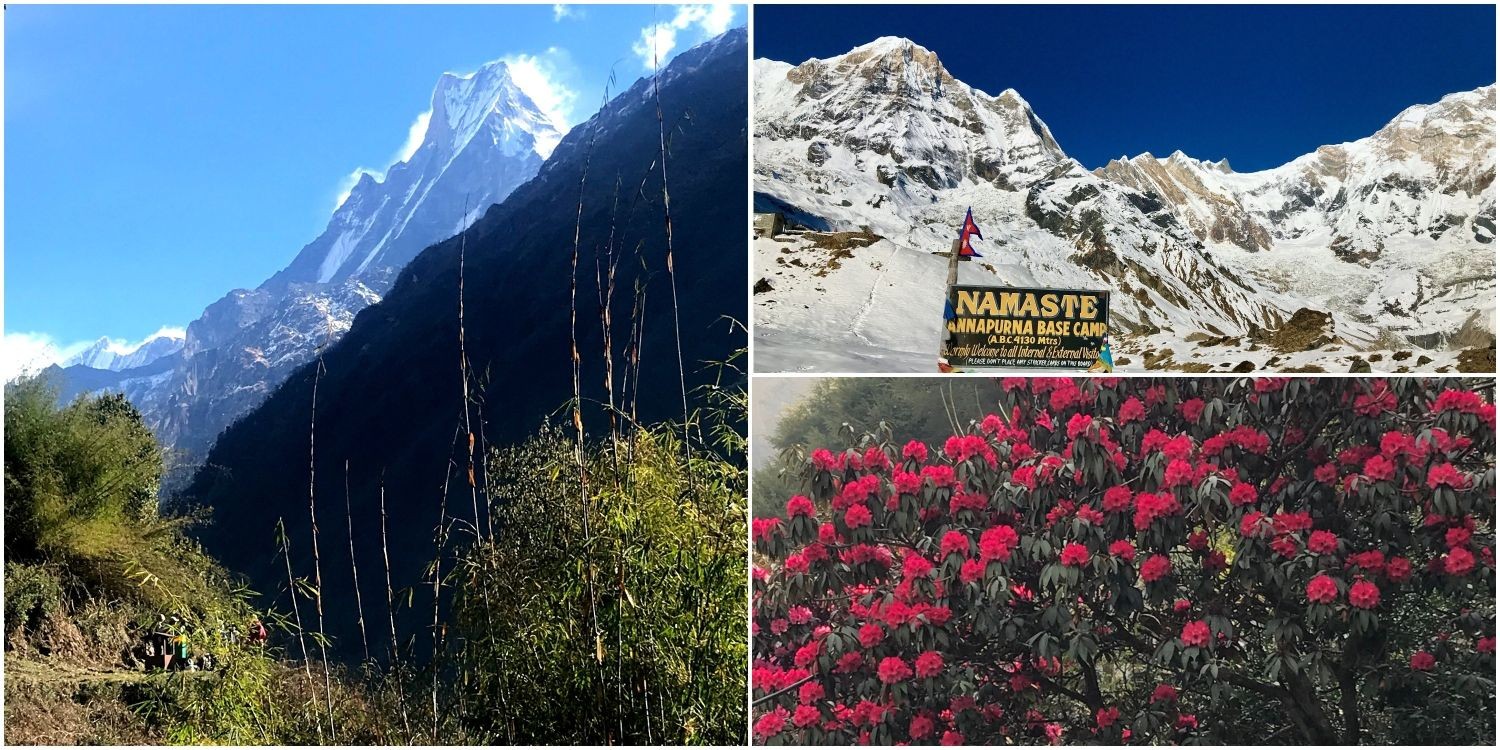
In fact, March also marks that sweet spot when winter starts to loosen its grip, but spring hasn’t fully taken over yet. Lower sections shed their snow while higher stretches keep just enough white to look magical—never so much that you can’t get through. Rain hardly ever shows up, and if you do run into a few snowflakes higher up, they just add to the experience. Then there are the rhododendrons. By mid-March, forests light up with bursts of pink and red, turning the trek into a living art show. The air stays crisp, so every sunrise feels like a postcard, with golden light painting the peaks.
Actually, weather in March really works in your favor. If you’re new to trekking, you’ll appreciate the moderate daytime temperatures (10°C to 20°C at lower elevations), and even the nights up at Annapurna Base Camp, while cold, are no big deal if you’re prepared. Trails dry out fast after any early melt, so you won’t be slogging through mud. The whole vibe is adventurous but never overwhelming.
Another bonus? March sometimes lines up with cultural celebrations like Holi. Catching a local festival along the way adds a whole new layer to your journey. Lodges and teahouses swing back into full operation after winter, so you’ll get a warm welcome and a hot meal at the end of each day. With fewer people around, it’s easier to strike up real conversations with Gurung villagers and actually get to know the place. All in all, March gives you the Himalayas at their most beautiful without the chaos of peak season.
Why Trek in March? Here’s What Stands Out:
But don’t get careless—pack solid layers for those cold nights, especially around Deurali and Machhapuchhre Base Camp, where frost is common. It pays to keep an eye on the weather, since the odd afternoon mist can roll in. Local guides know the routes and will help you navigate any leftover snow.
Moreover, March really is when Annapurna comes alive—fresh, peaceful, and just a little wild. Make your plans, stay open to the unexpected, and soak it all in. For anyone heading out now, the rewards are unforgettable.
| Altitude | Day | Night | Rain | Trail |
|---|---|---|
| Lower (Ghandruk, 2,000 m / 6,562 ft) | 12–20°C (54–68°F) | 5–10°C (41–50°F) | Almost none | Dry, clear. |
| Mid (Deurali, 3,200 m / 10,499 ft) | 8–15°C (46–59°F) | 0–5°C (32–41°F) | Barely any, maybe a little mist | Mostly dry, a bit of melting snow. |
| High (ABC, 4,130 m / 13,550 ft) | 0–8°C (32–46°F) | -5 to -10°C (23–14°F) | Low, some light snow possible | Passable, some snowy patches. |
Go for it—March brings out the best in the Annapurna region. With a little planning and a sense of adventure, you’ll experience the Himalayas at their purest.
Meanwhile, March on the Annapurna Base Camp trek feels like waking up after a long winter nap—days start to warm, but you still get that bite of cold in the air, especially at night. The weather settles into a steady groove, so most days are comfortable for hiking. Sunlight warms up the trail, and as long as you've got a few layers, the colder nights are no big deal. Rain barely makes an appearance in March, so the paths stay solid and dry under your boots. The skies? Just about as clear as they get. You can see all the way to those distant Himalayan peaks—no haze in sight.
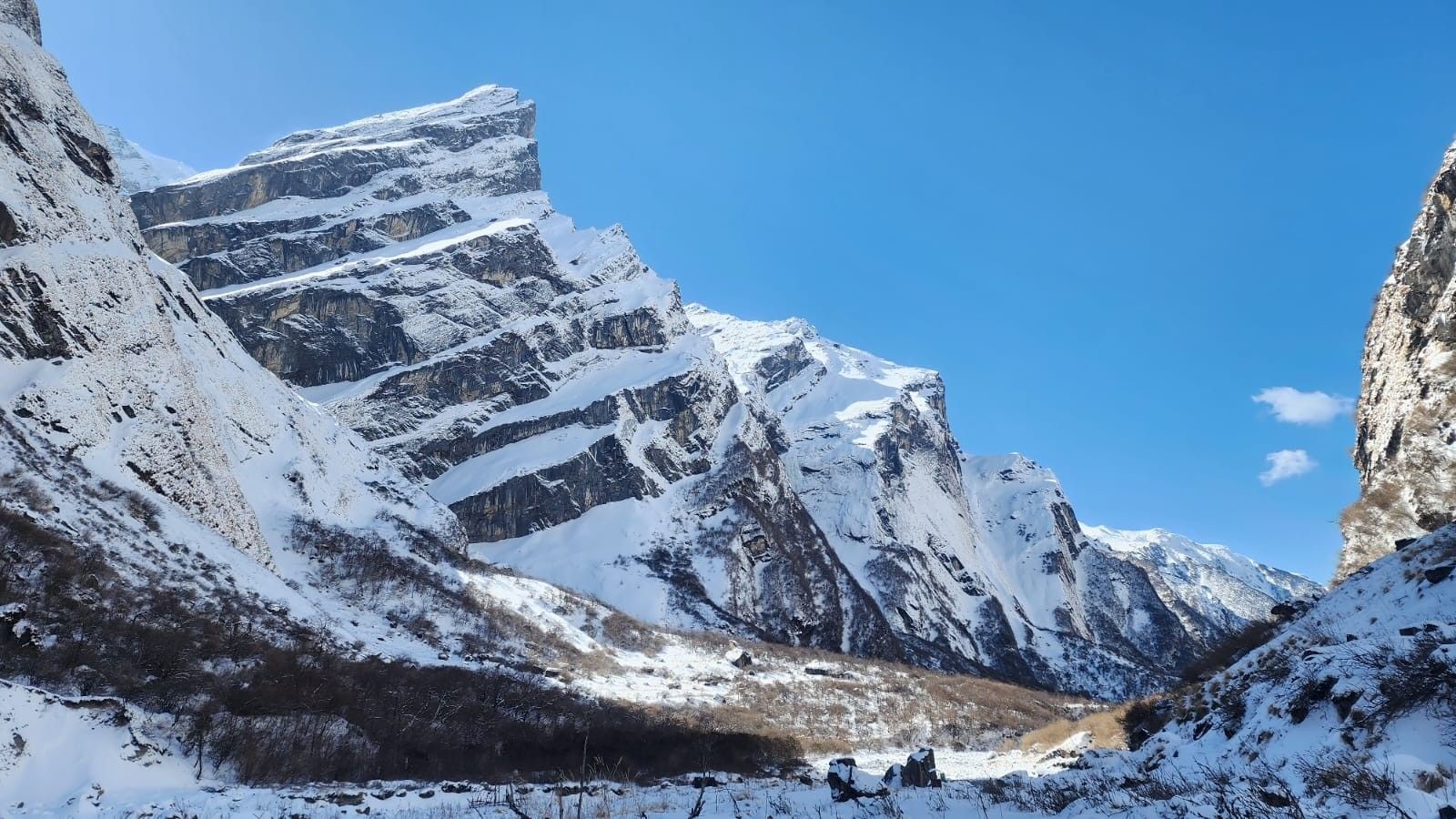
Similarly, temperature swings a lot with altitude. Down low, you might even forget it’s early spring, but up at the higher camps, you’ll definitely notice the chill. Valleys get nice and toasty during the day, while the summits keep their cool, even with the sun out. Most trekkers start the morning bundled up, then shed layers as the sun gets higher. Early March can hang on to a bit of winter, but by the end of the month, you feel that shift—snow melts, and the days stretch a little longer. All in all, March sets you up for solid, steady progress toward Annapurna Base Camp at 4,130 meters (13,550 feet).
Moreover, rainfall stays on the sidelines this month. The air’s dry, and showers are rare, especially before monsoon season. Down in places like Pokhara (825 meters / 2,707 feet), you might get a sprinkle, but nothing that causes trouble. Higher up, above Ghandruk (2,000 meters / 6,562 feet), trails stay mostly bone-dry. Sometimes you’ll run into a quick flurry or a patch of mist, but it clears out fast. Pack a light rain jacket if you want to play it safe, but honestly, you probably won’t use it.
One of the real perks of March? Visibility. You wake up to crisp, wide-open views—Annapurna I at 8,091 meters (26,545 feet), Machhapuchhre at 6,993 meters (22,943 feet), all standing sharp against the sky. Clouds might roll in during the afternoon, but they don’t usually hide the big peaks for long. If you’re into photography, you’ll love the clear mornings and that golden alpenglow. Plus, the clear air makes the route easier to follow and helps you spot any changes in the weather early.
March Temperature Expectations by Altitude :
Likewise, weather sometimes throws a little curveball year to year, so check the latest forecast before you set out. Local guides keep a close eye on conditions and adjust the pace if it suddenly gets colder. Even when the air feels cool, drink plenty of water, and don’t forget sunscreen—UV hits harder at altitude. Go with the flow, and March treats you to some of the best trekking weather the Himalayas have to offer.
| Location | Altitude | Daytime Temperature | Nighttime Temperature | Rainfall Expectation | Visibility Level |
|---|---|---|
| Pokhara | (825 m / 2,707 ft) | 18–25°C (64–77°F) | 8–12°C (46–54°F) | Very low (~45–60 mm total) | Good to excellent |
| Ghandruk / Chhomrong | (2,000–2,200 m / 6,562–7,218 ft) | 12–20°C (54–68°F) | 5–10°C (41–50°F) | Minimal, rare showers | Excellent mornings |
| Deurali | (3,200 m / 10,499 ft) | 8–15°C (46–59°F) | 0–5°C (32–41°F) | Low, possible mist | Very good, clear peaks |
| Annapurna Base Camp | (4,130 m / 13,550 ft) | 0–8°C (32–46°F) | -5 to -10°C (23–14°F) | Very low, occasional light snow | Outstanding on clear days |
So, get ready for some of the most rewarding trekking weather you’ll find all year. Bring the right gear, pay attention to local tips, and soak up those crisp, clear mornings. March really shows you the best side of the Himalayas.
Start the Annapurna Base Camp trek in Pokhara and you’re jumping into one of Nepal’s most beautiful adventures. The path climbs out of the city, winding through villages, forests, and deep valleys, always pulling you closer to that hidden mountain sanctuary. Most people hop in a jeep or catch a short drive to trailheads like Nayapul or Siwai, so you hit the trail with fresh legs. The climb kicks off gently, but don’t be fooled—there are plenty of steep stretches ahead to keep things interesting. Along the way, you’ll wander through Gurung villages, pass under blooming rhododendrons, and eventually enter the jaw-dropping amphitheater of the Annapurna peaks. Stick with it and you’ll get a front-row seat to the real Himalayas.
Meanwhile, the full journey covers about 70 to 80 kilometers each way, so round-trip you’re looking at 140 to 160 kilometers, depending on your starting point and any detours. You’ll climb more than 3,000 meters overall, but the ascent comes in waves, which helps your body keep up. Teahouses dot the route—perfect for grabbing a meal, warming up, or just catching your breath. Cross suspension bridges stretched over roaring rivers, and don’t forget your permits; you’ll enter the Annapurna Conservation Area early in the trek, and the checks are straightforward. As you climb higher, the landscape shifts—first subtropical, then giving way to open alpine meadows and crisp mountain air.
Actually, most people stick to the classic route through Chhomrong and Bamboo, with its steady supply of teahouses and killer views. If you’re short on time, there are shortcuts—like the one through Jhinu Danda—but honestly, stretching it out gives you more time to soak it all in. Expect to walk five to seven hours a day, with daily distances ranging from seven to thirteen kilometers. Lower down, you’ll be climbing endless stone steps; higher up, the trail gets rocky and wild. Acclimatization is huge here—spend your nights at strategic spots to avoid altitude issues before making that final push. At the top, Annapurna Base Camp sits at 4,130 meters (13,550 feet), surrounded by a 360-degree wall of peaks. It’s a view that sticks with you.
In fact, the whole way, Machhapuchhre—the sacred fishtail mountain at 6,993 meters (22,943 feet)—steals the show with its sharp, unclimbed summit. Annapurna I, at 8,091 meters (26,545 feet), waits at the end, massive and unforgettable. Waterfalls, thick bamboo forests, and the occasional flash of wildlife keep things lively. In March, the trail stays mostly dry, though you’ll still find snow above Deurali at 3,200 meters (10,499 feet). Guides know the route inside and out, and the trek’s popularity means you’re never far from help or company.
Key Stops and Elevations on the ABC Trail :
Most importantly, the climb demands respect for altitude. Go high during the day, but drop lower to sleep when you can. On the way down, you’ll retrace your steps, but the descent brings fresh views and some relief for tired legs. Stay hydrated, pace yourself, and if you get the chance, soak in the hot springs at lower elevations—they’re a reward in themselves. The rhythm of the trail pulls you along, step by step, until finally, you round that last bend and the base camp opens up in front of you.
Detailed Day-by-Day Route Overview (Standard 7-9 Day Version from Pokhara) :
In the end, the ABC trail in March gives you a mix of culture, wild scenery, and raw mountain energy—there’s nothing else like it. Lace up your boots, keep your eyes open, and get ready for the kind of journey that sticks with you long after you’re back home.
Dive into the Annapurna Base Camp trek and you’ll find this wild mix of culture, jaw-dropping scenery, and raw, untamed nature at every step. It’s not just a trail—it’s a full-on experience. Right from the start, those iconic Himalayan peaks are right in your face, making the whole journey feel epic. The villages along the way welcome you in, and if you’re trekking in March, the hills pop with color from the blooming flowers. Forests and hot springs break up the climb, giving you a chance to relax. But really, it all builds up to that final reward: the sanctuary at base camp. That’s what puts ABC on so many bucket lists.
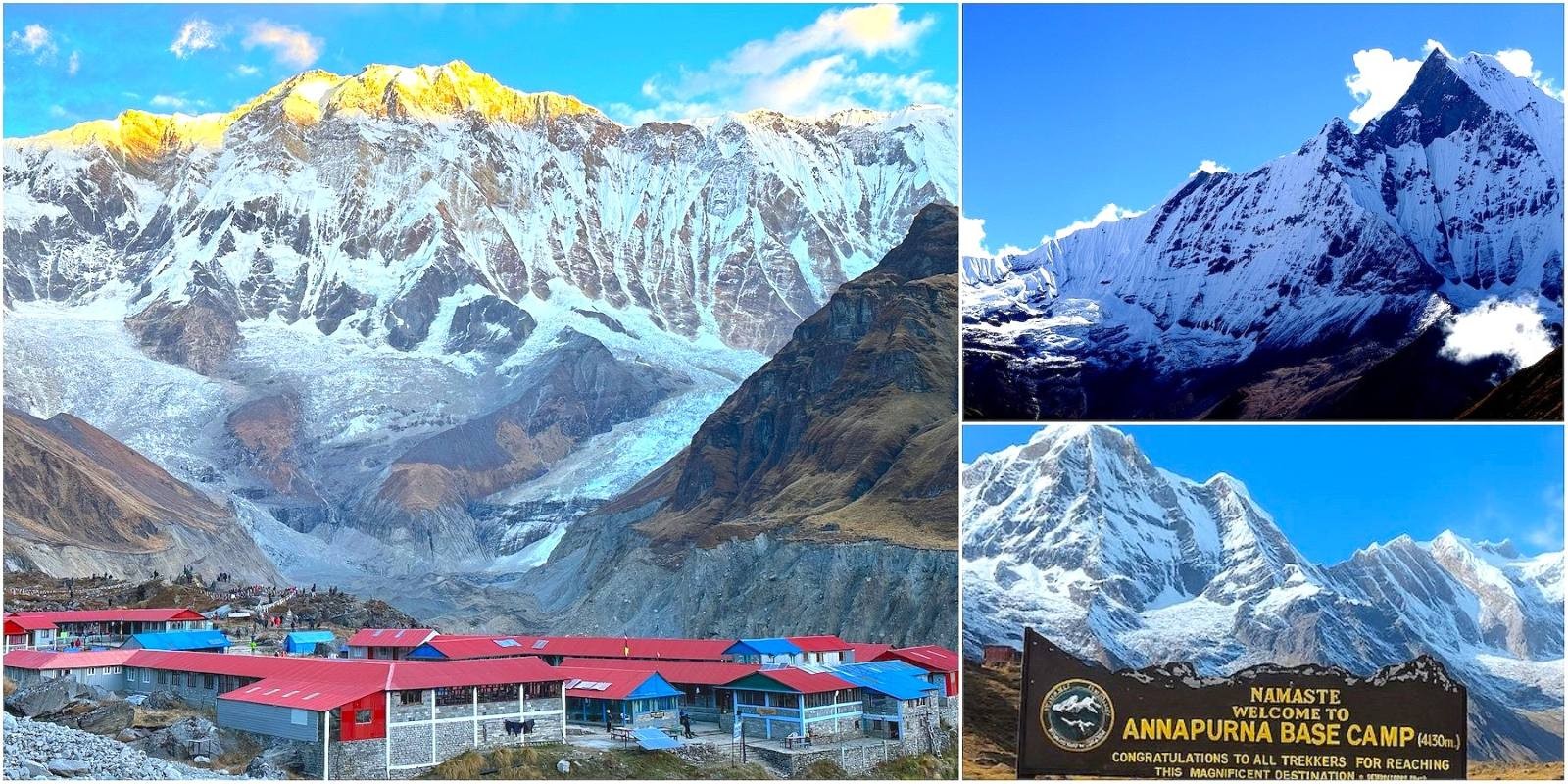
Meanwhile, the views just keep coming, each one better than the last, pulling you closer to that dramatic finish. Early on, you spot Machhapuchhre—Fishtail—rising at nearly 7,000 meters. It’s the sacred guardian of the valley, impossible to ignore, and you’ll find yourself grabbing your camera again and again as Annapurna South and Hiunchuli come into view. Once you hit base camp at 4,130 meters, you’re right in the middle of a 360-degree arena of giants—Annapurna I towers above it all at over 8,000 meters. If you’re up at sunrise, the mountains glow gold in the alpenglow, and in March, the skies are usually crystal clear. Every moment feels like a postcard.
Likewise, the villages are something else, too. It’s not just about the landscape—Gurung and Magar heritage runs deep here, and you feel it. Ghandruk sits at 2,000 meters with its stone houses and terraced fields, backed by snow peaks. Chhomrong, a bit higher up, is the biggest village on the route, with steep stairs and killer views that tease what’s coming. Locals wave you in, share stories, and serve up homemade dal bhat while prayer flags flutter overhead. These stops aren’t just for catching your breath—they’re what make Himalayan trekking real.
Moreover, nature keeps changing as you climb. In March, rhododendrons explode in pink and red, turning the trails into floral tunnels. Bamboo forests and waterfalls pop up as you get close to Bamboo village at 2,300 meters, and the soothing sound of water follows you for a while. This is all inside the Annapurna Conservation Area, so keep an eye out for birds and maybe even a troop of langur monkeys. Then there’s Jhinu Danda’s hot springs—perfect for soaking sore muscles after days on the trail.
Must-See Views and Panoramas :
In fact, you get the most out of these highlights by slowing down and really taking them in. March is prime time—the colors are brighter, and the skies are clearer. Guides know where to find those hidden viewpoints, but it’s your own reflections that make the trek personal. The real magic is in the variety and how accessible everything feels.
Top Villages and Natural Wonders :
In the end, these are the moments and places that define the ABC trek: warm villages, stunning nature, and that overwhelming feeling of standing small beneath the mountains. March just makes everything pop. Stay present, soak it in, and let Annapurna work its magic on you.
If you’re trekking to Annapurna Base Camp in March, you’ll end up relying on teahouses every night. These family-run lodges give you a real taste of mountain life—think simple rooms, filling home-cooked meals, and a warm stove in the common area where everyone gathers. Evenings get pretty social; it’s easy to swap stories with other trekkers while you thaw out by the fire. Down in the lower villages, things feel a bit more comfortable, but as you climb, the focus shifts to just getting a bed and some rest. Once March rolls around, most teahouses open back up after the winter, and the crowds are still manageable. So you get the adventure, the scenery, and the local vibe, all without breaking the bank or getting distracted by luxury.
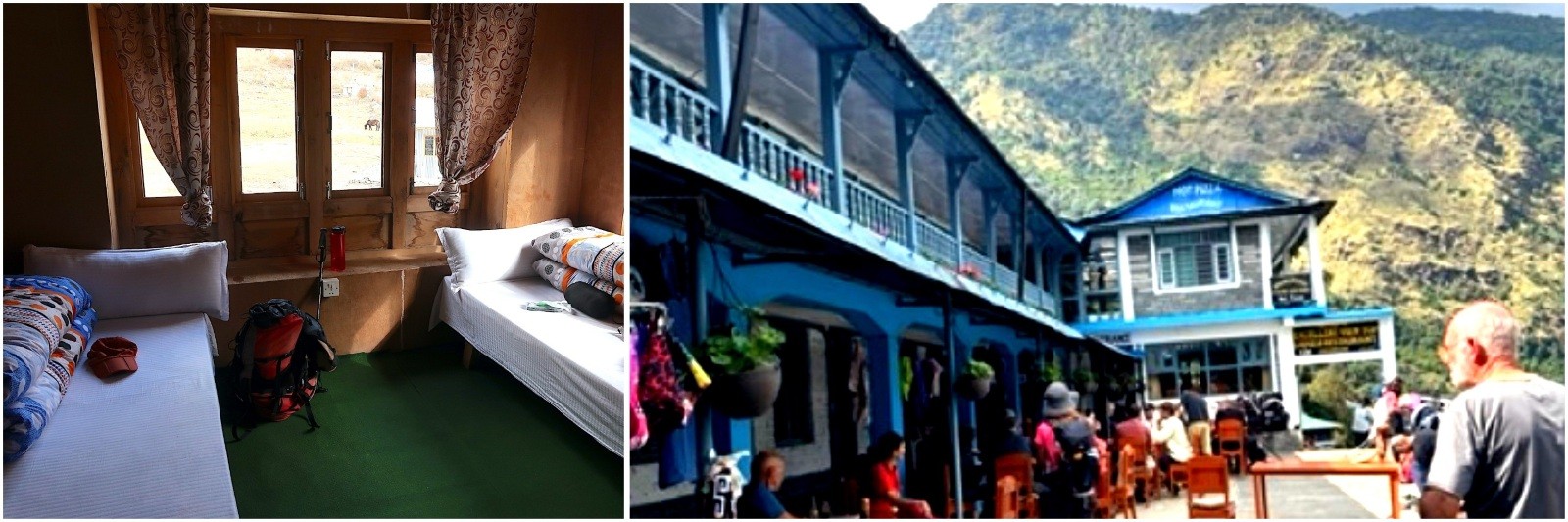
Actually, rooms are basic—usually two beds with a thin mattress, a pillow, and a blanket. Nights get cold, so bring a sleeping bag liner for extra warmth. You’ll be sharing bathrooms, and they’re a mix of squat and Western toilets. Hot showers are around, but you’ll pay extra, especially as you go higher. Lower villages like Ghandruk (2,000 meters) and Chhomrong (2,200 meters) sometimes have attached bathrooms, but up at places like Deurali (3,200 meters) or Base Camp itself (4,130 meters), you’re looking at fewer options and more basic comforts. Charging your phone costs a little extra, and Wi-Fi is hit-or-miss, slow, and never free.
Likewise, teahouses double as dining halls. Most trekkers eat where they sleep, which supports the family running the place and usually gets you a better deal on the room. The food along ABC Trails is simple but hearty—dal bhat, noodles, soup, pancakes—just what you need for a long day on the trail. As you climb higher, prices creep up because porters carry everything in. Expect to pay NPR 500-1,000 per night in the lower villages, a bit more (up to NPR 1,500) the higher you go. March is a good time: everything’s open, there are flowers everywhere, and the evenings feel extra special.
When it comes to booking, it really depends on your style. If you’re trekking independently, just get to your next stop early and you’ll probably find a bed, since March isn’t peak season yet. If you’re with a guide or a group, their agency usually reserves rooms ahead of time, so you can relax. It’s smart to stay flexible and plan to arrive early at remote spots like Machhapuchhre Base Camp (3,700 meters), where beds are limited. And always eat at your lodge—if you don’t, some places tack on a surcharge for your room.
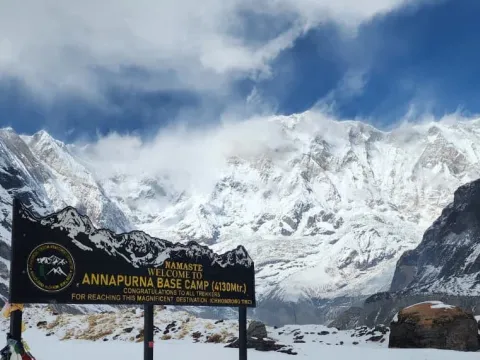
Key Teahouse Features by Altitude :
Here, you’ll notice some quirks. Thin walls mean you hear your neighbors, and even inside, nights get cold, so pack layers. March is dry, so there’s less mold and dampness to worry about. Guides usually know the best spots, and the locals genuinely make you feel welcome. The simplicity of it all becomes part of the charm—you’ll probably end up loving it.
Accommodation Overview for Key Stops :
In the end, these teahouses connect you to the Gurung communities and the heart of the trail. Bring earplugs and a little patience, always eat at your lodge, and enjoy those cozy evenings under the Himalayan stars. In March, finding a bed isn’t too tough, so you can just focus on the adventure.
Here, you’ll eat well on the Annapurna Base Camp trek. Every day, teahouses dish up filling meals—fresh, sometimes simple, but always packed with calories to keep you moving. The menus stick to what works: foods that fight off cold and fatigue. Most of the time, you’ll see traditional Nepali food. But if you’re craving something different, you’ll spot a few international options too. March brings cool weather, so expect plenty of hot, comforting plates. And don’t forget water—between the altitude and all that hiking, staying hydrated is non-negotiable.

Meanwhile, Dal bhat is the real hero here. It shows up everywhere, always with piles of rice, a bowl of lentil soup, fresh veggies, pickles, and sometimes a crispy papad. It’s balanced: carbs, protein, vitamins, all in one. Most trekkers eat it twice a day, and the best part? Unlimited refills at most lodges. Locals like to say, “dal bhat power, 24 hour”—and honestly, it’s true. In lower villages like Ghandruk (2,000 meters) and Chhomrong (2,200 meters), you’ll find more variety, but as you climb, the menus get simpler.
Mainly, breakfasts set you up for the day. You get to pick: porridge, pancakes, Tibetan bread with jam, eggs, chapati, or muesli. Snacks? There’s fried rice, chow mein, pasta, momos (those tasty veggie dumplings), soups, and thukpa noodle bowls. Just a heads up: the higher you go, the pricier the food. Hauling supplies up the mountain isn’t easy. Down lower, a main dish costs around NPR 400-800, but near Annapurna Base Camp (4,130 meters), you’ll pay NPR 700-1,500. And above Chhomrong, steer clear of meat—there’s no reliable refrigeration, and nobody wants a stomach bug at altitude.
Dietary needs? No problem. Vegetarians do great here. Vegans just need to ask for no dairy, eggs, ghee, or honey—teahouse cooks are used to it and can whip up veggie curries, dal, rice, and noodles without a fuss. If you’re gluten-free, rice-based dishes are easy to find, but double-check the ingredients just in case. Also, bring snacks from Pokhara: energy bars, nuts, dried fruit, even chocolate. They’ll boost your energy between meals, and they’re way cheaper down in town.
Popular Food Options on the ABC Trail :
In fact, food hygiene is usually solid. Meals are cooked fresh and served hot. For water, always stick to boiled or filtered—fill up your reusable bottle often, and use purification tablets if you need to. You’ll want to drink 3-4 liters a day to keep headaches and altitude sickness at bay. Go easy on caffeine and alcohol—they just make you lose more fluids. Guides will remind you: keep sipping. It really helps.
| Aspect | Recommendation | Why It Matters | Notes for March |
|---|---|---|
| Daily Water Intake | 3-4 liters of boiled/treated water | Stops dehydration and altitude sickness | Cold, dry air means you need more—carry a bottle. |
| Best Hydration Drinks | Ginger tea, lemon tea, boiled water | Warms you up, helps you acclimatize | Skip extra coffee and booze. |
| Vegetarian/Vegan Availability | High—dal bhat, veg curries, momos | Safe, fresh, easy to find | For vegans, just say “no dairy/eggs”. |
| Meat Caution | Don’t eat meat above Chhomrong (2,200 m) | No refrigeration—meat can make you sick | Stick with veg dishes. |
| Snacks to Bring | Energy bars, nuts, dried fruit, chocolate | Quick energy between meals | Stock up in Pokhara—cheaper and more choice. |
Most importantly, trail food is part of the adventure. Meals bring everyone together—trekkers and locals—over big steaming plates. Eat well, drink plenty, and don’t be shy about ordering extra. In March, every hot meal feels even better, so enjoy it on your way to Annapurna Base Camp.
Before you set off for Annapurna Base Camp, make sure you’ve sorted your permits. Checkpoints along the trail don’t mess around—they’ll ask for your documents, so you want everything ready before you go. The big one is the Annapurna Conservation Area Permit (ACAP). Almost everyone needs this, and it’s where most of your attention should go. TIMS requirements have changed a bit lately, but ACAP is still the backbone for access and conservation funding. March is prime trekking season, and permit offices in Kathmandu and Pokhara keep regular weekday hours. Get your paperwork done early so nothing slows you down at the start of the trek.
Actually, ACAP gives you access to the whole protected area. The fee helps keep the trails in shape, protects wildlife, and funds local projects. For most foreigners, it’s NPR 3,000 (about $25), and for trekkers from SAARC countries, it’s NPR 1,000 (about $9). Kids under 10 go free, which is a nice bonus for families. The permit covers your entire trek, as long as you don’t exit and re-enter the area. One permit is all you need for Annapurna Base Camp at 4,130 meters.
Moreover, TIMS (Trekkers’ Information Management System) is a little trickier. Rules changed in 2023, and now many say you don’t need TIMS for Annapurna anymore. ACAP already covers the essentials. But there’s still some mixed info out there—some agencies include TIMS for guided groups, usually for safety tracking. If you do need it, it’s NPR 2,000 (about $17) for individuals and sometimes less through agencies. Independent trekkers often skip TIMS now, but always double-check with the Nepal Tourism Board just to be sure.
In fact, getting the permits for Annapurna Base Camp Trek is pretty straightforward if you have your docs ready. Head to the Nepal Tourism Board office in Kathmandu or Pokhara between 10 AM and 5 PM on weekdays. Bring a few passport copies, two passport-sized photos, and cash in Nepalese rupees. If you’re trekking with a guide or agency, they’ll handle it for you, so you barely have to lift a finger. For most people starting the ABC trek, Pokhara is the easiest spot to grab your permits—the office is right by the lakeside, close to where the trails begin.
Key Permits for Annapurna Base Camp Trek :
Most importantly, don’t forget to double-check your paperwork. Missing something can slow you down at the permit office. Keep physical and digital copies handy, and be ready to show them at checkpoints like Nayapul or Birethanti. March brings plenty of trekkers, but crowds aren’t overwhelming. Get to the office early to dodge any lines. Agencies make the process even easier, which is great if you’re new to trekking or just want a hassle-free start. Stick to the rules, and you help keep tourism in the Annapurna region sustainable.
| Permit Type | Who Needs It | Cost (Foreign Nationals) | Cost (SAARC) | Where to Get It | Processing Time | March Tips |
|---|---|---|
| ACAP (Annapurna Conservation Area Permit) | Everyone trekking in Annapurna | NPR 3,000 (~$25) | NPR 1,000 (~$9) | NTB Office Kathmandu/Pokhara, or agencies | Same day, about 1 hour | Pokhara is easiest for ABC; offices open regular hours. |
| TIMS (Trekkers’ Info Management System) | Usually not required since 2023 | NPR 2,000 (~$17) if needed | Reduced (NPR 600-1,000) | NTB or agencies if required | Same day | Check latest rules; most solo trekkers skip it. |
Bottom line: Get your permits before you hit the trail. They’re your ticket to Annapurna and help protect what makes the region special. Sort them in Pokhara if you can, ask your guide or agency about any updates, and keep your documents safe. With all that squared away, you’re free to enjoy everything March brings to the Annapurna Base Camp trek.
If you’re thinking about trekking to Annapurna Base Camp in March, hiring a licensed guide and porter really changes the whole experience. They handle the navigation, keep an eye on your health, and take care of logistics, so you get to focus on the mountains and the culture instead of stressing about the details. March is a busy month, but you can still find good guides if you go through a reliable agency. For solo trekkers, having this kind of support is a game-changer—remote trails and altitude aren’t things to tackle alone. Groups, on the other hand, get to split the cost, which makes things cheaper and way more social.
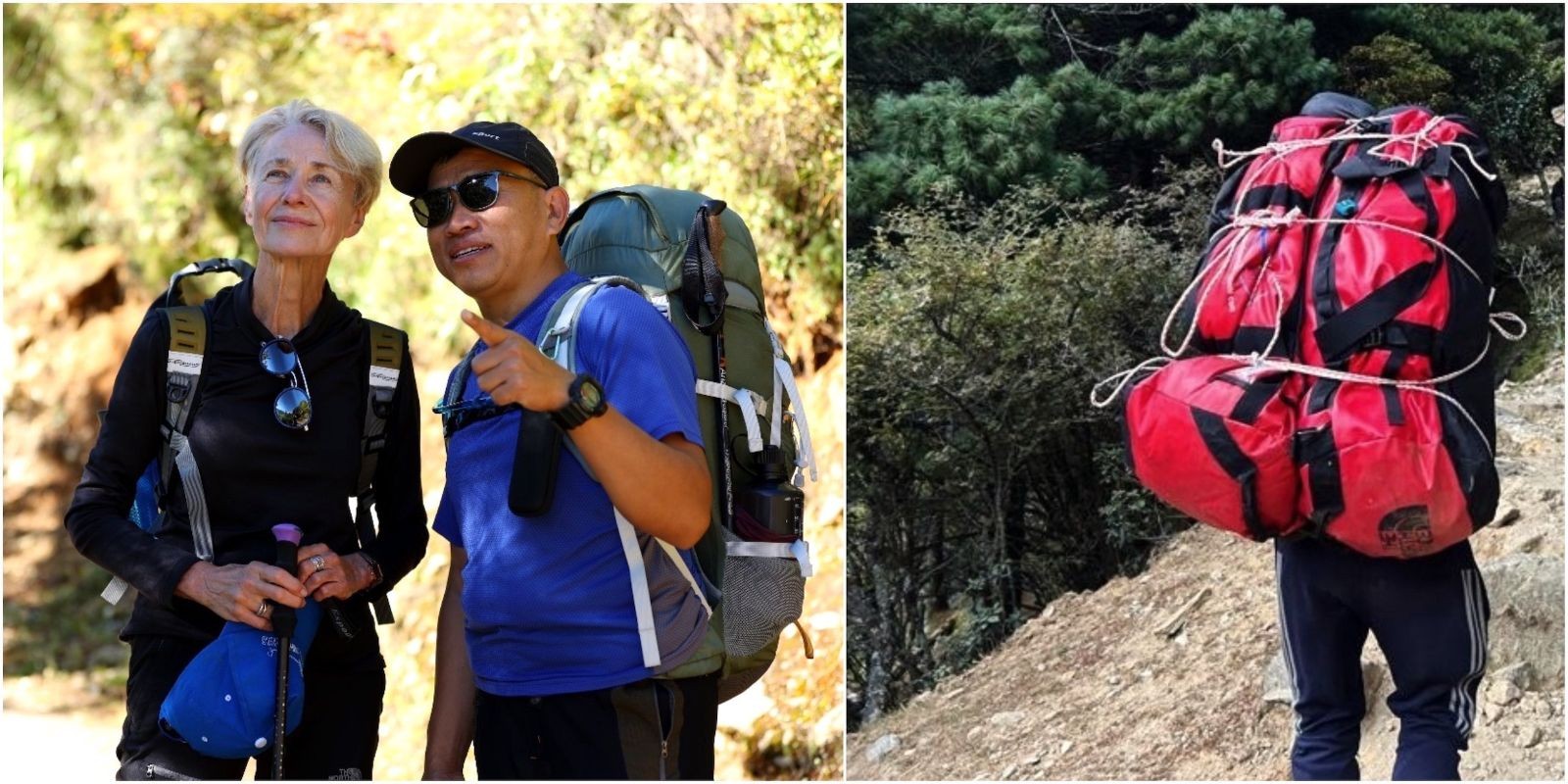
Actually, guides are your local experts. They know every turn, shortcut, and danger spot from the villages like Ghandruk (2,000 meters) all the way up to Base Camp (4,130 meters). They watch for signs of altitude sickness and know when to slow down or head back, so you stay safe. Plus, they bring the trek to life with stories about the Gurung culture, point out wildlife, and often score better deals at teahouses. Licensed guides always have insurance, which means if something goes wrong, you’re covered. March is clear but cold in the mornings, and guides know how to handle frozen trails and early starts.
Likewise, porters are the real heroes. They carry the heavy stuff—up to 20 or 25 kilos—so you only need a light daypack with your essentials. That keeps your knees and back happy, especially on the tougher stretches like Deurali (3,200 meters). Most porters are locals, so hiring them supports their families directly. Usually, one porter helps two trekkers, making it easy to share the cost if you’re not going solo. The trails in March are mostly dry, but if you run into gear trouble, porters always know what to do.
As for the cost, it’s pretty straightforward. Agencies in Pokhara or Kathmandu set the daily rates, which include food, accommodation, and insurance for the crew. No need to haggle at the trailhead. At the end, tipping is the norm and shows you appreciate their effort—there’s a standard range, and it’s worth it. If you’re trekking solo, you pay the full rate, but groups split everything and save. Always book through registered agencies and check their licenses. That way, you know you’re in good hands.
Here’s what you really get when you hire guides and porters :
Here, solo trekkers do pay more per person, so it’s smart to join a small group or hire a porter-guide combo if you want to save. Groups get the best deal—they split costs and have people to share the experience with. While you can try going without support, most experts say a guide or porter is the way to go, especially if you’re new to high altitude. Always double-check licenses and read reviews before you decide.
Estimated costs for Annapurna Base Camp Trek in March look like this :
Honestly, hiring a guide and porter just makes the trek smoother and more rewarding. Book with a trusted agency in Pokhara when you arrive, talk through your needs, and show your appreciation with a good tip at the end. In March, when conditions are clear but still chilly, having that support helps you reach Annapurna Base Camp safely and enjoy every step along the way.
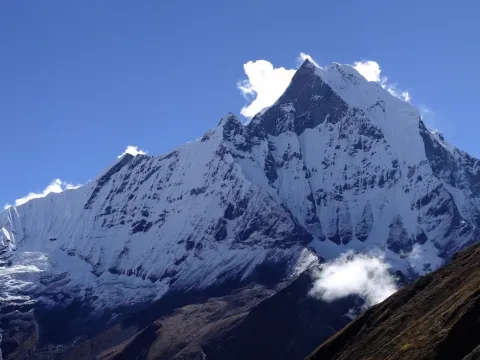
Meanwhile, safety comes first on the Annapurna Base Camp trek. The better you prepare, the more you enjoy the experience—and the less you worry about things going wrong. Altitude sickness is the main thing to watch out for, so acclimatization and knowing the warning signs aren’t optional; they’re essential. Guides stick to tried-and-true routines, and they don’t mess around with safety. March usually means clear skies and steady weather, but nights still get cold, and the altitude climbs fast, so you need to stay alert. Emergency procedures are in place, and simple health precautions can stop small problems from turning into big ones.
To keep altitude sickness (AMS) at bay, take it slow as you go higher—your body needs time to get used to the thin air above 2,500 meters (8,202 feet). Don’t try to climb more than 500 meters (1,640 feet) in sleeping elevation each day once you’re past Chhomrong at 2,200 meters (7,218 feet). Stick to the “climb high, sleep low” rule: hike up to higher spots during the day, but come down to lower elevations at night. Drink plenty of water—at least 3 to 4 liters a day—and hold off on alcohol and intense activity at first. Watch for early symptoms: headaches, nausea, dizziness, feeling wiped out. If those get worse, don’t push through. Head downhill right away—descending is the only real fix.
Moreover, guides keep an eye on everyone, checking oxygen levels with pulse oximeters and asking how you’re feeling at least twice a day. Many trekkers carry Diamox (acetazolamide) after talking to their doctor, since it helps speed up acclimatization. Trekking poles save your knees on the way down, and sturdy boots help you avoid blisters that could cut the trek short. Bring a basic first-aid kit—painkillers, anti-diarrhea meds, blister plasters, and rehydration salts. Frostbite is rare but possible at Annapurna Base Camp (4,130 meters / 13,550 feet) in March, so layer up and don’t forget gloves.
Likewise, know who to call and what to do in an emergency. Helicopters can get you out fast if things go sideways. Nepal Police (100) and Tourist Police (1144) are the main emergency numbers. Register your trek with your embassy or family, and always carry travel insurance that covers high-altitude rescue—up to 6,000 meters (19,685 feet). Guides usually have a satellite phone or radio in the more remote sections, so help is never too far. If you have trouble at lower altitudes, hospitals in Pokhara are ready, while Kathmandu handles the tougher cases.
Key Altitude Sickness Prevention Tips :
Most of all, listen to your body. If something feels off, don’t ignore it. Tell your guide about any health history, especially heart or lung issues—they need to know. March means fewer people on the trail, so if you need help, you’ll get it faster. Stay cautious but positive, and these safety habits will help you make the most of your trek.
| Category | Details | Why It Matters | March Notes |
|---|---|---|
| Altitude Sickness Prevention | Slow ascent, hydrate, use Diamox if prescribed, climb high/sleep low | Stops life-threatening altitude illness | Stable weather helps, but cold means drink more water. |
| Common Medications | Ibuprofen, Diamox, rehydration salts | Controls symptoms until you descend | Bring from home; check with your doctor . |
| Emergency Numbers | Nepal Police: 100; Tourist Police: 1144; Ambulance: 102 | Fast local help | Works best in Pokhara/Kathmandu; slower in remote areas. |
| Evacuation | Helicopter rescue (insurance needed) via guide or agency | Quick way out from high altitude | March skies are usually clear for flying. |
| Insurance Recommendation | High-altitude coverage (at least 6,000 m/19,685 ft), medical + evacuation | Pays for pricey rescues ($5,000–20,000) | Most agencies require it; check your policy. |
Most importantly, respect the mountains, prepare well, and you’ll have a safe, unforgettable trip to Annapurna Base Camp. Listen to your guide, keep tabs on your health every day, and don’t skimp on insurance. With these habits, March rewards you with clear views, blooming trails, and memories you’ll talk about for years—without taking unnecessary risks.
Meanwhile, March is a beautiful and one of the best times for the Annapurna Base Camp trek, but you’ve got to keep your wits about you. The snow starts melting, the weather can shift, and the trails turn unpredictable. You’ll find plenty of clear skies, yet you can’t ignore the winter leftovers—ice, sudden cold snaps, and tricky terrain. As long as you’re aware and listen to your guides, you stay safe and actually enjoy some of the best trekking conditions the region offers.
Actually, avalanches are still a concern, especially in the higher stretches above 3,500 meters. Places like Deurali to Machhapuchhre Base Camp sometimes see small, wet slides when the afternoon sun gets strong. Guides know the drill—they check snow every day and change the route or timing if things look risky. Most trails avoid real avalanche danger, but don’t get careless. If you hear cracking or spot fresh slide marks, steer clear. Never try to cross sketchy slopes on your own.
Moreover, slippery paths pop up wherever the snow melts in the day and then freezes again overnight. Early mornings can be especially treacherous—stone steps and rocks get slick fast. Down lower, around Chhomrong and Bamboo, the sun usually dries things out by midday, but shaded staircases can stay icy for hours. Trekking poles help a ton with balance, and a good pair of boots (or even micro-spikes) saves you from nasty slips. Most injuries out here come from falls, but if you watch your step and take your time, it’s pretty easy to avoid them.
Similarly, wildlife isn’t a big issue, yet you never know. The forests hide black bears and leopards, but they mostly keep to themselves and come out at dawn or dusk. You’ll see monkeys and langurs near villages—lock up your snacks and don’t feed them unless you want trouble. Snakes are pretty much out of sight in the chilly March air. Stick to the trail, make a little noise in thick forest, and stash your trash so you don’t attract unwanted company. Guides carry deterrents and know how to handle run-ins if they happen.
Main Risks in March and How to Handle Them :
Honestly, March is easier in some ways than other months for ABC Trekking. The worst of the snow is over, and you don’t have to worry about monsoon mudslides yet. Trails aren’t crowded, so you’ll get extra attention from your guides. Bring a headlamp for early starts, and add some warm layers for those chilly mornings and sudden winds up high. If you’re reasonably fit and use common sense, you avoid most problems before they start.
Risk Summary for ABC Trek in March :
Here, don’t let these risks scare you off—just respect them and stay sharp. Trust your guides, keep your gear in order, and take your time on the trail. In March, you get crystal-clear views, blooming rhododendrons, and those epic Himalayan peaks. If you’re prepared and pay attention, the Annapurna Base Camp trek rewards you at every turn.
Meanwhile, pack smart for the Annapurna Base Camp trek in March. You’ll deal with warm, sunny afternoons down low and freezing nights once you’re up high, so layers are your best friend. Think quick-drying, versatile clothes that can handle everything from damp forests to snowy patches. March usually means dry trails, just a bit of frost and the odd bit of snow up high, while rhododendrons explode with color. You don’t need to haul heavy rain gear, but you do want breathable fabrics and solid warmth without weighing yourself down. A carefully packed bag keeps things easy and lets you enjoy the trek instead of fighting your gear.
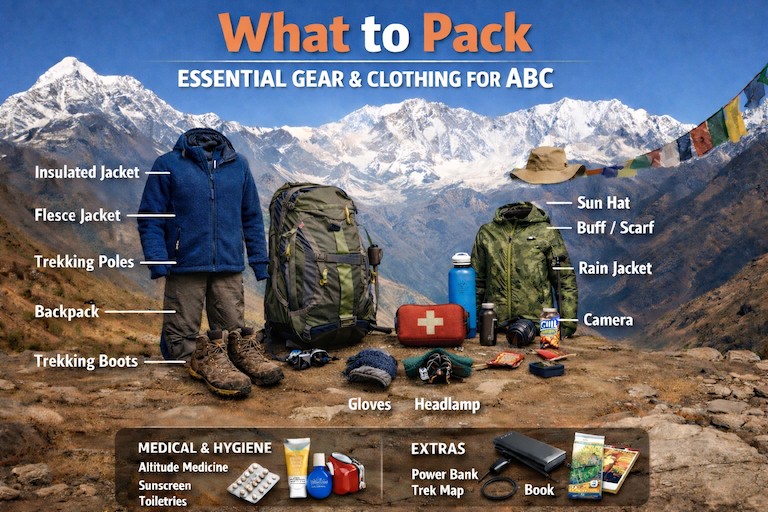
Similarly, clothes really are the heart of what you bring. You want to stay comfortable going all the way from Pokhara (825m) up to Base Camp (4,130m). Start with base layers to wick away sweat, throw on a mid-layer for insulation, and finish with a jacket to block wind and the occasional drizzle. Good boots—already broken in—are a must, since you’ll be climbing stone steps and crossing icy spots. Don’t forget a hat and gloves: mornings are cold, and the sun at altitude is no joke. Most folks pack everything into a 40-50L backpack, and if you’re using a porter, they’ll handle the heavy lifting.
Likewise, your gear makes a big difference in how comfortable and safe you feel. Water bottles and some kind of filter or purification tablets keep you hydrated—March air is dry, and you’ll get thirsty fast. A sleeping bag liner boosts warmth under thin teahouse blankets, which helps a lot when it drops to -10°C overnight near Machhapuchhre Base Camp. Trekking poles save your knees on the long downhills, and a headlamp is a lifesaver for pre-dawn starts. Since March usually means clear skies, bring strong sunscreen and sunglasses, but skip heavy-duty rain ponchos. Keep electronics to a minimum and stash them somewhere safe from dust.
In fact, March is a bit of a mixed bag weather-wise. Early mornings can feel like winter, but afternoons warm up fast. Pack extra layers for the higher camps—frost sticks around in the shade. A lightweight down jacket packs small but will keep you toasty in the evenings. Quick-dry towels and biodegradable soap are perfect for teahouse showers, and a small daypack is handy for summit day essentials. If you need altitude meds like Diamox, keep them close. Make sure you test all your gear before you leave—last-minute surprises on the trail aren’t fun.
Essential Clothing for March ABC Trek :
Don’t overpack. Teahouses have blankets and even laundry service lower down. Weigh your bag before you leave Pokhara—aim for 8-12kg if you’re hiring a porter. March rewards those who bring light but warm gear, so always go for quality over quantity. Share stuff with friends where you can, and leave anything you don’t really need at home.
Gear and March-Specific Items Checklist :
Before you go, take your setup for a test hike or two. Being comfortable makes all the difference, especially when March brings wildflowers and those amazing clear views. Keep your daypack light for summit day, layer up in the mornings, and settle into the rhythm of the trail. With the right gear, you’ll roll into Annapurna Base Camp ready, confident, and soaking up every epic view.
Here’s a real look at what a 7-10 day Annapurna Base Camp trek feels like, day by day. This itinerary moves at a steady pace—enough to keep you challenged, but not so fast you risk altitude sickness. The trek usually kicks off in Pokhara, down at 825 meters (2,707 feet), so you get right into it with a mix of drives and hiking. The trail weaves through Gurung villages and under canopies of rhododendron, all the way up to the breathtaking sanctuary of Annapurna Base Camp at 4,130 meters (13,550 feet). March is a sweet spot for the route: clear trails, rhododendrons in bloom, and wide-open views. Adjust the schedule if you need to, but focus on climbing slow and steady.
Actually, most people stick to the classic 9-day plan. It’s not rushed, and you’re usually walking around 5-7 hours a day—distances run between 7 and 13 kilometers. Along the way, teahouses give you a place to rest, and guides keep an eye out for any health hiccups. You’ll come back down the same path, but the descent always feels quicker and gives you a fresh look at the scenery. This version includes a detour to the Jhinu hot springs—a well-earned treat after reaching the base camp.
If you’re tight on time and feeling strong, you can shave it down to 7 days by starting higher up, using a jeep to Jhinu or Sinuwa. That way, you skip some lower sections but still hit the main highlights. Got more time? A 10-day itinerary lets you add side trips like Poon Hill or just take it easy with extra rest days. March weather is on your side—cool but not icy, and the trails aren’t slick. Drink plenty of water, eat well, and don’t miss those sunrise moments when Machhapuchhre glows gold at nearly 7,000 meters.
Be ready for all kinds of weather. Down low, it’s warm; up high, the cold hits fast. Pack layers and grab trekking poles to save your knees on the way down. The guides handle logistics, so you can soak up moments in places like Ghandruk and Chhomrong, both lively villages with real character. Find your stride and let the trek pull you in—the experience is as much about the journey as the destination.
Why this 7-10 day plan works :
Most importantly, listen to your body out there. If you get a headache or feel off, start heading down—don’t wait. Booking teahouses ahead is smart, but in March you’ll usually find space. Stay open to changes in the weather or your own energy. If you do, this plan gives you the best shot at reaching Annapurna Base Camp safely and with a smile.
Sample 9-Day Itinerary: Pokhara to Annapurna Base Camp :
In fact, stick to this plan, and you get the real deal: steady progress, big mountain payoffs, and a safe trek. Wake up early, go at your own pace, and let that March sunshine light your path. By the time you reach Annapurna Base Camp, you’ll know you’ve pulled off one of Nepal’s most iconic adventures. And the journey back? That’s just a bonus—more time to soak it all in.
If you pick up a few smart habits before heading out on the Annapurna Base Camp trek, you’ll get so much more out of your journey. You’ll show respect for local communities, look after the wild places you came to see, and make a real difference along the way—one small choice at a time. The trekkers who take cultural etiquette seriously end up making real friendships with Gurung and Magar hosts. And if you’re careful with your money, you keep the trip affordable without ever risking your safety. Sustainable habits? They’re what keep these trails open and beautiful for whoever comes next. March is a prime month for trekking, but honestly, these tips work any time of year and make every day out there better.
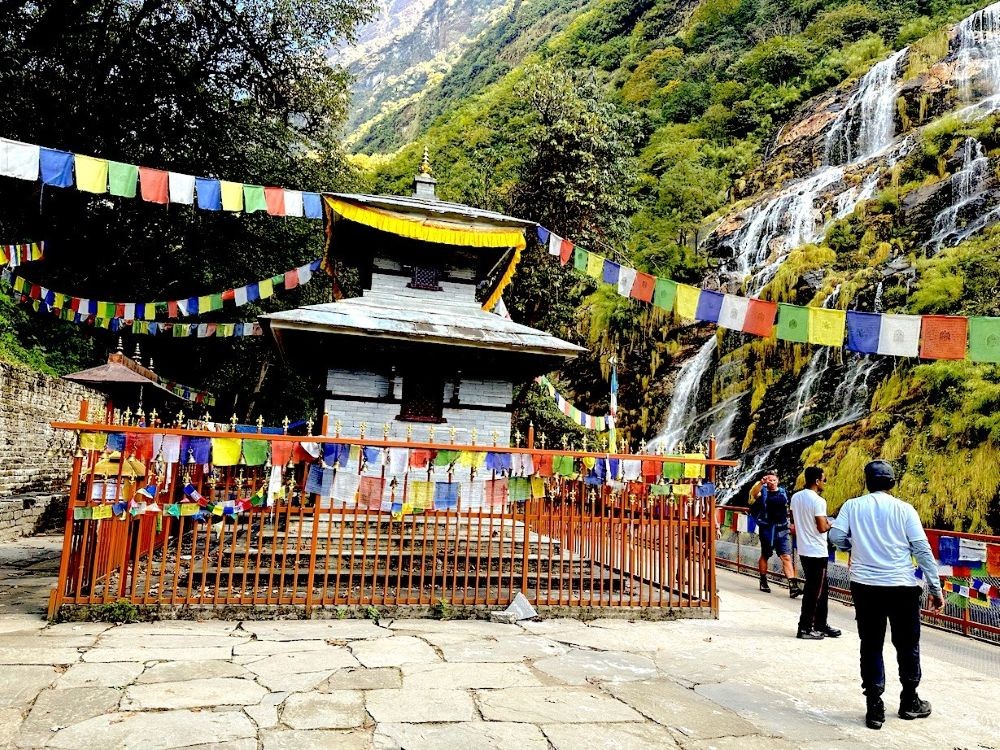
Here, let’s talk about cultural etiquette. Respect and humility are the name of the game. Greet people with a friendly “Namaste,” pressing your palms together and adding a slight bow. Always ask before snapping photos of anyone—especially women or during rituals. Privacy is a big deal here. Slip off your shoes before going into teahouses or homes, and whatever you do, don’t point your feet at sacred objects or people. When someone offers you tea or food, accept it with both hands, and stick to your right hand when eating. Dress modestly in the villages—cover your shoulders and knees—and keep things quiet, especially around monasteries or prayer wheels.
Now, on the money side: Budgeting well saves you from nasty surprises. Little costs pile up fast, from permits to tips. If you’re trekking independently, expect to spend $25 to $40 a day on teahouse food and lodging. Go with a guide and porter, and you’re looking at $40 to $70 extra per day, but that covers your team and meals. Permits cost about $35 to $50, and you can rent gear cheaply in Pokhara. Always stash away an extra $100 to $200 for those “just in case” moments—maybe a hot shower, charging your phone, or picking up a souvenir. March isn’t too crowded, so you’ve still got some bargaining power. Track your spending daily and carry small Nepali rupee notes; cards pretty much never work in the remote spots.
When it comes to sustainability, don’t just talk the talk—live it. The Annapurna region feels the pressure from tourism every year. Carry a reusable water bottle and use purification tablets to cut down on plastic waste. Stick to the marked trails; it helps slow down erosion. Pack out every bit of trash, even your toilet paper. Eat and sleep in local teahouses instead of bringing your own food; it puts money straight into the community. Pick trekking agencies that treat their staff well and use solar power when they can. “Leave no trace” isn’t just a slogan here—it’s a habit that sticks once you start.
Pro Tips: Cultural Etiquette Essentials :
Moreover, it’s all about balance. Enjoy the trek, but don’t forget your impact. Places like Chhomrong get busy fast, and resources run thin. Tip your guides and porters well—$5 to $10 per day for guides, $3 to $7 for porters—this is how they support their families. Ditch single-use plastics completely, and if you see others using them, speak up. March’s clear weather tempts people to cut corners, but stick to the paths. It’s better for the meadows and for everyone who comes after you. Walk lightly, and leave only good memories and footprints.
| Category | Estimated Cost (USD) | Pro Tip | Sustainable Angle |
|---|---|---|
| Permits (ACAP + TIMS) | 35–50 | Get them in Pokhara—it’s easier | Fees help fund conservation. |
| Daily Teahouse (room + 3 meals) | 25–40 independent | Eat where you sleep for better deals | Supports local families. |
| Guide + Porter (if hired) | 40–70 per day shared | Use a reputable agency | Ensures fair wages and safety. |
| Hot showers / Charging / Extras | 5–15 per day | Limit these at high altitudes | Cuts energy use in remote areas. |
| Tips (end of trek) | 100–250 total | Guide $5–10/day; Porter $3–7/day | Direct support for local families | Waste Management | Minimal | Bring a reusable bottle and purifiers | Slashes plastic pollution. |
If you weave these tips into your trek from the start, you’re not just a visitor—you’re a thoughtful guest. Small gestures of respect, smart budgeting, and sustainable habits let you soak in the magic of the Himalayas without causing harm. Come March, when the rhododendrons bloom and the light turns everything gold, you’ll know you made the most of your Annapurna Base Camp adventure—meaningful for you, and better for everyone who follows.
Finish the Annapurna Base Camp trek in March, and you end up with much more than just a camera roll of great shots. The memories stick with you—rhododendrons bursting into color, skies as clear as glass, and the wild strength of the Himalayas all around. Standing at 4,130 meters, surrounded by giants like Annapurna I and Machhapuchhre, you feel something shift inside. There’s that rush of accomplishment, sure, but also a quiet peace—thanks to lighter crowds and the gentle warmth that makes every morning feel like it’s just for you. March really brings out the best in Nepal’s mountains. They feel alive, inviting, and somehow more personal.
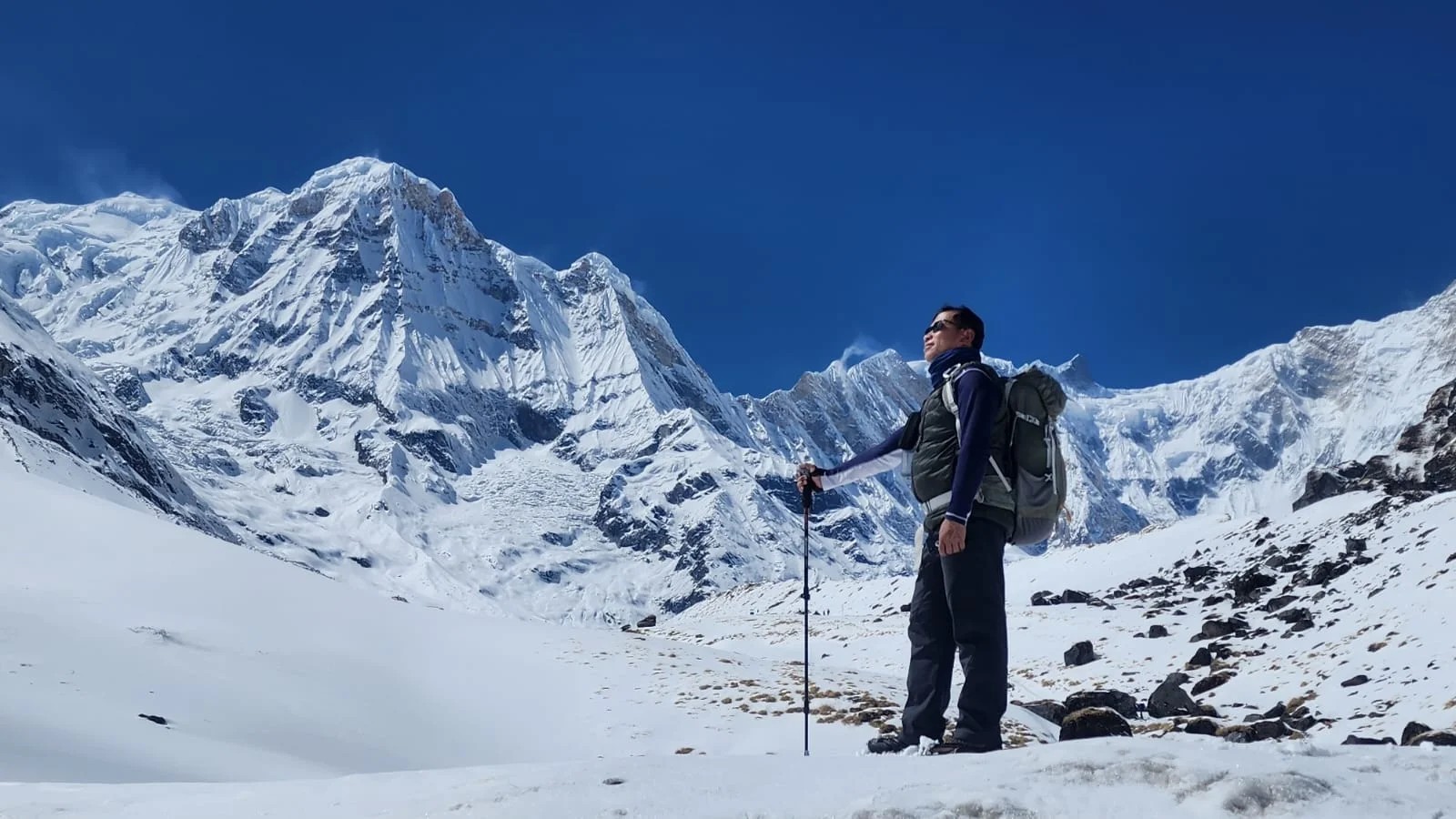
Meanwhile, the trail itself wakes up this time of year. Those rhododendron forests? They explode in pink and red, framing the snowy peaks way off in the distance. Every detail feels sharper in the crisp air. One day you’re sharing jokes with Gurung families over steaming dal bhat, the next you’re soaking tired legs in Jhinu’s hot springs or watching alpenglow set the whole sanctuary on fire. The trek isn’t just about pushing your limits—it’s about connecting with the people and the place. By the time you head back down to Pokhara, it’s bittersweet. You’re happy to be back, but part of you never really leaves.
When it comes to those last days before you set off, a little planning goes a long way. Check your essentials. Get your permits sorted—ACAP for sure, TIMS if you need it. Walk around in your gear so you know it fits and works. Pack layers, because you’ll get everything from T-shirt afternoons to freezing nights. Book your guide and porter with a trusted agency in Pokhara—they’re your lifeline and your link to local stories. Drink plenty of water, keep an eye on the weather, and make sure your travel insurance covers anything high-altitude might throw at you. Take care of these details now, and you’ll feel lighter and more focused once you hit the trail.
But honestly, the best mindset is to let go of rigid plans and walk with patience, respect, and curiosity. That’s how you get the most out of the trek. Carry out your trash, support the teahouses by eating where you sleep, and return every “Namaste” with a real smile. March rewards people who move at their own pace, listen to their bodies, and pause to take it all in. The trail teaches you resilience and gratitude, and those lessons stick with you long after you’re home.
Final Preparations Checklist Before Departure :
But the real magic? It happens when you drop your expectations and just walk. The Himalayas reveal themselves to people who show up with open hearts and steady steps. March strips away distractions—just you, the mountains, and those earned sunrises at high camp. You come back changed—not because you conquered anything, but because you let the mountains teach you humility, awe, and connection.
| Aspect | March Advantage | Why It Matters |
|---|---|---|
| Weather | Clear skies, little rain, mild days | You get those postcard views and easy hiking |
| Scenery | Rhododendrons at their peak | Trails turn magical with bursts of color |
| Crowds | Not as packed as April-May | Quieter teahouses, more peace, less hassle |
| Temperature | Warm valleys, cool heights | Easier to adjust without brutal cold |
| Overall Vibe | Spring energy and calm | Nature feels fresh, perfect for reflection |
So step onto the Annapurna Base Camp trail in March with open eyes and a grateful heart. Prepare well, walk gently, and let the journey work its magic on you. When you finally stand in that sanctuary, gazing up at the towering peaks, you’ll get why so many call ABC in spring one of life’s unforgettable adventures. Travel safe, and may the mountains welcome you home.
1. Is March a Good Time for the Annapurna Base Camp Trek?
March is a month for the Annapurna Base Camp Trek. The weather is usually calm. The skies are clear. So trekkers get to see mountain views every day. The rhododendron forests start blooming along the trail. Also the temperatures are just right for walking. We have guided trekkers and think March is perfect for trekking.
2. What Is the Weather Like at Annapurna Base Camp in March?
The weather in March is usually dry and nice. The lower areas are warm during the day.. Higher up it gets cooler especially at night. Annapurna Base Camp, at 4,130 meters can get cold before sunrise. However the clear skies and little rainfall make trekking comfortable. Many experienced trekkers choose March for visibility and safer trails.
3. How Cold Does Annapurna Base Camp Get in March?
At night Annapurna Base Camp can get below 0°C in March.. During the day it's usually comfortable for trekking. As the sun rises it gets warmer. So wearing layers helps stay comfortable. From our experience a warm sleeping bag and insulated jacket are enough to keep you warm.
4. Can I See Rhododendron Flowers During the Trek in March?
Yes March is famous for rhododendron blooms. Forests around Ghorepani and Chhomrong fill with pink and white flowers. This makes the trek more beautiful. Also the clear mountain views complement the scenery. Many trekkers think March is one of the months for photos on the Annapurna trail.
5. Is the Annapurna Base Camp Trail Crowded in March?
March is a month for trekking. So the trails and teahouses get busier than in winter.. It's not as crowded as in autumn. Booking your accommodation early helps get a room. From our experience starting your trek also helps avoid the crowds.
6. What Should I Pack for the Annapurna Base Camp Trek in March?
Pack clothes, good trekking boots, gloves and a down jacket. Also bring sunglasses and sunscreen because the sun is strong. The weather can change higher up. So waterproof clothing is a must. We always say pack light but smart. The right gear makes the trek more comfortable and safe.
7. Do I Need Crampons for Annapurna Base Camp in March?
Most trekkers don't need crampons in March. The main trail is usually clear and dry.. There might be some snow near higher elevations. So lightweight microspikes can be useful after snowfall. From trekking seasons normal trekking boots are fine for most March trips, to Annapurna Base Camp.
8. Are Teahouses Open on the Annapurna Base Camp Trek in March?
Teahouses are open in March. They work like normal. Most lodges get ready for trekkers in spring. They have food options and plenty of rooms.. It can get busy. So it's good to plan. Our guides help trekkers find teahouses on the route.
9. Is Altitude Sickness a Concern in March?
Altitude sickness can happen anytime. So it's key to get used to places slowly in March. The trek goes to Annapurna Base Camp at 4,130 meters. Going up slow and drinking water is crucial. Most trekkers do the route safely if they follow a plan and listen to their guide.
10. How Clear Are the Mountain Views in March?
March has some of the mountain views. Mornings are usually sunny and calm. So trekkers see views of Annapurna I (8,091m) Machhapuchhre (6,993m) and Hiunchuli (6,441m). Less humidity helps you see more. This makes March great for photographers and mountain lovers.
11. Can Beginners Trek to Annapurna Base Camp in March?
Beginners can do the trek in March. The weather is good. The trail is okay.. You need to be somewhat fit. So walking before the trip helps a lot. Many new trekkers do this journey every year with a guide and at a pace.
12. How Long Does the Annapurna Base Camp Trek Take in March?
The Annapurna Base Camp trek takes 7 to 12 days.. It depends on your plan and where you start. Some trekkers add Poon Hill to their trip. So they need days. A good plan helps you get used to places and have a better trek.
13. Are Flights and Transportation Reliable in March?
Transportation works in March. Roads to Pokhara are open and weather doesn't usually cause problems. So travel plans go smoothly. Tourist buses, private vehicles and flights work regularly.. It's smart to book ahead because spring is a popular time for trekking.
14. How Much Does the Annapurna Base Camp Trek Cost in March?
The cost depends on services, group size and how long you trek. Expenses include permits, accommodation, food, transportation and guide services. Prices in March are like spring months. So budgeting is easy. Choose an operator because they help with safety, comfort and a better trek.
15. Why Choose March for the Annapurna Base Camp Trek?
March is great for skies, blooming forests, moderate temperatures and excellent mountain views. So it's a trekking experience in Nepal. Trails are lively but not too crowded. Teahouses work fully. Conditions are good. March is one of the months, for Annapurna Base Camp based on trekking experience.
Our travel experts are ready to assist you with any questions.
Send us a message.Have a question before you book? Send your enquiry below and our travel experts will get back with the required information.