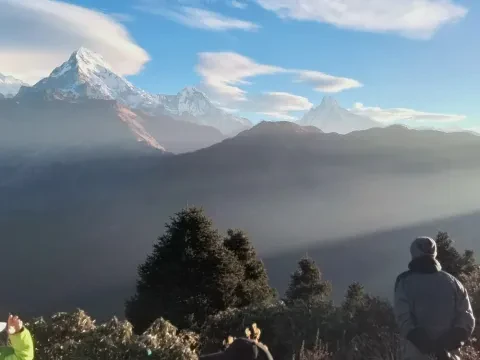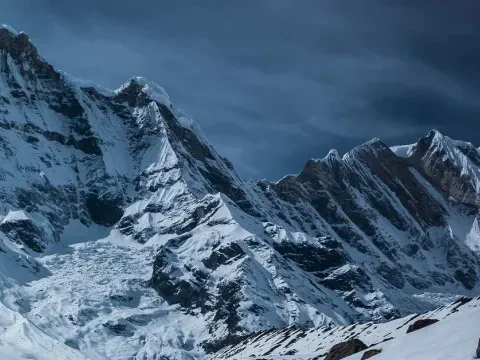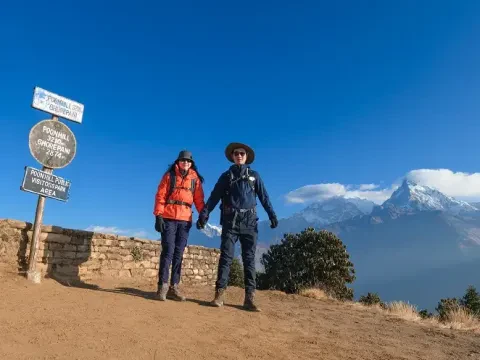
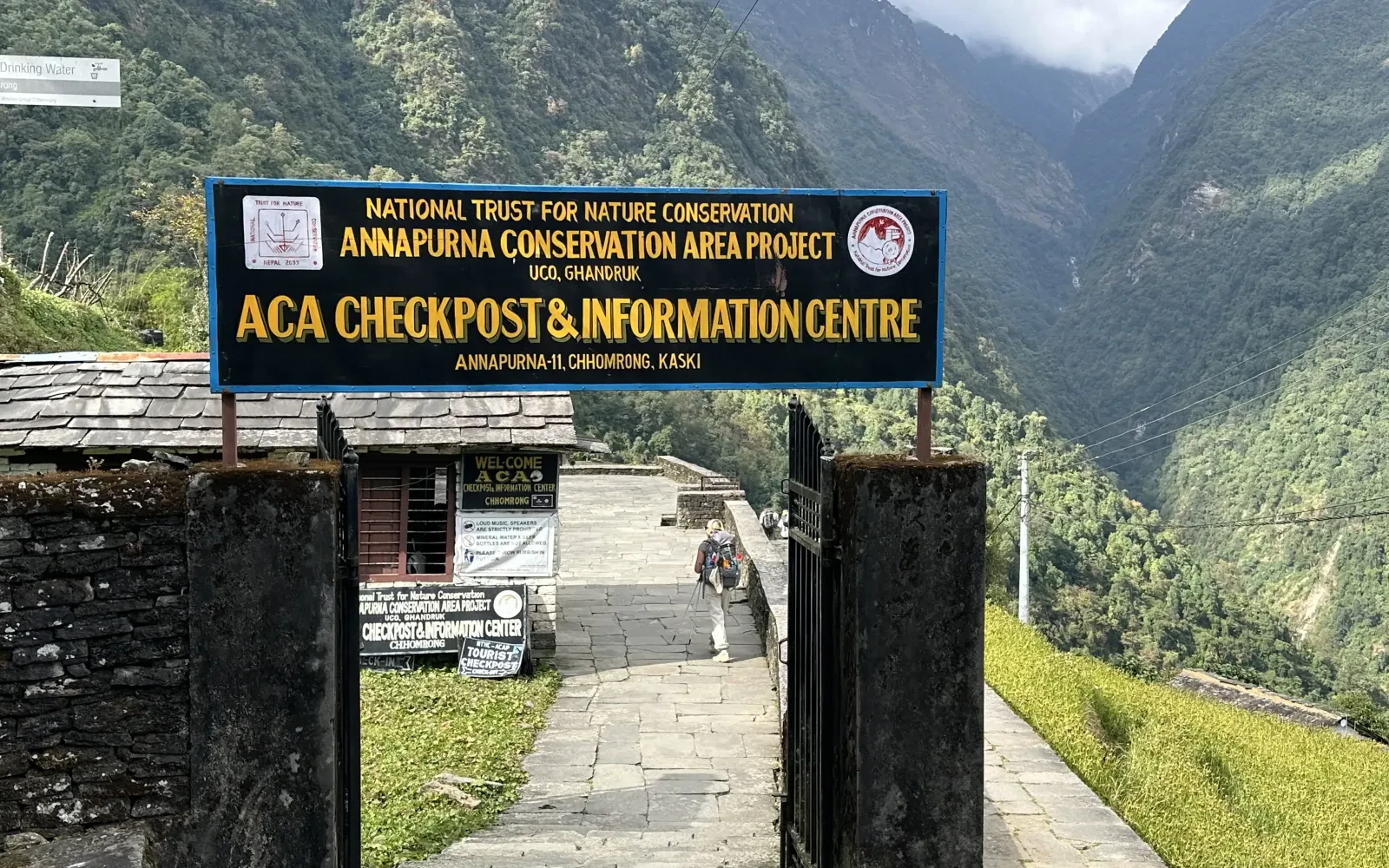
Nestled high in the Himalayas, the Annapurna Conservation Area covers more than seven thousand square kilometers. Stretching through five districts - Manang, Mustang, Kaski, Myagdi, and Lamjung - it carves a vast natural path. From lowland valleys rising just above eight hundred meters to the towering peak of Annapurna I near eight thousand one hundred meters, the land climbs sharply. Because of these shifts in height, life thrives in many forms. Forests give way to open grasslands where few expect them.
Besides sheltering more than a hundred thousand people of diverse backgrounds, this region sees life unfold in age-old ways across breathtaking terrain. Still, visitors arrive drawn by renowned trails such as the Annapurna Circuit. Because of that, economic activity grows without overtaking natural care. Even so, local gains walk hand in hand with ecological limits. Overall, human presence fits within nature’s rhythm rather than ruling it.
Actually, people walk through special places inside the Annapurna Conservation Area. Down below lies Kali Gandaki Gorge - deeper than any other on Earth. Up near Ghorepani spreads a vast woodland of rhododendrons, unmatched in size. At 4,919 meters high sits Tilicho Lake, holding water like no higher one does. Life thrives here: 1,226 kinds of blooming plants grow alongside 105 types of mammals. Birds fill the air - 523 species have been seen flying or perched around.
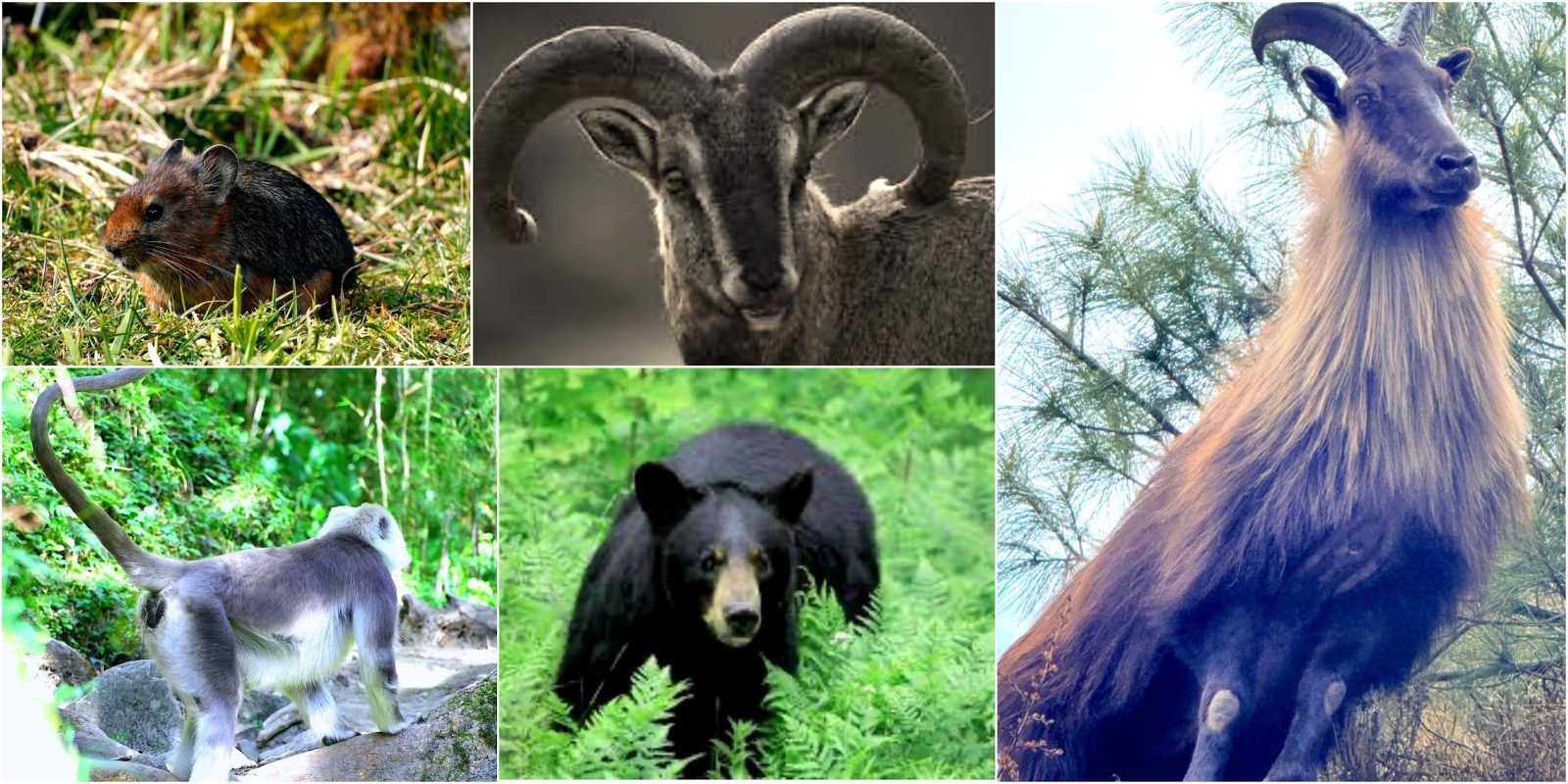
Forty reptile forms crawl across rocks and soil, while 23 amphibians stay close to damp ground. Snow leopards show up on trails where red pandas also roam, while Himalayan tahr move through higher slopes. Monasteries older than most towns add depth to what travelers see. Pressure from too many visitors could harm these places, so protection measures are quietly active. Learning happens alongside travel because awareness grows when people walk carefully. Adventure finds a home here, not just in peaks but in quiet moments between temples and pines.
Key Geographical Features:
| Category | Species Count | Examples |
|---|---|---|
| Flowering Plants | 1,226 | Rhododendrons, orchids |
| Mammals | 105 | Snow leopard, red panda, musk deer |
| Birds | 523 | Himalayan monal, blood pheasant |
| Reptiles | 40 | Himalayan pit viper, geckos |
| Amphibians | 23 | Himalayan newt, toads |
| Peak | Elevation (m) | Location within ACA |
|---|---|---|
| Annapurna I | 8,091 | Central massif |
| Annapurna II | 7,935 | Eastern range |
| Annapurna III | 7,553 | Eastern range |
| Gangapurna | 7,455 | Manang district |
| Tilicho Peak | 7,134 | Near Tilicho Lake (4,919 m) |
Back in 1985, King Birendra set things moving for the Annapurna Conservation Area. His trip there revealed clear signs of harm - trees disappearing, land worn down. Because trekkers flooded the place, pressure on nature grew fast. Still, something different had to happen. A fresh approach took shape, built by specialists who saw old methods were failing. Local people became part of how things were run.
Still, the goal stayed clear - keep visitors coming without harming wild places. Out came the Nepal Plan, launching the Annapurna Conservation Area Project (ACAP). Yet at first, raising living standards mattered just as much as trees and animals. From that point on, a king’s idea sparked a new way to guard nature.
A pilot effort began in 1986, set into motion at Ghandruk Village under the name Annapurna Conservation Area Project. From day one, oversight fell to the National Trust for Nature Conservation, known as NTNC. Success hinged on methods rooted in local involvement, tried out with care. Because results showed promise, official status arrived by way of gazette notice in 1992. This became Nepal’s first big protected area, also its biggest. Entry charges helped pay for community projects instead of vanishing into distant budgets. Yet the real goal always centered on harmony - nature kept safe, people moving forward. Locals ended up benefiting directly when tourists brought income. From beginning to end, the tale stands as one example others now study worldwide.
Historical Timeline:
| Aspect | Description | Impact |
|---|---|---|
| Conservation | Protect biodiversity and landscapes | Preserves habitats like Annapurna I (8,091 m). |
| Socio-Economic | Improve local livelihoods via tourism | Funds education, health in districts. |
| Sustainable Tourism | Regulate trekking, minimize environmental harm | Supports Annapurna Circuit routes. |
| Community Involvement | Empower residents in decision-making | Builds ownership among 100,000+ people. |
| Milestone | Year | Key Contributor |
|---|---|---|
| Royal Declaration | 1985 | King Birendra |
| Pilot Launch | 1986 | NTNC |
| Legal Establishment | 1992 | Government of Nepal |
| Expansion | 1990s | Local Conservation Committees. |
High up in Nepal’s mountains lies a place full of wild beauty - the Annapurna Conservation Area. Stretching across 7,629 square kilometers, it holds the title of biggest protected region. Valleys dip as low as 790 meters, while peaks soar to 8,091 at Annapurna I. From sharp cliffs to quiet alpine lakes, change shapes the land constantly. The depth of the Kali Gandaki Gorge takes first place on Earth.
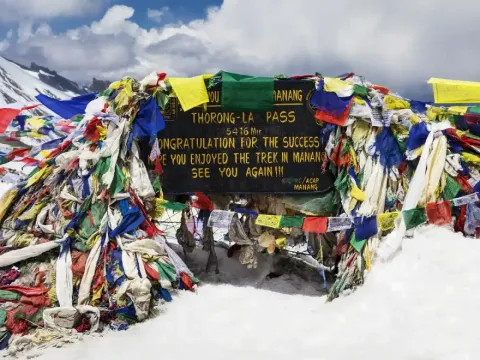
At 4,919 meters, Tilicho Lake floats above all other fresh water bodies. Massive walls of Dhaulagiri, rising to 8,167 meters, catch the eyes of those who walk through. Ancient monasteries add quiet meaning beneath the high trails. Adventure finds its shape here, shaped by altitude and old stones.
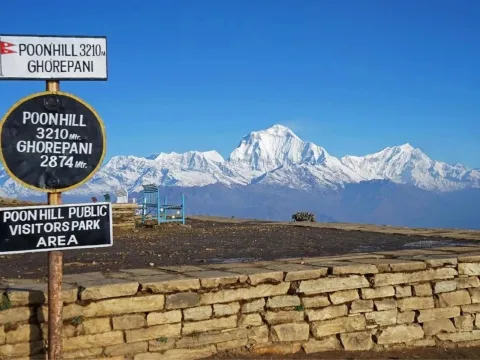
Hidden among the hills, more than one hundred thousand people live, belonging to communities such as the Gurung. Rich plant life shares space here with deep-rooted customs. Blooming high at two thousand eight hundred sixty meters, Ghorepani holds vast forests of rhododendron.
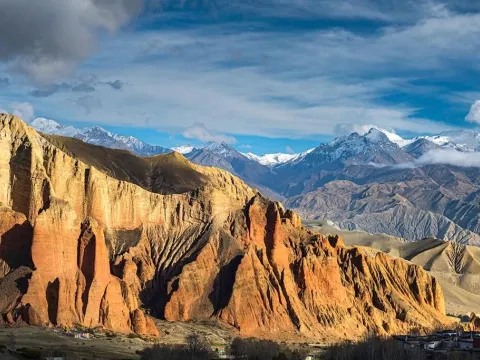
Because of how people and land connect, old ways help protect wild places. High above, trails such as the Annapurna Circuit unfold sweeping mountain scenes. Yet communities gain when travel respects nature. Because of this, green habits take root across villages. In the end, protection and exploration walk hand in hand here.
Key Natural Highlights:
| Peak | Elevation (m) | Notable Feature |
|---|---|---|
| Annapurna I | 8,091 | Tenth highest mountain globally. |
| Dhaulagiri | 8,167 | Seventh highest, dramatic views |
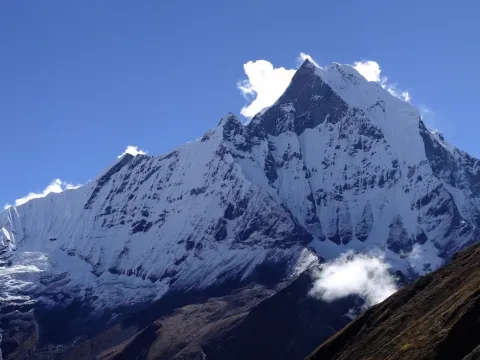
| Machhapuchhre | 6,993 | Sacred fishtail shape, unclimbed |
| Annapurna II | 7,937 | Part of massif, trekking backdrop |
| Annapurna III | 7,555 | Eastern range highlight. |
Cultural and Tourism Highlights:
The Annapurna Conservation Area bursts with plant life, and it changes as you climb. Down low, around 1,000 meters, subtropical forests fill up with Schima wallichii and Castanopsis indica. As you go higher, rhododendrons steal the show every spring, painting the hills with color. Alpine meadows take over up top, and along the way, orchids and wildflowers line the trails.
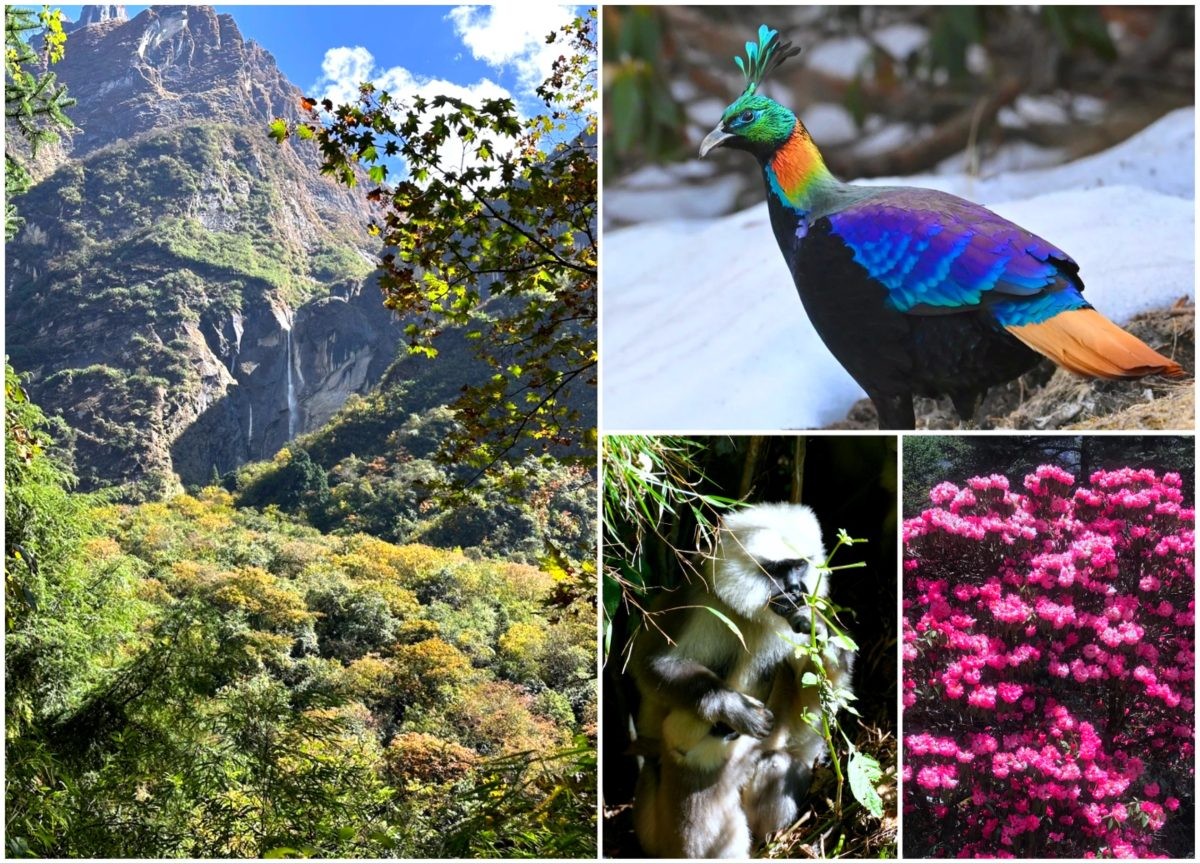
All these plants do more than just look good—they help entire ecosystems, draw in pollinators, and keep things running smoothly. Conservation here isn’t just a buzzword, either. Protecting rare species is an active, ongoing effort. Honestly, the flora alone makes this place unforgettable.
Actually, wildlife here is just as impressive. You get 105 mammal species, from snow leopards prowling above 3,000 meters to red pandas tucked away in the temperate forests. Himalayan tahr navigate the rocky cliffs like it’s nothing. If you’re into birds, you’re in luck—523 species call this area home, including the striking Impeyan pheasant. Add in a mix of reptiles and amphibians, and the biodiversity really stands out. No wonder nature lovers flock here—there’s nowhere quite like it.
Major Flora Categories:
| Category | Count | Examples | Habitat Elevation |
|---|---|---|
| Mammals | 105 | Snow leopard, red panda, musk deer | Above 3,000 m for predators. |
| Birds | 523 | Impeyan pheasant, Spiny Babbler | Varied, forests to alpine. |
| Reptiles | 40 | Himalayan pit viper, geckos | Lower to mid elevations. |
| Amphibians | 23 | Himalayan newt, toads | Moist areas up to 3,000 m. |
Endangered and Notable Species:
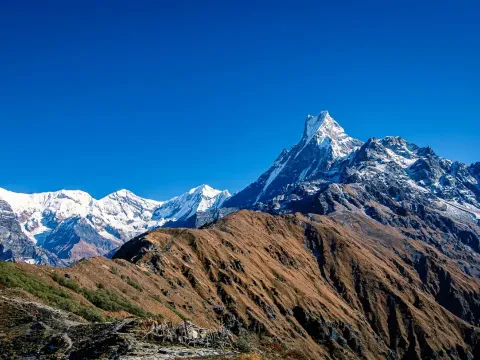
If you want the best experience in the Annapurna Conservation Area, plan your trip for spring (March to May) or autumn (September to November). These months bring steady weather and clear skies—perfect for soaking in those mountain views. Daytime temps at lower elevations hang around a comfortable 15 to 20°C, and while nights do get cool, it’s nothing you can’t handle. You’ll dodge most of the rain, and the visibility of giants like Annapurna I is tough to beat. Spring even throws in a bonus: bright rhododendron blooms everywhere you look. No wonder the trails fill up, especially in October. If you’re after the classic trekking experience, spring and autumn are tough to top.
Other times of year have their own flavor, but they come with challenges. Summer (June to August) brings the monsoon—think rainy days, muddy trails, and clouds hiding the peaks. On the bright side, you won’t be fighting crowds. Winter (December to February) pushes temperatures down, especially once you get above 3,000 meters, and high passes like Thorong La get buried in snow. Still, if you know what you’re doing, you get crisp air, quiet trails, and those sharp winter panoramas. In the end, timing your visit with the weather not only keeps you safe but makes the whole experience a lot more memorable.
Seasonal Overview for Visiting:
| Month | Day Temp (°C) | Night Temp (°C) | Rainfall Risk | Best For |
|---|---|---|
| March | 10-18 | 0 to -5 | Low | Early blooms, fewer crowds |
| April | 12-20 | -2 to 5 | Low | Rhododendrons peak |
| May | 15-22 | 5-10 | Moderate | Warm days, hazy later |
| September | 15-22 | 5-10 | Moderate | Post-monsoon recovery |
| October | 12-20 | 0-8 | Low | Clear skies, peak views |
| November | 10-18 | -5 to 5 | Low | Crisp air, fewer crowds |
Tips for Choosing Your Visit Time:
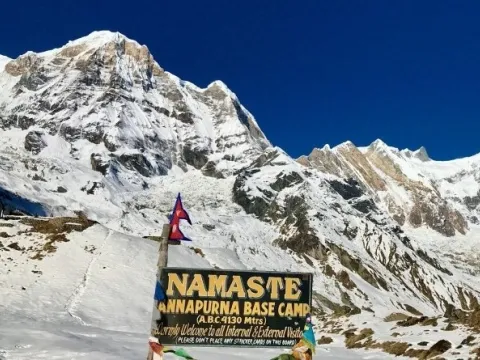
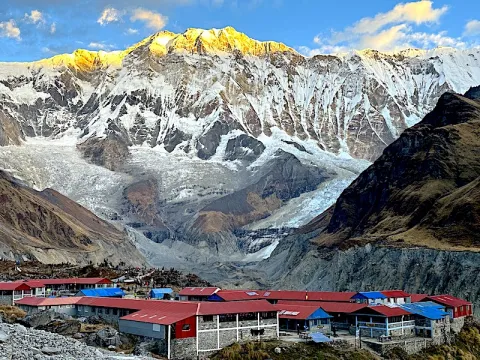
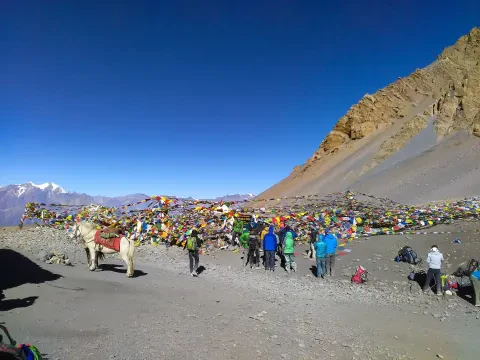
Actually, thrilling trekking pulls people into the Annapurna Conservation Area more than anything else. Following trails such as the Annapurna Circuit becomes common once they arrive. Around the massive cluster of mountains it winds, where summits rise - Annapurna I hits 8,091 meters. Shorter paths also draw folks toward Annapurna Base Camp or the Sanctuary nearby. High mountain crossings like Thorong La draw climbers up to 5,416 meters. Scattered trails lead off toward sweeping vistas. Effort mixes closely with breathtaking scenery along the way. Being ready makes a difference when altitude shifts without warning. Most people come mainly to walk these paths.
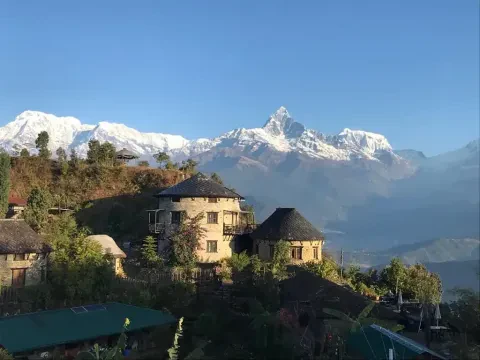
Some travelers find village life more memorable than mountain trails. Through narrow paths they reach homes where Gurung families share stories over tea. Hidden among cliffs, Braka Monastery hums with morning chants. Instead of rushing ahead, many pause there to listen. Higher up, movement in the trees might mean a red panda darting through fog. When tired, some sit by steaming pools near Tatopani. Snow leopards leave tracks others only dream of seeing. From hiking trails to quiet moments by the lake, choices shift with mood. Whether chasing views or sitting still, something fits how you feel that day.
Primary Trekking Activities:
| Activity | Location/Elevation | Description |
|---|---|---|
| Visit Muktinath Temple | 3,800 m | Sacred site for Hindus and Buddhists |
| Explore Manang Village | 3,500 m | Acclimatization stop with monasteries |
| Gurung Village Homestay Ghandruk | 1,940 m | Experience local dances and hospitality |
| Braka Monastery Visit Near Manang | 3,500 m | Ancient Tibetan Buddhist site |
Wildlife and Nature Activities:
If you’re heading into the Annapurna Conservation Area, you need to play by some important rules to help protect this place. First off, always stick to the marked trails—no shortcuts, no wandering off. Don’t even think about collecting plants, rocks, or fossils, especially in sensitive spots like the high elevations near Annapurna I (8,091 m). Give wildlife plenty of space—at least 50 meters. It’s not just a suggestion; it keeps both you and the animals safe.
When it comes to waste, use the established toilets, and pack out anything that doesn’t break down naturally. Burning trash? Not allowed, period. These habits aren’t just rules—they’re how we keep the area’s biodiversity and cultural sites intact for the future.
Likewise, responsible trekkers also respect local traditions. In villages like Ghandruk (1,940 m) or Manang (3,500 m), you show courtesy and follow local customs. Cut down on plastic by refilling water at filtered stations, and support the community lodges—they keep money in the local economy. Single-use plastics have no place here, especially in restricted areas.
Every eco-friendly step you take matters. Stick to the guidelines, and you help strike that balance between adventure and conservation. That’s what keeps the Annapurna experience special for everyone.
Key Conservation Rules:
| Rule | Description | Reason |
|---|---|---|
| No collection of natural items | Plants, rocks, fossils forbidden | Protects ecosystems around Tilicho Lake (4,919 m) |
| Plastic restriction | Limit single-use; use refill stations | Reduces pollution in Kali Gandaki Gorge |
| Respect locals | Follow customs, ask permission for photos | Supports communities near Annapurna Circuit |
| Guide requirement | Foreigners often need licensed guide | Enhances safety and rule enforcement |
| Waste management | Sort and carry out trash | Prevents environmental degradation |
Additional Guidelines:
Before you set foot in the Annapurna Conservation Area, you need an entry permit—specifically, the Annapurna Conservation Area Permit (ACAP). This isn’t just a formality. Your fee goes straight into protecting the area’s 7,629 square kilometers, keeping the trails in shape, and supporting local communities. You pay at official entry points, and in some cases, you’ll need a TIMS card too, which helps keep trekkers safe and accounted for. Kids under 10 usually get in free, which is a nice bonus for families.Here,
Annapurna Conservation Area Permit prices depend on where you’re from. Foreigners pay more than SAARC nationals or Nepali citizens. You can get your permit online or in person in Kathmandu or Pokhara—whichever works for you. As you hike, expect checkpoints along the way where rangers will check your documents. The fees don’t just disappear into bureaucracy—they actually make a difference locally, funding everything from conservation to community projects. This system keeps the Annapurna region, peaks like Annapurna I (8,091 m), and gems like Tilicho Lake (4,919 m) accessible and thriving for everyone. Just get your permits sorted, and you’re good to go.
Permit Types and Requirements:
| Nationality/Category ACAP Fee (NPR) | Approx. USD | Notes |
|---|---|---|
| Foreign Nationals (Non-SAARC) 3,000 | 25 - 30 | 13% VAT included |
| SAARC Nationals 1,000 | 8 - 10 | Reduced rate |
| Nepali Nationals 100-300 | 1 - 3 | Often minimal |
| Children under 10 Free | Free | With accompanying adult |
Additional Fees and Tips:
Most people heading to the Annapurna Conservation Area start from Kathmandu, moving onward to Pokhara - the usual entry point. From there, it's about 200 kilometers to reach Pokhara, possible by plane or vehicle. Flying cuts travel time down to roughly half an hour, giving passengers sweeping mountain sights - Annapurna I at 8,091 meters stands out clearly. On the other hand, taking a bus unfolds a slower trip of nearly eight hours, winding through landscapes beside the Prithvi Highway. Private cars bring ease plus a relaxed ride. That means travelers can get to spots such as Nayapul or Besisahar near Pokhara. Once past those towns, rougher roads need jeep rides instead. All in all, good travel links help hikers arrive without trouble.
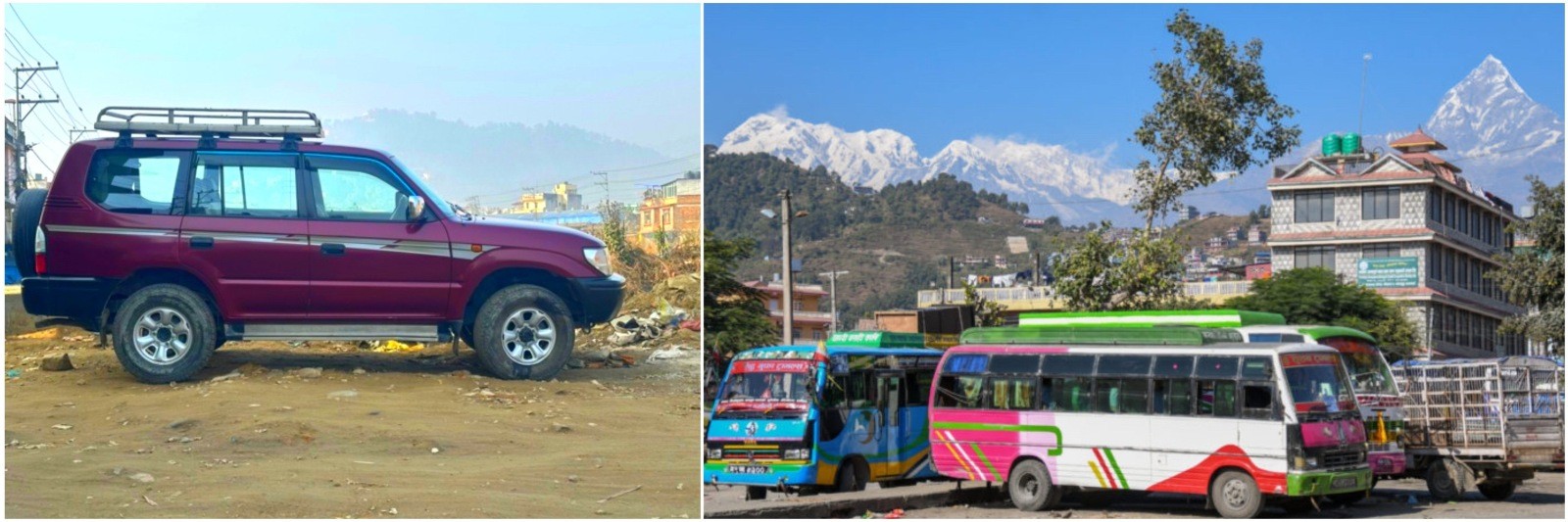
Also, these days, trekkers can find the jeep/bus drive from Pokhara to Ulleri or Pokhara to Jhino Danda Bus/Jeep to begin Annapurna Base Camp Trek.
From Pokhara, travelers head toward starting points of the protected area. A one to two hour ride takes them to Nayapul - gateway for Annapurna Base Camp paths - or onward to Ghorepani. Buses rolling directly from Kathmandu reach Besisahar in six or seven hours; that’s where treks around the Circuit begin. Rough terrain? Jeeps manage those stretches without trouble. Permits though - that step happens earlier, sorted out in either Kathmandu or Pokhara. Few choices fit varied costs and schedules. In total, access helps many each year reach heights between 790 m and steep crossings such as Thorong La at 5,416 m.
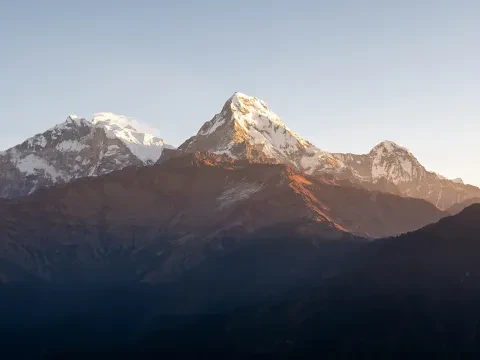
Main Transportation Options from Kathmandu:
| Trailhead Distance/Time from Pokhara | Vehicle Type | Best For |
|---|---|---|
| Nayapul / 1.5 - 2 hours | Bus/Jeep | Annapurna Base Camp, Ghorepani |
| Ghandruk / 2-3 hours | Jeep/Local bus | Cultural villages, Sanctuary trek |
| Ulleri / 3-4 hours | Jeep Local Bus | ABC Trek via Poon hill beginning point |
| Jhino Danda / 3-4 hours | Jeep/Local Bus | Direct Start of ABC Trek |
| Besisahar Direct from Kathmandu (or via Pokhara) | Bus/Jeep | Annapurna Circuit start |
| Chame / 5-6 hours drive | Private Jeep | Shorter Circuit routes |
Tips for Smooth Accessibility:
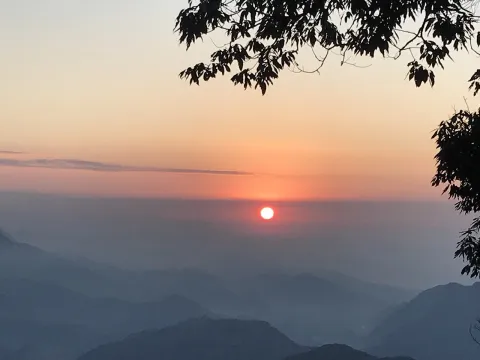
Out here in the Annapurna Conservation Area, sustainable tourism grows because people take charge themselves. Running across 7,629 square kilometers, the area stays protected thanks to ACAP's steady oversight. When choices need making, village groups step in to help shape them. Because of this setup, money from visitor permits flows back into protecting nature and lifting communities up. Tourism can ease pressure on nature, yet still help local people thrive. Near high summits such as Annapurna I (8,091 m), careful actions keep ecosystems intact. Instead of erasing traditions, these efforts uphold village culture. Adventure here walks beside lasting care, shaping a steady path forward.
Here, some villages now use clean energy instead of burning wood. Solar panels power guesthouses where open fires once smoked. Cleaner cookstoves help lower smoke inside homes. Around Tilicho Lake, people keep trash out of streams using smart collection spots. Money earned from visitors goes into schools, clinics, hospitals. New roads reach remote areas thanks to shared income plans. Teahouses open doors for work, while guides find steady roles too. Still, it’s the quiet choices that let tourism lift lives - without harming nature along the way.
Key Sustainable Practices:
| Benefit | Description | Impact on Locals/Environment |
|---|---|---|
| Economic Empowerment | Jobs in lodges, guiding, handicrafts | Over 5,000 employed, income generation |
| Infrastructure Development | Schools health posts | Trails maintained Improved living standards in remote villages |
| Biodiversity Protection | Forest management anti-poaching | Preserves habitats for snow leopards red pandas |
| Social Equity | Inclusive participation across castes/genders | Reduces inequality, empowers marginalized groups |
| Reduced Impact | Eco-guidelines for trekkers | Minimizes erosion, pollution in high areas |
ACAP Initiatives and Outcomes:
FAQS: " Annapurna Conservation Area "
1. What is the Annapurna Conservation Area?
The Annapurna Conservation Area is a special place in Nepal. It is the protected area in the country and it covers 7,629 square kilometers. You will see landscapes here from warm valleys to very high mountains like Annapurna I, which is 8,091 meters tall. The Annapurna Conservation Area has a lot of plants and animals and many different cultures. There are also trails that people like to hike on. We can help you visit the Annapurna Conservation Area in a way so you can have a safe and fun trip and also help take care of the area.
2. Why was the Annapurna Conservation Area established?
The Annapurna Conservation Area was created in 1992. Before that there was a test project in a place called Ghandruk in 1986. The goal was to find a balance between taking care of the environment and helping the communities. The king of Nepal at the time King Birendra wanted to make sure that tourism did not hurt the environment. Today when you visit the Annapurna Conservation Area you have to pay a fee. This money is used to help the local communities and take care of the environment. We know a lot about the Annapurna Conservation Area so we can help you visit in a way that's good for everyone.
3. What are the major highlights and peaks in the Annapurna Conservation Area?
The Annapurna Conservation Area has amazing things to see. There is the Kali Gandaki Gorge, which's the deepest gorge in the world. There is also a lake called Tilicho Lake, which is 4,919 meters above sea level. You can see forests of rhododendron trees and many high mountains like Annapurna I, Dhaulagiri and Machhapuchhre. The Annapurna Conservation Area also has cultural sites, which make the area very interesting to visit. We have been guiding people in the Annapurna Conservation Area for a time so we can help you see all the best things in a safe and beautiful way.
4. What permits do I need for the Annapurna Conservation Area?
To visit the Annapurna Conservation Area you need to get a permit called the Annapurna Conservation Area Permit or ACAP for short. For some hikes you also need a TIMS card, which helps us keep track of you for safety reasons. You have to have these permits to enter the area so we can help you get them in Kathmandu or Pokhara before you start your trip. This way you can focus on having fun. Do not have to worry about the permits.
5. How much does the ACAP permit cost?
The cost of the ACAP permit is around NPR 3,000 for people from countries, which is like USD 23-30. For people from SAARC countries the cost is NPR 1,000. For people from Nepal the cost is very low. Children under 10 years old can often enter for free. The money from the permits is used to take care of the environment and help the communities. We can help you get your permit quickly and easily so you can start your trip without any problems.
6. What is the best time to visit the Annapurna Conservation Area?
The best time to visit the Annapurna Conservation Area is in the spring from March to May or in the autumn from September to November. During these times the weather is usually clear and stable. The views are very beautiful. In the spring you can see the rhododendron trees blooming and in the autumn you can see the mountains clearly. We think these are the times to visit because we have been guiding people in the Annapurna Conservation Area for a long time and we know when the conditions are the best.
7. What flora and fauna can I see in the Annapurna Conservation Area?
The Annapurna Conservation Area has a lot of plants and animals. You can see over 1,226 kinds of flowering plants including rhododendron trees. There are also 105 kinds of mammals like snow leopards and red pandas and 523 kinds of birds. The area has different habitats from warm forests to cold alpine meadows. Our guides are very knowledgeable. Can help you see many of these plants and animals while we are hiking.
8. What trekking routes and activities are available?
There are things you can do in the Annapurna Conservation Area. You can hike on trails, like the Annapurna Circuit or the Base Camp Trek. You can also visit the Muktinath Temple or the Gurung villages to learn about the culture. We can help you plan your trip based on what you like to do and how fit you are so you can have an fun trip.
9. What are the rules that visitors need to follow when they come to visit?
You need to stay on the trails that are marked. You need to take your waste with you when you leave. You also need to keep a distance from the animals that live here. You need to respect the customs of the people who live here. Do not use things that you can only use once and try to help the local people by staying in their lodges. If you do these things you will help keep the environment clean and nice. We have been doing this for a time so we can help your group follow these rules and have a good time.
10. How do I get to Annapurna Conservation Area from Kathmandu?
You can fly to Pokhara, which takes about 25 to 30 minutes. You can take a bus, which takes about 7 to 8 hours. Then you can take a jeep or a bus to the starting points of the trails like Nayapul or Besisahar. We can help you get there so you can enjoy the views and start your trek feeling fresh.
11. How does tourism that is good for the environment work in Annapurna?
The people in charge of Annapurna Conservation Area use the money from the permits to help the communities and to protect the environment. They use the money to make energy and to manage the waste. We try to make our tours good for the environment so we do not hurt the people or the nature.
12. Is Annapurna Conservation Area a place for people who are trekking for the first time?
Yes it is, especially if you take the routes like Poon Hill or Annapurna Base Camp. These routes are not too hard. They have good facilities. If you prepare well and have a guide you can do it. We have taken people on their first trek and we make sure they are safe and have a good time.
13. What things should I bring with me when I go trekking in Annapurna Conservation Area?
You need to bring clothes that you can wear in layers strong boots, a rain jacket, sunscreen, a water bottle that you can use times, a headlamp and some basic medicines. You need to pack the things you need. Do not bring too much. We can help you make a list so you have everything you need to be comfortable and safe.
14. What kinds of things can I experience in the region?
You can stay with families visit monasteries like Braka and go to festivals. You can learn about the traditions of the people who live here. They will be very welcoming. We can help you have interactions with the local people so you can learn more about their culture and help them.
15. Why should I choose a guided trek in Annapurna Conservation Area?
If you have a guide who knows what they are doing you will be safer. You will have a better time. The guide can help you navigate teach you about the culture and make sure you follow the rules. This way you can just enjoy your trek. Do not have to worry about anything. We have been doing this for a time so we can help you have a good and memorable trip, to Annapurna Conservation Area.
Our travel experts are ready to assist you with any questions.
Send us a message.Have a question before you book? Send your enquiry below and our travel experts will get back with the required information.