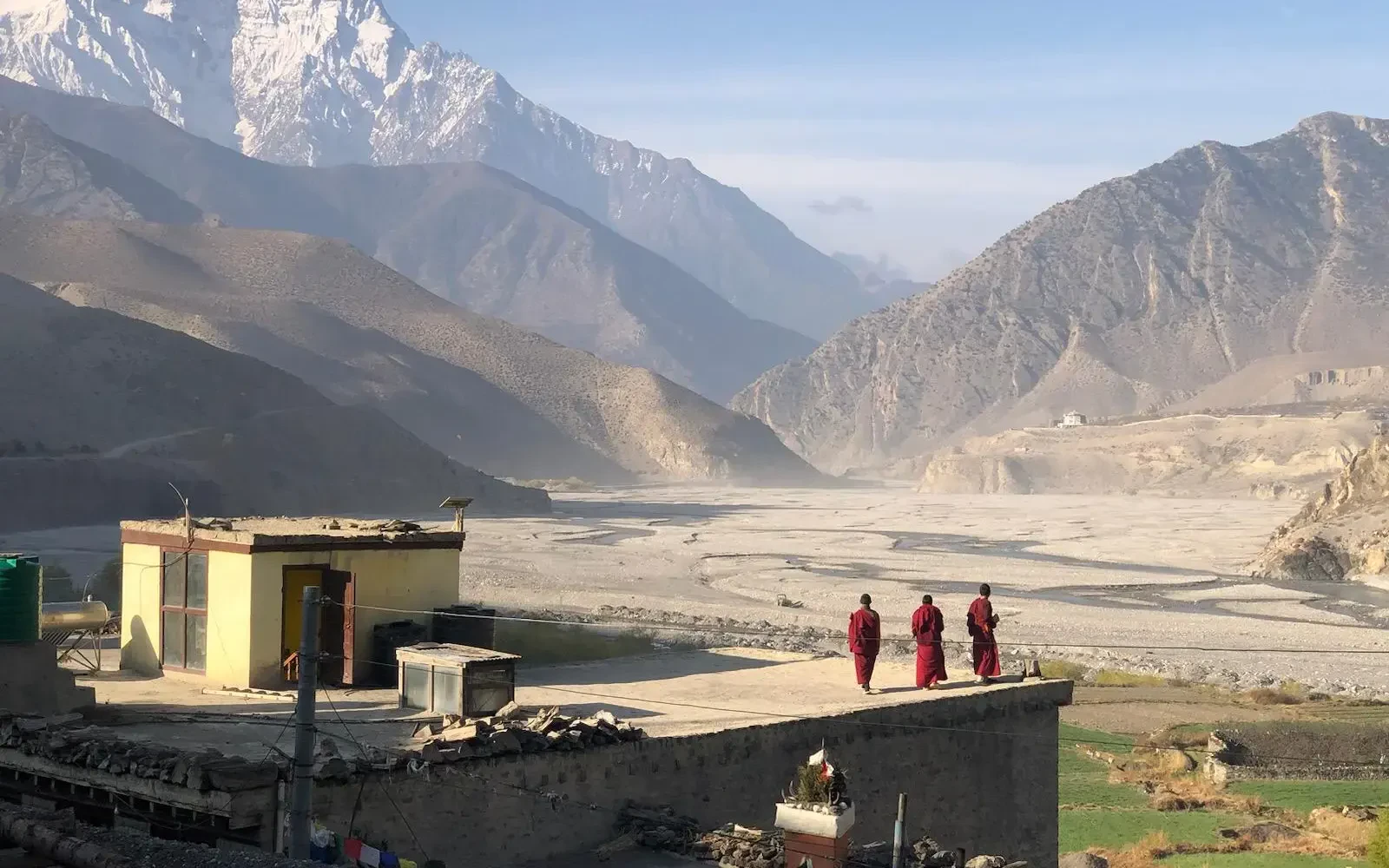
If you're planning to Annapurna Circuit Trek, you'll need to get certain permits. These documents help keep things safe and protect what’s around us. To enter the Annapurna region, you need to have the Annapurna Conservation Area Permit (ACAP). The Trekkers' Information Management System (TIMS) card might still be needed, but the rules can change. The fees help fund local projects and protect wildlife. Officials check permits at several spots. Get them ahead of time to avoid any problems. Some sources say TIMS is optional now, but it's best to check before you travel. Costs change depending on nationality and the method used. Online options make the process faster. Always go to official sites to make sure it's real. Fake permits can get you fined or turned away. Plan ahead to keep your trekking smooth. This helps cut down on both time and money.
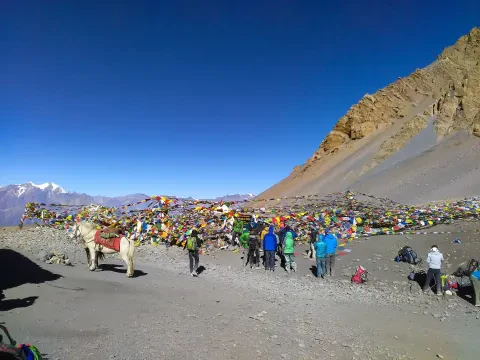
Actually, Annapurna Circuit Trek Permits help protect the environment around mountains like Annapurna, which stands at 8,091 meters. They provide money for trails and villages. ACAP includes the conservation area. TIMS keeps an eye on trekkers in case of emergencies. Fees stay the same throughout the year without any seasonal changes. Double charges apply at checkpoints. Here, you need to get permits in Kathmandu or Pokhara. You can also try using online portals. Agencies assist with applications. Please bring your passport photos and personal details. Check your sources carefully to avoid scams. Official links give updates. This makes sure everything stays safe and follows the rules. Trekkers have a better time on the route when they carry the right documents.
| Category | Fee (NPR) | Approx. USD | Notes |
|---|---|---|
| Foreigners | 3,000 | 25-30 | Single entry, includes tax. |
| SAARC Nationals | 1,000 | 8-10 | Lower rate for regional visitors. |
| Nepali Nationals | 100-200 | 1-2 | Minimal cost. |
| Children Under 10 | Free | 0 | No permit needed. |
| Category | Fee (NPR) | Approx. USD | Notes |
|---|---|---|
| Individual Foreigner | 2,000 | 20 | For solo trekkers. |
| Group Foreigner | 1,000 | 10 | Per person in organized groups. |
Actually, travelers arrive at Besisahar to begin Annapurna Circuit Trek, which sits at 760 meters above sea level. You can get to Kathmandu by taking either buses or jeeps. This is where the Annapurna Circuit begins. Roads twist and turn as they pass through valleys. Weather often messes with schedules. Rain or landslides can cause delays. Make sure to allow extra time to stay safe. Group travel helps spread out the costs. Solo travelers often rely on public transport. Internal flights can skip parts if necessary. Roads get better each year, making it easier to get around. Make sure to include fuel prices when planning your budget. Hiring privately feels more comfortable but costs more. Make sure to check the conditions before you leave. This helps avoid surprises along the way.
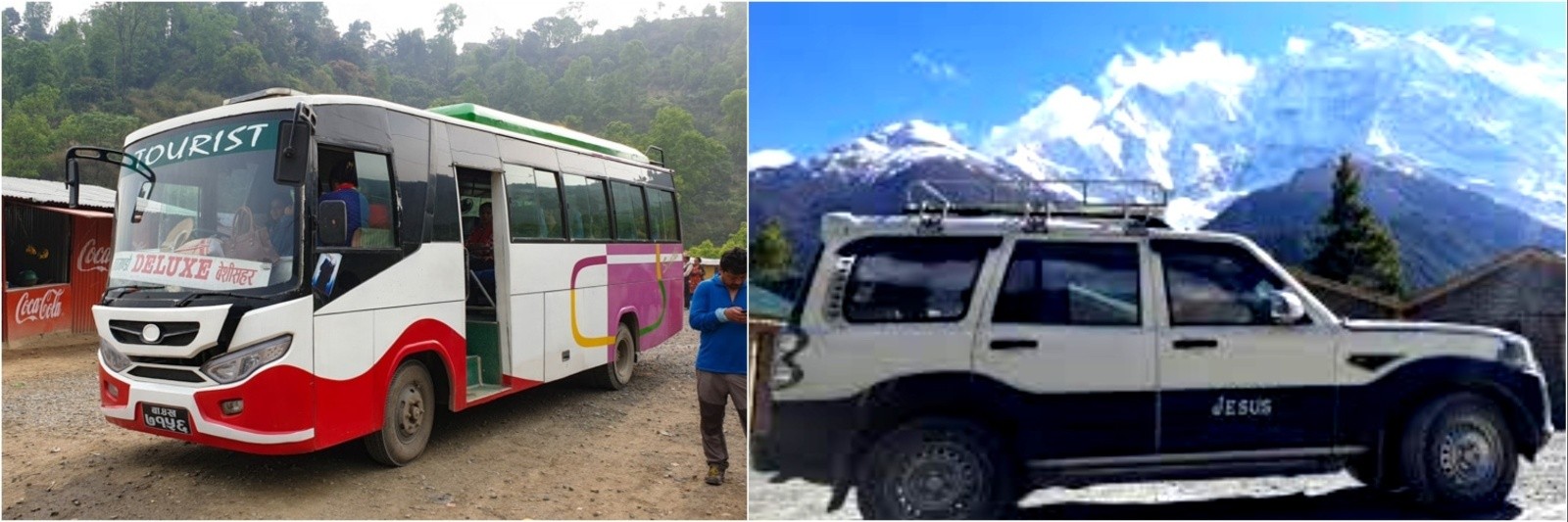
From Besisahar, you can catch jeeps that head up to Chame, which sits at about 2,670 meters above sea level. The path goes up at a steady pace. Thorong La Pass is coming up next, sitting at 5,416 meters high. Buses are a good fit for travelers on a budget. Jeeps do better when the ground gets rough. Flights from Jomsom save time. Still, they rely on clear skies. Going solo usually ends up costing more per person. Groups split fares evenly. Delays come with extra charges for food or lodging. Set aside contingency funds as needed. Look at different choices to find the best value. This helps make the trek doable and more fun.
| Option | Capacity | Cost (USD) | Duration | Pros/Cons |
|---|---|---|
| Public Bus | 20+ | 10-12 per person | 5-7 hours | Cheap but crowded. |
| Shared Jeep | 5-6 | 20-30 per person | 4-6 hours | Comfortable, flexible. |
| Private Jeep | 5-6 | 150-175 total | 4-6 hours | Private, no waits. |
| Option | Cost (USD) | Duration | Notes |
|---|---|---|
| Shared Jeep | 20-30 per person | 4 hours | Ideal for solos/groups. |
| Private Jeep | 200-400 total | 4 hours | For comfort, skips walks. |
| Route | Cost (USD) | Duration | Notes |
|---|---|---|
| Jomsom to Pokhara | 100-150 | 20 mins | Weather-dependent, post-Thorong La. |
| Pokhara to Kathmandu | 100-140 | 30 mins | Quick return option. |
Mainly, trekkers usually stay in teahouses when they’re hiking the Annapurna Circuit. These offer simple rooms with beds. Costs change depending on where you are and the time of year. Places in lower areas tend to have cheaper stays. Higher spots cost more because there aren’t enough available. Discounts often come during the off-season. Bargaining tends to work better when you're in a group. A lot of reviews mention that it’s affordable. Just keep in mind that there might be extra fees for some amenities. This helps keep budgets under control. Focus mainly on planning shared facilities. Choosing private options means paying more. Make sure to read reviews before making a choice. Teahouses also help support local economies.
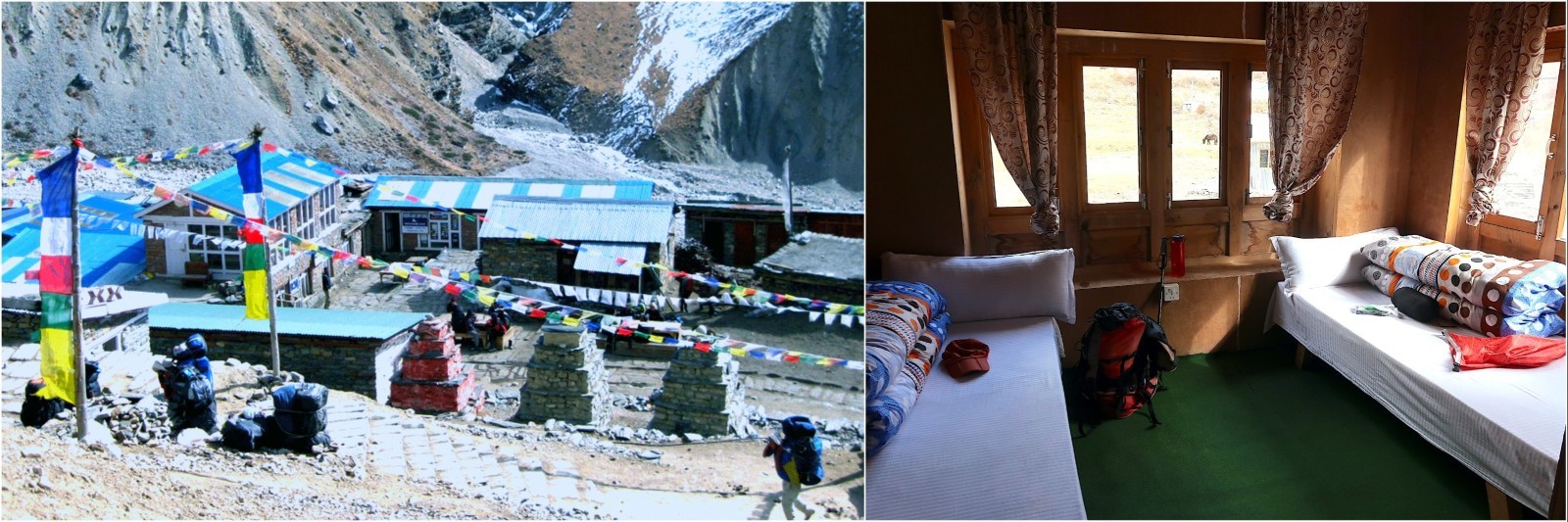
In fact, prices of accommodation on Annapurna Circuit trail change a lot depending on the altitude. Places like Besisahar, sitting at 760 meters above sea level, start off pretty low. Villages rise up to Manang, which sits at 3,540 meters above sea level. There, the rates go up quickly. Thorong Phedi stands at 4,450 meters, making it the highest point.
Here, during the quieter months from June to September, you can get discounts of around 20-30%. Trekkers often say they’re happy with the value they get. One person said, "Tea houses usually cost anywhere from $2 to $5 per person. "Another person said, "Try to negotiate the price down. "Try to stay away from peak seasons when it’s crowded. This makes the most of your budget.
| Altitude Range | Location Examples | Cost per Night (USD) | Notes |
|---|---|---|
| Low (below 2,000m) | Besisahar (760m), Jagat (1,300m) | 3-6 | Basic shared rooms, cheaper in off-season. |
| Mid (2,000-3,500m) | Chame (2,670m), Pisang (3,200m) | 5-10 | Includes hot showers extra ($1-3). |
| High (above 3,500m) | Manang (3,540m), ThorongPhedi (4,450m) | 10-15 | Pricier due to transport; private bath +$2-5. |
| Season | Discount Potential | Average Savings |
|---|---|---|
| Peak (Mar-May, Sep-Nov) | Low (0-10%) | Minimal, higher demand. |
| Off-Season (Jun-Aug, Dec-Feb) | High (20-30%) | Bargain for rooms under $5/night. |
Meanwhile, meals keep trekkers going every day on the Annapurna Circuit. Teahouses offer a variety of choices. Dal bhat is a basic meal that gives you the energy you need. Western dishes usually cost more. Prices go up as you climb higher. Water choices also impact budgets. Vegetarians usually have no trouble finding simple options. People with restrictions adjust their menus. Staying healthy is really important while hiking. Always stay away from uncooked foods. This helps stop illnesses from spreading. Plan your meals in advance. Eating local foods helps you save money. Take the time to really be present and enjoy the experience.
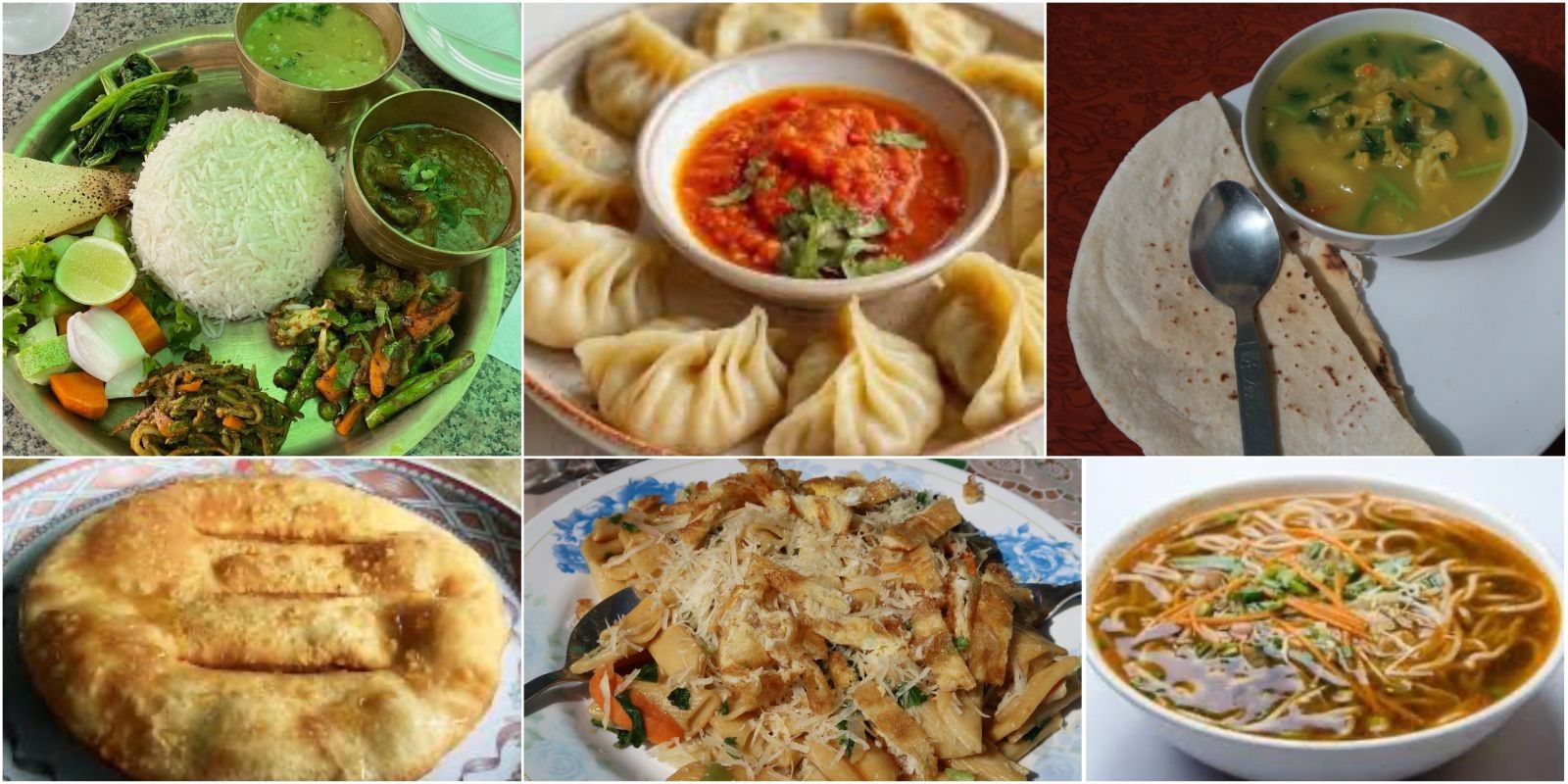
On average, it costs about $20-30 a day to cover three meals during Annapurna Circuit Trek. Staples like dal bhat fit well within most budgets. Bottled water can really add up fast. Purification tablets help save money. Vegans can enjoy dishes made with lentils. Gluten-free diets should include rice choices. Reviews point out the nutrition value. One traveler mentioned, "Dal bhat comes with free refills and costs around USD 5-7."Another person mentioned, "Meals per day cost between USD 18 and 30."Tie safety to choices means making sure that the decisions we make keep us safe and avoid risks. It’s about understanding the consequences of what we do and picking options that protect us and others. When safety is connected to the choices we face, we think a bit more before acting, which helps prevent accidents or harm. Eating cooked foods lowers health risks. This makes the trek more useful.
| Meal Time | Options | Estimated Cost (USD) | Notes |
|---|---|---|
| Breakfast | Porridge, eggs, tea | 3-6 | Energy boost; tea $1-3 extra. |
| Lunch | Dal bhat, noodles | 5-9 | Dal bhat with refills, veg-friendly. |
| Dinner | Soup, pasta, momos | 5-9 | Western pricier; avoid raw veg. |
| Snacks/Drinks | Coffee, snacks | 1-3 | Total daily: $20-30. |
| Altitude Range | Daily Meal Cost (USD) | Examples |
|---|---|---|
| Low (below 2,000m) | 15-25 | Cheaper dal bhat $5. |
| High (above 3,500m) | 25-35 | Bottled water $2-4; Western $10+ |
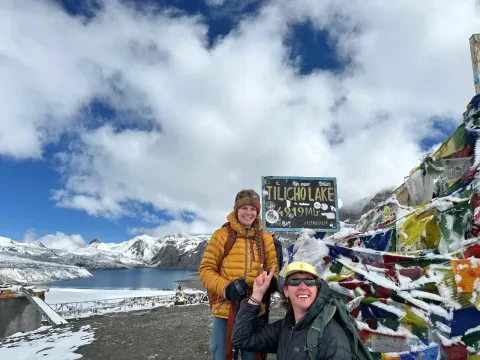
Here, trekkers usually hire guides when doing the Annapurna Circuit. Guides help you find your way safely. They know the trails like the back of their hand. Porters also carry heavy loads. Daily rates depend on experience. Agencies take care of insurance needs. Independents might still save some money. One of the benefits is getting local insights. Paying fair wages is really important. Fair pay helps build stronger communities. Always make sure to show appreciation. This makes the trek more enjoyable. Make sure to hire through reputable sources. Make sure to check licenses before you start. Travelers tend to appreciate responsible choices.
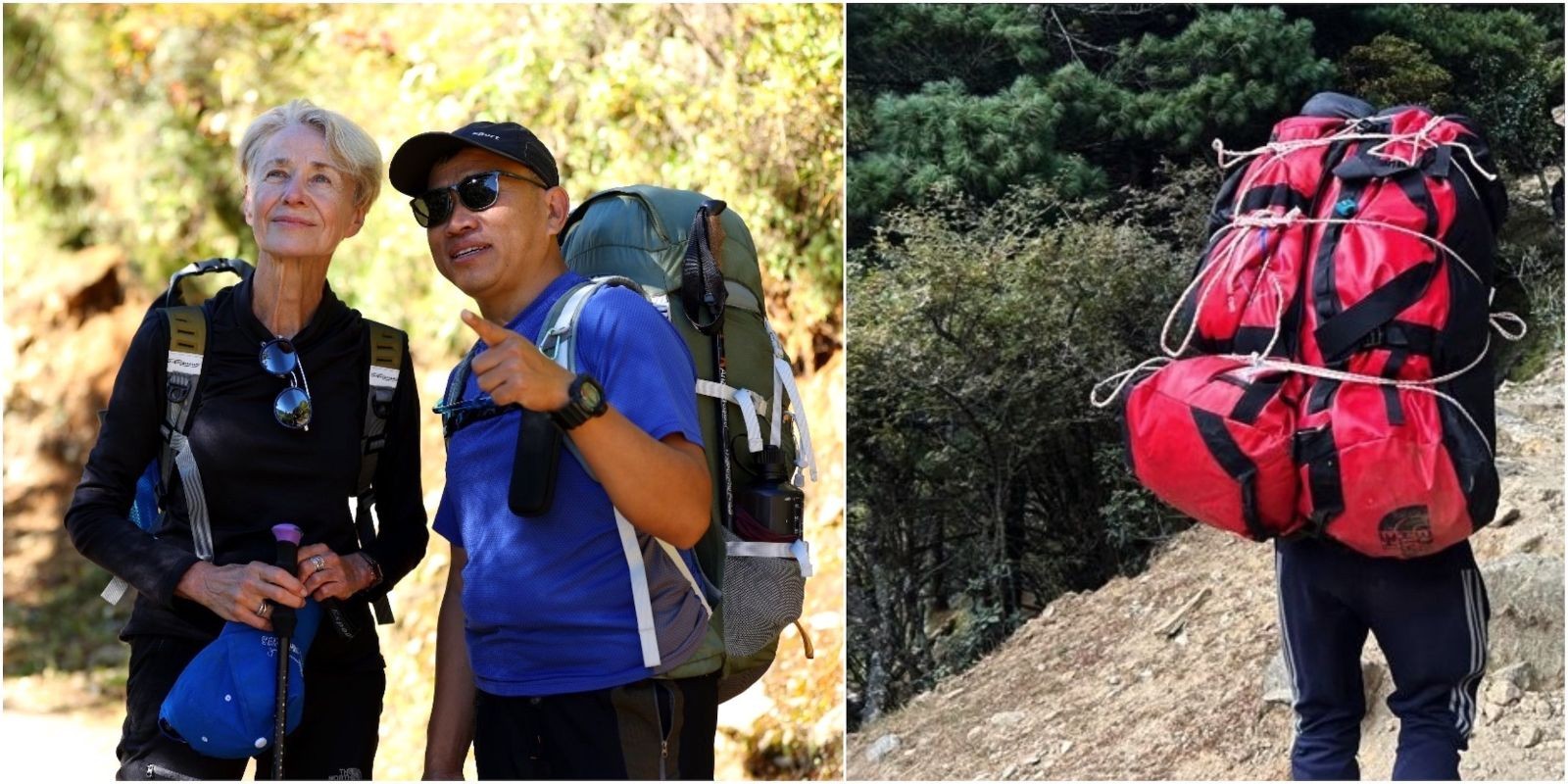
Likewise, hiring through agencies usually feels more dependable. Independents do offer some flexibility though. Guides cover emergencies well. Porters help by carrying heavy loads. Insurance offers protection to everyone involved. Daily costs for guides usually run between 25 and 35 dollars. Porters usually cost between $15 and $25. When tackling high passes like Thorong La at 5,416 meters, having experience really makes a difference. Off-season rates go down a bit. Sometimes agencies include gear. Independents require their own distinct arrangements. Ethical notes emphasize avoiding any kind of exploitation. Always pay fair wages on time. This creates positive impacts.
| Role | Daily Rate (USD) | Notes |
|---|---|---|
| Guide | 25-50 | Experienced, English-speaking; covers navigation, culture. |
| Porter | 15-25 | Carries 15-20kg; based on load, season. |
| Porter-Guide | 20-30 | Dual role, cost-effective for solos. |
| Approach | Pros | Cons |
|---|---|---|
| DIY (Independent) | Flexible pace, lower costs ($800-1,500 total), personal adventure | Navigation risks at high elevations, no support in emergencies. |
| Guided (Agency) | Safety, cultural insights, logistics handled | Higher costs ($1,000-2,000), less flexibility. |
Actually, essential gear helps trekkers on the Annapurna Circuit Trek. The items are poles and bags. Renting works well for short trips. Buying clothes that fit well means you'll wear them often. Costs in Kathmandu can be pretty different depending on where you go. Maintenance helps items last longer. Wear several layers of clothes to stay warm. Budget alternatives help you spend less. Look for outfitters known for good quality. This gets you ready. Always try to pack light. Keep it simple and stick to the basics.
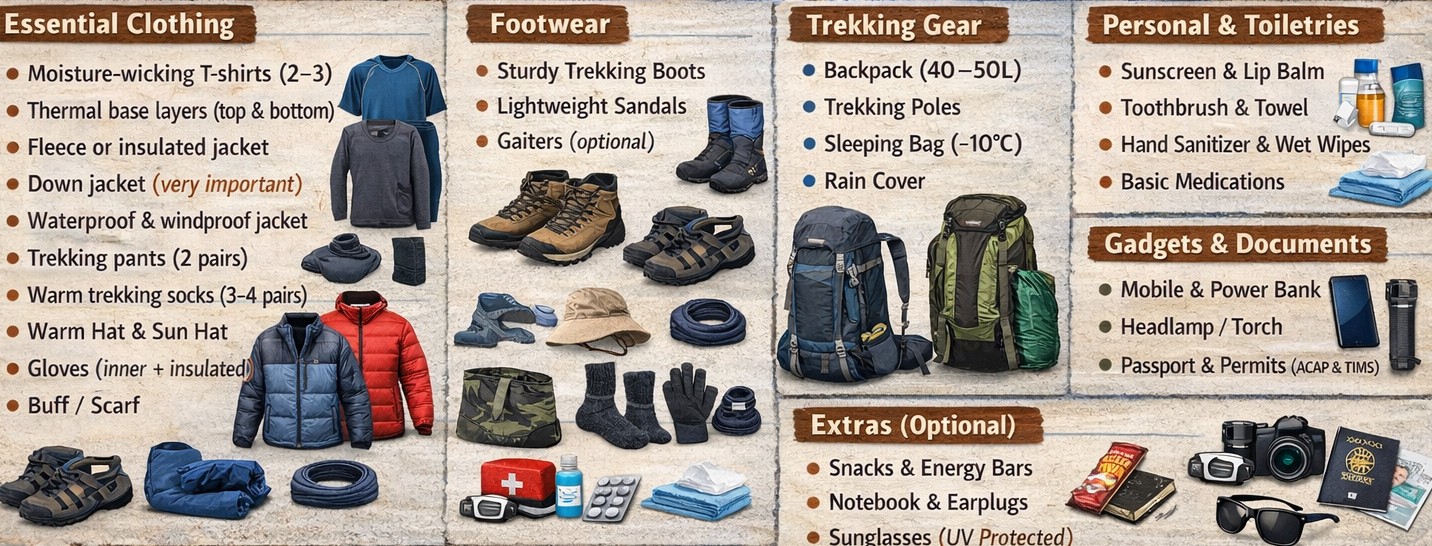
Further, rental shops provide budget-friendly choices. Buy from Thamel stores. Sleeping bags keep you warm on cold nights. Poles help on steep sections. Wearing multiple layers of clothing usually works better than just thermals. Get prices from Shona's or a similar place. After your trek, make sure to clean your gear well. Store in a dry place. Test the equipment at high places like Manang, which is 3,540 meters above sea level. Plan your budget carefully to stay comfortable.
| Item | Cost | Notes |
|---|---|---|
| Sleeping Bag | 2-3 | -10°C to -20°C rating; from Makalu e-Traders. |
| Down Jacket | 1.5-3 | Warm for high altitudes; rent from Himal Outdoor. |
| Trekking Poles (Pair) | 1-2 | Essential for balance; available at Switchback. |
| Boots | 2-5 | Waterproof, broken-in; from Nest Adventure. |
| Item | Cost(USD) | Notes |
|---|---|---|
| Backpack (50L) | 50-100 | Durable; from local shops. |
| Sleeping Bag | 50-100 | Down fill; buy for reuse. |
| Down Jacket | 70-120 | Lightweight; from Thamel. |
| Trekking Poles | 8-35 | Carbon fiber options. |
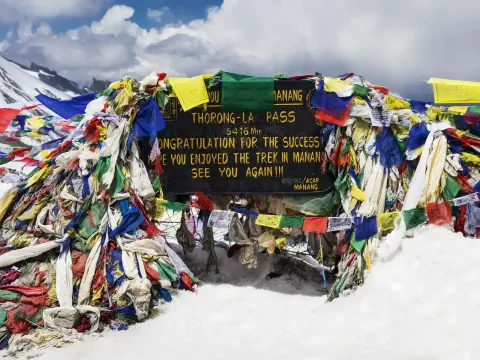
Here, travel insurance helps keep trekkers safe when they’re on the Annapurna Circuit. Policies include guidelines for evacuations from high altitudes. They also take care of medical emergencies. Trip cancellations are often included. The premiums change based on how long it lasts. Helicopter rescues can run into the thousands if you don’t have coverage. Real stories make the risks easier to see. One hiker got altitude sickness close to Thorong La Pass, which sits at 5,416 meters. Insurance helped avoid an expensive evacuation. Cutting corners here can be risky. Providers offer plans that fit individual needs. Take your time to look over the options before deciding. This helps you feel at ease. High passes need solid coverage. Choose carefully to stay safe.
Actually, travel insurance policies focus on remote rescues. Evacuations should focus first on people in Manang, which sits at 3,540 meters or above. Medical bills can pile up quickly. Cancellation is meant to cover unexpected problems. Premiums run between $100 and $300 for a period of 15 to 21 days. Real-life cases show just how important this is. A hiker got hurt and needed an urgent heli-lift for help. Coverage covered over $5,000. Without it, debt just ends up piling on. Stories that touch emotions help people understand better. Providers like World Nomads do really well in this area. They include adventure activities. Always check altitude limits before proceeding. This factor is still important.
| Provider | Max Altitude Covered | Evacuation Coverage | Approx. Premium (USD) | Notes |
|---|---|---|
| World Nomads | Up to 6,000m | Helicopter included | 100-200 | Popular for adventure; flexible extensions. |
| IMG Global | Up to 6,000m+ | Up to policy max | 150-250 | Strong for high-altitude; add-ons available. |
| Global Rescue | No limit | Specialized rescue | 200-300+ | Priority heli-evac; best for remote areas. |
| SafetyWing | Up to 4,500m (extendable) | Up to $100,000 | 95-150 | Budget option; add adventure coverage. |
Actually, travelers from other countries require a visa to enter Nepal. Tourist visas can be obtained upon arrival. The fees vary depending on how long it lasts. Extensions cover longer stays. Sometimes, airport taxes apply. The process often begins online. This makes getting started easy. Most nationalities are eligible. Bring passport photos with you. It's better to pay in cash. Fees have stayed the same since 2023. Official sources have confirmed the details. Make sure to plan ahead so your arrival goes smoothly. This helps you on your trek.
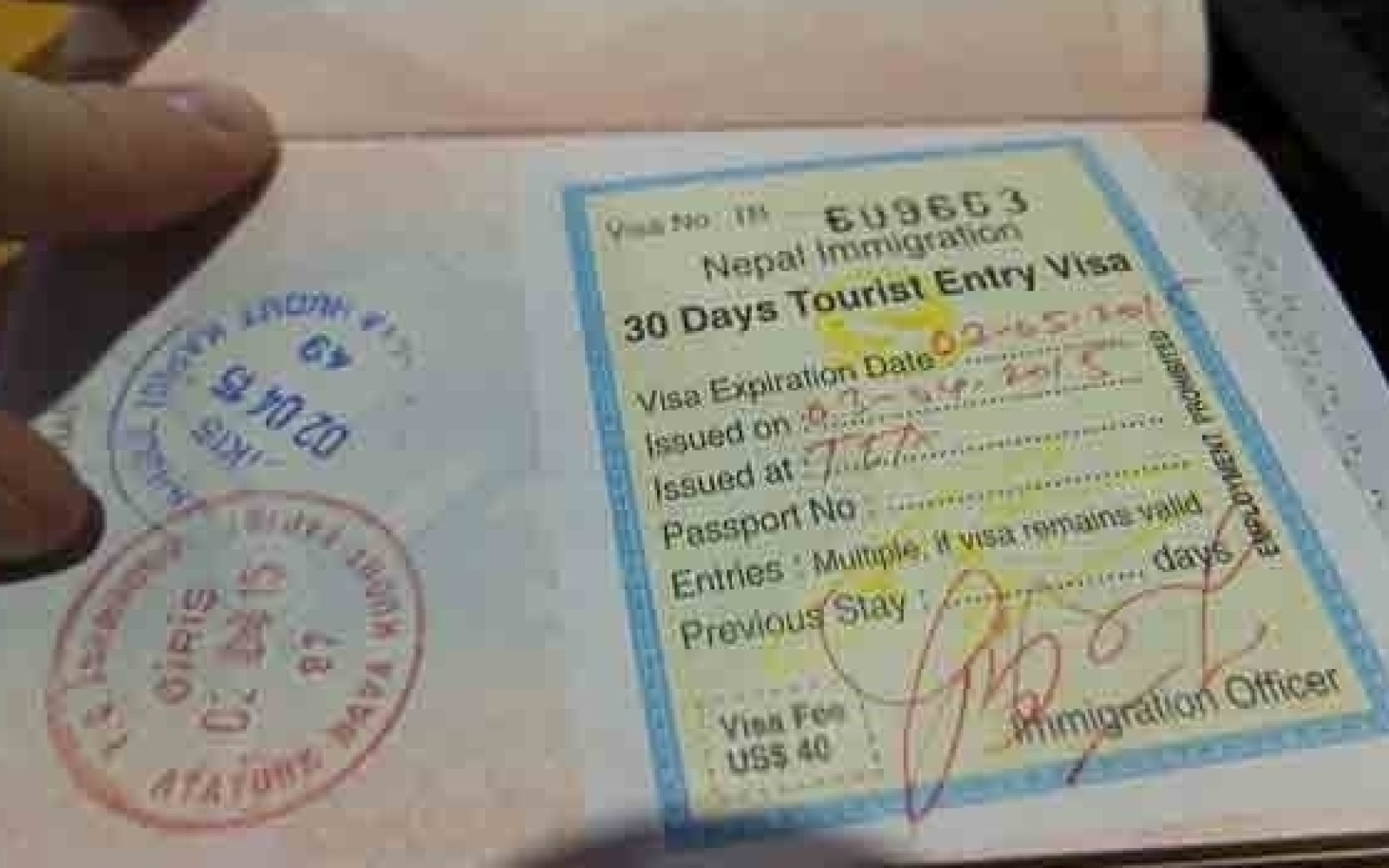
In fact, you can get a visa on arrival at Tribhuvan International Airport. You get multiple entries included as a standard feature. Extensions come with an additional daily charge. There haven’t been any major changes since 2023. People from SAARC countries sometimes get discounts. Kids under 10 get in free. Guidance that breaks things down step by step really helps. Please fill out the forms online first. Make sure to pay fees correctly. This puts reliable info in place. Trekkers can easily get to starting points like Besisahar, which is 760m above sea level. Always check the latest rules.
| Duration | Fee (USD) | Notes |
|---|---|---|
| 15 Days | 30 | Multiple entry; most common for short treks. |
| 30 Days | 50 | Standard for Annapurna Circuit (up to Thorong La 5,416m). |
| 90 Days | 125 | For extended stays; multiple entry. |
| Item | Cost (USD) | Details |
|---|---|---|
| Extension (min 15 days) | 45 + $3/day extra | Apply in Kathmandu; max 150 days/year. |
| Late Fine | $5/day | For overstay penalties. |
| Airport Departure Tax | Included in ticket | No separate payment for international flights. |
Here, trekkers on the Annapurna Circuit need a way to keep in touch that they can count on. SIM cards give you access to mobile data. You can usually find Wi-Fi in teahouses. Portable chargers take care of your power needs. Costs depend on the provider and where you are. Data plans help navigation apps work properly. But signals get weaker at higher elevations. Offline maps provide free options. This helps you stay connected without any risk. Plan your budget carefully for these essentials. Connectivity makes the whole experience better.
Likewise, places up high like Thorong La at 5,416 meters often lose signals. Villages like Manang, which sits at 3,540 meters elevation, have easier access. SIMs from Ncell or NTC work just fine. Wi-Fi fees can really pile up day by day. Chargers stop the battery from dying. Free hacks help you save money in a simple way. Please download the apps before you begin. This makes trekking more engaging. Easily share updates.
| Provider | SIM Cost (USD) | Data Plans (USD) | Validity |
|---|---|---|
| Ncell | 0.80-5 | 1-4.30 (1-60GB) | 3-28 days |
| NTC | 0.70-1 | 2.10-5.80 (5-25GB) | 28 days |
| Item | Cost (USD) | Notes |
|---|---|---|
| Teahouse Wi-Fi | 2-5 per day/session | Available lower elevations; spotty higher. |
| Portable Charger (Kathmandu) | 10-50 | 10,000-20,000mAh models. |
Actually, Annapurna Circuit Trek often catches people off guard with extra costs they didn’t expect. Tips go to guides and porters. Souvenirs do a good job of holding onto memories. Hot showers often bring comfort. These pile up fast. Stories like these show real impacts. One trekker gave the porter an extra tip for helping out in the rain. We bought some more crafts in Manang, which is at 3,540 meters elevation. Hidden subtotals help people learn about budgets. Make sure to plan for these often overlooked items. This both catches readers off guard and gets them ready.
Likewise, tips to the guide and porter follow guidelines to keep things fair. Souvenirs include things like scarves and flags. Showers and other luxuries tend to cost more when you're up high. At Pisang, sitting at 3,200 meters, a hot shower was just what I needed to feel refreshed after a long day. Guides told stories that got people to give generous tips. Make sure to figure out the hidden costs so you’re not caught off guard. This helps people become aware.
| Role | Daily Tip (USD) | Total for 15 Days (USD) | Notes |
|---|---|---|
| Guide | 10-20 | 150-300 | Per group; adjust for service. |
| Porter | 5-15 | 75-225 | Per person; ethical minimum. |
| Item | Cost (USD) | Notes |
|---|---|---|
| Souvenirs (Scarves/Flags) | 5-20 | Local crafts; higher in remote spots. |
| Hot Showers | 2-5 each | Increases with altitude. |
| Category | Estimated (USD) |
|---|---|
| Tips + Souvenirs + Showers | 300-500 |
When you're on the Annapurna Circuit Trek, it's important to be ready for anything that might come up. Altitude sickness happens when you're up at high elevations. Weather delays often make trips longer than planned. Sometimes, helicopter evacuations are needed. A budget serves as a safety net. Add a 20% buffer to the total costs. This handles surprises pretty well. Treatments or extra nights will add to the cost. Insurance covers the big emergencies. Small funds still make a difference right away. Make sure to bring cash when you’re in remote areas. This keeps your journey safe. Think ahead so you can relax without worries.
Actually, contingency funds help keep things safe during the trek. Thorong Pass, standing at 5,416 meters, brings its own altitude challenges. Manang, sitting at 3,540 meters, has some clinics but only basic medical care. Extra nights cost between $10 and $20 each day. Helicopter rescues cover a lot of different situations. Paying out-of-pocket can really take a toll when you don’t have coverage. Resource links give you contacts. Nepal's emergency services are known for their quick response. Set aside a buffer percentage. This sets up a dependable safety net. Readers always stay prepared.
| Emergency Type | Estimated Cost (USD) | Notes |
|---|---|---|
| Altitude Sickness Treatment/Descent | 50-500 | Includes meds, extra nights, or ground transport. |
| Extra Nights Due to Weather | 10-30 per night | Teahouse rates rise; add food costs. |
| Helicopter Evacuation (Out-of-Pocket) | 3,000-15,000 | Varies by location; $5,000-10,000 common for Annapurna to Pokhara/Kathmandu. |
| Total Trek Budget (USD) | Suggested Buffer (20%) | Purpose |
|---|---|---|
| 800-1,200 | 160-240 | Covers minor delays or treatments. |
| 1,200-2,000 | 240-400 | Includes potential evac partials or extras. |
Actually, the Annapurna Circuit Trek Cost changes a lot depending on the season. Prices go up during peak times. You can save money by shopping during off-peak times. Weather also impacts availability. October and November are the best months. Monsoon helps bring costs down. But the risks go up quickly. Think carefully before making choices. Peak offers clear views. Budget time works well for adventurers. This helps you make better decisions. Costs go down by 10 to 30 percent during off-peak times. Make your plan based on what matters most. This makes sure you get the most value without any risk.
In fact, the best time for Annapurna Circuit Trek is peak autumn, usually around October to November. The skies are clear. The trails are staying steady. When people want something a lot, prices tend to go up. Accommodation rates drop during the monsoon season from June to August. Transport often runs late. Thorong La, which sits at 5,416 meters, might face closures soon. Teahouses offer big discounts during the off-season. Some people prefer places with fewer crowds. Landslides still pose a risk to safety. Look at the pros and cons carefully. This helps with smart planning.
| Season | Accommodation/Night (USD) | Transport (USD) | Total Daily Avg (USD) | Notes |
|---|---|---|
| Peak (Oct-Nov) | 8-15 | 30-50 (higher demand) | 40-60 | Clear skies, crowds; prices up 20-40%. |
| Monsoon (Jun-Aug) | 3-10 | 20-40 (delays possible) | 25-40 | Savings 10-30%; rain, landslides risks. |
| Aspect | Peak (Oct-Nov) | Off-Peak (Monsoon Jun-Aug). |
|---|---|---|
| Cost Savings | Low (higher demand) | High (10-30% cheaper). |
| Weather/Safety | Excellent, stable | Risky rain, landslides. |
| Crowds/Views | Busy, clear views | Quiet, lush but hazy. |
| Availability | Book early | Easier, discounts common. |
Here, trekkers figure out all the costs for the Annapurna Circuit trek. This takes about 15 to 20 days. Low budgets work well for independents. Mid ranges include guides. Having more options brings extra comforts. Traveling alone usually costs more. Groups split fees fairly. Variables are season and choices. Just use a simple formula: base plus variables. Set it up to match what you like. This lays out the estimates in a clear way. Adjust the figures to get involved.
Most importantly, always add 20% for contingencies during Annapurna Circuit Trek. Going solo tends to cost more for each person. Groups save money on guides and transport. For example, just multiply the daily averages by the number of days. Then think about the group size. Interactive calculators can be really helpful online. Or you can use: total equals permits plus transport plus daily food and accommodation times days, then add extras. This allows people to tailor things to their own needs. Readers manage budgets easily.
| Budget Level | Solo | Group (4-6) Inclusions |
|---|---|---|
| Low | 700-1000 | 600-800 | Independent, basic teahouses, public transport. |
| Mid | 1200-1800 | 900-1200 | Guided, standard meals, shared jeep. |
| High | 2000-2500+ | 1500-2000 | Luxury, private transport, extras. |
| Category | Low (USD) | Mid (USD) | High (USD) |
|---|---|---|
| Per Day | 35-50 | 60-90 | 100+ |
| Total (18 Days) | 630-900 | 1080-1620 | 1800+ |
Actually, planning the Annapurna Circuit in a good way helps you save money. First, let's go over the main tips. Travel during off-peak times to get discounts. Split costs among friends. Pack wisely to skip renting stuff later. Try eating local dal bhat. Affordable teahouse prices. These costs were cut a lot. Value comes from the way people see things and the culture around them. Mountains like Annapurna, standing at 8,091 meters, really take your breath away. Money comes and goes, but memories stay with you for a lifetime. This trek changes travelers.
Further, sign up to get updates about treks in Nepal. Feel free to share your experiences in the comments. Information from official sites is trustworthy. This post is based on personal expertise. Feel free to ask if you want more tips. Begin your journey now.
| Tip | Savings Potential | Example |
|---|---|---|
| Off-Peak | 10-30% | Monsoon lodging drops. |
| Group Travel | 20-50% | Shared guides. |
| Local Choices | 15-25% | Dal bhat vs Western. |
1. What is the total cost of Annapurna Circuit Trek in 2026?
The Annapurna Circuit Trek cost is around $800 to $1,800 per person for 15 to 20 days. This depends on how you like to travel. If you are traveling on your own the Annapurna Circuit Trek cost will be around $700 to $1,000. If you are going with a guide the Annapurna Circuit Trek cost will be around $1,000 to $1,600. The Annapurna Circuit Trek cost includes things like permits, transportation, places to stay, food and a guide. You should also add an extra money, about 20% in case something unexpected happens. We want to make sure you know what you are paying for so you can have a safe and fun trip on the Annapurna Circuit Trek.
2. How much do permits cost for Annapurna Circuit Trek?
The main permit you need for the Annapurna Circuit Trek is the Annapurna Conservation Area Permit. This permit costs around $30 to $35 per person. You may also need a TIMS card. This is usually included or very cheap. We take care of all the paperwork for the permits so you do not have to worry about it. The money from the permits helps take care of the trails and supports the communities.
3. What are the transportation costs to and from the Annapurna Circuit?
To get to the start of the Annapurna Circuit Trek you can take a bus to Besisahar for $10 to $15. You can also take a shared jeep for $20 to $30 per person. If you want to fly from Jomsom to Pokhara this will cost around $100 to $150. We think it is an idea to be flexible with your travel plans in case the weather is bad. This way you can have an affordable trip to and from the Annapurna Circuit Trek.
4. How much does accommodation cost on the Annapurna Circuit?
The cost of accommodation on the Annapurna Circuit Trek is around $3 to $6 per night at altitudes. At altitudes it costs around $10 to $15 per night. You can stay in shared rooms, which're affordable and comfortable. If you are traveling during the off-season you may be able to get a discount of 20 to 30%. We recommend booking your accommodation in advance during peak season. This way you can have a place to stay and support the local families who run the teahouses on the Annapurna Circuit Trek.
5. What is the daily food and meal budget for the trek?
The daily food budget for the Annapurna Circuit Trek is $20 to $30 per day. This includes three meals. Dal bhat is an option as it is cheap and you can have as much as you want. The cost of food may be a little higher at altitudes. We recommend eating food as it is safe and affordable. This way you can have energy for the challenging parts of the Annapurna Circuit Trek like Thorong La without spending too much money.
6. How much does it cost to hire a guide and porter?
The cost of hiring a guide for the Annapurna Circuit Trek is $25 to $50 per day. The cost of hiring a porter is around $15 to $25 per day. This includes their insurance and other support. We recommend hiring a guide and porter through us as we make sure they are licensed and experienced. This way you can have an enjoyable trip on the Annapurna Circuit Trek.
7. What are the gear rental or purchase costs in Kathmandu?
In Kathmandu you can. Buy gear for the Annapurna Circuit Trek. The cost of renting a sleeping bag is around $2 to $3 per day. The cost of renting a jacket is around $1.5 to $3 per day. The cost of renting poles is $1 to $2 per day. If you want to buy gear the cost is around $50 to $120 per item. We recommend renting gear as it's cheaper and you may only use it once. We can help you find quality gear that will keep you comfortable and safe, on the Annapurna Circuit Trek.
8. Is travel insurance necessary and how much does it cost?
We think travel insurance is an idea because it protects you against things like altitude sickness or bad weather near Thorong La. The insurance should cover helicopter evacuation up to $100,000 or more. For a trip that's 15 to 21 days long the insurance will probably cost between $100 and $300. This is an investment because it gives you peace of mind when you are trekking. Companies like World Nomads are reliable. Can help you.
9. What are the Nepal tourist visa fees for trekkers?
To get a visa when you arrive in Nepal it will cost $30 for 15 days $50 for 30 days and $125 for 90 days. You can easily extend your visa in Kathmandu. You will need to bring cash and passport photos. Our team will help you with this process so you can start your adventure without any stress.
10. How much should I budget for communication and Wi-Fi on the trek?
We recommend that you buy a SIM card for $1 to $5 and a data plan for $2 to $6. The Wi-Fi at teahouses costs $2 to $5 per day. It does not always work well when you are higher up. It is an idea to download maps that you can use offline before you start your trek. This way you can stay connected without spending much money. You can still enjoy the beautiful scenery of the Annapurna region.
11. What are typical tipping and souvenir expenses?
We think it is an idea to tip your guides $10 to $20 per day and your porters $5 to $15 per day. You can also buy souvenirs like scarves or prayer flags for $5 to $20. It is an idea to budget an extra $100 to $300 for these things. Tipping your guides and porters is a way to support the local community. We can help you with this so you can have an impact.
12. How do seasonal variations affect trek costs?
The cost of the trek can vary depending on the time of year. During the peak season, which's October and November the cost can be 20 to 40% higher because so many people want to trek then. During the monsoon season the cost can be 10 to 30% lower because there are people. We can help you plan your trek so you can get the value and have a good experience on the Annapurna Circuit.
13. What emergency and contingency funds should I plan for?
We think it is an idea to add 20% to your budget, which is $160 to $400 in case of emergencies like bad weather or altitude sickness. You should also bring $200 to $500 in cash. Travel insurance can help cover the cost of emergencies like evacuations. This way you can be. Have a worry-free journey.
14. What is the daily average cost breakdown for the trek?
The daily cost of the trek can vary,. On average it is $35 to $50 per day for a budget trip and $60 to $100 per day for a mid-range trip. This includes food, lodging and other expenses. You should also factor in the cost of permits and transportation. We can help you plan your trip so you can stay within your budget and have a time on the Annapurna Circuit.
15. How can I save money on the Annapurna Circuit Trek?
We have some tips that can help you save money on your trek. One idea is to trek during the off-peak season. You can also save money by eating dal bhat, which's a traditional Nepali meal and, by sharing guides and porters with other trekkers. Using transportation can also be cheaper. Of buying gear you can rent it and you can purify your own water. These tips can help you save 20 to 40% on your trek. We can help you plan a trip that's affordable and still safe and enjoyable.
Our travel experts are ready to assist you with any questions.
Send us a message.Have a question before you book? Send your enquiry below and our travel experts will get back with the required information.