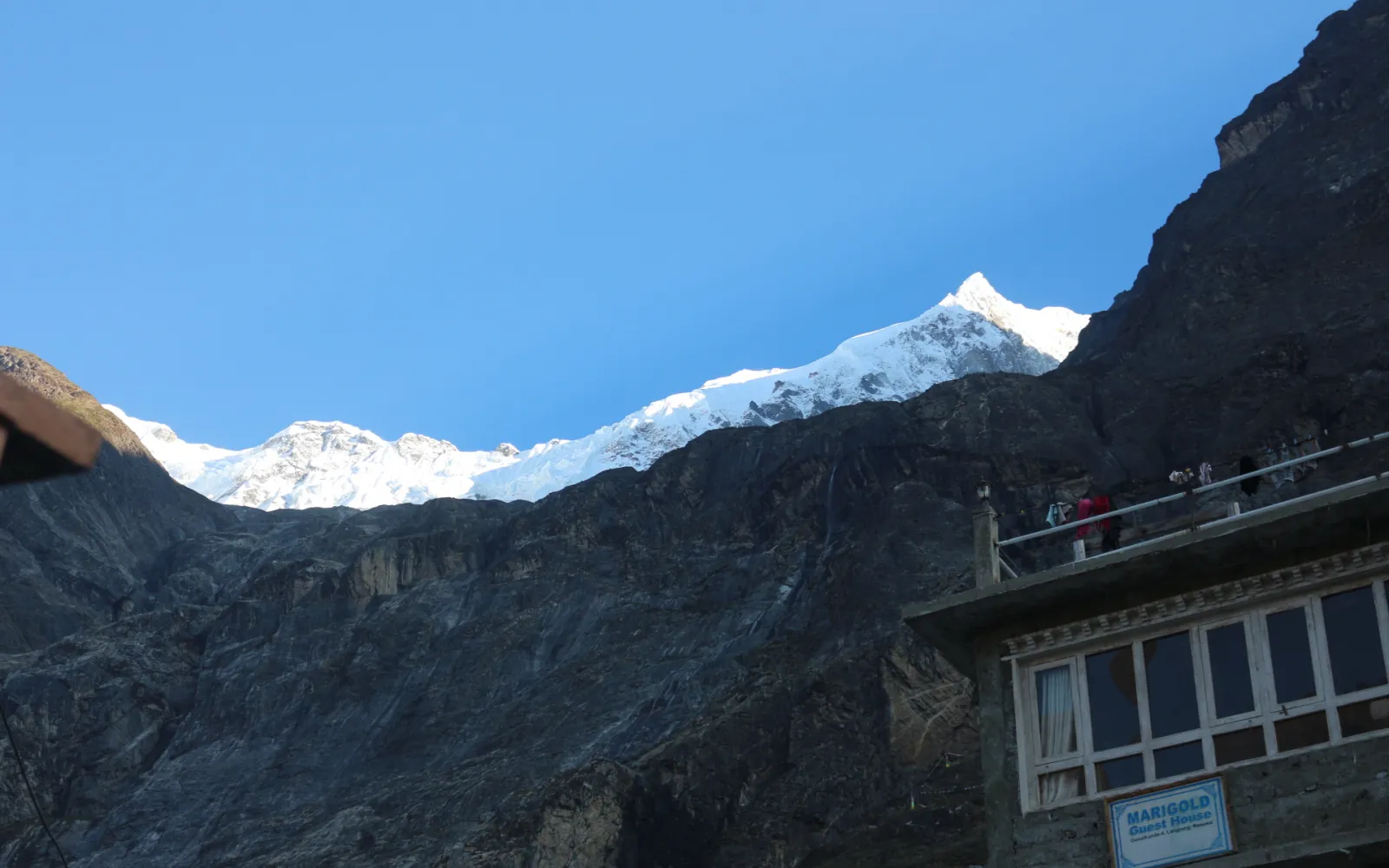
Spring is a favored time for the Langtang Valley Trek. It provides good temperatures together with beautiful blossoms and Himalayan Mountain views. Throughout this season, there is a variety of environments available to explore within the Langtang National Park including tropical and mountainous regions.
Typically, trekkers begin at Syabrubesi (approx. 1,460m), and then travel alongside the Langtang River. Along the way are Bamboo, Lama Hotel (2,480m), Langtang Village (3,430m) and Kyanjin Gompa (3,870m). Trekkers can also ascend to Kyanjin Ri (4,773m) and Tserko Ri (4,984m), where good visibility in the mornings allows for fine mountain views.
Within the spring months, the trek can vary due to temperature, snow and rainfall. Typically, March is cooler and less busy. April provides good temperatures together with blossoms and good mountain visibility. May sees better temperatures but also rising humidity, afternoon mist and sporadic pre-monsoon rain.
To summarize, the ideal time to trek in Langtang Valley will depend upon personal temperature inclinations, availability and appreciation of springtime. This article analyses the key aspects of trekking in March, April and May including temperature, terrain, mountain views, places to stay and transport together with trek costs.
Overview – March, April and May Condition
Month | General Conditions | Main Benefit
March | Cool, fairly arid and at times snowy | Earlier blossoms and less busy routes
April | Pleasant, colorful and largely favorable | Ideal temperature and view balance
May | Warmer, more humid and misty | Later greener environment and less busy trekkers
Why Trek in Langtang Valley in Spring?
Relish the mountain views of Langtang Lirung (7,227m), Langtang Ri (7,205m) and other Himalayan summits.
Enjoy the seasonal rhododendron displays, especially within the forested areas of around 2,000m to 3,000m.
Benefit from good trekking temperatures and increased daylight hours.
Explore the local culture such as Tamang villages, monasteries and the historically rich area around Kyanjin Gompa.
Whilst spring is a popular trekking time, good visibility and road access cannot always be assured. Post-August 2026 floods, special consideration must be given to conventional road access to Syabrubesi. Please investigate this prior to travelling.
Also, check if the access via Dhunche and Thulo Syabru is open for trekkers or not.
As well as temperatures, pre-monsoon dampness also progressively builds up during the spring months. Whilst low-lying areas warm up, higher regions continue to have chilly mornings and evenings together with sporadic snowfall.
Generally, daytime temperatures in Syabrubesi (1,460m) are pleasant for trekking during spring. However, temperatures in Kyanjin Gompa (3,870m) remain much cooler, especially in the morning and during the night time.
General Springtime Weather in Langtang
Spring represents a slow shift from winter to the warmer pre-monsoon period in Langtang. Although March can still see snow on higher view points, April typically provides good trekking weather.
In addition to, rhododendrons also progressively blossom, initially in lower areas and then in appropriate forested locations. Improved temperatures in May stimulate plant growth. In addition, afternoon mist and sporadic thunderstorms are increasingly likely.
Approximate Springtime Temperatures
Below are average daytime and night time temperatures experienced by Haven Holidays Team for two example locations. These are general climate data and are not definite or officially recorded.
Langtang Springtime Temperature Summary
Location | Elevation | March (day/night) |April (day/night) | May (day/night)
Syabrubesi | 1,460m | 17°C/7°C | 21°C/9°C | 22°C/14°C
Kyanjin Gompa | 3,870m | 3°C/-7°C | 6°C/-4°C | 9°C/1°C
Key Springtime Weather Information
March- Cool mornings, sporadic snow and progressive warming of lower areas.
April -Generally good daytime temperatures and good mountain view potential.
May -Warmer temperatures, rising humidity and more prevalent afternoon mist.
Meanwhile, viewpoints Such as Kyanjin Ri (4,773m) and Tserko Ri (4,984m) are often windier and may contain icy patches.
Is Springtime Weather Reliable for Trekking in Langtang?
Spring is usually a good trekking season as extended winter weather begins to subside and full monsoon rains have yet to occur. Nonetheless, mountain weather can fluctuate and so influence both visibility and terrain. Additionally, this can also impact upon ascents to viewpoints.
Ideally, trekkers should set off early in the mornings so as to maximize mountain visibility ahead of afternoon mist. Waterproofs, thermal clothing and appropriate footwear should be taken in all spring months.
Weather Considerations
Investigate the local weather before attempting ascents to Kyanjin Ri and Tserko Ri.
Be prepared for, and adaptable to, snow, rain and/or altered weather.
Take thermal sleeping attire as mountain lodges can be extremely cold.
Commence viewpoint treks early and avoid ridges during thunderstorms.
Note: On August 26th 2026, conventional road access to Syabrubesi was affected by flooding. Although November 2026 reports suggest that the valley is currently accessible, it should still be verified whether vehicular access is available. Alternative entry points to Langtang Valley include Dhunche and Thulo Syabru.
Generally, April is our recommended spring month for trekking in Langtang Valley. This is especially favorable if trekkers are keen on seeing rhododendrons, enjoying good trekking temperatures and appreciating mountain views.
Also, early May and late March can also be good, depending on actual snowfall, weather forecasts and transport availability.
As the season progresses and altitude increases, there is a marked difference in temperature within the Langtang Valley. Generally, villages (for example, Syabrubesi (1,460m) and Lama Hotel (2,480m)) are warmer than Langtang Village (3,430m) and Kyanjin Gompa (3,870m).
Actually, Kyanjin Gompa is a good place to gauge temperatures at high altitude as trekkers often stay here for one night. Although temperatures steadily rise in spring, it can still be cold at night, especially in March and early April.
Average Temperatures in Kyanjin Gompa – Spring
The below table provides general temperature information to help you to plan your trip. These are not necessarily exact, but will depend on various factors including snow, wind and cloud as well as seasonal weather.
Month | Day temperature | Night temperature| General temperature conditions
March |2°C |-8°C | Cold and the possibility of frost and/or snow
April | 6°C | -4°C | Still cold at night despite warmer days
May |9°C |1°C |Generally mild, with rising humidity
Langtang Valley Weather – March
March is amongst the coolest months to trek in Langtang Valley. Temperatures in Kyanjin Gompa (3,870m) can be as low as around 2°C by day and as low as approximately -8°C by night.
Whilst in more accessible and sunny areas of the valley, it is often pleasant to walk in spring. Nevertheless, mornings in and around Langtang Village (3,430m) and upper viewpoints can still be cool and there may be periods of frost, together with snowy and icy ground.
In March, you can typically expect:
Cold temperatures and nights at altitudes above 3,000m.
Snow in and around Kyanjin Gompa and upper viewpoints.
Good walking conditions in sunny weather.
Cold, breezy conditions around Kyanjin Ri (4,773m) and Tserko Ri (4,984m).
Langtang Valley Weather – April
Compared to March, April is usually a more pleasant month to trek in Langtang Valley. Days are generally warmer and nights are slowly becoming less cold. Typically, Kyanjin Gompa has daytime temperatures of around 6°C. Night-time temperatures can however still be as low as around -4°C.
Whilst winter is slowly receding, villages also become progressively more agreeable for walking. Nonetheless, trekkers should still be prepared for cold mornings and for potentially icy conditions when beginning treks early to Kyanjin Ri and Tserko Ri.
In April, generally expect:
Warmer days for much of the trek.
Gradually less cold evenings in Lama Hotel and Langtang Village.
Intermittently cold temperatures in and around Kyanjin Gompa.
Good day time walking conditions for both acclimatisation and photography.
Langtang Valley weather – May
Typically, May is the hottest spring month within Langtang Valley, especially in the lower and middle areas. Temperatures in Kyanjin Gompa can be as high as around 9°C by day and as low as approximately 1°C by night.
Whilst April tends to be more enjoyable in terms of weather, rising humidity and ‘pre-monsoon’ cloud can reduce the pleasure of walking in May.
Occasionally, rain and even thunderstorms can occur and impact upon upper viewpoints. Nevertheless, mornings continue to offer good opportunities for mountain photography.
In May, generally expect:
Higher daytime temperatures in and around Syabrubesi, Dhunche and Lama Hotel.
Less cold nights in Kyanjin Gompa.
More cloud cover by afternoon, together with sporadic rain.
Possibly less enjoyable hot and humid afternoons.
Temperature variation along the Langtang trek
In summary, altitude greatly influences people’s perception of temperature on the Langtang trek. Consequently, it is often much warmer in Lama Hotel than in areas around Kyanjin Gompa, even within the same month.
Location | Altitude |Temperature notes
Syabrubesi | 1,460m | Generally, warm days
Bamboo | 1,970m | Mild days and cooler nights
Lama Hotel | 2,480m | Good daytime temperatures and cool nights
Langtang Village | 3,430m | Cool mornings and distinctly cool nights
Kyanjin Gompa | 3,870m| Cool nights (especially in March)
Kyanjin Ri | 4,773m | Windy and exposed with potentially icy conditions
Tserko Ri | 4,984m | Colder temperatures together with the possibility of snow/ice
What to Pack for Langtang Valley Trek in Spring?
Although daytime temperatures in Kathmandu may be relatively warm, it is advisable to pack for the potentially coldest night time temperatures. Good quality thermal under-garments, a fleecy layer, down-filled jacket and waterproof walking clothing together with warm gloves and sleeping bag are all good items to take on the trek in spring.
Generally, April provides the most favourable temperature balance for the majority of trekkers. Those who are less bothered by cold nights may find March a suitable month to trek and those who favour warmer temperatures will probably enjoy May.
Regardless of the month, good quality clothing is always necessary as mountain and altitude related weather can rapidly alter temperature.
As the season moves from winter into spring, the daily temperature rises and there are new mountain sights to see. This can be a good time to trek as it is not as hot and there is often a calmer atmosphere. Furthermore, there can be periods of reduced tourist numbers.
Despite moving into spring, in early March the climate can still be similar to that of winter. Both Langtang Village and Kyanjin Gompa can be cold and there is even the potential for snow, especially at higher altitudes. Appropriate clothing should therefore be worn and a adaptable trek itinerary planned.
As mentioned above, trekking in the Langtang Valley in March can also provide a different experience to the more hectic trekking months, such as April.
Later in the month, rhododendrons may start to bloom, and following good weather, new snow can result in pretty mountain, forest and alpine views. As with many aspects of trekking, these can differ from year to year.
Advantages of trekking in Langtang in March
Those who favor cooler climates and/or quieter environments will find that there are benefits to trekking in March. Although, as with April, the number of tourists usually begins to rise in spring.
Good for trekking – Cooler conditions can be favourable for trekking, especially within forested areas and in the lower parts of the valley.
Quieter Atmosphere – At certain times, March can be calmer than the more lively April trekking season.
Early rhododendron blooms – Depending on the temperature and the season, lower altitude forests may start to blossom from late March.
Pretty mountain views – Following fresh snow, clear weather can result in beautiful mountain, forest and alpine vistas.
Possibly increased lodge space – There may be greater availability of space in lodges in March in comparison to spring peak times. Again, it is advisable to investigate lodge provision.
Disadvantages of trekking in Langtang in March
Winter-like conditions can persist at higher altitudes. Appropriate clothing and an awareness of the variable weather should therefore be taken into consideration. Furthermore, there can be snow and/or ice on certain routes.
Cold – In early March, temperatures can drop below zero in and around Kyanjin Gompa (3,870m).
Snow and ice – Footpaths and upper viewpoints such as Kyanjin Ri (4,773m) and Tserko Ri (4,984m) could be covered in snow and/or be iced, particularly in shaded areas.
Reduced lodge provision – High altitude lodges may provide limited facilities in the early months. Thus, prior investigation into lodge provision is recommended.
Early spring – During the first part of March, the climate and number of blossoms can be more typical of winter.
Variable mountain weather – Snow, wind and fluctuating temperatures can all influence trekking. Such effects can be heightened at higher altitudes.
Generally, March can be a good trekking month for those who like cooler temperatures and/or quieter environments. Good quality warm clothing should be worn and appropriate trekking shoes donned.
Additionally, up-to-date information regarding snow should be obtained and high altitude trekking, if chosen, undertaken accordingly.
In fact, this is a good month to trek if you like cooler temperatures, enjoy a more tranquil atmosphere and wish to witness the early signs of spring. Despite it being later in the year, high altitude areas will still experience wintry weather and so trekkers should be ready for cold nights, and the possibility of snow.
Generally, both Langtang Village (3,430m) and Kyanjin Gompa (3,870m) can be quite cold in early March. Later in the month, the temperature tends to become more pleasant and in appropriate areas of forest, early rhododendrons may start to flower.
March Is Particularly Good For:
People who like to trek in cooler temperatures rather than the warmer days of spring.
Those wanting to avoid some of the more crowded trekking months such as April.
Experienced/adequately equipped trekkers who are fine with cold nights and/or snow.
People wishing to view the slow re-greening of forests and the initial flowering of plants in early spring.
Essential March Trekking Equipment:
An insulated down sleeping bag, together with warm clothing.
Well-fitting, waterproof hiking boots to ensure good traction on possibly snowy/icy tracks.
Warm gloves and a winter style hat. Appropriate sleeping arrangements should also be taken.
Investigate information regarding current levels of snow and track conditions if planning to trek Kyanjin Ri (4,773m) and/or Tserko Ri (4,984m).
In Summary, March is a good choice for adequately equipped trekkers who want to benefit from cooler temperatures and a more tranquil environment.
Nonetheless, for those wanting to witness early rhododendron flowers, as well as experience a slowly increasing temperature and enhanced trekking conditions, late March is usually a more favorable time to trek.
April is typically a good month for trekking in Langtang Valley. The temperature is pleasant and there are often colorful displays of spring blossom. Furthermore, following winter, the environment becomes progressively more colorful with rhododendrons in flower.
During April, daytime temperatures at Kyanjin Gompa (3,870m) can be around 6°C. Overnight temperatures can still be below zero. Lower altitude areas such as Lama Hotel (2,480m) are warmer and so trekking can be more pleasant.
Whilst in April, there are good opportunities to trek to viewpoints such as Kyanjin Ri (4,773m) and Tserko Ri (4,984m). Nonetheless, higher viewpoints can still be impacted by snow, ice and afternoon cloud. Therefore, appropriate equipment and early rising is important.
Advantages of trekking in Langtang in April
As well as offering an ideal ‘spring’ trek, April also benefits trekkers with extended daylight hours – which is ideal for trekking, photography and acclimatization.
Key Advantages of Trekking in April:
Appropriate temperatures – Typically, the temperature is more pleasant than in March, especially at lower altitudes.
Blossoms – Depending on the altitude and year, there can be colorful displays of rhododendron in the 2,000-3,000m forest areas.
Mountain views – On clear mornings, there are often stunning views of Langtang Lirung (7,227m), Dorje Lakpa (6,966m) and other mountains.
Improved track conditions – Usually, there is less snow on the main Langtang Valley track. However, higher viewpoints may still be iced over.
Extended daylight hours – Extra hours of daylight are ideal for trekking and visiting viewpoints in the morning.
Functioning teahouses – Typically, accommodation and eating facilities are available for the majority of the ‘spring’ trekking season.
Disadvantages of trekking in Langtang in April
Despite being a good trek month, April is also a notably busy time to trek, particularly around mid-spring. Therefore, popular places to stay can become crowded and it can be a good idea to book in advance.
Potential Disadvantages of April Trekking:
Crowded tracks – More international trekkers tend to come to trek in April, particularly around popular holiday times.
Accommodation shortages – There can be a shortage of rooms for hire at Lama Hotel, Langtang Village and Kyanjin Gompa, particularly at busy times.
Cloud cover – Occasionally, afternoon cloud can prevent trekkers from seeing mountain views, even if the weather is good.
Cold mountain nights – Night time temperatures can still be below zero in Kyanjin Gompa.
Variable snow – Fresh snow and/or rain can temporarily impact track and viewpoint conditions at higher altitudes.
Who should trek in April?
Generally, April is a good month for those wishing to enjoy pleasant temperatures, spring blossom and mountainous views.
Typically, it is also a good option for novice trekkers as it provides more temperate daytime temperatures and avoids the wetter pre-monsoon season.
April is particularly good for:
Novice trekkers – Individuals wanting to trek in generally good spring conditions.
Nature lovers – People keen to view rhododendrons and other seasonal plant life.
Photographers – Those wishing to photograph spring blossom and snowy Himalayan mountains.
Trekkers favoring warmth – People wanting to trek in more temperate conditions than in early March.
Spring trekkers – Individuals keen to experience Langtang National Park at its most floriferous.
Verdict from Haven Holidays Pvt. Ltd.
Generally, April is a good month for trekking in Langtang Valley. Most international trekkers find that this time of year provides good conditions with pleasant temperatures, and blossom displays.
However, as always, mountainous views and track conditions will also depend on the weather.
Initially within May, good trekking conditions can still be obtained as temperatures rise and the environment becomes greener. However, as the summer monsoon draws nearer, humidity and afternoon cloud tend to increase and there is also a growing risk of rain.
In May, daytime temperatures at Kyanjin Gompa (3,870m) can reach around 9°C. Night time temperatures can be approximately 1°C. Again, lower altitude locations such as Lama Hotel (2,480m) are generally warmer.
In addition to, rhododendrons can also continue to blossom in upper forest areas, even once lower forest areas have ceased to flower.
Nevertheless, towards the later part of the month, mountainous views can become increasingly uncertain, especially on cloudy afternoons.
Advantages of trekking in Langtang in May
Compared to March and April, May is warmer. Therefore, it is a good option for those wishing to avoid particularly chilly night time temperatures.
Moreover, as the month progresses, both lower and middle Langtang Valley areas become progressively greener.
Key Advantages of May Trekking:
Warmth – Typically, May is warmer than both March and April. Again, this is particularly the case at lower altitudes.
More temperate nights – Night time temperatures tend to rise. However, higher altitude areas can still be cold.
Greener environment – Forests, and both lower and middle Langtang Valley areas, become progressively greener.
Continued high altitude blossom – Depending on local circumstances, rhododendrons can still blossom in upper forest areas.
Longer daylight hours – As with April, additional daylight hours are advantageous for trekking and upper Langtang Valley exploration.
Pleasant daytime temperatures – The warmer temperatures can be more pleasant for those who dislike colder weather.
Disadvantages of trekking in Langtang in May
The primary drawback of trekking in May is that pre-monsoon weather patterns begin to intensify. Thus, afternoon cloud, sporadic thunderstorms and rain can all influence both mountainous views and track conditions.
Potential Disadvantages of May Trekking:
Afternoon cloud – Cloud can sometimes hinder sight lines of Langtang Lirung and other Himalayan mountains.
Reduced visibility – Increased humidity and atmospheric mist can impact photographic opportunities for more distant mountains.
Pre-monsoon rain – The chance of rain and thunderstorms grows, particularly in the latter half of the month.
Slippery surfaces – Wet rocks, muddy ground and running water can all cause more difficult trekking conditions in forest areas.
Leeches – As rain levels rise, damp lower forest areas can become more conducive to leeches.
Transport delays – Heavy rain can heighten landslide risks and also cause transport delays on mountain approach tracks.
Is early May a better option Than Late May?
Generally, early May is a preferable time to trek in Langtang Valley. Those wishing to view good mountainous sights and also to trek in drier conditions will typically find early May to be a better option.
Furthermore, daytime temperatures are generally pleasant and the probability of experiencing extended periods of monsoon like rain is usually lower.
Nonetheless, as the pre-monsoon season advances, late May sees rising levels of dampness and increasingly variable afternoon weather.
Although trekking is still feasible, trekkers should endeavor to be adaptable and check local weather forecasts prior to beginning each day’s trek.
Early May Vs Late May
Aspect | Early May | Late May
Temperature | Warm and pleasant |Generally warmer
Mountain visibility | Often good | Becoming increasingly variable
Rain | Occasional showers | More likely to experience showers
Track conditions | Generally good | More likely to be wet and therefore slippery
Rhododendrons | Higher altitudes may still flower | Some higher altitude flowers may continue to blossom
Trekking preference | Good for those wishing to view good scenery and/or mountainous sights | Good for those able to adapt their trekking plans to weather conditions
Who should trek in May?
May is a good option for those wanting to trek in more temperate conditions and also to view green mountainous environments. It can also prove to be a good alternative for people whose travelling plans do not permit them to trek in either March or April.
May is particularly good for:
Trekkers favoring warmth – People wanting to trek in more temperate conditions and avoid severely cold night time temperatures.
Adaptable individuals – Those able to modify their daily trekking plans in response to weather conditions.
Nature lovers – People keen to see green forests and seasonal plant life.
High altitude blossom enthusiasts – Individuals wanting to view late rhododendron blossoms at appropriate altitudes.
Experienced trekkers – Those able to cope with sporadic rain, variable visibility and fluctuating track conditions.
Verdict from Haven Holidays Team
Overall, May can be a good trek month. Again, typically, early May provides a better combination of good temperature, visibility and track conditions.
However, as pre-monsoon weather patterns continue to develop, trekkers must be more adaptable in late May.
Note on accommodation in Spring:
Accommodation is generally available along the main Langtang trek track. Nevertheless, this will differ from village to village and will also depend on demand.
Following the 2026 transport issues related to flooding, please ensure that you check for up-to-date information regarding access to Langtang Valley via Dhunche and/or other available entry points prior to arranging your Langtang trek departure.
Generally, April provides ideal walking conditions in the Langtang Valley due to favorable temperatures and the steady improvement of tracks. Tracks and forest settings are often visually appealing at this time. Track conditions are influenced by altitude, winter snowfall and recent rain. Maintenance is also significant.
Walking generally commences at Syabrubesi (approx. 1,460m) or at Thulo Syabru via Dhunche and continues along the Langtang River past Bamboo (1,970m), Lama Hotel (2,480m), Langtang Village (3,430m) and Kyanjin Gompa (3,870m). People walk on forest tracks, cross suspension bridges, walk on stone steps and also walk through rocky and open settings.
Whilst in spring, lower forest tracks are generally easier to walk on. However, higher tracks may still be covered in snow and/or ice. Added care is needed when ascending to Kyanjin Ri (4,773m) and Tserko Ri (4,984m) as upper sections can remain wet and therefore potentially slippery.
March Track Conditions
Tracks are often chilly and can even be icy in March, particularly in early spring and at higher altitudes. Although the main valley track is usually walkable, shaded forest areas can be both wet and/or slippery, particularly during cold morning hours.
Upper areas including Kyanjin Gompa and upper viewpoints can also be affected by residual winter snow. Stone steps and tracks need to be negotiated with care and extra attention is needed when temperatures fall.
Expect:
Lower forest tracks – generally walkable, but may be chilly and/or wet.
Shaded areas – can sometimes be frosted and/or iced, particularly in early mornings.
Upper tracks and viewpoints – potentially impacted by snow.
Good walking poles together with well-gripping footwear will assist.
Added care is needed when walking on stones and on upper stone steps.
April Track Conditions
Generally, April provides the most favourable track conditions in the Langtang Valley during the spring. As temperatures rise, ice tends to melt from many lower and mid-level tracks.
Moreover, the main valley track is typically easier to walk on during this month.
In addition to, rhododendron Flowers and new growth also enhance the appeal of forest areas. However, upper viewpoints can still be impacted by snow and added care is required when undertaking more strenuous upper ascents. It is advisable to investigate current track conditions prior to doing so.
Expect:
Generally, the main valley track is easier to walk on than in March.
Fewer icy patches are usually encountered on lower and mid-level tracks.
Rhododendron Flowers enhance the visual appeal of appropriate forest areas.
Upper viewpoints may still be covered in snow and/or can become iced.
Commencing walks in the morning can further aid ease of walking.
May Track Conditions
Whilst temperatures are generally more favourable in May, track conditions can be harder to forecast due to the greater amount of rain. Lower forest tracks can become water-logged and wet stones and upper sections can also become slippery as a result of afternoon rain.
In addition, heavy rain can heighten the likelihood of small landslides and can cause track issues. Consequently, waterproof clothing and footwear together with adaptable time planning becomes even more essential.
Expect:
Higher daytime temperatures enhance walking ease.
Forest tracks and lower/mid-level tracks can become wetter and/or more water-logged.
Stone steps and tracks can become slippery as a result of rain.
Heavy rain can impact upper slopes and tracks.
Waterproof clothing and walking poles are good to have available.
Comparison of Track Conditions – March, April and May
Aspect| March| April| May
Cold and iced areas | More likely | Less common on lower tracks | Generally less common
Snow on upper tracks | Possible |Possible | Less likely, but still possible
Rhododendron Flowers | Early flowering | Often at peak flowering |Later flowering on upper level areas
Wet tracks and rain | Greater generally | Usually controllable |Greater likelihood
Walking ease | Cool | Best overall | Warm, but less predictable
Best Spring Walking Month?
Although April is generally the most favorable month for walking as temperatures continue to rise and there is less late spring rain, March can be suitable for people who are happy to walk in cooler temperatures.
Likewise, early May is often still visually appealing for those who favor warmer track conditions.
Therefore, investigate up-to-date information regarding local track conditions. In particular, check details about Kyanjin Gompa and upper viewpoints.
Furthermore, having regard to the flood damage to the approach road to Syabrubesi in August 2026, establish the present vehicle access situation rather than assume this is usual.
April is often the most favorable month for viewing Rhododendron Flowers in Langtang. Flowering is affected by altitude, temperature and yearly factors.
During spring, Rhododendron Flowers lend a red, pink and white hue to appropriate forest areas within Langtang National Park.
Generally, the most notable rhododendron flower areas are within forested environments, and are usually situated between around 2,000m and 3,000m. This includes the Bamboo-Rimche-Lama Hotel region. However, not all areas of the valley flower in unison as upper areas tend to be cooler.
Rhododendron Flowers in March
March is when Rhododendron Flowers usually commence in parts of Langtang. Earlier flowers can sometimes be seen in warmer, lower-level forested areas.
However, early March may not be sufficiently warm for extensive rhododendron flowering.
Later in March, rising temperatures may further stimulate Rhododendron Flowers, depending on winter conditions and altitude.
Expect:
Early Rhododendron Flowers within appropriate lower-level forest areas.
Restricted early March flowering.
Enhanced flowering later in March.
Lovely progression from winter to spring visual appeal.
April Rhododendron Flowers
Often, April is the most favorable month for viewing Rhododendron Flowers on the Langtang Valley Trek. Wide-ranging Rhododendron Flowers can frequently be seen in appropriate forest areas. Thus, between around 2,000m and 3,000m, colourful tracks can be enjoyed.
Together with lush greenery and snow-capped Himalayan summits, this makes for a highly pleasing natural and photographic setting.
Expect:
More extensive Rhododendron Flowers within appropriate forest areas.
Red, pink and white Rhododendron Flowers.
Colorful forest tracks in the Bamboo and Lama Hotel areas.
Excellent scope for spring photography.
Rhododendron Flowers in May
Later Rhododendron Flowers can still be seen in upper forest areas in May, despite a reduction in flowers in warmer lower areas.
Nevertheless, as spring advances towards the monsoon, the valley setting generally becomes more verdant.
Generally, early May is a more favorable time for viewing residual Rhododendron Flowers than late May. Yearly variations can though occur.
Expect:
Lower areas may no longer be in flower.
Appropriate upper forest areas may still have flowering trees.
More verdant valley settings.
Greater humidity and intermittent rain.
Best Rhododendron Flowering Month?
Month | Flowering circumstances | Overall experience
March | Early flowers, particularly towards the end of the month |Commencement of spring flowers
April | Often most extensive flowering| Best opportunity
May | Later flowers on appropriate upper areas| More verdant settings – but fewer flowers
Important: Estimated flowering times apply. Actual flowering is influenced by altitude, local temperature, winter snow and yearly factors.
Our Verdict
Generally, April is the most favourable month for experiencing Rhododendron Flowers in Langtang. Particularly, the Bamboo to Lama Hotel forested areas are often highly appealing.
Nevertheless, late March and early May can also show excellent flowers, dependent on the yearly flowering sequence.
Whilst April is usually the most favorable month for both mountain views and spring scenery, good visibility is affected by several variables including cloud, mist, rain and wind, in addition to the time of day.
Meanwhile, the Langtang Valley offers stunning Himalayan views. Particularly good vantage points include Langtang Village and Kyanjin Gompa (both at 3,430m and 3,870m respectively).
In addition to, trekkers can view Langtang Lirung (7,227m), Langtang Ri (7,205m) and Dorje Lakpa (6,966m) as well as glaciers and other summits.
Where conditions allow, Ganesh Himal can also be viewed. Good vantage points exist within the upper part of the valley for mountain ranges, glaciers and traditional communities, as well as for seasonal views.
Mountain Views in March
Following a stable winter, March can produce excellent mountain views, particularly in the morning. Fresh snow can also yield striking views contrasting white mountain slopes with dark forests and traditional communities.
Nevertheless, poor weather and the odd occurrence of snowfall can prevent good views of surrounding mountains. Trekkers should therefore plan for adaptable photography times.
Photography in March
Good morning views of Langtang Lirung and surrounding summits.
Beautiful Himalayan views resulting from fresh snow.
Winter to spring contrasts on forested mountain sides.
Sunrise views from good vantage points around Kyanjin Gompa.
Mountain Views in April
April is a good month for both spring views and Himalayan photography. Good morning mountain views can again be obtained and lower and middle forest areas are enhanced by rhododendron blooms.
Nevertheless, afternoon cloud and mist can impact on mountain visibility. This is often exacerbated at more open vantage points. Typically, therefore, morning times are preferable for photographing mountain summits.
Photography in April
Langtang Lirung views from Kyanjin Gompa.
White summits against rhododendron-bloom forest.
Glaciers and mountain views in the upper valley.
Sunrise and morning views from Kyanjin Ri.
Mountain Views in May
Good mountain views can typically still be obtained in May. Again, good morning visibility is often available, particularly in the first half of the month.
However, as May progresses, rising humidity and pre-monsoon cloud can cause more variable mountain visibility.
Afternoon mist and sporadic thunderstorms can also affect mountain photography at more open vantage points.
Consequently, early mornings are often a good time for photography and adaptable times should be planned.
Photography in May
Good morning mountain views before cloud appears.
Greener Langtang valley forest.
Late-blooming rhododendrons at suitable higher altitudes.
Atmospheric glacier and mountain photography.
Which Spring Month is Best for Visiting Kyanjin Ri and Tserko Ri?
Generally, April is a good month for visiting Kyanjin Ri and Tserko Ri. However, as with all treks, suitability will depend on factors such as snow and ice levels, weather and trekkers’ acclimatization. Both viewpoints afford good vantage points for observing the Langtang mountain area.
Viewpoint | Height| Approximate Time Required to Return to Kyanjin Gompa from Viewpoint
Kyanjin Ri | 4,773m | 3-4 hours
Tserko Ri | 4,984m | 7-9 hours
Note: Estimated times will depend on various factors including trail conditions, fitness, acclimatization and walking speed.
Whilst Kyanjin Ri is normally the more easily accessed viewpoint, Tserko Ri is both more challenging and takes longer to reach.
As both viewpoints require additional height to be gained, trekkers should consider their level of acclimatization prior to visiting them.
Key Safety Issues:
Research local weather and snow information.
Begin treks early to avoid afternoon cloud and weather variation.
Ensure that you have suitable clothing, water and footwear.
Avoid walking on ice or snow where conditions are beyond your experience.
Do not visit viewpoints if suffering from altitude sickness.
Our Verdict
Generally, April is the optimum month for a good mix of mountain views, forest blooms and spring photography.
However, good post-stable-weather visibility can be obtained in March. Likewise, good morning mountain views can still be achieved in May.
Crowd levels, lodgings and trek costs are all key considerations when deciding upon the most favorable trek month. Whilst All Three Months fall within the spring trek season, the number of visitors and availability of lodgings can differ.
Actually, April is typically the busiest spring month due to favorable weather and rhododendron blooms. By contrast, March can be reasonably less busy and in May, visitor numbers may decline as the pre-monsoon period nears.
How Busy is Langtang Valley in March, April and May?
As mentioned, good weather and walking conditions attract a high level of international visitors throughout the spring.
Nevertheless, the exact number of people will depend on travel dates, party numbers and holiday periods.
March, generally, less busy, especially early in the month. Visitor numbers tend to rise later in the month.
April, frequently the busiest spring month. Especially around key holiday periods and when rhododendrons are in bloom.
May, can still be busy at the start of the month. Later in the month, visitor numbers may decline due to increasingly unpredictable weather.
Is Accommodation Available in all spring months?
Teahouses and mountain lodges are generally available in the spring along the main Langtang Valley Trek path. Well used overnight locations include Lama Hotel (2,480m), Langtang Village (3,430m) and Kyanjin Gompa (3,870m).
As height increases, so does the basic nature of available accommodation. Availability will also fluctuate according to season.
Typical Langtang Valley Accommodation and Facilities
Facility | Generally Available
Rooms |Simple twin rooms providing beds and bedding
Bathrooms | Often shared
Meals |Dal bhat, noodles, soup, rice, potatoes and eggs
Hot Showers | Provided by some lodges (generally at an extra cost)
Wi-Fi |Offered by some lodges (sometimes at an extra cost)
Charging |Usually available at lodges (dependent on electricity provision)
Accommodation availability differences in spring:
March - Ensure that lodges are open and offering required facilities, especially early in the month.
April - Most spring lodges are generally available. Nevertheless, popular locations can become busy especially at Lama Hotel.
May - Accommodation is generally available. However, weather and local provision can affect facilities.
Is April More Expensive for Langtang Trekking?
Whilst the cost of trekking in Langtang does not necessarily rise in April, most expenditure relates to party size, package detail, transport and personal spending. Nevertheless, lodge availability and transport can also impact on individual trek costs.
Key Influences on Langtang Trek Costs:
Trekking guide (and related costs).
Porter assistance (where applicable).
Lodge and Logistics.
Meals you want everyday
Langtang National Park permit.
Ground transport to and from the trek area from Kathmandu.
Personal expenses, together with costs for hot-showers, charging and Wi-Fi.
Important: Note that the August 2026 flooding has impacted on conventional vehicle access to Syabrubesi. Consequently, alternative methods of travel via Dhunche to ThuloSyabru, private transport and altered routes may affect transport costs.
Should Trekkers Book Lodging in Advance?
Advance booking is especially advisable in April as this is commonly a busy month for international visitors at popular lodges. Parties and individuals who are travelling on specific routes should book overnight stays in advance.
Whilst March and May can in some cases allow more adaptable booking, it should never be assumed that accommodation will be available.
Moreover, knowledgeable guides and local personnel can advise on lodge availability and alter overnight stays as necessary.
Our Recommendation
March is appropriate for those wishing to experience less busy tracks. April is most favorable for people wanting to experience a classic spring trek. May is ideal for those who are adaptable to weather variation.
Nevertheless, it is always advisable to verify details relating to accommodation, transport and packages prior to departure, rather than simply relying on seasonal trends.
Following the devastating floods which affected Rasuwa district on August 26 2026, transport infrastructure such as roads and bridges have been impacted in the traditional Kathmandu to Dhunche to Syabrubesi transport route.
Although Langtang is still a popular trekking destination, the current status of transport and tracks must be assessed to establish how accessible the area is.
It is, therefore, essential to recognize the difference between the accessibility of a trekking destination and that of the transport in to it.
How do people usually travel to Langtang Valley?
Typically, travelers travel to Syabrubesi (approx. 1,460m) from Kathmandu via Dhunche. Under typical circumstances, this journey takes between 7 to 9 hours. Additional time can however be required due to traffic, road works and/or bad weather.
From Syabrubesi, trekkers travel along the Langtang River past Bamboo (1,970m) and Lama Hotel (2,480m). They then trek on to Langtang Village (3,430m) and Kyanjin Gompa (3,870m).
Traditional transport and trekking details:
Kathmandu to Dhunche – approx. 120km by road.
Dhunche to Syabrubesi – approx. 15-20km by road.
Syabrubesi to Lama Hotel – approx. 6-7 hours’ walk.
Lama Hotel to Langtang Village – approx. 5-6 hours’ walk.
Langtang Village to Kyanjin Gompa – approx. 3-4 hours’ walk.
These are approximate times and may differ depending on the chosen Trekking Route, track conditions and walking speed.
How did the 2026 floods affect transport to Langtang?
On August 26 2026, the traditional transport into Syabrubesi was badly affected by the floods. Bridges, roads and even some Syabrubesi and Timure district buildings suffered. However, neither the upper Langtang Valley nor Kyanjin Gompa were directly affected.
Following the floods, local authorities, Trekking Agencies and communities all took action to establish new transport options. On October 22 and 23, the Trekking Agencies' Association of Nepal (TAAN) confirmed that Langtang, Kyanjin and Gosaikunda were accessible via a new transport option via Dhunche, Bharkhu and Thulo Syabru.
New transport option for November 2026:
Kathmandu → Dhunche → Thulo Bharkhu → Brabal → Thulo Syabru → Bamboo → Lama Hotel → Langtang Village → Kyanjin Gompa
Similar to the traditional transport option, this new transport method still includes a drive to Dhunche. However, trekkers then follow a new walking path which merges back onto the traditional Langtang trekking track.
According to a report from the Nepal Logistics Cluster on November 3, transport routes to Dhunche have now been enhanced by the addition of new bridges at Betrawati. Nonetheless, the new dirt tracks are still at risk from mud, rain and even localized landslides.
Logistics
Furthermore, as highlighted in an update on October 29, repair work is still being carried out on the traditional road transport into Syabrubesi. Thus, it cannot always be assumed that motor vehicles can travel to the original Syabrubesi trekking entrance.
What should trekkers know before setting off on a spring 2027 Langtang Trek?
Prior to departure, trekkers should investigate both the new and original transport and trekking information. As previously mentioned, new transport and trekking details may alter between November 2026 and March, April and May.
Transport pre-departure considerations:
Whether motor vehicle transport is available to Dhunche.
Current status of the Kathmandu to Dhunche road.
Whether Syabrubesi can still be reached by road and/or foot.
Details of the new Thulo Bharkhu and Thulo Syabru trekking option.
Status of bridges and tracks.
Functioning of lodges and availability of food along the new trekking option.
Extra walking time and potential alterations to the trek.
Latest TAAN and local authority information.
How much extra time should be allowed for transport?
As the transport to Langtang may differ to the original method and could therefore be more time-consuming post-flood, it is advisable to allow extra time.
However, it takes maximum 7-8 hrs to get Bharkhu or Thulo Syarbu from Kathmandu via Dhunche.
Here, this is especially relevant if your trek is followed by an international flight. A registered local trekking agency can advise on the most appropriate transport option close to your departure date.
Therefore, we advise that trekkers do not rely on previous information regarding transport into Syabrubesi. Prior to your spring 2027 trek, re-examine transport, trekking and lodge information as well as details of your return transport.
Generally, April is the ideal month for trekking in the Langtang Valley in spring as it provides good daytime temperatures, rhododendrons in flower and typically reasonable track conditions.
Nonetheless, both March and May can also be good trek months, and may be favored by those with differing weather requirements and/or availability.
In addition to, cooler temperatures and less busy tracks are often favored in March. Conversely, May provides warmer temperatures and more verdant surroundings.
However, afternoon cloud cover and pre-monsoon rain are increasingly likely in this month.
March / April / May- comparison
Feature| March | April | May
Daytime temperatures | Cool | Mild and pleasant | Warmest
Night-time temperatures at Kyanjin | Often below freezing| Still cold| Generally milder
Snow on higher tracks| More likely | Possible |Generally less likely
Lower forest tracks | Cold and sometimes snowy | Often pleasant | After rain, these are often damp
Rhododendrons | In early flower, especially late March| Often in prime flower | Later higher altitude flowers
Mountain views |Good definition after stable weather| Good morning views | More afternoon cloud likely
Rainfall | Generally less| Usually controllable |Increasing
Busy-ness | Relatively less busy |Often most busy |Variable
Lodges | Check early season functionality| Generally functional |Generally functional
Most favorable for | Cooler temperatures and less busy tracks| Equilibrium of weather and scenery| Warmer temperatures and flexible dates
Note: These are the general conditions ovserved by Haven Holidays Pvt. Ltd. Team. The weather conditions can change abrubtly.
Is March, April or May most favorable for viewing mountains?
Whilst April generally provides an excellent combination of spring beauty and good mountain views (particularly in the early morning at Kyanjin Gompa), good definition can also be obtained in March after stable weather. Likewise, excellent morning mountain views can still be enjoyed in May.
Which month is best for rhododendrons?
Generally, April is ideal for viewing rhododendrons. March can also show early rhododendron flowers and, again, later in the month these are often in bloom.
Likewise, suitable higher altitude forest areas can continue to display rhododendrons in May.
Which month is most favorable for beginners?
Generally, April is often the most favorable trek month for novices as it commonly provides good weather and track conditions.
With adequate preparation, however, novices can trek in March and/or May. They should nevertheless recognize and be equipped to deal with the specific issues relating to these months.
As the conventional trek still involves spending several nights above 3,000m, it is essential that novices focus on slow acclimatization, together with maintaining good physical health and receiving suitable advice. Personal preference in terms of weather should not be the sole deciding factor.
Which Spring month is most favorable for avoiding busy-ness?
Generally, March (especially during the first half of the month) is a better trek month for those wishing to avoid busy tracks. April is often busier as good weather and forest flowers are often enjoyed during this month. Visitor numbers in May will depend on both the date of travel and the weather.
Recommendation – Determine the most favorable spring month for your Langtang Trek
Overall, we recommend that you trek in Langtang Valley in April if you wish to appreciate forest flowers, enjoy pleasant daytime temperatures and benefit from good Himalayan photography opportunities.
Ultimately, however, the optimal trek month will depend on your own requirements.
Select March for cooler temperatures and less busy tracks.
Whilst late March is particularly appealing for early spring beauty, night-time temperatures can still be low and there may even be snowfall. Appropriate preparation is therefore necessary.
Best choice of time in Spring
Select April for the classic spring trek month.
Choose April to enjoy forest and rhododendron flowers, more temperate conditions and generally good track conditions.
Pick May for warmer temperatures and more verdant surroundings.
Generally, early May is favorable for mountain views and reasonable rain conditions.
In conclusion, regardless of your selected trek month, ensure that you check up-to-date information regarding Langtang transport.
Importantly, prepare for potentially cold nights and allow suitable time for acclimatization. As post-flood transport and trekking options may change, particular attention should be given to both the Dhunche transport option and the new trekking option for spring 2027.
Should I trek in Langtang in March, April and/or May?
Although spring is a popular time for trekking in the Langtang Valley, due to the improved temperature together with colorful, blossoming trees and ever-changing Himalayan scenery, there are differing climatic and terrain factors in March, April and May.
For the majority of people, April is usually the ideal time to trek in the Langtang Valley. The temperature is pleasant; there are rhododendrons in bloom and the primary track is generally in good condition. However, popular accommodation and tracks can be more crowded around this time.
In addition to, those wishing to trek in cooler conditions and on possibly less busy tracks can choose to do so in March.
Despite this, evenings in the area around Kyanjin Gompa can still be chilly and high points including Kyanjin Ri and Tserko Ri may be covered in snow or ice.
More importantly, ensure that you have appropriate warm clothing and investigate the prevailing conditions prior to undertaking these optional treks.
Early May is a great option if you desire a warmer climate and more lush environment. Although rhododendrons can continue to bloom at higher altitudes, there is often more cloud cover, humidity and also the onset of monsoon rain in the afternoons.
Consequently, it is advisable to maintain a degree of flexibility in your plans and to allow additional time to accommodate for any potential impacts of the weather and/or transportation issues.
Whilst spring is a common trekking season, there is no assurance that conditions will always be optimal. Both views and blossom times, together with track quality, will differ depending on both height and yearly climate.
Furthermore, given the floods which occurred in Rasuwa in August 2026, prior to heading to Langtang Valley in spring 2027, investigate the most up-to-date details regarding the road from Kathmandu to Dhunche and then to Langtang.
As previously mentioned, the conventional way of reaching Syabrubesi may still be subject to alteration.
Here, Haven Holidays Pvt. Ltd. can arrange a well-structured program for your Langtang Valley Trek in Spring. We can also provide you with a qualified local guide together with suitable accommodation, permits and transport.
Speak to Haven Holidays to set your spring trek program to Langtang Valley and obtain current information relating to road and track availability.
1. What is the best spring month to trek in Langtang – March, April and/or May?
April is often the best time to trek in Langtang. It is typically a good temperature, and the rhododendrons flower well. March can be colder and there is the potential for snow in upland areas. May is warmer but is more likely to feature afternoon cloud and pre-monsoon rain.
2. Is March a good time to trek in Langtang?
March can be a good trekking month, especially for those who like to trek in milder weather. There may also be some rhododendron flowers in lower areas. Upper areas may also contain snow and/or ice. As mountain weather can be unpredictable, it is wise to dress in warm clothing and to be prepared for variable conditions.
3. Is April the best time to trek in Langtang?
Many regard April as an ideal trekking month. Typically, temperatures are mild and the forests display colorful spring displays. Weather can often be good for trekking and for viewing mountains. Cloud, rain and even snow can however still occur. Upper areas can also experience rapidly changing weather.
4. Is May too late to trek in Langtang Valley?
No, May is not too late. Even in early May it is still often possible to enjoy good trekking weather, alongside the benefit of milder temperatures. Higher areas can also display lovely springtime views. Later in the month, afternoon cloud, mist and pre-monsoon rain are increasingly probable so it is often advisable to begin treks in the morning.
5. Does it snow in Langtang Valley in March and/or April?
It can still snow in Langtang Valley in March and April. Higher areas and mountain views are especially prone to snow. Exposed tracks may also still contain winter snow and/or ice. Although the core Langtang Valley track is typically easier to navigate than optional upper viewpoint tracks, it is wise to investigate the condition of tracks if planning to attempt extra mountain climbing.
6. What is the temperature like in Kyanjin Gompa in spring?
Daytime temperatures at Kyanjin Gompa (approximately 3,870m) are typically in the range 5-10°C in March, 8-13°C in April and 10-15°C in May. Even in spring, nights can still be cool and in some cases frosty, especially in March. These temperature ranges are approximate and can be affected by wind, cloud and snow.
7. Can I see rhododendrons while trekking in Langtang Valley in April?
April is frequently a good month to view rhododendrons when trekking in Langtang Valley. Lower and mid-lying forests may flower earlier and upper forests later. As with many aspects of trekking, the precise time of rhododendron flowering will depend on altitude, temperature and yearly weather conditions. Consequently, it is not always possible to specify exact flowering dates.
8. What is the best spring month for viewing mountains in Langtang?
Both March and April often provide good opportunities to view mountains, particularly in calm morning weather. April also successfully combines good views with agreeable temperatures. Although clear mornings can still occur in May, later in the day more cloud and pre-monsoon humidity may affect views.
9. How challenging is trekking in Langtang in spring?
Whilst the core Langtang Valley Trek is moderately demanding, it includes gentle inclines, stone steps and forest tracks. Higher areas also involve longer daily walks.
Although generally, spring is a good time for trekking, parts of the track can become more challenging if there is snow, ice or rain. Good physical health, appropriate footwear and a steady rate of acclimatization are all important.
10. Are teahouses available in Langtang in March, April and/or May?
Generally, most teahouses on the primary Langtang Trek track are open in spring, most especially in April and May. In early March, certain lodges may provide restricted facilities and/or take time to open.
Before travelling, it is wise to investigate the availability of, and facilities at, teahouses. Additional considerations include food provision and heating, particularly in upper villages.
11. How long does a Langtang Valley Trek take in spring?
Typically, a Langtang Valley Trek lasts around 7-9 trekking days. This will depend on your point of origin, walking speed and acclimatization program. You should also factor in driving times to and from Kathmandu and allow for any potential delays. Added contingency should be built into 2027 itineraries as the logistics of accessing Langtang may differ from previous years.
12. Is the Langtang Valley Trek currently open after the 2026 floods?
Whilst alternate methods of access continue to exist, the August 2026 floods did cause damage to parts of the original road and access infrastructure in the Langtang trekking area. Although the trek itself has been re-opened, this does not necessarily indicate that all roads, bridges and tracks have been completely repaired. Prior to travelling on a 2027 trek, investigate current local access information and logistics.
Our travel experts are ready to assist you with any questions.
Send us a message.Have a question before you book? Send your enquiry below and our travel experts will get back with the required information.