Need help with booking? Send us a message.
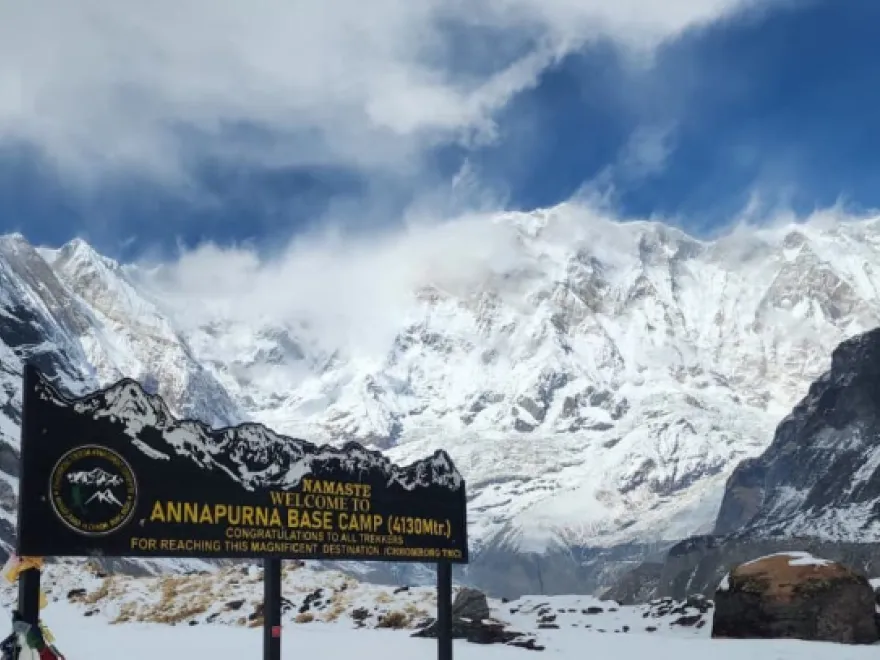
Annapurna Base Camp Trek via Ghandruk is a classical Annapurna Base Camp Trek route. Actually, it begins from Pokhara (822 m) and passes through the magnificent Gurung village of Ghandruk (1,940 m).Likewise, you will walk from Ghandruk to Chhomrong (2,170 m), then continue through Dovan (2,600 m), Himalaya (2,920 m), and Deurali (3,230 m) before reaching Machhapuchhre Base Camp (3,700 m) and finally Annapurna Base Camp (4,130 m).
Annapurna Base Camp Trek via Ghandruk is a classical Annapurna Base Camp Trek route. Actually, it begins from Pokhara (822 m) and passes through the magnificent Gurung village of Ghandruk (1,940 m).
Likewise, you will walk from Ghandruk to Chhomrong (2,170 m), then continue through Dovan (2,600 m), Himalaya (2,920 m), and Deurali (3,230 m) before reaching Machhapuchhre Base Camp (3,700 m) and finally Annapurna Base Camp (4,130 m).
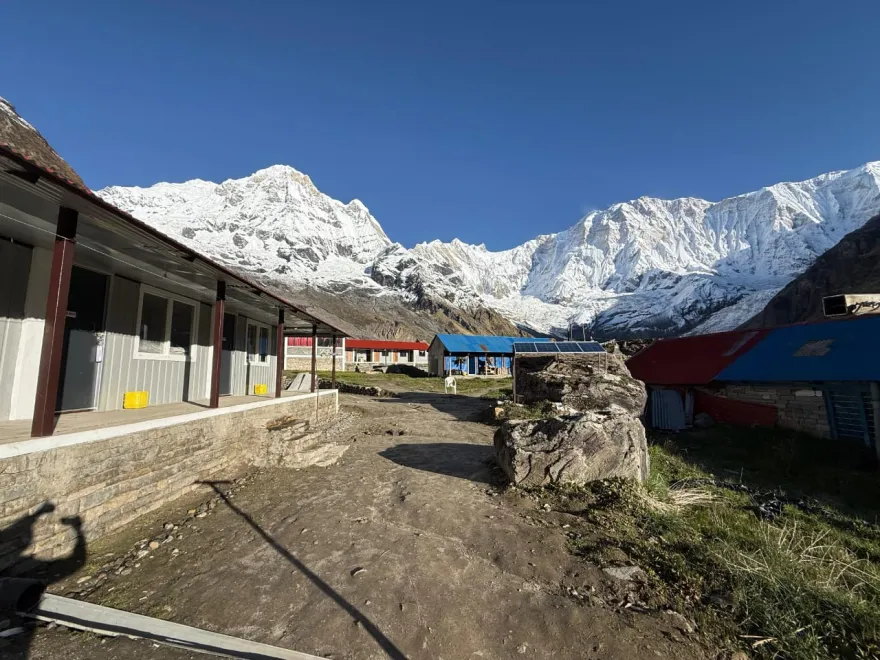
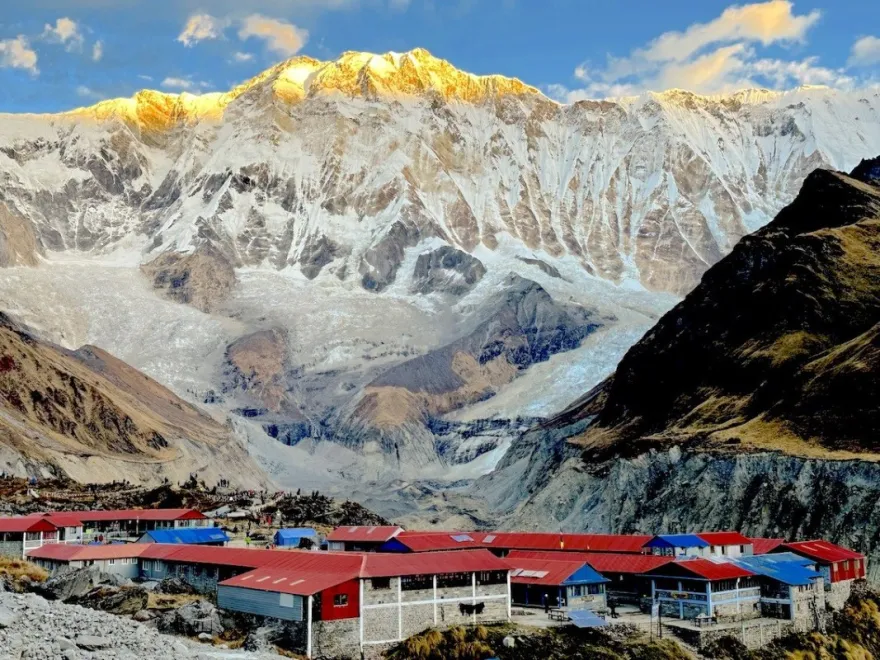
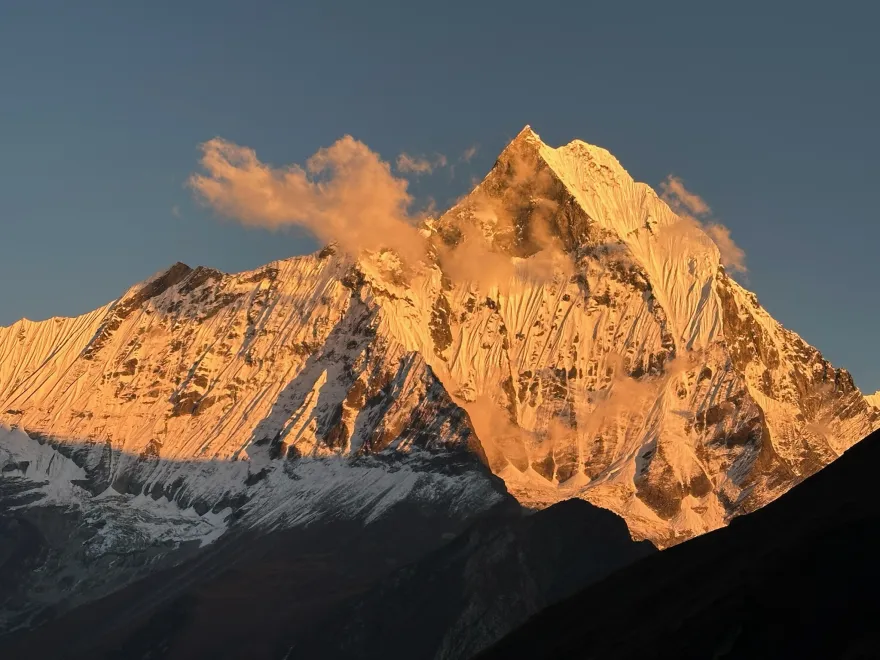
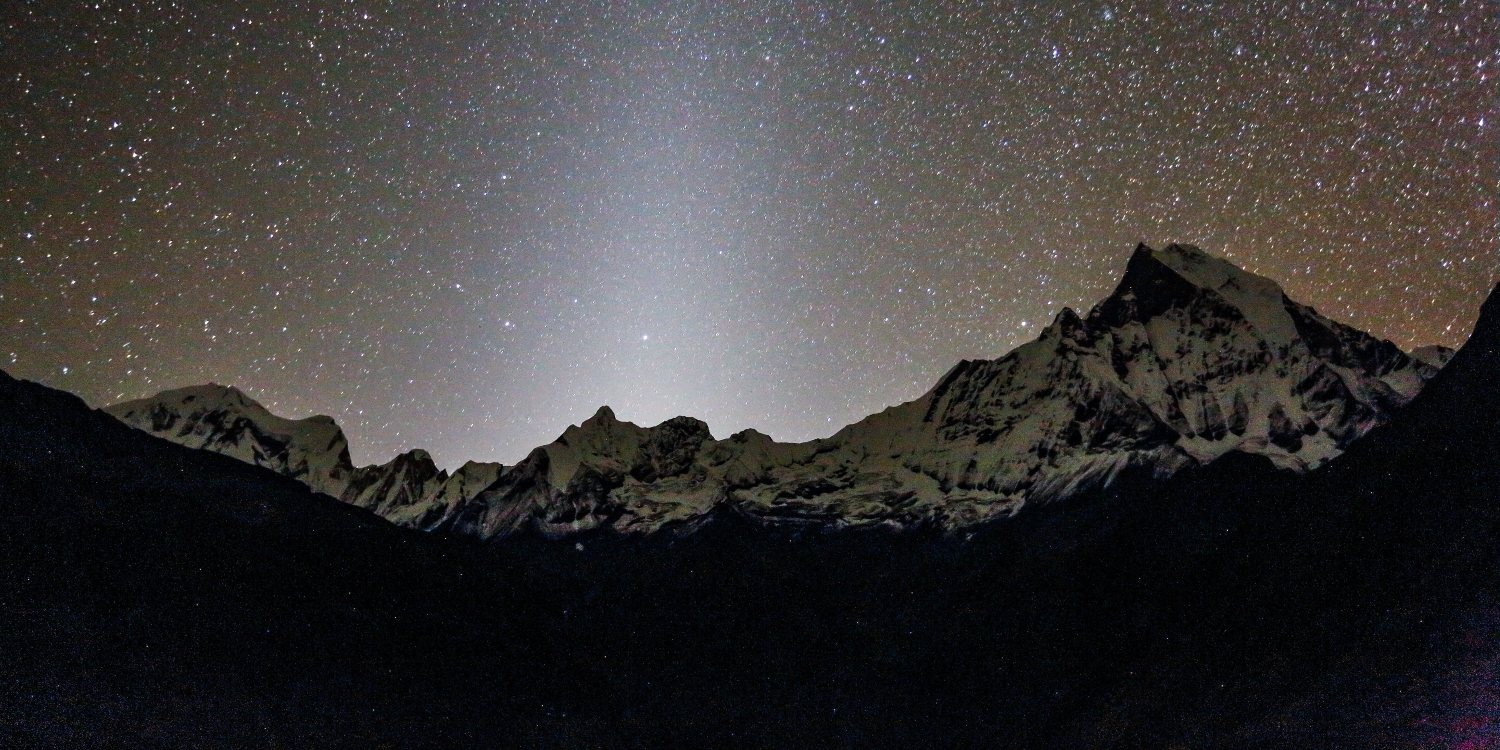
From Annapurna Base Camp, you will enjoy the closest views of the Annapurna mountain range, including Annapurna I (8,091 m), Annapurna South (7,219 m), and Machhapuchhre/Fishtail (6,993 m), along with astonishing sunrise and sunset views.
Moreover, this 7-day Annapurna Base Camp Trek via Ghandruk offers serene walks through the Annapurna Conservation Area, Nepal's largest protected area, with opportunities to experience diverse Himalayan flora and fauna along the trail.
Most importantly, the Annapurna Base Camp Trek via Ghandruk 7-day itinerary pleases you with the local Gurung culture of Ghandruk (1,940 m), spectacular walks through the Annapurna Sanctuary, beautiful landscapes of the Annapurna Conservation Area, magnificent Himalayan mountains including Machhapuchhre (6,993 m), and amazing sunrises and sunsets from the high Himalayas.
Classic ABC Trek Route: Enjoy a trekking experience on the popular Annapurna Base Camp route from Pokhara (822 m) passing through Ghandruk (1,940 m), Chhomrong, Dovan, Himalaya, Deurali, Machhapuchhre Base Camp and Annapurna Base Camp (4,130 m).
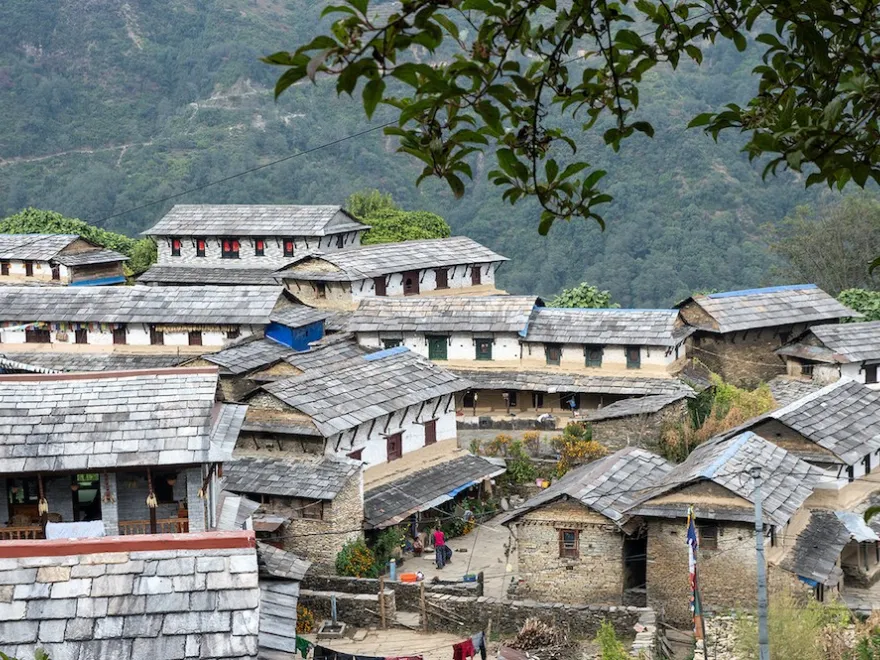
Exploring Gurung Culture: Get to know the local Gurung people and culture in the beautiful village of Ghandruk (1,940 m) and experience the traditions of mountain life in this picturesque settlement.
Majestic Views of Annapurna Himalayas: Marvel at the stunning Annapurna Himalayan range including Annapurna I (8,091 m), Annapurna South (7,219 m), Machhapuchhre/Fishtail (6,993 m) and other peaks during your trek.
Adventure in Annapurna Sanctuary: Trek through the Annapurna Sanctuary valley and enjoy the beauty of nature and snow capped mountains.
Gradual Ascent to High Altitude: Trek through the trail passing Chhomrong (2,170 m), Dovan (2,600 m), Himalaya (2,920 m), Deurali (3,230 m) and Machhapuchhre Base Camp (3,700 m) enroute to Annapurna Base Camp.
Sunrise and Sunset Scenery: Enjoy sunrise and sunset views during your trek, especially in higher altitudes and at Annapurna Base Camp.
Nature and Wildlife: Enjoy dense forest covered mountainous landscapes through the Annapurna Conservation Area and spot various species of Himalayan flora and fauna.
Experienced Trekking Guides: Local team of trekking professionals familiar with Annapurna Base Camp via Ghandruk route, the Annapurna Conservation Area, mountain trails, weather, altitude, accommodation, hospitality and local culture.
Licensed English Speaking Guide and Porter: Accompanied by licensed English speaking trekking guide and porter with your group size.
7-day Well Planned Trekking Itinerary: The 7-day trekking package covers Pokhara (822 m) to Ghandruk (1,940 m) to Chhomrong (2,170 m) to Dovan (2,600 m) to Himalaya (2,920 m) to Deurali (3,230 m) to Machhapuchhre Base Camp (3,700 m) and Annapurna Base Camp (4,130 m). The Ghandruk trek offers a special cultural insight into the traditional Gurung village life in the Himalayas.
All Trekking Services Covered: Haven Holidays can organize all necessary trekking services including transport, accommodation, permits, guide, porter, food according to the package and other logistics so that you can sit back and enjoy your trek.
Responsible and Safe Trekking: Your trek is well planned considering altitude, weather, trekking trails, permits and emergency support, while following responsible trekking practices in the Annapurna Conservation Area.
Personalized Services of a Local Company: Being a local trekking company, Haven Holidays Nepal can customize a personal Annapurna Base Camp via Ghandruk trekking package according to your preferred duration, transport, accommodation, group size and budget offering local support from arrival to departure.
The Annapurna Base Camp Trek via Ghandruk is an outstanding Himalayan trekking experience discovering Gurung culture, forested mountain trails, teahouse hospitality and the magnificent Annapurna Sanctuary.
As you follow the trail from the middle hills towards ABC (4,130 m), the landscape, climate, vegetation and terrain will change.
Thus, the trekkers who are doing this ABC Trek Via Ghandruk 7 day should expect the following during the trip:
1. Trekking through the Annapurna Conservation Area
Much of the trail runs through the Annapurna Conservation Area, Nepal's largest protected area. Experience conservation efforts, forests, rivers, waterfalls, mountain ecosystems, villages, and Himalayan flora and fauna along the way.
2. Starting from Pokhara and Ghandruk
The trek normally begins in Pokhara (822 m) with transport to the trailhead, Syauli Bazaar or directly Ghandruk, the beautiful Gurung village (1,940 m).
In fact, Ghandruk is a great introduction to local Himalayan life, culture, traditional stone houses, terraced fields and mountain views of Annapurna and Machhapuchhre.
3. A Changing and Diverse Trail
You will encounter stone steps, village tracks, forest trails, suspension bridges, rocky sections and many ups and downs along the way. The trail becomes steeper and more alpine beyond Chhomrong towards Dovan, Deurali, Machhapuchhre Base Camp and Annapurna Base Camp.
4. A Hike of Around 4-7 Hours Per Day
Most days on the Annapurna Base Camp trail involve around 4-7 hours of walking. The total distance walked will vary according to your itinerary and overnight stops. You should expect to walk between 7-14 km per day with the longer ABC day involving an early start and careful pace.
5. Gradual Altitude Gained
You will steadily gain altitude from Ghandruk (1,940 m), Chhomrong (2,170 m), Dovan (2,600 m), Himalaya (2,920 m), Deurali (3,230 m), Machhapuchhre Base Camp (3,700 m) to finally experience Annapurna Base Camp (4,130 m). The climb up the trail gives you time to adjust to the thinner air.
6. Discover the Annapurna Sanctuary
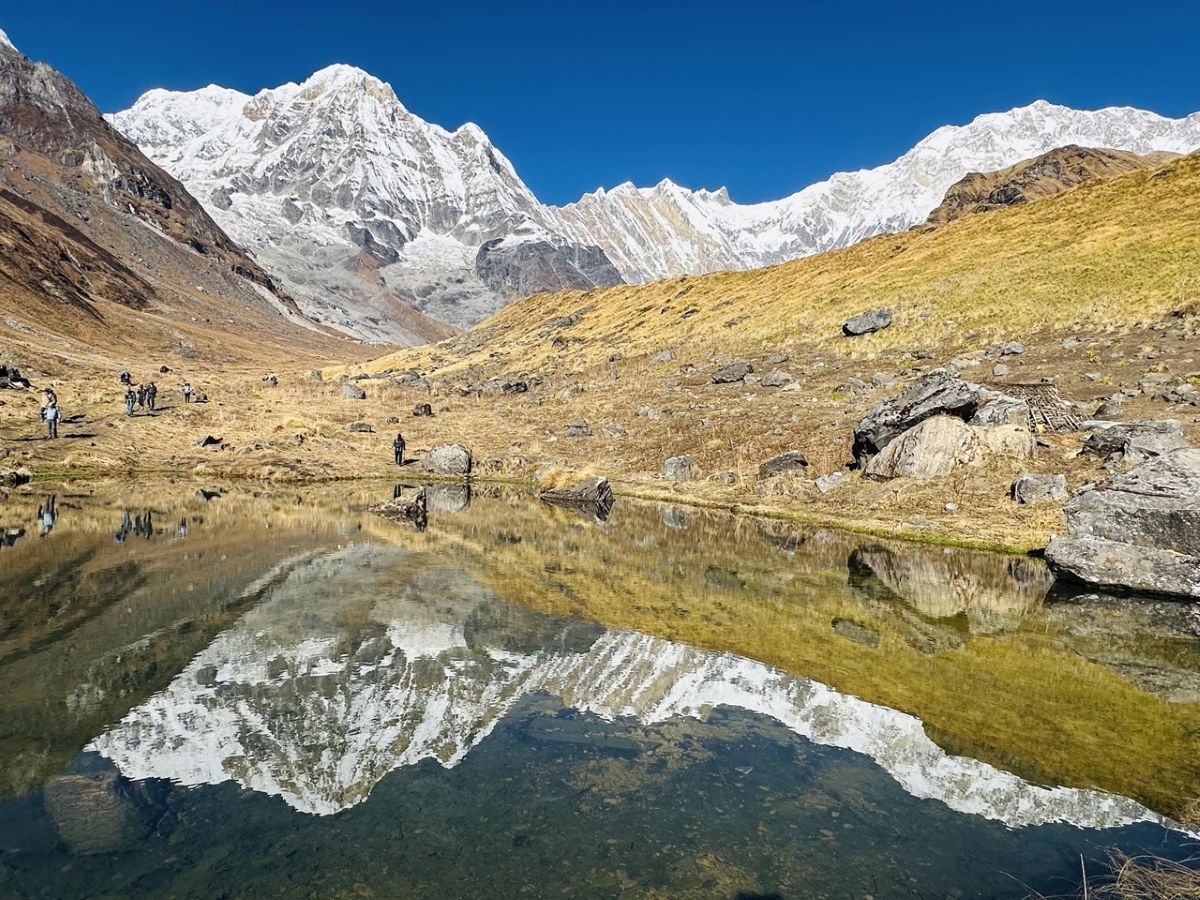
Beyond Machhapuchhre Base Camp the trail enters the spectacular Annapurna Sanctuary. This natural mountain amphitheater is surrounded by some of the largest Himalayan peaks. Views become more dramatic with steep walls, glaciers, moraines, and snow-capped mountains.
7. Majestic Views of Himalayan Mountains
At higher altitudes you can experience spectacular views of Annapurna I (8,091 m), Annapurna South (7,219 m), Machhapuchhre/Fishtail (6,993 m), Hiunchuli (6,441 m) and many other surrounding peaks. At Annapurna Base Camp the mountains seem incredibly close as you are surrounded by the high Himalayas.
8. Beautiful Forests, Plants and Wildlife
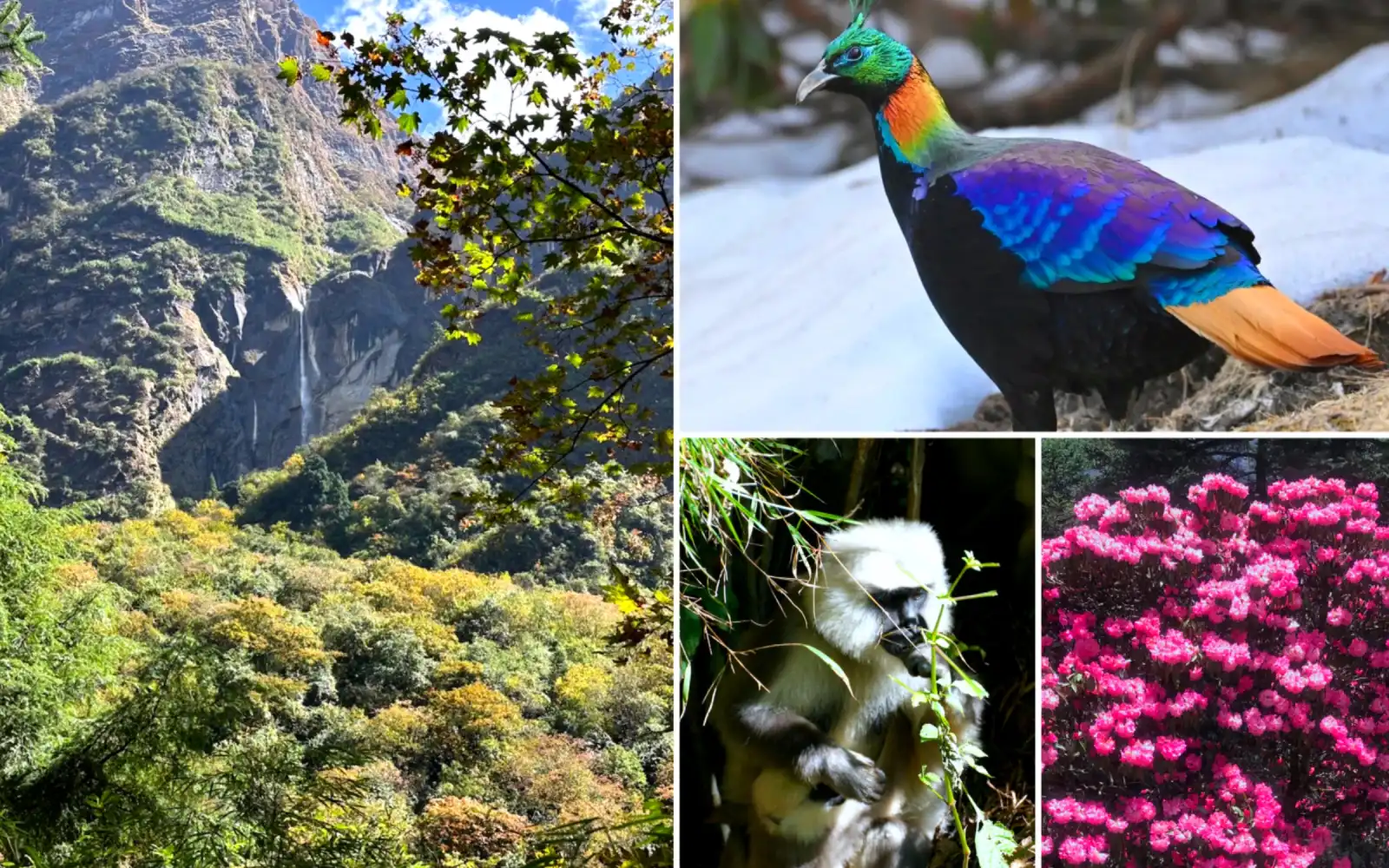
Lower altitudes of the Annapurna Conservation Area provide great trekking through dense Himalayan forests of rhododendron, oak, bamboo and other vegetation. According to the season and trail conditions you might spot various mountain birds and wildlife.
9. Experiencing the Culture of Local People
The trail through Ghandruk and other mountain villages gives great insight into traditional Himalayan life. See stone houses, terraced fields, enjoy the hospitality of local people and experience prayer flags, small monasteries and village paths as they have existed for centuries.
10. Simple Teahouse Accommodation Style
Teahouses and lodges form the main accommodation style on the ABC trail. Most have simple twin-bed rooms with shared bathrooms. Higher altitude teahouses will have fewer comforts and limited bathroom facilities.
11. Enjoy Local Trekking Food
You can expect to eat traditional Nepalese and Tibetan food on your trek. Popular dishes include dal bhat, momo, noodles, fried rice, pasta, potatoes, soups, eggs, porridge, Tibetan bread and seasonal vegetables. Dal bhat is a favorite as it is a substantial meal before or after a day's walking.
12. Trekking Guide and Porter Support
With a registered local trekking company like Haven Holidays Nepal you can expect to be supported by a licensed trekking guide, managing the daily logistics, communicating with tea houses and checking trail and altitude conditions. A porter can carry your main luggage so that you can enjoy a lighter daypack for walking.
13. Altitude Sickness Awareness
While Annapurna Base Camp is not one of Nepal's highest hiking destinations (4,130 m), altitude sickness can affect even the hardiest trekkers.
Importantly, ascend slowly, drink plenty of fluids, eat well, avoid rushing up the trail, and tell your guide immediately if you have persistent headaches, nausea, dizziness, uncharacteristic tiredness, or shortness of breath.
14. The Mountain Weather is Unpredictable
Weather conditions can change rapidly within the Annapurna Sanctuary. While the lower altitude areas will be relatively warm, higher reaches around Machhapuchhre Base Camp and ABC can be cold with strong winds, and frequent fog, rain or snow showers.
15. Sunrise and Sunset at Annapurna Base Camp
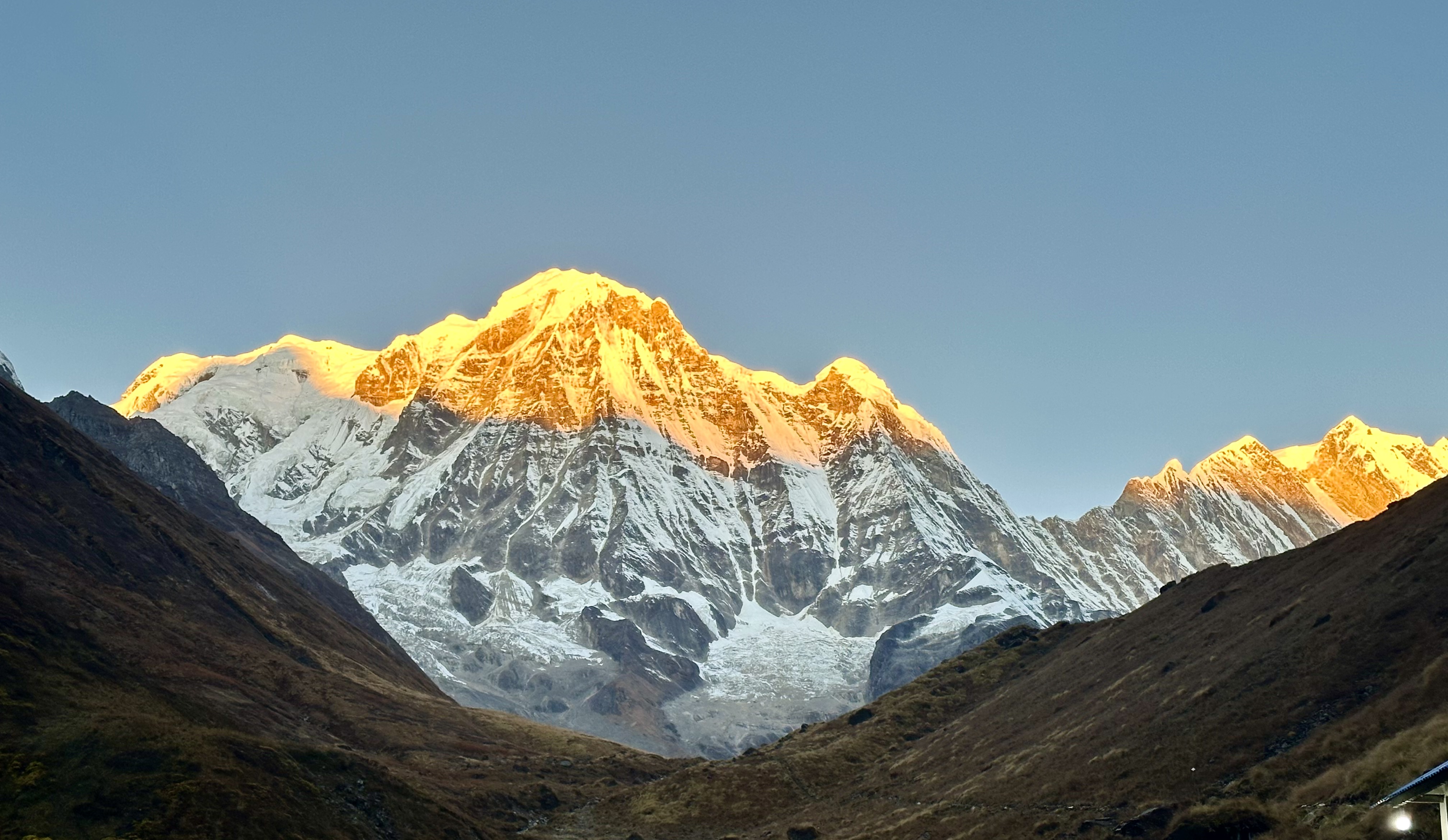
You will get an early start to experience the mountains in morning light. As the first light breaks across the Annapurna I, South, Machhapuchhre and surrounding peaks, the changing colours of the rock faces make this one of the highlights of an Annapurna Base Camp Trek.
So will the sunset be.
The months of October, November, March and April are considered the best for Annapurna Base Camp Trek via Ghandruk as the weather remains pleasant with clear skies and great Himalayan views.
Although the months of December and January are cold, especially above Deurali (3,230 m) and Machhapuchhre Base Camp (3,700 m), the trails can be beautiful with a possibility of snowfall and extremely cold nights.
Here, February gets gradually warmer while May offers consistently good trekking days prior to the monsoon setting in.
Thus, October-November and March-April are the months you should consider for this trek if you want pleasant walking, great views of the Himalayas and the trails in excellent condition.
Annapurna Base Camp Trek via Ghandruk usually begins from Pokhara (822 m) and the road to Ghandruk can be accessed by shared jeep depending upon your budget, comfort and schedule.
In fact, a shared jeep ride is convenient as compared to local buses and is the most common way of reaching the trailhead; however, if you want privacy then you could also hire a private jeep at an extra cost.
As the road to Ghandruk is mountainous and the journey could be affected by traffic and weather, the approximate time duration of the drive varies.
From the trailhead, you would trek through Ghandruk (1,940 m), Chhomrong (2,170 m), Dovan (2,600 m), Himalaya (2,920 m), Deurali (3,230 m), Machhapuchhre Base Camp (3,700 m) and finally to Annapurna Base Camp (4,130 m).
Annapurna Conservation Area Permit (ACAP) is required as the trek lies in Annapurna Conservation Area and a TIMS card as per the current Nepal Tourism Board rules for Poon Hill-ABC trekking route.
Here, it is better to confirm the latest information regarding permits and fees before finalizing your plans as the rules and charges are subject to change.
Besides, your registered trekking agency can arrange the permits on your behalf and you need not worry about the process.
In addition, as the ABC trek route passes through a conservation area, trekkers are required to follow the rules and regulations of the forest.
Moreover, responsible trekking would also help in conserving the forests, wildlife, trails, and local communities of the Annapurna region.
With Haven Holidays Pvt. Ltd., you will have a professional and experienced local trekking guide and a porter who will accompany you throughout the trek.
Meanwhile, your guide is familiar with the Ghandrug-Chhomrong-ABC route and the mountains, villages, teahouses, weather and culture of the region.
Moreover, he is also aware of local foods and Himalayan hospitality to provide you with practical assistance in addition to helping you understand the local culture.
In addition to, he has first aid skills and knowledge of common ailments related to altitude.
Similarly, your porter will carry your large luggage while you can manage a daypack making the whole experience much more comfortable.
Will I Get Altitude Sickness on the Annapurna Base Camp Trek via Ghandruk?
Since ABC is at an altitude of 4,130 m, there is a possibility of altitude sickness; however, it is not certain as it depends on an individual's acclimatization
Generally, the risk of altitude sickness increases beyond Deurali (3,230 m) while heading to Machhapuchhre Base Camp (3,700 m) and ABC.
Thus, it is better to trek at a slow pace, stay well hydrated, eat healthy foods and avoid overexertion.
If you feel severe headache, nausea, dizziness, unwellness or difficulty in breathing, you must inform your guide immediately who can assess your further course of action.
Importantly, you should also seek immediate medical help if you feel that you may need to descend to a lower altitude.
In fact, never ignore the warning signs of altitude sickness as they could be life-threatening.
Beginners can, definitely, do the Annapurna Base Camp Trek via Ghandruk, however, it is better for them to be reasonably fit to manage the trek.
Although it is not a technically challenging trek, it does involve walking on stone steps, steep inclines and declines, and uneven trails for 4-7 hours a day on average depending upon the daily itinerary and trail conditions.
Thus, it is better for them to begin their preparations prior to the trek by walking and hiking regularly and doing some exercises to build up their stamina.
They should also carry comfortable sports shoes, trekking gears, warm and light clothing, rain-proof and wind-proof clothing, sun-glasses and a rucksack.
With a proper itinerary schedule and a relaxed walking pace, beginners can complete the trek with ease.
An experienced guide, altitude management and preparation would help them enjoy the slow and steady walk from Ghandruk (1,940 m) to the amazing Annapurna Sanctuary and ABC (4,130 m).
7-Day Annapurna Base Camp Trek via Ghandruk starts from Pokhara (822 m) on a shared jeep tour that will take us to beautiful Ghandruk (1,940 m) after breakfast.
Here, Ghandruk village is a great place to acclimatize before heading to higher altitudes. Our journey through Ghandruk valley leads us to Chhomrong (2,170 m), passing the villages Sinuwa, Bamboo, Dovan, and Deurali (3,230 m).
On our way, we enjoy the transition from the verdant hills to the alpine meadows.
On the next morning, we follow the trail to Machhapuchhre Base Camp (3,700 m), also known as MBC. Later head to Annapurna Base Camp (ABC), 4,130 meters above sea level.
From here we can see magnificent views of Annapurna I (8,091 m), Annapurna South (7,219 m), Hiunchuli (6,441 m), and Machhapuchhre (6,993 m). We spend the night here and enjoy sunrise and the spectacular view of the valley with the snow capped Annapurna peaks.
Then, we return to Deurali following the same trail, passing through MBC, Himalaya, Dovan, and Bamboo. Our trail leads us down to Sinuwa and Chhomrong, finishing in Jhinu Danda (1,780 m) – a famous hot spring locality.
From Jhinu Danda we go back to Pokhara by a shared jeep tour and if you like, it is possible to arrange a private jeep for an extra charge.
In conclusion, Annapurna Base Camp Trek via Ghandruk is a fantastic option if you want to spend a week walking around the base of Annapurna. We pass through traditional Gurung villages, beautiful rhododendron forests, suspension bridges, and waterfalls, and enjoy magnificent views of the Annapurna Sanctuary.
After breakfast, we will take a shared jeep from Pokhara (822 m) to Ghandruk (1,940 m), passing through beautiful Lumle and Nayapul (1,070 m), Annapurna region.
Here, it is 55-60 km drive from Pokhara to Ghandruk village today.
On the way, we will see nice green hills, terraced fields, and mountainous landscape by passing Birethanti (1,025 m), Syauli Bazaar (1,160 m), and Kimche (1,640 m).
Our drive to Ghandruk from Pokhara takes about 3.5 hours; however, the road is quite unpredictable and often delays the drive due to the narrow road and local traffic.
After Birethanti, the road becomes narrow, rough, and full of bends with some stops at the checkpoints, and the jeep slowly climbs up to Ghandruk.
Then, we will check into the teahouse and have lunch. In the afternoon, we set out on foot for a walk around the village.
Meanwhile, the village has narrow streets paved with stones and is famous for the Gurung museum, monastery, and local people with their unique cultural heritage.
Specifically, our walk also includes fascinating views of the Annapurna South and Machhapuchhre.
In fact, a shared jeep is included in the package, whereas a private jeep is an optional activity with an additional cost.
 Accommodation Best Available Lodge
 Meals Lunch and Dinner
 Max. altitude 1,940m / 6,365ft.
After having breakfast, you will start trekking from Ghandruk to Chhomrong which is a long and difficult trek. First, you will take a slope down to the bottom of the valley and follow below Komrong Khola.
Then, you will head towards Kimrung Danda. On the way, you can enjoy the rhododendron forest and oak forests. Also, you can get a glimpse of the Annapurna South and Machhapuchhre.
Further ahead, you will reach Taulung Danda and then cross the suspension bridge over Kimrong Khola. The trail then goes through a series of stone steps leading to Chhomrong.
Although trekking from Ghandruk to Chhomrong is only about 10-11 km, the path is a mixture of steep ascents and descents and hence it is moderately difficult. Therefore, you must take regular breaks and keep yourself hydrated.
Once you arrive at Chhomrong, you should check into a teahouse and have your lunch. In the afternoon, you can explore Chhomrong’s traditional village and stone-paved streets.
In the evening, you can enjoy the view of the snow peaks of Annapurna South, Hiunchuli, and Machhapuchhre.
Later, you should get prepared for the next day’s hike to Annapurna Base Camp trail further to Dovan.
Accommodation Best Available Lodge Meals Breakfast, Lunch and Dinner Max. altitude 2,170m / 7,119ft. After breakfast, head down from Chhomrong (2,170 m). On descent through the lower part of the village Chhomrong you walk over stone stairs and the trail become more and more steep.
Eventually, you reach a suspension bridge at the lowest part (around 1,900-2,000 m) and begin a long climb towards Sinuwa.
Crossing the bridge, you will pass through lower Sinuwa and upper Sinuwa (around 2,340 m).
Although the path is a strenuous one, it is shaded by trees with great views of Machhapuchhre, and the last part of the trail is more heavily wooded.
From here, you will pass Kuldi Ghar and walk on a trail of gradually descending and ascending towards Bamboo (around 2,300-2,340 m). The way is beautiful through dense bamboo woods, rhododendron, oak, and other flora, including many ferns and moss-covered tree roots. There are also small waterfalls, and the sound of the Modi Khola rushing nearby adds to the experience.
After reaching Bamboo, you will walk down the narrow Modi Khola valley and gradually climb to Dovan (around 2,580-2,600 m).
On average, however, you should expect to traverse around 9-11 km (5-6 hours), with a total elevation gain around 400 m.
Importantly, note that the trail is quite challenging with several steep descents and ascents.
In particular, the stone stairs from Chhomrong down to the river are very slippery when wet – and this is definitely the case during the monsoon season.
Here, you will eventually arrive at Dovan, a village located in a narrow valley surrounded by high mountains and thick forests.
Unfortunately, there are no great views of the Himalayas, as the Modi Khola is blocking the view.
However, the atmosphere is very calming, with dense woods and narrow mountain passes filled with green colour. This will be your overnight stop on the way to Himalaya, Deurali, Machhapuchhre Base Camp, and Annapurna Base Camp.
Accommodation Best Available Lodge Meals Breakfast, Lunch and Dinner Max. altitude 2,580m / 8,465ft. After breakfast, you leave the Dovan (2,600m) and trek along the Modi Khola valley to Deurali (3,230m), continually climbing about 630 meters up.
First you cross through a thick forest of bamboo, rhododendron, oak, fern, and moss. You gain and lose small amounts of altitude as you work your way through Chahara and Baraha Temple and narrow sections above the river.
Continue climbing steeply through Deurali and stay on trail up to the Himalaya area which is about 2,920 meters for a tea or lunch break, the trail gets a little more rocky, narrow, and steep with a few exposed sections, as well as occasional slippery spots, so stay alert and sure-footed.
From the Himalaya area, the trail heads gradually upward towards Hinku Cave (a sizable natural overhanging rock shelter) and ultimately towards Deurali, as the altimeter rises, the forest thins, with waterfalls, spectacular overhangs, and lofty cliffs surrounding Machhapuchhre.
Here, the area around Hinku Cave and the upper Modi Khola valley is prone to falling rocks and avalanches (and snow and trail washouts depending on the season), so go slow, avoid lingering in dangerous places, and follow your guide's instructions.
Actually, Deurali is the last stop before the trees part and the valley widens into a more high-altitude environment, reach to a teahouse and take rest before you make a further move for the next day for Machhapuchhre Base Camp (3,700 m) and Annapurna Base Camp (4,130 m).
Accommodation Best Available Lodge Meals Breakfast, Lunch and Dinner Max. altitude 3,230m / 10,597ft. From Deurali (3,230 m), after breakfast, the trek to Bagar (3,310 m) begins with gradual slopes and a narrow trail along the Modi Khola.
Here, the path gradually leads to the Himalayan valley of Machhapuchhre Base Camp (3,700 m) and becomes rocky at times. It also becomes sparser in terms of vegetation.
Actually, Machha Phuchhre (Fishtail) (6,993 m), Hiunchuli (6,441 m), Annapurna South (7,219 m), and Annapurna I (8,091 m) are some of the peaks that you will see on your way to Annapurna Base Camp, which is the final destination today.
Meanwhile, the trek can be quite challenging and requires slow and steady walking, especially because of the rising altitude. It is necessary to allow yourself enough time to acclimatize to this height to avoid altitude sickness.
In fact, Annapurna Base Camp (4,130 m) is located within the magnificent Annapurna Sanctuary, offering breathtaking views of the Himalayan peaks and an amazing sightseeing experience.
Importantly, don’t forget to explore the memorials, prayer flags, and viewpoints in the region. However, it is a good idea to get enough rest and have dinner at a local teahouse.
Since this will be the highest altitude that you will reach during the trek, ensure that you stay well-hydrated and do not overexert yourself.
Important: Inform your guide if you experience vomiting, nausea, dizziness, unexplained fatigue, or shortness of breath.
Accommodation Best Available Lodge Meals Breakfast, Lunch and Dinner Max. altitude 4,130m / 13,550ft. Wake up early morning at Annapurna Base Camp(4,130 m) and witness the sunrise views of the iconic mountains such as Annapurna I (8,091 m), Annapurna South (7,219 m), Hiunchuli (6,441 m), Machhapuchhre (6,993 m), and other surrounding peaks. After freshening up, we will have breakfast and begin our long trek towards Bamboo (2,300 m).
Here, we will be hiking the same trail in the opposite direction going down the slop and passing through Machhapuchhre Base Camp (3,700 m) and Deurali (3,230 m).
From here, the trail heads to Hinku Cave passing through the narrow Modi Khola valley, which involves rocky steps, dense forests, short climbs, and a steep descent. We will be trekking through the Himalaya (2,920 m) and Dovan (2,600 m) before reaching the Bamboo village. On the way, we can see a beautiful sight of waterfalls, bamboo groves, rhododendron woods, and ferns growing alongside the river.
After Dovan, we continue descending from the forested area to the charming town of Bamboo following a narrow valley. There are several steps of steep stone stairways and uneven ground on the way. Since it is a gradual descent, we do not have to worry about the altitude, but the trail is quite lengthy, so we should take it slow and steady. Steep stairways and slippery slopes need careful walking.
Finally, we will arrive at Bamboo Village (around 2,300 m) by mid-day, where we can freshen up and settle in the teahouse. The lower altitude of the village means it will be a bit warmer, and the thick forests provide a habitat for the Himalayan birds and other mountain animals.
Accommodation Best Available Lodge Meals Breakfast, Lunch and Dinner Max. altitude 2,300m / 7,546ft. After breakfast, we will head towards Sinuwa (2,340m) from Bamboo (2,310 m) through a trail of dense forest with a gentle climb followed by a few short descents and climbs.
From here, the trail gently meanders downwards towards Chhomrong Khola crossing the suspension bridge on the way.
Then, we will climb the long narrow stone staircase towards Chhomrong (2,170 m) with beautiful views of Annapurna South, Hiunchuli, and Machhapuchhre.
From Chhomrong, we will descend steeply through stone steps towards Jhinu Danda (1,780 m) weaving in and out of rhododendron, bamboo, and subtropical forests.
Meanwhile, the trail can be very slippery after rains, so it is a good idea to wear sturdy shoes and use trekking poles.
Actually, we will have lunch here and, if time permits, walk down towards the natural hot springs at Modi Khola. These springs are perfect for washing off the fatigue of the trek so far. From there, we will head back to the roadhead on the way to Pokhara.
In fact, Jhinu Danda to Pokhara is a scenic 3-4 hour drive depending on the road and weather conditions. We can also arrange private jeep hire at an extra cost, and the Annapurna Base Camp trek via Ghandruk will come to an end in Pokhara.
Accommodation Non Meals Breakfast and Lunch Max. altitude 827m / 2,713ft. Joining the Annapurna Base Camp (ABC) Trek through a registered trekking company with a licensed guide and porter can make the journey more organized, especially for first-time trekkers in Nepal. Before booking, however, it is important to understand the trek route, company services, guide and porter responsibilities, permits, accommodation, food, insurance, baggage limits, costs, and safety arrangements.
First, check that the company is properly registered and clearly provides the services promised in your package. The Nepal Tourism Board states that Poon Hill–ABC Trek is among the Annapurna routes where a licensed trekking guide and agency-issued TIMS are required under the current TIMS provisions.
Ask the company for:
Do not compare trekking companies only by the advertised price. Instead, ask whether the price includes guide, porter, accommodation, meals, transportation, permits, TIMS, insurance for staff, wages, taxes and other necessary expenses.
A cheaper package may exclude some services that you later need to pay for separately.
ABC can be organized in several ways depending on your starting and ending points. A typical route may include Pokhara → Jhinu Danda → Chhomrong → Bamboo → Himalaya → Deurali → Machhapuchhre Base Camp → Annapurna Base Camp → return.
Before booking, confirm :
Altitude is an important part of ABC preparation because the trail gradually climbs from the lower hills to Annapurna Base Camp at about 4,130 m (13,550 ft).
Your guide should control the walking pace and monitor you for symptoms such as headache, unusual tiredness, dizziness, nausea or difficulty sleeping. Nepal Tourism Board also advises trekkers to learn about acute mountain sickness (AMS) because it can become serious above 3,000 m.
Your guide is responsible for much more than simply showing you the trail. A good guide should help with navigation, daily arrangements, accommodation, communication with lodges, safety decisions and practical problems during the trek.
Before departure, ask:
If you hire a porter, clarify the maximum baggage weight before the trek. You should carry your own daypack containing essentials such as water, camera, documents, valuables, rain gear and anything you may need during the day.
Your porter normally carries your main trekking bag, while the company should clearly explain the porter-to-client ratio and weight limit.
Do not assume that a porter will carry everything you bring from home. Pack one main trekking bag for the porter and one small daypack for yourself.
Your daypack should normally contain :
Most ABC treks use teahouses and lodges, and the Annapurna region is generally well served by trekking accommodation.
However, facilities vary between villages, so ask your company about:
At higher elevations, facilities can be simpler than in Pokhara.
Most trekking packages include breakfast, lunch and dinner during the trekking portion, but you should confirm this before booking.
Common meals include:
Special dietary requirements should be discussed with the company before departure.
For the Annapurna region, you need the applicable Annapurna Conservation Area entry permit and TIMS. Nepal Tourism Board lists Annapurna as a protected conservation area and states that park/conservation-area entry fees and TIMS requirements apply.
If you are joining through a trekking company, ask the company to confirm that these documents are arranged before the trek starts.
Transportation can make a significant difference to the actual trekking experience. Depending on the itinerary, a vehicle may take you from Pokhara toward the trailhead and later bring you back.
Confirm :
Travel insurance is strongly recommended for an ABC trek. Your policy should be appropriate for trekking at the altitude you will reach and should clearly address emergency medical treatment and evacuation.
Do not assume that your trekking company's staff insurance covers you as a client.
Before starting, ask the company what happens if you become seriously ill or cannot continue.
You should know :
Nepal Tourism Board advises trekkers to contact their local agency for helicopter evacuation arrangements when required.
ABC does not require mountaineering skills, but you should be comfortable walking uphill and downhill for several hours on consecutive days.
Preparation can include :
You do not need to be an elite athlete, but reasonable fitness makes the trek more comfortable.
A common mistake is choosing the shortest possible itinerary simply to save time. A slightly more relaxed itinerary gives you more time to walk comfortably, enjoy villages and scenery, and respond to weather, trail or health problems.
Your guide should adjust the pace according to the group rather than forcing everyone to walk at the same speed.
Tell your guide honestly about your previous trekking experience. If you are slower than other members of the group, there is no reason to feel embarrassed.
A responsible guide should prioritize safe and sustainable walking rather than trying to finish every section as quickly as possible.
Even with a full trekking package, you should carry extra Nepalese rupees. You may want money for:
Higher villages can have higher prices because supplies have to be transported into the mountains.
The Annapurna region is generally considered suitable for trekking in spring (March–May) and autumn (September–November), according to Nepal Tourism Board information.
However, weather can change quickly in the mountains. Your guide and company should be prepared to adjust the daily plan when heavy rain, snowfall, landslides or other trail conditions affect the route.
| Person/Service | Main Responsibility |
|---|---|
| Trekking company | Permits, TIMS, itinerary, transportation, staff arrangements, accommodation arrangements and emergency coordination |
| Guide | Navigation, walking pace, safety, local information, lodge coordination and daily trek management |
| Porter | Carries agreed trekking baggage within the company's weight limit |
| Trekker | Personal preparation, daypack, personal medication, insurance, responsible walking and following safety advice |
Ask About Tips Before the Trek
Tipping is generally separate from the package price. Instead of waiting until the last day to ask, check the company's guidance about customary tips for guides and porters.
The amount can depend on trek duration, group size, service and your personal satisfaction.
Before paying a deposit, understand what happens if:
Ask for the policy in writing rather than relying only on a verbal explanation.
Mountain trekking is different from a fixed city tour. Road conditions, weather, health, accommodation availability and trail conditions can sometimes require changes.
Therefore, a good ABC package should have a practical alternative plan, rather than promising that every part of the itinerary will always happen exactly as printed.
The ABC trail passes through villages, forests, farms and protected landscapes. Keep rubbish with you until you find the proper disposal point, avoid unnecessary plastic use, respect local customs and follow your guide's instructions on the trail.
The Annapurna Conservation Area is a protected area with significant biodiversity and local communities, so responsible trekking helps protect the region for future visitors.
Before leaving Pokhara, ask your company or guide to explain the entire trek. A useful briefing should cover the route, daily walking hours, elevation, accommodation, meals, baggage, weather, safety, permits, emergency procedures and what to expect each day.
This is especially useful if you are trekking in Nepal for the first time.
Before paying your deposit, you can simply send the trekking company these questions:
To book this trip, you have to find the book now button and click it. After that, you will see a form where you will fill up all the required information for the trip including departure date you want and click the button submit. Now you have successfully completed the form and we will reply your email promptly.
One needs to transfer or deposit 25% amount of the total cost of the trip to book this Annapurna Base Camp Trek from Pokhara 5 days. For example, if the trip you are booking costs USD 1250, the 25% percent for the booking of this trip will be USD 150. Once you have made the advance payment, you need to inform our team for the confirmation of the trip.
You can cancel the trip if you want, but no advance payment will be returned to you. It means, no refund will be transferred to your account again for the cancellation of the trip. Actually, once you book the trip, our team needs to prepare the transportation; accommodation and the trip crew for your trip and the company will already make certain payment to other operating sections. Therefore, the other operating department like transportation, food and accommodation, trekking crews are not ready to return the advance payment to us. This is the reason we are not going to return you back the advance payment. But, you can postpone the trip for future. We will offer you the same or other equivalent trip whenever you want in the future.
Though you cannot get the refund after you cancel your planned trip, you can postpone it for future and you can do whenever you have favorable time for you. Or, you can transfer the same trip to your family members, friends and relatives. If you want you other people who are closer to you do this trip, you can do transfer of offer this trip as a gift. But for this, we require valid and reliable evidence like email address, other contacts and all requires contracts we made previously.
You reserve Annapurna Base Camp Trek from Pokhara for your nearer and dearer ones if you want and can be postponed for future use. Your postponed and transferred trip will be safe and can use whenever you want.
Training for high altitude means training for boosting your stamina to successfully cope with the new elevation your body gets during the trip in the Himalayas. For this, you require doing short hikes and joggings, aerobics, regular exercises like jumbo dances, walking up and downs with small backpack, joining gym for cardio and other exercises and primarily, jogging, cycling, futsal football and short hikes/treks in the hill. You can practice both slow joggings and quick running that will help you a lot in the mountain to adjust with new and high elevation you gain.
If you do above mentioned things very periodically, you will be able to battle acute mountain sickness and you will enjoy your trip blissfully. It is a must thing to do before you board on the trip in order to delightfully celebrate the trip in the mountain with new elevation, new culture and the atmosphere.
Burn your fat if you are fatty/obese, address serious sickness in your body if you have by consulting your doctor, stop smoking and drinking (heavily) if you can, avoid stress and mental burden, have balanced diet and keep your body fit and fine to work out in the mountain at least for 4 hours to maximum 8 hours with little backpack for the trek you want.
If you love doing outdoor sports like lawn tennis, football, basketball, volleyball, badminton and any other games and sports, continue them and practice harder for the trek.
Actually, ABC Trek demands a good level of physical fitness to work for at least 7 hours a day with ups and downs in the Annapurna mountains through Annapurna Conservation Area. Therefore, the trekkers who are doing ABC Trekking from Pokhara requires boosting stamina accordingly.
If you prepare your trek to ABC from Pokhara very well in a finely organized way, it is said, half of the trek is already accomplished. Therefore, one requires preparing the trip with all requires things to carry and keeping oneself fit and fine.
You will arrive either by air or land to Nepal. If you arrive Nepal by air, you have to use the only Tribhuvan International Airport. Instead, if you use the road, you can enter or arrive Nepal by land, you can different borders of Neighboring countries (India and China) like Rupaidia, Jogbani, Raksaul, Sunauli, Nepaljung, Dhangadi, Chandani Dodhara, Birjung, Kakarvitta, Jhapa, Morang, Tatopani, Tinker, Rasuwagadi, Kimanthanka etc. You can use whichever entrances you like to suit your comfort and convenience.
On Arrival, you will have the on arrival visa instantly if you have not applied Nepal visa for Nepal through the consulate centers or Nepal Embassies nearby you or your city. Within half an hour, you can get an instant authentic visa on your passport after producing all required documents for visa.
But, majority of people/trekkers enter Nepal by air and that is via Tribhuvan International Airport. We receive you at the arrival of any entry points of Nepal or mainly at Tribhuvan International Airport without any delay according to your arrival time. It may take some time like 20-30 minutes to collect your luggage and for security checking at the airport. After that, you make your way to the exit of the airport and Haven Holidays Pvt. Ltd. Representative will be waiting there holding the Board Witten “Haven Holidays Pvt. Ltd” and as you see the board, you have to go with him or her and we will make a very comfortable transfer to the hotel you are staying overnight. The transfer from Tribhuvan International Airport and Thamel, the hotel where you are staying will take just 15-20 minutes drive. Don’t get scared with the chaos and heavy traffic on the way to the hotel from Airport.
If you arrive in Pokhara, we will receive you in the same way and settle everything needed for the trip comfortably.
As you are given the time when you get checked in the hotel, you will be followed by our staff for the orientation. It may be on the same day or later the next day early in the morning at breakfast.
We will briefly let you know the trip you are undertaking from the next day or from the same day onwards. You will be stated about the highlights of the trip, preparations, equipment, food and accommodation, guide and porter, emergency rescue, travel insurance and many other important things to know beforehand. You are given very important information about ABC Trek from Pokhara by our professional team in the orientation so that you can make your trip safer, more exciting and successful with the best tips provided to you beforehand.
We will introduce you the trip crew and have a brief talk to them so that you can feel more convenient during the trip.
If you have any query, you can put them in this orientation meeting before you depart for your trip. Kindly put your confusions forward to our team if you have before heading to the trailhead of ABC Trek from Pokhara.
Last minute booking is always open for you but the same package tends to be little more costly that the regular departure dates trip packages. Actually, those who approach for last minute booking with us; they must pay 10% additional cost of the total trip cost mentioned in our website.
You can book the trip you like in our website even a day prior to the trip begin.
If you are lucky, then, the last minute may be a golden opportunity for you to get the same price or even less than that if one of the members of the trip gives up and withdraws the trip plan at eleventh minute. So, if you are late to book the trip you really like to do with us, no worries, you still have option and we will try our level best to make your trip successful and grand as other normal trips.
Don’t’ hesitate to hit the booking button of Annapurna Base Camp Trekking from Pokhara at the eleventh hour, we are always open and here to organize your vacation trips in Nepal.
We are always flexible and open to the extension of the particular trip you are undertaking. If you really enjoy the trip you are doing, you can extend it to longer days or to longer hours. But, for this, you must contact us one day prior so that we can arrange the required things like trip crew, accommodation, transportation and other minor needy things for your extended trip. If you let us know a day earlier directly or through the trip crew you are using in the field/route like through your trip leader, you will have a beautiful time ahead. For the extension of trip, you must add some little additional cost which we will settle in mutual understanding.
If you want to extend your 5 days Annapurna Base Camp Trek from Pokhara to Annapurna Circuit Trek or want to have some more days to explore the region, you can do it. Tell your trekking leader who is handling your current trekking trip and he will let us know and we will plan accordingly for the extension of the trip.
First of all, the Annapurna Base Camp Trek from Pokhara begins with a jeep ride from Pokhara to Jhino Danda (1,000m). The jeep ride is approximately 56 kilometers and takes 3-4 hours. Besides, the drive passes through scenic terraced fields, small villages, and rolling hills. Through the drive, trekkers experience a gentle acclimatization prior to beginning the trek. Sharing jeeps for Rs 1,000–1,500, while private jeeps are Rs 7,000–10,000. So, the tourists can choose as per budget, convenience, and comfort.
Similarly, local buses can be utilized for economy class tourists, but they are less convenient and slow. Buses stop numerous times during the journey at Nepali villages in the countryside, which takes a bit longer. They do provide insight into Nepali rural life, though. So, trekkers get to experience the terrain and culture even before reaching the trail.
After they reach Jhino Danda (1,000m), they embark on the trekking part to Chhomrong. There are tea houses and lodges en route, which ease rest. Porters and mules are also readily available to carry heavy luggage. This mode of transport eases heavy loads for longer days of trekking.
Apart from this, transportation planning in an efficient way ensures timely arrival at Jhino Danda (1,000m) to enjoy maximum daylight trekking hours. Trekkers possess the ability to leave early morning for the first day of the Annapurna Base Camp Trek (4,130m). For this reason, jeep ride planning, timing, and expenses reduce nervousness and ensure hassle-free trek commencement.
Conclusively, transportation plays a crucial role along the Annapurna Base Camp Trek from Pokhara. Choosing between shared or private jeep services, bearing prices in mind, and considering travelling time is essential. Buses offer an alternative, a more time-consuming but cultural trip. A satisfactory transport lays the groundwork for the success of the trek since trekkers enjoy taking in Annapurna's stunning peaks, including Machapuchare (6,993m) and Annapurna I (8,091m). Proper planning offers comfort, safety, and punctual travel for the whole 5-day schedule.
To begin with, connectivity on the Annapurna Base Camp Trek from Pokhara is quite different. Jhino Danda (1,000m) and villages provide poor mobile network strength. Similarly, Chhomrong (2,170m) provides intermittent signals from Nepal Telecom, though other networks may not always work. Also, some teahouses do have Wi-Fi available for a small fee, typically Rs 200–500 per hour. Thus, trekkers must prepare in advance with offline maps, guides, and emergency contact numbers.
In addition, Annapurna Base Camp (4,130m) has little or zero mobile connectivity. This ensures trekkers experience remote Himalayan wilderness in security but isolated from everyday digital living. Hence, one can be reliant on public telephone booths or satellite phones in cases of emergency only. Likewise, one's use of the internet is restricted to choice lodges and the speed is usually low. This reduced connectivity results in a focus on trekking, nature, and cultural encounters with locals.
Besides, trekkers may enjoy the trekking SIM cards of Nepal Telecom or Ncell before trekking. The SIM cards do provide limited access up to Ghorepani (2,860m) and Tadapani (2,630m). However, connectivity weakens near dense forests or high terrain. Similarly, trekkers need to inform families regarding intermittent network areas in order to set anticipations. Therefore, backup plans in the form of printed maps and guides ensure assurances for safety on the 5-day trek.
Furthermore, teahouses along the route have small communication hubs like charging points and Wi-Fi space. For example, tea houses at Chhomrong (2,170m) and Bamboo (2,310m) provide limited internet access. This allows trekkers to send brief updates or notify family of progress. However, a reliance on these hubs must be kept low due to weak signals and excessive usage. Therefore, it is advisable to adopt a self-sustenance trekking mentality in a bid to reach Annapurna Base Camp (4,130m).
In short, connectivity is limited but manageable on the Annapurna Base Camp Trek from Pokhara. Proper planning with offline maps, alternative contact numbers, and local guidance supports comfortable communication. Similarly, minimal internet availability at teahouses is practical without distracting trekking focus.
In general, limited connectivity supports Himalayan immersion, Annapurna I (8,091m) and Machapuchare (6,993m) scenery, and trekking safety. Pre-booking guarantees a hassle-free, connected but exploratory journey along the whole 5-day itinerary from Jhino Danda (1,000m) to Annapurna Base Camp (4,130m) and then return.
To begin with, permits are necessary for the Annapurna Base Camp Trek from Pokhara. Trekkers must have the TIMS card and Annapurna Conservation Area Permit (ACAP). The TIMS card costs Rs 2,000 for solo trekkers, whereas the ACAP costs Rs 3,000 per trekker. Additionally, guides can assist in buying permits in Pokhara beforehand. Legitimate trekking in the Annapurna Conservation Area (4,130m) is therefore guaranteed.
Furthermore, permits also contribute to keeping the environment and supporting the locals. The ACAP fee supports conservation efforts, wildlife protection, and village community development. Similarly, trekking without permits may lead to penalties or being denied at the checkpoints. Proper documentation is therefore critical for security, legality, and sustainability of the environment.
In addition, there are checkpoints at Nayapool/Birethanti, Jhino Danda (1,000m), Chhomrong (2,170m), and Bamboo (2,310m). Rangers can ask for permits anywhere along the way. As such, carrying permits and ID along is vital throughout the 5-day trek. In the event of loss, guides can facilitate replacements but with delays.
Last but not least, TIMS and ACAP permits ensure safe, legal, and environmentally friendly trekking. Permits allow conservation while providing access to Annapurna Base Camp (4,130m) and neighboring peaks. Advance planning for permits eliminates hassle and ensures trouble-free trekking along the entire itinerary.
First, one requires travel insurance for the Annapurna Base Camp Trek from Pokhara. They should insure policies against high-altitude trekking, accidents, and evacuation. For example, helicopter evacuation may be required from Annapurna Base Camp (4,130m) or surrounding villages. Similarly, insurance must insure against accidents, illness, and stolen belongings.
Also, trekking insurance provides monetary security in the event of unexpected events. If hospitalization or medical care is needed, insurance ensures instant treatment. Likewise, evacuation charges may exceed Rs 50,000, which even the majority of trekkers cannot afford individually. Hence, insurance provides peace of mind and safety guarantee while planning for the 5-day trek.
Also, the insurance policies should be verified for the altitude limits, which are usually a maximum of 5,000m. Annapurna Base Camp is well below at 4,130m. Trekkers must have policy documents and emergency contact numbers with them. This ensures a quick response in case of emergencies or sudden deteriorations in health.
In conclusion, travel insurance is not a choice in Annapurna Base Camp trekking. It ensures financial safety, emergency medical care, and quick evacuation. Like insurance with proper preparation, it ensures safe and responsible trekking throughout the whole 5-day schedule.
Above all else, the best time for the Annapurna Base Camp Trek from Pokhara is Spring (March–May) and Autumn (September–November). Weather is settled, trails are open, and there is excellent visibility at this time. The Annapurna I (8,091m) and Machapuchare (6,993m) mountains are fully visible.
Additionally, the temperatures are moderate at Jhino Danda (1,000m) and higher. Spring offers rhododendron blooms along the path, especially at Ghorepani (2,860m). Autumn offers clear weather and stunning scenery of terracing fields. June–August (Monsoon season), however, offers landslide risks and slippery paths.
Moreover, stepping out of such windows may generate snow or fog, which lowers visibility. Similarly, winter season (December–February) is cold, particularly above Chhomrong (2,170m). For such a purpose, taking the trek in recommended seasons is for safety and enjoyable experiences.
In conclusion, Spring and Autumn are finest periods for Annapurna Base Camp trekking from Pokhara. Timing in terms of appropriateness offers unmistakable mountain vista, safe paths, and comfortable temperature. Likewise, the use of correct time enhances overall trekking experience for 5-day Jhino Danda to ABC trip.
To begin with, sufficient Nepalese Rupees (NPR) have to be carried for the Annapurna Base Camp Trek from Pokhara. Money can also be exchanged in the Pokhara city before embarking. Similar to ATMs being available in Pokhara, they will not be available along the trekking route. Therefore, carrying money avoids unnecessary inconvenience in remote places like Bamboo (2,310m) or Deurali (3,230m).
Actually, you are passing through Pokhara city where you can find numerous money exchangers and you can easily get your currency converted into Nepali rupees. But, it is better to do the exchange in Kathmandu beforehand. Ask the experts about how much extra money you need to take with your for your Annapurna Base Camp and plan accordingly.
Since, you are beginning this Annapurna Base Camp Trek from Pokhara, you can change your currencies into Nepali rupees in Pokhara Lakeside. You will find plenty of money exchange booths for your Convenience
Also, big teahouses only accept cash. No credit cards are accepted, especially at higher levels. Hence, trekking enthusiasts have to plan ahead for accommodation, food, and small expenses before they embark. A daily allowance is usually Rs 1,500–2,500 based on meals and quality of tea house.
In addition, USD payments are accepted in certain lodges with varying exchange rates that may be non-competitive. Official banks' currency exchange ensures safety and fair rates. Similarly, carrying small bills makes it easier to pay for small things, tips, and treats along the trail.
In short, Nepalese Rupees are essential for Annapurna Base Camp Trek. Pre-planning of currency needs ensures comfortable payment of food, accommodations, permits, and medical situations. Similarly, good planning prevents trouble under the full 5-day itinerary from Jhino Danda (1,000m) to ABC (4,130m) and back.
Firstly, the rent of trekking gear is common for the Annapurna Base Camp Trek from Pokhara. Shops in Pokhara Lakeside provide gear like sleeping bags, trekking poles, down jackets, and boots. Renting is light for the jeep drive from Pokhara to Jhino Danda (1,000m). Secondly, renting is economical, especially for sporadic trekkers or beginners. Rent costs of per day are Rs 200–500 per item.
In addition, gears quality varies, therefore it is necessary to check for comfort and endurance. The best sleeping bags are recommended for overnight camping at Annapurna Base Camp (4,130m). Similarly, waterproof jackets and sturdy boots protect against surprise weather and slippery routes. Thus, renting involves less cost compared to buying new gear, while maintaining safety.
Besides, rental gears offer season flexibility for trekking. For example, in Autumn (September–November) or Spring (March–May), warm gear is needed. Similarly, trekkers can rent extra items like headlamps, gaiters, or gloves for areas at higher altitudes. This makes one ready for all stages of the 5-day trek from Jhino Danda to ABC.
Finally, rented gears are economical, easy to use, and safe compared to purchasing gears. Well-chosen rented gears enable trekking along the trail, including Ghorepani (2,860m) and Deurali (3,230m). Similarly, complementing rentals with personal equipment ensures ease and success for the whole itinerary.
Initially, teahouses along Annapurna Base Camp Trek from Pokhara provide accommodation and food. Typical places of stay are Jhino Danda (1,000m), Chhomrong (2,170m), Bamboo (2,310m), and Ghorepani (2,860m). The food is rice, dal, noodles, and soups and costs an average of Rs 300–600 per meal. Accommodation ranges from Rs 500–1,500 per night based on the room type.
Besides, accommodation is mostly private rooms or shared rooms. Private rooms are slightly more costly but are cozy and comfortable. Similarly, places of higher altitudes like Annapurna Base Camp (4,130m) consist of basic lodges with limited facility. As such, advance booking during peak season ensures availability and comfort.
Also, food quality is superior in lower villages whereas high-altitude food could be simpler. Dehydration should be avoided, so hot drinks like tea or coffee are easily available. Likewise, trekkers can carry snacks like energy bars to maintain strength on long trails.
To sum up, teahouses provide accommodation and meals on the Annapurna Base Camp Trek. Pre-arrangement of meals and accommodations ensures comfort between Jhino Danda (1,000m) and ABC (4,130m). Similarly, a mix of local food and individual snack enhances the 5-day trekking experience.
To begin with, there are shower and laundry facilities in big teahouses in the Annapurna Base Camp Trek. Jhino Danda (1,000m), Chhomrong (2,170m), and Bamboo (2,310m) lodges typically provide such facilities for Rs 200–500 per item or per shower. Similarly, higher altitudes like Annapurna Base Camp (4,130m) may have limited facilities, so it is wise to plan ahead.
Moreover, hot showers tend to be wood-fired or solar-heated. This ensures cleanliness and comfort after long days on the trek. Laundry facilities allow trekkers to manage clothing requirements in check throughout the duration of the 5-day trek. Consequently, cleanliness improves health, morale, and enjoyment in trekking.
Also, right timing is very important, as water may run low during the morning and evening. Trekkers must schedule showering and laundry in advance. Likewise, fast-drying clothes reduce laundry requirements and ease packaging.
Overall, shower and hot water access improves comfort and hygiene on Annapurna Base Camp Trek. Every planning facilitates trekkers to enjoy cleanliness while focusing on trekking from Jhino Danda (1,000m) to ABC (4,130m). Similarly, incorporating teahouse services with personal preparation ensures convenience on the 5-day schedule.
Firstly, safety and health are critical on the Annapurna Base Camp Trek from Pokhara. Proper preparation, hydration, good nutrition, and rest avoid illness and injury. Likewise, the use of a first-aid kit, medications, and emergency contact information is necessary for all travelers.
Also, trails include rugged hills to climb, rocky trails, and highlands like Ghorepani (2,860m) and Deurali (3,230m). Using marked trails, trekking poles, and hiring local guides reduce risks. Likewise, monitoring weather conditions prevents accidents when rain catches one off guard or slides occur.
In addition, teahouses and villages have primitive healthcare facilities for minor illnesses. In emergencies, helicopter evacuation from Annapurna Base Camp (4,130m) is obtainable but expensive without insurance. Proper adherence to health guidelines therefore guarantees a safe and pleasant trekking adventure.
Summarily, safety and health factors allow trekkers to successfully complete Annapurna Base Camp treks. Proper preparation, cautious trekking, and local support minimize risk factors. Similarly, precautionary measures in combination with emergency preparedness ensure security throughout the entire 5-day itinerary from Jhino Danda (1,000m) to ABC (4,130m).
Finally, altitude sickness might strike trekkers trekking around Annapurna Base Camp Trek from Pokhara. The highest point, Annapurna Base Camp (4,130m), has lower oxygen levels. The symptoms are headache, nausea, dizziness, and lethargy. Thus, acclimatization and hydration are the key preventive measures.
Also, early detection of symptoms is important for safety. Climbers should not make quick ascents and descend to villages such as Deurali (3,230m) or Machapuchare Base Camp (3,700m) if symptoms are detected. Likewise, drinking warm liquids and refraining from alcohol minimize risks. Guides know how to check for signs and suggest precautions required.
Further, prevention is possible through medication like Diamox. Consultation before use is however advisable. Most serious cases require emergency helicopter evacuation, especially near Annapurna Base Camp (4,130m). Insurance provides medical assistance and transportation at a more reasonable cost
In summary, preventive measures and awareness minimize risks of altitude sickness. Acclimatization, trekking slowly, and proper hydration guarantee safe accomplishment of the 5-day trip. Similarly, medical care arrangements enhance trekking safety and the overall experience.
Firstly, the Annapurna Base Camp Trek from Pokhara offers rich cultural experience. Gurung and Magar are major communities here. Chhomrong (2,170m) and Jhino Danda (1,000m) villages have usual architecture and colorful lives. Local communities also open-heartedly welcome trekkers, sharing stories of Himalayan culture and mountain mythologies.
Also observed are colorful festivals and rituals like Dashain and Tihar. Trekkers can typically witness traditional dances and listen to folk music in village teahouses. Likewise, Buddhist prayer flags and monasteries along the trail are evident, especially near higher villages. In this way, these cultural highlights add the richness beyond the physical aspect of the trek.
In addition, local food is Himalayan in tradition. Simple dishes like dal bhat, noodle soup, and Tibetan bread provide real taste. Likewise, handicrafts, ornaments, and wooden carvings are an expression of artistic heritage. Buying from local businesses helps benefit these communities directly and retains cultural heritage.
Briefly, people and culture significantly contribute to the Annapurna Base Camp Trek adventure. Interactions with people make the trek from Jhino Danda (1,000m) to ABC (4,130m) even more enjoyable. Also, being aware of traditions makes the 5-day trek a memorable cultural excursion.
Meanwhile, acclimatization is extremely crucial for trekking at a high-altitude destination like the Annapurna Base Camp Trek. The trek is from Jhino Danda (1,000m) to Annapurna Base Camp (4,130m) within a couple of days. Proper pacing prevents altitude sickness, and therefore a safe journey is ensured. Gradual ascend and frequent breaks are thus essential.
Besides, acclimatization also involves hydration, diet, and relaxation. Having 3–4 liters of water per day supports oxygen intake. Not smoking and abstaining from alcohol also reduces health hazards. Resting in Deurali (3,230m) or Machapuchare Base Camp (3,700m) is usually recommended by guides before going further up.
Aside from this, physical conditioning before trekking aids acclimatization. Pre-trekking exercise like hiking or cardio training acclimatizes the body to low oxygen levels. Symptom screening of headaches or fatigue also prevents severe altitude sickness in the same way.
Lastly, acclimatization is the secret to comfort and safety when on the Annapurna Base Camp Trek. Proper preparation, pacing, and sensitivity allow for a slow rise to ABC (4,130m). Similarly, incorporating rest points also optimizes the overall trekking experience when on the 5-day itinerary.
Firstly, hiring a guide and porter ensures safety and convenience on the Annapurna Base Camp Trek from Pokhara (822 m). A guide provides guidance, route updates, and cultural insights on Gurung villages like Chhomrong (2,170 m) and Sinuwa (2,360 m). Moreover, porters carry bags, reducing physical exhaustion and trekking inconvenience.
Furthermore, guides help with the likes of ACAP and TIMS permits and translate for local teahouses. Guides also handle response to emergencies on the higher-altitude sections, i.e., Machapuchare Base Camp (3,700 m). Consequently, their presence minimizes risks and enhances overall experience for hikers.
Last but not least, the costs of hiring are reasonable, NPR 3,000–3,500 for guides and NPR 2,000–2,500 for porters. Lastly, it is well worth investing in dependable backup for safety, cultural exchange, and enjoyment on the trek.
First off, the 5-day Annapurna Base Camp trek from Pokhara (822 m) covers picturesque scenery. Starting at Jhino Danda (1,780 m), which is renowned for its natural hot springs, trekkers trek through lush rhododendron forests to Chhomrong (2,170 m). Furthermore, this Gurung village affords a stunning view of Annapurna South (7,219 m).
In addition, the route passes through Himalaya Hotel (2,920 m) and Deurali (3,230 m), where Modi Khola river creates a breathtaking gorge. A bit ahead, Machapuchare Base Camp (3,700 m) offers close-up shots of Fishtail Peak (6,993 m). Therefore, it happens to be an ideal acclimatization spot before going towards Annapurna Base Camp (4,130 m).
Finally, ABC welcomes trekkers with stunning vistas of Annapurna I (8,091 m), Hiunchuli (6,441 m), and Tent Peak (5,695 m). In general, each stop adds richness to the journey with nature and Himalayan grandeur.
Firstly, sunrise at Annapurna Base Camp (4,130 m) is a breathtaking Himalayan experience. Morning light gradually lights up Annapurna I (8,091 m), Machapuchare (6,993 m), and Hiunchuli (6,441 m). Also, snow peaks glimmer golden, and trekkers get a wonderful view after days of tough ascents.
Moreover, the best time to witness this view is in October and November or March and May. Skies are clear during these months, and the view is not obstructed. Therefore, morning wake-up calls are worth it for capturing wide-angle photos of the glowing Annapurna Sanctuary.
Finally, the sunrise is a spiritual conclusion to the hike. It's an exhibit of nature's beauty and power in its best form. Overall, it is an unforgettable highlight of the entire experience.
Second, the trek subjects trekkers to unique Gurung and Magar villages like Chhomrong (2,170 m) and Ghandruk (2,010 m). The trekkers are offered warm Gurung hospitality, local homes, and dishes like Dal Bhat. Besides, trekkers get chances to experience abundant cultural heritage and mountain lifestyle at higher altitudes.
In addition, villages along the route have prayer flags, mani walls, and small monasteries. Guides generally offer informative stories about local custom and farming practice. So, cultural immersion enriches the trekking experience beyond natural beauty.
Finally, local teahouse support adds to local community economies. It preserves traditional ways of living alongside developing sustainable tourism. Overall, cultural experiences transform the Annapurna Base Camp trek into a journey beyond a mountain trek.
Firstly, the trekking route passes through the Annapurna Conservation Area, which is blessed with diverse ecosystems. Lower regions near Nayapul (1,070 m) have mixed forests of rhododendron and oak. Moreover, wildflowers and orchids of unusual species bloom wonderfully in the spring season, creating stunning vista.
In addition, wildlife like Himalayan Thar, langur monkeys, and pheasants with feathers flourishes here. Bird enthusiast is also keen to spot birds like the Himalayan Monal, which is the national bird of Nepal. Therefore, the trek shows contrasting combinations of Himalayan scenery and bio-diversity.
Finally, such diversity proves the requirement for conservation and green trekking. All in all, nature enthusiasts deem Annapurna Base Camp trek highly rewarding for flora and fauna.
Haven Holidays Team is very professional, reliable and responsible all round Annapurna Base Camp Trek from Pokhara. You can completely on them. They are well trained, friendly and highly literate in respective languages. You can share anything you like with them without any hesitation. They know local culture, civilization, history, foods and accommodation, weather condition, expert in first-aid application and how to handle the sudden accidents on the trip. They are eco-friendly and better understand the non-humans rights and their lives.
However, we kindly request not to exploit them and provoke them on the trip for your personal benefits. You can enjoy your trip with them at fullest but at the same time we humbly appeal not to try to change their mindset, perspectives, religion and culture that are following.
Haven Holidays Team will assist you in every step of your trip to make it memorable and more convenient. Similarly, they have very deeper and winder information about Annapurna Conservation Area and its flora and fauna.
If you are hiring the porter for your trip in the mountain, you can pack no more than 9 kg. in the duffel bag or in your own backpack. We provide you a very reliable duffel bag to put your stuffs to be carried in the trip. It will be very safe to be carried by porter .Because it is the international labor rule that a porter can only maximum 18 kgs in the mountain. Please, don’t pack unnecessary stuffs in the duffel bag. Actually, two people can share one duffel bag and one porter by putting 9k stuff by each individual.
If you think you don’t need the stuffs you have with you in the mountain, you can store at the hotel in Kathmandu or even in Pokhara if you are passing through it. The best way to keep your unnecessary stuffs is in Kathmandu hotel. They will keep your unnecessary luggage/stuffs very safely till your return back. Ask you trip leader or hotel receptionist to do it for you before you depart for the trip. Don’t forget to take the luggage tag while storing the unnecessary luggage.
Optionally, you can store your unnecessary luggage at the hotel in Pokhara as well before you head to the trailhead Dhampus via Kande or Ghattekulo. You can receive them after your return from Annapurna Base Camp Trek.
Optionally, we can store your heavy luggage in our head office in Kathmandu safely. On return, you can take them back. No charges are made for this
Meals will be provided according to the itinerary and cost includes and cost excludes. If you are given the itinerary or cost include like including BB only, you will be provided breakfast only and if the if you have booked the trip package like including full-board meal, you will get all the meals including breakfast, dinner and lunch. Apart from main meals, if you have tea, coffee, cold drinks and other alcoholic drinks, you have to pay them personally.
During the trip, you will be given enough time to have the meal. You can enjoy the meal you like from the menu.
Vegan, Vegetarian?? If you are vegetarian, you will still find the choice in the menu and our guide will take a good care of you thorough the trip. Let him/her know about you that you are gegetarian/vegan if you are.
You will have your meal at the lodge/local guesthouse, hotel or resort during the trip. You are supposed to have the meal where you stay overnight in the mountain during the trekking trip.
Sometimes, you may not get the item you want in the mountain during the trekking trip/touring trip, at the time; you have to consider it very calmly.
You will enjoy freshly cooked meals in the mountain during the trip days with local ingredient
Mostly, the trekkers will have Nepali Food Items like Daal Bhat Set, Tibetan Bread, Noodles, Curries, Dumpling, Toast, egg items, soups, cutlet and even pizza in 8 days Annapurna Base Camp Trek.
You will have very basic but neatly organized accommodation and toilet facility on the trail in the mountain while trekking. The accommodation will be twin sharing basis in a group trip and if you have private trip, you will get single. The beds are comfortable enough to spend a single or double nights in the mountain.
Normally, the lodges/teahouses/hotels and guesthouses are made up of woods and rocks and are run by local people. They try their best to comfort you during your stay with providing you extra piece of blanket and making your bed more comfortable. But, one important thing to carry during your trip in the mountain is your private sleeping bag which will make your nights more comfortable in the mountain at higher elevation and you can easily battle chilling cold nights and make your body warm.
Meanwhile, it is very rare that you get suite room as your accommodation in the mountain. The toilets are detached from the bedrooms and you should be ready share the toilet with other trekkers in the mountain. You, sometimes, can get the room with attached bathroom/washroom/toilet but it will be very rare. If you get this kind of attached bathroom accommodation, consider that you are very lucky and thank your trekking leader/guide.
Also, carry enough roll/toilet paper for the toilet use during the trek in the mountain. You can prepare it from the cities and even you can get them on the trail, but will be more expensive to get them on the trail.
More importantly, the local towns like Jhino, Chhomrong, Bamboo, Himalaya, Deurali and Annapurna Base Camp Trek will provide local lodge accommodation on twin sharing basis which will be comfortable enough for a single night stay.
You can use both land and air transportation for Annapurna Base Camp Trek from Pokhara. You commence this trip from Kathmandu and you can go with either drive or domestic flight for Pokhara from Kathmandu.
As road transportation, you can get multiple ways of driving including luxury tourist bus, private car/jeep and local bus. The tourist bus leaves at 7 from Kathmandu for Pokhara and spend 7 hours to get the destination, Pokhara.
You can also get local buses for Pokhara every hour from Kathmandu which is not recommended for you as they are very crowded and it get delayed as they frequently receive the passengers on the way.
Also, private car or jeep drive is also possible from Kathmandu to Pokhara and back. Going Pokhara this way will me much more convenient for you.
The quickest and the most convenient way to get Pokhara from Kathmandu is domestic flight for only 35 minutes. If you go with flight for Pokhara from Kathmandu, you can either explore the Pokhara city or can go to Jhinu Danda to begin the trek on the same day. You can take flight from Kathmandu to Pokhara and take jeep ride to Jhinu Danda and begin the trek to ABC on the same day heading towards Sinuwa(2160m).
If you are trekking to Annapurna Base Camp via Ghorepani and Poon Hill, you will drive to Ulleri and begin n the hiking.
You can do the same while returning back to Kathmandu from Annapurna Base Camp Trek as your transportation partner. You can choose whichever way you like to go Pokhara and come back Kathmandu while doing your Annapurna Base Camp Trek.
The trek commences from Kathmandu with a flight to Pokhara and then jeep ride to Jhino Danda. The flight to Pokhara from Kathmandu is only for 40 minutes and then the Jeep Drive to Jhinu Danda is for 2-3 hours along the off-road. However, the drive will be adventurous and exciting with marvelous country, mountain and rivers views.
Actually, once you arrive at Jhinu Danda via Pokhara city, you will enjoy natural hot spring here. The hot springs are located at the riverside of Modi Khola. It is 20 minutes walk from main Jhinu Village.
You will get good and undisturbed facility of electricity during the trip in Nepal. Even though you go to the mountain for trekking and other adventure activities, you can get the facility of electricity to change your phones and backups for free. However, in some cases you may have to face the problem of load-shedding and the local lodges and guesthouses may charge you some amount like Rs. 100-200 to charge your batteries, backups and phones in remote area trekking like upper Mustang Trekking, Upper Dolpo Trekking, Annapurna Circuit Trekking and Manaslu Circuit Trekking. Otherwise, in Annapurna region trekking and Everest Region trekking, you don’t need to pay for battery, phone and backups charging on the trail. But, there won’t be electricity heating system in the mountain while doing trekking or other adventure activities. Unlike that, you can enjoy all kind of electricity heating system in the city tours like Kathmandu City Tour, Pokhara, Chitwan and Lumbini Tour, Nagarkot and Namobouddha Tour.
Actually,tThe Annapurna Conservation Area Project manages all reliable supply of electricity to all trekking trails located in the protected area including Annapurna Base Camp Trekking Trail. The Modi Khola hydropower supply and other local solar panel will supply the undisturbed electricity in Annapurna Base Camp Trekking l which will facilitate you in lighting and charging systems. Sometimes, the power supply may get disturbed due to some natural disasters like heavy rainfall, landslides and snowfall. However, the problem of power will be fixed immediately.
Also, the solar panels that the local lodges have collect the power and supply it for charging and lighting to the trekkers who are doing ABC Trek from Pokhara 5 days.
Drinking water must be pure, safe and contamination free. You can get bottled or purified drinking water during the trip even in the mountain which is very safe for you to drink. Majority of the people who make a trekking or adventure trips in the mountain go with boiled water which is prepared by the local lodges/guesthouses on the trail which is the best way to keep you safe from contaminated water. However, some people carry water purifying ingredients and they apply it to the drinking water and they drink it. But, don’t try to drink the water from Local River, stream and taps. The bottled water costs between Rs.100-300 which is 1 liter in the mountain.
Actually, the Annapurna Conservation Area Project manages pure and safe drinking water during your Annapurna Base Camp Trek Trek from Pokhara 5 days. You can refill your water bottle with safe and pure drinking water provided by each local lodge along the trail which costs Rs. 150 rupees. Optionally, if you want to buy bottled water, you can still have this options with you. The local teashops easily provide you sealed and purified drinking water all round the trip. Hot and boiled water is also available at local teahouses.
Actually, a warm or hot shower makes you refresh and offers you new energy during the trip and it in very necessary. If you are travelling in the city area in Nepal, you will easily get the facility of hot shower. But, if you are making a trip in mountain, it may be difficult to get hot shower during the trip. However, local lodge and guesthouse will offer you bucket shower with warm water or they will provide hot shower with cooking gas. If you want to do enjoy the hot shower in the mountain, you can ask the lodge owner to manage it and they will charge some money like Rs. 200-300 per individual.
You can get easy and comfortable hot shower in Annapurna Base Camp Trek from Pokhara. The local lodges will provide you solar-heated or gas-heated shower for you along the Annapurna Base Camp Trek. For one hot shower, you have to pay Rs 300-400. If the weather condition is worse, then, you may not be able to enjoy solar heated shower.
You can enjoy excellent facility of communication in Kathmandu and in other major cities like Chitwan, Pokhara, Nagarkot and Lumbini. However, in case of trekking trip in mountain like in Annapurna Base Camp Trek, you may not be able to have such kind of facility like in the cities. But, most of the local teahouses/lodges/ guesthouses/ hotels on the trail will offer you the facility of Wi-fi. Sometimes, you get it for free and sometimes, you may have to pay like Rs.100-200 per device for the installation of Wi-fi during the trip in the mountain.
Meanwhile, in the remote area trekking like Manaslu Circuit Trek, Annapurna Circuit Trek, Kanchenjungha Circuit Trek and Upper Mustang Trek, they charge certain amount like Rs.200-400 per device for the installation of Wi-fi at the local lodges. Otherwise, in Annapurna Base Camp Trek and Everest Base Camp Trek, they don’t charge you the money for the facility of Wi-fi, they will offer you for free.
In fact, the best way to access good communication over your smart phone is getting local Nepali SIM Card like NT and NCELL. You get these local Nepali SIM Cards easily in Kathmandu and even in International Airport, Tribhuvan International Airport. For this, you have to present the copy of your passport and a passport sized- photograph. You can buy data pack via this local SIM Card and you make a very good communication wherever you go, even from the corner of the mountain. You can make a call, you access internet over it and even make a video call instantly from the Everest Base Camp (5364m) and even from Larkya La Pass (5106m) in Manaslu Circuit Trek.
In Annapurna Base Camp Trek from Pokhara, one can have good access of Wi-Fi and phone calls and they can connect all the time with their family, friends and relatives. The local lodges provide the access of Wi-Fi during the trek. The local lodges provide you a good strength of Wi-fi facility along the trail with some costs like Rs 300.
The Annapurna Base Camp trek ends in Pokhara officially with a flight to Kathmandu. Normally, in Pokhara, you can celebrate the last day of the trek with your entire trekking crew like offering them tips and heavy dinner because they have worked hard for you and your safety all round the trip. The last day walk is from ABC to Pokhara and you wait for the next day’s flight to Kathmandu .
You can give feed back of the trek/trip you have undertaken at the end in Kathmandu. You can visit our office or you can do it in the farewell dinner we organize. Your feedback about the trip will always be taken positively. We really need it to grow up and to sharpen our services and facilities in the days to come.
If you cannot attend the farewell dinner at the end of the trip in Kathmandu or you don’t have time to visit our office, you can write your feed back in trip advisor page that will be more reliable and public.
How prodigal you are? Your trek extra personal expenses depend on it. If you love doing extra expenses on the trip, you will go to topics like alcoholic drinks, extra tea or coffee apart from the meal, tipping, some minor donations, and extra snacks on the trail, some urgent personal stuff like clothing or any other equipment you immediately require on the trip in case it gets damaged or stop functioning. And, at the end of the trek, you have to give some tips to your trekking crew, at least some or little. For this, you have to allocate some dollars or Nepali currency.
You are staying in Pokhara for two nights and going to have a beautiful Pokhara tour. You may like to collect some souvenirs of your choice for you or for your family from Pokhara. And even on the Annapurna Base Camp Trekking Trail, you may like to enjoy drinks, extra food items and may like to buy some some distinct item of thing you really love, you have to spare some dollars like USD 200 for this as an extra personal expenses in your Annapurna Base Camp Trek.
The typical trip day begins with a good breakfast. You will have breakfast at around 7-8 am and begin the day after it. Then, you will have to work/walk for 3-4 hours after breakfast and you will stop for lunch. The lunchtime will be around an hour. You will order your lunch item and the restaurant/hotel/teahouse will cook for you. Sometimes, you may have to wait for sometime if the restaurant or hotel is crowded. You can find the item you like to have in the menu prepared by the local lodge/restaurant. If you are vegetarian, no worries, you can still find the ways.
After lunch, you will resume your work/trek/trip again and end it in the after like around 3-4 pm. After that, you will check in hotel/guesthouse/teahouse and get refreshed. Take rest, change clothing and go for dinner at around 6-7 pm. Your leader will help you to order the meals you like. At the dinner, your leader will share the important information for the next day’s trip and you can raise the question regarding it. The leader will orient you what to wear, how to walk, what to carry and where to eat. Follow the instructions from the guide/leader very well.
If you want to book the trip featured by us, you require settling the 25 % payment of total trip cost. However, if you are in rush and instantly plan your trip to Nepal, then, you can make the trip payment by visiting our office in Nepal as well but we need a confirmation email prior to it.
In case you cannot do the booked trip in the time frame you wanted for some reasons, you have the right to postpone it. Even if you cannot do the trip after the postponement, you can transfer the same trip or other in exchange to your family, relatives and friends.
But for Everest Base Camp Trek or other any trip in Everest region, the cancellation must be made 2 months prior as we have already booked the accommodation, transportation and domestic flights in order to make your trip more consistent and convenient.
But, sorry to state that no refund will be made for the exchange of booked trip with us. We are ready to wait for months and years for your right time to do the booked trip in Nepal. Be confident that we won’t spoil your booked trip.
Travel Insurance is a must thing to fix before the departure for a particular trip. In case you face sudden and unpleasant incident during the trip, you may need recue evacuation and medical expenses. For that, you must have travel insurance. Actually, life is more important than your trip. As long as you have life, you have everything. So that, have a authentic travel insurance that covers all rescue evacuation and medication expenses in case you have got some nasty accidents during the trip.
If you have got some idea about travel insurance and the companies who do travel insurance for you, you can go with them, otherwise, you can search on Google and will easily get the travel insurance companies who will help you doing insurance for your trip.
Actually, it’s not good to rush and bustle for the travel insurance here and there after your arrival in Nepal. However, you still can do it here in Kathmandu. There are some international insurance companies here in Kathmandu and they will do your travel insurance and you can simply filld up the forms on online and prepare your travel insurance.
Your travel insurance must be capable to cover entire expenses from minor to major sudden accidents including rescue from the mountain and the cities by helicopter and all treatment expenses in hospital. For example, if you are going higher in the mountain and you have got a terrible accident or acute mountain sickens, you may need immediate rescue form the spot and more importantly, your treatments in hospital. Until and unless your travel insurance covers entire expenses for the rescue and medical expenses, you are not rescued and cannot get medical treatments on time. Its matter of life and you must do prepare and do authentic and valid travel insurance before you board on the trail for a particular trip. Nobody knows the future and mountain are always wild and unpredictable. Please take it seriously.
If you have got some idea about travel insurance and the companies who do travel insurance for you, you can go with them, otherwise, you can search on Google and will easily get the travel insurance companies who will help you doing insurance for your trip.
After farewell dinner with our team and the important feedback session, we will comfortably drop you to the Tribhuvan International Airport and to any other destination you want for your exit to your homeland or for the commencement of another trip. After we drop you to the destination you prefer, you can catch up your international flight and another trip you want. We wish you a very wonderful time ahead
Haven Holidays will provide you a very professional and highly experienced trekking crew all round the trip. The will be very knowledgeable and informative regarding mountain peaks, local culture, foods and accommodation in Annapurna Base Camp Trek, weather and the possible challenges on the trail and altitude sickness. Moreover, they have very deep knowledge about Annapurna Conservation and the diverse species of flora and fauna. The Haven Holidays Trekking crew will be great communicators so that you can communicate with them very well and can share the things the way you like in Annapurna Base Camp Trek. The Haven Holidays Trekking Team will altogether assist you in every step of your walk during the trip.
We provide you sleeping bag, trekking poles and Haven Holidays T-shirt or Cap as a gift. We provide you a world class services including meals, accommodation and transportation all round Annapurna Base Camp Trek so that you can feel safer and can enjoy Annapurna Base Camp Trek in more exciting way. In case of emergency, we will be there in no time to rescue and proceed for the further medical treatment..
A Drive from Kathmandu to Pokhara
The drive from Kathmandu to Pokhara will be of 6 hours along the Prithvi Highway covering 201 km. This drive will be with luxury tourist bus with full AC. If you want, you can go with private jeep or car as well. The cost for private car and jeep will be higher than luxury bus ride for Pokhara from Kathmandu.
The tourist bus station is located at Kaldhara near Thamel. Kaldhara is 10 minutes walk from center of Thamel.
Pass through Kathmandu valley, drive past Thankot, a hill station and Chandragiri Cable Car and you will love this drive through country villages and landscapes. You begin to drive alongside of Trishuli River which is very popular for river rafting in Nepal.
You will have lunch on the way to Pokhara at Mungling Area. There are plenty of restaurants for lunch and snacks on the Pruthvi Highway. You will also have tea/coffee/light snacks and toilet breaks on the way to Pokhara.
You will pass Mungling, AAnboo Khaireni, Bandipur, Dumre and Damauli before approaching Pokhara.
Arrive at the tourist bus station in Pokhara and transfer to the hotel buy private car or jeep.
The flight from Kathmandu to Pokhara is only for 25 minutes. The flight takes off from Kathmandu airport, domestic terminal and heads for Pokhara. On the way to Pokhara, one can witness magnificent mountain peaks and landscapes including Manaslu, Ganesh Himal, Lamjung Himal, Annapurna, Dhaulagiri and Machhapuchhre. The flights will be operated by Buddha Air, Sita Air, and Yeti Air, Simrik Air and Shree Air.
It will be very exciting and safe to fly from Kathmandu to Pokhara to escape 6-7 hours drive from Kathmandu to Pokhara with heavy traffic on the way.
The trekkers, these days, can have the access of jeep ride to Ghandruk from Pokhara directly to begin their Annapurna Base Camp Trek. One can get this jeep service and the ticket at Harichowk near Bindhabasini Temple. The drive is total 26 km long and it takes around 3-4 hours as the condition of rural road is not good as you are approaching to Ghandruk. However, the drive is very safe with well-maintained four-wheel jeep or Bus and experienced drivers. On the, you will pass through Hemja, Naudanda, Nayapool, Birethanti, Syauli Bazaar on your left and get at the end Ghandruk village. You will love this drive along the country side road with greenery and follow the Modi Khola and local settlements.
One can get two types of jeep drive from Pokhara to Ghandruk. These are: Private Jeep and Sharing Jeep/Bus. If you go with sharing jeep/bus, you have share the jeep with other peoples and if you want to go with Private jeep, you can leave Pokhara anytime you like and you don’t have to share the jeep with other people. It up to you whether to share the jeep or not.
Pokhara city largely fed by freshwater lakes and spectacular mountain panoramas is a popular tourist hub in Nepal located at the lap of Annapurna Mountain panoramas. Both domestic and international tourist love tasting Pokhara spending at least a couple of days. You can visit and explore Phewa Lake with Talbarahi Temple in the middle of it, Davis Fall, Gupteswor Mahadev Cave, Seti Gorge, Begnas Lake, Chamere (bat) Cave, Bindhyabasini Temple, World Peace Stupa and Pumdikot Shiva Statue. Besides, trekkers can also go to visit Mountain Museum and Tibetan Refugee Camp where you can collect some special souvenirs of special woolen things.
Along with this, you can go up to Sarangkot for mountain views including Machhapuchhre, Annapurna, Dhaulagiri, Gangapurna, Lamjung Himal, Himal Chuli, Ganesh Himal and giant Manaslu with spectacular sunrise.
Also, one can do adventurous activities in Pokhara like paragliding, Zip Flyer, Avia-Ultra Light flying, bungee jumping and boating in Phewa Lake.
Driving to Begnas Lake and staying a couple of days there will be a spectacular experience for you when you are in Pokhara.
Ghandruk Village is a traditional Gurung village in the Annapurna region of Nepal. It is known for its mountain views, stone houses, terraced fields and rich local culture. The village sits at an elevation of 1,940 meters (6,365 feet). This makes it one of the popular villages for trekkers who come to explore the Annapurna region.
From Ghandruk visitors can enjoy views of Annapurna South, Hiunchuli, Machhapuchhre (also called Fishtail) and Annapurna II on days when the weather and sky is clear. The air is fresh and clean and the silence of the mountains adds to the feeling. People often describe Ghandruk as a place where time slows down.
The village has paths made of stone. These paths wind through homes built in the style with wooden frames and stone walls. The houses are often painted in colors and some have prayer flags hanging from their rooftops. Life moves slowly here. People greet each other with smiles and warm words.
The Gurung people live here. Their culture plays a big part in daily life. Visitors can see clothing hear folk music watch dances like the Dhan Nach and even try local food such as dal bhat, momo and sel roti. The community is welcoming. Many locals are happy to share stories about their traditions and way of life.
There is also a museum in Ghandruk called the Gurung Museum. It helps visitors learn more about the history, lifestyle and beliefs of the Gurung people. Inside you can find tools, photographs, artifacts and explanations of customs. It gives an understanding of how people here have lived for generations.
Ghandruk is connected by trails to famous trekking routes. These include the Annapurna Base Camp Trek, the Ghorepani Poon Hill Trek and the Ghorepani Poon Hill trek adventure. Trekkers usually reach Ghandruk by road from Pokhara. Then they continue on foot toward Chhomrong, Tadapani or other stops along the trail.
Because of its natural beauty, strong cultural identity, comfortable teahouses and easy access, from major starting points Ghandruk stands out. It offers a mix of nature, tradition and adventure. For anyone visiting the Annapurna region Ghandruk is not a stop. It is a meaningful experience.
Annapurna Base Camp
Annapurna Base Camp is the main and the ultimate destination in Annapurna Base Camp Trek. Annapurna Base Camp is located at an elevation of 4130m above the sea level. Annapurna Base Camp is entirely surrounded by spectacular mountain peaks including Annapurna South and Machhapuchhre. You can enjoy fresh snow and can play with it at Annapurna Base Camp. Annapurna Base Camp is a part of Annapurna Conservation Area.
You can see a board “Welcome to Annapurna Base Camp’’ with the elevation 4130m at the entrance of Annapurna Base Camp. Annapurna Base Camp has 10-12 lodges and guesthouses where people stay overnight and have their meal.
Staying overnight at Annapurna Base Camp and capturing the next morning’s sunrise and mountain views with giant Annapurna South and alluring Machhapuchrre will be the moment for lifetime
You may have the problem acute mountain sickness at night while staying overnight at Annapurna Base Camp. You need to be very careful about it at nighttime. If you have some symptoms of it, report it to your guide immediately.
Annapurna Base Camp also has a helipad; one can fly to Annapurna Base Camp directly from either Kathmandu or Pokhara. In case of emergency and rescue, one can get helicopter from Annapurna Base Camp.
Annapurna Conservation Area
Annapurna conservation Area is the largest protected area of the world serving the travelers various opportunity to observe the diverse species of flora and fauna including Himalayan Thar, Musk Deer, antelope, langoor, several species of birds and plants like pine, fir, rhododendron, pine, birch and juniper.
Actually, the Annapurna Conservation Area covers the total area of 7,629 sq. km abode to over 100,000 residents of different cultural and linguistic groups. People travelling through Annapurna conservation Area can hugely be benefitted with wider and comprehensive understandings and experiences of local culture, history, civilization, language, authentic local cuisines, diverse wildlife and plants’ lives. Annapurna Base Camp Trek is entirely based in Annapurna Conservation Area beginning from Jhinu Danda and taking it to you Annapurna Base Camp and ends at Jhinu Danda again before you drive back to Pokhara and then to Kathmandu.
Annapurna Base Camp Trek is a moderate trek to the final destination, Annapurna Base Camp (4130m) via Machhapuchhre Base Camp (3700m). Annapurna Base Camp Trek begins with an easy hike from Ghandruk and turns to be moderately difficult while ascending to Deurali (3200m). While you are ascending to Machhapuchhre Base Camp (3700m) and finally to Annapurna Base Camp (4130m), you find Annapurna Base Camp Trek little stressful but astoundingly rewarding.
Actually, some people take Annapurna Base Camp Trek as an easy and some consider it as a moderate trek. Some basic skills of hiking and trekking will be sufficient for Annapurna Base Camp Trek. No special technicality of trekking and hiking is required for Annapurna Base Camp Trek. However, you must be prepared well for 6-7 hours walking with several steep ups and downs mostly above 3000m above covering 10-12 kilometers distance each day in average. Are you ready to do that during Annapurna Base Camp Trek? Are you all set with right packing list and professional trekking crew to beat the Annapurna Base Camp Trekking trail? Are you very determined for conquering Annapurna Base Camp Trek with necessary preparations including regular exercises, aerobics, outdoor sports and short hikes and treks with steep climbs and downs? If you have already done so, then, Annapurna Base Camp Trek will be right for you and you will celebrate this adventure to Annapurna Base Camp with alluring Machhapuchhre and Annapurna massif.
The Annapurna Base Camp Trekking Trail is entirely based in Annapurna Conservation Area beginning from Jhino Danda(1700m) taking you to Annapurna Base Camp ( 4130m) and takes you back to the same destination, Jhino Danda to end the hiking officially. The Annapurna Base Camp Trekking Trail is not technical but moderately difficult. It seems an easy hike but, in fact, it is a bit strenuous in the sense that one requires hiking at least 7 hours a day with steep ups and downs equally covering at least 10-12 kilometers distance each day. The Annapurna Base Camp Trekking Trail is safe; no threats of avalanches and landslides and even no threats of wild animals of Annapurna Conservation Area.
The Annapurna Base Camp Trekking Trail is mostly through the pine, birch, juniper, fir and rhododendron and local villages with teahouses and lodges. If you go Annapurna Base Camp in Spring, you will enjoy magnificent rhododendron flowering in different seven colors which entirely blankets the Annapurna Base Camp Trekking Trail till Deurali (3200m).
The steep walk of Jhinu Danda initially seems to be very challenging to climb up Chhomrong for at least 3 hours. This tiring walk really makes the trekkers who are doing Annapurna Base Camp Trek almost hopeless but rest of the trails is less challenging and less strenuous.
The Annapurna Base Camp Trekking Trail after Deurali is less strenuous and less steep while ascending to Machhapuchhre Base Camp and Annapurna Base Camp. However, due to high elevation above 3500m, one may feel little difficult in pacing and breathing. Go slowly taking a long deep breath while ascending from Machhapuchhre Base Camp(3700m) to Annapurna Base Camp (4130m).
The Annapurna Base Camp Trekking Trails passes through Jhinu Danda, Chhomrong, Sinuwa, Bamboo, Himalaya, Deurali, Machhapuchhre Base Camp before ascending to the final destination, Annapurna Base Camp.
While backtracking, the trekkers will use the same trails as they did before and end the Annapurna Base Camp Trek at Jhino Danda where they can have a sweet and relaxing taste of natural springs.
Overall, the ascents and docents are equal in distance and hours that one has to encounter. The steepest among them is Jhino Danda ascent to Chhomrong village if you are beginning from Jhino Danda. Alternatively, you can combine Ghorepani-Poonhill Trek with Annapurna Base Camp Trek. IF you go with ABC Trek with Poonhill, you don’t need to encounter this steep ascent from the base of the Jhinu Danda. You will have flat trail directly going to Chhomrong from Tadapani.
The guide and porter you hire for Annapurna Base Camp Trek will be our own trekking crew and Haven Holidays Team. They are very professional, helpful and caring all the time. You can ask help in need whenever you require and they will be very delighted to help you. They are fully authorized with valid license to lead the trekkers /travelers in the mountain and in the city.
The team of guide and porter we provide you are well-known to local culture, accommodation, foods, elevation trekking distance per day, different breaks (water, toilets, tea/coffee and light snacks, lunch etc) during the day-walk, first-aid applications, acute mountain sickness, rescue if necessary and arrangement of transportation during the trek. The team who you are with is eco-friendly and great communicators. You can enjoy merrymaking and share your things if you like.
In case you are critically suffered of acute mountain sickness or of any other causes while ascending to Annapurna Base Camp (4130m) or anywhere on the Annapurna Base Camp Trek trail, you will immediately be rescued by the helicopter and admitted at the hospital of Pokhara City or Kathmandu Valley and begin the further treatment. For this, you must allow your trekking partner and your guide to call the helicopter by presenting authentic travel insurance that covers all rescue and treatment expenses.
It is very important to consider whether to go with bus ride to Pokhara from Kathmandu and back or by air. If you have an important schedule and important thing to do right after and before your Annapurna Base Camp Trek, it is recommended to go with domestic flight to and from Pokhara. Another big issue will be the issue of heavy traffic on Prithvi Highway and the 6 hours drive from and to Pokhara may prolong like 10-12 hours sometimes. Again, if you have travel sickness, please try your best to escape this 6-8 hours drive from Kathmandu to Pokhara and back.
Another important thing to consider is that if you are completely beginner and learning to hike for 3-4 hours in a day covering less than 7 kilometers, please, don’t try to go Annapurna Base Camp which is located at 4130m above the sea level. One requires good level of stamina, confidence and preparations for Annapruna Base Camp. Make sure that you have packed all required trekking gears and can walk at least 7 hours a day covering 10-12 kilometers distance in average in a day, then only, go for Annapurna Base Camp Trek.
Make your Annapurna Base Camp Trek either in Spring ( Mar-May) or in Autumn( Sep-Nov).
If you have the symptoms of acute mountain sickness and if it gets sever, try to walk down to lower elevations and apply first aid procedures.
Personally, what like most about Annapurna Base Camp Trek is stepping at Annapurna Base Camp and capturing giant Annapurna South and alluring Machhapuchhre. Along with this, one can enjoy the walk through Annapurna Conservation Area with diverse species of flora and fauna. Moreover, trekkers will find Pokhara city as paradise for relaxation and refreshment. The final and the most important thing in Annapurna Base Camp Trek is the natural hot springs of Jhinu Danda where trekkers can release all weariness and exhaustion at the end of the trek by dipping their bodies into the natural hot water at the bank of Modi River.
Tipping for your guide and porter is not mandatory but they expect something extra from you after they work hard for you. Isn’t it? You’d better prepare USD 5-10 per day per individual guide and porter. But, it doesn’t mean that you have to do the same as we recommend you. You reward them with some handsome tipping as well if you are fully satisfied. Sometimes, you don’t need to reward them with tipping if they don’t take a good care of you and try to spoil your trip with some unnecessary personal benefits and interests. Nevertheless, tipping ( little or more) seems to be mandatory in present world while doing a vacation trip.
You will enjoy, mostly, freshly cooked local cuisines during the trip. The local teahouse and lodges will offer you very authentic local cuisines like tsampa, porridge, Tibetan bread, yak meat items, locally grown vegetables and fruits, etc. They also offer some continental, Indian, Chinese, Japanese and popular dishes during the trek as mentioned on their food menu. If you are a vegetarian or vegan, no problem, you will have various items of meals in the Annapurna Base Camp Trek and for this, you require informing your trek leader before the trek commences.
You can cook on your own at local lodges while staying overnight during the trip in the mountain on the condition that you won’t disturb and if the kitchen is not crowded if you have this hobby. You can carry the instant noodles and can prepare in your room during your Annapurna Base Camp trek. The meals you have will be freshly cooked and very hygienic in order to ensure your balanced diet and hygiene. Pick up the item from food menu prepared by local lodges and teahouses and ask them to prepare it for you.
The temperature at Everest Base Camp is normally negative and you have to prepare accordingly. The actual temperature at Annapurna Base Camp ranges between 12 to negative 18 degree Celsius. Though the temperature at Annapurna Base Camp rises to 12 degree Celsius in the sunny day and it drops down to -18 at night and one may face heavy snowfall as well if you go to Annapurna Base Camp in pre and post winter months/days ( Early Dec and late Feb). It is almost impossible to ascend to Annapurna Base Camp in the peak of the winter as Annapurna Base Camp is entirely covered with snow and people cannot stay there during the peak of the winter months.
The best Itinerary for Annapurna Base Camp Trek is Annapurna Base Camp Trek 8 days. The 8 days Annapurna Base Camp Trek Itinerary has two days for driving/flying to Pokhara and back to Kathmandu in the beginning and the end of Annapurna Base Camp Trek 5 days. 5 and half days will be for real trekking and half day will be for Pokhara sightseeing and refreshment tours.
Begin your trek from Jhinu Danda and you will ascend to Sinuwa on the first day. The second day, you will ascend to Deurali (3,200m) and the day, you will get your final destination, Annapurna Base Camp (4,130m) and it takes two more days to walk down to Jhinu Danda via Bamboo. While returning, you will stay overnight at Bamboo and then to Jhino Danda. The sixth day, you will drive back to Pokhara and do city sightseeing tour in Pokhara with lake activities in Phewa Lake.
The final two days, the 7th one for driving in Pokhara and the 8th day will be driving back to Kathmandu from Pokhara.
This way, you can enjoy your Annapurna Base Camp Trek with all activities you want to do. We really don’t need any acclimatization day for Annapurna Base Camp Trek as we are not going above 5000m like in Everest Base Camp Trek and Manaslu Circuit Trek.
Your Start Date is the day you land in Nepal, and your End Date is when you fly home.
If the set Annapurna Base Camp Trek via Ghandruk group dates don’t suit your schedule, we can offer alternative dates upon request.
Preparation makes the Annapurna Base Camp Trek safer more comfortable and more enjoyable. Even though the Annapurna Base Camp Trek is a to-challenging trek in the Himalayas most people who are reasonably fit can finish it with the right preparation, a smart plan and proper acclimatization.
Begin training at four to eight weeks before your trip. You will walk for hours every day on rough and rocky mountain paths. Focus on walking, hiking, climbing stairs riding a bike and exercises that build strength in your legs, knees and core muscles.
Work your way up to walks and include some trails with uphill and downhill sections. The Annapurna Base Camp trail has stone steps and steep climbs. Try walking with a daypack during training so your body gets used to carrying a load.
Take enough days to complete the Annapurna Base Camp Trek instead of rushing through it. A slower pace helps you walk comfortably. Gives your body time to adjust to the altitude. Most people follow a route that includes Annapurna Base Camp, Machhapuchhre Base Camp, Deurali, Bamboo and Chhomrong.
Annapurna Base Camp sits at around 4,130 meters (13,550 feet) so altitude is important even though this trek is not the highest, in Nepal. Walk slowly drink plenty of water avoid pushing yourself hard and let your guide know right away if you feel a strong headache, dizziness, unusual tiredness or trouble breathing.
Get clothing that can be layered because the temperatures can change a lot between the villages and the base camp. Bring clothes that pull moisture away from the skin a warm layer made of fleece or something that keeps you warm a jacket that keeps water out pants for walking, warm socks, gloves a hat that keeps your head warm and a jacket filled with down or something similar that keeps you warm.
Wear shoes that're comfortable and already broken in because the path has steps made of stones paths through forests, muddy areas and places with rocks. Do not wear shoes directly on the trek because blisters can make it hard to walk.
A bag that's easy to carry during the day walking sticks, a light that you can wear on your head, a bottle that you can use again and again sunglasses, a cream that stops the sun from hurting your skin a bag to sleep in something to keep you dry in the rain and some medicines that you might need are all helpful for the ABC route. Keep your papers, money, phone, a device that keeps your phone charged and things that are valuable safe from water and damp.
The weather in the mountains can change fast especially when you are higher up. Be ready for rain, cold weather, wind and sometimes snow depending on the time of year. Spring and autumn are usually times to walk while winter and the rainy season need more planning.
The ABC route has steps made of stones and a lot of climbing up and down especially near Chhomrong and the Modi Khola valley. So having knees, walking sticks and being careful when you go down the hill are very useful.
Have your passport and the permits that you need for the trek, including the Annapurna Conservation Area Permit and any other forms that are required. Your group that takes you on the trek or the person who guides you can normally get the permits, for you before you start the walk.
Obtain travel insurance that specifically covers trekking at the elevation of your itinerary because ordinary travel insurance may not automatically cover high‑altitude trekking. Check that the travel insurance policy also covers emergency evacuation and medical treatment where applicable.
Carry prescription medicines, basic first‑aid supplies, blister treatment, sunscreen, lip balm and any medication recommended by your doctor. Avoid starting medication immediately before the trek and consult a qualified medical professional if you have concerns about trekking at altitude. Health and medicines are essential for a trek.
Tea houses and lodges are available along the ABC route but facilities become simpler as you approach the base camp. During spring and autumn periods booking accommodation in advance can make the trip more convenient especially for private rooms or larger groups. Accommodation planning helps avoid last‑minute stress.
Most trekking lodges serve dal bhat, noodles, rice, soups, pasta, eggs, vegetables, Tibetan‑style dishes and other simple meals. Drink safe water throughout the day and use treated, filtered or bottled water rather than drinking untreated mountain water. Food and water quality is vital for energy and health.
ATMs are limited or unavailable in many parts of the trekking route while some remote lodges may accept only cash. Carry Nepalese rupees for meals, drinks, charging, hot showers, snacks, tips and unexpected expenses. Cash is essential, for travel.
The places you stay at elevations will have very basic facilities. This is because the mountain lodges in areas have limited electricity, hot water, internet and places to charge your devices. Bring a power bank. Be ready for a simpler life in terms of comfort and being connected.
The sun can be very strong at elevations even if it feels cold outside. Use sunscreen with a SPF wear sunglasses that protect your eyes from the sun put on a hat and use lip balm that protects against the sun. Make sure to put sunscreen on if you are outside for a long time.
The ABC Trek is not about being physically strong. The weather changes the days are long there are stairs the facilities are simple. The altitude can be tough. This can be hard on your patience. Keep a pace listen to your body and let your guide change the plan when needed.
Bring bottles that you can use again and again and avoid using plastic that you don't need. The Annapurna area is a place in the mountains. Follow the rules show respect for the customs of the villages walk on the right paths and take back any waste that cannot break down naturally.
Before you leave Kathmandu or Pokhara check all your clothes, shoes, papers, permits, insurance, medicine, water bottle, electronics, money and the gear you need for the trek. Lastly make sure to check the weather the way to get there the place to stay and the plan with your trekking company or guide before you start the trek.
The way to get ready for the Annapurna Base Camp Trek is to walk often have the right gear take time to get used to the height stay hydrated have good insurance and plan your trip with some flexibility. If you are well prepared and take care of the height and the mountain conditions the ABC Trek can be an beautiful experience, in the Himalayas. You will see views of Annapurna South, Hiunchuli, Machhapuchhre, Annapurna I and all the other mountains around.
Carry your important documents and money in a waterproof pouch.
Tip: Use a layering system rather than carrying one extremely heavy jacket because temperatures can change considerably between lower villages and Annapurna Base Camp.
Tip: Do not start the trek with brand-new boots because blisters can make the trek unnecessarily difficult.
Keep frequently used items such as water, snacks, sunscreen, rain gear, and a camera where they are easy to reach.
Although teahouses provide beds and blankets, a good sleeping bag provides additional warmth, especially at higher elevations.
Drink regularly throughout the trek rather than waiting until you feel thirsty.
Pack lightweight and travel-sized products because every unnecessary item adds weight.
UV exposure becomes stronger at higher elevations, so sunscreen and sunglasses are important even on cloudy days.
Do not rely entirely on mountain pharmacies, particularly for medicines you regularly need.
A headlamp is especially useful because electricity and lighting can be limited in some mountain lodges.
Trekking poles are particularly useful on the ABC route because the trail includes many stone steps and repeated ascents and descents.
You generally do not need heavy city clothes, excessive toiletries, multiple pairs of shoes, or large quantities of food. Moreover, keep your trekking backpack as light as possible because the trail includes steep stone steps, ascents and descents, particularly around Chhomrong and the approach to ABC.
Tip: If you trek with a porter, keep your main belongings in a duffel bag and carry only your daily essentials in a small backpack. In Kathmandu or Pokhara, you can also rent or buy items such as sleeping bags, down jackets, trekking poles and other trekking gear, which helps reduce the amount you need to bring from home.
The above-listed gears are essential for women, too. However, besides above mentioned, there are some other women's essential packing list
The Annapurna Base Camp Trek via Ghandruk is a popular Himalayan adventure in Nepal. It takes you through traditional Gurung villages, rhododendron forests, terraced hillsides, and mountain valleys before reaching Annapurna Base Camp at approximately 4,130 meters.
The trek usually starts with a drive from Pokhara to Ghandruk, a beautiful Gurung village in the Annapurna region. Depending on road conditions and your itinerary, you may travel by shared jeep or private four-wheel-drive vehicle.
A typical trek takes around 7 days, including travel from Pokhara, trekking to Annapurna Base Camp, and returning. However, you may need additional days if you want a slower pace, better acclimatization, or extra time in Pokhara.
Annapurna Base Camp sits at approximately 4,130 meters (13,550 feet) above sea level. The high elevation means temperatures can drop significantly, and trekkers should ascend gradually to reduce the risk of altitude sickness.
You can enjoy views of Annapurna I, Annapurna South, Hiunchuli, Machhapuchhre (Fishtail), and other Himalayan peaks. The mountain scenery changes along the trail, with particularly impressive views around Machhapuchhre Base Camp and Annapurna Base Camp.
Yes, Ghandruk is worth visiting because of its traditional Gurung culture, stone-paved lanes, local architecture, and mountain views. It also offers a pleasant introduction to village life before you continue toward Chhomrong and the higher Himalayan valleys.
A common route is Pokhara–Ghandruk–Chhomrong–Dovan–Deurali–MBC–ABC, followed by a descent through the same general valley. Your exact overnight stops may vary depending on your pace, accommodation availability, and trekking package.
Yes, beginners with reasonable fitness can complete this trek if they prepare properly and follow a suitable itinerary. However, the long walking days, steep stone steps, repeated ascents and descents, and high altitude require patience and sensible pacing.
The trek combines cultural experiences, forest trails, traditional villages, river valleys, and a dramatic mountain amphitheater. Unlike treks that focus mainly on viewpoints, this route takes you directly into the heart of the Annapurna Sanctuary.
It can suit active families with older children who are comfortable with long walks and basic mountain facilities. However, parents should consider each child's fitness, age, altitude tolerance, and ability to handle steep trails before choosing an itinerary.
You can travel from Pokhara to Ghandruk by shared jeep or private four-wheel-drive vehicle. The journey commonly takes around 2–4 hours, depending on the starting point, road conditions, traffic, and weather.
Yes, jeeps commonly operate between Pokhara and Ghandruk, although availability and road access can vary. During your booking, confirm the drop-off point because some road conditions may require a short additional walk.
A shared jeep may cost approximately NPR 1,000–1,500 per person, depending on the season, route, and operator. A private jeep can cost around NPR 7,000–10,000 or more per vehicle, depending on the arrangements.
No, you do not need a flight to reach Annapurna Base Camp via Ghandruk. You can travel overland from Kathmandu to Pokhara and then take a jeep to the trekking starting point.
You can travel by tourist bus, private car, or domestic flight. A road journey often takes around 6–9 hours or longer, depending on traffic and road conditions, while a flight usually takes about 25–30 minutes.
A private jeep provides more flexibility, privacy, and control over departure time. In contrast, a shared jeep is usually more economical, making it a practical choice for solo travelers and budget-conscious trekkers.
Yes, you can generally arrange road transportation from Ghandruk to Pokhara, depending on the road conditions and vehicle access. Confirm the pickup location in advance, as you may need to walk to an accessible roadside point.
Many organized packages include transportation between Pokhara and the trekking starting or ending points. However, inclusions differ, so check whether Kathmandu–Pokhara transfers, private or shared jeeps, and airport transfers are included in your selected package.
Roads can become muddy, slippery, or disrupted by landslides during the monsoon. Therefore, allow extra travel time, check local conditions, and use a reliable vehicle and experienced driver.
Booking ahead is advisable during peak trekking seasons, particularly if you need a private jeep or are traveling with a group. Your trekking company can coordinate transportation, confirm departure arrangements, and help manage unexpected road delays.
Start preparing at least 4–8 weeks before departure by walking regularly, hiking on hills, climbing stairs, and practicing longer walks. Additionally, arrange suitable trekking shoes, warm clothing, travel insurance, and a licensed guide through a registered trekking company.
You should be comfortable walking for approximately 5–7 hours a day on uneven trails, stone steps, and uphill sections. Good cardiovascular fitness and leg strength help you manage the route, although you do not need to be an experienced mountaineer.
Yes, beginners can complete the trek with proper preparation, a sensible itinerary, and suitable support. However, practice walking uphill and downhill before departure because the route includes steep stone staircases and demanding sections at higher elevations.
Daily walking distances vary according to your itinerary and overnight stops. Many trekking days involve approximately 7–12 kilometers, although some days may be shorter or longer depending on the route, trail conditions, and your walking pace.
Yes, regular hiking helps you prepare for uneven trails, elevation changes, and extended walking days. Start with shorter hikes and gradually increase your distance, carrying a daypack similar to the one you plan to use during the trek.
Strength training is helpful but not essential. Exercises such as squats, step-ups, lunges, and calf raises can strengthen your legs and improve balance, making it easier to manage steep ascents and descents.
Many trekkers carry approximately 1.5–2 liters of water and refill along the route when suitable facilities are available. Your needs may be higher during strenuous walking or warm weather, so drink regularly and use a reliable water-treatment method.
Follow a gradual itinerary, maintain a comfortable pace, stay hydrated, and avoid rushing to higher elevations. Learn the symptoms of altitude sickness, including headaches, nausea, dizziness, and unusual fatigue, and tell your guide immediately if symptoms develop.
You do not need to lose weight specifically for this trek. Instead, focus on improving stamina, strength, balance, and general fitness while maintaining adequate nutrition and allowing enough time for recovery.
Check your permits, insurance, trekking gear, medication, and transportation arrangements. Attend your trekking briefing, confirm your guide and porter arrangements, buy any missing essentials, and get sufficient sleep before beginning the journey.
You usually stay in local teahouses or mountain lodges in villages such as Ghandruk, Chhomrong, Dovan, Deurali, and Machhapuchhre Base Camp. Your exact overnight stops depend on your itinerary and the availability of accommodation.
Yes, teahouses and lodges operate along the established trekking route. However, facilities become more basic at higher elevations, and room availability can be limited during busy trekking seasons.
Many teahouses offer twin-sharing rooms, while some provide private rooms depending on availability. During peak season, you may need to share a room or accept simpler accommodation, especially in popular overnight locations.
Some lower-elevation lodges offer rooms with attached bathrooms, but attached facilities become less common at higher elevations. If private bathrooms are important to you, confirm availability before booking and expect more basic facilities near Annapurna Base Camp.
Hot showers are available at many teahouses, particularly in lower villages. Depending on the lodge, they may use gas or solar heating and may require an additional payment.
Most teahouses provide blankets, but their thickness, cleanliness, and availability vary. Bringing a suitable sleeping bag is recommended because nights can be cold, particularly at Deurali, MBC, and Annapurna Base Camp.
Many lodges provide charging facilities, although electricity may be limited or cost extra. A power bank is useful when sockets are unavailable, occupied, or located in a shared dining area.
Standards vary by lodge and elevation. Lower villages generally offer more facilities, while higher locations may have shared toilets and limited water. Carry hand sanitizer, tissues, and personal hygiene supplies.
Yes, your trekking company can help arrange accommodation in advance, especially during the busy spring and autumn seasons. However, weather delays, itinerary changes, and limited room availability may affect the original arrangements.
Many organized trekking packages include teahouse accommodation throughout the trek. Before booking, confirm the number of nights, room-sharing arrangements, meals, and whether private bathrooms or upgraded accommodation involve additional charges.
Teahouses commonly serve dal bhat, noodles, fried rice, soups, potatoes, pasta, eggs, pancakes, porridge, and other simple meals. Dal bhat is especially popular because it provides carbohydrates, vegetables, and protein to support long trekking days.
Yes, vegetarian meals are widely available, including dal bhat, vegetable noodles, soups, rice, potatoes, and porridge. Tell your guide about dietary restrictions in advance so suitable meals can be arranged along the route.
You can purchase bottled or boiled water at many teahouses, and some lodges provide refill options. Water prices generally increase with elevation, so carrying a reusable bottle and water-treatment supplies can reduce costs and plastic waste.
Avoid drinking untreated tap, stream, or spring water because it may contain harmful microorganisms. Use boiled water, a suitable filter, or an effective water-treatment product, following the manufacturer's instructions.
Food may cost approximately USD 20–35 per person per day, depending on your appetite, meal choices, elevation, and the season. Higher-altitude lodges often charge more because transporting supplies becomes increasingly difficult.
Yes, dal bhat is a practical trekking meal because it provides rice, lentils, vegetables, and sometimes additional side dishes. Many lodges offer refills, making it a useful option for maintaining energy during demanding walking days.
Some teahouses serve meat dishes, particularly in lower villages. However, availability and storage conditions vary at higher elevations, so freshly prepared vegetarian meals may be a simpler choice for some trekkers.
Yes, most teahouses serve tea, instant coffee, and other hot drinks. Ginger tea, lemon tea, and hot lemon drinks are common options, although prices generally rise as you climb higher.
Yes, carrying energy bars, nuts, dried fruit, or other familiar snacks can be helpful between meals. Choose lightweight foods that you enjoy and can eat comfortably during long walking days.
You can request special meals, but choices may be limited in remote mountain lodges. Inform your trekking company beforehand, carry suitable backup snacks, and confirm ingredients directly with lodge staff when necessary.
The trek is generally manageable for prepared travelers who follow the established route and appropriate safety precautions. However, weather changes, altitude sickness, slippery trails, and landslides can create risks, so check conditions and follow your guide's advice.
Yes, altitude sickness can occur because Annapurna Base Camp is approximately 4,130 meters above sea level. Ascend gradually, recognize early symptoms, and never continue climbing when you suspect altitude sickness is worsening.
Common symptoms include headaches, nausea, dizziness, loss of appetite, fatigue, and difficulty sleeping. Severe symptoms such as confusion, difficulty walking straight, or breathlessness at rest require immediate emergency assessment and descent.
Travel insurance is strongly recommended because medical treatment, emergency evacuation, and helicopter rescue can be expensive. Choose a policy that explicitly covers trekking to at least 4,130 meters and emergency evacuation under the conditions of your itinerary.
Consult a qualified healthcare professional about whether preventive medication, such as acetazolamide, is appropriate for you. Medication does not replace gradual ascent, symptom monitoring, or immediate descent when serious altitude illness is suspected.
Trekking during the monsoon is possible, but heavy rain increases the risk of landslides, leeches, muddy trails, and transportation disruptions. Check local weather and trail conditions, carry waterproof gear, and remain flexible with your itinerary.
Tell your guide immediately and stop ascending until the situation has been assessed. Depending on the symptoms, you may need rest, medical assistance, or descent to a lower elevation; serious symptoms require urgent evacuation and emergency care.
Medical facilities are limited in the higher trekking areas. Some villages may have basic health posts, but serious conditions can require evacuation to a larger medical facility in Pokhara or elsewhere.
Trekking alone increases the challenges of navigation, emergencies, and arranging assistance. Hiring a licensed guide through a registered trekking company provides practical support, route knowledge, and help coordinating assistance if problems arise.
Wear well-fitting trekking boots, use trekking poles if helpful, and walk carefully on wet stones and steep steps. Take breaks, maintain a manageable pace, eat regularly, and avoid pushing through significant pain or exhaustion.
The trek is generally considered moderate to challenging, depending on your fitness, itinerary, and experience. Long walking days, steep stone steps, uneven terrain, and the elevation at ABC make preparation and sensible pacing important.
The ABC Trek is generally more demanding because it reaches a higher altitude and involves more walking days and longer sustained ascents. Poon Hill is usually shorter, although its steep steps and uphill sections can still be challenging.
Yes, beginners can complete the trek if they are reasonably fit and follow a suitable itinerary. A licensed guide, gradual ascent, and sufficient rest can make the experience more manageable.
Many trekking days involve approximately 5–7 hours of walking, although some days are shorter or longer. Walking time depends on your route, elevation gain, fitness, trail conditions, and the frequency of breaks.
Yes, the route includes numerous stone staircases, especially around Ghandruk, Chhomrong, and other hillside settlements. Trekking poles can help with balance, while steady pacing reduces strain on your knees during descents.
The descent can be tiring because it involves many hours of walking over uneven ground and stone steps. Although descending reduces the altitude, it can place considerable strain on your knees and legs, so walk carefully and avoid rushing.
Some older adults can complete the trek successfully if they are physically prepared and medically fit for the demands of high-altitude walking. They should seek medical advice when appropriate and choose an itinerary that allows adequate rest and flexibility.
Winter can make the trek more challenging because of cold temperatures, snow, ice, and possible trail disruptions. Warm clothing, appropriate footwear, updated weather information, and flexibility are especially important during this season.
Many sections of the established trail are ordinary mountain paths, although some areas may feel exposed or narrow. If you are uncomfortable with steep terrain, discuss your concerns with your guide and assess trail conditions before proceeding.
Choose a well-paced itinerary, train before departure, carry only essential items, and hire a porter if needed. Staying hydrated, eating regularly, wearing suitable footwear, and allowing extra time can also make the trek more comfortable.
Foreign trekkers generally need an Annapurna Conservation Area Permit (ACAP). Check the current requirements before departure because permit rules, fees, and any applicable guide requirements can change.
Yes, trekkers entering the Annapurna Conservation Area generally need the appropriate permit. Keep your permit available during the trek because it may be checked at designated checkpoints.
Permit fees depend on nationality and the applicable regulations. Foreign visitors have commonly paid NPR 3,000, while SAARC nationals have commonly paid NPR 1,000. Confirm the current fee with the official permit authority before traveling.
ACAP permits have traditionally been available through authorized offices in Pokhara and Kathmandu. Check current office arrangements, opening hours, required documents, and payment methods before visiting.
You will generally need your passport details and the required application information. Depending on the current process, a photograph or other supporting information may also be requested.
Yes, a registered trekking company can generally help arrange the necessary permits and explain the documentation process. Provide accurate passport details in advance and confirm whether permit fees are included in your package.
Nepali citizens generally have different entry and permit arrangements from foreign visitors. Confirm the current requirements with the relevant authority before starting the trek.
TIMS requirements and implementation can change, so confirm the current rules with the Nepal Tourism Board or an authorized trekking company before departure. Do not assume that older online information reflects the requirements currently in force.
Permit checks may take place at designated points along the Annapurna trekking route. Keep your documents accessible and follow your guide's instructions when passing through checkpoints.
You should not enter the conservation area without the permits required for your trip. Arrange the correct documentation before starting, and keep your permit details safe throughout the trek.
Hiring a licensed trekking guide is strongly recommended for route guidance, local knowledge, safety support, and help with accommodation arrangements. Check the current regulations for your nationality and route, and book through a registered trekking company.
A trekking guide may cost approximately USD 30–40 per day, depending on experience, language skills, season, and services. Confirm whether the agreed rate includes the guide's meals, accommodation, transport, insurance, and other expenses.
A porter is helpful if you want to walk with a lighter daypack. Porters carry your main luggage, allowing you to focus on walking, enjoying the scenery, and managing your energy throughout the trek.
A porter may cost approximately USD 25–30 per day, depending on the arrangement and season. Confirm the daily rate, insurance, expenses, and agreed luggage weight with your trekking company before departure.
Many trekking companies arrange one porter for every two trekkers, with a shared load of approximately 20 kg in total. Confirm the company's weight limit and distribute luggage fairly so that the porter can work safely.
A properly licensed guide with local experience can provide route knowledge, safety support, and assistance with logistics. Booking through a registered trekking company also helps clarify responsibilities, services, and arrangements if problems arise.
Yes, you can request a female trekking guide when booking your trip. If you prefer a female guide for comfort, cultural reasons, or personal preference, tell your trekking company early so it can check availability.
Many organized packages include guide and porter insurance, but this is not universal. Ask the company to confirm that appropriate insurance is arranged for its staff and that your own travel insurance separately covers your trekking risks.
Tipping is customary in Nepal's trekking industry but remains discretionary. The amount depends on service quality, trek duration, group size, and your budget; discuss a fair group contribution with fellow trekkers if you are traveling together.
Choose a registered trekking company that provides transparent prices, a licensed guide, clear porter arrangements, appropriate staff insurance, and emergency procedures. Before paying, request a detailed itinerary and confirm transportation, accommodation, meals, permits, cancellation terms, and support during emergencies.
Spring (March–May) and autumn (September–November) are generally the most popular seasons. Spring offers blooming rhododendrons, while autumn often brings clearer mountain views and comfortable daytime trekking conditions.
Yes, October is usually an excellent month because the monsoon has generally ended and mountain visibility is often good. However, it is a busy period, so arrange your guide, transportation, and accommodation ahead of time.
March is a popular spring trekking month, with gradually warming conditions and the possibility of rhododendron blooms. Higher elevations can still be cold, so pack warm layers and check the latest snow and trail conditions.
Yes, winter trekking is possible, but cold temperatures, snow, ice, and weather disruptions can make the route more demanding. A flexible itinerary, appropriate winter equipment, and guidance from an experienced trekking professional are important.
June–August is generally less favorable because heavy rainfall can cause muddy trails, leeches, landslides, and poor mountain visibility. If you trek during this period, check the weather frequently and remain prepared for delays or route changes.
Temperatures can fall below freezing at night, particularly during winter and colder weather spells. Conditions vary by season, so carry insulated clothing, warm socks, gloves, a hat, and a suitable sleeping bag.
Yes, snowfall can occur at higher elevations, especially during winter and periods of unsettled weather. Snow may affect trail conditions and access, so check current reports before continuing toward Deurali, MBC, or ABC.
Ghandruk generally has milder conditions than Annapurna Base Camp because it sits at a much lower elevation. Nevertheless, temperatures and rainfall vary by season, so bring layers and waterproof clothing even when starting in warm weather.
Yes, heavy rain, snowfall, landslides, or damaged roads can delay transportation and trekking plans. Build some flexibility into your itinerary, especially if you have an international flight shortly after returning to Pokhara or Kathmandu.
Early mornings often provide good opportunities for clear mountain views before clouds develop later in the day. However, visibility depends on local weather conditions, so your guide may adjust the walking schedule when appropriate.
Pack trekking boots, moisture-wicking clothing, warm layers, a waterproof jacket and trousers, a daypack, a water bottle, sun protection, personal medication, and essential documents. Your equipment should suit the season and the cold conditions expected at higher elevations.
Yes, sturdy and comfortable trekking boots with good grip are recommended for stone steps, uneven paths, and potentially slippery trails. Break them in before departure to reduce the risk of blisters.
Bring several moisture-wicking base layers, a few pairs of trekking socks, suitable trekking trousers, warm mid-layers, and waterproof outerwear. Layering is more practical than packing many heavy clothes because temperatures vary considerably with elevation and time of day.
A suitable sleeping bag is recommended because nights can be cold, especially at higher elevations. Some trekking packages provide sleeping bags on a refundable basis, so confirm the available temperature rating and condition before relying on the supplied equipment.
A warm insulated jacket is highly recommended, particularly for cold mornings, evenings, and overnight stays near MBC and ABC. Choose an insulation level appropriate for the season and your ability to stay warm in freezing conditions.
Trekking poles are optional but useful for balance and reducing strain on your knees during steep descents. They can be especially helpful on the stone steps around Chhomrong and on long downhill sections after visiting ABC.
A comfortable daypack of approximately 20–30 liters is suitable for carrying water, snacks, extra layers, rain protection, and personal essentials. If you hire a porter, your main luggage can be carried separately in a duffel bag.
Yes, a waterproof jacket and trousers are useful because rain, snow, and wet conditions can occur even outside the monsoon season. A rain cover or waterproof liner also helps protect your backpack and spare clothes.
Bring sunscreen, sunglasses, a sun hat, lip balm, toiletries, hand sanitizer, tissues, a small first-aid kit, personal medication, and blister treatment. A headlamp, power bank, and reusable water bottle are also practical essentials.
Yes, trekking gear such as sleeping bags, down jackets, and trekking poles can often be rented in Kathmandu or Pokhara. Check the condition, fit, and warmth rating of each item before accepting it, and confirm whether rental charges are included in your package.
Yes, comprehensive travel insurance is strongly recommended for the ABC Trek. Choose a policy that covers trekking to approximately 4,130 meters, emergency medical treatment, evacuation, and helicopter rescue when medically necessary and permitted under the policy.
Not always. Some standard policies exclude trekking above a particular elevation or require an additional adventure-sports benefit, so read the policy wording carefully before purchasing.
Helicopter rescue may be covered if it meets your policy's conditions, but coverage is not automatic. Check altitude limits, emergency definitions, exclusions, prior authorization requirements, and whether the insurer pays the rescue provider directly or reimburses you later.
Inform your guide immediately and seek appropriate medical assistance. Your guide and trekking company can help coordinate emergency services, while you or your travel companions should contact your insurer as soon as reasonably possible when doing so will not delay urgent care.
Most foreign tourists need a valid Nepal entry visa unless they qualify for an exemption or a special arrangement. Many nationalities can obtain a tourist visa on arrival, but you should confirm eligibility and current entry requirements before traveling.
Many eligible travelers can obtain a tourist visa on arrival at designated entry points, including Tribhuvan International Airport in Kathmandu. Check the latest requirements, fees, payment methods, and eligibility for your nationality before departure.
Nepal generally requires a passport valid for at least six months at the time of entry. Check the current immigration requirements for your nationality and ensure your passport has sufficient validity and any necessary blank pages.
Tourist visas can generally be extended through Nepal's immigration authorities, subject to current regulations and applicable fees. Apply before your authorized stay expires, and confirm the latest procedures if you decide to extend your trip after trekking.
Carry secure copies or accessible digital copies of your passport, visa, insurance policy, emergency contacts, and relevant permit details. Keep your original passport protected and follow your guide's advice about which documents are required at checkpoints or during emergencies.
Confirm that the policy covers trekking to at least 4,130 meters, emergency medical care, helicopter evacuation, trip interruption, and relevant exclusions. Also check pre-existing-condition rules where applicable, claim procedures, emergency assistance contacts, and whether the insurer requires you to notify it before evacuation.
A guided 7-day Annapurna Base Camp Trek via Ghandruk may cost approximately USD 375–625 per person, depending on group size, transportation, meals, accommodation, and services. Confirm the exact inclusions before booking because package prices vary between trekking companies.
A typical package may include a licensed English-speaking guide, accommodation, meals, trekking permits, and transportation between Pokhara and the trailhead. Some packages also include a porter, guide and porter insurance, and a sleeping bag or duffel bag on a refundable basis.
A common itinerary takes approximately 7 days from Pokhara and back. You can extend it if you prefer shorter walking days, extra time in Ghandruk, or a more relaxed schedule for acclimatization and mountain exploration.
A typical itinerary begins with a drive from Pokhara to Ghandruk, followed by trekking through Chhomrong, Dovan, Deurali, and MBC to ABC. After visiting the base camp, you descend through the valley and return toward Pokhara, with overnight stops adjusted to your pace.
A 5-day itinerary may be possible for fit, experienced trekkers with carefully arranged transportation and a demanding walking schedule. However, it leaves less flexibility for bad weather, fatigue, and altitude-related problems, so a longer itinerary is preferable for many beginners.
Additional expenses may include hot showers, Wi-Fi, device charging, snacks, drinks, tips, personal medication, and meals or accommodation not covered by your package. Keeping approximately USD 50–150 available for personal extras can be helpful, depending on your preferences and package inclusions.
Yes, a private trek generally costs more per person than joining a group because transportation, guide services, and other arrangements are shared among fewer travelers. However, private trips provide greater flexibility with walking pace, departure dates, and overnight stops.
Yes, you can reduce expenses by joining a group, using shared transportation, choosing standard teahouses, and purchasing meals locally. However, avoid cutting essential costs related to safety, suitable equipment, reliable guidance, and appropriate insurance.
Many trekking companies request a deposit to confirm reservations and arrange services. For example, a company may require a 25% deposit, with the remaining balance due before departure; always check the actual booking terms, cancellation policy, and payment deadline.
Booking several weeks or months ahead is useful if you plan to trek during spring or autumn, when demand is high. Early booking also gives you time to arrange insurance, prepare equipment, confirm your guide and porter, and organize transportation.
Many teahouses provide Wi-Fi, particularly in lower villages such as Ghandruk and Chhomrong. However, connections can become slower and less reliable at higher elevations, and some lodges charge an additional fee.
Mobile data may work in most of the villages and sections, now a days of the route, but coverage is inconsistent. Signal strength depends on your network provider, terrain, weather, and location, so do not rely on mobile internet for navigation or emergencies.
Coverage from Nepal's major providers, including Nepal Telecom and Ncell, varies along the route. Ask your trekking company or recent travelers about current coverage before choosing a SIM card or mobile data package.
Yes, visitors can usually purchase a local SIM card from authorized outlets in Pokhara or Kathmandu. Bring your passport and any required identification, and confirm the available data packages and registration requirements.
Some teahouses include Wi-Fi, while others charge a separate fee. Charges and connection quality vary by lodge, and internet access may be limited during busy periods or poor weather.
Video calls may work where the connection is sufficiently stable, but you should not expect reliable service at higher elevations. Download important information beforehand and let family members know that you may be offline for extended periods.
Mobile coverage at ABC is not guaranteed and may be weak or unavailable depending on the provider and conditions. Plan to spend time without a signal, and never depend on a phone connection as your only emergency communication method.
WhatsApp works wherever you have a suitable mobile data or Wi-Fi connection. Download necessary contacts and communicate important itinerary details before leaving areas with reliable internet access.
Yes, offline maps are useful because mobile coverage may disappear between villages. Download your route, accommodation details, and essential documents before departure, but remember that offline maps do not replace a knowledgeable guide or current trail information.
Share your itinerary, trekking company's contact details, and expected return date before departure. Send updates whenever connectivity is available, and establish a plan for what family members should do if you miss an agreed check-in.
Yes, a power bank is useful because charging facilities may be limited or cost extra at teahouses. Choose a capacity suitable for your devices and keep the power bank protected from cold temperatures, moisture, and physical damage.
Yes, Most trekking villages have lodges where charging is available, but access varies at higher elevations. Bring a power bank and charge your devices whenever practical instead of assuming that every overnight stop will have reliable electricity.
A camera is optional, but it can help you capture Ghandruk's village scenery, forest trails, and Himalayan panoramas. A smartphone is sufficient for many travelers, while a dedicated camera may appeal to those who want greater control over landscape photography.
Do not assume that recreational drone use is permitted throughout the Annapurna region. Check applicable aviation, conservation-area, and local authorization requirements before carrying or operating a drone, and respect restrictions around settlements and sensitive locations.
Yes, a headlamp is useful for early starts, nighttime bathroom visits, and moving around lodges when lighting is limited. Bring spare batteries or ensure it is fully charged before the trek.
A trekking watch can help you monitor time, altitude estimates, activity, and navigation if those features are available. However, treat consumer altitude readings as estimates and use local route information and professional guidance for safety decisions.
Most trekkers do not need a dedicated GPS device if they follow the established route with a knowledgeable guide. Nevertheless, a GPS device or offline navigation app can provide additional reassurance, particularly for independent navigation where permitted.
Nepal commonly uses plug types C, D, and M, and electrical supply conditions can vary. A universal travel adapter is a practical choice, but check your device's voltage compatibility and use appropriate charging equipment.
Cold temperatures can temporarily reduce battery performance and cause devices to lose charge more quickly. Keep your phone in an inner pocket when possible, limit unnecessary screen use, and carry a power bank for backup.
Yes, Binoculars are optional but useful for observing distant mountain features, birds, and wildlife. If you want to minimize pack weight, a camera with a suitable zoom or your smartphone may be enough.
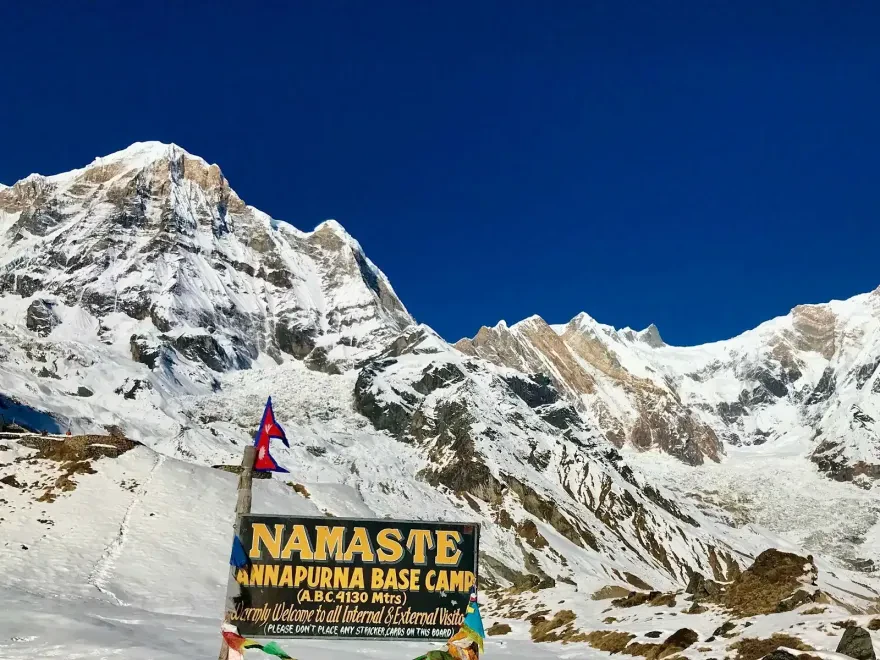
| No of people | Price per person |
|---|---|
| 1 - 1 | $425 |
| 2 - 4 | $345 |
| 6 - 10 | $315 |
| 12 - 16 | $285 |
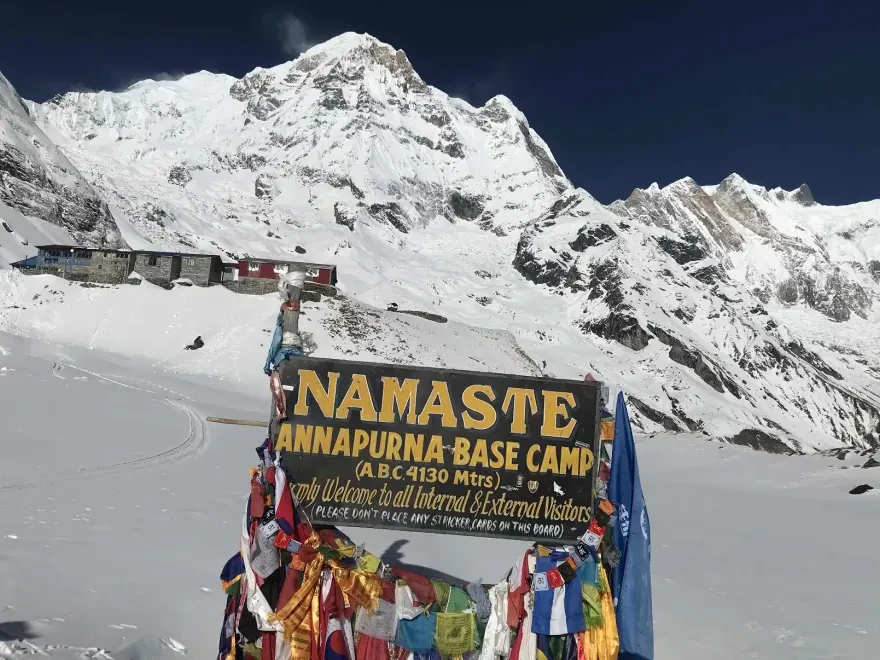
| No of people | Price per person |
|---|---|
| 1 - 1 | $545 |
| 2 - 4 | $455 |
| 6 - 10 | $405 |
| 12 - 16 | $355 |
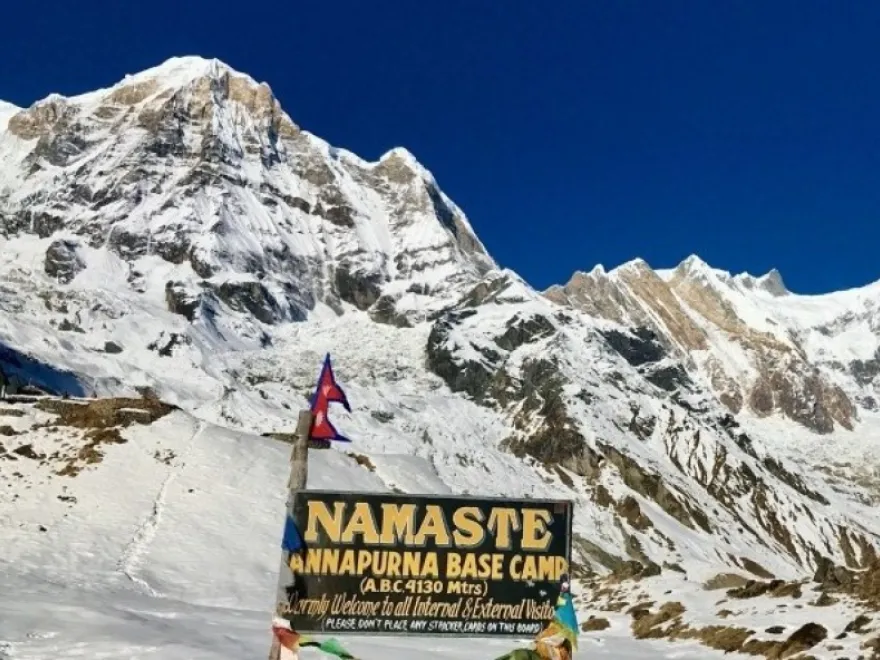
| No of people | Price per person |
|---|---|
| 1 - 1 | $335 |
| 2 - 4 | $255 |
| 6 - 10 | $225 |
| 12 - 16 | $195 |