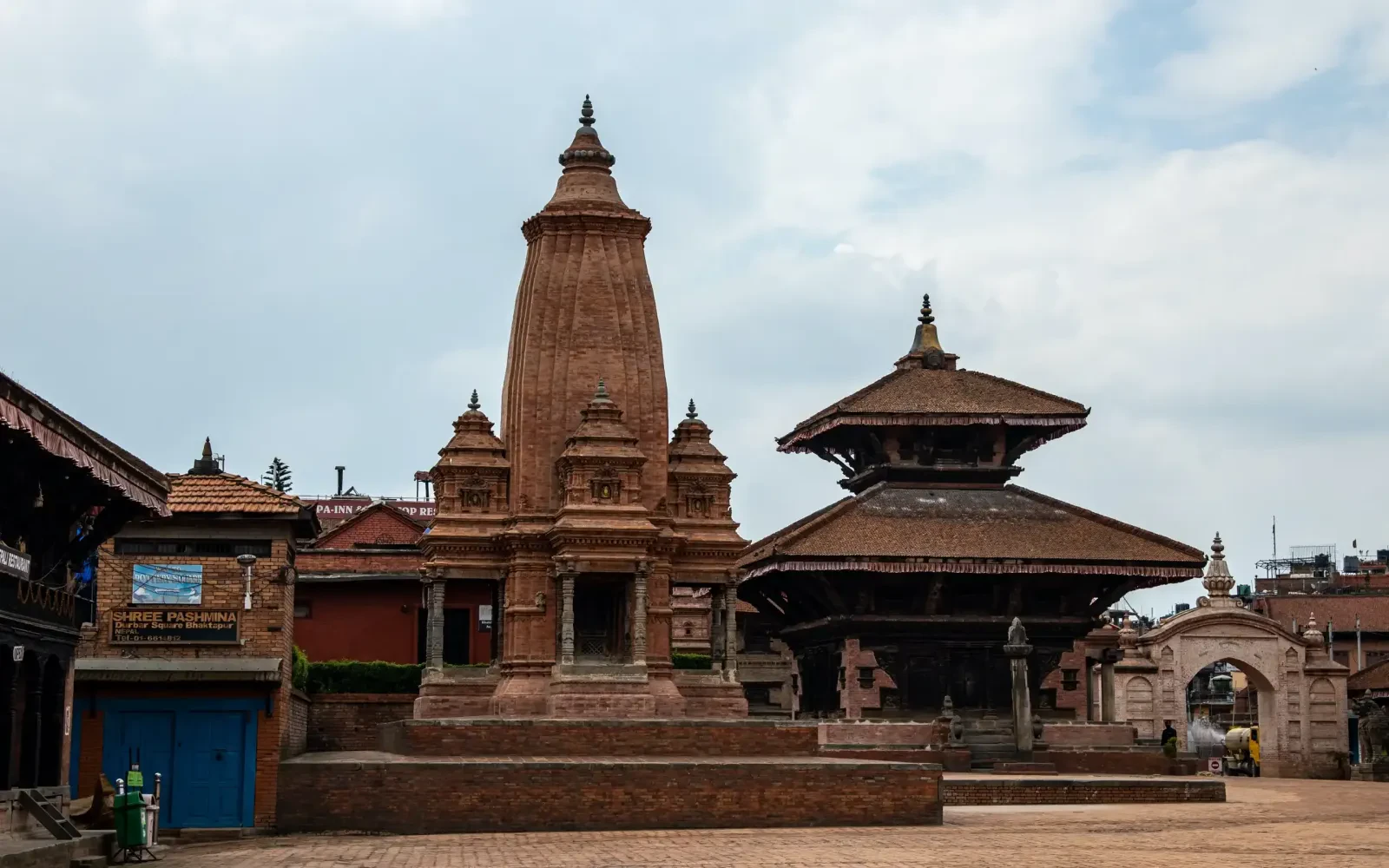
From the days of the Malla rulers in old Nepal, Bhaktapur Durbar Square began to take shape. In the 1200s, royalty started raising a grand court on that ground. Jayasthiti Malla put up the earliest known palace at the site. But tremors through centuries knocked down what stood before. Because of those losses, new monarchs added more buildings, piece by piece. Built long ago, Bhupatindra Malla reshaped the palace during the 1600s. Not far off, rulers once gathered in the square to make decisions. Kings of the Malla line lived there between the 1300s and 1400s. Because of these layers, the place carries deep echoes of Nepal’s past. Starting from bold dreams, its roots tie closely to art and power.

Back then, the Malla rulers held power across Kathmandu Valley during the 1100s. That era saw artists thrive under royal support in Bhaktapur. Because of this, the open space grew into a center for worship. Over time though, tremors kept breaking structures down. Old records tie the layout of the plaza to those early centuries. A good example is how the 1934 earthquake damaged the courtyards. Still, later repairs kept its true character alive. On top of that, UNESCO took note by listing it an one of the World Heritage Sites in 1979. That move underlined worldwide importance. So, the beginning tells a tale of strength tied to tradition.
Key Historical Milestones:
| Dynasty and Key Rulers | Contribution | Time Period |
|---|---|---|
| Malla Dynasty | Established royal palace complex | 12th-18th Centuries |
| Jayasthiti Malla | Built first palace in Durbar area | Late 13th Century |
| Yaksha Malla | Added 55-Window Palace | 1427 AD |
| Bhupatindra Malla | Remodeled palace with intricate designs | 17th Century |
| Ranjit Malla | Completed expansions before dynasty end | 18th Century |
Earthquake Impacts and Restorations:
Stunning temples and palaces fill Bhaktapur Durbar Square. First up, most visitors lay eyes on the 55-Window Palace. Woodwork there carries detail that holds attention. Beauty of the Golden Gate pulls people into the area even more. Tallest of its kind in Nepal, the Nyatapola Temple rises above the rest. Fierce goddesses come alive through figures such as Ugrachandi, shaping how art is seen here. Vivid portrayals of powerful beings catch the eye, pulling attention into their world. Across open spaces, the area stretches into more than one plaza. Close by lie Taumadhi and Pottery Squares, part of this spread. So much lives within its traditions. Altogether, those moments keep alive the spirit of ancient Nepal.

In fact, crowds come because of the UNESCO label on this plaza. From the 1200s to the 1700s, skilled makers built temples and statues here. This place shows how strong the Malla rulers once were. Shaking ground has knocked it down more than once. Still, careful fixes keep its old beauty alive. Bells at the Vatsala Temple sound unlike any other. Festivals fill courtyards each year, drawing steady crowds. Life pulses through the place without pause. At 1,401 meters high, the landscape opens wide. History mixes with worship in quiet harmony. Therefore, people pick Bhaktapur Durbar Square as one of the 10 best places to visit in Kathmandu Valley.
Top Architectural Attractions:
| Temple/Structure | Key Features | Historical Significance |
|---|---|---|
| Nyatapola Temple | 5 plinths, 108 struts, 360 battens | Built in 1702 AD by Bhupatindra Malla; earthquake-resistant design. |
| 55-Window Palace | Wooden windows, Naga Pokhari bath | Served as Malla kings' home until 1769. |
| Golden Gate | Gold-plated with deity figures | Entrance to Taleju Temple; built by Ranjit Malla. |
| Ugrachandi Statue | 18-armed goddess figure | Commissioned in 1710 AD; symbolizes power. |
| Taleju Temple | Restricted access, complex rituals | Central to Hindu devotion in Malla era. |
Cultural and Modern Highlights:
Actually, Bhaktapur Durbar Square isn’t just a collection of old buildings—it’s where kings once ruled and history still lingers in the air. The story starts way back in the 1200s with the Malla dynasty. Jayasthiti Malla kicked things off, setting down the first stones. Over the years, each ruler added their own touch—palaces here, shrines there—until Bhupatindra Malla came along in the 1600s and really left his mark. The square stayed at the heart of power until 1769, when the tides of conquest changed everything.
Actually, earthquakes tried to bring it down—first in 1934, then again in 2015—but people refused to let it fall. They rebuilt, stone by stone, determined to keep its spirit alive. The world finally took notice in 1979 when UNESCO named it a World Heritage Site and has been very popular as a part of Kathmandu Valley Day Tour. You can still see the dreams of old kings in its layout, along with the ever-changing styles of Nepali architecture.

But this place isn’t just a relic. Every day, you’ll find Hindu devotees lighting offerings at sunrise, and Buddhist prayers floating up as dusk settles in. The Nyatapola Temple stands tall, each step representing earth, water, fire, air, and space. During festivals, crowds pack in to watch priests enter the Taleju temple—an event so sacred, silence fills the air. The Newar community keeps its traditions strong here, with masked dances and lively street processions that seem to pull the past right into the present.
Further, quakes keep testing Bhaktapur’s resolve, but people here never let go of their rituals or their faith. Perched nearly 1,400 meters above sea level, the square offers sweeping views and a kind of peace you can feel in your bones. Here, belief and craftsmanship mix effortlessly. At the end of the day, Bhaktapur Durbar Square isn’t just a landmark. It’s Nepal’s spirit—faith, art, and daily life all tied together in one remarkable place. Therefore, Bhaktapur Durbar Square is a must visit place among 7 World Heritage Sites in Kathmandu.
Key Historical Milestones:
| Aspect | Historical Importance | Religious Importance | Cultural Importance |
|---|---|---|
| Malla Dynasty Legacy | Royal seat from 1200-1769; fostered arts and politics | Blends Hindu-Buddhist sites; shrines to deities like Durga | Newari craftsmanship in wood carvings and rituals |
| UNESCO Recognition | Listed in 1979 for architecture; 6.88 sq km area | Sacred ponds and temples reflect devotion | Living museum of medieval life and festivals. |
| Earthquake Resilience | Survived 1934 and 2015 quakes at 1,400m elevation | Maintained spiritual hubs like Vatsala Temple | Preserves traditions amid restorations. |
| Key Structures | 55-Window Palace as administrative center | Nyatapola as tallest pagoda for elemental worship | Golden Gate with repoussé art symbolizing heritage. |
Religious Sites and Practices:
| Festivals and Cultural Events | Description | Significance |
|---|---|---|
| Bisket Jatra | New Year celebration with chariot processions | Marks agricultural cycles; unites community. |
| Dashain | Honors goddess Durga; animal sacrifices | Reinforces Hindu devotion and family bonds |
| Indra Jatra | Masked dances and rituals | Blends Hindu-Buddhist elements; cultural pride |
| Gai Jatra | Satirical processions for deceased | Promotes healing through humor and tradition |
Meanwhile, the best time to visit Bhaktapur Durbar Square? Go early in the morning. Show up around 6 to 9 AM and you’ll find the place quiet, almost peaceful. Locals are already at the temples, lighting butter lamps and going through their daily rituals. The soft morning light? It’s perfect for photos. With hardly any tourists around, you get to soak up the real atmosphere. The air feels cool and shops start to open, giving the whole square a fresh vibe. This is when you see real daily life in motion, not just a tourist show. There’s something special about being there at dawn—things just feel more genuine.
But if you can’t make it in the morning, late afternoon or evening works well too. After 4 PM, the crowds thin out. The markets come alive, stalls glow with candles, and flower vendors line the cobblestone streets. Sometimes you’ll hear drumming echoing through the alleys, especially during festivals. When the sun sets, the carvings light up with rich colors and the whole place shifts—less heat, more comfort, and a different kind of energy. Locals gather for evening rituals, and suddenly the square feels like the center of everything. Dusk brings its own magic and a burst of life.
Recommended Daily Time Slots:
| Time of Day | Pros | Cons | Best For |
|---|---|---|
| Early Morning | Serene, soft light, local activities | Chilly at 1,400m; limited shops open | Photography, spiritual immersion. |
| Midday | Full daylight, all sites accessible | Peak crowds, hotter temperatures | Quick tours, group visits. |
| Late Afternoon | Cooling weather, thinning tourists | Some sites may close early | Relaxed strolling, market shopping. |
| Evening | Vibrant atmosphere, festivals | Darker for details, safety concerns | Cultural events, dining nearby. |
Seasonal Influences on Daily Visits:
| Weather and Crowd Factors | Morning | Afternoon | Evening |
|---|---|---|
| Temperature at 1,400m | Cool (10-15°C) | Warm (20-25°C) | Mild (15-20°C). |
| Crowd Levels | Low | High | Medium. |
| Light Quality | Soft, golden | Harsh, direct | Warm, ambient. |
| Activity Highlights | Rituals, peace | Sightseeing | Markets, lights. |
When you visit Bhaktapur Durbar Square, there’s a lot to take in. Most people start by wandering through the old temples and palaces—climbing the steps of Nyatapola Temple, getting up close to the wood carvings, that kind of thing. Pottery makers usually catch your eye too, spinning clay into bowls and vases right in front of you. If you happen to come during a festival, the place fills up with music, traditional dances, and a real burst of energy.

In fact, the square sits pretty high up—1,401 meters—so the views around are just incredible, especially if you like a good walk. Photographers love it here; every corner seems to have some little detail or a dramatic scene worth snapping. The whole experience is a mix of culture and a bit of adventure.
Likewise, there’s more than just sightseeing, though. To really get a feel for Bhaktapur, grab a cup of Juju Dhau from a street vendor. Locals swear by it, and honestly, it’s delicious. As the sun goes down, the markets pick up. You’ll see crowds, hear bargaining, and spot all sorts of handicrafts. Buying something supports the artisans right there, which feels good. If you just sit and watch, daily life unfolds—kids playing, people lighting candles as dusk settles in.
And if you’re into history, the museums here dig deep into the Malla period. Whether you’re exploring, tasting, shopping, or just soaking up the atmosphere, Bhaktapur keeps you curious and engaged the whole time. In fact, one can extend the Bhaktapur Durbar Square tour to Changunarayan Temple and Nagarkot Sunrise Tour.
Key Exploration Activities:
| Activity Type | Specific Examples | Duration Estimate | Elevation Note |
|---|---|---|
| Cultural Tours | Nyatapola Temple climb, Golden Gate viewing | 1-2 hours | At 1,401 meters, offers valley panoramas |
| Artisan Interactions | Pottery making demos, wood carving shops | 30-60 minutes | Ground level in squares |
| Food Experiences | Taste Juju Dhau, local snacks in markets | 20-40 minutes | Street-level at 1,401m elevation |
| Evening Pursuits | Candle lighting, people-watching in Durbar | 1 hour | Cooler evenings enhance comfort |
Additional Leisure Options:
| Seasonal Highlights | Spring (Mar-May) | Autumn (Sep-Nov) | Notes |
|---|---|---|
| Festivals | Bisket Jatra processions | Dashain celebrations | Crowded but energetic. |
| Weather Suitability | Mild for hikes | Clear skies for views | At 1,401m, comfortable. |
| Outdoor Activities | Flower markets, pottery | Evening walks, photography | Avoid monsoon rains |
If you’re heading to Bhaktapur Durbar Square, there are a few things you need to know. First off, everyone pays the entry fee at the checkpoint—foreigners pay NPR 1,800, and visitors from SAARC countries pay NPR 500. Kids under 10? They get in for free. Don’t forget to hang on to your ticket; you’ll need it if anyone asks. The square sits at 1,401 meters, so dress for the weather—trust me, it makes things a lot easier. If you’re with a group, the leader might not have to pay, but check ahead.
Once you’re inside, it’s all about respect. Dress modestly, especially if you’re going into temples—make sure your shoulders and knees are covered. Leave your shoes at the door, and keep anything made of leather outside. Want to take photos? Sometimes you need to ask first. Hats come off in sacred spaces. The locals treat incense and open flames with a lot of respect, so follow their lead. These rules aren’t just for show—they help everyone enjoy and protect the place.
Essential Entry and Access Rules:
| Visitor Category | Entry Fee (NPR) | Exemptions | Contact |
|---|---|---|
| Foreigners | 1,800 | Groups: 1 leader free for 11-20 | 01-6612249 |
| SAARC Nationals | 500 | Children under 10 free | Bhaktapur Municipality |
| Chinese Nationals | 500 | None specified | Archeology Dept. |
| Nepalis | Free | All ages | N/A |
Cultural and Behavioral Guidelines:
| Prohibited Actions | Reasons | Alternatives | Elevation Note |
|---|---|---|
| Wearing Hats in Temples | Cultural disrespect | Remove before entry | At 1,401m, hats useful outside. |
| Bringing Leather Items | Religious norms | Leave outside or use cloth bags | N/A. |
| Unauthorized Photos | Privacy/sacredness | Seek approval first | Capture exteriors freely. |
| Vehicle Entry | Preserve structures | Walk or use local transport | Enhances exploration. |
Here, Bhaktapur Durbar Square charges an entry fee to help keep the place in good shape. You’ll pay at the main checkpoints. Right now, foreign visitors pay NPR 1,800 (or about US$18). If you’re from a SAARC country or China, it’s a lot cheaper—just NPR 500. Nepali citizens get in free, and so do kids under 10. If you’re coming with a group of 11 to 20 people, one leader gets in for free.
In fact, the fee isn’t just a formality. The square sits at 1,401 meters, so the weather can be tough on the old buildings. The money goes straight into maintenance and repairs, especially after earthquakes. Your ticket lets you come and go as much as you want during the day, and if you’re planning to visit a lot, you can even get an extension. Just don’t expect a refund—it hardly ever happens.
Here, buying a ticket for Bhaktapur Entry is simple. Go to the official booth and have your passport ready. They check IDs carefully, especially for Chinese nationals. The system’s strict, but it’s all about protecting the site. Higher fees for foreigners help cover restoration costs and keep the place open for everyone. Knowing how the fees work makes your visit a lot smoother and helps keep Bhaktapur Durbar Square around for years to come.
Current Entry Fees Overview:
| Visitor Category | Fee (NPR) | Fee (USD Equivalent) | Remarks |
|---|---|---|
| Foreign Nationals | 1,800 | 18 | Payable in cash or equivalent; multiple day access. |
| SAARC Nationals | 500 | 4 | Discounted rate. |
| Chinese Nationals | 500 | 4 | Passport compulsory. |
| Nepali Citizens | Free | Free | No restrictions |
| Children (Under 10) | Free | Free | Accompanied by adults. |
Additional Ticket Details and Rules:
Conservation and Fee Usage:
Actually, monkeys are everywhere in Bhaktapur Durbar Square. You’ll spot them scaling temples or statues, darting around the pottery square, or leaping from one rooftop to another. They’re always on the lookout for food scraps, poking around with a mix of curiosity and boldness. The cooler air at 1,401 meters suits them just fine, and honestly, they seem to thrive here.
But don’t let their playful acts fool you—they stay wild, no matter how many people pass through. Sometimes they grab bags or snatch things right out of your hands. Locals put up with them as part of the area’s character, and honestly, the monkeys do add some energy to the place. Still, it pays to be careful.
In fact, tourists run into trouble with these mischievous monkeys all the time. Avoid staring them down, and don’t make any sudden moves—they get riled up fast. Carrying open food? Forget it. They’ll zero in, and next thing you know, you’re missing a snack or even your sunglasses. Stay calm, avoid feeding them, and keep your bags zipped and close. If you’re careful and pay attention, you’ll sidestep most problems. Just a little awareness goes a long way here.
Common Monkey Behaviors Observed:
Essential Precautions for Visitors:
| Precaution | Reason | Action Tip |
|---|---|---|
| No Feeding | Prevents bold behavior | Ignore begging; dispose trash properly. |
| Secure Items | Stops snatching | Use zipped bags; avoid loose items. |
| Avoid Eye Contact | Reduces perceived threat | Glance aside; no staring. |
| Slow Movements | Prevents startling | Walk steadily; no quick gestures. |
| No Touching | Maintains safety | Observe from distance only. |
Safety Tips and Additional Advice:
Getting to Bhaktapur Durbar Square from central Thamel is straightforward. Taxis suit those wanting speed. Ride-hailing services such as Pathao run smoothly here. Buses, meanwhile, offer a cheaper alternative. Distance-wise, it's roughly between 13 and 17 kilometers. Still, road conditions can slow trips down now and then. Though higher up - Thamel sits near 1,316 to 1,324 meters while Bhaktapur reaches 1,401 - the path rises without sharp inclines. Sometimes travelers spend between half an hour and a full one on the move. Because of that, getting around works for different kinds of visitors. Overall, several ways link these lively places smoothly.
Starting out from Thamel, travelers often arrange their rides ahead of time. That way, getting around feels easier and less rushed. Skipping packed transport turns out smoother when plans are set early. Still, hopping on a shared bus brings real flavor without spending much. From places like Ratnapark just close by, small buses roll out regularly. Every extra step to a bus stop barely matters.
Still, calling a ride cuts minutes when traffic piles up. The climb toward 1,401 meters? It pulls the eye along winding roads. Choices here split evenly between saving money and moving fast. Starting out from Thamel makes sense once you look at Bhaktapur.
Main Transportation Options:
| Mode | Distance (Approx.) | Travel Time | Cost (NPR, Approx.) | Notes |
|---|---|---|
| Taxi/Ride-Sharing | 13-17 km | 30-45 minutes | 800-1,500 (one way) | Traffic-dependent; app fares vary. |
| Public Minibus | 13-17 km | 45-90 minutes | 50 (foreigners, one way) | Frequent; crowded; from Ratnapark. |
| Private Car | 13-17 km | 30-50 minutes | 2,000-4,000 (round trip) | Flexible stops; air-conditioned. |
| Elevation Note | Thamel: ~1,324 m; Bhaktapur: 1,401 m | N/A N/A | Gentle climb; scenic valley views. |
Route Details:
1. What is Bhaktapur Durbar Square. Why is it Famous?
Bhaktapur Durbar Square is a special place in Nepal. It is a UNESCO World Heritage Site. People love it for its buildings and rich culture. The 55-Window Palace and Nyatapola Temple are famous here. It was built a time ago during the Malla dynasty. You can see history, art and daily life of Newari people. It is a must-visit place in the Kathmandu Valley.
2. What is the History of Bhaktapur Durbar Square?
Bhaktapur Durbar Square started in the century. The Malla kings made it as a palace. Over time rulers like Yaksha Malla and Bhupatindra Malla added palaces and temples. There were earthquakes in 1934 and 2015. People worked hard to fix it. UNESCO recognized it in 1979. It shows Nepals spirit and great building skills.
3. What are the Must-See Attractions in Bhaktapur Durbar Square?
Some key places to see are the 55-Window Palace with wood carvings. The Golden Gate is golden and nice. The Nyatapola Temple is very tall. You should also see the Vatsala Temple and Pottery Square. These places show Newari work and are spiritually important. Visiting them is like going in time to medieval Nepal.
4. What is the Best Time to Visit Bhaktapur Durbar Square?
The best time to visit is morning from 6 to 9 AM. It is peaceful. The light is soft. You can also visit late in the afternoon when it is not crowded. The best months are October to December and March to May. The weather is nice then. You can see life and take great photos.
5. How Much is the Entry Fee for Bhaktapur Durbar Square?
Foreigners pay NPR 1,800 which's about US$18. SAARC and Chinese visitors pay NPR 500. Nepali people and kids under 10 can enter for free. Your ticket is good for entries, in one day. It helps keep the place nice. The fee is easy to pay at the checkpoints. It is worth it to help keep this place.
6. What Activities Can You Do at Bhaktapur Durbar Square?
You can do a lot of things at Bhaktapur Durbar Square. For example you can visit temples watch people make pottery try Juju Dhau which is also known as king curd buy crafts and join in festivals like Bisket Jatra. You can also climb Nyatapola to see the views or just sit in the square and watch people going about their life. We have been doing this for a time so we know that these things are a great way to learn about the culture try the food and meet the people, which makes for a really memorable trip to Bhaktapur Durbar Square.
7. What Rules and Etiquette Should Visitors Follow?
When you visit Bhaktapur Durbar Square you should be respectful. This means dressing taking your shoes and hat off in the temples and not taking any leather things into the sacred spaces. Do not throw trash on the ground. Disturb the rituals. You can take pictures outside. You should ask first. We know what we are doing so we can tell you that if you follow these rules you can help keep the place nice and have a nice time visiting.
8. Are There Monkeys in Bhaktapur and How to Stay Safe?
Yes there are monkeys at Bhaktapur Durbar Square. They are a lot of fun to watch.. Sometimes they can be a little naughty. So you should be careful with your things do not feed the monkeys and do not make any moves or look them in the eye. We have been taking people around for a time so we can tell you that if you stay calm and watch out you will be okay. This way you can have a time at Bhaktapur Durbar Square without worrying.
9. How to Reach Bhaktapur Durbar Square from Thamel?
To get to Bhaktapur Durbar Square from Thamel you can take a taxi. Use a ride-sharing app, which takes about 30 to 45 minutes and costs around NPR 800 to 1500.. And you can take a public bus from Ratnapark too, which is cheaper but takes longer. The drive is about 13 to 17 kilometers. Is easy to do. We know a lot about transportation so we think it is an idea to book ahead of time especially if you are with a group. This way it is easy and fun to get to Bhaktapur Durbar Square.
10. Is Bhaktapur Durbar Square Worth Visiting?
Yes Bhaktapur Durbar Square is definitely worth visiting. It is one of the places to see what Nepal was like a long time ago with its old buildings, culture and festivals. The temples, festivals and the way people really live make it a special place to visit. We have been showing people around for a time so we can say for sure that Bhaktapur Durbar Square is one of the best places to visit in the Kathmandu Valley, with its beautiful buildings, interesting stories and real local life.
Our travel experts are ready to assist you with any questions.
Send us a message.Have a question before you book? Send your enquiry below and our travel experts will get back with the required information.