Actually, Changu Narayan Temple goes way back to the days of the Licchavi kings in ancient Nepal. King Manadeva built it around the 4th century AD, and the whole place is dedicated to Lord Vishnu. There’s even an old inscription from 464 AD carved into a stone pillar that proves just how ancient this place really is. Most historians point to the Licchavi rulers as the founders. But the legends? They reach even further. One story tells of a Brahmin and a cowherd who found a form of Vishnu inside a champak tree. They built the first shrine right there on the spot.

Here, the temple’s been through a lot. Fires, earthquakes, invasions — you name it. After a fire in 1702, the Malla kings stepped in and rebuilt it, making sure the old Licchavi artwork survived. Despite everything, people have kept worshipping here, generation after generation. In 1979, UNESCO added Changu Narayan to its list of World Heritage sites. The temple sits high on Changu Hill, at about 1,500 meters, and the views across the valley are something else.
So, the story of Changu Narayan isn’t just about old stones or faded legends. It’s about centuries of belief, royal support, and the stubborn spirit of people determined to keep their traditions alive. This temple stands as one of Nepal’s oldest Hindu sites, a living symbol of faith and artistry that’s lasted through everything time could throw at it. Tourists pick Changunarayan Temple as one of the 10 best places to visit in Kathmandu Valley.
Key Historical Milestones:
| Period/Dynasty | Key Event/Contribution | Significance | Elevation Note |
|---|---|---|
| Licchavi (4th–8th C) | Foundation by King Manadeva; 464 AD pillar inscription | Earliest dated evidence in Nepal | Hilltop at 1,510–1,600m. |
| Malla Era (17th–18th C) | Reconstruction post-1702 fire | Maintained pagoda architecture | N/A. |
| Modern (1979 onward) | UNESCO inscription; ongoing preservation | Global recognition of heritage | Valley views from elevation. |
Legends Associated with Origin:
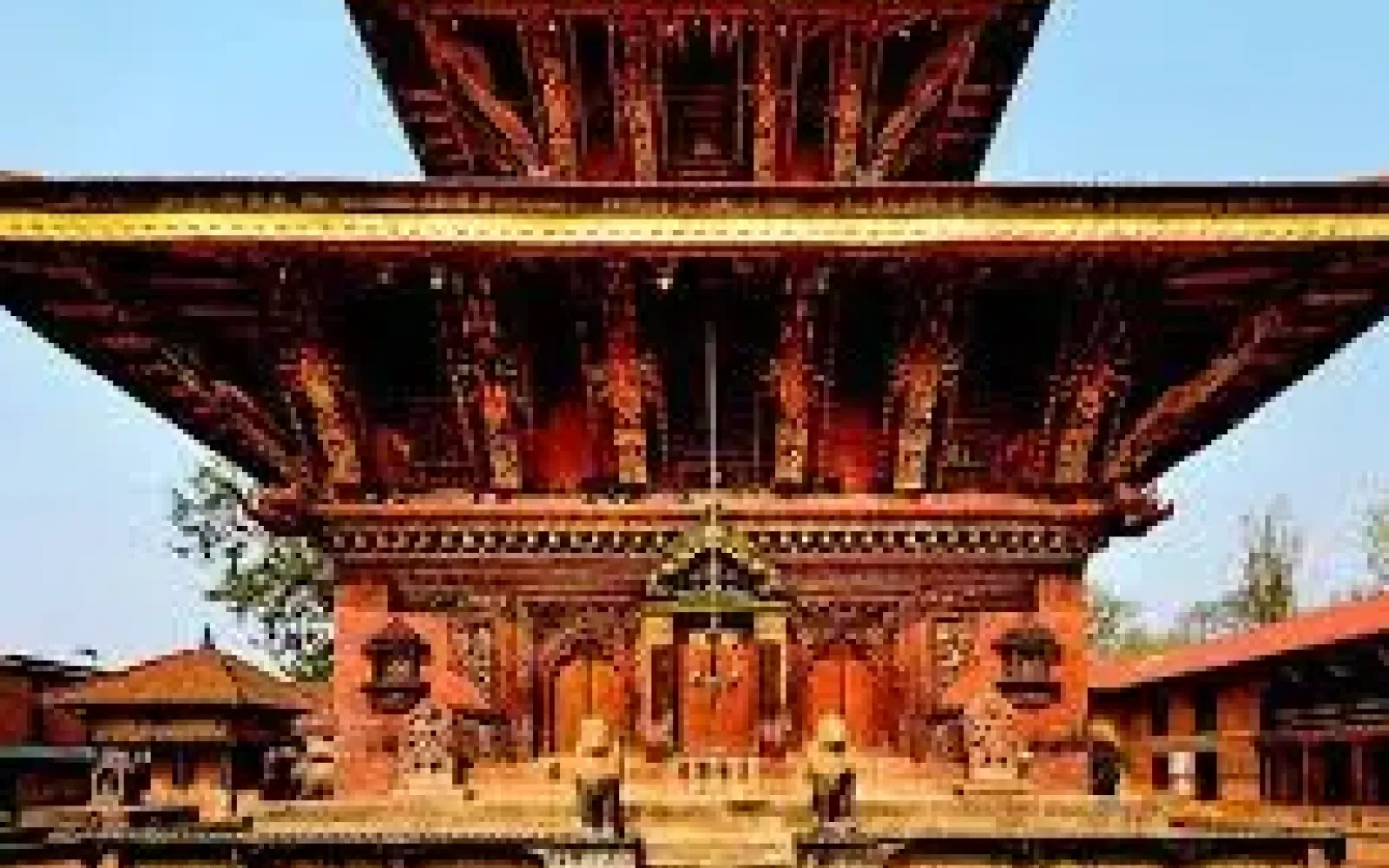
Meanwhile, Changu Narayan Temple really stands out for its stunning pagoda architecture. The two-tiered structure sits right on top of a hill, almost floating above the valley. When you get up close, you see just how much work went into the details—carved wooden struts and doors everywhere you look. The stone sculptures bring the whole place to life, especially with all those scenes of Vishnu’s incarnations. Huge guardian animals keep watch at each of the four entrances, almost as if they’re frozen mid-step. The oldest Licchavi inscriptions are here too, adding a real sense of history. And honestly, the view alone—perched at around 1,500 meters—takes your breath away.

In fact, it’s not just the main temple, either. Smaller shrines dot the grounds, making the whole place feel like a living museum of art, history, and spirituality woven together. The craftsmanship is everywhere. Look up, and you’ll spot elaborate toranas above the doorways, and the gilded roofs catch the sunlight just right. Statues of Garuda and fierce, multi-armed deities stand out boldly around the temple. The complex holds onto sculptures from as far back as the 5th century, all packed in tight. Carvings of Vishnu’s ten avatars are scattered throughout, telling stories in wood and stone. The tranquil hilltop setting just adds to the peaceful atmosphere. Changu Narayan really is a showcase of Nepal’s finest ancient art. If you’re after a real cultural experience, this place delivers. Changu Narayan Temple is an important part of 7 UNESCO Sites Tour in Kathmandu.
Top Architectural Features:
| Feature | Description | Historical Period | Elevation Note |
|---|---|---|
| Pagoda Roof | Two levels, clay tiles, brass ornaments | Rebuilt 1702 AD | Hilltop at 1,510–1,600m |
| Guardian Statues | Life-size animals at gates | Licchavi–Malla eras | N/A |
| Vishnu Incarnations | Carved on struts and panels | 5th–12th centuries | Valley panoramas |
| Toranas | Carved crests above doors | Ancient craftsmanship | N/A. |
Key Artifacts and Shrines:
Actually, Changu Narayan Temple isn’t just old—it’s the oldest Hindu temple in Nepal, and you can feel its history as soon as you arrive. King Manadeva from the Licchavi dynasty built it back in the 4th century AD. There’s even a stone inscription from 464 AD that spells out his victories and devotion. That stone isn’t just a relic, either; it holds the title for Nepal’s oldest dated epigraph. Historians love this place because people have worshipped here for more than 1,500 years without stopping. Sure, the temple faced disasters—fires in 1702, earthquakes too—but the Malla kings stepped in and rebuilt it with real care.
In 1979, UNESCO recognized its value and made it part of the Kathmandu Valley heritage. When you look at Changu Narayan, you see centuries of royal support and artistry coming together. The temple stands proudly on Changu Hill, perched between 1,510 and 1,600 meters, showing off Nepal’s ancient architectural roots.

But Changu Narayan isn’t just about history. For Vaishnavites around the world, it’s a spiritual anchor. Every day, devotees come to worship Lord Vishnu. They honor all ten of his avatars, too. The main idol inside shows Vishnu in his cosmic form, and smaller shrines nearby pay tribute to related deities. During festivals like Haribodhini Ekadashi, the hilltop fills with thousands of worshippers. There’s something about that elevation—the quiet and the views—that pulls you into the moment. The priests here keep ancient rituals alive, day in and day out. Faith and tradition go hand in hand at Changu Narayan, making it a living, breathing center for Hindu worship.
Historical and Cultural Highlights:
| Aspect | Historical Importance | Religious Importance | Cultural Importance |
|---|---|---|
| Founding Era | Licchavi (4th century AD); Manadeva's temple | Dedicated to Vishnu as supreme deity | Early example of Nepali temple architecture |
| Inscription | 464 AD Sanskrit pillar; oldest in Nepal | Documents royal devotion to Vishnu | Key source for Licchavi history and language |
| Festivals | Endured through centuries | Haribodhini Ekadashi, Vishnu-related rites | Community gatherings; Newari traditions |
| Art & Sculpture | Licchavi-era avatars and guardian figures | Symbolizes divine incarnations | Masterpieces of wood, stone, metal work |
| Elevation Note | 1,510–1,600 m hilltop site | Serene setting for meditation | Inspires awe with valley and Himalayan views. |
Religious Practices Observed:
If you want the real magic at Changu Narayan Temple, go early. I mean, sunrise is something else up there. By 6 or 7 in the morning, the air feels fresh, and hardly anyone’s around. The priests move quietly through their morning aarti, lighting lamps and chanting so softly you almost feel like you’re intruding on a secret. When the sun comes up, it hits the ancient carvings just right—everything glows. With so few people, you can actually listen to the birds and the wind on the hilltop. At that elevation, the breeze wakes you up better than coffee. Mornings at Changu Narayan just feel peaceful, almost sacred.

But if you’re not a morning person, late afternoon is a close second. Things calm down after three; most of the crowds clear out. The light gets softer, perfect if you’re into photos—shadows stretch across the guardian statues, and everything looks sharper somehow. Prayer flags start to dance in the wind. Up there, the air cools off, and you get these golden-hour views of the Kathmandu Valley that are honestly hard to beat. It’s quieter, slower, and you can really take it all in without rushing. Late in the day, it’s all about the view and the calm. People include Changunarayan Temple as a part of Day Tour to World Heritage Sites with Bhaktapur Durbar Square.
Recommended Daily Time Slots:
| Time of Day | Pros | Cons | Best For |
|---|---|---|
| Early Morning | Serene, authentic puja, golden sunrise | Chilly at 1,510–1,600 m | Meditation, spiritual immersion. |
| Midday | Full daylight, all areas open | Hotter, more visitors | Detailed exploration, quick visits. |
| Late Afternoon | Soft light, valley panoramas, fewer crowds | Some shrines may close early | Photography, relaxed strolling. |
| Elevation Note | 1,510–1,600 m hilltop | Cooler mornings, pleasant afternoons | Enhances scenic and spiritual feel. |
Seasonal Influences on Timing:
Practical Visiting Tips:
Meanwhile, people start by walking around the central temple building at Changu Narayan. Inside, detailed wooden figures catch their eyes right away. Instead of rushing, they pause near support beams to look at carvings of Vishnu’s forms. Some spend minutes focused on a single sculpture. Not everyone notices every detail, yet each finds something that holds attention. Up there near the top of Changu Hill, where the land climbs between 1,510 and 1,600 meters, breath comes easier. People move around the temple in a clockwise path, quiet and respectful. Instead of rushing, they pause to capture images of stone guardians standing watch. Because each moment feels layered, visiting becomes more than looking - it folds faith into every step. What stays after you leave is how deeply culture lives in these spaces.

Out here, visitors dive into real experiences. Around the site, lesser-known temples draw their attention. Up close, old Licchavi carvings catch the eye. From the ridge, wide-open skies stretch across the valley. On sharp mornings, far-off Himalayas appear through the air. Down the path, a quiet hush wraps around the 464 AD stone carving as eyes trace each mark. Up high - between 1,510 and 1,600 meters - the air feels still, making thoughts stretch longer. Close by, hands sift through woven baskets and carved wood from village makers. Through it all, past echoes meet mountain light in slow motion. By the end, feet carry more than steps - they hold pieces of old prayers, red earth, and time folded into one. In fat, one can extend the Changunarayan Temple Visit to Nagarkot Sunrise Tour.
Key Exploration Activities:
| Activity | Duration Estimate | Best Time | Elevation Note |
|---|---|---|
| Circumambulation & Puja | 20–40 minutes | Early morning | At 1,510–1,600 m, refreshing air |
| Detailed Art Observation | 30–60 minutes | Mid-morning / Afternoon | Hilltop clarity for close viewing |
| Valley View Appreciation | 15–30 minutes | Late afternoon (golden hour) | Panoramas of Kathmandu Valley |
| Inscription & Museum | 20–45 minutes | Anytime | Calm high-altitude setting |
| Local Handicraft Shopping | 30–60 minutes | Daytime | Nearby village at similar elevation. |
Additional Leisure Options:
At Changu Narayan Temple, visitors follow old traditions without exception. Around the central shrine, walking goes only in a clockwise direction, every time. Shoes come off before stepping into the inner yard, no exceptions allowed. As a rule, arms and legs stay covered - shoulders included, knees too - out of respect shown quietly. Silence stays strong when prayers begin. Up high, between 1,510 and 1,600 meters, good shoes make stepping on stones easier. Quiet behavior shows care for both priests and those who pray. Because of these habits, the temple keeps its sacred feel. This way, every action adds weight to tradition.
Here, wandering visitors stick to clear rules without fail. Touching holy statues or gifts left at shrines? Never happens. Snapshots of locals only after asking first - every single time. Tossing trash around isn’t seen, not even once. Inside sacred zones, leather stays outside. Still, food and smoke never touch these grounds. During ceremonies, hushed tones flow like breath between stones. This quiet respect holds tradition intact. At heights of 1,510 to 1,600 meters, small acts guard peace and meaning.
Essential Etiquette Rules:
| Rule Category | Specific Guideline | Reason | Elevation Note |
|---|---|---|
| Movement | Clockwise only around main shrine | Aligns with devotional tradition | Easier pacing at 1,510–1,600 m. |
| Footwear & Clothing | Remove shoes; modest attire required | Maintains purity of sacred space | Stone steps; bring comfortable shoes. |
| Photography | Ask permission for people/priests; no flash | Respects privacy and rituals | Soft natural light at elevation. |
| Conduct | No eating, smoking, littering | Preserves cleanliness and reverence | High-altitude serenity enhanced. |
| Sacred Items | Do not touch statues, offerings, or relics | Protects spiritual integrity | N/A. |
Additional Practical Guidelines:
Actually, Changu Narayan Temple charges a small entry fee to help keep the place in good shape. When you get there, you’ll see the main ticket counter right away. Foreign visitors pay NPR 400, while SAARC nationals pay NPR 100. Nepali citizens always get in for free, and kids under 10 don’t have to pay either. The temple sits high up on Changu Hill, between 1,510 and 1,600 meters, and these fees go directly toward maintenance.
Moreover, your ticket’s good for the whole day, so you don’t have to rush. The money goes mostly to cleaning, repairs, and security. There’s no way to book tickets online ahead of time, and groups don’t get extra discounts. You just show your passport when you buy your ticket—simple as that. The low price makes it easy for locals to visit often, which keeps the place lively and connected to the community. This system strikes a good balance: it protects the temple while making sure everyone can still enjoy it. Just knowing how the fees work helps you breeze through the entry when you arrive.
Current Entry Fees (2025–2026):
| Visitor Category | Fee (NPR) | Approx. USD Equivalent | Remarks |
|---|---|---|
| Foreign Nationals | 400 | 3 | Cash preferred; full-day validity |
| SAARC Nationals | 100 | 0.75 | Passport or national ID required |
| Chinese Nationals | 100 | 0.75 | Treated under SAARC category |
| Nepali Citizens | Free | Free | No ticket needed |
| Children (Under 10) | Free | Free | Must be accompanied by adult. |
Additional Fee Details:
Meanwhile, the monkeys around Changu Narayan Temple are everywhere—hopping along the old stone walls, darting across rooftops, and poking around for food scraps. You’ll spot them right by the main gate, full of energy and curiosity. The cooler air up on Changu Hill, about 1,500 meters high, suits them perfectly. They’ll snatch a bag or something shiny if you’re not paying attention, but honestly, the locals just see them as part of the place. They’re rarely aggressive unless someone bothers them, and honestly, they give the temple a wild, lively feel. Still, you’ve got to keep an eye out.
Likewise, tourists run into trouble with these monkeys all the time. The smart move is to avoid looking them straight in the eyes, since quick movements or waving things around can set them off. If you’re holding food or even just something that gleams, expect them to make a move for it. Keep your sunglasses, phone, or any loose items tucked away. Staying calm goes a long way—most issues start when people panic or try to feed them (which is a big no-no). Hold onto your stuff, don’t feed them, and you’ll be fine. Just a little awareness turns those monkey encounters from a hassle into something you can laugh about later.
Common Monkey Behaviors Observed:
Essential Precautions for Visitors:
| Precaution | Reason | Practical Tip |
|---|---|---|
| No feeding | Prevents aggression & dependency | Eat only inside vehicles or far away. |
| Secure belongings | Stops sudden snatching | Use zipped backpacks; keep items close. |
| Avoid eye contact | Reduces perceived threat | Glance aside; never stare. |
| Slow & calm movements | Prevents startling them | Walk steadily; no quick reaches. |
| Elevation Note | 1,510–1,600 m hilltop | More active in crisp mornings/evenings. |
Additional Safety Advice:
From central Thamel, most people head straight to Changu Narayan Temple by taxi - smooth ride, no hassle. Some prefer tapping open a ride via Pathao, works fast these days. Others hop on one of the small public buses when saving money matters more. It sits roughly 12 to 15 kilometers due east outside Kathmandu. Getting there fits into any pace, really. Still, delays on the road can stretch out the trip. Even so, Thamel lies near 1,324 meters above sea level, whereas Changu Narayan climbs up to between 1,510 and 1,600 meters on Changu Hill. Because of that, trips usually last anywhere from three-quarters of an hour to one and a half hours. With this in mind, travelers pick transport based on what works best. Overall, setting off from Thamel makes reaching this highland historic spot more manageable.
From Thamel, travelers map their way carefully. To get there fast, people choose ride-hailing apps instead of waiting. Straight to the temple gate, that path leads without delays. Yet riding local buses feels more real while saving money. Say you start at Ratna Park or Bagbazar - small buses leave often from those spots. Walking to a bus stop does not take much energy at all. Taxis manage heavy traffic best when schedules shift around busy times. Rising slowly up toward 1,510 or even 1,600 meters gives roads interesting views. Some choices mix ease, price, and new experiences well. Getting there links city movement with discovering local life.
Main Transportation Options:
| Mode | Distance (Approx.) | Typical Travel Time | Cost (NPR, Approx. 2026) | Notes / Elevation |
|---|---|---|
| Taxi / Ride-Sharing | 12–15 km | 45–75 minutes | 1,000–2,000 one way | Traffic-dependent; app fares vary; direct to hill base |
| Public Minibus (via Bhaktapur) | 12–15 km (plus 6 km change) | 60–120 minutes | 50–100 one way | Crowded; ask for "Changu Narayan" or Bhaktapur then local bus |
| Private Car | 12–15 km | 45–60 minutes | 2,000–4,000 round trip | Comfortable; hotel-arranged; good for combined Bhaktapur visits |
| Motorbike / Scooter | 12–15 km | 40–70 minutes | Fuel + rental ~500–800/day | Requires helmet; parking near temple; elevation climb noticeable |
| Elevation Difference | Thamel ~1,324 m → Changu Narayan 1,510–1,600 m | N/A | N/A | Gradual hill ascent; cooler air at temple hilltop. |
Route & Practical Tips:
Additional Accessibility Information:
1. What is the history of Changu Narayan Temple?
Changu Narayan Temple has a history of over 1,500 years. It is Nepal’s Hindu temple. It was originally built in the century by King Manadeva. There is an inscription here from 464 AD. The temple was rebuilt in 1702 after a fire. It has survived earthquakes. Still feels sacred. Many visitors come here. Our team helps them understand its importance.
2. Why is Changu Narayan Temple a UNESCO World Heritage Site?
The UNESCO team listed Changu Narayan Temple in 1979. They thought it was very special because of its art and architecture. The temple is in the Kathmandu Valley. It has carvings from the Licchavi era and a special two-tiered pagoda style. People have been worshiping here for centuries. Our team has visited all seven UNESCO sites. We think this temple is amazing. It mixes history, spirituality and craftsmanship in a way that feels cultural and deep.
3. What makes the architecture of Changu Narayan Temple
The temple is a two-tiered pagoda with roofs. It has struts that show pictures of Vishnu. There are statues of lions and griffins at the entrances. The temple also has stone carvings and toranas from the Licchavi period. It is on a hill. Its design combines art, nature and devotion. Our team helps visitors see the details that make it special.
4. What is the best time to visit Changu Narayan Temple?
The best time to visit is morning from 6 to 9 AM or late afternoon from 3 to 5 PM. There are people and the light is golden. You can see rituals. Spring and autumn have views and winters are crisp. Our team knows the area well. We think these times let you feel the spiritual atmosphere and take great photos.
5. What are the entry fees for Changu Narayan Temple?
Foreign visitors pay NPR 400. SAARC and Chinese visitors pay NPR 100. Nepali citizens and kids, under 10 get in for free. The fees help keep the temple. Tickets are good all day. Can be paid in cash. Our team suggests bringing the change for easy entry.
6. How to reach Changu Narayan Temple from Kathmandu?
The temple is 12-15 km east of Kathmandu. You can get there by taxi, ride-sharing or public minibus. The drive is scenic. Takes 45-75 minutes. Our team often arranges transfers to make sure you get there safely and enjoy the journey.
7. What should I know about etiquette and rules at Changu Narayan?
When visiting Changu Narayan remember to walk around the temple in a clockwise direction. Take off your shoes before entering the courtyard. Wear clothes that cover your shoulders and knees. Keep quiet during prayers. Do not touch the idols or offerings. People have been following these rules for a time to keep the temple a sacred place.
8. What to. Do at Changu Narayan Temple?
At Changu Narayan Temple you can see the shrine of Vishnu. Look at the carvings and writings on the walls. Walk around the temple in a clockwise direction. Visit the shrines. You can see the valley from here. Study the Licchavi sculptures. You can also buy crafts nearby.
9. Are there monkeys at Changu Narayan Temple and how to stay safe?
Yes there are monkeys around Changu Narayan Temple. To stay safe keep your food secure. Do not look at the monkeys. Make sudden movements. Do not feed them. Hold your things tightly.
10. Why should you visit Changu Narayan Temple?
Changu Narayan Temple is an old temple of Vishnu. It has a lot of history and beautiful architecture. You can feel peaceful here. The views are amazing. It is one of the important temples, in Nepal. Visiting Changu Narayan Temple will help you understand Nepals culture better. It is a place to visit near Bhaktapur.
Our travel experts are ready to assist you with any questions.
Send us a message.Have a question before you book? Send your enquiry below and our travel experts will get back with the required information.