Dipawali is one of the most celebrated festivals in Nepal. It is also known as Tihar or Deepawali and is a Hindu festival known as the "festival of lights". It is a time to come together as a family.
Meanwhile, Tihar is celebrated across Nepal. Houses, temples, streets and market places all become decorated and bright. Marigold garlands, colourful rangoli, oil lamps, candles and electric lights are all used to create a warm atmosphere.
In fact, Tihar is celebrated for 5 days in total. Each day of the festival has a religious and cultural meaning. The festival includes celebrating crows, dogs, cows and oxen. Laxmi Puja and Bhai Tika are also celebrated, which include celebrating wealth and family.
Traditions
Traditions commonly used during Tihar include:
Marigold decorations – Families will add marigold garlands to their doorways, windows and courtyards.
Traditional lamps – Oil lamps, candles and electric lights are placed around the house and in the neighbourhood.
Rangoli – Colourful patterns are used to welcome Goddess Laxmi.
Deusi Bhailo – Groups will sing traditional songs and go around the neighbourhood.
Family time – Families will share traditional food and receive blessings.
Sisters and brothers bond: Sisters put 7 colors Tika on the forehead of the brothers and give blessings for long life and better health
Facts about Tihar
Festival Name Common Name:Tihar
Other Names: Dipawali, Deepawali
Length of Festival: Traditionally 5 days
Religious: Hindu
Main God/Goddess: Goddess Laxmi
Main Celebrations: Laxmi Puja and Bhai Tika
Traditional Decorations: Marigold flowers, lamps and rangoli.
Popular Activities: Deusi Bhailo, worship and family.
In conclusion, Tihar is a festival of light, wealth, thanks and family. It is an important celebration in Nepal due to the unique traditions.
Dipawali is celebrated in Nepal as Tihar. The festival represents light beating darkness and good beating evil. It also represents wealth, worship, thanks and respect for living things within Hinduism.
Actually, the religious meaning of Tihar is linked to Goddess Laxmi. She represents wealth, happiness and wealth. Families will clean their homes and add decorations to their doorways and light lamps.
Throughout the festival animals are celebrated. This includes worshiping them. They are thanked for their companionship, protection and contribution.
Religious Beliefs and Cultural Meaning
Traditions that explain the religious and cultural meaning of Tihar include:
Goddess Laxmi – Wealth, wealth and happiness in the home.
Crows – They are celebrated as they are seen as messengers for Yama, the God of Death in Hinduism.
Dogs – They are respected for their loyalty, companionship and protection.
Cows – They are worshiped as they are seen as sacred and represent wealth and motherhood.
Oxen – They are celebrated for their traditional role in farming.
Brothers and Sisters – Celebration of love, protection, blessings and a strong relationship.
Main Religious Celebrations and their Meaning
Celebration Religious/Cultural Meaning
Kaag Puja Respect for crows and their link to Yama.
Kukur Puja Thanking dogs for their loyalty.
Gai Puja Worship of cows and wealth.
Laxmi Puja Prayer for wealth and happiness.
Govardhan Puja Respect for nature, farming and protection.
Bhai Tika Celebration of brothers and sisters.
More importantly, the Newar community celebrate Mha Puja which celebrates themselves. This marks the start of Nepal Sambat. Different communities have different traditions and Religious Beliefs so Tihar is a varied celebration across Nepal.
According to the Kathmandu Metropolitan City 2083 calendar, the main celebrations are:
Tihar Celebration Date in 2026
Kaag Tihar 7th November
Kukur Tihar & Laxmi Puja 8th November
Gai Tihar 9th November
Goru Tihar, Govardhan Puja & Mha Puja 10th November
Bhai Tika 11th November
3. Five Days of Tihar
The Five Days of Tihar represent different religious beliefs, animal worship and family relationships throughout Nepal. Each day has a specific purpose and are celebrated with Hindu rituals, local traditions and community events.
Traditionally, the Five Days of Tihar begin with Kag Tihar and end with Bhai Tika. However, this can depend on the lunar calendars and local traditions.
Five Days of Tihar
1. Kag Tihar (Crow Worship)
This day is dedicated to worshipping crows that are traditionally linked to Yama, the Hindu God of Death. Families will feed them rice, grains and other food to show them respect.
2. Kukur Tihar (Dog Worship)
This day is dedicated to thanking dogs for their loyal, friendly and protective nature. Dogs will be adorned with marigold flowers, tika and delicious food.
3. Gai Tihar & Laxmi Puja
This day is dedicated to worshipping cows as they are seen as sacred. In the evening families will worship Goddess Laxmi and decorate their homes with traditional oil lamps and brightly coloured decorations.
4. Govardhan Puja & Mha Puja
This day is dedicated to worshipping oxen and is celebrated by many Hindu communities. However the Newar community will celebrate Mha Puja, this is a unique tradition to worship yourself.
5. Bhai Tika (Siblings Festival)
This day is dedicated to celebrating the bond between brothers and sisters. Sisters will adorn brothers with brightly coloured tika made up of 7 colours, give them garlands and pray for them to have a long and happy life.
Summary of the Five Days of Tihar
Festival Day | Main Celebration | Traditional Activity
1st Day | Kag Tihar | Feed and Worship Crows
2nd Day | Kukur Tihar | Adorn Dogs with Garlands, Tika and Food
3rd Day | Gai Tihar & Laxmi Puja | Worship Cows & Goddess Laxmi
4th Day | Govardhan Puja & Mha Puja | Worship Oxen & Newar Worship Yourself
5th Day | Bhai Tika | Sibling Blessings & 7 Coloured Tika
Key Traditions during Tihar
Animal worship – To thank animals for their help.
Religious – This encourages people to pray, receive blessings and perform religious activities in the home.
Community – Neighbours will come together to enjoy music, decorations and Deusi Bhailo.
Family – This strengthens the bond between siblings, parents and extended family.
Overall, the Five Days of Tihar celebrate devotion, thanks, prosperity and family. Some communities will follow extra traditions and may vary depending on the local traditions.
Laxmi Puja is one of the most important celebrations during Tihar. Families will worship Goddess Laxmi to wish for prosperity, happiness and good luck.
Prior to the evening families will clean their home, courtyard and entrance. The entrances will be decorated with marigold flowers, brightly coloured rangoli, oil lamps and electric lights to create a celebratory atmosphere.
Traditionally families will make small footprints leading from their entrance to their prayer room to symbolise Goddess Laxmi coming into their home.
Traditional Decorations
Some traditional decorations include:
Oil Lamps (Diyo) – Placed around the entrance, windows, balcony and prayer room.
Electric lights – Placed on the roof, garden, balcony and local area.
Marigold flowers – Placed on the door, windows, temple and prayer area.
Rangoli – Colourful patterns made from coloured powders, flowers, rice etc.
Laxmi Footprints – Symbolic footprints to lead Goddess Laxmi to areas of worship in the home.
Different Areas of Celebration
Area | Common Celebration Atmosphere
Kathmandu Valley | Temples decorated with lights, homes decorated, traditional markets and local community events.
Pokhara | Decorated lakeside, colourful streets and family events.
Chitwan | Home worship, village events and celebratory markets.
Janakpur | Religious decorations, temple events and traditional family events.
Other Towns & Villages | Oil lamps, rangoli, local worship and community events.
Evening Worship & Family Events
Laxmi Puja usually happens in the evening. However the auspicious time to worship will depend on the lunar calendar each year. Families will prepare traditional offerings, perform prayers and worship their household accounts, money and business related items.
In addition to, children and young people will also take part in Deusi Bhailo. They will go around to their neighbours singing traditional songs and performing. Overall Laxmi Puja celebrates religious devotion, family traditions and community events across Nepal.
Deusi Bhailo is a fun celebration which involves music, dancing and community events throughout Nepal. Children, young people and groups will visit houses nearby to sing traditional songs and dance.
Traditionally, Deusi is done by boys and men whilst Bhailo by girls and women. However, nowadays mixed groups, families and community groups will take part.
Meanwhile, traditional songs will be sung by the groups and blessings given. The groups will then receive money, fruit, sweets and/or gifts from the members of the house. Traditional folk music will be played with clapping and musical instruments to create an exciting atmosphere.
Traditional activities
Traditional activities that are commonly associated with Deusi Bhailo in Nepal include:
Traditional singing: Groups will sing traditional Deusi and Bhailo songs with cultural meanings and festive greetings.
Folk dancing: Simple traditional dances will be performed whilst singing.
Musical instruments: Madal, harmonium, flute and other musical instruments will be played.
Visiting houses: Groups will visit decorated houses and receive offerings.
Community: Friends, family and neighbours will organise performances.
Traditional and modern music
Traditional songs for Tihar include:
Deusi songs: Traditional songs will be sung by the visiting groups.
Bhailo songs: Traditional songs with festive meanings. Traditionally sung by girls and women.
Madal: Traditional Folk music.
Traditional dancing: Cultural performances to be held in houses throughout the neighbourhood.
Modern songs: Modern songs from Nepal. Recorded festive songs.
Community events: Community events, competitions and performances.
Respect
Whilst Deusi Bhailo is fun to take part in, you should respect the privacy of the houses and rules of the neighbourhood. Try not to make too much noise, cause a disturbance at late hours and block roads or entrances.
Overall, Deusi Bhailo keeps traditional music in Nepal and helps the community to keep their traditions and culture. The mix of traditional songs and modern performances makes it a fun time for the younger generations during Tihar.
There are many different ethnic groups, religions and cultures throughout Nepal meaning there are many different ways to celebrate Dipawali. Whilst Tihar is commonly celebrated there are many different traditions, foods, decorations and family traditions.
Here, the Newar community in Kathmandu Valley celebrate Mha Puja on the 4th day of Tihar. This is a special celebration to honour yourself and marks the start of the traditional Newar calendar (Nepal Sambat).
Likewise, Pokhara celebrates Tihar with decorated houses, family events, Laxmi Puja and Deusi Bhailo. The Terai regions also celebrate Traditional Tihar with Traditional Foods influenced by their region, religious activities and family events.
How people celebrate Tihar Differently in Different region:
Region | Celebrations
Kathmandu Valley | Laxmi Puja, Mha Puja, Nepal Sambat New Year and Bhai Tika.
Pokhara | Decorated houses, Deusi Bhailo, Laxmi Puja and family events.
Chitwan | Animal worship, Traditional Foods, decorated houses and community performances.
Janakpur | Family worship, religious activities and festive traditions influenced by their region.
Eastern Nepal | Traditional Tihar, Deusi Bhailo and community events.
Western Nepal | Animal worship, family events and traditional folk influenced by their region.
Cultural diversity | The Newar community celebrate Mha Puja and Nepal Sambat New Year with unique house traditions.
Likewise, people in Kathmandu will visit temples, traditional worships, decorated houses and community singing.
In addition to, the Terai communities will celebrate Traditional Tihar with Traditional Foods influenced by their region, family traditions and local events.
Moreover, mountain communities will have adapted house worship and celebrations to suit their region and community traditions.
Similarly, urban communities will often have a mix of traditional traditions and modern lights, music and community events.
Traditional Foods
Foods are an important part of Tihar in different regions of Nepal. Each house will have different foods but commonly they will prepare sel roti, sweets, fruits, nuts, traditional curries and other home made foods.
Here, families will give each other gifts, visit family and organise events. This shows how there are many different traditions in different regions of Nepal. This helps to make Dipawali a fun celebration as there is lots of cultural diversity.
Cultural perspective: Tihar is commonly celebrated by Hindu communities. Other communities may take part in some social events or have different religious traditions. When describing traditions in different regions you should be respectful.
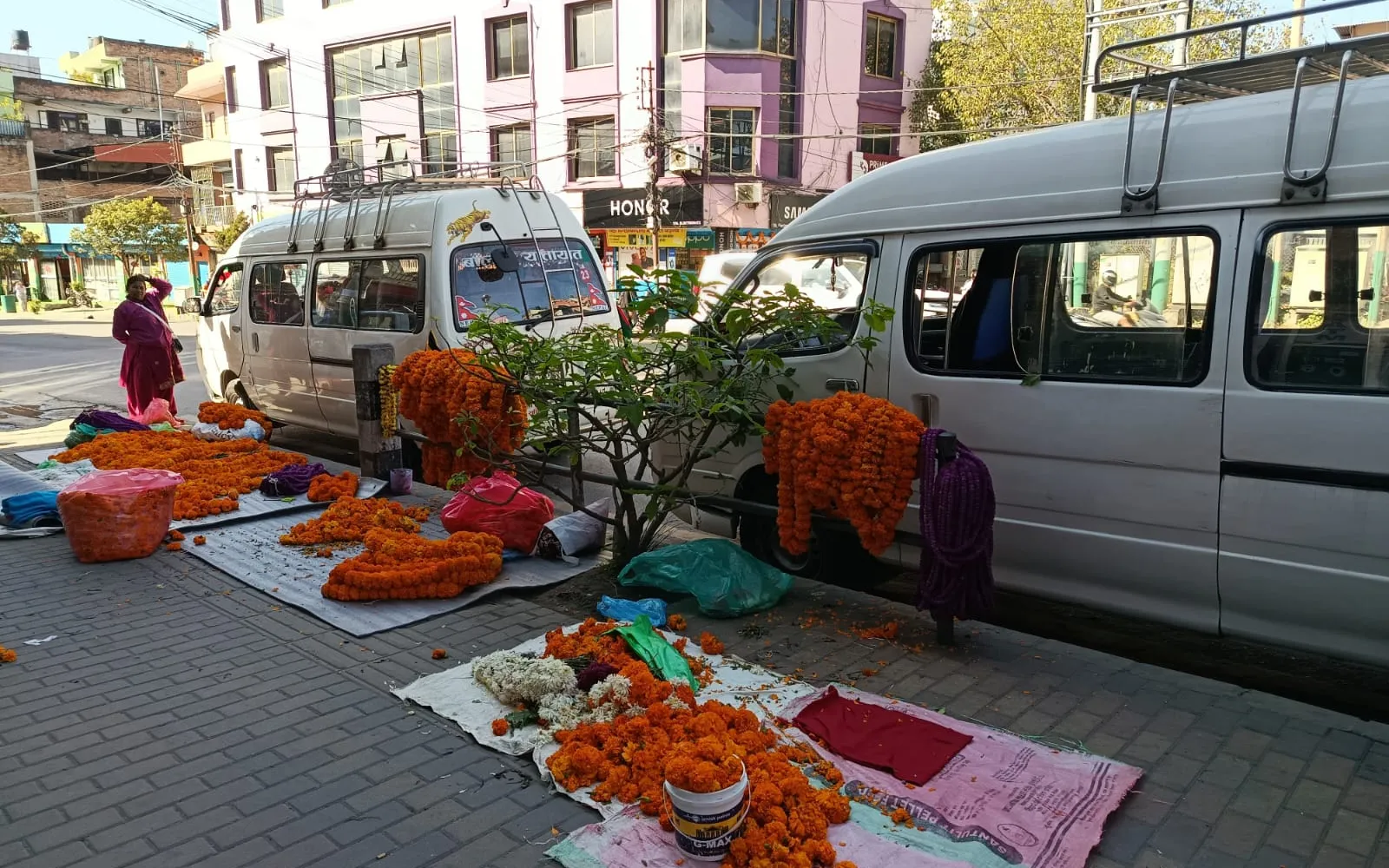
Tihar is a very busy time for shopping in Nepal. As families are preparing for their 5 days of religious festivities there will be lots of marigold flowers, sweets, fruits, lights, traditional clothing and festival gifts in the markets.
Here, popular places to go shopping in Kathmandu include Asan, Indra Chowk, New Road and local markets. In Pokhara, Chitwan, Biratnagar and other towns there will be more demand for flowers, home decorations and special foods.
In addition to, families will buy gifts, dried fruit, sweets and traditional clothing to give to their relatives. Families will also cook special meals and traditional snacks.
Popular Items to Buy
Marigold Flowers – to decorate homes, make garlands and for religious offerings.
Festival Lights – Candles, oil lamps, electric lights and decorations.
Bhai Tika Gifts – Clothing, sweets, fruits, cosmetics and personal gifts.
Religious Items – Colours for Tika, incense, पूजा items and decorations.
Traditional Food – Rice flour, food items, sweets and seasonal fruits.
Popular Foods to Eat
Sel roti – Traditional ring shaped bread made with rice flour.
Anarsa – A sweet rice flour dish popular in some communities.
Fruits – Often given as an offering during religious times.
Mithai – Traditional sweets to share with family.
Dried fruit – Almonds, cashews, raisins and walnuts.
Home made curries – Traditional family meals.
Masala Tea – Often served to visiting family.
Travel
Tihar can affect your travel plans as many businesses, transport and tourist services will be on holiday. This will depend on where you are going and what service you are using.
If you are travelling to Nepal during Tihar you may want to consider:
Transport – Check if you have transport arranged for domestic flights, buses and private vehicles.
Accommodation – Book hotels in popular areas in advance.
Restaurants – Check if they will be open, especially during the main religious times.
Tourist Services – Check if you have trekking guides, permits, sightseeing and airport transfers organised.
Family – You may want to allow extra time as families will be celebrating.
Overall, Tihar is a great opportunity to experience traditional markets, food and culture in Nepal. However, by planning ahead you can avoid any unnecessary disruption to your travel.
Celebrating Dipawali safely will help to keep people, animals, homes and the environment safe. Whilst it is a beautiful time with lots of pretty lights, candles and traditional lamps it is important to be careful and plan ahead.
During Tihar, you should be careful with oil lamps and candles in the home. Electrical decorations should also be wired correctly and safely.
Similarly, too much fireworks and loud noises can cause disturbance to children, the elderly, pets and street animals. To be eco friendly during Tihar you should try to keep celebrations safe, clean and considerate to your neighbours.
Safety Tips
To keep your family safe during Tihar you should:
Keep oil lamps and candles away from flammable items such as curtains, paper, clothing etc.
Use well insulated lights for your electrical decorations and do not overload sockets.
Never leave any lamps burning and have the correct fire extinguishing equipment.
Do not use unsafe fireworks and follow local guidelines. Avoid fireworks near your home and busy streets.
Keep children away from matches, electrical items and explosive items.
Keep pets and street animals away from fireworks and loud celebrations.
Dispose of your flower waste, packaging, plastic and other rubbish properly.
Eco Friendly Ideas to celebrate Tihar
Traditional| Eco Friendly
Plastic decorations | Reusable fabric and natural decorations
Too many electric lights | Energy saving LED lights
Disposable decorations | Reusable home decorations
Chemical colours for rangoli | Natural flower petals and rice flour
Too many fireworks | Traditional music and cultural displays
Plastic gift packaging Reusable bags and paper
Uncontrolled flower waste Compostable decorations
Keeping People and Animals Safe
It is important to be respectful to animals during Tihar. Dogs, cows, oxen and other animals are given extra attention. Avoid using incorrect colours, putting animals in uncomfortable situations and loud noises.
Here, communities can organise quieter Deusi Bhailo performances and clean up their neighbourhood. This will help to keep the cultural meaning of the festival but also reduce damage to the environment.
Overall, you can have a eco friendly Tihar by combining traditional celebrations with modern safety. This will keep people, animals and nature safe and families can enjoy a meaningful and responsible Dipawali in Nepal.
1. What is Dipawali known as in Nepal?
Dipawali is commonly known as Tihar in Nepal. It is also known as Deepawali which translates to festival of lights. Tihar is the well known name for this 5 day celebration. The five days include Kag Tihar, Kukur Tihar, Laxmi Puja, Govardhan Puja and Bhai Tika.
2. Why is Dipawali celebrated in Nepal?
Dipawali or Tihar is celebrated to pay homage to various forms of life, welcome prosperity and bring families closer. On certain days people will worship crows, dogs, cows and oxen. Laxmi Puja is also celebrated to pay homage to Goddess Laxmi. Tihar can also represent light, joy, appreciation and good triumphing over evil.
3. How long is Dipawali or Tihar celebrated for in Nepal?
Tihar is traditionally celebrated for 5 days in Nepal. This is according to the Nepali lunar calendar. It is typically celebrated in October or November. Each day has religious and cultural meaning. Laxmi Puja and Bhai Tika are two of the most important days celebrated.
4. What are the 5 days of Tihar in Nepal?
The 5 main days of Tihar include Kag Tihar, Kukur Tihar, Gai Tihar, Laxmi Puja, Govardhan Puja or Goru Tihar and Bhai Tika. Some communities will also celebrate Mha Puja. This is commonly celebrated by the Newar community.
5. How is Laxmi Puja celebrated in Nepal?
On Laxmi Puja families will clean their homes and decorate with oil lamps, candles, flowers and colourful rangoli designs. Many will create a symbolic path from the front door to their prayer room. Families will then pray and light their homes.
6. What does Deusi Bhailo mean during Tihar?
Deusi and Bhailo are traditional group songs that are performed during Tihar. They are typically performed during the evenings around Laxmi Puja. Groups will go to people’s homes and perform, dance and wish them a happy festival. Traditionally the host will give them money, food or gifts. This helps to bring the community together and helps preserve Nepali culture.
7. Why are dogs worshipped on Kukur Tihar?
Dogs are worshipped on Kukur Tihar to thank them for being loyal, friendly and protecting humans. People will give them flower garlands, tika and special food. This is also linked to Hindu beliefs. Dogs are seen as messengers of Yama.
8. Why is Bhai Tika important in Nepal?
Bhai Tika is the last day of Tihar and one of the most meaningful. Sisters will put coloured tika on their brothers faces, give them garlands and pray for them to have long, healthy and prosperous lives. In return brothers will give them gifts or money. This celebration is to celebrate love, respect and the bond between brothers and sisters.
9. How is Dipawali celebrated differently in Kathmandu?
Tihar is celebrated with lit homes, traditional Newar traditions, Mha Puja, Deusi Bhailo and lively community events. In other parts of Nepal families will also celebrate with traditional customs, songs and food. The 5 main days are widely celebrated however they will be celebrated differently depending on the community.
10. Can tourists visit Nepal during Dipawali?
Yes! Tihar is a great time to visit Nepal to experience the festivals, traditional decorations, music and family celebrations. Some shops, offices and transport may be running on a reduced schedule. Book transport and accommodation in advance. Be respectful of local customs when taking photos and celebrating.
Dipawali is widely celebrated in Nepal as Tihar. It is a festival of light, faith, prosperity and family. One of the main cultural festivals in Nepal, it is a time for families to come together to celebrate with religious rituals, traditional music and great fun.
Throughout the 5 days of Tihar there are various elements that reflect the culture and religion of Nepal. Kag Tihar, Kukur Tihar, Laxmi Puja, Govardhan Puja and Bhai Tika all have their own unique meaning.
Meanwhile, Deusi Bhailo, bright decorations, traditional food and bright neighbourhoods all create a fantastic atmosphere. Newar Mha Puja and unique traditions reflect the diverse culture of Tihar in Nepal.
Why is Dipawali Special in Nepal?
Religious – Celebrating Goddess Laxmi and traditional animal festivals.
Family – Bhai Tika helps to celebrate the special sibling bond.
Cultural – Deusi Bhailo helps to keep traditional music, songs and community activities alive.
Regional – Various communities bring unique traditions.
Eco-friendly – Celebrations can be done responsibly to show appreciation for people, animals and nature.
Discover Nepalese Culture
Tihar is a great opportunity for international visitors to learn more about Nepalese traditions. You will get to experience bright neighbourhoods, traditional food, religious rituals and community celebrations whilst respecting local traditions.
If you plan your travels correctly you will be able to Experience Nepal during the festive period. Haven Holidays Pvt. Ltd would love to welcome you on your journey to experience Nepalese traditions, beautiful nature and authentic culture.
Overall, Dipawali is not only a festival of lights but shows appreciation, unity, prosperity and culture. The lasting values of this festival make Tihar a meaningful celebration in Nepal.

Our travel experts are ready to assist you with any questions.
Send us a message.Have a question before you book? Send your enquiry below and our travel experts will get back with the required information.