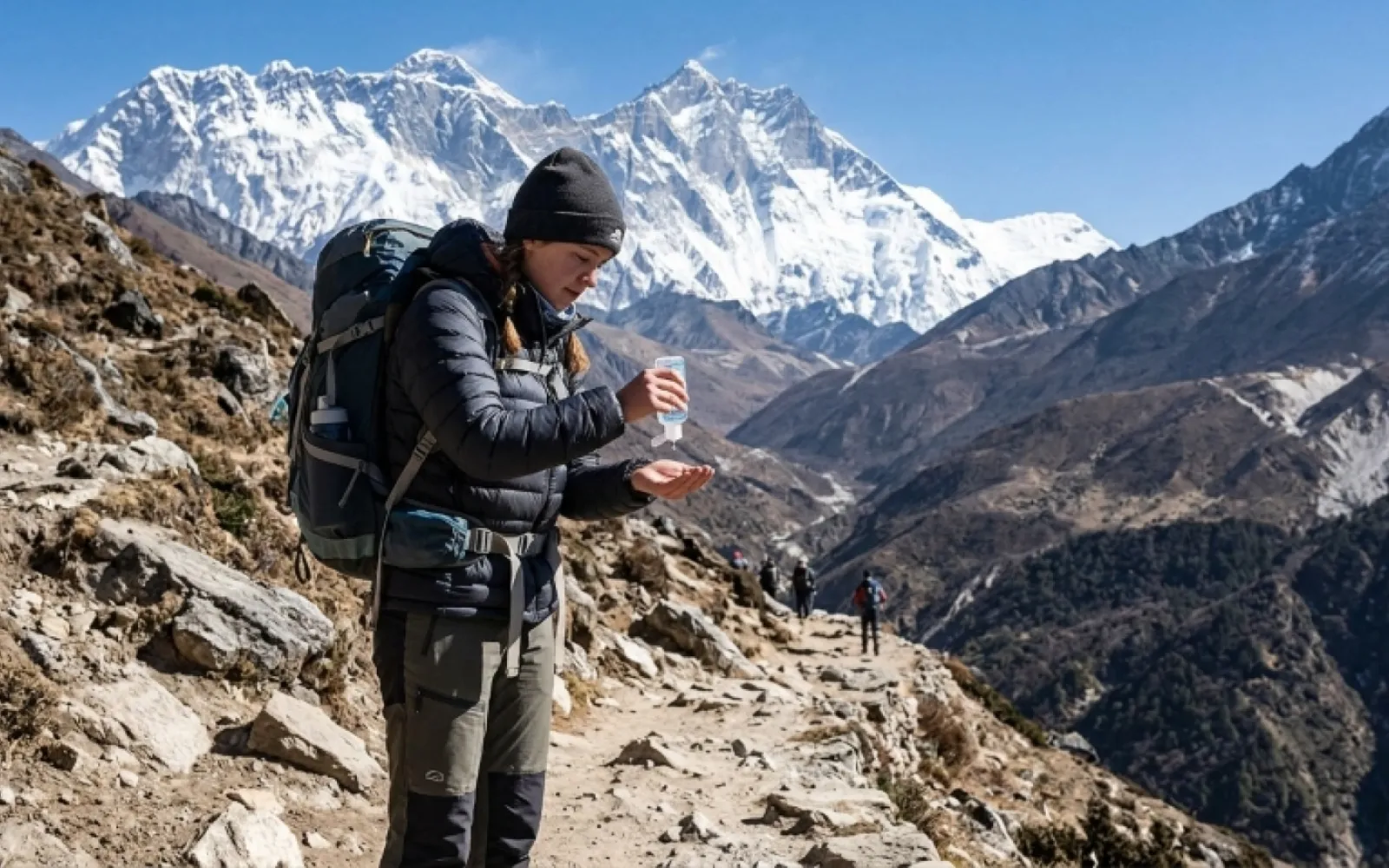
Maintaining personal hygiene on the EBC trek is vital due to cold temperatures, scarce water resources and shared toilet facilities. While these challenges might seem inevitable, there are several simple measures which significantly lower the risk of developing a stomach infection, skin irritation and other hygiene-related issues during a 12 – 14 day Himalayan adventure.
In addition, trekkers will encounter local lodges stays at various altitudes along the way meaning that EBC hygiene tips should cover handwashing, drinking water, clothing and toilet etiquette.
Why Hygiene Matters During the EBC Trek
The EBC trek is a long route which starts at Lukla and meanders through the Dudh Koshi Valley towards the Everest Base Camp.
Thus, without maintaining personal hygiene, one can not sustain long hours trekking days. As a result, they may have several issues including high altitude sickness and have to give up the trip.
Therefore, in order to have good timing during Everest Vase Camp and celebrate the each trekking days well, one requires maintain personal hygiene.
Essential Hygiene Practices Before and During the Trek
Before leaving Kathmandu or Lukla, it is a good idea to pack a small EBC hygiene kit. These personal items will come in handy when there is no access to warm water, hot showers and private bathrooms.
Some basic EBC trek hygiene tips include:
Keeping hands clean by applying soap and water regularly – particularly before eating and after using the toilet.
Drinking water which has been purified or boiled due to the high risk of waterborne illnesses. Even though the water in mountain streams appears clean, it is not safe to drink.
Always follow the local example and use a water filter as recommended by teahouse staff.
Personal hygiene items such as tissues, hand sanitizer, biodegradable soap and wet wipes. A small towel is also a useful addition to a hygiene kit.
Wearing clean clothes and underwear in addition to storing dry clothing separately from wet outdoor gear.
Actually, having realistic expectations about personal hygiene on the EBC trek. While it is possible to stay clean and comfortable, it is best to mentally prepare oneself for basic toilet facilities and cold temperatures.
In addition to, good hygiene plays an important role in any trek to the Everest Base Camp. However, it is not an absolute protection against illnesses and altitude sickness. Importantly, it should be complemented with a responsible attitude to food and drink, gradual acclimatization and professional medical support.
Everest Base Camp teahouse hygiene standards vary depending on the availability of water, the frequency of use and seasonal fluctuations. Overall, the lower mountain villages tend to provide more comfort and choice of toilet facilities while higher-altitude teahouses have fewer options.
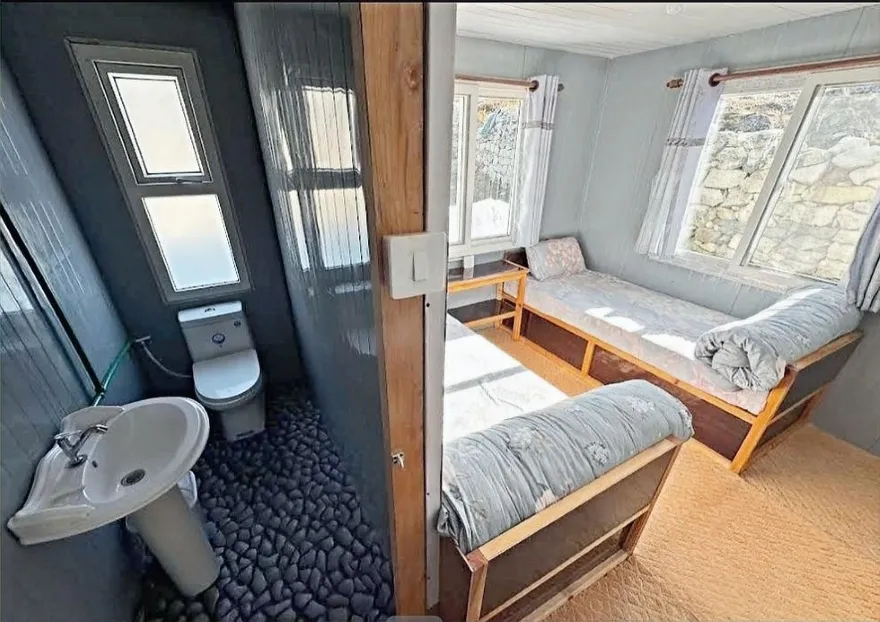
Still, it is not always the case, and some of the remote lodges boast excellent bathrooms.
In addition, teahouse toilet facilities get crowded during peak trekking seasons and popular times of the year. For instance, the higher mountain villages of Lobuche and Gorakshep are known to be extremely busy due to the proximity to the EBC.
Toilet and Bathroom Facilities at Different Stops
Village | Elevation | Facilities and remarks
Lukla | 2,860 m | Indoor toilets, shared bathrooms, attached bathrooms – available in many teahouses
Phakding | 2,610 m | Bathroom facilities vary, but there are plenty of lodges offering showers
Namche Bazaar | 3,440 m | An extended choice of teahouses and homestays with attached bathrooms
Dingboche | 4,410 m | Shared toilets, hot water shower – available for an additional fee
Lobuche | 4,910 m | Basic shared facilities, but water supply and sanitation might be an issue
Gorakshep | 5,164 m | Toilet facilities vary, but they generally involve basic shared bathrooms, cold temperatures and limited water supply
Here, the information provided applies to general conditions and should be used as a guideline only. It is important to enquire about the personal hygiene facilities at a specific lodge before making a reservation.
Toilet Hygiene Tips for Trekkers
Since toilet and bathroom facilities are shared among all guests of a teahouse, it is important to take extra precautions while using them.
Here, this is especially important for women who might need to visit the toilet at odd hours of the day or night. Below are some EBC trek hygiene tips for trekkers:
In addition to, bathroom essentials such as toilet paper, tissues, hand sanitizer, a headlamp and small bags. It is also advisable to pack damp tissues in a zip-lock bag to use as moist wipes.
Likewise, it is better asking specific questions about private vs. shared bathrooms, attached toilets, shower costs and availability of hot water.
Moreover, keeping hands clean by washing them with soap after visiting the toilet or using hand sanitizers in case there is no water available.
Similarly, planning ahead for menstrual care, including the provision of enough sanitary towels and tampons. They should also be stored in a waterproof bag and disposed of in a bin provided by a teahouse.
Also, using a travel-sized towel, spare pair of underwear and clothing as a privacy partition in case shared toilet facilities do not have doors.
Importantly, following general toilet etiquette, including using bins for disposing of tissue paper or sanitary products.
Most importantly, asking the local guide or teahouse owner about the state of the toilet facilities in the area a few days before arriving there.
The hand hygiene measures taken on the Everest Base Camp trek have the important role of reducing the number of germs that cause stomach infections and other illnesses, so wash your hands with soap and safe water before eating, after using toilets and after handling rubbish.
In addition, carry a small bottle of alcohol-based hand sanitizer with at least 60% alcohol when washing facilities are unavailable and avoid touching your eyes, nose and mouth with unwashed hands, and clean visible dirt with soap and water whenever possible.
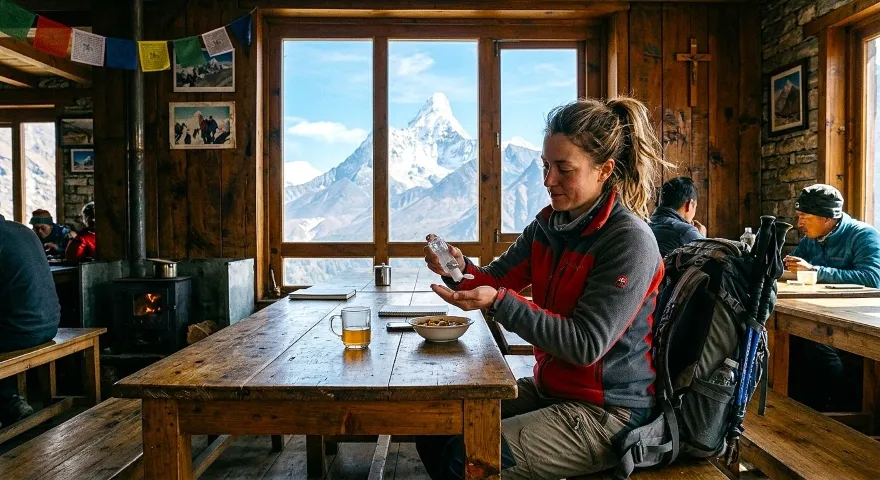
Essential Hand Hygiene Practices
- Before eating: Clean your hands before meals and snacks, including during walking breaks.
- After toilet use: Wash thoroughly with soap and safe water whenever possible.
- When water is unavailable: Use sanitizer containing at least 60% alcohol on visibly clean hands.
- After handling rubbish: Clean your hands before touching food or personal items.
- Protect your skin: Avoid touching unfamiliar plants or mushrooms because some can irritate your skin.
Recommended Hand Hygiene Supplies
| Item | Purpose |
| Small sanitizer bottle | Cleans hands when soap and water are unavailable |
| Biodegradable soap | Supports handwashing where suitable facilities exist |
| Small quick-drying towel | Helps dry hands after washing |
| Resealable waste bag | Holds used tissues until proper disposal |
Furthermore, keep your sanitizer in an accessible pocket rather than inside your main backpack. Consistent hand hygiene is particularly important in shared teahouse dining rooms at Namche Bazaar (3,440 m), Lobuche Dingboche (4,410 m) and Gorakshep (5,164 m).
Tip 2. Drink Safe and Properly Treated Water
Safe drinking water on the Everest Base Camp trek helps prevent diarrhoea, vomiting and other gastrointestinal illnesses. However, untreated water from streams, taps and other local sources may contain harmful microorganisms, even when it looks clear.
Therefore, use a reliable water filter, suitable purification tablets or boiling according to the product instructions and local conditions. Ask teahouse staff how drinking water is treated, especially at higher settlements where freezing temperatures and limited supplies can affect water preparation.
Essential Water Safety Practices
- Treat untreated water: Use an appropriate filter, chemical disinfectant or thorough boiling before drinking.
- Check purification instructions: Some filters do not remove viruses, while some chemical treatments work slowly or perform poorly in cold water.
- Clean reusable bottles: Wash bottles and hydration bladders regularly, and allow them to dry when possible.
- Carry enough water: Bring sufficient treated water for each walking day, adjusting quantities for weather, exertion and refill opportunities.
- Drink regularly: Take frequent sips during walking breaks rather than waiting until you feel very thirsty.
- Avoid cross-contamination: Keep clean drinking water separate from untreated water and dirty equipment.
Water Safety Along the EBC Trail
| Location | Elevation | Practical water safety advice |
| Lukla | 2,860 m | Purchase treated drinking water or use a reliable purification method. |
| Namche Bazaar | 3,440 m | Refill at reputable lodges and confirm how drinking water is treated. |
| Dingboche | 4,410 m | Plan refills carefully because cold conditions may limit convenient water access. |
| Lobuche | 4,910 m | Carry sufficient treated water between available refill points. |
| Gorakshep | 5,164 m | Check water availability and treatment arrangements before longer excursions. |
Finally, remember that dehydration and gastrointestinal illness can make trekking more difficult, but contaminated water does not directly cause altitude sickness. Acute mountain sickness is primarily associated with ascending too quickly without adequate acclimatization, so follow a suitable itinerary and recognize warning symptoms.
Tip 3. Take Care of Your Oral Hygiene
Oral hygiene is critical for preventing plaque, unpleasant breath and periodontal disease on the Everest Base Camp trek. That is why you should brush your teeth twice a day with toothpaste and good water, even if chilly morning temperatures and exhausting trekking days make it challenging.
In addition, do not rinse your mouth or wet your toothbrush with untreated water, as it may contain pathogens that can infect your body. Also, remember to keep your brush clean, dry it after use, and store it in a hygienic toothbrush case.
Oral Hygiene Tips
• Brush your teeth at least twice a day – in the morning and in the evening
• Do not use untreated or dirty water – use treated or boiled and cooled water to brush your teeth, rinse your mouth and clean your oral hygiene tools
• Clean and dry your toothbrush after each use
• Store your toothbrush in a ventilated brush case
• Pack your oral hygiene kit essentials, including a small tube of toothpaste, a toothbrush, and other tools you may need
Oral Hygiene Essentials
Equipment | Description
Travel toothbrush | Let you brush your teeth regularly without occupying much space in your bag
Small tube of toothpaste | Save your bag space and weight
Toothbrush case | Keep your brush clean and dry when not in use
Small bottle of treated water | Cleanse your teeth and rinse your mouth
Additionally, you should keep your oral hygiene kit separate from used tissues and other contaminated items you may carry in your bag.
Importantly, following these simple recommendations will make brushing your teeth on the EBC trek more accessible, even in accommodations with shared bathrooms.
Tip 4. Keep Your Body Clear
Personal hygiene is challenging on the Everest Base Camp trek, as sub-zero temperatures, freezing showers and primitive toilet facilities make it hard to keep yourself and your clothes clean and dry.
Nevertheless, it is essential to pay attention to personal cleanliness to avoid body odor, dermatitis, and other skin irritations that may develop due to sweating and wearing the same clothes for several days.
Meanwhile, a shower is an excellent way to clean your body of unwanted dirt and sweat. However, as the cold can make it uncomfortable to take a hot shower for too long, it is advisable to take a warm shower when there are sufficient facilities and it is not freezing in the bathroom.
Moreover, you can use a damp warm towel or cleansing wipes to wipe your face, armpits, groin, and other sweat-prone areas. If you cannot avoid wearing dirty clothes for another day, make sure to use body powder to keep sweat away and prevent uncomfortable rashes.
Keeping Your body Clean in the Cold Weather: Practical Tips
• Try to take a hot shower when appropriate – when the bathroom is not freezing and you have enough time
• Pay special attention to armpits, legs, groin, and other body parts subject to friction and excessive sweating
• Always change your underwear and socks if they start to feel damp
• After a shower, dry your skin carefully and put on warm clothes
• Save water when possible
• Do not force yourself to take a shower if there are no suitable facilities and it is too cold
Body Hygiene Essentials in the EBC Trek
Location Elevation | Practical Hygiene Tips
Lukla 2,860 m | Some guesthouses provide shower facilities, although you should be prepared that they may not have a steady supply of hot water
Namche Bazaar 3,440 m | Find out if your guesthouse provides shower facilities and how they are equipped (with hot water or not)
Dingboche 4,410 m | You can take a shower if the water is warm enough, and the bathroom is adequately heated
Lobuche 4,910 m | Be prepared that the facilities may be basic, and hot water may not be available
Gorakshep 5,164 m | There are few facilities at this altitude, so prepare yourself for the cold and follow basic hygiene practices
Finally, you do not necessarily need to shower every day on the Everest Base Camp trek to keep yourself clean.
However, make sure to wipe your body with warm towels or cleansing wipes whenever you can and change your clothes as often as you can to avoid uncomfortable rashes and unpleasant odors.
Tip 5. Wear Clean Clothes and Underwear
Clean clothing on the Everest Base Camp trek will prevent skin irritation, unpleasant smells and discomfort during long days of walking therefore pack moisture-wicking underwear, quick-drying base layers, and enough socks to manage sweat, changing weather conditions and laundry opportunities.
In addition, clean and dry clothes are often more important than changing every day. Keep unused clothing separate from sweaty or wet garments and ensure that washed clothes are completely dry before wearing them again.
Essential Clothing Hygiene Tips
• Wear moisture-wicking fabrics: Choose synthetic or merino wool base layers to help manage sweat during long walks
• Change damp clothing: Replace wet underwear, socks and base layers when practical
• Separate clean and dirty clothes: Store clean garments in separate dry bags or waterproof bags to protect them
• Dry laundry completely: Use sunny, ventilated areas when available and avoid wearing damp clothes in cold conditions
• Pack enough underwear: Bring 5-7 pairs so that you can change regularly
• Keep sleeping clothes dry: Store a clean, dry set for evenings and sleeping
Recommended Clothing Hygiene Packing List
Item | Suggested quantity for a 12 14-day trek
Moisture-wicking underwear |5-7 pairs
Trekking socks | 4-5 pairs
Quick-drying base-layer tops | 2-3
Quick-drying trekking trousers |2 pairs
Dry sleeping clothes | 1 set
Separate dry bags | 2-3
Here, the suggested quantities are a good starting point but your personal laundry needs, preferences, and the actual weather conditions may vary.
Furthermore, wearing clean, dry clothing layers will help you stay comfortable when temperatures drop at Dingboche (4,410 m), Lobuche (4,910 m) and Gorakshep (5,164 m).
Tip 6. Keep Your Feet Clean and Dry
Foot care is crucial on the Everest Base Camp trek as repetitive walking, sweaty socks and ill-fitting boots can cause blisters and uncomfortable skin irritation.
Therefore, wash your feet when practical, dry carefully between your toes and change any wet socks as soon as possible during the trek.
In addition, wear well-fitting, broken-in trekking boots that provide adequate support and leave enough room for your toes to move.
Furthermore, check your feet every evening as treating hot spots and small blisters early will help prevent more serious issues during the next walking day.
Daily Foot Care Practices
• Wash and dry your feet: Wash your feet in safe water when possible, then dry carefully between every toe
• Change wet socks: Carry spare trekking socks and change damp pairs during or after long walking days
• Check for hot spots: Look for redness, rubbing, blisters, cracked skin and swelling every evening
• Protect vulnerable areas: Apply suitable blister-prevention tape to sensitive spots before long walks
• Treat minor blisters carefully: Clean the area, protect it with an appropriate dressing and avoid removing intact skin
• Choose suitable footwear: Wear well-fitting, broken-in boots and ensure that your socks do not bunch inside them
Foot Care Supplies for the EBC Trek
Item Purpose
Moisture-wicking trekking socks Help manage sweat and reduce friction
Spare socks Replace wet pairs during the day
Blister dressings Protect vulnerable skin and minor blisters
Blister-prevention tape Reduce rubbing at known pressure points
Small foot towel Helps dry feet after washing
Furthermore, keep your feet dry inside your sleeping bag and avoid wearing damp socks overnight. If redness spreads, pain increases, pus develops or the area becomes warm to touch, seek medical advice as these symptoms may indicate infection.
Tip 7. Practice Hygiene at the Toilets and Dispose of Waste Correctly
Personal hygiene, including toilet hygiene, is of particular importance at the Everest Base Camp since shared bathrooms, a lack of water, and crowded teahouses make it difficult to maintain proper cleanliness.
Here, it is essential to carry your toilet paper, tissues, hand sanitizer, and small bag for carrying waste on you at all times while on your Everest Base Camp trek, including higher altitudes.
Moreover, toilet facilities may vary in different lodges, and most of them have limited amounts of flushing water or other equipment.
Hence, it is critical to follow the staff’s recommendations and dispose of paper and other waste in the provided receptacles, and it is better to ask before throwing anything away. Never leave any trash on the trail or near rivers since it will damage the picturesque Himalayan landscape.
Toilet Hygiene Checklist
Carry toilet paper, tissues, hand sanitizer, and small bags for carrying waste with you
Always follow the staff’s recommendations and dispose of paper and other waste in the provided receptacles
Use outside or shared toilets to avoid contaminating water sources, campsites, and trails
Cleanse your hands with soap and water after using the toilet or use hand sanitizer where it is impossible
Carry a headlamp and warm clothes with you in case of nighttime toilet visits
Keep your personal hygiene products private and use them only when heading to the toilet
Toilet Facilities and Practical Information
Lodges, Locations and Elevation | Common Hygiene Challenges
Lukla (2,860 m) | Many teahouses have attached bathrooms, but toilet facilities may vary
Namche Bazaar (3,440 m) | Mostly shared but some private and luxury bathrooms, depending on the teahouse category
Dingboche (4,410 m) | The availability of water and toilet facilities varies
Lobuche (4,910 m) |Some shared toilets may get crowded at certain times of the year
Gorakshep (5,164 m)| Mostly basic facilities, cold outside temperature, and limited water
In addition, women need to pay specific attention to toilet hygiene, especially when staying at higher altitudes. It is vital to bring plenty of hygiene products, including sanitary towels, and dispose of them in the bag provided by the lodge.
Importantly, remember that at higher altitudes, especially during the colder months, it gets dark earlier, making it unsafe to visit outside toilets. Ask your guide about the toilet facilities in remote mountainous villages or use a portable toilet tent during your Everest Base Camp trek.
Finally, remember that proper toilet hygiene prevents water contamination and maintains the local ecosystem. Never throw away any sanitary products, plastic bags, tissues, or other trash on the trail or in the river. Make sure to pack out what you pack in to leave no trace in the Sagarmatha National Park region.
Tip 8. Be Mindful of the Food and Drink
Proper food hygiene at the Everest Base Camp is essential, since an unpredictable change in climate and high altitude can make you susceptible to foodborne diseases.
Meanwhile, it is important to choose freshly prepared meals that have been fully cooked and are served hot in clean restaurants. In addition, it is better to avoid eating in places with questionable food hygiene even if they are cheaper.
Even though most of the food in Everest Base Camp is cooked, some raw dishes and salads are also available.
However, eating raw food can be dangerous since it may be harder to predict whether the water used for preparation was properly filtered or not. Similarly, it is essential to be mindful of the fruits’ peels since they can host bacteria and parasites.
Nonetheless, raw food is generally safe to eat if prepared correctly and washed in clean water. Moreover, you can always ask for recommendations from the people who have already been on the Everest Base Camp trek.
Food and Drink Hygiene Checklist
Choose freshly prepared meals that have been fully cooked and are served hot
Avoid eating in places with questionable food hygiene
Pick only those fruits that have been washed in clean water and are free of damage
Ask for recommendations on where to eat from people who have already been on EBC trek
Be mindful of the snacks’ packaging, including their expiration date
Bring packed and dried snacks with you on hikes and always keep them tightly sealed and protected from insects and other creatures
Avoid eating questionable or expired food, unfamiliar delicacies, and food that has been sitting unheated for too long
Food Safety and Hygiene in the Everest Base Camp Region
Foods or Drinks | Practical Recommendations
Freshly cooked and served hot dal bhat | a traditional Nepalese dish consisting of lentils and steamed rice
Soups and other hot meals |Are generally safe to eat if properly cooked and served hot
Raw salads | Should be eaten only in trusted places with good water and food hygiene
Fresh fruits | Need to be washed in clean water or peeled
Dairy products | Choose only those products with confirmed good quality and proper storage conditions
Drinking water |Make sure it is filtered or boiled
Furthermore, be sure to inform the staff about your dietary preferences and possible allergies and let them know about the dishes you are willing to try.
In case of vomiting or diarrhea, make sure to drink plenty of fluids to replace the water and electrolytes lost in the body. It is also a good idea to carry oral rehydration solutions and consult a doctor if vomiting or diarrhea persists.
Finally, remember that food hygiene is essential for a comfortable and safe Everest Base Camp trek, but no single dish or product guarantees food safety.
Most importantly, it is vital to make the right choices and follow all recommendations for food and water hygiene from Lukla to Gorakshep.
Tip 9. Protect Your Skin, Eyes and Personal Belongings
As you walk higher, ultraviolet light intensifies, and dry mountain air plus dust and wind can irritate unprotected skin, so take good care of your skin and eyes during the Everest Base Camp trek.
First and foremost, apply a reliable sunscreen with an SPF of 30-50 to all exposed areas of your skin.
Here, UV exposure is dangerous even on cloudy days or cold mornings, so don’t forget your face, neck, ears, and any other bare skin.
Likewise, use lip balm with sun protection, and keep any scrapes or insect bites covered and clean. For eye protection, invest in a good pair of sunglasses with UV protection; snow glare reflects off the ground, so you need to guard against UV radiation from above and the sides.
Also, remember that a persistent cough or rash may require antibiotics, so keep medication in your first aid kit.
Importantly, protect your personal belongings by avoiding shared use of personal care items, such as toothbrushes, razors, and towels, which can transmit infections.
10 Essential Tips for Skin and Eye Protection
• Sunscreen is your first line of defense, so apply it liberally and frequently as instructed, after swimming or sweating, and before bedtime.
• Take special care to protect your skin from the intense UV radiation at higher altitudes.
• Always carry a towel to wipe your face and keep your belongings, gear, and clothing clean.
• Bring lip balm with sun protection and reapply it frequently.
• Keep minor scrapes and insect bites covered and clean to prevent infection.
• Avoid sharing personal care items to reduce the risk of infection.
• Reduce your exposure to dust as much as possible.
Must-Have Gear for Skin and Eye Protection
Gear Description
• SPF 30-50 or higher, suitable for high altitudes to protect your exposed skin from UV radiation.
• UV protection sunglasses to reduce UV exposure and glare caused by the snow.
• Lip balm with sun protection factor.
• Sterile dressing kit to treat minor scrapes, insect bites, or rashes.
• Quick-drying personal towel for hygiene and convenience.
More importantly, ultraviolet exposure is a serious concern at every stage of the Everest Base Camp trek, from Namche Bazaar (3,440 m) to Everest Base Camp (approximately 5,364 – 5,367 m).
Finally, don’t forget to take measures to protect your skin even on cloudy days and cold mornings. If you have a wound that keeps getting bigger, growing red, warm, and painful, consult a doctor.
Tip 10. Pack a Lightweight Hygiene Kit
You will probably stay in teahouses along the way that may not have a plentiful supply of hot water, so make sure you pack a small hygiene kit with essential supplies. A good idea is to prepare this kit in Kathmandu before heading to the mountains.
Also, try to bring small and handy supplies to pack in a small pack in your backpack and not stow everything away in your duffel bag. The lower sections of the trail and the Everest Base Camp route have more developed facilities, but the higher you go, the more rudimentary accommodation and services become.
Similarly, stock up on any water purification tablets or filters, small alcohol gel bottles, and any medicines you might need on the trail.
Meanwhile, packing a hygiene kit is a personal choice, depending on your preferences and the time of year. You may want to include a few personal care items and medicines that you would not leave at home.
14 Items to Pack for a Hygiene Kit for the Everest Base Camp
Item Recommended and quantity required
• Moisturizer/Soap- 1 -Small bar of soap or liquid moisturizer to wash your hands and face.
• Alcohol gel- 1 small bottle- Hand sanitizer for times when you have no access to water.
• Toothpaste and a toothbrush- 1 piece- Dental hygiene is essential, but consider using a bamboo toothbrush.
• Toilet paper- 1-2 packs -There will probably be no shops along the way, so pack enough paper for the whole trip.
• Quick-dry towel -1- Ideal if you wash regularly and have access to hot water.
• Suitable wet wipes- 1 pack- Useful on days when washing is too much of a hassle.
• Moisture-wicking underwear- 5-7 pieces- They help keep you dry and fresh.
• Trekking socks- 4-5 pairs- Socks are always a good idea, and you are likely to wash them several times during the trip.
• Small bags for trash- Several -You will generate trash, and pack it out as far as possible.
• Water purification tablets/filter- 1- Depending on your itinerary, pack enough purification tablets or a suitable filter.
• Personal medication- As required- If you have any personal medication, bring plenty of it. It is better to have too much than to run out.
• Small first aid kit- 1- A small first aid kit keeps medications, bandages, and other supplies needed to treat minor illnesses and injuries.
• Sunscreen and lip balm- 1- Each Sunscreen will protect your skin from the harmful UV rays at higher altitudes.
• UV-ray sunglasses- 1 pair- UV protection sunglasses will help you deal with the glaring effect of the snow.
Likewise, some tips for organizing your hygiene kit include using travel-sized personal care products since they occupy less space and reduce the risk of leakage.
Moreover, it is also a good idea to keep clean and dirty clothes separate in your pack. Additionally, keep water in small and secure bags to avoid wetting other gear in your backpack.
In addition to, double-check your kit before leaving for Kathmandu to make sure you have packed the necessary items, and stock up on anything you might need during the trip.
Also, remember that some items in your hygiene kit can be reused several times before being thrown away.
Finally, remember that the higher you go, the more basic the facilities are like, so pack accordingly. A well-prepared hygiene kit will allow you to maintain good hygiene from Lukla (2,860 m) to Gorakshep (5,164 m).
Tip 11. Know About Khumbu Cough And Protect Airways
Khumbu cough is a misnomer for a nagging cough that develops in some trekkers. While the cold, dry climate, the dusty atmosphere and heavy breathing can irritate the airways, many other factors ranging from infections to medical conditions can make you cough.
So, you should protect your airways by covering your mouth and nose with a buff or a neck gaiter when you walk in cold, dry places.
Besides, sipping fluids, avoiding smoking and taking rest will also prevent a nagging cough, especially above Namche Bazaar (3,440 m).
Tips To Avoid Khumbu Cough
• Always cover your nose and mouth with a neck gaiter: Buffs and similar clothing items help to keep your airways warm and limit the dust intake
• Take fluids regularly: Especially on steep ascents, make sure to drink enough fluids during the day
• Avoid smoking and other irritants: Do not expose yourself to cigarette smoke and other airborne allergens
• Avoid overexertion: Limit intense physical activity, particularly when you breathe in cold, dry air
• Do not expose yourself to dust: On dusty mountain tracks and trails, protect your airways with a buff or a mask
• Take care of yourself: If your cough does not go away, seek medical advice
Red Flags For Cough That Require A Doctor
Symptoms |Action To Take
A mild, occasional dry cough | Protect your airways and observe your symptoms
A nagging or severe cough that persists and worsens | See a doctor or a nurse
A cough that occurs with fever and unusual tiredness | See a doctor or a nurse
A severe cough with shortness of breath or chest pressure | Seek urgent medical care
Shortness of breath at rest or while walking, feeling confused or too weak to walk | Seek emergency assistance and prepare to evacuate
Besides, not all nagging coughs are caused by chilly mountain air. If you have a severe cough with shortness of breath and chest pressure, it might be a sign of an underlying disease.
Although Khumbu cough rarely leads to chronic lung problems, it does not always mean a noninfectious upper respiratory tract infection.
If you have a severe case of cough, do not climb higher and seek medical attention instead of heading towards Lobuche (4,910 m) or Gorakshep (5,164 m).
Tip 12. Baby Wipes Are Handy When You Cannot Take A Shower
It can be challenging to take a hot shower on your trek to Everest Base Camp. Not only is it difficult to find a hot shower, but it can also break the bank and be a painful process when you are not acclimatized to the cold climate.
So, baby wipes may be a useful addition to your EBC trekking gear. However, you should not use them as a substitute for washing your hands or body with clean, warm water when you have the opportunity to do so.
On higher elevations like Lobuche (4,910 m), and Gorakshep (5,164 m), water is scarce, so a bath may not be necessary. So, pack some gentle, unscented wipes and warm clothing for a refreshing clean.
Tips For Using Body Wipes On The Trek
• Pack the right kind of wipes: Pack gentle, skin-friendly wipes in a waterproof container. Look for unscented products that do not irritate your skin
• Cleanse the dirt and sweat: On your trek, wipe your face, underarms, neck, feet and other sweaty parts of your body to get rid of grime and sweat
• Dry your clothes and skin: Immediately put on clean, dry undergarments and t-shirts after cleansing
• Do not rub vigorously: Pay special attention to sensitive parts of your skin and avoid vigorous rubbing
• Wash your hands with soap and water: Body wipes cannot substitute handwashing, so carry a hand towel, soap and clean, potable water
• Dispose of used wipes properly: Pack the dirty wipes in a plastic bag, and carry them with you. When you see a rubbish bin, throw the used wipes in the bag and dispose of them. Alternatively, you can wipe yourself with water and a clean cloth and dispose of the dirty cloth as instructed
Baby Wipes And Personal Hygiene On The Trek
Lukla - 2,860 m -Use the available hot showers and save the wipes for other purposes
Namche Bazaar- 3,440 m- See if hot showers are available and affordable before you decide
Dingboche -4,410 m -Wipes are handy if you cannot take a hot shower in comfortable ambient temperatures
Lobuche -4,910 m -Keep some wipes handy for a quick clean
Gorakshep - 5,164 m - Wipe yourself clean if you cannot take a hot shower
If you are a conservative person, you may wonder how appropriate it is to use baby wipes. Since this is a mountainous trek, you will most likely carry a pack on your back.
In fact, the higher you go, the colder it will be. You will probably carry extra sets of underwear and t-shirts to keep yourself dry.
So, you can pack a couple of wipes and a warm, soft muslin cloth to wipe yourself clean.
Importantly, note that you do not need to take a full shower every day, as long as you keep your body odor, sweat and impurities at bay.
However, if you are not averse to the idea of using baby wipes, you can use them in conjunction with regular handwashing with soap and water to maintain good personal hygiene during your EBC trek.
Also, remember to dispose of your used wipes and tissues properly. Unless you see a ‘Please flush’ message, do not throw them in the toilet. Most traditional wet wipes are made of synthetic fibers and take a long time to degrade.
Thus, it is a good idea to carry the dirty wipes with you and dispose of them in the designated bins to keep the mountains clean.
Tip 13. Recognize Acute Mountain Sickness Symptoms
Acute mountain sickness (AMS) is common and potentially serious illness that is often caused by the reduced oxygen availability at higher altitudes.
Therefore, it is essential to understand your altitude sickness symptoms and respond appropriately on the Everest Base Camp trek.
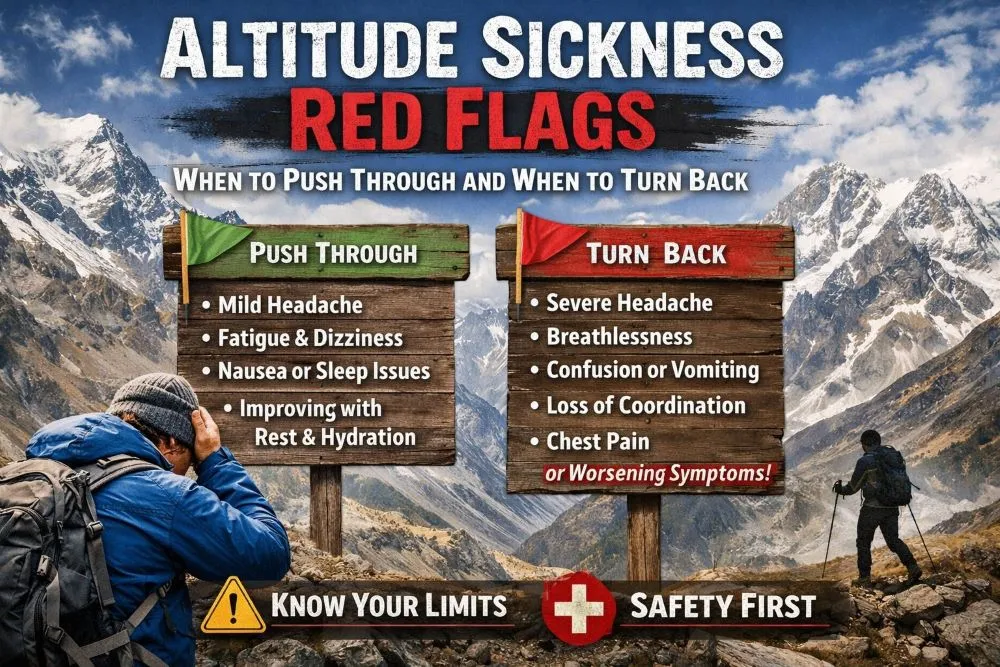
Frequent AMS symptoms are headache, nausea, dizziness, fatigue and loss of appetite.
However, maintaining good hygiene practices and limiting water intake will not reduce one’s risk of altitude sickness.
Instead, it is critical to follow recommended altitude gain rates and pay attention to altitude sickness signs.
Common Altitude Sickness Symptoms and Recommendations
Symptom or warning sign | Recommended action
Headache after climbing | Stop ascending and allow your body to adjust. Also, monitor other altitude sickness symptoms
Nausea and decreased appetite| Watch these symptoms closely. If they persist, you should seek medical advice
Dizziness or unusual fatigue| Stop climbing and notify your guide
Symptoms persist after a day of rest| Do not climb further and consult a physician to determine the next steps
Shortness of breath at rest or persistent cough with difficulty in breathing| Treat this as a life-threatening emergency. Arrange for immediate descent and medical assistance
Confusion, coordination problems or impairment| Treat this as a life-threatening emergency. Arranged immediate descent and medical assistance
Preventing Altitude Sickness on the Everest Base Camp Trek
Generally, altitude sickness prevention mainly involves careful acclimatization and paying close attention to one’s body. Thus, to avoid acute mountain sickness on the Everest Base Camp trek, make sure to:
• Ascend gradually and complete longer climbs over multiple days
• Allow yourself acclimatization days to adjust to the higher altitude
• Notify your guide immediately if you have persistent or severe altitude sickness symptoms such as headaches, nausea, dizziness or unusual fatigue
• Do not climb further if you have any symptoms of altitude sickness and descend to a lower altitude if these symptoms persist
• Always descend immediately if you have severe altitude sickness symptoms
• Consult a professional medical practitioner to assess your risk for altitude sickness and the appropriate preventative medication
Besides, it is also important to realize that individual factors can influence a person’s risk of developing altitude sickness.
For example, a slow increase in altitude, combined with adequate hydration, enables most people to avoid AMS symptoms.
Moreover, ascending beyond 5,000 m is extremely risky, and one should be ready to descend if altitude sickness symptoms persist.
Importantly, the most crucial point is that one should never continue climbing when AMS symptoms are present.
In addition, if one experiences altitude sickness signs such as breathlessness at rest, confusion or impaired coordination, they should seek immediate medical assistance and descend to a lower altitude.
Tip 14. Carry and Use Your Regular Medication Safely
Carrying personal medication on the Everest Base Camp trek allows one to ensure that they do not risk their wellbeing due to limited access to pharmacies and medical professionals at higher altitudes.
Therefore, it is essential to bring enough of one’s regular medication for the expected period of the Everest Base Camp trek.
In addition, it is necessary to keep medication away from moisture and other environmental factors that could damage the drugs.
Moreover, always store personal medication in its original packaging and take any drugs as instructed.
Furthermore, it is essential to consult a medical practitioner before departure and inform them about one’s personal health and medication. Below are additional tips for bringing personal medication:
Essential Recommendations for Medication on the Everest Base Camp Trek
• Carry enough drugs for the entire trip and several more days in case of severe weather conditions that may extend your stay
• Store medication in their original packaging with the appropriate directions
• Protect medication from the elements by bringing a water-resistant pouch and storing drugs according to the manufacturer’s instructions
• Keep your most critical drugs in your day pack and not in a porter’s bag
• Consult a medical practitioner about one’s health and medication before departure
• Never share medication, as some drugs can be harmful to certain individuals
• If altitude sickness symptoms or other illness occurs, seek immediate medical assistance
Personal Medication and First Aid Kit for the Everest Base Camp Trek
Item | Preparation advice
Personal medication | Bring enough drugs for the duration of your Everest Base Camp trek, including some additional ones in case of emergency
Medication list |Make a written note of all personal medication and include any allergies or ailments
First aid for personal medication | Pack appropriate medication dressings and other first aid supplies
Water-resistant pouch | Keep medication safe from the elements
Altitude medication, if applicable | Consult your physician about altitude medication
Travel insurance | Consult your insurance company about medication coverage and what they will provide in case of emergency
Here, your guide’s first aid kit is not a substitute for one’s personal medication or first aid supplies. Moreover, it is advisable to consult one’s physician before departure, especially if one has a condition that may limit their ability to complete the Everest Base Camp trek.
Finally, one should never take drugs or change the recommended dose without consulting a medical professional.
Nevertheless, adequate preparation before the Everest Base Camp trek helps one to manage their personal medication and address minor health concerns safely.
However, if severe health concerns occur, one should seek emergency medical assistance.
Tip 15. Wear a Buff to Reduce Dust, Cold and Wind Exposure
A buff or neck gaiter is an important piece of equipment for the Everest Base Camp trek because dusty trails, cold air and wind can cause discomfort to nose, throat and exposed skin.
Actually, a buff is best used to cover the nose and mouth on dusty paths and when mule or yak caravans pass by, provide some warmth on cold mornings and reduce the impact of the wind on the face.
However, it does not offer sufficient dust filtration nor protection against airborne pathogens, so it should not be used instead of a properly fitting respirator.
Practical Tips for Using a Buff on the EBC Trail
• Cover dusty sections: When walking on a trail where a mule or yak caravan is approaching, pull your buff up over your nose and mouth to protect yourself from dust
• Give animals space: Move out of the path of animals being led by a guide and make sure to follow the instructions of your trek leader
• Warm cold mornings: Wear a buff around the neck or under the chin when the morning air is particularly chilly
• Keep it clean: Wash your buff regularly, especially after heavy sweating or dust exposure
• Carry a spare: Always pack an extra buff so that you have a clean and dry one ready to use
• Avoid breath restrictions: Buffs come in a variety of sizes and materials so choose one that fits comfortably without impeding breathing
Buff Use at Different EBC Trek Elevations
Location Elevation | Practical advice
Lukla 2,860 m | Keep your buff readily available for dusty trails and fluctuating temperatures
Namche Bazaar 3,440 m | Consider using it on windy days or when dust is present
Dingboche 4,410 m | Cover exposed skin when walking on a cold, windy day
Lobuche 4,910 m | Keep your face protected from blasts of freezing air
Gorakshep 5,164 m | Use appropriate face protection equipment against wind and dust
Here, a dirty, damp buff can cause discomfort and irritation, so keep it in an easily accessible pocket rather than inside your main backpack. While a buff is ideal for dust, cold and wind, it cannot prevent altitude sickness or airborne hazards, so combine it with appropriate clothing, hydration and acclimatization for the EBC trek.
Female hygiene preparation for the Everest Base Camp trek allows women to manage menstruation, personal cleanliness and privacy in the remote Himalayan settlements.
Since every woman has different needs, prepare suitable products that you know how to use and keep in mind that there may be fewer toilet facilities and unforeseen delays to your itinerary.
Here, bathroom facilities tend to be sparser at higher altitudes but some lodges offer more amenities than others. Pack essential items before departing Kathmandu and keep easily accessible supplies in your day pack when walking the trail.
Essential Female Hygiene Items for the EBC Trek
Item | Recommended preparation
Menstrual products | Pack sufficient sanitary towels or tampons for your expected needs plus a few extras in case of unexpected delays
Quick-drying underwear | Pack comfortable, breathable fabric underwear and keep some spare pairs in a dry bag
Unscented wipes and tissues | Pack a few compact packs of wet wipes or tissues for personal cleansing when washing facilities are not available
Soap and hand sanitizer | Carry hand sanitizer and soap to wash your hands before and after changing sanitary products
Sealable waste bags | Pack small, sealable bags to carry used sanitary towels or tampons if appropriate disposal facilities are not available
Menstrual cup supplies | If using a menstrual cup, bring your usual cup, a leak-proof container for emptying it and any other supplies you need for cleaning it
Personal medication | Pack regularly used medication and consult a medical professional about relevant concerns
Headlamp | Carry a light source for visiting the toilet at night
Small quick-drying towel | Pack a small, quick-drying towel for personal cleansing
Skin-friendly moisturizer |Apply a skin-friendly moisturizer to prevent dryness caused by cold temperatures and wind
Practical Women's Hygiene Tips During the EBC Trek
• Plan menstrual supplies: Pack enough sanitary towels or tampons for your expected needs and keep some spares in your day pack, in case of unexpected delays
• Maintain hand hygiene: Wash your hands with soap and clean water before and after changing sanitary products
• Manage menstrual waste: Place used sanitary products in a sealable bag and dispose of them in accordance with local guidelines and the facilities available at your accommodation
• Use menstrual cups carefully: If using a menstrual cup, follow the manufacturer's instructions for cleaning and emptying it and plan for easy access to washing facilities
• Protect your privacy: When booking accommodation, ask about available toilet facilities, particularly at higher altitudes
• Prepare for nighttime visits: Keep a headlamp, warm clothes and any other necessary supplies within easy reach in your sleeping area
• Keep your clothes dry: Store clean underwear separately and change out of damp clothes when possible
• Bring familiar products: Do not try any unfamiliar sanitary or personal-care products for the first time on the trek
Women's Hygiene Considerations at Higher Elevations
Location Elevation | Practical consideration
Namche Bazaar 3,440 m | Ask about private bathrooms and hot water when booking accommodation
Dingboche 4,410 m | Keep your menstrual supplies in an easily accessible location and ask about washing facilities
Lobuche 4,910 m | Be prepared for basic shared toilets and limited hot-water facilities
Gorakshep 5,164 m | Pack waste bags, tissues, a headlamp and any other necessary supplies for personal cleansing and toileting
In addition to, menstruation does not make the Everest Base Camp trek unsafe, but women do not all have the same needs.
If you experience unusual or severe menstrual discomfort, fainting or other concerning symptoms, consult a medical professional rather than attempting to self-medicate.
Importantly, a registered trekking company and an experienced guide can help to arrange appropriate accommodation and explain local toilet facilities, but privacy, water access and sanitation facilities can vary from one lodge to the next and from one season to the next.
Good hygiene while trekking the Everest Base Camp trail will keep you comfortable and help prevent avoidable illnesses throughout your Himalayan adventure.
That’s why you should focus on handwashing, treating water, wearing clean clothes, protecting your skin and feet, toilet hygiene, and eating properly prepared food during every day of your EBC trip.
Also, the availability of bathroom facilities, hot water, and laundry services differ from one teahouse to another, especially in the higher altitude areas.
And that’s why a personal hygiene kit is essential when trekking the Everest Base Camp route through Dingboche (4,410 m), Lobuche (4,910 m), and Gorakshep (5,164 m) valleys.
Personal Hygiene Tips While Trekking EBC
• Hand hygiene – washing hands before eating and after using public toilets.
• Treat drinking water and keep your water bottles clean.
• Wear clean and dry clothes – change socks and underwear regularly.
• Foot care – check your feet for sores and blisters every night.
• Toilet hygiene – tissues, hand sanitizer, toilet paper, feminine care products, and bags for hygienic waste disposal.
• Individual supplies – sunscreens, oral care items, medication, and feminine care products, depending on your needs.
At the same time, good hygiene and prevention measures cannot protect you from all illnesses. A gradual climb, sufficient acclimatization, and timely medical intervention can help you avoid most altitude-related illnesses.
However, if you have symptoms that concern you, consult a physician if they persist or are severe.
Things to Consider Before Leaving Kathmandu for EBC
Before embarking on your Everest Base Camp tour, make sure that the bathroom facilities, hot water, and drinking water are available in the teahouses along your route.
In addition, double-check the packing list, your travel insurance, medication, and other arrangements with your trekking agency.
Moreover, carefully consider your options and make the right choice before leaving Kathmandu for the Everest Base Camp trail. When a professional local trekking company, a licensed guide, and clear terms and conditions help you be prepared for each stage of your EBC trek.
Importantly, Haven Holidays Nepal can assist you in organizing your Everest Base Camp tour, including the accommodation, guide, and porter services.
In conclusion, check our Everest Base Camp trekking itinerary and preparation tips to help you finalize your plans, pack the necessary supplies, and create a realistic acclimatization schedule for your EBC trek.
1. What Are the Most Important Hygiene Tips for Everest Base Camp Trek?
The most critical Everest Base Camp Trek hygiene tips include washing hands before meals, drinking treated water, keeping feet dry, bringing personal toilet items and eating freshly cooked meals. You should bring hand sanitizer, toilet paper, wet wipes and a mini personal hygiene kit as facilities become more rudimentary at higher altitudes.
2. Are the Teahouses Clean on the Everest Base Camp Trek?
Teahouse cleanliness varies depending on the establishment, village and season. Lukpa, Phakding and Namche tend to have more comfort-focused facilities whereas Lobuche and Gorak Shep have basic shared toilets and washing stations. Never assume there will be private bathrooms, water or toilet paper at any teahouse during your Everest Base Camp Trek.
3. How Can I Maintain Hand Hygiene During the Everest Base Camp Trek?
Wash hands with soap and water before eating and after visiting the toilet. Always carry alcohol-based hand sanitizer for travel days without washing facilities. Avoid contaminating food with dirty hands and sanitize after touching communal items.
4. Is the Drinking Water Safe on the Everest Base Camp Trek?
Never drink directly from a tap, stream or spring on the Everest Base Camp Trail. Only consume boiled water from a trusted teahouse or properly treated water according to the manufacturer's instructions. Bring a reusable bottle with you and consider water treatment tablets for brushing your teeth if the source is questionable.
5. What Toilet Facilities Can I Expect on the Everest Base Camp Trek?
You can expect to encounter both Western-style toilets and basic squat toilets on your Everest Base Camp Trek. Always carry your own toilet paper, hand sanitizer, a headlamp and sealable bags for waste. Follow posted guidelines inside each lodge regarding acceptable toilet paper and dispose of used paper in designated bins if available.
6. Can I Take a Shower During the Everest Base Camp Trek?
Hot showers are available at some lower-altitude teahouses for an additional fee, including in Lukla and Namche. However, you cannot always expect to shower at higher camps like Lobuche and Gorak Shep. Pack moistened wipes, a quick-dry towel and change of clothing for days without shower facilities.
7. How Can I Keep My Feet Clean and Prevent Blisters During the EBC Trek?
Keep feet clean and dry, changing socks frequently and wearing properly fitted hiking boots to avoid blisters. Pack blister plasters, foot care items and an extra pair of wool hiking socks for each trekking day if possible. Check your feet for hotspots and treat small blisters to prevent infection.
8. What Personal Hygiene Items Should I Pack for Everest Base Camp Trek?
Your Everest Base Camp hygiene kit should include hand sanitizer, biodegradable soap (where permitted), toilet paper, tissues, wet wipes, a quick-dry towel, toothbrush, toothpaste, deodorant, nail clippers and any personal medications. Women should also pack menstrual products. Store hygiene items in waterproof bags and bring an additional supply of toilet paper, wet wipes and hand sanitizer from Kathmandu.
9. How Can I Maintain Hygiene During Cold Weather at High Altitude?
Above Dingboche, cold weather makes hand washing challenging and limits water availability. Pack long-sleeve base layers, extra underwear, clean wool hiking socks, damp wipes and a quick-dry towel for chilly mornings. Change out of wet clothing when possible, airing out damp gear to prevent odor and moisture buildup.
10. How Can I Avoid Stomach Problems During the Everest Base Camp Trek?
Prevent stomach problems by drinking only boiled or treated water, washing hands before meals and eating freshly prepared, thoroughly cooked food. Avoid raw fruits and vegetables unless you can peel them yourself and carry oral rehydration salts for diarrhea. Seek medical attention for severe or persistent diarrhea.
Our travel experts are ready to assist you with any questions.
Send us a message.Have a question before you book? Send your enquiry below and our travel experts will get back with the required information.