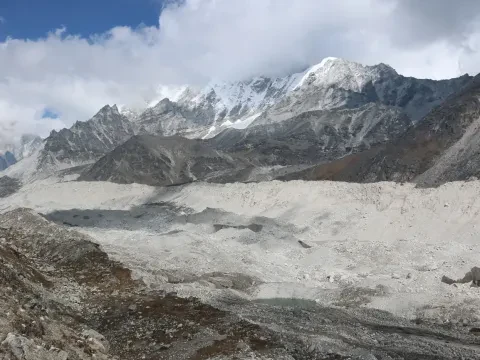
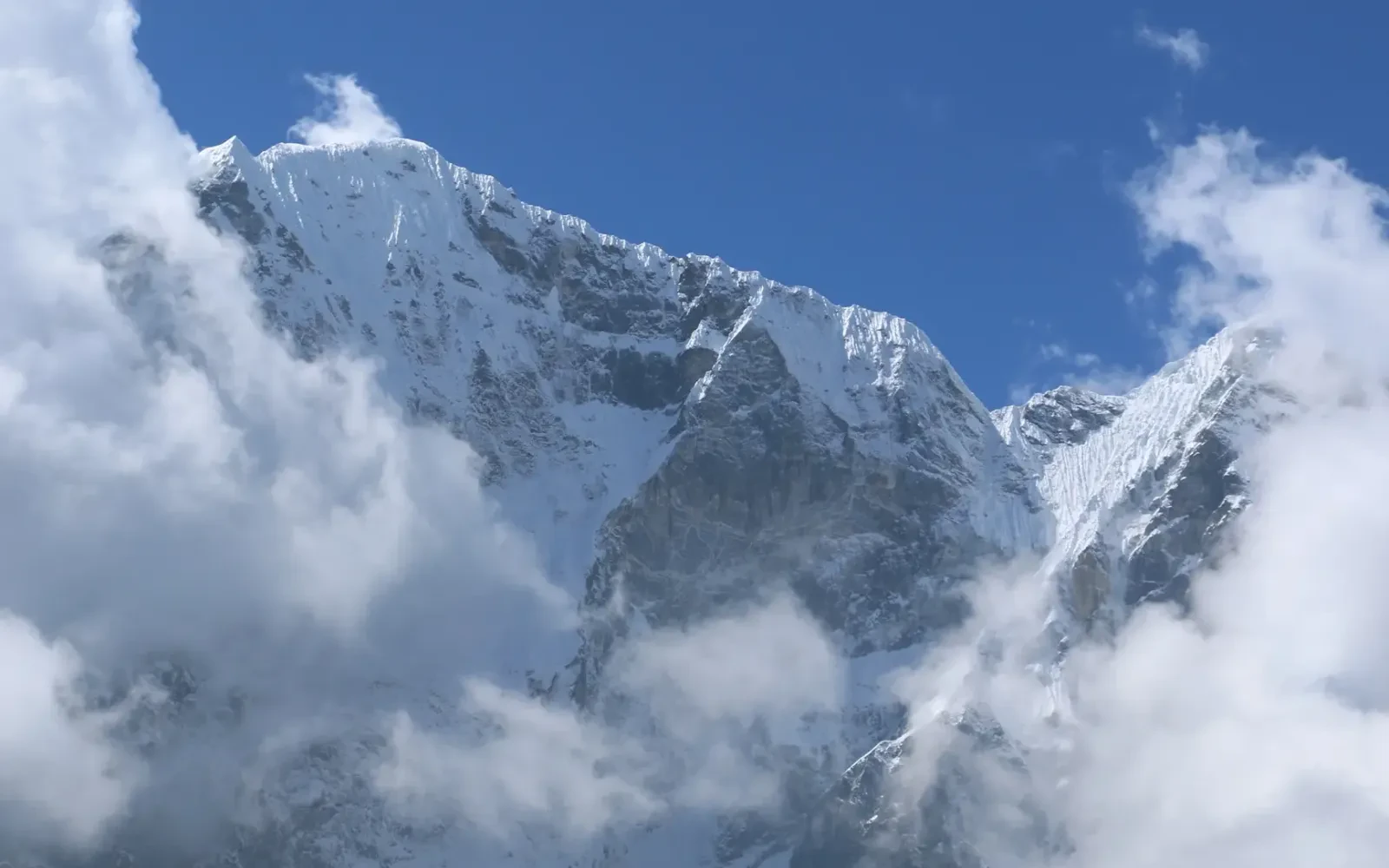
Thinking about trekking to Everest Base Camp? Spring—especially March and April—really is the sweet spot. The weather’s mild, skies are usually crystal clear, and the trails burst with blooming rhododendrons. It’s no wonder people from all over the world show up for this adventure.
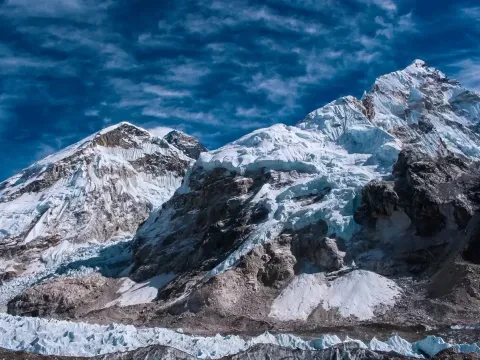
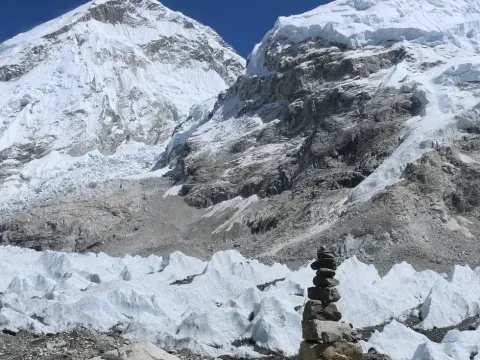
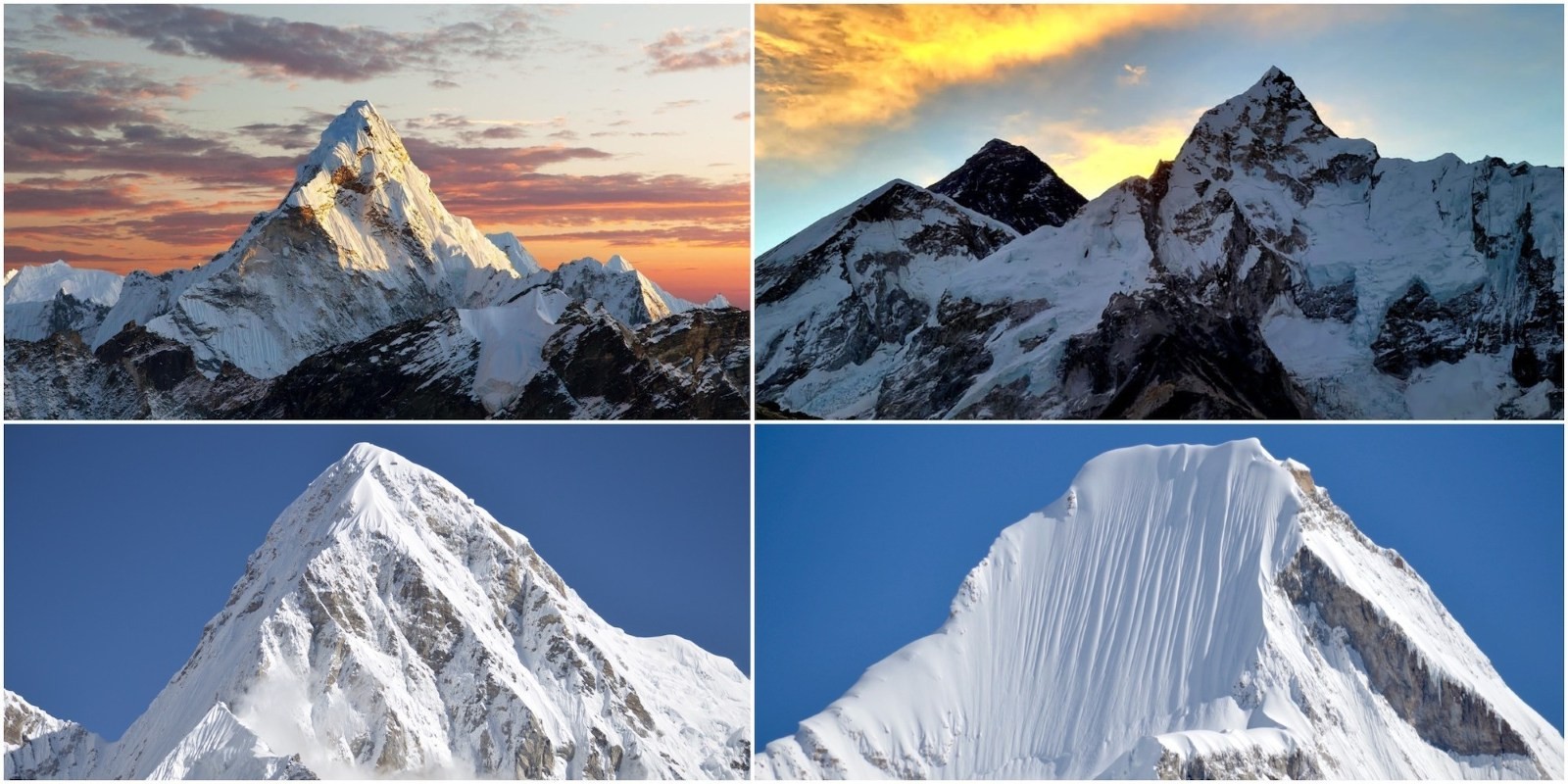
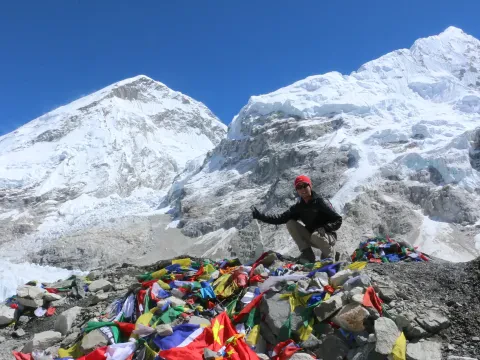
Actually, the trek itself kicks off in Lukla, where you’ll fly in from Kathmandu. From there, the path winds through villages like Phakding and Namche Bazaar, and you’ll stop by the famous Tengboche Monastery before pushing on to Gorak Shep and, finally, Everest Base Camp at 5,364 meters. The views? Absolutely unreal. On clear days, you’ll catch sight of giants like Ama Dablam and, of course, Everest itself.
What makes spring stand out? For one, the weather’s just right. Not too hot, not bone-chillingly cold. Mornings are crisp, but the afternoons warm up, so hiking feels comfortable. Spring also means fewer weather delays—flights get in and out more reliably, and the risk of snowstorms drops way down. Rhododendrons bloom, painting the hillsides with color and making the whole region feel alive.
Likewise, the whole trek usually takes about 12 to 16 days, depending on your pace and how many days you need to acclimatize. Most guides insist on at least two acclimatization stops—usually in Namche Bazaar and Dingboche. Porters help carry the heavy stuff, so you can focus on the walk and the views. Expect to pay between $1,200 and $2,000 for a package that covers meals, lodging, and guides.
But it’s not just about mountains and scenery. The Sherpa culture runs deep here, and you’ll get a real taste of it in villages like Lobuche. If you’re lucky, your timing might line up with a local festival—those are something you won’t forget. And in April, the rhododendron forests explode with color.
Here, safety’s always part of the plan. Good agencies send experienced guides who know how to spot altitude sickness early. Most trekkers pick up insurance before they go, just in case something goes sideways. With steady weather and all these precautions, spring really cuts down on the usual risks.
Best of all, you don’t need to be a mountaineer to pull this off. The trail is tough, but it’s just hiking—no technical climbing. If you’re reasonably fit and train a bit beforehand, you’ll be fine. And if you want a killer view of Everest, make the extra push up Kala Patthar (5,644m).
A few practical tips: layer up, because temps swing fast in the Khumbu; drink a ton of water to fight off altitude headaches; and check in with your doctor before you go. Taking these steps sets you up for success.
Bottom line? Spring is hands-down the best time for the Everest Base Camp Trek. March is quieter and peaceful, while April feels warmer and more colorful. Either way, you’re in for one of the most memorable adventures of your life. If you’re thinking about it, now’s the time to start planning.
| Aspect | March Advantages | April Advantages |
|---|---|---|
| Weather | Cool, crisp air with melting snow for dramatic scenes | Warmer, stable conditions ideal for comfortable hiking. |
| Views | Excellent clear skies after mid-month | Vibrant landscapes with blooming rhododendrons. |
| Crowds | Low to moderate, peaceful trails | High but energetic atmosphere. |
| Costs | Slightly lower due to off-peak start | Standard $1,200-$2,000, book early. |
This table highlights why spring excels for the Everest Base Camp Trek in March and April, optimizing your Khumbu Region experience.
Meanwhile, spring shakes things up in the Khumbu. March closes out winter, so the air still bites a bit, but April rolls in with warmth and wild bursts of color. If you want to get the most out of your Everest Base Camp Trek, you’ve got to pay attention to how these months feel up there.
Here, let’s start with the weather. March is chilly, especially in the higher villages. Down in Lukla, it’s just below freezing during the day, but up in Lobuche, nights can hit -15°C. Snow hangs around above 4,000 meters, so the trails have that classic alpine look. The good news? The skies get clearer as the month goes on, so your mountain views only get better.
By April, the cold backs off. Days in Namche Bazaar can warm up to 17°C, and even at night in Dingboche, it’s less brutal—around -9°C. Rain’s not really a problem yet, and the weather settles down, making each day on the trail a little smoother.
Now, the scenery—this is where the months really split. In March, everything’s snowy and fresh. Tengboche, especially, looks straight out of a postcard. Not many people on the paths, and the place feels quiet. If you like a bit of solitude and that untouched mountain vibe, March is your month.
April, though, is a riot of color. Rhododendrons explode along the trails to Gorak Shep, and forests near Phakding go wild with pink and red blossoms. The air feels clearer, and the mountains almost seem sharper. If you’re into photography, April is a dream.
Crowds? March is pretty chill. You’ll run into other trekkers, but the tea houses never feel packed, and you get quiet evenings. It’s great if you like a more peaceful experience. April, on the other hand, gets busy. More people, more energy—Everest Base Camp itself can feel downright crowded. If you’re social and enjoy meeting people along the way, April’s the time to go. Just remember, lodges fill up fast, so booking ahead is smart.
Likewise, price-wise, there’s not a huge difference. Trekking packages usually run between $1,300 and $1,800. April sometimes costs a bit more because of the crowds, but if you book early, you can dodge the higher rates. Either way, it’s manageable.
Moreover, altitude is always a challenge, no matter the month. Kala Patthar is high, and you’ll feel it. March’s cold means you need more layers, while April’s milder weather takes the edge off—less risk of frostbite, but always bring the right gear.
In the end, it comes down to what you want. March brings crisp air and quiet trails; April gives you color and lively company. Both months deliver those jaw-dropping Everest views. Honestly, spring in the Khumbu is hard to beat for trekking.
March vs April: Key Differences in Khumbu Region :
These bullets compare essentials for the Everest Base Camp Trek in March vs April, aiding your Khumbu Region decision.
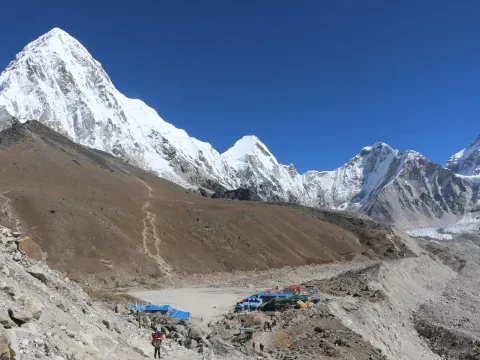
Here, let’s talk about what it actually feels like on the Everest Base Camp trek in March and April. If you’re planning when to go, getting a sense of the weather at places like Namche Bazaar, Dingboche, and Gorak Shep can make your whole trip smoother.
Actually, Spring in the Khumbu Region is all about change. March still holds onto winter’s chill. April? It’s when things start to thaw out and feel a bit more forgiving. These shifts really show up in daytime hikes and those cold nights in your sleeping bag.
During March, temperature depends a lot on where you are. Down in Lukla (2,860m), you get a pleasant 10°C to 13°C during the day — not bad for walking. Namche Bazaar (3,440m) sits a little cooler, usually between 5°C and 10°C. Go higher, to Dingboche (4,410m), and you’re looking at 0°C to 8°C. The sun helps, but the wind can still cut through, so you’ll want to layer up.
Likewise, April feels like a reward for making it through March. Lukla warms up to 15°C to 17°C during the day. Namche Bazaar gets a boost too, hitting 10°C to 15°C, which makes hiking easier. Dingboche and spots above 4,000 meters finally nudge up to 5°C to 10°C. Honestly, the comfort level goes way up in April.
But then there are the nights. March can be brutal after sunset. At Gorak Shep (5,164m), temperatures crash to -12°C or even -15°C. Lobuche (4,940m) isn’t much better, dropping to -10°C to -15°C. Even Namche Bazaar can dip to -5°C at night. If you don’t have a solid sleeping bag, you’ll feel it.
In fact, April helps a bit once the sun goes down. Gorak Shep only falls to about -9°C to -12°C, which is still cold, but a little less harsh. Dingboche averages -8°C to -10°C. Tengboche (3,860m) usually stays above -5°C, so you can sleep a little easier.
You’ll notice the air: March is crisp and dry, with bright sun that almost stings. April’s air feels warmer, less sharp, but both months hand you those clear skies that make Everest look surreal. Good gear makes a big difference for both.
Of course, once you hit higher altitudes, temperatures always drop hard, no matter the month. Base Camp (5,364m) in April manages 0°C to 5°C during the day, but in March you’re stuck with -5°C to 0°C. Kala Patthar (5,644m) is even colder at night. Bring layers you can add or peel off as the weather swings.
So, bottom line: March is for trekkers who like it cooler and quieter. April feels friendlier and more comfortable for most people. Either way, you get epic views and unforgettable days on the trail.
| Location (Elevation) | March Daytime (°C) | March Nighttime (°C) | April Daytime (°C) | April Nighttime (°C) |
|---|---|---|
| Lukla (2,860m) | 10 to 13 | 0 to 3 | 15 to 17 | 5 to 8 |
| Namche Bazaar (3,440m) | 5 to 10 | -5 to -1 | 10 to 15 | -3 to 0 |
| Dingboche (4,410m) | 0 to 8 | -10 to -12 | 5 to 10 | -8 to -10 |
| Gorak Shep (5,164m) | -5 to 5 | -12 to -15 | 0 to 5 | -9 to -12 |
| Everest Base Camp (5,364m) | -5 to 0 | -15 to -20 | 0 to 5 | -10 to -15 |
When you’re trekking to Everest Base Camp in spring, trail conditions change fast—especially between March and April. March still holds onto winter in the Khumbu region. You’ll see more snow and ice, especially higher up. By April, most of that melts away. The result? The hike feels completely different from one month to the next.
Now, let’s start with March. Snow sticks around on the upper trails. Once you climb above 4,000 meters—places like Dingboche or higher—the ice shows up in patches. If you’re heading from Lobuche to Gorak Shep, expect frozen sections underfoot. Microspikes come in handy here. They give you the grip you need without slowing you down.
But April’s a different story. The sun gets stronger, and the snow vanishes fast. Trails from Tengboche are mostly dry by now. Even those last stretches to Gorak Shep clear up by mid-April. You can pack lighter—no need for heavy winter gear. It’s just easier walking, plain and simple.
Similarly, March still has tricky spots, though. Shaded areas and steep bits near Kala Patthar can stay icy, even when most of the trail is okay. Down lower, closer to Namche Bazaar, things thaw out quicker. If you set off early in the day, you beat the refreezing, and that makes all the difference.
In April, you don’t have to worry as much about slipping. The rhododendron forests below 3,800 meters are snow-free and full of color. Upper trails to Base Camp firm up, too, so fewer people end up taking a tumble or reaching for extra traction.
Sometimes, March throws a curveball with fresh snow. Early in the month, you might wake up to a light dusting around Ama Dablam. By late March, though, melt picks up speed. Trails get better every day.
Likewise, April’s usually dry, with rare snow even at altitude. The Khumbu region’s weather stays steady and the trails drain quickly after any rain or snow. You won’t have to deal with mud the way you would in monsoon season.
No matter the month, you’ve got to be prepared. Guides check trail conditions every morning, and agencies make sure everyone’s got the right gear. Prices don’t really change much between March and April, either. Spring always feels safer than winter on these paths.
So, which is better? March gives you that classic snowy Himalayan vibe—perfect if you like a little adventure and don’t mind winter. April’s for those who want a cleaner trek with less hassle. Either way, both months bring something special to the Everest Base Camp experience.
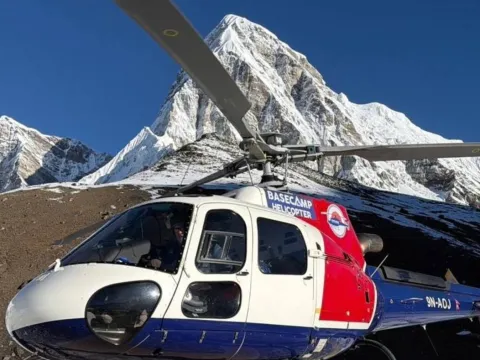
Snow and Trail Conditions: March vs April Highlights :
If you’re heading to Everest Base Camp in spring, the mountain views pretty much steal the show, no matter when you go. But March and April each bring their own magic. March has this sharp, crisp air—almost glass-clear. You get these wide-open panoramas, especially from spots like Kala Patthar. The sky barely shows a cloud, especially after mid-March, and far-off peaks like Ama Dablam stand out so clearly, it’s almost unreal. Photographers love it. Every shot looks clean and untouched.
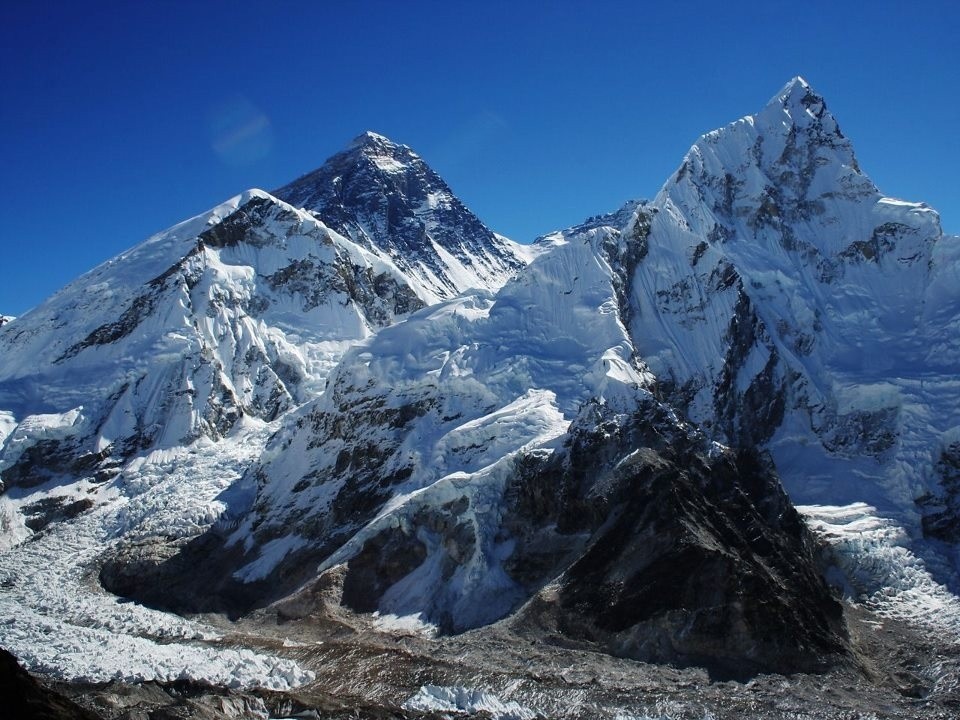
Come April, the mornings are still bright and clear, so you don’t miss out on those epic views of Everest and Lhotse. Sometimes you’ll see some clouds drift in during the afternoon, but they don’t really block the main sights. What April brings to the table are those rhododendron blooms. Suddenly, the landscape pops with color, and the contrast with the snow-capped peaks is just stunning. Every photo gets this splash of pink and red in the foreground. It’s a different energy.
Now, both months are pretty reliable for clear skies. March has a slight edge if you want that ultra-crisp, no-haze look, thanks to drier air. April’s a bit warmer, though, so it’s more comfortable if you want to linger at the viewpoints. Early mornings are golden in both months—summiting Kala Patthar at sunrise is unreal. The weather usually plays along, too, so you rarely get your view spoiled.
Likewise, elevation changes the experience, too. Higher up near Gorak Shep, March’s thin, cool air makes the views feel endless. April is milder, so you can hang around longer and really soak in the details of Nuptse or Pumori without freezing. Both months make the trek unforgettable—just in slightly different ways.
Sometimes, late April can bring a bit of haze, but it’s rare. March keeps things cleaner and cooler. Guides watch the weather like hawks, so you’re in good hands either way. Trip costs don’t really change if you’re chasing the best views. It comes down to what you want most—crystal-clear vistas or a landscape bursting with color.
And don’t forget the cultural side. Tengboche’s monasteries sit perfectly against the peaks, and in April, rhododendrons add something special that you just don’t get in March. The whole Khumbu Region lights up in spring, and honestly, it’s a dream for photographers.
So, bottom line: March is for purists who want those crisp, flawless skies. April’s for anyone who wants the mountains plus a splash of color. Either way, you’re in for some of the best views the Himalayas have to offer. Pick your month, pack your camera, and get ready for something unforgettable.
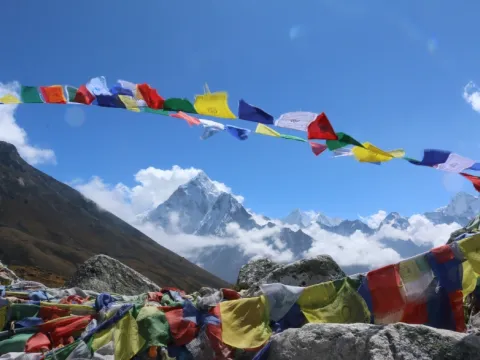
Mountain Views and Visibility: March vs April Comparison :
Actually, crowds play a huge role in how the Everest Base Camp Trek feels, especially in spring. March gives you peaceful trails in the Khumbu Region—way fewer people, more open space, and quiet paths. Teahouses are easier to book then, so you can usually stroll into places like Dingboche or Lobuche and pick your room without any stress. The atmosphere is calm, and you actually get to know the people you meet along the way. If you’re after some solitude, March is perfect.
April, on the other hand, is a whole different story. Suddenly, the trails get busy. Famous spots like Tengboche are packed with trekkers and climbing groups. The energy picks up, and you find yourself in the middle of lively conversations with people from all over. It’s social and a bit chaotic, but that’s the fun of it if you like being around others.
But with more crowds comes less flexibility. In April, you have to book teahouses early—places like Gorak Shep fill up fast, especially near Base Camp. Most groups have guides who sort things out in advance, but if you’re winging it, you might have to settle for whatever’s left. In March, you rarely have that problem; rooms are almost always available, and evenings are quiet—perfect for some real rest.
In fact, there’s a safety angle, too. Fewer people in March mean you don’t get caught up in traffic jams on narrow paths. April’s crowds slow things down and you need to watch your pace, but the trek’s still safe both months.
As for costs, don’t expect a big difference. Prices for packages barely change, though you might find a quiet deal here or there in March. April’s all about sharing the excitement. Either way, you get good value.
Likewise, the experience at viewpoints changes with the month, too. March gives you quiet sunrise moments at places like Kala Patthar, just you and the mountains. In April, it’s more of a celebration—lots of people, lots of cheers, and a sense of community.
Bottom line? March is for trekkers who want space and quiet, while April’s for those who love a crowd and buzzing energy. Both months make for unforgettable Everest Base Camp adventures. It all comes down to the vibe you want.
Crowds and Teahouse Availability: March vs April Key Points :
These bullets compare crowds and teahouse availability for Everest Base Camp Trek in March vs April, enhancing Khumbu Region decision-making.
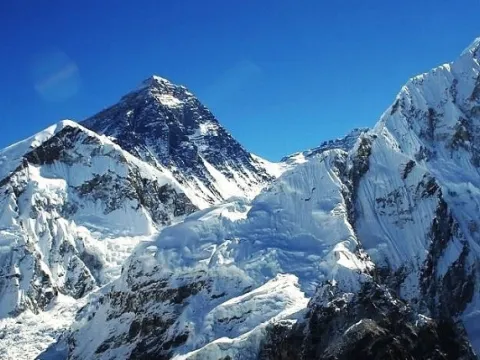
Actually, Everest Base Camp in spring is a real show, especially when rhododendrons start blooming. The forests in the Khumbu Region wake up with color, and the scenery just pulls you in. March and April each have their own vibe—let’s be honest, if you love wildflowers and big Himalayan views, you can’t really go wrong.
Likewise, March is when it all starts. The lower trails near Phakding and Lukla show the first signs of pink and red, and the forests around Namche Bazaar slowly pick up the pace. It’s subtle at first. You walk through valleys where winter’s just loosening its grip, and those first blooms are like a promise. Each day, the colors get a little bolder.
By April, though, the hillsides go all out. Forests between Namche and Tengboche are thick with rhododendrons—red, pink, even white in places. The backdrop? Snowy peaks. The contrast is something you have to see for yourself. Photographers love this time, and it’s easy to see why: every turn gives you a new shot, all that color set against the mountains.
Here, Spring doesn’t just bring flowers. March means greener valleys as the snow melts. April takes it up a notch with wildflowers everywhere. The whole region feels alive. Even Mount Everest itself seems to fit right in with the floral show.
Similarly, some places really stand out. The trail up to Tengboche in April looks almost unreal, lined with blooming rhododendrons. March has a quieter beauty—fewer blooms, but more of that feeling of spring just waking up. No matter when you go, the scenery keeps changing, and there’s always something new to notice.
Moreover, timing is everything if you want the full effect. Late March blends into early April, and sometimes you catch the peak right in between. April is a safe bet for the most color. Local guides know the best spots, and a lot of trekking packages focus on the spring scenery, so it’s worth checking those out if that’s your main draw.
Further, it’s not just about the flowers, either. Birds and wildlife are more active in April, drawn by the blossoms. March is quieter—great if you want a little solitude with your scenery. Either way, spring in the Khumbu is a feast for the senses.
In the end, April is the prime time for rhododendrons, while March brings a softer, early-spring charm. Both months offer their own magic. If you’re dreaming of those unforgettable Himalayan visuals, plan your trek to catch the bloom at its best.
Rhododendron Blooms and Spring Scenery: March vs April Highlights :
These bullets detail rhododendron blooms and spring scenery for Everest Base Camp Trek in March vs April, boosting Khumbu Region visual experiences.
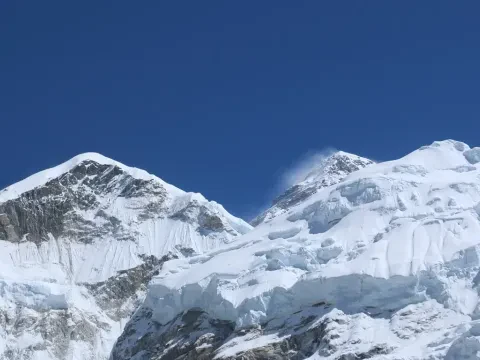
When it comes to the Everest Base Camp trek, acclimatization is everything. You’re heading into serious altitude, and that risk of altitude sickness is always there, no matter the season. March and April both bring pretty stable weather, but even small changes between the two months can make a difference in how tough—or easy—the trek feels.
Actually, most trekking itineraries do a good job of helping your body adjust. You’ll stop for rest and acclimatization in places like Namche Bazaar (3,440m) and Dingboche (4,410m), which really cuts down the risk of Acute Mountain Sickness. Thanks to these built-in breaks, most trekkers finish the journey without trouble. In that sense, both March and April give you a fair shot at gradual adaptation.
Likewise, March stands out for its crisp, dry air. The cooler temperatures—especially up at Gorak Shep (5,164m)—seem to help your body adjust, and the low humidity means you’re less likely to get dehydrated. For a lot of people, that moderate chill actually makes acclimatization easier, and they end up feeling less wiped out.
April, on the other hand, feels warmer during the day. It’s more comfortable for climbing, but those milder nights can sometimes mess with your sleep. Hydration matters in both months, but you really have to stay on top of it in April. Still, the risk of altitude sickness doesn’t change much between the two.
Moreover, safety-wise, things stay pretty consistent. Good guides always keep an eye on oxygen levels and watch for symptoms. If someone does get into trouble, there are clear protocols for getting people down quickly, and insurance usually covers helicopter evacuations. Trekking packages are designed to prioritize your health, no matter which month you choose. In the end, solid preparation matters more than picking March or April.
Of course, March nights get cold—Lobuche (4,940m) can chill you to the bone—so you need to pack for it. April’s warmer nights mean less worry about frostbite, which is a relief. Either way, you’ll pay about the same for good safety support.
Additionally, your own fitness and trekking experience matter a lot, too. Hydration, slow pacing, and meds like Diamox make a big difference, and with some care, severe altitude sickness is pretty rare in either month. The Khumbu trek is tough, but manageable if you look after yourself.
In the end, some trekkers find acclimatization a bit easier in March because the air is drier. Others love the warmer comfort of April. Both months can be safe and rewarding—just make sure you take those rest days seriously. That’s what really keeps you healthy up there.
Acclimatization, Health, and Safety: March vs April Comparison :
Let’s break it down: March and April on the Everest Base Camp Trek offer totally different vibes, and what works best really depends on what kind of trekker you are. Some people want peace and quiet, others chase wild scenery, and a few just want to meet new friends on the trail.
If you’re trekking solo or just need some space, March is where you’ll find it. The trails around Namche Bazaar are much calmer then. You can actually hear yourself think, and it’s easier to talk with the Sherpa locals. There’s something special about having those big, open mountain views almost to yourself.
Now, if you’re into photography, you’ve got a tough choice. In March, the air is clear and sharp—perfect for those epic Mount Everest shots from Kala Patthar. But April? The rhododendrons burst out and frame the peaks with wild color. Some photographers chase the drama of April’s blooms, while others stick with March’s crisp mountain scenes.
Meanwhile, families and first-timers usually lean toward April. The days get warmer, so hiking near Dingboche isn’t as tough. Nights aren’t as freezing at Gorak Shep, which means better sleep for everyone. Plus, the busier trails mean more people to share the experience with, which can be a big boost for beginners.
Likewise, adventure seekers, though, love March. There’s still snow and ice up past Tengboche, so things get a bit more rugged. If you want that raw, challenging feel—and maybe a little bragging rights—March is your month.
If you’re watching your wallet, March sometimes means better deals. Fewer trekkers can lead to lower package prices. In April, with the crowds, prices go back up to the usual $1,200 to $2,000 range for a guided trek. So, bargain hunters tend to book early in March.
April, on the other hand, is perfect for social types. The teahouses fill up fast around Lobuche, and it’s easy to make friends or join a group. If you get energy from being around people, April’s lively scene won’t disappoint.
In the end, it’s all about what matters most to you. Want quiet trails and sharp views? Go in March. Prefer warmth, flowers, and a social buzz? April’s your best bet. Either way, you’re in for an unforgettable trek through the Khumbu.
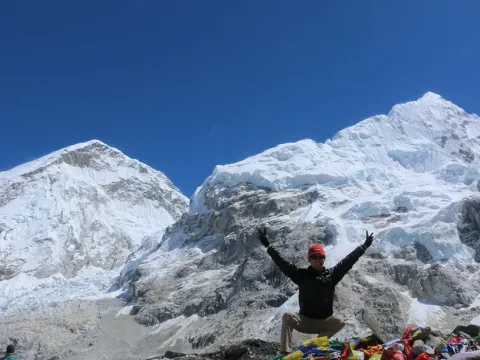
Pros and Cons Side-by-Side: March vs April by Trekker Type
Solo/Introverted Trekkers :
Photographers & Nature Lovers :
Families & Beginners :
Adventure & Budget Seekers :
Social & Group Trekkers :
These bullets provide a clear pros and cons breakdown for different trekker types on the Everest Base Camp Trek in March vs April, guiding Khumbu Region decisions.
So, you’re stuck between March and April for your Everest Base Camp trek? Honestly, you can’t go wrong—both months are fantastic for spring trekking in the Khumbu Region. March comes with clear, cold mornings and fewer people on the trails. If you want quiet paths and crisp mountain views, March is your month. You get those sharp views of Everest from Kala Patthar, and you barely run into crowds. It’s perfect for anyone who wants a peaceful, almost meditative journey or for photographers chasing those clean shots.
But maybe you want something a little livelier. That’s where April shines. The weather warms up, and the trails come alive with blooming rhododendrons, especially around Tengboche. You’ll find more trekkers on the path, which is great if you’re looking for a social vibe, trekking with family, or if you just want that feeling of energy on the mountain. April’s mild temperatures make the climb to places like Dingboche a bit more comfortable too.
Acclimatization and safety? Both months work well. You’ll get the standard rest days in Namche Bazaar and enough time to adjust. March is a little drier, which helps some trekkers, and April’s warmth takes the edge off those freezing nights. Guided tours keep things safe either way.
Now, if you’re after a specific look for your trek, think about what you want to see. March gives you those classic snowy peaks and crystal-clear skies. April is all about color—flowers blooming beneath the massive Himalayan backdrop. Either way, you’ll walk away with incredible memories.
One practical thing: booking. March is usually easier for last-minute plans since it’s less crowded. April fills up fast, especially for teahouses near Gorak Shep, so book early if you’re set on that month. Prices stay pretty close—usually in the $1,200 to $2,000 range.
Actually, Spring weather is usually steady, with very few surprises in either month. Local guides know how to tweak the plan if something does pop up, so you can relax and focus on the adventure instead of worrying about the forecast.
Bottom line—March is for peace and sharp, chilly mornings. April is for warmth, flowers, and meeting fellow trekkers. Think about what excites you most, pick your month, and go for it. Either way, Everest Base Camp isn’t going to disappoint.
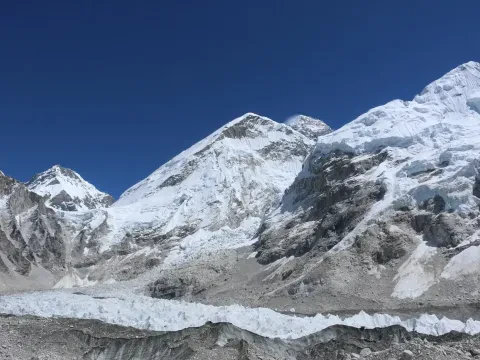
Final Recommendation Summary: March or April ? :
1. Is March or April better for Everest Base Camp Trek?
The Everest Base Camp Trek is great in March or April. March has quieter trails and nice views. It is cold. April is warmer. The rhododendrons are blooming. Both months are good for the Everest Base Camp Trek in the spring. If you want it to be warmer and see flowers, go in April in the Khumbu region.
2. What is the weather like on Everest Base Camp Trek in March?
In March the nights can get very cold even as cold as minus 10 to 15 degrees Celsius at places. The days are usually pretty nice. The skies are often clear which is great for seeing the mountains. You need to dress in layers and have a sleeping bag to stay warm and comfortable on the Everest Base Camp Trek
3. How does April weather compare to March for EBC Trek?
April is usually a bit warmer than March with daytime temperatures and not as cold at night. The weather is also more stable. You can see the landscapes blooming. However, it can be a bit cloudier than March. The winds can pick up in the afternoons when you are higher up.
4. Will there be snow on the trails in March or April?
In March there is often snow and ice on the trails especially after you pass Namche Bazaar. You need to be careful where you step. By April the trails are usually clearer because the snow is melting. There can still be some ice at the higher passes. It is an idea to use trekking poles in both months to help you walk.
5. Are mountain views better in March or April on EBC Trek?
In March you can usually see the mountains clearly because the air is dry. In April the views are also beautiful with the valleys and the rhododendrons blooming. Both months are great for seeing the mountains long as the weather is good.
6. How crowded is the Everest Base Camp Trek in March compared to April?
The Everest Base Camp Trek is a lot quieter in March. It is easier to find a place to stay. In April there are people because it is the start of the peak season. If you want to be alone on the trails March is better. If you like meeting people and having a lively atmosphere April is better.
7. When do rhododendrons bloom during Everest Base Camp Trek?
The rhododendrons start blooming in mid-March. Are at their best in April. The lower parts of the trail around Namche and Tengboche are really beautiful with all the colors of the rhododendrons. It is a time to take pictures.
8. Which month is easier for acclimatization on EBC Trek?
April is a bit easier because the temperatures are milder and you do not have to worry much about getting too cold. In March you need to be better prepared for the cold. In both months you need to make sure you drink water walk at a steady pace and take rest days when you need them.
9. What are the pros of doing Everest Base Camp Trek in March?
March is great if you want to be alone on the trails and see the mountains with snow. The views are really clear. You can take great pictures. It is also easier to find a place to stay. March is good for people who want an adventurous trip and do not mind the cold.
10. What are the advantages of April for Everest Base Camp Trek?
April is great because the days are warmer and more comfortable. You can see the rhododendrons blooming. The scenery is really beautiful. The weather is also more stable which makes it easier to plan your trip. April is good for people who are doing the trek for the time for families or for people who prefer milder weather and a lively atmosphere.
11. How Cold do nights get at Everest Base Camp in March?
The nights at Everest Base Camp in March can get very cold even as cold as minus 15 to 20 degrees Celsius. You need to have a sleeping bag, warm clothes and a hot water bottle to stay warm.
12. Is April too crowded for a peaceful EBC Trek experience?
April is busier than March. It is not too crowded. If you go early in April, it is a time because there are not as many people as there are later in the month. You should book your accommodations in advance to make sure you have a place to stay.
13. What fitness level is needed for March Everest Base Camp Trek?
You need to be in shape with strong legs and a strong heart. You also need to be mentally tough because March can be cold and snowy. It helps if you have experience hiking at altitudes before.
14. Should beginners choose March or April for EBC Trek?
April is usually better for beginners because the weather is warmer and more stable. March is better for people who have experience hiking in weather and want to be alone on the trails.
15. How does trail difficulty compare between March and April?
The trails can be more challenging in March because of the snow and ice. You may need to use spikes on your shoes to help you walk. In April the trails are usually clearer and easier to walk on. In both months you need to walk at a pace and make sure you are acclimatized to the high altitude.
16. What gear is essential for Everest Base Camp Trek in March?
You need clothes, a good sleeping bag and waterproof shoes. You should also bring trekking poles and special spikes for your shoes in case it is icy. March is colder and snowier than April so you need to be better prepared.
17. Can I see Mount Everest clearly from Kala Patthar in April?
Yes, you can usually see Mount Everest clearly from Kala Patthar in April. The best time to see it is early in the morning when the sun is rising. You can take pictures of the mountain and the surrounding peaks.
18. How much does Everest Base Camp Trek cost in March vs April?
The cost is usually the same in both months. You might be able to find some discounts in March because it is not as busy. In April the teahouses might charge a bit more because it is the peak season. The cost includes your guide, accommodations and permits.
19. Is it safe to trek to Everest Base Camp in March?
Yes, it is safe if you have a guide and are well prepared. You need to be careful on the trails and make sure you are acclimatized to the high altitude. Reputable tour operators will make sure you are safe throughout the trip.
20. Which month do you recommend for my first Everest Base Camp Trek?
I recommend April for people who are doing the trek for the first time. The weather is warmer and more stable. The scenery is really beautiful. If you have experience hiking at altitudes and prefer to be alone on the trails March might be better for you. Both months are great, for the Everest Base Camp Trek. You will have an unforgettable adventure.
Our travel experts are ready to assist you with any questions.
Send us a message.Have a question before you book? Send your enquiry below and our travel experts will get back with the required information.