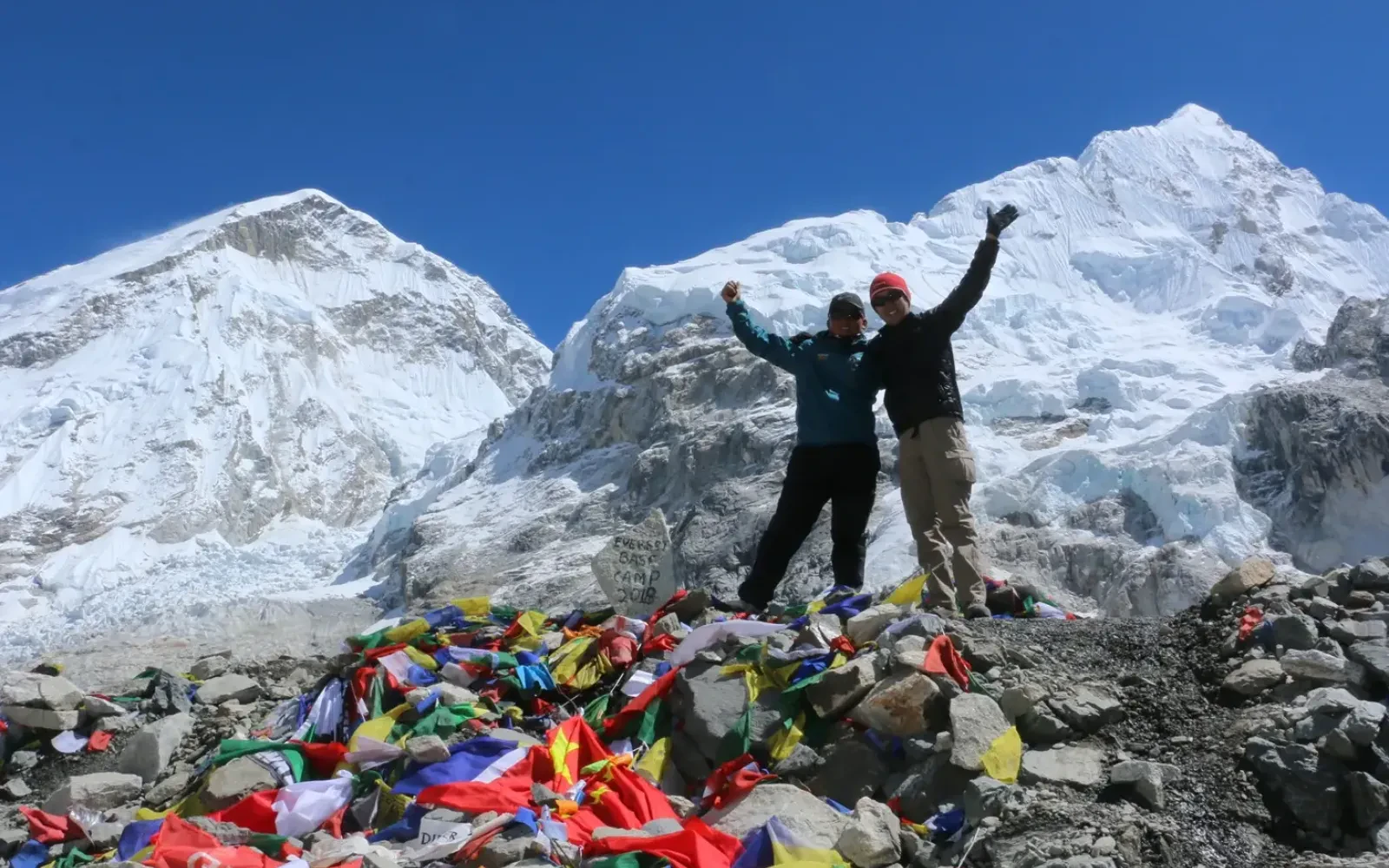
Packing for Everest Base Camp Trek in November is very unique and important. November is a good time to trek in Nepal because you can see the mountains very clearly the trails are dry and the weather is stable. Winter is coming soon. When you go higher it gets very cold, especially after the sun sets. So, you need to pack clothes that will keep you warm during the day and night.
Meanwhile, it gets much colder in November than in September or October. When you are above Dingboche (4,410 m) Lobuche (4,940 m) and Gorak Shep (5,164 m) it can be very cold. Wearing layers of clothes is a way to stay warm without carrying too much weight.
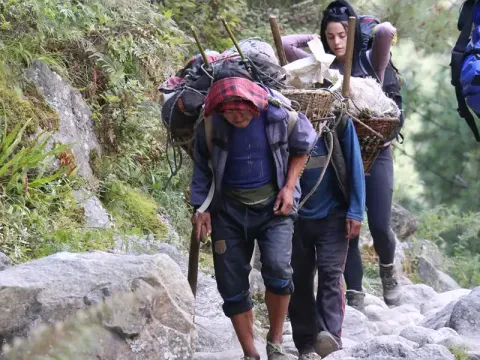
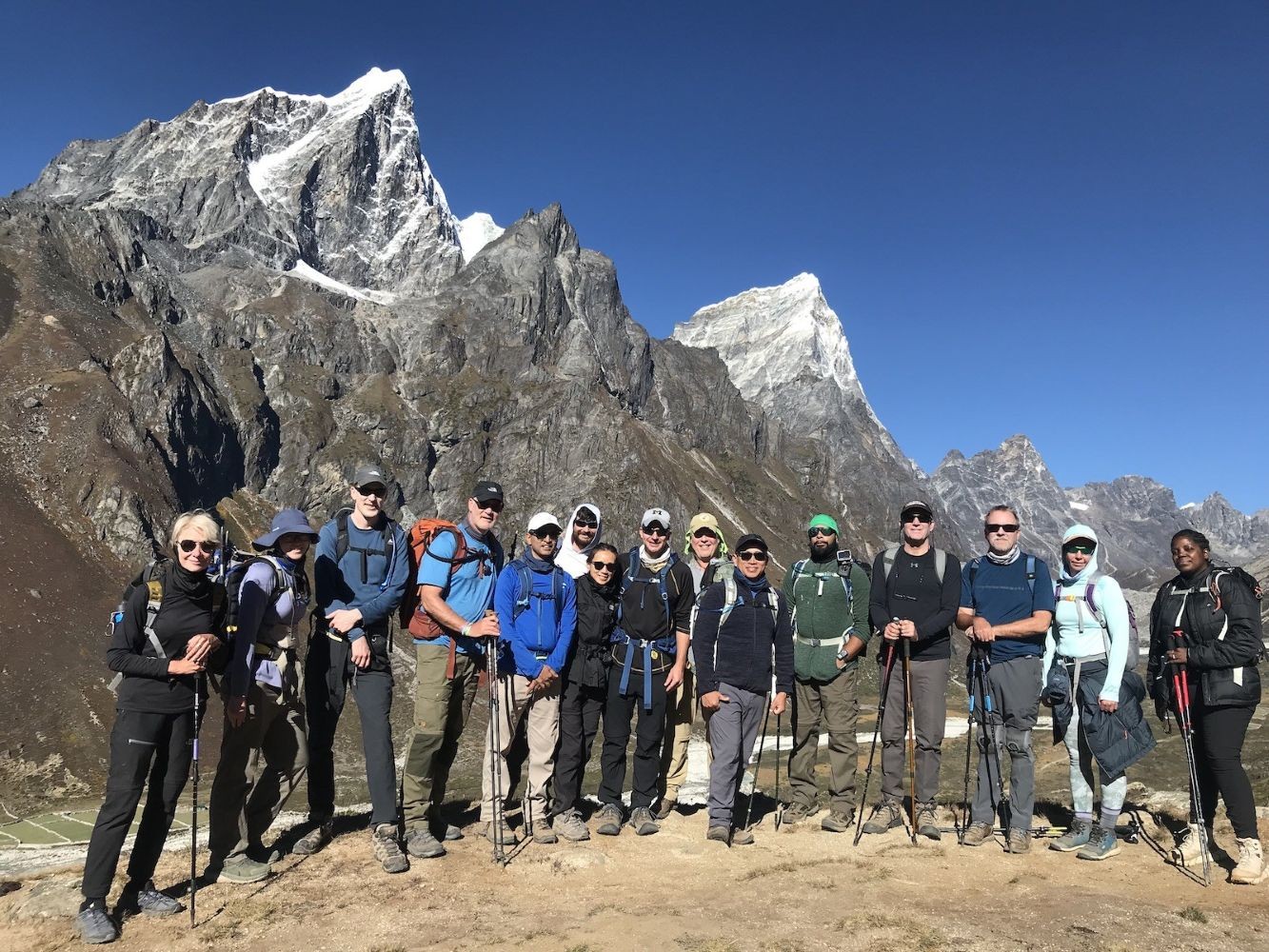
Here, the key is to balance warmth with gear. Choose clothes that can be layered easily. This includes moisture-wicking base layers, insulated fleece, a down jacket and a waterproof shell. These clothes work together to protect you from the changing mountain weather. Do not pack many things because your porter can only carry a maximum of 10 kg (28 lbs) per trekker.
| November Conditions | Packing Solution |
|---|---|
| Sunny afternoons | Lightweight trekking clothing |
| Freezing mornings | Thermal base layers |
| Cold nights | Heavy down jacket |
| Dry mountain air | Lip balm and moisturizer |
| Strong UV exposure | Sunglasses and sunscreen |
| Cold teahouse bedrooms | 4-season sleeping bag |
Essential Clothing Strategy :
| Priority | Essential Items |
|---|---|
| Warmth | Down jacket fleece thermals |
| Footwear | Waterproof boots and wool socks |
| Sleep | 4-season sleeping bag |
| Hydration | Reusable bottles and purifier |
| Electronics | 20,000mAh power bank |
| Safety | First-aid kit and headlamp |
Recommended Personal Gear :
Packing Tips :
| Location | Day Temperature | Night Temperature |
|---|---|---|
| Lukla (2,860 m) | 12°C–16°C | 3°C–6°C |
| Namche Bazaar (3,440 m) | 10°C–14°C | 0°C–3°C |
| Dingboche (4,410 m) | 5°C–9°C | -5°C–-8°C |
| Lobuche (4,940 m) | 2°C–6°C | -8°C–-12°C |
| Gorak Shep (5,164 m) | 0°C–5°C | -10°C–-15°C |
Expert Packing Tip
In conclusion, November is a great time for an Everest Base Camp Trek in November because the scenery is amazing. However, the temperature changes a lot between day and night. Packing thermal layers instead of heavy clothes keeps your backpack organized reduces weight and ensures comfort throughout your Everest Base Camp Trek in November.
The Everest Base Camp Trek in November weather is cold, dry and very stable. November is the month of Nepals autumn trekking season. It offers blue skies, great visibility and excellent trail conditions. However, it gets much colder than October above 4,000 meters.
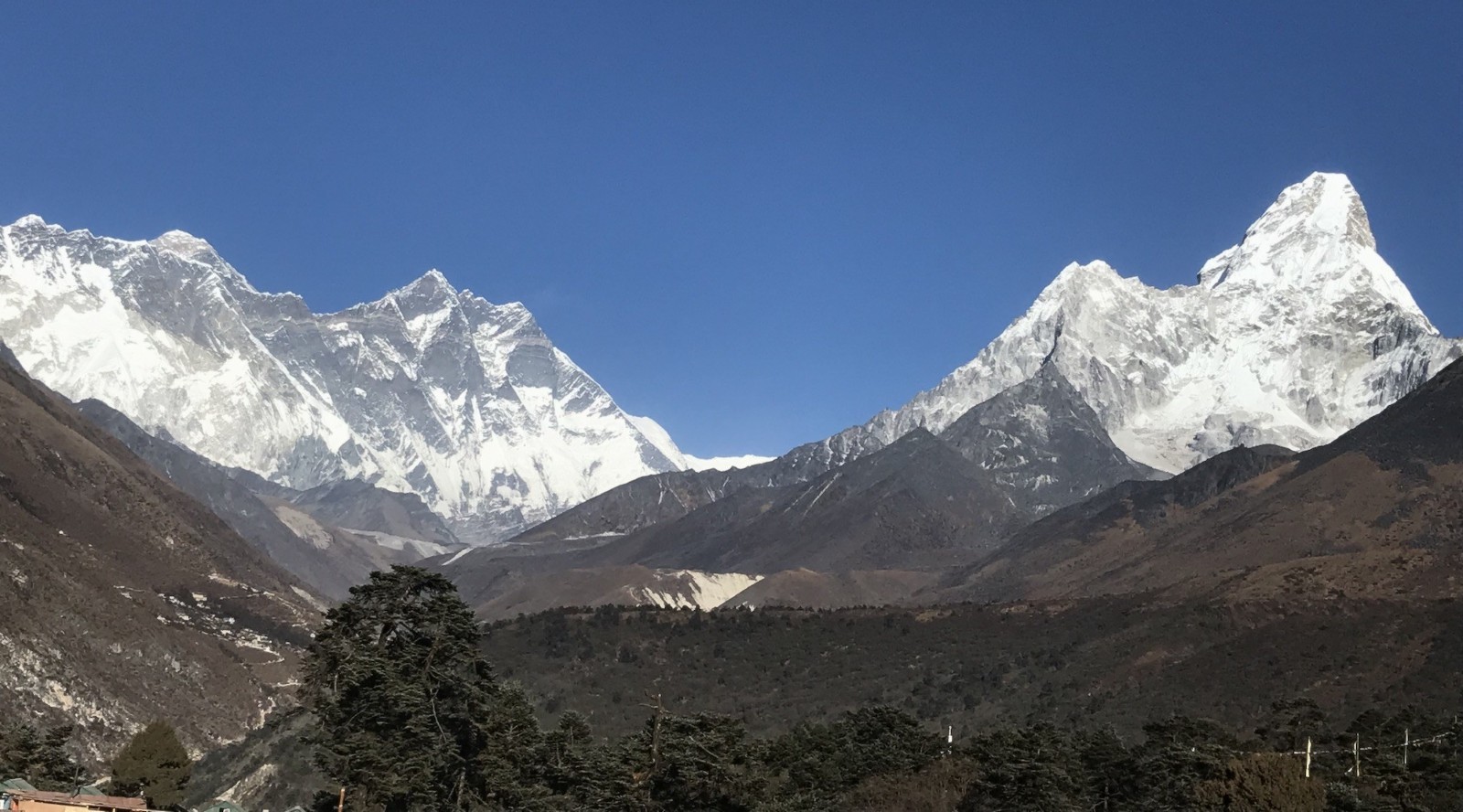
During days lower villages like Lukla (2,860 m) and Namche Bazaar (3,440 m) are comfortable for hiking. The temperature is usually between 10°C and 14°C. The sunshine feels nice making trekking enjoyable with layers.
But, higher on the trail, the temperature decreases steadily. Around Dingboche (4,410 m) Lobuche (4,940 m) and Gorak Shep (5,164 m) the temperature is between 0°C and 8°C during the day. After sunset it gets very cold. Nights at Gorak Shep can be as cold as -10°C to -15°C making clothes and a good sleeping bag essential.
| Trekking Location | Elevation | Day Temp Average Night Temp |
|---|---|---|
| Lukla | 2,860 m | 12°C–16°C | 4°C–7°C |
| Phakding | 2,610 m | 13°C–17°C | 5°C–8°C |
| Namche Bazaar | 3,440 m | 10°C–14°C | 0°C–3°C |
| Tengboche | 3,867 m | 7°C–12°C | -2°C–2°C |
| Dingboche | 4,410 m | 5°C–9°C | -5°C–-8°C |
| Lobuche | 4,940 m | 2°C–6°C | -8°C–-12°C |
| Gorak Shep | 5,164 m | 0°C–5°C | -10°C–-15°C |
| Everest Base Camp | 5,364 m | -1°C–4°C | -10°C–-15°C |
| Feature | November Conditions |
|---|---|
| Sky | Crystal clear |
| Rain | Very rare |
| Snow | Light snowfall possible at elevations |
| Trail | Dry and stable |
| Visibility | Excellent |
| UV Level | Very high |
What the Weather Feels Like during November :
Middle Elevations (3,500–4,500 m) :
High Elevations (Above 4,500 m) :
| Temperature | Recommended Clothing |
|---|---|
| 12°C–16°C | Trekking shirt and light fleece |
| 5°C–10°C | Thermal layer and fleece |
| 0°C–5°C | Down jacket during breaks |
| Below 0°C | Down jacket, gloves, beanie and buff |
Cold Weather Tips :
Expert Advice
In summary, the Everest Base Camp Trek in November weather is a combination of dry trails, amazing mountain views and peaceful trekking conditions. Although nights can be very cold, at elevations, proper thermal layers, a warm down jacket, insulated gloves and a 4-season sleeping bag rated to at least -15°C will keep you comfortable throughout your journey.
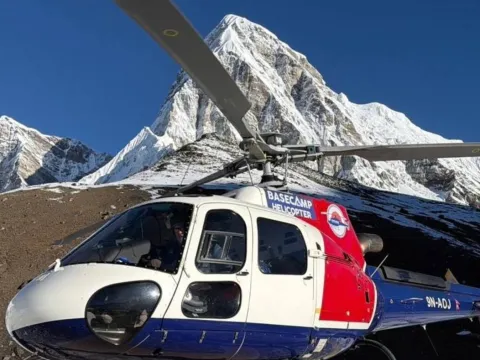
When you go on Everest Base Camp Trek in November you need to pack the right clothes. November is a time when you can have days, but it gets very cold in the mornings, evenings and nights. The temperature changes quickly as you go up. So, it is an idea to wear clothes in layers like the classic three-layer system to stay comfortable during the trek.
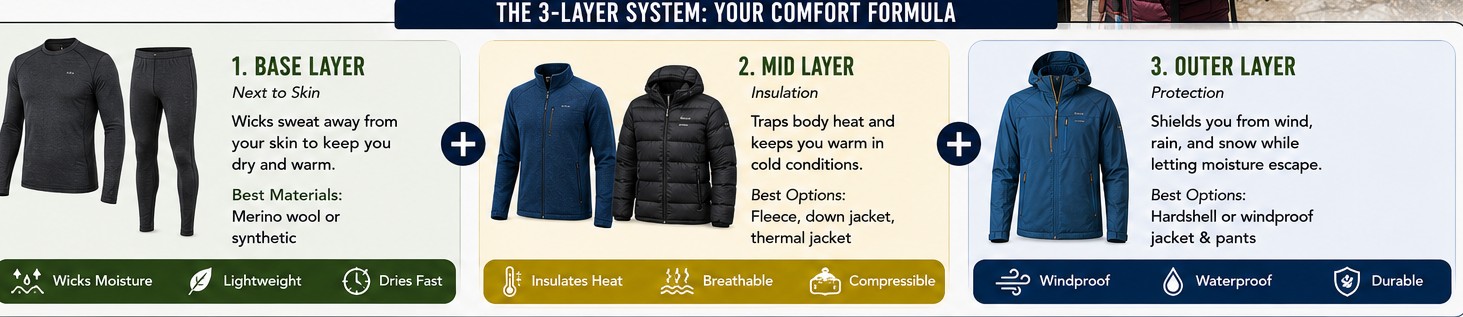
The Three-Layer Clothing System,
Base Layer (The Layer Against Your Skin)
You wear this layer next to your skin. Its main job is to keep sweat out from your skin. You can choose a merino wool top, a synthetic thermal top, thermal leggings or lightweight thermal underwear. Do not wear cotton because it gets wet and stays cold.
Mid Layer (The Layer That Keeps You Warm)
This layer helps keep your body heat from escaping. It keeps you warm when you take breaks and during mornings. You can choose a jacket, a grid fleece hoodie, a lightweight insulated jacket or warm fleece pants if you want.
Outer Layer (The Layer That Protects You)
The outer layer protects you from the wind and snow. You can choose a jacket, a windproof shell, waterproof trekking pants or breathable rain pants. A Gore-Tex or similar breathable shell works well.
| Trek Section | Recommended Layers |
|---|---|
| Lukla to Namche Bazaar (2,860–3,440 m) | Base layer + hiking shirt; shell if windy |
| Namche to Dingboche (3,440–4,410 m) | Base. Fleece + shell |
| Lobuche to Gorak Shep (4,910–5,164 m) | Thermal base + fleece + down jacket + shell during breaks |
| Kala Patthar (5,545 m) | layering system with gloves, beanie and insulated jacket |
Layering Tips,
You should add or remove layers regularly. Try not to sweat much. Wear your shell on ridges. Carry your jacket in your daypack. Dress before you feel cold. Open your jacket zippers when you climb steeply. Keep dry thermals for the evenings.
Expert Packing Tips,
Here, you should pack 2 tops and 2 thermal bottoms. If you can afford it choose Merino Wool. Bring one dry base layer for sleeping. Never sleep in your sweaty hiking clothes. Store your clothes in waterproof packing cubes.
In conclusion, wearing the layers makes your Everest Base Camp Trek in November warmer, safer and more enjoyable from Lukla to Everest Base Camp (5,364 m).
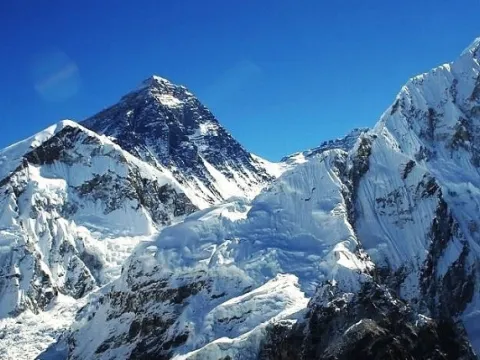
Choosing the clothes for walking during the day makes your Everest Base Camp Trek in November more comfortable. Even though the mornings are cold the sun in the Himalayas warms up the trail quickly. You should wear lightweight clothes while walking but always carry extra layers in your backpack.
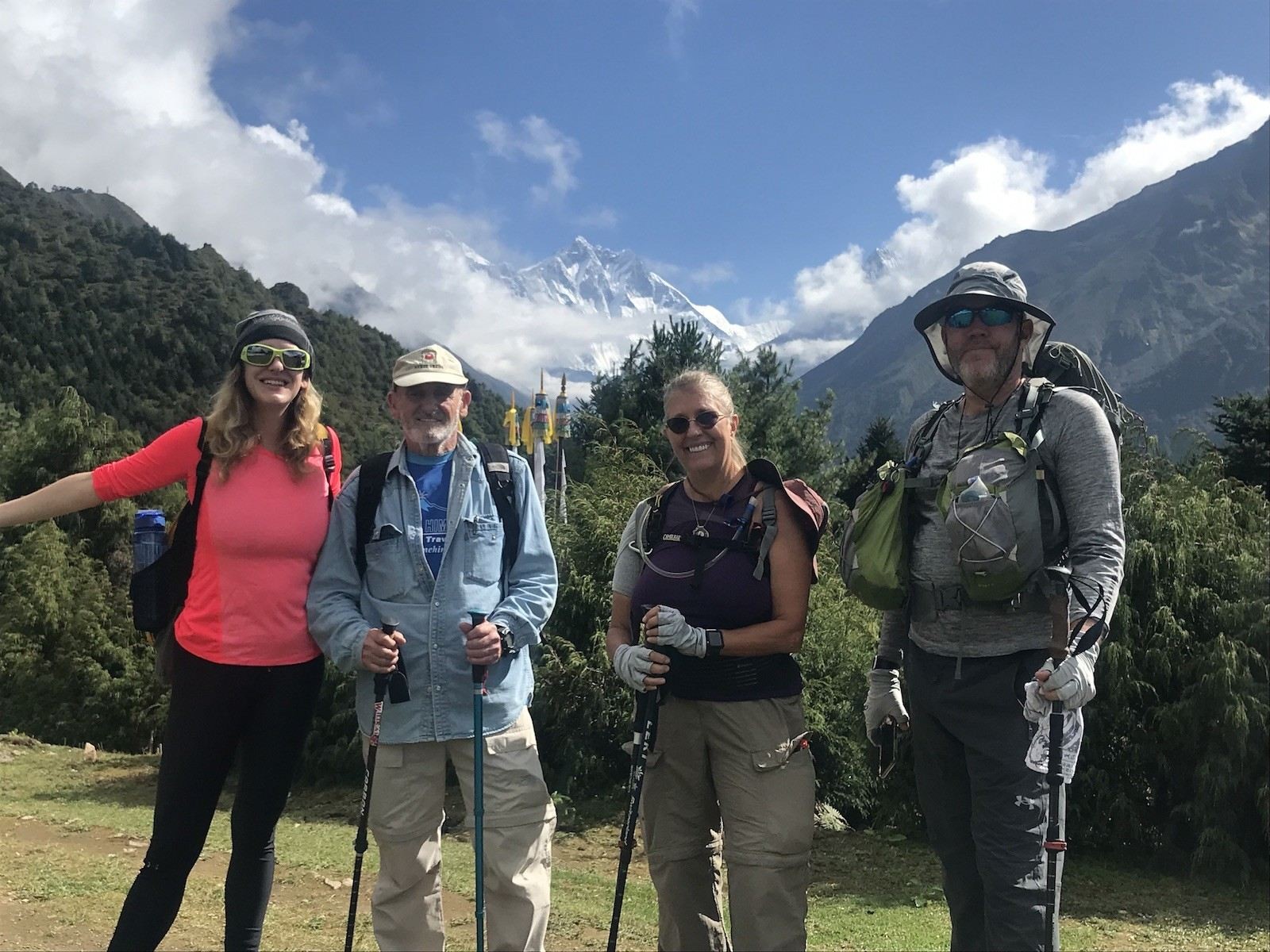
Essential Day Hiking Clothing :
Upper Body,
You should pack:
Lower Body,
You should bring:
Waterproof over trousers :
Head Protection :
You should carry :
Footwear :
| Clothing Item | Quantity | Purpose |
|---|---|---|
| Quick-dry long-sleeve shirts | 3 | Daily hiking |
| Trekking pants | 2 | Comfortable walking |
| Thermal top | 2 | Cold mornings |
| Thermal bottom | 2 | Higher elevations |
| Fleece jacket | 1 | Mid-layer warmth |
| Down jacket | 1 | Rest stops and evenings |
| Waterproof shell jacket | 1 | Wind protection |
| Waterproof trousers | 1 | Snow or wind |
| Sun hat | 1 | UV protection |
| Wool beanie | 1 | Cold mornings |
| Neck buff | 1 | Dust and cold air |
| UV sunglasses | 1 | Snow glare protection |
| Merino wool socks | 4 pairs | Dry feet |
Daily Clothing Strategy :
Extra Packing Tips :
| Must Carry Every Day | Why It Matters |
|---|---|
| Water bottle | Stay hydrated |
| Waterproof shell | Sudden weather changes |
| Fleece layer | Quick warmth |
| Gloves | Cold mornings |
| Sunglasses | Strong UV rays |
| Sun hat | Prevent sunburn |
| Sunscreen SPF 50+ | High-altitude protection |
| Lip balm | Prevent cracked lips |
| Snacks | Maintain energy |
| Trekking poles | Reduce knee strain |
To summarize, by wearing breathable clothes during the day and carrying warm clothes you can handle the changing conditions during your Everest Base Camp Trek in November from Lukla (2,860 m) to Everest Base Camp (5,364 m).
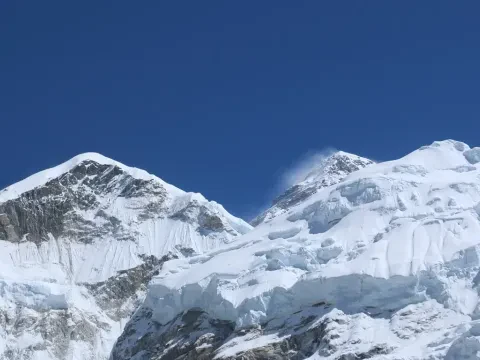
A down jacket is really important for an Everest Base Camp Trek in November. The sun can be out in the afternoon. It feels nice but when the sun sets it gets really cold really fast. In villages like Dingboche (4,410 m) Lobuche (4,910 m) and Gorak Shep (5,164 m) it can get very cold at night, often around -10°C to -15°C (14°F to 5°F). On cold nights it can even get as cold as -20°C (-4°F) with the wind. So, a warm winter parka is a must.
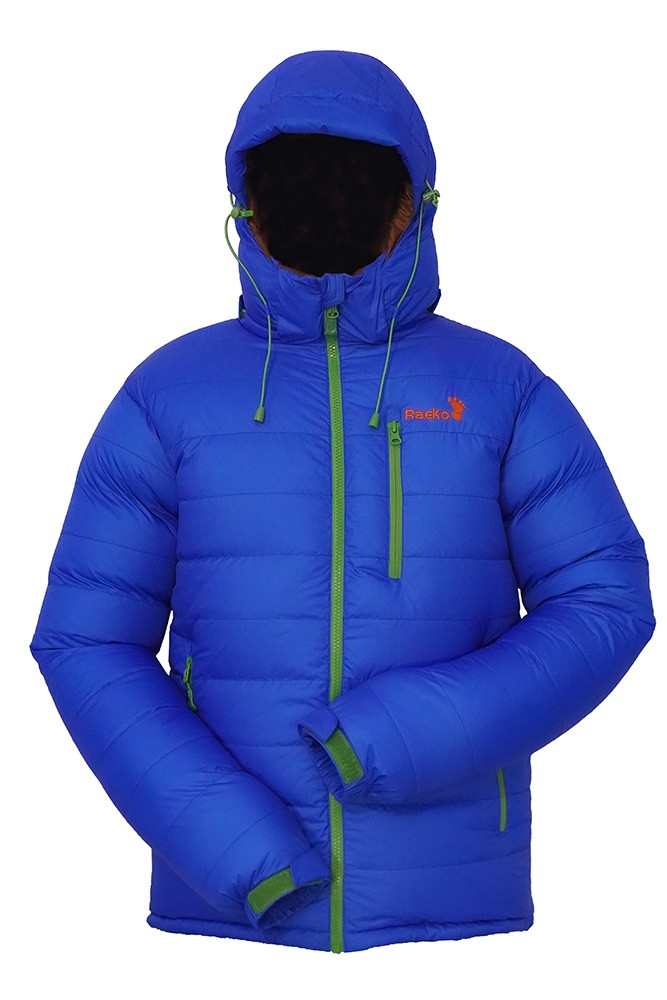
Here, you usually wear your jacket when you are not hiking, like during rest breaks in teahouses, when you watch the sunrise at Kala Patthar (5,545 m) and when it gets freezing. The dining rooms are warm when the stove is on. When the fire goes out the room gets cold quickly. The bedrooms are not heated all.
Features to Look for in the Best Down Jacket,
When you choose a jacket look for these features:
| Feature | Recommended Specification |
|---|---|
| Temperature Rating | -15°C to -20°C |
| Fill Power | 700–900 FP Down |
| Weight | 500–900 g |
| Hood | Adjustable |
| Outer Fabric | Wind-resistant with water-repellent finish |
| Packability | Compressible stuff sack |
When Will You Wear Your Down Jacket?
You will need your jacket during:
Make sure your down jacket has:
Extra Expert Tips :
To sum up, a heavy winter parka keeps you warm throughout your Everest Base Camp Trek in November. Greatly improves comfort during cold Himalayan evenings.
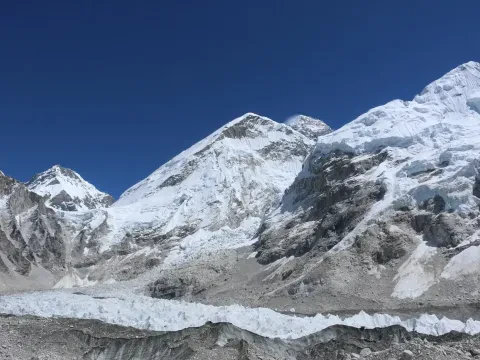
Yes, you need a windproof shell for an Everest Base Camp Trek in November. Even though it is one of the trekking seasons in Nepal, a waterproof and windproof shell is still essential. It does not rain much. The cold mountain winds can be very strong as winter approaches. Above Tengboche (3,860 m) Dingboche (4,410 m) Lobuche (4,910 m) and Kala Patthar (5,545 m) the freezing gusts can quickly lower your body temperature.
Here, a good Gore-Tex shell protects you from winds light snowfall, frost and occasional snow flurries. It also serves as your protective layer over thermals and fleece without making you feel too hot.
Why a Shell Jacket Matters,
A shell jacket is important because it :
Features to Look For :
| Feature | Why You Need It |
|---|---|
| Waterproof fabric | Protects against unexpected snow or drizzle |
| Windproof membrane | Blocks freezing Himalayan winds |
| Breathability | Reduces sweat during climbs |
| Adjustable hood | Protects face and ears |
| Pit zips | Improve airflow on steep sections |
| Lightweight design | Easy to carry daily |
When Should You Wear Your Shell?
Use your shell during:
| Layer | Purpose |
|---|---|
| Base Layer | Moves moisture away from skin |
| Fleece Mid Layer | Provides insulation |
| Heavy Down Jacket | Maximum warmth during rest |
| Gore-Tex Shell | Wind and weather protection |
Extra Packing Tips :
Pro Guide Advice
During the dry season like in November, the weather in the Himalayas can change quickly. A dependable waterproof shell is one of the smartest investments for an Everest Base Camp Trek in November. Combined with a down jacket and proper layering it keeps you comfortable, from Lukla (2,860 m) to Everest Base Camp (5,364 m) in Nepal's late autumn conditions.
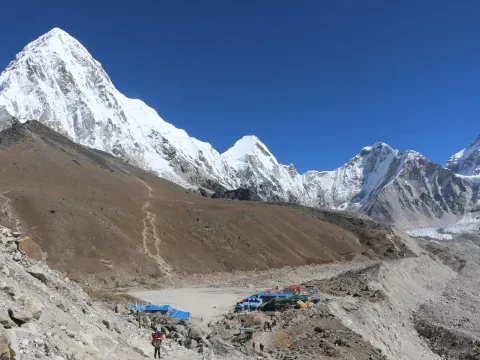
Choosing proper footwear is super important for a successful Everest Base Camp Trek in November. As winter comes mornings get really cold and trails above Dingboche (4,410 m) often have frost or icy patches. Rocky paths, gravel, steep climbs and long walking days need supportive waterproof boots. Comfortable feet make every trekking day easier and safer.
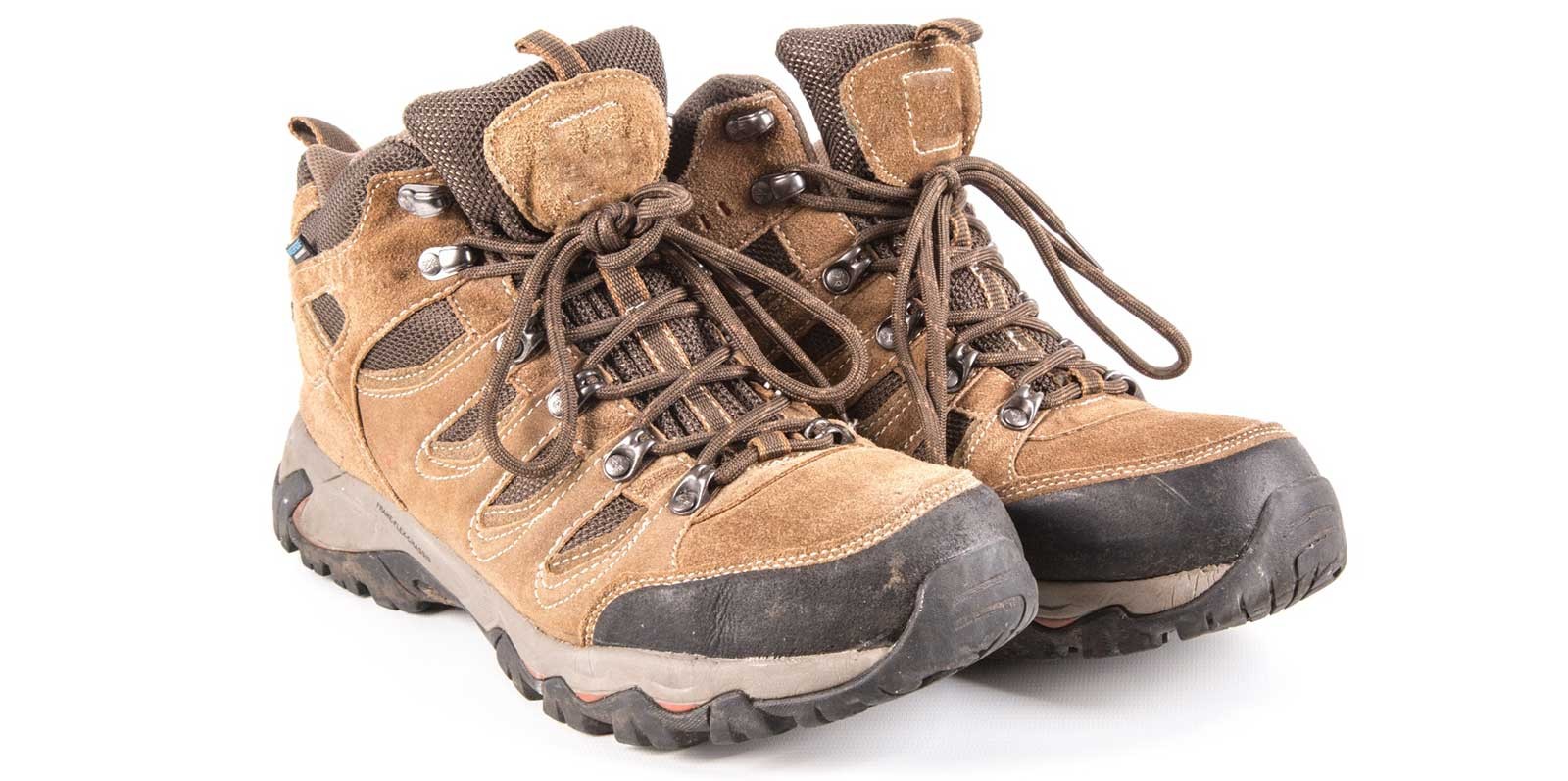
Here, don't buy boots just before your trek. Wear them on practice hikes at home. Broken-in boots reduce blisters. Improve confidence in uneven mountain trails.
Features of the Best Hiking Boots,
Look for hiking boots with :
Why Merino Wool Socks Matter ?
Pack:
| Item | Recommendation |
|---|---|
| Hiking Boots | Waterproof, high ankle support |
| Sole | Thick rubber with deep grip |
| Waterproof Membrane | Gore-Tex or similar |
| Trekking Socks | 4 pairs heavy merino wool |
| Liner Socks | 2 pairs (optional) |
| Camp Shoes | Lightweight sandals or sneakers |
| Gaiters | Optional for snow or dust |
Daily Foot Care Tips,
Take care of your feet every day by:
Extra Packing Tips :
Pro Guide Advice,
Your boots carry you nearly 130 kilometers (81 miles) during a standard Everest Base Camp Trek. Investing in waterproof boots with excellent ankle support and warm merino wool socks will greatly improve comfort reduce fatigue and help prevent injuries throughout your Everest Base Camp Trek in November.
A warm sleeping bag is one of the important items for Everest Base Camp Trek in November. While dining rooms stay warm for an hour around, the stove teahouse bedrooms are unheated. Thin wooden walls let mountain air inside throughout the night. At Gorak Shep (5,164 m) nighttime temperatures commonly fall between -10°C and -15°C (14°F to 5°F) while colder nights can approach -20°C (-4°F).
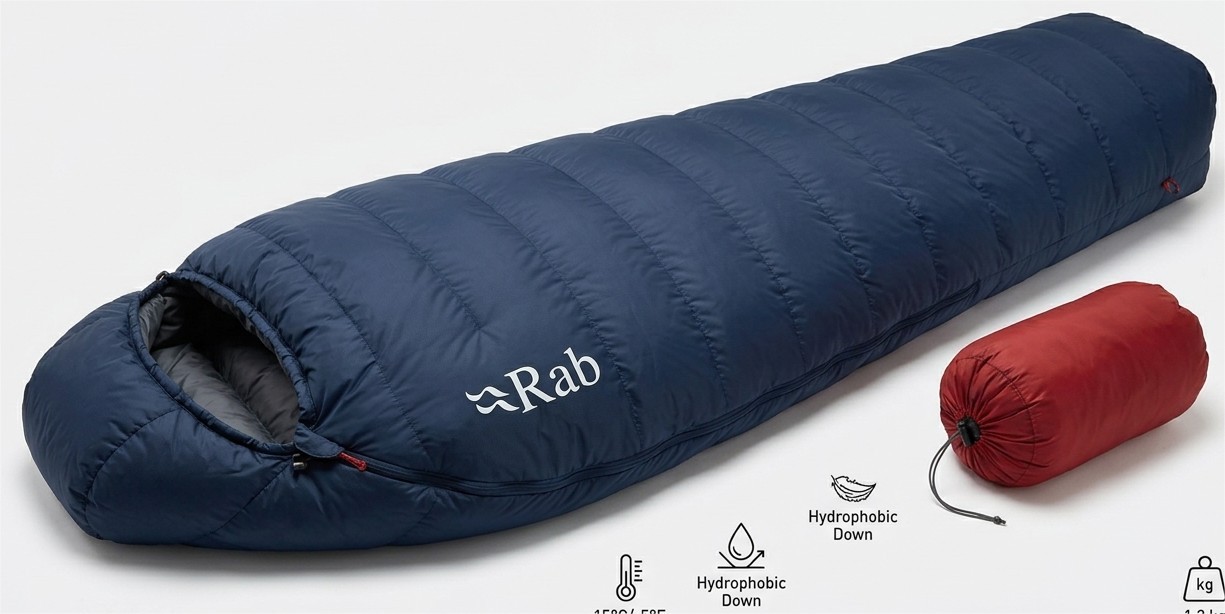
A quality 4-season down sleeping bag keeps you warm improves sleep quality and helps your body recover after long trekking days.
Recommended Sleeping Bag Rating,
Choose a sleeping bag with:
Why Use a Silk Sleeping Bag Liner?
A silk sleeping bag liner adds benefits:
| Item | Purpose |
|---|---|
| 4-season down sleeping bag | Main insulation |
| Comfort Rating | °C to -20°C |
| Silk sleeping bag liner | Extra warmth and cleanliness |
| Thermal sleeping clothes | Stay warm overnight |
| Wool sleeping socks | Warm feet during freezing nights |
Evening Sleeping Routine,
For a comfortable night:
Extra Warmth Tips :
Renting a Sleeping Bag :
Typical rental includes:
| Essential Item | Recommended Quantity |
|---|---|
| 4-season down sleeping bag | 1 |
| Silk sleeping bag liner | 1 |
| Thermal sleepwear | 1 set |
| Wool sleeping socks | 1 pair |
| Warm beanie | 1 |
| Inflatable pillow (optional) | 1 |
Pro Guide Advice
In conclusion, a warm night’s sleep is essential for energy and acclimatization during an Everest Base Camp Trek in November. A 4-season sleeping bag rated to -15°C or -20°C combined with a silk liner and dry thermal clothing provides warmth, from Lukla (2,860 m) to Everest Base Camp (5,364 m) even during the coldest late autumn nights.
You need to protect your hands, head, face and feet when you're on Everest Base Camp Trek in November. It gets very cold as winter is approaching. The temperature drops below freezing above Dingboche. Early morning hikes to Everest Base Camp and Kala Patthar are especially cold because of the winds.
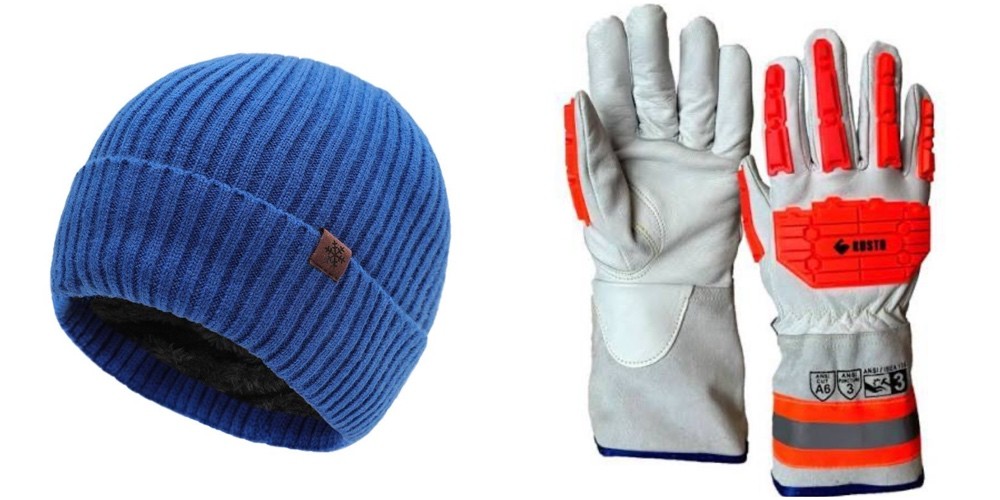
You lose body heat from your head, hands and neck so you need to wear proper accessories to stay comfortable and safe.
There are things you can carry to keep you warm during the trek.
Essential Pre-Winter Accessories,
You should pack these things every day:
The Way to Wear Gloves :
Why You Should Wear a Neck Buff ?
A neck gaiter can help you in many ways:
| Thing | How Many | Why You Need It |
|---|---|---|
| A warm hat | 1 | To keep your head warm |
| A neck gaiter/Buff | 1–2 | To protect you from the wind and dust. |
| Thin gloves | 1 pair | To keep your hands warm and comfortable. |
| Windproof gloves/mittens | 1 pair | To keep your hands warm and protected. |
| Sunglasses | 1 | To protect your eyes. |
| A sun hat | 1 | To protect you from the sun. |
| A Balaclava (optional) | 1 | To add extra warmth. |
When You Will Need These Things ?
You should wear all these things when:
Extra Tips for Packing for November :
Advice from our Guides,
Things can make a big difference when you are on an Everest Base Camp Trek in November. A warm hat, a neck gaiter and a good pair of gloves can help you stay comfortable from Lukla to Everest Base Camp. These things are especially important when you are hiking early in the morning.
Cold weather can damage your devices when you are on an Everest Base Camp Trek in November. Above Namche Bazaar the temperatures drop rapidly. Your batteries will not last as long as they do at sea level. At Gorak Shep it can get very cold at night. Your phone, camera and power bank can stop working quickly.
There are a few things you can do to keep your devices working.
Why Batteries Do Not Long ?
Cold temperatures can slow down the chemical reactions inside your batteries.
This can cause :
Things You Should Carry,
You should bring these things with you:
| Thing | How Many | Why You Need It |
|---|---|---|
| Your phone | 1 | For navigation and communication |
| A power bank | 20,000mAh | To charge your devices multiple times |
| Camera batteries | 2–3 | Because cold weather can reduce battery life |
| A headlamp | 1 | For early morning hikes |
| Charging cables | 2 | In case one gets damaged |
| A universal adapter | 1 | To charge your devices at lodges |
| A dry bag | 1 | To protect your devices |
Tips to Make Your Batteries Last Longer,
You should follow these tips:
But :
| Place | How Easy It Is to Charge your Devices |
|---|---|
| Lukla | Very easy |
| Namche Bazaar | Very easy |
| Tengboche | Easy |
| Dingboche | Easy |
| Lobuche | You can charge your devices but it costs extra |
| Gorak Shep | It is hard and expensive to charge your devices |
Tips for Photography,
If you like taking pictures :
Pro Tips from our Guide:
A power bank, spare batteries and taking care of your batteries are essential for an Everest Base Camp Trek in November. You should keep all your devices inside your jacket during the day and inside your sleeping bag at night. These tips will help your phone, camera and headlamp work, from Lukla to Everest Base Camp.
When you are getting ready for an Everest Base Camp Trek in November it is very important to pack the health supplies. This is just as important as packing clothing. The cold temperatures, strong altitude sun and dry air can be tough on your body. A small but complete first aid kit will help you stay healthy and prepared during the trip.
Here, you should know that single-use plastic water bottles are not allowed in much of the Everest region. So, you should carry a water bottle and purify your drinking water when you can. Drinking water also helps prevent altitude sickness.
Essential Health Items,
You should pack these items :
Hydration Essentials,
You should bring :
You should carry :
Recommended First Aid Kit,
| Item | Purpose |
|---|---|
| Diamox | To prevent altitude sickness |
| Blister tape | To protect your feet |
| Pain relievers | For headaches and muscle pain |
| Bandages | For small cuts |
| Antiseptic cream | To prevent infections |
| Oral rehydration salts | To help with dehydration |
| Water purification tablets | To make safe drinking water |
| Lip balm with SPF | To protect your lips |
| Sunscreen SPF 50+ | To protect your skin from the sun |
| Personal medicines | For your daily health needs |
You should talk to your doctor before taking Diamox,
Daily Health Checklist ,
Every day you are trekking, remember to:
Extra Expert Tips :
Health Packing Summary,
| Category | Essential Items |
|---|---|
| Altitude Care | Diamox, hydration salts |
| Water Safety | Nalgene bottles, purification tablets |
| Skin Care | Sunscreen, lip balm, moisturizer |
| First Aid | Bandages, blister tape antiseptic |
| Personal Care | Wet wipes, sanitizer, tissues |
Pro Guide Advice,
In conclusion, having a well-prepared first aid kit for your Everest Base Camp Trek in November will give you peace of mind. Combined with water bottles, water purification tablets and being careful with altitude these health essentials will help you have a safer and more enjoyable trip from Lukla to Everest Base Camp.
The secret to packing for an Everest Base Camp Trek in November is simple: pack not heavy, pack only what you will use. Many first-time trekkers bring much gear. Every extra kilogram makes walking harder and is tougher on you and your porter.
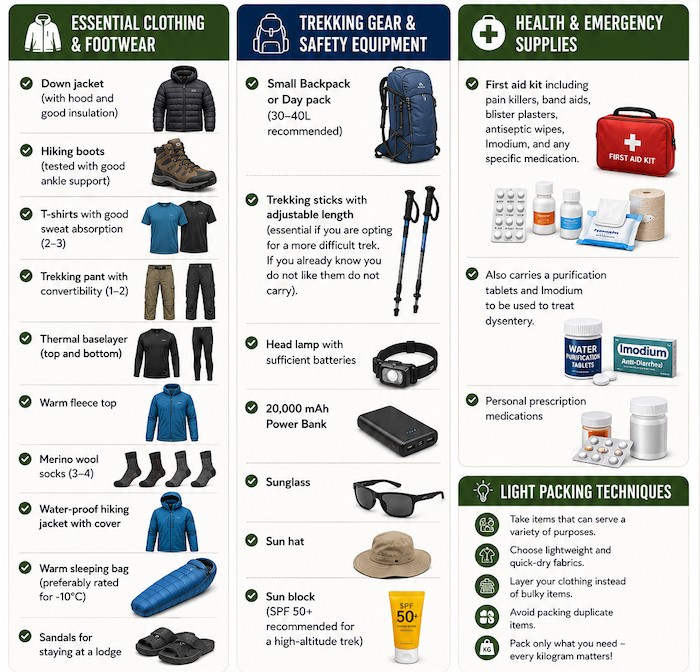
Most trekking companies limit each trekker’s duffel bag to 15 kg including the bag itself. Your daypack should normally weigh 5-7 kg with your daily essentials.
Follow the "Layer, Don't Bulk" Rule of packing heavy clothes
Choose lightweight layers,
You should bring :
Leave These Items at Home,
Do not pack :
Smart Packing Priorities,
Focus on these essentials:
Recommended Weight Guide,
| Bag | Recommended Weight | Contents |
|---|---|---|
| Daypack | 5–7 kg | Water | snacks, shell, fleece, camera first aid. |
| Main Duffel | Maximum 15 kg | Clothing, sleeping bag, toiletries, spare gear. |
Pack by Priority,
| Must Pack | Nice to Have | Leave Behind |
|---|---|---|
| Thermal layers | Trekking pillow | Heavy books |
| Down jacket | Camera tripod | Cotton jeans |
| Sleeping bag | Camp slippers | Extra jackets |
| Waterproof shell | Playing cards | Large toiletries |
| First aid kit | Journal | Unnecessary gadgets |
Space-Saving Tips :
Porter Weight Guidelines,
| Item | Recommendation |
|---|---|
| Maximum porter load per trekker | 15 kg |
| Ideal daypack weight | 5–7 kg |
| Sleeping bag | Main duffel |
| Down jacket | Main duffel during hiking |
| Daily essentials | Daypack |
Ultimate Packing Checklist :
Footwear :
Gear :
Health Medicine :
Pro Guide Advice,
In summary, the lightest backpack is usually the most comfortable one. For Everest Base Camp Trek in November, choose high-quality gear instead of packing unnecessary extras. Keep your duffel bag under 15 kg and your daypack between 5-7 kg to make trekking safer and more enjoyable.
Q: Can I rent a down jacket and sleeping bag in Kathmandu for my Everest Base Camp Trek?
Yes, you can rent quality down jackets and sleeping bags in Kathmandu for about USD 1-3 per day. Renting is an option if you do not think you will use the gear again after your trip.
Q: Do I need crampons or microspikes for an Everest Base Camp Trek in November?
No you usually do not need crampons for the standard Everest Base Camp route. Lightweight microspikes can be useful after fresh snowfall or on icy sections.
Q: How heavy should my daypack be during the Everest Base Camp Trek?
Keep your day-pack between 5 kg and 7 kg. Carry the essentials, including water, snacks, extra layers and your first aid kit.
| Pack Allocation | Item Description | Primary Purpose | Why it Matters in November |
|---|---|---|
| Inside Your Daypack | Windproof shell, fleece, gloves, beanie | Weather protection | Quick access, during changing temperatures. |
| Inside Your Daypack | Insulated Nalgene bottle, headlamp, first aid kit | Hydration & safety | Prevents water freezing and supports early morning hikes. |
| What To Pack In Your Daypack | You should have a power bank, your passport, some cash and a camera | This is for your electronics. To keep you safe. | You need to remember that cold weather can quickly drain the batteries in your power bank. |
| What To Pack In Your Main Duffel | You will need a heavy down jacket that can keep you warm in temperatures as low as -20°C and a sleeping bag that can keep you warm in temperatures between -15°C to -20°C | This will keep you warm in the evenings. | It is really important to have these things inside cold teahouses. |
| What To Pack In Your Main Duffel | You should also pack thermal clothing some spare socks and a pair of camp shoes | This will make you feel comfortable at the lodge. | These things will keep you warm and dry after you have been hiking. |
Some more Tips On Packing :
A Tip From Someone Who Knows The Area: The month of November is a good time to go because you can see the mountains really clearly and there are not as many people but it is really cold. If you book your Everest Base Camp Trek with a trekking agency that is licensed you will have a guide who knows what they are doing and you will be able to stay in comfortable teahouses in the Khumbu region and you will have the permits you need and your flights to and, from Lukla will be reliable.
1. What is the essential Everest Base Camp Trek packing list for November?
The Everest Base Camp Trek packing list for November should have clothes that you can layer, a down jacket, thermal underwear, waterproof gear, trekking boots, gloves, hats, sunglasses, a sleeping bag, trekking poles and your personal medicines. Packing right keeps you warm, comfortable and safe on your Everest Base Camp Trek in November.
2. Why is layering important for the Everest Base Camp Trek in November?
Layering helps you adjust to changing temperatures on the Everest Base Camp Trek in November. Wear moisture-wicking underwear add a fleece and finish with a waterproof jacket. This keeps you warm in the mornings and prevents overheating when you trek during the day.
3. What kind of jacket should I pack for the Everest Base Camp Trek for November?
A quality down jacket that can handle sub-zero temperatures is a must for the Everest Base Camp Trek packing list for November. Also bring an outer shell to protect you from wind and snow. These layers keep you warm at elevations like Gorak Shep and Everest Base Camp.
4. Which trekking boots are best for the Everest Base Camp Trek in November?
Waterproof trekking boots with ankle support are ideal for the Everest Base Camp Trek in November. Insulated boots keep your feet warm in the mornings. Comfortable boots reduce blisters. Help you stay stable on rocky trails.
5. What clothing do I need for the Everest Base Camp Trek packing list for November?
Yes thermal tops and bottoms are crucial for the Everest Base Camp Trek packing list for November. Nighttime temperatures often drop below freezing and layers keep you warm and comfortable in mountain teahouses.
6. What gloves should I bring for the Everest Base Camp Trek in November?
Bring liner gloves and insulated waterproof outer gloves for the Everest Base Camp Trek in November. This combination keeps your hands flexible while trekking. Warm gloves are especially important for early morning hikes to Kala Patthar.
7. What sleeping bag is recommended for the Everest Base Camp Trek packing list for November?
Choose a sleeping bag rated between -15°C and -20°C for the Everest Base Camp Trek packing list for November. A good sleeping bag ensures you sleep well despite the nighttime temperatures in Lobuche, Gorak Shep and other high-altitude villages.
8. Should I pack trekking poles for the Everest Base Camp Trek in November?
Yes, trekking poles are highly recommended for the Everest Base Camp Trek in November. They improve your balance reduce pressure on your knees and provide stability on trails. This makes ascents and descents safer and more comfortable.
9. What hats should I include in my Everest Base Camp Trek packing list for November?
Your Everest Base Camp Trek packing list for November should include a wool hat and a sun hat. Mornings are freezing, while afternoons are sunny and carrying both hats offers protection against cold and sunshine.
10. Why are sunglasses necessary during the Everest Base Camp Trek in November?
UV rays are stronger at elevations during the Everest Base Camp Trek in November. Polarized sunglasses with UV400 protection prevent snow blindness. Reduce eye strain. They also improve visibility while trekking across mountain landscapes.
11. How many pairs of socks should I pack for the Everest Base Camp Trek for November?
Pack four to six pairs of moisture-wicking trekking socks for the Everest Base Camp Trek packing list for November. Also bring two wool socks for evenings. Dry comfortable feet reduce the risk of blisters during trekking days.
12. What toiletries should I include in my Everest Base Camp Trek packing list for November?
Your Everest Base Camp Trek packing list for November should include soap, toothbrush, toothpaste, wet wipes quick-dry towel, toilet paper, hand sanitizer, sunscreen, SPF lip balm and moisturizer. Cold, dry mountain air can dry your skin and lips quickly.
13. What medicines are essential for the Everest Base Camp Trek in November?
Bring your medications, Diamox, pain relievers, blister treatment, bandages, antiseptic cream, water purification tablets and altitude sickness essentials for the Everest Base Camp Trek in November. Consult your doctor before taking altitude medication.
14. Should I carry a power bank for the Everest Base Camp Trek packing list for November?
Yes, a 20,000 mAh power bank is highly recommended for the Everest Base Camp Trek packing list for November. Charging devices becomes more expensive at elevations. A reliable power bank keeps your phone, camera and GPS charged.
15. What water bottles are best for the Everest Base Camp Trek in November?
Mouth insulated water bottles work best during the Everest Base Camp Trek in November. Insulated sleeves help prevent water from freezing. Reusable bottles reduce waste and support sustainable trekking practices.
16. Should I pack water purification tablets for the Everest Base Camp Trek packing list for November?
Yes, water purification tablets are essential for the Everest Base Camp Trek packing list for November. They allow you to refill your bottles safely at teahouses and public taps. This saves you money. Reduces environmental impact.
17. How much luggage should I bring for the Everest Base Camp Trek in November?
Pack 10–15 kg for the Everest Base Camp Trek in November if using a porter. Keep your daypack between 5–7 kg. Packing light improves comfort while ensuring you carry everything for cold Himalayan conditions.
18. Can I rent gear for the Everest Base Camp Trek in Kathmandu?
Yes, Kathmandu offers services for down jackets sleeping bags, trekking poles, crampons and duffel bags needed for the Everest Base Camp Trek packing list for November. However, bring your boots and clothing for the best comfort and hygiene.
19. What electronics should I pack for the Everest Base Camp Trek in November?
Your Everest Base Camp Trek packing list for November should include a smartphone, camera, extra batteries, headlamp, charging cables, universal adapter and power bank. Cold temperatures drain batteries quickly so keep your electronics warm.
20. What is the important tip for preparing the Everest Base Camp Trek packing list for November?
The best preparation for the Everest Base Camp Trek packing list for November is choosing warm and weather-resistant gear. Avoid overpacking items. A planned packing list improves comfort supports safe trekking and helps you fully enjoy the spectacular Everest region.
Our travel experts are ready to assist you with any questions.
Send us a message.Have a question before you book? Send your enquiry below and our travel experts will get back with the required information.