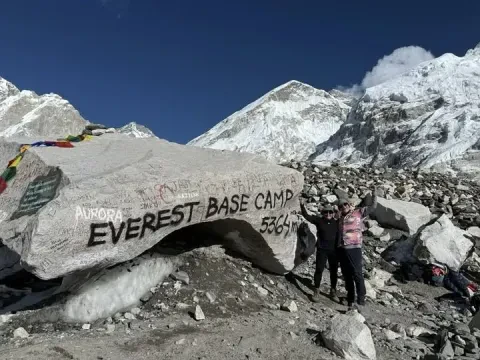
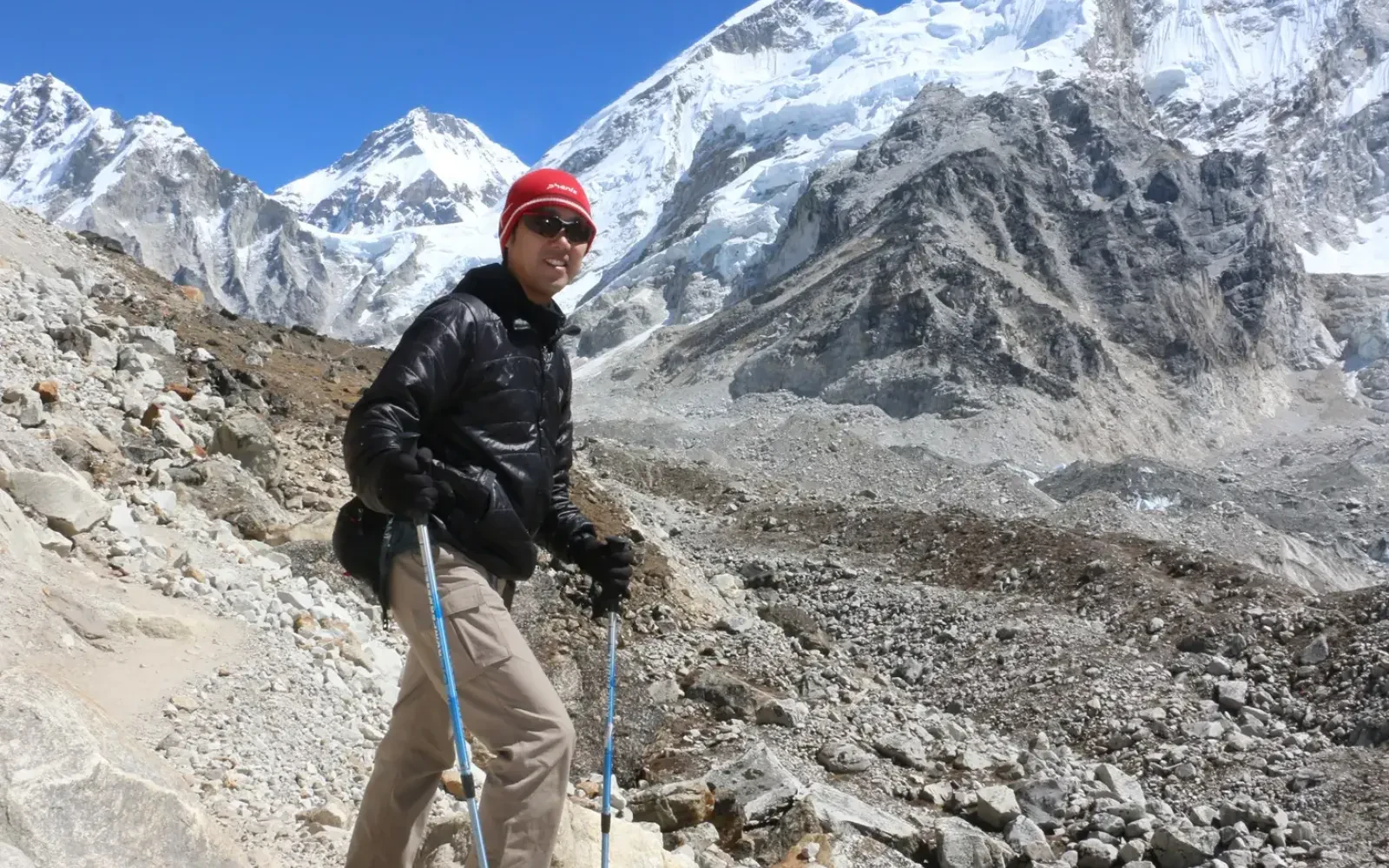
Packing for your Everest Base Camp Trek in October is really important for a successful adventure. October is the best time to trek in Nepal because the weather is stable the trails are dry and the Himalayan scenery is amazing. However, the weather changes a lot with altitude. So, you need to pack clothes that can handle afternoons, freezing mornings, strong sunshine and cold mountain winds.
When you are in the parts of the Everest Base Camp Trek like Lukla, Phakding and Namche Bazaar the daytime temperatures are pleasant between 12°C and 16°C. You can hike comfortably in clothes. After Dingboche the temperatures drop really fast. Gorak Shep and Everest Base Camp are usually very cold in the mornings and nights.
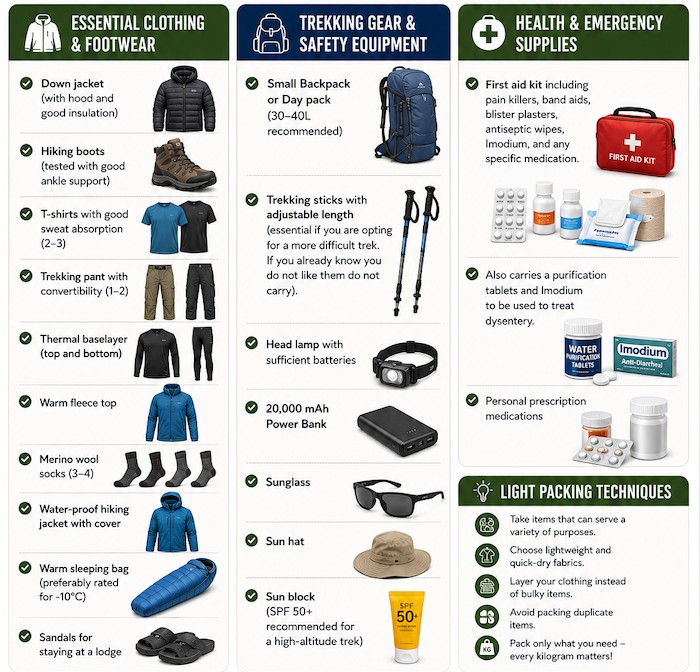
Here, a good idea is to pack layers of clothes of reliable and light items. This way you can adjust your clothes as the temperature changes throughout the day. Also, October has skies, which means you need to protect yourself from the sun. So sun protection is just as important as clothes.
| Benefit | Why It Matters |
|---|---|
| Temperature changes | You need layers for warm afternoons and freezing nights. |
| Dry weather | You can hike comfortably in clothes. |
| High altitude | It gets cold above 4,000 meters. |
| Strong sunshine | You need sun protection because of high UV levels. |
| Long trekking days | Comfortable gear helps reduce fatigue. |
| Limited shopping | You cannot buy good trekking gear on the trail. |
| Trek Location | Elevation | Day Temperature | Night Temperature |
|---|---|---|
| Lukla | 2,860 m | 15–18°C | 8–10°C |
| Namche Bazaar | 3,440 m | 12–16°C | 2–6°C |
| Dingboche | 4,410 m | 8–12°C | -2–0°C |
| Lobuche | 4,910 m | 4–8°C | -5–-8°C |
| Gorak Shep | 5,164 m | 2–6°C | -8–-12°C |
Essential Packing Goals :
Local Expert Packing Tips :
The Everest Base Camp Trek in October weather is famous for skies and excellent visibility. However, temperatures vary greatly between the valleys and high Himalayan settlements. So, every trekker should prepare for climate zones during the journey.
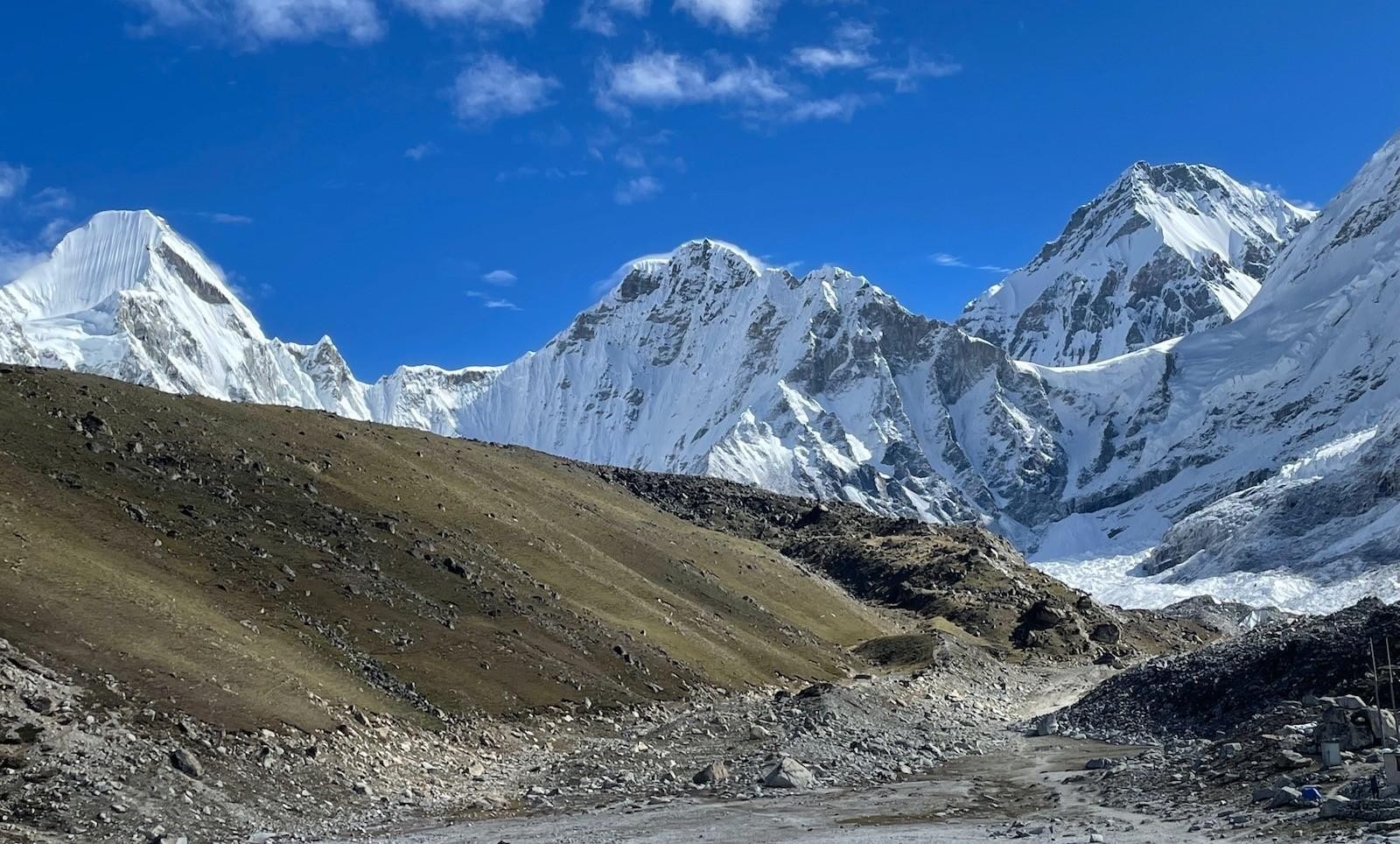
In the villages like Lukla and Phakding, it is pleasantly warm during the day. In the evenings above Dingboche, it becomes very cold. At Gorak Shep and Everest Base Camp temperatures often fall below -10°C overnight. So layering is the clothing strategy for your Everest Base Camp Trek in October.
| Trekking Zone | Elevation | Day Temp | Night Temp | Packing Priority |
|---|---|---|
| Lukla–Phakding | 2,600–2,900 m | 15–20°C | 8–10°C | Light hiking clothes |
| Namche–Tengboche | 3,400–3,900 m | 10–16°C | 2–5°C | Fleece jacket |
| Dingboche | 4,410 m | 8–12°C | -2–0°C | Down jacket |
| Lobuche | 4,910 m | 4–8°C | -5–-8°C | Thermal clothing |
| Gorak Shep & EBC | 5,164–5,364 m | 2–6°C | -8–-12°C | Winter gear |
| Layer | Purpose | Recommended Items |
|---|---|---|
| Base Layer | Keeps sweat away | Merino wool or synthetic thermal shirt |
| Mid Layer | Provides insulation | Fleece jacket or light insulated jacket |
| Outer Layer | Blocks wind and rain | Waterproof breathable shell jacket |
Clothing Checklist :
Lower Body :
Footwear :
Hand Protection :
| Weather Challenge | Packing Solution |
|---|---|
| Freezing mornings | Down jacket and thermal gloves |
| Strong UV rays | Sunglasses and SPF 50+ sunscreen |
| Cold wind | Windproof shell jacket |
| Dry mountain air | Lip balm and moisturizer |
| Frosty nights | -10°C to -15°C sleeping bag |
| Temperature swings | Layering clothing system |
Extra Gear for October :
Smart Packing Tips :
| Recommendation | Benefit |
|---|---|
| Hire a guide | Local weather updates and safer trekking for your Everest Base Camp Trek in October |
| Book early for October | Better flights and teahouses for your Everest Base Camp Trek in October |
| Pack layers instead of bulky clothing | Lower backpack weight for your Everest Base Camp Trek in October |
| Carry reusable water bottles | Eco-friendly and cost-effective for your Everest Base Camp Trek in October |
| Test all equipment before departure | Prevent gear failure on the trail for your Everest Base Camp Trek in October |
| Trek with a company like Haven Holidays Nepal | Professional planning, permits, accommodation, guides and logistics, throughout your Everest Base Camp Trek |
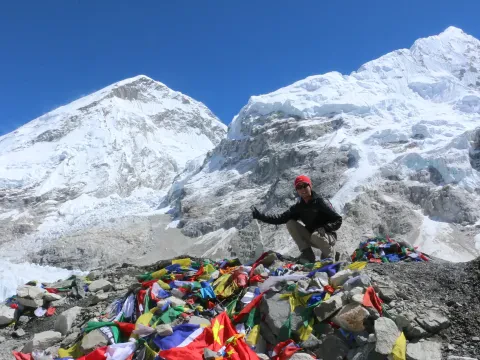
When you go on an Everest Base Camp Trek in October, it is really important to know how to layer your clothes. The Everest Base Camp Trek in October layering system is the way to stay comfortable during your trip. In October it is warm and sunny during the day. It gets very cold at night especially when you are high up. So, it is better to wear light layers of clothes instead of one big heavy jacket. This way you can easily. Remove layers when the weather changes.
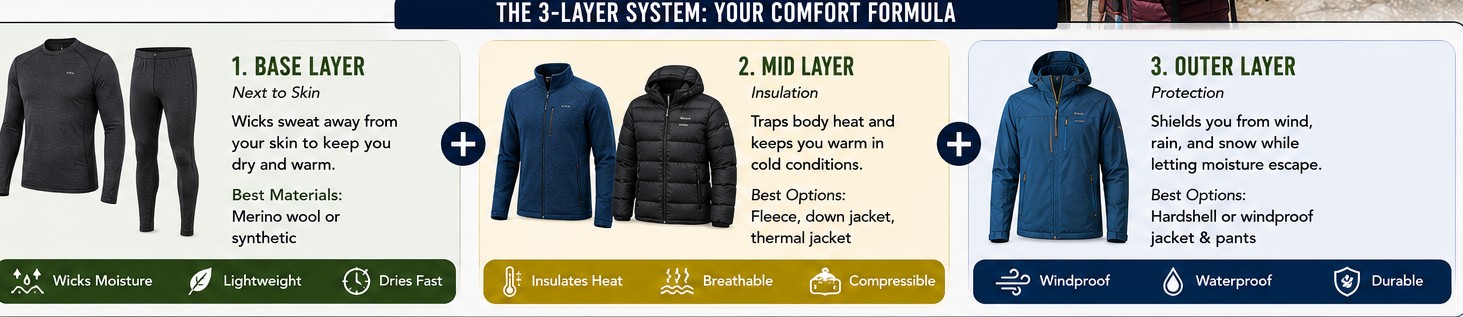
Meanwhile, the 3-layer system for trekking is a way to stay warm, dry and protected from the wind. First, you should wear a moisture wicking thermals base layer. This layer should be made from merino wool or synthetic fabric. It helps to keep you dry by moving sweat from your skin, which is very important during long climbs. Next you should wear a fleece or a lightweight insulated jacket like your mid-layer. Finally, you should add an windproof outer shell to protect yourself from the cold mountain winds and snow or rain.
When you are above Dingboche (4,410 m) it gets very cold. So, you should also carry a down jacket to wear during rest breaks, evenings and mornings. Layering your clothes allows you to stay comfortable from Lukla (2,860 m) to Everest Base Camp (5,364 m) without getting too hot or too cold.
| Layer | Purpose | Recommended Clothing |
|---|---|---|
| Base Layer | Moves sweat away from the body | Merino wool or synthetic thermal top and bottom |
| Mid Layer | Traps body heat | Fleece jacket or lightweight insulated jacket |
| Outer Layer | Blocks wind, rain and snow | Waterproof breathable shell jacket |
| Weather | What to Wear |
|---|---|
| Afternoon (15–18°C) | Trekking shirt + trekking pants |
| Cool morning (8–12°C) | Base layer + fleece |
| Windy trail | Base layer + fleece + shell jacket |
| Cold evening | Base layer + fleece + down jacket |
| Freezing morning above 5,000 m | Thermal base layer + fleece + down jacket + shell |
Recommended Base Layer :
You should avoid these materials :
Recommended Mid Layer :
Recommended Outer Layer :
Extra Warm Clothing for High Altitude :
Layering Tips from Local Guides,
Here are some tips from guides:
Benefits of the Three-Layer System,
The three-layer system has benefits:
When you are going on an Everest Base Camp Trek in October, you need to choose the day walking clothes. October is best time to trek because the trails are dry the sun is shining and the daytime temperatures are mild. Most trekkers hike in lightweight clothing and carry warmer layers in their daypack for higher elevations and changing weather.
Meanwhile, your daytime clothing should be lightweight and quick drying. You should not wear cotton clothing because it absorbs sweat and dries slowly. Instead, you should choose merino wool fabrics that keep you comfortable during long hiking days.
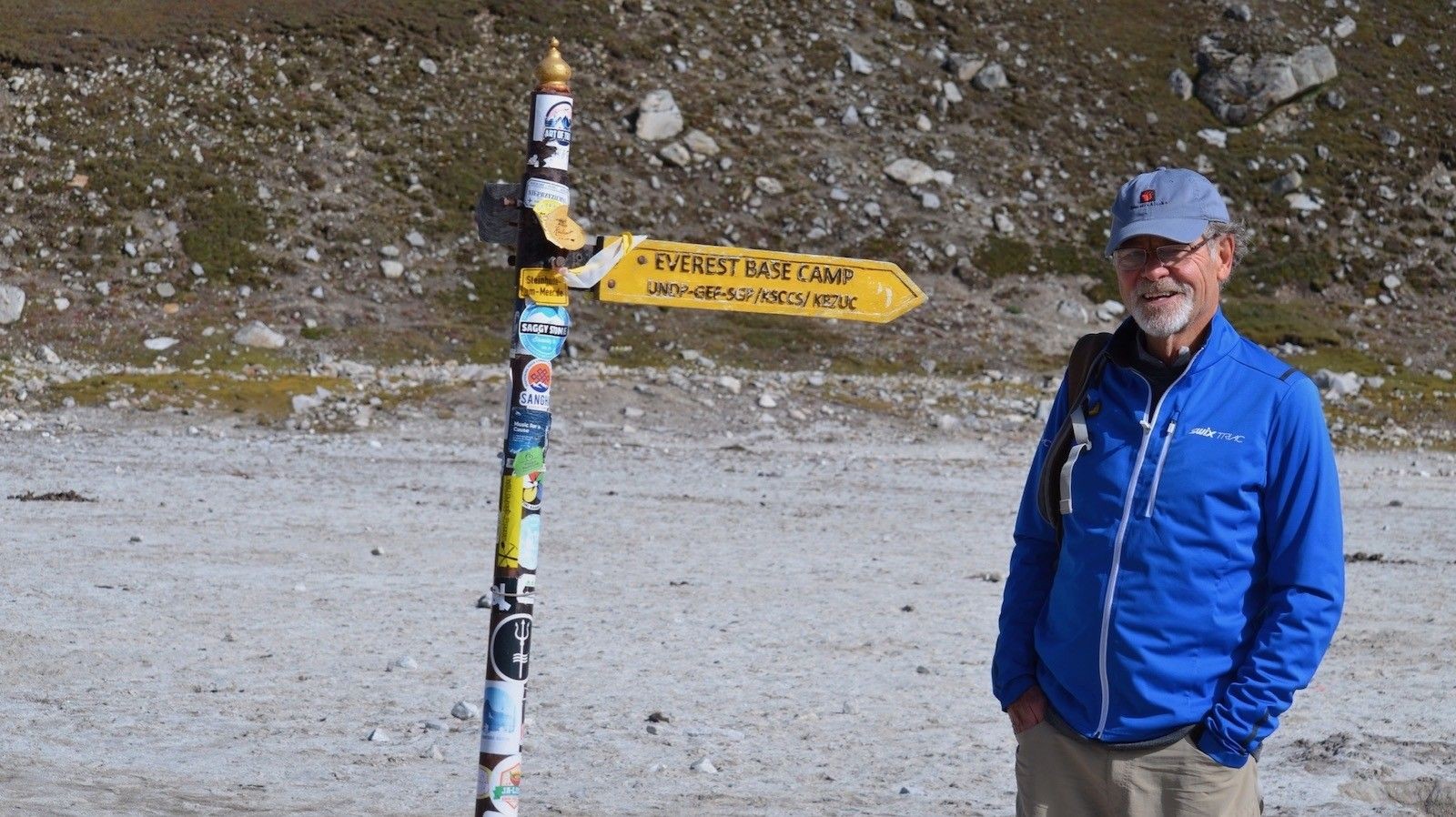
As you climb higher the sun becomes much stronger. So, sun protection is just as important as clothing. You should always wear a brimmed hiking hat UV-blocking sunglasses, sunscreen and lip balm when you are trekking.
Essential Day Walking Clothing,
| Item | Recommended Quantity | Why You Need It |
|---|---|---|
| Quick-dry trekking shirts | 3 | They are breathable and fast drying |
| Lightweight trekking pants | 2 | They are comfortable for daily hiking |
| Thermal base layer | 1 set | They are warm for cold morning starts |
| Sun hat | 1 | It protects against strong UV rays |
| UV-blocking sunglasses | 1 | They prevent snow blindness and eye strain |
| Neck buff | 1–2 | It protects from wind, dust and sun |
| Lightweight fleece | 1 | It is warm during breaks |
| Rain shell jacket | 1 | It is wind and waterproof |
Clothing for Lower Elevations,
When you are trekking from Lukla (2,860 m) to Namche Bazaar (3,440 m) you can wear:
Clothing for Higher Elevations,
When you are trekking from Dingboche (4,410 m) to Everest Base Camp (5,364 m) you can wear:
You should also bring these accessories:
| Best Materials | Avoid |
|---|---|
| Merino wool | Cotton |
| Polyester | Denim |
| Nylon | Heavy fleece trousers |
| Synthetic blends | Thick cotton hoodies |
Daily Daypack Essentials,
You should pack these essentials in your daypack:
Local Expert Tips,
Here are some tips from local experts:
In conclusion, trek with a local operator such as Haven Holidays Nepal for expert packing advice, reliable logistics, experienced guides and comfortable teahouse arrangements during your Everest Base Camp Trek in October.
Yes. Even though October is a month in Nepal waterproof gear is still a must-have for the Everest Base Camp Trek. Most days are sunny. The mountain weather can change quickly. You might experience winds morning frost, brief afternoon showers and even some light snowfall at higher elevations. So, it's an idea to carry a windproof shell jacket a backpack rain cover and waterproof clothing.
Meanwhile, a good quality rain jacket for the Everest Base Camp Trek in October protects you from wind and rain. At places like Tengboche, Dingboche, Lobuche and Gorak Shep cold winds get stronger especially in the afternoon. A breathable Gore-Tex or similar waterproof shell keeps you warm by blocking the wind and letting your body heat escape.
In fact, waterproof gear also keeps your backpack and sleeping bag dry. Even a short shower or a splash during river crossings can soak your clothes if your backpack isn't protected. So always use a waterproof backpack cover and dry bags inside your duffel.
| Reason | Benefit |
|---|---|
| Strong mountain winds | Keeps your body warm by blocking wind chill |
| Occasional light showers | Keeps your clothing dry |
| Morning frost | Prevents moisture from entering your clothing |
| Light snowfall | Protects you against unexpected weather |
| River crossings | Keeps your backpack contents dry |
| Dusty trails | Windproof jackets reduce dust exposure |
Essential Waterproof Gear Checklist :
| Item | Recommended Specification |
|---|---|
| Rain jacket | Waterproof breathable Gore-Tex shell |
| Rain pants | Lightweight waterproof overtrousers |
| Backpack cover | Fits 40–60L backpack |
| Dry bags | 10L–20L waterproof bags |
| Waterproof gloves | Windproof insulated gloves |
What Should Stay Dry?
| Weather Condition | Waterproof Gear Needed |
|---|---|
| Sunny mornings | Shell jacket in backpack |
| Afternoon wind | Windproof shell jacket |
| Light rain | Waterproof jacket and pack cover |
| Morning frost | Waterproof boots |
| Occasional snow flurries | Shell jacket and gloves |
Local Guide Tips :
A quality down jacket for the Everest Base Camp Trek in October is very important. Even though October has sunshine during the day temperatures drop rapidly after sunset. Once the sun sets cold air fills the valleys and evenings get freezing above Dingboche.
Although teahouse dining rooms have heating for a hours during dinner the heat disappears quickly. Bedrooms have no heating. So, you need a winter coat with excellent insulation to stay comfortable during evenings, rest breaks and early morning departures.
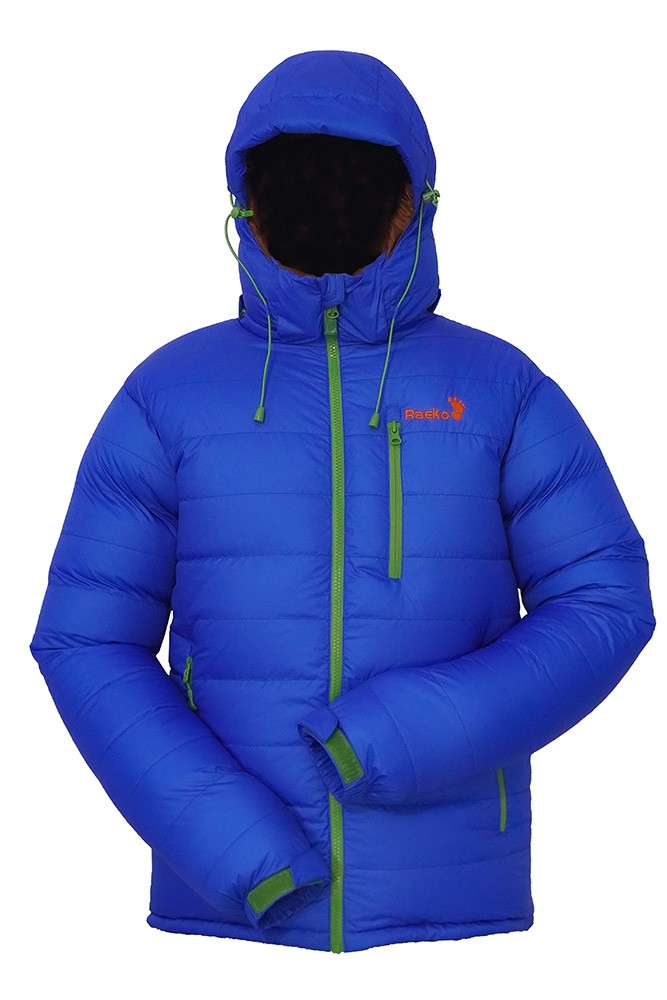
Actually, the best choice is a loft down jacket rated for temperatures of -10°C or colder. Jackets filled with 700 to 900 fill-power goose or duck down provide warmth while being lightweight and easy to pack. A hooded design adds protection against cold winds.
Importantly, wear your jacket during breakfast evening relaxation photography stops and sunrise hikes to Kala Patthar. However, avoid hiking in it during the day unless temperatures become extremely cold.
| Situation | Why It Matters |
|---|---|
| Evening at teahouse | Dining room cools after the stove goes out |
| Bedroom | No heating available |
| Morning breakfast | Temperatures remain below freezing |
| Rest breaks | Body cools quickly when you stop |
| Sunrise hikes | Strong wind and freezing temperatures |
| Everest Base Camp visit | Cold winds at altitude |
| Feature | Recommendation |
|---|---|
| Temperature Rating | -10°C or colder |
| Fill Power | 700–900 FP |
| Hood | Insulated adjustable hood |
| Weight | Lightweight and compressible |
| Outer Fabric | Wind-. Water-resistant |
| Fit | Comfortable over fleece layers |
Down Jacket Buying Checklist,
Choose a jacket with:
When Should You Wear It?
Wear Your Down Jacket:
Do Not Wear While :
| Clothing | Best Use |
|---|---|
| Fleece jacket | Active hiking |
| Down jacket | Rest stops and evenings |
| Waterproof shell | Wind and rain protection |
| Thermal base layer | Next to the skin |
Extra Warm Clothing to Pair with Your Down Jacket :
Local Expert Recommendations :
Trek with a local company, like Haven Holidays Nepal to receive expert gear advice, rental recommendations and updated weather information before starting your Everest Base Camp Trek in October.
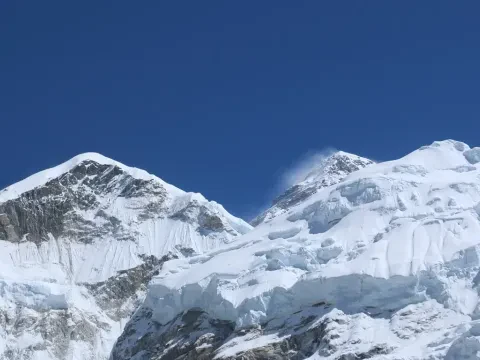
When you are getting ready for your Everest Base Camp Trek in October, choosing the footwear is very important. October is a good time to go because the weather is usually dry and stable. However, the trail to Everest Base Camp is rocky and uneven with a lot of stone staircases. This is why you need boots. They will make you feel more comfortable, reduce fatigue and help prevent ankle injuries. You will also have grip when you walk in the early morning, especially when there is frost on the trail above Dingboche (4,410 m).
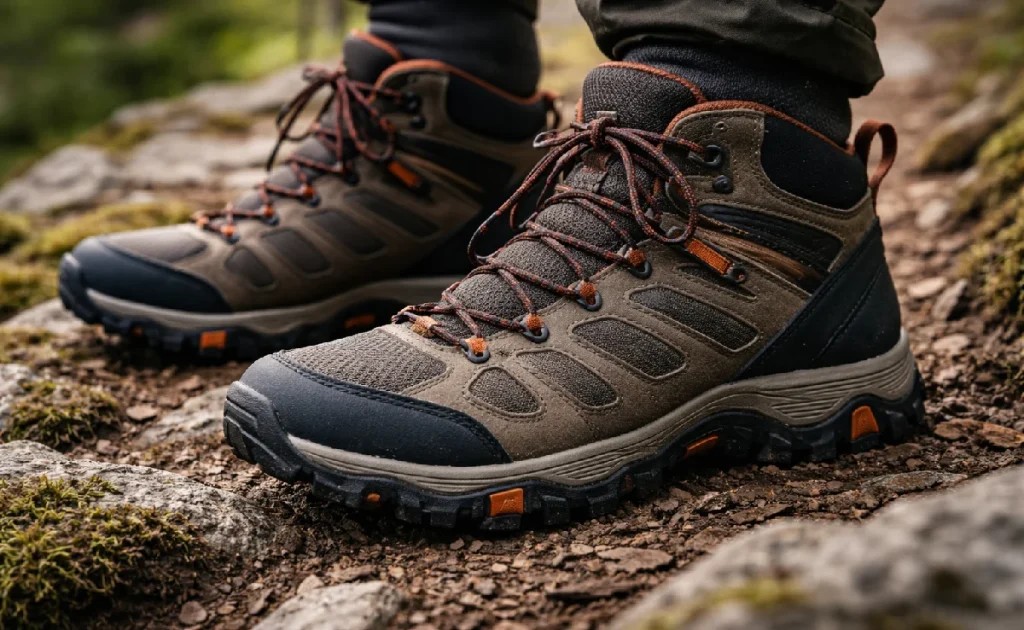
Here, you should get boots that come up to your mid-to-high ankle. Break them in weeks before you start your trek. Do not start your trek with brand- boots because they can cause painful blisters. Wear merino wool socks with your boots to keep your feet warm, dry and comfortable all day.
| Feature | Why It Matters |
|---|---|
| Waterproof membrane | Keeps your feet dry when you cross streams or walk in light rain. |
| High ankle support | Helps prevent ankle injuries on rocky trails. |
| Deep rubber outsole | Gives you grip on loose gravel and steep paths. |
| Breathable lining | Prevents sweat from building up during long climbs. |
| Cushioned midsole | Makes your feet feel more comfortable on long trekking days. |
Recommended Footwear Checklist :
Foot Care Tips :
| Trail Section | Surface | Recommended Footwear |
|---|---|---|
| Lukla–Namche | Stone steps and dirt paths | Waterproof hiking boots |
| Namche–Dingboche | Rocky trails | Boots with ankle support |
| Lobuche–Gorak Shep | Loose rocks and moraine | Sturdy waterproof boots |
| Kala Patthar | Rocky and frosty mornings | High-grip trekking boots |
Expert Tip,
Never choose style over comfort. Good boots make every day of your trek safer and more enjoyable. When you combine them with quality merino wool socks, they help prevent blisters reduce fatigue and keep your feet warm during your Everest Base Camp Trek in October.
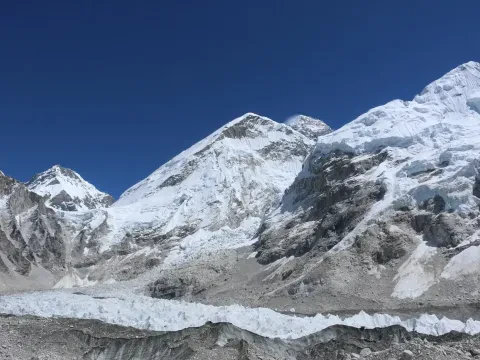
Yes, you need a 4-season sleeping bag for an Everest Base Camp Trek in October. Even though October has days the nights get very cold above Dingboche (4,410 m). At Lobuche (4,940 m) Gorak Shep (5,164 m) and Everest Base Camp (5,364 m) it can get as cold as -8°C to -12°C at night. The bedrooms in the teahouses are not heated and extra blankets are often not available because October is the trekking month in Nepal. So, bringing a sleeping bag is a must for a good night’s sleep.
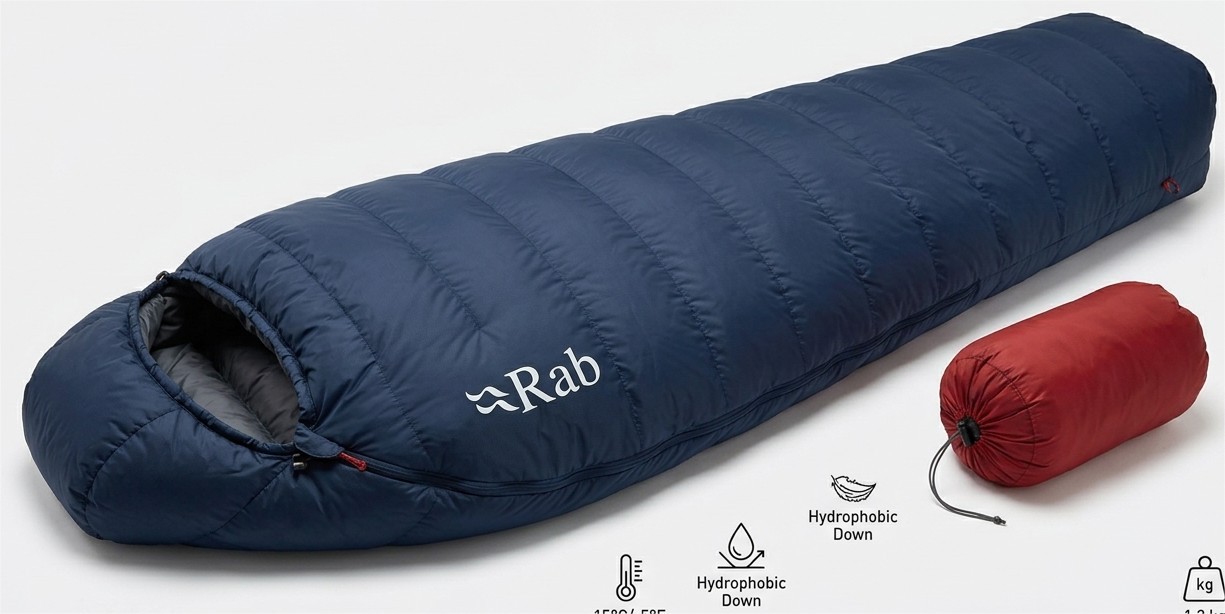
| Feature | Recommendation |
|---|---|
| Season Rating | 4-Season |
| Comfort Rating | -10°C |
| Lower Limit | -15°C |
| Fill Type | High-quality down or premium synthetic |
| Weight | 1.2–1.8 kg |
| Compression Sack | Recommended |
Why a Warm Sleeping Bag Matters :
Sleeping Tips for October :
Can You Rent One?
| Item | Rental Cost (Approx.) |
|---|---|
| °C Sleeping Bag | USD 2–4 per day |
| Down Jacket | USD 2–4 per day |
| Sleeping Bag Liner | USD 1–2 per day |
Importantly, check the rental gear carefully before you leave Kathmandu. Make sure the zipper works, the insulation is good it is clean. It is in good condition.
| Essential Item | Purpose |
|---|---|
| 4-season sleeping bag (-15°C) | insulation |
| Sleeping bag liner | Extra warmth and hygiene |
| Thermal base layer | Retains body heat |
| Wool socks | Keeps feet warm |
| Fleece beanie | Reduces heat loss |
| Hot water bottle | Adds warmth overnight |
Extra Packing Tips :
In conclusion, A 4-season sleeping bag rated to -15°C is a smart investment for an Everest Base Camp Trek, in October. It keeps you warm helps you recover after hiking days and ensures you get restful sleep before challenging climbs to Kala Patthar (5,545 m) and Everest Base Camp (5,364 m).
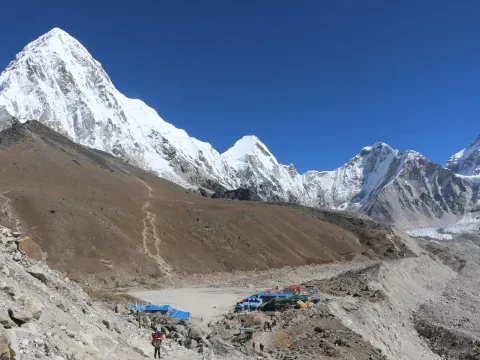
Protecting your hands and head is really important when you are on an Everest Base Camp Trek in October. The afternoons are usually sunny and nice. The mornings and evenings get very cold at higher elevations. People often start their climb to Kala Patthar (5,545 m) from Gorak Shep (5,164 m) around 5:00–5:30 AM. At that time the temperature is usually between -8°C and -12°C. The strong mountain winds make it feel even colder.
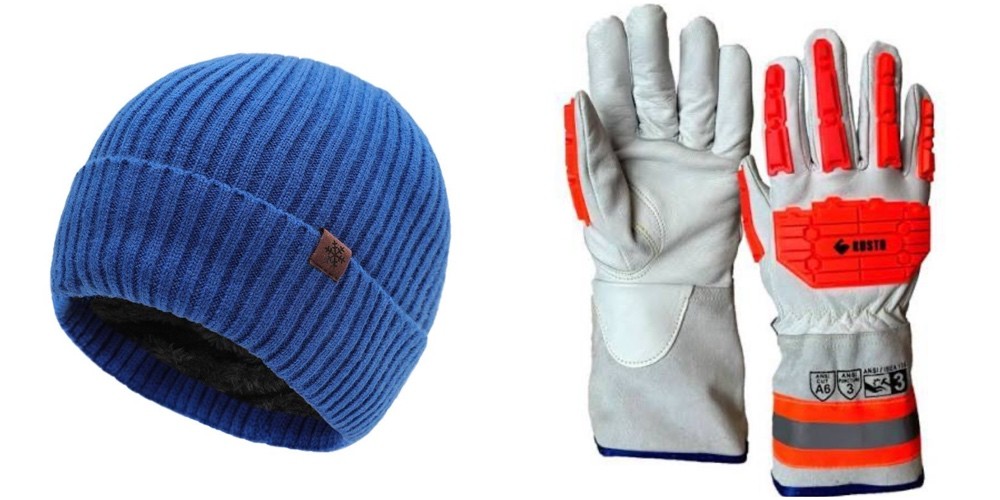
Moreover, most of your body heat escapes through your head and hands. So, it is an idea to wear the right winter accessories to stay warm and comfortable. The best way to do this is to wear layers. You can wear gloves while you are walking and thicker gloves when it is really cold in the morning. You should also wear a hat and a scarf or neck gaiter to protect your face from the cold wind, dust and dry air that can give you a bad cough.
| Item | Why You Need It |
|---|---|
| Wool or fleece hat | Keeps your head warm during cold mornings |
| Neck gaiter or scarf | Protects neck, face and lungs from cold air |
| Thin gloves | Comfortable during daytime walking |
| Thicker gloves | Warmth during freezing mornings |
| Sun hat | Protects against strong sun rays |
| UV sunglasses | Prevents snow blindness and eye strain |
| Time of Day | Recommended Gear |
|---|---|
| Early Morning | Wool hat, scarf thin gloves thicker gloves |
| Daytime Hiking | Sun hat, sunglasses thin gloves if needed |
| Evening at Teahouse | Warm hat and thicker gloves |
| Kala Patthar Sunrise | Full winter protection for head, neck and hands |
Quick Packing Checklist :
Tips to Stay Warm :
| Mistake | Better Choice |
|---|---|
| Cotton gloves | Wool or thicker gloves |
| Thin fashion hat | Thick wool or fleece hat |
| No neck protection | Wear a scarf. Gaiter |
| Cheap sunglasses | UV sunglasses |
| Wearing wet gloves | Bring a dry backup pair |
Expert Tip
Most importantly, October mornings are the part of every trekking day. Dressing your hands, head and neck correctly makes sunrise hikes more comfortable. A simple combination of a wool hat, neck scarf, thin gloves and thicker gloves will keep you warm throughout your Everest Base Camp Trek in October.
Keeping your electronics charged is a part of your Everest Base Camp Trek in October packing plan. The cold temperatures at altitude quickly drain batteries. At villages like Lobuche (4,940 m) Gorak Shep (5,164 m) and Everest Base Camp (5,364 m) overnight temperatures often fall below -10°C causing phones, cameras and power banks to lose charge faster than at home.
Meanwhile, most teahouses offer charging facilities. However electricity becomes more expensive as you climb higher. Many lodges charge per device or per hour making repeated charging costly. A 20,000mAh power bank helps save money. Keep your devices running for several days.
| Item | Recommendation |
|---|---|
| Power bank | 20,000mAh. Higher |
| Charging cable | Bring two cables |
| Universal charging adapter | Nepal Type C, D and M compatible |
| Spare camera batteries | least two extras |
| Headlamp | Rechargeable model |
| Waterproof electronics pouch | Protects from dust and moisture |
| Trekking Area | Typical Charging Fee |
|---|---|
| Lukla | Free to USD 2 |
| Namche Bazaar | USD 2–4 |
| Dingboche | USD 3–5 |
| Lobuche | USD 4–6 |
| Gorak Shep | USD 5–8 |
Prices vary by season and teahouse,
Battery Saving Tips :
Electronics Packing Checklist :
| Location | What to Do |
|---|---|
| Breakfast | Recharge devices if available |
| During Trek | Use airplane mode |
| Afternoon | Recharge power bank if needed |
| Evening | Top up essential devices |
| Overnight | Keep electronics inside sleeping bag |
Money-Saving Tips :
Expert Tip,
In conclusion, the cold is the enemy of batteries during an Everest Base Camp Trek in October. Sleeping with your phone, camera batteries and power bank, inside your sleeping bag helps them stay warm and retain their charge. Combined with a capacity 20,000mAh power bank this simple habit ensures your electronics remain reliable throughout your trek to Everest Base Camp.
When you are getting ready for an Everest Base Camp Trek in October, it is very important to pack the health supplies. October is a time to trek because the weather is usually good, but the high altitude, dry air and strong sunshine can still affect your body. A small first-aid kit can help you deal with trekking problems and keep your adventure safe.
Meanwhile, you should not use plastic water bottles because they are bad for the environment and not allowed in many villages beyond Namche Bazaar. Instead, carry one or two water bottles or an insulated Nalgene bottle. You can refill them at teahouses. Purify the water using tablets, drops or a portable filter. This way is cheaper better for the environment and reliable throughout the trek.
Likewise, altitude sickness can happen when you are above 3,000 meters after Namche Bazaar. So, you should talk to your doctor before the trip about carrying Diamox. Remember that medicine can help your body get used to the altitude but it is not a substitute for walking slowly drinking enough water and taking rest days.
| Item | Purpose |
|---|---|
| Diamox | Helps prevent altitude sickness but you need to consult your doctor first |
| Pain relievers | Treat headaches and muscle pain |
| Blister tape or moleskin | Protects blisters |
| Bandages and gauze | Covers small cuts and scrapes |
| Antiseptic wipes | Cleans minor wounds |
| Elastic bandage | Supports sprains |
| Tweezers | Removes splinters or debris |
| Digital thermometer | Checks body temperature |
| Item | Benefit |
|---|---|
| Reusable Nalgene bottle | Durable and reusable |
| Insulated bottle | Prevents water from freezing at high altitude |
| Water purification tablets | Lightweight and reliable |
| Portable water filter | Removes bacteria and sediments |
| Electrolyte powder | Replaces lost minerals |
| Hydration bladder | Easy access while walking but this is optional |
Personal Care Checklist :
| Problem | Recommended Item |
|---|---|
| Altitude headache | Diamox, hydration and rest |
| Blisters | Blister tape and dry socks |
| Dry lips | SPF lip balm |
| Sunburn | Sunscreen and sun hat |
| Mild stomach upset | Personal medication |
| Minor cuts | Antiseptic wipes and bandages |
Daily Health Tips :
Expert Advice
Most importantly, a small and well-organized health kit can prevent common trekking problems. When you combine it with water bottles, water purification tablets and proper hydration it helps you stay healthy and protects the environment of the Everest region during your Everest Base Camp Trek in October.
The biggest secret to an Everest Base Camp Trek in October is to pack only what you really need. October has weather so you do not need to carry a lot of clothes or unnecessary equipment. Every kilogram you carry matters because you will be trekking for two weeks through steep mountain trails.
Actually, most trekking agencies allow a porter to carry a maximum of 20 kg of luggage from two trekkers. Your main duffel bag should not be heavier than this. You should carry a comfortable daypack with water, snacks, extra layers and personal essentials.
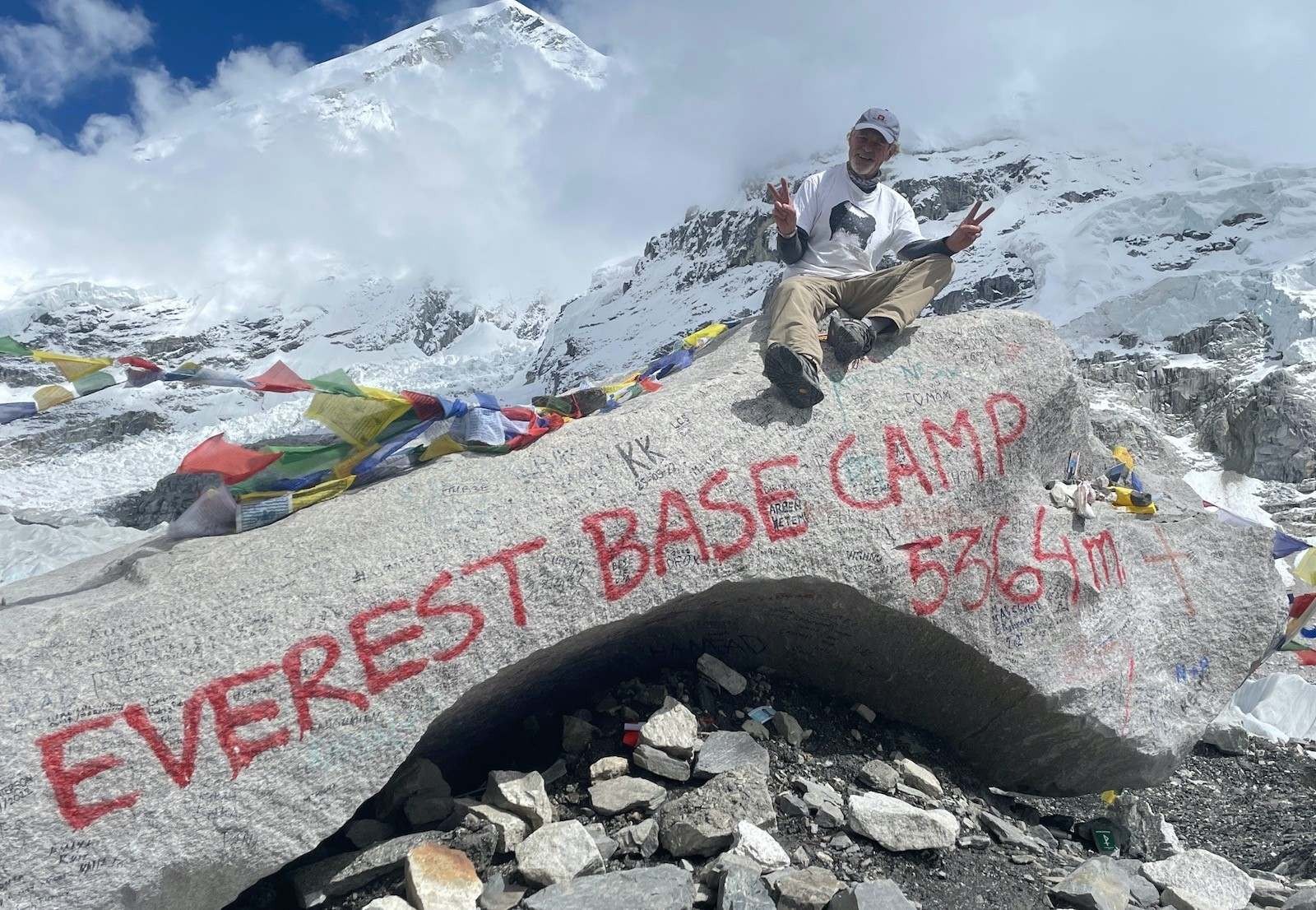
Here, choose clothes that're lightweight and can be worn many times. Leave luxury items at home because they are not necessary. A lighter bag makes hiking easier for you and safer for your porter.
| Bag | Recommended Weight | Contents |
|---|---|---|
| Porter Duffel Bag | Up to 20 kg | Clothing, sleeping bag, toiletries, spare gear. |
| Day Backpack | 5–8 kg | Water, snacks, camera, rain jacket, fleece first-aid kit. |
Smart Packing Priorities :
Pack Only If Needed :
Leave Behind :
| Tip | Benefit |
|---|---|
| Use packing cubes | Keeps gear organized |
| Roll clothing | Saves luggage space |
| Wear bulky items | Reduces bag weight |
| Choose quick-dry clothing | Wash and reuse easily |
| Share toiletries | Reduces duplicate items |
| Carry travel-size products | Saves weight |
| Essential | Quantity |
|---|---|
| Quick-dry T-shirts | 3 |
| Trekking pants | 2 |
| Thermal base layers | 2 sets |
| Down jacket | 1 |
| Waterproof shell | 1 |
| Fleece jacket | 1 |
| Hiking socks | 4 pairs |
| Gloves | 2 pairs |
| Beanie | 1 |
| Buff | 1 |
Porter-Friendly Packing Tips :
Expert Tip
In conclusion, a lighter backpack means fatigue, faster walking and a more enjoyable trek. Pack clothes that can be worn times avoid luxury items and respect your porters’ less than 15 kg weight limit. Smart packing makes your Everest Base Camp Trek in October safer more comfortable and more enjoyable.
Here, contact us and book your Everest Base Camp Trek with Haven Holidays Pvt. Ltd. Our professional team will make your all dreams of stepping at EBC (5364m), the highest base camp of the world true.
1. Can I rent a jacket and sleeping bag in Kathmandu for an Everest Base Camp Trek in October?
Yes you can rent a jacket and sleeping bag in Kathmandu. There are outdoor gear shops in Thamel where you can rent good quality down jackets and -15°C four-season sleeping bags. The rental price is usually between USD 2-4 per day depending on the quality and season. Always check the gear carefully before renting it.
2. Will my daily backpack be carried by a porter on an Everest Base Camp Trek in October?
No, your porter will not carry your walking backpack. Your porter will carry your duffel bag between teahouses and you will carry your own daypack with water, snacks, camera, rain jacket, warm layer, first-aid kit, valuables and other items you need during the day’s hike.
3. What is the main duffel bag weight limit for a porter on an Everest Base Camp Trek in October?
Most trekking companies recommend a porter load of 10-15 kg per trekker. Keeping your duffel bag within this limit ensures an more comfortable journey for both you and your porter.
| Mandatory Technical Gear | Daily Trail Clothing | Health & Personal Care |
|---|---|---|
| 4-season sleeping bag | 3 quick-dry trekking T-shirts | Water purification tablets or filter |
| Heavy hooded down jacket | 2 trekking pants | Diamox if prescribed by your doctor |
| Waterproof shell jacket | Thermal base layers | High-SPF sunscreen |
| Waterproof trekking boots | 4 pairs of merino wool socks | UV lip balm |
| Adjustable trekking poles | Beanie and warm gloves | First-aid kit |
| 20,000mAh power bank | Buff or neck gaiter | Wet wipes and hand sanitizer |
| Headlamp with spare batteries | Sun hat and sunglasses | Personal medications |
| Bag | Ideal Weight |
|---|---|
| Porter duffel bag | Up, to 15 kg |
| Day backpack | 5–8 kg |
Pro Booking Tip: October is the peak month for trekking in the Everest region. You should book flights to Lukla and rooms in teahouses in Namche Bazaar, Dingboche, Lobuche and Gorak Shep early. The Everest Base Camp Trek is very popular. People book experienced guides and flights months before they go. If you want to have a fun trip you should reserve your Everest Base Camp Trek early with a local trekking agency that is licensed. This way you can get flights, permits, good rooms and a professional guide, for your Everest Base Camp Trek.
1. What is the complete Everest Base Camp Trek packing list for October?
The Everest Base Camp Trek packing list for October includes clothing that you can wear in layers, a jacket, a warm insulated jacket, warm clothes for cold weather, good trekking boots, gloves, hats, sunglasses, a water bottle that you can use again a sleeping bag and trekking poles. The weather is usually stable in October. So, it is an idea to pack the right gear to stay safe and comfortable on the Everest Base Camp Trek in October.
Why is October the unique time to pack for the Everest Base Camp Trek?
October is a great time to go on the Everest Base Camp Trek because the skies are clear the temperatures are mild and you can see the mountains really well. So, your Everest Base Camp Trek packing list for October should include clothes for the cold mornings and evenings.. You should also pack some lightweight clothes for the sunny afternoons on the Everest Base Camp Trek in Nepal.
What clothing should I include in my Everest Base Camp Trek packing list for October?
Your Everest Base Camp Trek packing list for October should have clothes that help keep you dry a fleece jacket, a down jacket, a waterproof jacket, warm pants, trekking pants, shirts for hiking, gloves, warm socks and a warm hat. Wearing layers helps you stay comfortable on the Everest Base Camp Trek in October.
Which trekking boots are best for the Everest Base Camp Trek in October?
You should choose trekking boots that're waterproof and provide good support for your ankles for the Everest Base Camp Trek packing list for October. It is an idea to wear them before you leave to avoid getting blisters. You should also pack some shoes to wear in the evenings. Comfortable shoes make a difference on the Everest Base Camp Trek.
Do I need a jacket for the Everest Base Camp Trek packing list for October?
Yes, you do need a down jacket for the Everest Base Camp Trek packing list for October. It often gets very cold above Namche Bazaar. So, a warm insulated jacket helps keep you warm during the mornings, evenings and when you are trekking at high altitudes around Everest Base Camp.
Should I pack a sleeping bag for the Everest Base Camp Trek in October?
Yes, you should pack a sleeping bag that can keep you warm in cold temperatures for the Everest Base Camp Trek packing list for October. Even though the teahouses provide blankets a sleeping bag helps you sleep better. This means you will be well rested during your Everest Base Camp Trek in Nepal.
What rain gear should I pack for the Everest Base Camp Trek packing list for October?
Even though it is usually dry in October your Everest Base Camp Trek packing list for October should include a jacket, rain pants, a cover for your backpack and waterproof bags. Sometimes it rains unexpectedly. So it is an idea to keep your clothes and electronics dry.
What accessories should I pack for the Everest Base Camp Trek in October?
You should pack accessories like sunglasses, sunscreen, lip balm, trekking poles, a headlamp, a warm hat, a neck insulated gloves. These items help complete your Everest Base Camp Trek packing list for October. They also protect you from the sun, cold winds and changing weather in the mountains.
9. How many layers should I pack for the Everest Base Camp Trek packing list for October?
Your Everest Base Camp Trek packing list for October should have three layers. You should pack clothes that help keep you dry a jacket for warmth and a waterproof jacket. This way you can wear layers to stay comfortable in the changing temperatures on the Everest Base Camp Trek.
10. What medicines are necessary for the Everest Base Camp Trek in October?
Your Everest Base Camp Trek packing list for October should include medicine for altitude sickness, blister treatment, pain relievers, any personal medicines you need antiseptic cream, bandages, water purification tablets and hand sanitizer. This helps you prepare for problems that can happen on the trek.
11. How many pairs of socks should I pack for the Everest Base Camp Trek for October?
Most people pack four to six pairs of wool socks. You should also include some socks to wear under your wool socks. A complete Everest Base Camp Trek packing list for October always includes socks because they help prevent blisters during long days of hiking.
12. What backpack size is ideal for the Everest Base Camp Trek for October?
A backpack that is 40-50 liters is good for people who are trekking on their own while a daypack that is 25-35 liters is better if you are using a porter. So, your Everest Base Camp Trek packing list for October should match how you plan to trek and what luggage you have.
13. Can I rent trekking gear for the Everest Base Camp Trek in October?
Yes you can rent gear like down jackets, sleeping bags, trekking poles, crampons and duffel bags in Kathmandu. However, your Everest Base Camp Trek packing list for October should still include your clothes, boots, medicines and important hygiene items.
14. What electronics should I pack in the Everest Base Camp Trek packing list for October?
You should pack a power bank charging cables, a camera, extra batteries, a universal adapter, a smartwatch and a headlamp. Cold temperatures can affect how well your batteries work. So, it is an idea to bring extra power for your Everest Base Camp Trek packing list for October.
15. What toiletries should I pack in the Everest Base Camp Trek packing list for October?
You should pack soap, a toothbrush, toothpaste, wet wipes, toilet paper, a quick-dry towel, nail clippers, moisturizer, sunscreen, lip balm and hand sanitizer. These essentials help complete your Everest Base Camp Trek packing list for October. Support good hygiene during the trek.
16. Should I carry water bottles during the Everest Base Camp Trek in October?
Yes, you should definitely carry water bottles or insulated bottles on the Everest Base Camp Trek in October. Many villages do not like plastic bottles. So reusable bottles and water purification tablets are a way to stay hydrated while being kind to the environment.
17. What snacks should I pack for the Everest Base Camp Trek packing list for October?
You should pack energy bars, trail mix, nuts, chocolates, protein bars, dried fruits, electrolyte powder and glucose candies. These snacks give you energy between teahouses. They help you keep going on the demanding Everest Base Camp Trek in October.
18. How heavy should my Everest Base Camp Trek packing list for October be?
You should try to keep your gear between 10 and 15 kilograms. A lighter backpack is more comfortable. Makes you less tired. So, pack what you need and follow a practical Everest Base Camp Trek packing list for October.
19. What should women include in their Everest Base Camp Trek packing list for October?
Women should pack sports clothes, thermal leggings, personal hygiene products, quick-dry underwear skincare items and comfortable trekking clothes. These essentials complement the Everest Base Camp Trek packing list for October and help ensure comfort during high-altitude trekking.
20. Where can I get advice about the Everest Base Camp Trek packing list for October?
Experienced trekking companies like Haven Holidays Nepal can give you advice, for the Everest Base Camp Trek packing list for October. They recommend the gear based on the weather your itinerary and the altitude. So, getting expert advice helps you pack what you need for an Everest Base Camp adventure.
Our travel experts are ready to assist you with any questions.
Send us a message.Have a question before you book? Send your enquiry below and our travel experts will get back with the required information.