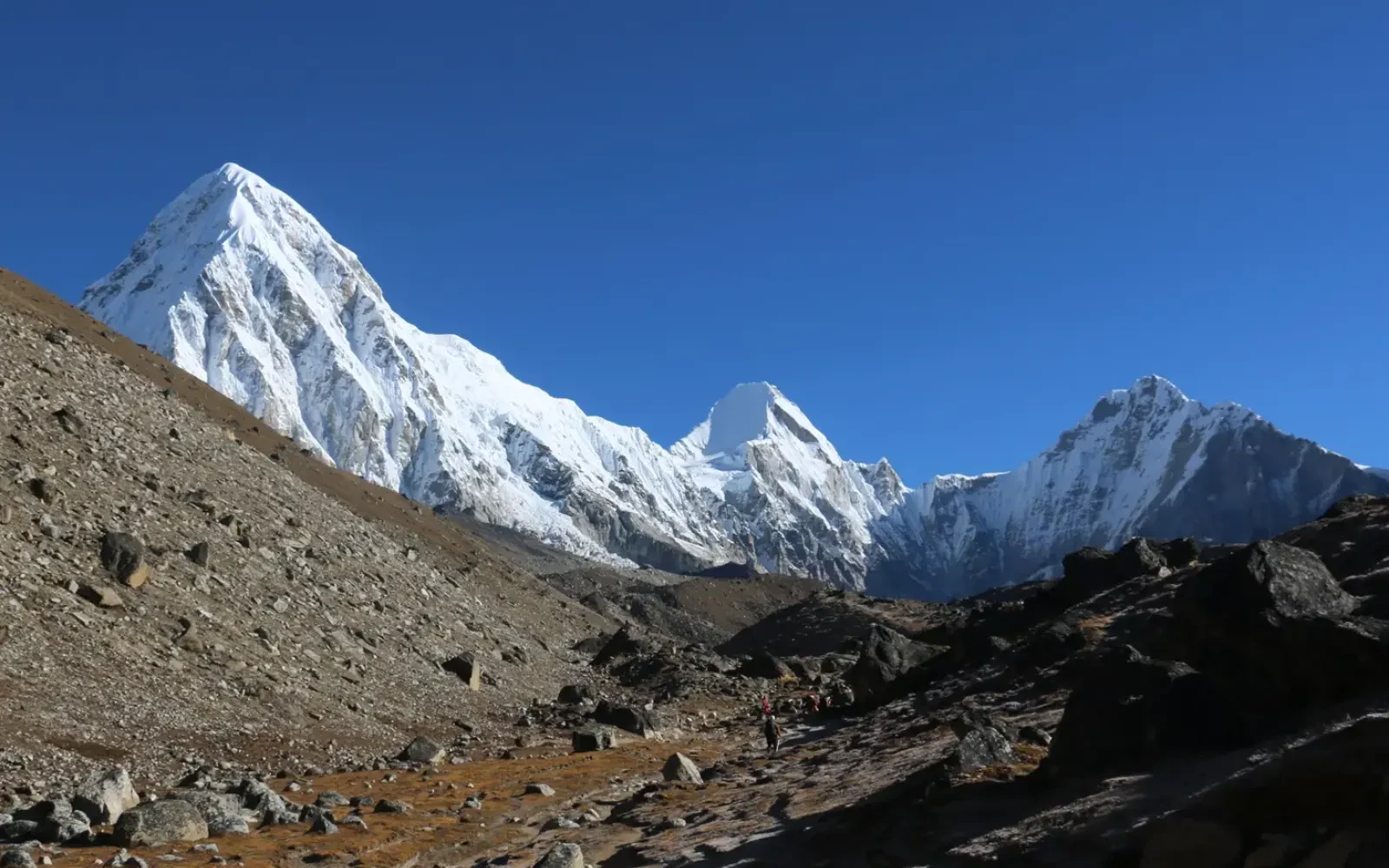
Packing for the Everest Base Camp Trek in September requires proper planning. This is because September is a good time when the weather changes from monsoon to autumn. In the beginning of September, you can still get rain showers in the lower valleys. As the month goes on the weather gets drier and clearer. So, you need to be ready for both cold conditions on the Everest Base Camp Trek in September.
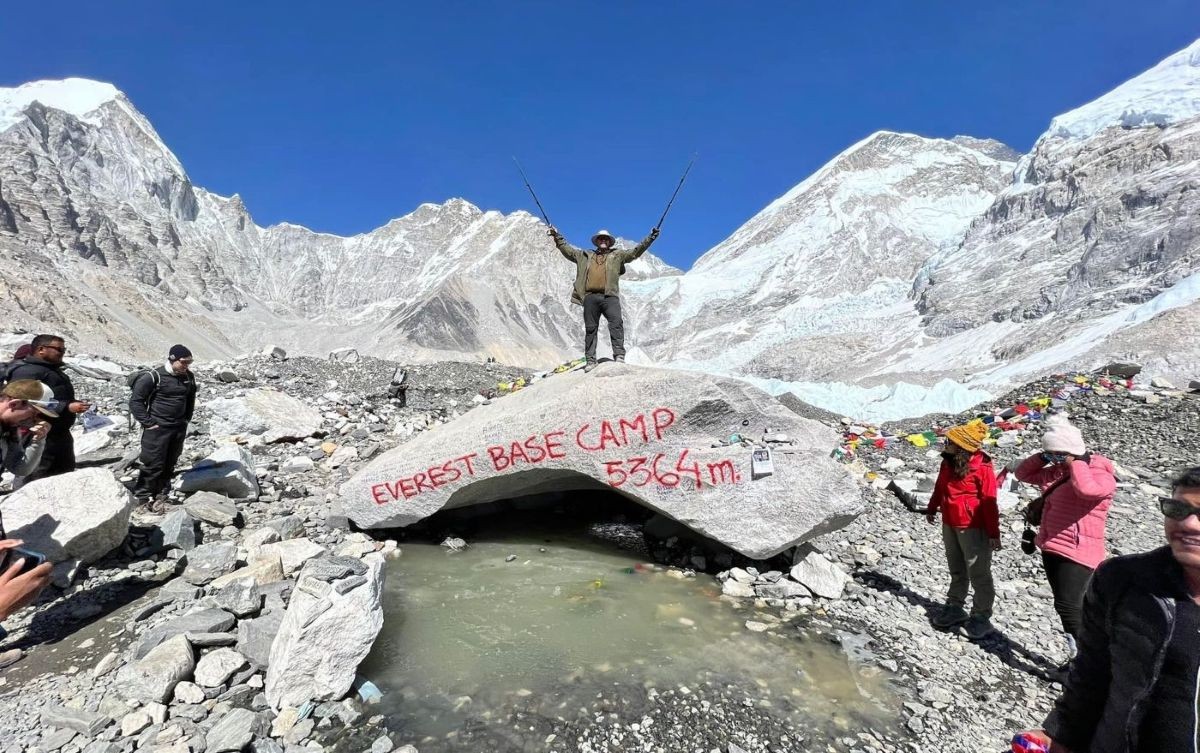
Meanwhile, the trek starts in Lukla at 2,860 m (9,383 ft). It then goes through Namche Bazaar at 3,440 m (11,286 ft) Dingboche at 4,410 m (14,469 ft) Lobuche at 4,940 m (16,207 ft) Gorak Shep at 5,164 m (16,942 ft) and to Everest Base Camp at 5,364 m (17,598 ft). The temperature changes a lot as you go higher. So, your packing list needs to have clothes for valleys, cool forests and cold mountain areas on the Everest Base Camp Trek in September.
In fact, instead of carrying heavy clothes, it is better to wear layers. Choose clothes that're light, dry fast and keep you dry. Waterproof clothes are useful at the beginning of September. When you are above 4,000 m you will need warm clothes. If you pack well your backpack will be lighter. Your trek will be more comfortable on the Everest Base Camp Trek in September.
| Factor | What to Expect | Packing Solution |
|---|---|---|
| Early September | It might rain a little | Bring a waterproof jacket and cover for your backpack |
| Mid to Late September | The weather is dry and stable | Wear clothes for trekking |
| High Altitude | It is cold in the mornings and nights | Bring a down jacket and layers |
| Strong Sunshine | The sun is strong | Wear sunglasses, sunscreen and a sun hat |
| Changing Temperatures | It is warm in the valleys. Cold in the mountains | Wear three layers of clothes |
Main Packing Challenges for September :
| Layer | Purpose | Best Choice |
|---|---|---|
| Base Layer | Keeps your skin dry | Wear a moisture-wicking shirt |
| Mid Layer | Keeps you warm | Wear a fleece jacket |
| Outer Layer | Protects you from wind and rain | Wear a waterproof shell jacket |
| Insulation Layer | Keeps you warm in extreme cold | Wear a jacket |
If you pack well, you will be comfortable during the Everest Base Camp Trek in September. You will also have a backpack and be ready for the changing weather in the mountains.
The weather on the Everest Base Camp Trek in September changes as you go higher. In the beginning of September, it might still rain a little in the area. As the month goes on the weather gets clearer and more stable. So, September is a time to trek if you are ready for the weather.
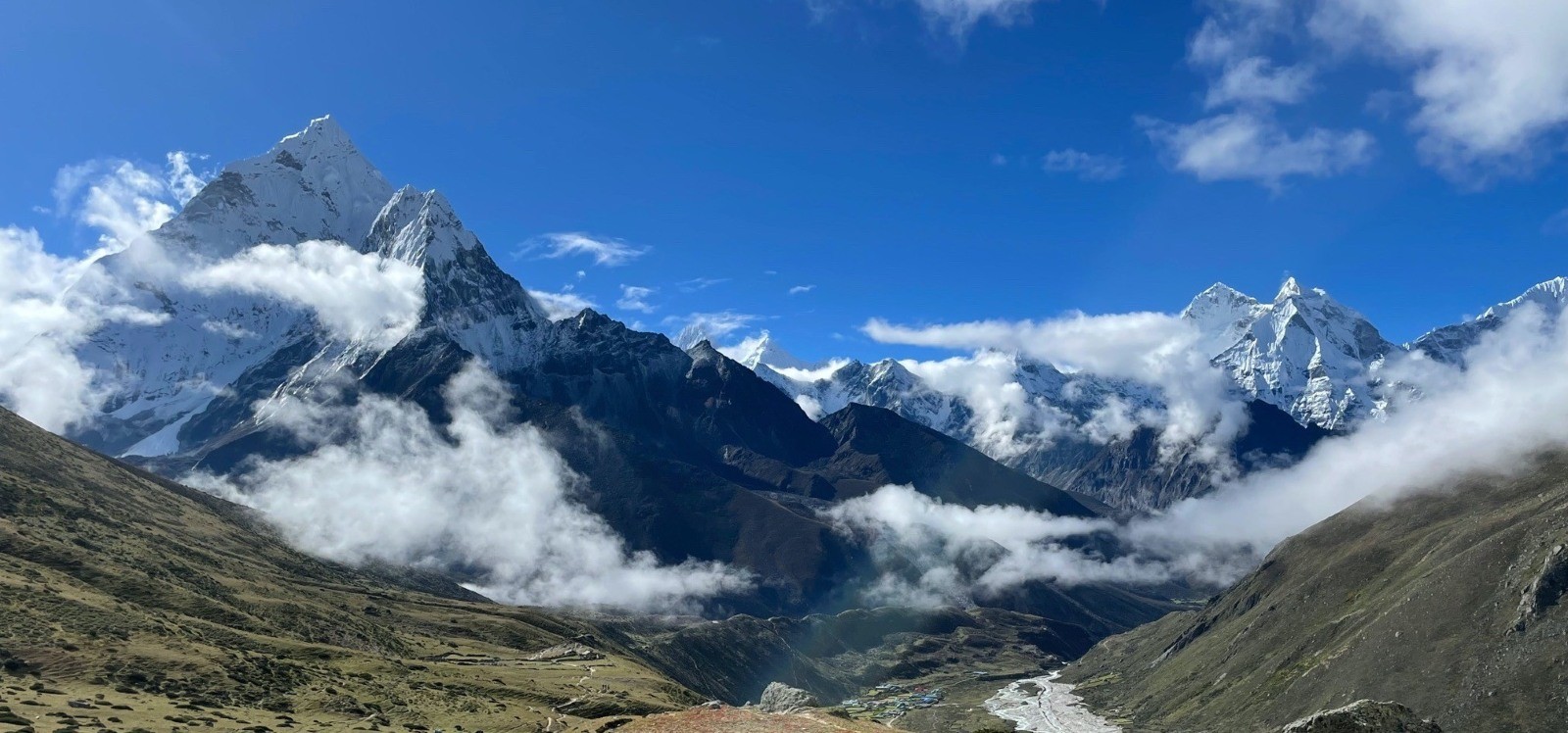
In villages like Lukla (2,860 m) it is warm during the day. The temperature is usually between 15°C and 20°C (59°F–68°F). Namche Bazaar (3,440 m) is cooler but still good for hiking. Above Dingboche (4,410 m) it gets much colder. At night it can be very cold in Lobuche, Gorak Shep and Everest Base Camp below -5°C and -10°C (23°F–14°F). So, you need to wear clothes.
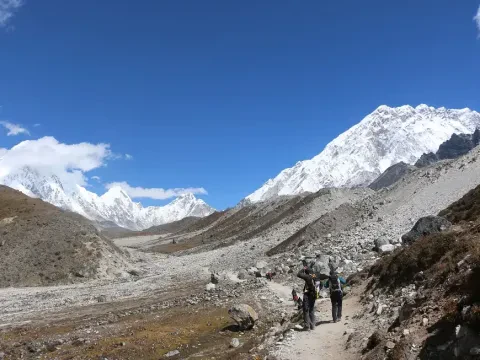
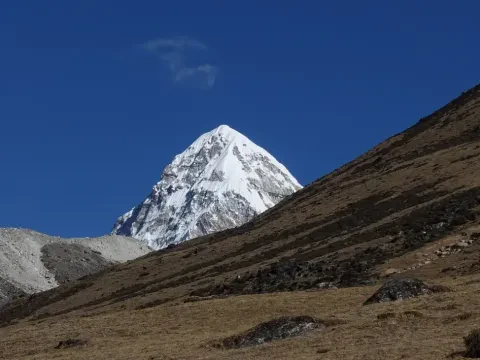
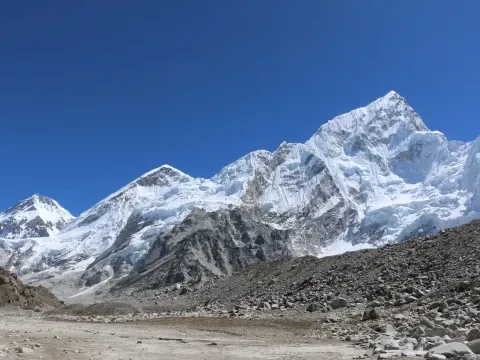
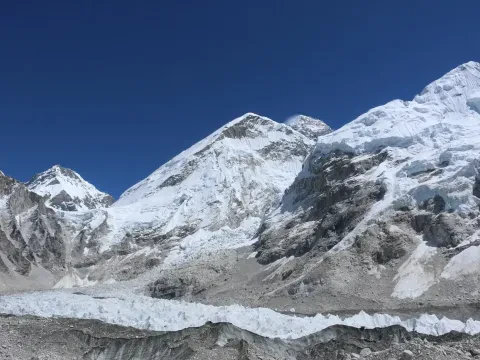
Here, the best time to see the mountains in September is in the morning. The air is clear. You can see the mountains very well. You can see Mount Everest (8,848.86 m) Lhotse (8,516 m) Nuptse (7,861 m) Ama Dablam (6,812 m) and many other mountains in the Himalayas.
| Location | Elevation | Day Temperature | Night Temperature |
|---|---|---|
| Lukla | 2,860 m | 15°C–20°C | 8°C–12°C |
| Namche Bazaar | 3,440 m | 12°C–18°C | 5°C–8°C |
| Tengboche | 3,860 m | 10°C–16°C | 2°C–5°C |
| Dingboche | 4,410 m | 8°C–14°C | -2°C–2°C |
| Lobuche | 4,940 m | 5°C–10°C | -5°C–-8°C |
| Gorak Shep | 5,164 m | 3°C–8°C | -5°C–-10°C |
| Everest Base Camp | 5,364 m | 2°C–8°C | -5°C–-10°C |
| Time | Weather |
|---|---|
| Early Morning | It is cold. The sky is clear |
| Morning | It is sunny morning, You can see well |
| Afternoon | Some clouds might come |
| Evening | It is cold and usually calm |
| Night | It is freezing above 4,000 m |
Weather Highlights during September :
In conclusion, the weather on the Everest Base Camp Trek in September is great for trekking. You can see the mountains well and the weather is usually stable. If you pack well and wear the clothes you will have a safe and comfortable adventure.
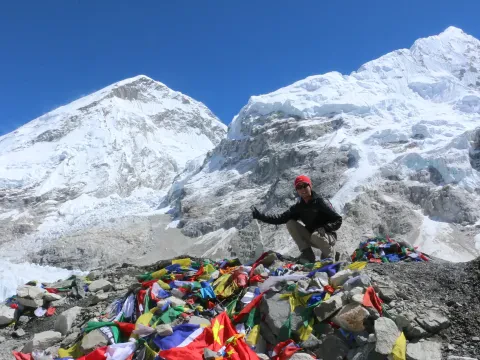
The Everest Base Camp Trek clothing system is based on three layers. This method helps you stay comfortable as temperatures change throughout the day. During the Everest Base Camp Trek in September mornings can be cold afternoons may feel warm under sunshine and evenings quickly become freezing. Therefore, adding or removing layers is more effective than wearing one thick jacket.
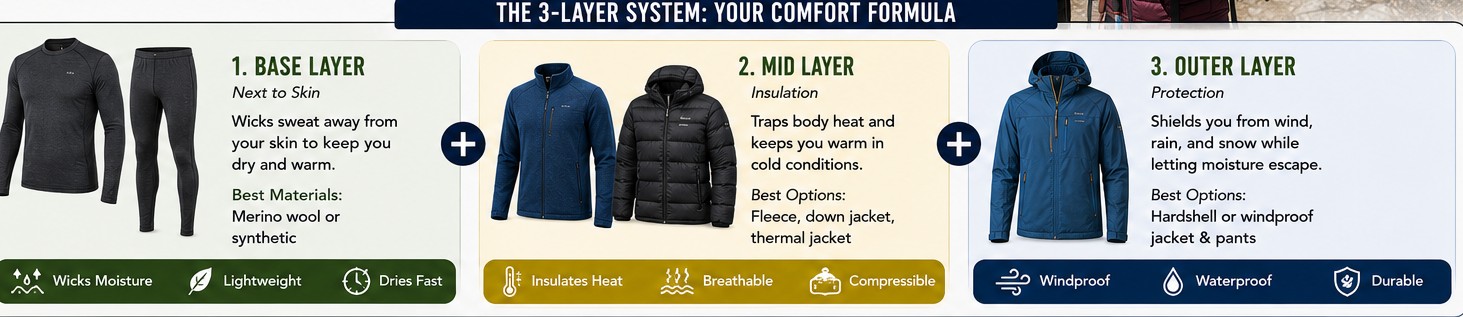
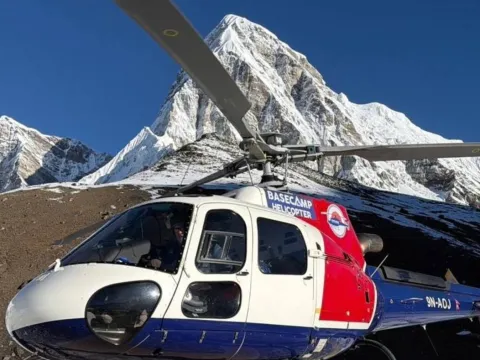
Meanwhile, the trail climbs from Lukla to Everest Base Camp and Kala Patthar. Because temperatures vary greatly with altitude every layer has a purpose. Moreover, quality technical clothing dries faster and keeps you warm. Reduces discomfort during long trekking days.
| Layer | Purpose | Recommended Clothing |
|---|---|---|
| Base Layer | Wicks sweat and keeps skin dry | Moisture-wicking synthetic or merino wool shirt. |
| Mid Layer | Traps body heat | Fleece jacket or lightweight insulated jacket |
| Outer Layer | Protects from wind and rain | Waterproof and windproof shell jacket |
Base Layer Essentials for September :
Mid Layer Essentials for September :
Outer Layer Essentials :
| Trekking Area | Recommended Layers |
|---|---|
| Lukla to Namche | You should wear the base layer only during warm afternoons. |
| Namche to Dingboche | You should wear the base layer and the fleece. |
| Lobuche to Gorak Shep | You should wear the base layer the fleece and the shell. |
| Everest Base Camp and Kala Patthar | You should wear all three layers plus a down jacket during breaks. |
Benefits of the Three-Layer System for September :
In conclusion, using the three-layer system is the way to stay comfortable on the Everest Base Camp Trek. It keeps you dry during climbs, warm during mornings and protected from changing Himalayan weather throughout September.
Choosing the Everest Base Camp Trek Day gear makes every walking day more comfortable. September offers daytime temperatures, especially below 4,000 m. However, the mountain sun is extremely strong because of the high altitude. Therefore, lightweight breathable clothing with sun protection is essential.
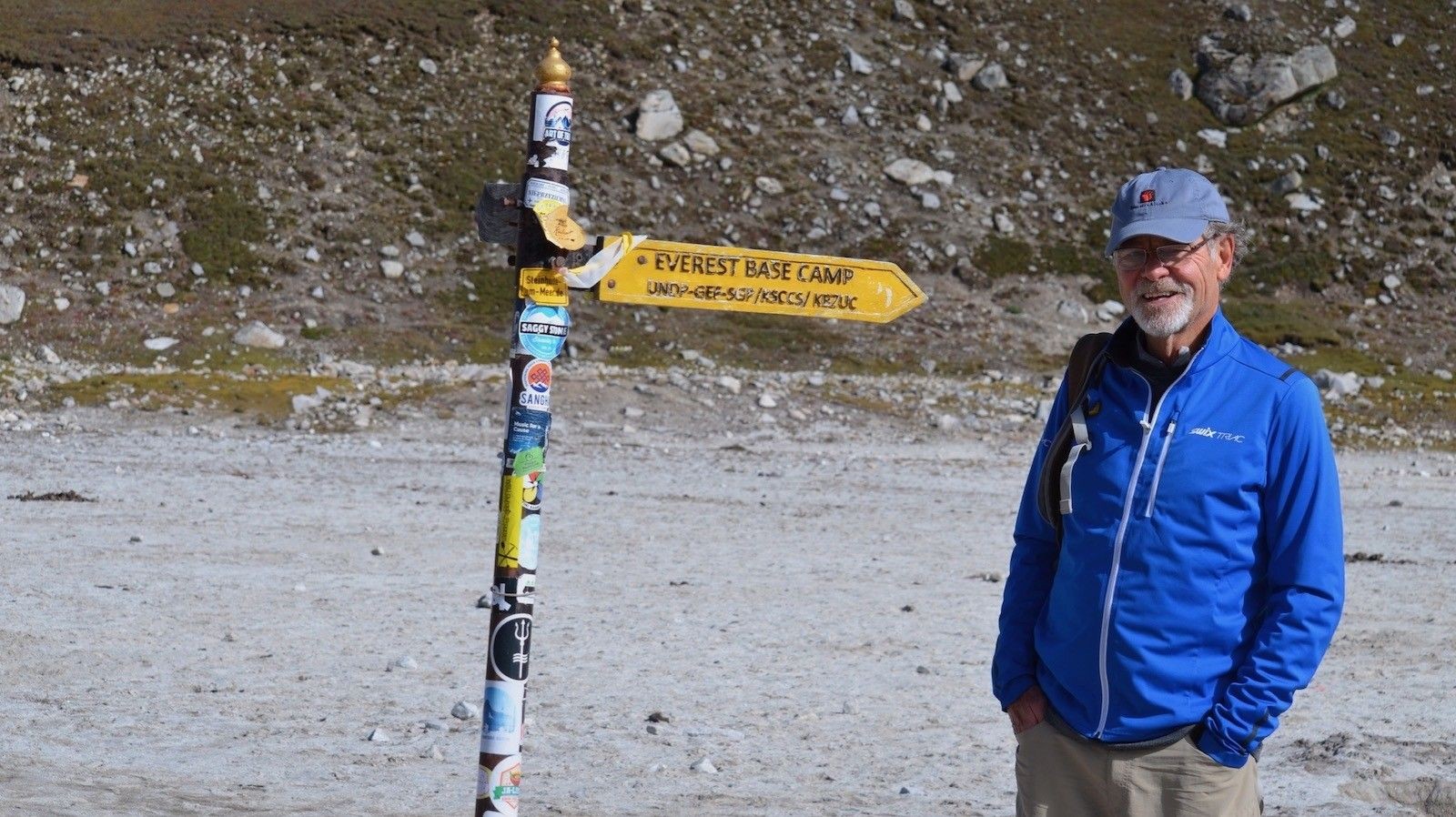
Meanwhile, you should pack three dry synthetic trekking shirts and two lightweight trekking pants. These clothes dry quickly after sweating or light rain. Moreover, synthetic or merino wool fabrics remain comfortable during hiking hours. You should avoid cotton because it absorbs moisture and dries slowly.
Likewise, sun protection is equally important. Ultraviolet radiation increases with elevation. Consequently, every trekker should wear a brimmed sun hat, quality UV-protection sunglasses and sunscreen with SPF 50+. These simple items help prevent sunburn and eye strain during the Everest Base Camp Trek in September.
| Clothing Item | Recommended Quantity | Purpose |
|---|---|---|
| Quick-dry trekking shirts | 3 | Comfortable daytime hiking |
| Lightweight trekking pants | 2 | Breathable and flexible walking |
| Long-sleeve sun shirt | 1 | UV protection |
| Lightweight shorts | 1 | Warm lower valleys |
| Moisture-wicking underwear | 4–5 pairs | Comfort and hygiene |
| Trekking socks | 4–5 pairs | Prevent blisters |
| Sun hat | 1 | Protect face and neck |
| UV sunglasses | 1 pair | Eye protection |
| Item | Why It Matters |
|---|---|
| Wide-brimmed hat | Blocks direct sunlight |
| UV400 sunglasses | Protects eyes from intense UV rays |
| SPF 50+ sunscreen | Prevents sunburn |
| SPF lip balm | Protects lips from drying and cracking |
Clothing Materials to Choose for September
Avoid These Materials :
Quick Packing Checklist for September :
In conclusion, proper Everest Base Camp Trek day gear keeps you cool during afternoons protects you from strong Himalayan UV rays and allows comfortable hiking throughout September. Lightweight technical clothing also reduces backpack weight while improving trekking performance.
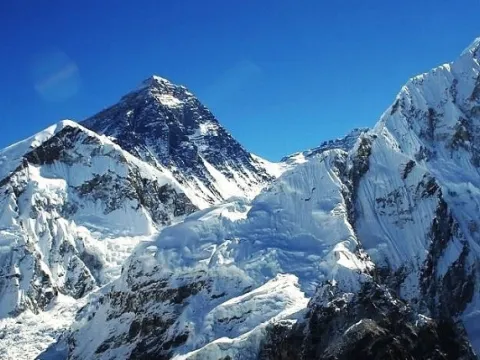
You need rain gear for the Everest Base Camp Trek in September. September is the start of the autumn trekking season in Nepal. You can still get rain in the first half of the month. You might get afternoon showers around Lukla, Phakding and Namche Bazaar. So, you should have waterproof clothing and a way to keep your backpack dry.
Meanwhile, the good thing is that the rain usually does not last all day. It is also getting drier after the middle of September. The weather in the mountains can change very quickly. It can be sunny in the morning and rainy in the afternoon. So, you should always have your waterproof gear easy to get to in your backpack.
A good waterproof jacket that lets air through is the best for comfort and protection. You should also have a cover for your backpack to keep your clothes, electronics and important papers dry.
| Item | Recommended Specification | Purpose |
|---|---|---|
| Waterproof rain jacket | Waterproof and breathable | Protects from rain and wind |
| Backpack rain cover | Fits your backpack size | Keeps gear dry |
| Lightweight rain pants | Waterproof with side zippers | Keeps legs dry |
| Waterproof gaiters(optional) | Lightweight | Protects boots from mud |
| Dry bags | Multiple sizes | Organizes and protects valuables |
Why Rain Gear Matters :
| Feature | Benefit |
|---|---|
| Waterproof membrane | Blocks rain |
| Breathable fabric | Reduces sweat buildup |
| Adjustable hood | Protects head and face |
| Pit zips | Improves ventilation |
| Lightweight design | Easy to pack |
| Trek Section | Rain Risk in September |
|---|---|
| Lukla to Phakding | Moderate (Early September) |
| Phakding to Namche | Moderate |
| Namche to Tengboche | Low to Moderate |
| Dingboche to Lobuche | Low |
| Gorak Shep & Base Camp | Low |
Quick Rain Gear Checklist for September :
In conclusion, a good Everest Base Camp Trek rain jacket is very important for September trekking. With a backpack rain cover it will keep you and your gear dry and comfortable.
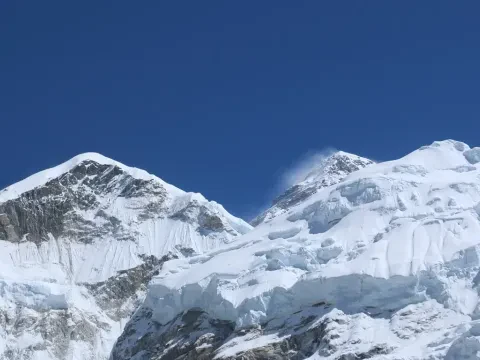
You need a heavy down jacket for the Everest Base Camp Trek in September. During the day it can be comfortable. It gets very cold after sunset. Above Dingboche the evenings are very cold. At Lobuche, Gorak Shep and Everest Base Camp it can get as cold as -5°C to -10°C at night.
Meanwhile, most teahouses have a dining room for a few hours in the evening, but the bedrooms are not heated. So, you need a thick insulated jacket for when you relax, eat dinner, watch the sunrise or spend time outside. You should get a jacket that can keep you warm at least -10°C.
Here, you should choose a jacket filled with good goose or duck down. A hooded model is also an idea to protect you from cold winds. A compressible jacket is a choice to save space in your backpack.
| Feature | Recommendation |
|---|---|
| Temperature Rating | At least -10°C |
| Fill Power | 650–850 fill power |
| Hood | Insulated and adjustable |
| Weight | Lightweight and packable |
| Outer Fabric | Wind-resistant with water-repellent finish |
| Location | Elevation | When to Wear |
|---|---|---|
| Namche Bazaar | 3,440 m | Cool evenings |
| Tengboche | 3,860 m | Morning and evening |
| Dingboche | 4,410 m | After sunset |
| Lobuche | 4,940 m | Most of the evening |
| Gorak Shep | 5,164 m | Morning, evening and night |
| Everest Base Camp | 5,364 m | Rest stops and photography |
Benefits of a Quality Down Jacket :
Wear Your Down Jacket During :
Down Jacket Buying Checklist :
In conclusion, the down jacket for the Everest Base Camp Trek will keep you warm when it is freezing. A good, insulated jacket, combined with the layers, will keep you comfortable during cold teahouse evenings and mornings throughout your September adventure.
The best boots for the Everest Base Camp Trek are important. They need to be comfortable, stable and protective. The trail has lots of things like rocky paths, uneven stone staircases, loose gravel, suspension bridges and steep climbs. In September the lower parts of the trail might still be wet from the monsoon rains. So, you need boots that're waterproof.
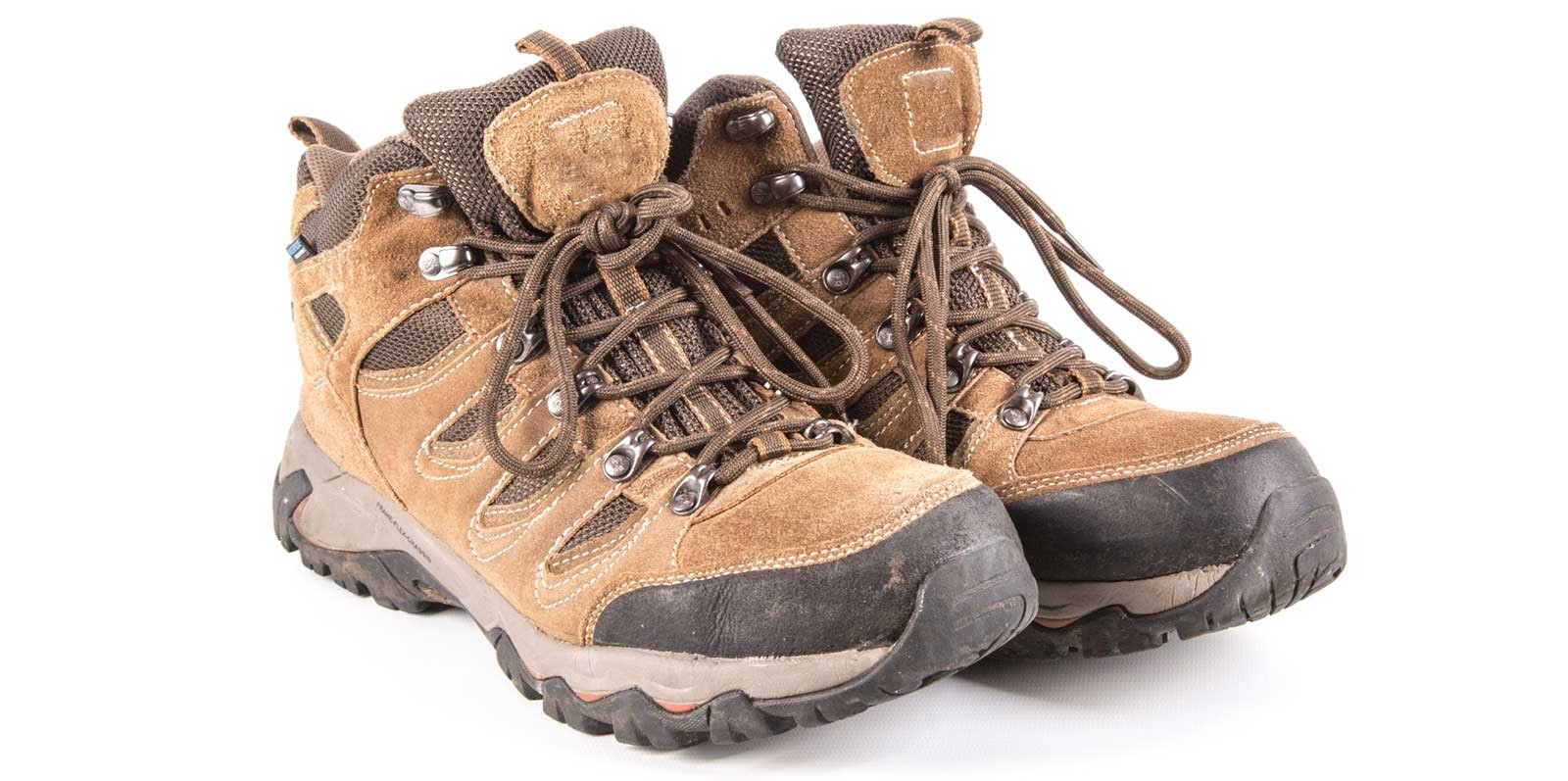
Do not wear brand new boots on your Everest Base Camp Trek. Wear them a week before you go so they get soft and you do not get blisters. It is also an idea to wear merino wool hiking socks. They keep your feet dry, make them feel better and are comfortable when you are walking for a time.
Moreover, you should get high-cut trekking boots that support your ankles well. The soles should be made of rubber, so you do not slip on wet rocks and mountain trails. Good boots make you less tired and safer on the trek from Lukla to Everest Base Camp.
| Feature | Why It Matters |
|---|---|
| Waterproof membrane | Keeps feet dry during rain and stream crossings |
| High ankle support | Prevents ankle injuries |
| Deep rubber outsole | Improves grip on rocks and gravel. |
| Cushioned midsole | Reduces foot fatigue |
| Breathable lining | Keeps feet comfortable |
| Item | Recommended Quantity |
|---|---|
| Waterproof hiking boots | 1 pair |
| Camp shoes or sandals | 1 pair |
| Merino wool hiking socks | 4–5 pairs |
| Thin liner socks (optional) | 2 pairs |
| Gaiters (optional) | 1 pair |
| Trek Section | Trail Surface | Recommended Footwear |
|---|---|---|
| Lukla – Namche | Stone steps and forest trails | Waterproof boots |
| Namche – Dingboche | Rocky paths | High-ankle boots |
| Dingboche – Lobuche | Loose gravel | Waterproof boots |
| Lobuche – Gorak Shep | Rocky glacial terrain | Sturdy trekking boots |
| Kala Patthar | Steep rocky trail | Boots with excellent grip |
Tips to Prevent Blisters :
Avoid These Footwear Choices :
Quick Footwear Checklist :
In conclusion, the best boots for the Everest Base Camp Trek are the ones that keep your feet dry, support your ankles and have grip. When you wear them with merino wool hiking socks you will be comfortable. Not getting blisters on your September trek.
Yes, you really need a good sleeping bag for the Everest Base Camp Trek in September. During the day it is nice and warm. At night it gets very cold, especially above 4000 meters. Most teahouses do not have heaters. It often gets below freezing. So, it is an idea to bring your own sleeping bag.
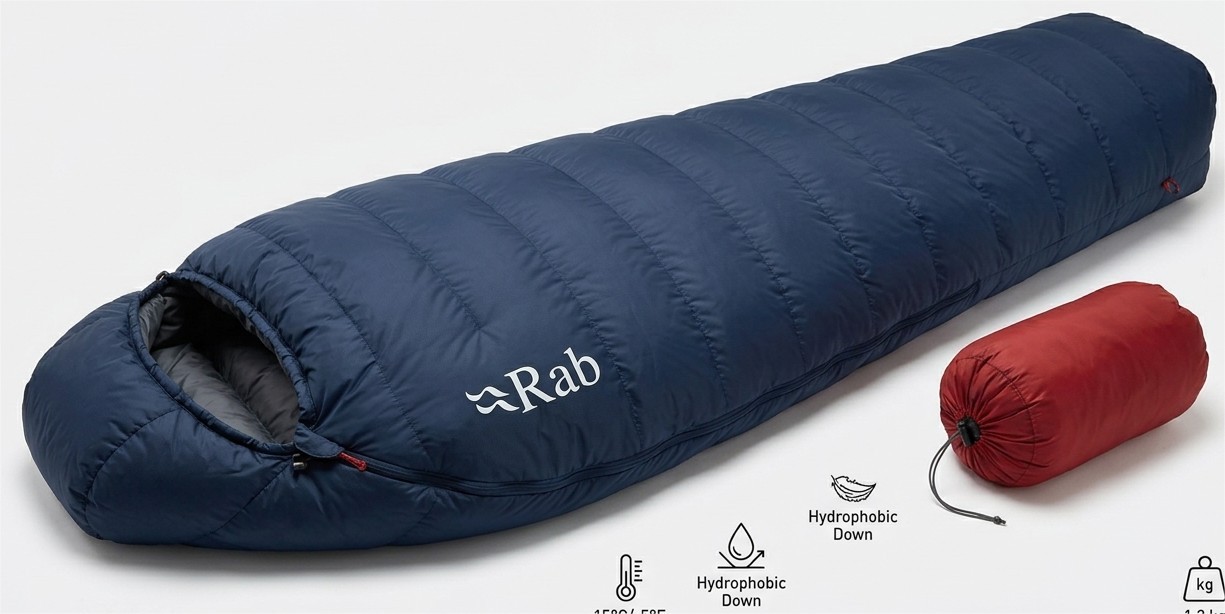
Meanwhile, the dining rooms are warm in the evenings because of the fire. The bedrooms get cold quickly after dinner. At places like Dingboche, Lobuche, Gorak Shep and Everest Base Camp it can get as cold as -5 to -10 degrees Celsius at night. A good sleeping bag will keep you warm and comfortable.
Moreover, September is also the start of the trekking season in Nepal. There are a lot of trekkers. Sometimes there are not enough blankets at the teahouses. If you bring your sleeping bag you will always be warm no matter what.
| Feature | Recommendation |
|---|---|
| Season Rating | 4-season |
| Comfort Rating | -10°C to -15°C |
| Fill Type | Down or quality synthetic |
| Weight | Lightweight and compressible |
| Shape | Mummy style |
| Location | Elevation | Typical Night Temperature |
|---|---|---|
| Namche Bazaar | 3,440 m | 3°C to 6°C |
| Tengboche | 3,860 m | 0°C to 4°C |
| Dingboche | 4,410 m | -2°C to 2°C |
| Lobuche | 4,940 m | -5°C to -8°C |
| Gorak Shep | 5,164 m | -5°C to -10°C |
Benefits of Carrying Your Own Sleeping Bag :
| Item | Benefit |
|---|---|
| Sleeping bag liner | Adds extra warmth and improves hygiene |
| Inflatable pillow | Better neck support |
| Earplugs | Quieter sleep in teahouses |
| Eye mask | Helps early-night rest |
Sleeping Bag Packing Checklist :
In conclusion, a warm sleeping bag is really important for the Everest Base Camp Trek in September. It will keep you warm and comfortable in the teahouses, help you sleep better and make you feel better for the next day’s trek to Everest Base Camp.
Protecting your hands and head is really important when you are on the Everest Base Camp Trek in September. The afternoons can be nice. The mornings and evenings get very cold when you are above 4,000 m. When you hike to Kala Patthar at 5,545 m you have to start very early around 4:00 AM and it can be as cold as -10°C to -15°C with strong winds. So, you need to have winter clothes and accessories to keep you warm.
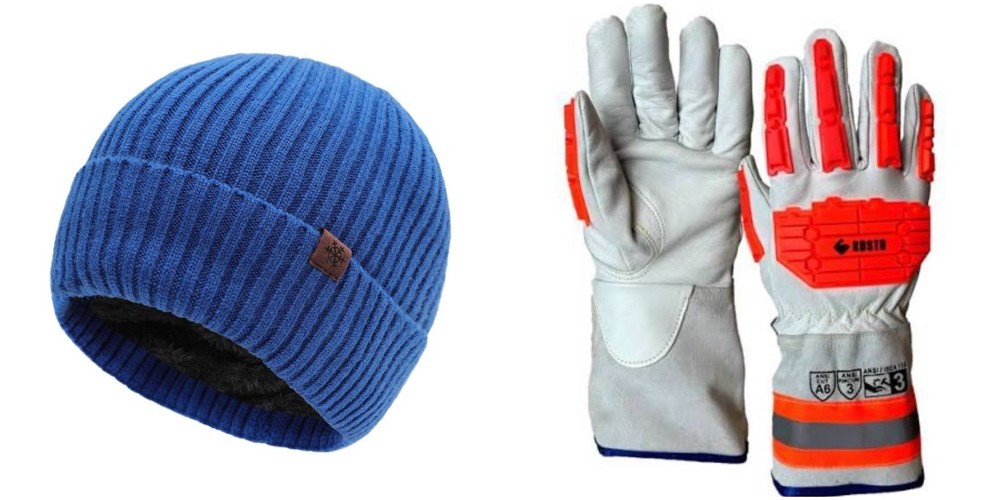
Meanwhile, the cold air and wind can also give you a cough, known as the Khumbu cough, which many trekkers get when they are at high altitude. Wearing a neck buff or face covering helps to warm the air before you breathe it in. It also helps to protect your ears, fingers and face from the cold. This way you can avoid getting hurt from the cold.
Here, a warm hat, like a fleece-lined beanie, keeps your head warm and a good pair of gloves like a two-layer glove system keeps your hands warm and flexible. You can wear gloves when it is not too cold and then add insulated waterproof gloves when it gets really cold or windy.
| Item | Purpose |
|---|---|
| Fleece-lined beanie | Keeps your head and ears warm |
| Neck buff or gaiter | Protects you from cold air and the Khumbu cough |
| Sun hat | Protects you from the strong sun |
| Liner gloves | Keeps your hands warm when you are trekking |
| Insulated waterproof gloves | Keeps your hands warm and dry in cold weather |
| UV sunglasses | Protects your eyes from the suns glare |
| Layer | Best Use |
|---|---|
| Thin liner gloves | For walking in cool weather |
| Waterproof insulated gloves | For cold mornings and windy sections |
| Trekking Location | Recommended Gear |
|---|---|
| Namche Bazaar (3,440 m) | A warm hat for the evenings |
| Dingboche (4,410 m) | A warm hat, neck buff and liner gloves |
| Lobuche (4,940 m) | A warm hat and insulated gloves |
| Gorak Shep (5,164 m) | Winter gear, including a warm hat and gloves |
| Kala Patthar (5,545 m) | A hat, neck buff insulated gloves and sunglasses |
Benefits of a Neck Buff :
Quick Warm Accessories Checklist :
In summary, having the right gear for the Everest Base Camp Trek in September will keep you warm and comfortable even in the cold mornings and it will make your trek much more enjoyable. A warm hat, neck buff and good gloves are things that can make a big difference.
Keeping your electronics working on the Everest Base Camp Trek requires some planning. The cold temperatures in the mountains can quickly drain the batteries, especially when you are above 4,000 m. At night the temperatures at Lobuche, Gorak Shep and Everest Base Camp can drop below -5°C, which can cause the batteries to lose power quickly.
Meanwhile, a power bank with a capacity of 20,000 mAh is an useful thing to carry with you. It can charge your phone, camera and other devices times. Also charging your devices in the mountain teahouses can cost extra and sometimes the electricity may not be available. So, it is an idea to carry your own power bank.
Here, one simple trick to keep your batteries warm is to put them in your sleeping bag at night. Your body heat will keep the batteries warm. Help them to last longer. You can also store your batteries in the inside pocket of your jacket while you are hiking instead of keeping them in your backpack.
| Item | Recommendation |
|---|---|
| Power bank | A 20,000 mAh power bank or larger |
| Charging cable | Two durable charging cables |
| Universal charging adapter | An adapter that can fit different types of plugs |
| Camera batteries | Two to three spare batteries |
| Headlamp | A headlamp that can be recharged via USB |
| Temperature | Battery Performance |
|---|---|
| 15°C to 20°C | Normal |
| 5°C to 10°C | Slightly reduced |
| 0°C to -5°C | Noticeably reduced |
| Below -5°C | Batteries drain quickly |
Tips to Save Battery Power :
| Trekking Village | Charging Available | Usually Extra Cost |
|---|---|---|
| Lukla | Yes | Yes |
| Namche Bazaar | Yes | Yes |
| Tengboche | Yes | Yes |
| Dingboche | Yes | Yes |
| Lobuche | Yes | Yes |
| Gorak Shep | Yes | Yes |
Electronics Packing Checklist :
In fact, a 20,000 mAh power bank is a good investment, for the Everest Base Camp Trek. It can keep your devices charged throughout your trek. It allows you to capture all the amazing moments of your trip.
When you are getting ready for an Everest Base Camp Trek in September, it is really important to prepare an Everest Base Camp Trek first aid kit. This is just as important as packing clothing. During an Everest Base Camp Trek in September, you may have days, but the nights can be very cold. You will also have to deal with UV exposure and increasing altitude. So, carrying medicine helps you stay safe and comfortable throughout the journey.
In fact, many areas in the Everest region do not want people to use single-use plastic water bottles because they can hurt the mountain environment. Therefore, you should bring one or two bottles of water or an insulated flask. You should also pack water purification tablets or a portable water filter so you can safely refill your bottles at teahouses and public taps.
Before taking Everest Base Camp Trek altitude sickness medicine- Diamox, you should talk to your healthcare provider to make sure it is okay for you to take it. Besides Diamox, your first-aid kit should include blister tape, adhesive bandages, antiseptic wipes, pain relievers rehydration salts, anti-diarrheal medicine antihistamines, sunscreen, lip balm with UV protection and any personal prescription medications. You should also bring insect repellent because it can be useful in the valleys during early September.
| Medicine or Item | Purpose |
|---|---|
| Diamox | Altitude sickness prevention |
| Paracetamol or Ibuprofen | Headache and muscle pain |
| Oral Rehydration Salts | Prevent dehydration |
| Anti-diarrheal tablets | Stomach problems |
| Antihistamine | Allergic reactions |
| Blister tape or moleskin | Prevent and treat blisters |
| Adhesive bandages | Small cuts and scrapes |
| Antiseptic cream | Minor wound care |
| Water purification tablets | Safe drinking water |
| Sunscreen | UV protection |
| Lip balm with SPF | Prevent cracked lips |
| Personal medications | Existing medical conditions |
Water Safety Checklist
The best Everest Base Camp Trek packing checklist follows one rule: pack only what you will actually use. The weather in September can change from valley conditions to freezing temperatures near Everest Base Camp. So, every item in your bag should serve a purpose.
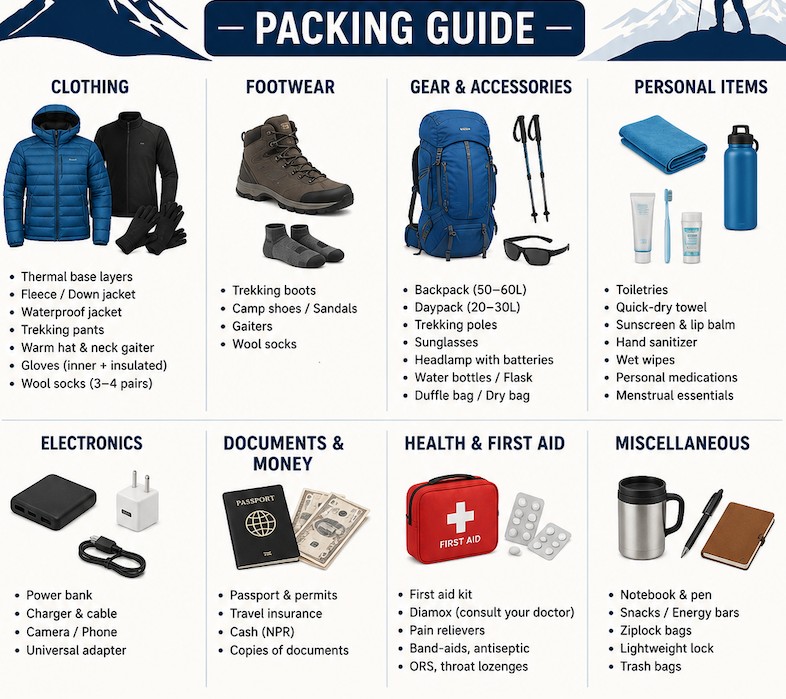
Here, most trekking companies recommend keeping your duffel bag between 10 and 15 kg because this is better for porter comfort and safety. A lighter bag also makes transportation easier. Reduces strain on porters. You should choose clothing that dries quickly and use the three-layer clothing system instead of packing many heavy garments. You should also avoid electronics, extra shoes and bulky toiletries.
Smart Packing Rules :
| Bag | Recommended Weight | Carried By |
|---|---|---|
| Main Duffel Bag | 15-20 kg | Porter |
| Day Backpack | 5–8 kg | Trekker |
| Must Pack | Leave Behind |
|---|---|
| Down jacket | Heavy jeans |
| Thermal layers | Extra casual clothes |
| Waterproof shell | Large bottles of toiletries |
| Sleeping bag | Bulky towels |
| Trekking boots | Multiple pairs of shoes |
| First-aid kit | Unnecessary electronics |
| Power bank | Heavy books |
Q1. Can I rent a down jacket and sleeping bag for the Everest Base Camp Trek in September?
Yes, you can rent quality down jackets and -15°C sleeping bags from many trekking shops in Kathmandu especially in Thamel. The rental prices are usually USD 2–5 per day depending on the quality and season. Renting is an option if you do not plan to use the equipment after your trek.
Q2. Will my daily backpack be carried by a porter during the Everest Base Camp Trek in September?
No, your porter usually carries your duffel bag while you carry your own 30–40-liter daypack. Your daypack should contain water, snacks, rain gear, camera, warm layers, personal documents, medications and other items you may need during the day’s walk.
Q3. Is September too wet to enjoy the Everest Base Camp Trek?
No September is a transition month, from the monsoon to autumn. Early September may still have afternoon showers, especially in the lower valleys. However, the rainfall decreases steadily throughout the month. By mid-to- September trekkers usually have dry trails, clear mornings, fresh mountain air and excellent views of Everest and the surrounding Himalayan peaks.
| Trek Elevation | Day Clothing | Extra Layer | Evening Clothing |
|---|---|---|
| Lukla (2,860 m) | Quick-dry T-shirt | Light fleece | Fleece jacket |
| Namche Bazaar (3,440 m) | Hiking shirt | Fleece | Down jacket |
| Dingboche (4,410 m) | Base layer + fleece | Windproof shell | Heavy down jacket |
| Lobuche (4,940 m) | Thermal layer | Down jacket | Winter clothing |
| Gorak Shep (5,164 m) | Thermal base layer | Down jacket + shell | Full winter clothing |
| Bag | Capacity | What to Carry |
|---|---|---|
| Main Duffel | 60–80 L | Clothes, sleeping bag, spare shoes, toiletries |
| Daypack | 30–40 L | Water, camera, snacks, rain jacket, gloves, hat |
| Small Pouch | 2–5 L | Passport, permits, money, phone, medicines |
| Item | Quantity | Why It Matters |
|---|---|---|
| hiking boots | 1 pair | Rocky mountain trails |
| Camp shoes | 1 pair | Comfortable evenings |
| Merino wool socks | 4–5 pairs | Prevent blisters |
| Thin liner socks | 2 pairs | Extra comfort |
| Gaiters (optional) | 1 pair | Wet trails and dust |
Electronics Checklist :
| Medicine | Purpose |
|---|---|
| Diamox | Altitude sickness prevention (consult your doctor) |
| Ibuprofen or Paracetamol | Pain relief |
| Anti-diarrheal tablets | Digestive problems |
| Oral Rehydration Salts (ORS) | Dehydration |
| Antihistamine | Allergies |
| Blister tape | Foot care |
| Bandages | Minor injuries |
| Antiseptic cream | Cuts and scrapes |
| Water purification tablets | Safe drinking water |
| Elevation | Day Temperature | Night Temperature | Weather |
|---|---|---|
| 2,800–3,500 m | 15–20°C | 5–10°C | Mild and pleasant |
| 3,500–4,500 m | 8–15°C | 0–5°C | Cool with mornings |
| 4,500–5,550 m | 2–10°C | -5–-10°C | Cold and windy |
Top Packing Priorities for Everest Base Camp Trek in September :
Pro Packing Tips :
1. What Should You Pack for the Everest Base Camp Trek in September?
When you are packing for the Everest Base Camp Trek in September you need to think about the weather. It is the end of the monsoon season and the start of autumn. So, you should pack clothes that're lightweight, waterproof and warm. This means you should bring moisture-wicking base layers, a fleece, a jacket, rain gear, trekking boots and reusable water bottles. If you have the gear, you will be safe and comfortable on the Everest Base Camp Trek in September.
2. What Clothes Are Essential for the Everest Base Camp Trek Packing List for September?
The Everest Base Camp Trek packing list for September should have some important clothes. You will need tops, trekking shirts, hiking pants, fleece jackets, waterproof jackets, insulated down jackets, gloves, warm hats and trekking socks. The best way to dress is in layers because the temperature changes a lot during the day on the Everest Base Camp Trek in September.
3. Which Waterproof Gear Is Necessary for the Everest Base Camp Trek in September?
It is a good idea to bring waterproof gear on the Everest Base Camp Trek in September because it might still rain in early September. You should carry a jacket, rain pants, a backpack rain cover, dry bags and waterproof gloves. These things will keep your clothes and electronics dry during the trek.
4. What Footwear Is Best for the Everest Base Camp Trek in September?
The best footwear for the Everest Base Camp Trek in September is well-broken-in waterproof trekking boots. You should also bring moisture-wicking trekking socks and lightweight camp shoes. Good footwear will prevent blisters. Give you stability on the wet and rocky trails in the Himalayas.
5. Should I Pack a Down Jacket for Everest Base Camp Trek in September?
Yes, you should pack a jacket for the Everest Base Camp Trek in September. Even though it is warm during the day it gets very cold in the mornings, evenings and at elevations. A lightweight insulated jacket will keep you warm without weighing you down.
6. What Sleeping Gear Is Recommended for the Everest Base Camp Trek Packing List?
You should bring a four-season sleeping bag that is rated between -10°C and -15°C for the Everest Base Camp Trek packing list. The tea houses have blankets. An extra sleeping bag will keep you warm at higher altitudes like Lobuche and Gorak Shep.
7. What Medicines Should I Include in My Everest Base Camp Trek First Aid Kit?
Your Everest Base Camp Trek first aid kit should have some medicines. You will need Diamox to prevent altitude sickness, blister treatment, pain relievers, antiseptic cream, bandages, personal medications, water purification tablets and oral rehydration salts. These things will keep you safe during the trek.
8. Why Are Reusable Water Bottles Important for the Everest Base Camp Trek in September?
You should bring reusable water bottles or hydration bladders on the Everest Base Camp Trek in September. This is because plastic water bottles are not allowed in the Everest region. You should also carry water purification tablets or filters to safely refill your drinking water and reduce waste.
9. Do I Need Trekking Poles for the Everest Base Camp Trek in September?
Yes, you should bring trekking poles on the Everest Base Camp Trek in September. They will help you balance, on slippery trails after rain. They will also reduce the pressure on your knees when you are going down paths.
10. What Backpack Size Is Ideal for the Everest Base Camp Trek Packing List?
If you have a porter a 35–45-liter daypack is a size. If you do not have a porter, a 60–70-liter backpack is better for the Everest Base Camp Trek packing list. You should choose a backpack with comfortable shoulder straps and a rain cover.
11. Which Electronics Should I Pack for the Everest Base Camp Trek in September?
You should bring a headlamp, power bank charging cables, universal adapter, camera and extra batteries on the Everest Base Camp Trek in September. The cold weather will reduce the life of your batteries so you should keep your electronics warm inside your jacket.
12. What Toiletries Should Be Included in the Everest Base Camp Trek Packing Checklist?
Your Everest Base Camp Trek packing checklist should have some toiletries. You will need soap, toothbrush, toothpaste, quick-dry towel, toilet paper, wet wipes, hand sanitizer, sunscreen, SPF lip balm and moisturizer. These things will help you stay clean during the trek.
13. What Snacks Should I Pack for Everest Base Camp Trek in September?
You should bring high-energy snacks like nuts, protein bars, dried fruits, chocolate and electrolyte powders on the Everest Base Camp Trek in September. These snacks will give you energy between tea houses and help you acclimatize to the high altitude.
14. Is Sun Protection Necessary During the Everest Base Camp Trek in September?
Yes, sun protection is very important during the Everest Base Camp Trek in September. The sun’s rays are strong at altitude so you should pack polarized sunglasses sunscreen SPF 50+ lip balm with SPF and a wide-brim hat to protect your skin and eyes.
15. How Many Pairs of Socks Should I Pack for the Everest Base Camp Trek Packing List?
You should pack at least four to six pairs of moisture-wicking trekking socks for the Everest Base Camp Trek packing list. You should also bring one pair for sleeping. Clean dry socks will help prevent blisters and keep your feet comfortable.
16. What Accessories Improve Comfort During the Everest Base Camp Trek in September?
There are some accessories that can make you more comfortable on the Everest Base Camp Trek in September. You can bring a neck gaiter, trekking gloves, buff, sleeping bag liner, gaiters, microfiber towel and compression bags. These things are lightweight. Will make your trek more comfortable.
17. How Can I Pack Light for the Everest Base Camp Trek in September?
To pack light for the Everest Base Camp Trek in September you should choose clothes that are lightweight and can be used for many things. You should only pack the things you need using compression sacks and do not bring electronics. If you hire a porter, you can carry the things you need for the day.
18. Can I Rent Trekking Gear for the Everest Base Camp Trek in Nepal?
Yes, you can rent trekking gear for the Everest Base Camp Trek in Nepal. There are shops in Kathmandu where you can rent down jackets sleeping bags, trekking poles, crampons and duffel bags. However, you should bring your boots to make sure they fit well.
19. What Documents Should I Carry for the Everest Base Camp Trek in September?
You should carry some documents on the Everest Base Camp Trek in September. You will need your passport, travel insurance, permits, passport-sized photos, flight tickets, emergency contacts and some Nepalese cash. You should keep all your documents in safe pouches to protect them.
20. What Is the Ultimate Everest Base Camp Trek Packing List for September?
The ultimate Everest Base Camp Trek packing list for September: you should have only the things you are using. You will need clothes, waterproof gear, insulated jackets, trekking boots, reusable water bottles, water purification tablets altitude sickness medicine Diamox, an Everest Base Camp Trek first aid kit trekking poles, sleeping bag, toiletries, electronics, travel documents and high-energy snacks. If you pack wisely, you will have a lighter and more enjoyable trek, in the Himalayas.
Our travel experts are ready to assist you with any questions.
Send us a message.Have a question before you book? Send your enquiry below and our travel experts will get back with the required information.