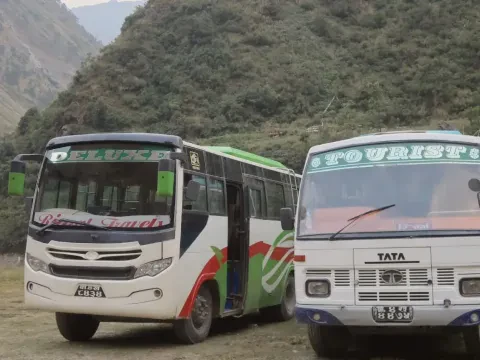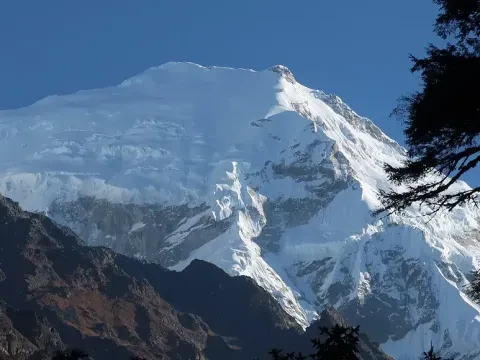
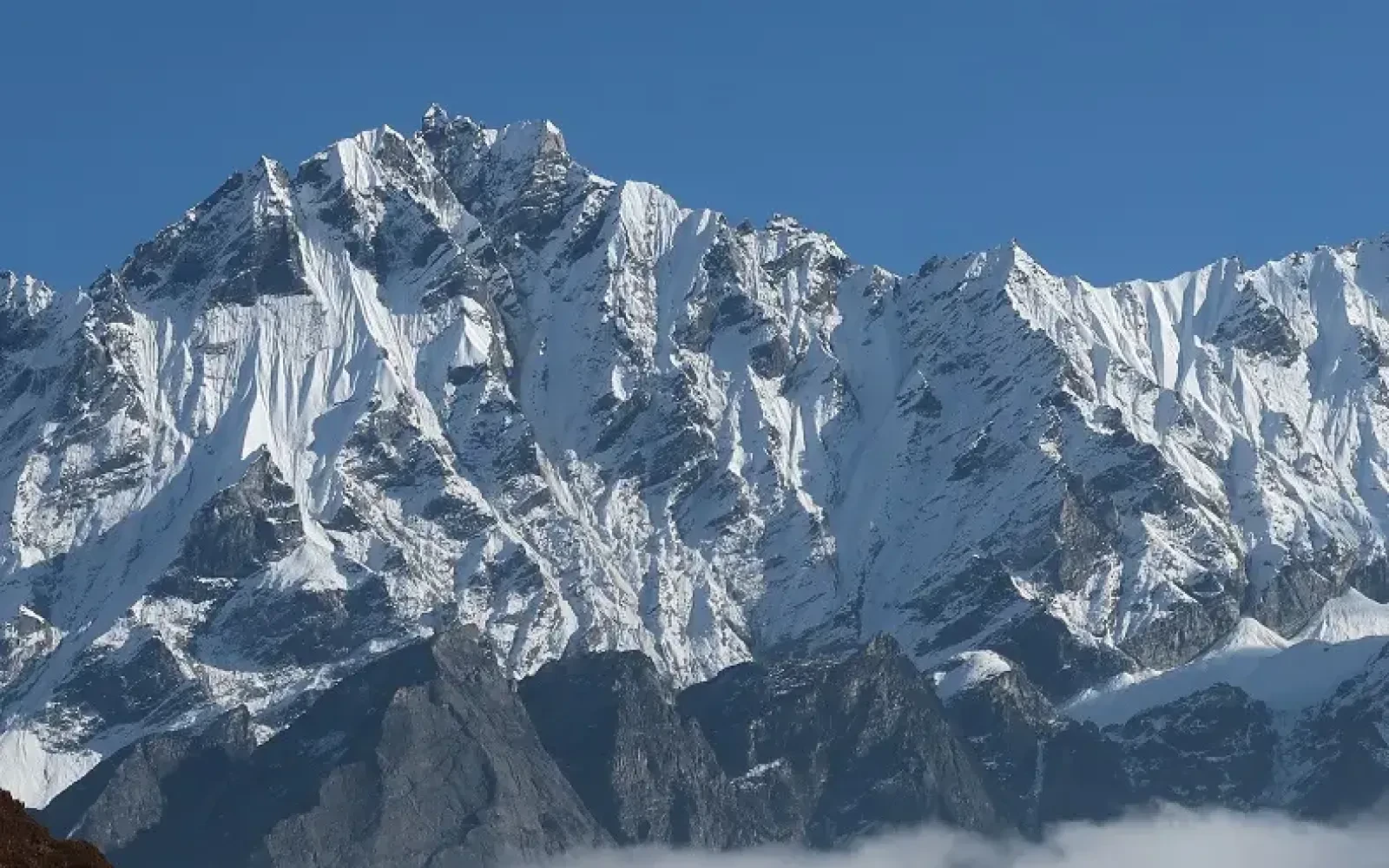
Langtang Valley Trek is located towards the north of Kathmandu, in Nepal. Actually, the trek starts from Syabrubesi village, which is at an altitude of 1,540 meters. Either the bus or jeep ride from Kathmandu to Syabrubesi will take you there in 7-8 hours. In fact, there are no any domestic flights to connect the trailhead, Syabrubesi from Kathmandu. Therefore, you have to go with drive either bus local bus or jeep.
Likewise, the Langtang Trekking will take you deep within Langtang National Park. The trek passes through breathtaking oak and rhododendron forests. You will find many species of wildlife, including red pandas and Himalayan black bears along the Langtang Trekking trail.
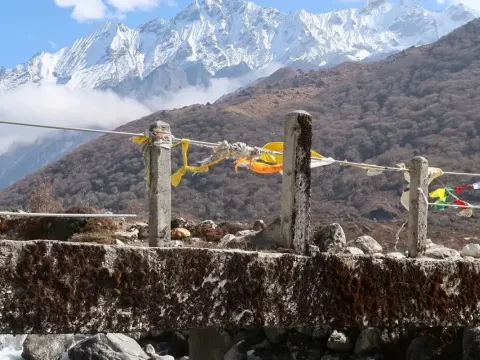
Moreover, the Langtang Valley trek climbs slowly and reaches 3,430 meters in the Langtang village. Langtang village has traditional Tamang villages and rich culture. From Langtang village, you continue to Kyanjin Gompa, which is at 3,870 meters. Kyanjin Gompa is a popular base for climbing the Langtang Lirung mountain. Langtang Lirung is the highest peak in the area, which is 7,227 meters.
Also, the Langtang Valley trek offers stunning scenery of mountains, alpine meadows, and Buddhist monasteries. The trek is moderate walk via Langtang National Park. It is suitable for both experienced trekkers as well as beginners. You can accomplish Langtang trek Itinerary in 7 to 10 days from Kathmandu depending upon your schedule and side trips.
In fact, best seasons for Langtang Valley Trek are spring (March to May) and autumn (September to November). The Langtang Valley Trek weather in Spring and Autumn is clear and pleasant during these months. It is feasible to trek in winter but chilly with snowfall on the high passes.
To sum up, Langtang Valley Trekking trail is not as crowded as Everest or Annapurna regions. It's peaceful and authentic. The Tamang hospitality helps to make it so beautiful. It is perfect for those who look for nature, culture, and peace all in one trekking trip.
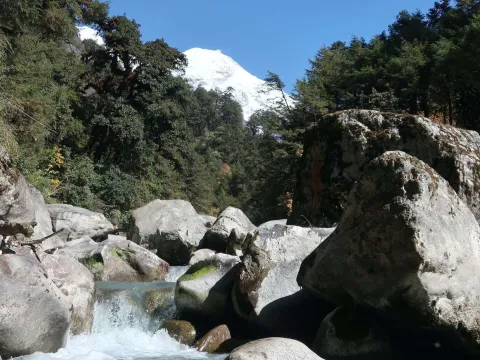
Hot shower and laundry facility is available but limited during the Langtang Valley Trek. All lodges offer basic hot showers, especially in popular areas such as Syabrubesi, Langtang village, and Kyanjin Gompa. This is however weather, season, and lodge infrastructure dependent.
Actually, hot showers are typically powered by gas heaters or solar panels. During winter or rainy days, water may be colder or unavailable. There will be an occasional day or two with cold showers, especially at high altitudes or small tea houses at Lama Hotel, Langtang Village and Kyanjin Gumba.
Meanwhile, foods on Langtang Valley Trek is more emphasized than the laundry and Hot Shower during Langtang Valley Trek. It is more important according to local lodgers.
Likewise, laundry facilities along the Langtang Valley Trail are basic but efficient. A few lodges offer laundry service for a small fee. They typically wash your clothes by hand and dry them indoors or outdoors depending on weather. Alternatively, you can wash clothes yourself in soapy water, then dry them in the sun. Actually, most of the trekkers do the same since there is no any washing machines and dryer along the Langtang Valley Trekking trail.

And, because of cold weather and little sunlight, clothes drying process will be longer. Quick-drying clothes make a big difference during your Langtang Valley Trek. It is also recommended by Haven Holidays Team to bring small travel soap or detergent to clean clothes along the way.
Overall, the hot showers and laundry facilities along the Langtang trek are basic but sufficient. They make you comfortable on your trek through the stunning Langtang valley. There is some variation by location and season. Having a quick-drying towel and soap with you keeps you clean and smelling fresh on the way. Get ready to wash your clothes on your own.
Laundry during the Langtang Valley Trek is self dependent. However, tea houses and lodges on the majority of parts of the trek like at Langtang Valley and Kyanjing Gumba all have laundry services. Staff usually hand wash your garments using soap and water. This service comes at a fee, varying with the location ranging from 300-500 per kg. Your garments hang outside or inside the lodge after being washed, according to the climate. Clothes dry very quickly in sunny weather. Despite this, drying can take longer during wet or cold weather. Some lodges have few drying facilities, and so one has to exercise patience.
Meanwhile, you can also wash your clothes yourself during Langtang Valley Trek. It is advisable to carry a small travel soap or detergent. It is common for many trekkers to wash smaller items such as socks and underwear every day at the local tap water. Quick-drying clothes are ideal because they dry quickly and keep you comfortable throughout the trek. Heavy cotton clothes are not advisable since they take longer to dry and may be uncomfortable.
In fact, laundry facilities become less common with the rise of elevation and in remote areas. Some lodges don't even have laundry facilities. It is best to bring sufficient clean clothing and wash them along your trekking trip in larger villages such as Syabrubesi, Langtang, and Kyanjin Gompa. Clothing can be washed by hand in local streams and at the local tap water but only use eco-friendly, biodegradable soap to save the environment.
In brief, laundry facilities in Langtang Valley Trek are simple yet sufficient. With good preparation and the right gear, you can maintain good personal hygiene during your trek. This makes your trekking experience fun and new in picturesque Langtang. Be willing to wash your clothes on your own.
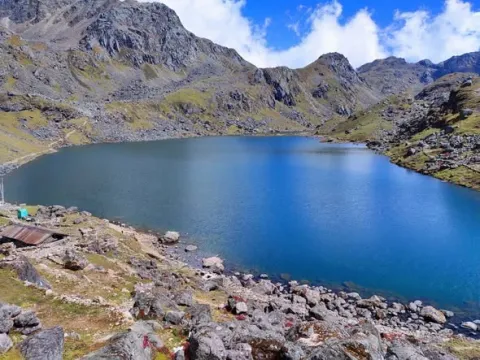
Hot shower facilities on the Langtang Valley Trek are available but scarce. Actually, hot showers can be enjoyed at popular lodges in the bigger villages such as Syabrubesi, Langtang village (3,430m), and Kyanjin Gompa (3,870m). These showers are typically operated by solar power, gas water heaters, or wood-fired water heaters. But make sure availability is season and weather-dependent. On rainy or cold days, hot water won't be available, especially at higher altitudes like above Lama hotel.
Moreover, the majority of the small tea houses and hostels along the way will have nothing but cold water to wash with. Hot water is only possible in the large stops like in Langtang Valley and Kyanjin Gumba where infrastructure is more developed. During off-season times like winter or the monsoon, hot showers may be less frequent or discontinued due to a lack of sufficient sunlight or fuel.
In fact, the cost of a hot shower on Langtang Valley Trek varies but usually costs around 200 to 400 NPR (about $1.50 to $3.50 USD) per shower. The cost of the shower may be covered within the room cost in certain lodges, and some may have an additional charge. Best is to keep some cash (Nepali rupees) available in smaller values for these services.
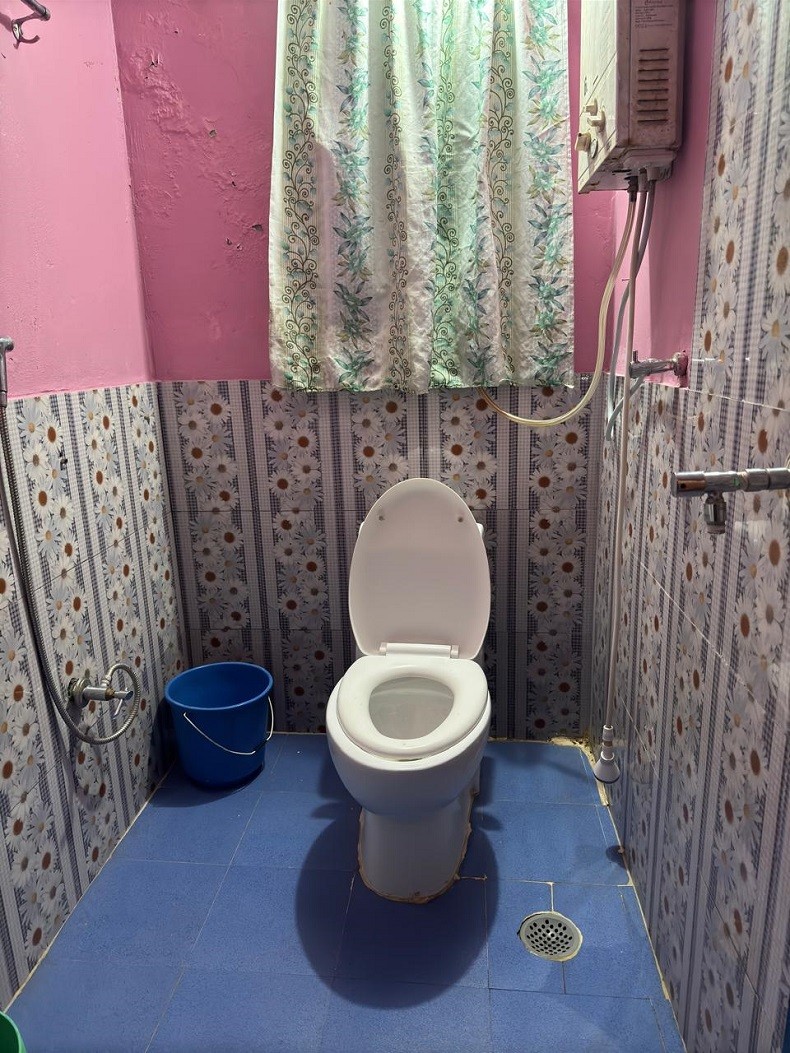
Meanwhile, to prepare for your Langtang Valley Trekking, bring a quick-drying towel and toiletries. When hot showers are not possible during cloudy and rainy days, use cold water for bathing. Most hikers learn to adapt quickly and prefer cold water in the fresh mountain air.
Typically, hot shower facilities along the Langtang Valley Trek are basic but functionally fine. They provide relief after lengthy day hikes. Being flexible and adaptable guarantees a fine experience with intermittent limitations.
Most trekkers can wash their clothes on Langtang Valley Trek. Laundry services are provided by most lodges, especially large villages like Syabrubesi, Langtang, and Kyanjin Gompa. You can ask the lodge owners to wash your clothes at a small fee. They manually wash clothes using soap and water and dry them indoors or outdoors depending on the weather.
Moreover, you can also do washing yourself if you want to during Langtang Valley Trek. Carry a travel detergent or a bar of soap for this purpose. It is possible to wash your clothing in a nearby stream but use a biodegradable soap to contribute to conserving the environment. Washing by hand on a daily basis will keep your clothes fresh, especially socks and underwear.
However, drying clothes during Langtang Valley Trek can be challenging, especially in rainy or cold weather. It is recommended to wear quick-drying clothes as they dry fast and prevent discomfort. Heated drying rooms are available in a few lodges but are rare and mostly at lower elevations.
Most importantly, keep in mind that laundry service becomes less frequent the higher you go during your Langtang Valley Trek. A few small lodges will have no washing service whatsoever. It is best to bring enough clean clothes before starting the trek. You can wash them en route, but plan well for long drying periods.
Overall, laundry on the Langtang Valley Trek is quite manageable. You can wash your clothes on our own at the local tap. You can use soap and bucket while washing clothes along the trail. With a little preparation and the right gear, you can stay clean and comfortable during your travels. This will make the entire Langtang Valley trek more enjoyable and hygienic.
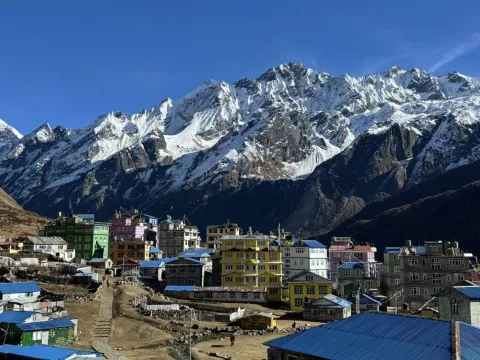
Yes, you can have a hot shower on the Langtang Valley Trek, but this is subject to availability. Most of the lodges in major places like Syabrubesi (1,540m), Langtang village (3,430m), and Kyanjin Gompa (3,870m) provide hot showers. These hot showers are powered by solar heaters, gas, or wood-fired water systems. But in remote or smaller lodges, one may not be able to get a hot shower.
Meanwhile, season and climate affect the availability of hot showers along Langtang Valley Trek. During winter or rainy seasons, solar heaters will not work properly since sunlight is minimal. Water gets cold or remains warm only in this aspect. Hot water usually costs extra, ranging from 200 to 400 NPR (about $1.50 to $3.50 USD) during Langtang Valley Trek. Some lodges have hot showers as part of accommodation price on Langtang Valley, but some charge them separately.
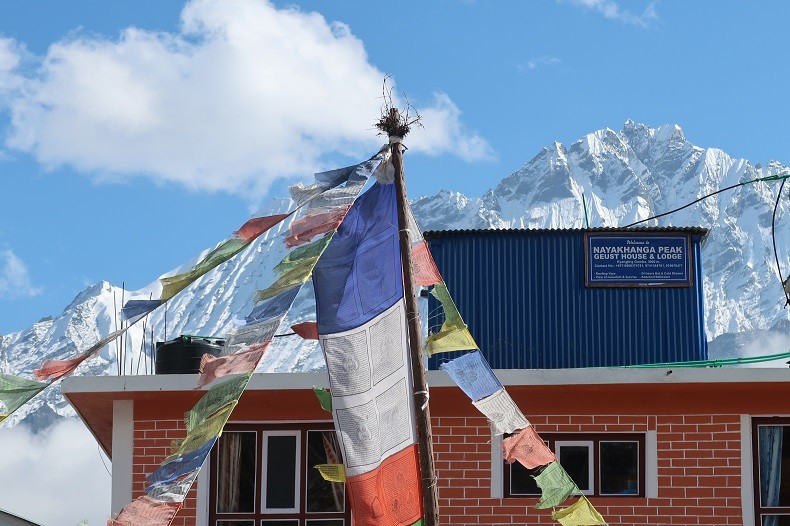
Here, we Expert Team of Haven Holidays Nepal recommended you to pack a fast-drying towel and toilet kits. Showering in cold water is normal if one has no hot shower. Most trekkers do not mind taking cold water. After long hiking days, a hot shower becomes incredibly relieving and muscle ache easing.
Generally, hot shower facilities on Langtang Valley Trek are occasional but comforting. While not everywhere, you can count on hot showers at major stops. Flexibility and expecting modestly can give you a comfortable Langtang Valley trekking experience.
A shower on the Langtang Valley Trek typically costs between 200 and 400 Nepalese Rupees (NPR). This is equivalent to about $1.50 to $3.50 USD. The price will vary depending on the lodge and the location. Well-known stops such as Syabrubesi, Langtang village, and Kyanjin Gompa charge around that amount.
A few of the lodges have hot showers in the room price, especially in more populated or developed areas. Other lodges, however, will charge for hot showers. Have enough small Nepalese Rupee bills to pay this fee. Large bills are difficult to break in isolated areas.
Hot showers use solar panels, gas heaters, or wood-heated systems to heat water. In areas with limited infrastructure, availability and price may fluctuate seasonally. During winter or rainy periods, hot showers may be limited or unavailable. The water might be less hot, or you might have to wait for it to get warm.
A hot shower is luxury on the trail and indulged in by most backpackers. The warmth leads to relaxation of muscles and refresher after a day's trekking. One does, however, need to prepare for days when hot showers are not an option, especially at higher elevations.
In general, hot showers during Langtang Valley Trek cost a small amount of money ranging Rs.200-400 but are very comforting. Budgeting rightly for Hot Shower will enhance the experience of Langtang Valley trekking.
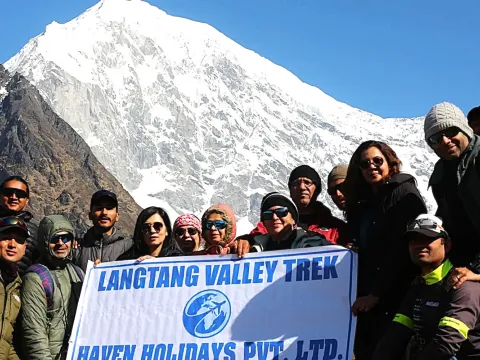
You can anticipate basic yet refreshing amenities when you take a hot water shower on the Langtang Valley Trek. Most hot showers use solar power, gas heaters, or wood-burning water heaters. Because the trekking area is distant, water temperature is uncertain. Sometimes it will be hot enough, but at other times lukewarm or cold.
Meanwhile, hot showers are usually available in the larger lodges at major stops like Syabrubesi (1,540m), Langtang village (3,430m), and Kyanjin Gompa (3,870m). Smaller tea houses or higher-up lodges along the trail may have cold water only or no shower at all.
In fact, Hot Showers Cost on Langtang Valley Trek usually range from 200 to 400 NPR ($1.50 to $3.50 USD). The cost varies with the lodge and season. In winter or on rainy days, hot showers may be rationed because of low sunlight or lack of fuel.
Moreover, the shower cubicles are usually minimal with normal drainage and no extras. Bring your own toiletries, quick-drying towel, and flip-flops for hygiene. The water pressure can be low, so showers might be short at the local teahouses along Langtang Valley Trail.
At times, you may have to wait for hot water in case the lodge has other trekkers. However, a hot shower after a long day's trekking is highly rewarding. It eases the agony of sore muscles and revitalizes your body for the next day’s trek.
Generally, hot showers on the Langtang Valley Trek are basic but valuable. Flexibility and preparation will make you value this small indulgence during the trek.
Laundry on the Langtang Valley Trek is possible but limited. Syabrubesi (1,460m) provides the best laundry service. You can use running water and sunlight for drying purposes. Likewise, in Lama Hotel (2,480m), there is simple bucket-wash laundry provided. But choices do become scarce as you ascend higher up like at Lama Hotel.
Unlike lower villages, high-altitude lodges lack reliable water access. Langtang Village (3,430m) and Kyanjin Gompa (3,870m) rarely offer laundry.
However, these days, Kyanjin Gumba has better laundry facility with tap water or you can wash in the bucket provided by the local lodge. This is because temperatures drop quickly, and water often freezes. Moreover, there are no machines or dryers on the Langtang Valley trail.
Meanwhile, most trekkers wash clothes by hand in lodge buckets. Socks and underwear are easy to wash. However, heavy clothes take a long time to dry and remain wet. Hence, many do not wash clothes at higher altitudes.
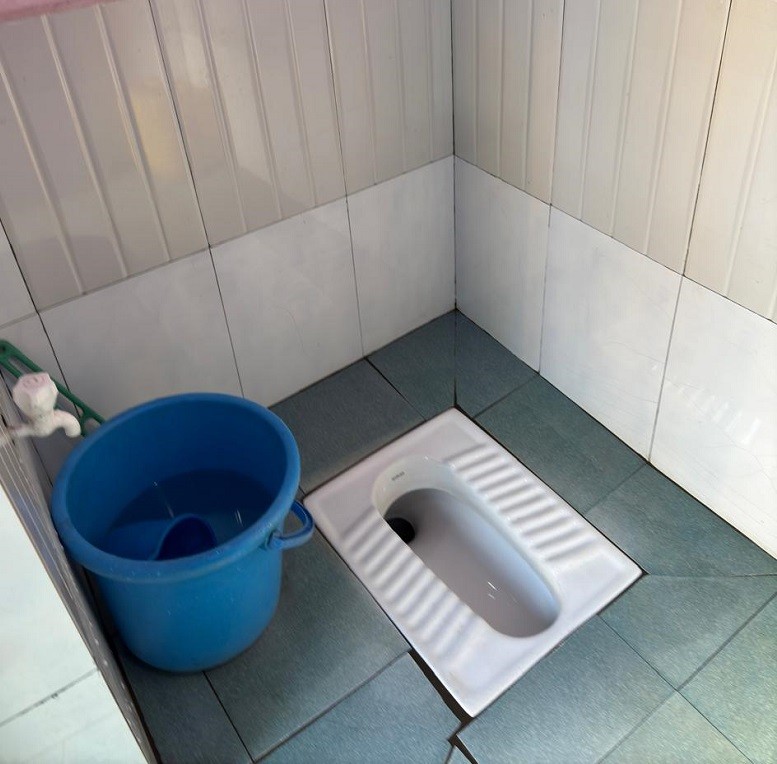
In fact, drying clothes beyond 3,000 meters is a major issue during Langtang Valley Trek. Low temperature and insufficient sun reduce drying time. In addition, rooms in most places have no heating system or a place to hang clothes. Unlike city hotels, lodges make use of open areas for drying.
Similarly, it would be unusual to have the locals wash your clothes. They are busy with the provision of food and lodging services. Moreover, they rely on firewood, which is expensive and in short supply. So, do not trust other people to wash your clothes. Do on your own.
In summary, laundry can be accomplished at the start of the trek at Syabrubesi. Similarly, you can do the same at the end of the trek at Syabrubesi. Nevertheless, it is not simple at higher areas like Kyanjin Gompa and Langtang Village. Thus, pack additional clothes and plan ahead. Use quick-dry materials that you can wash and re-wear. This allows you to maintain cleanliness and comfort along the Langtang Valley trek.
Actually, hot showers are available at local lodges along the Langtang Valley Trek but with restrictions and extra cost. Solar showers are common and reliable in Syabrubesi (1,460m). Similarly, Lama Hotel (2,480m) uses gas or wood fire for heating purposes. But, above 3,000 meters of altitude, hot water is limited and weather-sensitive.
Actually, Langtang Village (3,430m) and Kyanjin Gompa (3,870m) provide hot showers finely during Langtang Valley Trek. However, in cloudy days, the water may be off or lukewarm. Solar panels, in contrast to the lower areas, do not work because of a lack of sunlight and freezing nights. Also, gas or firewood consumption is more costly in remote areas.
In reality, the majority of lodges charge NPR 300 to 500 per shower along the Langtang Valley Trek. Private bathrooms are offered by some, but others provide shared outdoor toilets. Thus, hot water comfort depends on the lodge. Bring your own towel and toiletries to maintain hygiene.
Unlike city hotels in Kathmandu, these lodges don’t have 24/7 water access. Water is heated in tanks or pots, then poured into buckets or you can do enjoy. Also, supply depends on energy availability. For example, in Kyanjin Gompa, electricity can be weak or absent.
In fact, shower timings are most convenient in the late afternoon. The sun shines brighter, and the rooms are warmer. But in winter, many trekkers avoid showering so that they can remain healthy. Wet wipes or sponge baths are their substitutes.
In short, there do exist hot showers along the Langtang Valley Trek but not guaranteed all the time. Altitude becomes increasingly less with fewer and less reliable alternatives. So, plan your shower days well. Use warm water where available, and patiently hold on during cloudy weather. Flexibility keeps you clean and content hot shower during Langtang Valley Trek.
Intelligent packing is the key for doing laundry finely during the Langtang Valley Trek. Compared to urban breaks, facilities in this area are primitive. Therefore, pack lightweight, quick-drying clothing. For example, synthetic underwear and shirts dry faster than cotton ones.
Likewise, bring a small bottle of biodegradable soap for washing your clothes. Regular soap ruins the local water system. Eco-friendly soap keeps the trail clean. And it is nice to have a small foldable bucket. Some lodges do not even provide buckets to use for washing. But, most of them do offer you.
Most importantly, pack some clothesline and clothespins. There are no drying racks available in lodges, unlike in hotels in big cities. You, therefore, need to create your own space for drying clothes. Tie the line outside in the sun or in your room if allowed.
Also, pack a microfiber towel. Microfiber towels dry very quickly and help in wiping clothes. Only use clean spring or tap water in washing. Avoid streams because dirty runoff can contribute to pollution.
Also, carry some ziplock bags or laundry bags for comfortable washing during your Langtang Valley Trek. These are used to keep wet or used clothes inside while on the trek. Do not mix them up with your clean clothes. For hygiene, change innerwear's daily and outerwear every other day during your Langtang Trekking
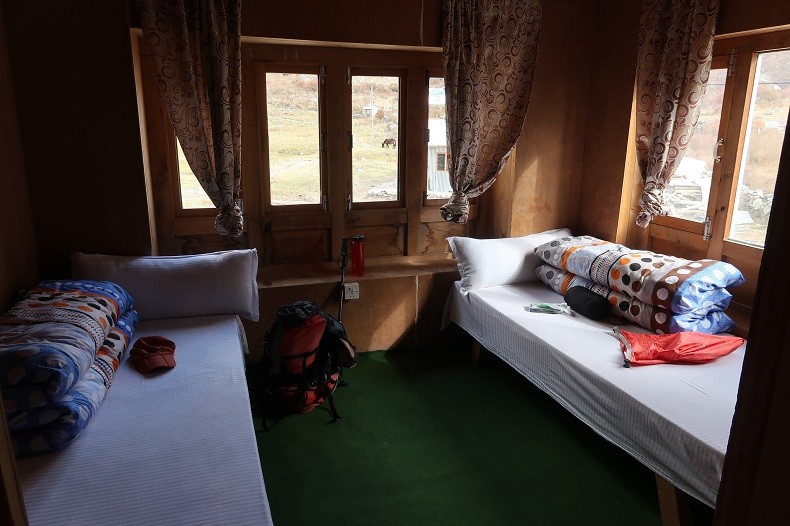
Briefly, carry only the absolute minimum for minimal washing during your Langtang Valley Trek. Heavy gear is a hassle and takes forever to dry. Use fast-dry clothing and green soap for easy hand washing. Anticipate limited water supplies above 3,000 meters along Langtang Valley Trekking trail.
All in all, a small laundry kit makes you the boss and comfortable during your Langtang Valley Trek. With the proper gear, it is easy to be clean in the backcountry. Pack smart, travel light, and wash when you need to.
1. Langtang Valley Trek Cost Breakdown
2. Foods on Langtang Valley Trek: What's on the Menu?
3. Langtang Valley Trek from Kathmandu
4. Langtang Valley Trek in September
5. Langtang Valley Trek in October
6..Accommodation on Langtang Valley Trek: Guide
7. Is Langtang Valley Trek Worth it?
8. Kathmandu to Syabrubesi by Bus or Jeep
9. Langtang Valley Trek in Winter
10. Langtang Valley Trek in Spring
12. Langtang Valley Trek in April
13. Langtang Valley Trek in May
14. Guide is Mandatory for Langtang Region Trekking
15. . How Long is the Langtang Valley Trek?
16. How much does it cost to do Langtang Trek?
17. 50 Facts You May Not know About Langtang Valley Trek
18. 10 best stops in Langtang Valley Trek
19. How much does it cost to do Langtang Valley Trek for 7 days?
20. Langtang Valley Trek 7 Day Itinerary and Cost
21. Langtang Valley Trek in November
22. Best Time for Langtang Valley Trek
23. Langtang Valley Trek in Autumn
25. Gosainkunda Lake Trek in November
26.No Solo Traveler isAllowed to Trek in Langtang Region
27. Is Langtang Valley Trek difficult?
28.10 Best Things to do in Langtang Valley Trek
There are comfortable showers and laundry, although in limited facilities, on Langtang Valley Trek. Both are available conveniently at lower elevations like Syabrubesi (1,460m). Solar or gas heated water and laundry with buckets are standard in lodges. These services are however limited above Lama Hotel (2,480m).
In Langtang Village (3,430m) and Kyanjin Gompa (3,870m), water freezes rapidly. Therefore, hot showers are a matter of sunny weather and functional solar panels. Doing laundry becomes difficult too, as drying takes longer time. There are no machines or electric heating here as in urban stays.
Moreover, both laundry and showers cost extra during Langtang Valley Trek. Hot Shower on the Langtang Valley Trek charge between NPR 300–500 for showers. Self-service laundry using bucket and soap are very comfortable on Langtang Valley Trek. Some trekkers do not do laundry and showers at high altitudes. They use wet wipes or do only essential clothes.
Usually, trekkers plan washing and showering in advance on the Langtang Valley trek. Lower villages get even sun, hotter water, and better facilities. Higher lodges are more concerned with food and heat, not convenience amenities. Therefore, pack sensibly and manage hygiene with simple equipment for hot shower and laundry during Langtang Valley Trek.
In short, the Langtang trek has minimal hygiene facilities, not luxuries. Be flexible and adaptable. Use eco-soap, quick-drying clothing, and have low expectations. It is possible to get clean on the trail with smart preparation.
Overall, the Langtang Valley trek is beautiful and peaceful, even without modern comforts. Good hygiene boosts your energy and confidence. So, plan ahead and use what's available along the trail. The real joy comes from the Langtang Valley trail—not from perfect showers or laundry service.
1. Is hot shower available on Langtang Valley Trek?
Yes, hot showers are available at stops on the Langtang Valley Trek. You can find them at places like Syabrubesi, Langtang Village and Kyanjin Gompa. These lodges use gas or wood heaters for hot water. However, the availability of showers depends on the weather and season. At altitudes you might only get bucket hot water instead of a running shower. Always confirm with your lodge before you expect a shower.
2. How much does a hot shower cost on Langtang Valley Trek?
Hot showers typically cost between NPR 300 and NPR 600 per use. The price depends on the location and the method they use to heat the water. You will find that prices are higher at high-altitude lodges. Some places might charge you for a bucket of water. Remember to budget cash for hot showers as they are not included in your room rates.
3. Can I do laundry during Langtang Valley Trek?
Yes, most lodges along the Langtang Valley Trek offer laundry services. The staff at these lodges will hand-wash your clothes for a fee, which ranges from NPR 300 to NPR 500 per kilogram. They usually dry your clothes using sunlight or indoor racks. While the service is reliable in villages it can be slower in bad weather. Plan for time for your clothes to dry.
4. What should I expect from laundry facilities on the trek?
When you use the facilities on the trek expect your clothes to be hand-washed by the lodge staff using soap and water. They will dry your clothes outdoors on lines if it’s sunny or indoors if it’s not. It usually takes 1 to 2 days for your clothes to be ready during peak season. This service is convenient but not luxurious. It's an idea to bring quick-dry clothes.
5. Do all lodges provide hot showers in Langtang Valley?
Not all lodges provide hot showers, especially the smaller ones above Lama Hotel. Larger villages tend to have facilities. Many lodges offer heated options or hot buckets. Always ask in advance. Carry alternatives like wet wipes for days when you don't have access to a hot shower.
6. How reliable is water for hot showers on Langtang trek?
The reliability of water for hot showers depends on solar power and the weather. Sunny days ensure availability of hot water while cloudy or cold days limit it. You will find consistent service at lower altitudes. At elevations lodges often switch to a bucket system. Carry a headlamp for use in the evening.
7. What items should I bring for laundry on Langtang Valley Trek?
For laundry pack dry trekking clothes, biodegradable soap sheets, laundry bags and a travel clothesline. A microfiber towel and extra socks are items to bring. Avoid cotton clothes as they dry slowly. These essentials will help you manage self-washing on rest days when the lodge service is slow.
8. Is self-laundry possible during Langtang Valley Trek?
Yes, you can wash items like socks and underwear yourself in lodge basins using cold or hot water. Many trekkers do this. Lodges usually allow self-laundry. May charge for drying space. Dry fabrics make self-washing practical and cost-effective.
9. Are hot showers available every day on the trek?
Hot showers are not guaranteed every day in remote sections or during bad weather. You can plan for showers in major villages like Kyanjin Gompa. Many trekkers shower every 2 to 3 days. Use wipes and dry shampoo to maintain hygiene between proper showers.
10. What is the best way to manage clothes on Langtang trek?
The best way to manage your clothes is to layer dry synthetic or merino wool clothes. Wash loads frequently or uses the lodge laundry service in villages. Carry 2 to 3 sets of base layers. Proper management reduces weight. Keeps you comfortable. Always dry your clothes before packing to avoid moisture.
11. Do tea houses in Langtang offer laundry service?
Most tea houses and lodges in Langtang Valley offer paid laundry services. The quality and speed of the service vary by location and staff availability. Bigger settlements provide options. Make sure to communicate about the turnaround time especially during busy trekking seasons.
12. How cold are the showers if hot water is unavailable?
If hot water is cold showers at high altitude can be very chilly especially in the mornings. Many trekkers prefer bucket water or skip full showers. Use wipes and focus on key areas. Evening warm water is more comfortable after a day of trekking.
13. Can I charge devices while taking hot shower?
Some lodges allow you to charge your devices while using hot showers if they have solar or generator power. Others may charge separately for electricity. Power is limited so prioritize your essentials. Carry a power bank for backup during low-power periods.
14. Is laundry service expensive on Langtang Valley Trek?
Laundry costs between NPR 300 and NPR 500 per kilogram, which's reasonable for the remote location. It saves you time and effort. Bulk washing can reduce the per-item expense. Budget NPR 1000 to NPR 2000 total for a week- trek depending on your habits.
15. What alternatives to shower exist on the trek?
If you can't have a shower, use wet wipes, dry shampoo and sponge baths with hot bucket water. Dry towels are also helpful. Focus on hygiene in areas. Many trekkers adapt well. Feel refreshed without daily full showers in the mountains.
16. How does weather affect hot shower and laundry on trek?
Cloudy, rainy or cold weather reduces the availability of solar-heated water. Slows down clothes drying. Plan your hot showers and laundry on sunny days in villages. Monsoon or winter conditions make facilities less reliable. Check forecasts and be flexible.
17. Are there private bathrooms with hot showers?
A few upscale lodges in Syabrubesi and Kyanjin Gompa offer attached private bathrooms with hot showers for higher room rates. Most accommodations have shared facilities. Private options provide comfort but book early during peak season.
18. Should I bring my own towel for showers?
Yes, bring a quick-dry microfiber towel. Lodge towels may not always be available or clean. It's essential for bucket showers and self-washing. Pack one sized towel that can also double as a sarong if needed.
19. How to dry clothes quickly on Langtang Valley Trek?
Hang your clothes in direct sunlight during the day. Use racks near heaters in cold weather. Dry fabrics help significantly. Avoid packing clothes. Some lodges have designated drying areas—ask the staff for the spots.
20. Is it worth paying for hot shower and laundry services?
Yes, paying for hot showers and laundry greatly improves your comfort and hygiene on multi-day treks. It reduces your pack weight. Let’s you enjoy the journey. Most trekkers find the small extra cost worthwhile, for an experience.
Our travel experts are ready to assist you with any questions.
Send us a message.Have a question before you book? Send your enquiry below and our travel experts will get back with the required information.