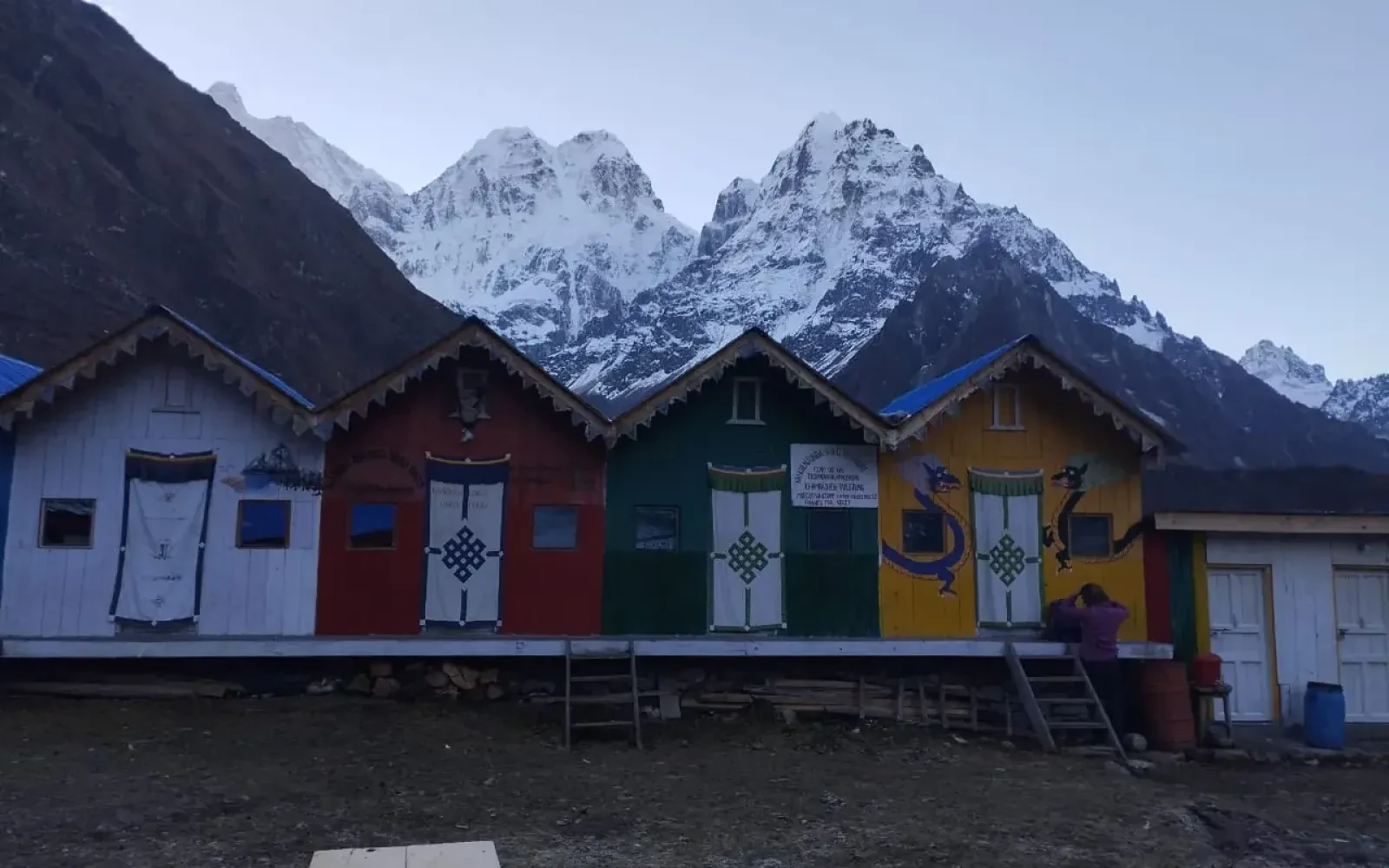
Would you ever think about trekking in Nepal in the monsoon season and be very well prepared about it raining and other security concerns. Besides that, you will also be excited to know that it is completely feasible to go trekking in Nepal during monsoon, if you are an adventure enthusiast!
Although trekking in Nepal in Spring and Autumn is considered to be the best time to trek in Nepal, trekking in Nepal in Monsson has completely distinct excitements and experiences to offer the trekkers. For this, one must board on the trail and experience it.
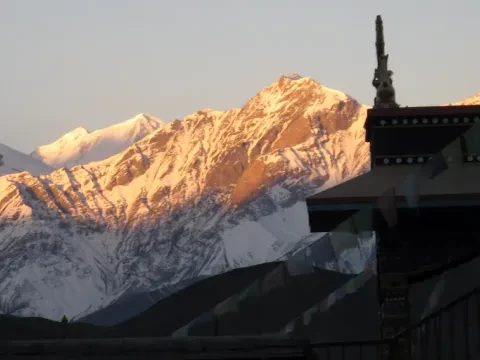
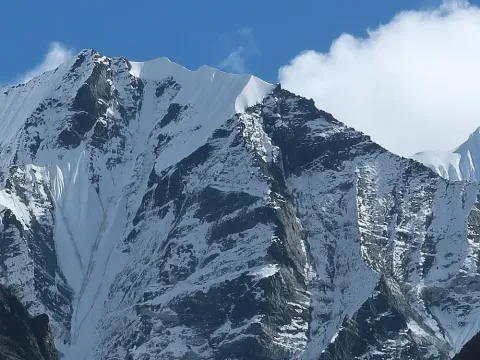
Furthermore, whilst June to September is generally avoided by tourists, it is during the months of monsoon that the Himalayan landscape becomes vibrant and lush green with flowers blooming, spectacular thundering water falls and full rhododendron forest.
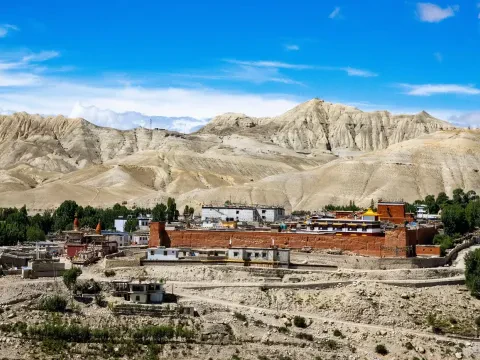
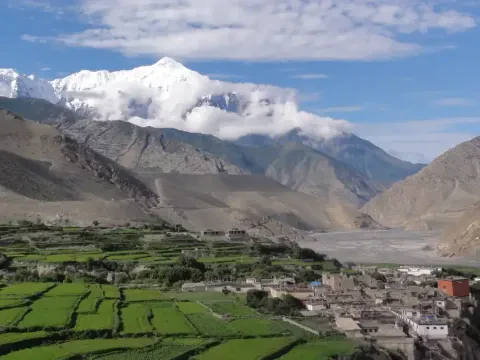
Likewise, the terraced paddy fields look so amazing during trekking in Nepal in Monsoon season. Trekking during the monsoon season gives trekkers the experience of peaceful trail, budget-friendly prices and connection with the nature and the local culture.
The Advantages of trekking in Nepal in the Monsoon season are as followed:
| Trekking aspects | Monsoon season (June-September) | Spring/ Autumn season |
|---|---|---|
| Trekking crowds | Extremely minimal | Massive. |
| Scenery | Lush greenery, waterfalls, vibrant flowers | Dry and clear mountain vista. |
| Trekking prices | Lower (negotiable) | High and premium. |
| Trekking conditions | Wet and potentially muddy trails | Dry and easy-going trails. |
| Mountain views | Often obscured, sometimes visible | Perfect and pristine. |
| Overall trekking experience | tranquil, verdant and nature-centric | Iconic Himalayan vista. |
Therefore, for trekking in Nepal in the monsoon season one needs to be mentally prepared for all possible inconveniences and should possess proper rain gear and reasonable expectations.
Trekking during the monsoon season is an ideal alternative for the trekkers who are more interested in exploring the beauty of Nepal at their own peace and discovering the unexplored trails.
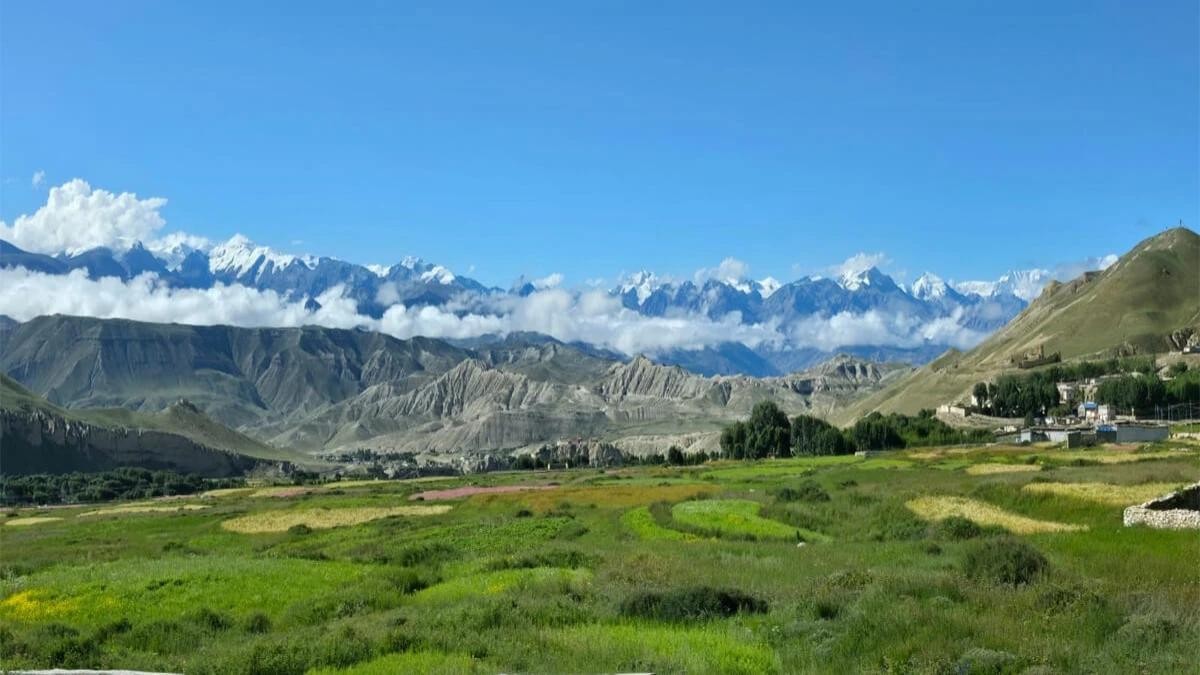
Has it ever occurred to you that the monsoon trekking experience could actually be feasible in Nepal or that people might try it and risk the weather? In reality, monsoon trekking in Nepal is definitely achievable as well as potentially extremely enjoyable, and can be a rewarding experience if the journey is appropriately chosen and well prepared.
While the monsoon rains definitely hinder travel high up, it can be incredibly difficult for longer high altitude treks, it's worth noting that numerous enjoyable treks exist in the mid and lower regions which are open and pleasant even during the monsoon period. Thousands of adventurous trekkers successfully make their journey even during this time every year.
In fact, those who love the musical and melodious sound of the rain falling onto the roofs of local lodges during the nights while they are in the bed know the real taste of trekking in Nepal during Monsoon.
Treks in Nepal during the Monsoon that are actually possible to make:
| Trek type | Feasibility during monsoon | Risk Level | Recommendation |
|---|---|---|
| High Pass treks (e.g. ABC, EBC) | Possible | High | Avoid due to landslides and snow. |
| Mid-Altitude treks | Good | Moderate | An incredibly enjoyable trip. |
| Short Valley treks | Very Good | Low | Most feasible treks in the season. |
| Lower Hill treks | Excellent | Very Low | Best way to visit Nepal during the monsoon. |
Similarly, Monsoon trekking in Nepal can be very feasible if you maintain flexible intentions and are mentally prepared for some rain during your trek.
Does it really make a significant difference trek Nepal during the monsoon season as opposed to during the Spring and Autumn season? Trekking during the monsoon can and does provide a very different experience than the usual, though most people find it remarkably rewarding.
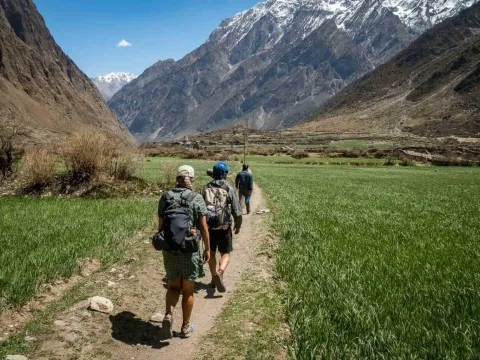
Actually, there is a real transformation occurring all over the country, as the land bursts to life in all shades of green and with innumerable waterfalls and blooming flowers; rhododendron forests come alive with vibrancy unlike the rest of the year; in general, trails come alive during this period.
Key differentiations in trekking in Nepal during the Monsoon season:
| Aspect | Monsoon (June-September) | Spring / Autumn |
|---|---|---|
| Crowds | Very Low | High. |
| Scenery | Lush green, abundant waterfalls | Dry scenery with clear views of the mountains. |
| Trail conditions | Wet and potentially muddy / slippery | Dry and very solid trails. |
| Cost | Low (many discounts available) | High (peak season) |
| Mountain views | Limited / not clearly visible | Excellent and very clear |
| Overall experience | Calm, green, adventuristic | Iconic Himalayan views |
Moreover, a good set of waterproofs, a prepared mental attitude and ability to be flexible in one's trek itinerary are necessary but otherwise monsoon treks are more suitable for those who wish for solitude, have a penchant for vivid scenery and desire to experience local culture and a Nepal perhaps most authentically itself.
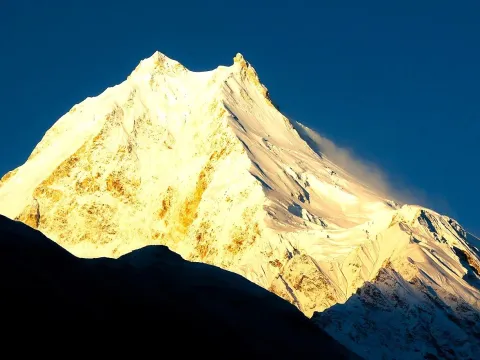
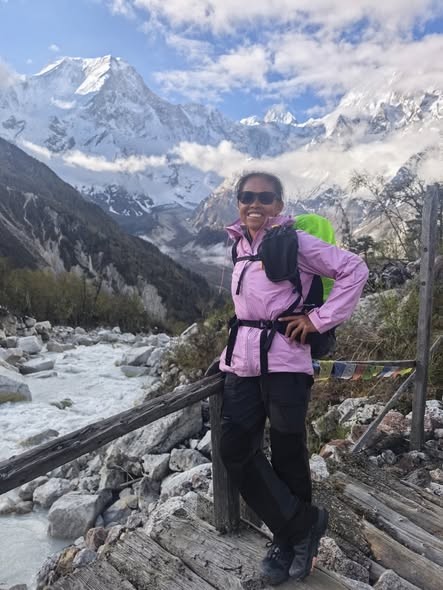
Have you ever wondered how the monsoon weather actually impacts the trekking trails in Nepal? Also, the monsoon significantly alters trail conditions in contrast to dry seasons.
Further, the increased rainfall often causes many of the trails to become muddy and slippery, sometimes even causing unstable paths. Therefore, a once manageable dirt track can evolve into an extremely treacherous and water-logged passage.
Additionally, the rivers and streams swell and surge rapidly, making crossings potentially dangerous. Thus, an understanding of these changes helps you be mentally prepared along with the correct gear.
Effect of monsoon on different trail segments :
| Trail Condition | Effect during Monsoon | Difficulty Increase | Safety Concern |
|---|---|---|
| Muddy & Slippery Paths | Almost ubiquitous | High | High (Slips). |
| River Crossings | Water levels rise drastically | Moderate | High. |
| Visibility | Frequently compromised | Moderate | Moderate. |
| Landslides | Significantly elevated risk | High | Very High. |
| Leeches | Particularly active | Low | Low (annoying). |
Hence, while the natural landscapes become vibrantly green and beautiful, the trails do pose an added challenge requiring extra precaution and appropriate gear during the monsoon months.
you been pondering over which treks are actually suitable for undertaking during the monsoon? While it's true that not all trails are ideal for trekking in the rainy season, there are still numerous options that offer a safe and exceptionally rewarding experience.
More specifically, trekking along lower and mid-altitude routes is generally the wisest choice. By choosing such routes, you'll typically be able to escape the most intense rainfall and landslide risks associated with higher altitudes, allowing you to appreciate the stunning scenery while navigating much safer paths.
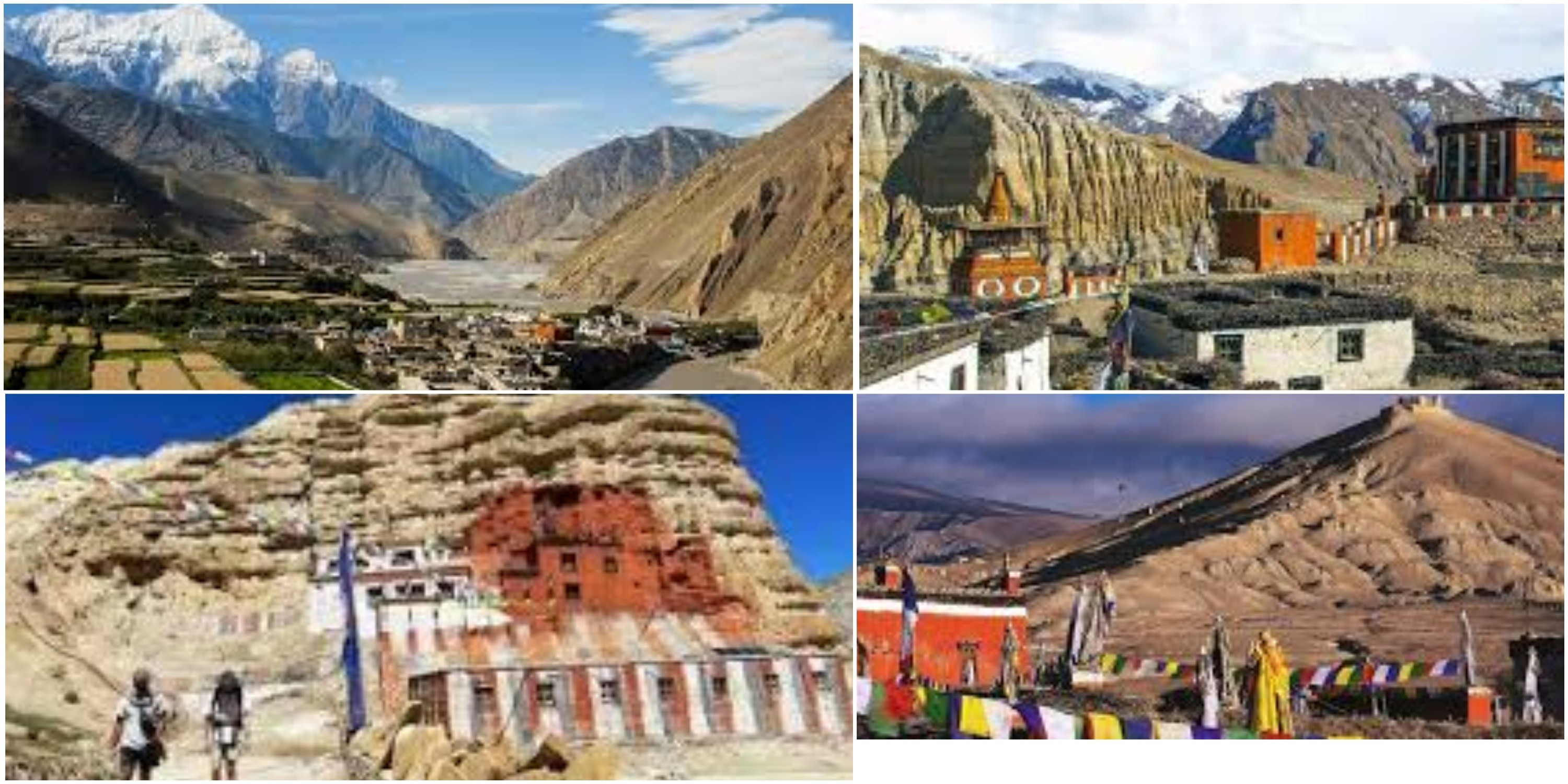
Recommended Safe & Popular Monsoon Treks in Nepal
| Trek Name | Duration | Max Altitude (m) | Safety Level | Why it's recommended during Monsoon |
|---|---|---|
| Ghorepani Poon Hill | 4-6 days | 3,210 | Very Safe | Green landscapes, fewer crowds, and stunning mountain views. |
| Ghandruk - Tadapani | 5-7 days | 3,000 | Safe | Authentic Gurung villages, lush valleys, and manageable trails. |
| Australian Camp Trek | 2-4 days | 2,100 | Very Safe | Easy to access from Pokhara, great views of Annapurna range. |
| Lower Langtang Valley | 6-8 days | 3,000 | Moderate | Scenic beauty, rich culture, and less frequented by tourists. |
| Shivapuri - Chisapani | 2-3 days | 2,400 | Very Safe | Close to Kathmandu, easy trails, and natural beauty. |
In essence, choosing for treks at lower altitudes during the monsoon season allows you to soak in the unique beauty of Nepal's landscapes without compromising significantly on safety.
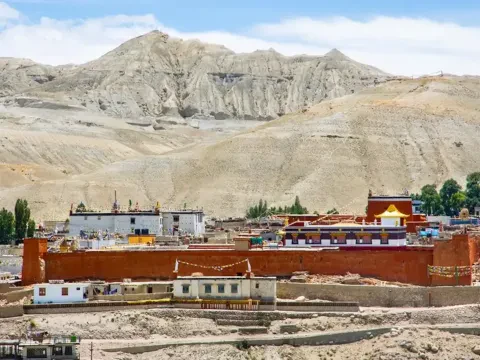
Have you been concerned about the real dangers involved in trekking in Nepal during the monsoon season? Although the scenery can be breathtaking, there are several significant risks you need to be aware of and prepare for.
Furthermore, the major concerns go beyond the mere presence of rain, extending to secondary effects such as landslides, rockfalls, and deteriorated trail conditions. Being knowledgeable about these risks can help you make informed decisions for a safer trek.
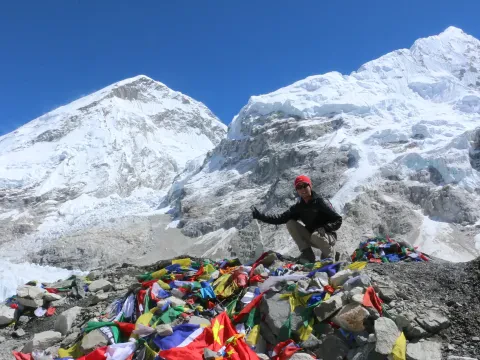
Real risks involved in Monsoon trekking :
| Risk Factor | Level of Risk | Most Affected Areas | How to Minimize Risk |
|---|---|---|
| Landslides | High | Steep, unstable hillsides | Monitor weather closely, avoid trekking after heavy downpours. |
| Leeches | Moderate | Dense, wet forests | Carry salt, tobacco, or wear leech socks. |
| Poor Visibility | High | Higher altitude areas, dense forests | Use a GPS and trek with a reputable guide. |
| Slippery Trails | High | All types of trails | Wear well-gripped trekking shoes. |
| River Crossings | Moderate-High | River valleys, gorges | Avoid crossing during periods of heavy rainfall. |
Additionally, always hire a local guide when trekking in Nepal during the monsoon. Thus, by taking adequate precautions and having realistic expectations, you can effectively minimize the risks and enjoy a safe monsoon adventure in Nepal.
Ever dreamed of trekking in Nepal but been concerned the monsoon season would be too strenuous for a beginner? Well, it entirely depends on your fitness level, trekking destination and mental frame of mind.
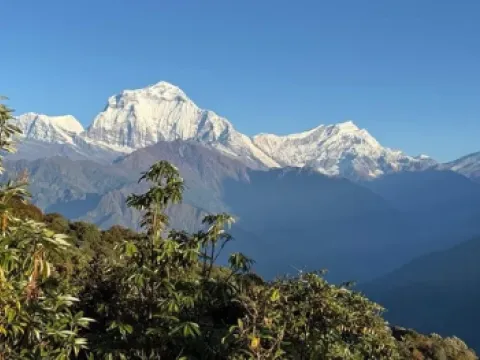
Similarly, beginners can certainly trek during the monsoon season if they choose suitable routes and proper preparations. Therefore, numerous first-time trekkers completed short, low altitude treks during the rainy season and they had a serene experience with no crowds.
Suitability for Beginners :
| Trek Name | Duration | Difficulty | Suitable for Beginners? | Reason |
|---|---|---|
| Ghorepani Poon Hill | 4-6 days | Moderate | Yes | Well-marked trail, good facilities. |
| Australian Camp Trek | 2-4 days | Easy | Highly Recommended | Short, scenic, easy to access. |
| Ghandruk Village Trek | 4-5 days | Easy-Moderate | Yes | Cultural immersion, lower altitude. |
| Shivapuri - Chisapani | 2-3 days | Easy | Yes | Close to Kathmandu. |
So, high-altitude, long-distance treks are not recommended for beginners during the monsoon season. Choose low altitude, short routes to have a great first trekking experience.
Ever wondered about what additional gear one must pack when trekking in Nepal during the rainy season? Right preparation and the suitable equipment make the difference between a strenuous trekking experience and a fulfilling trekking trip. The main intention will be staying dry, having a good grip and safety from landslides and leeches. High quality waterproof gears are mandatory for trekkers.
Essential Gear for Monsoon Trekking :
| Item | Importance | Recommendation |
|---|---|---|
| Waterproof Jacket & Pants | Very High | Highly Recommended, breathable. |
| Trekking Shoes | Very High | Waterproof and with a good grip. |
| Leech Socks / Gaiters | High | Must-Have in forest area. |
| Dry Bags | High | To protect cloths and electronics. |
| Headlamp + Extra Batteries | High | Required due to cloudy and dark environment. |
| Poncho | Moderate | Optional, but can be useful to protect from rains. |
Note: Always carry a first aid kit and sufficient cash as additional items to be packed. This way one can safely and comfortably enjoy the monsoon treks.
Ever wondered what trekking in Nepal cost and crowds compare during monsoon? There are several advantages of trekking in the monsoon season such as drastic reduction in both cost and crowd density. This season is off season for tourism therefore; trekking companies offer very lucrative discounts. Hence one can easily acquire good quality package at affordable price compared to trekking in the peak season.
| Factor | Monsoon Season (Jun-Sep) | Peak Season (Mar-May, Sep-Nov) |
|---|---|---|
| Trekking Package Cost | 30-50% Cheaper | Full price. |
| Lodge/Teahouse Rates | Very Cheap | Costlier. |
| Number of Trekkers | Very Few | Too Many. |
| Permit & Guide Fees | Same or slightly cheaper | Standard rates. |
| Availability of Services | Quite good (fewer people) | Could be tough to get seats. |
Most importantly, you will also get much more attention and hospitality from the guide and the lodges staff since there are very few trekkers. So one could Save money and have personal and intimate experience at the same time with the local people in the beautiful valleys of Nepal.
If you are flexible with the weather and prefer having few people around you and love bargain hunting, then monsoon trek is the best trip ever.
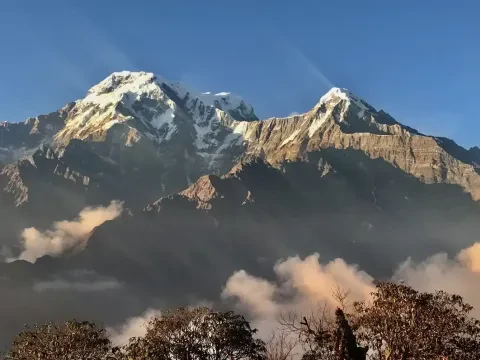
Have you ever considered that trekking during the monsoon could, in fact, have some surprising perks? Beyond the downpours, monsoon reveals a completely different, enchanting face of Nepal that many trekkers may never glimpse.
During the monsoon, the landscapes are flooded with intense greenery, and the mountains are dotted with innumerable waterfalls. As a result, the entire Himalayan region is alive and stunning.
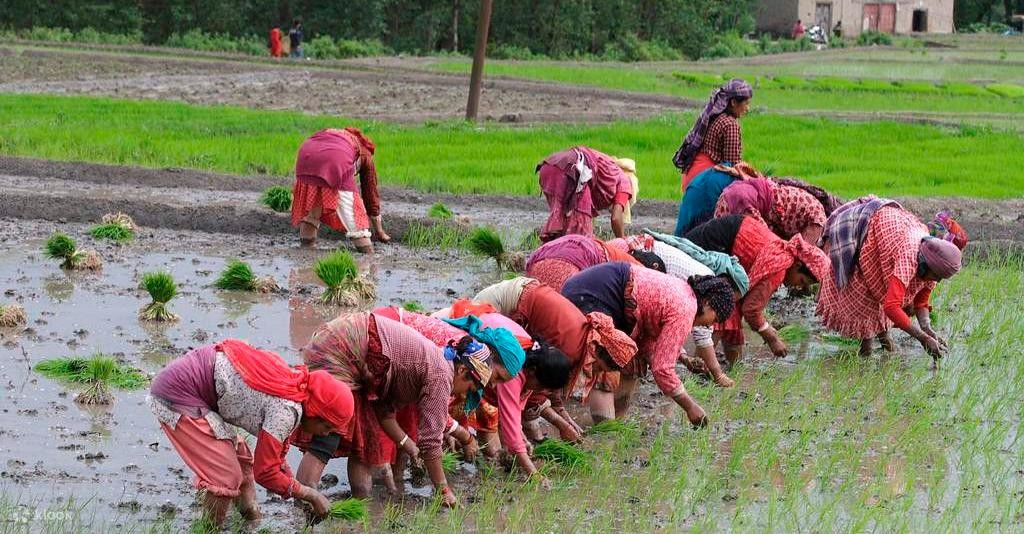
Advantages of Trekking during the Monsoon :
| Benefit | Description | Why It Is Remarkable |
|---|---|---|
| Greenery | Emerald hues of the landscape | Pure paradise for nature lovers |
| Waterfalls | Cascades of the Himalayas | Breathtaking natural phenomena |
| Solitude | Unspoiled, uncrowded paths | Intimate, profound experience |
| Cost savings | Up to 50% off travel packages | Exceptional value for money |
| Festivals | Authentic local celebrations | Direct cultural immersion |
Have you ever pondered why some experienced trekkers intentionally opt for monsoon treks? Many experienced globetrotters actually favor this season due to a number of compelling factors.
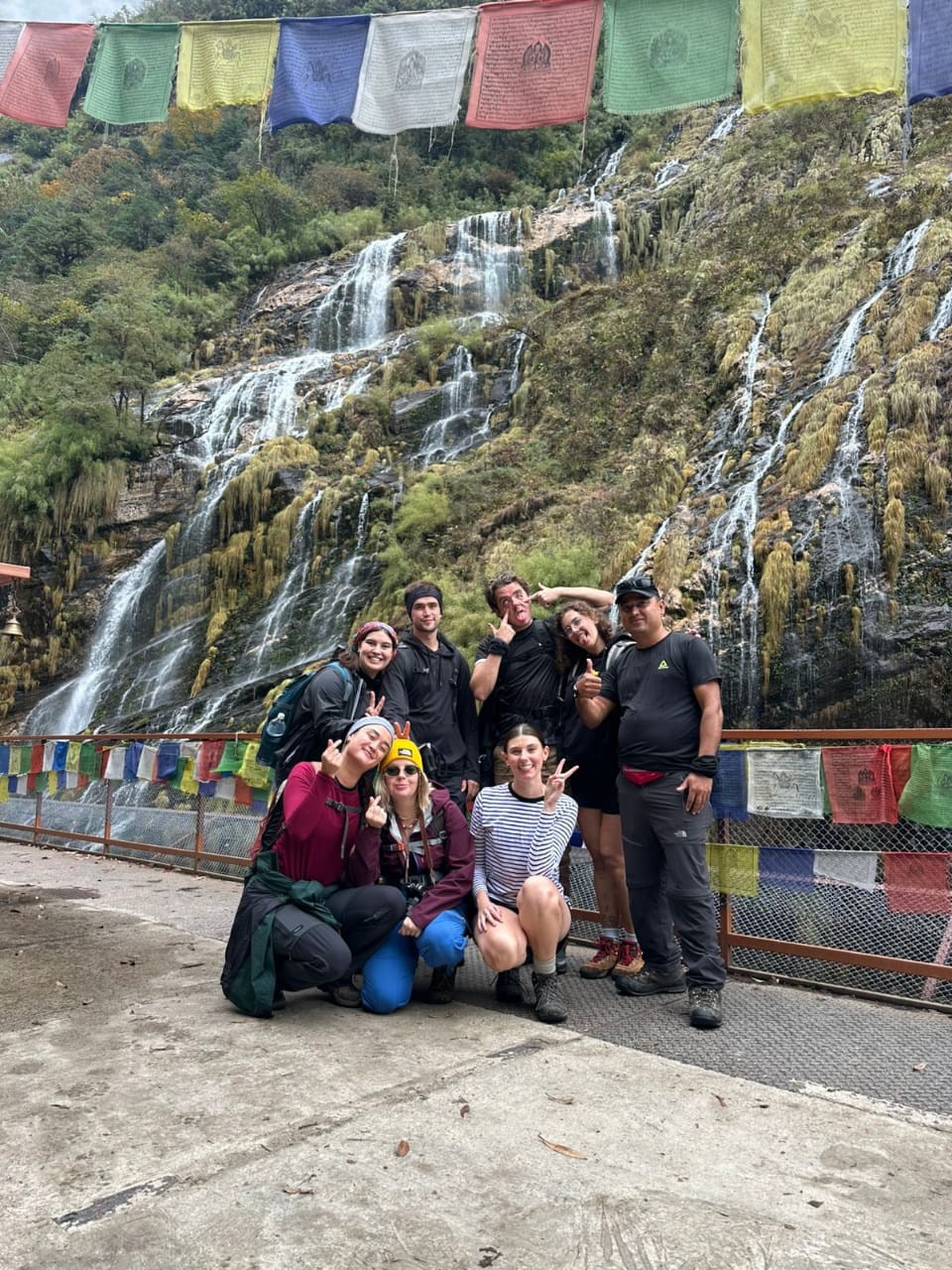
Actually, they relish the tranquility and the beauty that monsoon creates. In return for experiencing occasional rainfall, they are willing to forgo the crowds to fully embrace a more authentic and serene Himalayan journey.
Reasons Why Trekkers Enjoy Monsoon Trekking :
Trekkers Who Favor Monsoon :
Therefore, while trekking in monsoon may not appeal to everyone, many trekkers who try it always end up returning for the exceptional enchantment, peace, and untamed beauty it provides.
Have you been in a debate on whether or not taking the risk of facing the rain for a monsoon trek in Nepal is worthwhile? The answer depends to a large extent on what kind of an experience you are looking for.
If solitude, lush green mountains, and less money are more valuable to you than the views of the Himalayas, then the answer is a resounding YES. In fact, numerous trekkers who have experienced both seasons feel that trekking during monsoon in Nepal is more adventurous and refreshing.
| Experience | Pros | Cons |
|---|---|---|
| The Experience | Peaceful, GREEN and vibrant | Slippery and wet trails. |
| The Cost | 30-50% less expensive | Extra costs for weather delays (possible). |
| The Crowd | Minimal number of tourists | Very few options available if the weather takes a turn for the worse. |
| The Scenery | Lush green valleys and dramatic waterfalls | Low visibility of higher Himalayan peaks. |
| Overall Value | High value for the traveler who fits in | Lower value for those seeking clear mountain views and easy access. |
Therefore, if you're an experienced trekker looking for a truly authentic and serene travel experience, then monsoon trekking might just be your cup of tea. However, for those who simply seek views of the high peaks, spring and autumn would be a far more pleasant experience.
Have you been finding it hard to pick the right monsoon trek so that it is safest and most enjoyable for you? The most important decision one can make for a safe and enjoyable monsoon trek in Nepal is to select the right trek.
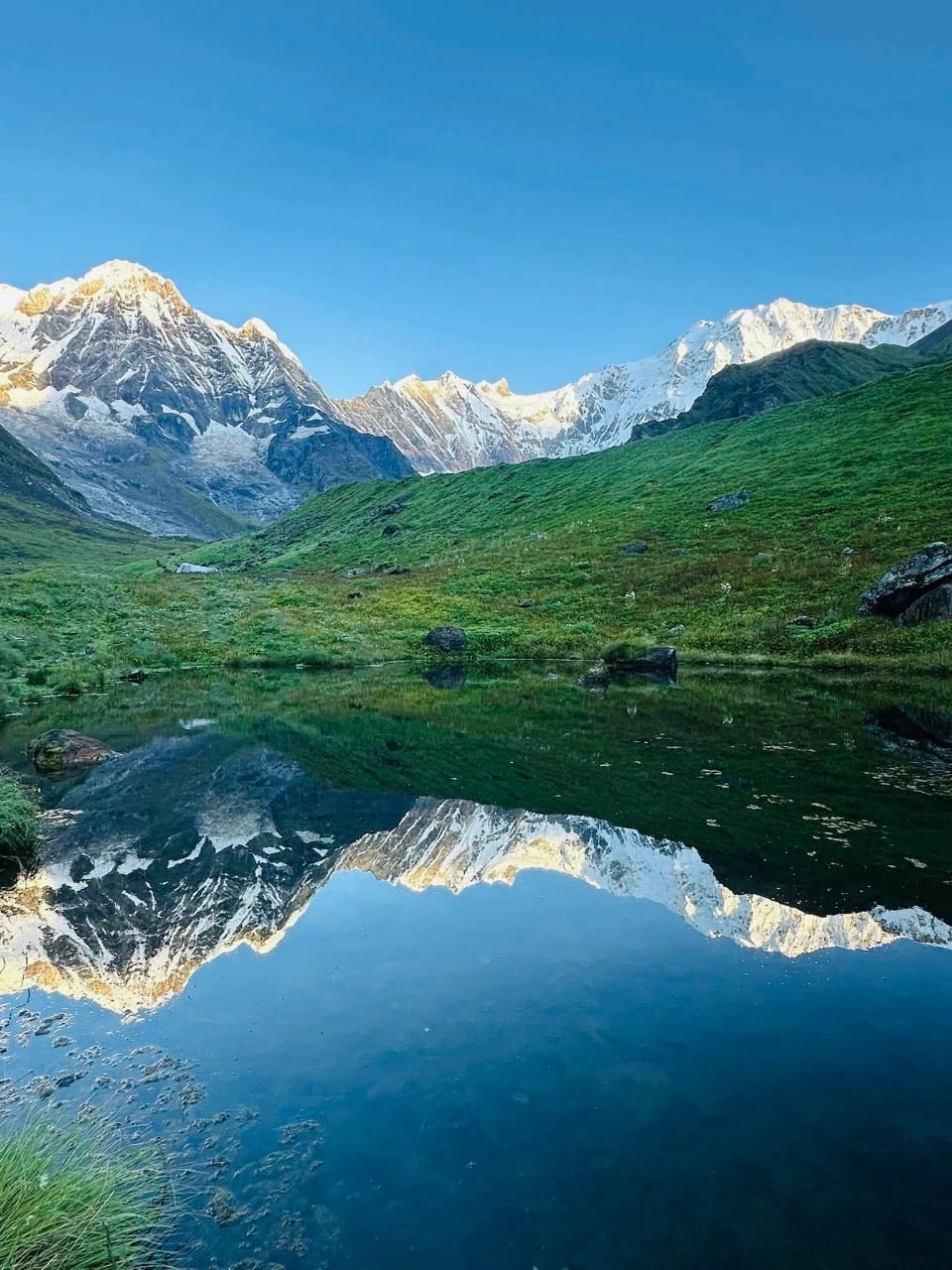
In fact, not all treks are ideal during the monsoon season. Hence, selecting a trek in the lower and mid-hills greatly minimizes the risks while offering a great experience of trekking in the rain.
Selecting the best trek for Monsoon :
| Trek Name | Duration | Max Altitude | Difficulty | Why ideal for Monsoon Trekking |
|---|---|---|
| Ghorepani Poon Hill | 4-6 days | 3,210 m | Moderate | Good number of teahouses, lush green forest trails, lower risk |
| Ghandruk - Tadapani Trek | 5-7 days | 3,000 m | Easy-Moderate | Beautiful Sherpa villages, relatively lower altitude. |
| Australian Camp Trek | 2-4 days | 2,100 m | Easy | Short trek and close to the city of Pokhara |
| Lower Langtang | 6-8 days | 3,000 m | Moderate | Well-developed teahouses and lower altitudes |
| Shivapuri- Chisapani Trek | 2-3 days | 2,400 m | Easy | A short and scenic day hike easily accessible from Kathmandu |
Therefore, selecting the appropriate trek that matches your fitness and risk level is key for an enjoyable and adventurous monsoon trip to Nepal.
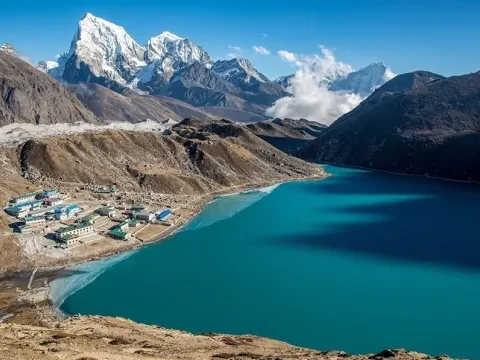
Are you already worrying about keeping yourself safe and healthy while you are trekking in the rainy season? Well, by taking certain precautions, you can significantly reduce the risk of any unwanted things happening while trekking in Nepal during the monsoon.
Actually, the biggest risks of trekking in the monsoon are the slippery trails and the existence of leeches. However, taking precautions will make your trek safe.
Safety and Health Tips for Monsoon Trekking :
| Safety Concern | Action Required | Why it matters |
|---|---|---|
| Trail Safety | Trek in a relaxed pace and make use of a walking pole | Helps to keep your feet firm and prevents slips. |
| Leech Protection | Wear leech socks and use salt/tobacco solution on affected areas | Prevents itches and infections caused by leeches. |
| Landslide Risks | Avoid trekking during or immediately after heavy rainfall | Reduces chances of getting caught in landslides. |
| Health & Hygiene | Drink plenty of water and maintain good personal hygiene | Helps in avoiding sickness and stomach-related problems. |
| Emergency Situation | Always carry a first-aid kit with all your personal medicine and an emergency contact list. | Quick assistance is readily available if necessary. |
Additionally, inform your lodge or guide about your trekking plans for the day. With cautious trekking, it is sure to be an adventurous and pleasant monsoon trek.
Have you ever wondered what experienced trekkers have to say about trekking in Nepal in monsoon? Many trekkers do in fact say very positive things about their monsoon treks.
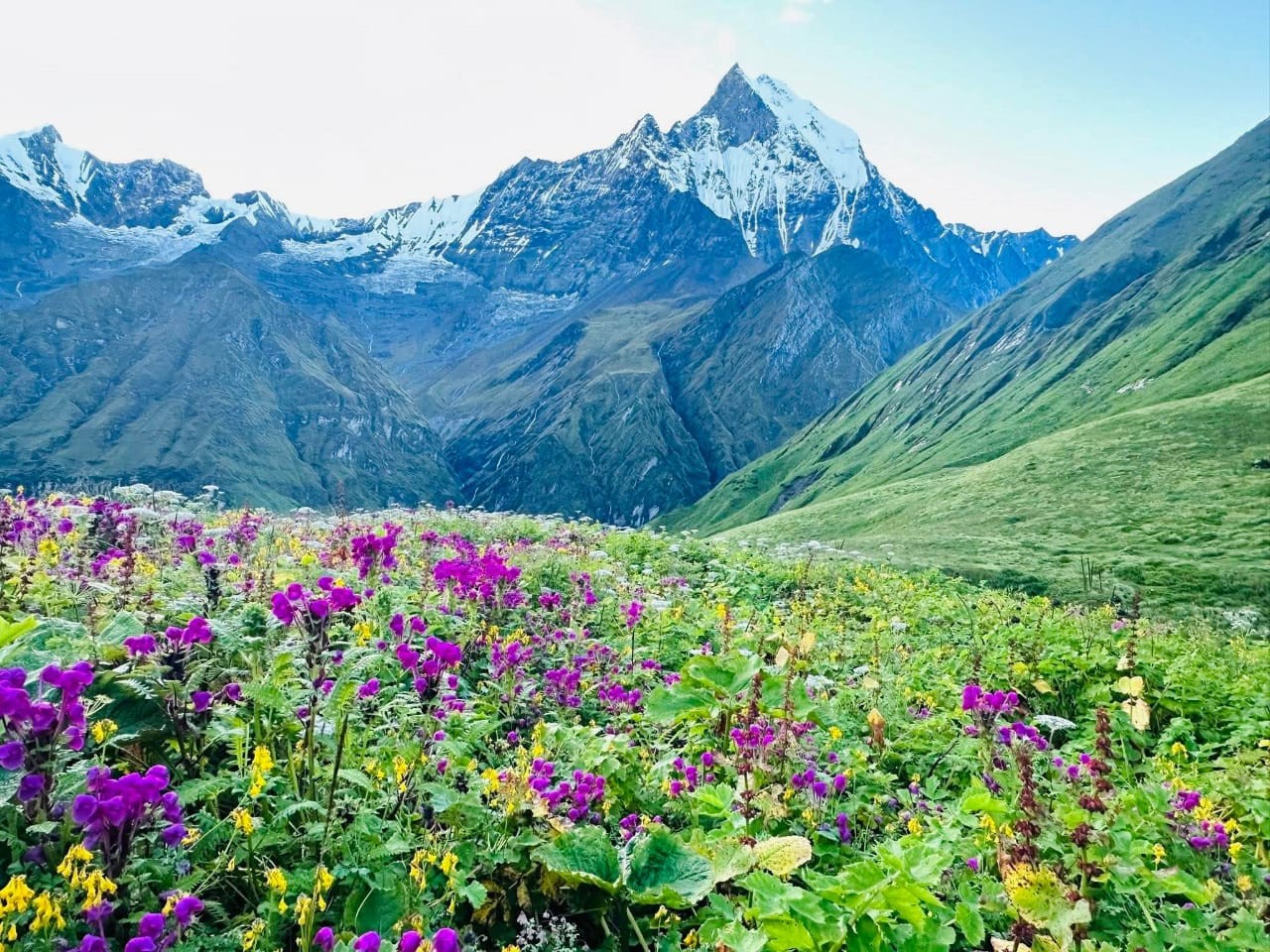
Also, the trekkers who have trekked in both peak and monsoon seasons claim that rainy season trekking is an adventure of a totally different nature but no less rewarding than the peak season trekking. These are some excerpts from experienced trekkers, which will give you some realistic expectations if you're planning to trek in monsoon.
What experienced trekkers have to say :
| Opinion | Percentage(approx) | Main reason |
|---|---|---|
| Recommends trekking in monsoon | 65% | Peaceful, green landscapes, authenticity. |
| Recommends with caution | 25% | Short treks best for monsoon. |
| Recommends against trekking in monsoon | 10% | Prefer to have unobstructed views of mountains. |
In conclusion, experienced trekkers also generally suggest opting for the right trek in monsoon. It would be good to choose low or mid altitude treks. Therefore, experienced trekkers overwhelmingly support the idea of monsoon trekking if it's well chosen and in right mentality.
you gone through all the realities, benefits and drawbacks of monsoon trekking in Nepal? With all said and done, the verdict is a clear "YES, you should trek in monsoon if you know what you are getting into".
Actually, Monsoon trekking in Nepal is not for everybody but it is for those who want a little solitude and would love to see Nepal in all its emerald green glory and watch breathtaking waterfalls with great value for their money. It presents a Raw, Peaceful, Authentic face of Nepal unlike other seasons.
Final Verdict :
Final Recommendation,
Therefore, if you are flexible and have no particular issues with rain, monsoon trekking in Nepal is totally worth it! Trekking in monsoon is less about battling the rain and more about accepting the mountains with its verdant embrace!
Happy monsoon trekking!
1. Can you trek in Nepal during monsoon?
Yes, trekking in Nepal is absolutely possible during monsoon season (June–September). While some trekking routes are better suited for this time, many are still enjoyable, especially those in the rain shadow regions. You'll get incredibly lush green landscapes, far fewer crowds, and can usually expect a dip in prices, but you will need to be prepared for rain, potentially muddy trails and the risk of landslides.
2. What are the main drawbacks of trekking in Nepal during monsoon?
Mainly the heavy rainfall which makes trails extremely slippery, muddy, and prone to landslides. You'll encounter plenty of leeches in the lower valleys, and the mountain views will likely be hidden by clouds. Flights are frequently delayed or canceled in mountain regions, and the high humidity can make it more strenuous. Altitude sickness can feel worse.
3. What are the benefits of trekking in monsoon?
The trekking routes will be full of incredible, vibrant green forests and bursting waterfalls. All the flowers will be blooming and there will be very few other trekkers on the trails. Your accommodation will be quieter and often there are some amazing deals to be had on accommodation and guide/porter services.
4. What are the best treks during the monsoon season in Nepal?
The rain-shadowed trekking regions such as the Upper Mustang, the Upper Dolpo and the Nar Phu Valley are great choices and will be clear and dry, as will most of the trekking routes high in the upper Annapurna region and on the Annapurna Circuit above 2500m. Gorepani Poon Hill and Everest Base Camp trek are often undertaken with good preparation and flexible plans.
5. Is it feasible to trek the Annapurna Circuit during monsoon?
Yes, the higher altitudes of the Annapurna Circuit, Manang and beyond, fall into the rain shadow. While the lower sections could be quite wet, the valleys in the rain shadow remain largely dry, with green vistas all around. Hiring a guide is highly recommended on this trek, both during monsoon season and outside it.
6. How safe is it to trek in Nepal during the monsoon?
Trekking in Nepal during monsoon can be done safely provided you prepare thoroughly and understand the conditions. Taking an experienced, licensed guide, planning carefully with buffer days and having a robust travel insurance policy are essential. The higher risk of landslides or swollen rivers need to be considered.
7. What items should I pack for monsoon trekking?
High-quality waterproof and windproof rain gear (jacket and trousers), gaiters and leech socks are a must. Waterproof trekking boots are highly recommended, as are ponchos to keep you and your backpack dry. Trekking poles are also useful for slippery trails. Pack plenty of quick-dry clothing.
8. Can I still expect to see mountain views in Nepal during the monsoon?
Views can be hit and miss during the monsoon. Mornings are often clearer than the afternoons and can be incredibly beautiful and atmospheric with a mystical mist around the higher peaks. The views are significantly clearer when you reach higher altitudes in the rain shadow regions of Nepal.
9. Will there be leeches when trekking during monsoon in Nepal?
Yes, there will be leeches in the lower-altitude, forested areas during monsoon. While they are not pleasant to encounter, carrying salt or tobacco to remove them quickly and using gaiters and leech socks should protect you. Above 2500m-3000m there usually are few if any leeches.
10. Is the Upper Mustang a suitable destination for monsoon trekking?
Upper Mustang is often the most recommended trekking region in Nepal for the monsoon season. This Tibetan highland lies in the Himalayan rain shadow and therefore gets virtually no monsoon rainfall, with dry, desert-like landscapes and clearer skies throughout the period.
11. How do flight schedules get affected during monsoon season in Nepal?
The mountain airports like Lukla and Jomsom are particularly vulnerable to weather changes, and so flights to these locations are frequently delayed or canceled during the monsoon. Always factor in an extra day or two when trekking to these regions.
12. Can a beginner trek in Nepal during the monsoon?
A beginner can absolutely trek in Nepal during the monsoon if choosing a shorter, lower-altitude trek, or a more popular, well-established trekking route such as Ghorepani Poon Hill. Longer, higher altitude treks will be more challenging during this time.
13. Are the teahouses open during monsoon in Nepal?
Yes, most of the teahouses on popular trekking routes will remain open. You may actually get more personal service at the teahouses due to fewer trekkers staying at each one, however some of the more remote ones may close during the monsoon. It can be a good idea to check their opening times beforehand.
14. What is the typical weather like during the monsoon season in Nepal?
In general, the majority of the rainfall during monsoon season tends to be concentrated during the afternoon, though it can rain at any time. The mornings are often clearer and better suited for walking. The days will feel warm and humid at lower altitudes but can be cooler higher up. Weather in the mountains can change quickly.
15. Is it better to hire a guide or trek independently during monsoon?
Yes, hiring a licensed guide during the monsoon trekking season in Nepal is highly recommended. They are far more experienced at spotting and warning of landslides, navigating muddy and slippery paths safely, and finding the best accommodation when on the trails.
16. Will trekking in Nepal during the monsoon be cheaper?
Yes, normally all trekking permits, accommodations, and guide/porter costs will be discounted when trekking during the monsoon compared to the peak seasons. Some tour operators will also lower their prices.
17. Is it possible to trek to Everest Base Camp during the monsoon?
Yes, it is possible to trek to EBC during the monsoon but it's generally not recommended. The lower trails are prone to heavy rain and landslides and are full of leeches. The views of the high mountains are almost always blocked by clouds and the rain and humidity can be challenging. This is only really recommended for very experienced trekkers who don't mind the conditions and understand the risks involved.
18. What are some of the precautions you should take when trekking in Nepal during monsoon?
Make sure you take the time to check the weather reports on a daily basis (though these aren't always very accurate in the mountains), take things slow and easy when the trails become slippy, make sure your backpack is kept dry and waterproofed, and most importantly remain flexible and have plans for an alternative route or extra accommodation should it be necessary.
19. Is monsoon the best time to visit Nepal for photography?
While not ideal for classic mountain views, the monsoon can be an amazing time to visit Nepal for photography if you are into more atmospheric, moody, and colourful images. The dramatic cloud formations, the incredible green, lush landscape, the waterfalls bursting at their banks and the beauty of the post rain world can be incredibly photographic.
20. Is trekking in Nepal during the monsoon worth it?
Whether or not monsoon trekking in Nepal is 'worth it' is down to the individual. If you value solitude on the trails, don't mind a bit of rain and want to experience a unique and vibrant version of the country for less money then yes it could be worth it for you. However, if clear, dramatic mountain views are your priority, then the pre and post monsoon seasons will remain a better option.
Our travel experts are ready to assist you with any questions.
Send us a message.Have a question before you book? Send your enquiry below and our travel experts will get back with the required information.