[{"name":"Everest Base Camp Helicopter Tour","duration":"1","image_url":"https:\/\/www.havenholidaysnepal.com\/storage\/trip-galleries\/1\/thumb_6cd53005d75a86e373d31419d1b14d78.webp","offer_price":1195,"url":"https:\/\/www.havenholidaysnepal.com\/trips\/everest-base-camp-helicopter-tour"},{"name":"Everest Mountain Flight","duration":"1","image_url":"https:\/\/www.havenholidaysnepal.com\/storage\/trip-galleries\/4\/thumb_3b0b4f1d6f72b0ad224daf4752f2c6e0.jpg","offer_price":285,"url":"https:\/\/www.havenholidaysnepal.com\/trips\/everest-mountain-flight"},{"name":"Everest Short Trek","duration":"9","image_url":"https:\/\/www.havenholidaysnepal.com\/storage\/trip-galleries\/5\/thumb_BXPP3621.JPEG0.02033800 1727957098.webp","offer_price":995,"url":"https:\/\/www.havenholidaysnepal.com\/trips\/everest-short-trek"},{"name":"Gokyo Valley Trek","duration":"12","image_url":"https:\/\/www.havenholidaysnepal.com\/storage\/trip-galleries\/6\/thumb_10bc469b14731f23d3ce84a7092ad53f.jpg","offer_price":1195,"url":"https:\/\/www.havenholidaysnepal.com\/trips\/gokyo-valley-trek"},{"name":"15 days Annapurna Base Camp Trek","duration":"15","image_url":"https:\/\/www.havenholidaysnepal.com\/storage\/trip-galleries\/7\/thumb_87d1533bc45faf070990aef0579e4be4.jpg0.81855100 1728285496.webp","offer_price":785,"url":"https:\/\/www.havenholidaysnepal.com\/trips\/15-days-annapurna-base-camp-trek"},{"name":"Nepal Pilgrimage Tour","duration":"14","image_url":"https:\/\/www.havenholidaysnepal.com\/storage\/trip-galleries\/8\/thumb_02c3bcf2ad2e8a4c1703e90ae747b5f1.jpg","offer_price":1475,"url":"https:\/\/www.havenholidaysnepal.com\/trips\/nepal-pilgrimage-tour"},{"name":"UNESCO World Heritage Site Tour","duration":"10","image_url":"https:\/\/www.havenholidaysnepal.com\/storage\/trip-galleries\/9\/thumb_unesco-world-heritage-site-Lumbani-temple-buddhists-hindus-kathmandu-nepal0.36988600 17347617740.93089500 1737469667.webp","offer_price":715,"url":"https:\/\/www.havenholidaysnepal.com\/trips\/unesco-world-heritage-site-tour"},{"name":"Island Peak Climbing","duration":"16","image_url":"https:\/\/www.havenholidaysnepal.com\/storage\/trip-galleries\/11\/thumb_Island peak0.53947000 1734692503.webp","offer_price":2495,"url":"https:\/\/www.havenholidaysnepal.com\/trips\/island-peak-climbing"},{"name":"Upper Mustang Trek","duration":"18","image_url":"https:\/\/www.havenholidaysnepal.com\/storage\/trip-galleries\/12\/thumb_upper mustang 7 Oct-2024.jpg0.95398900 1728286166.webp","offer_price":2995,"url":"https:\/\/www.havenholidaysnepal.com\/trips\/upper-mustang-trek"},{"name":"Annapurna Circuit Trek","duration":"16","image_url":"https:\/\/www.havenholidaysnepal.com\/storage\/trip-galleries\/15\/thumb_tibetan-flags.jpg0.04843900 1728289138.webp","offer_price":985,"url":"https:\/\/www.havenholidaysnepal.com\/trips\/annapurna-circuit-trek"},{"name":"Gosainkunda Lake Trek","duration":"10","image_url":"https:\/\/www.havenholidaysnepal.com\/storage\/trip-galleries\/16\/thumb_5A8083B3-C007-41A8-853F-D0C37C97D235_1_105_c.jpeg0.52581200 1731845258.webp","offer_price":595,"url":"https:\/\/www.havenholidaysnepal.com\/trips\/gosainkunda-lake-trek"},{"name":"Zip-lining in Pokhara and Dhulikhel","duration":"1","image_url":"https:\/\/www.havenholidaysnepal.com\/storage\/trip-galleries\/18\/thumb_215f765e2ebc995dd5c800b4bfdbacc3.jpg","offer_price":82,"url":"https:\/\/www.havenholidaysnepal.com\/trips\/zip-lining-in-pokhara-and-dhulikhel"},{"name":"Annapurna Heli Tour","duration":"1","image_url":"https:\/\/www.havenholidaysnepal.com\/storage\/trip-galleries\/19\/thumb_d71a6bbb9fd4da8d1b567a5cdbdec85d.jpg","offer_price":555,"url":"https:\/\/www.havenholidaysnepal.com\/trips\/annapurna-heli-tour"},{"name":"Paragliding in Pokhara","duration":"1","image_url":"https:\/\/www.havenholidaysnepal.com\/storage\/trip-galleries\/20\/thumb_de788d2dd9726783431f882c007efae1.jpg","offer_price":65,"url":"https:\/\/www.havenholidaysnepal.com\/trips\/paragliding-in-pokhara"},{"name":"Ultra-Flight in Pokhara","duration":"1","image_url":"https:\/\/www.havenholidaysnepal.com\/storage\/trip-galleries\/21\/thumb_e27a9fb572a5c21611bb2a3c18e4b8f0.jpeg","offer_price":175,"url":"https:\/\/www.havenholidaysnepal.com\/trips\/ultra-flight-in-pokhara"},{"name":"Sarangkot Hiking","duration":"1","image_url":"https:\/\/www.havenholidaysnepal.com\/storage\/trip-galleries\/22\/thumb_100ef822fea19987166c6c1366215f15.jpg","offer_price":55,"url":"https:\/\/www.havenholidaysnepal.com\/trips\/sarangkot-hiking"},{"name":"Mera Peak Climbing","duration":"18","image_url":"https:\/\/www.havenholidaysnepal.com\/storage\/trip-galleries\/24\/thumb_d16ae3895f678cf26ffbf2455f541fb5.jpg0.31883400 1732617790.webp","offer_price":2475,"url":"https:\/\/www.havenholidaysnepal.com\/trips\/mera-peak-climbing"},{"name":"Lower Dolpo Trek","duration":"18","image_url":"https:\/\/www.havenholidaysnepal.com\/storage\/trip-galleries\/26\/thumb_Dolpo Galary - 1.JPG0.37725200 1727939952.webp","offer_price":2995,"url":"https:\/\/www.havenholidaysnepal.com\/trips\/lower-dolpo-trek"},{"name":"Nagarkot Sunrise\/Sunset Tour","duration":"1","image_url":"https:\/\/www.havenholidaysnepal.com\/storage\/trip-galleries\/27\/thumb_5147a5532644283a380f2e86f3857c13.jpg0.17748000 1728488108.webp","offer_price":30,"url":"https:\/\/www.havenholidaysnepal.com\/trips\/nagarkot-sunrise-sunset-tour"},{"name":"16 day Everest Base Camp Trek","duration":"16","image_url":"https:\/\/www.havenholidaysnepal.com\/storage\/trip-galleries\/28\/thumb_IMG_4311.JPG0.64984800 1727942213.webp","offer_price":1695,"url":"https:\/\/www.havenholidaysnepal.com\/trips\/16-day-everest-base-camp-trek"},{"name":"Ghorepani Poon Hill trek with Jungle Safari and Trishuli River Rafting -13 days","duration":"13","image_url":"https:\/\/www.havenholidaysnepal.com\/storage\/trip-galleries\/29\/thumb_Ghorepani Poon hill.jpg0.48460800 1728281439.webp","offer_price":795,"url":"https:\/\/www.havenholidaysnepal.com\/trips\/ghorepani-poon-hill-trek-with-jungle-safari-and-trishuli-river-rafting--13-days"},{"name":"Mardi Himal Trek","duration":"12","image_url":"https:\/\/www.havenholidaysnepal.com\/storage\/trip-galleries\/30\/thumb_s1.jpg0.62112600 1728200721.webp","offer_price":795,"url":"https:\/\/www.havenholidaysnepal.com\/trips\/mardi-himal-trek"},{"name":"Langtang Valley Trekking","duration":"10","image_url":"https:\/\/www.havenholidaysnepal.com\/storage\/trip-galleries\/31\/thumb_IMG_4702.JPG0.84916500 1727958504.webp","offer_price":685,"url":"https:\/\/www.havenholidaysnepal.com\/trips\/langtang-valley-trekking"},{"name":"Real Adventure Tour in Nepal","duration":"9","image_url":"https:\/\/www.havenholidaysnepal.com\/storage\/trip-galleries\/32\/thumb_ebd1b8cc78d90abe8b9003dd9a2f25bf.jpg0.82151300 1728213516.webp","offer_price":695,"url":"https:\/\/www.havenholidaysnepal.com\/trips\/real-adventure-tour-in-nepal"},{"name":"Luxury Tour in Nepal","duration":"10","image_url":"https:\/\/www.havenholidaysnepal.com\/storage\/trip-galleries\/33\/thumb_8574e61b252b18676b042caf30d830df.jpg","offer_price":1675,"url":"https:\/\/www.havenholidaysnepal.com\/trips\/luxury-tour-in-nepal"},{"name":"Luxury Everest Panorama Trek With EBC Heli Sightseeing","duration":"8","image_url":"https:\/\/www.havenholidaysnepal.com\/storage\/trip-galleries\/34\/thumb_URZL2397.JPEG0.01209600 1728027820.webp","offer_price":2395,"url":"https:\/\/www.havenholidaysnepal.com\/trips\/luxury-everest-panorama-trek-with-ebc-heli-sightseeing"},{"name":"13 day Everest Base Camp Trek with Helicopter","duration":"13","image_url":"https:\/\/www.havenholidaysnepal.com\/storage\/trip-galleries\/35\/thumb_IMG_4292.JPG0.70131500 1728029276.webp","offer_price":2095,"url":"https:\/\/www.havenholidaysnepal.com\/trips\/13-day-everest-base-camp-trek-with-helicopter"},{"name":"Manaslu Circuit Trek","duration":"16","image_url":"https:\/\/www.havenholidaysnepal.com\/storage\/trip-galleries\/36\/thumb_Mt Manaslu 03-Oct-2024.jpg0.65804900 1727938470.webp","offer_price":1055,"url":"https:\/\/www.havenholidaysnepal.com\/trips\/manaslu-circuit-trek"},{"name":"Kanchenjunga Base Camp Trek","duration":"21","image_url":"https:\/\/www.havenholidaysnepal.com\/storage\/trip-galleries\/37\/thumb_Kanchanjunga Trek -!.jpg0.54744400 1727938497.webp","offer_price":2275,"url":"https:\/\/www.havenholidaysnepal.com\/trips\/kanchenjunga-base-camp-trek"},{"name":"Ganesh Himal and Sing-La Trek","duration":"14","image_url":"https:\/\/www.havenholidaysnepal.com\/storage\/trip-galleries\/38\/thumb_Ganesh Himal slider-1.jpg0.43764500 1727937722.webp","offer_price":1775,"url":"https:\/\/www.havenholidaysnepal.com\/trips\/ganesh-himal-and-sing-la-trek"},{"name":"Island Peak Climb with Everest Base Camp Trek","duration":"21","image_url":"https:\/\/www.havenholidaysnepal.com\/storage\/trip-galleries\/39\/thumb_2be428730fe83525bc85a010564f99de.jpg","offer_price":2750,"url":"https:\/\/www.havenholidaysnepal.com\/trips\/island-peak-climb-with-everest-base-camp-trek"},{"name":"Students' Adventure Tour in Nepal","duration":"12","image_url":"https:\/\/www.havenholidaysnepal.com\/storage\/trip-galleries\/41\/thumb_a926d22fbfe08cba271c41ac289b3fd2.jpg","offer_price":995,"url":"https:\/\/www.havenholidaysnepal.com\/trips\/students-adventure-tour-in-nepal"},{"name":"7 Day Poonhill Trek","duration":"7","image_url":"https:\/\/www.havenholidaysnepal.com\/storage\/trip-galleries\/42\/thumb_6196bd69036473293a2c24cc21ed57d7.jpg0.10880600 1728205378.webp","offer_price":555,"url":"https:\/\/www.havenholidaysnepal.com\/trips\/7-day-poonhill-trek"},{"name":"7 Days Annapurna Base Camp Trek","duration":"7","image_url":"https:\/\/www.havenholidaysnepal.com\/storage\/trip-galleries\/43\/thumb_IMG_2214.JPG0.08204900 1728202033.webp","offer_price":355,"url":"https:\/\/www.havenholidaysnepal.com\/trips\/7-days-annapurna-base-camp-trek"},{"name":"3 days Poonhill Trek","duration":"3","image_url":"https:\/\/www.havenholidaysnepal.com\/storage\/trip-galleries\/44\/thumb_Poon hill.jpg0.60816600 1731412954.webp","offer_price":165,"url":"https:\/\/www.havenholidaysnepal.com\/trips\/3-days-poonhill-trek"},{"name":"Poon Hill Luxury Trek with Chitwan-12 days","duration":"12","image_url":"https:\/\/www.havenholidaysnepal.com\/storage\/trip-galleries\/45\/thumb_Poom hill.jpg0.52074500 1730180532.webp","offer_price":1175,"url":"https:\/\/www.havenholidaysnepal.com\/trips\/poon-hill-luxury-trek-with-chitwan-12-days"},{"name":"Everest Luxury Trek-7 days","duration":"7","image_url":"https:\/\/www.havenholidaysnepal.com\/storage\/trip-galleries\/46\/thumb_ACRX9330.JPEG0.93236200 1728031275.webp","offer_price":2195,"url":"https:\/\/www.havenholidaysnepal.com\/trips\/everest-luxury-trek-7-days"},{"name":"Hindu Pilgrimage Tour in Nepal-10 days","duration":"10","image_url":"https:\/\/www.havenholidaysnepal.com\/storage\/trip-galleries\/47\/thumb_a94bf96a4d31decb419f6f828a3280d2.jpg","offer_price":995,"url":"https:\/\/www.havenholidaysnepal.com\/trips\/hindu-pilgrimage-tour-in-nepal-10-days"},{"name":"Everest Base Camp Short Trek-12 days","duration":"12","image_url":"https:\/\/www.havenholidaysnepal.com\/storage\/trip-galleries\/48\/thumb_IMG_4311.JPG0.52680100 1727945154.webp","offer_price":995,"url":"https:\/\/www.havenholidaysnepal.com\/trips\/everest-base-camp-short-trek-12-days"},{"name":"Everest Base Camp Hike 12 Days","duration":"12","image_url":"https:\/\/www.havenholidaysnepal.com\/storage\/trip-galleries\/49\/thumb_IMG_4260.JPG0.51729100 1728061234.webp","offer_price":1295,"url":"https:\/\/www.havenholidaysnepal.com\/trips\/everest-base-camp-hike-12-days"},{"name":"11 Days Everest Base Camp Trek","duration":"11","image_url":"https:\/\/www.havenholidaysnepal.com\/storage\/trip-galleries\/50\/thumb_IMG_4249.JPG0.21392500 1727946959.webp","offer_price":1055,"url":"https:\/\/www.havenholidaysnepal.com\/trips\/11-days-everest-base-camp-trek"},{"name":"6 Days Annapurna Base Camp Trek","duration":"6","image_url":"https:\/\/www.havenholidaysnepal.com\/storage\/trip-galleries\/51\/thumb_6 days Abc.jpg0.58185400 1728200798.webp","offer_price":285,"url":"https:\/\/www.havenholidaysnepal.com\/trips\/6-days-annapurna-base-camp-trek"},{"name":"Annapurna Base Camp Trek","duration":"8","image_url":"https:\/\/www.havenholidaysnepal.com\/storage\/trip-galleries\/52\/thumb_IMG_2214.JPG0.29415700 1729487656.webp","offer_price":585,"url":"https:\/\/www.havenholidaysnepal.com\/trips\/annapurna-base-camp-trek"},{"name":"Everest Base Camp Trek with Helicopter Fly Out 10 Days","duration":"10","image_url":"https:\/\/www.havenholidaysnepal.com\/storage\/trip-galleries\/53\/thumb_IMG_4328.JPG0.52056600 1728058444.webp","offer_price":1875,"url":"https:\/\/www.havenholidaysnepal.com\/trips\/everest-base-camp-trek-with-helicopter-fly-out-10-days"},{"name":"Everest Base Camp Trek 14 Days","duration":"14","image_url":"https:\/\/www.havenholidaysnepal.com\/storage\/trip-galleries\/54\/thumb_Everest Base Camp Trek 14 days Oct 3 2024.JPG0.43202700 1727939745.webp","offer_price":1335,"url":"https:\/\/www.havenholidaysnepal.com\/trips\/everest-base-camp-trek-14-days"},{"name":"ABC Trek with Poonhill 11 Days","duration":"11","image_url":"https:\/\/www.havenholidaysnepal.com\/storage\/trip-galleries\/55\/thumb_ABC with fishtail.JPG0.21441100 1728277965.webp","offer_price":555,"url":"https:\/\/www.havenholidaysnepal.com\/trips\/abc-trek-with-poonhill-11-days"},{"name":"Muldai Hill Trek 9 Days","duration":"9","image_url":"https:\/\/www.havenholidaysnepal.com\/storage\/trip-galleries\/56\/thumb_7efee59f0a8c6817c8255bd2b9f3539d.jpeg0.19479300 1728213091.webp","offer_price":675,"url":"https:\/\/www.havenholidaysnepal.com\/trips\/muldai-hill-trek-9-days"},{"name":"Mardi Himal Trek 6 days","duration":"6","image_url":"https:\/\/www.havenholidaysnepal.com\/storage\/trip-galleries\/57\/thumb_slider 1.jpeg0.36909700 1728184981.webp","offer_price":590,"url":"https:\/\/www.havenholidaysnepal.com\/trips\/mardi-himal-trek-6-days"},{"name":"Mardi Himal Trek 7 days","duration":"7","image_url":"https:\/\/www.havenholidaysnepal.com\/storage\/trip-galleries\/58\/thumb_slider1.jpg0.61666600 1728206414.webp","offer_price":620,"url":"https:\/\/www.havenholidaysnepal.com\/trips\/mardi-himal-trek-7-days"},{"name":"Mardi Himal Trek 8 Days","duration":"8","image_url":"https:\/\/www.havenholidaysnepal.com\/storage\/trip-galleries\/59\/thumb_sli1.jpg0.38569100 1728206631.webp","offer_price":695,"url":"https:\/\/www.havenholidaysnepal.com\/trips\/mardi-himal-trek-8-days"},{"name":"14 Days Manaslu Trek","duration":"14","image_url":"https:\/\/www.havenholidaysnepal.com\/storage\/trip-galleries\/60\/thumb_sunrise-mt-manaslu-during-manaslu-circuit-larke-pass-trekking-himalaya-nepal (1)0.81855800 1738673284.webp","offer_price":885,"url":"https:\/\/www.havenholidaysnepal.com\/trips\/14-days-manaslu-trek"},{"name":"Dhampus-Sarangkot Trek with Chitwan 8 days","duration":"8","image_url":"https:\/\/www.havenholidaysnepal.com\/storage\/trip-galleries\/61\/thumb_Sarangkot Bhangyang.jpg0.75461400 1728210333.webp","offer_price":790,"url":"https:\/\/www.havenholidaysnepal.com\/trips\/dhampus-sarangkot-trek-with-chitwan-8-days"},{"name":"7 Days Golden Triangle Tour","duration":"7","image_url":"https:\/\/www.havenholidaysnepal.com\/storage\/trip-galleries\/62\/thumb_311ce1d117ee0ba75402a7c301bcdf830.73532400 1739179809.webp","offer_price":845,"url":"https:\/\/www.havenholidaysnepal.com\/trips\/7-days-golden-triangle-tour"},{"name":"Annapurna Circuit Trek 12 days","duration":"12","image_url":"https:\/\/www.havenholidaysnepal.com\/storage\/trip-galleries\/63\/thumb_IMG_20161024_092237.jpg0.57796600 1728289938.webp","offer_price":695,"url":"https:\/\/www.havenholidaysnepal.com\/trips\/annapurna-circuit-trek-12-days"},{"name":"Everest Base Camp Budget Trek 16 Days","duration":"16","image_url":"https:\/\/www.havenholidaysnepal.com\/storage\/trip-galleries\/64\/thumb_IMG_4423.JPG0.92579200 1728144669.webp","offer_price":958,"url":"https:\/\/www.havenholidaysnepal.com\/trips\/everest-base-camp-budget-trek-16-days"},{"name":"Poonhill Budget Trek 7 Days","duration":"7","image_url":"https:\/\/www.havenholidaysnepal.com\/storage\/trip-galleries\/65\/thumb_5be067852d0c5228d6f3155bc425c6b5.jpg","offer_price":395,"url":"https:\/\/www.havenholidaysnepal.com\/trips\/poonhill-budget-trek-7-days"},{"name":"Annapurna Base Camp Budget Trek 8 Days","duration":"8","image_url":"https:\/\/www.havenholidaysnepal.com\/storage\/trip-galleries\/66\/thumb_Pokhara.jpg0.16188000 1728212001.webp","offer_price":375,"url":"https:\/\/www.havenholidaysnepal.com\/trips\/annapurna-base-camp-budget-trek-8-days"},{"name":"The Real UNESCO Seven World Heritage Tour in Kathmandu 4 days","duration":"4","image_url":"https:\/\/www.havenholidaysnepal.com\/storage\/trip-galleries\/67\/thumb_Baudha Stupa.JPG0.63906900 1728201021.webp","offer_price":380,"url":"https:\/\/www.havenholidaysnepal.com\/trips\/the-real-unesco-seven-world-heritage-tour-in-kathmandu-4-days"},{"name":"Everest Base Camp Jeep Ride with Helicopter Return","duration":"14","image_url":"https:\/\/www.havenholidaysnepal.com\/storage\/trip-galleries\/68\/thumb_788ee5b63a6efb6f3c3d048b4270daca.JPG","offer_price":1995,"url":"https:\/\/www.havenholidaysnepal.com\/trips\/everest-base-camp-jeep-ride-with-helicopter-return"},{"name":"Annapurna Base Camp Jeep Ride with Helicopter Return 7 days","duration":"7","image_url":"https:\/\/www.havenholidaysnepal.com\/storage\/trip-galleries\/69\/thumb_abc jeep.jpg0.10280600 1728204064.webp","offer_price":1455,"url":"https:\/\/www.havenholidaysnepal.com\/trips\/annapurna-base-camp-jeep-ride-with-helicopter-return-7-days"},{"name":"Everest Base Camp Trek","duration":"15","image_url":"https:\/\/www.havenholidaysnepal.com\/storage\/trip-galleries\/70\/thumb_Everest Base Camp Trek 3 oct- 2024.JPG0.58445300 1727941472.webp","offer_price":1375,"url":"https:\/\/www.havenholidaysnepal.com\/trips\/everest-base-camp-trek"},{"name":"7 UNESCO World Heritage Tour Kathmandu 2 days","duration":"2","image_url":"https:\/\/www.havenholidaysnepal.com\/storage\/trip-galleries\/72\/thumb_Bhaktipur 3.jpg0.05559600 1728201496.webp","offer_price":150,"url":"https:\/\/www.havenholidaysnepal.com\/trips\/7-unesco-world-heritage-tour-kathmandu-2-days"},{"name":"Day Tour to UNESCO Heritage Sites","duration":"1","image_url":"https:\/\/www.havenholidaysnepal.com\/storage\/trip-galleries\/73\/thumb_228A1018.jpg0.79892500 1728199793.webp","offer_price":55,"url":"https:\/\/www.havenholidaysnepal.com\/trips\/day-tour-to-unesco-heritage-sites"},{"name":"Golden Triangle Tour in Nepal","duration":"8","image_url":"https:\/\/www.havenholidaysnepal.com\/storage\/trip-galleries\/74\/thumb_f54139cf9100f00015ffe0400687e946.webp","offer_price":588,"url":"https:\/\/www.havenholidaysnepal.com\/trips\/golden-triangle-tour-in-nepal"},{"name":"Everest Base Camp Honeymoon Tour by Helicopter with Pokhara","duration":"7 days","image_url":"https:\/\/www.havenholidaysnepal.com\/storage\/trip-galleries\/76\/thumb_RJTL7517.JPEG0.40261600 1731499989.webp","offer_price":9999,"url":"https:\/\/www.havenholidaysnepal.com\/trips\/everest-base-camp-honeymoon-tour-by-helicopter-with-pokhara"},{"name":"Yoga and Meditation Retreat Tour in Nepal","duration":"10 days","image_url":"https:\/\/www.havenholidaysnepal.com\/storage\/trip-galleries\/77\/thumb_decf8e33-6617-4400-9df0-63bf75509adf.JPG0.51948300 1731574810.webp","offer_price":2575,"url":"https:\/\/www.havenholidaysnepal.com\/trips\/yoga-and-meditation-retreat-tour-in-nepal"},{"name":"Chisapani-Nagarkot Trek","duration":"3","image_url":"https:\/\/www.havenholidaysnepal.com\/storage\/trip-galleries\/78\/thumb_0b64dfceaeab48ac36d685476bdebafb.webp","offer_price":165,"url":"https:\/\/www.havenholidaysnepal.com\/trips\/chisapani-nagarkot-trek"},{"name":"Chitwan Jungle Safari Tour","duration":"2","image_url":"https:\/\/www.havenholidaysnepal.com\/storage\/trip-galleries\/79\/thumb_IMG_1696.JPG0.28467800 1733054554.webp","offer_price":175,"url":"https:\/\/www.havenholidaysnepal.com\/trips\/chitwan-jungle-safari-tour"},{"name":"Kailash Overland Tour","duration":"16","image_url":"https:\/\/www.havenholidaysnepal.com\/storage\/trip-galleries\/80\/thumb_PA2605230.68496700 1735818657.webp","offer_price":2495,"url":"https:\/\/www.havenholidaysnepal.com\/trips\/kailash-overland-tour"},{"name":"4 nights 5 days Bhutan Tour","duration":"5","image_url":"https:\/\/www.havenholidaysnepal.com\/storage\/trip-galleries\/81\/thumb_PB0508470.23069500 1735828937.webp","offer_price":1265,"url":"https:\/\/www.havenholidaysnepal.com\/trips\/4-nights-5-days-bhutan-tour"},{"name":"Everest Base Camp Trek Without Flying","duration":"16","image_url":"https:\/\/www.havenholidaysnepal.com\/storage\/trip-galleries\/82\/thumb_308b054484eddc042e092e1ae2ae5586.webp","offer_price":685,"url":"https:\/\/www.havenholidaysnepal.com\/trips\/everest-base-camp-trek-without-flying"},{"name":"Everest Base Camp Trek by Land","duration":"16","image_url":"https:\/\/www.havenholidaysnepal.com\/storage\/trip-galleries\/83\/thumb_8f0f2784a3ae7343d193b64fe8d47c96.webp","offer_price":675,"url":"https:\/\/www.havenholidaysnepal.com\/trips\/everest-base-camp-trek-by-land"},{"name":"Everest Base Camp Trek by Jeep","duration":"16","image_url":"https:\/\/www.havenholidaysnepal.com\/storage\/trip-galleries\/84\/thumb_f82b3acdfc933bc3e0197624c001b0a6.webp","offer_price":675,"url":"https:\/\/www.havenholidaysnepal.com\/trips\/everest-base-camp-trek-by-jeep"},{"name":"Everest Base Camp Trek without Lukla Flight","duration":"16","image_url":"https:\/\/www.havenholidaysnepal.com\/storage\/trip-galleries\/85\/thumb_2d0acc76dc958e3122a3745074989914.webp","offer_price":675,"url":"https:\/\/www.havenholidaysnepal.com\/trips\/everest-base-camp-trek-without-lukla-flight"},{"name":"Langtang Valley Trek","duration":"7","image_url":"https:\/\/www.havenholidaysnepal.com\/storage\/trip-galleries\/86\/thumb_a845db06c5feada1478e8aed659fce97.webp","offer_price":195,"url":"https:\/\/www.havenholidaysnepal.com\/trips\/langtang-valley-trek"},{"name":"Everest Base Camp Trek with Gokyo Lake","duration":"17","image_url":"https:\/\/www.havenholidaysnepal.com\/storage\/trip-galleries\/87\/thumb_c6aa32f7654f2eda78134bc84ac70b79.webp","offer_price":1885,"url":"https:\/\/www.havenholidaysnepal.com\/trips\/everest-base-camp-trek-with-gokyo-lake"},{"name":"Everest Three Passes Trek","duration":"19","image_url":"https:\/\/www.havenholidaysnepal.com\/storage\/trip-galleries\/88\/thumb_db5364eaab56f5755da55868f8ca4258.webp","offer_price":1735,"url":"https:\/\/www.havenholidaysnepal.com\/trips\/everest-three-passes-trek"},{"name":"Annapurna Base Camp Trek From Pokhara","duration":"5","image_url":"https:\/\/www.havenholidaysnepal.com\/storage\/trip-galleries\/89\/thumb_49c813cf1054ff06108963924a78ee88.webp","offer_price":255,"url":"https:\/\/www.havenholidaysnepal.com\/trips\/annapurna-base-camp-trek-from-pokhara"},{"name":"Sarangkot Sunrise Tour from Pokhara","duration":"1","image_url":"https:\/\/www.havenholidaysnepal.com\/storage\/trip-galleries\/90\/thumb_932d995b8fb702634a23e8f9a0432c6e.webp","offer_price":35,"url":"https:\/\/www.havenholidaysnepal.com\/trips\/sarangkot-sunrise-tour-from-pokhara"},{"name":"Langtang Valley Trek-8 days","duration":"8","image_url":"https:\/\/www.havenholidaysnepal.com\/storage\/trip-galleries\/91\/thumb_81d3d0a6979c9ed01f65d5ade53820b2.webp","offer_price":250,"url":"https:\/\/www.havenholidaysnepal.com\/trips\/langtang-valley-trek-8-days"},{"name":"Manaslu Circuit Trek 12 days","duration":"12","image_url":"https:\/\/www.havenholidaysnepal.com\/storage\/trip-galleries\/92\/thumb_d8251bbef0c8a246a02bda5c150a27c2.webp","offer_price":675,"url":"https:\/\/www.havenholidaysnepal.com\/trips\/manaslu-circuit-trek-12-days"},{"name":"2 Days Poon Hill Trek","duration":"2","image_url":"https:\/\/www.havenholidaysnepal.com\/storage\/trip-galleries\/93\/thumb_9d8fa8f60767538857d6c7cb3a7fee8b.webp","offer_price":135,"url":"https:\/\/www.havenholidaysnepal.com\/trips\/2-days-poon-hill-trek"},{"name":"Upper Mustang Jeep Tour","duration":"6","image_url":"https:\/\/www.havenholidaysnepal.com\/storage\/trip-galleries\/94\/thumb_9a3098a6c860b87ad3339773ef5435b9.webp","offer_price":1095,"url":"https:\/\/www.havenholidaysnepal.com\/trips\/upper-mustang-jeep-tour"},{"name":"Tsum Valley Trek","duration":"11","image_url":"https:\/\/www.havenholidaysnepal.com\/storage\/trip-galleries\/95\/thumb_704a6a1eb293553827633dbd8ad7d22c.webp","offer_price":775,"url":"https:\/\/www.havenholidaysnepal.com\/trips\/tsum-valley-trek"},{"name":"Mardi Himal Trek from Pokhara","duration":"4","image_url":"https:\/\/www.havenholidaysnepal.com\/storage\/trip-galleries\/96\/thumb_c92e9ee49c2564a11c7a9ba593439efc.webp","offer_price":295,"url":"https:\/\/www.havenholidaysnepal.com\/trips\/mardi-himal-trek-from-pokhara"},{"name":"4 Days Poon Hill Trek","duration":"4","image_url":"https:\/\/www.havenholidaysnepal.com\/storage\/trip-galleries\/97\/thumb_c349e182edd0858f3e3409d945f0d2ec.webp","offer_price":215,"url":"https:\/\/www.havenholidaysnepal.com\/trips\/4-days-poon-hill-trek"},{"name":"Poon Hill Sunrise Jeep Tour from Pokhara","duration":"2","image_url":"https:\/\/www.havenholidaysnepal.com\/storage\/trip-galleries\/98\/thumb_509875052b16f6f9156db386e3592eb8.webp","offer_price":260,"url":"https:\/\/www.havenholidaysnepal.com\/trips\/poon-hill-sunrise-jeep-tour-from-pokhara"},{"name":"Muktinath Jeep Tour from Pokhara","duration":"3","image_url":"https:\/\/www.havenholidaysnepal.com\/storage\/trip-galleries\/99\/thumb_1651790cb7422703fe86d472a35d4f90.webp","offer_price":255,"url":"https:\/\/www.havenholidaysnepal.com\/trips\/muktinath-jeep-tour-from-pokhara"},{"name":"Ghorepani Poon Hill Trek from Pokhara","duration":"5","image_url":"https:\/\/www.havenholidaysnepal.com\/storage\/trip-galleries\/100\/thumb_27fa62452af4ea8e08544aaa035cc446.webp","offer_price":295,"url":"https:\/\/www.havenholidaysnepal.com\/trips\/ghorepani-poon-hill-trek-from-pokhara"},{"name":"Ghandruk, Poon Hill, Muktinath and Upper Mustang Tour","duration":"7 days","image_url":"https:\/\/www.havenholidaysnepal.com\/storage\/trip-galleries\/101\/thumb_a7dd15032cd9693005233b1df7dc63d3.webp","offer_price":685,"url":"https:\/\/www.havenholidaysnepal.com\/trips\/ghandruk-poon-hill-muktinath-and-upper-mustang-tour"},{"name":"Nar Phu Valley Trek with Annapurna Circuit","duration":"16 days","image_url":"https:\/\/www.havenholidaysnepal.com\/storage\/trip-galleries\/102\/thumb_21f5af1d6f698a6898b64413bcc19c69.webp","offer_price":1395,"url":"https:\/\/www.havenholidaysnepal.com\/trips\/nar-phu-valley-trek-with-annapurna-circuit"},{"name":"Poon Hill-Jhino Danda Hot Spring Trek","duration":"4","image_url":"https:\/\/www.havenholidaysnepal.com\/storage\/trip-galleries\/103\/thumb_b1a8563edaf102468aab613332282c6c.webp","offer_price":215,"url":"https:\/\/www.havenholidaysnepal.com\/trips\/poon-hill-jhino-danda-hot-spring-trek"},{"name":"Annapurna Base Camp Trek with Helicopter Return","duration":"4","image_url":"https:\/\/www.havenholidaysnepal.com\/storage\/trip-galleries\/104\/thumb_928d650987e2db5f449127b41966da53.webp","offer_price":895,"url":"https:\/\/www.havenholidaysnepal.com\/trips\/annapurna-base-camp-trek-with-helicopter-return"},{"name":"Annapurna Circuit with Tilicho Lake Trek","duration":"10","image_url":"https:\/\/www.havenholidaysnepal.com\/storage\/trip-galleries\/105\/thumb_a8c9d8bf4041c0fa676d6c239abfd24c.webp","offer_price":615,"url":"https:\/\/www.havenholidaysnepal.com\/trips\/annapurna-circuit-with-tilicho-lake-trek"}]
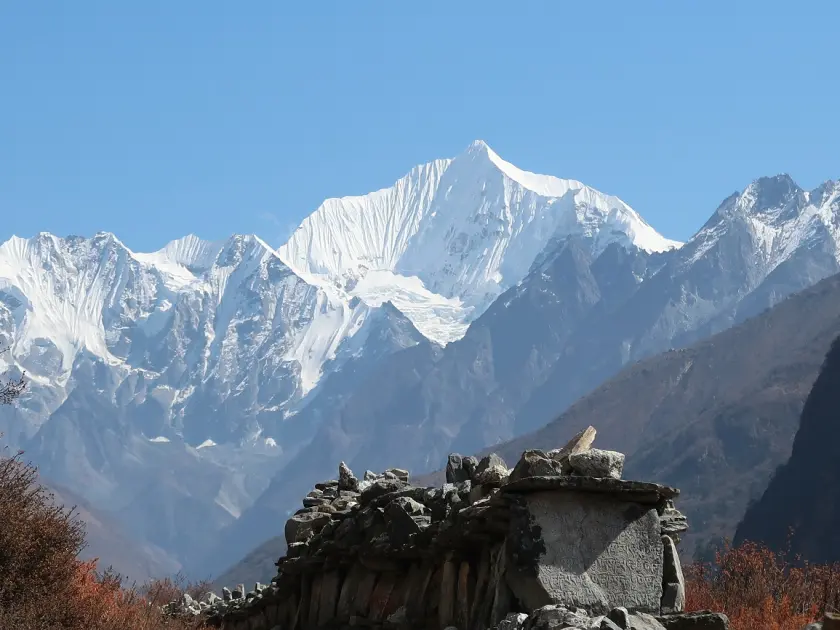
First, the Langtang Valley Trek offers a wonderful short Himalayan trek. The trek lies north of Kathmandu (1,400m) and close to the Tibetan border. The trek offers magnificent scenery, diversified wildlife, and Tamang culture. Moreover, trekkers enjoy panoramic views of Langtang Lirung (7,227m), Dorje Lakpa (6,966m), and Shishapangma (8,027m).
Similarly, the trek begins with a panoramic drive from Kathmandu to Syabrubesi (1,550m). Also, one can directly drive to Langtang Hydropower from Kathmandu via Syabrubesi directly. The trek follows the trail of terraced fields, villages, and dense forests. Furthermore, trekkers also need to cross suspension bridges over Langtang Khola, making it exciting. For this reason, it is easy for trekkers who have a desire for nature and culture experience within a week.
Also, Langtang National Park (1,000m–7,245m) protects the area's biodiversity. Red pandas, Himalayan thar, and musk deer are found in the forests. Likewise, bird-watchers can observe colorful pheasants, rose finches, and laughing thrushes. Doing so offers a perfect environment for eco-tourism and adventure sport fans.
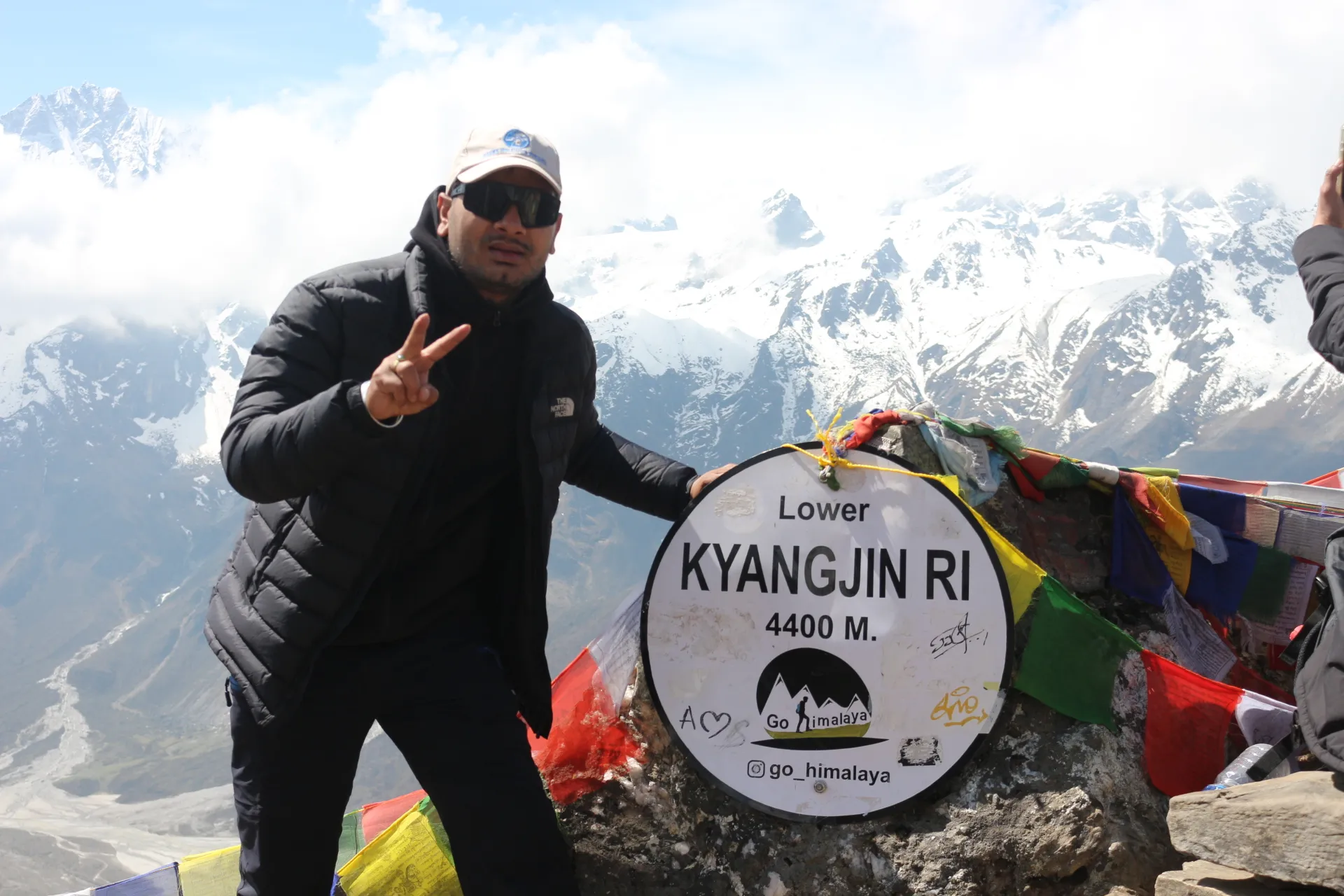
At the valley, trekkers stay at Langtang Village (3,430m) and Kyanjin Gompa (3,870m). Both include cultural exploration through stone-age homes and monasteries. In addition, Kyanjin Ri (4,773m) and Tserko Ri (4,984m) offer stunning Himalayan vistas. Trekkers thus experience a perfect blend of culture and high-altitude landscapes.
Golden Sunrise on Langtang Lirung – Witness the magical sunrise as the morning light bathes Langtang Lirung in brilliant shades of gold and orange.s.
Owing to its moderate difficulty level, the trek is available to beginners. However, preparation with physical training and proper gear is still required. Acclimatization days and slow grading reduce altitude-related risks to a large extent. Therefore, trekkers need to plan responsibly and follow expert advice.
Additionally, the Langtang region was hit by the 2015 earthquake. However, reconstruction restored trails, teahouses, and cultural attractions. Local communities welcome trekkers warmly, making the trek more authentic. Thus, the trek helps in sustainable tourism and recovery in the area.
Also, the trek features diverse landscapes such as subtropical forests and alpine meadows. Rhododendron blooms appear beautiful in spring, and there is sparkling mountain views during autumn. Thus, both periods are suitable for photography and peaceful trekking sessions.
Another major feature is the proximity of glaciers. Langtang Glacier (4,300m) and its glacial splendor are available to be approached by trekkers. Similarly, Langshisha Kharka (4,085m) meadow provides a panoramic view of snow summits. In this way, these areas contribute to the trekking experience with breathtaking vistas.
Notably, the Langtang Valley Trek lasts only seven days. This is perfect for time-bounded individuals. Nevertheless, the itinerary still remains rich in cultural experience, scenic variety, and interesting treks. Therefore, it remains a good-balanced Himalayan experience.
Finally, the Langtang Valley Trek provides natural beauty, cultural experiences, and Himalayan trekking in a close reach. Trekkers navigate high-altitude landscapes, monasteries, and glaciers over a week. So, it is one of Nepal's greatest short treks, with the guarantee of eternal memories.
Firstly, Langtang Valley Trek is famous for its diverse highlights. Trekkers have Himalayan views, unique culture, and nature diversity. Secondly, these features make it one of Nepal's most interactive short treks.
Panoramic Himalayan Views
Mainly, trekkers see Langtang Lirung (7,227m), Dorje Lakpa (6,966m), and Shishapangma (8,027m). Kyanjin Ri (4,773m) and Tserko Ri (4,984m) offer 360-degree panoramas. As a result, photographers have perfect spots for sunrise and sunset photography.
Rich Tamang Culture
Moreover, the trek exposes one to traditional Tamang villages like Langtang (3,430m) and Kyanjin Gompa (3,870m). Tibetan influences are reflected in stone houses, prayer wheels, and monasteries. Thus, cultural immersion is a rewarding experience on the trek.
Langtang National Park Exploration
Likewise, the trek traverses Langtang National Park (1,000m–7,245m). This biodiversity hotspot is home to red pandas, Himalayan thar, and musk deer. Birds include pheasants, rose finches, and thrushes. Wildlife lovers therefore enjoy rare sightings.
Scenic Views and Glaciers
Apart from that, trekkers cross alpine meadows, rhododendron forests, and glacial valleys. Langtang Glacier (4,300m) and Langshisha Kharka (4,085m) are serene views. Therefore, nature lovers have diverse terrain and diverse scenery.
Short and Easy Trek
Because the trek takes only seven days, it fulfills busy timetables. Nevertheless, it is still full of cultural heritage and high-altitude adventure. Thus, it is best for beginners and seasoned hikers.
Sustainable Tourism and Community Connection
Most prominently, tea houses and lodges are operated by villagers. Rehabilitated after the 2015 earthquake, they symbolize resilience and hospitality. Therefore, trekkers contribute to regional recovery by way of tourism.
In conclusion, the trekking highlights mix culture, views, wildlife, and ease of access. Langtang Valley Trek thus continues to be one of Nepal's most rewarding short tours.
Detailed Langtang Valley Trek Itinerary 7 days
In the first place, the Langtang Valley Trek 7 Days provides a well-balanced itinerary. It has scenic trails, cultural villages, as well as high vantage points. Further, every day has something new to offer, varied elevations, and reasonable walking hours.
Day 1: Drive from Kathmandu (1,400m) to Syabrubesi (1,550m)
The trekking begins with a scenic 7–8 hour drive. Hills, rivers, and terracing fields are crossed by roads. Likewise, trekkers have views of Ganesh Himal (7,422m) and Manaslu (8,163m). Overnight stop at Syabrubesi.
Day 2: Trek from Syabrubesi to Lama Hotel (2,470m)
The path rises through bamboo forest and rhododendron. Suspension bridges are crossed by trekkers and the flow of Langtang Khola is watched. Trekking takes 6–7 hours and altitude rises gradually.
Day 3: Lama Hotel to Langtang Village (3,430m)
Moreover, the trail ascends on mountain ridges and forest. Langtang Lirung (7,227m) appears nicely in the view. The trekking duration is 6–7 hours on scenic views.
Day 4: Langtang Village to Kyanjin Gompa (3,870m)
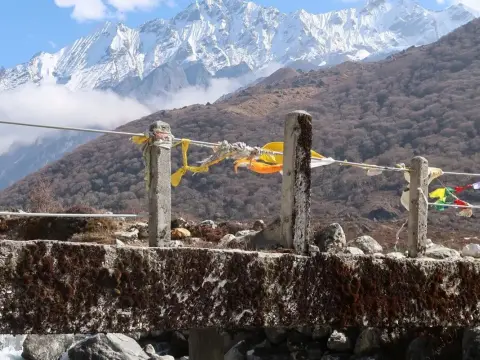
Also, trekkers pass through mani walls, chortens, and prayer flags. Glacial streams and alpine meadows enhance beauty. Trekking is approximately 5–6 hours to reach the Kyanjin Gompa monastery.
Day 5: Acclimatization Hike to Kyanjin Ri (4,773m) or Tserko Ri (4,984m)
The day is spent on acclimatization and high ridges. Trekkers witness spectacular views of Langtang Lirung, Yala Peak (5,520m), and Dorje Lakpa. Hiking time is 4–6 hours.
Day 6: Kyanjin Gompa to Lama Hotel (2,470m)
Since the trail is downward, trekking is easy. Time is 6–7 hours, passing through Langtang Village. Trekkers take steps along the river and forest trails.
Day 07: Lama Hotel to Syabrubesi (1,550m) and Drive to Kathmandu (1,400m)
Finally, the trek concludes with a 6–7 hour return trek to Syabrubesi. Then, a scenic drive returns trekkers to Kathmandu. Journey concludes with treasured Himalayan memories.
In total, this day-by-day itinerary combines culture exploration and mountain adventure. Thus, it offers a brief but forceful Himalayan trekking experience.
Best Time for Langtang Valley Trek
Initially, choosing the most appropriate season offers a secure and beautiful Langtang Valley Trek. Nepal has four trekking seasons: spring, summer/monsoon, autumn, and winter. Moreover, the weather influences trail conditions, scenery, and overall trekking experience.
Spring (March–May
Firstly, spring has good weather and scenery with flowering trails. Rhododendrons are excellent in bloom along ridges and forests. Day temperatures range from 10°C–20°C and nights are cold. In addition, Langtang Lirung (7,227m) and Dorje Lakpa (6,966m) views of mountains are unobstructed. Therefore, nature enthusiasts should highly recommend spring.
Autumn (September–November)
Likewise, autumn provides crystal-clear skies and dry trails. The temperatures vary from 5°C–18°C in higher regions. Also, visibility is ideal for photographing Himalayan peaks like Shishapangma (8,027m). Thus, autumn is the best trekking season for all types of trekkers.
Autumn (September–November) – The most popular season for the Langtang Valley Trek, autumn offers clear mountain vistas, comfortable trekking temperatures, under brilliant blue Himalayan skies.
Winter (December–February)
But winter comes with cold temperatures and snow at higher altitudes like Kyanjin Gompa (3,870m). Day temperature is 2°C–10°C, below freezing at night. Paths are open but require proper gear. Therefore, winter trekking is suitable only for experienced trekkers.
Summer/Monsoon (June–August)
Summer or monsoon time, on the other hand, is marked by heavy precipitation. Trails are slippery, and there can be landslides. However, rich vegetation covers the entire Langtang Valley (3,430m) with beautiful scenery. So this season is not so good but still suitable for well-prepared trekkers.
Also, spring and autumn have the most trekkers, offering vibrant trail life and sure service. Tea houses are fully operational, and views are always rewarding. Therefore, these seasons provide the finest overall experience.
In conclusion, spring and autumn are best time for Langtang Valley Trek . However, winter and monsoon trekking are possible with planning. So, trekkers can choose according to preference for view, solitude, and weather.
Firstly, the cost of the Langtang Valley Trek varies based on services and interests. It includes permits, transport, accommodation, food, guide services, and miscellaneous. Moreover, the trek is relatively inexpensive compared to other high-altitude activities in Nepal.
Permit Costs
Trekkers require a TIMS Card (USD 20) and Langtang National Park Entry Permit (USD 30). These are for trail maintenance and conservation, and permits are also checked at various points on the route.
Transportation Costs
Similarly, travel from Kathmandu (1,400m) to Syabrubesi (1,550m) and vice versa costs USD 15–25 by public bus. Jeep services offer faster trips at a charge of USD 30–40 per person. Thus, transport expenses are based on the desire for comfort.
Accommodation Options and Food
In addition, tea houses charge USD 6–10 for a night's stay. The food is around USD 20–30 a day, including three meals: breakfast, lunch, and dinner. The food items served are dal bhat, noodles, pasta, soups, and tea. Hence, the budget trekkers spend around USD 35–45 a day on food and accommodation.
Guide and Porter Fees
Additionally, hiring a licensed guide costs USD 25–35 a day. A porter, carrying up to 20 kg, costs USD 20–25 a day. Both offer safety, cultural insight, and convenience. So, most trekkers find them essential for a more pleasant experience.
Miscellaneous Costs
Likewise, trekkers should budget USD 50–70 for personal expenses. These include charging devices, Wi-Fi, hot showers, and snacks. Trekking insurance gives an extra USD 50–100 for high-altitude coverage.
Total Estimated Cost
Overall, budget trekkers can expect USD 500–700 for a 7-day trek. Luxury spas and treatments can bring the cost to USD 800–1,000. Advance planning and booking, therefore, optimize comfort and reduce costs.
Langtang Valley Trek Permits Required
Firstly, Langtang Valley trekking requires mandatory permits. They allow for environmental conservation and local tourism management. Moreover, permits are checked at various points along the trail.
TIMS Card (Trekkers' Information Management System)
Firstly, the TIMS Card is required of all trekkers. It helps authorities register trekkers for emergency reasons. The cost is USD 20 for independent trekkers and USD 10 for group trekkers. The card also contains details such as trek itinerary and emergency contacts.
Langtang National Park Entry Permit
Furthermore, trekkers must obtain the Langtang National Park Entry Permit. It costs USD 30 per person. The park itself ranges from 1,000m to 7,245m in elevation. It has red pandas, Himalayan thar, and snow leopards. Therefore, this fee is towards conservation and trail maintenance.
Where to Obtain Permits?
In addition, both permits are available in Kathmandu from the office of the Nepal Tourism Board. Alternatively, trekkers can get them at Dhunche or Syabrubesi (1,550m) upon entering the park. Nevertheless, obtaining them in Kathmandu saves time and avoids queuing.
Passport and Photos Requirement
Trekkers must bring their passport and two passport-sized photos for permit processing. Furthermore, bringing photocopies of permits is advisable for security checks. Therefore, trekkers should prepare documents in advance.
Restricted Area Permit Not Needed
Unlike the Manaslu Circuit Trek, Langtang Valley does not lie in restricted zones. So, special permits are not necessary. This simplifies planning and is less costly for trekkers.
Overall, obtaining permits is straightforward yet important preparation. So, trekkers need to organize them ahead of time and ensure they remain valid throughout the trek.
Firstly, the Langtang Valley Trek is classified as a moderate-level trek. It doesn't require technical climbing skills but requires good physical health. Secondly, the trekkers should be prepared for long walks and acclimatization.
Trekking Duration and Daily Walking Hours
On average, the trekkers trek 5–7 hours a day. Trails include gentle climbs, steep uphill portions, and downhills on forest and rocky paths. Also, acclimatization days, especially at Kyanjin Gompa (3,870m), reduce the risks.
Altitude Challenges
In addition, the highest points of Langtang Valley Trek 7 days itinerary are Kyanjin Ri (4,773m) and Tserko Ri (4,984m). Altitudes cut down the oxygen level, increasing the chances of Acute Mountain Sickness (AMS). Therefore, proper acclimatization and proper hydration are needed.
Trail Conditions
Besides, trails also vary from smooth forest paths to rocky and rough ground. Spring has slippery sections with melting snow. Autumn offers drier, clearer paths along with it. Therefore, hikers must wear strong hiking boots for support.
Fitness Level Needed
Likewise, cardiovascular fitness, leg strength, and balance are needed. Continuous walking, hiking, or gym sessions physically condition hikers. Mental conditioning is also necessary to withstand high-altitude weather conditions.
Weather Conditions
Along with temperature, weather influences difficulty. Winter trekking entails extra gear for snow and sub-zero conditions. Leech infestation and muddy tracks in monsoon pose difficulties. Hence, spring and autumn seasons are best suited for nice trekking.
Yala Peak (5,500 m) stands proudly above the Langtang Valley, offering breath taking views of glaciers, snow-capped Himalayan peaks, and one of Nepal's most popular beginner-friendly trekking peaks.
Overall, Langtang Valley Trek is best suited for novice trekkers who possess good health. With forethought, guided support, and moderate pacing, trekkers have a rewarding and safe experience.
The accommodation on the Langtang Valley Trek consists mostly of tea houses. They are modest lodges with standard facilities, warm hospitality, and real mountain experiences. Also, it offers support for community-based tourism in staying in indigenous lodges.
Facilities in Accommodation
Tea houses offer twin-sharing bedrooms with wooden beds, blankets, and pillows. There can be shared toilet facilities with squat or Western toilets. Higher lodges, like at Kyanjin Gompa (3,870m), may have little heating. The trekkers are therefore recommended to carry sleeping bags for greater comfort.
Meal Options
Apart from that, food is cooked fresh and features local and international cuisine. Dal bhat is served daily, providing energy and nutrients. Noodles, pasta, soup, and Tibetan bread are also available. Eggs, porridge, and tea are possible breakfast foods. Therefore, trekkers enjoy simple yet filling meals during the trek.
Food Costs
Also, meals cost between USD 5–8 at low altitudes and USD 7–10 at higher altitudes. Food and drinks become expensive with rising altitude since transportation is challenging. Budgeting for food is thus required.
Availability of Drinks and Snacks
Tea houses also have coffee, tea, soft drinks, and bottled water available. Bottled water costs USD 1–3 based on altitude. Trekkers typically use water purification tablets to save money and for not polluting with plastic. Chocolates and energy bars are also available but costlier than at Kathmandu.
Electricity and Wi-Fi
Furthermore, most lodges offer power for gadget charging, though there are fees. Wi-Fi is available in some places at USD 3–5 per session. Trekkers must, therefore, carry extra batteries or power banks.
Finally, tea houses provide relaxation and cultural experience. Food is simple but satisfactory, energizing the trekkers for demanding days. Thus, Langtang Valley Trek combines adventure and warm mountain hospitality.
Langtang Valley Trek Packing List
Firstly, good packing ensures comfort, safety, and effectiveness in trekking Langtang Valley. Trekkers are exposed to diverse weather and altitude conditions, necessitating the right equipment. Secondly, a systematic list prevents excess weight.
Clothing
1. Moisture-wicking base layers
2. Insulating fleece jacket
3. Waterproof and windproof jacket
4. Down jacket for high altitudes
5. Trekking trousers (2–3 pairs)
6. Thermal underwear for cold nights
7. Lightweight t-shirts (3–4)
8. Warm hat or beanie
9. Hat or sun cap
10. Inner and outer gloves
Footwear
11. Trekking boots (broken in)
12. Camp shoes or sandals
13. Woolen socks (3–4 pairs)
14. Liner socks for blister prevention
Gear and Equipment
15. Backpack with rain cover (35–45L)
16. Sleeping bag (–10°C)
17. Trekking poles for stability
18. Headlamp with extra batteries
Personal Essentials
19. Water bottles or hydration bladder
20. Water purification tablets
21. Sunglasses with UV protection
22. Sunscreen (SPF 30+) and lip balm
First Aid and Toiletries
23. First aid kit
24. Personal medication
25. Hand sanitizer and wet wipes
26. Biodegradable soap and toiletries
Miscellaneous
27. Smartphone or camera to capture photos
28. Power bank or solar charger
29. Energy bars, chocolates, and snacks
30. Passport, permit copies, and small denominations of cash
Also, pack weight should be 8–12 kg for comfort for your 7 days Langtang Valley Trek. Porters can carry extra weight if required. So, trekkers must prepare equipment for accessibility, weather, and safety.
In short, this packing list weighs essentials against weight. Being well-prepared ensures a smooth and enjoyable trekking experience in the Langtang region.
Safety Tips and Altitude Sickness Prevention
First, safety is paramount for the Langtang Valley Trek 7 days. High altitude, variable weather, and remote trails require planning ahead. Additionally, understanding altitude sickness and its prevention guarantees a hitch-free journey.
Acclimatization and Pacing
Gradual ascent allows the body to adjust to altitude. Trekkers should plan an acclimatization day at Kyanjin Gompa (3,870m). Additionally, slow walking and steady breathing prevent exhaustion and AMS (Acute Mountain Sickness).
Hydration and Nutrition
Apart from this, 3–4 liters of water daily keeps one hydrated. High carbohydrate meals provide energy for long treks. Alcohol and cigarettes should be avoided at high altitude, as they increase dehydration and breathing problems.
Recognizing Symptoms of AMS
Symptoms include headache, dizziness, nausea, and fatigue. In severe cases, confusion and loss of coordination happen. For this, trekkers need to descend immediately if symptoms worsen. It is highly recommended to carry Diamox and hire guides.
Proper Equipment and Clothing
Also, the Himalayan weather can turn bad in a hurry. Dressing in layers keeps trekkers warm and dry. Trekking poles take stress off knees and improve balance. Sturdy boots prevent slipping and ankle turning on rough trails.
Emergency Preparedness
Similarly, travel insurance covering high-altitude trekking is a requirement. Guides are trained to manage emergencies and to arrange evacuations. Satellite phones or GPS trackers provide extra safety in the backcountry.
Key Safety Tips
Acclimatize properly at Kyanjin Gompa (3,870m) before going higher.
Drink plenty of water and high-calorie food.
Watch for signs of AMS and descend if serious.
Wear layered clothing to adapt to weather conditions.
Carry proper gear and maintain a light pack.
Hire experienced guides for navigation and support.
Ensure travel insurance covers trekking to 5,000m.
Lastly, safety measures ensure a successful experience. Therefore, preparation, knowledge, and guided support are essential for a successful trek.
Final Words
Lastly, the Langtang Valley Trek Itinerary 7 Days combines Himalayan views, Tamang culture, and nature diversity. It is brief but intensely immersive, providing a real glimpse of Nepal's trekking experience. Furthermore, it is ideal for trekkers who want to have a high-altitude experience within a short time.
En route, trekkers explore forests, rivers, glaciers, and traditional villages. Trekkers get to view giant peaks such as Langtang Lirung (7,227m), Dorje Lakpa (6,966m), and Shishapangma (8,027m). Likewise, the trekking trail displays Buddhist culture in the form of prayer flags, chortens, and monasteries. The trek, therefore, provides both scenic and cultural fulfillment.
Besides, the journey includes diverse landscapes from Syabrubesi (1,550m) to Kyanjin Gompa (3,870m). The acclimatization hikes to Kyanjin Ri (4,773m) or Tserko Ri (4,984m) offer breathtaking panoramic views. Tea houses render basic but cozy hospitality along the trail. Therefore, trekkers get to see comfort amidst Himalayan wilderness.
Moreover, spring and autumn still remain the best seasons for clear skies and stable weather. Proper planning, permits, and good guides ensure safety. Carrying the right gear, staying healthy, and following altitude rules prevent problems. Thus, with proper planning, the trek is a safe and enjoyable experience.
In conclusion, the Langtang Valley Trek 7 Days is one of Nepal's most scenic short treks. It is a perfect combination of adventure, culture, and Himalayan beauty. Therefore, it gives trekkers lifelong memories of the Himalayas.
FAQS:Langtang Valley Trek Itinerary 7 days
1. What is the Langtang Valley Trek Itinerary 7 Days? The Langtang Valley Trek Itinerary 7 Days is a trek that takes you from Kathmandu to Syabrubesi then to Lama Hotel, Langtang Village Kyanjin Gompa and back to Kathmandu. You will see the Himalayan mountains learn about the Tamang culture and see glaciers and rhododendron forests. This trek is great for people who're new to trekking and want to have a real mountain adventure.
2. What are the highlights of Langtang Valley Trek 7 Days? The best parts of the Langtang Valley Trek 7 Days are the views of Langtang Lirung, hiking to Kyanjin Ri visiting Tamang villages seeing old monasteries, glaciers and all the different plants and animals in Langtang National Park. The 7-day plan has a mix of walking, resting and learning about the culture and you get to stay in comfortable teahouses.
3. How does the detailed 7 days Langtang Valley Trek itinerary look? On the first day you drive from Kathmandu to Syabrubesi. On the third days you trek to Lama Hotel and Langtang Village. On the day you reach Kyanjin Gompa. On the day you rest and hike to Kyanjin Ri. On the seventh days you walk back down to Syabrubesi and drive back to Kathmandu.
4. What is the best time for Langtang Valley Trek 7 Days? The best time to do the Langtang Valley Trek 7 Days is in the spring from March to May or in the autumn from September to November. During these times the sky is clear the weather is stable. The rhododendron flowers are blooming. This makes it a great time to see the mountains and walk on the trails.
5. What is the cost of Langtang Valley Trek Itinerary 7 Days? The cost of the Langtang Valley Trek Itinerary 7 Days is around USD 450-650 per person. This includes the cost of permits a guide, a porter, food, accommodation and transportation. If you book a group tour you may get a discount. You can contact Haven Holidays Nepal for a customized quote.
6. Which permits are required for Langtang Valley Trek 7 Days? You need to get a Langtang National Park Entry Permit and a TIMS Card to do the Langtang Valley Trek 7 Days. These permits are easy to get in Kathmandu or Syabrubesi. The cost of the permits is included in the package so you do not need to worry about it.
7. What is the difficulty level of Langtang Valley Trek 7 Days? The Langtang Valley Trek 7 Days is a trek. You need to walk for 5-7 hours a day on trails that go through forests over suspension bridges and up hills. You need to be in physical shape but you do not need to have any special climbing skills.
8. What type of accommodation and meals are available on the trek? On the trek you stay in teahouses that have rooms with attached or shared bathrooms. The meals are simple. Delicious and include traditional Nepali dishes like dal bhat, as well as noodles, pasta, eggs and vegetarian options. The food is hygienic and nutritious. You get to eat a variety of dishes.
9. What should I pack for Langtang Valley Trek Itinerary 7 Days? You should pack clothing, trekking boots, a sleeping bag, a rain jacket, trekking poles, sunglasses, sunscreen a first-aid kit, a water purifier and a daypack. It is also an idea to pack layers as the weather can change quickly in the mountains.
10. Is a guide mandatory for Langtang Valley Trek 7 Days? Yes, a guide is mandatory for the Langtang Valley Trek 7 Days. A guide can help you navigate the trails provide information about the culture and history and ensure your safety. Our guides are. Knowledgeable and they can make your trek more enjoyable and rewarding.
11. How high is the maximum altitude in Langtang Valley Trek? The maximum altitude on the Langtang Valley Trek is around 4,773m, which is the height of Kyanjin Ri. The main trail goes up to Kyanjin Gompa, which's at an altitude of 3,870m. To avoid altitude sickness, you need to drink plenty of water and walk slowly.
12. Is previous trekking experience required for Langtang Valley Trek 7 Days? No, you do not need to have trekking experience to do the Langtang Valley Trek 7 Days. However, you need to be in physical shape and have a positive attitude. If you are a beginner, you can still do the trek. You need to prepare yourself by training and getting fit before you start.
13. What is the total walking distance in 7 days Langtang Valley Trek? The total walking distance on the Langtang Valley Trek is 65-70 km, which is a round trip. Each day you walk for 8-15 km, which is a manageable distance. The trails are scenic and rewarding. You get to see many beautiful views and landmarks.
14. Can I do Langtang Valley Trek solo without joining a group? Yes, you can do the Langtang Valley Trek solo. You need to hire a guide. Joining a group or booking a tour can be safer and more convenient as you get to share the costs and have more support and guidance.
15. How safe is the Langtang Valley Trek for female trekkers? The Langtang Valley Trek is very safe for trekkers. Our guides are. Respectful and they can ensure your safety and comfort throughout the trek. We also provide female- accommodation and transportation and we can arrange for a female guide if you prefer.
16. What kind of transportation is used in the package? We use shared vehicles to transfer you from Kathmandu to Syabrubesi and back. The drive takes around 7-8 hours and you get to see scenic views along the way.
17. Is travel insurance mandatory for Langtang Valley Trek 7 Days? Yes, travel insurance is mandatory for the Langtang Valley Trek 7 Days. You need to have insurance that covers high-altitude trekking and emergency evacuation. This can protect you against accidents and illnesses. Ensure that you get the medical care you need if something happens.
18. What cultural experiences can I expect on this trek? On the Langtang Valley Trek you can experience the Tamang culture visit ancient monasteries like Kyanjin Gompa interact with locals and try traditional foods. You can also learn about traditions and customs and see many beautiful and historic landmarks.
19. How to prepare physically for Langtang Valley Trek 7 Days? To prepare for the Langtang Valley Trek you should train for least 4-6 weeks before you start. You can do cardio exercises, hill walking and strength training to build up your endurance and fitness. It is also an idea to focus on your overall health and well-being and to get plenty of rest and nutrition.
20. Why choose Haven Holidays Nepal for Langtang Valley Trek? Haven Holidays Nepal is a choice for the Langtang Valley Trek because we provide expert guides, safe logistics, comfortable accommodation and personalized service. We are committed, to your safety and satisfaction. We can provide you with a unique and rewarding trekking experience. Our prices are reasonable. We can customize the trek to fit your needs and preferences.