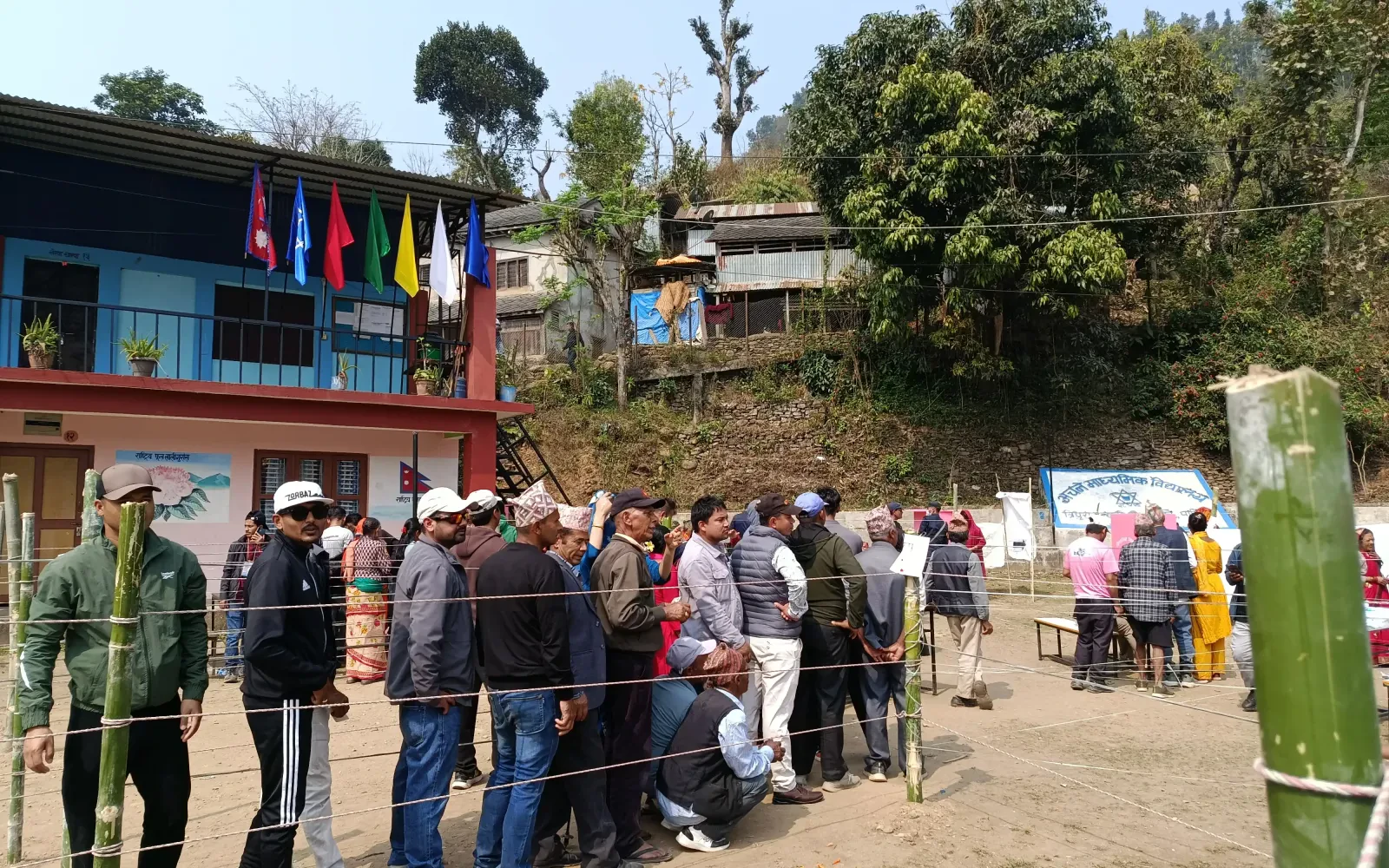
On March 5, 2026, people all over Nepal showed up early, ready to vote. It was peaceful—no major incidents, just a shared sense of purpose. Security forces stayed sharp, but honestly, voters made their jobs easy by cooperating. In Kathmandu, folks stood in line at sunrise, while in the mountains, some trekked for hours just to cast their ballots. The whole country came together, even after recent youth protests, and hope felt real for the first time in a while.
Actually, turnout hit about 60 percent. Leaders couldn’t stop praising how smoothly everything went, and you could feel the pride everywhere. Election workers got right to it—collecting ballots, starting the count without delay. Even near Everest, at almost 29,000 feet, people braved the cold and the distance to vote. It really did feel like a fresh start for Nepal.
Likewise, there were a few hiccups in Dolakha, up at 5,900 feet, but police handled them fast. Order came back in no time. Youth groups played a big role, pushing first-time voters to get involved and making sure their voices mattered. International observers kept a close eye on things and left impressed, calling the process fair from start to finish. Nepal reminded everyone it’s serious about democracy.
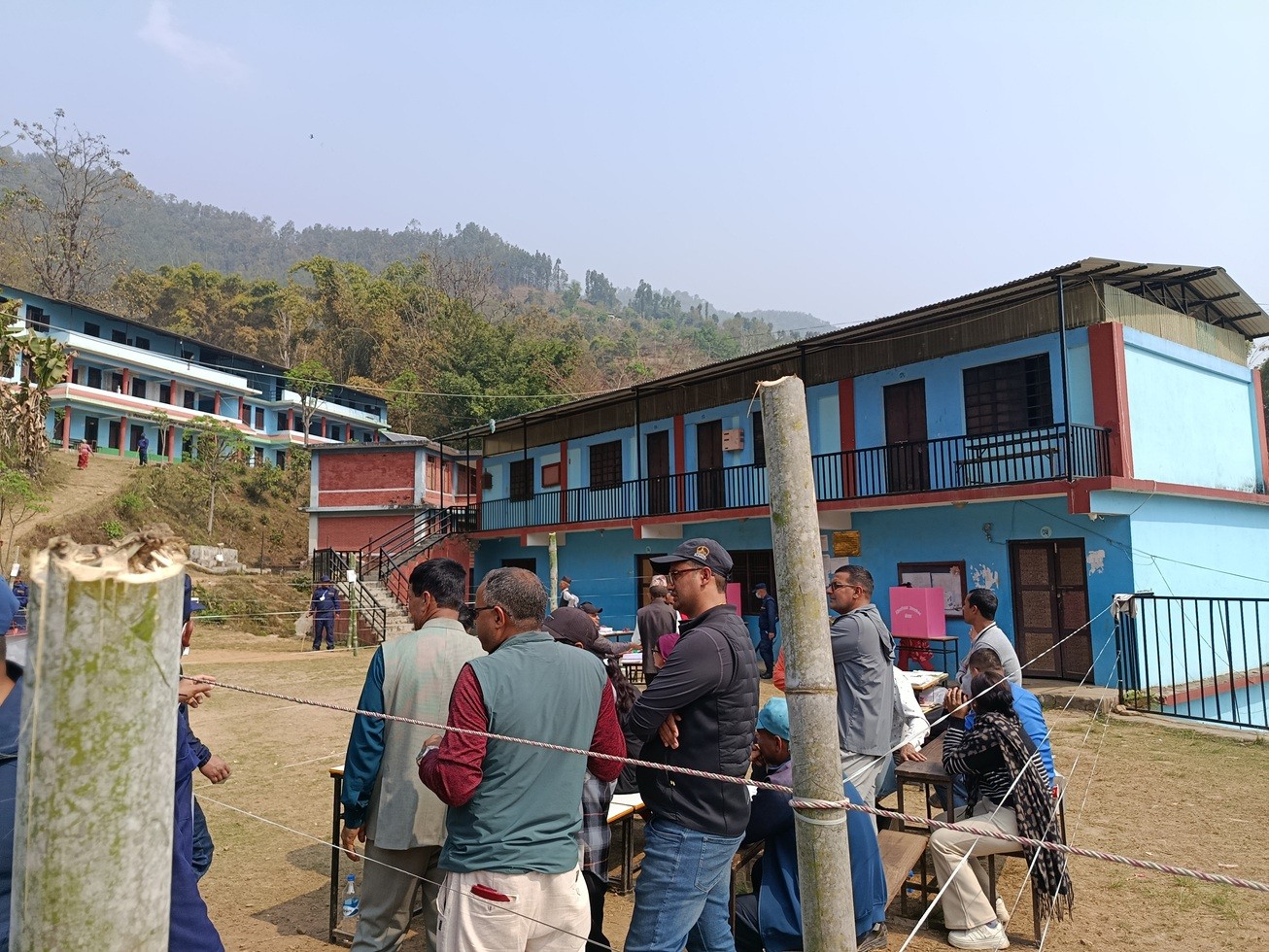
Moreover, this peaceful election is good news for business, too. Investors notice, and tourism is already picking up near those famous peaks. Leaders now face pressure to form a government quickly—people want real change after years of unrest. There’s a new sense of empowerment, and you can see the hope in people’s faces. They’re ready for better days.
Voter Turnout Highlights :
| Category | Details |
|---|---|
| Election Date | March 5, 2026 |
| Total Seats | 275 |
| Voter Turnout | 60 percent |
| Peace Level | Fully peaceful, just minor issues. |
Here, Nepal now steps forward, ready for a new era. The world is watching, and this moment gives hope to other countries, too. Democracy scored a big win, and for once, everyone in Nepal is celebrating together.
Meanwhile, voter excitement shot through the roof on March 5, 2026. People rushed to polling stations, hungry for change. You could feel the energy, especially from young voters—they showed up in droves, ready to back new leaders in the wake of Gen Z protests. In Kathmandu, up at 4,600 feet, folks stood in long lines, chatting about fresh candidates and the future. This time, the election really belonged to the youth. You could sense that people wanted something different.
Actually, Gen Z’s turnout broke records. First-time voters didn’t just show up—they showed up early, and you could see their excitement. Election officials called it historic, and they weren’t exaggerating. Most of these young voters put their faith in independents and new political parties, hungry for progress and real accountability. Out in Pokhara, at 2,700 feet, people joined rallies and got their neighbors fired up about voting. The push for new faces seemed to electrify the whole country.
Likewise, turnout hovered around 60 percent, and youth groups celebrated the moment as a clear break from business as usual. Candidates leaned into youth issues, promising reforms that brought even more energy to their crowds. In Solukhumbu, way up at 9,200 feet, voters trekked for hours just to cast their ballots. They arrived tired but proud—nobody wanted to miss out on this wave of change. It’s hard to ignore the proof: democracy comes alive when people believe things can get better.
In fact, people everywhere wanted honest leaders. They rejected the old guard, and you can feel it—change is coming. International media noticed, too, and the world took heart from Nepal’s vibrant turnout. Now, everyone waits for the results, hopeful that new leaders will bring better days.
Youth Voter Highlights :
| Category | Details |
|---|---|
| Election Date | March 5, 2026 |
| Estimated Turnout | Around 60 percent |
| Key Driver | Gen Z and youth enthusiasm |
| Voter Focus | Fresh faces and new leadership |
| Registered Voters | Nearly 19 million. |
In fact, Nepal’s optimism feels real right now, and with citizens this active, the future looks brighter. This energy isn’t fading anytime soon. People are coming together for progress, and democracy feels stronger for it. Fresh leadership is on the horizon.
On March 5, 2026, Nepal pulled off something pretty impressive—a national election day without any major violence. After all the unrest last year, people braced for trouble, but honestly, things stayed calm. Security forces took their jobs seriously, patrolling the streets and keeping polling stations safe. Authorities didn’t hold back—they sent out huge numbers of officers across the country. In Kathmandu, where the city sits high at 4,600 feet, voters lined up and cast their ballots without any problems. Even in the most remote corners of the country, nobody reported disruptions. The whole thing felt like a huge turnaround from last September’s protests. For a lot of Nepalis, it brought back trust in the democratic process.
Likewise, election officials said the vote went off peacefully. Sure, a few minor things happened, but nothing widespread. Police handled small issues in no time, and ballot counting moved ahead without anyone feeling threatened. In Pokhara, at 2,700 feet, people waited patiently for their turn, and you could almost feel the relief in the air. International observers noticed, too. They praised everyone’s restraint and pointed out how Nepal is clearly growing up as a democracy.
Moreover, turnout hit around 60 percent—solid numbers, especially given the rough terrain many had to cross to get to the polls. In Dolakha, high up at 5,900 feet, there was one assault, but police sorted it quickly, and peace held. In Solukhumbu, close to Mount Everest’s base, voters trekked in and out with no trouble at all. Security plans really paid off this time—harmony won the day.
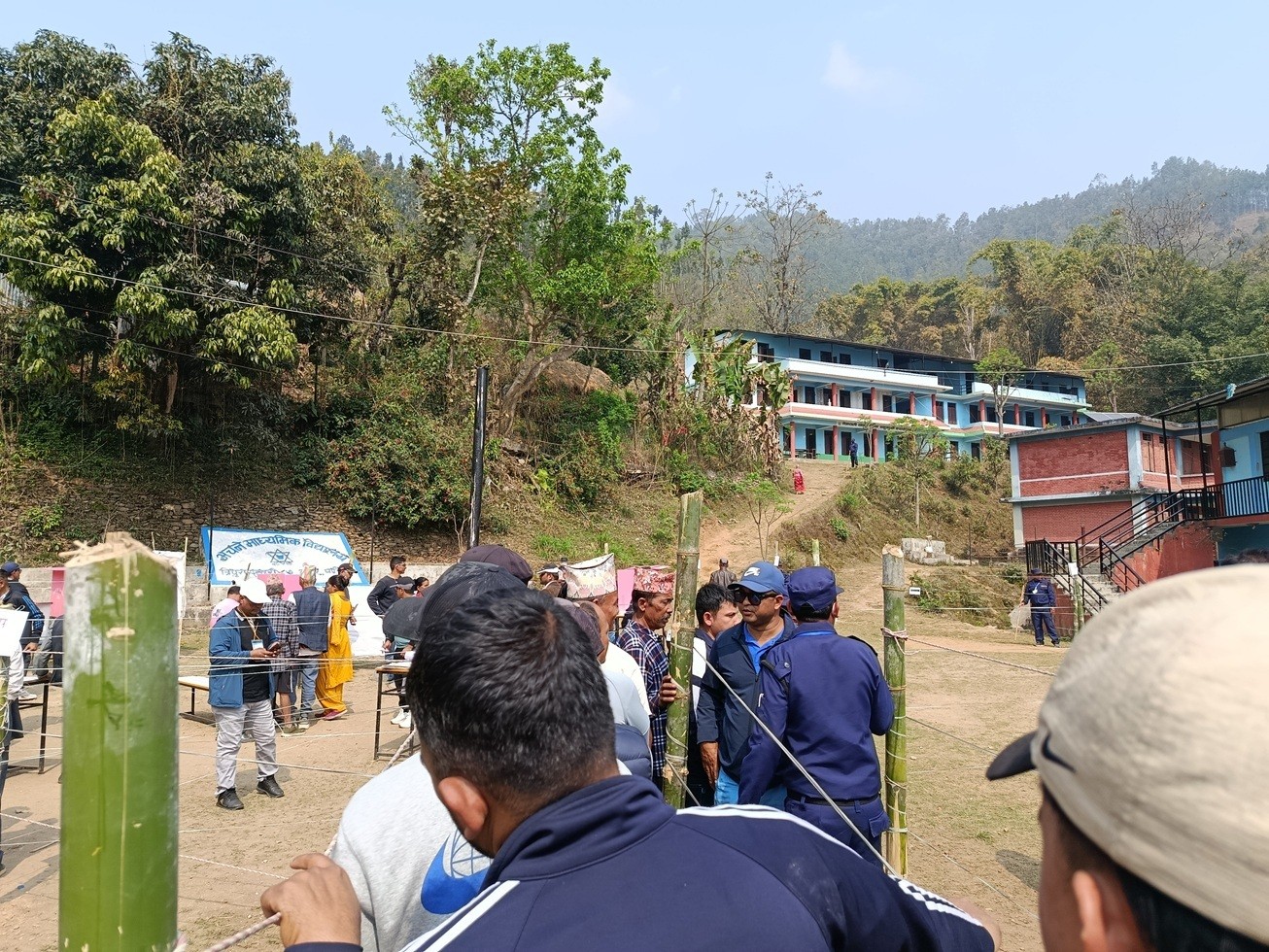
In fact, this violence-free election means a lot for Nepal’s image. People trust the system more now, and there’s a sense that future elections can stay just as stable. Leaders thanked everyone for working together and promised to keep up the peace as the results come in. All around, folks feel safer and proud—they pulled this off together.
Peace and Security Highlights :
| Category | Details |
|---|---|
| Election Date | March 5, 2026 |
| Voter Turnout | About 60 percent |
| Violence Level | Peaceful, just a few minor incidents |
| Security Deployment | Major presence everywhere |
| Key Locations | Kathmandu (4,600 ft), Pokhara (2,700 ft) |
All told, Nepal finished this election chapter with flying colors. A peaceful vote has brought new hope and pulled people together. Democracy feels stronger, and there’s a real shot that violence-free elections will be Nepal’s new normal.
On March 5, 2026, something special happened across Nepal. People from all walks of life came together—city folks, hill residents, Terai farmers, indigenous groups from remote villages. In Kathmandu, at 4,600 feet, people stood in line, chatting and laughing with neighbors they might not usually meet. Old divisions just faded away. Even folks from the far east made the journey, eager to cast their vote. Everyone cared more about Nepal’s future than their differences, and it showed—polling day felt more like a festival than an obligation.
Actually, people didn’t just show up—they pitched in. Across the country, ethnic groups campaigned side by side. In Pokhara, you could spot Pahari and Gurung communities celebrating together, sharing snacks and stories as they waited for results. Down south, Madhesi and Tharu youth got out the vote, going door-to-door and making sure everyone had a voice. All these shared efforts built real trust. The focus was on what everyone wanted: better governance, a brighter future, and a country that works for all.
Likewise, turnout hit about 60 percent. That matters—not just as a number, but because it meant everyone was invested. In Solukhumbu, near the foot of Everest, Sherpa families trekked down from the mountains, joining lowland migrants at the polls. The mood everywhere was calm, even joyful. Peaceful interactions stood out, and election observers couldn’t help but praise the inclusive atmosphere. Nepal put its rich diversity front and center, and harmony stretched from the peaks to the plains.
After the polls closed, people didn’t just head home—they gathered, talked, and celebrated quietly together. Leaders from all parties called for patience, reminding everyone that the country comes first, not politics. Now, there’s this sense of connection in the air. People are hopeful, ready for a government that actually reflects the unity they just created.
Highlights from around the country :
A quick look at how unity showed up in different regions:
In summary, Nepal leaves this election stronger. People see diversity as their strength now, not something that divides them. When unity leads the way, democracy thrives. This time, Nepal showed the world just how powerful that can be.
On March 5, 2026, Nepalis headed to the polls with one thing on their minds: peace. But that wasn’t all—they wanted jobs, growth, and a real shot at prosperity. In Kathmandu, families at 4,600 feet talked about steady work and better roads. They remembered how years of instability had worn them down. This time, every ballot felt like a vote for a more secure, hopeful life. People chose candidates who promised real development, not just talk. The whole day felt charged with optimism, like everyone decided together that it was time for a fresh start.
Across the country, folks pushed for policies that would actually make a difference. Tourism, farming, hydropower—these sectors can turn things around. In Pokhara, at 2,700 feet, business owners got in line early, saying peaceful leadership would finally draw in new investment. Young people talked up education, tech, and better jobs. They wanted leaders who looked ahead, not backward. The election showed a real hunger to break the old cycle of unrest and go after lasting prosperity, for everyone.
Likewise, turnout hit about 60 percent—a clear sign that people took this seriously. They put stability first, knowing peace is what unlocks progress. In remote Solukhumbu, up near Everest at nearly 30,000 feet, Sherpa communities cast their votes, hoping that better roads and signal towers might help their local economies. Conversations everywhere circled back to the same point: a better future is possible, and every vote counts. People proved they’re ready for harmony to lay the groundwork for real, inclusive growth.
After the votes, the calm held. That said a lot—stability matters, inside and out. Now, citizens expect leaders to move fast: build roads, create jobs, fight poverty. They voted for results, not empty promises. Nepal’s natural beauty, resources, and young workforce are just waiting to be put to work. For the first time in a long while, prosperity doesn’t feel out of reach.
Major Highlights :
| Priority | Description | Linked Aspiration |
|---|---|---|
| Peace & Stability | End the constant disruptions | The base for all progress |
| Economic Growth | Grow tourism, farming, hydropower | More jobs and wealth |
| Infrastructure | Roads, schools, hospitals, connectivity | Better daily life and more chances |
| Youth Employment | Education, skills, digital jobs | A secure future for the next generation. |
With this vote, Nepal turns a corner. People are ready to hold leaders to their promises and stay focused on peace-driven progress. The election marks a real shift. Now, a brighter future isn’t just an idea—it feels close, and Nepalis are reaching for it together.
Meanwhile, young candidates didn’t just show up in the March 5, 2026 election—they charged in. With bold ideas and real energy, they lit up the campaign trail. You could feel the generational shift everywhere. Gen Z voters and independents wanted something fresh. They got behind these newcomers, turning away from the old guard and its tired promises. In Kathmandu, 4,600 feet above the sea, young hopefuls held lively street meetings that drew huge crowds hungry for change. Suddenly, old-school dominance looked shaky.
Here, independents and youth-led parties started picking up real steam. They talked about technology, education, climate action, and honest government—stuff people cared about. Voters loved it. In Pokhara, at 2,700 feet, young entrepreneurs-turned-candidates went door to door, talking up digital jobs and sustainable tourism. First-timers used social media like pros, reaching millions. Authenticity beat out big money every time. This election wasn’t business as usual—it was a stage for bold, new voices, and Nepal dove right in.
In fact, turnout among young people soared. New faces ran serious campaigns in all kinds of constituencies, and it showed—the influence of young leaders was everywhere. Even in remote places like Solukhumbu, near the towering peak of Everest, local youth activists pulled their communities together. They pushed for better internet, eco-friendly development, and real job opportunities. Observers kept pointing to those creative ideas—renewable energy, youth jobs—and said this wave would stick. Nepal’s democracy flung its doors wide open, and now fresh perspectives are shaping what comes next.
Likewise, the polls went off peacefully, letting these new voices break through without fear. People celebrated their courage, hopeful that it meant more honest leadership ahead. Now, talk is all about coalitions with youth at the table and big reforms on the horizon. Nepal’s at a turning point. Young leaders are bringing in the promise of real progress.
Youth Leadership Highlights :
Rise of New Faces Snapshot :
Nepal’s riding this new wave of youth leadership, and you can feel the momentum. Fresh ideas are pushing the country forward, and people are putting their trust in these new voices. The democracy feels alive again. Young power is quickly becoming the foundation of Nepal’s brighter future.
From Polls to Progress: Building a Stable and Prosperous Nepal
Meanwhile, Nepal’s peaceful election on March 5, 2026, set the stage for real change. People showed up at the polls demanding accountable leaders, and now everyone’s watching for progress that actually makes life better. Politicians from every party are eager to get a coalition government going. They talk about building roads, expanding hydropower, and creating new jobs—anything to keep public trust growing. In Kathmandu, you can already hear folks chatting about road upgrades and more power for their homes. They voted for better lives, and they expect to see results. This moment isn’t just about who won; it’s about democracy getting things done and Nepal finally gearing up for faster development.
Here, economists are picking up on a new sense of optimism. Investors feel more confident, and tourism businesses around Pokhara are getting ready for more visitors—political stability has a way of drawing global attention. Young people aren’t just waiting around, either. They’re launching digital startups and joining new skills programs, excited about real job opportunities that could come any day now. The government’s also turning its eye to the countryside, working on agriculture and exports. When rural communities thrive, the whole country benefits.
Outside Nepal, international partners are ready to pitch in. They praise the way the country handled the election and stand by to support everything from rebuilding projects to long-term sustainability. Up in Solukhumbu, where Mount Everest towers over the landscape, local leaders expect better trails and eco-tourism funding. That means even remote villages can grow right alongside the cities. People everywhere are keeping a close eye on their representatives. The expectations are clear—this isn’t the time for empty promises. Nepal is channeling its collective energy into real nation-building, and for the first time in a long while, lasting prosperity feels within reach.
Now, there’s something else at work: a rare sense of unity after the election. With parties coming together, reforms can actually move forward. People are celebrating this consensus because it means policies might finally turn into real action. This election proved that democracy works when everyone shows up and leaders actually listen. Now, Nepal’s moving forward together, and steady progress is the goal everyone shares.
Expected Progress Highlights :
| Area | Key Expected Outcome | Benefit to Citizens |
|---|---|---|
| Political Stability | Quick coalition, steady policies | Less uncertainty, better planning |
| Economic Revival | More foreign investment, tourism, ag | More jobs, higher incomes |
| Infrastructure | Roads, bridges, hydropower, schools | Easier access, better services |
| Youth & Education | Skill training, digital opportunities | Future-ready workforce |
| Remote Regions | Better connectivity, eco-tourism | Lifts high-altitude communities. |
In fact, Nepal’s peaceful vote is already turning into real progress, and people are ready for the journey ahead. The election wasn’t the finish line—it was the starting point. Now, steady determination and a sense of shared purpose are steering the country toward a future that’s stable and full of promise. Every Nepali has a hand in building this new chapter, and you can feel the pride growing everywhere you look.
Right now, Nepal feels at ease. It’s March 6, 2026, and people are back to their regular lives after a peaceful election. Kathmandu’s streets look the same as always—traffic flows, folks head out for errands, and there’s no tension in the air. Security teams still keep an eye out, but you don’t see them as much now. Small groups celebrate results here and there, but everyone’s in good spirits. The mood? Hopeful. The country feels more united than ever.
Likewise, political leaders aren’t wasting time. They’ve already spoken together, asking everyone to be patient and stick together while votes get counted. This keeps things running smoothly—no frayed nerves, no drama. In Pokhara, shops are open, business is steady, and tourists have started coming back. Families sit together over meals, talking about what’s next. Without unrest, life just feels normal again, and that’s a relief. Nepal’s resilience shines through, and the calm after the election shows how far democracy has come here.
In fact, no one’s heard about any clashes or protests anywhere. Authorities say law and order are solid. All the careful planning paid off. Up in Solukhumbu, near Everest, the villages are quiet—locals are getting ready for spring like always. International observers have finished their work and call Nepal’s post-election environment a model of calm. People feel safe at home and work. You can sense the boost in confidence everywhere.
Similarly, this steady peace is good for business, too. Companies are already thinking about expanding, and that’s because stability makes everything possible. People from all backgrounds greet each other with genuine relief—democracy delivered harmony again. Nepal feels united, steady, and quietly determined to keep moving forward.
Post-Election Highlights :
| Aspect | Current Status | Reassurance Factor |
|---|---|---|
| Public Order | Fully maintained, no incidents | People move freely, no fear |
| Political Climate | Leaders urge calm and cooperation | Less tension during counting |
| Economic Activity | Cities and towns running as usual | Confidence for investors |
| Tourist Areas | Pokhara (2,700 ft/827 m) welcomes visitors | Calm brings arrivals back |
| Remote Regions | Solukhumbu (near Everest) remains peacefuli | Harmony even at high altitudes. |
In fact, Nepal’s earned this peace, and it shows. People value these calm days and want to protect this stability. The country stands strong, safe, and hopeful—proof that democracy works here, and does it well.
Here, Nepal’s calling you, right now. The country’s at peace, calm as can be, and ready to welcome travelers from all over the world. The recent March 5, 2026 election brought even more stability, so you can explore freely without a second thought. Trekking routes, lodges, airports, heritage sites—they’re all open and running smoothly. Walk the busy streets, wander ancient temples, browse vibrant markets. Locals greet you with real warmth, and everywhere you look, there’s an easy sense of safety.
Likewise, tourists are already arriving in Kathmandu, which sits at 4,600 feet (1,400 meters), and they’re feeling secure as they soak in the city’s energy. There’s a special kind of tranquility in the air. Honestly, if you’ve ever dreamed of seeing Nepal’s beauty firsthand, now couldn’t be a better time.
In fact, adventure lovers are already heading for the Annapurna region near Pokhara (2,700 feet/827 meters). The trails are open, the skies are clear, and the tea houses are as friendly as ever. No disruptions. Mountaineers are prepping for Everest—base camp’s fully accessible, the path to the summit as open as it gets. For the culture-curious, Lumbini (the birthplace of Buddha) is peaceful and welcoming. Quiet monasteries, calm gardens—you can feel the harmony everywhere.
Nepal’s ready to share everything: the mountains, the rivers, the festivals, and the old traditions. Safety isn’t just a promise here—it’s obvious at every step.
Meanwhile, tour operators say bookings are picking up fast. You get reliable transport, good guides, and solid medical care, so you don’t have to stress. In the Solukhumbu villages near Everest, Sherpa families are eager for guests. They’re opening their homes, offering a real taste of mountain life. The news is spreading too—global media is full of stories about Nepal’s calm and positive vibe. If you’ve been on the fence, now’s the time to come and see it for yourself. The energy’s fresh, the memories are yours to make.
In fact, the government’s on board too, pushing for responsible tourism and keeping every destination open and accessible. That post-election unity is real—you feel it in the way locals and guests connect. Visas are easy, arrivals are smooth, and the adventures don’t stop. Right now, Nepal’s waiting with open arms, ready to share everything that makes this place extraordinary.
Travel Safety at a Glance :
Top Destinations—Safe and Open :
So, what are you waiting for? Nepal’s wonders are more accessible than ever. Adventure, serenity, and warm hospitality are all here, waiting for you to discover. Hike, explore, connect—this is the moment. Your journey starts now, and Nepal’s ready to give you memories you’ll never forget.
Meanwhile, Nepal’s famous trekking trails are calling, and right now, there’s never been a better time to answer. After the peaceful March 5, 2026 election, the whole country feels calmer—safer, even—and every path through the Himalayas seems to welcome you with new warmth. You can lace up your boots with real confidence. The mountains feel relaxed. Tea houses and lodges are buzzing with local hospitality again. Whether you’re strolling through green valleys or aiming for high mountain passes, the entire Himalayan region is open, secure, and ready to turn your dream trek into reality. This fresh wave of peace isn’t just good news—it’s a game changer. Nepal becomes the go-to spot for anyone craving adventure, connection, and those unforgettable, soul-stirring Himalayan moments.
Likewise, take the Everest Base Camp trail, for example. It’s as iconic as ever. Sherpa guides are leading groups up toward the world’s highest peak—29,032 feet (8,849 meters)—with logistics running smoothly and everyone in good spirits. On the Annapurna Circuit, trekkers circle the massive Annapurna range, starting near Pokhara at 2,700 feet (827 meters). They wander through blooming rhododendron forests, past turquoise lakes, and stare up at wild, dramatic views, no worries clouding the journey.
Closer to Kathmandu, Langtang Valley serves up peaceful forests, ancient monasteries, and snow-capped vistas at 4,600 feet (1,400 meters). Day hikers, multi-day wanderers—it’s peaceful for everyone. And if you’re looking for something off the beaten path? Manaslu Circuit and Upper Mustang are open and waiting, their remote trails and rich cultures now easily accessible thanks to the country’s new stability.
Meanwhile, the trails themselves are in top shape. Crews keep paths maintained, and new signposts make it simple to find your way—even if it’s your first time in Nepal. Spring brings wildflowers everywhere, autumn lights up the mountains in gold, and everything just feels perfectly timed with the country’s peaceful energy. Adventure companies are getting more and more inquiries. Bookings are climbing. Tourism is bouncing back, stronger—and smarter—than before. Every step you take out there, you feel it: nature, people, and progress all walking together. Nepal wants you to see this renewed spirit up close.
I fact, there’s more. The unity after the election isn’t just political—it’s practical. Eco-friendly tourism is catching on, and community-run lodges mean your trip supports local families and keeps these wild places beautiful. Maybe you’ll watch sunrise over Everest, chase rhododendron blooms in Annapurna, or lose yourself in the quiet of Langtang. No matter where you wander, Nepal offers real connections and memories that stick with you. The mountains are here. The trails are ready. And this peaceful chapter is an open invitation for every traveler.
Premier Trekking Trails – Open and Inviting :
| Trail | Starting Elevation | Highlight Feature | Current Status |
|---|---|---|
| Everest Base Camp | Lukla ~9,200 ft (2,800 m) | Jaw-dropping Everest views | Fully open, safe, guided groups thriving. |
| Annapurna Circuit | Near Pokhara 2,700 ft (827 m) | Thorong La Pass, wild diversity | Popular, calm, lodges welcoming. |
| Langtang Valley | Near Kathmandu 4,600 ft (1,400 m) | Ancient monasteries, alpine meadows | Day and multi-day treks, peaceful. |
| Manaslu Circuit | Remote ~3,000 ft (900 m) | Untouched beauty, access now open | Fast-rising favorite, stable. |
All in all, Nepal’s Himalayan trails are shining brighter than ever, and every adventurer can find safety, wonder, and real connection along the way. So come trek, climb, breathe, and discover—the mountains are reaching out. Your journey starts here, and Nepal’s ready to inspire you for a lifetime.
1. What made the National Election 2026 peaceful in Nepal?
The National Election 2026 was peaceful in Nepal because the National Election 2026 had voters and political parties and security agencies working together. People in Nepal waited patiently. Respected each other. The National Election 2026 also had security arrangements. There were some problems in a few places but they did not cause any big issues. So the National Election 2026 was an example of people working together and being united.
2. How was voter turnout during Nepal’s National Election 2026?
A lot of people voted in the National Election 2026. People from cities and towns and villages went to vote with excitement. Many young people and first-time voters also participated in the National Election 2026. This showed that people care about the future of Nepal. As a result the National Election 2026 showed that people are more interested in democracy and voting.
3. Were there any security incidents during the election?
There were no security problems during the National Election 2026. Security people were everywhere in Nepal. Kept everything under control. Some people who watched the election saw a few problems in some areas.. These problems did not affect the voting. So the National Election 2026 was safe and organized and peaceful.
4. How did young voters influence Nepal’s National Election 2026?
Young voters played a role in the National Election 2026. Many young people voted for the time and supported new ideas. Young people also talked about making things better and being fair. This made more people want to vote. So the National Election 2026 showed that young people are important for Nepal’s future.
5. What role did security forces play in the election?
Security forces helped keep people safe while they voted in the National Election 2026. They protected the places where people voted and helped with crowds. Security forces also responded quickly if there were any problems. This made people feel safe on election day. Because of this people could vote without any problems in areas.
6. How did remote mountain regions participate in the election?
People in mountain areas voted even though it was hard to get around. Election people and security teams worked together to make sure everyone could vote in the National Election 2026. People in these areas traveled to vote with determination. Votes from these areas were also counted correctly. As a result people, over Nepal could vote in the National Election 2026.
7. Why was the National Election 2026 important for Nepal?
The National Election 2026 was important for Nepal because it gave the people of Nepal a chance to pick their leaders in a way. This election showed that Nepal has democratic institutions that work well even when the country is going through big changes. The National Election 2026 also showed what the people of Nepal want: governance and more development. So the National Election 2026 was a step forward for Nepals democracy.
8. How did the election reflect Nepal’s progress?
The National Election 2026 showed that Nepal is committed to democracy and peaceful politics. People over Nepal voted in a responsible way. The people in charge of the election and the public worked together to keep everything. This showed that Nepals democratic institutions are strong and can handle challenges. As a result the National Election 2026 made people feel more confident about Nepals future. The National Election 2026 was a success for Nepal.
9. What changes do citizens expect after the National Election 2026?
After the National Election 2026 many people in Nepal expect things to get better. They want the government to be more transparent and accountable. They also want jobs and better public services. The people of Nepal want their leaders to be more responsible. Additionally people want Nepals economy to grow and they want opportunities for young people. So people are watching to see what the new leaders will do. The National Election 2026 was the beginning.
10. How did the peaceful election improve Nepal’s image?
When an election is peaceful it sends a message to other countries. It shows that Nepal can have elections in a fair and transparent way. This can help bring tourists and investors to Nepal. It can also help Nepal work better with countries. So the National Election 2026 was good for Nepals reputation. It showed that Nepal is a country with a strong democracy. The National Election 2026 was a success, for Nepal and it will help Nepal in the future.
Our travel experts are ready to assist you with any questions.
Send us a message.Have a question before you book? Send your enquiry below and our travel experts will get back with the required information.