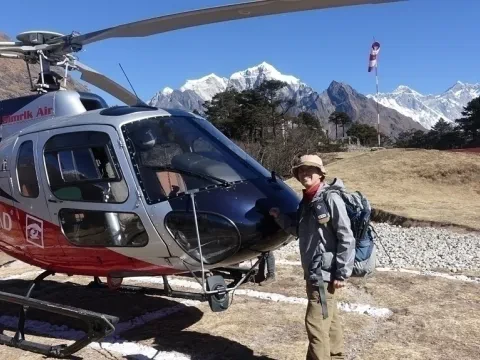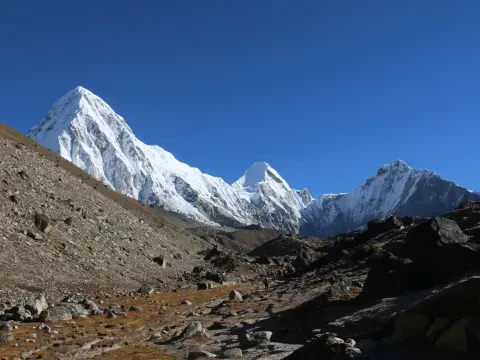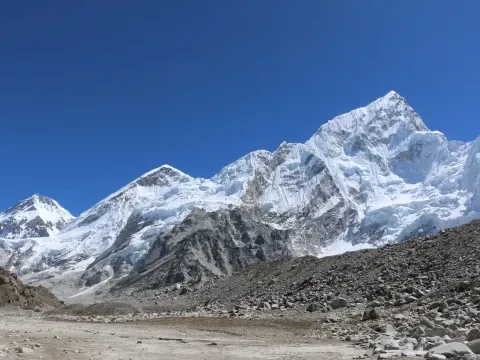
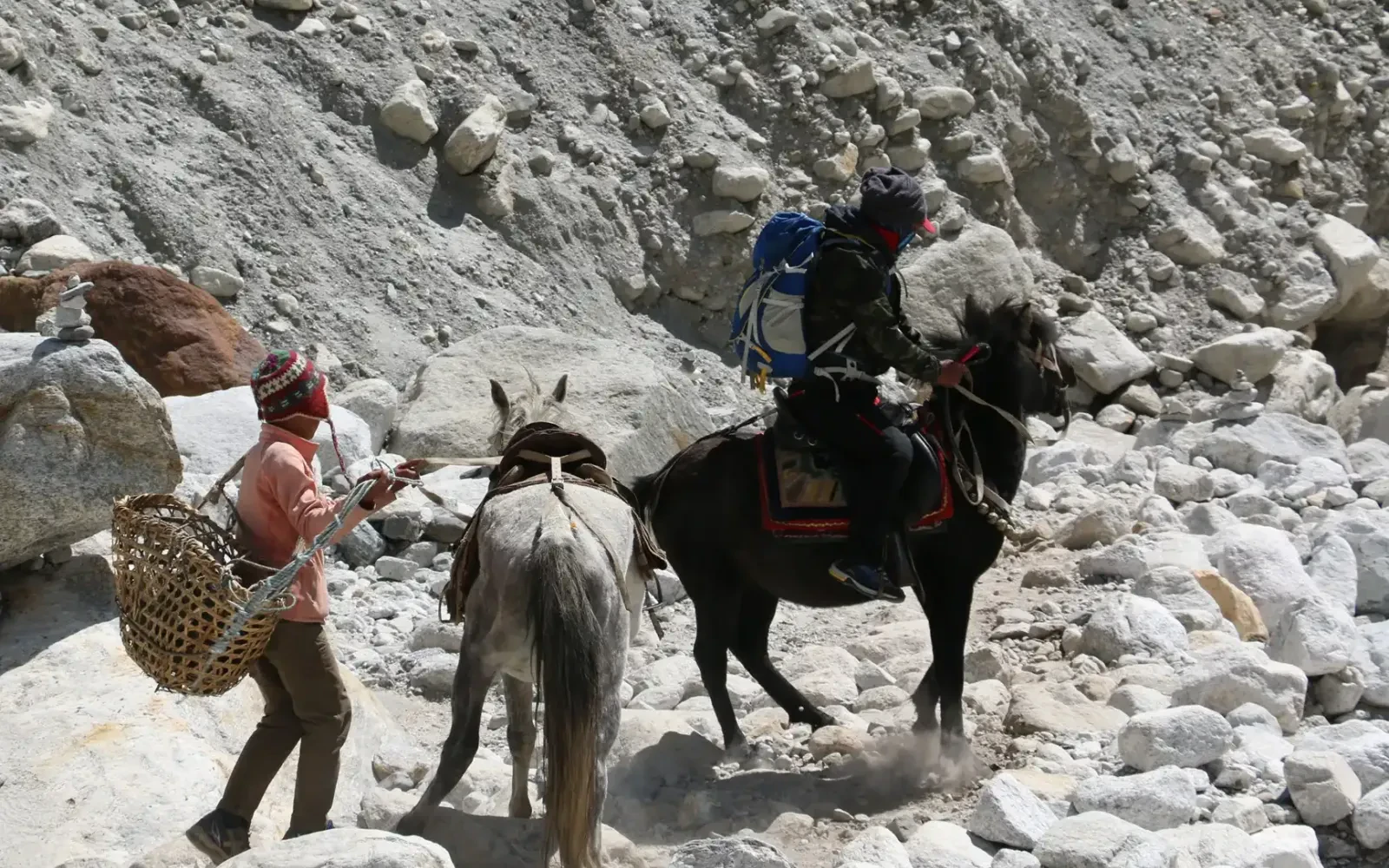
Actually, the Sherpa people of Everest Region live high up in Nepal’s Himalayas, mostly around the Solu-Khumbu district near Mount Everest (8,848 m). Their story goes way back—they originally came from the Kham region in eastern Tibet, then made their way south and settled in these wild mountain valleys centuries ago.
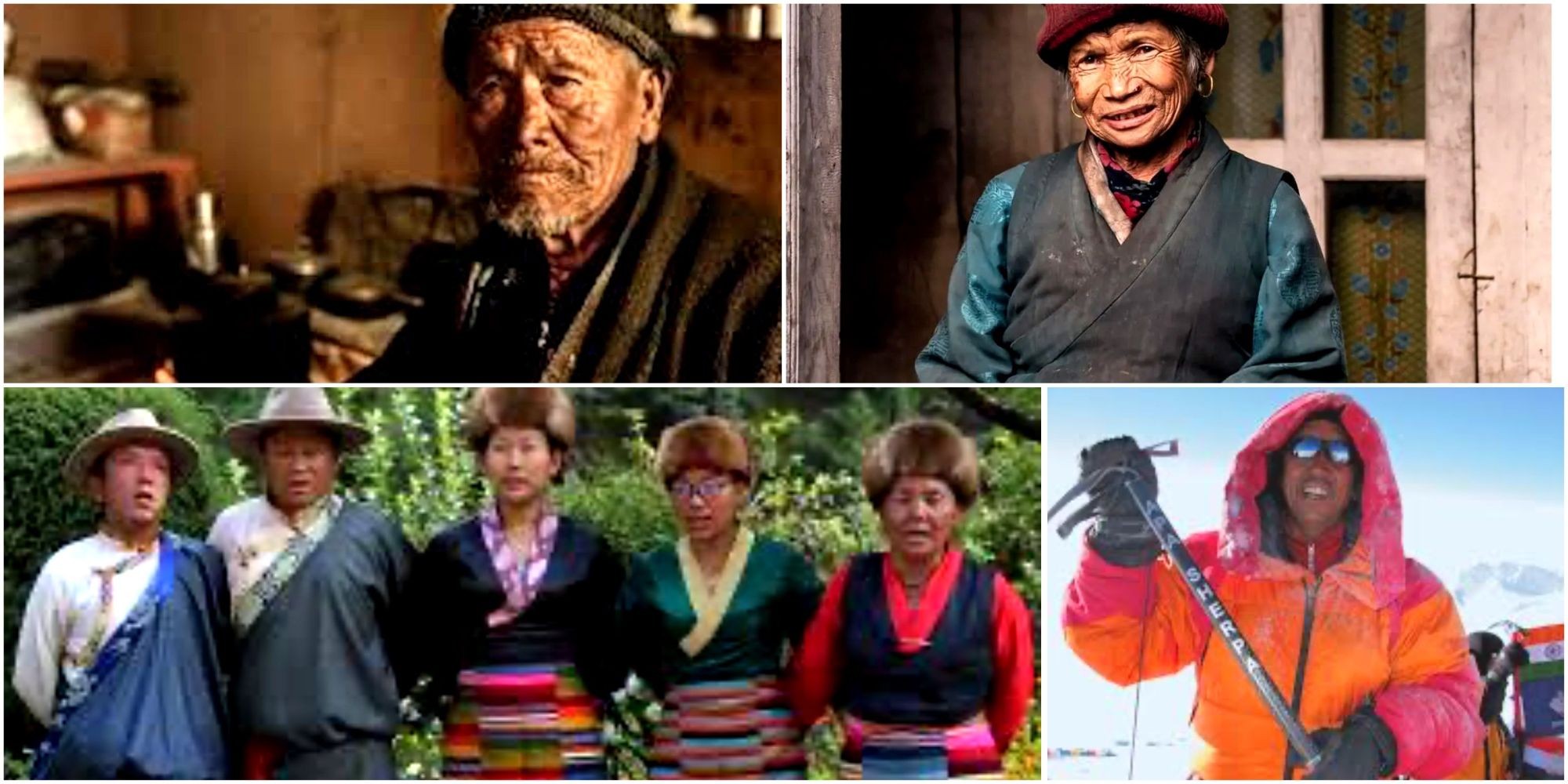
Likewise, Sherpa culture mixes Tibetan roots with its own local twists. They speak the Sherpa language, which is a Tibetan dialect, but lots of them use Nepali too. There are about 250,000 Sherpas in Nepal these days. Even with all the changes modern life brings, they still hold on tight to their community and traditions.
If you’ve heard about Sherpas, it’s probably because of their mountaineering skills. They’re famous for guiding climbers up Everest and other big peaks. Names like Tenzing Norgay have become legendary since he helped with the first successful Everest ascent in 1953. People across the world see the Sherpa as a symbol of strength and endurance.
In fact, religion runs deep here. Most Sherpas follow Tibetan Buddhism—mainly the Nyingma tradition. But there’s more to it; old animist beliefs shape how they see the mountains around them. They call Everest “Chomolungma” and treat it as sacred. That spiritual bond with the mountain colors everything about daily life in the Khumbu region.
Key Facts About Sherpa People of Everest :
In summary, Sherpa people of Everest embody Himalayan resilience. They preserve ancient traditions while embracing global mountaineering. Therefore, their story inspires visitors to the Khumbu region.
Actually, “Sherpa” comes straight from Tibetan—“shar” means east, and “pa” means people. So, at its core, the word just means “people from the east.” Their ancestors lived in eastern Tibet, in the Kham region, and that history still sticks with Sherpas today.
Back in the 15th century, Sherpas left Kham and crossed some serious mountain passes, like Nangpa La, searching for better land and new trade routes in Nepal. That’s how they ended up in Solu-Khumbu, right by Mount Everest. They weren’t just climbers then—they moved around, traded salt, wool, and rice, herded yaks, and grew barley, surviving in the tough mountain environment. Their name, Sherpa, is a direct link back to those eastern Tibetan roots.
Over time, the word “Sherpa” started to mean more than just a place of origin. Now, a lot of people use it to describe expert mountaineers, sometimes even as a job title on expeditions—regardless of someone’s background. But real Sherpas, especially those around Everest, still see it as a sign of their heritage, not just a profession.
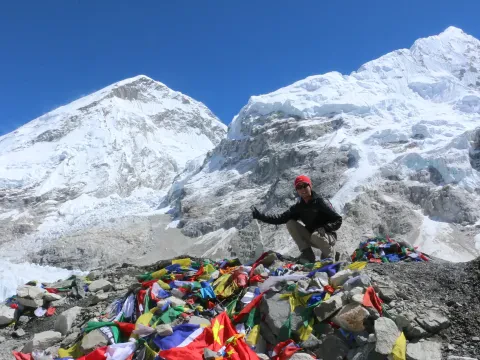
Among themselves, they’ll often say “Sharwa,” which is a little closer to how it sounds in their own language. No matter how you pronounce it, the name is a badge of pride—a reminder of their journey from the east and their deep Tibetan roots. At the end of the day, “Sherpa” is more than a job or a title. It’s a story of migration, resilience, and home.
Etymology and Migration Highlights :
| Aspect | Details |
| Tibetan Breakdown | Shar (east) + Pa (people) |
| Original Region | Kham, eastern Tibet |
| Migration Period | 15th–16th centuries |
| Key Pass Crossed | Nangpa La (5,716 m) |
| Settlement Area | Solu-Khumbu, near Mount Everest (8,848 m). |
In conclusion, the true meaning of "Sherpa" as people from the east defines their identity. It links past migrations to present Sherpa culture in the Everest region. Thus, this etymology enriches understanding of Mount Everest Sherpas.
Actually, the Sherpa people of Everest come from the Kham region in eastern Tibet. Their story goes back to the 15th century, when they crossed the high Nangpa La pass (5,716 meters) into Nepal. They weren’t just chasing greener pastures—they wanted peace, too. Religious clashes with Mahayana Buddhists pushed a lot of families to leave their old lives behind between the 13th and 15th centuries. You can really see their resilience; surviving and thriving in the harsh Himalayas takes grit.
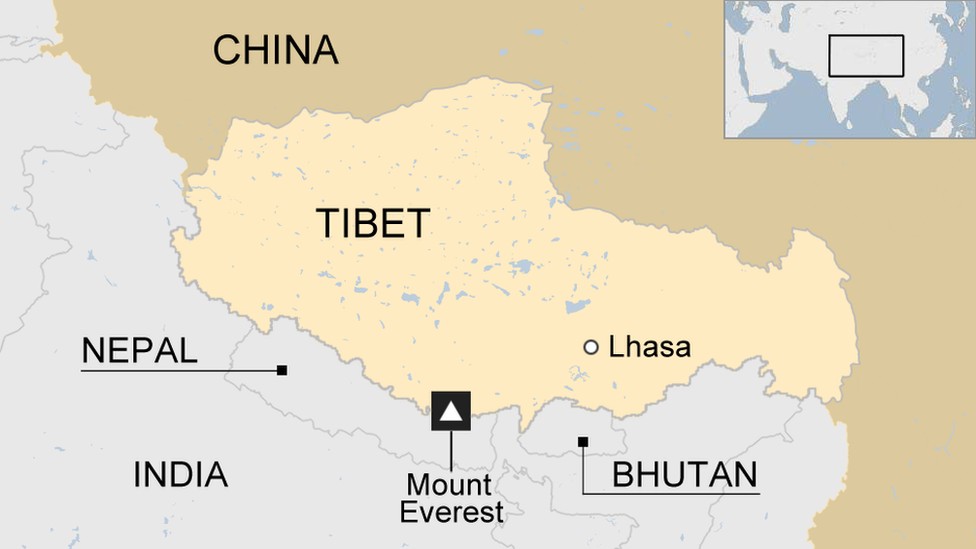
Moreover, Sherpa oral traditions talk about four main clans—Minyakpa, Thimmi, Sertawa, and Chawa—who were first to make the journey. These groups carved out a new home and laid the groundwork for Sherpa culture as we know it. Even now, Sherpas hold on to strong Tibetan roots.
Likewise, the Nangpa La pass wasn’t just a path—it was a lifeline. Nomadic Sherpas herded yaks and traded goods along these ancient trails, learning how to survive at high altitudes. That migration shaped who they are, even at the genetic level. It’s no accident Everest Sherpas are so well adapted to the world’s tallest mountains.
In fact, not everyone settled right away in what’s now Solu-Khumbu. Some stopped in places like Rongshar for a while. Over centuries, both conflict and opportunity pushed the Sherpas onward. Their journey ties them directly to eastern Tibetan heritage and shows just how deep their roots go. The migration from Kham isn’t just history—it’s the backbone of the Sherpa spirit.
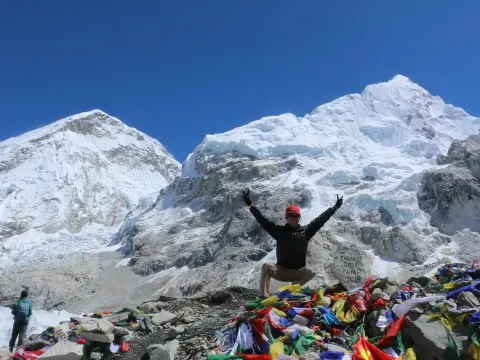
Sherpa Migration Timeline and Clans:
In summary, ancient origins from Kham region fuel the proud identity of Sherpa people of Everest. Migration stories enrich Sherpa culture and connect them to Chomolungma (Mount Everest 8,848 m). Thus, this history inspires deep respect in the Khumbu region.
Meanwhile, the Sherpa people settled in the Solu-Khumbu region, right under the watchful gaze of Chomolungma—Mount Everest. After migrating to these high Himalayas, they picked out fertile valleys for their villages, farms, and herds. Down in Solu, where the elevation ranges from 2,400 to 3,100 meters, they grew potatoes and barley. Up in Khumbu, between 3,700 and 4,300 meters, they used the high pastures in summer, grazing their animals close to Everest.
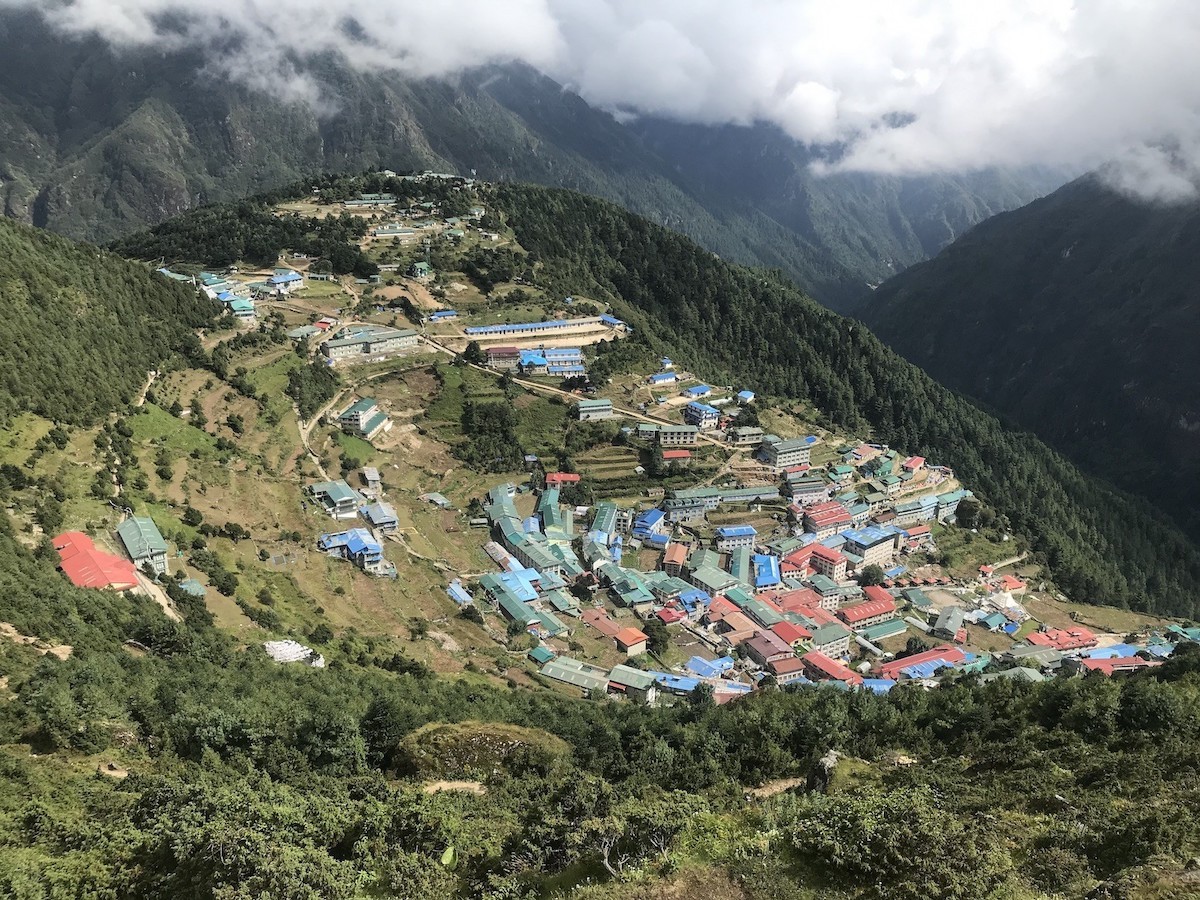
Early on, Sherpas built stone houses and monasteries in villages like Namche Bazaar and Pangboche. They carved out terraced fields and cleared rocky slopes, all within sight of sacred peaks. Over time, these settlements grew into tight-knit communities, with Sherpas creating a way of life shaped by the altitude and the mountains.
Likewise, Chomolungma isn’t just a mountain to them—it’s the Goddess Mother of the World. Their daily routines blend spirituality and survival, guided by both animism and Tibetan Buddhism. You see it everywhere: monasteries and chortens scattered across the landscape, each one a marker of something sacred.
In fact, trade with Tibet, especially over the Nangpa La pass at 5,716 meters, kept the early economy alive. They traded salt, wool, and rice long before tourists arrived. Through all this, strong clan bonds and resilience became the backbone of Sherpa life.
Here, living in Solu-Khumbu, in the shadow of Everest, has shaped who the Sherpa people are. Their culture, spirit, and identity all come from this rugged, breathtaking place.
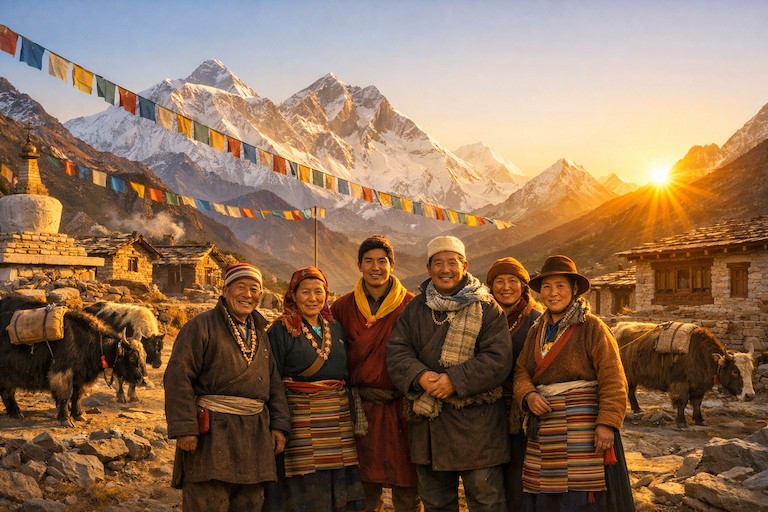
Solu-Khumbu Settlement Highlights :
| Aspect | Details |
| Lower Region | Solu (2,400–3,100 m): Farming-focused villages. |
| Higher Region | Khumbu (3,700–4,300 m): Pastures near Chomolungma (Mount Everest 8,848 m). |
| Key Villages | Namche Bazaar (3,440 m), Khumjung, Pangboche (3,985 m). |
| Economic Base | Yak herding, potato/barley farming, cross-border trade. |
| Spiritual Element | Reverence for Chomolungma as sacred goddess. |
In summary, settlement in Solu-Khumbu transformed migrants into guardians of Chomolungma. Sherpa culture thrives here with harmony between people and peaks. Thus, this region remains the heart of Mount Everest Sherpas.
Meanwhile, the Sherpa people of Everest trace their spiritual roots back to the Nyingmapa sect, the oldest branch of Tibetan Buddhism. This tradition goes all the way back to the 8th century, when Padmasambhava—Guru Rinpoche—brought Buddhist teachings into Tibet and set the foundation for what would become the Nyingmapa way. For the Sherpas, these teachings run deep. They shape daily life, weaving together Buddhist mysticism with a strong reverence for local spirits and deities.
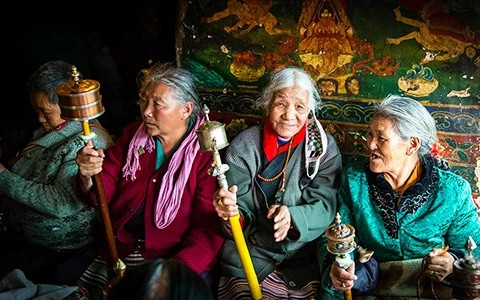
Likewise, Sherpa culture doesn’t just stick to one track. There’s a blend here: Nyingmapa Buddhist practice mixed with old animist beliefs. Mountains aren’t just landforms—they’re sacred, living homes of gods and powerful protectors. Everest itself, Chomolungma, stands above them all, honored as the Goddess Mother of the World. Out of respect—and maybe a little bit of awe—Sherpas offer prayers, make offerings, and do everything they can to avoid angering these divine forces.
Moreover, every Sherpa clan ties itself to specific peaks, believing these mountains have their own guardian deities. Each community treats certain summits as protectors, asking for blessings and safety. This belief shapes everything, from the way people approach mountain expeditions to the rituals that fill village life. It’s not just tradition—it’s how the Sherpa people keep a sense of harmony with the world around them.
One more thing: the north side of Everest is home to Rongphu Monastery, sitting at around 5,000 meters. Early Sherpas looked to this place for guidance before moving south into Khumbu. Even now, those teachings from Rongphu and the Nyingmapa sect hold the community together. In the end, it’s this mix of deep-rooted Tibetan Buddhism and mountain reverence that forms the spiritual heart of the Sherpa people who call Everest home.
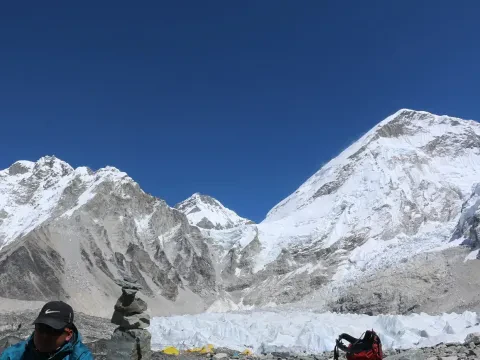
Nyingmapa Sect and Sacred Mountains Key Elements :
In summary, Tibetan Buddhist roots via Nyingmapa sect enrich Sherpa culture profoundly. Sacred mountain reverence for Chomolungma fosters respect and balance. Thus, this heritage guides Mount Everest Sherpas in spiritual and practical ways.
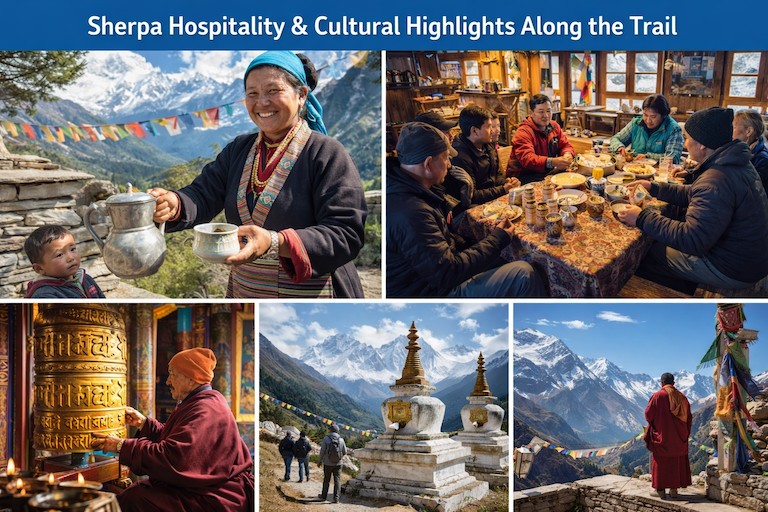
Meanwhile, the Sherpa people around Everest weave spirituality right into their daily lives. You see prayer flags everywhere—colorful strips catching the wind, spreading blessings across the Khumbu. Each flag stands for an element, and the mantras written on them call for peace. Walk through any village or mountain pass, and you’ll spot these flags fluttering above, part of the landscape as much as the rocks or the snow.
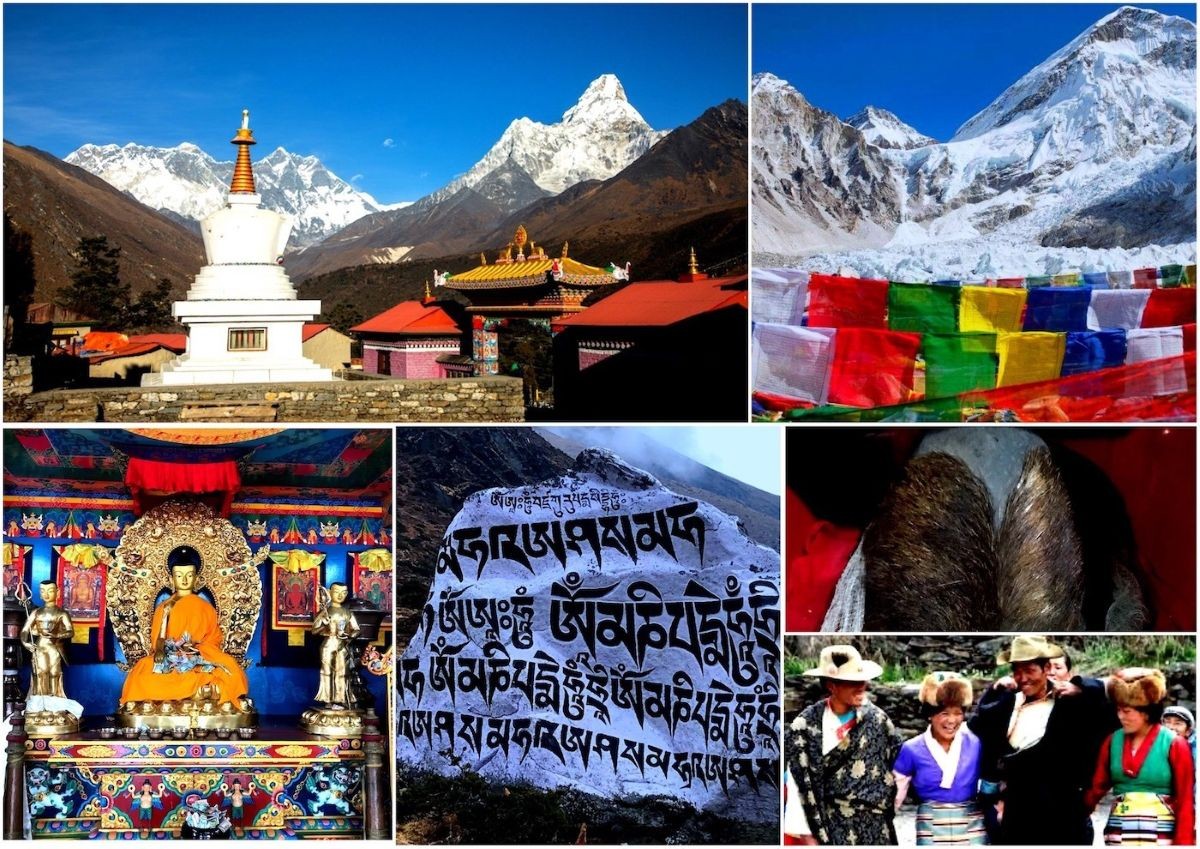
Likewise, mani walls are another part of it. These low stone walls run along the trails, each rock carved with “Om Mani Padme Hum.” Locals build and fix them up, believing each stone is an act of merit. When you walk by, you go clockwise—always clockwise—for respect and good karma. Mani walls aren’t just stone and words. They’re a daily reminder of compassion, set right in the path.
Moreover, then there’s monastery life. Places like Tengboche gompa sit at the center of the community. Monks chant, teach, and lead rituals day in and day out. Families drop by for blessings before a big journey or festival. The gompa keeps Tibetan Buddhism alive here, holding the community together with old traditions and steady prayer.
But spirituality doesn’t stop at the monastery. At home, people spin prayer wheels or offer juniper smoke at little altars. Some recite mantras, almost whispering, as they walk or work. These aren’t grand gestures—just small, steady habits that pull the sacred right into the ordinary. All together, these daily practices tie people to their faith, to each other, and to Chomolungma—what the world calls (Mount Everest 8,848 m).
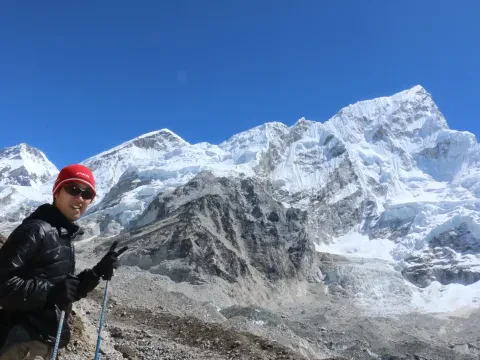
Daily Spiritual Practices Overview :
| Practice | Description | Purpose/Location |
| Prayer Flags | Colorful cloths with mantras, five elements | Spread blessings; roofs, passes, bridges. |
| Mani Walls | Stone walls etched with "Om Mani Padme Hum" | Accumulate merit; trails, villages. |
| Monastery Life | Monks' chants, teachings, festivals at gompas | Community center; e.g., Tengboche (3,867 m). |
| Prayer Wheels | Spinning cylinders with mantras inside | Generate positive energy; homes, paths. |
| Juniper Smoke Offerings | Burning incense for household spirits | Purification; daily home rituals. |
In summary, daily spiritual practices like prayer flags and mani walls enrich Sherpa culture vibrantly. Monastery life provides guidance and unity near Chomolungma. Thus, these elements maintain harmony for Mount Everest Sherpas.
Actually, take a walk through the Everest region, and you’ll notice Sherpa people wrapped in their traditional clothing—practical, warm, and full of character. Their mainstay is the chuba, a long woolen robe that reaches down to the ankles and always wraps left over right. Both men and women wear it, pulling it tight with a wide sash. This isn’t just for show; that extra layer helps keep out the biting cold in the Solu-Khumbu villages.
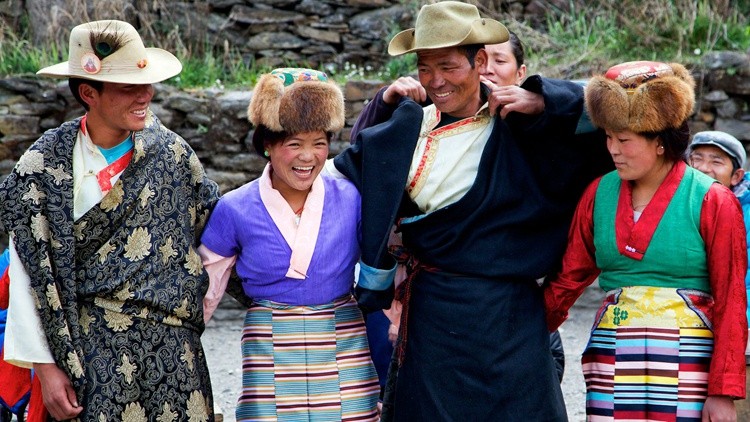
Here, Chubas are usually made from yak or sheep wool, which makes sense, given the high altitude and chill near Chomolungma (Mount Everest, 8,848 meters). Sherpas layer the chuba over shirts and pants, rolling up the sleeves or letting them down depending on the weather or the work at hand. You can see how every detail is shaped by life in the mountains—there’s a reason behind it all.
Likewise, one detail you can’t miss: the bright, striped aprons called pangden. Only married women wear them, and they aren’t just for decoration. Those bold reds, blues, and yellows instantly signal a woman’s marital status. Whether at a festival or just getting through a busy day, the pangden brings a splash of color to the muted tones of mountain life.
Here, look down, and you’ll spot sturdy boots with wool uppers and tough hide soles—perfect for the rocky trails. Add in the hats and belts, and you’ve got a look that’s both deeply rooted in Tibetan culture and perfectly tuned to life in the Himalayas. From the woolen chuba to the colorful pangden, Sherpa clothing isn’t just about survival—it’s a living tradition, woven right into the heart of Everest.
Traditional Sherpa Clothing Elements :
In summary, traditional Sherpa clothing protects against harsh altitudes while preserving identity. From woolen chuba to colorful aprons, it blends utility and beauty. Thus, this attire remains vital in Mount Everest Sherpas' daily life.
Here, let’s talk about Sherpa food in the Everest region. Up here, potatoes are the main thing on everyone’s plate. They grow surprisingly well, even at crazy heights—fields as high as 4,300 meters in Solu-Khumbu. Sherpas eat them all sorts of ways: boiled, mashed, stewed. Pretty much every day.
Likewise, yaks are just as important. Their milk, butter, and cheese give Sherpas the fats and protein they need to handle the cold. Butter tea—locals call it su-ja—is a favorite. It’s hot tea mixed with yak butter and salt. Not exactly what you’d get in a Western café, but it’s perfect for warming up in Khumbu’s freezing climate.
Moreover, then you have chang. It’s a kind of beer made by fermenting barley or millet. People drink it at gatherings, and it packs both calories and a sense of community. Up in these mountains, energy-rich foods aren’t just nice to have—they’re essential.
Moreover, Tsampa—roasted barley flour—might be the most practical food of all. It’s quick and easy: mix it with tea or eat it dry if you’re on the move. No cooking needed. It’s perfect for treks.
All these foods—potatoes, dairy, chang, and tsampa—aren’t just traditions. They’re clever answers to living and thriving at high altitude.
Key Sherpa Cuisine and High-Altitude Foods :
| Food Item | Description | Benefits in High Altitude |
| Potatoes | Boiled, in stews (shyakpa), pancakes (riki kur) | Grows at high elevations; carbohydrate-rich. |
| Dairy (Yak Products) | Butter, milk, cheese; in tea and dishes | High fat/protein; energy and warmth source. |
| Chang | Fermented barley/millet beer | Caloric boost; social and hydration aid. |
| Tsampa | Roasted barley flour; porridge or dry | Portable, nutrient-dense; quick energy. |
| Stews (Shyakpa/Reldok) | Meat/veg with potatoes, noodles | Warming, filling; uses local ingredients. |
In summary, Sherpa cuisine emphasizes potatoes, dairy, chang for sustenance. These foods support high-altitude adaptations near Chomolungma. Thus, they fuel resilience for Mount Everest Sherpas.
Actually, family, community, and hospitality aren’t just buzzwords for the Sherpa people in the Everest region—they’re the backbone of life in the Khumbu villages near Chomolungma (Mount Everest, 8,848 m). Family comes first. You’ll find extended families living under one roof, with parents, children, grandparents, and aunts all pitching in every day. These close family ties aren’t just sentimental—they give real emotional and economic security, which means a lot when you’re living in such a tough, mountainous place.
Likewise, the sense of community runs just as deep. Neighbors team up for farming, building houses, or fixing mountain trails. There are even special mutual aid groups, known as “kidu,” that step in when someone’s going through a rough patch. This kind of support makes it possible for Sherpas to not just survive but actually thrive at high altitudes.
And then there’s hospitality. It’s a big deal here. Guests get warm tea, a good meal, and a place to stay, no questions asked. Hosts often offer the best seats and fill the room with stories and laughter. Hospitality isn’t just about being polite—it’s a way of honoring visitors and keeping peace and connection alive in the shadow of Everest.
Of course, things are changing. Tourism and migration are stirring up the old ways, but Sherpas hold tight to their traditions. Rituals and gatherings keep the spirit alive. Family, community, and hospitality aren’t just old customs—they’re still the heart of Sherpa life, giving people strength and keeping them close, even as the world shifts around them.
Core Values of Sherpa Society Highlights :
In summary, family, community, and hospitality form the foundation of Sherpa society. These core values foster enduring bonds among Sherpa people of Everest. Thus, they preserve cultural strength in the shadow of Chomolungma.
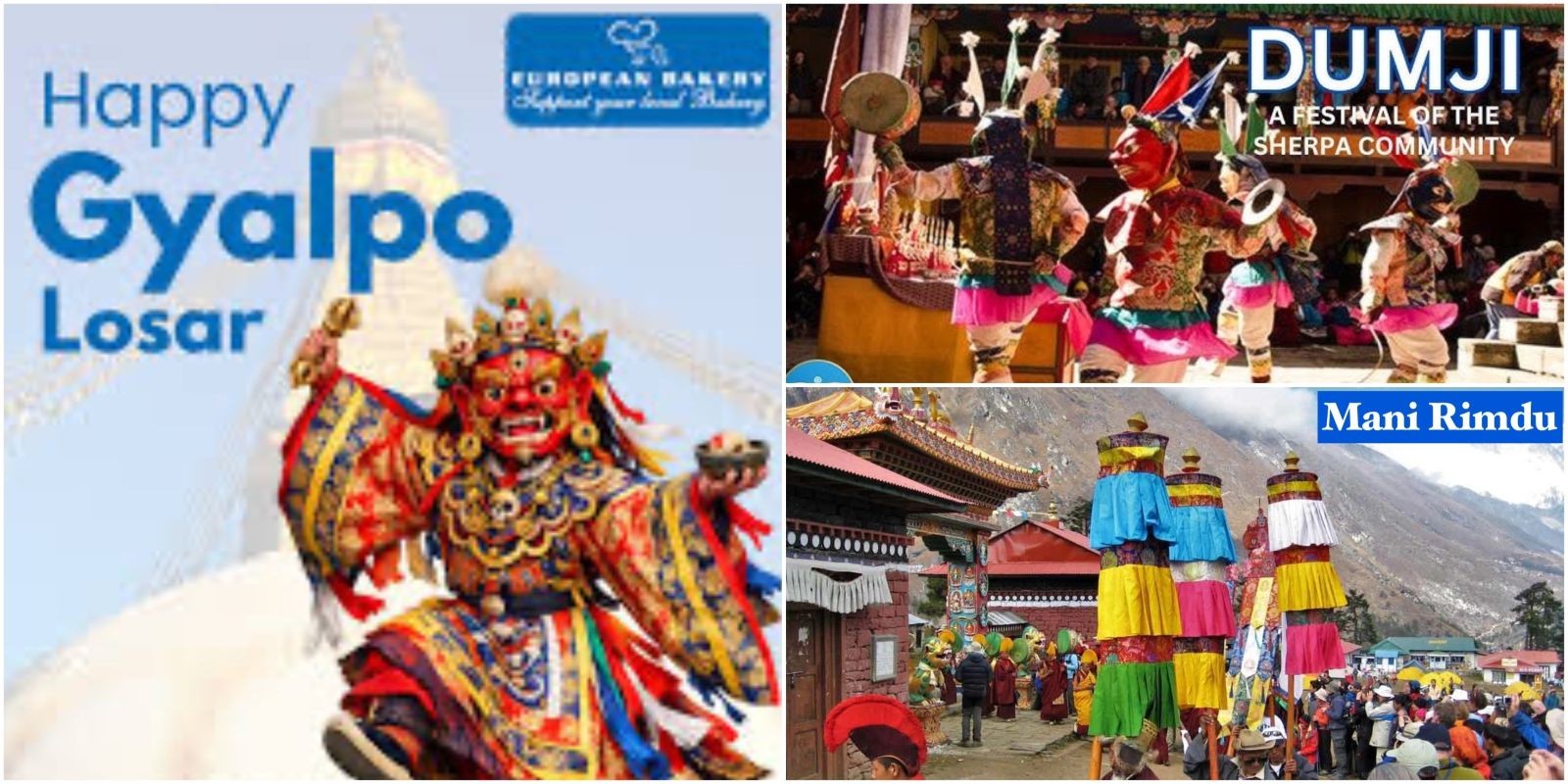
Meanwhile, festivals pull the Sherpa community together in a way nothing else does. Losar, the Tibetan New Year, kicks things off with a burst of energy. People clean their homes, slip into new clothes, and cook up special dishes. The whole region—villages scattered through Solu-Khumbu—comes alive with feasts, dancing, laughter, and prayers. It’s not just a party; it’s a fresh start and a reminder of what it means to be Sherpa.
Likewise, Dumje feels more personal. Families gather, honoring ancestors and asking for blessings in quiet rituals. Monks chant and perform pujas while everyone shares food and stories. There’s this feeling of warmth, of old ties growing stronger, of tradition settling into daily life.
Moreover, then there’s Mani Rimdu at Tengboche Monastery, which towers above at 3,867 meters. This one’s huge. In autumn, monks don masks and bring legends to life—good versus evil, played out in vibrant cham dances. The air fills with music and the smell of incense. People come from all over for blessings and to soak in the spectacle at the foot of Everest, or Chomolungma, as the Sherpas call it.
Other celebrations, like Guru Rinpoche’s day, add their own colors to the year. Each festival, big or small, keeps Sherpa traditions alive and the community tightly knit. Even as the world changes, these moments hold everyone together. Losar, Dumje, Mani Rimdu—they’re the heartbeats of Sherpa life.
Major Sherpa Festivals Overview :
| Festival | Timing/Season | Key Activities | Location/ Significance |
| Losar | February/March (Tibetan New Year) | Cleaning, new clothes, feasts, dances, prayers | Village-wide; renewal and family unity. |
| Dumje | Varies by family/clan | Ancestor honoring, pujas, shared meals | Household or clan level; kinship focus. |
| Mani Rimdu | Autumn (full moon) | Masked cham dances, blessings, music | Tengboche Monastery (3,867 m); major draw. |
| Other Events | Throughout year | Guru Rinpoche days, local harvest rites | Villages; spiritual and cultural continuity. |
In summary, festivals like Losar, Dumje, and Mani Rimdu unite Sherpa communities vibrantly. They blend joy, spirituality, and tradition near Chomolungma. Thus, these celebrations sustain Mount Everest Sherpas' cultural heritage.
Here, for the Sherpa people of Everest, the Himalayas are more than just mountains. They’re living gods, watchful guardians, and the heart of Sherpa spiritual life. Chomolungma—Mount Everest, rising 8,848 meters into the sky—isn’t just a mountain. She’s the Goddess Mother. In Sherpa eyes, she looks after everyone living in her shadow
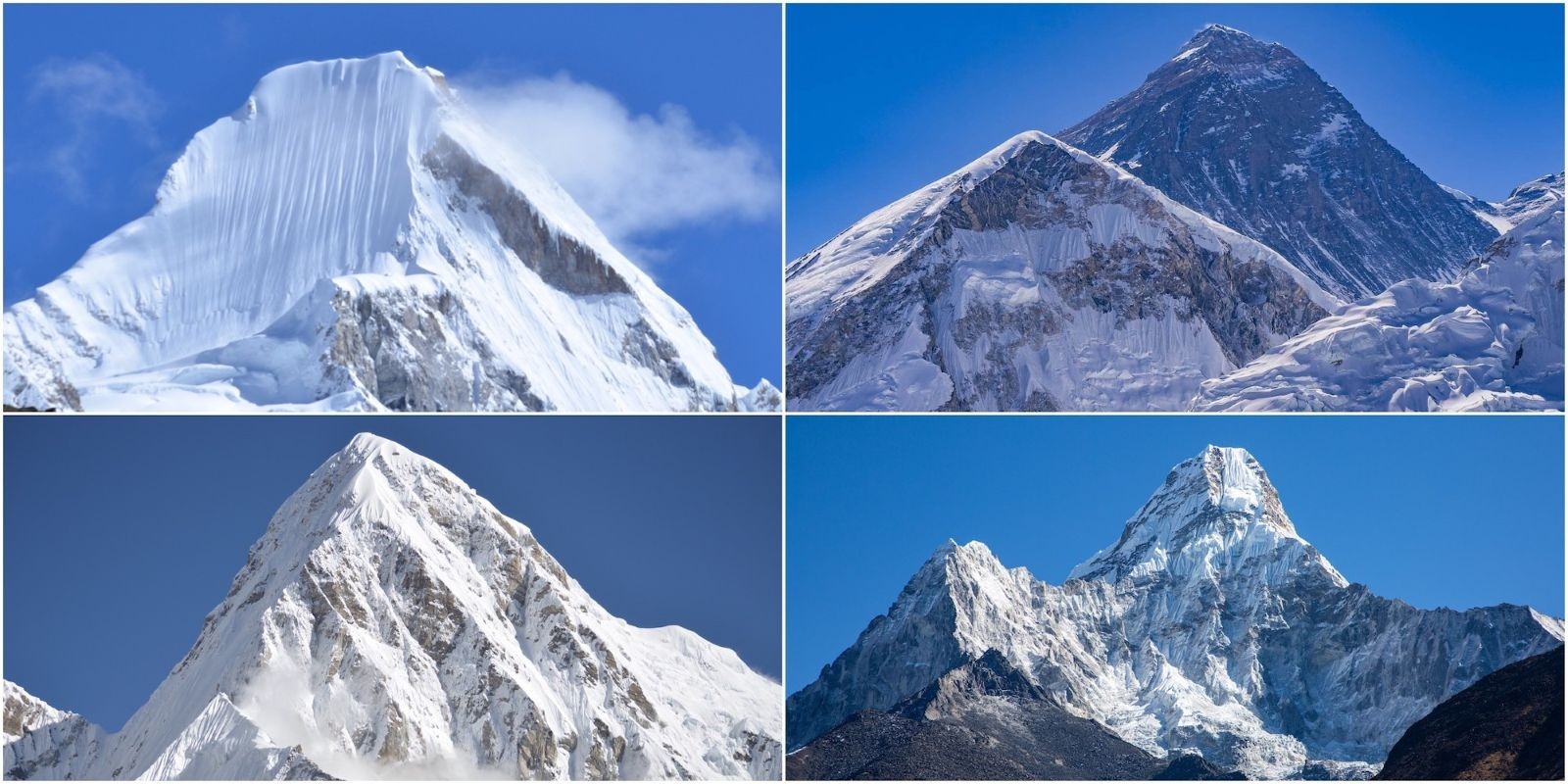
Actually, this belief goes back to ancient Tibetan Buddhism and animist traditions. Mountains hold real power here. Sherpas don’t just see them as giant pieces of rock—they see protectors, and they act with respect. Every climb, every crossing, even every harvest, starts with a ritual. You don’t just set off. First, you ask permission. Climbers and locals alike gather for pujas, offering prayers and incense, hoping to win the favor of Chomolungma and the other peaks.
And it’s not just Everest. Other mountains—like Makalu (8,485 m)—stand as guardians for specific clans. Families turn to these peaks for protection, offering thanks and asking for guidance. The whole landscape is alive with spirit and meaning.
In fact, Sherpas are careful not to disturb this balance. They avoid reckless actions that might upset the mountain gods. Their reverence shapes everything they do, from how they treat nature to how they climb. It’s a bond that doesn’t just define their relationship with the Himalayas—it shapes the soul of Sherpa culture itself.
Sacred Mountains in Sherpa Belief :
In summary, the sacred bond with the Himalayas as gods and guardians remains central to Sherpa culture. This reverence for Chomolungma and other peaks guides daily life and mountaineering. Thus, it preserves balance and respect in the Everest region.
For a long time, Sherpas in the Everest region lived by herding yaks. These animals meant everything—milk, butter, meat, wool, and a way to haul goods up and down steep trails. Yaks did well above 4,000 meters, and honestly, without them, life up there would’ve been impossible. Herding wasn’t just a job; it kept the community going.
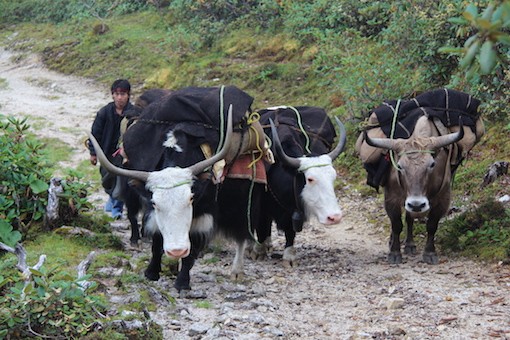
But that’s not all. Sherpas also traded across the Himalayas. They’d load up yak caravans and trek over the Nangpa La pass, heading to Tibet and back. Salt, wool, and Tibetan wares went one way; rice, grains, and tools came the other. Those trade routes didn’t just bring in supplies—they brought wealth, stories, and all sorts of new ideas.
As the world started looking toward Everest, things began to shift. Sherpas already knew the land and how to move heavy loads at high altitudes, so it made sense that early mountaineering expeditions turned to them for help. Portering and guiding grew out of their old skills. Over time, working with climbers became a big part of Sherpa life.
Then came the tourism boom after the 1950s. Suddenly, Sherpas weren’t just guides—they were running lodges, leading treks, and building businesses around the world’s tallest mountain. A lot of families still herd yaks or trade, but they’ve blended those old ways with new opportunities.
So, the story of Sherpa livelihoods is one of change, but it’s also about holding onto what matters. From herding yaks and trading across icy passes to guiding climbers up Chomolungma, Sherpas have always found ways to move forward without leaving their roots behind.
Evolution of Sherpa Livelihoods :
| Period | Primary Livelihood | Key Activities | Location/Impact |
| Pre-20th Century | Yak herding & subsistence farming | Milk, wool, transport; potato/barley crops | Khumbu pastures (3,700–5,000 m). |
| 15th–20th Century | Trans-Himalayan trade | Salt/wool to Tibet; rice/grains from south | Via Nangpa La pass (5,716 m). |
| Early 1900s–1950s | Portering & expedition support | Load-carrying for British/European climbs | Everest approaches; skill foundation. |
| Post-1953 to Present | Mountaineering, guiding, tourism | Climbing Sherpas, lodge owners, trekking | Khumbu economy; global recognition. |
In summary, historical livelihoods from yak herding and trans-Himalayan trade laid strong foundations. These evolved into modern mountaineering and tourism roles near Chomolungma. Thus, Sherpa people of Everest adapt traditions to thrive today.
Meanwhile, Sherpas and mountaineering just go together. On Everest—Chomolungma, as they call it—these people are the heart and soul of every expedition. You’ll find them out in front, leading the way, fixing ropes, and keeping everyone safe in the Khumbu region. They know this mountain like nobody else, and it shows every step of the way.
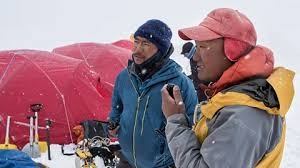
Likewise, it’s not just that they’re great guides. Sherpas grow up living above 3,000 meters, so the thin air that leaves most climbers gasping is just everyday life for them. That’s why they can lead the most challenging ascents, not only on Everest but all across the Himalayas. Their technical skills are legendary. Take the Khumbu Icefall, for example—about 5,500 meters up, full of shifting ice and hidden crevasses. Sherpas are the ones who set the ropes and ladders, carry the heaviest loads, and build camps where most people can barely stand.
Moreover, think about Tenzing Norgay. He and Edmund Hillary reached the top together in 1953, but he wasn’t the first or the last Sherpa to make history up there. Thousands of Sherpas have summited Everest since. Their courage and skill keep expeditions moving forward, year after year.
But it’s not all glory. Every climb comes with real danger—avalanches, crevasses, altitude sickness. Sherpas face these risks more than anyone else. They deserve more recognition, and honestly, better pay for what they do. In the end, Sherpas and mountaineering are bound together. You can’t tell the story of Everest without them.
Key Contributions of Sherpas in Mountaineering :
In summary, Sherpa people of Everest stand as indispensable guardians of Everest expeditions. Their expertise and dedication safeguard lives on Chomolungma. Thus, Sherpa mountaineering legacy continues to shape Himalayan climbing culture.
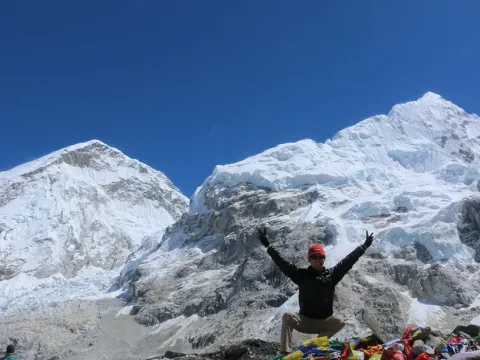
Meanwhile, life for the Sherpa people around Everest is changing fast, and it’s not always easy to keep old traditions alive. Tourism isn’t just a few climbers anymore—now thousands of trekkers pass through Solu-Khumbu every year. This boom shifts the economy, changes daily life, and sometimes puts real pressure on the old ways and close-knit community values.
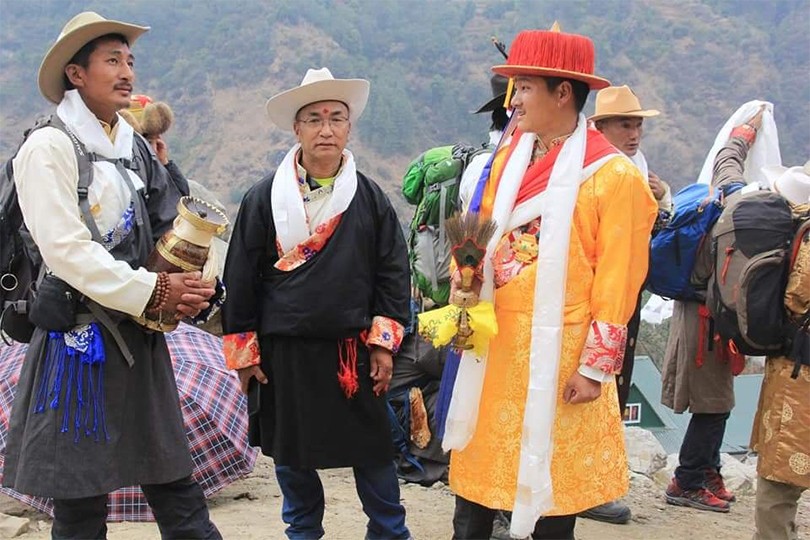
Moreover, there's another challenge: young Sherpas often leave their villages for better jobs or education in Kathmandu or even farther away. When the younger generation moves out, clan ties loosen and it gets harder to pass down traditions, stories, or skills that once held everyone together. Keeping culture alive in the face of all this change takes real effort—nothing happens by accident.
On top of that, the environment is changing too. Glaciers are shrinking, water sources are shifting, and dangerous glacial lake floods threaten villages, especially near places like Imja Tsho. These changes hit high-altitude farming and yak herding hard—both are pillars of Sherpa life.
But Sherpas aren’t just watching these changes happen. They’re adapting. Festivals still fill the calendar, local monasteries remain active, and language classes help keep Sherpa speech alive. Community groups work to protect heritage and make tourism more sustainable so that the culture doesn’t get lost in the rush. Through all the challenges, Sherpas keep finding ways to balance the new and the old, holding on to their roots while facing whatever comes next.
Challenges and Resilience Strategies :
| Challenge | Impact on Sherpa Culture | Resilience Strategies |
| Tourism Boom | Over-commercialization, cultural commodification | Community lodges, cultural education programs. |
| Youth Migration | Loss of traditional knowledge, aging villages | Youth return incentives, local skill training. |
| Climate Change | Reduced pastures, water scarcity, disaster risks | Adaptation projects, glacier monitoring. |
| Modern Influences | Shift from herding/trade to wage labor | Revival of festivals, language preservation. |
| Economic Disparity | Uneven benefits from mountaineering | Fair wage advocacy, cooperative models. |
In summary, preserving tradition amid change tests Sherpa cultural resilience daily. Challenges like tourism and climate shift demand adaptation. Thus, Sherpa people of Everest sustain their heritage near Chomolungma with determination and pride.
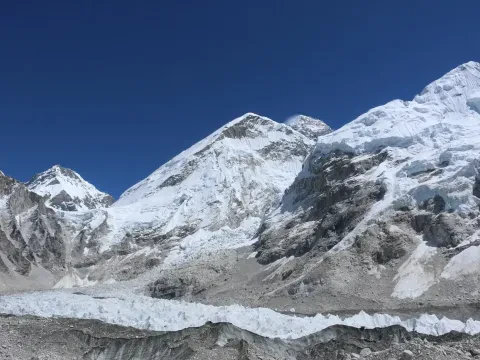
Actually, the Sherpa people of Everest have something special—an enduring spirit that refuses to fade. It’s easy to spot in their resilience, their culture, and the way they live in harmony with Chomolungma (Mount Everest 8,848 m). Their legacy runs deep in the Khumbu region and still shapes Sherpa life today.
Generations ago, the Sherpas left eastern Tibet and carved out a place for themselves in the tough Himalayan landscape. That history of adaptation made them strong. Their respect for Chomolungma isn’t just tradition—it’s woven into daily life. You see it in their strength, spirituality, and the way they come together as a community in the Khumbu.
Likewise, Sherpa culture holds tight to its ancient roots, even as the world around them changes fast. Festivals like Mani Rimdu, fluttering prayer flags, and everyday rituals keep their spirit alive. Family ties run deep, and hospitality is second nature. Their sense of heritage doesn’t get in the way of progress—they’ve figured out how to balance both.
Then there’s their role on Everest itself. Sherpas aren’t just guides—they’re the heart of every expedition. They lead the way, keep climbers safe, and know the mountains better than anyone. Their knowledge and courage have shaped the history of mountaineering worldwide. People everywhere look up to them for that.
Of course, challenges keep coming. Climate change and the pull of life outside the mountains test their resilience all the time. But Sherpas keep adapting. They focus on sustainability and passing their culture on to the next generation. Their legacy keeps growing right there, beneath the shadow of Chomolungma.
In the end, the spirit of the Sherpa people stands strong—no matter what. It’s unbreakable, timeless, and something the world won’t forget.
Why the Sherpa Spirit Endures :
In summary, the enduring spirit of Sherpa people of Everest reflects profound harmony with nature and people. From ancient origins to modern roles, they uphold values of courage and compassion. Thus, Sherpa culture in the Everest region continues to inspire future generations with quiet strength and grace.
1. Who are the Sherpa people of the Everest region?
The Sherpa people of the Everest region are a strong community that lives in Solu-Khumbu near Chomolungma. They came from Tibet and they are very good at living at high altitudes. They have a connection to Buddhism and they take care of yaks. They are also very good at climbing mountains. All these things make them unique and special in the Himalayas.
2. What does the name "Sherpa" truly mean?
The name "Sherpa" means people from the east. This is because they came from the east from a place called Tibets Kham region. They moved to Nepal’s Solu-Khumbu. They kept their culture and traditions. They are very proud of where they came from.
3. Where did the Sherpa people originally come from?
The Sherpa people originally came from Tibets Kham region. A time ago around the 15th century they moved south to Nepal. They settled in the valleys and they learned to live in the difficult Himalayan environment around Everest.
4. Why do Sherpas settle in the Solu-Khumbu region?
The Sherpa people settled in the Solu-Khumbu region because it is a beautiful place. The valleys are fertile. They have a special connection to Chomolungma. They built monasteries, farms and communities here. They live in harmony with nature. They take care of the environment.
5. What is the main religion of the Sherpa people?
The main religion of the Sherpa people is Tibetan Buddhism. They follow the Nyingmapa sect. They believe that Chomolungma is a goddess and they pray to her every day. They use prayer flags, mani walls. They visit monasteries to practice their religion.
6. How do Sherpas incorporate spirituality into daily life?
The Sherpa people incorporate spirituality into their life by doing many things. They put up prayer flags they carve mani walls. They visit monasteries. They do all these things to honor their gods and to protect themselves from the mountains. They want to live in harmony with nature.
7. What is traditional Sherpa clothing like?
Traditional Sherpa clothing is very warm and practical. They wear chubas to keep warm and they wear colorful aprons called pangden. The women wear these aprons. They are very beautiful. The Sherpa people wear these clothes to keep warm and to show their culture.
8. What do Sherpa people traditionally eat?
The Sherpa people traditionally eat potatoes, dairy products, yak meat, chang and Thumba which's a type of millet beer. They eat these foods because they give them energy and they help them survive in the altitudes. They need food to climb mountains and to take care of their yaks.
9. What are core values in Sherpa society?
The core values in Sherpa society are family, community and hospitality. They take care of each other. They are very generous to their guests. They believe in helping each other and in being kind to everyone. These values are very important to them.
10. Which festivals do Sherpas celebrate?
The Sherpa people celebrate festivals, including Losar, which is the New Year, Dumje and Mani Rimdu. They have parties and they pray to their gods. They. They eat traditional food. These festivals bring the community together. They make them strong.
11. How do Sherpas view the Himalayas?
The Sherpa people view the Himalayas as living gods. They believe that the mountains are sacred and they take care of them. They do rituals to protect the mountains. They try to live in harmony with nature. They believe that the mountains give them life and they must respect them.
12. What were traditional Sherpa livelihoods?
The traditional Sherpa livelihoods were yak herding, potato farming and trading. They would trade goods with people and they would take care of their yaks. They were very good at living in the altitudes and they knew how to survive. They were very strong and resourceful.
13. What role do Sherpas play in mountaineering?
The Sherpa people play an important role in mountaineering. They are guides, porters and rescuers. They know the mountains well and they can climb very high. They are very strong. They are very brave. They help other people climb the mountains and they keep them safe.
14. How are Sherpas preserving their culture today?
The Sherpa people are preserving their culture by educating their children by celebrating their festivals and by taking care of their monasteries. They are very proud of their culture. They want to keep it alive. They are also adapting to things and they are finding ways to make their culture strong in the modern world.
15. Are all Nepali mountain guides called Sherpas?
Not all Nepali mountain guides are called Sherpas. The name "Sherpa" refers to an ethnic group from Solu-Khumbu. They have a culture and they are very good at climbing mountains. They are very proud of their name. They want to keep it special.
16. What is the significance of monasteries in Sherpa life?
The monasteries are very important in Sherpa life. They are centers where they can pray and learn. They host. They bring the community together. The monasteries are an important part of Sherpa culture and they help them stay connected to their roots.
17. How has tourism affected Sherpa communities?
Tourism has brought benefits to the Sherpa communities but it has also brought some challenges. The Sherpa people are learning to balance their way of life with the new opportunities that tourism brings. They want to share their culture with the world. They also want to protect it.
18. What makes Sherpa hospitality unique?
Sherpa hospitality is unique because it is very warm and generous. The Sherpa people welcome their guests with arms and they take care of them. They share their food, their homes and their culture with their guests. They believe in being kind to everyone and in making them feel welcome.
19. Do Sherpas have adaptations for high altitude?
Yes, the Sherpa people have adaptations for high altitude. They have lived in the mountains for many centuries and their bodies have adapted to the thin air. They are very good, at climbing mountains and they can survive in the difficult conditions. They are very strong and resilient.
20. Why visit the Everest region to learn about Sherpa culture?
Visiting the Everest region is a way to learn about Sherpa culture. You can experience their traditions, festivals, monasteries and warm hospitality firsthand. It's a chance to appreciate their connection with Chomolungma and their resilient spirit, in the Himalayas.
Our travel experts are ready to assist you with any questions.
Send us a message.Have a question before you book? Send your enquiry below and our travel experts will get back with the required information.