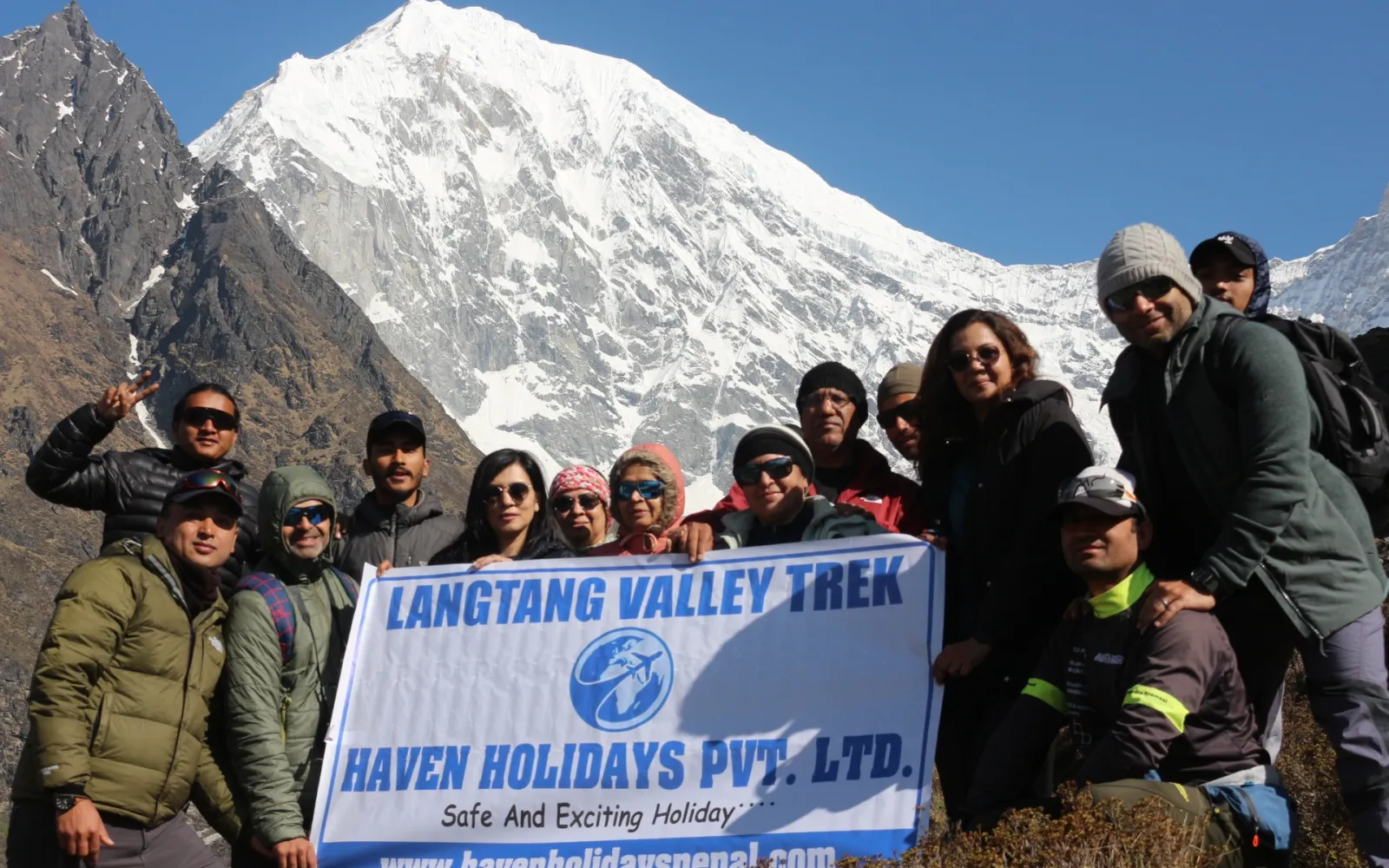
Nepal offers some of the best trekking experiences in the world! The country has some amazing landscapes, mountain villages and cultural experiences. Here, the most popular treks in Nepal are the Everest Base Camp (5364m), Annapurna Base Camp (4130m), Manaslu Circuit (Larkya La Pass 5106m), Langtang Valley (Kyanjin Gompa approx 3870m) and Mardi Himal (viewpoint approx 4200-4500m).
When travelling internationally you can choose to either go directly through a local trekking company in Nepal or go through international companies that offer Nepal trekking packages.
Both options can offer a professional service however there are different differences in how they operate, how much they cost and how they communicate. It is more useful to know who is actually managing your trek, employing your guides and what happens in an emergency.
Main Differences Between Local and International Trekking Companies :
Aspect | Local Trekking Company | International Trekking Company
Operations | In Nepal | Overseas
Trek organization| Direct with local company | Direct or with partner company
Communication | With local team| Overseas sales team or with partner company
Costs | Usually less costs | More costs for extra services
Local Knowledge | Direct with local company | Depends on local partners
Customer support | Local office with local team | Overseas support
A local trekking company will be a registered company in Nepal that offers trekking services. The company will usually be managed by a local team. They will organise guides, porters, accommodation, transport, permits and other trekking requirements.
Similarly, local companies work closely with the mountain communities and service providers in the popular trekking areas.
In addition to, they will have a good knowledge of the villages, walking routes, weather conditions, lodge facilities and transport options. This means that they can organise your trek for you such as the Manaslu Circuit Trek (12-14 days), Everest Base Camp Trek (11-14 days) and Langtang Valley Trek (7-12 days).
Here, just because they have local knowledge doesn’t mean they will offer a professional service. Before booking with a company ensure they are registered with the government, have a licence from the Department of Tourism, guides are qualified and insured.
Services offered by a local company :
Responsibility | Local Organisation
Guides and porters | Local guides/porters or contracted trekking company
Accommodation | Direct with mountain lodge
Transport | Jeeps, Buses and internal flights
Permits | Apply and pay for permits
Emergency support | Local support and rescue
Customer support | Email, phone and online
Important, the Nepal Tourism Board have updated their TIMS guidelines. From 31st March 2023 you must have a licensed guide and TIMS card issued by the agency. This applies to the following treks: Everest Base Camp, Manaslu Circuit, Langtang, Mardi Himal and Poon Hill to Annapurna Base Camp.
For example, Haven Holidays Pvt. Ltd operate from Nepal. They have a local team to organise your trekking. You can check out their services and packages here: Haven Holidays Nepal
An international trekking company is a travel company that offers treks to international clients. They are often based in countries like the USA, UK, Australia, Germany.
Similarly, an international tour operator will generally create the treks, manage customer inquiries, take bookings and payments. The actual trekking may be run by a local partner in Nepal.
Likewise, some international companies have an office/branch in Nepal or have a team on the ground. Some fully rely on local agencies.
Meanwhile, the benefit is that you can easily communicate with them before your trip as they will be in your time zone, speak your language and be able to take payments. You may also receive support from them whilst abroad, help with your travel insurance and wider travel arrangements.
However, just because the company is international doesn’t mean the local company will be of a high standard. It is important to find out who is actually running the company.
Services offered :
What to ask:
For example, an international company can offer you a 14 day Everest Base Camp Trek but they will have a local partner in Nepal to manage your trek from Kathmandu (1,338m) to Everest Base Camp (5,364m). It is important to know who is actually running the trek.
The main difference between a local and international trekking company is where the company is based. Both companies can offer great trekking experiences in Nepal but there may be differences in communication, costs, bookings and the arrangements in the destination.
Actually, a local trekking agency will have direct contact with local guides, porters, lodges and transport. Whereas an international company may have customers booked from abroad and will have a local partner.
However, some international companies do have a branch in Nepal. Some local companies will work with representatives abroad to give more support.
Local Trekking Company Vs International Trekking Company – Detailed Comparison:
Comparison | Local (based in Nepal) | International
Main Office | Based in Nepal | Usually based abroad.
Local Knowledge | Direct contact with local teams | Depends on local team/partners in Nepal.
Costs | May have less middle man costs | May have extra costs for sales/operations.
Communication | Direct contact with local staff in Nepal | Often contact via international sales team.
Guides & Porters | Local arrangements | Usually managed by local operator in Nepal.
Permits | Can directly organise applications | Usually organised by local operator in Nepal.
Transport | Local vehicles and flights organized | Depends on destination arrangements.
Accommodation | Direct contact with local lodges | Usually organised by local partners.
Support | Direct support from local | May have support from abroad and local.
Booking | Easy to book via website, email and direct.| Often have established systems abroad.
Payments | Usually accept international bank transfers and online payments | May have extra international payments.
Customization | Can directly make changes with local teams | Depends on communication with destination operator.
1. Where the company is based.
A local company will be based in Nepal and will have direct contact with the destination. An international company may have offices abroad and local partners.
2. Costs.
Local companies may have less middle man costs as you are booking directly. International companies may have extra services included so it is important to check what is included in the same package.
3. Communication.
International companies may be easier to communicate with before your trip as they are in your home country. Local companies will have direct contact with those managing your treks.
4. Guides, permits and transport.
Both companies will generally rely on local knowledge in the destination. The guides will be more important to be qualified and the local arrangements reliable.
In conclusion, both a reputable local agency and organised international company can offer great trekking experiences. However, booking directly with an established local company in Nepal can help you have more direct contact with the team.
Booking directly with a local trekking company can be a more cost-effective option as there aren’t any extra fees. However, the cost will depend on the tour you take, the number of people in your group, quality of accommodations, transportation and services.
Actually, international trekking companies may charge extra for overseas admin, marketing, customer service and local partners. This doesn’t necessarily mean that you will get a better quality of guide, accommodation and safety.
When comparing prices, it’s best to look at the whole package. Key costs to consider would be guide/porter costs, food, accommodation, permits, transportation, insurance and airport transfers.
Haven Holidays Nepal Trekking Costs
Below are some real examples of costs for local trekking packages. Prices will vary depending on group size, tour and services.
Trekking Package | Cost (USD) | Duration
Everest Base Camp Trek | $595-$2150 | 12-16 Days
Annapurna Base Camp Trek | $375-$625 | 7 Days
Mardi Himal Trek | $165-$320 | 4 Days
Local vs International Trekking Company Costs :
Cost | Local Company | International Company
Trekking Package | Direct Quote | May include extra costs
Guides & Porters | Local Arranged | Usually arranged with Nepalese partners
Accommodation | Local Coordination | Depends on local company
Permits | Direct Arranged | Usually arranged in Nepal
Transportation | Local Coordination | Depends on package
Extra Costs | Direct conversation| May include extra booking/service costs
To ensure you have the right package, make sure to check:
Importantly, booking directly can be a great value option if the local company is transparent with their prices and reliable. Ensure you compare similar tours/treks and what is included in the written package.
Below are some example costs for group tours on the Manaslu Circuit Trek.
Group Size | Cost per Person (USD)
1 | $1060
2-4 | $885
6-10 | $835
12-16 | $795
Here, this cost includes transportation, trekking permits, licensed English speaking guide, teahouse accommodation and staff costs. Please ensure to check exactly what food, porter costs and what is included.
Local knowledge can be a key factor when planning treks in the Himalayan regions of Nepal. Local trekking teams will regularly work with local mountain guides, lodge owners, transportation and communities.
Here, local guides with lots of experience will know the conditions of the trails, weather, altitude and availability of accommodation. This can be useful if there are landslides, snow, flooding and road issues.
Importantly, the local companies know that Everest Base Camp reaches 5364m, Annapurna Base Camp Sanctuary reaches around 4130m, Manaslu Circuit reaches 5106m at Larkya La Pass and Langtang Valley reaches 3870m at Kyanjin Gompa.
Likewise, international companies can still offer great local knowledge with experienced teams based in Nepal. It’s more important to look at the experience of the guides and staff.
Local Knowledge for Treks in Nepal :
Region | Key Altitude | Local Knowledge Required
Everest Base Camp | 5364m | Altitude, Lukla Flights & Lodge Availability
Annapurna Base Camp | 4130m | Weather, Snow & Mountain Trail Access
Manaslu Circuit| 5106m (Larkya La)| Restricted Permits, Altitude & High Pass Conditions
Langtang Valley| 3870m (Kyanjin Gompa)| Road Access, Trail Conditions & Accommodation
Mardi Himal| 4200-4500m (Viewpoint)| Snow, Steep Trails & High Camp Conditions
Examples of Local Knowledge :
In summary, local knowledge will help with planning your trek, making decisions and coordinating your destination. However, an international company with lots of experience and a reliable team based in Nepal can offer just as professional knowledge of your destination.
Professional guides and porters are an essential part of your trekking experience in Nepal. Guides will lead your group on the mountainous trails, plan your daily itineraries and provide insight into local culture, geography and mountainous environment.
Meanwhile, porters will carry your trekking gear and personal belongings so you can trek comfortably. Many local companies will directly employ and manage their staff. However international companies will often work with local expert staff.
Likewise, the quality of staff will depend on how they are employed so it is important to ask about the qualifications, language, first aid, altitude knowledge and porter wellbeing of your guides.
Main duties of Trekking Guides & Porters :
Trekking Staff | Main Duties | Important Qualifications
Trekking Guide | Lead groups and plan daily itineraries | Licence, Experience on the route and communication skills
Assistant Guide | Support larger groups and manage trekkers | Experience and knowledge of safety
Porter | Carry luggage and trekking gear |Reasonable weight, appropriate clothing and insurance
Trekking Leader | Manage group and decision making| Leadership skills, altitude knowledge and emergency training
Responsible trekking companies should look after their porters
Responsible trekking companies should ensure porters are treated fairly. This includes fair pay, reasonable weight limits, insurance, appropriate clothing, food and accommodation.
Porter Wellbeing | What to ask
Weight limits | Reasonable weight and appropriate guidelines
Pay | Fair pay
Insurance | Appropriate insurance for accidents and medical issues
Accommodation | Appropriate accommodation
Food | Enough food
Clothing | Appropriate clothing for mountainous weather
Local vs International Companies :
Local companies will be able to directly communicate with guides and porters meaning it is easier to manage daily staff. However international companies may still provide responsible employment through reliable partners in Nepal.
For example, when going on a 14-day Everest Base Camp Trek you will need to manage guides, porters, lodges and transport. Responsible staff are very important when trekking from Lukla (2860m) to Everest Base Camp (5364m).
In conclusion, the best trekking company will treat their staff fairly and professionally. Responsible employment will also benefit mountain communities by employing locals.
Safety and correct documentation are important when choosing a trekking company. Both local and international companies must ensure that they follow government guidelines and regulations in the destination.
Here, depending on where you are trekking in Nepal you may need different permits. This could include national park entry permits, conservation area permits, restricted area permits and appropriate TIMS cards.
From 31st March 2023, the Nepal Tourism Board have updated their TIMS guidelines. Certain routes now require licensed guides and TIMS cards issued by your agency. These include Everest Base Camp, Manaslu Circuit, Langtang Valley, Mardi Himal and Poon Hill-Annapurna Base Camp.
Likewise, restricted areas such as Upper Mustang and Manaslu will also require additional permits so it is important to check with your trekking agency what the most up to date regulations are.
Main Trekking Permits in Nepal :
Destination | Main Permits
Everest Base Camp | Sagarmatha National Park Entrance Permit and Khumbu Pasang Lhamu Local Entrance Permit
Annapurna Base Camp Annapurna | Conservation Area Permit (ACAP)
Manaslu Circuit | Manaslu Restricted Area Permit (RAP), MCAP and ACAP
Langtang Valley | Langtang National Park Entrance Permit
Mardi Himal| Annapurna Conservation Area Permit (ACAP) and appropriate TIMS requirements
Upper Mustang | Restricted Area Permit (RAP) and appropriate conservation area permit
Note: Permits can vary so check what the most up to date regulations, costs and documents are for your exact route.
Travel insurance is very important when trekking to high altitudes in Nepal. You should ensure you have a policy that covers the highest altitude you will be going to, medical emergencies and helicopter evacuations.
For example, the Everest Base Camp Trek goes up to 5364m and the Manaslu Circuit crosses Larkya La Pass (5106m). Your insurance must specify that it covers trekking to these altitudes.
Local vs International Trekking Companies Safety Measures :
Safety Responsibility | Local Trekking Company | International Trekking Company
Trekking Permits | Managed locally | Usually managed by partner in Nepal
Licensed Guides | Managed locally | Depends on local management
First Aid | Provided by trekking team | Provided by team in Nepal
Emergency Communication | Managed locally| May have support from abroad and locally
Helicopter Evacuation | Managed with rescue services | Usually managed by local partners
Insurance Advice | Local trekking requirements | May have additional advice from abroad
Ultimately, whether you choose a local or international company will not affect how safe your trek will be. It is more important to ensure they are following regulations, have experienced guides, emergency procedures and clear responsibilities.
When booking a trekking holiday in Nepal you will want to ensure that you have clear communication to ensure you are getting accurate information regarding your itinerary, package price, accommodation, transport, permits and preparation.
Here, international trekking companies can often provide clear communication with overseas offices, familiar payment options and customer service teams. Whereas local trekking companies will provide you with direct contact with the team in Nepal.
Likewise, both local and international companies will often have communication through email, website, video calls and messaging apps. However, how well they can provide customer service will depend on how quickly they respond, their knowledge and whether they can provide accurate information.
Local vs International Trekking Company Communication :
Communication Factor | Local Trekking Company | International Trekking Company
Initial Enquiries | Direct contact with team in Nepal | Usually contacted via overseas sales team
Pre-Trip Consultation | Email, Messaging and Video Calls| Overseas or destination based
Payment Methods | International transfers and online payments| May provide familiar local payment options
Changes to Itinerary| Direct contact with local team| May need to liaise with partners
In-Trip Support| Direct contact with team in Nepal| May have local and overseas support
Time Zone Nepal| Standard Time (UTC+5:45)| Depends on location of company
Booking Confirmation | Direct confirmation from agency | Overseas operator or local partner
Initial Enquiries
Be clear on what trekking destination you would like to go to, when you want to go, how many people you are travelling with and your experience. A professional company will advise on what itinerary would be best for you and how long you will be walking, what elevation and how long each day will be.
Itinerary & Quote
Ask for a written itinerary which outlines where you will be staying overnight, how long you will be walking, what elevation and transport will be. Also ask for a clear quote outlining what is included and excluded.
Deposit & Payment
Ask how much deposit you will need to pay, what payment methods are available and when you need to pay the balance.
For example, Haven Holidays Nepal require a 25% deposit and the balance to be paid at least 3 weeks prior to departure.
Booking Confirmation & Preparation
Once you have paid ask for a written confirmation, receipt and final itinerary. Also ask for confirmation on your accommodation, airport transfers, guide and any required permits.
Important Booking Considerations :
Booking Consideration | What to Confirm
Deposit | How much you need to pay and by when
Balance | When the balance needs to be paid
Cancellation | What the cancellation charges are
Refunds | What the refund policy is
Changes | What the charges are for changes to dates/itinerary
Delays | What the arrangements are for flight delays due to weather
Communication | What the emergency contact is
Overall, a reliable booking process should provide you with clear information and direct contact with the team actually running the trip can help with any changes to your itinerary and any questions you may have.
Choosing a reliable trekking company is more important than choosing a local or international company. Both local and international can provide a professional service if they have experienced staff, clear business practices and correct safety measures.
Firstly, check that the company is registered and has the correct trekking licences in Nepal. Check how long they have been operating, what qualifications their guides have, what customers say and their emergency procedures.
If you are using an international company it is important to know who the actual company is in Nepal. If you are using a local agency directly then ensure they are registered, have experience and qualified staff.
Thus, by asking for 2-3 detailed quotes you can see what differences there are between companies. A professional company will be clear on what is included/excluded in their package, payment conditions and cancellation policy.
Key Points to Consider When Choosing a Reliable Trekking Company :
Evaluation Point | What to Check
Registered | A registered business in Nepal or their country
Trekking License | Correct license from Nepal Department of Tourism
Professional | Member (TAAN) if applicable
Qualified | Guides Correct licence, experience and safety training
Package Price| Detailed price, what is included/excluded
Staff Insurance| Guide and Porter Insurance
Trekking Permits| Correct permits for your destination
Emergency Support | Medical support and evacuation
Customer Reviews | Recent and independent reviews
Local Operations | Can identify who the team is in Nepal
Booking Conditions | Written cancellation, refund and payment policy
Communication | Clear and reliable contact
Registered & Experience
Ensure the company is registered legally and has the correct licences. Check how experienced they are with organising your chosen trek.
Who is the Company?
Ask if they organise the trek directly or if they outsource to another agency in Nepal. If they are an international operator ask for the name and contact details of their local partner.
Recent Reviews
Look for reviews which give real insight into your trekking experience. Look for comments on guides, accommodation, communication, transport and emergency support.
Detailed Quotes
Ask for written quotes from at least 2-3 companies. Compare the accommodation, food, permits, guides, porters, transport and any extra costs.
Safety & Booking Conditions
Check guides are qualified, staff are insured, emergency support and correct trekking permits. Read the cancellation and refund policy.
Red Flags :
Organisation | Information
Department of Tourism | Nepal Trekking agency registration & license
Trekking Agencies’ Association of Nepal (TAAN) | Industry information & professional member
Nepal Tourism Board | Trekking rules, TIMS & destinations
Department of Immigration | Nepal Restricted area trekking permits
Overall, a reliable trekking company will have clear information, experienced guides, organised logistics and correct emergency support. So, it is best to look for companies with verifiable services and professional operations rather than price or nationality.
Depending on what you want for your trip to Nepal, the type of company you choose can vary. International companies may offer easy communication with the company overseas, familiar payment options and well set up booking systems. Local companies can provide you with direct communication with your guides, transport providers, accommodation and trekking company.
Booking directly with a local trekking company can also give you better value for money packages due to less middlemen. Local companies will have local staff who can make changes to your itinerary.
The quality of service and safety of your trek will depend on the company itself. The main factors to look out for are the company being registered, having experienced guides, fair treatment of porters, clear pricing, correct permits and good emergency arrangements.
Local or International Trekking Company?
Nepal Based :
Benefits of booking with a local trekking company :
Flexible arrangements to create a bespoke itinerary depending on when you want to go, how much you want to spend and your experience.
Clear quotes to see what is included/excluded and any extra costs.
Here, Haven Holidays Pvt. Ltd is a local trekking and travel company who can organise your organised Himalayan trekking holiday. They have local staff to organise your licensed English speaking guides, porters, accommodation, transport and correct trekking permits.
If you are planning to go on the Everest Base Camp Trek, Annapurna Base Camp Trek, Manaslu Circuit Trek, Langtang Valley Trek or Mardi Himal Trek they can help you create an itinerary which fits around how much time you have and how much you want to spend.
Here, they can also provide you with a detailed quote for your holiday including your accommodation, transport, guide and porter costs, permits and any other inclusions.
Book your Trek to Nepal directly with Haven Holidays. Click here to visit our website https://havenholidaysnepal.com or email us at info\@havenholidaysnepal.com.
Both local and international companies can be a great choice. International companies may have support in the country they are based in, and will have systems in place that you are familiar with. Local companies will offer direct contact with people in Nepal, knowledge of the routes and will have people on the ground to manage your trek. Consider how safe they are, the experience of their guides, what is included and customer reviews.
Local companies can often offer more value for money as they will have direct contact with guides, porters, accommodation and transport. International companies may charge more due to them having support in the country they are based in. Prices will vary between companies so consider the full package.
There are many professional companies offering experienced guides, well trained staff and organised itineraries. It depends on the company you choose. Ensure the company is registered, guides are qualified, insurance is in place, safety measures are in place, recent reviews and how they deal with emergencies.
Yes. Contact a registered local trekking company via their website or email address. Most companies will have contact via email or messaging. They will also accept payments from overseas. Ask for a detailed itinerary, price, what is included and terms and conditions.
Many international companies will have partnerships with local companies or will employ local guides and porters. This will help with knowledge of the routes, accommodation and support during your trek. Ask who employs the staff, are the guides licensed and how the porters are looked after and insured.
Ask for the company to show you their legal registration. Check they are registered with the correct authorities. Check they have any memberships or licences relating to the tourism industry. A professional company will have their registered company name, contact details for their office and clear information.
The company will usually organise the permits, either directly or through their local company. If you are using an international company ask who is organising the permits. Are they included in the price? Permits for restricted areas will need certain agencies.
A reputable local company can organise emergency support, contact with your guides and organise helicopter if needed. This will depend on the weather, location, availability of aircraft and insurance. Ask how they will deal with emergencies and ensure your travel insurance includes high altitude trekking.
Many local companies can personalise your itinerary to fit your time, fitness, budget and desired destinations. You can discuss adding extra days for acclimatisation, private transport, upgrading accommodation or changing routes. Ensure any changes to your itinerary, price and inclusions are confirmed in writing.
Ensure the company is registered, detailed itinerary, total price, what is included/excluded, cancellation policy, refund policy, guides/porters, insurance, permits and emergency support. Ask for an official invoice or confirmation and ensure you are paying into a verifiable company account.
Our travel experts are ready to assist you with any questions.
Send us a message.
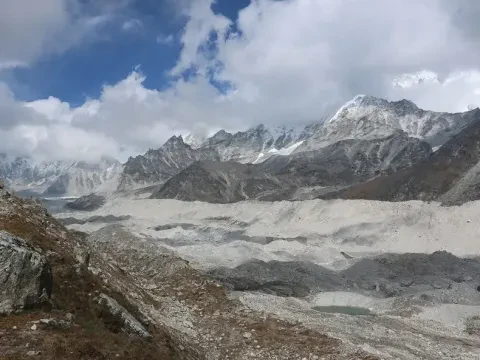
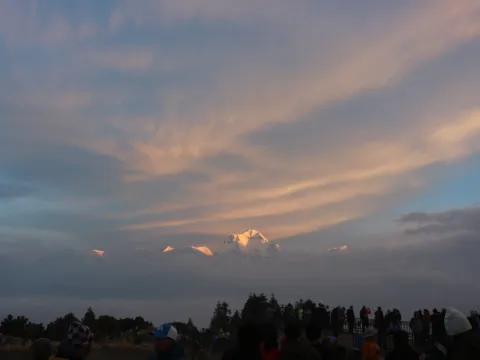
The 5 popular places to visit near Poon Hill are Tatopani, Kali Gandaki Gorge, Muldai Hill, Ghandruk and Jhinu Hot Spring. If you have around 8-10 days to spend near Pokhara and Poon Hill, you will truly enjoy the whole Annapurna region at once. Most importantly, the mountain views, sunrise and sunsets, deep gorges, natural hot springs, authentic Nepali culture and natural hot spring are the major highlights of this trip.
Have a question before you book? Send your enquiry below and our travel experts will get back with the required information.